

bting English - Trading English
Catalogs and Business
App
Trading English is the language to adapt to working life requirements for the purpose of covering...

Peter Shephard (2822 KP) rated Terraforming Mars: Colonies in Tabletop Games
Jun 4, 2019
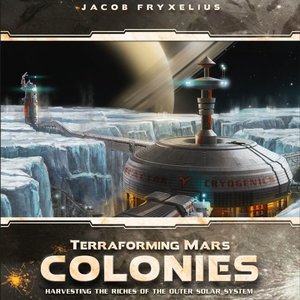


The mechanic for sending out the trade fleet is simple and straightforward; the benefits of trading are suitably varied and worthwhile, especially if you manage to get a good supply of Energy. With a 1-2 player game, having a colony is a bit of hit-and-miss; you dont gain the trade bonus if you trade with yourself, and unless your opponent REALLY wants your trade item, they wont trade with you. For a 3+ player game, it is absolutely worth it, as each colony can only trade with 1 fleet, and with only 2 more outposts than players (normally), it can get a bit crowded in the outer solar system.
There are also enough Colonies that it is unlikely that you will play the same game twice (10 or 12, if I remember right!).
Apart from Prelude, in my opinion, Colonies adds the most variation to the base game, and is well worth adding.
Fallen Land: A Post Apocalyptic Board Game
9.0 Rate It
Tabletop Game
Set in a post-apocalyptic sci-fi setting, Fallen Land: A Post Apocalyptic Board Game is a hybrid...

Critical Missions: SWAT Lite
Games
App
Now with free multiplayer! FPS fans, the moment you have been waiting for has finally arrived!...

Purple Phoenix Games (2266 KP) rated Blue Moon City in Tabletop Games
Aug 27, 2021
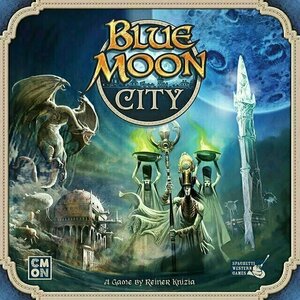
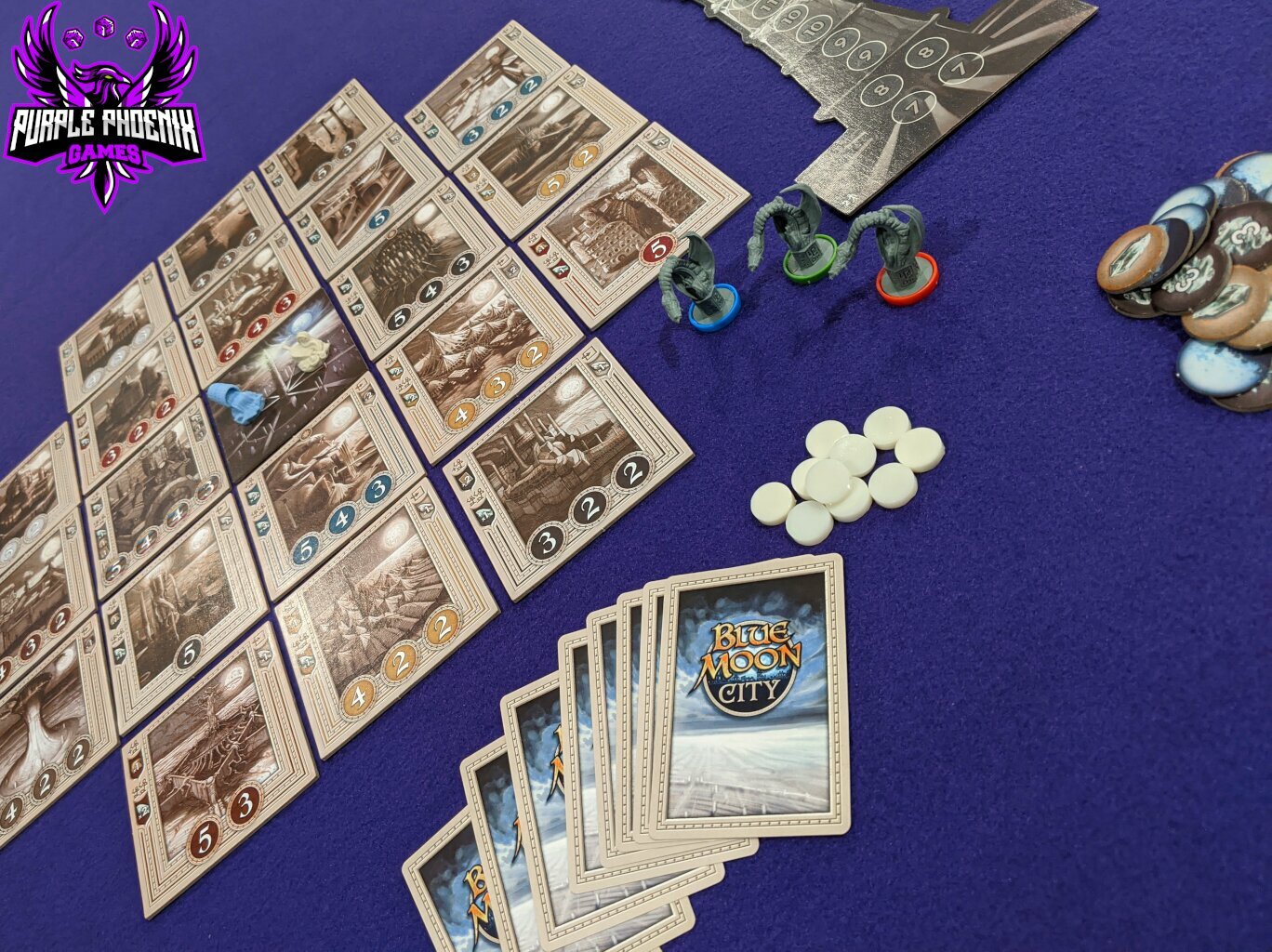
Blue Moon City is a fantasy-set, hand management, set collection, city rebuilding game for two to four players. In it players are attempting to help reconstruct the war-ravaged Blue Moon City to its former glory by utilizing its citizens at crucial construction sites in order to earn crystals. It sounds weird, and it is, but read further to understand why. Oh and there are dragons that act like supervisors or teachers when they come stand by you to watch you take a test and judge you from behind the whole time.
To setup, place the Courtyard tile in the middle of the table and build the city in a 5×5 grid minus the corner tiles. Each player chooses their color and takes the mini and discs of that color. Place the dragons nearby, along with the Obelisk token, draw deck of cards, crystal chits, and dragon scale chits. Deal each player a hand of eight cards and the game may begin!
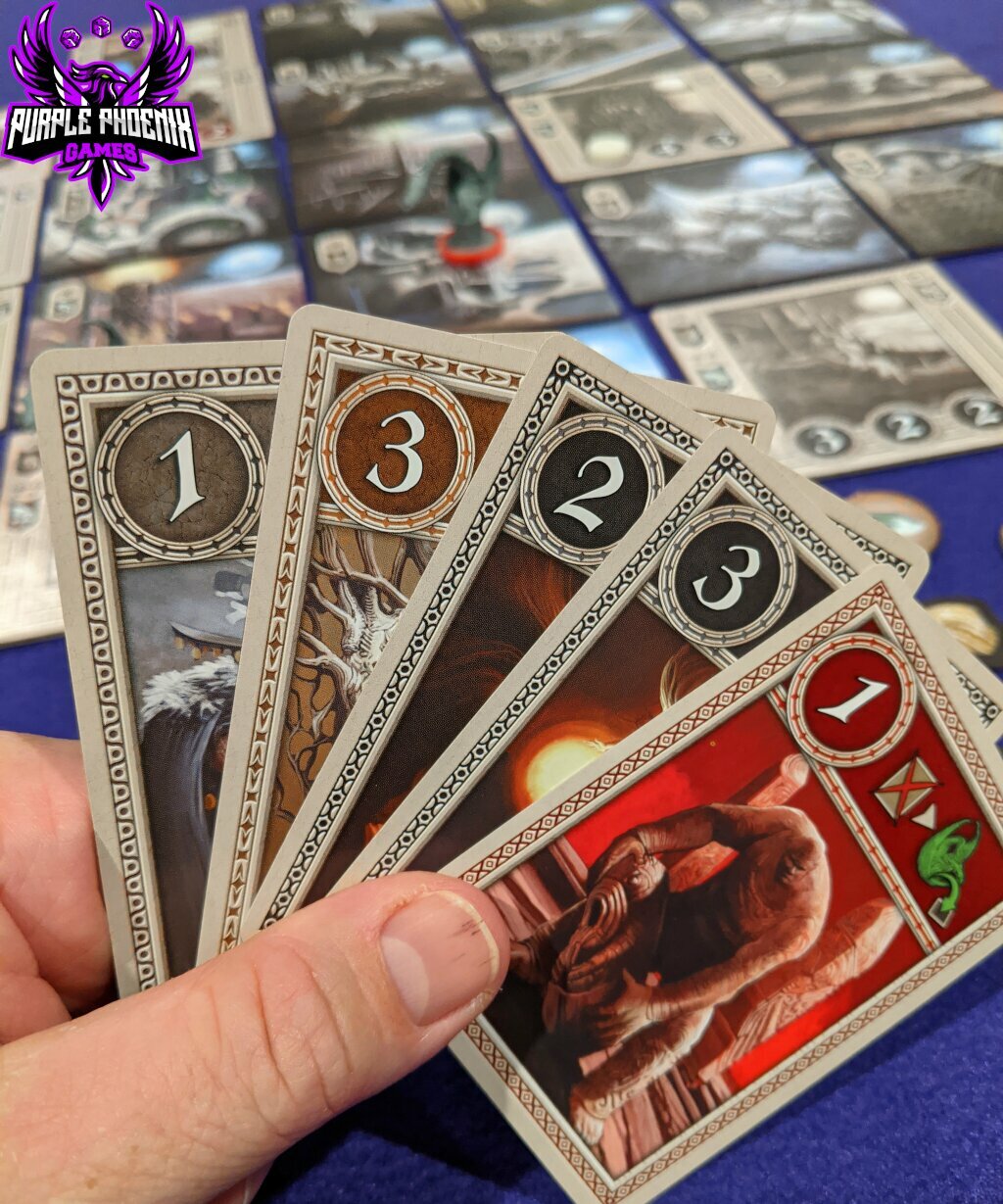
Blue Moon City is played over a series of turns, and each turn is divided into four phases: Movement, Contribution, Reset, Pass Turn. During the optional Movement phase, a player may move their pawn one to two orthagonal spaces (N/E/S/W) or use cards from their hand for their special movement powers for player pawn AND/OR dragon movement.
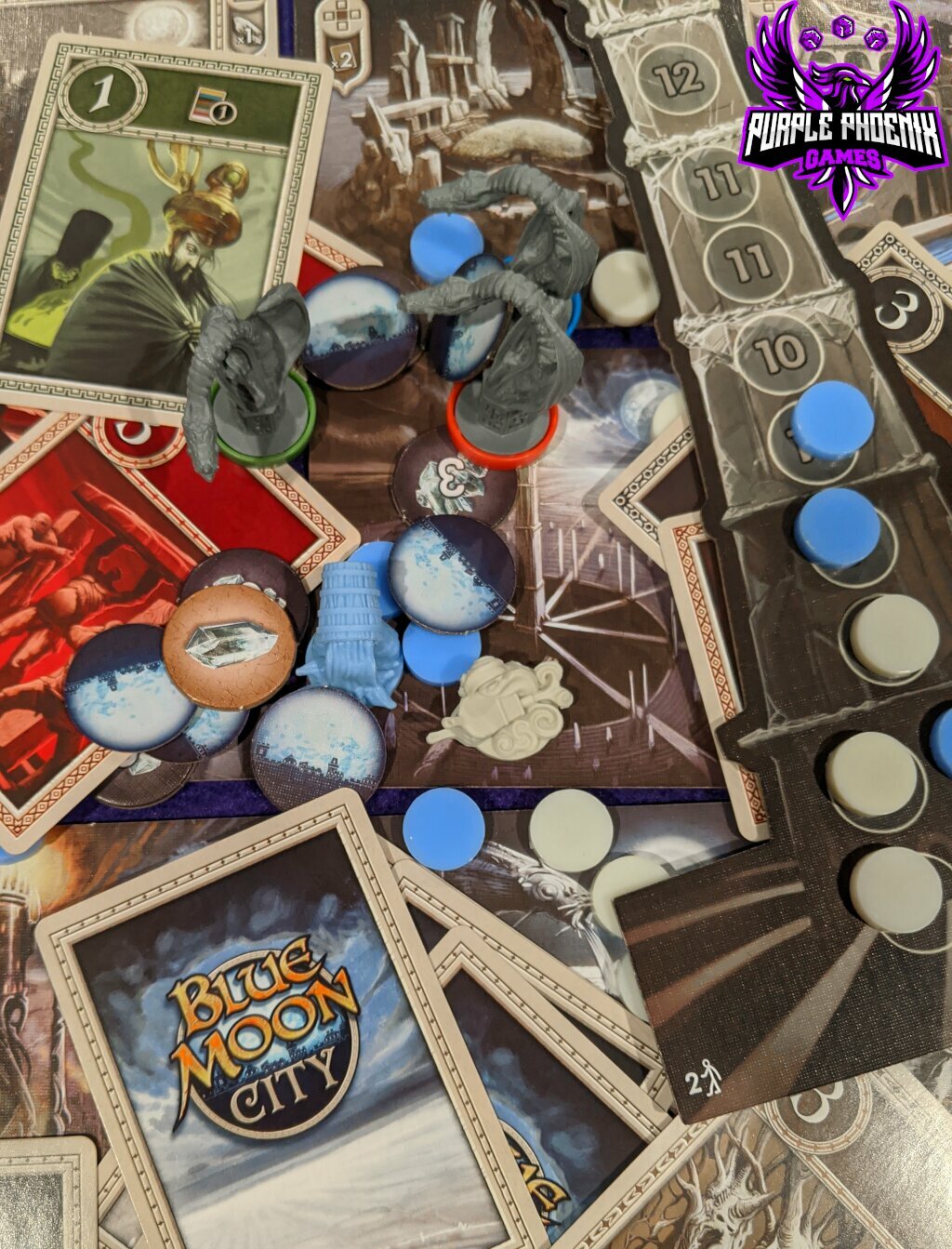
Next, a player may discard cards from their hand to contribute to the reconstruction of a building during this optional Contribution phase. By discarding a number of cards whose values equal or exceed the printed value on the matching-colored building tile a player will be able to place a disc upon the tile. Once the tile’s contribution spaces have been filled with discs it can be scored. To score a building tile, determine majority presence on the tile and award the Majority Bonus to that player. Any disc presence in minority will receive the Construction Bonus, including the majority winner. If a player had contributed on a tile that also was hosting a dragon mini, that player would earn a dragon scale from said dragon supervisor. Players may also make their way back to the Courtyard tile in order to donate crystals to the Obelisk. Doing so will allow the player to place one of their discs on the Obelisk itself, and the game ends when a player has placed the proper number of discs upon the Obelisk per the number of players.
When the pile of dragon scale tokens has been exhausted, players will check who currently holds the majority of scales. They will be awarded with six crystals, and any player holding three or more will receive three crystals. Turn all the dragon scales back into the supply to be earned again.
During the Reset phase a player may discard any number of cards from their hand and draw back as many cards plus two. So if a player discards zero cards from hand they would still draw two from the deck. Discarded four cards? Well redraw six.
Finally the active player will Pass Turn to the player on their left, who will complete their turn of the same four phases.
Play continues in this fashion until one player has placed the target number of discs on the Obelisk token to claim victory and dragon approval!
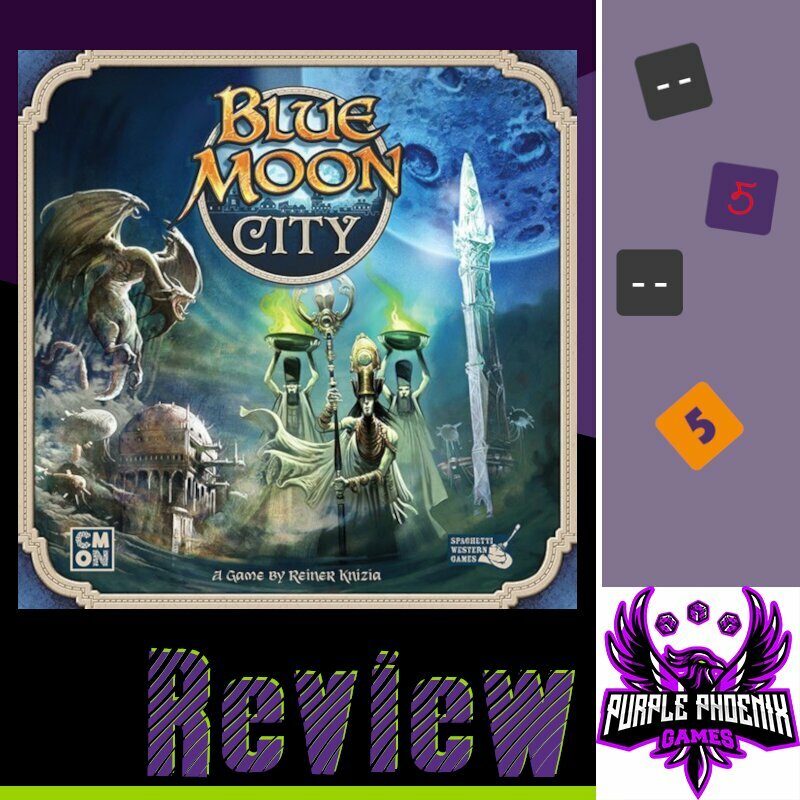
Components. Okay, this is a tough one because overall I love the components in the game. The dragons and player pawns are cool minis (from CMON that just makes sense). The Obelisk token is huge and I love how it looks. The art overall is really creepy, but well done, and enjoyable to behold. The player discs, though poo-pooed by other more-renowned reviewers, I find to be just fine. They are a smooth plastic in the player color and I have no problems with their quality. But speaking of colors… I agree with others that have stated the colors of some cards (or suits, if you prefer) should have been made a different color. What I mean is that the game is very greige-heavy throughout. The card suits (except the red, yellow, and blue) are a variation of the same greige that makes eyes strain to determine exactly which color they are holding. I understand that a certain aesthetic was targeted, and they certainly achieved that, but these colors do make it more difficult to play, especially for us that are starting to over-ripen with age.
Those component gripes aside, this is an incredible game. The color choices aside, I love everything about it! The movement from tile to tile, and trying to align movement with the cards in hand and keeping some back so that you can use them to move the dragon to your spot as well is just fun mental exercise. Each value 1 and 2 card has a special ability, be it movement bonuses, changing other cards’ colors, or just being straight up wild cards, and having to choose to use the cards as either the special power or for contribution values creates tons of crunchy gamer choices. Not super-crunchy. Turns won’t be mentally debated for 10 minutes, but deciding how best to use the hand of cards you hold is great.
I also very much enjoy the theme of the game, even though I was hoodwinked by the title (not really, just trying to tie it all back). I love fantasy worlds and having a unique theme is a definite plus for me. I haven’t yet thrown in the expansion tiles, but I will the next time I play. If you need a relatively quick-playing jaunt through a ravaged city, I recommend you check out Blue Moon City. Purple Phoenix Games give it a 10 / 12. It has nothing to do with beer, which would be another great theme idea – drunken dragons – but I will be holding onto this one for quite a while.
Maximus Draughts
Games and Education
1.0 Rate It
App
Enjoy the game of international draughts (or 10x10 checkers) at a yet unprecedented level for...

Cricket Captain 2015
Games and Sports
App
As the Australians arrive on the shores of England ahead of the 2015 series, Cricket Captain is...
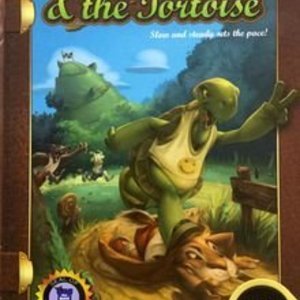
Tales & Games: The Hare & the Tortoise
6.5 Rate It
Tabletop Game
The Hare & the Tortoise, originally published as Royal Turtle, is a card-driven betting game about...

Remembering Places: The Autobiography of Joseph Rykwert
Book
Born in Warsaw in 1926, Joseph Rykwert is one of the best-known critics and historians of...
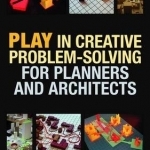
Play in Creative Problem-Solving for Planners and Architects
Book
In Play in Creative Problem-solving for Planners and Architects, "play" is defined, explored and...