
Search
Search results

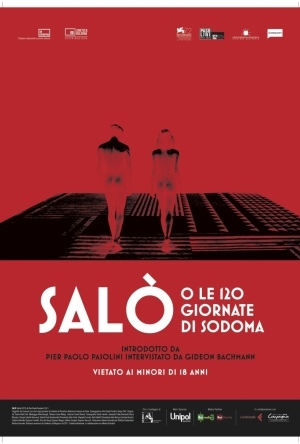
Bertrand Bonello recommended Salò, or the 120 Days of Sodom (1975) in Movies (curated)


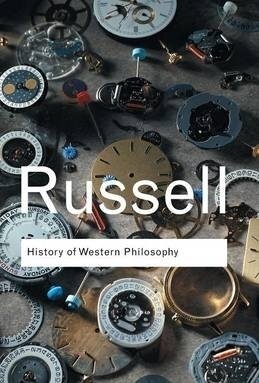
Viggo Mortensen recommended History of Western Philosophy in Books (curated)

Isaac Mizrahi recommended The Rest is Noise: Listening to the Twentieth Century in Books (curated)

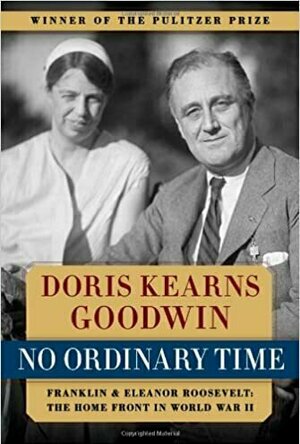
Martin Short recommended No Ordinary Time: Franklin and Eleanor Roosevelt: The Home Front in World War II in Books (curated)

Steve Fearon (84 KP) rated A Party with Socialists in It: A History of the Labour Left in Books
Sep 11, 2018

Great and detailed history of the Labour Party and its origins (1 more)
Helps identify trends and patterns to the Labour Party Culture
The History, and Lessons of the Labour Party
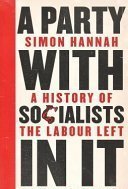
After reading 'The Candidate', my lovely girlfriend got me this as a follow-up to allow me to learn more about the history of the left in the UK from the start of the 20th Century.
This book is very much a left-wing view of Labour's history, and does a good job of describing the main flag bearers and saboteurs of the worker focused socialist movements.
It helps trace the current Labour makeup back through the ages, via Benn, Bevan etc and gives a very good account of the many internal battles and compromises that took place through the 20th Century as the various power plays and world events echo Game Of Thrones at times.
Its also an important indicator of where power has corrupted idealogues of the past, and how it is often the working people that are the ones that pay the price for hubris (I am looking at you Kinnock!).
One for politico's only, not a casual read, but if you have an interest, do please check it out, there is a lot here to gain!
This book is very much a left-wing view of Labour's history, and does a good job of describing the main flag bearers and saboteurs of the worker focused socialist movements.
It helps trace the current Labour makeup back through the ages, via Benn, Bevan etc and gives a very good account of the many internal battles and compromises that took place through the 20th Century as the various power plays and world events echo Game Of Thrones at times.
Its also an important indicator of where power has corrupted idealogues of the past, and how it is often the working people that are the ones that pay the price for hubris (I am looking at you Kinnock!).
One for politico's only, not a casual read, but if you have an interest, do please check it out, there is a lot here to gain!

Eilidh G Clark (177 KP) rated Beside the Ocean of Time in Books
Jul 2, 2019

This is a brilliant, emotional and pretty book
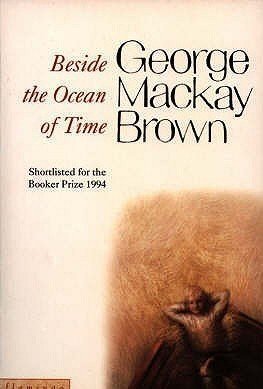
This is a beautiful novel. I found it slow to begin with but it is worth while persisting. The story centres around the inhabitants of the isle of Norday is the North of Scotland in the early 20th century. The protagonist Thorfinn Ragnarson is a bit of a daydreamer and his thoughts and dreams are narrated within the novel. This allows Brown to explore a rich and sentimental Scottish history whilst capturing the beauty and untouched lives of these rural Scottish farmers. Furthermore, the novel explores the effects of the Second World War and its devastation on these simple folks. Lovely.

Matthew Weiner recommended And Now My Love (1974) in Movies (curated)

Paige (428 KP) rated The Art Book in Books
Jul 28, 2017
Great for beginners and fledgling art history buffs.
So this book has artist in alphabetical order, one per page. On each page, there is an example of their work and a small snippet of biography and explanation of the piece.
Simple idea, brilliant entrance to art for someone who doesn't know where to begin.
This helped me study it in a general way as a teen. I got familiar with some of what I liked. It made me comfortable with art in a lot of ways. It expanded my horizons and made me less intimidated by the vastness of all I had to learn.
There is a series of these- The 20th Century Art Book, The Photography Book, and The American Art Book (for some reason they changed the format on this particular one and made it sort of useless)
Simple idea, brilliant entrance to art for someone who doesn't know where to begin.
This helped me study it in a general way as a teen. I got familiar with some of what I liked. It made me comfortable with art in a lot of ways. It expanded my horizons and made me less intimidated by the vastness of all I had to learn.
There is a series of these- The 20th Century Art Book, The Photography Book, and The American Art Book (for some reason they changed the format on this particular one and made it sort of useless)

Hazel (1853 KP) rated No More Than Mystic in Books
Sep 23, 2017

Russian Revolution
I received this book for free through Goodreads First Reads.
No Less Than Mystic: A Story of Lenin and the Russian Revolution for a 21st Century Left by John Medhurst is an in-depth historical and political insight to the truth about what really happened in Russia before, during and after the Bolshevik insurrection of October 1917. Beginning with the end of the Tsars rule and ending with Stalinism, Medhurst unearths the fact from the fiction, challenging the information the world has been led to believe.
As mentioned in Medhurst lengthy introduction, previous books on the subject are often biased and inaccurate. Swayed by political beliefs, authors and historians often pass judgement by using the information they have chosen to believe, dismissing anything that goes against their viewpoint. In this book, Medhurst filters through these false histories, preferring to cite from publications written at the time rather than those penned by people who did not witness the events between 1903 and 1921.
Medhurst’s narrative is more political than historical, often going off on tangents. In order to for the reader to obtain some sort of connection with the events described, the author contrasts them with more recent occurrences that readers may have observed or at least understand. These include the British miner’s strike, feminist movements, the Greek economy and a variety of other capitalist struggles.
The Russian revolution is a complex affair that cannot easily be condensed. As a result, No More Than Mystic exceeds 600 pages and covers every event, no matter how big or small, that contributed to the rise of USSR. Russia was a dangerous place to live during the 20th century, particularly when Leninism spiralled into Stalinism. However, Leninism was not all the history books make it out to be.
During GCSE History, one teacher led his class to believe that Lenin was good and Stalin was bad, however, the reality was much more complicated than that. Lenin was not the good guy that many painted him to be. Thousands died as a result of his policies from both execution and starvation. Yet, at the same time, Medhurst tries to point out the reasoning behind the ideas of the communist rulers, refusing to give a personal opinion without laying bare both sides of the argument.
Although this book is accurate and educational, it is not the easiest to sit down and read. Extensive chapters full of mind-numbing information detract from the comprehensive insightfulness of the content. Notwithstanding the fact that the inclusion of contrasting capitalist examples helps the reader to establish some form of familiar ground, the sudden changes in topic, location and time period are often confusing and hard to follow.
No Less Than Mystic is for the intellectual person with a great interest in 20th-century Russian history and communist affairs. Without any prior education on the topic, this book will not mean anything. It attempts to challenge the ingrained beliefs people have about what happened during the Bolshevik insurrection. Those who do not know anything will not benefit from the confronting enlightenment.
In all, No Less Than Mystic is a well-researched academic text that brings a fresh history of Lenin and the Russian Revolution. Those who want an unbiased truth need to read this book and be sceptical about any other on the topic. In order to form opinions, one must know the facts.
No Less Than Mystic: A Story of Lenin and the Russian Revolution for a 21st Century Left by John Medhurst is an in-depth historical and political insight to the truth about what really happened in Russia before, during and after the Bolshevik insurrection of October 1917. Beginning with the end of the Tsars rule and ending with Stalinism, Medhurst unearths the fact from the fiction, challenging the information the world has been led to believe.
As mentioned in Medhurst lengthy introduction, previous books on the subject are often biased and inaccurate. Swayed by political beliefs, authors and historians often pass judgement by using the information they have chosen to believe, dismissing anything that goes against their viewpoint. In this book, Medhurst filters through these false histories, preferring to cite from publications written at the time rather than those penned by people who did not witness the events between 1903 and 1921.
Medhurst’s narrative is more political than historical, often going off on tangents. In order to for the reader to obtain some sort of connection with the events described, the author contrasts them with more recent occurrences that readers may have observed or at least understand. These include the British miner’s strike, feminist movements, the Greek economy and a variety of other capitalist struggles.
The Russian revolution is a complex affair that cannot easily be condensed. As a result, No More Than Mystic exceeds 600 pages and covers every event, no matter how big or small, that contributed to the rise of USSR. Russia was a dangerous place to live during the 20th century, particularly when Leninism spiralled into Stalinism. However, Leninism was not all the history books make it out to be.
During GCSE History, one teacher led his class to believe that Lenin was good and Stalin was bad, however, the reality was much more complicated than that. Lenin was not the good guy that many painted him to be. Thousands died as a result of his policies from both execution and starvation. Yet, at the same time, Medhurst tries to point out the reasoning behind the ideas of the communist rulers, refusing to give a personal opinion without laying bare both sides of the argument.
Although this book is accurate and educational, it is not the easiest to sit down and read. Extensive chapters full of mind-numbing information detract from the comprehensive insightfulness of the content. Notwithstanding the fact that the inclusion of contrasting capitalist examples helps the reader to establish some form of familiar ground, the sudden changes in topic, location and time period are often confusing and hard to follow.
No Less Than Mystic is for the intellectual person with a great interest in 20th-century Russian history and communist affairs. Without any prior education on the topic, this book will not mean anything. It attempts to challenge the ingrained beliefs people have about what happened during the Bolshevik insurrection. Those who do not know anything will not benefit from the confronting enlightenment.
In all, No Less Than Mystic is a well-researched academic text that brings a fresh history of Lenin and the Russian Revolution. Those who want an unbiased truth need to read this book and be sceptical about any other on the topic. In order to form opinions, one must know the facts.
Hazel (1853 KP) rated No More Than Mystic in Books
Dec 7, 2018
<i>I received this book for free through Goodreads First Reads.
No Less Than Mystic: A Story of Lenin and the Russian Revolution for a 21st Century Left</i> by John Medhurst is an in-depth historical and political insight to the truth about what really happened in Russia before, during and after the Bolshevik insurrection of October 1917. Beginning with the end of the Tsars rule and ending with Stalinism, Medhurst unearths the fact from the fiction, challenging the information the world has been led to believe.
As mentioned in Medhurst lengthy introduction, previous books on the subject are often biased and inaccurate. Swayed by political beliefs, authors and historians often pass judgement by using the information they have chosen to believe, dismissing anything that goes against their viewpoint. In this book, Medhurst filters through these false histories, preferring to cite from publications written at the time rather than those penned by people who did not witness the events between 1903 and 1921.
Medhurst’s narrative is more political than historical, often going off on tangents. In order to for the reader to obtain some sort of connection with the events described, the author contrasts them with more recent occurrences that readers may have observed or at least understand. These include the British miner’s strike, feminist movements, the Greek economy and a variety of other capitalist struggles.
The Russian revolution is a complex affair that cannot easily be condensed. As a result, <i>No More Than Mystic</i> exceeds 600 pages and covers every event, no matter how big or small, that contributed to the rise of USSR. Russia was a dangerous place to live during the 20th century, particularly when Leninism spiralled into Stalinism. However, Leninism was not all the history books make it out to be.
During GCSE History, one teacher led his class to believe that Lenin was good and Stalin was bad, however, the reality was much more complicated than that. Lenin was not the good guy that many painted him to be. Thousands died as a result of his policies from both execution and starvation. Yet, at the same time, Medhurst tries to point out the reasoning behind the ideas of the communist rulers, refusing to give a personal opinion without laying bare both sides of the argument.
Although this book is accurate and educational, it is not the easiest to sit down and read. Extensive chapters full of mind-numbing information detract from the comprehensive insightfulness of the content. Notwithstanding the fact that the inclusion of contrasting capitalist examples helps the reader to establish some form of familiar ground, the sudden changes in topic, location and time period are often confusing and hard to follow.
<i>No Less Than Mystic </i>is for the intellectual person with a great interest in 20th-century Russian history and communist affairs. Without any prior education on the topic, this book will not mean anything. It attempts to challenge the ingrained beliefs people have about what happened during the Bolshevik insurrection. Those who do not know anything will not benefit from the confronting enlightenment.
In all, <i>No Less Than Mystic</i> is a well-researched academic text that brings a fresh history of Lenin and the Russian Revolution. Those who want an unbiased truth need to read this book and be sceptical about any other on the topic. In order to form opinions, one must know the facts.
No Less Than Mystic: A Story of Lenin and the Russian Revolution for a 21st Century Left</i> by John Medhurst is an in-depth historical and political insight to the truth about what really happened in Russia before, during and after the Bolshevik insurrection of October 1917. Beginning with the end of the Tsars rule and ending with Stalinism, Medhurst unearths the fact from the fiction, challenging the information the world has been led to believe.
As mentioned in Medhurst lengthy introduction, previous books on the subject are often biased and inaccurate. Swayed by political beliefs, authors and historians often pass judgement by using the information they have chosen to believe, dismissing anything that goes against their viewpoint. In this book, Medhurst filters through these false histories, preferring to cite from publications written at the time rather than those penned by people who did not witness the events between 1903 and 1921.
Medhurst’s narrative is more political than historical, often going off on tangents. In order to for the reader to obtain some sort of connection with the events described, the author contrasts them with more recent occurrences that readers may have observed or at least understand. These include the British miner’s strike, feminist movements, the Greek economy and a variety of other capitalist struggles.
The Russian revolution is a complex affair that cannot easily be condensed. As a result, <i>No More Than Mystic</i> exceeds 600 pages and covers every event, no matter how big or small, that contributed to the rise of USSR. Russia was a dangerous place to live during the 20th century, particularly when Leninism spiralled into Stalinism. However, Leninism was not all the history books make it out to be.
During GCSE History, one teacher led his class to believe that Lenin was good and Stalin was bad, however, the reality was much more complicated than that. Lenin was not the good guy that many painted him to be. Thousands died as a result of his policies from both execution and starvation. Yet, at the same time, Medhurst tries to point out the reasoning behind the ideas of the communist rulers, refusing to give a personal opinion without laying bare both sides of the argument.
Although this book is accurate and educational, it is not the easiest to sit down and read. Extensive chapters full of mind-numbing information detract from the comprehensive insightfulness of the content. Notwithstanding the fact that the inclusion of contrasting capitalist examples helps the reader to establish some form of familiar ground, the sudden changes in topic, location and time period are often confusing and hard to follow.
<i>No Less Than Mystic </i>is for the intellectual person with a great interest in 20th-century Russian history and communist affairs. Without any prior education on the topic, this book will not mean anything. It attempts to challenge the ingrained beliefs people have about what happened during the Bolshevik insurrection. Those who do not know anything will not benefit from the confronting enlightenment.
In all, <i>No Less Than Mystic</i> is a well-researched academic text that brings a fresh history of Lenin and the Russian Revolution. Those who want an unbiased truth need to read this book and be sceptical about any other on the topic. In order to form opinions, one must know the facts.