Search
Search results

Kirk Bage (1775 KP) rated The Mandalorian in TV
Jan 22, 2021 (Updated Jan 22, 2021)


Being a child of Star Wars, born in ’73, whose first memory of a cinema was A New Hope in ’77, of course the entire franchise is still close to my heart. I am no superfan, however. I do not need to remember every name of every character, or know the obscure names of planets to enjoy it. I remember that deeply competitive nature back in the playground – how important it was to prove Star Wars was yours by knowing more than any other kid! Fortunately I managed to let that go shortly after The Return of the Jedi. Ok, maybe 1995.
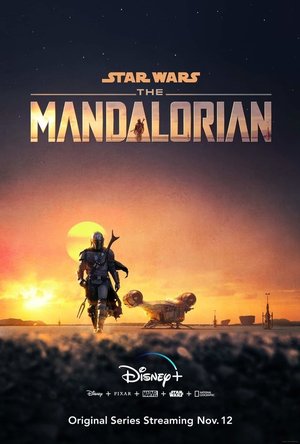
The Mandalorian is definitely for all Star Wars fans, but it is mostly for the kids that never grew up and need those details of “the canonical Star Wars” universe in their lives. And there are plenty of them. It is a geek’s wet dream! With chat rooms and fan sites going wild in debate and argument over the smallest of Easter eggs and hints to connections across the medium. As if this is a lost historical document that sheds light on the truth of many characters and events, that until now were shrouded in darkness and speculation only.
I find that phenomenon weird and a little creepy, but I do appreciate where it comes from. For me, I am merely glad it isn’t crap. It is nice to be in the Star Wars universe without holding your face in your hands for shame of lazy storytelling and moments that shit on the spirit of the original trilogy. The first thing that pleased me about The Mandolorian is how close it is in feel to the old school trilogy. In fact it surprised me, because, despite the very modern effects and full budget of Disney behind it, it feels very old fashioned, like a TV show from around 1986, maybe. And I wonder how they have achieved that every time I watch it. It has an intangible magic about it.
In fact, the feel of the show as a whole is often a little cheap, shockingly – the posters and toys and all associated media is as glossy and crisp as all money can afford, creating an image of the show that isn’t actually what the show is. In reality it is a cross between old spaghetti westerns, with The Mandalorian cast as The Man With No Name, and episodes of The A-Team or Knightrider. I kinda like it; very nostalgic, and a smart move by Jon Favreau and the other show-runners. It appeals to middle aged audiences and new alike, because it is a knowing hybrid of all things cool and nerdy!
Design-wise, the look of The Mandalorian himself is perfect fan bait and very cool. The music goes a long way to drawing you in – Ludwig Göransson, known for his work on Black Panther and Tenet, has hit on a career defining theme that blends Clint Eastwood and Star Wars in perfect harmony. I can’t imagine the show working half as well without that theme music! The spaceships and detail of every alien and weapon and costume is meticulous (if at times a little wobbly or cheap looking), and the wider feel of background and tertiary characters is pretty damn good.
But, let’s face it… The Mandalorian is the success it has been predominantly for one reason. I could give him his real name, but if you haven’t finished it yet that would count as a huge spoiler, so I will refer to him as The Child. The temptation to use the phrase Baby Yoda is hard to resist, and has been a cultural phenomenon that only comes along once or twice in a decade, but on this I agree with the fans: it is inaccurate and misleading. The Child is fine. It’ll do until you learn his true moniker.
In season one, where the build up of story, character and mystery is superb, we see very little of The Child at first. But we cannot take our eyes off him for every second he is on screen. The whole concept is so beyond cute and incredibly strong as a hook for a Star Wars story it is almost impossible not to squeal out loud at everything he does. Who is he? Why is he? What is he capable of? How will he fit in to the longterm idea for the story? So exciting, and total genius to keep everyone watching.
It isn’t all about The Child on his own though. It is about the unlikely symbiotic bond, like father and son, that develops between the tiny, vulnerable and childlike focal point, and the increasingly confident and loyal antihero, who will stop at nothing to protect his ward, as he struggles to find his own place in the universe. After a very short time, we care more about this relationship than 90% of all romances in all of TV history.
Through danger, mayhem and a touch of comedy, we grow to adore the two of them together, and can’t bear to think of them being apart. Some trick when you realise The Child is as much a mini-muppet style prosthetic as it is added CGI for expression and detail. Perhaps another callback to our 80s sensibilities, when we accepted ETs and Gremlins and all of the residents of Mos Eisley’s cantina as real without hesitation. It doesn’t have to look real, is the point, as long as it fits the story, is cool and is fun! Which The Child totally is – for entertainment value they have got the tone of the show so right.
What doesn’t hold up that strongly to critical scrutiny though is quite a lot of the scripts, the repetitive nature of the context of many episodes and missions the duo find themselves on, the mismatch quality of the guest directors abilities, and quite a lot of the dodgy acting by supporting characters. It’s as if at some production meeting at one early point they all said, look it’s Star Wars, we make the aliens and the spaceships and the weapons look good and we can’t fail… plus we have The Child and Boba Fett’s (yes, I know) armour, we can’t fail!
The basic storyline is enough to hook it on, just about, it is the detail that sometimes feels weak and lazy. But don’t worry, any minute something cool to look at and a big fight will happen, so we’re all good! I’m sure Pedro Pascal (the actor under the armour) can’t believe his luck! He is one of the biggest stars in TV all of a sudden, for basically doing a fairly monotone voice-over performance of some seriously dodgy dialogue. That is the magic of Star Wars.
So, I came to season one late, having no access at that time to Disney plus. In fact, I watched all of season one in a day the day before the launch of season two, so the switch to a new episode to look forward to suited me well. It gave me something to look forward to on a Friday between Halloween and Christmas. Trouble was that, although still having fun with the exploits of The Kid, I was starting to weary of the plotlines, and put my viewing on hold after S2E4 in favour of the far superior scripting of His Dark Materials on BBC.
I must have needed the hiatus, because when I came back to mop it up and finish season two a few days ago I realised that I had in fact missed it. It also helped that episode 5 onwards is when the season gets really good again. Rosario Dawson as Ashoka Tano (known well by fans of The Clone Wars) was a truly great addition that the show much needed by that point.
I had no trouble after that in bingeing to the end. You could feel a climax and a revelation coming, and although the character of Moff Gideon (Giancarlo Esposito) crumbled disappointly away into nothing much, the last 15 minutes of the final episode had me slack jawed in fan wonderment. I felt 9 years old again, and I loved it! I had been amazingly lucky not to stumble upon spoilers, I guess. Amazing ending, and all faults forgiven for that unforgettable moment and feel. Wonderful stuff!
To say any more, again, is to spoil. So, let’s just talk about it privately, or, you know, in about a year when season 3 is over and it is old news. Hmmm, season 3…? I wonder where they will take that now…? Actually, properly exciting, in a back in the playground kind of way.
The Mandalorian is definitely for all Star Wars fans, but it is mostly for the kids that never grew up and need those details of “the canonical Star Wars” universe in their lives. And there are plenty of them. It is a geek’s wet dream! With chat rooms and fan sites going wild in debate and argument over the smallest of Easter eggs and hints to connections across the medium. As if this is a lost historical document that sheds light on the truth of many characters and events, that until now were shrouded in darkness and speculation only.
I find that phenomenon weird and a little creepy, but I do appreciate where it comes from. For me, I am merely glad it isn’t crap. It is nice to be in the Star Wars universe without holding your face in your hands for shame of lazy storytelling and moments that shit on the spirit of the original trilogy. The first thing that pleased me about The Mandolorian is how close it is in feel to the old school trilogy. In fact it surprised me, because, despite the very modern effects and full budget of Disney behind it, it feels very old fashioned, like a TV show from around 1986, maybe. And I wonder how they have achieved that every time I watch it. It has an intangible magic about it.
In fact, the feel of the show as a whole is often a little cheap, shockingly – the posters and toys and all associated media is as glossy and crisp as all money can afford, creating an image of the show that isn’t actually what the show is. In reality it is a cross between old spaghetti westerns, with The Mandalorian cast as The Man With No Name, and episodes of The A-Team or Knightrider. I kinda like it; very nostalgic, and a smart move by Jon Favreau and the other show-runners. It appeals to middle aged audiences and new alike, because it is a knowing hybrid of all things cool and nerdy!
Design-wise, the look of The Mandalorian himself is perfect fan bait and very cool. The music goes a long way to drawing you in – Ludwig Göransson, known for his work on Black Panther and Tenet, has hit on a career defining theme that blends Clint Eastwood and Star Wars in perfect harmony. I can’t imagine the show working half as well without that theme music! The spaceships and detail of every alien and weapon and costume is meticulous (if at times a little wobbly or cheap looking), and the wider feel of background and tertiary characters is pretty damn good.
But, let’s face it… The Mandalorian is the success it has been predominantly for one reason. I could give him his real name, but if you haven’t finished it yet that would count as a huge spoiler, so I will refer to him as The Child. The temptation to use the phrase Baby Yoda is hard to resist, and has been a cultural phenomenon that only comes along once or twice in a decade, but on this I agree with the fans: it is inaccurate and misleading. The Child is fine. It’ll do until you learn his true moniker.
In season one, where the build up of story, character and mystery is superb, we see very little of The Child at first. But we cannot take our eyes off him for every second he is on screen. The whole concept is so beyond cute and incredibly strong as a hook for a Star Wars story it is almost impossible not to squeal out loud at everything he does. Who is he? Why is he? What is he capable of? How will he fit in to the longterm idea for the story? So exciting, and total genius to keep everyone watching.
It isn’t all about The Child on his own though. It is about the unlikely symbiotic bond, like father and son, that develops between the tiny, vulnerable and childlike focal point, and the increasingly confident and loyal antihero, who will stop at nothing to protect his ward, as he struggles to find his own place in the universe. After a very short time, we care more about this relationship than 90% of all romances in all of TV history.
Through danger, mayhem and a touch of comedy, we grow to adore the two of them together, and can’t bear to think of them being apart. Some trick when you realise The Child is as much a mini-muppet style prosthetic as it is added CGI for expression and detail. Perhaps another callback to our 80s sensibilities, when we accepted ETs and Gremlins and all of the residents of Mos Eisley’s cantina as real without hesitation. It doesn’t have to look real, is the point, as long as it fits the story, is cool and is fun! Which The Child totally is – for entertainment value they have got the tone of the show so right.
What doesn’t hold up that strongly to critical scrutiny though is quite a lot of the scripts, the repetitive nature of the context of many episodes and missions the duo find themselves on, the mismatch quality of the guest directors abilities, and quite a lot of the dodgy acting by supporting characters. It’s as if at some production meeting at one early point they all said, look it’s Star Wars, we make the aliens and the spaceships and the weapons look good and we can’t fail… plus we have The Child and Boba Fett’s (yes, I know) armour, we can’t fail!
The basic storyline is enough to hook it on, just about, it is the detail that sometimes feels weak and lazy. But don’t worry, any minute something cool to look at and a big fight will happen, so we’re all good! I’m sure Pedro Pascal (the actor under the armour) can’t believe his luck! He is one of the biggest stars in TV all of a sudden, for basically doing a fairly monotone voice-over performance of some seriously dodgy dialogue. That is the magic of Star Wars.
So, I came to season one late, having no access at that time to Disney plus. In fact, I watched all of season one in a day the day before the launch of season two, so the switch to a new episode to look forward to suited me well. It gave me something to look forward to on a Friday between Halloween and Christmas. Trouble was that, although still having fun with the exploits of The Kid, I was starting to weary of the plotlines, and put my viewing on hold after S2E4 in favour of the far superior scripting of His Dark Materials on BBC.
I must have needed the hiatus, because when I came back to mop it up and finish season two a few days ago I realised that I had in fact missed it. It also helped that episode 5 onwards is when the season gets really good again. Rosario Dawson as Ashoka Tano (known well by fans of The Clone Wars) was a truly great addition that the show much needed by that point.
I had no trouble after that in bingeing to the end. You could feel a climax and a revelation coming, and although the character of Moff Gideon (Giancarlo Esposito) crumbled disappointly away into nothing much, the last 15 minutes of the final episode had me slack jawed in fan wonderment. I felt 9 years old again, and I loved it! I had been amazingly lucky not to stumble upon spoilers, I guess. Amazing ending, and all faults forgiven for that unforgettable moment and feel. Wonderful stuff!
To say any more, again, is to spoil. So, let’s just talk about it privately, or, you know, in about a year when season 3 is over and it is old news. Hmmm, season 3…? I wonder where they will take that now…? Actually, properly exciting, in a back in the playground kind of way.
Purple Phoenix Games (2266 KP) rated VENOM Assault in Tabletop Games
Jan 25, 2021
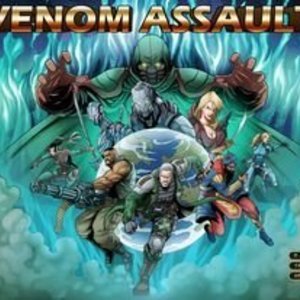

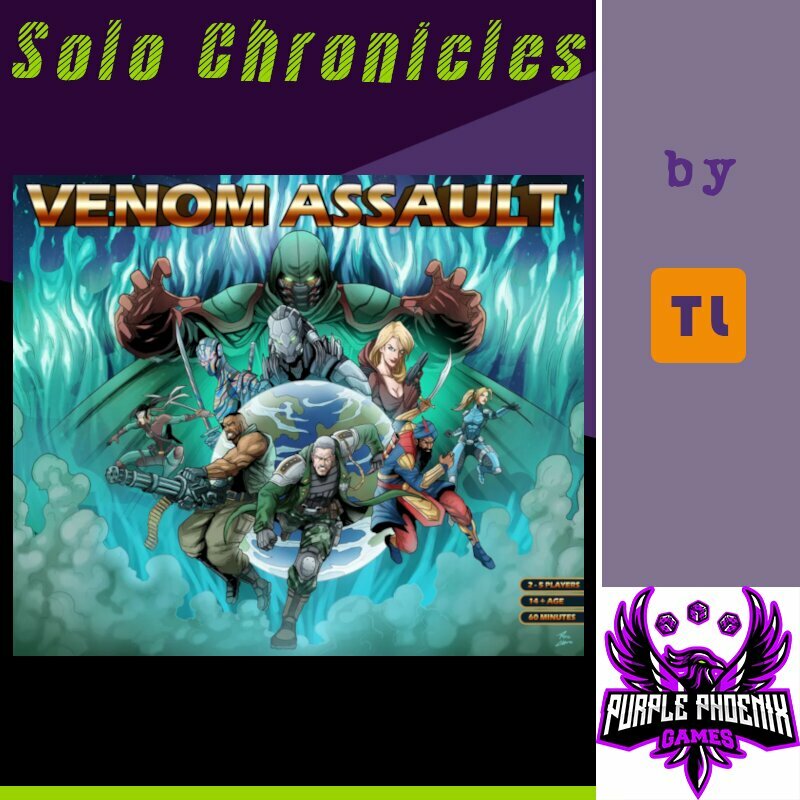
What would you say if I told you I completely expected a game I received to fall completely flat for me but instead may actually unseat a revered similar game from my Top 10 list of games? That would be surprising, right? Well such is life, and such is this game. I do believe that VENOM Assault may knock off one of my favorite games: Legendary: A Marvel Deck-Building Game. That’s really saying something from me, so let me discuss a bit about why I state this.
VENOM Assault is a deck-building game very similar in style to Legendary: A Marvel Deck-Building Game (which, if I have to reference again will just call Legendary). Players take control of a team of (relative) wimps in order to help recruit the real elites and battle the evildoers plus their henchmen. Sound familiar? For this review I will be playing the Solo rules, which are the same as the multiplayer rules, but for one player. Novel, eh?
DISCLAIMER: We were provided a copy of this game for the purposes of this review. This is a retail copy of the game, so what you see in these photos is exactly what would be received in your box. I do not intend to cover every single rule included in the rulebook, but will describe the overall game flow and major rule set so that our readers may get a sense of how the game plays. For more in depth rules, you may purchase a copy online or from your FLGS. -T
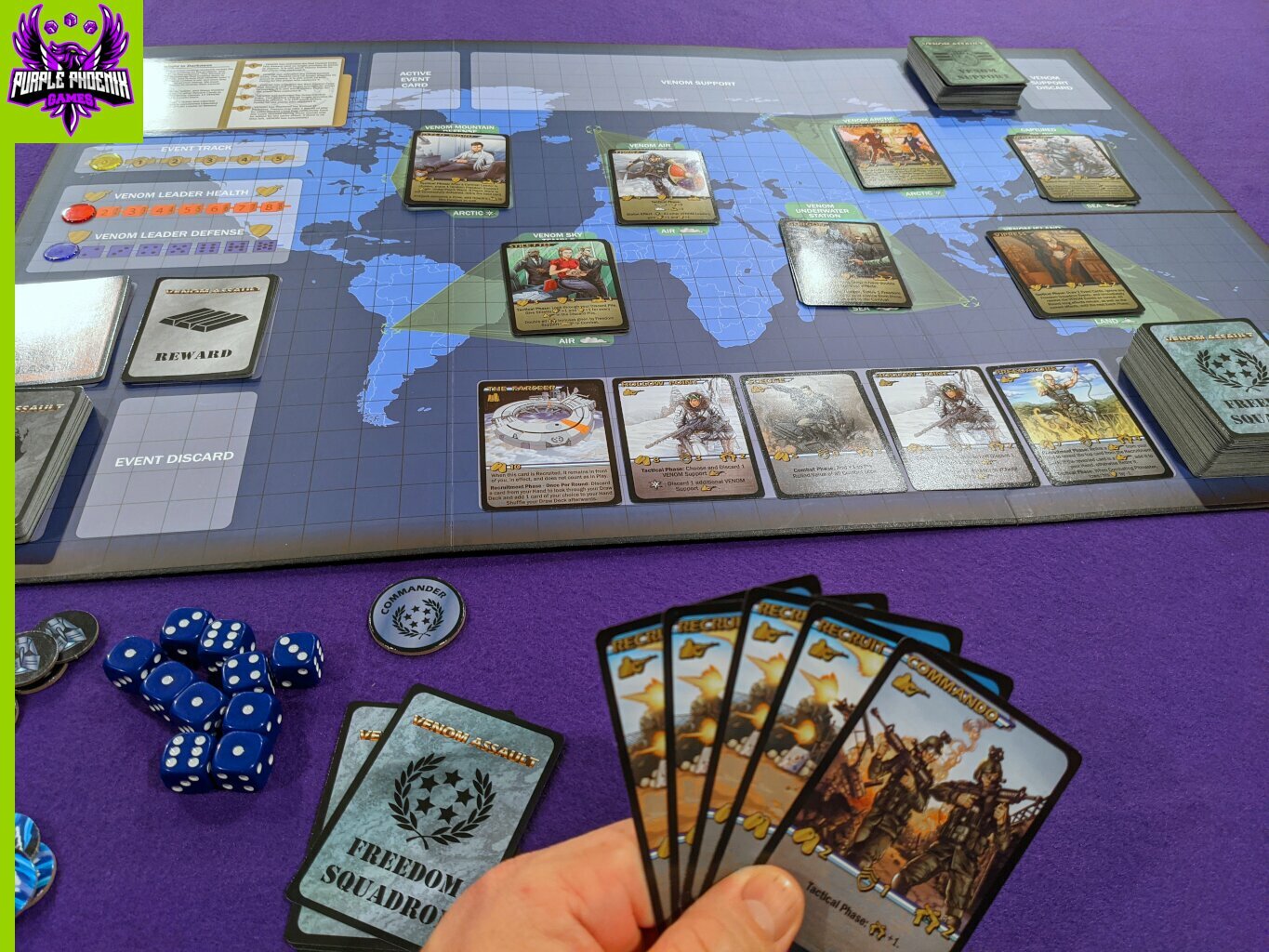
To setup a game, please follow the rulebook as there is way too much to cover here in complete detail. The setup should look similar to the following photo. Here is what you will see: a space for the Mission scenario in the upper left corner. To its right a space for the active Event card. Next to that is the area for the VENOM Support cards to be displayed. Then the VENOM Support deck and discard areas. Below the Mission area is the space to track threat level and the current VENOM Leader’s Health and Defense values. Beneath those trackers is an area for four decks: the VENOM Leader deck, Reward deck, Event deck, and Event discard. To the right of this area is the Training Ground (recruitment zone), the Recruitment deck, and the Retirement pile. In the middle of the board are seven spaces to be populated with Reward cards and VENOM Leaders on top of the Rewards. Each player is dealt six Recruits and four Commandos and will shuffle these to create their draw deck. The players then draw five cards to create their hand and the game may now begin! Go save the world!
I will not be covering every aspect of a turn but will highlight the goings on. The Commander (first player) will draw and read the Event for the round. Events can be helpful for the players, extremely hurtful by advancing the VENOM plot, or even uneventful altogether. Next, player(s) will enter the Recruitment Phase. During this phase players will be using their entire hand to total the recruitment points that can be spent on recruiting those elite soldier, vehicle, and location cards from the Training Ground right into their discard piles.
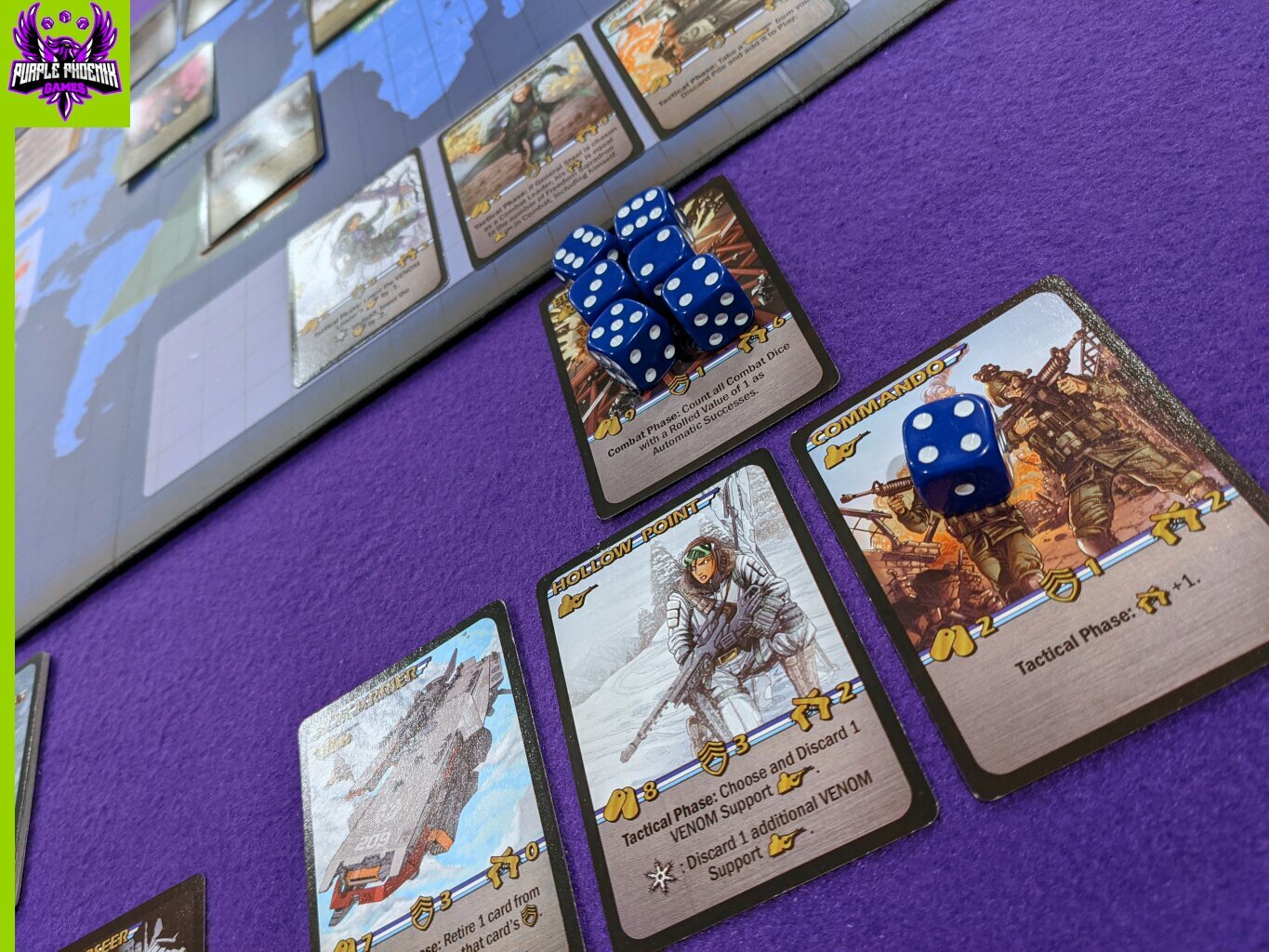
Once the Recruitment Phase is complete, the Tactical Phase begins, and this is a large part of the game that helps differentiate it from others of its like. The players will choose one of the seven revealed VENOM Leaders on the map to attack in combat (if they choose – this is optional). Using the stats on the VENOM Leader card the players will adjust the Health and Defense values on the trackers on the board. If the VENOM Leader has any abilities that would trigger during this phase, then they trigger now. These could include Global Abilities as well. Once the Leader is done with their abilities, the players will choose one of their cards played to become the Combat Leader. This character now may not use their printed ability but will use their Combat Value (crossed pistols) to place combat dice on their card. The other team members in the combat will add dice to the pool as well if their abilities direct them. Next, the VENOM Leader will call forth their VENOM Support armies to aid them in the combat round. Once displayed, any hero Tactical Phase abilities can be resolved. If VENOM Support armies still are active, their abilities may be resolved at this point.
As the Tactical Phase ends, the Combat Phase begins. The Combat Phase is where the players are able to roll their combat dice in the hopes of besting the VENOM Leader’s Health and Defense values. Defense values dictate the dice values that need to be hit or exceeded to equal a successful attack. The Health value is how many successes are needed to defeat the Leader. However, once rolled the VENOM Leader will trigger any Combat Phase abilities at this time. Once complete the hero team will be able to resolve their own Combat Phase abilities, if any. Finally, the VENOM Support will resolve their Combat Phase abilities. Now the dice may be completely resolved against the Leader, after all abilities have been resolved. If the Freedom Squadron (heroes) defeated the Leader, they take the Leader and Reward cards into their VP pile. Depending on the Mission, these Rewards may be necessary to win the game, and all will have VP values.
After a lengthy Tactical and Combat Phase, the players then enter the Retirement Phase. The players may retire a card from their hand, thus removing the card from the game entirely.
Once a card has been retired (or not), the End of Turn Phase will help clean up the mess of the current round. Any other End of Turn Phase abilities will trigger, and used cards will be discarded to the appropriate areas and refills of key points on the board and players’ hands will setup the next round of play.
Once the Mission card’s success or failure stipulations have been met the game is over and, with any luck, the Freedom Squadron has defeated VENOM once and for all!
Components. This game boasts a large game board, a metric ton of cards, some dice, and some cardboard tokens. All the components are of fine quality and I have no issues with them. The art style used in the game is pleasing and, thankfully, not over-the-top gory or bloody or anything.
You may have noticed or thought that perhaps this game is taking inspiration from a cartoon/toy line from the ’80s, and I would very much agree with you. Could it be called Legendary: G.I. Joe? Maybe, but this one stands on its own, though very similar to the Legendary system. What I do like about VENOM Assault is the fact that it already comes with a large amount of incredible cards to be recruited. I do not know if I will ever feel the need for extra heroes in this game, whereas with the Marvel Legendary one can really go overboard trying to collect all the mini expansions and big box expansions just to find their favorite Marvel entities. Since VENOM Assault isn’t tied to any specific IP and is more generic overall, each character provided is its own thing, not a specific hero that one has grown up loving their entire life.
You see, the problem with those mini expansions in Legendary, at least for me, is that each one brings with it a host of heroes AND a host of new keywords and rules that must be remembered or referenced until it becomes second nature. In VENOM Assault, the rules stay the same and play is altered by the Missions and which characters can be recruited. I like a more reliable and static ruleset when I’m playing an intense game. So point goes to VENOM Assault here too.
Now, I was never into G.I. Joe and I am not at all a war or guns kinda guy, but I am really attracted to this game. I don’t necessarily think of my heroes as going in and shooting the place up, but rather taking Navy Seals-style tactical maneuvers to eliminate the target. So the point is that if you were never into that IP before, you should not feel alienated by this one. It appeals to all, in my opinion.
I said previously in this review that VENOM Assault is knocking on the door of bumping Legendary from my Top 10 games. I continue thinking about it even when I am not playing, and that is a mark of an excellent game for me. If I never think of a game again after playing, there is no way it remains in my collection. This one, however, has me considering different strategies in my head even now as I’m typing.
If you are in the market for a great deck-builder with worldwide espionage at its heart, I urge you to grab a copy of VENOM Assault. If you like the Legendary system but are looking for something just a little different, check this one out. If you just enjoy owning games that are fun and make you think, but also include a bit of luck in the dice rolls, then you owe it to yourself to play this. I really think you’ll enjoy it, as I have. Okay, time to setup another game.
VENOM Assault is a deck-building game very similar in style to Legendary: A Marvel Deck-Building Game (which, if I have to reference again will just call Legendary). Players take control of a team of (relative) wimps in order to help recruit the real elites and battle the evildoers plus their henchmen. Sound familiar? For this review I will be playing the Solo rules, which are the same as the multiplayer rules, but for one player. Novel, eh?
DISCLAIMER: We were provided a copy of this game for the purposes of this review. This is a retail copy of the game, so what you see in these photos is exactly what would be received in your box. I do not intend to cover every single rule included in the rulebook, but will describe the overall game flow and major rule set so that our readers may get a sense of how the game plays. For more in depth rules, you may purchase a copy online or from your FLGS. -T
To setup a game, please follow the rulebook as there is way too much to cover here in complete detail. The setup should look similar to the following photo. Here is what you will see: a space for the Mission scenario in the upper left corner. To its right a space for the active Event card. Next to that is the area for the VENOM Support cards to be displayed. Then the VENOM Support deck and discard areas. Below the Mission area is the space to track threat level and the current VENOM Leader’s Health and Defense values. Beneath those trackers is an area for four decks: the VENOM Leader deck, Reward deck, Event deck, and Event discard. To the right of this area is the Training Ground (recruitment zone), the Recruitment deck, and the Retirement pile. In the middle of the board are seven spaces to be populated with Reward cards and VENOM Leaders on top of the Rewards. Each player is dealt six Recruits and four Commandos and will shuffle these to create their draw deck. The players then draw five cards to create their hand and the game may now begin! Go save the world!
I will not be covering every aspect of a turn but will highlight the goings on. The Commander (first player) will draw and read the Event for the round. Events can be helpful for the players, extremely hurtful by advancing the VENOM plot, or even uneventful altogether. Next, player(s) will enter the Recruitment Phase. During this phase players will be using their entire hand to total the recruitment points that can be spent on recruiting those elite soldier, vehicle, and location cards from the Training Ground right into their discard piles.
Once the Recruitment Phase is complete, the Tactical Phase begins, and this is a large part of the game that helps differentiate it from others of its like. The players will choose one of the seven revealed VENOM Leaders on the map to attack in combat (if they choose – this is optional). Using the stats on the VENOM Leader card the players will adjust the Health and Defense values on the trackers on the board. If the VENOM Leader has any abilities that would trigger during this phase, then they trigger now. These could include Global Abilities as well. Once the Leader is done with their abilities, the players will choose one of their cards played to become the Combat Leader. This character now may not use their printed ability but will use their Combat Value (crossed pistols) to place combat dice on their card. The other team members in the combat will add dice to the pool as well if their abilities direct them. Next, the VENOM Leader will call forth their VENOM Support armies to aid them in the combat round. Once displayed, any hero Tactical Phase abilities can be resolved. If VENOM Support armies still are active, their abilities may be resolved at this point.
As the Tactical Phase ends, the Combat Phase begins. The Combat Phase is where the players are able to roll their combat dice in the hopes of besting the VENOM Leader’s Health and Defense values. Defense values dictate the dice values that need to be hit or exceeded to equal a successful attack. The Health value is how many successes are needed to defeat the Leader. However, once rolled the VENOM Leader will trigger any Combat Phase abilities at this time. Once complete the hero team will be able to resolve their own Combat Phase abilities, if any. Finally, the VENOM Support will resolve their Combat Phase abilities. Now the dice may be completely resolved against the Leader, after all abilities have been resolved. If the Freedom Squadron (heroes) defeated the Leader, they take the Leader and Reward cards into their VP pile. Depending on the Mission, these Rewards may be necessary to win the game, and all will have VP values.
After a lengthy Tactical and Combat Phase, the players then enter the Retirement Phase. The players may retire a card from their hand, thus removing the card from the game entirely.
Once a card has been retired (or not), the End of Turn Phase will help clean up the mess of the current round. Any other End of Turn Phase abilities will trigger, and used cards will be discarded to the appropriate areas and refills of key points on the board and players’ hands will setup the next round of play.
Once the Mission card’s success or failure stipulations have been met the game is over and, with any luck, the Freedom Squadron has defeated VENOM once and for all!
Components. This game boasts a large game board, a metric ton of cards, some dice, and some cardboard tokens. All the components are of fine quality and I have no issues with them. The art style used in the game is pleasing and, thankfully, not over-the-top gory or bloody or anything.
You may have noticed or thought that perhaps this game is taking inspiration from a cartoon/toy line from the ’80s, and I would very much agree with you. Could it be called Legendary: G.I. Joe? Maybe, but this one stands on its own, though very similar to the Legendary system. What I do like about VENOM Assault is the fact that it already comes with a large amount of incredible cards to be recruited. I do not know if I will ever feel the need for extra heroes in this game, whereas with the Marvel Legendary one can really go overboard trying to collect all the mini expansions and big box expansions just to find their favorite Marvel entities. Since VENOM Assault isn’t tied to any specific IP and is more generic overall, each character provided is its own thing, not a specific hero that one has grown up loving their entire life.
You see, the problem with those mini expansions in Legendary, at least for me, is that each one brings with it a host of heroes AND a host of new keywords and rules that must be remembered or referenced until it becomes second nature. In VENOM Assault, the rules stay the same and play is altered by the Missions and which characters can be recruited. I like a more reliable and static ruleset when I’m playing an intense game. So point goes to VENOM Assault here too.
Now, I was never into G.I. Joe and I am not at all a war or guns kinda guy, but I am really attracted to this game. I don’t necessarily think of my heroes as going in and shooting the place up, but rather taking Navy Seals-style tactical maneuvers to eliminate the target. So the point is that if you were never into that IP before, you should not feel alienated by this one. It appeals to all, in my opinion.
I said previously in this review that VENOM Assault is knocking on the door of bumping Legendary from my Top 10 games. I continue thinking about it even when I am not playing, and that is a mark of an excellent game for me. If I never think of a game again after playing, there is no way it remains in my collection. This one, however, has me considering different strategies in my head even now as I’m typing.
If you are in the market for a great deck-builder with worldwide espionage at its heart, I urge you to grab a copy of VENOM Assault. If you like the Legendary system but are looking for something just a little different, check this one out. If you just enjoy owning games that are fun and make you think, but also include a bit of luck in the dice rolls, then you owe it to yourself to play this. I really think you’ll enjoy it, as I have. Okay, time to setup another game.