
Search
Search results

NeuroNation - Brain Training
Education and Games
App
Improve your brain performance effectively with NeuroNation brain training. Create your brain's...

Charlie Cobra Reviews (1840 KP) rated Little Monsters (2019) in Movies
Jul 7, 2020 (Updated Oct 26, 2020)
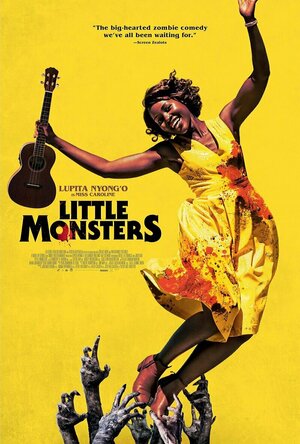

A New Zombie Movie That Proves Zombie Films "Still Have Fresh Brains To Savor"
Contains spoilers, click to show
This movie was pretty good. I enjoyed it quite a bit and even though it had somethings that were predictable and cliché, it really was unique in its own way. It really had me invested in the main character Dave from the beginning because of his situation. After his break up his living on the couch at his sisters and getting in trouble for cussing and being a bad role model for his nephew. He gets in trouble for letting his nephew play violent video games and for taking him out late at night to use him as a prop when his plans to propose to his ex-g/f that goes horribly wrong. That scene was hilarious as his surprise proposal leads to him and his nephew catching his ex having sex with another man and the naked man beating him up. It's kind of slow moving plot wise with all this setup but you get invested in the characters and they mean more to you and you better understand their motivations. Dave winds up taking his nephew to school and when he sees his attractive teacher Miss Coraline played by Lupita Nyong'o he's more than happy to volunteer to chaperone on a field trip when another parent drops out. At the field trip on the farm is when your officially introduced to Josh Gad's character Teddy McGiggle who is filming his children's show there. Teddy winds up being nothing like he pretends to be and shows his true colors when the trouble starts up. The zombies from a U.S. testing facility break free and head straight to the farm attacking anyone and everyone they see. I thought they did a good job on the zombies and make-up/special effects since most scenes happen during the day. There wasn't as much action or blood as I wanted but there were always scenes that built the tension and made sure danger was always present. The character development from Dave was really good and made him one of my favorite characters but Miss Caroline was a real badass. She demonstrated that she would do anything to protect those kids and let Teddy McGiggle know that she would take care of him too if he didn't cooperate. As i mentioned some of it was predictable like there being a facility where there were zombies, and the zombies breaking out, the military not being able to do anything to contain it at first, and it spreading so quickly. But it was unique in bringing the kids into the situation and how Miss Coraline made it into a game so the kids wouldn't be scared, how she got them to focus on her so they didn't look at the zombies alot, and how the zombies started singing along towards the end. Like I said above pretty good movie, I give it 7/10 and my "Must See Seal Of Approval". If you haven't seen this movie you need to check it out.

Kristy H (1252 KP) rated A Means to an End in Books
Sep 13, 2019
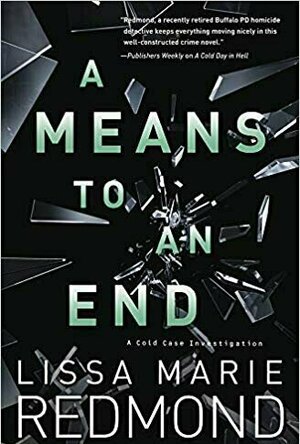

Cold Case Detective Lauren Riley is back on the job after being stabbed in the line of duty. She and her partner, Shane Reese, find themselves investigating a body dumped in the woods in the exact same site as a victim from one of Lauren's previous cases. She quickly recognizes the tie to David Spencer, a clever kid whom Lauren helped get off on a murder charge while she was working as a Private Investigator. Once he was acquitted, Lauren realized he was a cold-blooded psychopath, and she's been haunted by it (and him) ever since. Lauren is put on a Task Force investigating the killing--and the unsolved murders of two cops--but she quickly realizes she may be the only one who can stop David, for once and for all.
I really like the character of Lauren Riley--she's a tough yet vulnerable cop who knows her stuff, and I've been following her since the beginning of this series. This book tied up some things, but left others hanging, and I have to admit, I hope there is a book four out there? I also have to say, to prove my devotion to Lauren, my ARC copy had issues with the "f"s in the book (e.g. Sheriff = Sheri; office = offce; files = les, etc.) and none of the text messages were in there, and I still read it, because I needed to know what was happening to Lauren. A final copy will be fine--just pointing out how much I care about these characters!
We have a small cast here, but do get some new blood, mainly in the form of the task force gents. Two, of course, suspect Lauren for the cop killings that happened in the second novel, but one, Jack Nolan, seems to be a good guy. Poor Lauren, she can't catch a break. I would mention that this book will make more sense if you've read the first two. Redmond explains things, but the backstory is easier to comprehend (and those first two books are good). Still, don't let that scare you away from this one.
These cases are personal for Lauren, and I found some of this book stressful, as I care about her and Reese, and I was worried about them both! If you're less invested, you may not be as concerned. No matter what, it's an interesting book--we think we know our suspect (David), but we're never quite sure, and there's a lot of angst and intrigue in trying to track him down. I always enjoy how the city of Buffalo is almost another character in these books, and it's very clear that Redmond knows her police procedures.
"She'd been waging a one-person war against him, and she was losing. She had to take this further before anyone else got hurt."
Overall, I definitely recommend this one, especially if you've read the earlier books, enjoy a good police procedural, or are on the hunt for a strong female protagonist. Redmond's stories are always interesting and sure to suck you in. 4 stars.
I really like the character of Lauren Riley--she's a tough yet vulnerable cop who knows her stuff, and I've been following her since the beginning of this series. This book tied up some things, but left others hanging, and I have to admit, I hope there is a book four out there? I also have to say, to prove my devotion to Lauren, my ARC copy had issues with the "f"s in the book (e.g. Sheriff = Sheri; office = offce; files = les, etc.) and none of the text messages were in there, and I still read it, because I needed to know what was happening to Lauren. A final copy will be fine--just pointing out how much I care about these characters!
We have a small cast here, but do get some new blood, mainly in the form of the task force gents. Two, of course, suspect Lauren for the cop killings that happened in the second novel, but one, Jack Nolan, seems to be a good guy. Poor Lauren, she can't catch a break. I would mention that this book will make more sense if you've read the first two. Redmond explains things, but the backstory is easier to comprehend (and those first two books are good). Still, don't let that scare you away from this one.
These cases are personal for Lauren, and I found some of this book stressful, as I care about her and Reese, and I was worried about them both! If you're less invested, you may not be as concerned. No matter what, it's an interesting book--we think we know our suspect (David), but we're never quite sure, and there's a lot of angst and intrigue in trying to track him down. I always enjoy how the city of Buffalo is almost another character in these books, and it's very clear that Redmond knows her police procedures.
"She'd been waging a one-person war against him, and she was losing. She had to take this further before anyone else got hurt."
Overall, I definitely recommend this one, especially if you've read the earlier books, enjoy a good police procedural, or are on the hunt for a strong female protagonist. Redmond's stories are always interesting and sure to suck you in. 4 stars.

Darren (1599 KP) rated Kill List (2012) in Movies
Sep 13, 2019


Characters – Jay is the former hitmen that is trying to move away from the job, one year after his final job he is talked into one more job which will give him enough money to cover the financial problems his family is going through. The job starts simple enough only for it to turn him into a paranoid angry man who is taking everything personally. Shel is Jay’s wife, she is frustrated with the fact he has spent most of their money forcing him to return to the work he was meant to leave behind, always arguing with him even though it is clear the love between the two is strong. Sam is the innocent young child of the two. Gal is the partner and best friend of Jay, he is the one that tries to keep his head on his shoulders, he sees his friend losing his mind and puts him back on track for the most part.
Performances – Neil Maskell in the leading role is great because we see how he makes us feel as unsettled as his character is meant to be through the film. Michael Smiley as the main supporting character and he helps us understand how things needed to become calm through the bad times. MyAnna Buring as the wife is good without getting that moment that standout.
Story – The story follows two hitmen that must take one job which seems simple only to take a dramatic twist along the way. This is a story which starts out on a path which you know the two hitmen are not the nice guys and soon things just get weird with every encounter things start to play out like they have never dealt with before which only grabs the audience to want to know what will happen next to the characters. this gives us an unsettling feeling from start to finish with a conclusion that will leave you jaw-dropped in true surprise with how everything ended up. This is from director Ben Wheatley who has always managed to give his stories a unique feel, this is why people will rave over this director for years.
Crime/Horror – This movie takes us into the crime world in which Jay and Gal operate in as hitmen, we get to see how they go about this job, conduct kills, clean ups and get on with life. The horror comes from early hints in the film before showing us the true nature to everything going on which will become horrifying,
Settings – The film shows us the settings used by the hitmen to be everyday locations where the predators they believe they are killing operate without anyone knowing. This helps us understand the dangers of not knowing everything about our neighbours.
Scene of the Movie – That ending.
That Moment That Annoyed Me – Jay isn’t the most likeable character.
Final Thoughts – This is easily one of the most shocking and unsettling films you will see, it has suspense throughout and an ending you will NEVER forget.
Overall: Suspenseful treat.
Performances – Neil Maskell in the leading role is great because we see how he makes us feel as unsettled as his character is meant to be through the film. Michael Smiley as the main supporting character and he helps us understand how things needed to become calm through the bad times. MyAnna Buring as the wife is good without getting that moment that standout.
Story – The story follows two hitmen that must take one job which seems simple only to take a dramatic twist along the way. This is a story which starts out on a path which you know the two hitmen are not the nice guys and soon things just get weird with every encounter things start to play out like they have never dealt with before which only grabs the audience to want to know what will happen next to the characters. this gives us an unsettling feeling from start to finish with a conclusion that will leave you jaw-dropped in true surprise with how everything ended up. This is from director Ben Wheatley who has always managed to give his stories a unique feel, this is why people will rave over this director for years.
Crime/Horror – This movie takes us into the crime world in which Jay and Gal operate in as hitmen, we get to see how they go about this job, conduct kills, clean ups and get on with life. The horror comes from early hints in the film before showing us the true nature to everything going on which will become horrifying,
Settings – The film shows us the settings used by the hitmen to be everyday locations where the predators they believe they are killing operate without anyone knowing. This helps us understand the dangers of not knowing everything about our neighbours.
Scene of the Movie – That ending.
That Moment That Annoyed Me – Jay isn’t the most likeable character.
Final Thoughts – This is easily one of the most shocking and unsettling films you will see, it has suspense throughout and an ending you will NEVER forget.
Overall: Suspenseful treat.
Darren (1599 KP) rated El Dorado (1967) in Movies
Sep 13, 2019

Characters – Jay is the former hitmen that is trying to move away from the job, one year after his final job he is talked into one more job which will give him enough money to cover the financial problems his family is going through. The job starts simple enough only for it to turn him into a paranoid angry man who is taking everything personally. Shel is Jay’s wife, she is frustrated with the fact he has spent most of their money forcing him to return to the work he was meant to leave behind, always arguing with him even though it is clear the love between the two is strong. Sam is the innocent young child of the two. Gal is the partner and best friend of Jay, he is the one that tries to keep his head on his shoulders, he sees his friend losing his mind and puts him back on track for the most part.
Performances – Neil Maskell in the leading role is great because we see how he makes us feel as unsettled as his character is meant to be through the film. Michael Smiley as the main supporting character and he helps us understand how things needed to become calm through the bad times. MyAnna Buring as the wife is good without getting that moment that standout.
Story – The story follows two hitmen that must take one job which seems simple only to take a dramatic twist along the way. This is a story which starts out on a path which you know the two hitmen are not the nice guys and soon things just get weird with every encounter things start to play out like they have never dealt with before which only grabs the audience to want to know what will happen next to the characters. this gives us an unsettling feeling from start to finish with a conclusion that will leave you jaw-dropped in true surprise with how everything ended up. This is from director Ben Wheatley who has always managed to give his stories a unique feel, this is why people will rave over this director for years.
Crime/Horror – This movie takes us into the crime world in which Jay and Gal operate in as hitmen, we get to see how they go about this job, conduct kills, clean ups and get on with life. The horror comes from early hints in the film before showing us the true nature to everything going on which will become horrifying,
Settings – The film shows us the settings used by the hitmen to be everyday locations where the predators they believe they are killing operate without anyone knowing. This helps us understand the dangers of not knowing everything about our neighbours.
Scene of the Movie – That ending.
That Moment That Annoyed Me – Jay isn’t the most likeable character.
Final Thoughts – This is easily one of the most shocking and unsettling films you will see, it has suspense throughout and an ending you will NEVER forget.
Overall: Suspenseful treat.
Performances – Neil Maskell in the leading role is great because we see how he makes us feel as unsettled as his character is meant to be through the film. Michael Smiley as the main supporting character and he helps us understand how things needed to become calm through the bad times. MyAnna Buring as the wife is good without getting that moment that standout.
Story – The story follows two hitmen that must take one job which seems simple only to take a dramatic twist along the way. This is a story which starts out on a path which you know the two hitmen are not the nice guys and soon things just get weird with every encounter things start to play out like they have never dealt with before which only grabs the audience to want to know what will happen next to the characters. this gives us an unsettling feeling from start to finish with a conclusion that will leave you jaw-dropped in true surprise with how everything ended up. This is from director Ben Wheatley who has always managed to give his stories a unique feel, this is why people will rave over this director for years.
Crime/Horror – This movie takes us into the crime world in which Jay and Gal operate in as hitmen, we get to see how they go about this job, conduct kills, clean ups and get on with life. The horror comes from early hints in the film before showing us the true nature to everything going on which will become horrifying,
Settings – The film shows us the settings used by the hitmen to be everyday locations where the predators they believe they are killing operate without anyone knowing. This helps us understand the dangers of not knowing everything about our neighbours.
Scene of the Movie – That ending.
That Moment That Annoyed Me – Jay isn’t the most likeable character.
Final Thoughts – This is easily one of the most shocking and unsettling films you will see, it has suspense throughout and an ending you will NEVER forget.
Overall: Suspenseful treat.

Grazing Calculator
Business and Utilities
App
A quick and simple way to calculate a number of common grazing related equations used by dairy and...

Salon Iris - Salon Management
Business and Productivity
App
Salon Iris is an easy to use appointment scheduling app for salon owners, employees, and booth...

Phillip McSween (751 KP) rated Go Back to China (2020) in Movies
Sep 3, 2020

Couldn't Hold My Interest
I’m always on the lookout for hidden gems, especially when it comes to films starring minorities. I was hoping to find that in Go Back to China but wasn’t as impressed as I thought it would be. In the movie, a woman living in the states is forced to go to China to work for her father in his toy factory after he cuts off her trust fund.
Acting: 10
Great performances all around from a stellar Asian cast. While I don’t know much about them from previous films, I was extremely impressed with the range of Anna Akana, Richard Ng, and Lynn Chen who all shared the most screen time. They breathed a life and a realism into their characters that really made them feel like family.
Beginning: 2
Characters: 10
I appreciated that the three main characters experienced a great growth over the course of the movie. Each of them played off of each others’ personalities and experiences which gave the movie a true dynamic feel. The main character Sasha Li is likable right from jump even as a pretentious snob. She gives you a reason to stay interested in the movie.
Cinematography/Visuals: 6
The camera work is just slightly above par here. Outside of the toy factory, the setpieces are pretty bland. I honestly can’t remember any scenes that stand out or a shot that made my jaw drop. The movie instead seems content with going through the motions.
Conflict: 3
Entertainment Value: 6
Go Back to China is not without its share of entertaining moments but unfortunately those moments are too few and far between for the movie to consistently be entertaining. Just when it starts to get a bit of momentum, it finds itself going in reverse. Too much talking, not enough action. In the thick of it, it felt more like a Hallmark movie than anything else.
Memorability: 8
Pace: 8
The story moves along gracefully, albeit with a few trip-ups here and there. I always felt like the story was going somewhere at the very least. This would have worked more in the film’s favor had the story itself been a little more solid.
Plot: 5
As I mentioned above, the story definitely has a very Hallmarky-type feel. The cheese runs super high throughout. The premise is interesting, but things become very predictable very fast the longer the story plays out.
Resolution: 10
Say what you want about Hallmark movies, who doesn’t love a good Hallmark ending? All the pieces of the puzzle ended up exactly where they needed to be. If the movie had began just as strongly as it had ended, the movie would have been way more enjoyable.
Overall: 68
As a man that loves to appreciate and understand different cultures, I did love the perspective the movie provided into the life of people in China and the different hardships they face. Unfortunately, I didn’t love Go Back to China as a whole. A few tweaks here and there and this review would look a lot different.
Acting: 10
Great performances all around from a stellar Asian cast. While I don’t know much about them from previous films, I was extremely impressed with the range of Anna Akana, Richard Ng, and Lynn Chen who all shared the most screen time. They breathed a life and a realism into their characters that really made them feel like family.
Beginning: 2
Characters: 10
I appreciated that the three main characters experienced a great growth over the course of the movie. Each of them played off of each others’ personalities and experiences which gave the movie a true dynamic feel. The main character Sasha Li is likable right from jump even as a pretentious snob. She gives you a reason to stay interested in the movie.
Cinematography/Visuals: 6
The camera work is just slightly above par here. Outside of the toy factory, the setpieces are pretty bland. I honestly can’t remember any scenes that stand out or a shot that made my jaw drop. The movie instead seems content with going through the motions.
Conflict: 3
Entertainment Value: 6
Go Back to China is not without its share of entertaining moments but unfortunately those moments are too few and far between for the movie to consistently be entertaining. Just when it starts to get a bit of momentum, it finds itself going in reverse. Too much talking, not enough action. In the thick of it, it felt more like a Hallmark movie than anything else.
Memorability: 8
Pace: 8
The story moves along gracefully, albeit with a few trip-ups here and there. I always felt like the story was going somewhere at the very least. This would have worked more in the film’s favor had the story itself been a little more solid.
Plot: 5
As I mentioned above, the story definitely has a very Hallmarky-type feel. The cheese runs super high throughout. The premise is interesting, but things become very predictable very fast the longer the story plays out.
Resolution: 10
Say what you want about Hallmark movies, who doesn’t love a good Hallmark ending? All the pieces of the puzzle ended up exactly where they needed to be. If the movie had began just as strongly as it had ended, the movie would have been way more enjoyable.
Overall: 68
As a man that loves to appreciate and understand different cultures, I did love the perspective the movie provided into the life of people in China and the different hardships they face. Unfortunately, I didn’t love Go Back to China as a whole. A few tweaks here and there and this review would look a lot different.
Kristy H (1252 KP) rated Broken Horses in Books
Aug 12, 2021

A great memoir for music fans
BROKEN HORSES is Brandi Carlile's story. She grew up poor in Seattle, moving constantly as a child. Her family was musical, giving Brandi a love of music as a young child. She knew was gay since she was a teen--something that wasn't always appreciated in her rural town. She tells her story from childhood, where her love of music began, to coming out, to her marriage and life with her two children, to her musical successes.
"I was a mean, scrappy little trailer girl with the wrong clothes and a very sensitive soul that I was hiding behind a bravado that I had developed performing onstage."
I adore Brandi Carlile and have for a long time. Having such a talented out singer in our community makes us all feel proud. "See her, she's one of us!!" Having followed Brandi's career from the beginning, I know a decent amount about her. Hence my problem with a number of celebrity memoirs I read: if I read a memoir about someone I really love and already know a lot about them, if they write a fairly superficial memoir, I only learn so much.
Don't get me wrong, Carlile has written a good and interesting book. She's a fascinating person, and I enjoyed learning about her rather wild journey. I didn't know much about her childhood, so I found those pieces to be the most intriguing. She was a wild and tough kid, who was so musically talented from the beginning. Imagine being one of the people who heard her perform in a pageant or talent show when she was a young kid or teen!
After going through her coming out story, Carlile talks about her musical career, and it's all really amazing, but sometimes feels fast and glossed over. I always love knowing the history of songs, but would have liked knowing more details about things. We skip over full albums, time periods, and more. And, as many celebrity memoirs do, it often feels a bit preachy and overly me-oriented at times (something she'll laughingly and freely admit to). When we get to her meeting her wife, it's a fun story, but also really quick. Still, it's so nice to see a queer woman's story so normalized, and to have someone talk about gay motherhood so matter of factly.
Overall, I'm so glad Carlile decided to share her thoughts on her life. She's such an amazing individual who has lived such an intense and fascinating life so far. I wish she had gone more in-depth with her stories at times, but this is still a great book and certainly worth your time. At some point, I hope to get the audio version, as she sings versions of the songs she discusses in each chapter.
I read this book as part of my new reading project--choosing books off my shelves based on their Goodreads rankings. This is my second book of the project, forcing me out of my comfort zone and to try books in genres I don't usually read!
"I was a mean, scrappy little trailer girl with the wrong clothes and a very sensitive soul that I was hiding behind a bravado that I had developed performing onstage."
I adore Brandi Carlile and have for a long time. Having such a talented out singer in our community makes us all feel proud. "See her, she's one of us!!" Having followed Brandi's career from the beginning, I know a decent amount about her. Hence my problem with a number of celebrity memoirs I read: if I read a memoir about someone I really love and already know a lot about them, if they write a fairly superficial memoir, I only learn so much.
Don't get me wrong, Carlile has written a good and interesting book. She's a fascinating person, and I enjoyed learning about her rather wild journey. I didn't know much about her childhood, so I found those pieces to be the most intriguing. She was a wild and tough kid, who was so musically talented from the beginning. Imagine being one of the people who heard her perform in a pageant or talent show when she was a young kid or teen!
After going through her coming out story, Carlile talks about her musical career, and it's all really amazing, but sometimes feels fast and glossed over. I always love knowing the history of songs, but would have liked knowing more details about things. We skip over full albums, time periods, and more. And, as many celebrity memoirs do, it often feels a bit preachy and overly me-oriented at times (something she'll laughingly and freely admit to). When we get to her meeting her wife, it's a fun story, but also really quick. Still, it's so nice to see a queer woman's story so normalized, and to have someone talk about gay motherhood so matter of factly.
Overall, I'm so glad Carlile decided to share her thoughts on her life. She's such an amazing individual who has lived such an intense and fascinating life so far. I wish she had gone more in-depth with her stories at times, but this is still a great book and certainly worth your time. At some point, I hope to get the audio version, as she sings versions of the songs she discusses in each chapter.
I read this book as part of my new reading project--choosing books off my shelves based on their Goodreads rankings. This is my second book of the project, forcing me out of my comfort zone and to try books in genres I don't usually read!
Kristy H (1252 KP) rated Gone for Good in Books
Aug 26, 2021
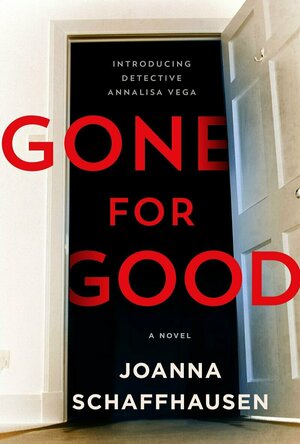

An excellent mystery where a cold case intersects with a new murder
In the 1990s, the Lovelorn Killer killed seven women and disappeared. The last known victim was Katherine Duffy, the wife of a police officer, who was killed on Halloween. After twenty years, many wonder if he's gone for good. But a group of amateur online sleuths, known as the Grave Diggers, don't think that. They take on cold cases and investigate them. One of these Diggers is Grace Harper, a grocery store worker. Grace is sure the Lovelorn Killer is out there, blending into the same neighborhoods he hunted in. Detective Annalisa Vega's father--also a cop--was partnered with Katie Duffy's husband back in the day. Her murder was a defining moment in Annalisa's life. When Annalisa is called to the scene of Grace's murder and realizes she was killed in a similar manner to the Lovelorn Killer, she wonders if the killer is back. Investigating will mean dredging up Annalisa's childhood memories and giving everything she has to catch a murderer.
"With each passing year, the Lovelorn Killer recedes into history and people shrug at the mention of his name. Looks like he's gone for good."
This is an excellent mystery--honestly no surprise when it's by Schaffhausen. I love her Ellery/Reed series, and I'm excited that there's a new series from her. This is a dark read and Annalisa's personal ties to the case and investigation only strengthen this book. It's wonderful reading a story with a strong female detective (and a female boss). Annalisa is a new detective, struggling with the fact that she must work with her ex-husband, Nick Carelli, the established detective on the force. But she doesn't let that, or anything, stop her. Schaffhausen is so good at writing a police procedural; she writes about the processes and force dynamics so well. You feel a part of the investigation and Annalisa's police family superbly. Same with the city of Chicago. She captures the city perfectly. As someone with Chicago ties, this book is so Chicago. I cannot wait for my parents, who grew up in the Chicago suburbs, to read it.
Told from Annalisa's perspective and interspersed with excerpts from Grace's journal, GONE FOR GOOD is tense and crackling with suspense. It's a fast moving read that keeps you guessing from the very beginning, which opens with Grace's death. Yet Grace always feels like another living character in the book, and she's integral to the plot. This is truly a dark read, with a lot of death and murder, and a "bad guy" who is quite bad. I'm always impressed at how Schaffhausen can write stories that permeate with evil and tension.
Overall, I loved everything about this book. The unification of old and new cases and way the Internet sleuths added to the cases. How Annalisa's personal life intertwined with the investigation. GOOD is well-written and keeps you guessing until the very end. I'm looking forward to the next book in the series. 4.5 stars.
I received a copy of this book from Minotaur Books and Netgalley in return for an unbiased review.
"With each passing year, the Lovelorn Killer recedes into history and people shrug at the mention of his name. Looks like he's gone for good."
This is an excellent mystery--honestly no surprise when it's by Schaffhausen. I love her Ellery/Reed series, and I'm excited that there's a new series from her. This is a dark read and Annalisa's personal ties to the case and investigation only strengthen this book. It's wonderful reading a story with a strong female detective (and a female boss). Annalisa is a new detective, struggling with the fact that she must work with her ex-husband, Nick Carelli, the established detective on the force. But she doesn't let that, or anything, stop her. Schaffhausen is so good at writing a police procedural; she writes about the processes and force dynamics so well. You feel a part of the investigation and Annalisa's police family superbly. Same with the city of Chicago. She captures the city perfectly. As someone with Chicago ties, this book is so Chicago. I cannot wait for my parents, who grew up in the Chicago suburbs, to read it.
Told from Annalisa's perspective and interspersed with excerpts from Grace's journal, GONE FOR GOOD is tense and crackling with suspense. It's a fast moving read that keeps you guessing from the very beginning, which opens with Grace's death. Yet Grace always feels like another living character in the book, and she's integral to the plot. This is truly a dark read, with a lot of death and murder, and a "bad guy" who is quite bad. I'm always impressed at how Schaffhausen can write stories that permeate with evil and tension.
Overall, I loved everything about this book. The unification of old and new cases and way the Internet sleuths added to the cases. How Annalisa's personal life intertwined with the investigation. GOOD is well-written and keeps you guessing until the very end. I'm looking forward to the next book in the series. 4.5 stars.
I received a copy of this book from Minotaur Books and Netgalley in return for an unbiased review.