
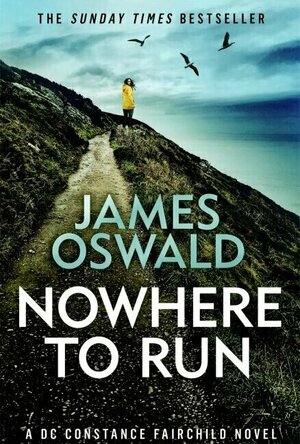
Nowhere To Run
9.0 Rate It
Book
On compassionate leave following the death of her mother, Detective Constable Constance Fairchild...
ClareR (6256 KP) rated Annihilation (Southern Reach #1) in Books
May 11, 2025
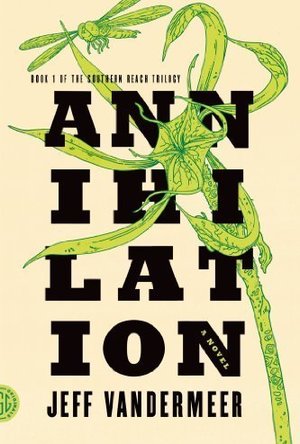

It’s spooky, weird and wonderful - horror at its heart! I loved how this incorporeal being is able to take over humans minds and bodies, driving them mad. Extra-terrestrial or spiritual/ demonic? Who knows, and I hope we don’t find out because it makes it that much more terrifying.
It’s a really tense, frightening book, and I loved it.
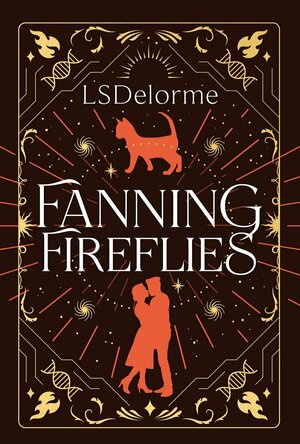
Fanning Fireflies (The Limerent Series #3)
10.0 Rate It
Book
There is something rotting in Harrisville. It's 1944 and Veronica works so she can afford to eat....
Historical Supernatural Romance

David McK (3918 KP) rated Odyssey (Stephen Fry's Greek myths #4) in Books
Mar 9, 2025
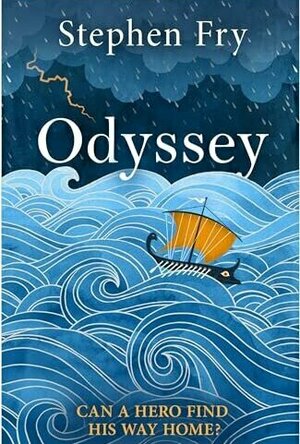
Indeed, I was surprised at how late into the tale it was before it stated focusing on Odysseus and his epic (10 years) trip to get home to Ithica and his wife Penelope!
Said legendary journey is what I was expecting the novel (retelling) to be about: I was unaware that it also concerned what happened to Menaleus (amongst other Greek victors) or to his Trojan captive Cassandra - fated to never have her prophesies believed but always to become true - amongst others.
I was also unaware, prior to reading/listening (I did both, switching back and forth), that the Latin name for Odysseus was Ulysses, or that - shall we say - Odysseus could be a randy old so-and-so ...
Looking forward to the forthcoming Christopher Nolan movie, now, to see how much is changed!
Atancia (The Durand Duology #1)
10.0
Rate It
Book
After watching a young boy die, college freshman Atancia Clark begins to have panic attacks. Her...
Young Adult Paranormal Romance
The Use of Heavy Water (The Valence Chronicles #2)
8.0 Rate It
Book
Décor don’t usually go on vacation, but after their adventure in the Iota Cloud, Pet is looking...
Science Fiction MM Romance Menage Space Opera Aliens
Romancing Mister Bridgerton (Bridgertons, #4)
8.2
Rate It
Book
Everyone knows that Colin Bridgerton is the most charming man in London . . . Penelope...
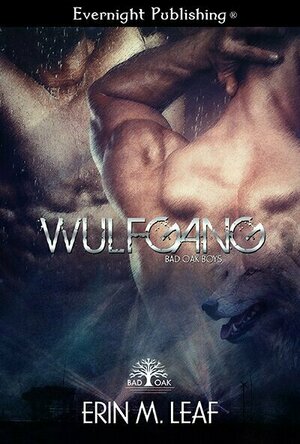
Wulfgang (Bad Oak Boys #3)
10.0
Rate It
Book
After years in the military, Wulfgang Marrok has had enough. He wants nothing more than to settle...
MM Paranormal Romance Mpreg
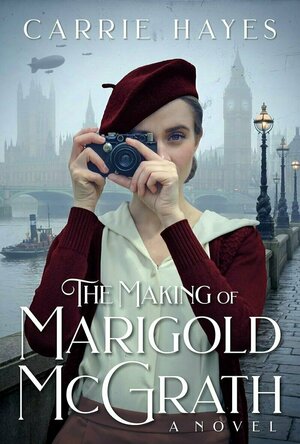
The Making of Marigold McGrath
8.0
Rate It
Book
New York City, 1937. Seventeen-year-old Marigold McGrath is coming undone. Her mother is dead....
Historical Fiction World War II Women in History

Phil Leader (619 KP) rated Stop the World in Books
Nov 26, 2019

This book then is her story from that fateful moment and how she rebuilds her life, not as it was before but into something new and better. On the way she must fight through every emotional and physical low and push herself further than she thought possible in both mind and body. A modern allegory, this shows that no matter what set backs life throws at you, there is always a light if you know where to look.
Jody as the narrator of her own tale is a great character, her thoughts even at the bleakest moments are always worth attention and Sherry Mayes does an excellent job of portraying her struggle. Jody comes to recognise her own flaws as well as those of the people around her and learns to cope with them. The result is an extremely positive and uplifting novel.
The other characters are also terrific - her parents are well drawn, with their own demons that she has been blind to for 17 years. Particularly strong and amusing is her physiotherapist who is extremely blunt and no-nonsense and never fails to provoke a smile in both Jody and the reader.
The story ticks along at a great pace but always taking the time to focus on how Jody's actions affect those around her (and vice versa) and her thoughts as she struggles with events.
This book is for anyone who wants to read something that is in turns inspiring, emotional, gritty, heartwarming and funny. This is quite simply one of the best books I have ever read