

kadastrs.lv
Business
App
Ar lietotni Kadastrs.lv var iegūt informāciju par jebkuru nekustamo īpašumu, zemes vienību,...

Ross (3284 KP) rated Isn't It Romantic (2019) in Movies
Mar 4, 2019
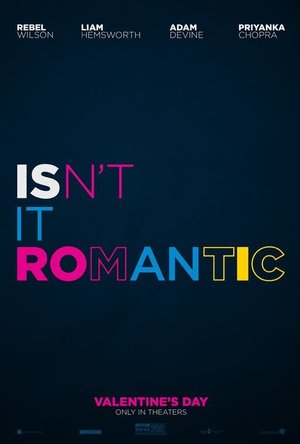

Some laugh-out-loud moments from here on, as her annoyance at the ridiculous cheesy world she's found herself in. Something similar to Disney Channel's Teen Beach Movie (which I don't mind admitting I love!), but with more adult themes.
But in the end the film lets itself down by falling into the trap of the typical rom-com plot. It nearly saves itself and serves as a good, feminist message but then lets itself down in the dying minutes by reverting to type.
A good funny rom-com but not necessarily the anti-rom-com it bills itself as. Watched with my wife and 11-year-old daughter, it is mostly fine for that age.

Steve Fearon (84 KP) rated REC (2007) in Movies
Sep 5, 2018
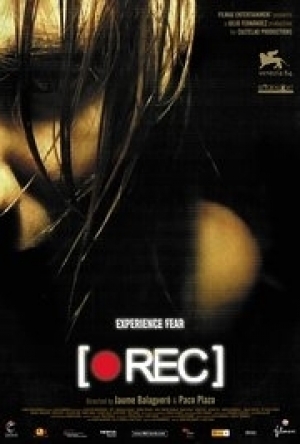

They do a great job of putting the viewer right there in the film, the performances feel genuine, and before long you are just along for the ride, the cameraman being your eyes and ears into a world when the infected become aggressive, murderous and frenetic, and the survivors are trapped inside an apartment building with no means of escape and no way to adequately defend themselves.
The film is paced marvelously, establishing its rules quickly, and without the need for huge amounts of clumsy exposition, and then begins an ebb and flow between periods of character recovery, followed by frantic action as the infected threaten to overwhelm the survivors.
There is just such a genuine and earnest feel to this film, reminiscent of Texas Chainsaw Massacre in the way that the glossy sheen common to well made movies is not present, and in its place is something which feels visceral, full of flawed but realistic characters.
If you like 28 days later or train to Busan, this is a must see.

Andy K (10827 KP) rated Zoo (2018) in Movies
Oct 19, 2019

Interesting premise of this film and the recommendation from a friend to watch.
How would you feel if a zombie infestation began right while your marriage was on the rocks? Which would be your priority to correct?
This young couple grapples with this exact issue and it is relatively successful. They spend time disagreeing with each other and moping about in their flat since they cannot go outside without having to deal with infected hoards trying to devour them. They begin having meaningful dialogue and then they get a knock at their door. A random couple ask if they can come and hide within to remove themselves from danger and are obliged. They immediately become a nuisance asking for provisions which are already in short supply and to "borrow a toothbrush"? I thought that was funny.
Their stay at the apartment is short, but long enough to have the couple start to unite themselves against their new house guests. After their departure, the couple becomes more intimate and work on their relationship before even more unwanted guests arrive.
The dialogue was a bit corny at times, but worked overall. I enjoyed the fresh take on the zombie genre. If romantic comedy zombie horror is a new sub genre I'm all in.

Mark @ Carstairs Considers (2660 KP) rated Lost Light (Harry Bosch #9) in Books
Jan 26, 2019
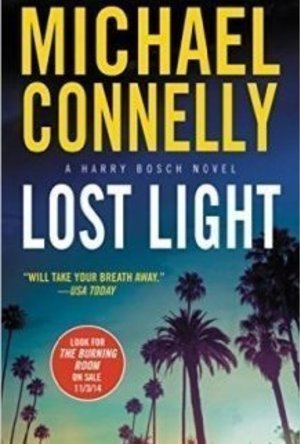


I enjoyed seeing Bosch working without his badge, overcoming the added obstacle of not having any official business looking into this case. While he may not be a cop, we still did get cameos by many of the series regulars, and it was great to check in with them. The characters are strong as always, with Bosch leading the pack. I was surprised to find that this book was narrated first person, something I always enjoy. I hadn't run across that in a Harry Bosch book yet. The case itself was gripping with plenty of twists and turns to keep us engaged up until the end. I listened to the audio version narrated by Len Cariou, who does a great job except for one character. Fortunately, that character isn't a major player in the action of the book.
Alibaba: The House That Jack Ma Built
Book
An engrossing, insider's account of how a teacher built one of the world's most valuable...
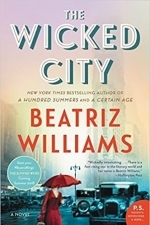
The Wicked City (The Wicked City #1)
Book
In the first book of a breathtaking new trilogy by bestselling author Beatriz Williams, two...
fiction

Ando
Peter Gossel and Masao Furuyama
Book
A monumental touch: Tadao Ando, master of the serene yet mightyPhilippe Starck describes him as a...
Do-It-Yourself: A Complete Guide to Home Improvement
Book
This is a complete practical guide to home improvement. It offers expert advice on essential home...
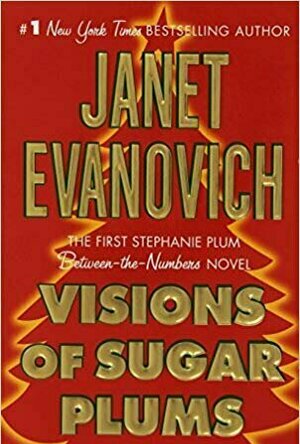
Visions of Sugar Plums (Stephanie Plum, #8.5)
7.3 Rate It
Book
It's five days before Christmas and things are not looking merry for Fugitive Apprehension Agent...