Search

Lottie disney bookworm (1056 KP) rated The Story of Silence in Books
Jun 17, 2021
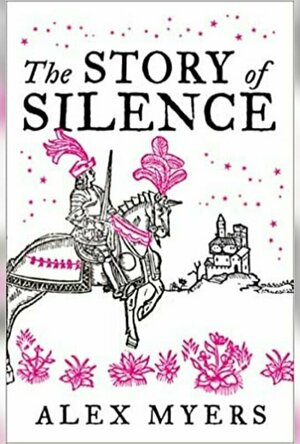

An Arthurian tale, adapted from a 13th century lost poem, containing dragons and knights but tackling the fluid notion of gender? Sign me up! Literally! Thank you to Eidelweiss+ and HarperVoyager for the opportunity to read this in exchange for an honest review.
Silence is born a girl, but due to the laws of inheritance is raised a boy, with only 3 people knowing their true gender (one of whom, initially, is not Silence). The Story of Silence follows Silence from birth, showing their struggles between Nature and Nurture in the medieval period.
The writing style of this fantasy novel is remarkable, with an almost lyrical, ballad quality to it. The settings of Cornwall, and later Brittany, are described in such a way that captivates the reader, transporting them to the jousting fields, the towering castles and the courts of Earls and Kings.
The writing is at a slower pace, a literary journey rather than a sprint and for that reason I didn’t quite get the feeling of “I can’t put this down”, particularly in the middle of the novel. However, the twists and turns in Silence’s life were always quick to pull me back in.
As a character, the reader loves Silence from the very beginning. None of the struggles of their life are of their own making. Indeed, there are moments within this story where it would have been much simpler to tell the truth but Silence does not, displaying true knightly qualities of courage and loyalty. If I had one criticism of this book it is that, after his first “courses”, Silence doesn’t seem to find disguising his Nature very difficult., Yes, he binds his chest but he also travels on the road with male companions for years with no further mention of the more natural signs of his true nature.
The cast of characters surrounding Silence are also excellent, we have the troubled Earl Cador who, despite his original plan, it seems cannot love his child as he should; Griselle and the seneschal who do love and care for Silence and then there is Merlin.
Now, I know Silence should be my favourite character but Merlin stole the show in my opinion! There is no stoical wizard in Myers’ world, oh no! Merlin is a naked, disgusting old man who has an awful habit of laughing out loud at the unseen futures of those he passes. I also appreciated how Merlin wasn’t a solution to Silence’s problems (in fact the opposite is true!). Despite the magical undercurrent within this story, Merlin doesn’t fix everything with the flick of a magic wand – conversely he forces Silence to look inside and solve their own riddle, emphasising that you do not need to fit into one category or another, you can be both, you can be what you decide to be.
It should also be noted that, up to this point in the novel, Silence is referred to with the male pronoun, as that is how he sees himself. He is a boy. He is a knight! However, on processing Merlin’s world this pronoun notably changes to they and their. A beautiful detail that resonated how Silence had accepted their true identity.
The characterisation of women in The Story of Silence is something that has been picked up on a lot by my fellow reviewers and yes, the women in this book are often sex-crazed, deceitful, disloyal creatures. This is also an issue that is directly discussed within the author’s note, further proving that this was not an intentional slight on women. Alex Myers is an author, they are telling a story and that story takes place in the 13th century when, unfortunately, women were depicted like this. The main despicable action by a woman is essential to stay true to the poem. Was it frustrating as a female reader? Sometimes. But are there an equal number of ugly characteristics shown in the male characters? Absolutely!
The Story of Silence is a slow-burning tale which steadily unfurls into a captivating narrative which will stay with the reader long after the final page. The original 13th century poem captures the concept of gender so beautifully but Alex Myers takes this even further, handling Silence’s journey with love and compassion. I feel very lucky to have read this.
Silence is born a girl, but due to the laws of inheritance is raised a boy, with only 3 people knowing their true gender (one of whom, initially, is not Silence). The Story of Silence follows Silence from birth, showing their struggles between Nature and Nurture in the medieval period.
The writing style of this fantasy novel is remarkable, with an almost lyrical, ballad quality to it. The settings of Cornwall, and later Brittany, are described in such a way that captivates the reader, transporting them to the jousting fields, the towering castles and the courts of Earls and Kings.
The writing is at a slower pace, a literary journey rather than a sprint and for that reason I didn’t quite get the feeling of “I can’t put this down”, particularly in the middle of the novel. However, the twists and turns in Silence’s life were always quick to pull me back in.
As a character, the reader loves Silence from the very beginning. None of the struggles of their life are of their own making. Indeed, there are moments within this story where it would have been much simpler to tell the truth but Silence does not, displaying true knightly qualities of courage and loyalty. If I had one criticism of this book it is that, after his first “courses”, Silence doesn’t seem to find disguising his Nature very difficult., Yes, he binds his chest but he also travels on the road with male companions for years with no further mention of the more natural signs of his true nature.
The cast of characters surrounding Silence are also excellent, we have the troubled Earl Cador who, despite his original plan, it seems cannot love his child as he should; Griselle and the seneschal who do love and care for Silence and then there is Merlin.
Now, I know Silence should be my favourite character but Merlin stole the show in my opinion! There is no stoical wizard in Myers’ world, oh no! Merlin is a naked, disgusting old man who has an awful habit of laughing out loud at the unseen futures of those he passes. I also appreciated how Merlin wasn’t a solution to Silence’s problems (in fact the opposite is true!). Despite the magical undercurrent within this story, Merlin doesn’t fix everything with the flick of a magic wand – conversely he forces Silence to look inside and solve their own riddle, emphasising that you do not need to fit into one category or another, you can be both, you can be what you decide to be.
It should also be noted that, up to this point in the novel, Silence is referred to with the male pronoun, as that is how he sees himself. He is a boy. He is a knight! However, on processing Merlin’s world this pronoun notably changes to they and their. A beautiful detail that resonated how Silence had accepted their true identity.
The characterisation of women in The Story of Silence is something that has been picked up on a lot by my fellow reviewers and yes, the women in this book are often sex-crazed, deceitful, disloyal creatures. This is also an issue that is directly discussed within the author’s note, further proving that this was not an intentional slight on women. Alex Myers is an author, they are telling a story and that story takes place in the 13th century when, unfortunately, women were depicted like this. The main despicable action by a woman is essential to stay true to the poem. Was it frustrating as a female reader? Sometimes. But are there an equal number of ugly characteristics shown in the male characters? Absolutely!
The Story of Silence is a slow-burning tale which steadily unfurls into a captivating narrative which will stay with the reader long after the final page. The original 13th century poem captures the concept of gender so beautifully but Alex Myers takes this even further, handling Silence’s journey with love and compassion. I feel very lucky to have read this.

Erika (17789 KP) rated The Green Knight (2020) in Movies
Aug 2, 2021
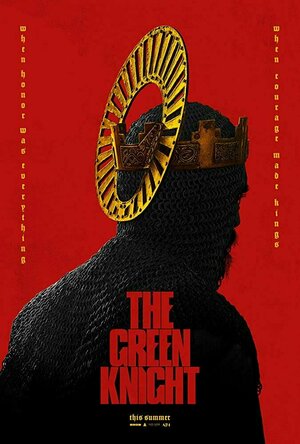

Green Knight, based upon the poem, Sir Gawain and the Green Knight, does the poem justice. We join our relatively pure-hearted Sir Gawain (Dev Patel) on Christmas morning, as he wakes up in what appears to be a brothel. He rushes home to his Mother (Sarita Choudhury), to change for the Christmas Day feast with the aged King (Sean Harris). Mother is left behind as Gawain goes to the feast, and conjures the appearance of the Green Knight.
Gawain agrees to the Christmas game proposed by the Green Knight, so he can be knighted himself. The game is the same as the poem, a knight gives a blow to the Green Knight, and a year from that date, the knight will visit the Green Chapel so he can return the favor.
The year passes, and Gawain sets out on his quest. Mother gives him the gift of a green sash, that will protect him as he faces the journey and the Green Knight. He sets off on his trippy journey, encountering a scavenger (Barry Keoghan) along the way and is quickly delayed in his quest and left for dead, losing his green sash. After freeing himself, he sets out on his allegory-filled quest again, encountering St. Winifred (Erin Kellyman), giants, and is led by a fox to a castle near the Green Chapel.
The castle is where the film gets back on track with the poem. The Lord (Joel Egerton) shows kindness and hospitality, while his wife (Alicia Vikander), takes the role as temptress. Alicia Vikander plays both the Lady, and the prostitute that Gawain is in love with back home. It’s understandably confusing for Gawain. The same deal is struck between the Lord and Gawain, while the Lord is away on the hunt, he will give Gawain everything he catches, while Gawain promises to give the Lord anything he receives at the castle. Gawain does not end up keeping the agreement as he’s seduced by the Lady and gets the green sash back. He escapes the castle and goes to the Green Chapel to finish the Christmas game. The end was very interesting, would Gawain choose to be courageous and maintain his honor, accepting death? Or would he be a coward, running away to be knighted, then subsequently become King? The ending was scary good.
My first thought after the film ended was that we finally got a film that did an Arthurian legend justice. I happened to be really into Arthuriana, so this film was such a treat. Though, I am left with some questions. I’m not sure which sister Mother was supposed to be. Was Mother Morgaine or Morgause? I assume it was Morgause, but Mother was a little more witchy, so maybe Morgaine? I also don’t know if in the film, the Green Knight was the Lord. The characters were played by two different actors, but the Lord is definitely supposed to be the Green Knight.
Another thing I did like is that I don’t believe they ever called the King by his name, Arthur. This was a smart move, as the story was centralized on Sir Gawain, and not about Arthur and his Knights of the Round Table.
The one sore thumb for me was Alicia Vikander. Her accent when she was the prostitute, Essel, was horrid. I also think that character wasn’t really needed at all because she was just annoying. The whole brothel situation itself was kind of lame because Gawain was supposed to be pure and innocent. The innocence being lost at the Castle was a major part of the poem.
Dev Patel was excellent as Gawain; I was entranced by him, and he kept my attention the entire film. I know there were grumblings about his casting, but seriously, this is a fantasy story. It also is not impossible for people of a different race to be present all over Europe. There once was this empire called Rome, that encompassed a very large area, and enabled people to travel around and settle in areas.
I had been looking forward to this film since March of 2020, and it completely delivered. I hope we get more films like this, rather than the barrage of big dumb action and comic book films. I can’t wait to go see this film again!
Gawain agrees to the Christmas game proposed by the Green Knight, so he can be knighted himself. The game is the same as the poem, a knight gives a blow to the Green Knight, and a year from that date, the knight will visit the Green Chapel so he can return the favor.
The year passes, and Gawain sets out on his quest. Mother gives him the gift of a green sash, that will protect him as he faces the journey and the Green Knight. He sets off on his trippy journey, encountering a scavenger (Barry Keoghan) along the way and is quickly delayed in his quest and left for dead, losing his green sash. After freeing himself, he sets out on his allegory-filled quest again, encountering St. Winifred (Erin Kellyman), giants, and is led by a fox to a castle near the Green Chapel.
The castle is where the film gets back on track with the poem. The Lord (Joel Egerton) shows kindness and hospitality, while his wife (Alicia Vikander), takes the role as temptress. Alicia Vikander plays both the Lady, and the prostitute that Gawain is in love with back home. It’s understandably confusing for Gawain. The same deal is struck between the Lord and Gawain, while the Lord is away on the hunt, he will give Gawain everything he catches, while Gawain promises to give the Lord anything he receives at the castle. Gawain does not end up keeping the agreement as he’s seduced by the Lady and gets the green sash back. He escapes the castle and goes to the Green Chapel to finish the Christmas game. The end was very interesting, would Gawain choose to be courageous and maintain his honor, accepting death? Or would he be a coward, running away to be knighted, then subsequently become King? The ending was scary good.
My first thought after the film ended was that we finally got a film that did an Arthurian legend justice. I happened to be really into Arthuriana, so this film was such a treat. Though, I am left with some questions. I’m not sure which sister Mother was supposed to be. Was Mother Morgaine or Morgause? I assume it was Morgause, but Mother was a little more witchy, so maybe Morgaine? I also don’t know if in the film, the Green Knight was the Lord. The characters were played by two different actors, but the Lord is definitely supposed to be the Green Knight.
Another thing I did like is that I don’t believe they ever called the King by his name, Arthur. This was a smart move, as the story was centralized on Sir Gawain, and not about Arthur and his Knights of the Round Table.
The one sore thumb for me was Alicia Vikander. Her accent when she was the prostitute, Essel, was horrid. I also think that character wasn’t really needed at all because she was just annoying. The whole brothel situation itself was kind of lame because Gawain was supposed to be pure and innocent. The innocence being lost at the Castle was a major part of the poem.
Dev Patel was excellent as Gawain; I was entranced by him, and he kept my attention the entire film. I know there were grumblings about his casting, but seriously, this is a fantasy story. It also is not impossible for people of a different race to be present all over Europe. There once was this empire called Rome, that encompassed a very large area, and enabled people to travel around and settle in areas.
I had been looking forward to this film since March of 2020, and it completely delivered. I hope we get more films like this, rather than the barrage of big dumb action and comic book films. I can’t wait to go see this film again!