
Search
Search results

Hidden Mickeys: Walt Disney World Edition
Travel and Entertainment
App
•THIS APPLICATION IS FOR DISNEY WORLD IN FLORIDA. IF YOU ARE LOOKING FOR DISNEYLAND IN CALIFORNIA,...

Gareth von Kallenbach (980 KP) rated The 15:17 To Paris (2018) in Movies
Jul 8, 2019


Based on book, The 15:17 to Paris: The True Story of a Terrorist, a Train, and Three American Soldiers by Jeffrey E. Stern, Spencer Stone, Anthony Sadler and Alek Skarlatos, the film, The 15:17 to Paris tells the story of three America friends who stop a terrorist attempt on a train to Paris.
The men are heroes and it is inspiring to see how ordinary people can step up and put their lives at risk to save lives.
As such, this film would have been better told as a short documentary. Mostly because I found myself wondering what these men were thinking in those moments. How were they feeling when they saw people running and heard a gunshot. What made them take action? Was there doubt? And how did their friendship/bond contribute to being able to support each other in that moment and after?
Unfortunately, we do not get the answers to these questions. Instead Director Clint Eastwood decided to make a film that was trying to imitate real life as much as possible. So much so, the three actual heroes Stone, Sadler and Skarlatos play themselves. If Eastwood’s goal was to show how mundane life is in every day moments and a terrorist attack can happen at any moment in any mundane situation and end just as quickly, he succeeded. These three friends have cringe worthy dialogue that goes nowhere throughout the story. It makes these real life friends feel like they do not have any chemistry as it is clear they all feel out of their element in front of the camera. Not exactly the level of amateurism you would expect from a full feature film.
The semi bright spot is when we are shown how these three men became friends as boys and how they grew up. We get an understanding of how they like to play “war” in their back yard and how they would get in trouble but still have each other’s back when it counted. However, like the rest of this film, I wish this was told as a documentary or dramatic documentary. I wanted to hear from them firsthand what they thought about their friendship and how it evolved.
Stone, Sadler and Skarlatos are Heroes. They deserve better than this film. These three men deserve an opportunity to have their story told so people everywhere can care and understand. One of them had a call to duty because of his grandfather who served in WWII. What did that truly mean to him? We don’t know. One felt like he was being pushed to greatness by the universe. What did that mean to him now that it’s happened? We don’t know because we don’t hear from him first hand. The other was always just looking to have a good time. How does he feel about what happened and his friends? We don’t know. Because we are never given anything buy hollow dialogue, some loose information to surmise these things and bad screen chemistry from three real life friends.
I left the movie in awe of what the trio did in a moment where most people would run or think only of themselves. But I cannot in good faith recommend anyone spend money at a theater for a film that feels like it was produced by an amateur and should have been premiered on YouTube.
The men are heroes and it is inspiring to see how ordinary people can step up and put their lives at risk to save lives.
As such, this film would have been better told as a short documentary. Mostly because I found myself wondering what these men were thinking in those moments. How were they feeling when they saw people running and heard a gunshot. What made them take action? Was there doubt? And how did their friendship/bond contribute to being able to support each other in that moment and after?
Unfortunately, we do not get the answers to these questions. Instead Director Clint Eastwood decided to make a film that was trying to imitate real life as much as possible. So much so, the three actual heroes Stone, Sadler and Skarlatos play themselves. If Eastwood’s goal was to show how mundane life is in every day moments and a terrorist attack can happen at any moment in any mundane situation and end just as quickly, he succeeded. These three friends have cringe worthy dialogue that goes nowhere throughout the story. It makes these real life friends feel like they do not have any chemistry as it is clear they all feel out of their element in front of the camera. Not exactly the level of amateurism you would expect from a full feature film.
The semi bright spot is when we are shown how these three men became friends as boys and how they grew up. We get an understanding of how they like to play “war” in their back yard and how they would get in trouble but still have each other’s back when it counted. However, like the rest of this film, I wish this was told as a documentary or dramatic documentary. I wanted to hear from them firsthand what they thought about their friendship and how it evolved.
Stone, Sadler and Skarlatos are Heroes. They deserve better than this film. These three men deserve an opportunity to have their story told so people everywhere can care and understand. One of them had a call to duty because of his grandfather who served in WWII. What did that truly mean to him? We don’t know. One felt like he was being pushed to greatness by the universe. What did that mean to him now that it’s happened? We don’t know because we don’t hear from him first hand. The other was always just looking to have a good time. How does he feel about what happened and his friends? We don’t know. Because we are never given anything buy hollow dialogue, some loose information to surmise these things and bad screen chemistry from three real life friends.
I left the movie in awe of what the trio did in a moment where most people would run or think only of themselves. But I cannot in good faith recommend anyone spend money at a theater for a film that feels like it was produced by an amateur and should have been premiered on YouTube.

Swanson's Family Med. Review
Medical and Book
App
Swanson's Family Medicine Review efficiently summarizes all the latest know-how in primary care and...
Gareth von Kallenbach (980 KP) rated Diary Of A Wimpy Kid: The Long Haul (2017) in Movies
Jul 11, 2019
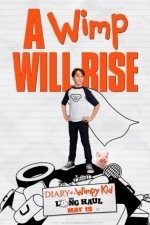

20th Century Fox releases Diary of a Wimpy Kid: The Long Haul. Starring a new cast, as the previous cast ember kids aged out of their roles, it has Alecia Silverstone as Mom, Tom Everett Scott as Dad, Jason Drucker as Wimpy Kid Greg, and Charlie Wright as older brother Roderick.
Headed cross country to their MeeMaw’s 90th birthday, it’s a 4-day haul to Indiana, and Mom has banned all electronic devices.
At least from an adult perspective, I can understand the premise, seeing as the kids are always up to their ears in iPads and Minecraft these days, and having a “conversation” can be like pulling teeth. However, again from an adult perspective, this movie might have been better if the characters HAD been up to their ears in iPads and Minecraft for the trip.
There was lots of bathroom humor, which did seem to pull some laughs from my 8-year-old son, although maybe not as many as might have been expected (some of it, thankfully, was still over his head), but just had me shaking my head and wondering what has happened to good clean humor?
Greg’s main goal throughout the Long Haul is trying to erase or at least overcome his accidental internet sensationalism caught when he is filmed freaking out over a diaper he finds while playing in a ball-pit. He continues to try to re-route the family trip in order to get himself into a video with (what he sees as) a “famous” gamer who goes by Mac Digby, who will be at a convention in Indiana “only two inches away” from MeeMaw’s when looking at the map. His brother Roderick wants to become famous by drumming along in a video game and Greg manages to re-program the GPS in order to direct them closer to the gaming convention.
Along the way, they stop at a county fair and the youngest Heffley, Manny (played by twins Dylan and Wyatt Walters) manages to win an adorable baby piglet, who might honestly have the best role in the film. Who doesn’t like baby pigs?
There are more hijinks along the way in some sort of feud with another family, and in what might be the best part of the film, an homage to Hitchcock’s “Psycho”.
All in all, though, something is seriously lost in translation between the popular Jeff Kinney kids novel that the movie is based on, and this film. Previous installments of the Wimpy Kid movies have not been nearly as unpalatable to me. My son says that he likes this one, but even he says, “the book was better” and he’s only 8.
Between the poop, pee and puke “humor” and the never addressed or resolved lying of the kids and even dad, it’s not a movie I could really appreciate.
Headed cross country to their MeeMaw’s 90th birthday, it’s a 4-day haul to Indiana, and Mom has banned all electronic devices.
At least from an adult perspective, I can understand the premise, seeing as the kids are always up to their ears in iPads and Minecraft these days, and having a “conversation” can be like pulling teeth. However, again from an adult perspective, this movie might have been better if the characters HAD been up to their ears in iPads and Minecraft for the trip.
There was lots of bathroom humor, which did seem to pull some laughs from my 8-year-old son, although maybe not as many as might have been expected (some of it, thankfully, was still over his head), but just had me shaking my head and wondering what has happened to good clean humor?
Greg’s main goal throughout the Long Haul is trying to erase or at least overcome his accidental internet sensationalism caught when he is filmed freaking out over a diaper he finds while playing in a ball-pit. He continues to try to re-route the family trip in order to get himself into a video with (what he sees as) a “famous” gamer who goes by Mac Digby, who will be at a convention in Indiana “only two inches away” from MeeMaw’s when looking at the map. His brother Roderick wants to become famous by drumming along in a video game and Greg manages to re-program the GPS in order to direct them closer to the gaming convention.
Along the way, they stop at a county fair and the youngest Heffley, Manny (played by twins Dylan and Wyatt Walters) manages to win an adorable baby piglet, who might honestly have the best role in the film. Who doesn’t like baby pigs?
There are more hijinks along the way in some sort of feud with another family, and in what might be the best part of the film, an homage to Hitchcock’s “Psycho”.
All in all, though, something is seriously lost in translation between the popular Jeff Kinney kids novel that the movie is based on, and this film. Previous installments of the Wimpy Kid movies have not been nearly as unpalatable to me. My son says that he likes this one, but even he says, “the book was better” and he’s only 8.
Between the poop, pee and puke “humor” and the never addressed or resolved lying of the kids and even dad, it’s not a movie I could really appreciate.
Mandy and G.D. Burkhead (26 KP) rated Poison Study (Study, #1) in Books
May 20, 2018
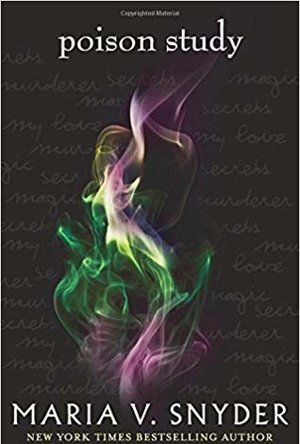
Shelf Life – The Chronicles of Ixia merits closer study
Contains spoilers, click to show
This review is for the entire Chronicles of Ixia series.
The first trilogy, comprised of Poison Study, Fire Study, and Magic Study, follows Yelena Zaltana. The second series, also called the Glass series, follows her friend Opal Cowan in Storm Glass, Sea Glass, and Spy Glass. The final trilogy, Shadow Study, Night Study, and Dawn Study, is where things get a bit odd. Maria V. Snyder had thrown in a few short stories/novellas throughout from different characters’ points of view. Perhaps she got bored of just sticking to one POV, or maybe fans wanted more from the other characters, so the third trilogy is from Yelena’s POV in first person and the POV’s of multiple characters (mainly Valek, Leif, and Janco, with a few others popping in from time to time) in third person.
I’m not sure which editor thought it would be a good idea to have POV switch from first person to third person in the same novel, but—yikes—is it jarring. Even with the wonky POV stuff in the third trilogy, these books are amazing and absolutely worth your time to read. Snyder’s world-building is compelling, detailed, and original. The books take place mostly between two pre-industrial countries: Ixia and Sitia. Ixia is a post-revolution country ruled by Commander Ambrose. His personal body guard and assassin is Valek. In the first novel Yelena is in prison for murder and is offered the choice to be the Commander’s food taster in exchange for her life. She agrees, and throughout the first book she and Valek begin to fall in love.
Ixia reminded me a lot of Communist Russia or China. In its attempts to throw away the corrupt government and society that came before, it has also thrown out all culture in the process. The country has been re-divided into districts with numbers instead of names, everyone is forced to wear a uniform, all art and extravagance has been destroyed, people have to have passes to travel between districts, and magic is forbidden. Anyone born with it is killed (or so the reader is led to believe). But Maria V. Snyder does a wonderful job of showing the good with the bad in this totalitarian dictatorship. Everyone has a job and nobody goes hungry, women are now equal to men, and violence and sexual assault are intolerable. This is why Yelena ends up in prison in the first place: she murdered the man that raped her. Now, this is probably my first major gripe with the series. We learn that Commander Ambrose loathes sexual assault and will execute anyone found guilty of it, but apparently killing a rapist in self-defense is also an executable offense. And all of that being said, Ambrose still has his own personal assassin. It all feels a bit contradictory, but again, that’s what I like about this series: it does an excellent job of peeling back the layers of her fictional societies and pointing out that governments and people in power tend to be hypocritical.
Now, the series name (or rather one of them) is Chronicles of Ixia, but honestly, it should have been called Chronicles of Sitia, because that is where most of the story takes place and is by far the more interesting and vibrant country. Sitia is part jungle, part desert, and full of magic. The peoples are divided into multiple clans or tribes that are all unique and compelling. In the second book, Yelena flees to Sitia after the Commander learns she has magic, and there she finds the family she was kidnapped from as a small child. They are part of the Zaltana clan, a group of people that live high in the trees in the jungle. Whenever I read about them, I would have to remind myself that they were not wood elves or dryads, because while there is magic in these books, there are no fantastical creatures: all characters are human or animal.
Another fascinating tribe is the Sandseeds, a group of nomads in the desert known for two major things: breeding super smart horses and having Storyweavers. The Storyweavers are people who have the magical ability to see the future and guide others, but who have to do it really cryptically because reasons (I appreciate that this gets pointed out by an annoyed Yelena multiple times). And of course, the Sandseed horses are fantastic; they choose their rider and able to mentally communicate with magical people. They even have their own horse names for people that they like.
Besides the different clans throughout Sitia, there is also the capitol, the Citadel, which is home to the magic school and the Sitian Council. While very different from Ixia, Sitia is by no means perfect. Its Council epitomizes everything annoying and dysfunctional about a bureaucracy. While the council members are elected and come from every clan in Sitia, they are at best useless and at worst actively impede the main characters.
The magic school is interesting, though the story doesn’t actually spend much time there. I like how magic was done in this series: it usually runs in families, most people with it have control over one or two things (ie. fire, mind-control, telepathy, etc.), but those who have the ability to master more can become Master Magicians after enduring a daunting trial. Magic is bound in people’s blood, so blood magic is a thing and is obviously bad, and magic (and a person’s soul) can be stolen using an intricate and gruesome blood ritual that involves prolonged torture, rape, and then murder.
The power blanket is another interesting concept used in this series. Essentially is resides over the entire world and is the essence of magic, so magicians can pull from it to augment their own magic. However, if they pull too much and lose control, they can flame out, killing themselves and temporarily damaging the blanket in the process. I thought this was a good literary tool to prevent magical characters from being too OP (at least most of the time).
I especially like the romantic relationships in this series. Valek and Yelena are of course the main couple. In the first book they fall in love, in the second book they get separated, and throughout the series they regularly cross paths and save one another. Yelena and Valek are heartmates, and as the series progresses they both have to mature and learn how to trust one another. My biggest complaint about the romance is that all sex scenes are just fade to black, which I personally find a bit boring.
The other major romantic relationship is between Opal and Devlen. This one was a bit awkward. Opal actually goes through a couple of guys first: a stormdancer named Kade and another glassmaker named Ulrick. And I really liked that the author included this. Many people have multiple partners before finding their soulmate, and a woman who does is not a slut. Her relationship with Devlen, however . . . Well, she’s a more forgiving person than me.
You see, it turns out that Devlen is the man who kidnapped Opal a few years earlier and tortured her because he was trying to steal her magic. But he didn’t actually enjoy torturing her and never raped her, which I guess makes it better? Well, he manages to switch bodies with Ulrick and, as Ulrick, tricks Opal into dating him, then, when he’s discovered, kidnaps and tortures her (again) to gain more power. But then she steals his magic, he spends some time in prison, and the combination of the two miraculously turn him into a good guy, claiming that magic is what made him evil in the first place.
I’m going to be honest, I didn’t completely buy his redemption arc even at the end of the third book in the Glass series, but by the ninth book they’re still together and he’s on the good guys’ side, so I guess it was real. And I have definitely watched/read much worse evil asshole to boyfriend stories. At least Devlen genuinely feels guilty for the horrible things he did in the past and attempts to make up for them, and in her defense, Opal has to do a lot of soul-searching before she can find it in her to forgive and trust him, and even more before she can develop romantic feelings for him (that aren’t based on deception, anyway). Also, Ulrick becomes a huge jerk because of his newfound magical abilities, tries to kill Opal, and later gets assassinated by Valek. I appreciate what Maria V. Snyder is trying to do here, which is to teach through her storytelling how good people can become evil, and evil people can redeem themselves and be good. Their romance was uncomfortable to read, but it was supposed to be uncomfortable, because that’s how all parties involved felt.
Now, let’s talk about Commander Ambrose. Towards the end of the first book, Yelena discovers that Ambrose is a female to male trans person. This is revealed to be why Ambrose hates magicians so much: he is afraid that one of them will read his mind and then reveal his secret (which is how Yelena discovers it). After I read the first book, I was really pleased that Snyder did such a good job of depicting a trans person, as that’s really only a small part of his character, and those who know (mainly Valek and Yelena) don’t make a big deal out of it.
And then . . . I really wish that the author would have just left the issue of the Commander being trans alone. Yelena discovers it in the first book, she keeps it to herself because it’s nobody else’s business, the end. But by creating this weird intricate background to explain why Ambrose is trans, Snyder just kind of shoots herself in the foot.
Throughout the rest of the series, I kept hoping for some other LGBTQ+ characters to show up to redeem the blunder with Ambrose. I actually believed that Ari and Janco were a gay couple for the longest time, what with their banter and often being referred to as partners. However, if this was the author’s intention, it was never really explicitly stated, and the partner thing just seems to refer to them being partners in combat and nothing else.
The first trilogy, comprised of Poison Study, Fire Study, and Magic Study, follows Yelena Zaltana. The second series, also called the Glass series, follows her friend Opal Cowan in Storm Glass, Sea Glass, and Spy Glass. The final trilogy, Shadow Study, Night Study, and Dawn Study, is where things get a bit odd. Maria V. Snyder had thrown in a few short stories/novellas throughout from different characters’ points of view. Perhaps she got bored of just sticking to one POV, or maybe fans wanted more from the other characters, so the third trilogy is from Yelena’s POV in first person and the POV’s of multiple characters (mainly Valek, Leif, and Janco, with a few others popping in from time to time) in third person.
I’m not sure which editor thought it would be a good idea to have POV switch from first person to third person in the same novel, but—yikes—is it jarring. Even with the wonky POV stuff in the third trilogy, these books are amazing and absolutely worth your time to read. Snyder’s world-building is compelling, detailed, and original. The books take place mostly between two pre-industrial countries: Ixia and Sitia. Ixia is a post-revolution country ruled by Commander Ambrose. His personal body guard and assassin is Valek. In the first novel Yelena is in prison for murder and is offered the choice to be the Commander’s food taster in exchange for her life. She agrees, and throughout the first book she and Valek begin to fall in love.
Ixia reminded me a lot of Communist Russia or China. In its attempts to throw away the corrupt government and society that came before, it has also thrown out all culture in the process. The country has been re-divided into districts with numbers instead of names, everyone is forced to wear a uniform, all art and extravagance has been destroyed, people have to have passes to travel between districts, and magic is forbidden. Anyone born with it is killed (or so the reader is led to believe). But Maria V. Snyder does a wonderful job of showing the good with the bad in this totalitarian dictatorship. Everyone has a job and nobody goes hungry, women are now equal to men, and violence and sexual assault are intolerable. This is why Yelena ends up in prison in the first place: she murdered the man that raped her. Now, this is probably my first major gripe with the series. We learn that Commander Ambrose loathes sexual assault and will execute anyone found guilty of it, but apparently killing a rapist in self-defense is also an executable offense. And all of that being said, Ambrose still has his own personal assassin. It all feels a bit contradictory, but again, that’s what I like about this series: it does an excellent job of peeling back the layers of her fictional societies and pointing out that governments and people in power tend to be hypocritical.
Now, the series name (or rather one of them) is Chronicles of Ixia, but honestly, it should have been called Chronicles of Sitia, because that is where most of the story takes place and is by far the more interesting and vibrant country. Sitia is part jungle, part desert, and full of magic. The peoples are divided into multiple clans or tribes that are all unique and compelling. In the second book, Yelena flees to Sitia after the Commander learns she has magic, and there she finds the family she was kidnapped from as a small child. They are part of the Zaltana clan, a group of people that live high in the trees in the jungle. Whenever I read about them, I would have to remind myself that they were not wood elves or dryads, because while there is magic in these books, there are no fantastical creatures: all characters are human or animal.
Another fascinating tribe is the Sandseeds, a group of nomads in the desert known for two major things: breeding super smart horses and having Storyweavers. The Storyweavers are people who have the magical ability to see the future and guide others, but who have to do it really cryptically because reasons (I appreciate that this gets pointed out by an annoyed Yelena multiple times). And of course, the Sandseed horses are fantastic; they choose their rider and able to mentally communicate with magical people. They even have their own horse names for people that they like.
Besides the different clans throughout Sitia, there is also the capitol, the Citadel, which is home to the magic school and the Sitian Council. While very different from Ixia, Sitia is by no means perfect. Its Council epitomizes everything annoying and dysfunctional about a bureaucracy. While the council members are elected and come from every clan in Sitia, they are at best useless and at worst actively impede the main characters.
The magic school is interesting, though the story doesn’t actually spend much time there. I like how magic was done in this series: it usually runs in families, most people with it have control over one or two things (ie. fire, mind-control, telepathy, etc.), but those who have the ability to master more can become Master Magicians after enduring a daunting trial. Magic is bound in people’s blood, so blood magic is a thing and is obviously bad, and magic (and a person’s soul) can be stolen using an intricate and gruesome blood ritual that involves prolonged torture, rape, and then murder.
The power blanket is another interesting concept used in this series. Essentially is resides over the entire world and is the essence of magic, so magicians can pull from it to augment their own magic. However, if they pull too much and lose control, they can flame out, killing themselves and temporarily damaging the blanket in the process. I thought this was a good literary tool to prevent magical characters from being too OP (at least most of the time).
I especially like the romantic relationships in this series. Valek and Yelena are of course the main couple. In the first book they fall in love, in the second book they get separated, and throughout the series they regularly cross paths and save one another. Yelena and Valek are heartmates, and as the series progresses they both have to mature and learn how to trust one another. My biggest complaint about the romance is that all sex scenes are just fade to black, which I personally find a bit boring.
The other major romantic relationship is between Opal and Devlen. This one was a bit awkward. Opal actually goes through a couple of guys first: a stormdancer named Kade and another glassmaker named Ulrick. And I really liked that the author included this. Many people have multiple partners before finding their soulmate, and a woman who does is not a slut. Her relationship with Devlen, however . . . Well, she’s a more forgiving person than me.
You see, it turns out that Devlen is the man who kidnapped Opal a few years earlier and tortured her because he was trying to steal her magic. But he didn’t actually enjoy torturing her and never raped her, which I guess makes it better? Well, he manages to switch bodies with Ulrick and, as Ulrick, tricks Opal into dating him, then, when he’s discovered, kidnaps and tortures her (again) to gain more power. But then she steals his magic, he spends some time in prison, and the combination of the two miraculously turn him into a good guy, claiming that magic is what made him evil in the first place.
I’m going to be honest, I didn’t completely buy his redemption arc even at the end of the third book in the Glass series, but by the ninth book they’re still together and he’s on the good guys’ side, so I guess it was real. And I have definitely watched/read much worse evil asshole to boyfriend stories. At least Devlen genuinely feels guilty for the horrible things he did in the past and attempts to make up for them, and in her defense, Opal has to do a lot of soul-searching before she can find it in her to forgive and trust him, and even more before she can develop romantic feelings for him (that aren’t based on deception, anyway). Also, Ulrick becomes a huge jerk because of his newfound magical abilities, tries to kill Opal, and later gets assassinated by Valek. I appreciate what Maria V. Snyder is trying to do here, which is to teach through her storytelling how good people can become evil, and evil people can redeem themselves and be good. Their romance was uncomfortable to read, but it was supposed to be uncomfortable, because that’s how all parties involved felt.
Now, let’s talk about Commander Ambrose. Towards the end of the first book, Yelena discovers that Ambrose is a female to male trans person. This is revealed to be why Ambrose hates magicians so much: he is afraid that one of them will read his mind and then reveal his secret (which is how Yelena discovers it). After I read the first book, I was really pleased that Snyder did such a good job of depicting a trans person, as that’s really only a small part of his character, and those who know (mainly Valek and Yelena) don’t make a big deal out of it.
And then . . . I really wish that the author would have just left the issue of the Commander being trans alone. Yelena discovers it in the first book, she keeps it to herself because it’s nobody else’s business, the end. But by creating this weird intricate background to explain why Ambrose is trans, Snyder just kind of shoots herself in the foot.
Throughout the rest of the series, I kept hoping for some other LGBTQ+ characters to show up to redeem the blunder with Ambrose. I actually believed that Ari and Janco were a gay couple for the longest time, what with their banter and often being referred to as partners. However, if this was the author’s intention, it was never really explicitly stated, and the partner thing just seems to refer to them being partners in combat and nothing else.
Gareth von Kallenbach (980 KP) rated Tusk (2014) in Movies
Jun 19, 2019
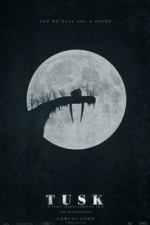

To legions of his many fans, writer, director, producer, and podcaster Kevin Smith is a man fanboys find easy to root for. His films have become pop-culture gold to comic book, science fiction, and general geekdom fans the world over. Smith has built a career on independent films with characters that are as real as they are raw and raunchy. The crude nature of his jokes often put him in a “love them or hate them” category for many critics as it is definitely not a style that is for the masses. That being said, the films are witty, honest, and most times relatable, no matter how bad the situations and the characters become. Recently, Smith took a detour to the darker side with his film “Red State” that looked at a group of kids who became the victims of a fanatical cult leader and his followers.
While Smith was reportedly working to get funding for “Clerks 3”, an idea was presented to him during his Smodcast about a guy in rural Canada who is offering free room and board to anybody who would live with him on the condition that they wear a walrus costume from time to time. Buoyed by his followers on Twitter, Smith decided to make a horror film based on the situation even after learning that the incident in question was the result of a prank by a comedian.
In his new film Tusk, we are introduced to a successful podcaster named Wallace (Justin Long), who along with his costar Teddy (Haley Joel Osment), run a show called the Not See Party, whose name leads to several double takes and comical and uncomfortable situations down the line. Wallace’s girlfriend Ally (Genesis Rodriguez) wishes to accompany Wallace to his trip up to Canada in order to interview someone for a show.
Since Teddy is not a flyer, Wallace travels to locations to interview people and then in turn tells the stories to Teddy so the two can comment about them on air. Ally longs for the Wallace of old who was a struggling comedian as she believes that the successful Wallace is not that fun to be around as he no longer makes her a priority in life. Wallace admits as much when he discloses a series of infidelities to Teddy and dismisses them as nothing more than clearing of the head while traveling or before doing a live show for an audience.
Upon arriving in Manitoba, Wallace learns that his intended interview has befallen tragedy and faced without a topic for his next show, Wallace is intrigued by a flyer from a man offering room and board as well as plenty of stories.
Wallace makes contact with the individual and travels two hours into rural Manitoba at night to meet the man at his expansive estate. Upon meeting Howard Howe (Michael Parks), Wallace is captivated by the elderly wheelchair-bound gentleman and his tales of life at sea including meeting Ernest Hemingway during the war. As Wallace sat spellbound by the tales Howard is telling him, he soon falls unconscious as a result of being drugged by his host. Things take a very dark turn the following morning when Howard learns that he has lost a leg of which Howard proclaims was the tragic result of a spider bite. Things become a living nightmare as Wallace quickly learns just how devious and diabolical Michael’s plans are for him and trapped in a remote area his humanity and faith are slowly stripped away by the situation he finds himself in.
Teddy and Ally travel to Manitoba due to a frantic call Wallace makes and not finding much assistance from the local authorities, turn to quirky and eccentric former homicide detective Guy LaPointe (Johnny Depp), who fears that Wallace has become the victim of an elusive killer whom LaPointe has been trying to find for years.
What follows is a dark, disturbing, and utterly captivating thriller in a race against time with the very essence and humanity of Wallace hanging in the balance.
While Smith inserts his trademark humor into the film, this is very much a psychological thriller and not a comedy. Depp does a fantastic job and is almost unrecognizable in his role as a homicide detective who is scheduled to appear in a subsequent film currently shooting. While it seemed a bit of a stretch that Ally would want be involved with Wallace, there was nonetheless a good bit of chemistry between them even though the majority of their scenes are shown via flashback.
Long and Parks propel the story as it is pretty much about the dramatic struggle between the two of them. Parks is captivating and creepy while the brash Wallace gets a lesson in humanity and what truly matters in life. While some will no doubt find the subject matter highly disturbing and may be quick to dismiss the film, this is one of the more clever and enjoyable thrillers in recent years and proves that Smith is a filmmaker capable of doing things other than his trademark comedies and should be encouraged to continue to broaden his horizons.
As it stands the film should delight fans of Smith but also allows him to expand his audience into new areas as this truly is one of the more memorable and entertaining films of the year.
http://sknr.net/2014/09/19/tusk/
While Smith was reportedly working to get funding for “Clerks 3”, an idea was presented to him during his Smodcast about a guy in rural Canada who is offering free room and board to anybody who would live with him on the condition that they wear a walrus costume from time to time. Buoyed by his followers on Twitter, Smith decided to make a horror film based on the situation even after learning that the incident in question was the result of a prank by a comedian.
In his new film Tusk, we are introduced to a successful podcaster named Wallace (Justin Long), who along with his costar Teddy (Haley Joel Osment), run a show called the Not See Party, whose name leads to several double takes and comical and uncomfortable situations down the line. Wallace’s girlfriend Ally (Genesis Rodriguez) wishes to accompany Wallace to his trip up to Canada in order to interview someone for a show.
Since Teddy is not a flyer, Wallace travels to locations to interview people and then in turn tells the stories to Teddy so the two can comment about them on air. Ally longs for the Wallace of old who was a struggling comedian as she believes that the successful Wallace is not that fun to be around as he no longer makes her a priority in life. Wallace admits as much when he discloses a series of infidelities to Teddy and dismisses them as nothing more than clearing of the head while traveling or before doing a live show for an audience.
Upon arriving in Manitoba, Wallace learns that his intended interview has befallen tragedy and faced without a topic for his next show, Wallace is intrigued by a flyer from a man offering room and board as well as plenty of stories.
Wallace makes contact with the individual and travels two hours into rural Manitoba at night to meet the man at his expansive estate. Upon meeting Howard Howe (Michael Parks), Wallace is captivated by the elderly wheelchair-bound gentleman and his tales of life at sea including meeting Ernest Hemingway during the war. As Wallace sat spellbound by the tales Howard is telling him, he soon falls unconscious as a result of being drugged by his host. Things take a very dark turn the following morning when Howard learns that he has lost a leg of which Howard proclaims was the tragic result of a spider bite. Things become a living nightmare as Wallace quickly learns just how devious and diabolical Michael’s plans are for him and trapped in a remote area his humanity and faith are slowly stripped away by the situation he finds himself in.
Teddy and Ally travel to Manitoba due to a frantic call Wallace makes and not finding much assistance from the local authorities, turn to quirky and eccentric former homicide detective Guy LaPointe (Johnny Depp), who fears that Wallace has become the victim of an elusive killer whom LaPointe has been trying to find for years.
What follows is a dark, disturbing, and utterly captivating thriller in a race against time with the very essence and humanity of Wallace hanging in the balance.
While Smith inserts his trademark humor into the film, this is very much a psychological thriller and not a comedy. Depp does a fantastic job and is almost unrecognizable in his role as a homicide detective who is scheduled to appear in a subsequent film currently shooting. While it seemed a bit of a stretch that Ally would want be involved with Wallace, there was nonetheless a good bit of chemistry between them even though the majority of their scenes are shown via flashback.
Long and Parks propel the story as it is pretty much about the dramatic struggle between the two of them. Parks is captivating and creepy while the brash Wallace gets a lesson in humanity and what truly matters in life. While some will no doubt find the subject matter highly disturbing and may be quick to dismiss the film, this is one of the more clever and enjoyable thrillers in recent years and proves that Smith is a filmmaker capable of doing things other than his trademark comedies and should be encouraged to continue to broaden his horizons.
As it stands the film should delight fans of Smith but also allows him to expand his audience into new areas as this truly is one of the more memorable and entertaining films of the year.
http://sknr.net/2014/09/19/tusk/
Gareth von Kallenbach (980 KP) rated The Amazing Spider-Man 2 (2014) in Movies
Jun 19, 2019
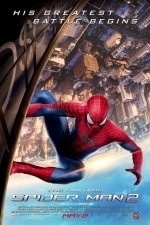
Life for Peter Parker, (Andrew Garfield), has become interesting to say the least. He is juggling the delicate and complex balance of being Spider-man as well as a high school senior and boyfriend to Gwen Stacy (Emma Stone).
His enthusiasm for his wall crawling alter ego is evident from the start as he still is as fast with a quip as he is with his webs and fists when taking down the bad guys of New York.
A chance encounter with an ultra nerdy yet brilliant Oscorp employee named Max (Jaime Foxx), puts a series of events into motion that will put the city and Spider-man on a collision with a severe danger.
When a freak accident transforms Max into a being capable of becoming and discharging pure electricity, the passive aggressive Max has an outlet for his pent up anger and hero worship and sets to make all those who ignored him pay.
At the same time, internal politics have left Oscorp in the hands of young Harry who learns he has limited time to solidify his position and legacy.
All of this would be enough for anyone to deal with but Peter is conflicted by his love for Gwen and his promise to her late father to stay away from her for her own safety.
Peter also has to content with his Aunt May (Sally Field) and unlocking the mystery of his parents who left him with his Aunt and Uncle years earlier never to return.
If this sounds a bit heady for a comic book based movie then you will not be surprised with the first ¾ of the film. It does contain some great 3D moments of Spider-man slinging his way around the city and some good moments of action but mostly the audience gets character introductions and plot expositions.
When it does get to the action, it does so in a very sleek and stylish way but one that is so obviously CGI created that it plays more like a video game.
For me the liberties taking with the characters and the history of the series were a bit much at first as what they came up with for Electro is not even close to the way he is portrayed in the comics.
Thankfully the final act of the film delivers and sets up future films in grand style even though the trailers tease content that is barely in the film and would have made for a great addition to the film.
Garfield and Stone have great chemistry with one another, and Foxx does his best despite in my opinion being very miscast for the role.
Director Marc Webb is clearly a fan of the source material and I am eager to see what he comes up with for future installments.
As it stands, “The Amazing Spider-man 2”, is an enjoyable summer film but not as good as the film that preceded it and could have been so much more.
http://sknr.net/2014/05/02/amazing-spider-man-2/
His enthusiasm for his wall crawling alter ego is evident from the start as he still is as fast with a quip as he is with his webs and fists when taking down the bad guys of New York.
A chance encounter with an ultra nerdy yet brilliant Oscorp employee named Max (Jaime Foxx), puts a series of events into motion that will put the city and Spider-man on a collision with a severe danger.
When a freak accident transforms Max into a being capable of becoming and discharging pure electricity, the passive aggressive Max has an outlet for his pent up anger and hero worship and sets to make all those who ignored him pay.
At the same time, internal politics have left Oscorp in the hands of young Harry who learns he has limited time to solidify his position and legacy.
All of this would be enough for anyone to deal with but Peter is conflicted by his love for Gwen and his promise to her late father to stay away from her for her own safety.
Peter also has to content with his Aunt May (Sally Field) and unlocking the mystery of his parents who left him with his Aunt and Uncle years earlier never to return.
If this sounds a bit heady for a comic book based movie then you will not be surprised with the first ¾ of the film. It does contain some great 3D moments of Spider-man slinging his way around the city and some good moments of action but mostly the audience gets character introductions and plot expositions.
When it does get to the action, it does so in a very sleek and stylish way but one that is so obviously CGI created that it plays more like a video game.
For me the liberties taking with the characters and the history of the series were a bit much at first as what they came up with for Electro is not even close to the way he is portrayed in the comics.
Thankfully the final act of the film delivers and sets up future films in grand style even though the trailers tease content that is barely in the film and would have made for a great addition to the film.
Garfield and Stone have great chemistry with one another, and Foxx does his best despite in my opinion being very miscast for the role.
Director Marc Webb is clearly a fan of the source material and I am eager to see what he comes up with for future installments.
As it stands, “The Amazing Spider-man 2”, is an enjoyable summer film but not as good as the film that preceded it and could have been so much more.
http://sknr.net/2014/05/02/amazing-spider-man-2/

Chris Sawin (602 KP) rated Scary Stories to Tell in the Dark (2019) in Movies
Aug 11, 2019 (Updated Aug 11, 2019)
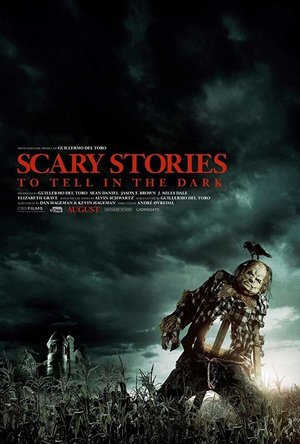

The monsters. (1 more)
Special effects - blend of CG and practical.
The Pale Lady. (2 more)
Basic rinse and repeat horror formula.
No emotional attachment to characters.
Fishing for Turds
Scary Stories to Tell in the Dark is probably considered the introduction to horror fiction for anyone who was in middle school in the mid to late 1990s. I distinctly remember checking out at least one of the books before I was a teenager, but the story that has stuck with me multiple decades later has and always will be, “The Red Spot.” The thing about the Scary Stories books is that they were just these random collections of creepy tales meant to make the reader anxious, uneasy, or even frightened, so the fact that somebody attempted to make a coherent film out of a jumbled mix of stories from all three books is kind of incredible.
The horror film directed by André Øvredal (Trollhunter, The Autopsy of Jane Doe) follows a group of teenagers in the small town of Mill Valley, Pennsylvania during Halloween in 1968. Stella (Zoe Colletti) is a die-hard fan of the horror genre, Auggie (Gabriel Rush) is a bit too infatuated with girls for his own good, and Chuck (Austin Zajur) lives on candy and pranks when he’s not driving his older sister Ruth (Natalie Ganzhorn) insane. They cross paths with a mysterious drifter named Ramon (Michael Garza) who joins the group seemingly out of boredom.
They initially use trick or treating as a front for revenge against local jock and full-time bully Tommy (Austin Abrams), which leads them to a condemned and rumored to be haunted house of the Bellows family. Sarah Bellows lived in isolation and dramatically killed herself because of her family. Sarah turned her devastating life into inspiration for a series of terrifying stories. After Stella discovers the book Sarah wrote her stories in, strange things begin happening in Mill Valley and everyone in the Bellows house from that night becomes a target.
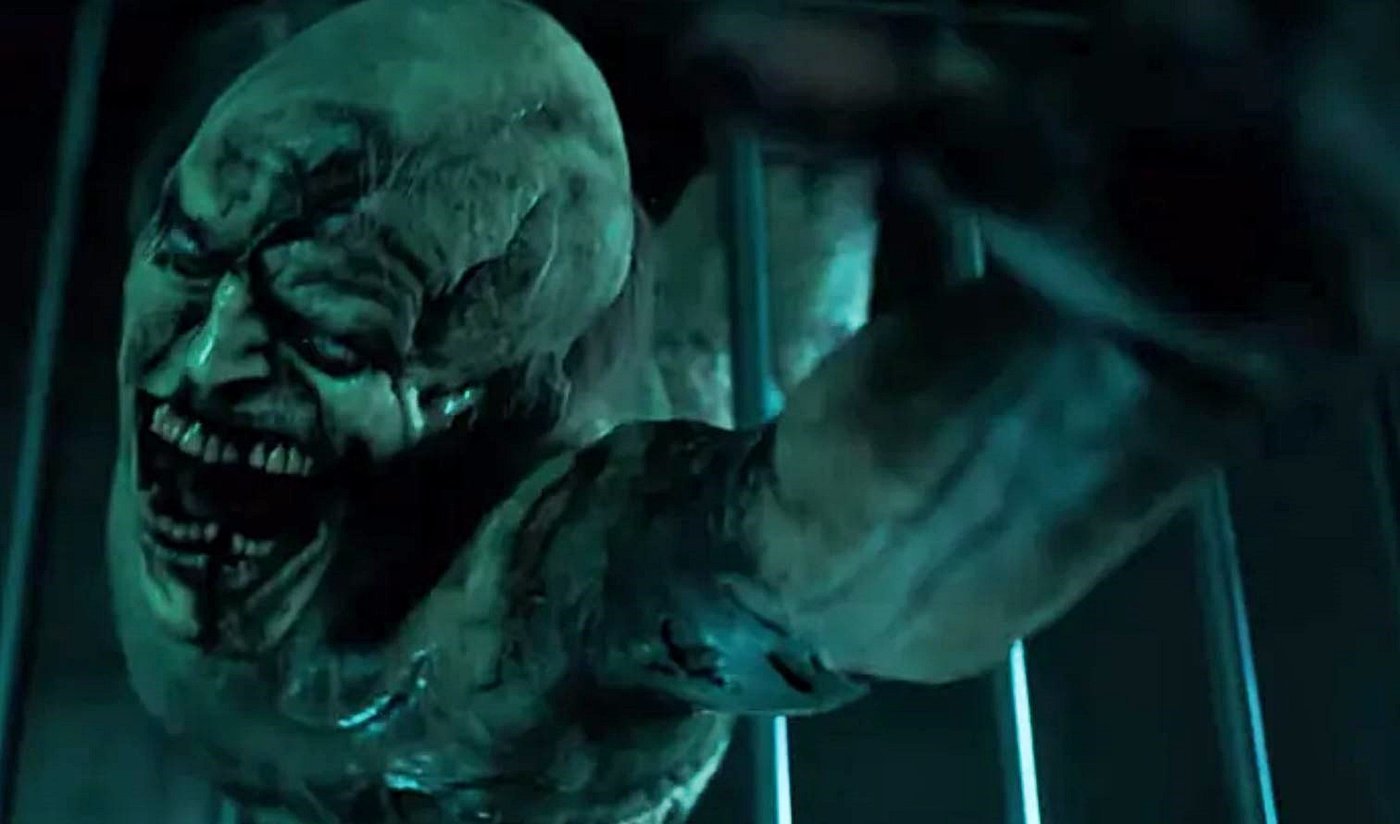
The monsters of the film attempt to be as explicitly accurate as possible to Stephen Gammell’s original illustrations from the Scary Stories books. This typically pays off, especially with Harold the Scarecrow and The Toe Monster but it seems to backfire with The Pale Lady. While she does still look like a living incarnation of Gammell’s artwork, the story has the weakest conclusion of the entire film. Scary Stories makes up for this by introducing The Jangly Man, who is seriously worth the price of admission alone even if you typically can’t understand a word that he says. The Jangly Man contorts his body in the most inhuman of ways, can separate all of his limbs from his torso, and has this bloodcurdling voice that rattles your insides.
There’s been an emphasis on the lack of a narrative in Scary Stories to Tell in the Dark. That may be true, but the film is based on a trilogy of books that is close to thirty years old and is supposed to be aimed at younger readers. The film adapts the stories in a way that isn’t totally successful, but it is surprisingly great at times. Despite some recognizable names in the supporting cast such as Dean Norris (Breaking Bad), Gil Bellows (The Shawshank Redemption), and Lorraine Toussaint (Orange is the New Black), the main cast is mostly filled with unknowns. Some reviews claim that the acting isn’t up to par, but I was pleasantly surprised. Austin Zajur can be annoying as the mischievous Chuck, but he was also rather humorous the majority of the time. Zoe Colletti goes a little overboard when she cries, but she’s also solid when she gushes over horror. Austin Abrams is seriously nasty as Tommy. He is always sweaty and has no remorse for anyone. He takes bullying to frightening heights.
I guess I expected the film to be corny (pun intended) with lame PG-13 kills and a cast that had no idea what they were doing. The film managed to make me a fan during the Harold segment. That surround sound in the cornfield is masterful with the wind blowing through corn stalks in every direction and the rusty creaking of the scarecrow as he tries to walk. How these teenagers are terrorized manages to transcend what movie ratings typically mean for a given film; this would be unsettling regardless of what it’s rated or how old the viewer is.
Scary Stories to Tell in the Dark is not a perfect horror anthology since it’s extremely simple in concept. A monster shows up, a kid disappears, and then it’s rinse and repeat for an hour and 47 minutes. At the same time though, it’s probably the scariest film of the summer and could potentially become the next big horror franchise. Scary Stories to Tell in the Dark could easily take over where the Final Destination films left off or even be this generation’s answer to that. The practical effects mixed with just the right amount of CGI for the monsters are what really sell the film. Despite being as disjointed and unnatural as The Jangly Man, Scary Stories to Tell in the Dark is way more amusing and eerie than it has any right to be.
The horror film directed by André Øvredal (Trollhunter, The Autopsy of Jane Doe) follows a group of teenagers in the small town of Mill Valley, Pennsylvania during Halloween in 1968. Stella (Zoe Colletti) is a die-hard fan of the horror genre, Auggie (Gabriel Rush) is a bit too infatuated with girls for his own good, and Chuck (Austin Zajur) lives on candy and pranks when he’s not driving his older sister Ruth (Natalie Ganzhorn) insane. They cross paths with a mysterious drifter named Ramon (Michael Garza) who joins the group seemingly out of boredom.
They initially use trick or treating as a front for revenge against local jock and full-time bully Tommy (Austin Abrams), which leads them to a condemned and rumored to be haunted house of the Bellows family. Sarah Bellows lived in isolation and dramatically killed herself because of her family. Sarah turned her devastating life into inspiration for a series of terrifying stories. After Stella discovers the book Sarah wrote her stories in, strange things begin happening in Mill Valley and everyone in the Bellows house from that night becomes a target.
The monsters of the film attempt to be as explicitly accurate as possible to Stephen Gammell’s original illustrations from the Scary Stories books. This typically pays off, especially with Harold the Scarecrow and The Toe Monster but it seems to backfire with The Pale Lady. While she does still look like a living incarnation of Gammell’s artwork, the story has the weakest conclusion of the entire film. Scary Stories makes up for this by introducing The Jangly Man, who is seriously worth the price of admission alone even if you typically can’t understand a word that he says. The Jangly Man contorts his body in the most inhuman of ways, can separate all of his limbs from his torso, and has this bloodcurdling voice that rattles your insides.
There’s been an emphasis on the lack of a narrative in Scary Stories to Tell in the Dark. That may be true, but the film is based on a trilogy of books that is close to thirty years old and is supposed to be aimed at younger readers. The film adapts the stories in a way that isn’t totally successful, but it is surprisingly great at times. Despite some recognizable names in the supporting cast such as Dean Norris (Breaking Bad), Gil Bellows (The Shawshank Redemption), and Lorraine Toussaint (Orange is the New Black), the main cast is mostly filled with unknowns. Some reviews claim that the acting isn’t up to par, but I was pleasantly surprised. Austin Zajur can be annoying as the mischievous Chuck, but he was also rather humorous the majority of the time. Zoe Colletti goes a little overboard when she cries, but she’s also solid when she gushes over horror. Austin Abrams is seriously nasty as Tommy. He is always sweaty and has no remorse for anyone. He takes bullying to frightening heights.
I guess I expected the film to be corny (pun intended) with lame PG-13 kills and a cast that had no idea what they were doing. The film managed to make me a fan during the Harold segment. That surround sound in the cornfield is masterful with the wind blowing through corn stalks in every direction and the rusty creaking of the scarecrow as he tries to walk. How these teenagers are terrorized manages to transcend what movie ratings typically mean for a given film; this would be unsettling regardless of what it’s rated or how old the viewer is.
Scary Stories to Tell in the Dark is not a perfect horror anthology since it’s extremely simple in concept. A monster shows up, a kid disappears, and then it’s rinse and repeat for an hour and 47 minutes. At the same time though, it’s probably the scariest film of the summer and could potentially become the next big horror franchise. Scary Stories to Tell in the Dark could easily take over where the Final Destination films left off or even be this generation’s answer to that. The practical effects mixed with just the right amount of CGI for the monsters are what really sell the film. Despite being as disjointed and unnatural as The Jangly Man, Scary Stories to Tell in the Dark is way more amusing and eerie than it has any right to be.

Hazel (1853 KP) rated Immortal Writers in Books
Dec 17, 2018

<i>This ARC was provided by the publisher via NetGalley in exchange for an honest review </i>
Words are the most powerful form of magic. Jill Bowers creates a unique fantasy concept in this soon to be published adventure novel. When <i>Immortal Writers</i> begins, the genre is similar to many contemporary novels: characters living normal day-to-day lives. Eighteen-year-old Liz has just landed back in her hometown after touring to promote her new novel, the next in a popular fantasy series that won her the Best Young Fantasy Award. All she wants is to return to her apartment and go to bed, so being kidnapped was not part of her plan. Especially not being kidnapped by the formidable William Shakespeare.
What Liz and readers both learn next is a brilliant, awe-inspiring idea. Imagine that all the world’s most famous authors were immortal and lived together in a magical castle manipulated by the science fiction novelists. That is what Liz suddenly has to come to terms with. Although she is only young, her books show so much potential that she is already initiated into the Immortal Writers. But it is not only legendary writers inhabiting this fortress. When an author becomes immortal, their characters become real. Liz is shocked to come face to face with the handsome hero of her story as well as a few of her supporting characters. However that is not all that has crossed over into reality.
As well as the goodies, the evil characters have also been brought into the world. Kenric, Liz’s antagonist, has hidden himself nearby with hundreds of dragons. He wants dominion over the entire planet and the only person that can stop him is Liz herself. So begins an adventure of learning to use magic, sword fights, dragon attacks and inevitable, heart wrenching causalities.
As a writer, Jill Bowers has not quite got the level of standard that the top authors have achieved. This is evident from the lack of description and awkwardness of the prose throughout the first few chapters. Once the storyline is well under way it becomes a lot easier to read; whether her writing improves is debatable, but her imagination captures the readers attention and provides a thoroughly entertaining narrative.
It is not solely the plot, characters and action that will stay in readers’ minds – the overall concept is fantastic. Who would not want their favourite authors to live forever? I would love to meet a William Shakespeare who has adapted himself to modern day living. Even more exciting is the possibility of meeting fictional characters. Each reader is bound to start daydreaming about which of their most loved books they would like to become real. How great would it be to meet Harry Potter, or see a unicorn, or eat some chocolate made by Willy Wonka, or… the possibilities are endless.
<i>Immortal Writers</i> is the first novel in a series so there will be more books that focus on this amazing idea. From the preview at the end of this copy, it appears that the following book will be about different authors/characters, therefore will provide a whole new outline to wrap our heads around.
Fantasy fans should definitely seek out this series. The writing may not exactly be up to par, but the general storyline is unquestionably worth it. Encompassing, contemporary, adventure and romance genres, <i>Immortal Writers</i> is an incredible fantasy story based in the “real” world.
Words are the most powerful form of magic. Jill Bowers creates a unique fantasy concept in this soon to be published adventure novel. When <i>Immortal Writers</i> begins, the genre is similar to many contemporary novels: characters living normal day-to-day lives. Eighteen-year-old Liz has just landed back in her hometown after touring to promote her new novel, the next in a popular fantasy series that won her the Best Young Fantasy Award. All she wants is to return to her apartment and go to bed, so being kidnapped was not part of her plan. Especially not being kidnapped by the formidable William Shakespeare.
What Liz and readers both learn next is a brilliant, awe-inspiring idea. Imagine that all the world’s most famous authors were immortal and lived together in a magical castle manipulated by the science fiction novelists. That is what Liz suddenly has to come to terms with. Although she is only young, her books show so much potential that she is already initiated into the Immortal Writers. But it is not only legendary writers inhabiting this fortress. When an author becomes immortal, their characters become real. Liz is shocked to come face to face with the handsome hero of her story as well as a few of her supporting characters. However that is not all that has crossed over into reality.
As well as the goodies, the evil characters have also been brought into the world. Kenric, Liz’s antagonist, has hidden himself nearby with hundreds of dragons. He wants dominion over the entire planet and the only person that can stop him is Liz herself. So begins an adventure of learning to use magic, sword fights, dragon attacks and inevitable, heart wrenching causalities.
As a writer, Jill Bowers has not quite got the level of standard that the top authors have achieved. This is evident from the lack of description and awkwardness of the prose throughout the first few chapters. Once the storyline is well under way it becomes a lot easier to read; whether her writing improves is debatable, but her imagination captures the readers attention and provides a thoroughly entertaining narrative.
It is not solely the plot, characters and action that will stay in readers’ minds – the overall concept is fantastic. Who would not want their favourite authors to live forever? I would love to meet a William Shakespeare who has adapted himself to modern day living. Even more exciting is the possibility of meeting fictional characters. Each reader is bound to start daydreaming about which of their most loved books they would like to become real. How great would it be to meet Harry Potter, or see a unicorn, or eat some chocolate made by Willy Wonka, or… the possibilities are endless.
<i>Immortal Writers</i> is the first novel in a series so there will be more books that focus on this amazing idea. From the preview at the end of this copy, it appears that the following book will be about different authors/characters, therefore will provide a whole new outline to wrap our heads around.
Fantasy fans should definitely seek out this series. The writing may not exactly be up to par, but the general storyline is unquestionably worth it. Encompassing, contemporary, adventure and romance genres, <i>Immortal Writers</i> is an incredible fantasy story based in the “real” world.

D&D Lords of Waterdeep
Games
9.0 Rate It
App
*Cross platform online play! Join your friends on other platforms!* *New In-game chat feature. Stay...