
Search
Search results
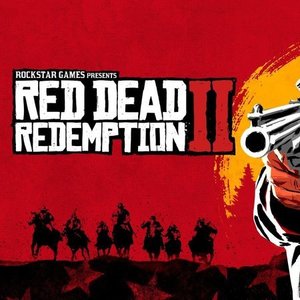
Fred (860 KP) rated the PlayStation 4 version of Red Dead Redemption 2 in Video Games
Dec 4, 2018


Beautiful humongous world (5 more)
Tons to do. Hours & hours of stuff.
Great acting and characters
Lots of Easter eggs
Wonderful music
Great story
That feckin robin (2 more)
Big world means lots of riding
New Austin is kind of dead
Rockstar let my mama's baby grow up to be a cowboy
Yes, I'm a little late to this party, but I wanted to play until I completed the game & today, I finally did. I've also played a few hours of the online beta, but I'll get to that later.
Let's start with what this game is about. It's an open world game, set in the old west. It's set before the events of Red Dead Redemption. In that game, you played as John Marston. In that game, John was a man trying to change his life. He was a criminal, a thief, a murderer, but he's gone straight In this game, you play as Arthur Morgan. A criminal in the same gang with John. He is a bad guy, no doubt. But throughout the game, he has many opportunities to do good. Of course, you can play him that way, or you can play him as a heartless bastard. This will effect some of the story, the dialogue & the ending of the game. I played the game as if Arthur was a good guy inside & the ending I got was very satisfying, very emotional.
For most of the story, you're on the run with your gang, setting up different camps throughout the map, evading rival gangs & the law. This is a great way to get to know the world, however, you're free to explore most of the map freely. It is enormous & gorgeous. Some of the best scenery I've seen in a game. Sometimes you will really feel you're living in a real world. And that's the greatest thing about this game. The immersion. You really feel like you're living the life of your character. And Rockstar did that by making you take care of your character. You shave, bathe, eat & take care of your horse. Yes, you name your horse, feed it, brush it, pet it. You get very attached to it, as it is your main way of getting around. If your horse dies, it's gone. And believe me, it hurts to lose your horse.
Rockstar fills the game with so many missions, side activities, random encounters & hidden Easter eggs that it will take you weeks to do them all. I've been playing since day one, an average of 6 to 7 hours a day, & today, 5 & a half weeks later, I finally got 100% in the game. To be honest, when I first started, I spent lots of time just riding around, finding activities & hidden goodies & enjoying the scenery. Like most of their games, there's a supernatural element to some things as well as supernatural encounters. Steampunk, monsters, etc... a little bit of everything. Some encounters are funny, some terrifying, all of them cool.
I think what makes this game different & better than it's predecessor is the characters themselves. I'm not talking about the main characters alone, I'm talking about the people who litter the world. In RDR, some of the characters were silly, off-the-wall & unnatural. They were cartoonish. In RDR2, the people are real. Some may be weird and a bit crazy, but they never feel fake. They never feel like a character. Because of this, the world lives. They breathe life into it with every interaction. From the
Civil War veterans to the blind beggar, to the racist jackass standing on the corner in Saint Denis handing out pro-white pamphlets. They really make you feel like you're there. Again, immersion.
Some of the things you can do besides the missions are rob people, trains, coaches, banks. Another thing is hunting. Hunting can be a great way to make money. During the game, there are many challenges that you can undertake as well. There's are 9 categories with 10 challenges to each that can be done at your leisure. I left a lot of these to do last. I honestly didn't think I'd be able to do some of them. They just seemed ridiculous. But funny enough, I did about 50 of the last challenges within 2 days. And when I finished, I expected my 100% trophy to pop up. But it didn't. I was at 99%. What the? Looking at my completion list, there was something under the collections section that said unknown collection. Searching the internet, I found that most sites didn't have it listed. But I finally found a site that did. The last collection was the hunting challenge. And this brings us to that feckin robin.
Okay, let me explain. The hunting challenge you are given is to kill 5 different lists of animals. Each animal must be a perfect carcass. Which means, they have to be of perfect quality before you kill them & you must not damage them while killing them. Well, all of these animals are small animals. And most of them are small birds. It was fairly easy to get most of these animals. But there was one that was a huge pain in the ass. Can you guess what it was? Yes, a robin. A small, fast bird that is so rare, there are pages & videos galore on finding one. Most of which as total bollocks. How do I know? I spent over 7 hours trying to find one. Going to all these spots, seeing 3 of them total, shooting one & ruining it's carcass, & missing the other 2 based on their disappearance through the trees. I was really going to give up. So close, but so far. Luckily, using some people's hints & coming up with my own, I finally figured out how to get him. And it then took me 15 minutes. Yes, 15 minutes with 7 hours of wasted time. I am putting this as a negative, because it was really ridiculous to try to hunt this thing. So aggrivating. I understand if they want to make something rare, but it's just not nice. I felt like Rockstar was pulling a joke on it's players.
But anyway, this still doesn't bring down my score of the game. It's one of the greatest games I've ever played. But Rockstar has many perfect 10 games under it's belt in my opinion, including RDR. Is this game better. Yes, I think so. But it's oh so close.
A quick word on RDR online. It's only in beta, so I can't give a true review yet. However, I'm finding it so much fun doing missions with other people. Of course, there are jackasses going around shooting people for no reason. It gives no benefit to do so. Not all of the features are in there yet, but I will be playing when it goes to full online & will giv an update.
Let's start with what this game is about. It's an open world game, set in the old west. It's set before the events of Red Dead Redemption. In that game, you played as John Marston. In that game, John was a man trying to change his life. He was a criminal, a thief, a murderer, but he's gone straight In this game, you play as Arthur Morgan. A criminal in the same gang with John. He is a bad guy, no doubt. But throughout the game, he has many opportunities to do good. Of course, you can play him that way, or you can play him as a heartless bastard. This will effect some of the story, the dialogue & the ending of the game. I played the game as if Arthur was a good guy inside & the ending I got was very satisfying, very emotional.
For most of the story, you're on the run with your gang, setting up different camps throughout the map, evading rival gangs & the law. This is a great way to get to know the world, however, you're free to explore most of the map freely. It is enormous & gorgeous. Some of the best scenery I've seen in a game. Sometimes you will really feel you're living in a real world. And that's the greatest thing about this game. The immersion. You really feel like you're living the life of your character. And Rockstar did that by making you take care of your character. You shave, bathe, eat & take care of your horse. Yes, you name your horse, feed it, brush it, pet it. You get very attached to it, as it is your main way of getting around. If your horse dies, it's gone. And believe me, it hurts to lose your horse.
Rockstar fills the game with so many missions, side activities, random encounters & hidden Easter eggs that it will take you weeks to do them all. I've been playing since day one, an average of 6 to 7 hours a day, & today, 5 & a half weeks later, I finally got 100% in the game. To be honest, when I first started, I spent lots of time just riding around, finding activities & hidden goodies & enjoying the scenery. Like most of their games, there's a supernatural element to some things as well as supernatural encounters. Steampunk, monsters, etc... a little bit of everything. Some encounters are funny, some terrifying, all of them cool.
I think what makes this game different & better than it's predecessor is the characters themselves. I'm not talking about the main characters alone, I'm talking about the people who litter the world. In RDR, some of the characters were silly, off-the-wall & unnatural. They were cartoonish. In RDR2, the people are real. Some may be weird and a bit crazy, but they never feel fake. They never feel like a character. Because of this, the world lives. They breathe life into it with every interaction. From the
Civil War veterans to the blind beggar, to the racist jackass standing on the corner in Saint Denis handing out pro-white pamphlets. They really make you feel like you're there. Again, immersion.
Some of the things you can do besides the missions are rob people, trains, coaches, banks. Another thing is hunting. Hunting can be a great way to make money. During the game, there are many challenges that you can undertake as well. There's are 9 categories with 10 challenges to each that can be done at your leisure. I left a lot of these to do last. I honestly didn't think I'd be able to do some of them. They just seemed ridiculous. But funny enough, I did about 50 of the last challenges within 2 days. And when I finished, I expected my 100% trophy to pop up. But it didn't. I was at 99%. What the? Looking at my completion list, there was something under the collections section that said unknown collection. Searching the internet, I found that most sites didn't have it listed. But I finally found a site that did. The last collection was the hunting challenge. And this brings us to that feckin robin.
Okay, let me explain. The hunting challenge you are given is to kill 5 different lists of animals. Each animal must be a perfect carcass. Which means, they have to be of perfect quality before you kill them & you must not damage them while killing them. Well, all of these animals are small animals. And most of them are small birds. It was fairly easy to get most of these animals. But there was one that was a huge pain in the ass. Can you guess what it was? Yes, a robin. A small, fast bird that is so rare, there are pages & videos galore on finding one. Most of which as total bollocks. How do I know? I spent over 7 hours trying to find one. Going to all these spots, seeing 3 of them total, shooting one & ruining it's carcass, & missing the other 2 based on their disappearance through the trees. I was really going to give up. So close, but so far. Luckily, using some people's hints & coming up with my own, I finally figured out how to get him. And it then took me 15 minutes. Yes, 15 minutes with 7 hours of wasted time. I am putting this as a negative, because it was really ridiculous to try to hunt this thing. So aggrivating. I understand if they want to make something rare, but it's just not nice. I felt like Rockstar was pulling a joke on it's players.
But anyway, this still doesn't bring down my score of the game. It's one of the greatest games I've ever played. But Rockstar has many perfect 10 games under it's belt in my opinion, including RDR. Is this game better. Yes, I think so. But it's oh so close.
A quick word on RDR online. It's only in beta, so I can't give a true review yet. However, I'm finding it so much fun doing missions with other people. Of course, there are jackasses going around shooting people for no reason. It gives no benefit to do so. Not all of the features are in there yet, but I will be playing when it goes to full online & will giv an update.

Cody Cook (8 KP) rated Everlasting Dominion: A Theology of the Old Testament in Books
Jun 29, 2018


In Everlasting Dominion: A Theology of the Old Testament (Nashville: Broadman and Holman, 2006), Eugene H. Merrill sets out to provide a theology of the Old Testament which represents the O.T. as a consistent whole that has God as its ultimate source. As such, he supports a high view of biblical inspiration as verbal: “The word of God to the prophets was verbal; and what they spoke and wrote, therefore, was also verbal. The means by which the verbalizing was effected is never disclosed, nor is it necessary to know. The point is that the prophetic word, the highest form of divine revelation, was recognized at the time to be the words of God, a view maintained by virtually unanimous consensus in Jewish and Christian tradition until the inroads of modern criticism.”
Insofar as Merrill is a Christian writing about the Old Testament's theology, this creates a dilemma in regard to the role the New Testament is allowed to play in his interpretation. Merrill acknowledges this from the get go:
“Old Testament theology is the study of biblical theology that employs the methods of that discipline to the Old Testament alone while being aware of the limitations inherent in not addressing the New Testament witness in any comprehensive way. This delimitation can be justified on the grounds that the Old Testament speaks its own message, one that is legitimate and authoritative in every sense of the term even if, from the Christian viewpoint, its message is not ultimately complete.”
As such, his work attempts to focus on what the Old Testament says on its own, though he occasionally appeals to New Testament ideas as a means of providing an additional witness to his interpretation.
Merrill tends to provide basic level interpretation in the canonical order of the Old Testament books. As such, little of his exegesis is particularly creative. However, he does have one unique idea which comes up throughout the book and indeed inspired the title-- the idea that man was made by God as an intermediary for God's dominion over the world:
“The crowning work of creation was the appearance of mankind on the sixth day (Gen. 1:26–28). He is said to be in the image and likeness of God, but the grammar permits and theology favors the idea that he was created as his image and likeness, that is, as God's representative on earth... [This passage] is also the clearest expression of the divine purpose in creation. After all things else had been made and put into their several positions of function and interrelationship, the Lord said, 'Let Us make man [as] Our image, according to Our likeness. They will rule' (Gen. 1:26). The significance of this for communicating a (if not the) major theme of Old Testament theology cannot be overstated, and the fact that it is the first divinely articulated expression of the reason for man's existence makes it doubly significant. What is lacking apparently after the whole cosmos has been spoken into existence is its management, a caretaker as it were who will govern it all according to the will of the Creator. He could have done it himself without mediation, but for reasons never revealed in the sacred record, God elected to reign through a subordinate, a surrogate king responsible only to him.”
Merrill explains what had been lost in this divine intention after the Fall: “No longer did man have dominion over all things; instead, he abdicated his role as sovereign and worshipped what he should have ruled.” However, he still highlights partial fulfillments of the divine plan even after the Fall, such as in the Israelite monarchy:
“The creation mandate that mankind should 'be fruitful, multiply, fill the earth, and subdue it' and 'rule the fish of the sea, the birds of the sky, and every creature that crawls on the earth' (Gen. 1:28) finds tangible expression even if only in a highly preliminary and anticipatory manner. David and his dynastic successors never exhibited this kind of universal dominion, of course, but the limited success they did enjoy, especially under Solomon (cf. 1 Kings 4:20–34), was a foretaste of the splendor, glory, and power of his descendants yet to come at the end of human history.”
Of course, this idea of human dominion as a vice-regent of God would only find its final fulfillment in Christ, the second Adam and the second David:
“If paradise was lost at the fall, it will be regained at the re-creation, not least in the restoration of man's glory as the vice-regent of the King of kings.”
The book seems to go out of its way to contrast the wild speculation of liberal theology, resulting in a work which is so straight-forward as to be dull. This is by no means always the case with Merrill's writings, as his Historical Survey of the Old Testament was one of the most interesting books I read as a new Christian. In Everlasting Dominion, however, where skeptical scholarship always assumes that the text is hiding something, Merrill takes it at face value. The result is a theology of the Old Testament which is more grounded, but that also often fails to soar to the heights that the text might allow for. Instead of elucidation and theologizing, Merrill tends to resort to extended (and I do mean extended) summary of the Hebrew canon.
The one major exception to this tendency is in Merrill's discussion of dominion, which we discussed above in detail. However, more work could certainly have been done on this topic, particularly in regard to how Jesus brings the idea to its fulfillment. Since it is Merrill's goal to explain the Old Testament with as little light from the New as possible, it is difficult to fault him for this. But it's also hard to fault the reader for wanting more when he reads tantalizing sections like this:
“What we propose in the following comments is done with a great deal of tentativeness since, as far as we can determine, we are virtually alone in making the case that Jesus, in his earthly ministry, frequently performed miraculous works to demonstrate not just his full deity but also his role as Urmensch, the second Adam who came to display in character and life what God had intended as the ideal for the whole human race. Without pursuing the biblical arguments for a full-blown Christology that is sensitive to both his divine and human natures, let it be said that there is universal consensus that the New Testament presents Jesus not only as God but also as perfect man.”
That being said, it does seem like an exaggeration to claim that Genesis 1:26 is the key text to understanding Old Testament theology. That it is a major theme, particularly in relation to its underemphasis by most biblical commentators, does not by any means strain credulity. It also seems to be in the back of the mind of many New Testament authors who emphasize restoration of the Kingdom of God involving our reigning with Christ and inheriting the eternal life and dominion over the world which was originally connected with our Edenic charge.
In the final analysis, Everlasting Dominion provides a good straight-forward overview of the Old Testament, but simply doesn't provide enough insight to warrant its nearly 700 pages.
Insofar as Merrill is a Christian writing about the Old Testament's theology, this creates a dilemma in regard to the role the New Testament is allowed to play in his interpretation. Merrill acknowledges this from the get go:
“Old Testament theology is the study of biblical theology that employs the methods of that discipline to the Old Testament alone while being aware of the limitations inherent in not addressing the New Testament witness in any comprehensive way. This delimitation can be justified on the grounds that the Old Testament speaks its own message, one that is legitimate and authoritative in every sense of the term even if, from the Christian viewpoint, its message is not ultimately complete.”
As such, his work attempts to focus on what the Old Testament says on its own, though he occasionally appeals to New Testament ideas as a means of providing an additional witness to his interpretation.
Merrill tends to provide basic level interpretation in the canonical order of the Old Testament books. As such, little of his exegesis is particularly creative. However, he does have one unique idea which comes up throughout the book and indeed inspired the title-- the idea that man was made by God as an intermediary for God's dominion over the world:
“The crowning work of creation was the appearance of mankind on the sixth day (Gen. 1:26–28). He is said to be in the image and likeness of God, but the grammar permits and theology favors the idea that he was created as his image and likeness, that is, as God's representative on earth... [This passage] is also the clearest expression of the divine purpose in creation. After all things else had been made and put into their several positions of function and interrelationship, the Lord said, 'Let Us make man [as] Our image, according to Our likeness. They will rule' (Gen. 1:26). The significance of this for communicating a (if not the) major theme of Old Testament theology cannot be overstated, and the fact that it is the first divinely articulated expression of the reason for man's existence makes it doubly significant. What is lacking apparently after the whole cosmos has been spoken into existence is its management, a caretaker as it were who will govern it all according to the will of the Creator. He could have done it himself without mediation, but for reasons never revealed in the sacred record, God elected to reign through a subordinate, a surrogate king responsible only to him.”
Merrill explains what had been lost in this divine intention after the Fall: “No longer did man have dominion over all things; instead, he abdicated his role as sovereign and worshipped what he should have ruled.” However, he still highlights partial fulfillments of the divine plan even after the Fall, such as in the Israelite monarchy:
“The creation mandate that mankind should 'be fruitful, multiply, fill the earth, and subdue it' and 'rule the fish of the sea, the birds of the sky, and every creature that crawls on the earth' (Gen. 1:28) finds tangible expression even if only in a highly preliminary and anticipatory manner. David and his dynastic successors never exhibited this kind of universal dominion, of course, but the limited success they did enjoy, especially under Solomon (cf. 1 Kings 4:20–34), was a foretaste of the splendor, glory, and power of his descendants yet to come at the end of human history.”
Of course, this idea of human dominion as a vice-regent of God would only find its final fulfillment in Christ, the second Adam and the second David:
“If paradise was lost at the fall, it will be regained at the re-creation, not least in the restoration of man's glory as the vice-regent of the King of kings.”
The book seems to go out of its way to contrast the wild speculation of liberal theology, resulting in a work which is so straight-forward as to be dull. This is by no means always the case with Merrill's writings, as his Historical Survey of the Old Testament was one of the most interesting books I read as a new Christian. In Everlasting Dominion, however, where skeptical scholarship always assumes that the text is hiding something, Merrill takes it at face value. The result is a theology of the Old Testament which is more grounded, but that also often fails to soar to the heights that the text might allow for. Instead of elucidation and theologizing, Merrill tends to resort to extended (and I do mean extended) summary of the Hebrew canon.
The one major exception to this tendency is in Merrill's discussion of dominion, which we discussed above in detail. However, more work could certainly have been done on this topic, particularly in regard to how Jesus brings the idea to its fulfillment. Since it is Merrill's goal to explain the Old Testament with as little light from the New as possible, it is difficult to fault him for this. But it's also hard to fault the reader for wanting more when he reads tantalizing sections like this:
“What we propose in the following comments is done with a great deal of tentativeness since, as far as we can determine, we are virtually alone in making the case that Jesus, in his earthly ministry, frequently performed miraculous works to demonstrate not just his full deity but also his role as Urmensch, the second Adam who came to display in character and life what God had intended as the ideal for the whole human race. Without pursuing the biblical arguments for a full-blown Christology that is sensitive to both his divine and human natures, let it be said that there is universal consensus that the New Testament presents Jesus not only as God but also as perfect man.”
That being said, it does seem like an exaggeration to claim that Genesis 1:26 is the key text to understanding Old Testament theology. That it is a major theme, particularly in relation to its underemphasis by most biblical commentators, does not by any means strain credulity. It also seems to be in the back of the mind of many New Testament authors who emphasize restoration of the Kingdom of God involving our reigning with Christ and inheriting the eternal life and dominion over the world which was originally connected with our Edenic charge.
In the final analysis, Everlasting Dominion provides a good straight-forward overview of the Old Testament, but simply doesn't provide enough insight to warrant its nearly 700 pages.

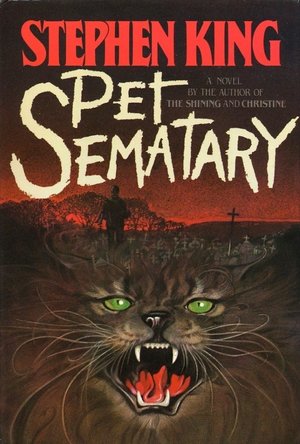
Hadley (567 KP) rated Pet Sematary in Books
Jul 31, 2019

Realistic horror scenes (1 more)
Great writing
Overuse of some words (1 more)
Some contradictions
Louis Creed, the main character of Stephen King's 'Pet Sematary,' wants a good life for his family. He's starting his first term as a newly appointed doctor for the University of Maine. Louis' family moved from Chicago to Maine for this very job, which consists of his young daughter, Ellie, his wife, Rachel, his infant son, Gage, and Ellie's black cat, Church (which is short for Winston Churchill). This cat quickly becomes the topic of conversation when the Creeds' new neighbor, Jud Crandall, warns them about the road in front of their house: " 'I'd get him fixed, ' Crandall said, crushing his smoke between his thumb and forefinger. 'A fixed cat don't tend to wander as much. But if it's all the time crossing back and forth, its luck will run out, and it'll end up there with the Ryder kids' coon and little Timmy Dessler's cocker spaniel and Missus Bradleigh's parakeet. Not that the parakeet got run over in the road, you understand. It just went feet up one day.' "
When Louis becomes curious about a trail behind his new home that leads into the woods, Jud gladly introduces the Creed family to the infamous 'Pet Sematary.' A place where children, for years, have buried their pets when they die. This place, and the death of Church, form the starting basis of King's amazing novel.
Louis' life suddenly changes after the death of a University student named Victor Pascow, and gets even worse when Louis starts to have dreams about him. One night, even the ghost of Pascow shows up at Louis' house: " He stood there with his head bashed in behind the left temple. The blood had dried on his face in maroon stripes like Indian warpaint. His collarbone jutted whitely. He was grinning. 'Come on, Doctor,' Pascow said. 'We got places to go.' " Louis ends up following Pascow to the pet sematary where he tells him: " 'I come as a friend,' Pascow said--- but was friend actually the word Pascow had used? Louis thought not. It was as if Pascow had spoken in a foreign language which Louis could understand through some dream magic... and friend was as close as to whatever word Pascow had actually used that Louis's struggling mind could come. ' Your destruction and the destruction of all you love is very near, Doctor.' He was close enough for Louis to be able to smell death on him. "
Later on, Louis feels Pascow's premonition might be coming true when he finds that Church has been killed by a passing vehicle. Jud, who happened to find Church, tells him to follow him so that they can bury the cat, but Jud doesn't stop at the pet sematary as expected, instead he goes past a deadfall barrier and continues on to a place he calls the Micmac Burial Ground, a burial ground that was made by the Micmac Indians. Through this entire scene, Louis experiences paranormal-type things, including the maniacal laughter of a disembodied voice. Jud warns Louis to not pay any attention to anything he experiences here: " 'You might see St. Elmo's fire- - - what the sailors call foo-lights. It makes funny shapes, but it's nothing. If you should see some of those shapes and they bother you, just look the other way. You may hear sounds like voices, but they are the loons down south toward Prospect. The sound carries. It's funny.' "
Now, the real story begins when Church returns to the house after his burial, where Louis finds dried blood on the cat's face and small pieces of plastic from the garbage bag his body had been in. Breathing and eating, the cat has certainly come back to life, but Louis notices that Church isn't the same as he was before; while Louis is in a hot bath, Church takes a seat on the toilet, where we witness him swaying back and forth, from this point on, Louis starts to regret following Jud to the Micmac burial ground.
Ellie, Louis' daughter, begins to suspect that something is different about Church, but she shrugs it off and doesn't necessarily question it:
" 'Daddy?' Ellie said in a low, subdued voice.
'What, Ellie? '
'Church smells funny.'
'Does he?' Louis asked, his voice carefully neutral.
'Yes!' Ellie said, distressed. 'Yes, he does! He never smelled funny before! He smells like... he smells like ka-ka!'
'Well, maybe he rolled in something bad, honey,' Louis said. 'Whatever that bad smell is, he'll lost it.'
'I certainly hope so,' Ellie said in a comical dowager's voice. She walked off. " King spends a majority of 'Pet Sematary' addressing everyone's fear of death; he discusses parents' fear of explaining death to their children for the first time, and even makes readers face the real nightmare of losing a child.
And the realism that King writes about is what makes him the great writer that he is today. King writes about the death of a child, but also makes Louis into a very real character that any parent could relate to. While many books touch on this subject, none can touch on grief like King does: " It was well for Louis- - - well for all three of the remaining family members--- that Steve had shown up as promptly as he had, because Louis was at least temporarily unable to make any kind of decision, even one so minor as giving his wife a shot to mute her deep grief. Louis hadn't even noticed that Rachel had apparently meant to go to the morning viewing in her housecoat, which she had misbuttoned. Her hair was uncombed, unwashed, tangled. Her eyes, blank brown orbits, bulged from sockets so sunken that they had almost become the eyes of a living skull. Her flesh was doughy. It hung from her face. She sat at the breakfast table that morning, munching unbuttered toast and talking in disjointed phrases that made no sense at all. At one point she had said abruptly, 'About that Winnebago you want to buy, Lou---' Louis had last spoken about buying a Winnebago in 1981. "
Yet, this isn't a book about grief, but a horror book about grief, which King masterfully put together. He molds the darkness of losing a child with the horror of making zombies, but King makes the story seem so realistic that any parent would go to the lengths that Louis did - - -and Jud, for that matter - - - even with the dire consequences at stake: " You're slanting all the evidence in favor of the conclusion you want to produce, his [Louis] mind protested. At least tell yourself the goddamned truth about the change in Church. Even if you want to disqualify the animals--- the mice and the birds--- what about the way he is? Muddled... that's the best word of all, that sums it up. The day we were out with the kite. You remember how Gage was that day? How vibrant and alive he was, reacting to everything? Wouldn't it be better to remember him that way? Do you want to resurrect a zombie from a grade-B horror picture? Or even something so prosaic as a retarded little boy? A boy who eats with his fingers and stares blankly at images on the TV screen and who will never learn to write his own name? What did Jud say about his dog? 'It was like washing a piece of meat.' Is that what you want? A piece of breathing meat? And even if you're able to be satisfied with that, how do you explain the return of your son from the dead to your wife? To your daughter? To Steve Masterton? To the world? What happens the first time Missy Dandridge pulls into the driveway and sees Gage riding his trike in the yard? Can't you hear her screams, Louis? Can't you see her harrowing her face with her fingernails? What do you say to the reporters? What do you say when a film crew from 'Real People' turns up on your doorstep, wanting to shoot film of your resurrected son? "
Pet Sematary is an emotional thrill ride, with Louis as a very relatable character, and the writing makes this a must-read book for all readers. With one of my favorite descriptive parts taking place in the 'Little God Swamp' that exists just outside of the Micmac Burial Ground when King describes the legendary Wendigo:
" The mist stained to a dull slate- gray for a moment, but this diffuse, ill-defined watermark was better than sixty feet high. It was no shade, no insubstantial ghost; he could feel the displaced air of its passage, could hear the mammoth thud of its feet coming down, the suck of mud as it moved on. For a moment he believed he saw twin yellow- orange sparks high above him. Sparks like eyes. "
The novel is so well-written that it reads easily, and King's descriptions put the reader right inside of the book.
With a few inconsistencies here and there, and overuse of some words, Pet Sematary is a very enjoyable book for lovers of the horror genre. I highly recommend this book!
When Louis becomes curious about a trail behind his new home that leads into the woods, Jud gladly introduces the Creed family to the infamous 'Pet Sematary.' A place where children, for years, have buried their pets when they die. This place, and the death of Church, form the starting basis of King's amazing novel.
Louis' life suddenly changes after the death of a University student named Victor Pascow, and gets even worse when Louis starts to have dreams about him. One night, even the ghost of Pascow shows up at Louis' house: " He stood there with his head bashed in behind the left temple. The blood had dried on his face in maroon stripes like Indian warpaint. His collarbone jutted whitely. He was grinning. 'Come on, Doctor,' Pascow said. 'We got places to go.' " Louis ends up following Pascow to the pet sematary where he tells him: " 'I come as a friend,' Pascow said--- but was friend actually the word Pascow had used? Louis thought not. It was as if Pascow had spoken in a foreign language which Louis could understand through some dream magic... and friend was as close as to whatever word Pascow had actually used that Louis's struggling mind could come. ' Your destruction and the destruction of all you love is very near, Doctor.' He was close enough for Louis to be able to smell death on him. "
Later on, Louis feels Pascow's premonition might be coming true when he finds that Church has been killed by a passing vehicle. Jud, who happened to find Church, tells him to follow him so that they can bury the cat, but Jud doesn't stop at the pet sematary as expected, instead he goes past a deadfall barrier and continues on to a place he calls the Micmac Burial Ground, a burial ground that was made by the Micmac Indians. Through this entire scene, Louis experiences paranormal-type things, including the maniacal laughter of a disembodied voice. Jud warns Louis to not pay any attention to anything he experiences here: " 'You might see St. Elmo's fire- - - what the sailors call foo-lights. It makes funny shapes, but it's nothing. If you should see some of those shapes and they bother you, just look the other way. You may hear sounds like voices, but they are the loons down south toward Prospect. The sound carries. It's funny.' "
Now, the real story begins when Church returns to the house after his burial, where Louis finds dried blood on the cat's face and small pieces of plastic from the garbage bag his body had been in. Breathing and eating, the cat has certainly come back to life, but Louis notices that Church isn't the same as he was before; while Louis is in a hot bath, Church takes a seat on the toilet, where we witness him swaying back and forth, from this point on, Louis starts to regret following Jud to the Micmac burial ground.
Ellie, Louis' daughter, begins to suspect that something is different about Church, but she shrugs it off and doesn't necessarily question it:
" 'Daddy?' Ellie said in a low, subdued voice.
'What, Ellie? '
'Church smells funny.'
'Does he?' Louis asked, his voice carefully neutral.
'Yes!' Ellie said, distressed. 'Yes, he does! He never smelled funny before! He smells like... he smells like ka-ka!'
'Well, maybe he rolled in something bad, honey,' Louis said. 'Whatever that bad smell is, he'll lost it.'
'I certainly hope so,' Ellie said in a comical dowager's voice. She walked off. " King spends a majority of 'Pet Sematary' addressing everyone's fear of death; he discusses parents' fear of explaining death to their children for the first time, and even makes readers face the real nightmare of losing a child.
And the realism that King writes about is what makes him the great writer that he is today. King writes about the death of a child, but also makes Louis into a very real character that any parent could relate to. While many books touch on this subject, none can touch on grief like King does: " It was well for Louis- - - well for all three of the remaining family members--- that Steve had shown up as promptly as he had, because Louis was at least temporarily unable to make any kind of decision, even one so minor as giving his wife a shot to mute her deep grief. Louis hadn't even noticed that Rachel had apparently meant to go to the morning viewing in her housecoat, which she had misbuttoned. Her hair was uncombed, unwashed, tangled. Her eyes, blank brown orbits, bulged from sockets so sunken that they had almost become the eyes of a living skull. Her flesh was doughy. It hung from her face. She sat at the breakfast table that morning, munching unbuttered toast and talking in disjointed phrases that made no sense at all. At one point she had said abruptly, 'About that Winnebago you want to buy, Lou---' Louis had last spoken about buying a Winnebago in 1981. "
Yet, this isn't a book about grief, but a horror book about grief, which King masterfully put together. He molds the darkness of losing a child with the horror of making zombies, but King makes the story seem so realistic that any parent would go to the lengths that Louis did - - -and Jud, for that matter - - - even with the dire consequences at stake: " You're slanting all the evidence in favor of the conclusion you want to produce, his [Louis] mind protested. At least tell yourself the goddamned truth about the change in Church. Even if you want to disqualify the animals--- the mice and the birds--- what about the way he is? Muddled... that's the best word of all, that sums it up. The day we were out with the kite. You remember how Gage was that day? How vibrant and alive he was, reacting to everything? Wouldn't it be better to remember him that way? Do you want to resurrect a zombie from a grade-B horror picture? Or even something so prosaic as a retarded little boy? A boy who eats with his fingers and stares blankly at images on the TV screen and who will never learn to write his own name? What did Jud say about his dog? 'It was like washing a piece of meat.' Is that what you want? A piece of breathing meat? And even if you're able to be satisfied with that, how do you explain the return of your son from the dead to your wife? To your daughter? To Steve Masterton? To the world? What happens the first time Missy Dandridge pulls into the driveway and sees Gage riding his trike in the yard? Can't you hear her screams, Louis? Can't you see her harrowing her face with her fingernails? What do you say to the reporters? What do you say when a film crew from 'Real People' turns up on your doorstep, wanting to shoot film of your resurrected son? "
Pet Sematary is an emotional thrill ride, with Louis as a very relatable character, and the writing makes this a must-read book for all readers. With one of my favorite descriptive parts taking place in the 'Little God Swamp' that exists just outside of the Micmac Burial Ground when King describes the legendary Wendigo:
" The mist stained to a dull slate- gray for a moment, but this diffuse, ill-defined watermark was better than sixty feet high. It was no shade, no insubstantial ghost; he could feel the displaced air of its passage, could hear the mammoth thud of its feet coming down, the suck of mud as it moved on. For a moment he believed he saw twin yellow- orange sparks high above him. Sparks like eyes. "
The novel is so well-written that it reads easily, and King's descriptions put the reader right inside of the book.
With a few inconsistencies here and there, and overuse of some words, Pet Sematary is a very enjoyable book for lovers of the horror genre. I highly recommend this book!