

Hazel (1853 KP) rated Dakota and the American Dream in Books
Apr 24, 2020


The fantasy world of Sameer Garach's Dakota and the American Dream is a satire of modern-day America. From a ten year old's perspective, the short story covers the corporate ladder, hierarchy, racism, discrimination, career success and an extreme love of coffee. Whilst all this is humorous to the adult mind, there is an alarming amount of truth that paints the "American Dream" as a corrupt society.
From the very start, Dakota's experience feels remarkably like Lewis Carroll's Alice's Adventures in Wonderland and could almost be said to be a 21st-century version of the classic children's book. Most of Dakota's story will go over the heads of young readers, however, adults will enjoy the humour and childhood innocence as well as appreciate the connection with their favourite books as a child.
As a parody of both real life and fiction, Dakota and the American Dream is a clever story that entertains and makes you think. Although sometimes extreme, it is amusing to read about everyday life being acted out by squirrels, mice, rats, a cowardly lion, an 800-pound Gorilla and many more bizarre creatures. If the humour and satire was stripped away, we would be left with a child's confusion about the way America works with many things appearing stupid or unfair.
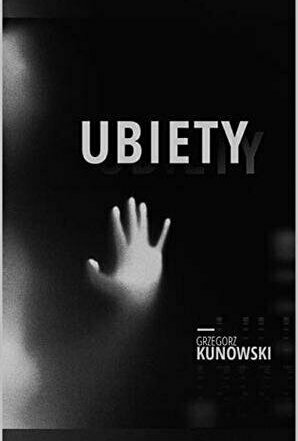

Quite frankly difficult to follow, Ubiety includes many dream scenes that border on madness. “Since the dawn of time common folk and wise men have scratched their heads as they asked about topics to do with dreams, such as why do we have them?” (Page 9, PDF version) Through his dreams, Adam’s brilliant mind creates scenes based on human fears and curiosity, however, it is difficult to tell which parts of the novel are “reality” since everything is equally absurd.
Adam is a person who thinks too much, resulting in overanalysing every aspect of life. The imaginary monsters that haunt his dreams begin to seem less scary than the hidden evils in the real world. Through his writing, Kunowski questions whether we are truly free or are we slaves? Slaves to machines, slaves to technology, slaves to social norms and so forth.
Unfortunately, Ubiety is difficult to read, however, within the confusion, there are a couple of gems that make you think and philosophise about life, the world and reality. Heading each chapter with a quote from a historical thinker, Kunowski draws our attention to the “realities” of the past, present and future, encouraging us to challenge what we know and believe.

Runaway: Wild Child, Working Girl, Survivor
Book
Beaten by her mother and whipped by her stepfather, Emily eventually finds her way into the care...

The Big Miss: My Years Coaching Tiger Woods
Book
In March 2004, Hank Haney received a call from Tiger Woods in which the golf champion asked Haney to...

Is That All There is?: The Strange Life of Peggy Lee
Book
"She made you think that she knew who you were, that she was singing only to you..." Miss Peggy Lee...

The Outer Limits of Reason: What Science, Mathematics, and Logic Cannot Tell Us
Book
Many books explain what is known about the universe. This book investigates what cannot be known....

Paradox: The Nine Greatest Enigmas in Physics
Book
This book is about my own personal favourite puzzles and conundrums in science, all of which have...

Atlas of Improbable Places: A Journey to the World's Most Unusual Corners
Travis Elborough and Alan Horsfield
Book
It is perhaps the eighth wonder of our world that despite modern mapping and satellite photography...

Deadly Animals: Savage Encounters Between Man and Beast
Book
Consider, if you can, the case of Jacob Fowler, who heard what he thought was the sound of his own...

Sharks of the Shallows: Coastal Species in Florida and the Bahamas
Jeffrey C. Carrier, Andy Murch, Jillian Morris and Duncan Brake
Book
Agile, sleek, and precise, sharks display many qualities we can admire and appreciate. These marvels...