
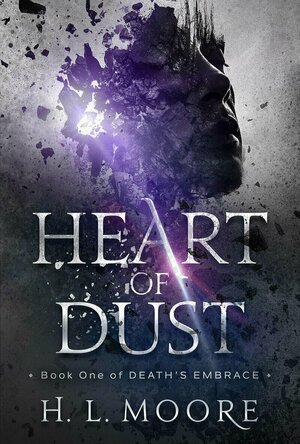
Heart of Dust: Revised Edition (Death's Embrace #1)
8.0 Rate It
Book
Iole City is in turmoil. Doran Ó Seanáin, leader of the Black Lung Gang, is determined to...
Bisexual Fantasy Romance
Sophia (Bookwyrming Thoughts) (530 KP) rated Keeper of the Bees (Black Birds of the Gallows, #2) in Books
Jan 23, 2020

<h2><strong>I enjoyed <em>Black Bird of the Gallows</em>, but if I had to choose between the first and the second, I loved the second so much better than the first.</strong></h2>
<em>Keeper of the Bees</em> is Meg Kassel's second novel, the companion novel to <em>Black Bird of the Gallows</em>. We're brought back to the world of harbringers and beekeepers in a smol town in Missouri (hey, look, my home state!) and their roles in death.
<h3><strong><em>Keeper of the Bees</em> is a bit of a villain story.</strong></h3>
Harbringers flock to where death happens and "absorb" the energy emitted. Beekeepers usually cause the death by using their bees to sting someone, resulting in them reaching their destruction (aka death). <em>Keeper of the Bees</em> tells the story of Dresden, a boy cursed for eternity, and Essie, a girl who eats peppercorn to discern real from unreal.
<h3><strong>Dresden is a precious onion with layers despite being Evil.</strong></h3>
Most villains are evil and pure evil, but Dresden is a precious little onion who is <em>cursed</em> to be evil. He doesn't <em>want</em> to be evil and <em>shows</em> that he doesn't want to be evil. Throughout the novel, he's struggling to not sting Essie despite the bees inside wanting him to do so.
<h3><strong>Aunt Bel is amazing, and I just want to hug her.</strong></h3>
Essie is part of the Wickerton family, a family with members who are cursed to lose their sanity and eventually end up at Stanton House. Essie's curse is not being able to tell what is real and unreal, at least without the help of peppercorns. Both her and Aunt Bel are in a constant battle with her father and psychiatrist when it comes to her mental health and sending her to Stanton House with other members. Aunt Bel is such a strong advocate for Essie and her Grandma Edie, and she refuses to give in to what Essie's father and psychiatrist want for Essie.
<h3><strong>Reece! Angie! References to the first novel!</strong></h3>
Do you <em>have</em> to read the first novel? Nawh, you don't have to since Kassel gives the 411 on her world for those who haven't read the first, so you're safe to dive into <em>Keeper of the Bees</em> without worrying about being totally lost, <em>but</em> you should definitely read <em>Black Bird of the Gallows</em> first.
<h2><strong>Overall, <em>Keeper of the Bees</em> was a delight to read! I loved seeing from the other side of things where the supposed "villain" is in a constant battle to be a better person.</strong></h2>
<a href="http://bookwyrmingthoughts.com/keeper-of-the-bees-by-meg-kassel/"; target="_blank">This review was originally posted on Bookwyrming Thoughts</a>

Ryan Hill (152 KP) rated Black Panther (2018) in Movies
May 11, 2019
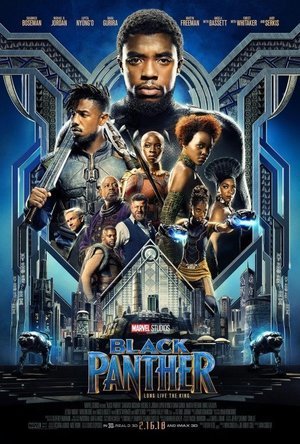
I remember years ago I read a book about the cultural significance of various comic book locales, and the Wakanda entry struck me as uniquely sad and inspiring. Wakanda, a place busting with innovation, tradition, and pride...hidden from the world. Sort of an alternate-timeline Africa which wasn't poisoned irreparably by colonialism and all its horrors. There's a sad duality obvious in this Wakanda, that being for it to exist, it must be hidden. Must be quietly nurtured, developed and treasured. It's an apt metaphor in relation to black pride, culture, and history; something constantly being reworked, reshaped and reimagined to put a sordid past (and present) in the rear-view mirror by those who perpetrate it, knowingly or not. This idea, that for something to thrive it must be isolated, is at the heart of Black Panther. You can understand why T'Challa, and generations before him, sacrificed anything to preserve the myth of Wakanda. But you can also understand Killmonger's feeling of betrayal. The profound moral objections inherent in a small community turning it's back on a larger suffering population in the name of self-preservation. There's no heroes and villains when Black Panther is at it's best, just two sides to a terrifying moral question *loaded* with historical weight.
Because Killmonger isn't really a villain. The best illustration of this is the contrasting "dream" sequences, in which T'Challa shares a promise with his father within a transcendentally beautiful African landscape, and Killmonger is confronted by all his pain, suffering and moral rigidity in the vast concrete jungle of Oakland, in the tiny apartment where his father was murdered for trying to make a difference. They both wake up with tears in their eyes, some from pain and some from catharsis. Coogler marks the chasm between T'Challa's and Killmonger's pasts so perfectly, and illustrates exactly why they feel the way they do with such wisdom. Black Panther so clearly empathizes with Killmonger and understands where his pain was born, and the horrors that nurtured it.
And so there's no hero and no villain to this movie. Just two men in nearly identical black panther suits, clashing over how Wakanda ought to venture into a new era. Nobility and passion, conservation and sacrifice, incremental change against a vengeful redistribution of power and oppression. Both men are correct in their aspirations, being "right" here doesn't matter. it's tough for a good man to be king. Killmonger made T'Challa the hero he is, by instilling in him a mission, a perceived duty to turn around, face an oppressed people and finally lend a hand. But more than that, there's something miraculous here. An apology from a good man. A recognition of a sin even when it's perpetrator was, until now, helpless to prevent it. A declaration that not contributing to hate and prejudice doesn't equate to actively working to prevent it. A plea for a humble brand of superheroism, for countless ghosts of the past to be heard and change to erupt in their name. Divides to be bridged, chasms to be crossed and wrongs to be righted.
Black Panther has a complex, meaningful and profoundly challenging thematic framework; offering a fresh dissection of what it means to grapple with the sins of those who came before. Sure, there are some technical issues along the way, the machinations of Marvel storytelling are evident and errors could be found; but if you understand that superhero stories were meant to ask these sorts of questions and push boundaries since their inception; Black Panther is a dream.
Who Can Afford to Improvise?: James Baldwin and Black Music, the Lyric and the Listeners
Book
More than a quarter-century after his death, James Baldwin remains an unparalleled figure in...
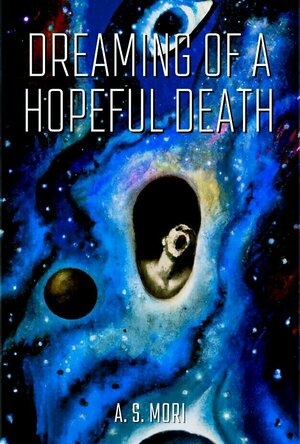
Dreaming of a Hopeful Death
Book
"Our civilization, despite all its achievements, is hopelessly unaware of the dangers that lurk...
science fiction
Woman Much Missed
Book
'Woman much missed, how you call to me, call to me...' After the death of his wife Emma, a...
Black Sheep: The Hidden Benefits of Being Bad
Book
Richard Stephens became the focus of international media attention in 2009 for his research on...
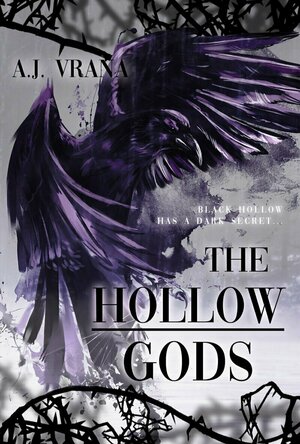
The Hollow Gods (The Chaos Cycle Duology #1)
Book
Isolated in the forests of Western Canada, Black Hollow is a town with a dark secret. For centuries,...
Dark Fantasy Magical Realism New Adult
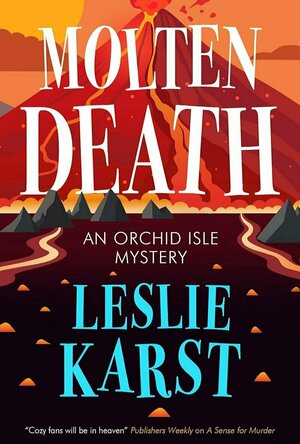
Molten Death
8.0
Rate It
Book
Retired caterer Valerie Corbin and her wife Kristen have come to the Big Island of Hawai'i to treat...
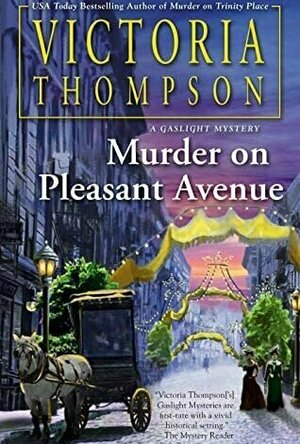
Murder on Pleasant Avenue
9.0 Rate It
Book
When midwife Sarah and detective Frank Malloy’s friend and new partner Gino Donatelli is accused...