
Search
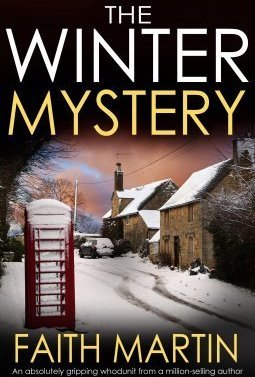
The Winter Mystery
Book
THE WINTER MYSTERY by Faith Martin Discover a new series of whodunits by million-selling author...
Contemporary Fiction Crime Mystery Whodunit

Rachel King (13 KP) rated Frostbite in Books
Feb 11, 2019
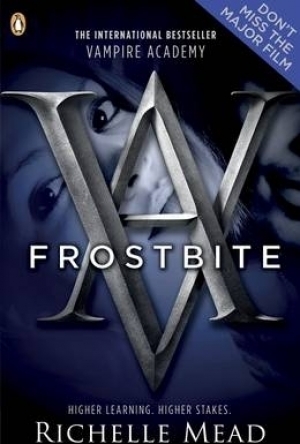
I enjoyed this book nearly as much as the first one in the series, but I'm getting really frustrated with the lack of progress in Dimitri and Rose's forbidden romance. Instead, it seems to have taken a backseat to other plotlines, such as the turmoil between Rose and her mother and the political climate that Lissa is moving into. I find Rose's mother, Janine, intriguing in that she seems to be what Rose could become if Rose chooses duty over love. I sure wish that Janine would open up more since there seems to be a lot of great plot material there that was not exploited very much - Rose's black eye being a perfect example. The politics that Lissa is dealing with appear to be moving in the direction that I guessed might happen when I read the first book, which is an equalizing between the Moroi and Dhampir classes of their society, especially when it comes to dealing with the Strigoi.
Despite how Rose views Adrian, I actually rather like him. There is always something attractive about the flirty-jokester that entices women - afterall I don't know a woman who doesn't like to laugh. It's obvious that he really likes Rose and I find myself feeling sorry for him since Rose is definitely taken, even if not in the literal sense yet. Mason really ends up in the worst position, though, even if I don't include what happens to him in the end. Rose all but lies to him while he falls for her hard, all the while being the perfect gentlemen. In a way, Mason and Adrian are opposite in styles, and yet Rose is blind to both - not that I blame her, as she likes to say, "Dimitri is a badass." Why is it that female protagonists always seem to have hords of guys going after them? (Think - Twilight saga, Rachel Morgan series, Mercy Thompson series, House of Night series, etc.)
I wish that Rose's nazar could be explained a bit more, as there seems to be more to it than anyone is discussing. Adrian knows things that he is not spilling, and Janine sure is tight-lipped about most of her life, excluding what she does in the line of duty.
Despite how Rose views Adrian, I actually rather like him. There is always something attractive about the flirty-jokester that entices women - afterall I don't know a woman who doesn't like to laugh. It's obvious that he really likes Rose and I find myself feeling sorry for him since Rose is definitely taken, even if not in the literal sense yet. Mason really ends up in the worst position, though, even if I don't include what happens to him in the end. Rose all but lies to him while he falls for her hard, all the while being the perfect gentlemen. In a way, Mason and Adrian are opposite in styles, and yet Rose is blind to both - not that I blame her, as she likes to say, "Dimitri is a badass." Why is it that female protagonists always seem to have hords of guys going after them? (Think - Twilight saga, Rachel Morgan series, Mercy Thompson series, House of Night series, etc.)
I wish that Rose's nazar could be explained a bit more, as there seems to be more to it than anyone is discussing. Adrian knows things that he is not spilling, and Janine sure is tight-lipped about most of her life, excluding what she does in the line of duty.
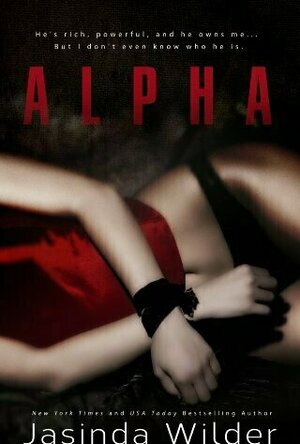
Alpha (Alpha, #1)
Book
The first time it happened, it seemed like an impossible miracle. Bills were piling up, adding up to...

AS
Altered States: Changing Populations, Changing Parties, and the Transformation of the American Political Landscape
Book
The 2012 presidential elections represented the second consecutive defeat for the Republican Party,...
LeftSideCut (3776 KP) rated Iron Man 3 (2013) in Movies
Sep 27, 2020
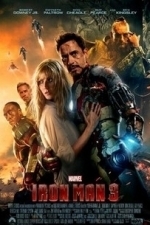
Full disclosure - I hated Iron Man 3 upon release. As a kid, growing up and reading Marvel comics, I was so excited to finally see The Mandarin bought to life, with Ben Kingsley of all people in the role. So when the Mandarin twist hit just over halfway through the runtime, it annoyed me so much that I just couldn't enjoy the rest of the film.
Fast forward a few years and I can just about look past it and find the positives in this threequel.
There's a lot less Iron Man this time around, and a lot more Tony Stark. This isn't an issue though as luckily Robert Downey Jr. is reliable as ever further proving why Iron Man has become the face of Marvel Studios.
There's also a lot of emphasis on his relationship with Pepper (Gwyneth Paltrow), which is a great aspect of this movie. It really drills home how human Tony's story is, even with all the crazy tech flying around.
An issue I do have with Iron Man 3 is the villains however. Marvel Studios are still balls deep in the habit of having boring bad guys at this point, and Aldrich Killian (Guy Pearce) is unfortunately another underwhelming antagonist to add to the pile (although I can appreciate that Shane Black didn't resort to another evil-person-in-an-Iron-Man/hero-suit, an issue that seems to plague these movies).
I like Guy Pearce generally, and he's doing his best to ham it up, but it just lands flat and severely de-rails the film as a whole.
Ben Kingsley is great as usual. It's not his fault that the writers fucked with The Mandarin so much, and he works wonders with what he's given.
Iron Man 3 does boast some decent set pieces. Tony's home being blown to shit is a highlight, and the finale is pretty fun and aestheticly fan pleasing with the House Party Protocol. The CGI is near flawless, even 7 years later.
Overall then, not the worst of the bunch but certainly not in the top 50% (for me anyway) but still an important part of the overarching MCU narrative.

Fast forward a few years and I can just about look past it and find the positives in this threequel.
There's a lot less Iron Man this time around, and a lot more Tony Stark. This isn't an issue though as luckily Robert Downey Jr. is reliable as ever further proving why Iron Man has become the face of Marvel Studios.
There's also a lot of emphasis on his relationship with Pepper (Gwyneth Paltrow), which is a great aspect of this movie. It really drills home how human Tony's story is, even with all the crazy tech flying around.
An issue I do have with Iron Man 3 is the villains however. Marvel Studios are still balls deep in the habit of having boring bad guys at this point, and Aldrich Killian (Guy Pearce) is unfortunately another underwhelming antagonist to add to the pile (although I can appreciate that Shane Black didn't resort to another evil-person-in-an-Iron-Man/hero-suit, an issue that seems to plague these movies).
I like Guy Pearce generally, and he's doing his best to ham it up, but it just lands flat and severely de-rails the film as a whole.
Ben Kingsley is great as usual. It's not his fault that the writers fucked with The Mandarin so much, and he works wonders with what he's given.
Iron Man 3 does boast some decent set pieces. Tony's home being blown to shit is a highlight, and the finale is pretty fun and aestheticly fan pleasing with the House Party Protocol. The CGI is near flawless, even 7 years later.
Overall then, not the worst of the bunch but certainly not in the top 50% (for me anyway) but still an important part of the overarching MCU narrative.
Bob Mann (459 KP) rated The Hate U Give (2018) in Movies
Sep 28, 2021
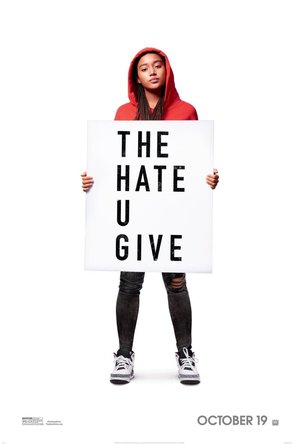
It’s a turf war on a global scale.
I saw this as part of a “Secret Cinema” event by Cineworld cinemas in the UK. That’s where you go to see a pre-release movie without knowing what it is going to be. It’s an interesting litmus test for a) a movie’s upfront marketing appeal (how many people get up and walk out when the BBFC title appears) and b) the “grab ’em early” appeal of the movie itself (how many people get up and walk out during the first 20 minutes of so).
I’m afraid this movie didn’t do very well on either a) or b) at my showing: about 20 people left immediately, and more tellingly about another 20 people left in the first half hour. There’s a reason for that: the first half hour of this film is goddamn awful!
Starr Carter (Amandla Stenberg) is a sixteen year-old resident of Garden Heights, a black neighbourhood in a US city, where she lives with her younger brother and step-brother. Their parents Maverick (Russell Hornsby, “Fences“) and Lisa (Regina Hall) are devoting all of their energies to “break the cycle” and get their kids out of the neighbourhood and off to college and better futures. As such, the kids attend not the rough-house local school but a much more upper-class establishment: there Starr has to play a different role, with links to her origins being kept hidden even from her white boyfriend Chris (K.J. Apa).
But all that changes when her boyhood friend Khalil (Algee Smith) is shot and killed in a police stop-and-search. As the only witness, and with Khalil linked to local gang lord King (Anthony Mackie), Starr’s anonymous world is about to get a national focus shone onto it.
Man… I hate voiceovers in films and always have. So I really hated the start of this film which has Starr narrating ABSOLUTELY EVERYTHING (“Blah, blah, blah..”): no audience discovery is required. It also starts with a sort of highschool romance vibe, but not one that’s well done with kissing (“Blah, blah, blah..”) while the local Mean Girls look on (“Blah, blah”) then with Starr’s friends trying to act street (“blah, blah”) while Starr tries not to be street, all to the constant droning of Starr’s voiceover (“Blah, blah, blah..”). (I never walk out of movies…. but I can kind of understand the rationale of those who did).
Fortunately the voiceover then largely recedes (it only pops up with occasional staccato “thoughts”, before storming back for a “blah, blah” finale). And with the shooting, the film takes on a much more interesting slant, giving Amandla Stenberg a chance to really shine.
I have commented on Ms Stenberg before: she was the only really good thing in the recent “The Darkest Minds“. Here she exhibits a tremendous range from the delighted (her smile is radiant and seems astonishingly unforced) to the heartbroken and furious. There’s also a really strong supporting cast with great turns from Hornsby, Hall, Mackie and Smith. Hornsby in particular I found great as the Dad desperately tutoring his kids in military (but loving) fashion to avoid his mistakes.
For me, this seemed to be a surprisingly atypical view of a black ghetto-living family. A scene set in a diner is genuinely touching at emphasising the loving and close-knit nature of the Carter family.
Where I will struggle here is in trying to interpret my overall feelings about the film. As a white, older male person I have three degrees of separation from Starr’s perspective. And these are undoubtedly difficult issues to juggle with. The riots that happened recently in towns like Ferguson ape the activities on screen uncomfortably. Your sympathies might lie to some degree with the unfortunate white police officer (Drew Starkey); sympathies supported by the views of Starr’s police officer uncle Carlos (Common): until Starr points out via a punchy question that you REALLY shouldn’t feel like that… and your views are brought up with a jolt.
Aside from the rights and wrongs of the incident, there’s a frustrating dichotomy at play in the film with black and white communities wanting to be treated equally but never wanting to be treated the same. “You don’t SEE me” wails Starr. “I see you” replies Chris (as if James Cameron was directing!) But does he really? Without colour, I do not consider myself to be remotely capable of fully understanding Starr’s perspective on life. It made me want to read the source novel by Angie Thomas to try to get better insight.
Directed by George Tillman Jr., it’s undoubtedly a mixed bag, but I came down in the end on the side of it being good rather than bad… it has certainly had me thinking for a couple of days. The clumsy voiceovers and story elements in the opening and closing scenes mask a number of parallel and interesting story strands that generate conflicting thoughts about the state of race relations in today’s America. Jackson sang “It doesn’t matter if you’re black or white”: and it really shouldn’t, but actually in some quarters, it clearly still does.

I’m afraid this movie didn’t do very well on either a) or b) at my showing: about 20 people left immediately, and more tellingly about another 20 people left in the first half hour. There’s a reason for that: the first half hour of this film is goddamn awful!
Starr Carter (Amandla Stenberg) is a sixteen year-old resident of Garden Heights, a black neighbourhood in a US city, where she lives with her younger brother and step-brother. Their parents Maverick (Russell Hornsby, “Fences“) and Lisa (Regina Hall) are devoting all of their energies to “break the cycle” and get their kids out of the neighbourhood and off to college and better futures. As such, the kids attend not the rough-house local school but a much more upper-class establishment: there Starr has to play a different role, with links to her origins being kept hidden even from her white boyfriend Chris (K.J. Apa).
But all that changes when her boyhood friend Khalil (Algee Smith) is shot and killed in a police stop-and-search. As the only witness, and with Khalil linked to local gang lord King (Anthony Mackie), Starr’s anonymous world is about to get a national focus shone onto it.
Man… I hate voiceovers in films and always have. So I really hated the start of this film which has Starr narrating ABSOLUTELY EVERYTHING (“Blah, blah, blah..”): no audience discovery is required. It also starts with a sort of highschool romance vibe, but not one that’s well done with kissing (“Blah, blah, blah..”) while the local Mean Girls look on (“Blah, blah”) then with Starr’s friends trying to act street (“blah, blah”) while Starr tries not to be street, all to the constant droning of Starr’s voiceover (“Blah, blah, blah..”). (I never walk out of movies…. but I can kind of understand the rationale of those who did).
Fortunately the voiceover then largely recedes (it only pops up with occasional staccato “thoughts”, before storming back for a “blah, blah” finale). And with the shooting, the film takes on a much more interesting slant, giving Amandla Stenberg a chance to really shine.
I have commented on Ms Stenberg before: she was the only really good thing in the recent “The Darkest Minds“. Here she exhibits a tremendous range from the delighted (her smile is radiant and seems astonishingly unforced) to the heartbroken and furious. There’s also a really strong supporting cast with great turns from Hornsby, Hall, Mackie and Smith. Hornsby in particular I found great as the Dad desperately tutoring his kids in military (but loving) fashion to avoid his mistakes.
For me, this seemed to be a surprisingly atypical view of a black ghetto-living family. A scene set in a diner is genuinely touching at emphasising the loving and close-knit nature of the Carter family.
Where I will struggle here is in trying to interpret my overall feelings about the film. As a white, older male person I have three degrees of separation from Starr’s perspective. And these are undoubtedly difficult issues to juggle with. The riots that happened recently in towns like Ferguson ape the activities on screen uncomfortably. Your sympathies might lie to some degree with the unfortunate white police officer (Drew Starkey); sympathies supported by the views of Starr’s police officer uncle Carlos (Common): until Starr points out via a punchy question that you REALLY shouldn’t feel like that… and your views are brought up with a jolt.
Aside from the rights and wrongs of the incident, there’s a frustrating dichotomy at play in the film with black and white communities wanting to be treated equally but never wanting to be treated the same. “You don’t SEE me” wails Starr. “I see you” replies Chris (as if James Cameron was directing!) But does he really? Without colour, I do not consider myself to be remotely capable of fully understanding Starr’s perspective on life. It made me want to read the source novel by Angie Thomas to try to get better insight.
Directed by George Tillman Jr., it’s undoubtedly a mixed bag, but I came down in the end on the side of it being good rather than bad… it has certainly had me thinking for a couple of days. The clumsy voiceovers and story elements in the opening and closing scenes mask a number of parallel and interesting story strands that generate conflicting thoughts about the state of race relations in today’s America. Jackson sang “It doesn’t matter if you’re black or white”: and it really shouldn’t, but actually in some quarters, it clearly still does.
Heather Cranmer (2721 KP) rated The Turn of The Key in Books
Sep 26, 2019
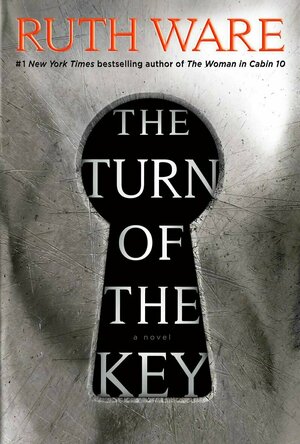
I am a huge fan of Ruth Ware. Even though I wasn't a fan of her book The Death of Mrs. Westaway, I loved The Lying Game and In a Dark, Dark Wood. When I found out about The Turn of the Key, I knew I had to read it as soon as possible. It was much better than I thought it was going to be!
The synopsis of the book had such a spooky feel, and I loved the plot of The Turn of the Key. Rowan isn't very happy at her job at Little Nippers, a daycare where she looks after babies and toddlers. Plus, it doesn't pay very well. When she comes across an ad to be a live in nanny for a rich couple's children for a fantastic sum, she jumps a the chance. She's surprised when she gets the job, but she is ecstatic. Heatherbrae, the house where she will nanny, is a smart house complete with an app that controls everything in the house. When her employers have to leave the next day, she is thrown into her job as a nanny of Maddie, Ellie, and Petra. Strange things start happening such as being woken up in the middle of the night with music blaring from the speakers all over the house and lights being turned on up to full brightness. Items go missing from their original place, and Maddie is a nightmare child to look after. Rowan begins to second guess her nannying job at Heatherbrae, but she decides to stick it out. Unfortunately, a child ends up dead, and Rowan ends up in prison for the child's murder even though she swears she's innocent. Was Rowan framed or was it the work of something far more sinister?
I thought everything flowed smoothly, and The Turn of the Key definitely had me spooked. I kept trying to guess what was going on. The Turn of the Key hints that it could be something paranormal throughout the story, so I kept wondering if it was some sort of ghost or if it was a person. I'd also try to guess who was behind it all, but I was wrong. There are a few plot twists and one major plot twist that blindsided me completely. It was a plot twist that made me actually made my draw drop! I doubt any reader would have or will predict that plot twist. One minor thing that I was left pondering over had to do with the ending when all is revealed. I won't give any spoilers away, but I will say it's never mentioned how a person can get into a certain sealed off room. That's all I will say on that matter because I don't want to give too much away. Other than that, every other question I had was answered by the last page. As for the pacing, it is done perfectly. Not once did I feel as if The Turn of the Key slowed down at all. This is a book that grabs your hand and pulls you along without letting go!
The characters in The Turn of the Key all felt very realistic and fleshed out well enough for everything to be believable. Rowan is a very likable character and kudos for her for actually staying on as a nanny at Heatherbrae when everything went pear shaped. Even though some of the kids were hard to love, she still wanted to do what's right by them. I would have high tailed it out of there quickly if I was in her position! I felt like she dealt with everything to the best of her ability. I admired Jack and how he was willing to help Rowan out. He came across as a very caring man. It was obvious that the character of Jean loved the children at Heatherbrae which made me love her even if she wasn't featured very much. Sandra and Bill (the owners of Heatherbrae and Rowan's employers) were written well. They weren't very good parents I felt. They were too busy with their work to really know their children. Unfortunately, I know this happens in real life too. Maddie had her issues, but I loved how she was written. I felt bad for her because I felt like she was the black sheep of the family. I also felt bad for the oldest daughter Rhiannon. She was another one that seemed to have issues, but I loved her vulnerability at her lowest point. I loved the dialogue between Rowan and Rhiannon. Petra was just adorable, but Ellie was my favorite. She was easily swayed by her sister, Maddie, but I loved when she was away from Maddie and was able to be her own person. I felt she was just the sweetest little girl!
Trigger warnings for The Turn of the Key include profanity, drinking, underage drinking, lying, blackmail, a child's death, marital cheating, and mentions of sex (although not graphic).
Overall, The Turn of the Key is such a well written book. The plot sucks you in from the beginning, and the characters are all very interesting! I would definitely recommend The Turn of the Key by Ruth Ware to everyone age 16+ who enjoy a fantastic psychological read!
The synopsis of the book had such a spooky feel, and I loved the plot of The Turn of the Key. Rowan isn't very happy at her job at Little Nippers, a daycare where she looks after babies and toddlers. Plus, it doesn't pay very well. When she comes across an ad to be a live in nanny for a rich couple's children for a fantastic sum, she jumps a the chance. She's surprised when she gets the job, but she is ecstatic. Heatherbrae, the house where she will nanny, is a smart house complete with an app that controls everything in the house. When her employers have to leave the next day, she is thrown into her job as a nanny of Maddie, Ellie, and Petra. Strange things start happening such as being woken up in the middle of the night with music blaring from the speakers all over the house and lights being turned on up to full brightness. Items go missing from their original place, and Maddie is a nightmare child to look after. Rowan begins to second guess her nannying job at Heatherbrae, but she decides to stick it out. Unfortunately, a child ends up dead, and Rowan ends up in prison for the child's murder even though she swears she's innocent. Was Rowan framed or was it the work of something far more sinister?
I thought everything flowed smoothly, and The Turn of the Key definitely had me spooked. I kept trying to guess what was going on. The Turn of the Key hints that it could be something paranormal throughout the story, so I kept wondering if it was some sort of ghost or if it was a person. I'd also try to guess who was behind it all, but I was wrong. There are a few plot twists and one major plot twist that blindsided me completely. It was a plot twist that made me actually made my draw drop! I doubt any reader would have or will predict that plot twist. One minor thing that I was left pondering over had to do with the ending when all is revealed. I won't give any spoilers away, but I will say it's never mentioned how a person can get into a certain sealed off room. That's all I will say on that matter because I don't want to give too much away. Other than that, every other question I had was answered by the last page. As for the pacing, it is done perfectly. Not once did I feel as if The Turn of the Key slowed down at all. This is a book that grabs your hand and pulls you along without letting go!
The characters in The Turn of the Key all felt very realistic and fleshed out well enough for everything to be believable. Rowan is a very likable character and kudos for her for actually staying on as a nanny at Heatherbrae when everything went pear shaped. Even though some of the kids were hard to love, she still wanted to do what's right by them. I would have high tailed it out of there quickly if I was in her position! I felt like she dealt with everything to the best of her ability. I admired Jack and how he was willing to help Rowan out. He came across as a very caring man. It was obvious that the character of Jean loved the children at Heatherbrae which made me love her even if she wasn't featured very much. Sandra and Bill (the owners of Heatherbrae and Rowan's employers) were written well. They weren't very good parents I felt. They were too busy with their work to really know their children. Unfortunately, I know this happens in real life too. Maddie had her issues, but I loved how she was written. I felt bad for her because I felt like she was the black sheep of the family. I also felt bad for the oldest daughter Rhiannon. She was another one that seemed to have issues, but I loved her vulnerability at her lowest point. I loved the dialogue between Rowan and Rhiannon. Petra was just adorable, but Ellie was my favorite. She was easily swayed by her sister, Maddie, but I loved when she was away from Maddie and was able to be her own person. I felt she was just the sweetest little girl!
Trigger warnings for The Turn of the Key include profanity, drinking, underage drinking, lying, blackmail, a child's death, marital cheating, and mentions of sex (although not graphic).
Overall, The Turn of the Key is such a well written book. The plot sucks you in from the beginning, and the characters are all very interesting! I would definitely recommend The Turn of the Key by Ruth Ware to everyone age 16+ who enjoy a fantastic psychological read!
Darren (1599 KP) rated Black Christmas (2019) in Movies
Dec 13, 2019

Verdict: All Over the Place
Story: Black Christmas starts as we meet our sorority sisters Riley (Poots), Kris (Shannon), Marty (Donoghue), Jesse (O’Grady), Helena (Adams) and Fran (Morris) who are preparing for the Christmas break, with Riley having history with the alpha sorority, which never got dealt with by the authorities.
They decide to get revenge through song and soon find themselves getting picked of by a masked killer, where they need to find themselves fighting to survive.
Thoughts on Black Christmas
Characters – Riley is previously a victim of sexual assault by one of the rich college students, 3-years-later she is still dealing with the effects, being the big sister to the rest of the sisters and is one of the few that worries about the locations of the other girls. Kris has been on a crusade to get equality, she spends most of the time preaching about how men have it easy and mostly gets annoying. Marty is another member of the sorority and like Jesse, we don’t learn much more about any of the other girls.
Performances – Imogen Poots is a talent actress when she is given something to work with, she is the strongest of a weak story, where nobody comes off like they are giving a good acting performance.
Story – The story is meant to be following a group of sorority sisters that get picked off and attacked by a masked killer over the Christmas break. Well, where do we start to break this story down, first thing, this isn’t any sort of remake or sequel to either movie seen before, it uses the location of the house and one look at a death, don’t think this is a remake. Secondly, we spend more time trying to get the message over about men thinking they can walk all over women and the only good men in life are nervous wrecks around the women. Thirdly, this is meant to be a horror and doesn’t even know what tone to stick to. Finally, the trailer gives away everything. This is a social message that uses an existing horror franchise to try and get a point over, without using any sort of subtitle approach.
Horror/Mystery – The horror in this film is almost non-excitant, it tries to use the slow slasher traits early on, which show glimpses, only to go, ‘you know what, we want to do an action horror now’ by the end. The mystery is also poor, because we get zero potential suspects and the only person it could be is revealed in the trailer.
Settings – The college location is fine, though it is the weird college I have ever seen.
Special Effects – When it comes to the effects, we get basic horror ones, sadly, the film decides to hide away from showing any actual gore, even though the injuries are designed to show it.
Scene of the Movie – Nate grabs an axe.
That Moment That Annoyed Me – The girls leave a party at what they say is midnight, we cut to one that left early and it is suddenly 10.45, seriously can people not tell the time?
Final Thoughts – This is a very bad social message horror that spends more time banging you over the head with the message, than actually giving us a coherent story or any scare.
Overall: Social Message, without a scare.
Story: Black Christmas starts as we meet our sorority sisters Riley (Poots), Kris (Shannon), Marty (Donoghue), Jesse (O’Grady), Helena (Adams) and Fran (Morris) who are preparing for the Christmas break, with Riley having history with the alpha sorority, which never got dealt with by the authorities.
They decide to get revenge through song and soon find themselves getting picked of by a masked killer, where they need to find themselves fighting to survive.
Thoughts on Black Christmas
Characters – Riley is previously a victim of sexual assault by one of the rich college students, 3-years-later she is still dealing with the effects, being the big sister to the rest of the sisters and is one of the few that worries about the locations of the other girls. Kris has been on a crusade to get equality, she spends most of the time preaching about how men have it easy and mostly gets annoying. Marty is another member of the sorority and like Jesse, we don’t learn much more about any of the other girls.
Performances – Imogen Poots is a talent actress when she is given something to work with, she is the strongest of a weak story, where nobody comes off like they are giving a good acting performance.
Story – The story is meant to be following a group of sorority sisters that get picked off and attacked by a masked killer over the Christmas break. Well, where do we start to break this story down, first thing, this isn’t any sort of remake or sequel to either movie seen before, it uses the location of the house and one look at a death, don’t think this is a remake. Secondly, we spend more time trying to get the message over about men thinking they can walk all over women and the only good men in life are nervous wrecks around the women. Thirdly, this is meant to be a horror and doesn’t even know what tone to stick to. Finally, the trailer gives away everything. This is a social message that uses an existing horror franchise to try and get a point over, without using any sort of subtitle approach.
Horror/Mystery – The horror in this film is almost non-excitant, it tries to use the slow slasher traits early on, which show glimpses, only to go, ‘you know what, we want to do an action horror now’ by the end. The mystery is also poor, because we get zero potential suspects and the only person it could be is revealed in the trailer.
Settings – The college location is fine, though it is the weird college I have ever seen.
Special Effects – When it comes to the effects, we get basic horror ones, sadly, the film decides to hide away from showing any actual gore, even though the injuries are designed to show it.
Scene of the Movie – Nate grabs an axe.
That Moment That Annoyed Me – The girls leave a party at what they say is midnight, we cut to one that left early and it is suddenly 10.45, seriously can people not tell the time?
Final Thoughts – This is a very bad social message horror that spends more time banging you over the head with the message, than actually giving us a coherent story or any scare.
Overall: Social Message, without a scare.
Matthew Krueger (10051 KP) rated the Xbox One version of Layers of Fear in Video Games
Oct 26, 2019
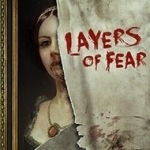
Psychological Paintings
Contains spoilers, click to show
Layers of Fear- is scary, horrorfying, spooky, creepy, terrorfying, psychologically thrilling and more.
In Layers of Fear, the player controls a psychologically disturbed painter who is trying to complete his magnum opus, as he navigates through a Victorian mansion, with disturbing secrets about the painter being discovered. The gameplay, presented in first person perspective, is heavily story driven and often revolves mostly around puzzle-solving and exploration, as the game intensifies after each level while jump scares occur often.
The game is divided into six chapters with various items for the player to find in order to complete his work. The game is heavily dimmed, and there are objects that uncover certain aspects of the painter's history. While completing the painting, there is a letter that is slowly pieced together, which shows the origin of his masterpiece, and objects which explain the secret of the painter through dialogue flashbacks.
Lets talk about the plot and the three different endings.
Set in the 1920s United States, the unnamed protagonist returns home from a court hearing. After briefly exploring his empty house, he goes to his workshop to start working on his "magnum opus". After he adds the first layer, he starts having hallucinations about his past encounters.
There are three different endings featured in the game, each depending on the player's actions during the course of the game.
Ending 1 - The endless loop ending shows that the artist was working on a portrait of his wife as the masterpiece. He seemingly succeeds in creating the painting, and steps back to admire it only to see the figure of his wife devolve into a mutilated figure that proceeds to taunt him. Horrified, he grabs the painting and hurls it into a room full of identical paintings, all of which begin to laugh. It is revealed that the painter spent years shut in his house working on the same picture multiple times trying to perfect it in a cycle of obsessive mental deterioration. If the player enters the room where the artist threw the painting into, it is revealed that all the portraits are well made and resemble the artist's wife, but he can only see them as a disfigured mess. Returning to the studio, he unveils a blank canvas and begins working on the next painting, further continuing his self-destructive cycle as the screen fades to black.
Ending 2- The family ending is much the same, but this time he puts his child in the painting too. He then realizes the horrible mistakes he has made, and that he can never bring them back, no matter how many times he tries. He goes to the room upstairs and burns all his previous paintings along with his finished work before laying down and dying in the fire.
Ending 3- The selfish ending ends with a portrait of himself as his final attempt. Being finally satisfied, he decides to hang it in the room upstairs. The next shot goes to his painting on a display at a museum among other famous Victorian artists.
Their is also dlc for this game called Inheritance, which also has a good ending, bad ending and the true ending. I havent played the DLC so i wont spoil it because i havent played it.
Anways Layers of Fear is a grear game and I can't not wait until I play the DLC and Layers of Fear 2.

In Layers of Fear, the player controls a psychologically disturbed painter who is trying to complete his magnum opus, as he navigates through a Victorian mansion, with disturbing secrets about the painter being discovered. The gameplay, presented in first person perspective, is heavily story driven and often revolves mostly around puzzle-solving and exploration, as the game intensifies after each level while jump scares occur often.
The game is divided into six chapters with various items for the player to find in order to complete his work. The game is heavily dimmed, and there are objects that uncover certain aspects of the painter's history. While completing the painting, there is a letter that is slowly pieced together, which shows the origin of his masterpiece, and objects which explain the secret of the painter through dialogue flashbacks.
Lets talk about the plot and the three different endings.
Set in the 1920s United States, the unnamed protagonist returns home from a court hearing. After briefly exploring his empty house, he goes to his workshop to start working on his "magnum opus". After he adds the first layer, he starts having hallucinations about his past encounters.
There are three different endings featured in the game, each depending on the player's actions during the course of the game.
Ending 1 - The endless loop ending shows that the artist was working on a portrait of his wife as the masterpiece. He seemingly succeeds in creating the painting, and steps back to admire it only to see the figure of his wife devolve into a mutilated figure that proceeds to taunt him. Horrified, he grabs the painting and hurls it into a room full of identical paintings, all of which begin to laugh. It is revealed that the painter spent years shut in his house working on the same picture multiple times trying to perfect it in a cycle of obsessive mental deterioration. If the player enters the room where the artist threw the painting into, it is revealed that all the portraits are well made and resemble the artist's wife, but he can only see them as a disfigured mess. Returning to the studio, he unveils a blank canvas and begins working on the next painting, further continuing his self-destructive cycle as the screen fades to black.
Ending 2- The family ending is much the same, but this time he puts his child in the painting too. He then realizes the horrible mistakes he has made, and that he can never bring them back, no matter how many times he tries. He goes to the room upstairs and burns all his previous paintings along with his finished work before laying down and dying in the fire.
Ending 3- The selfish ending ends with a portrait of himself as his final attempt. Being finally satisfied, he decides to hang it in the room upstairs. The next shot goes to his painting on a display at a museum among other famous Victorian artists.
Their is also dlc for this game called Inheritance, which also has a good ending, bad ending and the true ending. I havent played the DLC so i wont spoil it because i havent played it.
Anways Layers of Fear is a grear game and I can't not wait until I play the DLC and Layers of Fear 2.
Phil Leader (619 KP) rated The Court of the Air (Jackelian, #1) in Books
Nov 11, 2019
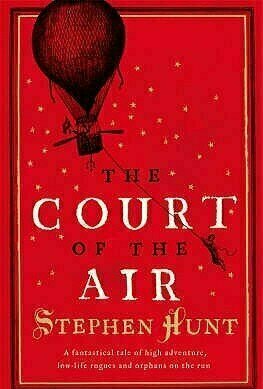
The land of Jackals is under threat. Ancient foes are threatening its people and its borders. Who can save the land?
Molly Templar is an orphan scratching a living in a poor house. But someone wants her very badly - badly enough to kill anyone who gets in the way. But who would want a poor orphan girl and why?
Oliver Brooks is an outcast. He was lost for two years in the feymist when he was younger. He must have been changed but shows no signs, he appears to be completely normal. But he still needs to report to the authorities regularly and lives in virtual house arrest with his uncle. Until his uncle is killed and Oliver barely escapes.
So begins The Court Of The Air, a stupendous rolling epic set in the strange land of Jackals, a place which is sort of like Victorian England but is also completely different. There are guns and airships, bombs and politicians aplenty. There is also magic and gods stalk the shadows of the world. Sentient steam driven robots have their own country and their own religion.
This is one of those immersive novels. Nothing is explained as it is seen from the viewpoint of the main characters, and they don't need to explain their own world to themselves. This might deter some readers because although there are some familiar concepts many are new or reworked in subtly different ways so that assumptions are dangerous. Personally I enjoy being thrown into the deep end and having to work at understanding the world of the author. I was definitely in my element.
Hunt has an amazing imagination. He is like the curator of a museum of wonders, allowing quick glimpses at the shiny trinkets before twitching aside the curtain to the rather more sinister exhibits he keeps in the basement. He also has a prose style that is frequently poetic and full of brilliant metaphor and simile. One of my favourites was describing a camera as having its nose pointing sadly downwards. And the writing is dense, very dense. I took my time over this book because it was worth it to extract every nuance and vibe conveyed by the words on the page.
The plot is sprawling and convoluted. Oliver and Molly are the main characters but there are others on all sides of the conflict and very little is as it seems or black and white. The first half of the book concerns Molly and Oliver being separately pursued as various aspects of Jackals' geography and politics are revealed (and the political systems are a hoot). Once we find out what is going on the pursued then must try to confront and thwart the danger, not only to them but to their country and the world.
The threads finally come together in a cataclysmic ending. The plot does unravel a little as everything happens at once and there are plenty of clever twists. There is a certain about of deus ex machina in the ending but I would rather that than a tedious few pages of exposition. The good guys win. The bad guys are vanquished. And it's all very entertaining.
Now I do accept that it is a challenging read and some people will not take to it so I can't recommend it without saying, read an excerpt first. If you like reading it (even if you don't as yet understand what half of it means) then read all of it. You will not be disappointed.
Rated: Some violence
Molly Templar is an orphan scratching a living in a poor house. But someone wants her very badly - badly enough to kill anyone who gets in the way. But who would want a poor orphan girl and why?
Oliver Brooks is an outcast. He was lost for two years in the feymist when he was younger. He must have been changed but shows no signs, he appears to be completely normal. But he still needs to report to the authorities regularly and lives in virtual house arrest with his uncle. Until his uncle is killed and Oliver barely escapes.
So begins The Court Of The Air, a stupendous rolling epic set in the strange land of Jackals, a place which is sort of like Victorian England but is also completely different. There are guns and airships, bombs and politicians aplenty. There is also magic and gods stalk the shadows of the world. Sentient steam driven robots have their own country and their own religion.
This is one of those immersive novels. Nothing is explained as it is seen from the viewpoint of the main characters, and they don't need to explain their own world to themselves. This might deter some readers because although there are some familiar concepts many are new or reworked in subtly different ways so that assumptions are dangerous. Personally I enjoy being thrown into the deep end and having to work at understanding the world of the author. I was definitely in my element.
Hunt has an amazing imagination. He is like the curator of a museum of wonders, allowing quick glimpses at the shiny trinkets before twitching aside the curtain to the rather more sinister exhibits he keeps in the basement. He also has a prose style that is frequently poetic and full of brilliant metaphor and simile. One of my favourites was describing a camera as having its nose pointing sadly downwards. And the writing is dense, very dense. I took my time over this book because it was worth it to extract every nuance and vibe conveyed by the words on the page.
The plot is sprawling and convoluted. Oliver and Molly are the main characters but there are others on all sides of the conflict and very little is as it seems or black and white. The first half of the book concerns Molly and Oliver being separately pursued as various aspects of Jackals' geography and politics are revealed (and the political systems are a hoot). Once we find out what is going on the pursued then must try to confront and thwart the danger, not only to them but to their country and the world.
The threads finally come together in a cataclysmic ending. The plot does unravel a little as everything happens at once and there are plenty of clever twists. There is a certain about of deus ex machina in the ending but I would rather that than a tedious few pages of exposition. The good guys win. The bad guys are vanquished. And it's all very entertaining.
Now I do accept that it is a challenging read and some people will not take to it so I can't recommend it without saying, read an excerpt first. If you like reading it (even if you don't as yet understand what half of it means) then read all of it. You will not be disappointed.
Rated: Some violence


