
Search
Search results

Daniel Boyd (1066 KP) rated Fantastic Beasts and Where to Find Them (2016) in Movies
Jul 19, 2017


Some of the lighting is well implemented (1 more)
Colin Farrell
Bad CGI (2 more)
The movies 3 leads are extremely annoying
Johnny 'oooh' Depp
Fantastic Beasts and Where To Find Them - Or JK Rowling and the Never Ending Quest for More Money
Contains spoilers, click to show
First off, full disclosure, I have never been a fan of the Harry Potter franchise. I’ve read a few of the books and seen a few of the movies and it just isn’t my thing. Honestly, I’m not even a fan of fantasy in general, I think Lord Of The Rings is nonsense and Game Of Thrones is vastly overrated and the last Harry Potter movie I saw was the fourth one. However, I was willing to go into this movie with a clean slate and hopefully have it win me over and unfortunately it didn’t. Also this review will contain spoilers if you care about that sort of thing.
This film is a prequel to the other Harry Potter movies, this time set in America rather than Britain and telling the story of the events that led to the great wizarding war between Dumbledore and Grindlewald. The film did have potential, to see what would have essentially been WWII fought with magic could be really cool but unfortunately all we get here is setup and that actual event we want to see will probably take place 4 or 5 movies down the line. The film opens with Eddie Redmayne’s character, Newt Scamander going to New York from London to set free one of the beasts that he keeps inside his Tardis-like brief case. Then he ends up in a bank and meets a ‘Nomaj,’ which is this film’s lazy version of a ‘muggle,’ who we learn is a simple lonely guy that just wants to open his own bakery and that’s another character cliché ticked off the list. We now have the double act of the nerdy, sniveling protagonist and the overweight sympathetic sidekick. Also, for the rest of this review I will be referring to the baker character as fat bloke and this isn’t to be derogatory, but is purely because the script relies on the, ‘fat, jolly, sympathetic, pathetic loner’ stereotype and passes it off as a character arc. If the script isn’t treating the character with any respect, then why should I? So fat bloke it is then.
So the two of them of course have the exact same briefcase and after some cartoony looking CGI animals escape from Redmayne’s case in the bank the suitcases predictably get mixed up and then the fat bloke gets his bakery loan declined and returns home with Redmayne’s suitcase, then more bad CGI animals open the case and attack the fat bloke. Redmayne’s character then gets arrested by some wizarding inspector for letting the, ‘Nomaj,’ (urgh) get away after seeing the animals in the case and is taken to the New York Wizards base, I guess? Then it’s revealed that the wizarding inspector that arrested Redmayne is a bit of a shit inspector and she is trying to redeem herself in the eyes of her superiors, so in front of this high wizard council, she confiscates the case from Redmayne and opens it only to reveal a bunch of cakes inside. Yes, really… Who writes this shit? Rowling is doing to Harry Potter what Lucas did to Star Wars during the prequels at this point.
So Redmayne gets set free and he goes to fat bloke’s house to find him lying on the floor, then some more bad CGI later the inspector turns up and they take him back to her house to meet her sister? Friend? Does it matter? She ends up becoming the love interest for fat bloke. Then for no apparent reason Redmayne and fat bloke enter the case and he shows fat bloke all this crazy shit that apparently humans aren’t supposed to see and then Redmayne does some more sniveling and decides they have to sneak out of the girls’ apartment and recapture the animals that escaped in the bank and from fat bloke’s apartment. They get a couple of the beasts back then they go to central park to find Redmayne’s horny rhino and they dress fat bloke up in a leather rhino costume and use him as rape bait then they ice skate for a bit and capture the rhino. Again, really… I am not making this shit up for satirical reasons.
Then we see a real life prick Ezra Miller playing some sort of weird emo child who is beat by his mother and we see he is working with Colin Farrell to find a big bad dark spirit that is killing people around New York. Colin Farrell is definitely the best thing about the film at this point. After this a bunch of other stupid shit happens, like Ron Perlman and John Voight coming into the movie, showing a ray of potential then being totally wasted. The movie drags in the middle, but eventually after some more fat jokes, bad CGI and sniveling, all of the creatures are captured and Ezra Miller turns into a black death cloud or some such nonsense. Then he is boosting around New York, fucking up shit as he goes and so Redmayne and Farrell follow him down to the subway to stop him. Redmayne seems to be talking him down and then Farrell shows up and essentially tells him to join the dark side. Then there is a CGI wand battle and the council from earlier show up out of nowhere and kill the black cloud of death. Then Colin Farrell gets pissed off and in the best scene in the movie murders half of the council members before he gets arrested by Eddie Redmayne with some magic handcuffs.
Then the worst part in the movie takes place. It is revealed that Colin Farrell is actually Johnny Depp in disguise. I mean he is Grindlewald in disguise but the important part for me is the replacement of Colin Farrell with Johnny Depp. Now I’m not the world’s biggest Colin Farrell fan, he is great in, ‘In Bruges,’ but other than that he is pretty meh, but he was definitely the best thing that this movie had going for it and they fucking swapped him out! With fucking Johnny-‘ooh’-Depp. As if this movie wasn’t shit enough they swapped out the best thing about it for Johnny Depp, the biggest joke in Hollywood. I’m done, fuck this movie, fuck Johnny Depp, fuck JK Rowling, fuck Harry Potter, I’m out.
Okay, let’s briefly talk about the technical side of the film before I score this thing. The whole cast of this movie is phoning it in, so the acting is fine but nothing to write home about, Farrell is the best thing in this movie, but I feel that in the sequels it will just be an ‘ooh,’ off between Depp and Redmayne. The direction is okay as the movie plods along sufficiently, but the writing is wildly inconsistent and the plot as stated above is all over the place. The lighting and cinematography in one scene are fantastic, when Farrell and Miller are conversing in a dark alleyway but other than that they are pretty mundane too. The score is suitably Harry Potter like and the CGI is also to a similar standard of the Harry Potter films. The problem with that is that the CGI was ropey and of a fairly poor standard in the Harry Potter movies 10 years ago and it doesn’t seem like it has improved much since then. This movie isn’t for me, but even from an objective standpoint, based solely from a moviemaking perspective this movie is poor.
This film is a prequel to the other Harry Potter movies, this time set in America rather than Britain and telling the story of the events that led to the great wizarding war between Dumbledore and Grindlewald. The film did have potential, to see what would have essentially been WWII fought with magic could be really cool but unfortunately all we get here is setup and that actual event we want to see will probably take place 4 or 5 movies down the line. The film opens with Eddie Redmayne’s character, Newt Scamander going to New York from London to set free one of the beasts that he keeps inside his Tardis-like brief case. Then he ends up in a bank and meets a ‘Nomaj,’ which is this film’s lazy version of a ‘muggle,’ who we learn is a simple lonely guy that just wants to open his own bakery and that’s another character cliché ticked off the list. We now have the double act of the nerdy, sniveling protagonist and the overweight sympathetic sidekick. Also, for the rest of this review I will be referring to the baker character as fat bloke and this isn’t to be derogatory, but is purely because the script relies on the, ‘fat, jolly, sympathetic, pathetic loner’ stereotype and passes it off as a character arc. If the script isn’t treating the character with any respect, then why should I? So fat bloke it is then.
So the two of them of course have the exact same briefcase and after some cartoony looking CGI animals escape from Redmayne’s case in the bank the suitcases predictably get mixed up and then the fat bloke gets his bakery loan declined and returns home with Redmayne’s suitcase, then more bad CGI animals open the case and attack the fat bloke. Redmayne’s character then gets arrested by some wizarding inspector for letting the, ‘Nomaj,’ (urgh) get away after seeing the animals in the case and is taken to the New York Wizards base, I guess? Then it’s revealed that the wizarding inspector that arrested Redmayne is a bit of a shit inspector and she is trying to redeem herself in the eyes of her superiors, so in front of this high wizard council, she confiscates the case from Redmayne and opens it only to reveal a bunch of cakes inside. Yes, really… Who writes this shit? Rowling is doing to Harry Potter what Lucas did to Star Wars during the prequels at this point.
So Redmayne gets set free and he goes to fat bloke’s house to find him lying on the floor, then some more bad CGI later the inspector turns up and they take him back to her house to meet her sister? Friend? Does it matter? She ends up becoming the love interest for fat bloke. Then for no apparent reason Redmayne and fat bloke enter the case and he shows fat bloke all this crazy shit that apparently humans aren’t supposed to see and then Redmayne does some more sniveling and decides they have to sneak out of the girls’ apartment and recapture the animals that escaped in the bank and from fat bloke’s apartment. They get a couple of the beasts back then they go to central park to find Redmayne’s horny rhino and they dress fat bloke up in a leather rhino costume and use him as rape bait then they ice skate for a bit and capture the rhino. Again, really… I am not making this shit up for satirical reasons.
Then we see a real life prick Ezra Miller playing some sort of weird emo child who is beat by his mother and we see he is working with Colin Farrell to find a big bad dark spirit that is killing people around New York. Colin Farrell is definitely the best thing about the film at this point. After this a bunch of other stupid shit happens, like Ron Perlman and John Voight coming into the movie, showing a ray of potential then being totally wasted. The movie drags in the middle, but eventually after some more fat jokes, bad CGI and sniveling, all of the creatures are captured and Ezra Miller turns into a black death cloud or some such nonsense. Then he is boosting around New York, fucking up shit as he goes and so Redmayne and Farrell follow him down to the subway to stop him. Redmayne seems to be talking him down and then Farrell shows up and essentially tells him to join the dark side. Then there is a CGI wand battle and the council from earlier show up out of nowhere and kill the black cloud of death. Then Colin Farrell gets pissed off and in the best scene in the movie murders half of the council members before he gets arrested by Eddie Redmayne with some magic handcuffs.
Then the worst part in the movie takes place. It is revealed that Colin Farrell is actually Johnny Depp in disguise. I mean he is Grindlewald in disguise but the important part for me is the replacement of Colin Farrell with Johnny Depp. Now I’m not the world’s biggest Colin Farrell fan, he is great in, ‘In Bruges,’ but other than that he is pretty meh, but he was definitely the best thing that this movie had going for it and they fucking swapped him out! With fucking Johnny-‘ooh’-Depp. As if this movie wasn’t shit enough they swapped out the best thing about it for Johnny Depp, the biggest joke in Hollywood. I’m done, fuck this movie, fuck Johnny Depp, fuck JK Rowling, fuck Harry Potter, I’m out.
Okay, let’s briefly talk about the technical side of the film before I score this thing. The whole cast of this movie is phoning it in, so the acting is fine but nothing to write home about, Farrell is the best thing in this movie, but I feel that in the sequels it will just be an ‘ooh,’ off between Depp and Redmayne. The direction is okay as the movie plods along sufficiently, but the writing is wildly inconsistent and the plot as stated above is all over the place. The lighting and cinematography in one scene are fantastic, when Farrell and Miller are conversing in a dark alleyway but other than that they are pretty mundane too. The score is suitably Harry Potter like and the CGI is also to a similar standard of the Harry Potter films. The problem with that is that the CGI was ropey and of a fairly poor standard in the Harry Potter movies 10 years ago and it doesn’t seem like it has improved much since then. This movie isn’t for me, but even from an objective standpoint, based solely from a moviemaking perspective this movie is poor.

The Bandersnatch (199 KP) rated Goodnight Mister Tom in Books
Nov 7, 2019
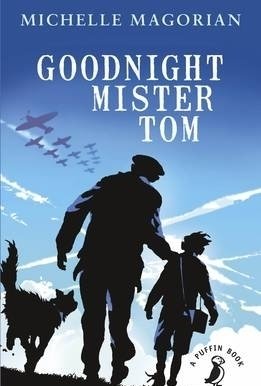


In September 1939, as Britain stands on the brink of the war, many young children from the cities are evacuated tot he countryside to escape an imminent German bombardment. Willie Beech, a boy from Deptford who is physically and emotionally abused by his mother, arrives at the home of Tom Oakley, a widower in his sixties who lives in the village of Little Weirwold. The boy is thinly clad, underfed and covered with painful bruises, and believes he is full of sin, a result of his upbringing by his mother, a domineering, insane, God-fearing widow.
"Mister Tom", as William christens his new guardian, is reclusive and bad-tempered, and as such is avoided by the community. Willie lives with him as his Mother wants him to live with someone who is either religious or lives next to a church. Though initially distant, he is touched after discovering William's home-life and treats him with kindness and understanding, helping to educate him. Under his care, William begins to thrive, forming a small circle of friends at school among his classmates including fellow-evacuee Zach. He also becomes proficient in drawing and dramatics. As William is changed by Tom, so is Tom transformed by William's presence in his home. It is revealed that Tom lost his wife and baby son to Scarlatina some 40 years previously, and he has become reclusive because of this.
The growing bond between William and Tom is threatened when William's mother requests that the boy returns to her in the city, telling him she is sick. At first, William thinks this will be a good thing, as he can be helpful to his mother. However, his mother is not pleased to learn the details of his time with Tom, feeling that he has not been disciplined properly. While William has been away, she has become pregnant and had a girl, but is neglecting the baby. After a bad reunion, where his mother becomes furious upon learning the details of her son's life with Tom, abhorring his association with the Jewish Zach among other things, she hits William and puts him in the under-stairs cupboard, chains him to the piping. William regains consciousness briefly to find himself in the cupboard – he has been stripped of his clothes, minus his underwear, and his ankle is twisted. He quietly sobs for Tom, before he falls asleep.
Back in Little Weirwold, Tom has a premonition that something is not right with William. Although he has never travelled beyond his immediate locality, he ventures into London and eventually locates William's neighbourhood of Deptford and his home. He persuades a local policeman to break down the door of the apparently empty home, to be greeted with a vile stench. They find William in the closet with the baby, who had also been locked under the stairs by William's mother and has now died. William is malnourished and badly bruised as he had been locked under the stairs for a number of days. William is hospitalised, but whilst there suffers horrific nightmares and is drugged simply to prevent his screams from disturbing other children. Tom is warned that it is likely that William will be taken to a children's home, and, unable to observe William's distress any longer, kidnaps him from the hospital and takes him back to Little Weirwold.
Back with Mister Tom, William is much damaged by his ordeal and is also blaming himself for the death of his sister as he had not been able to provide enough milk to feed her whilst locked away, and becomes very depressed. Later, when his favourite teacher Annie Hartridge has a baby, William is shocked to learn from Zach that a woman cannot conceive a child on her own, and realises that his mother was having a relationship with a man, even though she had previously told him that it was wrong for unmarried couples to live together or have children together (something which society in general had regarded as unacceptable at this time). Tom is traced by the authorities, who have come to tell William that his mother is dead, having committed suicide. They also offer him a place in a children's home, as they've been unable to trace any other relatives who may have been able to take care of him. Luckily the authorities realise that William has already found a good home and allow Tom to adopt him.
Tom, William and Zach then enjoy a holiday at the seaside village of Salmouth, where they stay in the house of a widow whose sons have been sent out to war. Zach then receives news that his father has been injured by a German bomb in London and he hurries home on the next train saying farewell to all his friends. Unfortunately this is the last time they see him. William later learns that Zach has been killed and is grief-stricken for some time, but his grief is later healed by another recluse, Geoffery Sanderton. Geoffery, a young man who had lost a leg during the war and takes William for private art lessons,recognises the signs of grief and gives William a pipe to paint along with a picture of two smiling young men. One of the men is Geoffery and he tells William about the loss of his own best friend, the other man in the picture and the owner of the pipe. This is when William starts to come to terms with Zach's death. Adding to this, Doctor Little, the village doctor, who was Zach's guardian while he was evacuated, is surprised but pleased when William asks to have Zach's bike. Through learning to ride it, William realises that Zach lives on inside him and he will never forget his wonderful companion that Zach was.
In the months following, William grows closer to Carrie, one of his friends. One night, on returning home to Tom (whom he now calls "Dad"), he thinks back on how much he has changed since arriving in Little Weirwold and realises that he is growing.
Goodnight Mr Tom Wiki.
Goodnight Mr Tom was published by Kestrel in 1981 and later on in that same year in the US by Harper and Row. The book won Author Michelle Magorian the annual Guardian Children's fiction prize. Magorian was also a runner up for the Carnegie Medal. The book has been adapted as a Movie, a play and a musical. The most recent theatrical adaption won the Laurence Olivier award for Best Entertainment.
I came across the book when I was 10/11 years old. I needed the book for English at primary school, since we needed to read the book and complete a series of assignments for our teacher. I have in the subsequent years read and re-read the book. The book is rather good and I recommand it for children from the ages of 9/10 upwards. The book is a good representation of what happened during WW2 in a fictional setting. And William and Mr Tom healing each other from what they both experienced (Tom loosing family to Scarlatina and William being abused by his mother). I give the book an 8/10.
"Mister Tom", as William christens his new guardian, is reclusive and bad-tempered, and as such is avoided by the community. Willie lives with him as his Mother wants him to live with someone who is either religious or lives next to a church. Though initially distant, he is touched after discovering William's home-life and treats him with kindness and understanding, helping to educate him. Under his care, William begins to thrive, forming a small circle of friends at school among his classmates including fellow-evacuee Zach. He also becomes proficient in drawing and dramatics. As William is changed by Tom, so is Tom transformed by William's presence in his home. It is revealed that Tom lost his wife and baby son to Scarlatina some 40 years previously, and he has become reclusive because of this.
The growing bond between William and Tom is threatened when William's mother requests that the boy returns to her in the city, telling him she is sick. At first, William thinks this will be a good thing, as he can be helpful to his mother. However, his mother is not pleased to learn the details of his time with Tom, feeling that he has not been disciplined properly. While William has been away, she has become pregnant and had a girl, but is neglecting the baby. After a bad reunion, where his mother becomes furious upon learning the details of her son's life with Tom, abhorring his association with the Jewish Zach among other things, she hits William and puts him in the under-stairs cupboard, chains him to the piping. William regains consciousness briefly to find himself in the cupboard – he has been stripped of his clothes, minus his underwear, and his ankle is twisted. He quietly sobs for Tom, before he falls asleep.
Back in Little Weirwold, Tom has a premonition that something is not right with William. Although he has never travelled beyond his immediate locality, he ventures into London and eventually locates William's neighbourhood of Deptford and his home. He persuades a local policeman to break down the door of the apparently empty home, to be greeted with a vile stench. They find William in the closet with the baby, who had also been locked under the stairs by William's mother and has now died. William is malnourished and badly bruised as he had been locked under the stairs for a number of days. William is hospitalised, but whilst there suffers horrific nightmares and is drugged simply to prevent his screams from disturbing other children. Tom is warned that it is likely that William will be taken to a children's home, and, unable to observe William's distress any longer, kidnaps him from the hospital and takes him back to Little Weirwold.
Back with Mister Tom, William is much damaged by his ordeal and is also blaming himself for the death of his sister as he had not been able to provide enough milk to feed her whilst locked away, and becomes very depressed. Later, when his favourite teacher Annie Hartridge has a baby, William is shocked to learn from Zach that a woman cannot conceive a child on her own, and realises that his mother was having a relationship with a man, even though she had previously told him that it was wrong for unmarried couples to live together or have children together (something which society in general had regarded as unacceptable at this time). Tom is traced by the authorities, who have come to tell William that his mother is dead, having committed suicide. They also offer him a place in a children's home, as they've been unable to trace any other relatives who may have been able to take care of him. Luckily the authorities realise that William has already found a good home and allow Tom to adopt him.
Tom, William and Zach then enjoy a holiday at the seaside village of Salmouth, where they stay in the house of a widow whose sons have been sent out to war. Zach then receives news that his father has been injured by a German bomb in London and he hurries home on the next train saying farewell to all his friends. Unfortunately this is the last time they see him. William later learns that Zach has been killed and is grief-stricken for some time, but his grief is later healed by another recluse, Geoffery Sanderton. Geoffery, a young man who had lost a leg during the war and takes William for private art lessons,recognises the signs of grief and gives William a pipe to paint along with a picture of two smiling young men. One of the men is Geoffery and he tells William about the loss of his own best friend, the other man in the picture and the owner of the pipe. This is when William starts to come to terms with Zach's death. Adding to this, Doctor Little, the village doctor, who was Zach's guardian while he was evacuated, is surprised but pleased when William asks to have Zach's bike. Through learning to ride it, William realises that Zach lives on inside him and he will never forget his wonderful companion that Zach was.
In the months following, William grows closer to Carrie, one of his friends. One night, on returning home to Tom (whom he now calls "Dad"), he thinks back on how much he has changed since arriving in Little Weirwold and realises that he is growing.
Goodnight Mr Tom Wiki.
Goodnight Mr Tom was published by Kestrel in 1981 and later on in that same year in the US by Harper and Row. The book won Author Michelle Magorian the annual Guardian Children's fiction prize. Magorian was also a runner up for the Carnegie Medal. The book has been adapted as a Movie, a play and a musical. The most recent theatrical adaption won the Laurence Olivier award for Best Entertainment.
I came across the book when I was 10/11 years old. I needed the book for English at primary school, since we needed to read the book and complete a series of assignments for our teacher. I have in the subsequent years read and re-read the book. The book is rather good and I recommand it for children from the ages of 9/10 upwards. The book is a good representation of what happened during WW2 in a fictional setting. And William and Mr Tom healing each other from what they both experienced (Tom loosing family to Scarlatina and William being abused by his mother). I give the book an 8/10.

Gareth von Kallenbach (980 KP) rated Cloud Atlas (2012) in Movies
Aug 7, 2019

While I am not familiar with the novel, I was not excited to review the film adaptation of David Mitchell’s Cloud Atlas. Though the Screenplay was written and directed by the Wachowskis (The Matrix) and Tom Tykwer (Run Lola Run) I did not know exactly what I was getting into. The trailer shows it as an epic sci-fi film crossing the time and lives of several stories and how everything and everyone is connected. Needless to say my curiosity was piqued. But I was nervous because I knew it would take a grand effort to keep this epic and ambitious project from falling flat. And well, I can honestly say that I am not quite sure if the combined effort succeeded.
Allow me to explain. About an hour into the film I had a young film reviewer to my left and I noticed he started to nod his head in approval at each new developing story throughout the film. To my right was a friend of mine, I would consider as an average film viewer, who at this same time I could tell was counting the minutes till the lights came up but felt trapped with nowhere to go but forward. And for me, I can see both sides of these reactions.
The plot is comprised of a multi-narrative of six stories, each with a complete beginning, middle and end. These stories are told from different timelines following a group of souls throughout the ages to show how everything is woven together and the connection between them; From the 1849 slave trader, to a young composer in 1936 Britain, to a 1973 journalist attempting to uncover corruption of the big business ruling class, to a 2012 literary publisher who’s life becomes a daring escape from a geriatric home, to a 2144 Neo-Soul synthetic learning to become human, to a post-apocalyptic tribesman trying to save his world and family… Lost yet? Believe me you will want to focus during the first hour of this film as we are introduced to the sudden shift of timelines. All of the main actors appear as varying characters of significance in every narrative, each with different accents and types of language. It is a bit of an unexpected bother to keep everything straight at first, however if you pay attention it is fairly easy to follow. This first hour is where I feel the film becomes a make or break for those actively thinking about what they are watching and the average movie viewer who is just there to be entertained and see the new Tom Hanks (Extremely Loud and Incredibly Close) or Halle Berry (Perfect Stanger) movie. For those who make it through that first hour still engaged, the film moves along at a steady pace and provides everything from romance to action that keeps you guessing and intrigued at what is next to come.
The Wachowskis and Tykwer do an outstanding job of visually fleshing out each timeline in its own visual style, especially the futuristic ones, which subtlety organize each narrative for the viewer. Additionally, there are so many talented actors in this film and it is somewhat fascinating to try and pick them out throughout the film. It is almost like a giant game of Where’s Waldo on screen as the makeup and special effects artists do a fantastic job of making the actors fit each character in every timeline. In fact, during the fourth or fifth timeline a lady in my row asked her partner if the man on screen was Forrest Gump, which was surprising because Hanks was the easiest character to pick out among them all.
Tom Hanks delivers one of his better performances in years. We watch his character’s soul transition from a sinister and vile doctor to a tribesman making the righteous choice while struggling with that inkling of evil that is the devil within us all. It was refreshing to see Hanks play parts that were not just an “everyman” that he has played in recent years.
Halle Berry’s performance is mostly average in her parts with the exception of 1973 journalist role where she is the main protagonist. Hugo Weaving channels a bit of his Agent Smith role from The Matrix as he plays a villain throughout the timelines. Hugh Grant (Love Actually) makes unexpected soild appearances throughout the timelines. With Jim Sturgess (One Day), James D’Arcy (Mansfield Park) and Ben Whishaw (who is the new Q in the upcoming James Bond film Skyfall) rounding out the cast with a young contrast to the already heavy acting handled by the bigger names of this film. Each of these young actors hold’s their own against their older more notable counterparts. Whishaw’s performance as the lead in the 1936 composer role is especially noteworthy.
The other stand out performance in the film comes from Jim Broadbent best known in the states as Professor Slughorn in the Harry Potter Films. His performance in the 1936 composer and 2012 literary publisher are excellent. The Publisher story was my favorite timeline throughout the film. Not only did it deliver some much needed comic relief to an emotionally engaging and heavy film, but it also made me care the most about the elderly characters trying to escape the clutches of the geriatric prison of a nursing home. Unfortunately, other than the aforementioned comic relief this timeline seemed the most unnecessary to the overarching story at hand.
When I left the film and talked it over with my friend I was indifferent to the film. It was not great, it was not bad either. As my friend described it, it was a movie that was trying too hard. We agreed that somewhere in the six storylines there may be a great film, but we were not sure if we watched it.
However as the days have passed I have found myself thinking about the stories constantly. More specifically about how the main protagonist played by a different actor in each narrative has the same birthmark of a shooting star that in some way symbolizes some universal soul encompassing a new shell of a body in each timeline. Like some kind of reincarnation of that soul is fighting the same revolution throughout the ages against the powerful class and illusion of natural order. Additionally how each of the central characters found themselves connected with the main characters in the stories that preceded them through some kind of medium; whether it was by an old journal, or love letters, or a written story, or film, or message of hope. These subtle insights of growth and change for this main soul leaping into a new life in each timeline has caused me to examine our world and how we as people can be truly connected to one another not only today, but throughout the ages. I want to view the film again and am inspired to read the novel in some sort of effort to better understand these concepts.
Nevertheless as a film that is almost three hours long it does its best to be an epic sci-fi film and give something for everyone. And while it succeeds in many aspects of feel, it also falls short in aspects that are probably best accomplished in a literary form. As I said above, somewhere in the six storylines there may be a great film, but I am not sure if I watched it. Or maybe I am not intelligent enough to comprehend it. Because of that I can only give it an average score. Though I believe if you ask me after a second viewing, I may be inclined to raise it.
Allow me to explain. About an hour into the film I had a young film reviewer to my left and I noticed he started to nod his head in approval at each new developing story throughout the film. To my right was a friend of mine, I would consider as an average film viewer, who at this same time I could tell was counting the minutes till the lights came up but felt trapped with nowhere to go but forward. And for me, I can see both sides of these reactions.
The plot is comprised of a multi-narrative of six stories, each with a complete beginning, middle and end. These stories are told from different timelines following a group of souls throughout the ages to show how everything is woven together and the connection between them; From the 1849 slave trader, to a young composer in 1936 Britain, to a 1973 journalist attempting to uncover corruption of the big business ruling class, to a 2012 literary publisher who’s life becomes a daring escape from a geriatric home, to a 2144 Neo-Soul synthetic learning to become human, to a post-apocalyptic tribesman trying to save his world and family… Lost yet? Believe me you will want to focus during the first hour of this film as we are introduced to the sudden shift of timelines. All of the main actors appear as varying characters of significance in every narrative, each with different accents and types of language. It is a bit of an unexpected bother to keep everything straight at first, however if you pay attention it is fairly easy to follow. This first hour is where I feel the film becomes a make or break for those actively thinking about what they are watching and the average movie viewer who is just there to be entertained and see the new Tom Hanks (Extremely Loud and Incredibly Close) or Halle Berry (Perfect Stanger) movie. For those who make it through that first hour still engaged, the film moves along at a steady pace and provides everything from romance to action that keeps you guessing and intrigued at what is next to come.
The Wachowskis and Tykwer do an outstanding job of visually fleshing out each timeline in its own visual style, especially the futuristic ones, which subtlety organize each narrative for the viewer. Additionally, there are so many talented actors in this film and it is somewhat fascinating to try and pick them out throughout the film. It is almost like a giant game of Where’s Waldo on screen as the makeup and special effects artists do a fantastic job of making the actors fit each character in every timeline. In fact, during the fourth or fifth timeline a lady in my row asked her partner if the man on screen was Forrest Gump, which was surprising because Hanks was the easiest character to pick out among them all.
Tom Hanks delivers one of his better performances in years. We watch his character’s soul transition from a sinister and vile doctor to a tribesman making the righteous choice while struggling with that inkling of evil that is the devil within us all. It was refreshing to see Hanks play parts that were not just an “everyman” that he has played in recent years.
Halle Berry’s performance is mostly average in her parts with the exception of 1973 journalist role where she is the main protagonist. Hugo Weaving channels a bit of his Agent Smith role from The Matrix as he plays a villain throughout the timelines. Hugh Grant (Love Actually) makes unexpected soild appearances throughout the timelines. With Jim Sturgess (One Day), James D’Arcy (Mansfield Park) and Ben Whishaw (who is the new Q in the upcoming James Bond film Skyfall) rounding out the cast with a young contrast to the already heavy acting handled by the bigger names of this film. Each of these young actors hold’s their own against their older more notable counterparts. Whishaw’s performance as the lead in the 1936 composer role is especially noteworthy.
The other stand out performance in the film comes from Jim Broadbent best known in the states as Professor Slughorn in the Harry Potter Films. His performance in the 1936 composer and 2012 literary publisher are excellent. The Publisher story was my favorite timeline throughout the film. Not only did it deliver some much needed comic relief to an emotionally engaging and heavy film, but it also made me care the most about the elderly characters trying to escape the clutches of the geriatric prison of a nursing home. Unfortunately, other than the aforementioned comic relief this timeline seemed the most unnecessary to the overarching story at hand.
When I left the film and talked it over with my friend I was indifferent to the film. It was not great, it was not bad either. As my friend described it, it was a movie that was trying too hard. We agreed that somewhere in the six storylines there may be a great film, but we were not sure if we watched it.
However as the days have passed I have found myself thinking about the stories constantly. More specifically about how the main protagonist played by a different actor in each narrative has the same birthmark of a shooting star that in some way symbolizes some universal soul encompassing a new shell of a body in each timeline. Like some kind of reincarnation of that soul is fighting the same revolution throughout the ages against the powerful class and illusion of natural order. Additionally how each of the central characters found themselves connected with the main characters in the stories that preceded them through some kind of medium; whether it was by an old journal, or love letters, or a written story, or film, or message of hope. These subtle insights of growth and change for this main soul leaping into a new life in each timeline has caused me to examine our world and how we as people can be truly connected to one another not only today, but throughout the ages. I want to view the film again and am inspired to read the novel in some sort of effort to better understand these concepts.
Nevertheless as a film that is almost three hours long it does its best to be an epic sci-fi film and give something for everyone. And while it succeeds in many aspects of feel, it also falls short in aspects that are probably best accomplished in a literary form. As I said above, somewhere in the six storylines there may be a great film, but I am not sure if I watched it. Or maybe I am not intelligent enough to comprehend it. Because of that I can only give it an average score. Though I believe if you ask me after a second viewing, I may be inclined to raise it.