
Search
Search results

Kristy H (1252 KP) rated My Dark Vanessa in Books
Mar 19, 2020



At fifteen, the very bright Vanessa Wye earns a scholarship position to boarding school. It's the year 2000. There she meets Jacob Strane, her English teacher, who is forty-two-years-old. Soon the two are involved in a powerful relationship--and one that quickly turns sexual. Seventeen years later, Vanessa is working as a concierge at a hotel, just another in a series of dead-end jobs. She hasn't had any real serious relationships. And now, Jacob Strane, has been accused of sexual abuse by a former student, Taylor Birch. Taylor tracks down Vanessa, wanting her to share her story, too. But Vanessa doesn't feel she was abused by Strane. In fact, her entire life is framed by her love story with Strane. As Taylor Birch's story gains traction in the press, Vanessa must confront her past and what it means to her.
"'I'm going to ruin you.' He says it with obvious torment, a glimpse into how much he's thought about it, wrestled with it."
This book...wow. I was absolutely captivated by Vanessa's story. She tells her tale in two parts: her adolescence, as she meets Jacob Strane at school and they begin their relationship; and then the present, as Taylor Birch's story hits the press and Vanessa must deal with the fact that her love for Jacob Strane is being portrayed as abuse and assault.
"It's strange to know that whenever I remember myself at fifteen, I'll think of this."
For a book with such dark subject matter, it's really beautiful. Russell is a wonderful writer, and this story unfolds almost lyrically. It's so well-done and completely mesmerizing. The sections featuring young Vanessa capture that early adolescent yearning and longing so perfectly--that deep desire to feel needed and wanted. To Vanessa, this is a love story, a romantic tale of a man needing and loving her. She blocks out and overlooks the parts of the story that don't fit. Understanding that some victims don't see abuse as abuse is key to the story, and Russell portrays the dynamic between Strane and Vanessa so well.
"'It's just my luck,' he said, 'that when I finally find my soul mate, she's fifteen years old.'"
As a result, we get a very thoughtful look at abuse, rape, and assault. And, yes, the sections of older Vanessa's story touch across the #metoo movement, as Taylor Birch and others want so desperately for Vanessa to join their side, to share her story. For them or for Vanessa, it's hard to say. This book is so dark, yet so insightful. Vanessa's inner struggle--basically she's having to re-look at the entire foundation upon which her life is built--is one of the most profoundly written and moving journeys I've seen in literature in quite some time. It's not easy to read about, certainly, and it's not always easy to understand her actions, of course. The story can make you uncomfortable; it can feel problematic. But it's an important read, and it's so beautifully and poetically written. I highly recommend it (taking into account the obvious trigger warnings, of course). 4.5+ stars.
"'I'm going to ruin you.' He says it with obvious torment, a glimpse into how much he's thought about it, wrestled with it."
This book...wow. I was absolutely captivated by Vanessa's story. She tells her tale in two parts: her adolescence, as she meets Jacob Strane at school and they begin their relationship; and then the present, as Taylor Birch's story hits the press and Vanessa must deal with the fact that her love for Jacob Strane is being portrayed as abuse and assault.
"It's strange to know that whenever I remember myself at fifteen, I'll think of this."
For a book with such dark subject matter, it's really beautiful. Russell is a wonderful writer, and this story unfolds almost lyrically. It's so well-done and completely mesmerizing. The sections featuring young Vanessa capture that early adolescent yearning and longing so perfectly--that deep desire to feel needed and wanted. To Vanessa, this is a love story, a romantic tale of a man needing and loving her. She blocks out and overlooks the parts of the story that don't fit. Understanding that some victims don't see abuse as abuse is key to the story, and Russell portrays the dynamic between Strane and Vanessa so well.
"'It's just my luck,' he said, 'that when I finally find my soul mate, she's fifteen years old.'"
As a result, we get a very thoughtful look at abuse, rape, and assault. And, yes, the sections of older Vanessa's story touch across the #metoo movement, as Taylor Birch and others want so desperately for Vanessa to join their side, to share her story. For them or for Vanessa, it's hard to say. This book is so dark, yet so insightful. Vanessa's inner struggle--basically she's having to re-look at the entire foundation upon which her life is built--is one of the most profoundly written and moving journeys I've seen in literature in quite some time. It's not easy to read about, certainly, and it's not always easy to understand her actions, of course. The story can make you uncomfortable; it can feel problematic. But it's an important read, and it's so beautifully and poetically written. I highly recommend it (taking into account the obvious trigger warnings, of course). 4.5+ stars.

Lee (2222 KP) rated Wolfwalkers (2020) in Movies
Oct 12, 2020
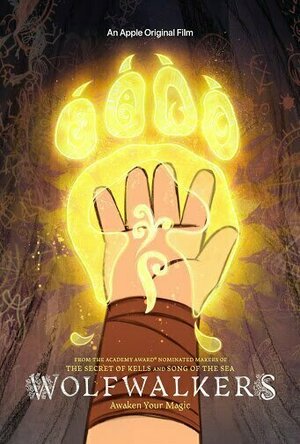
Wolfwalkers is the latest animated offering from Irish based studio, Cartoon Saloon. I’m actually ashamed to say that before watching Wolfwalkers, I was pretty unfamiliar with their previous Irish folklore offerings - The Secret of Kells (2009) and Song of the Sea (2014) - but having seen this latest animated feature, it’s a mistake that I will be looking to correct as quickly as possible.
Wolfwalkers is set in Kilkenny, Ireland (which is also the home of Cartoon Saloon!) during the 17th century. Robyn (Honor Kneafsey) has moved from Yorkshire with her father, Bill (Sean Bean) to the walled town, where Bill has been tasked by the rather menacing Lord Protector (Simon McBurney) to clear the surrounding forest of wolves. Once the forest is clear, the woodsmen can fell the trees and the farmers can start working the land.
There are signs everywhere, throughout the town and pinned to trees in the forest, showing a snarling wolf with a red cross drawn over it. A wolf attack on some woodsmen early on shows us just how dangerous the wolves are, and also introduces us to the Wolfwalkers that walk among them. With blazing eyes and fiery red hair, the Wolfwalkers are able to communicate with and control the wolves, calling them off their attacks on the humans. They also appear to possess magical healing abilities, using them to heal a wolf scratch on the chest of one of the men.
Robyn has dreams of following in her father’s footsteps and becoming a hunter as she practices her crossbow skills. So rather than work all day in the scullery, she decides to slip past the guards at the outer gate (no children are allowed beyond the town walls) and secretly follow her father out into the forest, watching him as he sets traps for the wolves. When she comes face to face with a wolf, it’s much smaller and a lot cuter than the ones we’ve seen before, and Robyn learns that it is, in fact, a young Wolfwalker named Mebh.
Robyn forms a bond with Mebh and discovers that when the Wolfwalkers sleep, they assume the body of a wolf, leaving their human body to sleep until they return in order to wake it up. Mebh is worried because her mother has been asleep for some time and her wolf form has not yet returned. Robyn learns that the Wolfwalkers are simply trying to defend the animals from the modern world that is encroaching on their forest and Robyn vows to help find her mother. A difficult task when the Lord Protector has given her father 2 days to clear the forest of wolves, and he isn’t listening to his daughter as she pleads with him to stop.
I found Wolfwalkers to be simply wonderful, with a captivating story full of twist and turns for both kids and adults to enjoy. It’s beautiful to look at too, utilising a watercolour style with rough pencil sketches visible in most of the characters and scenery only adding to its visual appeal. I was completely taken by surprise and just couldn’t fault it.
Wolfwalkers is set in Kilkenny, Ireland (which is also the home of Cartoon Saloon!) during the 17th century. Robyn (Honor Kneafsey) has moved from Yorkshire with her father, Bill (Sean Bean) to the walled town, where Bill has been tasked by the rather menacing Lord Protector (Simon McBurney) to clear the surrounding forest of wolves. Once the forest is clear, the woodsmen can fell the trees and the farmers can start working the land.
There are signs everywhere, throughout the town and pinned to trees in the forest, showing a snarling wolf with a red cross drawn over it. A wolf attack on some woodsmen early on shows us just how dangerous the wolves are, and also introduces us to the Wolfwalkers that walk among them. With blazing eyes and fiery red hair, the Wolfwalkers are able to communicate with and control the wolves, calling them off their attacks on the humans. They also appear to possess magical healing abilities, using them to heal a wolf scratch on the chest of one of the men.
Robyn has dreams of following in her father’s footsteps and becoming a hunter as she practices her crossbow skills. So rather than work all day in the scullery, she decides to slip past the guards at the outer gate (no children are allowed beyond the town walls) and secretly follow her father out into the forest, watching him as he sets traps for the wolves. When she comes face to face with a wolf, it’s much smaller and a lot cuter than the ones we’ve seen before, and Robyn learns that it is, in fact, a young Wolfwalker named Mebh.
Robyn forms a bond with Mebh and discovers that when the Wolfwalkers sleep, they assume the body of a wolf, leaving their human body to sleep until they return in order to wake it up. Mebh is worried because her mother has been asleep for some time and her wolf form has not yet returned. Robyn learns that the Wolfwalkers are simply trying to defend the animals from the modern world that is encroaching on their forest and Robyn vows to help find her mother. A difficult task when the Lord Protector has given her father 2 days to clear the forest of wolves, and he isn’t listening to his daughter as she pleads with him to stop.
I found Wolfwalkers to be simply wonderful, with a captivating story full of twist and turns for both kids and adults to enjoy. It’s beautiful to look at too, utilising a watercolour style with rough pencil sketches visible in most of the characters and scenery only adding to its visual appeal. I was completely taken by surprise and just couldn’t fault it.

FanDuel - Daily Fantasy Sports
Sports
App
Play Fantasy Football on FanDuel and win Real Money! Our Webby Award winning app is perfect for...

Gareth von Kallenbach (980 KP) rated Savages (2012) in Movies
Aug 7, 2019

Over the past 15 years, Oliver Stone’s films have been kind of hit or miss to me. It’s as if Stone is still trying to make the same controversial films he became popular for in the 80’s and early 90’s. Only, as an audience, we have become keen to his filmmaking style and therefore his more recent work suffers from the apathy of a “show me something new” culture. Still, despite his failures, Stone does not makes apologies for his work while he continues in his quest to make films about controversial subjects. This time around Stone strives to take us into the violent world of the Mexican drug cartels though a film adaptation of the novel Savages by Don Winslow.
As the film opens we are introduced to “O” (Blake Lively) who, as our narrator, acquaints us with the open yet loving relationship she shares with our two protagonists, Chon and Ben. Chon (Taylor Kitsch), an ex-Navy SEAL, is unquestionably the muscle of the trio’s operation. Chon was the original financier for his high school friend Ben, (Aaron Johnson) the peaceful, charitable, botany genius who has created the most potent marijuana in the world. Together these two embody the perfect man for O, while the three of them enjoy the spoils of the small marijuana empire they created in southern California.
That is until they gain the attention from a Mexican cartel intent on creating a stronger foothold in the southern California area. The cartel offers them a partnership and explains that by teaming up their business will triple in three years. But when the trio refuse the offer, the ruthless head of the cartel, Elena (Selma Hayek), instructs her enforcer, Lado (Benicio Del Toro), to kidnap O and hold her hostage so the boys will cooperate. Soon our heroes use their network of connections, like crooked DEA agent Dennis (John Travolta) and financial broker Spin (Emile Hirsch), to battle the cartel in a series of savage maneuvers to get back their one “shared” love.
Stone has been known to inspire his actors to give Oscar worthy performances. Sadly, you will not find any such performances here. That is not to say that the acting was terrible. It just seemed that the characters themselves are uninspired which is a shame because I would have liked to have seen some growth in this young cast, especially from Taylor Kitsch.
I feel that many critics will be hard on Taylor Kitsch because of his previous epic fails of 2012 (John Carter and Battleship) however I am surprised to admit that, for this movie at least, he gets a pass in my book. Not because he delivers a fantastic performance that makes me believe he’s truly an up and coming talent, but rather because he is convincing in his portrayal of Chon. When O describes our protagonists as each being one half of the perfect man, she refers to Chon as “Hard Steel,” which is exactly what Kitsch plays him as, a one-dimensional, emotionally devoid character with no growth or any real redeeming qualities other than the ability to go to war. Regardless of whether or not Kitsch has any additional acting range not showcased in this film, I cannot penalize him for his performance in this movie. He fit the part that he was cast in fine.
Blake Lively (Gossip Girl, Sisterhood of the Traveling Pants) plays O, short for Ophelia. And yes she channels the mad, love-struck, melancholic character from Hamlet after whom she is named. And while it is easy to make those comparisons to the character of this film, they only appear to be on the surface, if anything. And herein lies the problem. Regardless of how you feel about her open relationship with Ben and Chon, the more I learned about her, the less I cared. Like Kitsch’s character, O is boring and one dimensional. She is the product of being a pretty little rich girl whose mother is off somewhere with husband number twelve. She has been getting stoned every day since she was young and the only place she finds herself loved is in with the company of Chon and Ben. Tragic, I know. While watching the film I honestly thought to myself, if I was Ben or Chon, I would say, “Fuck it. Cut her loose and let’s go to Asia.” She has no redeeming qualities other than being good looking and a good lay. So why would they go through so much trouble for her? The trio’s relationship is weakly tied together by her telling us through narration but never really materializes on screen. At times you get some of a feeling that Ben actually loves her but that love is never really reciprocated from O. It is safe to say that that I did not derive any loving connection from Lively’s performance, though her deliver as a narrator was tolerable.
Aaron Johnson (Kick-Ass) is the one redeeming performance from this young cast. In contrast to Chon, O describes Ben as “Soft Wood” which makes him the better half. Ben is the one character who actually goes through some kind of character arc and growth. Using the wood analogy, we watch him bend from the peaceful Buddhist businessman to the man who will sacrifice everything, to get back this woman he loves. Nowhere is this better embodied than when Ben is faced with the tough choice of sticking to his peaceful beliefs or incinerating a man in cold blood during one of their moves against the cartel. I found myself actually curious about what Ben would do next. Unlike Chon and O, Ben has some depth and struggles with his personal beliefs, his love for O and what needs to be done. Needless to say, Johnson delivers a believable performance that actually helps move along the action and was the only protagonist that kept me interested in their battle.
In addition to Johnson, the film is littered with several strong supporting cast members who all deliver solid performances. Selma Hayek is strong as Elena, the leader of the cartel that challenges Ben and Chon. She is a ruthless and shrewd businesswoman and yet has a better “sense of morality” as she explains during her interactions with O and her own daughter. Her enforcer Lado is played by Benicio Del Toro who, with the help of an uncomfortable rapist mustache, comes off as an extremely menacing character. Del Toro solidifies himself on screen by being down right creepy and yet intelligent in his own savage way. During every moment of screen time you expect him to kill someone just because it is good for business.
A needed bit of change of pace is provided by an unexpected performance by Emile Hirsch (Into the Wild) as Ben and Chon’s witty financial broker, Spin. As well as by John Travolta who plays Dennis, the dirty DEA agent who’s in Ben and Chon’s pocket. In fact, even though Travolta’s screen time is maybe a total of 12 minutes, his performance steals the show with his sole bit of comic relief, for lack of a better explanation. Perhaps the strongest acted moment of this film is during a standoff scene between Del Toro and Travolta that in many ways makes me want to know more about those characters. And what that movie would be about.
In typical Stone fashion the movie is shot in a variety of film angles and stylistic devices used to foreshadow and at times create a foreboding presence. Visually the movie provides a strong and believable feeling for the world these characters live in and the way that they operate their business. In addition, narration is used at points to move along the action and provide the audience with insight that otherwise would not have been possible on performances alone. I personally have no problem with narration as long as it is set up from the beginning and used to advance the story, which it is. However in the final act, the movie introduces a film device from left field that completely kills the already weak pacing of the movie. I cannot get into it without giving away the story, but I can see how this device could completely ruin the movie for those patrons who are already disinterested by the time the final act rolls around. Especially for those who do not find any connection to any of the characters. In which case, the pacing of this film will seem slow and drawn out.
I am torn about my review of this film. Savages is something that I wanted to like more than I did. Two of the three protagonists are one dimensional and if it was not for Johnson and the strong supporting cast I might have found the movie boring. It was also completely different from the expectations set by the commercials. Those looking for an action movie will feel misled and will more than likely be disappointed with the film. Not that there is not any action, only it comes between very long periods of dialogue and slow pacing. By the end of the movie, you are either invested in these characters or just waiting for the lights to come up in the theater. And in typical Oliver Stone fashion the movie tries to make us question our own perception of just what it means to be a savage.
As the film opens we are introduced to “O” (Blake Lively) who, as our narrator, acquaints us with the open yet loving relationship she shares with our two protagonists, Chon and Ben. Chon (Taylor Kitsch), an ex-Navy SEAL, is unquestionably the muscle of the trio’s operation. Chon was the original financier for his high school friend Ben, (Aaron Johnson) the peaceful, charitable, botany genius who has created the most potent marijuana in the world. Together these two embody the perfect man for O, while the three of them enjoy the spoils of the small marijuana empire they created in southern California.
That is until they gain the attention from a Mexican cartel intent on creating a stronger foothold in the southern California area. The cartel offers them a partnership and explains that by teaming up their business will triple in three years. But when the trio refuse the offer, the ruthless head of the cartel, Elena (Selma Hayek), instructs her enforcer, Lado (Benicio Del Toro), to kidnap O and hold her hostage so the boys will cooperate. Soon our heroes use their network of connections, like crooked DEA agent Dennis (John Travolta) and financial broker Spin (Emile Hirsch), to battle the cartel in a series of savage maneuvers to get back their one “shared” love.
Stone has been known to inspire his actors to give Oscar worthy performances. Sadly, you will not find any such performances here. That is not to say that the acting was terrible. It just seemed that the characters themselves are uninspired which is a shame because I would have liked to have seen some growth in this young cast, especially from Taylor Kitsch.
I feel that many critics will be hard on Taylor Kitsch because of his previous epic fails of 2012 (John Carter and Battleship) however I am surprised to admit that, for this movie at least, he gets a pass in my book. Not because he delivers a fantastic performance that makes me believe he’s truly an up and coming talent, but rather because he is convincing in his portrayal of Chon. When O describes our protagonists as each being one half of the perfect man, she refers to Chon as “Hard Steel,” which is exactly what Kitsch plays him as, a one-dimensional, emotionally devoid character with no growth or any real redeeming qualities other than the ability to go to war. Regardless of whether or not Kitsch has any additional acting range not showcased in this film, I cannot penalize him for his performance in this movie. He fit the part that he was cast in fine.
Blake Lively (Gossip Girl, Sisterhood of the Traveling Pants) plays O, short for Ophelia. And yes she channels the mad, love-struck, melancholic character from Hamlet after whom she is named. And while it is easy to make those comparisons to the character of this film, they only appear to be on the surface, if anything. And herein lies the problem. Regardless of how you feel about her open relationship with Ben and Chon, the more I learned about her, the less I cared. Like Kitsch’s character, O is boring and one dimensional. She is the product of being a pretty little rich girl whose mother is off somewhere with husband number twelve. She has been getting stoned every day since she was young and the only place she finds herself loved is in with the company of Chon and Ben. Tragic, I know. While watching the film I honestly thought to myself, if I was Ben or Chon, I would say, “Fuck it. Cut her loose and let’s go to Asia.” She has no redeeming qualities other than being good looking and a good lay. So why would they go through so much trouble for her? The trio’s relationship is weakly tied together by her telling us through narration but never really materializes on screen. At times you get some of a feeling that Ben actually loves her but that love is never really reciprocated from O. It is safe to say that that I did not derive any loving connection from Lively’s performance, though her deliver as a narrator was tolerable.
Aaron Johnson (Kick-Ass) is the one redeeming performance from this young cast. In contrast to Chon, O describes Ben as “Soft Wood” which makes him the better half. Ben is the one character who actually goes through some kind of character arc and growth. Using the wood analogy, we watch him bend from the peaceful Buddhist businessman to the man who will sacrifice everything, to get back this woman he loves. Nowhere is this better embodied than when Ben is faced with the tough choice of sticking to his peaceful beliefs or incinerating a man in cold blood during one of their moves against the cartel. I found myself actually curious about what Ben would do next. Unlike Chon and O, Ben has some depth and struggles with his personal beliefs, his love for O and what needs to be done. Needless to say, Johnson delivers a believable performance that actually helps move along the action and was the only protagonist that kept me interested in their battle.
In addition to Johnson, the film is littered with several strong supporting cast members who all deliver solid performances. Selma Hayek is strong as Elena, the leader of the cartel that challenges Ben and Chon. She is a ruthless and shrewd businesswoman and yet has a better “sense of morality” as she explains during her interactions with O and her own daughter. Her enforcer Lado is played by Benicio Del Toro who, with the help of an uncomfortable rapist mustache, comes off as an extremely menacing character. Del Toro solidifies himself on screen by being down right creepy and yet intelligent in his own savage way. During every moment of screen time you expect him to kill someone just because it is good for business.
A needed bit of change of pace is provided by an unexpected performance by Emile Hirsch (Into the Wild) as Ben and Chon’s witty financial broker, Spin. As well as by John Travolta who plays Dennis, the dirty DEA agent who’s in Ben and Chon’s pocket. In fact, even though Travolta’s screen time is maybe a total of 12 minutes, his performance steals the show with his sole bit of comic relief, for lack of a better explanation. Perhaps the strongest acted moment of this film is during a standoff scene between Del Toro and Travolta that in many ways makes me want to know more about those characters. And what that movie would be about.
In typical Stone fashion the movie is shot in a variety of film angles and stylistic devices used to foreshadow and at times create a foreboding presence. Visually the movie provides a strong and believable feeling for the world these characters live in and the way that they operate their business. In addition, narration is used at points to move along the action and provide the audience with insight that otherwise would not have been possible on performances alone. I personally have no problem with narration as long as it is set up from the beginning and used to advance the story, which it is. However in the final act, the movie introduces a film device from left field that completely kills the already weak pacing of the movie. I cannot get into it without giving away the story, but I can see how this device could completely ruin the movie for those patrons who are already disinterested by the time the final act rolls around. Especially for those who do not find any connection to any of the characters. In which case, the pacing of this film will seem slow and drawn out.
I am torn about my review of this film. Savages is something that I wanted to like more than I did. Two of the three protagonists are one dimensional and if it was not for Johnson and the strong supporting cast I might have found the movie boring. It was also completely different from the expectations set by the commercials. Those looking for an action movie will feel misled and will more than likely be disappointed with the film. Not that there is not any action, only it comes between very long periods of dialogue and slow pacing. By the end of the movie, you are either invested in these characters or just waiting for the lights to come up in the theater. And in typical Oliver Stone fashion the movie tries to make us question our own perception of just what it means to be a savage.
Gareth von Kallenbach (980 KP) rated the PlayStation 4 version of Jurassic World Evolution in Video Games
Aug 14, 2019


People are fickle creatures by nature. They say they want to experience a time when dinosaurs roamed the earth and then they suddenly abandon you when they decide your park is too dangerous. So what if a few people got eaten when my cash flow dried up and my Ceratosaurus had no choice but to break free of its enclosure and snack on a few visitors. Is that really a reason to decide my park isn’t worth visiting any longer? I think not. That is just how things are when you are trying to build a combination of zoo and theme park in Frontier Developments’ latest park simulator game Jurassic World Evolution.
As a kid I used to spend time with my older sister playing dinosaur hunter with my old View-Master and some 3D slides of dinosaurs. We’d pretend that we had gone back in time to an age where dinosaurs walked the earth. As I got older, and technology improved dramatically, I had the opportunity to experience Jurassic Park when it was first released on the big screen and my simple exploration dream turned into a dream of what it would be like to experience this in real life. While dinosaur cloning hasn’t become an actual thing…yet, Jurassic World Evolution introduces you to a world of fossil digging, dinosaur incubating and park managing.
At it’s core, Jurassic World Evolution is a theme park management sim. It’s much less complex than Frontier’s other theme park sim, Planet Coaster, and of course brings with it the main draw of “living” dinosaurs. There are three major departments that you are trying to appease as you bring your park to life, Entertainment, Science and Security. As you play through the initial campaign, you will be given tasks from each department who are all trying to further their own agendas. Entertainment is focused on adding attractions, bringing people into your parks, and ensuring your profit margin is as high as possible. Science is focused on furthering the study of the dinosaurs, ensuring their survivability and tracking down and bringing to life numerous other species from around the globe. Finally, Security is trying to ensure that should a disaster strike, the proper fail-safes are in place to minimize the impact to the visitors and the park. While satisfying all three of these factions is the best way to make money and make your park a success, the tasks you do will impact your reputation with one department as you satisfy the requests of the others. It becomes a balancing act between ensuring each faction is as loyal and happy as possible (to avoid sabotage and espionage) and making enough money to ensure your park continues to function.
You begin the game with a sizable amount of money that you use to build your park and send teams on archeological digs around the world to unearth dinosaur fossils. The teams then bring back the fossils for you to practice your dinosaur cloning skills. Successful dinosaur cloning will result in absolutely breath-takingly detailed dinosaurs being added to your park. It’s up to you to ensure that the dinosaur enclosures are well suited and comfortable for the individual species of dinosaurs that will live in them. Each dinosaur has a specific set of traits that determine its’ comfort level. Some dinosaurs need grassland to run around in, while others are social creatures that don’t do well in solitary confinement. If your dinosaur’s comfort decreases below 50% they will attempt to break free of their enclosures and find what makes them happy and sometimes snacking on fear-stricken patrons is what they seek. So, keeping their comfort levels high is one key to avoiding major catastrophes in your park. After all, a happy dinosaur is one that is less likely to attempt an escape and snack on your paying patrons.
Ensuring your guest are happy and spending money is another key to running a successful park. Adding buildings and attractions for your guests to spend money on increases the rating of your park and adds additional cash flow. You will need all the cash you can get to keep things running smoothly and to prevent “accidents” from occurring. You will also need cash flow to research building improvements, finance other archeological digs, and ultimately continue to grow your park into what you had always envisioned it could be.
Graphically Jurassic World Evolution is absolutely stunning. The dinosaur models are gorgeous, and the weather effects (particularly when it’s raining) take on a near photo-realistic quality. This is easily one of the best-looking games available in this genre. When you aren’t busy managing the park, you’ll have the opportunity to pilot a helicopter and chase down escaped dinosaurs with your handy tranquilizer gun. You will also be given tasks where you will drive a Jeep through your park to do things such as replenish feeders or take pictures of your creations. The ability to traverse your park and get up close and personal with everything you have created is a real joy. As you progress, you can also unlock additional islands for you to create parks on and each island has its own unique challenges and adventures.
No game is perfect however, and Jurassic World Evolution certainly has a few issues. One of the more annoying issues I encountered is that some quests you are given are ones that you had already completed. Instead of the game recognizing I had already completed the quest, I had to redo what had already been done for the quest to continue. In the early stages of the game when you are asked to incubate a specific expensive breed of dinosaur when you have already done so (and it will cost you more than you can really afford to spend) it can get annoying fast. Some folks might also get tired of some of the more monotonous areas of the game, as flying a helicopter to tranquilize an escaped dinosaur the first dozen times you do it is exhilarating, but after that it can start to get a little stale. Additionally, there are some tasks that simply take time to complete such as waiting for a specific type of dinosaur to finish incubating before moving on to the next phase of the mission. As stated above there are ways to help pass the time (drive a Jeep and take some pictures for example), but an option to speed up the time just a bit would have been a real benefit. All-in-all though, these are pretty minor issues I had with an overall amazing game.
The developer Frontier is known for regularly updating their other games, including free (and paid) releases. While I think this game launches with an already incredible amount of variety, I suspect that Frontier will continue to add additional content and dinosaurs to the game. Considering the game launched without mod support (and whether mods will be supported in the future is still unclear) it’s important to have a developer who will continue to update the game and keep things fresh. This is an area that I believe Frontier will do an amazing job.
Jurassic World Evolution isn’t the perfect theme park simulation, but it’s pretty darn close. If you enjoy theme park simulators but have been intimidated by others on the market, you certainly should give this game a try. If you love dinosaurs or ever dreamed of owning your own Jurassic Park someday then this game is an absolute no brainer purchase. I was excited when I got my hands on it at E3, and the final release lived up to all my expectations and more. It’s truly an incredible game in one of this generations most beloved franchises. So, jump in the Jeep and “Welcome to Jurassic Park” (cue the Jurassic Park theme song).
What I liked: Stunning graphics, Accessible theme park management, Huge variety of dinosaurs
What I liked less: Some missions needing to be repeated for no reason
As a kid I used to spend time with my older sister playing dinosaur hunter with my old View-Master and some 3D slides of dinosaurs. We’d pretend that we had gone back in time to an age where dinosaurs walked the earth. As I got older, and technology improved dramatically, I had the opportunity to experience Jurassic Park when it was first released on the big screen and my simple exploration dream turned into a dream of what it would be like to experience this in real life. While dinosaur cloning hasn’t become an actual thing…yet, Jurassic World Evolution introduces you to a world of fossil digging, dinosaur incubating and park managing.
At it’s core, Jurassic World Evolution is a theme park management sim. It’s much less complex than Frontier’s other theme park sim, Planet Coaster, and of course brings with it the main draw of “living” dinosaurs. There are three major departments that you are trying to appease as you bring your park to life, Entertainment, Science and Security. As you play through the initial campaign, you will be given tasks from each department who are all trying to further their own agendas. Entertainment is focused on adding attractions, bringing people into your parks, and ensuring your profit margin is as high as possible. Science is focused on furthering the study of the dinosaurs, ensuring their survivability and tracking down and bringing to life numerous other species from around the globe. Finally, Security is trying to ensure that should a disaster strike, the proper fail-safes are in place to minimize the impact to the visitors and the park. While satisfying all three of these factions is the best way to make money and make your park a success, the tasks you do will impact your reputation with one department as you satisfy the requests of the others. It becomes a balancing act between ensuring each faction is as loyal and happy as possible (to avoid sabotage and espionage) and making enough money to ensure your park continues to function.
You begin the game with a sizable amount of money that you use to build your park and send teams on archeological digs around the world to unearth dinosaur fossils. The teams then bring back the fossils for you to practice your dinosaur cloning skills. Successful dinosaur cloning will result in absolutely breath-takingly detailed dinosaurs being added to your park. It’s up to you to ensure that the dinosaur enclosures are well suited and comfortable for the individual species of dinosaurs that will live in them. Each dinosaur has a specific set of traits that determine its’ comfort level. Some dinosaurs need grassland to run around in, while others are social creatures that don’t do well in solitary confinement. If your dinosaur’s comfort decreases below 50% they will attempt to break free of their enclosures and find what makes them happy and sometimes snacking on fear-stricken patrons is what they seek. So, keeping their comfort levels high is one key to avoiding major catastrophes in your park. After all, a happy dinosaur is one that is less likely to attempt an escape and snack on your paying patrons.
Ensuring your guest are happy and spending money is another key to running a successful park. Adding buildings and attractions for your guests to spend money on increases the rating of your park and adds additional cash flow. You will need all the cash you can get to keep things running smoothly and to prevent “accidents” from occurring. You will also need cash flow to research building improvements, finance other archeological digs, and ultimately continue to grow your park into what you had always envisioned it could be.
Graphically Jurassic World Evolution is absolutely stunning. The dinosaur models are gorgeous, and the weather effects (particularly when it’s raining) take on a near photo-realistic quality. This is easily one of the best-looking games available in this genre. When you aren’t busy managing the park, you’ll have the opportunity to pilot a helicopter and chase down escaped dinosaurs with your handy tranquilizer gun. You will also be given tasks where you will drive a Jeep through your park to do things such as replenish feeders or take pictures of your creations. The ability to traverse your park and get up close and personal with everything you have created is a real joy. As you progress, you can also unlock additional islands for you to create parks on and each island has its own unique challenges and adventures.
No game is perfect however, and Jurassic World Evolution certainly has a few issues. One of the more annoying issues I encountered is that some quests you are given are ones that you had already completed. Instead of the game recognizing I had already completed the quest, I had to redo what had already been done for the quest to continue. In the early stages of the game when you are asked to incubate a specific expensive breed of dinosaur when you have already done so (and it will cost you more than you can really afford to spend) it can get annoying fast. Some folks might also get tired of some of the more monotonous areas of the game, as flying a helicopter to tranquilize an escaped dinosaur the first dozen times you do it is exhilarating, but after that it can start to get a little stale. Additionally, there are some tasks that simply take time to complete such as waiting for a specific type of dinosaur to finish incubating before moving on to the next phase of the mission. As stated above there are ways to help pass the time (drive a Jeep and take some pictures for example), but an option to speed up the time just a bit would have been a real benefit. All-in-all though, these are pretty minor issues I had with an overall amazing game.
The developer Frontier is known for regularly updating their other games, including free (and paid) releases. While I think this game launches with an already incredible amount of variety, I suspect that Frontier will continue to add additional content and dinosaurs to the game. Considering the game launched without mod support (and whether mods will be supported in the future is still unclear) it’s important to have a developer who will continue to update the game and keep things fresh. This is an area that I believe Frontier will do an amazing job.
Jurassic World Evolution isn’t the perfect theme park simulation, but it’s pretty darn close. If you enjoy theme park simulators but have been intimidated by others on the market, you certainly should give this game a try. If you love dinosaurs or ever dreamed of owning your own Jurassic Park someday then this game is an absolute no brainer purchase. I was excited when I got my hands on it at E3, and the final release lived up to all my expectations and more. It’s truly an incredible game in one of this generations most beloved franchises. So, jump in the Jeep and “Welcome to Jurassic Park” (cue the Jurassic Park theme song).
What I liked: Stunning graphics, Accessible theme park management, Huge variety of dinosaurs
What I liked less: Some missions needing to be repeated for no reason

Darren (1599 KP) rated Alien (1979) in Movies
Jun 20, 2019
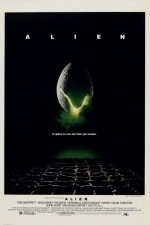
Story: It would be fair to say when this came out it was brilliant and stand alone on the type of film. Now the story has been copied, pinched from and used to the death. This paved the way for the truly trapped horror films because the space mission means it’s the ship of nothing. The twist that comes half way through offers a surprise and of cause the mood of the film changes drastically when the alien makes its first appearance. (10/10)
Actor Review: Sigourney Weaver – Ripley, just part of the crew really but steps up when the alien starts wreaking havoc. In a role that will be remembered as one of the best and most iconic in sci-fi history this performance will never be forgotten. Breakout Performance Award, Iconic Performance Award, Star Performance Award (10/10)
ripley
Actor Review: Tom Skerritt – Captain Dallas puts the team together to investigate the planet but has to step up when they don’t come back alone. Good performance showing leadership in time of panic. (9/10)
Actor Review: Ian Holm – Ash the science officer who is very distant as well as keeping a big secret from the rest of the crew. Good performance from Holm that opened a door for a twist in films that people actually have to think about. (9/10)
holm
Actor Review: John Hurt – Kane gets a creature stuck on his face before looking like making a full recovery only to make film history. This character has one of the most iconic sci-fi horror deaths in history. Unluckiest Character Award (9/10)
hurt
Director Review: Ridley Scott – Creates a world that no one saw coming and shows brilliant direction to create atmosphere throughout. (10/10)
Horror: There is no escape from a creature you have never met. (10/10)
Sci-Fi: Redefines the sci-fi genre to use true horror. (10/10)
Special Effects: Stunning special effects that even after 30 plus years still haven’t dated. (10/10)
Believability: We don’t know what is really in space until we go deeper enough. (5/10)
Chances of Tears: No (0/10)
Settings: When it comes to horror you need great location isolation is the best as we know the characters have nowhere to run, this offers that making the setting perfect. (10/10)
Suggestion: Most films can come and go and gain a few fans, this is not one of them it is one of the first films people will say when you say sci-fi. This makes it a must watch and when you do you will be reward but I expect most of you have already seen it so watch it again. (Watch)
Best Part: Alien first reveal.
Kill Of The Film: Kane
Trivia: The original title was Space Beast.
Oscar Chances: Won for Best Effects.
Chances of Sequel: Has three direct sequels and a couple of versus films.
Overall: Masterpiece classic must see
https://moviesreview101.com/2014/02/12/alien-1979/
Actor Review: Sigourney Weaver – Ripley, just part of the crew really but steps up when the alien starts wreaking havoc. In a role that will be remembered as one of the best and most iconic in sci-fi history this performance will never be forgotten. Breakout Performance Award, Iconic Performance Award, Star Performance Award (10/10)
ripley
Actor Review: Tom Skerritt – Captain Dallas puts the team together to investigate the planet but has to step up when they don’t come back alone. Good performance showing leadership in time of panic. (9/10)
Actor Review: Ian Holm – Ash the science officer who is very distant as well as keeping a big secret from the rest of the crew. Good performance from Holm that opened a door for a twist in films that people actually have to think about. (9/10)
holm
Actor Review: John Hurt – Kane gets a creature stuck on his face before looking like making a full recovery only to make film history. This character has one of the most iconic sci-fi horror deaths in history. Unluckiest Character Award (9/10)
hurt
Director Review: Ridley Scott – Creates a world that no one saw coming and shows brilliant direction to create atmosphere throughout. (10/10)
Horror: There is no escape from a creature you have never met. (10/10)
Sci-Fi: Redefines the sci-fi genre to use true horror. (10/10)
Special Effects: Stunning special effects that even after 30 plus years still haven’t dated. (10/10)
Believability: We don’t know what is really in space until we go deeper enough. (5/10)
Chances of Tears: No (0/10)
Settings: When it comes to horror you need great location isolation is the best as we know the characters have nowhere to run, this offers that making the setting perfect. (10/10)
Suggestion: Most films can come and go and gain a few fans, this is not one of them it is one of the first films people will say when you say sci-fi. This makes it a must watch and when you do you will be reward but I expect most of you have already seen it so watch it again. (Watch)
Best Part: Alien first reveal.
Kill Of The Film: Kane
Trivia: The original title was Space Beast.
Oscar Chances: Won for Best Effects.
Chances of Sequel: Has three direct sequels and a couple of versus films.
Overall: Masterpiece classic must see
https://moviesreview101.com/2014/02/12/alien-1979/
Kirk Bage (1775 KP) rated The Mandalorian in TV
Jan 22, 2021 (Updated Jan 22, 2021)
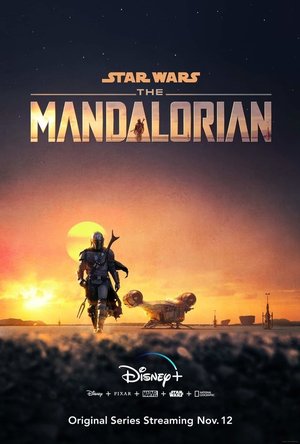

Being a child of Star Wars, born in ’73, whose first memory of a cinema was A New Hope in ’77, of course the entire franchise is still close to my heart. I am no superfan, however. I do not need to remember every name of every character, or know the obscure names of planets to enjoy it. I remember that deeply competitive nature back in the playground – how important it was to prove Star Wars was yours by knowing more than any other kid! Fortunately I managed to let that go shortly after The Return of the Jedi. Ok, maybe 1995.
The Mandalorian is definitely for all Star Wars fans, but it is mostly for the kids that never grew up and need those details of “the canonical Star Wars” universe in their lives. And there are plenty of them. It is a geek’s wet dream! With chat rooms and fan sites going wild in debate and argument over the smallest of Easter eggs and hints to connections across the medium. As if this is a lost historical document that sheds light on the truth of many characters and events, that until now were shrouded in darkness and speculation only.
I find that phenomenon weird and a little creepy, but I do appreciate where it comes from. For me, I am merely glad it isn’t crap. It is nice to be in the Star Wars universe without holding your face in your hands for shame of lazy storytelling and moments that shit on the spirit of the original trilogy. The first thing that pleased me about The Mandolorian is how close it is in feel to the old school trilogy. In fact it surprised me, because, despite the very modern effects and full budget of Disney behind it, it feels very old fashioned, like a TV show from around 1986, maybe. And I wonder how they have achieved that every time I watch it. It has an intangible magic about it.
In fact, the feel of the show as a whole is often a little cheap, shockingly – the posters and toys and all associated media is as glossy and crisp as all money can afford, creating an image of the show that isn’t actually what the show is. In reality it is a cross between old spaghetti westerns, with The Mandalorian cast as The Man With No Name, and episodes of The A-Team or Knightrider. I kinda like it; very nostalgic, and a smart move by Jon Favreau and the other show-runners. It appeals to middle aged audiences and new alike, because it is a knowing hybrid of all things cool and nerdy!
Design-wise, the look of The Mandalorian himself is perfect fan bait and very cool. The music goes a long way to drawing you in – Ludwig Göransson, known for his work on Black Panther and Tenet, has hit on a career defining theme that blends Clint Eastwood and Star Wars in perfect harmony. I can’t imagine the show working half as well without that theme music! The spaceships and detail of every alien and weapon and costume is meticulous (if at times a little wobbly or cheap looking), and the wider feel of background and tertiary characters is pretty damn good.
But, let’s face it… The Mandalorian is the success it has been predominantly for one reason. I could give him his real name, but if you haven’t finished it yet that would count as a huge spoiler, so I will refer to him as The Child. The temptation to use the phrase Baby Yoda is hard to resist, and has been a cultural phenomenon that only comes along once or twice in a decade, but on this I agree with the fans: it is inaccurate and misleading. The Child is fine. It’ll do until you learn his true moniker.
In season one, where the build up of story, character and mystery is superb, we see very little of The Child at first. But we cannot take our eyes off him for every second he is on screen. The whole concept is so beyond cute and incredibly strong as a hook for a Star Wars story it is almost impossible not to squeal out loud at everything he does. Who is he? Why is he? What is he capable of? How will he fit in to the longterm idea for the story? So exciting, and total genius to keep everyone watching.
It isn’t all about The Child on his own though. It is about the unlikely symbiotic bond, like father and son, that develops between the tiny, vulnerable and childlike focal point, and the increasingly confident and loyal antihero, who will stop at nothing to protect his ward, as he struggles to find his own place in the universe. After a very short time, we care more about this relationship than 90% of all romances in all of TV history.
Through danger, mayhem and a touch of comedy, we grow to adore the two of them together, and can’t bear to think of them being apart. Some trick when you realise The Child is as much a mini-muppet style prosthetic as it is added CGI for expression and detail. Perhaps another callback to our 80s sensibilities, when we accepted ETs and Gremlins and all of the residents of Mos Eisley’s cantina as real without hesitation. It doesn’t have to look real, is the point, as long as it fits the story, is cool and is fun! Which The Child totally is – for entertainment value they have got the tone of the show so right.
What doesn’t hold up that strongly to critical scrutiny though is quite a lot of the scripts, the repetitive nature of the context of many episodes and missions the duo find themselves on, the mismatch quality of the guest directors abilities, and quite a lot of the dodgy acting by supporting characters. It’s as if at some production meeting at one early point they all said, look it’s Star Wars, we make the aliens and the spaceships and the weapons look good and we can’t fail… plus we have The Child and Boba Fett’s (yes, I know) armour, we can’t fail!
The basic storyline is enough to hook it on, just about, it is the detail that sometimes feels weak and lazy. But don’t worry, any minute something cool to look at and a big fight will happen, so we’re all good! I’m sure Pedro Pascal (the actor under the armour) can’t believe his luck! He is one of the biggest stars in TV all of a sudden, for basically doing a fairly monotone voice-over performance of some seriously dodgy dialogue. That is the magic of Star Wars.
So, I came to season one late, having no access at that time to Disney plus. In fact, I watched all of season one in a day the day before the launch of season two, so the switch to a new episode to look forward to suited me well. It gave me something to look forward to on a Friday between Halloween and Christmas. Trouble was that, although still having fun with the exploits of The Kid, I was starting to weary of the plotlines, and put my viewing on hold after S2E4 in favour of the far superior scripting of His Dark Materials on BBC.
I must have needed the hiatus, because when I came back to mop it up and finish season two a few days ago I realised that I had in fact missed it. It also helped that episode 5 onwards is when the season gets really good again. Rosario Dawson as Ashoka Tano (known well by fans of The Clone Wars) was a truly great addition that the show much needed by that point.
I had no trouble after that in bingeing to the end. You could feel a climax and a revelation coming, and although the character of Moff Gideon (Giancarlo Esposito) crumbled disappointly away into nothing much, the last 15 minutes of the final episode had me slack jawed in fan wonderment. I felt 9 years old again, and I loved it! I had been amazingly lucky not to stumble upon spoilers, I guess. Amazing ending, and all faults forgiven for that unforgettable moment and feel. Wonderful stuff!
To say any more, again, is to spoil. So, let’s just talk about it privately, or, you know, in about a year when season 3 is over and it is old news. Hmmm, season 3…? I wonder where they will take that now…? Actually, properly exciting, in a back in the playground kind of way.
The Mandalorian is definitely for all Star Wars fans, but it is mostly for the kids that never grew up and need those details of “the canonical Star Wars” universe in their lives. And there are plenty of them. It is a geek’s wet dream! With chat rooms and fan sites going wild in debate and argument over the smallest of Easter eggs and hints to connections across the medium. As if this is a lost historical document that sheds light on the truth of many characters and events, that until now were shrouded in darkness and speculation only.
I find that phenomenon weird and a little creepy, but I do appreciate where it comes from. For me, I am merely glad it isn’t crap. It is nice to be in the Star Wars universe without holding your face in your hands for shame of lazy storytelling and moments that shit on the spirit of the original trilogy. The first thing that pleased me about The Mandolorian is how close it is in feel to the old school trilogy. In fact it surprised me, because, despite the very modern effects and full budget of Disney behind it, it feels very old fashioned, like a TV show from around 1986, maybe. And I wonder how they have achieved that every time I watch it. It has an intangible magic about it.
In fact, the feel of the show as a whole is often a little cheap, shockingly – the posters and toys and all associated media is as glossy and crisp as all money can afford, creating an image of the show that isn’t actually what the show is. In reality it is a cross between old spaghetti westerns, with The Mandalorian cast as The Man With No Name, and episodes of The A-Team or Knightrider. I kinda like it; very nostalgic, and a smart move by Jon Favreau and the other show-runners. It appeals to middle aged audiences and new alike, because it is a knowing hybrid of all things cool and nerdy!
Design-wise, the look of The Mandalorian himself is perfect fan bait and very cool. The music goes a long way to drawing you in – Ludwig Göransson, known for his work on Black Panther and Tenet, has hit on a career defining theme that blends Clint Eastwood and Star Wars in perfect harmony. I can’t imagine the show working half as well without that theme music! The spaceships and detail of every alien and weapon and costume is meticulous (if at times a little wobbly or cheap looking), and the wider feel of background and tertiary characters is pretty damn good.
But, let’s face it… The Mandalorian is the success it has been predominantly for one reason. I could give him his real name, but if you haven’t finished it yet that would count as a huge spoiler, so I will refer to him as The Child. The temptation to use the phrase Baby Yoda is hard to resist, and has been a cultural phenomenon that only comes along once or twice in a decade, but on this I agree with the fans: it is inaccurate and misleading. The Child is fine. It’ll do until you learn his true moniker.
In season one, where the build up of story, character and mystery is superb, we see very little of The Child at first. But we cannot take our eyes off him for every second he is on screen. The whole concept is so beyond cute and incredibly strong as a hook for a Star Wars story it is almost impossible not to squeal out loud at everything he does. Who is he? Why is he? What is he capable of? How will he fit in to the longterm idea for the story? So exciting, and total genius to keep everyone watching.
It isn’t all about The Child on his own though. It is about the unlikely symbiotic bond, like father and son, that develops between the tiny, vulnerable and childlike focal point, and the increasingly confident and loyal antihero, who will stop at nothing to protect his ward, as he struggles to find his own place in the universe. After a very short time, we care more about this relationship than 90% of all romances in all of TV history.
Through danger, mayhem and a touch of comedy, we grow to adore the two of them together, and can’t bear to think of them being apart. Some trick when you realise The Child is as much a mini-muppet style prosthetic as it is added CGI for expression and detail. Perhaps another callback to our 80s sensibilities, when we accepted ETs and Gremlins and all of the residents of Mos Eisley’s cantina as real without hesitation. It doesn’t have to look real, is the point, as long as it fits the story, is cool and is fun! Which The Child totally is – for entertainment value they have got the tone of the show so right.
What doesn’t hold up that strongly to critical scrutiny though is quite a lot of the scripts, the repetitive nature of the context of many episodes and missions the duo find themselves on, the mismatch quality of the guest directors abilities, and quite a lot of the dodgy acting by supporting characters. It’s as if at some production meeting at one early point they all said, look it’s Star Wars, we make the aliens and the spaceships and the weapons look good and we can’t fail… plus we have The Child and Boba Fett’s (yes, I know) armour, we can’t fail!
The basic storyline is enough to hook it on, just about, it is the detail that sometimes feels weak and lazy. But don’t worry, any minute something cool to look at and a big fight will happen, so we’re all good! I’m sure Pedro Pascal (the actor under the armour) can’t believe his luck! He is one of the biggest stars in TV all of a sudden, for basically doing a fairly monotone voice-over performance of some seriously dodgy dialogue. That is the magic of Star Wars.
So, I came to season one late, having no access at that time to Disney plus. In fact, I watched all of season one in a day the day before the launch of season two, so the switch to a new episode to look forward to suited me well. It gave me something to look forward to on a Friday between Halloween and Christmas. Trouble was that, although still having fun with the exploits of The Kid, I was starting to weary of the plotlines, and put my viewing on hold after S2E4 in favour of the far superior scripting of His Dark Materials on BBC.
I must have needed the hiatus, because when I came back to mop it up and finish season two a few days ago I realised that I had in fact missed it. It also helped that episode 5 onwards is when the season gets really good again. Rosario Dawson as Ashoka Tano (known well by fans of The Clone Wars) was a truly great addition that the show much needed by that point.
I had no trouble after that in bingeing to the end. You could feel a climax and a revelation coming, and although the character of Moff Gideon (Giancarlo Esposito) crumbled disappointly away into nothing much, the last 15 minutes of the final episode had me slack jawed in fan wonderment. I felt 9 years old again, and I loved it! I had been amazingly lucky not to stumble upon spoilers, I guess. Amazing ending, and all faults forgiven for that unforgettable moment and feel. Wonderful stuff!
To say any more, again, is to spoil. So, let’s just talk about it privately, or, you know, in about a year when season 3 is over and it is old news. Hmmm, season 3…? I wonder where they will take that now…? Actually, properly exciting, in a back in the playground kind of way.
5 Minute Movie Guy (379 KP) rated Focus (2015) in Movies
Jul 1, 2019
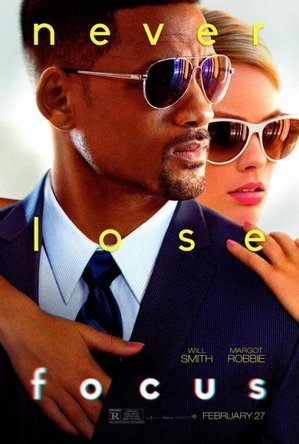
The problem with Focus is that it treats its audience like we're all as dumb as nails. While the film itself is entertaining, its cons are unconvincing, and it's not nearly as smart as it thinks it is.
After watching Focus, I thought back to a great line from Will Smith’s con artist character Nicky Spurgeon, in which he proclaims, “There’s two kinds of people in this world. There’s hammers and nails. You decide which one you want to be.” It’s a powerful and chilling line of dialogue that emphasizes Nicky’s need to exert power and control over others in order to be successful in his indecent business. The problem with the film, however, is that it treats its audience like we’re all as dumb as nails.
Unfortunately, therein lies the film’s biggest problem. While I do think there is some merit in its depiction of the con game, Focus for the most part is unconvincing. Not only did I feel like I was being conned by the characters, but I felt like I was being conned by the legitimacy of the cons themselves. Most of them are quite a stretch, to say the least, but more troublesome is that their successful outcomes don’t ever feel truly earned. Everything just cleans up too neatly, due to some inane level of planning that relies on far too many improbable factors and additionally treats every mistake as if it was part of the plan all along. Therefore, trying to take Focus seriously is something of a brain-numbing exercise. While the film itself is fairly entertaining, it’s not nearly as smart as it thinks it is.
As a viewer, it feels like there’s not much of a pay-off in watching them pull off their successful schemes, and that’s largely because we’re left out of the loop. We the audience are being played the whole time. We’re not given any room for our own participation and guesswork because the movie gives us no clues to help us solve the puzzle. Yet it’s inviting us to look for answers by emphasizing the importance of being focused and aware, while withholding any and all necessary clues to help us make sense of what is happening along the way.
In Focus, Will Smith plays con-man Nicky, who meets a beautiful woman named Jess (Margot Robbie) while dining alone one night. After inviting Nicky to her hotel room, Jess attempts to con him with the help of a friend, but ultimately fails. After all, you can’t hustle a hustler. Being eager to learn more, Jess wants Nicky to take her under his wing and teach her the art of his craft. What ensues is a steamy relationship and a partnership in deception.
Jess proves to be a natural in the con game, quickly earning the respect and admiration of Nicky, who allows her to join his thirty-strong crew. This team of crooks racks up millions through swindling, hustling, and pickpocketing. It’s fun to watch the action unfold, but a little disconcerting that it glorifies these criminals while they’re plainly stealing from innocent strangers. Make no mistake about it, Focus portrays them as the good guys, and offers little to no consequence for their devious actions. Still, it’s hard to root against this cast of con-artists, and you’ll want to see how they manage to get away with it all.
Instead, Focus tries to make you believe there isn’t any con in play at all, only to later pull out the rug to reveal a highly ludicrous scenario. It feels dishonest and cheap, like it’s essentially cheating its way to the desired outcome without doing the work to get there. It’s selling its own capers short and taking the fun out of them. Thus even the climax of the film feels disjointed because we can’t believe what we’re seeing and just have to watch incredulously as we wait for the inevitable far-fetched explanation.
Despite the shortcomings of the cons, I would like to express that the film still does plenty of things right. First and foremost, Will Smith shines in his performance, adding enough perplexity to his character to keep you on your toes. He makes it hard to tell whether or not his character Nicky is bluffing, which helps add to the tension of scenes. Even when Nicky appears to break character and let his guard down, I still found myself guessing about his true intentions. While the movie is overall somewhat of a letdown, I can safely say that Will Smith absolutely nails it.
The only issue I had with Will Smith is his character’s obsession with Margot Robbie’s Jess. I’m sure many guys could attest to a Margot Robbie obsession, but I’m not one of those guys. While the chemistry between Smith and Robbie was fairly good, it did seem more than a tad blown out of proportion. The romance between them felt rushed and more lustful than loving. Still, Robbie gives a respectable performance of deception and allure.
I would like to particularly applaud the work of B.D. Wong, who plays a high-stakes roller that gambles with Nicky during the Super Bowl, in what is my personal favorite scene of the movie. The tension between Wong and Smith is absolutely electrifying, and they play off of each other extraordinarily well. I was on the edge of my seat throughout their whole encounter, only to have the moment spoiled by an absurd and unlikely final outcome.
The other performances are all adequate, though most of the characters are given little screen time, aside from Nicky’s perverted, overweight associate Farhad (Adrian Martinez) who musters up a few laughs. The dialogue can be pretty hit-or-miss, and the plot is rather thin, but the production values are outstanding. This is a film that is unmistakably beautiful to look at, with gorgeous sets and superb camera work. One particularly admirable scene has the camera placed in the passenger seat focused on a man who is gearing himself up before he deliberately crashes his car head-on into another. It’s a moment that feels like a strange detour, and yet it’s so bizarre and memorable that it just works.
Focus has the makings of an excellent film, but it regrettably drops the ball by fumbling the con game. If only the cons themselves weren’t so far-fetched and sloppy, the whole movie would have been a whole lot more effective. Despite the film’s insistence that you look closely, its most pivotal moments don’t hold up to any sort of analysis or scrutiny. In other words, this is a film that would be best enjoyed out of focus.
(This review was originally posted at 5mmg.com on 1.31.16.)
Unfortunately, therein lies the film’s biggest problem. While I do think there is some merit in its depiction of the con game, Focus for the most part is unconvincing. Not only did I feel like I was being conned by the characters, but I felt like I was being conned by the legitimacy of the cons themselves. Most of them are quite a stretch, to say the least, but more troublesome is that their successful outcomes don’t ever feel truly earned. Everything just cleans up too neatly, due to some inane level of planning that relies on far too many improbable factors and additionally treats every mistake as if it was part of the plan all along. Therefore, trying to take Focus seriously is something of a brain-numbing exercise. While the film itself is fairly entertaining, it’s not nearly as smart as it thinks it is.
As a viewer, it feels like there’s not much of a pay-off in watching them pull off their successful schemes, and that’s largely because we’re left out of the loop. We the audience are being played the whole time. We’re not given any room for our own participation and guesswork because the movie gives us no clues to help us solve the puzzle. Yet it’s inviting us to look for answers by emphasizing the importance of being focused and aware, while withholding any and all necessary clues to help us make sense of what is happening along the way.
In Focus, Will Smith plays con-man Nicky, who meets a beautiful woman named Jess (Margot Robbie) while dining alone one night. After inviting Nicky to her hotel room, Jess attempts to con him with the help of a friend, but ultimately fails. After all, you can’t hustle a hustler. Being eager to learn more, Jess wants Nicky to take her under his wing and teach her the art of his craft. What ensues is a steamy relationship and a partnership in deception.
Jess proves to be a natural in the con game, quickly earning the respect and admiration of Nicky, who allows her to join his thirty-strong crew. This team of crooks racks up millions through swindling, hustling, and pickpocketing. It’s fun to watch the action unfold, but a little disconcerting that it glorifies these criminals while they’re plainly stealing from innocent strangers. Make no mistake about it, Focus portrays them as the good guys, and offers little to no consequence for their devious actions. Still, it’s hard to root against this cast of con-artists, and you’ll want to see how they manage to get away with it all.
Instead, Focus tries to make you believe there isn’t any con in play at all, only to later pull out the rug to reveal a highly ludicrous scenario. It feels dishonest and cheap, like it’s essentially cheating its way to the desired outcome without doing the work to get there. It’s selling its own capers short and taking the fun out of them. Thus even the climax of the film feels disjointed because we can’t believe what we’re seeing and just have to watch incredulously as we wait for the inevitable far-fetched explanation.
Despite the shortcomings of the cons, I would like to express that the film still does plenty of things right. First and foremost, Will Smith shines in his performance, adding enough perplexity to his character to keep you on your toes. He makes it hard to tell whether or not his character Nicky is bluffing, which helps add to the tension of scenes. Even when Nicky appears to break character and let his guard down, I still found myself guessing about his true intentions. While the movie is overall somewhat of a letdown, I can safely say that Will Smith absolutely nails it.
The only issue I had with Will Smith is his character’s obsession with Margot Robbie’s Jess. I’m sure many guys could attest to a Margot Robbie obsession, but I’m not one of those guys. While the chemistry between Smith and Robbie was fairly good, it did seem more than a tad blown out of proportion. The romance between them felt rushed and more lustful than loving. Still, Robbie gives a respectable performance of deception and allure.
I would like to particularly applaud the work of B.D. Wong, who plays a high-stakes roller that gambles with Nicky during the Super Bowl, in what is my personal favorite scene of the movie. The tension between Wong and Smith is absolutely electrifying, and they play off of each other extraordinarily well. I was on the edge of my seat throughout their whole encounter, only to have the moment spoiled by an absurd and unlikely final outcome.
The other performances are all adequate, though most of the characters are given little screen time, aside from Nicky’s perverted, overweight associate Farhad (Adrian Martinez) who musters up a few laughs. The dialogue can be pretty hit-or-miss, and the plot is rather thin, but the production values are outstanding. This is a film that is unmistakably beautiful to look at, with gorgeous sets and superb camera work. One particularly admirable scene has the camera placed in the passenger seat focused on a man who is gearing himself up before he deliberately crashes his car head-on into another. It’s a moment that feels like a strange detour, and yet it’s so bizarre and memorable that it just works.
Focus has the makings of an excellent film, but it regrettably drops the ball by fumbling the con game. If only the cons themselves weren’t so far-fetched and sloppy, the whole movie would have been a whole lot more effective. Despite the film’s insistence that you look closely, its most pivotal moments don’t hold up to any sort of analysis or scrutiny. In other words, this is a film that would be best enjoyed out of focus.
(This review was originally posted at 5mmg.com on 1.31.16.)
Gareth von Kallenbach (980 KP) rated Groupers (2019) in Movies
Sep 26, 2019
Greetings & Salutations Fellow Movie Fanatics!
It’s not often I see a film that is so good in my opinion, I actually look forward to writing about it and letting you folks know what’s what. In all honesty though, I wouldn’t be surprised if I’m the last person to see it. Quite frankly, I’m surprised that I have not heard or read anything about this movie already. How they managed to put everything together and create a film like this where the runtime is just a 1 hour and 49 minutes is beyond my comprehension. Yes, I said JUST and 1 and 49 minutes. Now that might seem a tad long on the tooth as far as movies go but once you watch it, I think you’ll understand my perception of it. I don’t think my review will do the movie justice but I want to tell you folks about in the hopes that you’ll immediately seek out a means of watching it.
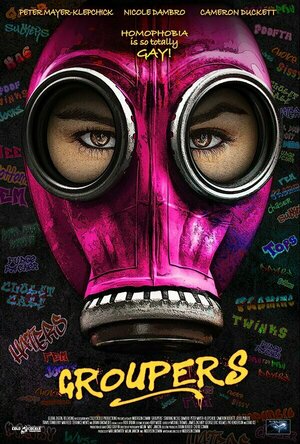
‘Groupers’ is a dramatic comedy film written/directed by Anderson Cowan and stars Nicole Dambro, Jesse Pudles, Cameron Duckett, Peter Mayer-Klepchick, Max Reed III, Brian Loakimedes, Terrance Wentz, Travis Stanberry, Marqus Bobesich, Edward Jackson, Kaleb Rich-Harris, Mike Carano, Robin S. Roth, Laurence Scott Murphy, and Travis Lee Elder.
Orin (Pudles) is a high school student who is dealing with what has become unfortunately an all too common occurrence in schools and colleges today. He is a young person who faces ridicule and bullying because he is gay. The source of the majority of this harassment are two of his fellow students, best friends Brad (Mayer-Klepchick) and Dylan (Duckett). Fast forward to a night when Brad and Dylan decide roll with their over-inflated egos make the rounds at a bar or two and engage in some underage drinking and attempt to impress a fellow female patron or two. Just as the two jocks are beginning to get plastered they’re approached by Meg (Dambro). It doesn’t take much convincing at this point, Meg invites them to come with her and somehow they manage to follow her out of the back of the bar where they are more or less thrown into the back of a van (they pretty much threw themselves in the van). Already this is turning into something that sound like a ‘scary urban legend kind of movie’ right? Not even fully grasping the situation they’re in, Brad and Dylan get psyched up at the supposed prospect of engaging in unnatural activities when fumes engulf the inside of the van and the two jocks are knocked out cold. Several hours later, Brad and Dylan regain consciousness to find themselves restrained at the bottom of an empty pool. Meg, the girl from the bar, is actually a grad student and explains that the two of them are now part of a social experiment and implies that their lives depend on participating in the experiment regardless of the results. What follows is a downward spiral of lies, revenge, more than one close call with death, and an unforeseen series unforeseen guests that turn the tables on the participants in the experiment but each other as well.
The as the film progresses, it becomes vendetta driven. The seriously comedic aspects don’t start until at least a third of the way in unless you count the idiotic behavior of Brad and Dylan. At that point, the humor is driven by the unforeseen circumstances that Meg could not possibly have anticipated nor would anyone who appeared to prepare for this so thoroughly. The fact is the experiment should have progressed as she planned regardless of the outcome. All in all, this is one of the best films I’ve seen all year. I’d actually go so far as to say it’s in the top 5 and will remain there I can guarantee that. The film is similar to that of movies like ‘Pulp Fiction’ in the sense that it progresses backwards in relation to certain events and then jumps back into the present. It is NOT difficult to follow though. The premise of the film is one of the most original I’ve seen in a while. Note how the cast managed to make such an awesome film considering most of it takes place in a derelict house with an empty pool. Nothing is overshadowed in the film either. You have a movie that manages to encompass serious subject matter one minute and the next minute you can’t help but laugh and again neither overshadows the other. The cast? Absolutely awesome! They should be absolutely proud of this film and what they’ve accomplished with it. They should certainly consider ‘getting the band back together’ for other projects too. I’d go so far as to say the film deserves a theater release for sure. Nicole Dambro ‘Meg’ is most certainly a talent movie viewers should look out for. Her character’s presence commands such attention from the other characters while she herself commands the attention of the audience. The film has drugs and alcohol plus questionable dialogue and language plus some nudity so definitely NOT one for young folks. As I mention earlier, it’s a bit long on the tooth timewise at 1 hour and 49 minutes but it’s SO worth it. Just make sure you get drinks and snacks prior to the movie. I’m going to go ahead and rate this one 5 out of 5 stars. Give some real thought to seeing ‘Groupers’ . Trust me on this one
It’s not often I see a film that is so good in my opinion, I actually look forward to writing about it and letting you folks know what’s what. In all honesty though, I wouldn’t be surprised if I’m the last person to see it. Quite frankly, I’m surprised that I have not heard or read anything about this movie already. How they managed to put everything together and create a film like this where the runtime is just a 1 hour and 49 minutes is beyond my comprehension. Yes, I said JUST and 1 and 49 minutes. Now that might seem a tad long on the tooth as far as movies go but once you watch it, I think you’ll understand my perception of it. I don’t think my review will do the movie justice but I want to tell you folks about in the hopes that you’ll immediately seek out a means of watching it.
‘Groupers’ is a dramatic comedy film written/directed by Anderson Cowan and stars Nicole Dambro, Jesse Pudles, Cameron Duckett, Peter Mayer-Klepchick, Max Reed III, Brian Loakimedes, Terrance Wentz, Travis Stanberry, Marqus Bobesich, Edward Jackson, Kaleb Rich-Harris, Mike Carano, Robin S. Roth, Laurence Scott Murphy, and Travis Lee Elder.
Orin (Pudles) is a high school student who is dealing with what has become unfortunately an all too common occurrence in schools and colleges today. He is a young person who faces ridicule and bullying because he is gay. The source of the majority of this harassment are two of his fellow students, best friends Brad (Mayer-Klepchick) and Dylan (Duckett). Fast forward to a night when Brad and Dylan decide roll with their over-inflated egos make the rounds at a bar or two and engage in some underage drinking and attempt to impress a fellow female patron or two. Just as the two jocks are beginning to get plastered they’re approached by Meg (Dambro). It doesn’t take much convincing at this point, Meg invites them to come with her and somehow they manage to follow her out of the back of the bar where they are more or less thrown into the back of a van (they pretty much threw themselves in the van). Already this is turning into something that sound like a ‘scary urban legend kind of movie’ right? Not even fully grasping the situation they’re in, Brad and Dylan get psyched up at the supposed prospect of engaging in unnatural activities when fumes engulf the inside of the van and the two jocks are knocked out cold. Several hours later, Brad and Dylan regain consciousness to find themselves restrained at the bottom of an empty pool. Meg, the girl from the bar, is actually a grad student and explains that the two of them are now part of a social experiment and implies that their lives depend on participating in the experiment regardless of the results. What follows is a downward spiral of lies, revenge, more than one close call with death, and an unforeseen series unforeseen guests that turn the tables on the participants in the experiment but each other as well.
The as the film progresses, it becomes vendetta driven. The seriously comedic aspects don’t start until at least a third of the way in unless you count the idiotic behavior of Brad and Dylan. At that point, the humor is driven by the unforeseen circumstances that Meg could not possibly have anticipated nor would anyone who appeared to prepare for this so thoroughly. The fact is the experiment should have progressed as she planned regardless of the outcome. All in all, this is one of the best films I’ve seen all year. I’d actually go so far as to say it’s in the top 5 and will remain there I can guarantee that. The film is similar to that of movies like ‘Pulp Fiction’ in the sense that it progresses backwards in relation to certain events and then jumps back into the present. It is NOT difficult to follow though. The premise of the film is one of the most original I’ve seen in a while. Note how the cast managed to make such an awesome film considering most of it takes place in a derelict house with an empty pool. Nothing is overshadowed in the film either. You have a movie that manages to encompass serious subject matter one minute and the next minute you can’t help but laugh and again neither overshadows the other. The cast? Absolutely awesome! They should be absolutely proud of this film and what they’ve accomplished with it. They should certainly consider ‘getting the band back together’ for other projects too. I’d go so far as to say the film deserves a theater release for sure. Nicole Dambro ‘Meg’ is most certainly a talent movie viewers should look out for. Her character’s presence commands such attention from the other characters while she herself commands the attention of the audience. The film has drugs and alcohol plus questionable dialogue and language plus some nudity so definitely NOT one for young folks. As I mention earlier, it’s a bit long on the tooth timewise at 1 hour and 49 minutes but it’s SO worth it. Just make sure you get drinks and snacks prior to the movie. I’m going to go ahead and rate this one 5 out of 5 stars. Give some real thought to seeing ‘Groupers’ . Trust me on this one

BankofMarquis (1832 KP) rated BlacKkKlansman (2018) in Movies
Aug 20, 2018
The first real Oscar contender of 2018
The first shot of the 2018 Oscar race has been fired and it is Spike Lee's BLACKkKLANSMAN. If you are an "Oscar completest" I highly recommend you check this film out as you will be hearing it's name called (probably many times) when the Oscar nominations are revealed.
But...is it a good film?
For the most part, yes.
Based on the incredible true story of Colorado Springs undercover office, Ron Stallworth, an African-American, who was able to infiltrate the KKK via the phone. He then needs a surrogate to keep the subterfuge up in face to face meetings.
In playing Stallworth, relative newcomer John David Washington (son of Denzel) shows that he has inherited at least some of his famous father's acting chops. His portrayal of Washington shows a conflicted man, determined to do his job while juggling his feelings and responsibilities of being a black man in early 1970's America.
Laura Harrier (Liz in SPIDERMAN: HOMECOMING) matches Washington beat for beat as Black activist - and potential love interest - Patrice Dumas who has razor-sharp focus on changing the plight of African Americans and drives Stallworth to thinking about more than just his job.
Other strong performances comes from Topher Grace (as KKK Head David Duke), Robert John Burke as Chief Bridges and Corey Hawkins in an extended cameo as Kwame Ture (aka 1960's Black Activist Stokely Carmichael). I really liked the passion and furvor Hawkins brought to this part.
But...the standout performance in this film comes from Adam Driver as the "white face" of Ron Stallworth to the KKK. He portrays Flip Zimmerman who has been constantly denying his Jewish heritage to pass as a WASP in this world and when he comes face to face with race hatred, he must confront his own inner feelings towards his own past. This is another strong performance by Driver (who is much, much more than just Kylo Ren) and I expect to hear his name called when Oscar nominations are announced.
But...good acting aside...this is a Spike Lee "joint" in all the ways (good and bad) that Spike Lee directs his films. There is a cleanliness in the way he drives the narrative never losing focus on what the main theme of the proceedings needs to be. He paints interesting pictures on the screen and crafts a strong, message picture that should be seen by all.
But...he does have a tendency to overplay his hand, hitting the audience over the head over and over again with his themes to the point of me wanting to say to the screen "all right already, I get it!". This knocks the film down just a hair.
But...that is the price of admission for a very good Spike Lee film, one that I highly recommend you see.
Letter Grade: A-
8 (out of 10) stars and you can take that to the Bank(ofMarquis)
But...is it a good film?
For the most part, yes.
Based on the incredible true story of Colorado Springs undercover office, Ron Stallworth, an African-American, who was able to infiltrate the KKK via the phone. He then needs a surrogate to keep the subterfuge up in face to face meetings.
In playing Stallworth, relative newcomer John David Washington (son of Denzel) shows that he has inherited at least some of his famous father's acting chops. His portrayal of Washington shows a conflicted man, determined to do his job while juggling his feelings and responsibilities of being a black man in early 1970's America.
Laura Harrier (Liz in SPIDERMAN: HOMECOMING) matches Washington beat for beat as Black activist - and potential love interest - Patrice Dumas who has razor-sharp focus on changing the plight of African Americans and drives Stallworth to thinking about more than just his job.
Other strong performances comes from Topher Grace (as KKK Head David Duke), Robert John Burke as Chief Bridges and Corey Hawkins in an extended cameo as Kwame Ture (aka 1960's Black Activist Stokely Carmichael). I really liked the passion and furvor Hawkins brought to this part.
But...the standout performance in this film comes from Adam Driver as the "white face" of Ron Stallworth to the KKK. He portrays Flip Zimmerman who has been constantly denying his Jewish heritage to pass as a WASP in this world and when he comes face to face with race hatred, he must confront his own inner feelings towards his own past. This is another strong performance by Driver (who is much, much more than just Kylo Ren) and I expect to hear his name called when Oscar nominations are announced.
But...good acting aside...this is a Spike Lee "joint" in all the ways (good and bad) that Spike Lee directs his films. There is a cleanliness in the way he drives the narrative never losing focus on what the main theme of the proceedings needs to be. He paints interesting pictures on the screen and crafts a strong, message picture that should be seen by all.
But...he does have a tendency to overplay his hand, hitting the audience over the head over and over again with his themes to the point of me wanting to say to the screen "all right already, I get it!". This knocks the film down just a hair.
But...that is the price of admission for a very good Spike Lee film, one that I highly recommend you see.
Letter Grade: A-
8 (out of 10) stars and you can take that to the Bank(ofMarquis)