
Search
Search results

Gareth von Kallenbach (980 KP) rated Rise of the Guardians (2012) in Movies
Aug 7, 2019
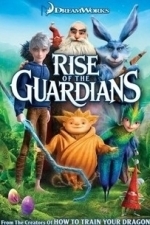


Remember what it was like when you were in elementary school and it snowed? Remember that feeling of anticipation waiting for your mom to say, “No school today kids”, and once she did you just knew you were going to have a blast? If not, you will when you see “Rise of the Guardians”, The newest animated movie from Dreamworks casts Jack Frost (Chris Pine), the Sand Man, Santa Claus (Alec Baldwin), the Tooth Fairy (Isla Fisher), the Easter Bunny (Hugh Jackman), and the Boogie Man (Jude Law). The later four, except the Boogie Man, all fulfill their individual roles and come together as a group to protect children as the Guardians.
Cast out centuries ago; Pitch (Law) concocts a plan to bring fear back into children’s hearts by turning their dreams into nightmares. This fear will make him more powerful and, as the Guardian’s lose children’s belief, they become less powerful and are not as able to fight him off. Around the same time that Pitch was cast out, the Man in the Moon picks Jack to be the newest Guardian. Jack is literally left out in the cold for the next 300 years which he spends having fun, creating mischief, and causing snow days. However, he is also on a search for what he is meant to do in life, and why he is here. Something that people of all ages can understand. Through helping the Guardians he finds his purpose.
You know you are at a good show when you sit in an audience consisting mostly of children and hear nothing but the movie. This was a great movie for kids of all ages; I laughed through the whole thing! I loved Santa Claus and his Yetis. They added comic relief that any adult will enjoy. The voice casting was spot on, and each character is relatable in some way. The story of finding one’s self will capture children’s attention and remind adults that they are always on that journey, but it is supposed to be fun. Both children and adults alike will be captivated by the dreams, wonder, memories, hope, and fun this movie provides.
Cast out centuries ago; Pitch (Law) concocts a plan to bring fear back into children’s hearts by turning their dreams into nightmares. This fear will make him more powerful and, as the Guardian’s lose children’s belief, they become less powerful and are not as able to fight him off. Around the same time that Pitch was cast out, the Man in the Moon picks Jack to be the newest Guardian. Jack is literally left out in the cold for the next 300 years which he spends having fun, creating mischief, and causing snow days. However, he is also on a search for what he is meant to do in life, and why he is here. Something that people of all ages can understand. Through helping the Guardians he finds his purpose.
You know you are at a good show when you sit in an audience consisting mostly of children and hear nothing but the movie. This was a great movie for kids of all ages; I laughed through the whole thing! I loved Santa Claus and his Yetis. They added comic relief that any adult will enjoy. The voice casting was spot on, and each character is relatable in some way. The story of finding one’s self will capture children’s attention and remind adults that they are always on that journey, but it is supposed to be fun. Both children and adults alike will be captivated by the dreams, wonder, memories, hope, and fun this movie provides.

All Things New Study Guide with DVD: A Revolutionary Look at Heaven and the Coming Kingdom
Book
All Things New is a revolutionary four-session video Bible study built on a simple idea: heaven is...
All Things New Study Guide: A Revolutionary Look at Heaven and the Coming Kingdom
Book
All Things New is a revolutionary four-session video Bible study (DVD/digital video sold separately)...

Emma @ The Movies (1786 KP) rated Murder on the Orient Express (2017) in Movies
Sep 25, 2019
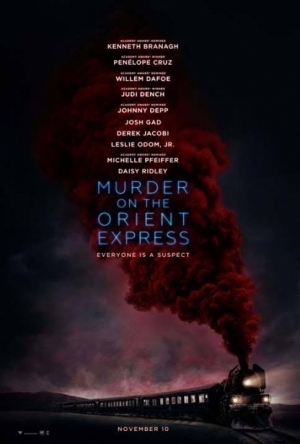

It is 1934, and our moustachioed detective has just solved a theft in Jerusalem. He looks forward to resting in Istanbul, but his break is interrupted with the news that he must return to London for a case. It seems like Poirot's luck is in, having just met his friend who is director of the Orient Express.
Once on board Poirot catches the attention of the businessman, Samuel Ratchett. Ratchett has received threatening letters, and wishes to hire the detective as his bodyguard during their journey, but the offer is politely declined.
That night an avalanche derails he train and the passengers are stranded. In the morning Ratchett is found dead, stabbed a dozen times. Poirot and Bouc, the train director, investigate the passengers as repairs begin. Poirot discovers a partially destroyed note connecting Ratchett to the kidnapping of Daisy Armstrong, a child who was abducted from her bedroom and held for ransom. After the ransom was paid, Daisy was found murdered. Ratchett is identified as John Cassetti, Daisy’s kidnapper and murderer.
First off, let me address the elephant in the room... that'll be Kenneth Branagh as Poirot. David Suchet will always be my Poirot, he's perfect. Branagh, for me, has an overacting issue. And that moustache, it's just ridiculous. That's not even taking into account the scene where Poirot is laying in bed and he doesn't have his night-time moustache cosy on. Crazy.
Agatha Christie's tale has definitely been given the Hollywood treatment. It's gone from the quite dark Suchet version, to something quite farcical in comparison. I can understand remaking some things, but when you have such a definitive portrayal of a character why would you recast them?
Having just rewatched the 2010 version I will say that the story line in the movie is probably easier to understand. It's also more suitable for a younger audience.
As a passing comment to everyone who was surprised to hear they were going to do Death On The Nile next... no shit, Poirot! It was dropped in at the end of the film.
Once on board Poirot catches the attention of the businessman, Samuel Ratchett. Ratchett has received threatening letters, and wishes to hire the detective as his bodyguard during their journey, but the offer is politely declined.
That night an avalanche derails he train and the passengers are stranded. In the morning Ratchett is found dead, stabbed a dozen times. Poirot and Bouc, the train director, investigate the passengers as repairs begin. Poirot discovers a partially destroyed note connecting Ratchett to the kidnapping of Daisy Armstrong, a child who was abducted from her bedroom and held for ransom. After the ransom was paid, Daisy was found murdered. Ratchett is identified as John Cassetti, Daisy’s kidnapper and murderer.
First off, let me address the elephant in the room... that'll be Kenneth Branagh as Poirot. David Suchet will always be my Poirot, he's perfect. Branagh, for me, has an overacting issue. And that moustache, it's just ridiculous. That's not even taking into account the scene where Poirot is laying in bed and he doesn't have his night-time moustache cosy on. Crazy.
Agatha Christie's tale has definitely been given the Hollywood treatment. It's gone from the quite dark Suchet version, to something quite farcical in comparison. I can understand remaking some things, but when you have such a definitive portrayal of a character why would you recast them?
Having just rewatched the 2010 version I will say that the story line in the movie is probably easier to understand. It's also more suitable for a younger audience.
As a passing comment to everyone who was surprised to hear they were going to do Death On The Nile next... no shit, Poirot! It was dropped in at the end of the film.

Elastic Drums
Music
App
Featured 170 times on App Store category pages! Comes with Ableton Link synchronization and Ableton...
Starkiller_Prime (39 KP) rated Star Wars: The Clone Wars in TV
Oct 18, 2022
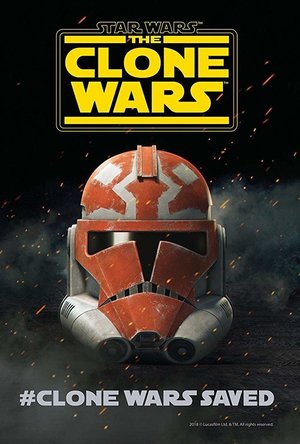

Star Wars: The Clone Wars
(7 Seasons)
2008-2020
Star Wars: The Clone Wars the TV show first aired on Cartoon Network in 2008. The series aired following the release of a movie by the same title. The series bridges a gap from the prequel movies Episode II: Attack of the Clones and Episode III: Revenge of the Sith. The amazing storytelling and digital animation reignited the imagination and love of thousands of Star Wars fans as well as newcomers. While the release of episodes wasn’t in chronological order later seasons; such as, Seasons 2 and 3, fill some of the story arcs already told.
The series expands on the conflict known as the Clone Wars towards the very stages of Revenge of the Sith. The series has been an all time favorite for much of the Star Wars fan base. The series was able to use multiple story arcs that answered long awaited questions from the prequel trilogy; such as, the identity of the Jedi who commissioned the clone army and the origins of Order 66.
The Clone Wars introduces new characters as well as established ones with a focus on further expanding the Star Wars Universe.
The series has major character developments for Anakin Skywalker, Asajj Ventress, Ahsoka Tano, and many more. One of the major criticisms of the prequels was the overall writing of the characters but this show further expands them and while the series is not a straight character study in most cases the characters grew with the audiences. The tone of the show shifted as the seasons progressed and as a enormous Star Wars fan I can safely say it was something that aged well. While the first few seasons where more childish once you get to season 4 a clear tone change begins to prevail.
I greatly recommend to anyone who is a Star Wars fan or new to the fan base to give the series a watch but to ensure you watch the original and prequel trilogies first to truly grasp the world building aspect and undertone.
(7 Seasons)
2008-2020
Star Wars: The Clone Wars the TV show first aired on Cartoon Network in 2008. The series aired following the release of a movie by the same title. The series bridges a gap from the prequel movies Episode II: Attack of the Clones and Episode III: Revenge of the Sith. The amazing storytelling and digital animation reignited the imagination and love of thousands of Star Wars fans as well as newcomers. While the release of episodes wasn’t in chronological order later seasons; such as, Seasons 2 and 3, fill some of the story arcs already told.
The series expands on the conflict known as the Clone Wars towards the very stages of Revenge of the Sith. The series has been an all time favorite for much of the Star Wars fan base. The series was able to use multiple story arcs that answered long awaited questions from the prequel trilogy; such as, the identity of the Jedi who commissioned the clone army and the origins of Order 66.
The Clone Wars introduces new characters as well as established ones with a focus on further expanding the Star Wars Universe.
The series has major character developments for Anakin Skywalker, Asajj Ventress, Ahsoka Tano, and many more. One of the major criticisms of the prequels was the overall writing of the characters but this show further expands them and while the series is not a straight character study in most cases the characters grew with the audiences. The tone of the show shifted as the seasons progressed and as a enormous Star Wars fan I can safely say it was something that aged well. While the first few seasons where more childish once you get to season 4 a clear tone change begins to prevail.
I greatly recommend to anyone who is a Star Wars fan or new to the fan base to give the series a watch but to ensure you watch the original and prequel trilogies first to truly grasp the world building aspect and undertone.





Becs (244 KP) rated Stars Over Zephyr in Books
Apr 20, 2019


AMAZING! This novel does not disappoint one bit!
You can also see this review on my blog: bookingwayreads.wordpress.com
I received Stars Over Zephyr to review for my honest opinion from The Parliament House. Stars Over Zephyr is the third book in The Snow Spark Saga by Kathryn Lee Martin and it does not disappoint one bit!
TRIGGER WARNINGS: Gore, Violence, Oppression, Death
Kathryn does an amazing job blowing the reader away with the development, the background, the plot, and the story-line. Stars Over Zephyr is very well written and the story instantly grabs your attention, keeping it held until the very last page. You will be left in a puddle of tears at the ending and wanting more, being unable to wait until the fourth book is published. I sure am!!
The story picks up right where it left off in book 2: Garden of Ashes. Stars Over Zephyr follows the main gang: Rags, Henny, Colton, Ethan, and Ali, and their journey (more like escape) from the Threshing Floor. Throughout the first half of this novel, the gang are trying to escape the wraith of Sahrobi, the Kingdom Corps, and Hyperion who are trying to capture them to torture and execute them.
The gang happens to stumble upon some Pre-Yellowstone ruins where they hide out to escape the wraith of the Kingdom and the harsh winter winds. They leave behind the shelter just before dawn to travel to what they believe is to be Solstice. Now Solstice isn’t the safest place and is actually where a lot of criminals head to seek refuge. So it spells trouble with a capitol T.
Once the crew arrives, they are reprimanded by a group of Supporters who are trying to take back the Kingdom. This is where the gang meets Meridian who gives them an ultimatum – choose to work as slaves or be executed and sent back to Hyperion and the Threshing Floor in pieces. Rags, Colton, and Henny choose the latter where they also decide to gain intel on the rebel group so they can take the Kingdom back themselves. Before they decide to take the offer of working as slaves, they ask only one thing – that Ethan and Ali get home to Lexicon safely.
Characters:
Rags – our rugged MC who just wants to go home to her family. Still as realistic of a character as ever and seems to be cozying up with Henny and Colton at the same time (gurrlll choose already please *gets down on my knees and begs for Henny to gain her love*
Henny – still a smol angry cinnamonroll. Still as adorable as ever and has become very protective of our MC.
Colton – my little Irish boy *insert heart eyes here* He’s such a gentle boy and is honestly such an amazing friend to not only Henny, but to Rags as well. Seemed to replace Matthew as a brother but idk about that scene.. *glares at Rags for confusing me*
Ethan and Ali – these two little babes have gained so much background in this book. Ethan is still as annoyed as ever and Ali, oh my precious little Ali!
Lilian and Lotan – minor characters and don’t have a very important role. They are just kind of there in the story.
Meridian – the leader of the supporters and one bada** lady!! She plays a major role in the story and plot, and gains a ton of background. You tend to like her towards the end of the novel.
Hyperion – the wicked king that wants to be bowed too. He deserved what happened to him. (not saying cause spoilers)
Sahrobi – the evil devil child of Hyperion. She’s still hunting the gang and honestly she deserved full force what happened to her. (again not gonna say cause spoilers)
Reasons why I rated it 5 stars:
1. This novel was so well written and there were only a very few grammatical errors, but I’m not holding that against the author as the story made up for it!
2. There was so much development and background given in Stars Over Zephyr! I loved it so much.
3. The plot was AHMAZING!!!
4. The overall story has left me feeling some feels. I really can’t wait for book 4!
5. I am defiantly going to reread this very soon as I enjoyed it so much.
“Some of the hardest things in life, Ragamuffin, are knowing exactly when and where to keep your mouth shut and stay out of things.”
I received Stars Over Zephyr to review for my honest opinion from The Parliament House. Stars Over Zephyr is the third book in The Snow Spark Saga by Kathryn Lee Martin and it does not disappoint one bit!
TRIGGER WARNINGS: Gore, Violence, Oppression, Death
Kathryn does an amazing job blowing the reader away with the development, the background, the plot, and the story-line. Stars Over Zephyr is very well written and the story instantly grabs your attention, keeping it held until the very last page. You will be left in a puddle of tears at the ending and wanting more, being unable to wait until the fourth book is published. I sure am!!
The story picks up right where it left off in book 2: Garden of Ashes. Stars Over Zephyr follows the main gang: Rags, Henny, Colton, Ethan, and Ali, and their journey (more like escape) from the Threshing Floor. Throughout the first half of this novel, the gang are trying to escape the wraith of Sahrobi, the Kingdom Corps, and Hyperion who are trying to capture them to torture and execute them.
The gang happens to stumble upon some Pre-Yellowstone ruins where they hide out to escape the wraith of the Kingdom and the harsh winter winds. They leave behind the shelter just before dawn to travel to what they believe is to be Solstice. Now Solstice isn’t the safest place and is actually where a lot of criminals head to seek refuge. So it spells trouble with a capitol T.
Once the crew arrives, they are reprimanded by a group of Supporters who are trying to take back the Kingdom. This is where the gang meets Meridian who gives them an ultimatum – choose to work as slaves or be executed and sent back to Hyperion and the Threshing Floor in pieces. Rags, Colton, and Henny choose the latter where they also decide to gain intel on the rebel group so they can take the Kingdom back themselves. Before they decide to take the offer of working as slaves, they ask only one thing – that Ethan and Ali get home to Lexicon safely.
Characters:
Rags – our rugged MC who just wants to go home to her family. Still as realistic of a character as ever and seems to be cozying up with Henny and Colton at the same time (gurrlll choose already please *gets down on my knees and begs for Henny to gain her love*
Henny – still a smol angry cinnamonroll. Still as adorable as ever and has become very protective of our MC.
Colton – my little Irish boy *insert heart eyes here* He’s such a gentle boy and is honestly such an amazing friend to not only Henny, but to Rags as well. Seemed to replace Matthew as a brother but idk about that scene.. *glares at Rags for confusing me*
Ethan and Ali – these two little babes have gained so much background in this book. Ethan is still as annoyed as ever and Ali, oh my precious little Ali!
Lilian and Lotan – minor characters and don’t have a very important role. They are just kind of there in the story.
Meridian – the leader of the supporters and one bada** lady!! She plays a major role in the story and plot, and gains a ton of background. You tend to like her towards the end of the novel.
Hyperion – the wicked king that wants to be bowed too. He deserved what happened to him. (not saying cause spoilers)
Sahrobi – the evil devil child of Hyperion. She’s still hunting the gang and honestly she deserved full force what happened to her. (again not gonna say cause spoilers)
Reasons why I rated it 5 stars:
1. This novel was so well written and there were only a very few grammatical errors, but I’m not holding that against the author as the story made up for it!
2. There was so much development and background given in Stars Over Zephyr! I loved it so much.
3. The plot was AHMAZING!!!
4. The overall story has left me feeling some feels. I really can’t wait for book 4!
5. I am defiantly going to reread this very soon as I enjoyed it so much.
“Some of the hardest things in life, Ragamuffin, are knowing exactly when and where to keep your mouth shut and stay out of things.”

BankofMarquis (1832 KP) rated Da 5 Bloods (2020) in Movies
Jun 19, 2020
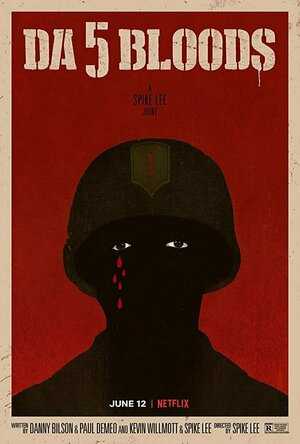
Delroy Lindo shines in a mostly good film
Over the years, I have become a fan of Spike Lee. I think he has a singular vision as a filmmaker with his films putting a spotlight on the black experience and the prejudices and injustices that prevail.
DA 5 BLOODS - Lee's Vietnam War movie - is no exception.
Set in present(ish) day and in the memories of the main characters from their time "in country", DA 5 BLOODS tells the tale of 4 Vietnam Veterans who return to find the body of their squadron leader - and the gold that they buried under his body.
Part Vietnam war flick, part gold heist (and the cost of this theft on the hearts and minds of the participants) and part reflection on the treatment of the black soldiers, Lee reaches high to combine 3 separate - and complex - films into one (any one of which could have been a film of their own) and it is here that this films succeeds - and fails. For this film is at moments riveting, at moments unflinching and hard to watch, at moments confusing and at moments...surprisingly... dull. Spike had a lot of movie to tell and he took 2 and a 1/2 hours to tell it. He would have been better suited to cut some of this down to a more palatable 2-ish hour length. The film bogs down on itself at times.
But when it crackles - it crackles. Especially when the 4 veteran soldiers interact with each other. Led by the great Delroy Lindo (TV's THE GOOD FIGHT). I hope that this film gets a theatrical release sometime (to make it eligible for the Oscars) for Lindo's portrayal of MAGA Hat wearing, PTSD suffering Paul is powerful and captivating. I was riveted by his performance and I was willing to follow him to the ends of the Earth. Also standing out is Clarke Peters as Otis - the heart and soul of this group and Norm Lewis, the pigeon-toed Eddie who has a secret that he is hiding. Both of these characters shine at moments - but are not in the spotlight nearly often enough. The same can be said for Isaih Whitlock Jr as Melvin, a character that is undeserved until the end and by then I felt myself wanting more of him. (Side Note: Lee named these characters after members of THE TEMPTATIONS).
Lee makes an interesting choice in the flashback scenes of the war. Instead of casting younger actors or spending the $$ on "de-aging" the actors (Lee would say that the de-aging was "cost prohibitive"), Lee chooses to have these old guys just play their younger versions of themselves just as they are now, claiming that these are not flashbacks, but "memories" of these soldiers - and I gotta admit that this tactic works very, very well - especially when these 4 older gentlemen are in the Vietnam War scenes with their Platoon Leader played, charismatically, by the much younger Chadwick Boseman. His character is killed in action and since these scenes are memories, it works well that he is younger (he never got a chance to grow old) while all the others are older. Boseman has a an attraction to him that helps the audience buy into the fact that all these years later these 4 men still hold him front and center in their memories. Unfortunately, the combat scenes looks to me like they were done on a shoe-string budget, so Lee has to use "tricks" to pull these scenes off and these tricks bring these scenes down a peg.
As I've stated, this film is really 3 films in one and the effects of the gold on the men is the most interesting part of this film for me, it touches on the desires of the human soul and brings some of the strongest acting and emotions.
This being a Spike Lee joint, this film is peppered with scenes from the black experience - from Martin Luther KIng to Malcom X to "Hanoi Hannah" telling the black troops that their country is abandoning them. These are important events in the lives and psyche of these men (and African Americans) and Mr. Lee is uniquely positioned to bring the attention of the public to these events, and he does it well.
DA 5 BLOODS in now streaming on Netflix.
Letter Grade: A-
8 stars (out of 10) and you can take that to the Bank(ofMarquis)
DA 5 BLOODS - Lee's Vietnam War movie - is no exception.
Set in present(ish) day and in the memories of the main characters from their time "in country", DA 5 BLOODS tells the tale of 4 Vietnam Veterans who return to find the body of their squadron leader - and the gold that they buried under his body.
Part Vietnam war flick, part gold heist (and the cost of this theft on the hearts and minds of the participants) and part reflection on the treatment of the black soldiers, Lee reaches high to combine 3 separate - and complex - films into one (any one of which could have been a film of their own) and it is here that this films succeeds - and fails. For this film is at moments riveting, at moments unflinching and hard to watch, at moments confusing and at moments...surprisingly... dull. Spike had a lot of movie to tell and he took 2 and a 1/2 hours to tell it. He would have been better suited to cut some of this down to a more palatable 2-ish hour length. The film bogs down on itself at times.
But when it crackles - it crackles. Especially when the 4 veteran soldiers interact with each other. Led by the great Delroy Lindo (TV's THE GOOD FIGHT). I hope that this film gets a theatrical release sometime (to make it eligible for the Oscars) for Lindo's portrayal of MAGA Hat wearing, PTSD suffering Paul is powerful and captivating. I was riveted by his performance and I was willing to follow him to the ends of the Earth. Also standing out is Clarke Peters as Otis - the heart and soul of this group and Norm Lewis, the pigeon-toed Eddie who has a secret that he is hiding. Both of these characters shine at moments - but are not in the spotlight nearly often enough. The same can be said for Isaih Whitlock Jr as Melvin, a character that is undeserved until the end and by then I felt myself wanting more of him. (Side Note: Lee named these characters after members of THE TEMPTATIONS).
Lee makes an interesting choice in the flashback scenes of the war. Instead of casting younger actors or spending the $$ on "de-aging" the actors (Lee would say that the de-aging was "cost prohibitive"), Lee chooses to have these old guys just play their younger versions of themselves just as they are now, claiming that these are not flashbacks, but "memories" of these soldiers - and I gotta admit that this tactic works very, very well - especially when these 4 older gentlemen are in the Vietnam War scenes with their Platoon Leader played, charismatically, by the much younger Chadwick Boseman. His character is killed in action and since these scenes are memories, it works well that he is younger (he never got a chance to grow old) while all the others are older. Boseman has a an attraction to him that helps the audience buy into the fact that all these years later these 4 men still hold him front and center in their memories. Unfortunately, the combat scenes looks to me like they were done on a shoe-string budget, so Lee has to use "tricks" to pull these scenes off and these tricks bring these scenes down a peg.
As I've stated, this film is really 3 films in one and the effects of the gold on the men is the most interesting part of this film for me, it touches on the desires of the human soul and brings some of the strongest acting and emotions.
This being a Spike Lee joint, this film is peppered with scenes from the black experience - from Martin Luther KIng to Malcom X to "Hanoi Hannah" telling the black troops that their country is abandoning them. These are important events in the lives and psyche of these men (and African Americans) and Mr. Lee is uniquely positioned to bring the attention of the public to these events, and he does it well.
DA 5 BLOODS in now streaming on Netflix.
Letter Grade: A-
8 stars (out of 10) and you can take that to the Bank(ofMarquis)
Gareth von Kallenbach (980 KP) rated Bohemian Rhapsody (2018) in Movies
Jul 2, 2019
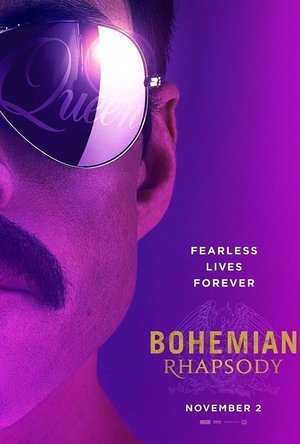
How many of these reviews are going to start with “Is this the real life? Is this just fantasy?” A lot I am willing to bet. The thing is, it’s a good way to start. Bohemian Rhapsody has been a highly anticipated film for many years. I remember back when they were considering Johnny Depp for Freddie Mercury. Then it was Sasha Baren Cohen. And then they announced Rami Malek, and a majority of the country went, “Who?” Rami Malek is mostly known for his work as the lead in the USA Network series Mr. Robot. He got his start in the Night at the Museum series, and has scene big screen time in Need for Speed and, most recently, Papillion alongside Charlie Hunnam. I think it’s safe to say that after November 2, 2018, people will definitely know who he is.
Named for Queen’s most successful song in their portfolio, Bohemian Rhapsody tells the story of Freddie Mercury and how he rose from being a baggage boy at Heathrow, to a literal rock legend. We see how the band Queen was formed, how they got their name, how they made it big, and what made Queen… well Queen. Rami Malek delivers a powerful performance as the front man of the legendary band. For me, it started off a little shaky at first (coming from someone who is fan of Malek), but he quickly made the role his own and personified the late Mercury like no other can. Even Mercury’s own sister saw Malek in full costume and said, “There’s my Freddie.”
Not to downplay the rest of the cast. Rounding at the rest of the band is Joseph Mazzello as John Deacon, Ben Hardy as Roger Taylor, and Gwilym Lee as Brian May. All delivered powerful performances in their own right, and the chemistry between the 4 actors is undeniable. Veterans Aidan Gillen (as John Reid) and Tom Hollander (Jim Beach) deliver in their supporting roles, as does Lucy Boynton, who played Mary Austin. If some of these names do not seem familiar, get ready to learn a lot of the background of Queen in their rise, fall, and then rise again. Also, Mike Myers makes an appearance for a fun cameo as Ray Foster.
Clearly a majority of the film’s score revolves around the band’s expansive portfolio. But it wasn’t just the in your face, obvious music that was there. They did a great job with subtle melodies or bars from the band’s repertoire hanging in the background of impactful scenes throughout the film. Sometimes you’ll miss it, sometimes it’s obvious, and sometimes it might just make you cry.
The story begins with Mercury meeting Taylor and May, and ends with the ever-famous Live-Aid in 1985. While the film is essentially a love-story dedicated to Mercury, I feel it may have left out the rest of the members of the band. We see May, Taylor and Deacon, but we know little about their outside lives other than fleeting statements about their wives and kids, and what they were studying in university prior to Queen taking off. It’s a shame because Queen was not just about Mercury. The film did a really good job stating this, showing how they all contribute, all support each other, and how they are all different. But the focus is still on one man. Queen, the rock band, is an entity. Not an individual. But, I understand the decision behind the path that was chosen. Mercury, to many, was the embodiment of Queen. I am just glad the movie did put out there that he didn’t feel that way.
All of that aside, this film was fantastic. I have been a fan of Queen since I was in diapers, despite a majority of the band’s career having taken place before I was born. It was good to see this story told on screen, though slightly dramatized at points. It was an excellent telling of the story, and people may learn a lot about Freddie Mercury, like his love of cats, and who the love of his life is. Unless you’re absolutely cold-hearted, expect to get goosebumps as you progress through the band’s rise to the top, and to laugh as you how they interacted and developed their music. The movie is not without flaws, but they are so minor that looking past them is easy. Enjoy the film. Enjoy the music. Rock on.
Named for Queen’s most successful song in their portfolio, Bohemian Rhapsody tells the story of Freddie Mercury and how he rose from being a baggage boy at Heathrow, to a literal rock legend. We see how the band Queen was formed, how they got their name, how they made it big, and what made Queen… well Queen. Rami Malek delivers a powerful performance as the front man of the legendary band. For me, it started off a little shaky at first (coming from someone who is fan of Malek), but he quickly made the role his own and personified the late Mercury like no other can. Even Mercury’s own sister saw Malek in full costume and said, “There’s my Freddie.”
Not to downplay the rest of the cast. Rounding at the rest of the band is Joseph Mazzello as John Deacon, Ben Hardy as Roger Taylor, and Gwilym Lee as Brian May. All delivered powerful performances in their own right, and the chemistry between the 4 actors is undeniable. Veterans Aidan Gillen (as John Reid) and Tom Hollander (Jim Beach) deliver in their supporting roles, as does Lucy Boynton, who played Mary Austin. If some of these names do not seem familiar, get ready to learn a lot of the background of Queen in their rise, fall, and then rise again. Also, Mike Myers makes an appearance for a fun cameo as Ray Foster.
Clearly a majority of the film’s score revolves around the band’s expansive portfolio. But it wasn’t just the in your face, obvious music that was there. They did a great job with subtle melodies or bars from the band’s repertoire hanging in the background of impactful scenes throughout the film. Sometimes you’ll miss it, sometimes it’s obvious, and sometimes it might just make you cry.
The story begins with Mercury meeting Taylor and May, and ends with the ever-famous Live-Aid in 1985. While the film is essentially a love-story dedicated to Mercury, I feel it may have left out the rest of the members of the band. We see May, Taylor and Deacon, but we know little about their outside lives other than fleeting statements about their wives and kids, and what they were studying in university prior to Queen taking off. It’s a shame because Queen was not just about Mercury. The film did a really good job stating this, showing how they all contribute, all support each other, and how they are all different. But the focus is still on one man. Queen, the rock band, is an entity. Not an individual. But, I understand the decision behind the path that was chosen. Mercury, to many, was the embodiment of Queen. I am just glad the movie did put out there that he didn’t feel that way.
All of that aside, this film was fantastic. I have been a fan of Queen since I was in diapers, despite a majority of the band’s career having taken place before I was born. It was good to see this story told on screen, though slightly dramatized at points. It was an excellent telling of the story, and people may learn a lot about Freddie Mercury, like his love of cats, and who the love of his life is. Unless you’re absolutely cold-hearted, expect to get goosebumps as you progress through the band’s rise to the top, and to laugh as you how they interacted and developed their music. The movie is not without flaws, but they are so minor that looking past them is easy. Enjoy the film. Enjoy the music. Rock on.
Gareth von Kallenbach (980 KP) rated By The Sea (2015) in Movies
Aug 6, 2019

Today, we have yet another film that strays from ‘the norm’. A film that not only stars one of the most beloved celebrity couples on the planet but also harkens back to the Italian dramatic films of the late 1960s/early 70s. It most definitely qualifies as an ‘art house’ film.
Since the world saw Angelina Jolie and Brad Pitt together in ‘Mr. & Mrs. Smith’ it has awaited the day when the couple would appear together again in another film. Although it’s not the sequel to THAT film many had hoped for, it is most definitely and intriguing look at how the couple appear together in a movie in a completely genre with the creative control Angelina had.
‘By the Sea’ stars Angelina Jolie Pitt, Brad Pitt, Mélanie Laurent, Melvil Poupaud, Niels Arestrup, and Richard Bohringer. The film was also written, directed, and co-produced by Angelina with Brad Pitt serving as co-producer.
The film opens in the south of France in the mid-1970s. Roland (Brad Pitt), a writer from New York City and his wife Vannessa (Angelina Jolie Pitt), a former dancer, have traveled to a seaside town to quote,”Get away from it all”. Their marriage is strained and there is a distance between the two that is sometimes obvious to those around them and hidden at other times. The trip is clearly an effort by them to reconnect with one another but they spend much of their time apart once they get settled. Rolland is attempting to write another book but he cannot find anything as inspiration and Vanessa is using drugs and alcohol to numb the pain of a recent trauma. When they’re not spending their time alone they associate with some of the towns more colorful characters including the local barkeeper/cafe owner, the hotel manager, and a newlywed couple who are spending their honeymoon not only in the same town but in the room next door. One night, just when it seems like the strain of their marriage will finally snap a bizarre occurrence in their hotel room leads to a reconnection despite its volatile nature.
First off, I have not seen all the films that Angelina and Brad have appeared in but I must say I the both of them were almost completely unrecognizable in the way they portray the characters. Second, I believe this is Angelina’s second run as director and if this film and her previous film ‘Unbroken’ are any Indiction I believe we’ll see her directing movies in the future more than acting.
This film was a true homage the the Italian dramatic films of the 1970s I mentioned earlier.
The only way I believe they could’ve ‘replicated’ that so precisely would be to have filmed the movie with the cameras and equipment available to film makers during that period. Christian Berger the film’s cinematographer used mostly natural light throughout the filming process which was also one of the most impressive qualities of the movie which is not done nearly enough with modern film in my opinion.
Not everyone is going to like this film. It’s quite unique when put side by side with ‘modern day American movies’. Even if you are a die hard fan of either Angelina and or Brad’s work that alone might not save the film in your eyes. Some critics are calling this film a ‘vanity project’ on the part of Jolie and Pitt. I find that to be ridiculous. No sane person would’ve made that accusation against Humphrey Bogart and Lauren Bacall. Everyone’s been screaming for Angelina and Brad to make another film together. Big deal if they want to have creative control over it too. They’re both accomplished actors and decided to put together a film themselves and and get other accomplished cast and crew members to sign on for the project. Honestly what the hell more do the critics want? If you are a fan of foreign movies or curious about the second acting collaboration between the husband and wife power couple though you should see it. I’d actually recommend checking out one or two films from the genre/era it represents before going to see this one.
The film is rated R and clocks in at 132 minutes. I’d recommend catching it at a small indie or art house theater and make sure you grab some snacks and a drink for this one. It opens in all the major theaters Friday the 18th of November but you can catch in those smaller theaters now.
It’s not my normal ‘cup of coffee’ but I will give the film 4 stars.
Since the world saw Angelina Jolie and Brad Pitt together in ‘Mr. & Mrs. Smith’ it has awaited the day when the couple would appear together again in another film. Although it’s not the sequel to THAT film many had hoped for, it is most definitely and intriguing look at how the couple appear together in a movie in a completely genre with the creative control Angelina had.
‘By the Sea’ stars Angelina Jolie Pitt, Brad Pitt, Mélanie Laurent, Melvil Poupaud, Niels Arestrup, and Richard Bohringer. The film was also written, directed, and co-produced by Angelina with Brad Pitt serving as co-producer.
The film opens in the south of France in the mid-1970s. Roland (Brad Pitt), a writer from New York City and his wife Vannessa (Angelina Jolie Pitt), a former dancer, have traveled to a seaside town to quote,”Get away from it all”. Their marriage is strained and there is a distance between the two that is sometimes obvious to those around them and hidden at other times. The trip is clearly an effort by them to reconnect with one another but they spend much of their time apart once they get settled. Rolland is attempting to write another book but he cannot find anything as inspiration and Vanessa is using drugs and alcohol to numb the pain of a recent trauma. When they’re not spending their time alone they associate with some of the towns more colorful characters including the local barkeeper/cafe owner, the hotel manager, and a newlywed couple who are spending their honeymoon not only in the same town but in the room next door. One night, just when it seems like the strain of their marriage will finally snap a bizarre occurrence in their hotel room leads to a reconnection despite its volatile nature.
First off, I have not seen all the films that Angelina and Brad have appeared in but I must say I the both of them were almost completely unrecognizable in the way they portray the characters. Second, I believe this is Angelina’s second run as director and if this film and her previous film ‘Unbroken’ are any Indiction I believe we’ll see her directing movies in the future more than acting.
This film was a true homage the the Italian dramatic films of the 1970s I mentioned earlier.
The only way I believe they could’ve ‘replicated’ that so precisely would be to have filmed the movie with the cameras and equipment available to film makers during that period. Christian Berger the film’s cinematographer used mostly natural light throughout the filming process which was also one of the most impressive qualities of the movie which is not done nearly enough with modern film in my opinion.
Not everyone is going to like this film. It’s quite unique when put side by side with ‘modern day American movies’. Even if you are a die hard fan of either Angelina and or Brad’s work that alone might not save the film in your eyes. Some critics are calling this film a ‘vanity project’ on the part of Jolie and Pitt. I find that to be ridiculous. No sane person would’ve made that accusation against Humphrey Bogart and Lauren Bacall. Everyone’s been screaming for Angelina and Brad to make another film together. Big deal if they want to have creative control over it too. They’re both accomplished actors and decided to put together a film themselves and and get other accomplished cast and crew members to sign on for the project. Honestly what the hell more do the critics want? If you are a fan of foreign movies or curious about the second acting collaboration between the husband and wife power couple though you should see it. I’d actually recommend checking out one or two films from the genre/era it represents before going to see this one.
The film is rated R and clocks in at 132 minutes. I’d recommend catching it at a small indie or art house theater and make sure you grab some snacks and a drink for this one. It opens in all the major theaters Friday the 18th of November but you can catch in those smaller theaters now.
It’s not my normal ‘cup of coffee’ but I will give the film 4 stars.