
Search

Zuky the BookBum (15 KP) rated Let's Go Play At The Adams' in Books
Mar 15, 2018


<b><i>Warning, this review is kind-of spoilery.</i></b>
Im not even sure where to start with this review what a disturbing, strange, and violent novel.
I had so many different thoughts running through my head with this novel, that I actually had to start myself a little review notebook where I could put all my thoughts on paper. This is going to be a long review I can already feel it.
I should start by saying, this book turned out to be nothing like I thought it would be, but that hasnt let me down. This is a very uncomfortable 4 star read. Where American Psycho was 5 stars because I enjoyed the reading experience and Patrick Batemans deranged, dorky character (in the least sadistic way possible), this is the complete opposite. This was an unenjoyable 4 stars because it was just so dark and disturbing am I making sense?
What struck me about this novel at the beginning was that I disliked our victim, Barbara. She awoke gagged and tied up, and was merely annoyed, if not amused by the childrens game. Even later, when she realised that she really was a prisoner, she was snooty and still thought herself better than the children. Obviously, as the torture progressed and got worse, my opinion of her did change, as she changed too.
While this book sounds like its going to be a quick, dark story about the kidnapping and torture of a babysitter, its actually a lot slower than that and there isnt a huge amount of the torture in front of our eyes. It goes on behind closed doors and is only hinted towards this doesnt make it any less skin crawling, however! This novel is largely focused on the characters and their thoughts throughout the week-long crime.
A lot of peoples reviews mentioned how the characters in this werent believable, but I think otherwise. Yes, maybe the idea that 5 kids all come together and mutually agree to kidnap and torture an adult is a little strange, but as individual people, I think its easy to assume they all really exist.
The eldest of the group is Dianne, at the age of 17, and I personally think she was the least likable but also least believe character. Her involvement in the kidnapping went no further than just because she was in charge of all the children simply because she was the oldest and she let them do whatever they wanted. She had no motive to want to hurt Barbara, she was simply cruel for crueltys sake.
Secondly, theres John, aged 16, and his involvement in the kidnapping went a lot further and was a lot more controversial. He had a motive, and that was simply lust. A sexually frustrated teenager is definitely easy to imagine and while only a teeny tiny amount go on to commit sex crimes, its totally plausible.
Afterwards comes Paul, aged 12, whose presence in the story is very strange. Hes not really got any motive other than his own dark desires. A weirdo 12 year old with violent tendencies is really nothing new Paul was just a little more over the top!
Next is Bobby, aged 10, the only kid of the bunch who shows any remorse at what theyve done. I personally feel that Bobby was the subject of peer-pressure. He thought kidnapping an adult would be fun, and as a young child, couldnt comprehend the consequences of his actions. Other reviewers didnt feel sorry for Bobby, but in a way, I did.
Lastly is Cindy, the youngest of the group at 9 years old. Cindy doesnt feature in the novel an awful lot, but when she does shes simply a bored young girl who doesnt fully understand the reality of whats happening. Even at the end, when things are getting more and more violent, Cindy doesnt care. Shes just going along with the rest of her friends.
As I mentioned before, there isnt a huge amount of on screen torture and violence, but when it is there, its grotesque and nightmarish. Johnson really did know how to write horrifying descriptions. Reading bits and pieces got really dark and at times I felt pretty squeamish.
One quick thing to say about the writing is that it really would have been nice to have more paragraph breaks! When the story is so dark and heavy, you need a bit of a breather sometimes, and you didnt get much of that with this novel.
Right, sorry this review has been a bit of a long, messy ramble! I really wasnt sure how to go about reviewing this weird, sinister book. If you like horrible books that are going to make you feel uncomfortable, and you can get your hands on this for cheap, I think its worth reading even just to be able to say youve read it! But its definitely, definitely not for everyone not even every horror reader.
<i>Thanks to Virginia on Goodreads for lending me her copy to read!</i>
Im not even sure where to start with this review what a disturbing, strange, and violent novel.
I had so many different thoughts running through my head with this novel, that I actually had to start myself a little review notebook where I could put all my thoughts on paper. This is going to be a long review I can already feel it.
I should start by saying, this book turned out to be nothing like I thought it would be, but that hasnt let me down. This is a very uncomfortable 4 star read. Where American Psycho was 5 stars because I enjoyed the reading experience and Patrick Batemans deranged, dorky character (in the least sadistic way possible), this is the complete opposite. This was an unenjoyable 4 stars because it was just so dark and disturbing am I making sense?
What struck me about this novel at the beginning was that I disliked our victim, Barbara. She awoke gagged and tied up, and was merely annoyed, if not amused by the childrens game. Even later, when she realised that she really was a prisoner, she was snooty and still thought herself better than the children. Obviously, as the torture progressed and got worse, my opinion of her did change, as she changed too.
While this book sounds like its going to be a quick, dark story about the kidnapping and torture of a babysitter, its actually a lot slower than that and there isnt a huge amount of the torture in front of our eyes. It goes on behind closed doors and is only hinted towards this doesnt make it any less skin crawling, however! This novel is largely focused on the characters and their thoughts throughout the week-long crime.
A lot of peoples reviews mentioned how the characters in this werent believable, but I think otherwise. Yes, maybe the idea that 5 kids all come together and mutually agree to kidnap and torture an adult is a little strange, but as individual people, I think its easy to assume they all really exist.
The eldest of the group is Dianne, at the age of 17, and I personally think she was the least likable but also least believe character. Her involvement in the kidnapping went no further than just because she was in charge of all the children simply because she was the oldest and she let them do whatever they wanted. She had no motive to want to hurt Barbara, she was simply cruel for crueltys sake.
Secondly, theres John, aged 16, and his involvement in the kidnapping went a lot further and was a lot more controversial. He had a motive, and that was simply lust. A sexually frustrated teenager is definitely easy to imagine and while only a teeny tiny amount go on to commit sex crimes, its totally plausible.
Afterwards comes Paul, aged 12, whose presence in the story is very strange. Hes not really got any motive other than his own dark desires. A weirdo 12 year old with violent tendencies is really nothing new Paul was just a little more over the top!
Next is Bobby, aged 10, the only kid of the bunch who shows any remorse at what theyve done. I personally feel that Bobby was the subject of peer-pressure. He thought kidnapping an adult would be fun, and as a young child, couldnt comprehend the consequences of his actions. Other reviewers didnt feel sorry for Bobby, but in a way, I did.
Lastly is Cindy, the youngest of the group at 9 years old. Cindy doesnt feature in the novel an awful lot, but when she does shes simply a bored young girl who doesnt fully understand the reality of whats happening. Even at the end, when things are getting more and more violent, Cindy doesnt care. Shes just going along with the rest of her friends.
As I mentioned before, there isnt a huge amount of on screen torture and violence, but when it is there, its grotesque and nightmarish. Johnson really did know how to write horrifying descriptions. Reading bits and pieces got really dark and at times I felt pretty squeamish.
One quick thing to say about the writing is that it really would have been nice to have more paragraph breaks! When the story is so dark and heavy, you need a bit of a breather sometimes, and you didnt get much of that with this novel.
Right, sorry this review has been a bit of a long, messy ramble! I really wasnt sure how to go about reviewing this weird, sinister book. If you like horrible books that are going to make you feel uncomfortable, and you can get your hands on this for cheap, I think its worth reading even just to be able to say youve read it! But its definitely, definitely not for everyone not even every horror reader.
<i>Thanks to Virginia on Goodreads for lending me her copy to read!</i>

Gareth von Kallenbach (980 KP) rated The Green Hornet (2011) in Movies
Aug 7, 2019
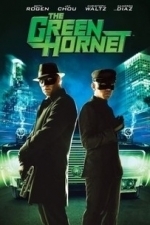

The Green Hornet has appeared in books, a television series, and perhaps in its most famous form, as a radio series. Adapting a superhero to the big screen is not without its share of challenges. For every Batman and Spiderman that sets box office records there are several that fail miserably, such as Daredevil, Elektra, The Phantom, The Shadow, and the first Hulk movie.
When it was first announced that Seth Rogen would star as the title character many people were first skeptical that a chubby comedian would be able to pull off the part. While the Green Hornet is not as iconic as Batman, the casting did bring to mind the controversy of casting Michael Keaton as the Dark Knight for Tim Burton’s take on the Caped Crusader.
Further complicating matters were the delays and in the announcement that the film would be converted to 3-D in postproduction even though it was shot in 2-D. When the film failed to meet its anticipated holiday debut there were those that had wondered if the film would fail to meet even modest expectations as January certainly isn’t the time of year that action films, especially those based on a superhero, are released.
Thankfully the film is an extremely pleasant surprise that deftly mixes comedy and action with smart pacing in a winning formula. The film tells the story of Britt Reid (Rogen), the son of a wealthy newspaper owner who, despite his best efforts, always disappoints his father who never runs out of ways to criticize his only child. Britt, to his father’s dismay, has no ambition in his life and is content to live in the guesthouse of his father’s mansion, womanizing and embracing the party scene.
When his father dies unexpectedly, Britt is forced to take control of the newspaper, a job for which he is woefully unqualified. It is at this time that Britt meets Kato (Jay Chou), his father’s long-time employee, responsible for taking care of the elder Reid’s very impressive fleet of cars.
One evening in an act of rebellion against the benevolent image of his father, Britt and Kato intervene to stop a crime. Motivated by their success and by Kato’s amazing ability to invent technology and modify vehicles, as well as his superb martial arts abilities, the duo set out to make a name for themselves by taking on the city’s criminal element.
While it first appears that Britt sees this as just some grand adventure, he soon becomes dedicated to the cause and sets upon a path to use his newspaper to play up his newly created hero. The plan is to make the Green Hornet appear to be a bad guy when in reality he is fighting to end crime. The convoluted idea has some initial success despite Britt’s lack of fighting ability. Britt and Kato soon begin to make a name for themselves in the local underworld as well is dominate the media.
At this time a young assistant named Lenora case (Cameron Diaz), comes to work for Britt. Britt and Kato are both captivated by Lenora and use her knowledge of criminal psychology to detail their plan of action for their alter egos. While Britt and Kato are buoyed by their initial success they soon find themselves under the scrutiny of the local crime boss Chudnofsky (Christopher Waltz), an insecure criminal who believes people don’t think he is scary enough or stylish enough.
Finding them an annoyance, Chudnofsky decides to wage all-out war on the Green Hornet and Kato and will rest at nothing to see them dead. As if this was not bad enough, Britt and Kato find themselves in a jealous rivalry over Lenora as well as their roles. Britt sees himself as the real hero and Kato as merely his sidekick. Kato naturally takes umbrage with this being not only the one who develops all of their gadgets, including the awesome black beauty equipped with bulletproof glass, machine guns, rocket launcher and a flamethrower, but also the one with the amazing fighting skills.
What follows is a hilarious and action packed film that is one of the most satisfying action-buddy-comedies ever made. Rogen is in his element cleverly playing Britt as an everyman who, despite having all the advantages of wealth, is still very much a kid playing superhero who has to learn about the important things in life .
The action sequences are fresh and entertaining and both Rogen and Chao pull off their roles very convincingly. While the plot is not overly complex it serves its point and propels the characters along without getting bogged down or becoming too ridiculous. Director Michel Gondry keeps the film moving at a steady pace without overstaying its welcome and does not allow the action to overtake the characters.
The supporting cast is very strong and the only real issue I had with the film was the converted 3-D that was totally unnecessary and did little to enhance the film. Very few sequence appeared to benefit from it. That being said I had a fantastic time at this film and I surely hope that we’ll be seeing other films in the series in the not too distant future.
When it was first announced that Seth Rogen would star as the title character many people were first skeptical that a chubby comedian would be able to pull off the part. While the Green Hornet is not as iconic as Batman, the casting did bring to mind the controversy of casting Michael Keaton as the Dark Knight for Tim Burton’s take on the Caped Crusader.
Further complicating matters were the delays and in the announcement that the film would be converted to 3-D in postproduction even though it was shot in 2-D. When the film failed to meet its anticipated holiday debut there were those that had wondered if the film would fail to meet even modest expectations as January certainly isn’t the time of year that action films, especially those based on a superhero, are released.
Thankfully the film is an extremely pleasant surprise that deftly mixes comedy and action with smart pacing in a winning formula. The film tells the story of Britt Reid (Rogen), the son of a wealthy newspaper owner who, despite his best efforts, always disappoints his father who never runs out of ways to criticize his only child. Britt, to his father’s dismay, has no ambition in his life and is content to live in the guesthouse of his father’s mansion, womanizing and embracing the party scene.
When his father dies unexpectedly, Britt is forced to take control of the newspaper, a job for which he is woefully unqualified. It is at this time that Britt meets Kato (Jay Chou), his father’s long-time employee, responsible for taking care of the elder Reid’s very impressive fleet of cars.
One evening in an act of rebellion against the benevolent image of his father, Britt and Kato intervene to stop a crime. Motivated by their success and by Kato’s amazing ability to invent technology and modify vehicles, as well as his superb martial arts abilities, the duo set out to make a name for themselves by taking on the city’s criminal element.
While it first appears that Britt sees this as just some grand adventure, he soon becomes dedicated to the cause and sets upon a path to use his newspaper to play up his newly created hero. The plan is to make the Green Hornet appear to be a bad guy when in reality he is fighting to end crime. The convoluted idea has some initial success despite Britt’s lack of fighting ability. Britt and Kato soon begin to make a name for themselves in the local underworld as well is dominate the media.
At this time a young assistant named Lenora case (Cameron Diaz), comes to work for Britt. Britt and Kato are both captivated by Lenora and use her knowledge of criminal psychology to detail their plan of action for their alter egos. While Britt and Kato are buoyed by their initial success they soon find themselves under the scrutiny of the local crime boss Chudnofsky (Christopher Waltz), an insecure criminal who believes people don’t think he is scary enough or stylish enough.
Finding them an annoyance, Chudnofsky decides to wage all-out war on the Green Hornet and Kato and will rest at nothing to see them dead. As if this was not bad enough, Britt and Kato find themselves in a jealous rivalry over Lenora as well as their roles. Britt sees himself as the real hero and Kato as merely his sidekick. Kato naturally takes umbrage with this being not only the one who develops all of their gadgets, including the awesome black beauty equipped with bulletproof glass, machine guns, rocket launcher and a flamethrower, but also the one with the amazing fighting skills.
What follows is a hilarious and action packed film that is one of the most satisfying action-buddy-comedies ever made. Rogen is in his element cleverly playing Britt as an everyman who, despite having all the advantages of wealth, is still very much a kid playing superhero who has to learn about the important things in life .
The action sequences are fresh and entertaining and both Rogen and Chao pull off their roles very convincingly. While the plot is not overly complex it serves its point and propels the characters along without getting bogged down or becoming too ridiculous. Director Michel Gondry keeps the film moving at a steady pace without overstaying its welcome and does not allow the action to overtake the characters.
The supporting cast is very strong and the only real issue I had with the film was the converted 3-D that was totally unnecessary and did little to enhance the film. Very few sequence appeared to benefit from it. That being said I had a fantastic time at this film and I surely hope that we’ll be seeing other films in the series in the not too distant future.

Purple Phoenix Games (2266 KP) rated WizBang! in Tabletop Games
Aug 3, 2020


The current COVID-19 lockdown has really placed a burden on gaming with groups of 3 or more. Luckily, not all games are intended for medium or larger groups. I can sometimes game with up to 4 players but I am mostly able to game with my wife… when the kids (rarely) nap or are asleep for the night. So when I saw that WizBang! is a card dueling game for 2 players only I jumped at the chance to preview it. How did it fare for my wife and I? Keep reading.
A-la-kalhambra! A wizard’s duel has been accepted between you and your rival. Based on the whims of judges wanting displays of specific and ever-changing magic-types, you must cast a flurry of impressive spells to best your opponent. The duel will last exactly 6 rounds and the greatest spellslinger will reign supreme.
DISCLAIMER: We were provided a prototype copy of this game for the purposes of this review. These are preview copy components, and the final components may be different from these shown. Also, it is not my intention to detail every rule in the game. You are invited to download the rulebook, back the game through the Kickstarter campaign launching in August, or purchase through any retailers stocking it after fulfillment. -T
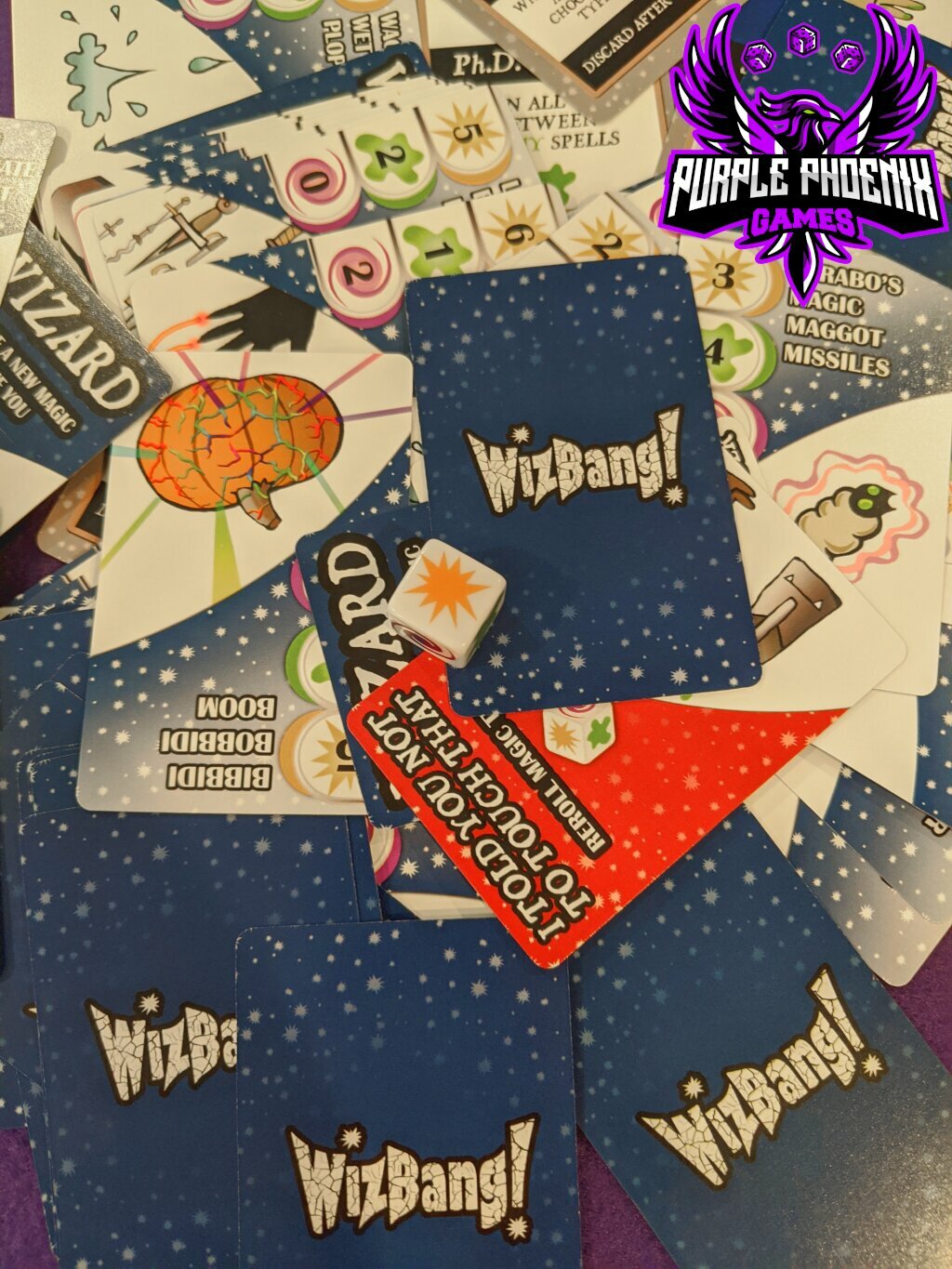
WizBang! is a two-player card dueling game akin to a mashup of War and Crazy 8s. To setup, shuffle the large deck of WizBang! cards, and deal 30 to each player. Similarly, shuffle the small deck of Extra Trick Up My Sleeve cards and deal four to each player. Roll the magic die, place it on the Round 1 section of the round tracking card and the game is ready to begin!
A game of WizBang! is short, sweet, and light on rules. Perfect for that lockdown date night. The game lasts 6 rounds, and each round consists of playing five cards. First things first – roll that magic die. Yellow is Shiny magic, green is Slimy magic, and purple is Weird magic. This means that for the duration of the round, the judges only care about the values that correspond with the rolled magic type. So if Shiny is rolled, each card played (a la War) will compare Shiny values. Highest number wins both cards to the player’s VP stack.
However, Extra Trick Up My Sleeve cards can be played at any time, and can affect either yourself or your opponent. I have included some of those below. These cards do not count for VP at game end, but can certainly shake things up quite a bit during a round. In addition to these special cards, included in the WizBang deck are several Wizard cards that change the preferred magic type for the round or just for one trick. Once all six rounds have been played players count up their VP Spell cards and majority wins! If no majority: SUDDEN DEATH round.
Components. As I mentioned previously, we were provided a prototype copy of the game, but were assured that it is very close to the final version. This game is a bunch of cards and one die. The cards are nice and a little glossy, with sometimes funny art, and even better inside jokes on them. The die is nice quality and easy to interpret which magic source is being judged. All in all the components are good.
I also stated previously that this game is quick. The box says around 10-15 minutes and that’s spot on. I can see seasoned players being able to knock out a game in 5, but for the first few games we were in that 10-15 minute range. What I like about the game is that it is quick. We were needing something to fill a short timeframe, so I broke this one out, taught it to my wife, and played through once or twice before a child needed Mommy. So it definitely fits that bill.
However, the game play itself is a little lacking. Don’t get me wrong – I would play this again, and I would even use it to help teach my son (4 years old) several gaming concepts, but without using the cheat cards. It is basically a combination of War (play a card, winner takes both) and Crazy 8s/UNO (constantly changing trumps) with a wizard duel theme. I love wizards/fantasy themes in my games, so I am still somewhat drawn to this, but ultimately, if I want to play War or Crazy 8s, I might simply break out a normal deck of playing cards to do so.
The game is not at all bad. I really want to stress this. Just for gamers, it is a bit elementary. This would be great in a library’s game collection, or for educational purposes, or even simply as a quick filler game if you want a theme for your War/Crazy 8s hankerin. Need a game for younger gamers? Yes, this. Need a quick game for grandparents or in-law nongamers? This. Don’t know what to play and you’re running out of time (happens to me OFTEN)? This. If you need something like WizBang! in your collection to fill a 2-player fantasy card game hole, definitely check this one out.
A-la-kalhambra! A wizard’s duel has been accepted between you and your rival. Based on the whims of judges wanting displays of specific and ever-changing magic-types, you must cast a flurry of impressive spells to best your opponent. The duel will last exactly 6 rounds and the greatest spellslinger will reign supreme.
DISCLAIMER: We were provided a prototype copy of this game for the purposes of this review. These are preview copy components, and the final components may be different from these shown. Also, it is not my intention to detail every rule in the game. You are invited to download the rulebook, back the game through the Kickstarter campaign launching in August, or purchase through any retailers stocking it after fulfillment. -T
WizBang! is a two-player card dueling game akin to a mashup of War and Crazy 8s. To setup, shuffle the large deck of WizBang! cards, and deal 30 to each player. Similarly, shuffle the small deck of Extra Trick Up My Sleeve cards and deal four to each player. Roll the magic die, place it on the Round 1 section of the round tracking card and the game is ready to begin!
A game of WizBang! is short, sweet, and light on rules. Perfect for that lockdown date night. The game lasts 6 rounds, and each round consists of playing five cards. First things first – roll that magic die. Yellow is Shiny magic, green is Slimy magic, and purple is Weird magic. This means that for the duration of the round, the judges only care about the values that correspond with the rolled magic type. So if Shiny is rolled, each card played (a la War) will compare Shiny values. Highest number wins both cards to the player’s VP stack.
However, Extra Trick Up My Sleeve cards can be played at any time, and can affect either yourself or your opponent. I have included some of those below. These cards do not count for VP at game end, but can certainly shake things up quite a bit during a round. In addition to these special cards, included in the WizBang deck are several Wizard cards that change the preferred magic type for the round or just for one trick. Once all six rounds have been played players count up their VP Spell cards and majority wins! If no majority: SUDDEN DEATH round.
Components. As I mentioned previously, we were provided a prototype copy of the game, but were assured that it is very close to the final version. This game is a bunch of cards and one die. The cards are nice and a little glossy, with sometimes funny art, and even better inside jokes on them. The die is nice quality and easy to interpret which magic source is being judged. All in all the components are good.
I also stated previously that this game is quick. The box says around 10-15 minutes and that’s spot on. I can see seasoned players being able to knock out a game in 5, but for the first few games we were in that 10-15 minute range. What I like about the game is that it is quick. We were needing something to fill a short timeframe, so I broke this one out, taught it to my wife, and played through once or twice before a child needed Mommy. So it definitely fits that bill.
However, the game play itself is a little lacking. Don’t get me wrong – I would play this again, and I would even use it to help teach my son (4 years old) several gaming concepts, but without using the cheat cards. It is basically a combination of War (play a card, winner takes both) and Crazy 8s/UNO (constantly changing trumps) with a wizard duel theme. I love wizards/fantasy themes in my games, so I am still somewhat drawn to this, but ultimately, if I want to play War or Crazy 8s, I might simply break out a normal deck of playing cards to do so.
The game is not at all bad. I really want to stress this. Just for gamers, it is a bit elementary. This would be great in a library’s game collection, or for educational purposes, or even simply as a quick filler game if you want a theme for your War/Crazy 8s hankerin. Need a game for younger gamers? Yes, this. Need a quick game for grandparents or in-law nongamers? This. Don’t know what to play and you’re running out of time (happens to me OFTEN)? This. If you need something like WizBang! in your collection to fill a 2-player fantasy card game hole, definitely check this one out.




Justin Patchett (42 KP) rated Roma (2018) in Movies
Mar 3, 2019


Caught in a bad Roma
Contains spoilers, click to show
It’s been a long while since I watched a film deserving of a truly, harshly negative review. I have gotten so close so many times, and I’ll be damned if Netflix hadn’t gotten close to earning that with the fridge-logic that ruined Bird Box. Even Bird Box, though, feels enjoyable in retrospect compared to another Netflix exclusive: Alfonso Cuarón’s Roma.
Since I’m in a clear minority on this film, I feel obligated to preemptively address some common criticisms. If Roma had been produced in English, presented in color and with any score, it couldn’t fix the fact that I simply dislike Roma’s genre. Sure, I’ve liked slice-of-life drama films, and modern period pieces do fine by me. Pretentious Oscar-farming arthouse flicks like this, though, never win my praise.
Roma follows Cleo, a housemaid in Mexico City. Cleo has gotten pregnant and the presumed father, Fermín, leaves her to buy cigarettes before the baby’s even born. Her employer, Sofía, is dealing with a cheating spouse. What follows is two hours of both of these women marginally helping each other with their respective situations. As slice-of-life films do.
Since it's a slice-of-life film, much of the story just basically happens. You'll remember a scene here or there that happened, even if it was ultimately insignificant. In one scene for instance, Cleo goes to confront the baby daddy, who’s at a huge martial arts class. She spectates and proves to be the only one able to perform a certain yoga pose. Which is important because it helped add another few minutes to the film.
Cleo goes into labor not long after this confrontation, but her daughter ends up being stillborn. This all happens in the midst of the Corpus Christi Massacre. What the heck was the Corpus Christi Massacre, you may ask? According to this film, it was a brutal inconvenience on Cleo’s way to the hospital after her water breaks. This actual historical event simply happens and is never addressed for one second more. You know, just like in Titanic where the shipwreck just makes things inconvenient for Rose and Jack.
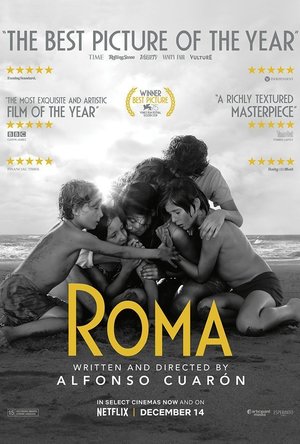
The last major scene in the film comes when Sofía invites Cleo to come with her family on a trip to the beach, not as staff but to help Cleo cope with the tragedy of losing her child. While they’re there, Sofía leaves the children in Cleo’s care for two freaking minutes, and two of the kids nearly drown. Cleo, though, can’t swim, and so she stands out in the water as the kids rescue each other. And that's about as close as Roma gets to a cohesive plot. Cleo only came with them to help her grieving, which meant she could be there to be powerless while her employer’s kids save each other’s lives. Bad things happen to us, the film teaches, so that good things can coincidentally happen in our proximity.
In fact, coincidence seems to be the running theme, here. Remember the Corpus Christi Massacre? No? What if I call it “the scene where Cleo goes into labor”? Maybe that helps? Fermín briefly held Cleo at gunpoint in the middle of it. Again, mere coincidence. Just like it’s a mere coincidence that she goes into labor the same day as a massacre that killed 120 people. As coincidences do.
Roma isn’t an aggressively bad film. There are a rare few moments within Roma’s 2-hour runtime where you think, “I can see that clip showing up during a Facebook video binge,” but again: These are moments more rare than our current president ordering a rare steak. That rarity has everything to do with the fact that the movie has so few moments, at all. The rest is shots that linger too long from angles that repeat themselves all too often. It’s like Cuarón asked someone, “What does a movie like Juno need to be better?” They responded, “Nothing.” So Cuarón packed Roma with nothing.
Which brings up one of my biggest criticisms of Roma: The cinematography is bland. Cuarón shot practically the entire film on one camera, set a specific distance from the subject, and kept takes running as longer than they should have, padding out a short-film’s worth of content to feature length. It’s bland cinematography that somehow earned an Oscar for Best Cinematography.
Gravity showed us what Cuarón was capable of. Beyond bringing a seemingly authentic view of space to the big screen, Gravity offered variety. Yes, the huge collision scene in Gravity takes on the feel of a one-take scene, but even then, the camera moves with the action. And if your attention moves away from the foreground the shot, you’re able to see other important things going on. With Roma, though, your foreground is your film. Period. And to be sure, you'll be kept at arm's length from that foreground at all times, both metaphorically and cinematically.
There's a number of reasons why Roma wasn't the Best Picture, this year. Gravity proved that Roma is not Cuarón’s best film. Bo Burnham–yes, that Bo Burnham–wrote and directed a better slice-of-life film with Eighth Grade. And Roma might not even be the past year’s best black-and-white film; I dare suggest that Cold War may have been better.
To give it the credit it’s due, Roma’s cast rightly earned nominations for their performances. Yalitza Aparicio and Marina de Tavira earned Best Actress nominations for their roles, and for their part, their performances were authentic as can be. It's the least the Academy could do for having them endure Cuarón's lengthy takes.
But now that I've given it credit, I demand my time back for the scene of Fermín going Star Wars Kid meets Full Monty.
Since I’m in a clear minority on this film, I feel obligated to preemptively address some common criticisms. If Roma had been produced in English, presented in color and with any score, it couldn’t fix the fact that I simply dislike Roma’s genre. Sure, I’ve liked slice-of-life drama films, and modern period pieces do fine by me. Pretentious Oscar-farming arthouse flicks like this, though, never win my praise.
Roma follows Cleo, a housemaid in Mexico City. Cleo has gotten pregnant and the presumed father, Fermín, leaves her to buy cigarettes before the baby’s even born. Her employer, Sofía, is dealing with a cheating spouse. What follows is two hours of both of these women marginally helping each other with their respective situations. As slice-of-life films do.
Since it's a slice-of-life film, much of the story just basically happens. You'll remember a scene here or there that happened, even if it was ultimately insignificant. In one scene for instance, Cleo goes to confront the baby daddy, who’s at a huge martial arts class. She spectates and proves to be the only one able to perform a certain yoga pose. Which is important because it helped add another few minutes to the film.
Cleo goes into labor not long after this confrontation, but her daughter ends up being stillborn. This all happens in the midst of the Corpus Christi Massacre. What the heck was the Corpus Christi Massacre, you may ask? According to this film, it was a brutal inconvenience on Cleo’s way to the hospital after her water breaks. This actual historical event simply happens and is never addressed for one second more. You know, just like in Titanic where the shipwreck just makes things inconvenient for Rose and Jack.
The last major scene in the film comes when Sofía invites Cleo to come with her family on a trip to the beach, not as staff but to help Cleo cope with the tragedy of losing her child. While they’re there, Sofía leaves the children in Cleo’s care for two freaking minutes, and two of the kids nearly drown. Cleo, though, can’t swim, and so she stands out in the water as the kids rescue each other. And that's about as close as Roma gets to a cohesive plot. Cleo only came with them to help her grieving, which meant she could be there to be powerless while her employer’s kids save each other’s lives. Bad things happen to us, the film teaches, so that good things can coincidentally happen in our proximity.
In fact, coincidence seems to be the running theme, here. Remember the Corpus Christi Massacre? No? What if I call it “the scene where Cleo goes into labor”? Maybe that helps? Fermín briefly held Cleo at gunpoint in the middle of it. Again, mere coincidence. Just like it’s a mere coincidence that she goes into labor the same day as a massacre that killed 120 people. As coincidences do.
Roma isn’t an aggressively bad film. There are a rare few moments within Roma’s 2-hour runtime where you think, “I can see that clip showing up during a Facebook video binge,” but again: These are moments more rare than our current president ordering a rare steak. That rarity has everything to do with the fact that the movie has so few moments, at all. The rest is shots that linger too long from angles that repeat themselves all too often. It’s like Cuarón asked someone, “What does a movie like Juno need to be better?” They responded, “Nothing.” So Cuarón packed Roma with nothing.
Which brings up one of my biggest criticisms of Roma: The cinematography is bland. Cuarón shot practically the entire film on one camera, set a specific distance from the subject, and kept takes running as longer than they should have, padding out a short-film’s worth of content to feature length. It’s bland cinematography that somehow earned an Oscar for Best Cinematography.
Gravity showed us what Cuarón was capable of. Beyond bringing a seemingly authentic view of space to the big screen, Gravity offered variety. Yes, the huge collision scene in Gravity takes on the feel of a one-take scene, but even then, the camera moves with the action. And if your attention moves away from the foreground the shot, you’re able to see other important things going on. With Roma, though, your foreground is your film. Period. And to be sure, you'll be kept at arm's length from that foreground at all times, both metaphorically and cinematically.
There's a number of reasons why Roma wasn't the Best Picture, this year. Gravity proved that Roma is not Cuarón’s best film. Bo Burnham–yes, that Bo Burnham–wrote and directed a better slice-of-life film with Eighth Grade. And Roma might not even be the past year’s best black-and-white film; I dare suggest that Cold War may have been better.
To give it the credit it’s due, Roma’s cast rightly earned nominations for their performances. Yalitza Aparicio and Marina de Tavira earned Best Actress nominations for their roles, and for their part, their performances were authentic as can be. It's the least the Academy could do for having them endure Cuarón's lengthy takes.
But now that I've given it credit, I demand my time back for the scene of Fermín going Star Wars Kid meets Full Monty.

Jayme (18 KP) rated Underwater in Books
Mar 28, 2018


Plot (1 more)
Emotion
Contains spoilers, click to show
Marisa Reichardt’s debut novel Underwater is a compelling account of a teenage girl’s struggles with agoraphobia caused by a traumatic shooting taking place in her high school. The book intended for a young adult audience follows Morgan as as she tries to cope with several adversities in her life, primarily the fear of leaving her apartment. Morgan was content with wearing the same pajamas everyday while she did her schoolwork online and ate grilled cheese for lunch until a boy her age named Evan moved in next door. Evan showed up on Morgan’s door step smelling like the ocean, reminding her of summer and everything she missed outdoors. With help from Evan, her psychiatrist, her mom, and her little brother Ben, Morgan is able to finally confront her fears and take necessary steps toward recovery.
I found myself connecting to Morgan more than any other character within the book, and that connection began early on in her description of the day her younger brother was born.
"I think of Ben on the day he was born, all chubby and pink and bald. … I think of the newborn Ben next to my mom’s hospital bed and rocking him under dim lights while he slept in my arms. I fall asleep to the feeling of a love I never knew until my brother got here."
Being the youngest in my family and having no experience with anyone I knew having children, I was especially excited when my only sister got pregnant with her first child. I sat in an uncomfortable chair across the room from my sister’s hospital bed for thirteen hours while she was in labor. When she was finally ready to push, I stood at her side giving words of encouragement, and she even gave me the honor of cutting my nephew’s umbilical cord. I remember the warmth of my tears as I heard my nephew cry out, sucking in his first breaths of air. I left the hospital shortly after his delivery, allowing my sister to get some rest. I returned a few hours later and held my tiny nephew in my arms for the first time. I love plenty of people in my life, but it wasn’t until I watched my newborn nephew as he slept swaddled in the hospital-issued blanket that I fully understood the depths of the love I was capable of producing. The astonishment I felt holding my precious nephew can be compared to the feelings Morgan had toward her brother the day he was born.
What I found to be most fascinating about this book is the way the author tackles the problem of school shootings in a way that humanizes the shooter and his victims. Instead of making the shooter out to be a merciless attacker, he was demonstrated as a victim of neglect among his peers who deserves forgiveness for his mistakes. There have been one hundred and seventy-four school shootings in America since the year 2003. School shootings are a recurring issue in our society.
"Before Aaron’s Facebook was disabled, news outlets released photographs from his profile. They found the worst ones. The ones that painted the picture of a kid who was angry and alone. They interviewed neighbors who said Aaron spent weekends tinkering in the garage. His mom revealed Aaron had been in therapy since middle school. His dad revealed he kept guns in the house. For protection. From the world. Not from his son. Those were guns Aaron brought to school onOctober fifteenth. … And the only person who could give us answers, who could tell us why, was gone."
The media is quick to make the shooter out to be a monster instead of acknowledging the idea that people make drastic decisions, like one of shooting up a school, because they have no one to turn to.
Other personal accounts of shootings have been written, but there is nothing like this fictional demonstration of the aftereffects of such occurrences. Misty Bernell, the mother of a student killed in the Columbine High School shooting taking place in 1999, wrote the book She Said Yes: The Unlikely Martydom of Cassie Bernall as a way of commemorating her daughter and spreading awareness of the lives lost in the tragic massacre. Reichardt manages to establish a point of view that allows readers to show empathy toward a victim in the shooting the same way Bernell does without downplaying the internal struggles Aaron, the shooter in the novel, may have been experiencing.
The successful manner in which Reichardt explores a real-time societal issue from a unique perspective provides enough grounds for me to recommend the book. However, I was also able to find many characteristics that made me feel invested in the well-being of the each of the characters within the novel. Morgan works especially hard to go outside in order to see her brother perform in his kindergarten play, the psychiatrist meets with Morgan for free because the psychiatrist wanted Morgan to know she was being heard, Evan offering his old prepaid cell phone to Morgan so they could send text messages to communicate the problems Morgan was too afraid to talk about out loud, and the way Morgan’s mother compromises with Morgan and attempts to understand her feelings. Each character demonstrates selflessness and unconditional love while maneuvering through a situation where love and support are crucial to the mental health of everyone involved. Reading about people who truly care about each other and work to build each other up in a difficult time instead of worrying only of themselves is refreshing.
I found myself connecting to Morgan more than any other character within the book, and that connection began early on in her description of the day her younger brother was born.
"I think of Ben on the day he was born, all chubby and pink and bald. … I think of the newborn Ben next to my mom’s hospital bed and rocking him under dim lights while he slept in my arms. I fall asleep to the feeling of a love I never knew until my brother got here."
Being the youngest in my family and having no experience with anyone I knew having children, I was especially excited when my only sister got pregnant with her first child. I sat in an uncomfortable chair across the room from my sister’s hospital bed for thirteen hours while she was in labor. When she was finally ready to push, I stood at her side giving words of encouragement, and she even gave me the honor of cutting my nephew’s umbilical cord. I remember the warmth of my tears as I heard my nephew cry out, sucking in his first breaths of air. I left the hospital shortly after his delivery, allowing my sister to get some rest. I returned a few hours later and held my tiny nephew in my arms for the first time. I love plenty of people in my life, but it wasn’t until I watched my newborn nephew as he slept swaddled in the hospital-issued blanket that I fully understood the depths of the love I was capable of producing. The astonishment I felt holding my precious nephew can be compared to the feelings Morgan had toward her brother the day he was born.
What I found to be most fascinating about this book is the way the author tackles the problem of school shootings in a way that humanizes the shooter and his victims. Instead of making the shooter out to be a merciless attacker, he was demonstrated as a victim of neglect among his peers who deserves forgiveness for his mistakes. There have been one hundred and seventy-four school shootings in America since the year 2003. School shootings are a recurring issue in our society.
"Before Aaron’s Facebook was disabled, news outlets released photographs from his profile. They found the worst ones. The ones that painted the picture of a kid who was angry and alone. They interviewed neighbors who said Aaron spent weekends tinkering in the garage. His mom revealed Aaron had been in therapy since middle school. His dad revealed he kept guns in the house. For protection. From the world. Not from his son. Those were guns Aaron brought to school onOctober fifteenth. … And the only person who could give us answers, who could tell us why, was gone."
The media is quick to make the shooter out to be a monster instead of acknowledging the idea that people make drastic decisions, like one of shooting up a school, because they have no one to turn to.
Other personal accounts of shootings have been written, but there is nothing like this fictional demonstration of the aftereffects of such occurrences. Misty Bernell, the mother of a student killed in the Columbine High School shooting taking place in 1999, wrote the book She Said Yes: The Unlikely Martydom of Cassie Bernall as a way of commemorating her daughter and spreading awareness of the lives lost in the tragic massacre. Reichardt manages to establish a point of view that allows readers to show empathy toward a victim in the shooting the same way Bernell does without downplaying the internal struggles Aaron, the shooter in the novel, may have been experiencing.
The successful manner in which Reichardt explores a real-time societal issue from a unique perspective provides enough grounds for me to recommend the book. However, I was also able to find many characteristics that made me feel invested in the well-being of the each of the characters within the novel. Morgan works especially hard to go outside in order to see her brother perform in his kindergarten play, the psychiatrist meets with Morgan for free because the psychiatrist wanted Morgan to know she was being heard, Evan offering his old prepaid cell phone to Morgan so they could send text messages to communicate the problems Morgan was too afraid to talk about out loud, and the way Morgan’s mother compromises with Morgan and attempts to understand her feelings. Each character demonstrates selflessness and unconditional love while maneuvering through a situation where love and support are crucial to the mental health of everyone involved. Reading about people who truly care about each other and work to build each other up in a difficult time instead of worrying only of themselves is refreshing.

Kirk Bage (1775 KP) rated Light of My Life (2019) in Movies
Jan 22, 2021
It is difficult to talk about Casey Affleck in a positive light as a movie-maker without mentioning the heightened media storm that surrounded him in 2017, at the time of #metoo and his own moment of personal glory in winning the Best Actor Oscar for his excellent performance in Manchester By the Sea. The Oscar was deserved, as was the criticism. The latter affecting the sweetness of the former entirely, and perhaps explaining why a recent Academy Award winner would be so quiet for the next 3 years.
The facts are that he settled out of court for two sexual harassment claims, that in interviews later he would admit some guilt and shame towards. He never tried to hide it and seemed genuinely regretful of his part in whatever crimes took place. He never tried to deny it or belittle it or excuse it as something small and insignificant, he owned up and hung his head.
For which I’d be tempted to say, yes, he behaved like an asshole and abused his position, but is worthy of forgiveness, on probation that he learned from the mistake and never remotely did anything like it again. However, the media doesn’t forget, and in a personal and professional way he has been persona non grata ever since.
Like many others in the spotlight before him for nefarious reasons, I believe emphatically in saying it is possible to separate a person from their work. If someone has done something where they need to be in jail, then let the system take care of it, otherwise let them get on with life and continue to work. Affleck is such a talented actor that it is his performances that spring to mind above anything else by far, and that probably won’t change. I’d absolutely hate to think his negative reputation prevented him from doing the best work of his life.
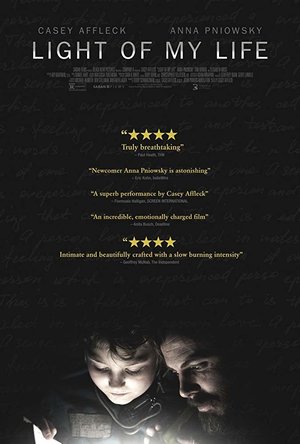
One way to ensure some relative solitude and privacy whilst remaining at work, then, is to write, produce, direct and star in a small personal film about a father and daughter, alone for 90% of the movie, in a post apocalyptic wilderness. Affleck is the nameless “dad” to the pre-teen daughter he dotes on and will do anything to protect, named “Rag”, for reasons that are explained beautifully in the narrative.
Played by promising newcomer Anna Pniowsky, it is a testament to Affleck’s skill and sensitivity as actor and director that Rag always feels as important and centre stage as the “star” of the show. The film begins very unusually with a 7 minute static dialogue between the two, which demonstrates the relationship and energy of the film perfectly, and in such an interesting way. Pniowsky gives as good as she gets in terms of detailed characterisation, and the dynamic between the two is an absolute delight.
Inevitably, this film is always going to be seen as a poor cousin to The Road, starring Viggo Mortensen, from 2009. It is very similar, it can’t be denied. Even the idea of the parent ensuring “the light / fire” is kept alive within the child, considering that the survival of humanity in all senses is paramount, and supercedes the notion of survival at any cost. Dignity, kindness and non-violence must be maintained, or they will be lost. It is a message worth passing on – enough to make Affleck want to fly so close to the themes and tone of a bigger, well liked film. He must certainly have been aware of how similar they are.
It doesn’t always work, and I did find myself wishing for more action, or at least incident, rather than all the static talking scenes. Although they were often beautifully done, there were just one too many of them to keep the film fully engaging. The use of flashback, where we see the past they came from and the absent mother (presumed long dead) played by Elizabeth Moss, who does not get enough screen time to leave a mark, also doesn’t fully ring true.
Where it does work is in the simple beauty of the relationship between father and daughter. Her innocence and growing curiosity about the tainted world she is inheriting, and his single minded insistence on teaching her things his way and keeping her oblivious to the harshness of life for as long as possible. We begin to suspect his methods are not always the best, and that inevitably the time is coming where for good or bad she will have to find her own path without him.
Which leads to a very touching last 20 minutes I can’t possibly explain without leaving spoilers. If it wasn’t two hours but 90 minutes I believe the idea would have had more impact and not outstay its welcome. As it is, it is just a little flabby in the edit to be described as “great”, and might be otherwise described as slightly indulgent and naive, directorially. It is a tough one to pin down, because whilst I don’t think there is much wrong with it, I also don’t think there is enough right to fully recommend it to a wide audience.
I’m putting this one in the box marked “little seen gems”, intersecting with the one marked “near miss with potential”. When in a patient mood, this could be a film you relate to and enjoy. Just don’t go in expecting too much to happen and concentrate on what it means to be a parent in a cruel world. In that sense it has a lot to say and is well worth your time.
The facts are that he settled out of court for two sexual harassment claims, that in interviews later he would admit some guilt and shame towards. He never tried to hide it and seemed genuinely regretful of his part in whatever crimes took place. He never tried to deny it or belittle it or excuse it as something small and insignificant, he owned up and hung his head.
For which I’d be tempted to say, yes, he behaved like an asshole and abused his position, but is worthy of forgiveness, on probation that he learned from the mistake and never remotely did anything like it again. However, the media doesn’t forget, and in a personal and professional way he has been persona non grata ever since.
Like many others in the spotlight before him for nefarious reasons, I believe emphatically in saying it is possible to separate a person from their work. If someone has done something where they need to be in jail, then let the system take care of it, otherwise let them get on with life and continue to work. Affleck is such a talented actor that it is his performances that spring to mind above anything else by far, and that probably won’t change. I’d absolutely hate to think his negative reputation prevented him from doing the best work of his life.
One way to ensure some relative solitude and privacy whilst remaining at work, then, is to write, produce, direct and star in a small personal film about a father and daughter, alone for 90% of the movie, in a post apocalyptic wilderness. Affleck is the nameless “dad” to the pre-teen daughter he dotes on and will do anything to protect, named “Rag”, for reasons that are explained beautifully in the narrative.
Played by promising newcomer Anna Pniowsky, it is a testament to Affleck’s skill and sensitivity as actor and director that Rag always feels as important and centre stage as the “star” of the show. The film begins very unusually with a 7 minute static dialogue between the two, which demonstrates the relationship and energy of the film perfectly, and in such an interesting way. Pniowsky gives as good as she gets in terms of detailed characterisation, and the dynamic between the two is an absolute delight.
Inevitably, this film is always going to be seen as a poor cousin to The Road, starring Viggo Mortensen, from 2009. It is very similar, it can’t be denied. Even the idea of the parent ensuring “the light / fire” is kept alive within the child, considering that the survival of humanity in all senses is paramount, and supercedes the notion of survival at any cost. Dignity, kindness and non-violence must be maintained, or they will be lost. It is a message worth passing on – enough to make Affleck want to fly so close to the themes and tone of a bigger, well liked film. He must certainly have been aware of how similar they are.
It doesn’t always work, and I did find myself wishing for more action, or at least incident, rather than all the static talking scenes. Although they were often beautifully done, there were just one too many of them to keep the film fully engaging. The use of flashback, where we see the past they came from and the absent mother (presumed long dead) played by Elizabeth Moss, who does not get enough screen time to leave a mark, also doesn’t fully ring true.
Where it does work is in the simple beauty of the relationship between father and daughter. Her innocence and growing curiosity about the tainted world she is inheriting, and his single minded insistence on teaching her things his way and keeping her oblivious to the harshness of life for as long as possible. We begin to suspect his methods are not always the best, and that inevitably the time is coming where for good or bad she will have to find her own path without him.
Which leads to a very touching last 20 minutes I can’t possibly explain without leaving spoilers. If it wasn’t two hours but 90 minutes I believe the idea would have had more impact and not outstay its welcome. As it is, it is just a little flabby in the edit to be described as “great”, and might be otherwise described as slightly indulgent and naive, directorially. It is a tough one to pin down, because whilst I don’t think there is much wrong with it, I also don’t think there is enough right to fully recommend it to a wide audience.
I’m putting this one in the box marked “little seen gems”, intersecting with the one marked “near miss with potential”. When in a patient mood, this could be a film you relate to and enjoy. Just don’t go in expecting too much to happen and concentrate on what it means to be a parent in a cruel world. In that sense it has a lot to say and is well worth your time.

Bob Mann (459 KP) rated The Shape of Water (2017) in Movies
Sep 29, 2021
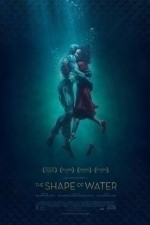
A mystical tale of fish and fingers.
With perfect timing after scooping 13 Oscar nominations, “The Shape of Water” arrives for preview screenings in the UK. Is it worth all the hype?
Well, in a word, yes.
Not since Spielberg entranced the world in 1982 with a love story between an isolated and lonely child and an alien, stranded a million light-years from home, have we seen a magical fairy-tale so well told.
Cleaning up at the (box) office. Sally Hawkins and Doug Jones as the creature.
Here Lewisham’s own Sally Hawkins (“Paddington”, “Godzilla“) plays Elisa Esposito, an attractive but mousy mute living above a cinema and next door to her best friend: a struggling artist called Giles (Richard Jenkins). Sexually-frustrated, Elisa works out those tensions in the bath every morning before heading off to work as a cleaner at a government research institute. Together with partner Zelda Fuller (Octavia Spencer, “Hidden Figures“) she is asked to clean a highly secured room where a mysterious aquatic creature is being studied by the cruel and militaristic Strickland (Michael Shannon, “Midnight Special“, “Nocturnal Animals“) and the more compassionate scientist Hoffstetler. (The latter is played by Michael Stuhlbarg (“Miss Sloane“, “Steve Jobs“) in a performance that wasn’t recognised by the Academy, but for me really held the film’s story together). Elisa forms a relationship with the creature, and as the scientific investigations turn darker, she becomes determined to help him.
When you think about it, the similarities in the screenplay with E.T. are quite striking. But this is most definitely not a kid’s film, containing full frontal nudity, sex and some considerable violence, some of it “hands-over-the-eyes” worthy. Most of this violence comes courtesy of Shannon’s character, who is truly monstrous. He is uncontrollably vicious, single-minded and amoral: a hand over the mouth to silence his wife during vigourous sex cleverly belies where his true lust currently lies. (Shannon is just so convincing in all of his roles that, after “Nocturnal Animals“, it is a bit of a surprise to see that he is still alive and well!)
It’s worth pointing out for balance at this point that my wife thought this portrayal was over-egged for its villany, and she rated the film less highly than I did because of it.
Michael Shannon as evil incarnate.
So its no Oscar nomination this time for Shannon as a supporting actor. But that honour goes to Richard Jenkins, who is spectacularly good as the movie-musical-loving and pie-munching neighbour who is drawn unwillingly into Elisa’s plans. Giles is a richly fashioned character – also the film’s narrator – who struggles to fit in with the cruel and rascist 1962 world that he finds himself in. “Sometimes I think I was born too early or too late for my life” he bemoans to the creature whose loneliness he relates to. A scene in a cafe where he fastidiously wipes all traces of pie-filling from his tongue is masterfully done.
Richard Hawkins and Sally Hawkins, hatching a plan.
Octavia Spencer is also Oscar nominated for Best Supporting Actress, and it’s a magical partnership she shares with Hawkins, with each bouncing off each other wonderfully.
This leads to a ‘no brainer’ Oscar nomination for Sally Hawkins who delivers a star turn. She has to go through such a huge range of emotions in this film, and she genuinely makes you really care about the outcome like few films this year. It’s a little tricky since I haven’t seen “I Tonya” or “Ladybird” yet, but I would have thought that Ms Hawkins is going to possibly give Frances McDormand the closest run for her money on March 4th. My money would still be on McDormand for “3 Billboards Outside Ebbing, Missouri“, but the Oscar voters are bound to love “The Shape of Water”. For like “La La Land” last year, the film is (rather surprisingly for me) another love letter to Hollywood’s golden years, with Elisa and Giles living out their lives with classic movie music and dance numbers: a medium that Elisa only ever truly finds here “voice” through.
Eliza and Zelda about to give two fingers to the establishment.
In the technical categories the Oscar nominations were for Cinematography (Dan Laustsen); Film Editing (Sidney Wolinsky); Sound Editing (Nathan Robitaille and Nelson Ferreira); Sound Mixing (Glen Gauthier, Christian Cooke and Brad Zoern); Production Design (Paul D. Austerberry, Jeffrey A. Melvin and Shane Vieau); Original Score (Alexandre Desplat) and Costume Design (Luis Sequeira). And you really wouldn’t want to bet against any of these not to win, for the film is a technical delight. Right from the dreamlike opening titles (arguably, they missed a deserved nomination here for Visual Effects), the film is gorgeous to look at, with such brilliant detail in the production design that there is interesting stuff to look at in every frame. And the film editing is extraordinary: Elisa wobbles on the bucket she’s standing on, but it’s Strickland’s butt, perched on a table, that slips off. This is a film that deserves multiple repeat viewings.
The monster feeding the monster. Nick Searcy as General Hoyt with Strickland (Michael Shannon).
An the helm is the multi-talented Guillermo del Toro (“Pacific Rim”, “Crimson Peak”) who both directed and co-wrote the exceptionally smart screenplay (with Vanessa Taylor, “Divergent”) and is nominated for both. I actually found the story to be rather predictable, as regards Elisa’s story arc, but that in no way reduced my enjoyment of the film. For the “original screenplay” is nothing if not “original”…. it’s witty, intelligent and shocking at different turns.
The violence and sex won’t be for everyone… but this is a deep and rich movie experience that everyone who loves the movies should at least appreciate… hopefully in a dry cinema!
Well, in a word, yes.
Not since Spielberg entranced the world in 1982 with a love story between an isolated and lonely child and an alien, stranded a million light-years from home, have we seen a magical fairy-tale so well told.
Cleaning up at the (box) office. Sally Hawkins and Doug Jones as the creature.
Here Lewisham’s own Sally Hawkins (“Paddington”, “Godzilla“) plays Elisa Esposito, an attractive but mousy mute living above a cinema and next door to her best friend: a struggling artist called Giles (Richard Jenkins). Sexually-frustrated, Elisa works out those tensions in the bath every morning before heading off to work as a cleaner at a government research institute. Together with partner Zelda Fuller (Octavia Spencer, “Hidden Figures“) she is asked to clean a highly secured room where a mysterious aquatic creature is being studied by the cruel and militaristic Strickland (Michael Shannon, “Midnight Special“, “Nocturnal Animals“) and the more compassionate scientist Hoffstetler. (The latter is played by Michael Stuhlbarg (“Miss Sloane“, “Steve Jobs“) in a performance that wasn’t recognised by the Academy, but for me really held the film’s story together). Elisa forms a relationship with the creature, and as the scientific investigations turn darker, she becomes determined to help him.
When you think about it, the similarities in the screenplay with E.T. are quite striking. But this is most definitely not a kid’s film, containing full frontal nudity, sex and some considerable violence, some of it “hands-over-the-eyes” worthy. Most of this violence comes courtesy of Shannon’s character, who is truly monstrous. He is uncontrollably vicious, single-minded and amoral: a hand over the mouth to silence his wife during vigourous sex cleverly belies where his true lust currently lies. (Shannon is just so convincing in all of his roles that, after “Nocturnal Animals“, it is a bit of a surprise to see that he is still alive and well!)
It’s worth pointing out for balance at this point that my wife thought this portrayal was over-egged for its villany, and she rated the film less highly than I did because of it.
Michael Shannon as evil incarnate.
So its no Oscar nomination this time for Shannon as a supporting actor. But that honour goes to Richard Jenkins, who is spectacularly good as the movie-musical-loving and pie-munching neighbour who is drawn unwillingly into Elisa’s plans. Giles is a richly fashioned character – also the film’s narrator – who struggles to fit in with the cruel and rascist 1962 world that he finds himself in. “Sometimes I think I was born too early or too late for my life” he bemoans to the creature whose loneliness he relates to. A scene in a cafe where he fastidiously wipes all traces of pie-filling from his tongue is masterfully done.
Richard Hawkins and Sally Hawkins, hatching a plan.
Octavia Spencer is also Oscar nominated for Best Supporting Actress, and it’s a magical partnership she shares with Hawkins, with each bouncing off each other wonderfully.
This leads to a ‘no brainer’ Oscar nomination for Sally Hawkins who delivers a star turn. She has to go through such a huge range of emotions in this film, and she genuinely makes you really care about the outcome like few films this year. It’s a little tricky since I haven’t seen “I Tonya” or “Ladybird” yet, but I would have thought that Ms Hawkins is going to possibly give Frances McDormand the closest run for her money on March 4th. My money would still be on McDormand for “3 Billboards Outside Ebbing, Missouri“, but the Oscar voters are bound to love “The Shape of Water”. For like “La La Land” last year, the film is (rather surprisingly for me) another love letter to Hollywood’s golden years, with Elisa and Giles living out their lives with classic movie music and dance numbers: a medium that Elisa only ever truly finds here “voice” through.
Eliza and Zelda about to give two fingers to the establishment.
In the technical categories the Oscar nominations were for Cinematography (Dan Laustsen); Film Editing (Sidney Wolinsky); Sound Editing (Nathan Robitaille and Nelson Ferreira); Sound Mixing (Glen Gauthier, Christian Cooke and Brad Zoern); Production Design (Paul D. Austerberry, Jeffrey A. Melvin and Shane Vieau); Original Score (Alexandre Desplat) and Costume Design (Luis Sequeira). And you really wouldn’t want to bet against any of these not to win, for the film is a technical delight. Right from the dreamlike opening titles (arguably, they missed a deserved nomination here for Visual Effects), the film is gorgeous to look at, with such brilliant detail in the production design that there is interesting stuff to look at in every frame. And the film editing is extraordinary: Elisa wobbles on the bucket she’s standing on, but it’s Strickland’s butt, perched on a table, that slips off. This is a film that deserves multiple repeat viewings.
The monster feeding the monster. Nick Searcy as General Hoyt with Strickland (Michael Shannon).
An the helm is the multi-talented Guillermo del Toro (“Pacific Rim”, “Crimson Peak”) who both directed and co-wrote the exceptionally smart screenplay (with Vanessa Taylor, “Divergent”) and is nominated for both. I actually found the story to be rather predictable, as regards Elisa’s story arc, but that in no way reduced my enjoyment of the film. For the “original screenplay” is nothing if not “original”…. it’s witty, intelligent and shocking at different turns.
The violence and sex won’t be for everyone… but this is a deep and rich movie experience that everyone who loves the movies should at least appreciate… hopefully in a dry cinema!

Jordan Binkerd (567 KP) rated Gideon's Angel in Books
Aug 15, 2019
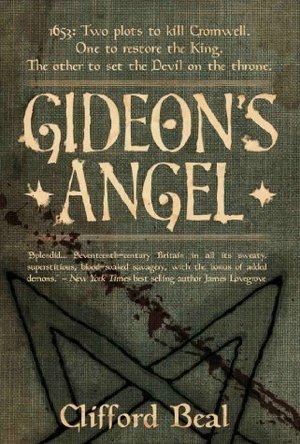
Note: this review is transposted from my personal review blog, and so was originally written several years ago. I figured if I reposted it here, someone might actually read it….
I received my copy of Gideon’s Angel through the Goodreads FirstReads program. This in no way influences my review, except to ensure that I was able to get ahold of this book and thus review it. I have to say, I really enjoyed this one. I want to describe it as “steampunk,” but my understanding is that steampunk is usually set in the 1800s (or at least that level of tech and society) whereas this work is firmly set in 1653. If there’s already a term for pseudo-historical fiction with a fantasy touch set in that timeframe, I apologize for not knowing what it is and using it accordingly.
Things are not going well for Richard Treadwell. The English Civil War is over, the King’s Cavaliers lost to the forces of Parliament and Oliver Cromwell, and Charles I has been executed. Treadwell has managed to escape the destruction of his cause, and has spent the past eight years in exile in France, performing a delicate balancing act between loyalty to his exiled king* and his employer, Cardinal Mazarin. When Mazarin informs him that someone is using the forces of Hell to tip the balance in their favor and asks him to spy on the exile court to find out if it is one of the king’s supporters, Treadwell decides that it’s time to get out of Paris. He accepts a mission for one of the king’s more militant supporters that will take him back to his beloved England–to lead a Royalist uprising, one last try to oust Cromwell and his Puritan cronies. Treadwell has other business to tend to as well, including a wife who by now probably considers herself a widow. Unfortunately for Treadwell’s simple worldview, it soon becomes clear that Cromwell’s power is the only thing preventing the more radical Puritan elements from running roughshod over the whole country. Worse still, a demon from the pits of Hell has appeared to a radical Puritan sect masquerading as an angel of light and ordering the death of Cromwell so that the Kingdom of God may be fulfilled. Now instead of assassinating Cromwell Treadwell will be forced to save him–if he can find a way to fight the forces of Hell, gain some allies in his quest, and avoid d’Artagnan, a young Musketeer dispatched by the Cardinal to bear him back to Paris….
I really enjoyed this book. It’s not exactly “high literature,” but I think I’ve very well established that I care far more about a work’s entertainment value than whatever it is critics look for. The world Beal creates here feels very real, slipping in background historical information without making you feel like you’ve been lectured. Some readers will probably wish for more background on the English Civil War, and that’s fine. If they care that much, there are numerous good books on the subject. If they don’t, there’s a Wikipedia article that should give you a good rundown on what happened. Beal manages to evoke seventeenth-century London in all its grimy glory, much as it would have actually been aside from the fact that all the magic we dismiss as superstition is actually going on behind the scenes. Moreover, this magic very much resembles what you would find depicted in the folklore of the era without obvious modern embellishment. I’m not really all that well versed in the history of the Freemasons, so I can’t accurately speak to how they were portrayed here except to say that I very much doubt their claim to date back to the builders of the pyramids. Then again, I doubt they have the tools to summon demons too, so maybe I shouldn’t be too critical. Secondary characters generally proved to be interestingly complex, especially Billy Chard, but I am seeing criticism of how the female characters in the book act. They aren’t weak characters by any means, but they are constrained by their roles in society. Treadwell’s wife has pragmatically joined her fate to that of the officer who took over Treadwell’s land when he was banished and is pregnant with his child. Is she weak for this? Or is she a strong female doing what she has to in order to protect what is left of her family? Treadwell’s Parisian mistress follows him to England rather than stay in Paris and face the scandal of their liasion alone. Weak, for needing Treadwell by her side? Or strong, for following him into whatever dangers he may be facing? Finally, Isabelle decides to follow her father and the rest of Treadwell’s band into battle against the forces of Darkness, deciding that it would be better to fall by his side than live on without him. Possibly a sign of weakness, but look at her situation realistically. She and her father were driven from Spain for their Jewish heritage, her mother dying along the way. Jews do not fare well in the Christian world of the seventeenth century, not even in England. The lot of a young woman alone in the world is already hard enough in this time without adding the burden of religious and ethnic persecution. She would have no respectable means of supporting herself, and could conceivably find herself forced into prostitution–on her own if she was lucky, as no more than a slave if she was not. Is preferring death in battle to such a fate a sign of weakness or of strength? She certainly has no trouble speaking her mind, and in fact berates Treadwell severely for endangering her father when they first meet. I suppose I can understand where some people would find these characters and their portrayal to be weak and sexist, but I respectfully disagree. I submit that instead they are strong characters reacting realistically to a world where women are not treated equally–in fact, I would have more of a problem with them if they demonstrated anachronistic modern sensibilities.** The ending was a little deus ex machina, but on the whole I didn’t mind. I would say that I want to read a sequel, but I don’t think the author could come up with anything to top this in terms of personal impact on the characters–Treadwell’s internal conflict between hating Cromwell and having to save him is very well done, and I fear Beal would prove unable to find something equally interesting as a follow up. We never really got to find out what happened to Treadwell back during the Thirty Years War that introduced him to the world of angels and demons, so I could see maybe writing that up….I’d buy it, anyway.
CONTENT: R-rated language, occasionally harsh but I would argue not gratuitous. Moderately explicit sexual content, as you would expect from a work in this vein.*** A fair amount of violence, from both man and demon. Not usually too gory in its description. There is also a good deal of occult content, as the villains are summoning a demon they believe to be an angel. This demon’s lesser minions dog Treadwell and his friends, and there are multiple encounters with them. One is implied to be a golem, others appear as strange amalgamations of beast(s) and man. For me, this is adequately balanced by the recognition that, as powerful as the forces of Darkness are, God is far more powerful than they. Bottom line: if you’re mature enough to handle the other content, I don’t believe the occult elements should prove to be an issue.
*Charles I was executed, while his son Charles II went into exile. Just in case you were concerned with the historical accuracy of the book. So far as I can tell, this is pretty accurate. You know, aside from the demons and fictional characters roaming London…..
**Please understand, I’m neither defending nor endorsing the inequality of the seventeenth century. Neither is Clifford Beal, for that matter. I’m simply pointing out that it was how it was, and this was the world the characters would have come from. I’m all for equality, but to whitewash history and pretend it was different from it was….that way lies dangerous waters.
***This evokes more than anything a supernatural-tinged Alexandre Dumas novel for me….and you know how bawdry his musketeers could be when they wanted to be.
Original post: https://jordanbinkerd.wordpress.com/2013/10/24/review-gideons-angel-by-clifford-beal/
I received my copy of Gideon’s Angel through the Goodreads FirstReads program. This in no way influences my review, except to ensure that I was able to get ahold of this book and thus review it. I have to say, I really enjoyed this one. I want to describe it as “steampunk,” but my understanding is that steampunk is usually set in the 1800s (or at least that level of tech and society) whereas this work is firmly set in 1653. If there’s already a term for pseudo-historical fiction with a fantasy touch set in that timeframe, I apologize for not knowing what it is and using it accordingly.
Things are not going well for Richard Treadwell. The English Civil War is over, the King’s Cavaliers lost to the forces of Parliament and Oliver Cromwell, and Charles I has been executed. Treadwell has managed to escape the destruction of his cause, and has spent the past eight years in exile in France, performing a delicate balancing act between loyalty to his exiled king* and his employer, Cardinal Mazarin. When Mazarin informs him that someone is using the forces of Hell to tip the balance in their favor and asks him to spy on the exile court to find out if it is one of the king’s supporters, Treadwell decides that it’s time to get out of Paris. He accepts a mission for one of the king’s more militant supporters that will take him back to his beloved England–to lead a Royalist uprising, one last try to oust Cromwell and his Puritan cronies. Treadwell has other business to tend to as well, including a wife who by now probably considers herself a widow. Unfortunately for Treadwell’s simple worldview, it soon becomes clear that Cromwell’s power is the only thing preventing the more radical Puritan elements from running roughshod over the whole country. Worse still, a demon from the pits of Hell has appeared to a radical Puritan sect masquerading as an angel of light and ordering the death of Cromwell so that the Kingdom of God may be fulfilled. Now instead of assassinating Cromwell Treadwell will be forced to save him–if he can find a way to fight the forces of Hell, gain some allies in his quest, and avoid d’Artagnan, a young Musketeer dispatched by the Cardinal to bear him back to Paris….
I really enjoyed this book. It’s not exactly “high literature,” but I think I’ve very well established that I care far more about a work’s entertainment value than whatever it is critics look for. The world Beal creates here feels very real, slipping in background historical information without making you feel like you’ve been lectured. Some readers will probably wish for more background on the English Civil War, and that’s fine. If they care that much, there are numerous good books on the subject. If they don’t, there’s a Wikipedia article that should give you a good rundown on what happened. Beal manages to evoke seventeenth-century London in all its grimy glory, much as it would have actually been aside from the fact that all the magic we dismiss as superstition is actually going on behind the scenes. Moreover, this magic very much resembles what you would find depicted in the folklore of the era without obvious modern embellishment. I’m not really all that well versed in the history of the Freemasons, so I can’t accurately speak to how they were portrayed here except to say that I very much doubt their claim to date back to the builders of the pyramids. Then again, I doubt they have the tools to summon demons too, so maybe I shouldn’t be too critical. Secondary characters generally proved to be interestingly complex, especially Billy Chard, but I am seeing criticism of how the female characters in the book act. They aren’t weak characters by any means, but they are constrained by their roles in society. Treadwell’s wife has pragmatically joined her fate to that of the officer who took over Treadwell’s land when he was banished and is pregnant with his child. Is she weak for this? Or is she a strong female doing what she has to in order to protect what is left of her family? Treadwell’s Parisian mistress follows him to England rather than stay in Paris and face the scandal of their liasion alone. Weak, for needing Treadwell by her side? Or strong, for following him into whatever dangers he may be facing? Finally, Isabelle decides to follow her father and the rest of Treadwell’s band into battle against the forces of Darkness, deciding that it would be better to fall by his side than live on without him. Possibly a sign of weakness, but look at her situation realistically. She and her father were driven from Spain for their Jewish heritage, her mother dying along the way. Jews do not fare well in the Christian world of the seventeenth century, not even in England. The lot of a young woman alone in the world is already hard enough in this time without adding the burden of religious and ethnic persecution. She would have no respectable means of supporting herself, and could conceivably find herself forced into prostitution–on her own if she was lucky, as no more than a slave if she was not. Is preferring death in battle to such a fate a sign of weakness or of strength? She certainly has no trouble speaking her mind, and in fact berates Treadwell severely for endangering her father when they first meet. I suppose I can understand where some people would find these characters and their portrayal to be weak and sexist, but I respectfully disagree. I submit that instead they are strong characters reacting realistically to a world where women are not treated equally–in fact, I would have more of a problem with them if they demonstrated anachronistic modern sensibilities.** The ending was a little deus ex machina, but on the whole I didn’t mind. I would say that I want to read a sequel, but I don’t think the author could come up with anything to top this in terms of personal impact on the characters–Treadwell’s internal conflict between hating Cromwell and having to save him is very well done, and I fear Beal would prove unable to find something equally interesting as a follow up. We never really got to find out what happened to Treadwell back during the Thirty Years War that introduced him to the world of angels and demons, so I could see maybe writing that up….I’d buy it, anyway.
CONTENT: R-rated language, occasionally harsh but I would argue not gratuitous. Moderately explicit sexual content, as you would expect from a work in this vein.*** A fair amount of violence, from both man and demon. Not usually too gory in its description. There is also a good deal of occult content, as the villains are summoning a demon they believe to be an angel. This demon’s lesser minions dog Treadwell and his friends, and there are multiple encounters with them. One is implied to be a golem, others appear as strange amalgamations of beast(s) and man. For me, this is adequately balanced by the recognition that, as powerful as the forces of Darkness are, God is far more powerful than they. Bottom line: if you’re mature enough to handle the other content, I don’t believe the occult elements should prove to be an issue.
*Charles I was executed, while his son Charles II went into exile. Just in case you were concerned with the historical accuracy of the book. So far as I can tell, this is pretty accurate. You know, aside from the demons and fictional characters roaming London…..
**Please understand, I’m neither defending nor endorsing the inequality of the seventeenth century. Neither is Clifford Beal, for that matter. I’m simply pointing out that it was how it was, and this was the world the characters would have come from. I’m all for equality, but to whitewash history and pretend it was different from it was….that way lies dangerous waters.
***This evokes more than anything a supernatural-tinged Alexandre Dumas novel for me….and you know how bawdry his musketeers could be when they wanted to be.
Original post: https://jordanbinkerd.wordpress.com/2013/10/24/review-gideons-angel-by-clifford-beal/
Bob Mann (459 KP) rated Instant Family (2019) in Movies
Sep 28, 2021

Enjoyable and harmless comedy laced with a degree of sentimentality.
The Plot
Pete (Mark Wahlberg) and Ellie (Rose Byrne) are focused and business-oriented home designers. They’ve talked about having kids “sometime in the future” but the years – as years are want to do – are motoring away from them. Pete is concerned that if they have their own kids now then he will end up being an “old dad” (cue very funny, black-comedy, flashback). This leads them into contact with the State’s fostering service – led by Karen (Octavia Spencer) and Sharon (Tig Notaro) – and they progress into foster training. This introduces into their ‘perfect adult lives’ 15-year old Lizzy (Isabela Moner) and her younger siblings Juan (Gustavo Quiroz) and Lita (Julianna Gamiz). As these guys come from a troubled background Pete and Ellie find they have their work cut out. Who will crack first?
The turns
You’ve got to admire Mark Wahlberg as an actor. In the same vein as Steve Carell, he seems to be able to flex from dramatic (in his case, tough-guy action roles) to comedy without a blink. He’s nowhere near the calibre of actor as Carell, but he brings to all his roles a sense of menace – derived no doubt from his torrid criminal background in younger days. (His wiki page makes your eyes water: there’s a great biopic screenplay waiting to be written there! ) It must have made the kid actor who plays Charlie (Carson Holmes) actually soil himself at a key point in the film!
Wahlberg and the excellent Rose Byrne make a believable driven-couple, and Byrne has such a range of expressive faces that she can’t help but make you laugh.
Of the child actors, Nickelodeon star Isabella Moner shines with genuine brilliance, both in terms of her acting as the fiercely loyal Lizzy but also in terms of her musical ability (she sings the impressive end-title song). With Hollywood in ‘post-La-La-Showman: Here we go again’ mode, this is a talented young lady I predict might be in big demand over the next few years.
Top of my list of the most stupid “where the hell have I seen her before bang-my-head-against-the-cinema-wall” moments is the actress playing Ellie’s mother Jan. She is OF COURSE Julie Hagerty, air-hostess supreme from “Airplane!”.
Also good value, and topping my list of “I know her from lots of films but don’t know her name” is Margo Martindale* as Pete’s exuberant and easily bought mother Sandy. (*Must write this out 100 times before her picture appears in the Picturehouse Harbour Lights film quiz!).
A well-crafty script with some wayward characters
The script by director Sean (“Daddy’s Home”) Anders and John Morris zips along at a fine pace, albeit in a wholly predictable direction. It helps that I struggle the think of many films about the adoption process itself. Sure there have been lots of movies about children that have been adopted – Manchester By The Sea and Lion being two recent examples – but the only film I can immediately think of (and not in a good way) with foster care at its heart was the Katherine Heigl comedy from a few years ago “Life as we know it”. So this is good movie territory to mine.
There are some fine running jokes, notably young Juan’s penchant for constantly getting injured. However, the script also lapses as did Anders’ “Daddy’s Home 2” from last year – into moments of slushy sentimentality. (My dear departed Dad always used to affect an exaggerated snore at such points, and I could hear him in my head at regular intervals during the film!). I would have preferred a harder and blacker edge to the comedy: something that last year’s excellent “Game Night” pulled off so well.
There are also a couple of characters in the film that were poorly scripted and which just didn’t work. While Octavia Spencer was fine (channelling an almost identical version of her wisecracking and sardonic character from “The Shape of Water“), I just had no idea what her colleague Sharon (Tig Notaro) was supposed to be. The tone was all over the place. Similarly, who should pop up on a balcony in an unexpected cameo but the great Joan Cusack. And very funny she is too for the 10 second interruption. But the writers having got her there just couldn’t leave alone and we get a plain embarrassing extended interruption that strikes a duff note in the flow of the film.
Summary
The film is amusing and harmless without taxing many brain cells. Most notably unlike many so-called American ‘comedies’ it did actually make me laugh at multiple points. I should also point out that my wife absolutely loved it, rating it a strong 4* going on 5*.
But the really cute thing is that…
…the film is “inspired by a true family”: namely Anders’ own. He and his wife fostered three kids out of the US foster service, so the script is undoubtedly loosely based on their own experiences, which give it an extra impact for some of Peter and Ellie’s lines. In an essay for TIME (source: bustle.com) Anders wrote:
My wife Beth and I had been talking for years about whether we should have kids,” he wrote. “For the longest time we just felt like we couldn’t afford it. Then I sold a couple of scripts and was feeling like I might have a career, but we were in our 40s and worried we had left it too long. We knew kids would make our life bigger, so one day I joked, ‘Why don’t we just adopt a five-year-old and it will be like we got started five years ago?'”
It gives you a completely different perspective on the film knowing this. My wife after the film was saying “I’m not sure how accurately it portrays the fostering process”. But it clearly does.
Pete (Mark Wahlberg) and Ellie (Rose Byrne) are focused and business-oriented home designers. They’ve talked about having kids “sometime in the future” but the years – as years are want to do – are motoring away from them. Pete is concerned that if they have their own kids now then he will end up being an “old dad” (cue very funny, black-comedy, flashback). This leads them into contact with the State’s fostering service – led by Karen (Octavia Spencer) and Sharon (Tig Notaro) – and they progress into foster training. This introduces into their ‘perfect adult lives’ 15-year old Lizzy (Isabela Moner) and her younger siblings Juan (Gustavo Quiroz) and Lita (Julianna Gamiz). As these guys come from a troubled background Pete and Ellie find they have their work cut out. Who will crack first?
The turns
You’ve got to admire Mark Wahlberg as an actor. In the same vein as Steve Carell, he seems to be able to flex from dramatic (in his case, tough-guy action roles) to comedy without a blink. He’s nowhere near the calibre of actor as Carell, but he brings to all his roles a sense of menace – derived no doubt from his torrid criminal background in younger days. (His wiki page makes your eyes water: there’s a great biopic screenplay waiting to be written there! ) It must have made the kid actor who plays Charlie (Carson Holmes) actually soil himself at a key point in the film!
Wahlberg and the excellent Rose Byrne make a believable driven-couple, and Byrne has such a range of expressive faces that she can’t help but make you laugh.
Of the child actors, Nickelodeon star Isabella Moner shines with genuine brilliance, both in terms of her acting as the fiercely loyal Lizzy but also in terms of her musical ability (she sings the impressive end-title song). With Hollywood in ‘post-La-La-Showman: Here we go again’ mode, this is a talented young lady I predict might be in big demand over the next few years.
Top of my list of the most stupid “where the hell have I seen her before bang-my-head-against-the-cinema-wall” moments is the actress playing Ellie’s mother Jan. She is OF COURSE Julie Hagerty, air-hostess supreme from “Airplane!”.
Also good value, and topping my list of “I know her from lots of films but don’t know her name” is Margo Martindale* as Pete’s exuberant and easily bought mother Sandy. (*Must write this out 100 times before her picture appears in the Picturehouse Harbour Lights film quiz!).
A well-crafty script with some wayward characters
The script by director Sean (“Daddy’s Home”) Anders and John Morris zips along at a fine pace, albeit in a wholly predictable direction. It helps that I struggle the think of many films about the adoption process itself. Sure there have been lots of movies about children that have been adopted – Manchester By The Sea and Lion being two recent examples – but the only film I can immediately think of (and not in a good way) with foster care at its heart was the Katherine Heigl comedy from a few years ago “Life as we know it”. So this is good movie territory to mine.
There are some fine running jokes, notably young Juan’s penchant for constantly getting injured. However, the script also lapses as did Anders’ “Daddy’s Home 2” from last year – into moments of slushy sentimentality. (My dear departed Dad always used to affect an exaggerated snore at such points, and I could hear him in my head at regular intervals during the film!). I would have preferred a harder and blacker edge to the comedy: something that last year’s excellent “Game Night” pulled off so well.
There are also a couple of characters in the film that were poorly scripted and which just didn’t work. While Octavia Spencer was fine (channelling an almost identical version of her wisecracking and sardonic character from “The Shape of Water“), I just had no idea what her colleague Sharon (Tig Notaro) was supposed to be. The tone was all over the place. Similarly, who should pop up on a balcony in an unexpected cameo but the great Joan Cusack. And very funny she is too for the 10 second interruption. But the writers having got her there just couldn’t leave alone and we get a plain embarrassing extended interruption that strikes a duff note in the flow of the film.
Summary
The film is amusing and harmless without taxing many brain cells. Most notably unlike many so-called American ‘comedies’ it did actually make me laugh at multiple points. I should also point out that my wife absolutely loved it, rating it a strong 4* going on 5*.
But the really cute thing is that…
…the film is “inspired by a true family”: namely Anders’ own. He and his wife fostered three kids out of the US foster service, so the script is undoubtedly loosely based on their own experiences, which give it an extra impact for some of Peter and Ellie’s lines. In an essay for TIME (source: bustle.com) Anders wrote:
My wife Beth and I had been talking for years about whether we should have kids,” he wrote. “For the longest time we just felt like we couldn’t afford it. Then I sold a couple of scripts and was feeling like I might have a career, but we were in our 40s and worried we had left it too long. We knew kids would make our life bigger, so one day I joked, ‘Why don’t we just adopt a five-year-old and it will be like we got started five years ago?'”
It gives you a completely different perspective on the film knowing this. My wife after the film was saying “I’m not sure how accurately it portrays the fostering process”. But it clearly does.

Kyera (8 KP) rated Tales from the Shadowhunter Academy in Books
Jan 31, 2018

Tales from the Shadowhunter Academy is a collection of short stories or novellas that delve deeper into the Shadow World. It follows Simon’s time at Shadowhunter Academy but is rife with additional fascinating information. Overall, it is a highly entertaining installment in the Shadowhunter Chronicles and I would definitely recommend that you read it prior to the Dark Artifices series. Please do not read this review if you have not yet read the Infernal Devices or the Mortal Instruments series as there will be plot points mentioned.
The first novella is Welcome to Shadowhunter Academy, where Simon decides that he wants to become a Shadowhunter. After losing his memories, Simon must decide who he wants to be – a mundane that does not remember the Shadow World or a future Shadowhunter that may regain some of his memories. He meets a collection of students, both Shadowhunter and mundane that will be with him for the next two years as they train to become proper Shadowhunters. Although we know these characters for less time than those we’ve grown to love in the other series, they are still likable and well-developed. Over the course of the two years that the novellas take place, each character learns what it means to be a Shadowhunter, to be loyal to their friends, and to not always take the Law at face value (thanks to Simon’s incessant dialogues that Downworlders are not lesser people.) Of course, we’ve loved Simon since we met him in the Mortal Instruments but this was a great series of stories that allowed us to get to know him better (even though he was missing his memories).
The second is The Lost Herondale, in which we learn more about the beliefs of the Shadowhunters. Deserting your fellow Shadowhunters is considered the worst thing that you can do – so the punishment is severe. This novella tells us the story of Tobias Herondale and shows Simon that not every story is as black and white as it may be presented. We also learn that Catarina Loss, Magnus’ friend and current teacher at Shadowhunter Academy, saved Tobias’ child – which means that there may be a lost Herondale in the world. This plot line is mentioned first in the Mortal Instruments and pursued more in the Dark Artifices, so that is one reason why I believe this series of novellas should be read prior to beginning Lady Midnight.
The third is the Whitechapel Fiend, in which Tessa comes to Shadowhunter Academy to teach a lesson. It was lovely to see more of our favourite characters from the Infernal Devices, especially because this was a later period in time than the books so we got a glimpse into their future lives. The fourth is Nothing but Shadows, which chronicles James Herondale’s time at the Academy. It made me miss the Infernal Devices and impatient for the next series that Cassandra Clare will be writing featuring the children we got glimpses of.
The fifth is The Evil We Love and a tale from the time of Valentine’s Circle. The Circle’s history is considered a dark time and infrequently talked about in the series. Most Shadowhunters who were involved are either ashamed of their actions and largely refuse to talk about it, or dead. It’s always fascinating to see what the power and influence of a charismatic leader can get people to do. Simon learns that he knows better than to just go along with the crowd and speaks out against ideas that he doesn’t agree with. It makes him even more likable as a character because I’m sure we all have experienced times when we disagreed with someone we cared about and how difficult it might be not to just follow their lead.
The sixth is Pale Kings and Princes, which creates some foundation for the world we will experience in the Dark Artifices. We learn how Mark and Helen Blackthorn came to be, with their half-faerie lineage. It is a heart-wrenching tale and makes you question the harshness of the Cold Peace. Helen is no longer trusted, and essentially banished, because of her heritage and that action fractures her entire family – as the Blackthorn parents were murdered during the War. Helen was willing to take care of her family, but she was torn away and those kinds of wounds will certainly affect the characters of the Dark Artifices in the future.
The seventh is Bitter of Tongue essentially just reiterates the point that Downworlders are not lesser beings than mundanes or Shadowhunters. We get to see more of the Blackthorn clan, the utterly repulsive treatment of the half-fae children Mark and Helen, and a lovely wedding.
The eighth is The Fiery Trial, in which Simon and Clary are asked to serve at witnesses for Julian and Emma’s parabatai ceremony. The story focuses more on the relationship between Simon and Clary than Julian and Emma but it was nice to see the ceremony. Jace and Alec became parabati prior to the Mortal Instruments, so until now, we had not seen the ceremony performed. It also made Simon and Clary evaluation their own friendship and the depth of their connection.
The ninth is Born to Endless Night and revolves around the beloved Malec, as well as Magnus Banes short tenure at Shadowhunter Academy. The character development shown in this novella was a culmination of Alec’s experiences throughout the Mortal Instruments and how he grew as a person. While not confident and cocky like Jace, he had become secure in his own skin and learned to love (romantically). It was the most normal of the novellas, showing a behind-the-scenes type look into the lives of our favourite Mortal Instruments characters.
The final novella in the collection is Angels Twice Descending in which Simon and the other mundanes of the Academy have their Ascension. Simon must decide whether he is ready to face the risks, to give up his mundane life and embrace the dangers and responsibility of being a Shadowhunter. It was a beautiful wrap up to the series, allowing Simon the time to explore the life he was leaving behind and the family that he was gaining. As I mentioned before, I would highly recommend reading this series of novellas as it only enhances the Shadowhunter experience (and deepens the world).
The first novella is Welcome to Shadowhunter Academy, where Simon decides that he wants to become a Shadowhunter. After losing his memories, Simon must decide who he wants to be – a mundane that does not remember the Shadow World or a future Shadowhunter that may regain some of his memories. He meets a collection of students, both Shadowhunter and mundane that will be with him for the next two years as they train to become proper Shadowhunters. Although we know these characters for less time than those we’ve grown to love in the other series, they are still likable and well-developed. Over the course of the two years that the novellas take place, each character learns what it means to be a Shadowhunter, to be loyal to their friends, and to not always take the Law at face value (thanks to Simon’s incessant dialogues that Downworlders are not lesser people.) Of course, we’ve loved Simon since we met him in the Mortal Instruments but this was a great series of stories that allowed us to get to know him better (even though he was missing his memories).
The second is The Lost Herondale, in which we learn more about the beliefs of the Shadowhunters. Deserting your fellow Shadowhunters is considered the worst thing that you can do – so the punishment is severe. This novella tells us the story of Tobias Herondale and shows Simon that not every story is as black and white as it may be presented. We also learn that Catarina Loss, Magnus’ friend and current teacher at Shadowhunter Academy, saved Tobias’ child – which means that there may be a lost Herondale in the world. This plot line is mentioned first in the Mortal Instruments and pursued more in the Dark Artifices, so that is one reason why I believe this series of novellas should be read prior to beginning Lady Midnight.
The third is the Whitechapel Fiend, in which Tessa comes to Shadowhunter Academy to teach a lesson. It was lovely to see more of our favourite characters from the Infernal Devices, especially because this was a later period in time than the books so we got a glimpse into their future lives. The fourth is Nothing but Shadows, which chronicles James Herondale’s time at the Academy. It made me miss the Infernal Devices and impatient for the next series that Cassandra Clare will be writing featuring the children we got glimpses of.
The fifth is The Evil We Love and a tale from the time of Valentine’s Circle. The Circle’s history is considered a dark time and infrequently talked about in the series. Most Shadowhunters who were involved are either ashamed of their actions and largely refuse to talk about it, or dead. It’s always fascinating to see what the power and influence of a charismatic leader can get people to do. Simon learns that he knows better than to just go along with the crowd and speaks out against ideas that he doesn’t agree with. It makes him even more likable as a character because I’m sure we all have experienced times when we disagreed with someone we cared about and how difficult it might be not to just follow their lead.
The sixth is Pale Kings and Princes, which creates some foundation for the world we will experience in the Dark Artifices. We learn how Mark and Helen Blackthorn came to be, with their half-faerie lineage. It is a heart-wrenching tale and makes you question the harshness of the Cold Peace. Helen is no longer trusted, and essentially banished, because of her heritage and that action fractures her entire family – as the Blackthorn parents were murdered during the War. Helen was willing to take care of her family, but she was torn away and those kinds of wounds will certainly affect the characters of the Dark Artifices in the future.
The seventh is Bitter of Tongue essentially just reiterates the point that Downworlders are not lesser beings than mundanes or Shadowhunters. We get to see more of the Blackthorn clan, the utterly repulsive treatment of the half-fae children Mark and Helen, and a lovely wedding.
The eighth is The Fiery Trial, in which Simon and Clary are asked to serve at witnesses for Julian and Emma’s parabatai ceremony. The story focuses more on the relationship between Simon and Clary than Julian and Emma but it was nice to see the ceremony. Jace and Alec became parabati prior to the Mortal Instruments, so until now, we had not seen the ceremony performed. It also made Simon and Clary evaluation their own friendship and the depth of their connection.
The ninth is Born to Endless Night and revolves around the beloved Malec, as well as Magnus Banes short tenure at Shadowhunter Academy. The character development shown in this novella was a culmination of Alec’s experiences throughout the Mortal Instruments and how he grew as a person. While not confident and cocky like Jace, he had become secure in his own skin and learned to love (romantically). It was the most normal of the novellas, showing a behind-the-scenes type look into the lives of our favourite Mortal Instruments characters.
The final novella in the collection is Angels Twice Descending in which Simon and the other mundanes of the Academy have their Ascension. Simon must decide whether he is ready to face the risks, to give up his mundane life and embrace the dangers and responsibility of being a Shadowhunter. It was a beautiful wrap up to the series, allowing Simon the time to explore the life he was leaving behind and the family that he was gaining. As I mentioned before, I would highly recommend reading this series of novellas as it only enhances the Shadowhunter experience (and deepens the world).