
Search

Kristy H (1252 KP) rated Every Last Lie in Books
Jan 23, 2018


Irritating characters (1 more)
Letdown of an ending
A bit of a letdown
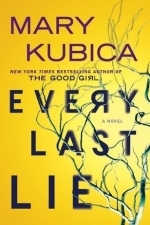
Clara Solberg's new son, Felix, is just days old when her husband, Nick, and four-year-old daughter, Maisie are in a terrible car crash. They are heading home from Maisie's ballet class when Nick takes a curve too fast and the car slams into a tree--Maisie is amazingly uninjured, but Nick is killed. Devastated, Clara finds herself unable to sleep or eat and soon, Maisie begins having nightmares, telling her mother a bad man is after her and showing fear about a particular kind of car. Clara begins to wonder if her husband's death was really an accident. As she investigates, she also starts to ponder if she knew Nick at all.
Kubica's latest is told in alternating perspectives: Clara, as she deals with the aftermath of her husband's untimely death, and Nick, in the months leading up to the car crash. It should be an effective format, causing things to unfurl slowly and build tension and suspense. Unfortunately, in this case, it also creates a layer of stress. Maybe I just caught this book at a bad time--I was busy with work and could only pick it up in bits and pieces for a while--but the first 2/3 or so just stressed me out. I found myself almost dreading picking it back up and finding out what Clara was up to. While we should have sympathy for Clara, as her husband is dead and she's left alone with two small children, I often found her annoying and, honestly, a borderline terrible parent.
As such, her parenting decisions and overall bad judgment left me unable to enjoy or even fathom huge portions of the novel. Maybe she's clouded by grief and fatigue, but I'm not sure I'd immediately go from my child having one nightmare to thinking my husband had been killed. Nor would I leave my children in the (hot) car alone everywhere I went, chasing down leads on this supposed murder. Good grief. Her unhinged behavior was hard to stomach after awhile.
Nick's portions were almost easier to read, even if he too is an unsympathetic character: a man who just needed to not lie constantly to his wife. (Why, why must characters just lie incessantly in some of these novels?)
The one redeeming facet for this novel was the last third--and again, I have to say that maybe I just found the book at a bad time, because when I finally found a little time to read it uninterrupted (e.g., stay up too late the night before my children started school--a decision I'm still regretting), it did pick up. I read the last third in one setting, because the dramatic tension was finally affecting me, and I needed to know what happened.
Still, even in the end, I felt let down by it all. Why did I read this? What was the point? I have read two other of Kubica's novels and enjoyed them, particularly Pretty Baby, but this one just didn't do it for me.
Overall: stressful, lacked the appropriate tension for most of the novel, belabored by annoying/irritating characters, and a letdown of an ending. Before writing this review, I was thinking 3 stars, but as I'm writing, I realized this was a 2.5 star read for me. Hopefully you will enjoy it more than me. I will definitely read whatever Kubica writes (and I still have The Good Girl waiting on my Kindle app), but I'm disappointed by this one.
More at http://justacatandabookatherside.blogspot.com/.
Kubica's latest is told in alternating perspectives: Clara, as she deals with the aftermath of her husband's untimely death, and Nick, in the months leading up to the car crash. It should be an effective format, causing things to unfurl slowly and build tension and suspense. Unfortunately, in this case, it also creates a layer of stress. Maybe I just caught this book at a bad time--I was busy with work and could only pick it up in bits and pieces for a while--but the first 2/3 or so just stressed me out. I found myself almost dreading picking it back up and finding out what Clara was up to. While we should have sympathy for Clara, as her husband is dead and she's left alone with two small children, I often found her annoying and, honestly, a borderline terrible parent.
As such, her parenting decisions and overall bad judgment left me unable to enjoy or even fathom huge portions of the novel. Maybe she's clouded by grief and fatigue, but I'm not sure I'd immediately go from my child having one nightmare to thinking my husband had been killed. Nor would I leave my children in the (hot) car alone everywhere I went, chasing down leads on this supposed murder. Good grief. Her unhinged behavior was hard to stomach after awhile.
Nick's portions were almost easier to read, even if he too is an unsympathetic character: a man who just needed to not lie constantly to his wife. (Why, why must characters just lie incessantly in some of these novels?)
The one redeeming facet for this novel was the last third--and again, I have to say that maybe I just found the book at a bad time, because when I finally found a little time to read it uninterrupted (e.g., stay up too late the night before my children started school--a decision I'm still regretting), it did pick up. I read the last third in one setting, because the dramatic tension was finally affecting me, and I needed to know what happened.
Still, even in the end, I felt let down by it all. Why did I read this? What was the point? I have read two other of Kubica's novels and enjoyed them, particularly Pretty Baby, but this one just didn't do it for me.
Overall: stressful, lacked the appropriate tension for most of the novel, belabored by annoying/irritating characters, and a letdown of an ending. Before writing this review, I was thinking 3 stars, but as I'm writing, I realized this was a 2.5 star read for me. Hopefully you will enjoy it more than me. I will definitely read whatever Kubica writes (and I still have The Good Girl waiting on my Kindle app), but I'm disappointed by this one.
More at http://justacatandabookatherside.blogspot.com/.

Connor Sheffield (293 KP) rated Gotham - Season 1 in TV
Jun 20, 2018

Cast (5 more)
Character development
Characters
Setting
Great Drama
Gripping storyline
Some of the more extreme comic book costumes (2 more)
Some of the characters
Certain plot elements that take away the drama (mostly if you've read or seen what happens next)
Imagine a Gotham without Batman....
Contains spoilers, click to show
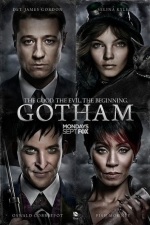
When I first watched it when it first aired, I was sceptical and yet excited and then I felt let down. Gotham at first was a great cop show but what annoyed me was the fact that all these things that we knew to happen when Batman was around, were happening when Bruce Wayne was still a child and my brain couldn't wrap around the idea let alone get behind it, but at the same time I didn't know what I was expecting. Still I watched the first two seasons because I wanted to see some of my favourite villains and characters brought to life and I love Ben McKenzie as James Gordon!
However upon recently returning to watching Gotham I have come to see it in a new light and adore the show to pieces as I should have from the start. Gotham isn't about Batman, it's not about Bruce Wayne (not fully anyways). I see now that Gotham is a concept of a question:
"What if these villains we're here before Batman? Leaving only the police to deal with the extremity of Gotham most famous rogues!"
What makes this show so good is that we see a young, reckless and a little out of character Jim Gordon, who is even willing to bend the law to the point of breaking to get Justice. The drama is intense and you never can tell when Jim goes off on one, if he'll restrain himself to the law and doing things by the book. In a way there's a lot of Batman within Jim Gordon himself which makes the show even better.
Some of the characters annoy me at times. I liked Fish Mooney at first because she was dangerous and twisted, but when you bring a character back so many times you just lose interest and they're no longer a threat to the drama of their character development because you leave yourself with the only two viable questions: "will she ever stay dead?" And "when will she die for good?" I just don't seem to be concerned for her anymore like I did in the first season when she was double crossing Falcone. When everything was fresh and you didn't know if a stray bullet might hit her finally or if an Assassin was in her midst at all times waiting to strike. The drama for me didn't vanish but certainly lessened in later seasons.
The character development of characters like Bruce Wayne, Jim Gordon, Edward Nigma and Oswald Cobblepot are brilliantly written. With Bruce becoming a stronger minded young man in season two and Oswald's rise to power. I particularly loved Nigmas transformation into a killer because of the way it was set out, with the first murder being slightly on purpose, the second a complete accident, the third being to protect himself against discovery and the rest being a complete turn around into someone who discovers he enjoys the task of killing someone. The writers are excellent when it comes to development of characters and plot.
Can't wait for the new season and I hope they go out with a bang!
However upon recently returning to watching Gotham I have come to see it in a new light and adore the show to pieces as I should have from the start. Gotham isn't about Batman, it's not about Bruce Wayne (not fully anyways). I see now that Gotham is a concept of a question:
"What if these villains we're here before Batman? Leaving only the police to deal with the extremity of Gotham most famous rogues!"
What makes this show so good is that we see a young, reckless and a little out of character Jim Gordon, who is even willing to bend the law to the point of breaking to get Justice. The drama is intense and you never can tell when Jim goes off on one, if he'll restrain himself to the law and doing things by the book. In a way there's a lot of Batman within Jim Gordon himself which makes the show even better.
Some of the characters annoy me at times. I liked Fish Mooney at first because she was dangerous and twisted, but when you bring a character back so many times you just lose interest and they're no longer a threat to the drama of their character development because you leave yourself with the only two viable questions: "will she ever stay dead?" And "when will she die for good?" I just don't seem to be concerned for her anymore like I did in the first season when she was double crossing Falcone. When everything was fresh and you didn't know if a stray bullet might hit her finally or if an Assassin was in her midst at all times waiting to strike. The drama for me didn't vanish but certainly lessened in later seasons.
The character development of characters like Bruce Wayne, Jim Gordon, Edward Nigma and Oswald Cobblepot are brilliantly written. With Bruce becoming a stronger minded young man in season two and Oswald's rise to power. I particularly loved Nigmas transformation into a killer because of the way it was set out, with the first murder being slightly on purpose, the second a complete accident, the third being to protect himself against discovery and the rest being a complete turn around into someone who discovers he enjoys the task of killing someone. The writers are excellent when it comes to development of characters and plot.
Can't wait for the new season and I hope they go out with a bang!

TheDefunctDiva (304 KP) rated The Outsider in Books
Oct 7, 2018

From the Inside, Out
Contains spoilers, click to show
This book opens like an episode of “Law and Order: SVU” not suitable for primetime.
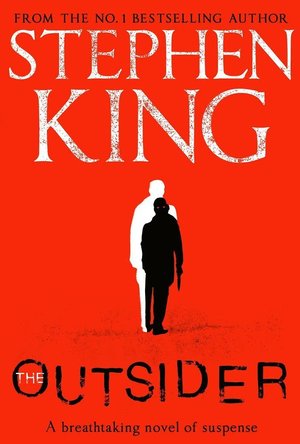
A gruesome crime, involving a child (and complete with elements of cannibalism) is committed. The alleged murderer, damned by seemingly undeniable forensic proof, is then very publicly apprehended. And then the twists and turns begin. Though eyewitnesses also put beloved schoolteacher Terry Maitland at the scene of the horrific crime, the accused was actually at a conference in another city, where he was seen on camera no less. Then comes a series of events that threatens not only the man’s quality of life but his very existence.
The novel then expands into a whodunnit with a notably creepy character, a morphing being known as the Outsider. As the true perpetrator of this and other crimes against children and their families, he is at once very human and very otherworldly.
This novel is set in the southwest, which is an unusual departure for Stephen King. Therefore, the descriptions of places were perhaps a bit less detailed and authentic than I would have liked. But having lived in San Antonio, I can say he did a pretty good job and the scenery offered certainly didn’t detract from the story.
In some respects, the monster in the Outsider echoed back to Kafka’s The Metamorphosis. The descriptions of the constantly morphing Outsider character had an eerie element. In the end, the flesh of the outsider consisted of nightmarish worms. And there was a particularly nasty substance he used to morph into his intended victims, some unidentifiable black substance which seems the stuff nightmares are made of. Appropriate, since he went around “eating sorrow” like some unhinged emo kid. Leaving entire families in his wake with his vile need to satiate himself. In his default shape, he resembled a man with “straws for eyes” which is haunting, but not nearly as terrifying as some of King’s other humanoid villains.
This book had several scenes that are now ingrained in my memory. The scene that stole the show for me was when bereaved Arlene Peterson, the victim’s mother, pours funeral leftovers on her head before ultimately succumbing to a heart attack. But the arraignment scene was definitely one that offered more action and intrigue than previously seen in the book. Chaos is one of the things King does best, and this section was remarkable. The book up to this point dragged a little, but the arraignment reigns as a pivotal point that brings many horrors sharply into focus.
I especially enjoyed the murder mystery elements of the book, as I am a sucker for a good detective story. Holly, an investigator who worked with lead detective Ralph Anderson, was my favorite character. Throughout the novel, she is depicted as smart, shrewd, and socially inept. She is also a tad obsessive-compulsive, which I related to on a personal level.
Throughout, the book seems to focus on the dual nature of man, especially in the concluding scene. It seems every man in his lifetime, by choice or fate, wears more than one face. The Outsider was a quality thriller and mystery. It is at once mysterious and devastating, and a testament to the tenacity of the human spirit.
A gruesome crime, involving a child (and complete with elements of cannibalism) is committed. The alleged murderer, damned by seemingly undeniable forensic proof, is then very publicly apprehended. And then the twists and turns begin. Though eyewitnesses also put beloved schoolteacher Terry Maitland at the scene of the horrific crime, the accused was actually at a conference in another city, where he was seen on camera no less. Then comes a series of events that threatens not only the man’s quality of life but his very existence.
The novel then expands into a whodunnit with a notably creepy character, a morphing being known as the Outsider. As the true perpetrator of this and other crimes against children and their families, he is at once very human and very otherworldly.
This novel is set in the southwest, which is an unusual departure for Stephen King. Therefore, the descriptions of places were perhaps a bit less detailed and authentic than I would have liked. But having lived in San Antonio, I can say he did a pretty good job and the scenery offered certainly didn’t detract from the story.
In some respects, the monster in the Outsider echoed back to Kafka’s The Metamorphosis. The descriptions of the constantly morphing Outsider character had an eerie element. In the end, the flesh of the outsider consisted of nightmarish worms. And there was a particularly nasty substance he used to morph into his intended victims, some unidentifiable black substance which seems the stuff nightmares are made of. Appropriate, since he went around “eating sorrow” like some unhinged emo kid. Leaving entire families in his wake with his vile need to satiate himself. In his default shape, he resembled a man with “straws for eyes” which is haunting, but not nearly as terrifying as some of King’s other humanoid villains.
This book had several scenes that are now ingrained in my memory. The scene that stole the show for me was when bereaved Arlene Peterson, the victim’s mother, pours funeral leftovers on her head before ultimately succumbing to a heart attack. But the arraignment scene was definitely one that offered more action and intrigue than previously seen in the book. Chaos is one of the things King does best, and this section was remarkable. The book up to this point dragged a little, but the arraignment reigns as a pivotal point that brings many horrors sharply into focus.
I especially enjoyed the murder mystery elements of the book, as I am a sucker for a good detective story. Holly, an investigator who worked with lead detective Ralph Anderson, was my favorite character. Throughout the novel, she is depicted as smart, shrewd, and socially inept. She is also a tad obsessive-compulsive, which I related to on a personal level.
Throughout, the book seems to focus on the dual nature of man, especially in the concluding scene. It seems every man in his lifetime, by choice or fate, wears more than one face. The Outsider was a quality thriller and mystery. It is at once mysterious and devastating, and a testament to the tenacity of the human spirit.

Debbiereadsbook (1806 KP) rated Beneath This Mask (Enhanced #3) in Books
Oct 26, 2018

Russo's narration broke me!
Independent reviewer for Divine Magazine, I was gifted my AUDIO copy of this book.
This is book three in the Enhanced Series. I wouldn't say it was necessary for you to have read books one and two, but it might give you a better reading experience. It would also give you a a better experience of these men, and just what being Enhanced means.
Gael doesn't want a regular human partner, especially not one from the task force they have all come to hate. But Jake is different, he's not got that inbuilt hatred the others seem to have. When Jake and Gael come across a non-verbal Enhanced child, who later becomes a murder suspect, Gael has to put his feelings aside, even if they threaten to be his very undoing.
Oh Gael, Gael, Gael! My heart bled for this man, it really did! He's in a whole lotta pain, and he hides it from the others in his team, who are his family too. But Jake?? Jake sees, really SEES Gael, and Gael isn't entirely sure he wants to be seen.
While there is the murders of the Enhanced as the back story, what I particularly loved about this one, was the emotions involved between Gael and Jake. With the emotions involved with turning, and the aftemath of that. Gael's history wasn't the best before that point, but it became a whole lot worse after. Jake has his own demons, and when Gael finds out what that is, he lashes out, quite LITERALLY. But he does come around, once the awful truth becomes clear.
It's not as explicit as books one and two, but it doesn't need to be. I did find it a little more graphic, though, but I think that really IS needed.
When Gael is caught by the one doing the murders ( I knew! I knew when that person first showed up, I KNEW they were no good, that something bad would happen!) his feeling for Jake, his own abilities are used against him, and Gael has to trust the guys find him in time. And after that, when Gael pulls away from Jake?? That boy pulls out all the stops to make Gael SEE Jake, he really does. That Jake wants a family with Gael, and all who come along too. And I cried then, great heart wrecking sobs, because it's such a beautiful scene!
We are introduced to Sam, AKA Angel, who pushes ALL of Vance's buttons and then some! Can't wait for their story, really can't. But I'll wait for the audio, don't wanna flip between reading and listening.
Again, Nick J Russo narrates. This above mentioned scene? When Jake makes Gael SEE Jake?? I have no doubts, none at all, that it's the way that scene was deliver by Russo, his NARRATION, that wrecked me! Reading would not have had the same impact, not for me, anyway. Russo KILLS it, he absolutely does.
His voices are clear and consistent across all three books, he has a way of getting so much emotions across, that really is beyond compare. I love his narration, so please keep them coming!
5 stars for the book
5 stars for the narration
5 stars overall
**same worded review will appear elsewhere**
This is book three in the Enhanced Series. I wouldn't say it was necessary for you to have read books one and two, but it might give you a better reading experience. It would also give you a a better experience of these men, and just what being Enhanced means.
Gael doesn't want a regular human partner, especially not one from the task force they have all come to hate. But Jake is different, he's not got that inbuilt hatred the others seem to have. When Jake and Gael come across a non-verbal Enhanced child, who later becomes a murder suspect, Gael has to put his feelings aside, even if they threaten to be his very undoing.
Oh Gael, Gael, Gael! My heart bled for this man, it really did! He's in a whole lotta pain, and he hides it from the others in his team, who are his family too. But Jake?? Jake sees, really SEES Gael, and Gael isn't entirely sure he wants to be seen.
While there is the murders of the Enhanced as the back story, what I particularly loved about this one, was the emotions involved between Gael and Jake. With the emotions involved with turning, and the aftemath of that. Gael's history wasn't the best before that point, but it became a whole lot worse after. Jake has his own demons, and when Gael finds out what that is, he lashes out, quite LITERALLY. But he does come around, once the awful truth becomes clear.
It's not as explicit as books one and two, but it doesn't need to be. I did find it a little more graphic, though, but I think that really IS needed.
When Gael is caught by the one doing the murders ( I knew! I knew when that person first showed up, I KNEW they were no good, that something bad would happen!) his feeling for Jake, his own abilities are used against him, and Gael has to trust the guys find him in time. And after that, when Gael pulls away from Jake?? That boy pulls out all the stops to make Gael SEE Jake, he really does. That Jake wants a family with Gael, and all who come along too. And I cried then, great heart wrecking sobs, because it's such a beautiful scene!
We are introduced to Sam, AKA Angel, who pushes ALL of Vance's buttons and then some! Can't wait for their story, really can't. But I'll wait for the audio, don't wanna flip between reading and listening.
Again, Nick J Russo narrates. This above mentioned scene? When Jake makes Gael SEE Jake?? I have no doubts, none at all, that it's the way that scene was deliver by Russo, his NARRATION, that wrecked me! Reading would not have had the same impact, not for me, anyway. Russo KILLS it, he absolutely does.
His voices are clear and consistent across all three books, he has a way of getting so much emotions across, that really is beyond compare. I love his narration, so please keep them coming!
5 stars for the book
5 stars for the narration
5 stars overall
**same worded review will appear elsewhere**

Darren (1599 KP) rated Poltergeist (1982) in Movies
Nov 26, 2019

Verdict: Classic Horror
Story: Poltergeist starts as the Freeling family Steve (Nelson), Diane (Williams), Dana (Dunne), Robbie (Robins) and Carol (O’Rourke) who have moved into a new build, that Steve’s company has built. Robbie is struggling to deal with the strange shapes around the house at night, and Carol has started her sleepwalking again, talking to the static on the television.
The family soon find out they have a poltergeist that Diane sees as something friendly only for the events to become must more sinister, targeting the youngest members of the house, the family must figure out how to save their family, where they only learn more troublesome truths about the house, turning to Dr Lesh (Straight) to study what is going on.
Thoughts on Poltergeist
Characters – Steve is the real estate agent that has been selling the house on the new land, he moved his own family into one to show just how confident he is in the neighbourhood and does what ever concerned father would do once the haunting start. Diane is the wife and mother, she plays with the ghosts first thinking it is a harmless haunting, but when things get serious, she won’t leave the house until she gets her daughter back. Dr Lesh is the one that is hired to study the hauntings, she sets up the tests to figure out what is happening and prepares the family for the test they will be facing. Dana is the oldest daughter in the family, she is dealing with being a teenager with ease and must look after Robbie while the rest of the family deal with the hauntings.
Performances – Craig T Nelson and JoBeth Williams as the parents are both great through, they show the concern and worries they might not find their daughter. Beatrice Straight does bring the confident figure to life, while also showing the fear she sees in the house. The child stars are strong too through the film.
Story – The story here follows a family that’s new dream home turns into a nightmare when it turns out it is haunted by vengeful spirits forcing them to confront the spirits before losing their family. This is the original haunted house to a new level story, it spins what was designed before with an old house with history being haunted, to a brand-new house being the events of the hauntings, one that wouldn’t be filled with murder or history. This does help the events of the story seem scarier and gives it an original side too because it shows that anybody could be the ones getting haunted.
Horror – The horror in the film is hauntings, we start with friendly ones which seem harmless and soon become deadly as the children are being targeted, the final act will bring the most horror to the whole film.
Settings – The film uses the brand-new house build for the main setting, this helps because it changes everything we should know about haunting houses.
Special Effects – The effects are great considering this came out in 1982, they don’t look terribly like certain horror films since this.
Scene of the Movie – The last night in the house.
That Moment That Annoyed Me – The builder’s mentality to a teenage schoolgirl.
Final Thoughts – This is a horror film that has stood the test of time and will be remembered as one of the best of the 80’s.
Overall: Brilliant Horror
Story: Poltergeist starts as the Freeling family Steve (Nelson), Diane (Williams), Dana (Dunne), Robbie (Robins) and Carol (O’Rourke) who have moved into a new build, that Steve’s company has built. Robbie is struggling to deal with the strange shapes around the house at night, and Carol has started her sleepwalking again, talking to the static on the television.
The family soon find out they have a poltergeist that Diane sees as something friendly only for the events to become must more sinister, targeting the youngest members of the house, the family must figure out how to save their family, where they only learn more troublesome truths about the house, turning to Dr Lesh (Straight) to study what is going on.
Thoughts on Poltergeist
Characters – Steve is the real estate agent that has been selling the house on the new land, he moved his own family into one to show just how confident he is in the neighbourhood and does what ever concerned father would do once the haunting start. Diane is the wife and mother, she plays with the ghosts first thinking it is a harmless haunting, but when things get serious, she won’t leave the house until she gets her daughter back. Dr Lesh is the one that is hired to study the hauntings, she sets up the tests to figure out what is happening and prepares the family for the test they will be facing. Dana is the oldest daughter in the family, she is dealing with being a teenager with ease and must look after Robbie while the rest of the family deal with the hauntings.
Performances – Craig T Nelson and JoBeth Williams as the parents are both great through, they show the concern and worries they might not find their daughter. Beatrice Straight does bring the confident figure to life, while also showing the fear she sees in the house. The child stars are strong too through the film.
Story – The story here follows a family that’s new dream home turns into a nightmare when it turns out it is haunted by vengeful spirits forcing them to confront the spirits before losing their family. This is the original haunted house to a new level story, it spins what was designed before with an old house with history being haunted, to a brand-new house being the events of the hauntings, one that wouldn’t be filled with murder or history. This does help the events of the story seem scarier and gives it an original side too because it shows that anybody could be the ones getting haunted.
Horror – The horror in the film is hauntings, we start with friendly ones which seem harmless and soon become deadly as the children are being targeted, the final act will bring the most horror to the whole film.
Settings – The film uses the brand-new house build for the main setting, this helps because it changes everything we should know about haunting houses.
Special Effects – The effects are great considering this came out in 1982, they don’t look terribly like certain horror films since this.
Scene of the Movie – The last night in the house.
That Moment That Annoyed Me – The builder’s mentality to a teenage schoolgirl.
Final Thoughts – This is a horror film that has stood the test of time and will be remembered as one of the best of the 80’s.
Overall: Brilliant Horror


Heather Cranmer (2721 KP) rated The Children on the Hill in Books
Jul 28, 2022
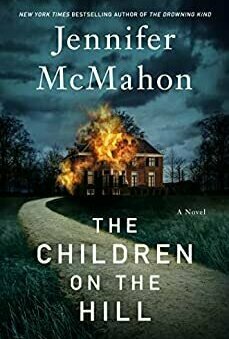
I read Jennifer McMahon's book The Invited and liked it, so when I read the synopsis for her new book, The Children on the Hill, I was well intrigued. I decided to give it a read and ended up liking it.
The plot of The Children on the Hill definitely piqued my interest. The book switches between two different years. I was drawn into each time frame. I felt like I was right beside each narrator as their story was being told. Most of the story takes place in Vermont, and I felt that through McMahon's writing, I was transported to each location in Vermont. I was interested in Vi's and Eric's monsters. I also was rooting for Vi to solve Lily's mystery of where she came from. I wanted to know what Gran's secret was for being super successful. I had to know more. This book left no cliff hangars, and I was glad that all my questions were answered. I would have liked to know more about certain characters such as where they came from, but I understand why the author didn't include it in the book. There are a couple of big plot twists in The Children on the Hill. I guessed one right before it was mentioned, but I really didn't see the other one coming. (Kudos to Jennifer McMahon on that!) As for the pacing, there were times that it slowed down to the point where I would get a little bored and take a break. However, the pacing would quickly pick back up. In the last quarter or so of the book, the pacing is done brilliantly, and I didn't want to put the book down at all!
I enjoyed the characters from The Children on the Hill. McMahon did a fabulous job with making each and every character feel realistic instead of make believe. Violet was such a vibrant child, and I enjoyed reading about her quest for knowledge no matter the cost. She was definitely quite the detective! Lily was an enigma that I couldn't figure out at first, but I really liked reading about her. It was interesting to watch her grow each day around Vi and Eric. Lizzy was also a likeable character, and I admired how determined she was to find her sister and solve the mysteries of the missing girls. Gran/Dr. Hildreth came across as a sweet old woman, but I always suspected she was up to something. I had my reservations about her, so I enjoyed reading to find out if my suspicions were correct. McMahon did an excellent job presenting Gran/Dr. Hildreth as a sweet grandmotherly type to Eric and Vi.
Trigger warnings for The Children on the Hill include some profanity, murder, violence, torture, kidnapping, and gaslighting.
All in all, The Children on the Hill is a book with a solid plot featuring a small cast of characters that are interesting to read about and how far they'll go for their cause. The plot will leave you guessing as you try to make it all make sense (though everything will be explained by the end of the book). I would absolutely recommend The Children on the Hill by Jennifer McMahon to those aged 17+ who love trying to figure out a thrilling mystery. This is one book you'll definitely want to pick up!
The plot of The Children on the Hill definitely piqued my interest. The book switches between two different years. I was drawn into each time frame. I felt like I was right beside each narrator as their story was being told. Most of the story takes place in Vermont, and I felt that through McMahon's writing, I was transported to each location in Vermont. I was interested in Vi's and Eric's monsters. I also was rooting for Vi to solve Lily's mystery of where she came from. I wanted to know what Gran's secret was for being super successful. I had to know more. This book left no cliff hangars, and I was glad that all my questions were answered. I would have liked to know more about certain characters such as where they came from, but I understand why the author didn't include it in the book. There are a couple of big plot twists in The Children on the Hill. I guessed one right before it was mentioned, but I really didn't see the other one coming. (Kudos to Jennifer McMahon on that!) As for the pacing, there were times that it slowed down to the point where I would get a little bored and take a break. However, the pacing would quickly pick back up. In the last quarter or so of the book, the pacing is done brilliantly, and I didn't want to put the book down at all!
I enjoyed the characters from The Children on the Hill. McMahon did a fabulous job with making each and every character feel realistic instead of make believe. Violet was such a vibrant child, and I enjoyed reading about her quest for knowledge no matter the cost. She was definitely quite the detective! Lily was an enigma that I couldn't figure out at first, but I really liked reading about her. It was interesting to watch her grow each day around Vi and Eric. Lizzy was also a likeable character, and I admired how determined she was to find her sister and solve the mysteries of the missing girls. Gran/Dr. Hildreth came across as a sweet old woman, but I always suspected she was up to something. I had my reservations about her, so I enjoyed reading to find out if my suspicions were correct. McMahon did an excellent job presenting Gran/Dr. Hildreth as a sweet grandmotherly type to Eric and Vi.
Trigger warnings for The Children on the Hill include some profanity, murder, violence, torture, kidnapping, and gaslighting.
All in all, The Children on the Hill is a book with a solid plot featuring a small cast of characters that are interesting to read about and how far they'll go for their cause. The plot will leave you guessing as you try to make it all make sense (though everything will be explained by the end of the book). I would absolutely recommend The Children on the Hill by Jennifer McMahon to those aged 17+ who love trying to figure out a thrilling mystery. This is one book you'll definitely want to pick up!

Hazel (1853 KP) rated Small Great Things in Books
May 24, 2017
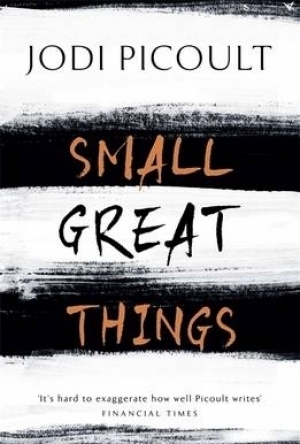
Small is an Understatement
Jodi Picoult has been my favourite author since I first came across her novels in 2008. With twenty-three novels under her belt, she continues to delight readers with her page-turning stories. Most of Picoult’s books contain a moral issue, often, but not always, in the form of medical ethics, as well as a hefty court case. Although following along similar lines, Small Great Things is a radical, revolutionary book, which, with great courage, Picoult has written with the intent to expose the reader to truths that most of us, as a society, are intentionally oblivious to.
The gist of the storyline is that a baby dies whilst under the care of a nurse, prompting the grieving parents to take her to court with the accusation of murder. Although that sounds like an interesting story, it barely begins to describe what the book is about. The character on trial, Ruth, is an African American labour and delivery nurse – something that in this day and age need not by an issue. On the other hand, the parents of the baby are White Supremacists: seriously racist with the belief that white people are the master race. The father, Turk, refuses to let his wife and child be treated by Ruth, however circumstances result in her being the only nurse available to watch Davis, when, unfortunately, he so happens to go into cardiac arrest. Although the reader knows that Ruth is not at fault, Turk insists she murdered his child – but is he accusing her of medical negligence, or punishing her for being black?
Three characters, all with different views and experience when it comes to racism, alternately narrate Small Great Things. Ruth and Turk represent the extremes at either side of the scale. Ruth experiences first hand the negative impact of prejudice in the American system and society, not only through this court case, but in everyday life as well. She also reveals the difficulties growing up in a predominately white environment, never feeling like she fitted in with her peers. Alternatively, Turk spent his teenage years attending KKK rallies, participating in a white power movement, and beating up anyone who was different: black, foreign, gay, Jewish and so forth.
The third character represents the majority of white people living in America. Kennedy is a public defender and the lawyer assigned to Ruth’s case. Like most of the population, she believes that she is not racist, and persuades Ruth to leave the colour of her skin out of the argument. However, as she gets to know her client, she begins to realize that it is nigh on impossible to ignore racial prejudice.
Picoult shocks the reader on two accounts: one, the way that people of colour have been, and still are, treated; and two, the revelation that an invisible empire of White Supremacists are living amongst us. Yet there is a third way in which Picoult provokes outrage – she indirectly accuses the reader of being racist, too.
There is always something to learn in a Jodi Picoult novel, for instance medical terminology, or the way in which a court trial is conducted. Small Great Things provides a lot more eye opening information than any of her previous books, unveiling facts about such a controversial subject.
Through Kennedy, the reader’s eyes are opened to the racial discrimination that we all turn a blind eye to. Ignored are the difficulties African Americans suffer when going shopping, applying for jobs, attending school, walking down the street, sitting on a bus, and so forth. Picoult asks me as a reader to think about how my life has been affected by racial discrimination: being served politely in shops because I am white, not having my ethnicity questioned when applying for college etc. Living in Britain I have not experienced openly hateful comments or behaviours towards people with a different skin tone – I used to believe this was primarily an American problem. Yet, Small Great Things has really made me think about the hierarchy of power within society, particularly in regards to the ethnicity of those at the top, compared with those at the bottom.
Jodi Picoult sat on the idea of writing a book about racism for well over a decade, yet it is particularly apt that it is published now, with the current predicaments America is facing. Although we have come a long way in attempts to achieve equality for all – compare the trial in To Kill A Mockingbird to Picoult’s version – recent events have revealed that we are no where near.
Small Great Things will shock everyone who reads it regardless of their ethnicity and so forth. Many may find it uncomfortable to read, become upset or outraged, and even feel like they are being directly targeted. If this is the case, then good – it should do that. Everyone needs to read this book. On the one hand it is a brilliant, well told story with a beautiful, almost poetic narrative, and on the other, it causes us to face up to the issues we are forever making light of or overlooking entirely. We have grown up believing that racism is a form of hatred when, actually, it is about power. However Small Great Things makes you feel, it is definitely worth reading, especially for the satisfying ending – one that you do not see coming.
The gist of the storyline is that a baby dies whilst under the care of a nurse, prompting the grieving parents to take her to court with the accusation of murder. Although that sounds like an interesting story, it barely begins to describe what the book is about. The character on trial, Ruth, is an African American labour and delivery nurse – something that in this day and age need not by an issue. On the other hand, the parents of the baby are White Supremacists: seriously racist with the belief that white people are the master race. The father, Turk, refuses to let his wife and child be treated by Ruth, however circumstances result in her being the only nurse available to watch Davis, when, unfortunately, he so happens to go into cardiac arrest. Although the reader knows that Ruth is not at fault, Turk insists she murdered his child – but is he accusing her of medical negligence, or punishing her for being black?
Three characters, all with different views and experience when it comes to racism, alternately narrate Small Great Things. Ruth and Turk represent the extremes at either side of the scale. Ruth experiences first hand the negative impact of prejudice in the American system and society, not only through this court case, but in everyday life as well. She also reveals the difficulties growing up in a predominately white environment, never feeling like she fitted in with her peers. Alternatively, Turk spent his teenage years attending KKK rallies, participating in a white power movement, and beating up anyone who was different: black, foreign, gay, Jewish and so forth.
The third character represents the majority of white people living in America. Kennedy is a public defender and the lawyer assigned to Ruth’s case. Like most of the population, she believes that she is not racist, and persuades Ruth to leave the colour of her skin out of the argument. However, as she gets to know her client, she begins to realize that it is nigh on impossible to ignore racial prejudice.
Picoult shocks the reader on two accounts: one, the way that people of colour have been, and still are, treated; and two, the revelation that an invisible empire of White Supremacists are living amongst us. Yet there is a third way in which Picoult provokes outrage – she indirectly accuses the reader of being racist, too.
There is always something to learn in a Jodi Picoult novel, for instance medical terminology, or the way in which a court trial is conducted. Small Great Things provides a lot more eye opening information than any of her previous books, unveiling facts about such a controversial subject.
Through Kennedy, the reader’s eyes are opened to the racial discrimination that we all turn a blind eye to. Ignored are the difficulties African Americans suffer when going shopping, applying for jobs, attending school, walking down the street, sitting on a bus, and so forth. Picoult asks me as a reader to think about how my life has been affected by racial discrimination: being served politely in shops because I am white, not having my ethnicity questioned when applying for college etc. Living in Britain I have not experienced openly hateful comments or behaviours towards people with a different skin tone – I used to believe this was primarily an American problem. Yet, Small Great Things has really made me think about the hierarchy of power within society, particularly in regards to the ethnicity of those at the top, compared with those at the bottom.
Jodi Picoult sat on the idea of writing a book about racism for well over a decade, yet it is particularly apt that it is published now, with the current predicaments America is facing. Although we have come a long way in attempts to achieve equality for all – compare the trial in To Kill A Mockingbird to Picoult’s version – recent events have revealed that we are no where near.
Small Great Things will shock everyone who reads it regardless of their ethnicity and so forth. Many may find it uncomfortable to read, become upset or outraged, and even feel like they are being directly targeted. If this is the case, then good – it should do that. Everyone needs to read this book. On the one hand it is a brilliant, well told story with a beautiful, almost poetic narrative, and on the other, it causes us to face up to the issues we are forever making light of or overlooking entirely. We have grown up believing that racism is a form of hatred when, actually, it is about power. However Small Great Things makes you feel, it is definitely worth reading, especially for the satisfying ending – one that you do not see coming.
Hazel (1853 KP) rated Small Great Things in Books
Dec 7, 2018
Jodi Picoult has been my favourite author since I first came across her novels in 2008. With twenty-three novels under her belt, she continues to delight readers with her page-turning stories. Most of Picoult’s books contain a moral issue, often, but not always, in the form of medical ethics, as well as a hefty court case. Although following along similar lines, <i>Small Great Thing</i>s is a radical, revolutionary book, which, with great courage, Picoult has written with the intent to expose the reader to truths that most of us, as a society, are <s>intentionally</s> oblivious to.
The gist of the storyline is that a baby dies whilst under the care of a nurse, prompting the grieving parents to take her to court with the accusation of murder. Although that sounds like an interesting story, it barely begins to describe what the book is about. The character on trial, Ruth, is an African American labour and delivery nurse – something that in this day and age need not by an issue. On the other hand, the parents of the baby are White Supremacists: seriously racist with the belief that white people are the master race. The father, Turk, refuses to let his wife and child be treated by Ruth, however circumstances result in her being the only nurse available to watch Davis, when, unfortunately, he so happens to go into cardiac arrest. Although the reader knows that Ruth is not at fault, Turk insists she murdered his child – but is he accusing her of medical negligence, or punishing her for being black?
Three characters, all with different views and experience when it comes to racism, alternately narrate<i> Small Great Things</i>. Ruth and Turk represent the extremes at either side of the scale. Ruth experiences first hand the negative impact of prejudice in the American system and society, not only through this court case, but in everyday life as well. She also reveals the difficulties growing up in a predominately white environment, never feeling like she fitted in with her peers. Alternatively, Turk spent his teenage years attending KKK rallies, participating in a white power movement, and beating up anyone who was different: black, foreign, gay, Jewish and so forth.
The third character represents the majority of white people living in America. Kennedy is a public defender and the lawyer assigned to Ruth’s case. Like most of the population, she believes that she is not racist, and persuades Ruth to leave the colour of her skin out of the argument. However, as she gets to know her client, she begins to realize that it is nigh on impossible to ignore racial prejudice.
Picoult shocks the reader on two accounts: one, the way that people of colour have been, and still are, treated; and two, the revelation that an invisible empire of White Supremacists are living amongst us. Yet there is a third way in which Picoult provokes outrage – she indirectly accuses the reader of being racist, too.
There is always something to learn in a Jodi Picoult novel, for instance medical terminology, or the way in which a court trial is conducted. <i>Small Great Things</i> provides a lot more eye opening information than any of her previous books, unveiling facts about such a controversial subject.
Through Kennedy, the reader’s eyes are opened to the racial discrimination that we all turn a blind eye to. Ignored are the difficulties African Americans suffer when going shopping, applying for jobs, attending school, walking down the street, sitting on a bus, and so forth. Picoult asks me as a reader to think about how my life has been affected by racial discrimination: being served politely in shops because I am white, not having my ethnicity questioned when applying for college etc. Living in Britain I have not experienced openly hateful comments or behaviours towards people with a different skin tone – I used to believe this was primarily an American problem. Yet, <i>Small Great Things</i> has really made me think about the hierarchy of power within society, particularly in regards to the ethnicity of those at the top, compared with those at the bottom.
Jodi Picoult sat on the idea of writing a book about racism for well over a decade, yet it is particularly apt that it is published now, with the current predicaments America is facing. Although we have come a long way in attempts to achieve equality for all – compare the trial in <i>To Kill A Mockingbird</i> to Picoult’s version – recent events have revealed that we are no where near.
<i>Small Great Things</i> will shock everyone who reads it regardless of their ethnicity and so forth. Many may find it uncomfortable to read, become upset or outraged, and even feel like they are being directly targeted. If this is the case, then good – it should do that. Everyone needs to read this book. On the one hand it is a brilliant, well told story with a beautiful, almost poetic narrative, and on the other, it causes us to face up to the issues we are forever making light of or overlooking entirely. We have grown up believing that racism is a form of hatred when, actually, it is about power. However <i>Small Great Things </i>makes you feel, it is definitely worth reading, especially for the satisfying ending – one that you do not see coming.
The gist of the storyline is that a baby dies whilst under the care of a nurse, prompting the grieving parents to take her to court with the accusation of murder. Although that sounds like an interesting story, it barely begins to describe what the book is about. The character on trial, Ruth, is an African American labour and delivery nurse – something that in this day and age need not by an issue. On the other hand, the parents of the baby are White Supremacists: seriously racist with the belief that white people are the master race. The father, Turk, refuses to let his wife and child be treated by Ruth, however circumstances result in her being the only nurse available to watch Davis, when, unfortunately, he so happens to go into cardiac arrest. Although the reader knows that Ruth is not at fault, Turk insists she murdered his child – but is he accusing her of medical negligence, or punishing her for being black?
Three characters, all with different views and experience when it comes to racism, alternately narrate<i> Small Great Things</i>. Ruth and Turk represent the extremes at either side of the scale. Ruth experiences first hand the negative impact of prejudice in the American system and society, not only through this court case, but in everyday life as well. She also reveals the difficulties growing up in a predominately white environment, never feeling like she fitted in with her peers. Alternatively, Turk spent his teenage years attending KKK rallies, participating in a white power movement, and beating up anyone who was different: black, foreign, gay, Jewish and so forth.
The third character represents the majority of white people living in America. Kennedy is a public defender and the lawyer assigned to Ruth’s case. Like most of the population, she believes that she is not racist, and persuades Ruth to leave the colour of her skin out of the argument. However, as she gets to know her client, she begins to realize that it is nigh on impossible to ignore racial prejudice.
Picoult shocks the reader on two accounts: one, the way that people of colour have been, and still are, treated; and two, the revelation that an invisible empire of White Supremacists are living amongst us. Yet there is a third way in which Picoult provokes outrage – she indirectly accuses the reader of being racist, too.
There is always something to learn in a Jodi Picoult novel, for instance medical terminology, or the way in which a court trial is conducted. <i>Small Great Things</i> provides a lot more eye opening information than any of her previous books, unveiling facts about such a controversial subject.
Through Kennedy, the reader’s eyes are opened to the racial discrimination that we all turn a blind eye to. Ignored are the difficulties African Americans suffer when going shopping, applying for jobs, attending school, walking down the street, sitting on a bus, and so forth. Picoult asks me as a reader to think about how my life has been affected by racial discrimination: being served politely in shops because I am white, not having my ethnicity questioned when applying for college etc. Living in Britain I have not experienced openly hateful comments or behaviours towards people with a different skin tone – I used to believe this was primarily an American problem. Yet, <i>Small Great Things</i> has really made me think about the hierarchy of power within society, particularly in regards to the ethnicity of those at the top, compared with those at the bottom.
Jodi Picoult sat on the idea of writing a book about racism for well over a decade, yet it is particularly apt that it is published now, with the current predicaments America is facing. Although we have come a long way in attempts to achieve equality for all – compare the trial in <i>To Kill A Mockingbird</i> to Picoult’s version – recent events have revealed that we are no where near.
<i>Small Great Things</i> will shock everyone who reads it regardless of their ethnicity and so forth. Many may find it uncomfortable to read, become upset or outraged, and even feel like they are being directly targeted. If this is the case, then good – it should do that. Everyone needs to read this book. On the one hand it is a brilliant, well told story with a beautiful, almost poetic narrative, and on the other, it causes us to face up to the issues we are forever making light of or overlooking entirely. We have grown up believing that racism is a form of hatred when, actually, it is about power. However <i>Small Great Things </i>makes you feel, it is definitely worth reading, especially for the satisfying ending – one that you do not see coming.
Heather Cranmer (2721 KP) rated The Turn of The Key in Books
Sep 26, 2019
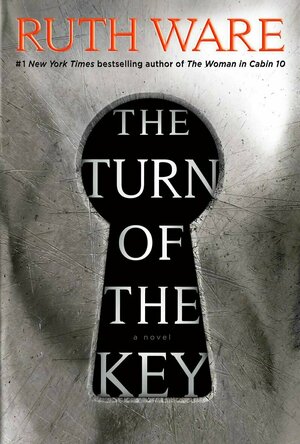

I am a huge fan of Ruth Ware. Even though I wasn't a fan of her book The Death of Mrs. Westaway, I loved The Lying Game and In a Dark, Dark Wood. When I found out about The Turn of the Key, I knew I had to read it as soon as possible. It was much better than I thought it was going to be!
The synopsis of the book had such a spooky feel, and I loved the plot of The Turn of the Key. Rowan isn't very happy at her job at Little Nippers, a daycare where she looks after babies and toddlers. Plus, it doesn't pay very well. When she comes across an ad to be a live in nanny for a rich couple's children for a fantastic sum, she jumps a the chance. She's surprised when she gets the job, but she is ecstatic. Heatherbrae, the house where she will nanny, is a smart house complete with an app that controls everything in the house. When her employers have to leave the next day, she is thrown into her job as a nanny of Maddie, Ellie, and Petra. Strange things start happening such as being woken up in the middle of the night with music blaring from the speakers all over the house and lights being turned on up to full brightness. Items go missing from their original place, and Maddie is a nightmare child to look after. Rowan begins to second guess her nannying job at Heatherbrae, but she decides to stick it out. Unfortunately, a child ends up dead, and Rowan ends up in prison for the child's murder even though she swears she's innocent. Was Rowan framed or was it the work of something far more sinister?
I thought everything flowed smoothly, and The Turn of the Key definitely had me spooked. I kept trying to guess what was going on. The Turn of the Key hints that it could be something paranormal throughout the story, so I kept wondering if it was some sort of ghost or if it was a person. I'd also try to guess who was behind it all, but I was wrong. There are a few plot twists and one major plot twist that blindsided me completely. It was a plot twist that made me actually made my draw drop! I doubt any reader would have or will predict that plot twist. One minor thing that I was left pondering over had to do with the ending when all is revealed. I won't give any spoilers away, but I will say it's never mentioned how a person can get into a certain sealed off room. That's all I will say on that matter because I don't want to give too much away. Other than that, every other question I had was answered by the last page. As for the pacing, it is done perfectly. Not once did I feel as if The Turn of the Key slowed down at all. This is a book that grabs your hand and pulls you along without letting go!
The characters in The Turn of the Key all felt very realistic and fleshed out well enough for everything to be believable. Rowan is a very likable character and kudos for her for actually staying on as a nanny at Heatherbrae when everything went pear shaped. Even though some of the kids were hard to love, she still wanted to do what's right by them. I would have high tailed it out of there quickly if I was in her position! I felt like she dealt with everything to the best of her ability. I admired Jack and how he was willing to help Rowan out. He came across as a very caring man. It was obvious that the character of Jean loved the children at Heatherbrae which made me love her even if she wasn't featured very much. Sandra and Bill (the owners of Heatherbrae and Rowan's employers) were written well. They weren't very good parents I felt. They were too busy with their work to really know their children. Unfortunately, I know this happens in real life too. Maddie had her issues, but I loved how she was written. I felt bad for her because I felt like she was the black sheep of the family. I also felt bad for the oldest daughter Rhiannon. She was another one that seemed to have issues, but I loved her vulnerability at her lowest point. I loved the dialogue between Rowan and Rhiannon. Petra was just adorable, but Ellie was my favorite. She was easily swayed by her sister, Maddie, but I loved when she was away from Maddie and was able to be her own person. I felt she was just the sweetest little girl!
Trigger warnings for The Turn of the Key include profanity, drinking, underage drinking, lying, blackmail, a child's death, marital cheating, and mentions of sex (although not graphic).
Overall, The Turn of the Key is such a well written book. The plot sucks you in from the beginning, and the characters are all very interesting! I would definitely recommend The Turn of the Key by Ruth Ware to everyone age 16+ who enjoy a fantastic psychological read!
The synopsis of the book had such a spooky feel, and I loved the plot of The Turn of the Key. Rowan isn't very happy at her job at Little Nippers, a daycare where she looks after babies and toddlers. Plus, it doesn't pay very well. When she comes across an ad to be a live in nanny for a rich couple's children for a fantastic sum, she jumps a the chance. She's surprised when she gets the job, but she is ecstatic. Heatherbrae, the house where she will nanny, is a smart house complete with an app that controls everything in the house. When her employers have to leave the next day, she is thrown into her job as a nanny of Maddie, Ellie, and Petra. Strange things start happening such as being woken up in the middle of the night with music blaring from the speakers all over the house and lights being turned on up to full brightness. Items go missing from their original place, and Maddie is a nightmare child to look after. Rowan begins to second guess her nannying job at Heatherbrae, but she decides to stick it out. Unfortunately, a child ends up dead, and Rowan ends up in prison for the child's murder even though she swears she's innocent. Was Rowan framed or was it the work of something far more sinister?
I thought everything flowed smoothly, and The Turn of the Key definitely had me spooked. I kept trying to guess what was going on. The Turn of the Key hints that it could be something paranormal throughout the story, so I kept wondering if it was some sort of ghost or if it was a person. I'd also try to guess who was behind it all, but I was wrong. There are a few plot twists and one major plot twist that blindsided me completely. It was a plot twist that made me actually made my draw drop! I doubt any reader would have or will predict that plot twist. One minor thing that I was left pondering over had to do with the ending when all is revealed. I won't give any spoilers away, but I will say it's never mentioned how a person can get into a certain sealed off room. That's all I will say on that matter because I don't want to give too much away. Other than that, every other question I had was answered by the last page. As for the pacing, it is done perfectly. Not once did I feel as if The Turn of the Key slowed down at all. This is a book that grabs your hand and pulls you along without letting go!
The characters in The Turn of the Key all felt very realistic and fleshed out well enough for everything to be believable. Rowan is a very likable character and kudos for her for actually staying on as a nanny at Heatherbrae when everything went pear shaped. Even though some of the kids were hard to love, she still wanted to do what's right by them. I would have high tailed it out of there quickly if I was in her position! I felt like she dealt with everything to the best of her ability. I admired Jack and how he was willing to help Rowan out. He came across as a very caring man. It was obvious that the character of Jean loved the children at Heatherbrae which made me love her even if she wasn't featured very much. Sandra and Bill (the owners of Heatherbrae and Rowan's employers) were written well. They weren't very good parents I felt. They were too busy with their work to really know their children. Unfortunately, I know this happens in real life too. Maddie had her issues, but I loved how she was written. I felt bad for her because I felt like she was the black sheep of the family. I also felt bad for the oldest daughter Rhiannon. She was another one that seemed to have issues, but I loved her vulnerability at her lowest point. I loved the dialogue between Rowan and Rhiannon. Petra was just adorable, but Ellie was my favorite. She was easily swayed by her sister, Maddie, but I loved when she was away from Maddie and was able to be her own person. I felt she was just the sweetest little girl!
Trigger warnings for The Turn of the Key include profanity, drinking, underage drinking, lying, blackmail, a child's death, marital cheating, and mentions of sex (although not graphic).
Overall, The Turn of the Key is such a well written book. The plot sucks you in from the beginning, and the characters are all very interesting! I would definitely recommend The Turn of the Key by Ruth Ware to everyone age 16+ who enjoy a fantastic psychological read!

Hadley (567 KP) rated In Cold Blood: A True Account of a Multiple Murder and Its Consequences in Books
Aug 2, 2020
The writing (1 more)
The flow
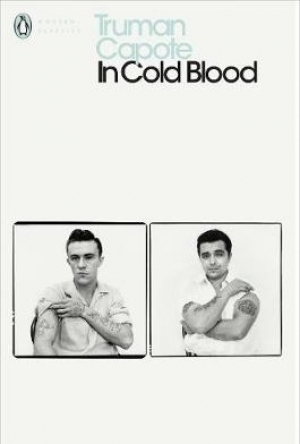
In the 'Introduction' of Capote's true crime novel In Cold Blood, American writer Bob Colacello states: "Capote was one of the first who dared to elevate journalism to the level of art. In Cold Blood is a work of great discipline and even greater restraint, a tale of fate, as spare and elegiac as a Greek tragedy, as rich in its breadth and depth as the classic French novels of Stendhal and Flaubert. 'We all have our souls and we all have facades,' Truman Capote told his friend Kay Meehan a year or so before he came upon the news that would inspire his masterpiece, 'and then there's something in between that makes us function as people. That's what I have the ability to communicate.' "
The novel, which was published in 1965, is an eyewitness account of Capote's visitation to the scene of the murder as well as meetings with the murderers and townspeople- - - a retelling of the crime and aftermath, mostly from the eyes of those affected, by hundreds of hours of interviews and interrogations. The novel, ultimately, was the end of Capote which led him to alcoholism that took his life in 1984.
Like most small-town murders, a tension between residences is created when a well-known and well-liked family of four is brutally murdered, and everyone begins to point a finger at the other: "But afterward the townspeople, theretofore sufficiently unfearful of each other to seldom trouble to lock their doors, found fantasy re-creating them over and again - - - those somber explosions that stimulated fires of mistrust in the glare of which many old neighbors viewed each other strangely, and as strangers." Fortunately, the KBI (Kansas Bureau of Investigation) didn't allow these accusations to keep them from finding the real killers.
" 'Deep down,' Perry continued, 'way, way rock bottom, I never thought I could do it. A thing like that.' " Perry Smith, one of the murderers, confesses to his cohort and partner-in-crime, Richard Hickock, about murdering the Clutter family. "Presently, he said, 'Know what it is that really bugs me? About that other thing[Clutter murder]? It's just I don't believe it- - - that anyone can get away with a thing like that.' And he suspected that Dick [Richard] didn't, either. For Dick was at least partly inhabited by Perry's mystical-moral apprehensions. Thus: 'Now, just shut up!' "
Capote writes clearly of the impact that Smith's and Hickock's past may have played leading up to the murders, mostly focusing on Smith's traumatic childhood. During the trial portion of the book, a psychologist is brought in to point out how the two murderers may not have been responsible for their actions due-to instances in their past - - - a horrific car crash in Hickock's that left him with a lop-sided face and black-out spells, as well as Smith being physically and emotional abused by his alcoholic mother and father. In exploring these traumas, In Cold Blood leaves the impression that these two men were merely ticking time bombs and that the Clutter family, unfortunately, had to pay for it.
The trauma shared by Hickock and Smith help to shape the two murderers into actual human beings rather than monsters throughout the novel: one scene, where we get to read a letter to Smith from his last living sister, readers get to see how he was perceived by his family members, as his sister goes on to degrade him to the maturity level of a child and that she is above him because of that- - -but she also reveals her jealousy of their father loving him more than he ever loved her (despite the excessive abuse). A close friend of Smith's tells him to be careful writing her anymore because he believes that: 'they can only serve to increase your already dangerous anti-social instincts.'
Part of the narrative, too, is the KBI agent in-charge of the Clutter murder, Alvin Dewey: One day while visiting Holcomb's well-known cafe (Hartman's) where Dewey is told he looks awful from weight loss and fatigue - - - Dewey recalls that he had spent: 'two wearying and wasted days trying to trace that phantom pair, the Mexicans sworn by Paul Helm to have visited Mr. Clutter on the eve of the murders.' And then he gets heckled by a local, who wants to know why he hasn't found the people responsible yet,but Dewey simply smiles and walks away, having put up with numerous people being angry that the murders were taking so long to solve.
But it wasn't footwork that got the pair arrested, it was an old cellmate who had given Hickock the idea that there was $10,000 in a safe at the Clutter farm that came forward: (read this on my blog because I had to cut it out since my review was too long!).
Meanwhile, readers also get to experience Hickock and Smith's troubles as they are on the run after the murders which is done masterfully by Capote. And although one would assume that the killers would stay as far away from Kansas as possible, the two end up back there, only to miraculously get out before the police can catch up with them. The pair decide to head to Florida, where, on December 19, 1959, an entire family was murdered in the exact same way as the Clutters; Hickock and Smith both adamantly denied that they were involved with it - - - and back in 2012- - - Hickock and Smith's bodies were exhumed to compare their DNA with a profile found on one of the victim's clothing: they were not a match. The case remains unsolved til this day.
" Presently he[Smith] came across an inner-page story that won his entire attention. It concerned murder, the slaying of a Florida family, a Mr. and Mrs. Clifford Walker, their four-year-old son, and their two-year-old daughter. Each of the victims, though not bound or gagged, had been shot through the head with a .22 weapon. The crime, clueless and apparently motiveless, had taken place Saturday night, December 19, at the Walker home, on a cattle-raising ranch not far from Tallahassee."
Not soon after the pair leave the Florida beaches, they are arrested on what they believe to be parole violations, but it's clear, when the arresting officers are KBI agents that they had been caught for the Clutter murders. " 'Listen good, Perry. Because Mr. Duntz[KBI agent] is going to tell you where you really were...' Midway in the questioning, after he'd[Smith] begun to notice the number of allusions to a particular November weekend, he'd nerved himself for what he knew was coming, yet when it did, when the big cowboy with the sleepy voice said, 'You were killing the Clutter family' - - - well, he'd damn near died. That's all. "
The confession that follows is the most intense part of the book, given in it's entirety, readers finally get to know what happened to the Clutter family that cold night in November, 1959. Smith reveals that he never had the intention to kill anyone in the home, and that when the safe hadn't been found, he had fully intended to leave, even without Hickock, but what kept him there was Hickock threatening to rape Nancy Clutter. Smith states that he hates people who can't control themselves sexually, and that he didn't allow his partner to touch her at all. He also reveals that he thought about killing Hickock afterwards,stating: " no witnesses."
Capote didn't write 'In Cold Blood' until after Hickock and Smith were executed. The amount of interviews, court room appearances, and even witnessing the executions of both murderers shines through in this novel. But the book has also brought about doubters; a handful of people have since come forward to state that Capote's masterpiece is either 'not the full story' or 'completely wrong.' Just as recent as 2017, a man came forward with a 'manuscript' of a book that Hickock was writing, that contained a different confession on how and why the murders took place- - - Hickock states in this unpublished manuscript that a man by the name 'Roberts' had hired him and Smith to kill the Clutters.
Whether or not you believe that Capote wrote the whole truth or some of the truth, this novel is flawless and beautiful. The writing is poetic and the flow of the story keeps moving, page after page, never stopping long enough to bore the reader. I highly recommend this book as a MUST READ for anyone who loves the True Crime genre.
The novel, which was published in 1965, is an eyewitness account of Capote's visitation to the scene of the murder as well as meetings with the murderers and townspeople- - - a retelling of the crime and aftermath, mostly from the eyes of those affected, by hundreds of hours of interviews and interrogations. The novel, ultimately, was the end of Capote which led him to alcoholism that took his life in 1984.
Like most small-town murders, a tension between residences is created when a well-known and well-liked family of four is brutally murdered, and everyone begins to point a finger at the other: "But afterward the townspeople, theretofore sufficiently unfearful of each other to seldom trouble to lock their doors, found fantasy re-creating them over and again - - - those somber explosions that stimulated fires of mistrust in the glare of which many old neighbors viewed each other strangely, and as strangers." Fortunately, the KBI (Kansas Bureau of Investigation) didn't allow these accusations to keep them from finding the real killers.
" 'Deep down,' Perry continued, 'way, way rock bottom, I never thought I could do it. A thing like that.' " Perry Smith, one of the murderers, confesses to his cohort and partner-in-crime, Richard Hickock, about murdering the Clutter family. "Presently, he said, 'Know what it is that really bugs me? About that other thing[Clutter murder]? It's just I don't believe it- - - that anyone can get away with a thing like that.' And he suspected that Dick [Richard] didn't, either. For Dick was at least partly inhabited by Perry's mystical-moral apprehensions. Thus: 'Now, just shut up!' "
Capote writes clearly of the impact that Smith's and Hickock's past may have played leading up to the murders, mostly focusing on Smith's traumatic childhood. During the trial portion of the book, a psychologist is brought in to point out how the two murderers may not have been responsible for their actions due-to instances in their past - - - a horrific car crash in Hickock's that left him with a lop-sided face and black-out spells, as well as Smith being physically and emotional abused by his alcoholic mother and father. In exploring these traumas, In Cold Blood leaves the impression that these two men were merely ticking time bombs and that the Clutter family, unfortunately, had to pay for it.
The trauma shared by Hickock and Smith help to shape the two murderers into actual human beings rather than monsters throughout the novel: one scene, where we get to read a letter to Smith from his last living sister, readers get to see how he was perceived by his family members, as his sister goes on to degrade him to the maturity level of a child and that she is above him because of that- - -but she also reveals her jealousy of their father loving him more than he ever loved her (despite the excessive abuse). A close friend of Smith's tells him to be careful writing her anymore because he believes that: 'they can only serve to increase your already dangerous anti-social instincts.'
Part of the narrative, too, is the KBI agent in-charge of the Clutter murder, Alvin Dewey: One day while visiting Holcomb's well-known cafe (Hartman's) where Dewey is told he looks awful from weight loss and fatigue - - - Dewey recalls that he had spent: 'two wearying and wasted days trying to trace that phantom pair, the Mexicans sworn by Paul Helm to have visited Mr. Clutter on the eve of the murders.' And then he gets heckled by a local, who wants to know why he hasn't found the people responsible yet,but Dewey simply smiles and walks away, having put up with numerous people being angry that the murders were taking so long to solve.
But it wasn't footwork that got the pair arrested, it was an old cellmate who had given Hickock the idea that there was $10,000 in a safe at the Clutter farm that came forward: (read this on my blog because I had to cut it out since my review was too long!).
Meanwhile, readers also get to experience Hickock and Smith's troubles as they are on the run after the murders which is done masterfully by Capote. And although one would assume that the killers would stay as far away from Kansas as possible, the two end up back there, only to miraculously get out before the police can catch up with them. The pair decide to head to Florida, where, on December 19, 1959, an entire family was murdered in the exact same way as the Clutters; Hickock and Smith both adamantly denied that they were involved with it - - - and back in 2012- - - Hickock and Smith's bodies were exhumed to compare their DNA with a profile found on one of the victim's clothing: they were not a match. The case remains unsolved til this day.
" Presently he[Smith] came across an inner-page story that won his entire attention. It concerned murder, the slaying of a Florida family, a Mr. and Mrs. Clifford Walker, their four-year-old son, and their two-year-old daughter. Each of the victims, though not bound or gagged, had been shot through the head with a .22 weapon. The crime, clueless and apparently motiveless, had taken place Saturday night, December 19, at the Walker home, on a cattle-raising ranch not far from Tallahassee."
Not soon after the pair leave the Florida beaches, they are arrested on what they believe to be parole violations, but it's clear, when the arresting officers are KBI agents that they had been caught for the Clutter murders. " 'Listen good, Perry. Because Mr. Duntz[KBI agent] is going to tell you where you really were...' Midway in the questioning, after he'd[Smith] begun to notice the number of allusions to a particular November weekend, he'd nerved himself for what he knew was coming, yet when it did, when the big cowboy with the sleepy voice said, 'You were killing the Clutter family' - - - well, he'd damn near died. That's all. "
The confession that follows is the most intense part of the book, given in it's entirety, readers finally get to know what happened to the Clutter family that cold night in November, 1959. Smith reveals that he never had the intention to kill anyone in the home, and that when the safe hadn't been found, he had fully intended to leave, even without Hickock, but what kept him there was Hickock threatening to rape Nancy Clutter. Smith states that he hates people who can't control themselves sexually, and that he didn't allow his partner to touch her at all. He also reveals that he thought about killing Hickock afterwards,stating: " no witnesses."
Capote didn't write 'In Cold Blood' until after Hickock and Smith were executed. The amount of interviews, court room appearances, and even witnessing the executions of both murderers shines through in this novel. But the book has also brought about doubters; a handful of people have since come forward to state that Capote's masterpiece is either 'not the full story' or 'completely wrong.' Just as recent as 2017, a man came forward with a 'manuscript' of a book that Hickock was writing, that contained a different confession on how and why the murders took place- - - Hickock states in this unpublished manuscript that a man by the name 'Roberts' had hired him and Smith to kill the Clutters.
Whether or not you believe that Capote wrote the whole truth or some of the truth, this novel is flawless and beautiful. The writing is poetic and the flow of the story keeps moving, page after page, never stopping long enough to bore the reader. I highly recommend this book as a MUST READ for anyone who loves the True Crime genre.