
Search
Search results

Gareth von Kallenbach (980 KP) rated Spider-Man 2 (2004) in Movies
Aug 14, 2019
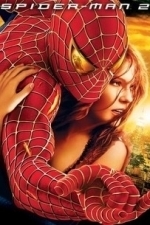


There comes a time in every young persons life where they have to make a series of decisions regarding their future. For many the pressures of finance, school, work, and ever-changing social dynamic force individuals to take a look at their values and what is important, adjusting their lives as needed.
For many this is a difficult situation that is often accomplished through trial and error marking the difficult transition into adulthood. For Peter Parker (Tobey Maguire), the added pressure of dealing with his dual identity of Spider-Man has driven him to the edge.
Since Peter spends his evenings scouring New York fighting crime, his college studies and job have become seriously neglected. With difficulties paying the bills and making it to class and work on time, Peter has become weary of his life, as Spider-Man has made it close to impossible for him to lead any semblance of normality.
Further hindering Peter’s life is his strong feelings for Mary Jane Watson (Kirsten Dunst), who he keeps at a distance to protect her from reprisals from enemies of his alter ego, though it is causing him endless emotional turmoil to do so.
Faced with losing the woman of his dreams and his lives goals, Peter decides to abandon his alter ego and live life as a normal person allowing his energies to be focused on his studies and pursuit of science.
Peter’s new found freedom is interrupted by the emergence of a new villain named Dr. Octopus (Alfred Molina), who is a brilliant scientist turned evil as a result of an experiment gone awry. The Doctor has four metallic limbs grafted to his body and is capable of amazing feats of strength and copious amounts of destruction and mayhem due to his unrestrained madness.
The cause of the good doctors wrath is to complete the experiment that disabled him and avenge the loss of his wife in the accident that created him. Towards that end, the Doctor needs an abundance of financial assets and a rare fuel source that can only be provided by his former employer Harry Osborn (James Franco). Harry is only to happy to comply as he still blames Spider-Man for the death of his father in the previous film, and promises to supply the Doctor if he delivers Spider-Man to him. The recent failure of the Doctors experiment, have pushed Norman to the edge as what was to be a shining achievement for the company has now left him reeling and looking for answers, straining his relationship with Peter and Mary Jane.
What follows is a wild ride of action, romance, drama, and comedy as the tangled web that is Peter Parker’s life unfolds and it is one wild ride.
“Spider-Man 2” is a solid film that will delight fans of the first film as well as the comic and will provide a welcome presence at the theaters this Summer from the flock of big budget disappointments that have been the norm.
Sam Raimi paces the film at a slow pace to start with and allows the action and pace of the film to unfold. The film never seems in your face as despite the intense action sequences, the film remains a character driven piece as the relationship between Peter and those he cares for are central elements to the film.
As adventure films go, “Spider-Man 2” has a very complex storyline as several mature issues are developed and explored which helps round out the characters from comic book icons to people that you actually care about.
If I had to find fault with the film, and it would be nitpicking, would be that Doctor Octopus did not stand out as menacing a threat as The Green Goblin did in the last film, as he does not embody the same level of fear and evil. That being said, Maguire is amazing as he does a great job of making Peter a realistic character by showing the audience the pain and conflict as well as the joy that Peter experiences being Spider-Man.
The special effects are amazing but never overshadow the human performance and tone of the film, as after all, this is still a story about a regular guy, with regular problems and extraordinary abilities that are part gift and part curse.
The supporting work of Franco and Dunst is solid and there chemistry amongst the leads is evident. The ending of the film sets the stage perfectly for the next chapter in the series and here is hoping that the winning formula continues as “Spider-Man 2” is not only the best comic inspired film ever made, but one of the best films of the year.
For many this is a difficult situation that is often accomplished through trial and error marking the difficult transition into adulthood. For Peter Parker (Tobey Maguire), the added pressure of dealing with his dual identity of Spider-Man has driven him to the edge.
Since Peter spends his evenings scouring New York fighting crime, his college studies and job have become seriously neglected. With difficulties paying the bills and making it to class and work on time, Peter has become weary of his life, as Spider-Man has made it close to impossible for him to lead any semblance of normality.
Further hindering Peter’s life is his strong feelings for Mary Jane Watson (Kirsten Dunst), who he keeps at a distance to protect her from reprisals from enemies of his alter ego, though it is causing him endless emotional turmoil to do so.
Faced with losing the woman of his dreams and his lives goals, Peter decides to abandon his alter ego and live life as a normal person allowing his energies to be focused on his studies and pursuit of science.
Peter’s new found freedom is interrupted by the emergence of a new villain named Dr. Octopus (Alfred Molina), who is a brilliant scientist turned evil as a result of an experiment gone awry. The Doctor has four metallic limbs grafted to his body and is capable of amazing feats of strength and copious amounts of destruction and mayhem due to his unrestrained madness.
The cause of the good doctors wrath is to complete the experiment that disabled him and avenge the loss of his wife in the accident that created him. Towards that end, the Doctor needs an abundance of financial assets and a rare fuel source that can only be provided by his former employer Harry Osborn (James Franco). Harry is only to happy to comply as he still blames Spider-Man for the death of his father in the previous film, and promises to supply the Doctor if he delivers Spider-Man to him. The recent failure of the Doctors experiment, have pushed Norman to the edge as what was to be a shining achievement for the company has now left him reeling and looking for answers, straining his relationship with Peter and Mary Jane.
What follows is a wild ride of action, romance, drama, and comedy as the tangled web that is Peter Parker’s life unfolds and it is one wild ride.
“Spider-Man 2” is a solid film that will delight fans of the first film as well as the comic and will provide a welcome presence at the theaters this Summer from the flock of big budget disappointments that have been the norm.
Sam Raimi paces the film at a slow pace to start with and allows the action and pace of the film to unfold. The film never seems in your face as despite the intense action sequences, the film remains a character driven piece as the relationship between Peter and those he cares for are central elements to the film.
As adventure films go, “Spider-Man 2” has a very complex storyline as several mature issues are developed and explored which helps round out the characters from comic book icons to people that you actually care about.
If I had to find fault with the film, and it would be nitpicking, would be that Doctor Octopus did not stand out as menacing a threat as The Green Goblin did in the last film, as he does not embody the same level of fear and evil. That being said, Maguire is amazing as he does a great job of making Peter a realistic character by showing the audience the pain and conflict as well as the joy that Peter experiences being Spider-Man.
The special effects are amazing but never overshadow the human performance and tone of the film, as after all, this is still a story about a regular guy, with regular problems and extraordinary abilities that are part gift and part curse.
The supporting work of Franco and Dunst is solid and there chemistry amongst the leads is evident. The ending of the film sets the stage perfectly for the next chapter in the series and here is hoping that the winning formula continues as “Spider-Man 2” is not only the best comic inspired film ever made, but one of the best films of the year.

Phillip McSween (751 KP) rated Bad Boys II (2003) in Movies
Apr 2, 2020
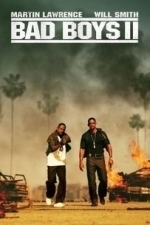

Decent but Definitely the Worst of the Trilogy
Narcotics detectives Mike Lowrey (Will Smith) and Marcus Burnett (Martin Lawrence) are back getting into a heap of shit as they try and take down an ecstasy ring.
Acting: 9
You have to love the performances of Lawrence and Smith as they know how to carry a movie between the two of them. Their chemistry is amazing and they do a wonderful job of balancing each other out, particularly in this film were Smith is more of a shoot-first type while Lawrence’s role is about finding peace and zen. Joe Pantoliano makes a return as Captain Howard, making me crack up everytime he opens his mouth to yell at Lowrey and Burnett for screwing up yet again.
The one role I just couldn’t let sneak past was Jordi Molla playing Johnny Tapia. Terrible doesn’t even begin to describe his performance. It feels too cliche and way overdone, detracting from important scenes at times. Wasn’t a fan in the slightest.
Beginning: 7
While I did appreciate the action at the beginning of the movie, there was just too much going on for me to really settle in and get into it. It’s hard to really understand up from down in the first ten minutes which carries on as the movie progresses as well. Less can be more sometimes, but it feels like in this instance, director Michael Bay called for more of everything.
Characters: 9
Cinematography/Visuals: 6
Bad Boys II has its moments cinematically. The mortuary scene and the scene in the abandoned house are two that really stand out for me. They were shot in such a way that they are hard to forget. From an overall standpoint, I am not a fan of the overdose of slowmo that Bay loves to do. It becomes tedious to the brain and drags the movie out longer than it needs to be. And this movie already has enough time constraints as it is.
Conflict: 10
Action abounds in this second installment from shootouts to car chases to explosions on top of explosions. If you are an action junky, this movie will not disappoint. As much as I rag on Bay (and, no he’s not my favorite director), he knows how to make a scene pop and make traditional action sets feel extremely original. Even as I’m typing this, I can’t forget the highway scene where the bad guys have hijacked a car-carrying truck and they start to release the cars as they speed down the highway. It’s absolute calamity.
Entertainment Value: 7
Memorability: 8
Pace: 7
Bay does his best to keep things fresh, but it’s hard to hide from the fact that this is all about action then dialogue then right back to action. It gets a bit repetitive at times, but I will also admit that it may have something to do with the fact that I’ve watched a shit ton of movies recently (what else is new?). When Cuba gets mentioned and you realize the movie is only two thirds of the way over when it should be finished, that’s when things really slowed down for me even more. You can absolutely cut thirty minutes from this movie and it would be phenomenal, possibly a classic.
Plot: 6
Decent enough story, but nothing that’s going to win an Oscar. I felt corners were cut in spots as there were times where I was trying to figure out, “Why the hell is this happening now?” I also didn’t appreciate some of the cheats, which is a term I use to refer to spots in the movie that conveniently happen for the sake of it being a good scene. Again, cut a half hour of this movie and I might be feeling differently overall.
Resolution: 4
The end was not only mad corny, but it didn’t feel like a real resolution. Not sure what they were going for here, but it didn’t work. The end didn’t really justify the length of what it took to get there.
Overall: 73
I know I know. You read through this review and it almost sounds like I hated Bad Boys II. Truth is, it wasn’t terrible. Would it be the first action movie I recommend? Absolutely not. On the flipside, I can definitely think of many that were worse. At the risk of losing all credibility (as if I had any to begin with), I actually enjoyed this movie more than I did The French Connection. Fight me.
Acting: 9
You have to love the performances of Lawrence and Smith as they know how to carry a movie between the two of them. Their chemistry is amazing and they do a wonderful job of balancing each other out, particularly in this film were Smith is more of a shoot-first type while Lawrence’s role is about finding peace and zen. Joe Pantoliano makes a return as Captain Howard, making me crack up everytime he opens his mouth to yell at Lowrey and Burnett for screwing up yet again.
The one role I just couldn’t let sneak past was Jordi Molla playing Johnny Tapia. Terrible doesn’t even begin to describe his performance. It feels too cliche and way overdone, detracting from important scenes at times. Wasn’t a fan in the slightest.
Beginning: 7
While I did appreciate the action at the beginning of the movie, there was just too much going on for me to really settle in and get into it. It’s hard to really understand up from down in the first ten minutes which carries on as the movie progresses as well. Less can be more sometimes, but it feels like in this instance, director Michael Bay called for more of everything.
Characters: 9
Cinematography/Visuals: 6
Bad Boys II has its moments cinematically. The mortuary scene and the scene in the abandoned house are two that really stand out for me. They were shot in such a way that they are hard to forget. From an overall standpoint, I am not a fan of the overdose of slowmo that Bay loves to do. It becomes tedious to the brain and drags the movie out longer than it needs to be. And this movie already has enough time constraints as it is.
Conflict: 10
Action abounds in this second installment from shootouts to car chases to explosions on top of explosions. If you are an action junky, this movie will not disappoint. As much as I rag on Bay (and, no he’s not my favorite director), he knows how to make a scene pop and make traditional action sets feel extremely original. Even as I’m typing this, I can’t forget the highway scene where the bad guys have hijacked a car-carrying truck and they start to release the cars as they speed down the highway. It’s absolute calamity.
Entertainment Value: 7
Memorability: 8
Pace: 7
Bay does his best to keep things fresh, but it’s hard to hide from the fact that this is all about action then dialogue then right back to action. It gets a bit repetitive at times, but I will also admit that it may have something to do with the fact that I’ve watched a shit ton of movies recently (what else is new?). When Cuba gets mentioned and you realize the movie is only two thirds of the way over when it should be finished, that’s when things really slowed down for me even more. You can absolutely cut thirty minutes from this movie and it would be phenomenal, possibly a classic.
Plot: 6
Decent enough story, but nothing that’s going to win an Oscar. I felt corners were cut in spots as there were times where I was trying to figure out, “Why the hell is this happening now?” I also didn’t appreciate some of the cheats, which is a term I use to refer to spots in the movie that conveniently happen for the sake of it being a good scene. Again, cut a half hour of this movie and I might be feeling differently overall.
Resolution: 4
The end was not only mad corny, but it didn’t feel like a real resolution. Not sure what they were going for here, but it didn’t work. The end didn’t really justify the length of what it took to get there.
Overall: 73
I know I know. You read through this review and it almost sounds like I hated Bad Boys II. Truth is, it wasn’t terrible. Would it be the first action movie I recommend? Absolutely not. On the flipside, I can definitely think of many that were worse. At the risk of losing all credibility (as if I had any to begin with), I actually enjoyed this movie more than I did The French Connection. Fight me.
Gareth von Kallenbach (980 KP) rated Digimon Adventure: Last Evolution Kizuna (2020) in Movies
Oct 8, 2020
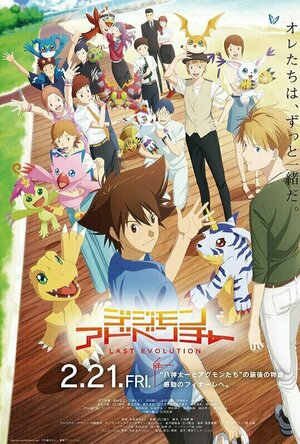
Since 1999, the anime Digimon has had multiple reiterations full of characters known as ‘Digi-Destined’, kids who are connected to a Digimon, or Digital Monsters. As a kid who grew up watching the original Digimon Adventures (1999), the first series of the show holds a place near and dear in my heart. So when Toei Animation announced that six films were being released from 2015-2017 with the original Digimon Adventures characters just as teens, the nostalgia wave hit me hard. While those films were great I thought that was the end of the original Digimon series group for good. Oh was I wrong!
Digimon Adventure: The Last Evolution Kizuna (2020), follows the events of Digimon Adventure Tri, it’s been a couple of years and the Digi-Destined are all off pursuing careers, or college. To break it down; Sora (Colleen O’Shaughnessey) is working on becoming a flower arranger, Mimi (Kate Higgins) is working at an online start-up, Joe (Robbie Daymond) is working to become a doctor, Izzy (Mona Marshall) to no one’s surprise is the president of a company, and Matt (Nicolas Roye) and Tai (Joshua Seth) are about to finish up college. TK (Johnny Yong Bosch) and Kari (Tara Sands) are also in the mix, but the story’s focus is on Tai and Matt. Throughout the entire Digimon franchise, these two are rivals as well as best friends and as the characters have gotten older the best friends bit is more of the focus. Now Tai and Matt are having to cope with the reality of growing up along side their digimon Agumon (Tom Fahn) and Gabumon (Kirk Thornton), but what does that mean for all the Digi-Destined and their Digimon?
To not spoil anything, the core group is faced with the issue of Digi-Destined across the globe falling into mysterious comas. When a research team from the United States shows up asking for the Digi-Destined’s help to fight against a new Digimon believed to be the cause of the global issue is really where the story starts to flesh out beyond what the main 8 characters are doing with their lives. However, can finding out the truth behind this mysterious new Digimon and will figuring out what to do with their futures work out for Matt and Tai? Will they be able to save the Digi-Destined across the global or is something lurking in plain sight that will put a stop to their plans? All these questions and more are answered in the film, you’ll just have to watch as see!
The film explores some major themes, like growing up, the ebbs and flows of friendship, and being able to let go. All themes that are important, as Digimon Adventure’s (1999) original audience is at that age of figuring out what do you want to do with your life? or what is your purpose or goal for the future? While these questions are far greater then one or two words or even tied down to an age, the film uses them to direct the narrative of how Tai and Matt develop throughout the story. To be transparent, I cried about 5 minutes after the film ended as it felt like a true ending for the main characters. The film pulls on all the right heartstrings as well as gives some good conflict for viewers to enjoy. Also if that wasn’t enough, Toei’s animation style for the series has changed throughout the years and the animation in the film was gorgeous. I would watch it again just for that alone, however, there are so many reasons to watch it.
I feel this film gives people who were die-hard Digimon Adventure (1999) fans closure in a way not many series gives. There is even some influence of Digimon Adventure 02 (2000) within the film and some other familiar characters so if your a fan of the second series it’s a great addition. Like many films who ride the nostalgia wave, Digimon Adventure: The Last Evolution Kizuna (2020) is no different as it make your laugh, cry, and remember why you love a franchise so much. So give it a shot if you were a fan of Digimon, love a good anime movie, or just wanna relive a childhood classic! However, to those not familiar with the series, it might be challenging not knowing the characters backstories as the movie like the series has an emphasis on their relationships as friends. However, they are rebooting the original Digimon Aventures so thats a place to start too!
Digimon Adventure: The Last Evolution Kizuna (2020), follows the events of Digimon Adventure Tri, it’s been a couple of years and the Digi-Destined are all off pursuing careers, or college. To break it down; Sora (Colleen O’Shaughnessey) is working on becoming a flower arranger, Mimi (Kate Higgins) is working at an online start-up, Joe (Robbie Daymond) is working to become a doctor, Izzy (Mona Marshall) to no one’s surprise is the president of a company, and Matt (Nicolas Roye) and Tai (Joshua Seth) are about to finish up college. TK (Johnny Yong Bosch) and Kari (Tara Sands) are also in the mix, but the story’s focus is on Tai and Matt. Throughout the entire Digimon franchise, these two are rivals as well as best friends and as the characters have gotten older the best friends bit is more of the focus. Now Tai and Matt are having to cope with the reality of growing up along side their digimon Agumon (Tom Fahn) and Gabumon (Kirk Thornton), but what does that mean for all the Digi-Destined and their Digimon?
To not spoil anything, the core group is faced with the issue of Digi-Destined across the globe falling into mysterious comas. When a research team from the United States shows up asking for the Digi-Destined’s help to fight against a new Digimon believed to be the cause of the global issue is really where the story starts to flesh out beyond what the main 8 characters are doing with their lives. However, can finding out the truth behind this mysterious new Digimon and will figuring out what to do with their futures work out for Matt and Tai? Will they be able to save the Digi-Destined across the global or is something lurking in plain sight that will put a stop to their plans? All these questions and more are answered in the film, you’ll just have to watch as see!
The film explores some major themes, like growing up, the ebbs and flows of friendship, and being able to let go. All themes that are important, as Digimon Adventure’s (1999) original audience is at that age of figuring out what do you want to do with your life? or what is your purpose or goal for the future? While these questions are far greater then one or two words or even tied down to an age, the film uses them to direct the narrative of how Tai and Matt develop throughout the story. To be transparent, I cried about 5 minutes after the film ended as it felt like a true ending for the main characters. The film pulls on all the right heartstrings as well as gives some good conflict for viewers to enjoy. Also if that wasn’t enough, Toei’s animation style for the series has changed throughout the years and the animation in the film was gorgeous. I would watch it again just for that alone, however, there are so many reasons to watch it.
I feel this film gives people who were die-hard Digimon Adventure (1999) fans closure in a way not many series gives. There is even some influence of Digimon Adventure 02 (2000) within the film and some other familiar characters so if your a fan of the second series it’s a great addition. Like many films who ride the nostalgia wave, Digimon Adventure: The Last Evolution Kizuna (2020) is no different as it make your laugh, cry, and remember why you love a franchise so much. So give it a shot if you were a fan of Digimon, love a good anime movie, or just wanna relive a childhood classic! However, to those not familiar with the series, it might be challenging not knowing the characters backstories as the movie like the series has an emphasis on their relationships as friends. However, they are rebooting the original Digimon Aventures so thats a place to start too!
Purple Phoenix Games (2266 KP) rated Sorrim in Tabletop Games
Sep 2, 2020

Head to head competitive games are great, especially during the current lockdown situation. My wife and I could play 1v1 games all the time and be quite happy. That’s why we really enjoy abstract games so much. However, head to head fighting card games are something that my wife and I can kinda get heated over. How did Sorrim do for us? Keep reading.
Sorrim is a competitive 1v1 (or 2v2 or 3v3) card game for two players. A player wins once all of their opponent’s fighters have been knocked out. Fighters are all of differing magic (element) types and therefore can only be equipped with sigils (spells and attacks) of matching type. Whittling the opposing fighters’ health to zero will award triumphant players victory!
DISCLAIMER: We were provided a copy of this game for the purposes of this review. These are retail copy components, and all copies will have components matching these shown. Also, it is not my intention to detail every rule in the game, but to give our readers an idea of how the game plays. You are invited to order from The Game Crafter directly, your FLGS, or purchase through any retailers stocking it after it is released. -T
To setup the game, separate and shuffle the fighter deck and sigil deck. Deal each player a set of colored chips to keep track of values for each fighter. Fighter cards will be flipped and revealed at the beginning of the conflict. Roll the die to determine starting player and the game can begin! Note: this preview will be using the introductory 1v1 setup, though games can also be played on 2v2 and 3v3 modes with slightly different rules.
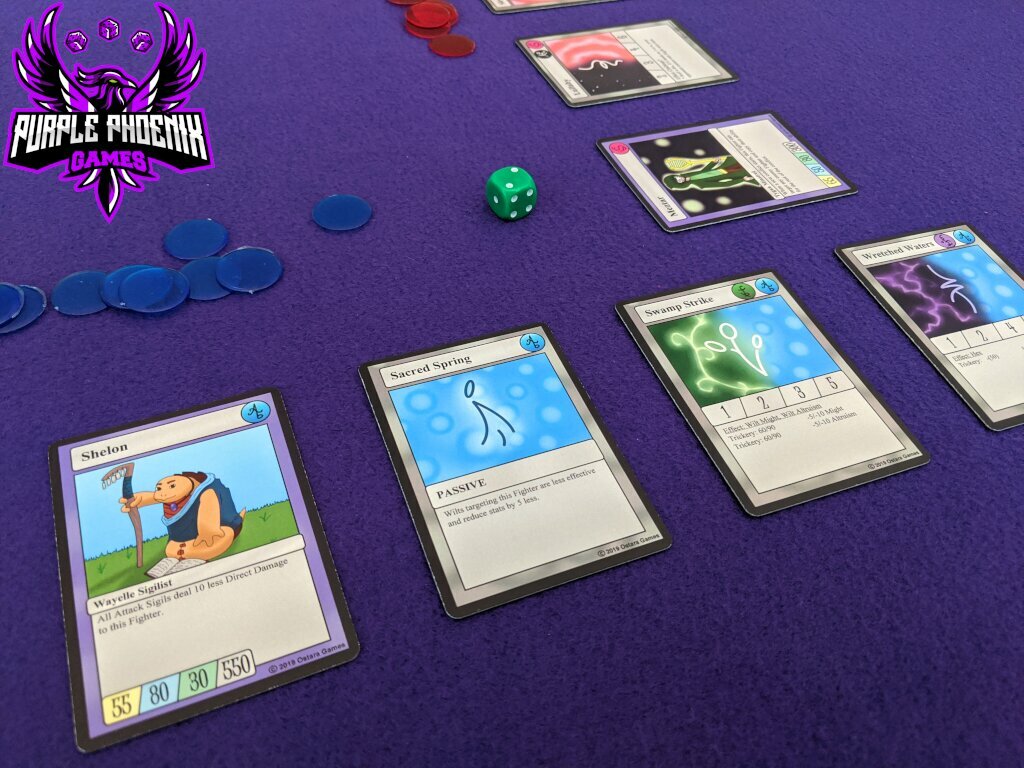
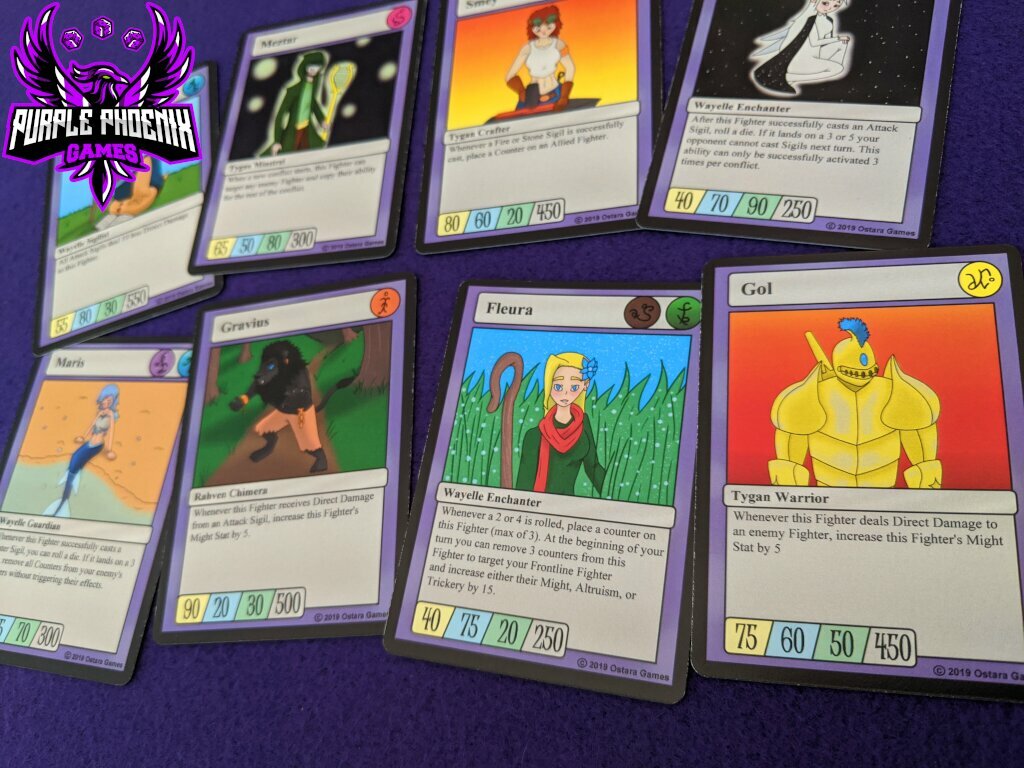
Each fighter will have their own stats to track as shown on their cards: Might, Altruism, Trickery, Health. Fighters will also possess special abilities printed on their cards to be used during the game.
Sigil cards will show either the word “Passive,” which will be active throughout the game or triggered by a special event, or they will show a group of numbers to indicate the required rolls needed to launch a successful attack.
On a player’s turn they will consult the fighter’s passive abilities to see if they will trigger. Next, the player will roll the die and compare with their cards to cast a sigil (spell). If the rolled result matches a sigil it may be cast. Opponents will check any passive abilities and adjust Health by amount of the fighter’s Might. Play continues in this fashion until one player’s fighters are all reduced to zero Health. That player loses and the winner must then mock the loser until the next game played.
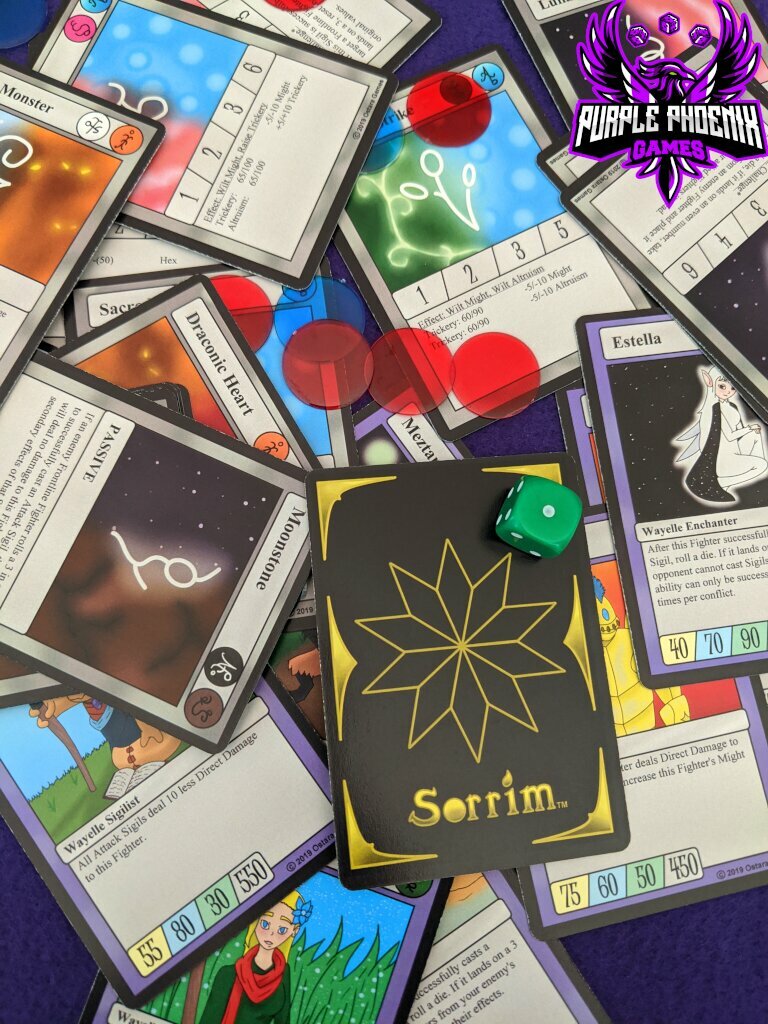
Components. This game consists of some cards, a die, and some translucent chips. Each copy will be provided a link to the designer’s document to print off the rulebook and the stat sheets to track fighter stats as they change throughout the game. The cards are acceptable quality, the die is just an entry-level normal d6 (we were sent green with white ink), and the chips are TiddlyWink style. Everything is… fine. The art leaves some to be desired, especially in this era of gaming where art can elevate a good game to great, and a great game to amazing. This art does not help Sorrim. It’s not terrible, but it’s not wonderful either. Not my style.
All in all, the game is actually pretty decent. It is very quick-playing, especially the 1v1 mode, and after playing one game you kinda want to try some of the other fighter and sigil combinations. Any time a game makes you want to play more, that’s a great thing.
With Sorrim, my final thoughts are that it is a good game. I wouldn’t call it great, but there are several interesting mechanics and the variability/replayability built in is quite good. There are lots of two player battle card games, and Sorrim brings something a little different. The theme is enjoyable, and the gameplay is fast. There isn’t a ton of strategy involved as turns are dependent on rolling a number that matches your sigil cards, but it does deliver an easy-feeling, low-stress battle game for two. For some reason you just don’t feel annoyed when you lose, as can be the case with other PvP games. If you are looking for something in your collection that gives you this quick gameplay and is relatively rules-light, head over to The Game Crafter and give Sorrim a try.
Sorrim is a competitive 1v1 (or 2v2 or 3v3) card game for two players. A player wins once all of their opponent’s fighters have been knocked out. Fighters are all of differing magic (element) types and therefore can only be equipped with sigils (spells and attacks) of matching type. Whittling the opposing fighters’ health to zero will award triumphant players victory!
DISCLAIMER: We were provided a copy of this game for the purposes of this review. These are retail copy components, and all copies will have components matching these shown. Also, it is not my intention to detail every rule in the game, but to give our readers an idea of how the game plays. You are invited to order from The Game Crafter directly, your FLGS, or purchase through any retailers stocking it after it is released. -T
To setup the game, separate and shuffle the fighter deck and sigil deck. Deal each player a set of colored chips to keep track of values for each fighter. Fighter cards will be flipped and revealed at the beginning of the conflict. Roll the die to determine starting player and the game can begin! Note: this preview will be using the introductory 1v1 setup, though games can also be played on 2v2 and 3v3 modes with slightly different rules.
Each fighter will have their own stats to track as shown on their cards: Might, Altruism, Trickery, Health. Fighters will also possess special abilities printed on their cards to be used during the game.
Sigil cards will show either the word “Passive,” which will be active throughout the game or triggered by a special event, or they will show a group of numbers to indicate the required rolls needed to launch a successful attack.
On a player’s turn they will consult the fighter’s passive abilities to see if they will trigger. Next, the player will roll the die and compare with their cards to cast a sigil (spell). If the rolled result matches a sigil it may be cast. Opponents will check any passive abilities and adjust Health by amount of the fighter’s Might. Play continues in this fashion until one player’s fighters are all reduced to zero Health. That player loses and the winner must then mock the loser until the next game played.
Components. This game consists of some cards, a die, and some translucent chips. Each copy will be provided a link to the designer’s document to print off the rulebook and the stat sheets to track fighter stats as they change throughout the game. The cards are acceptable quality, the die is just an entry-level normal d6 (we were sent green with white ink), and the chips are TiddlyWink style. Everything is… fine. The art leaves some to be desired, especially in this era of gaming where art can elevate a good game to great, and a great game to amazing. This art does not help Sorrim. It’s not terrible, but it’s not wonderful either. Not my style.
All in all, the game is actually pretty decent. It is very quick-playing, especially the 1v1 mode, and after playing one game you kinda want to try some of the other fighter and sigil combinations. Any time a game makes you want to play more, that’s a great thing.
With Sorrim, my final thoughts are that it is a good game. I wouldn’t call it great, but there are several interesting mechanics and the variability/replayability built in is quite good. There are lots of two player battle card games, and Sorrim brings something a little different. The theme is enjoyable, and the gameplay is fast. There isn’t a ton of strategy involved as turns are dependent on rolling a number that matches your sigil cards, but it does deliver an easy-feeling, low-stress battle game for two. For some reason you just don’t feel annoyed when you lose, as can be the case with other PvP games. If you are looking for something in your collection that gives you this quick gameplay and is relatively rules-light, head over to The Game Crafter and give Sorrim a try.


Bob Mann (459 KP) rated They Shall Not Grow Old (2018) in Movies
Sep 28, 2021

We DO remember them.
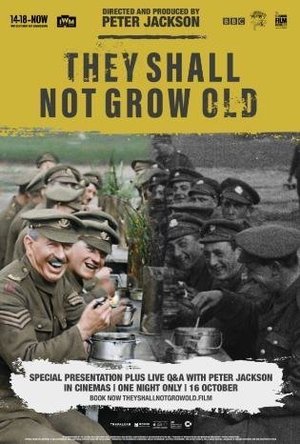
“Trapped in a Charlie Chaplin World”. So says director Peter Jackson in a post-screening discussion with Mark Kermode, describing early black and white documentary footage. Whereas modern film runs at 24 fps, most of the old footage is hand cranked, with speeds as low as 12 fps which leads to its jerky nature. Jackson in this project with the Imperial War Museum took their WW1 footage and put it through a ‘pipeline process. This cleaned-up and restored the original footage; used clever computer interpolation to add in the missing 6 to 12 frames per second; and then colourised it.
The results are outstanding. Jackson wisely focuses the film on the specific slice of WW1 action from the trenches. And those anonymous figures become real, live, breathing humans on screen. It is obviously tragic that some (and as commented by Jackson, many in one scene) are not to be breathing humans for much longer.
These effects take a while to kick in. The early scenes in the documentary are in the original black and white, describing the recruitment process, and how many of the recruits were under-age. (To explain the varied comments in the film, they should have been 18, although officially shouldn’t have been sent overseas until 19).
It is when the troops arrive in France that we suddenly go from black-and-white to the fully restored and colourised footage, and it is a gasp-inducing moment.
Audio magic
All of the audio commentary is from original BBC recordings of war veterans recounting their actual experiences in the trench. Some sound like heroes; some sound like rogues; all came out changed men. Supporting music of WW1 ditties, including the incredibly rude “Mademoiselle from Armentières” over the end credits, is provided by Plan 9.
But equally impressive is the dubbing of the characters onscreen. Jackson employed forensic lip-readers to determine what the soldiers on-screen were saying, and reproduced the speech using appropriate regional accents for the regiments concerned. Jackson also recounts how the words associated with a “pep-talk” speech to troops by an officer he found on an original slip of paper within the regimental records: outstanding. Added sound effects include real-life shelling by the New Zealand army. It all adds to the overall atmosphere of the film.
3D = less
The film itself is a masterpiece of technical innovation that will change in the future the way in which we should be able to see this sort of early film footage forever. As a documentary it’s near-perfection. But if I have a criticism of the cinema showing I attended it is that the 3D tended to detract rather than add to the film. Perhaps this is just my eyesight, but 3D always tends to make images slightly more blurry. Where (like “Gravity”) there are great 3D effects to showcase, it’s worth the slight negative to get the massive positive. But here, there was no such benefit: 2D would have been better. For those in the UK (and possibly through other broadcasters worldwide) the film is being shown on BBC2 tonight (11/11/18) at 9:30: I will be watching it again to compare and contrast.
Final Thoughts
Jackson dedicated the film to his grandfather. And almost all of us Brits will have relatives affected by this “war to end all wars”. In my case, my grandfather was shot and severely wounded at Leuze Wood on the Somme, lying in the mud for four days and four nights before being recovered… by the Germans! Fortunately he was well-treated and, although dying young, recovered enough to father my father – else I wouldn’t be here today writing this. On this Rememberance Sunday, 100 years on, it is a time for us to truly remember the sacrifice these men and boys gave to what, all in the film agree, was a pretty obstinate and pointless conflict.
I’ll finish the review by reproducing one of the war poems of my wife’s Uncle Ivor (available in a collection here), written on 11/11/18 a hundred years ago:
Peace
At last O Lord the Day has come,
And hushed is now the noise of guns.
Peace is proclaimed over land and sea,
Our heartfelt thanks we give to Thee.
I thank thee Father for Thy care,
That thou hasn’t answered all my prayers.
This day I see in manhood’s strength,
The Peace we longed for, come at length.
O may my future actions be,
Worthy of all Thy care to me.
Let me forget not Thy Great Love,
Remembering chums who live Above.
I.G.H. 11/11/1918, France.
The results are outstanding. Jackson wisely focuses the film on the specific slice of WW1 action from the trenches. And those anonymous figures become real, live, breathing humans on screen. It is obviously tragic that some (and as commented by Jackson, many in one scene) are not to be breathing humans for much longer.
These effects take a while to kick in. The early scenes in the documentary are in the original black and white, describing the recruitment process, and how many of the recruits were under-age. (To explain the varied comments in the film, they should have been 18, although officially shouldn’t have been sent overseas until 19).
It is when the troops arrive in France that we suddenly go from black-and-white to the fully restored and colourised footage, and it is a gasp-inducing moment.
Audio magic
All of the audio commentary is from original BBC recordings of war veterans recounting their actual experiences in the trench. Some sound like heroes; some sound like rogues; all came out changed men. Supporting music of WW1 ditties, including the incredibly rude “Mademoiselle from Armentières” over the end credits, is provided by Plan 9.
But equally impressive is the dubbing of the characters onscreen. Jackson employed forensic lip-readers to determine what the soldiers on-screen were saying, and reproduced the speech using appropriate regional accents for the regiments concerned. Jackson also recounts how the words associated with a “pep-talk” speech to troops by an officer he found on an original slip of paper within the regimental records: outstanding. Added sound effects include real-life shelling by the New Zealand army. It all adds to the overall atmosphere of the film.
3D = less
The film itself is a masterpiece of technical innovation that will change in the future the way in which we should be able to see this sort of early film footage forever. As a documentary it’s near-perfection. But if I have a criticism of the cinema showing I attended it is that the 3D tended to detract rather than add to the film. Perhaps this is just my eyesight, but 3D always tends to make images slightly more blurry. Where (like “Gravity”) there are great 3D effects to showcase, it’s worth the slight negative to get the massive positive. But here, there was no such benefit: 2D would have been better. For those in the UK (and possibly through other broadcasters worldwide) the film is being shown on BBC2 tonight (11/11/18) at 9:30: I will be watching it again to compare and contrast.
Final Thoughts
Jackson dedicated the film to his grandfather. And almost all of us Brits will have relatives affected by this “war to end all wars”. In my case, my grandfather was shot and severely wounded at Leuze Wood on the Somme, lying in the mud for four days and four nights before being recovered… by the Germans! Fortunately he was well-treated and, although dying young, recovered enough to father my father – else I wouldn’t be here today writing this. On this Rememberance Sunday, 100 years on, it is a time for us to truly remember the sacrifice these men and boys gave to what, all in the film agree, was a pretty obstinate and pointless conflict.
I’ll finish the review by reproducing one of the war poems of my wife’s Uncle Ivor (available in a collection here), written on 11/11/18 a hundred years ago:
Peace
At last O Lord the Day has come,
And hushed is now the noise of guns.
Peace is proclaimed over land and sea,
Our heartfelt thanks we give to Thee.
I thank thee Father for Thy care,
That thou hasn’t answered all my prayers.
This day I see in manhood’s strength,
The Peace we longed for, come at length.
O may my future actions be,
Worthy of all Thy care to me.
Let me forget not Thy Great Love,
Remembering chums who live Above.
I.G.H. 11/11/1918, France.
Andy Meakin (5 KP) rated War for the Planet of the Apes (2017) in Movies
Jan 8, 2018
Apes...together...strong!
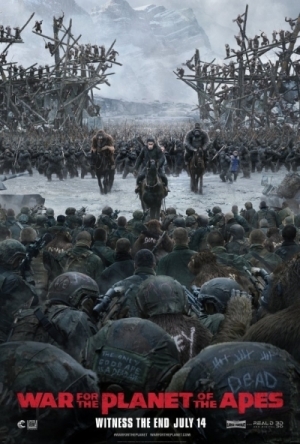
The recent revival of the Apes franchise has managed to defy all expectations by not only being a worthy entry into the franchise, but also being strong films on their own merit. Working as a kind-of-prequel-reboot of the old franchise, and ignoring the Tim Burton film completely, it is strange to realise this is only the third film since the reboot. Lesser franchises would have churned out one every year or two, and be up to part five by now, but not the Apes films. It genuinely feels like they are taking time to ensure each film is worthy. Which is where another expectation is defied – the films don’t seem to diminish in quality, nor feel repetitive. Each entry so far has had its own feel and worked to move the story along. War for the Planet of the Apes is no exception, and is one of the finest blockbuster films of this year.
It has been 15 years since the events of the first film, and the release of the Simian Flu virus that wiped out a large percentage of humanity. The events of the second film saw the start of conflict between the apes and humans, instigated by Koba who defied Caesar’s leadership. Now, humanity are hunting down the apes, with one Colonel (Woody Harrelson) in particular striving to wipe them out entirely. When that Colonel attacks Caesar’s tribe, killing those close to him, it sets the ape leader off on a personal revenge journey, with only a few of his most loyal followers supporting him on the way. However, along the way they encounter two new recruits, an ape hermit who has also developed speech, and a young human girl who is showing signs of a new strain of the Simian virus.
It is a testament to the motion captured performances and the quality of the CGI on offer that at no point during the film do you not believe that the apes on screen are real. There’s a line in the film where Harrelson’s Colonel comments on how human looking Caesar’s eyes are, and whilst you could see that in the context of the film series’ arc (apes are becoming the new rulers, usurping humanity, and so are becoming more human), you can also see it as a nod to how the ‘uncanny valley’ dead-eye stare that plagues CGI in film is entirely absent here. Indeed, given that every scene in this relatively moderate $150million budget film is an effect shot, as apes are present throughout, it is jaw dropping that it looks a far more polished film than, for example, the $265million budgeted Rogue One – a film which tried desperately with two key CGI characters and failed so hard in the brief screen time they had. Over all the Apes series has impressed with the effects work, but here it is pretty much flawless.
But it isn’t all about the effects. In fact the action-packed film the trailers seemed to hint at is instead a thoughtful, character-driven revenge journey, with only short bursts of action. This is Caesar’s dark-journey of the soul, the end result of his attempts to live a peaceful co-existence with a humanity that fears him and his kind. Many comparisons can be drawn to films such as Apocalypse Now (something the film is aware of and manages to drop a reference to as a result), where a troubled individual, tired of war, seeks a crazed Colonel who is amassing his own army for an unknown purpose. The two core leads in their respective roles give their all. Serkis acting to a high degree, and giving genuine life to Caesar, and Harrelson gone completely Brando in his part, menacing without being overbearing.
The journey itself is a compelling story, and the support characters, some who we already know (Maurice, Luca and Rocket) acting as the conscience and the advisers to the troubled Caesar. The new additions, Amiah Miller’s war orphan who Maurice adopts on their journey, and Bad Ape (Steve Zahn) offer heart and comic relief respectively. The comic timing is perfectly placed, never feeling forced, and being deftly used to offer a glimmer of hope and joy in what is otherwise a very dark tale.
The film, overall, nicely rounds out the trilogy, whilst still leaving room for future films down the line. Matt Reeves’ direction makes effective use of his cast and settings, whilst the score by Michael Giacchino has grown more ‘ape-inspired’ since he scored the previous film, reflecting in its drums and pipes the more primate nature manner the world is taking as technology and humanity dwindles.
“Apes together strong!” is Caesar’s mantra. Indeed, all three Apes films, when viewed together, can be seen as one impressive, strong story, with a genuine progression throughout. A third film in a franchise usually derails and loses the way. Not here as this is one of the finest examples of intelligent blockbuster that you will find.
It has been 15 years since the events of the first film, and the release of the Simian Flu virus that wiped out a large percentage of humanity. The events of the second film saw the start of conflict between the apes and humans, instigated by Koba who defied Caesar’s leadership. Now, humanity are hunting down the apes, with one Colonel (Woody Harrelson) in particular striving to wipe them out entirely. When that Colonel attacks Caesar’s tribe, killing those close to him, it sets the ape leader off on a personal revenge journey, with only a few of his most loyal followers supporting him on the way. However, along the way they encounter two new recruits, an ape hermit who has also developed speech, and a young human girl who is showing signs of a new strain of the Simian virus.
It is a testament to the motion captured performances and the quality of the CGI on offer that at no point during the film do you not believe that the apes on screen are real. There’s a line in the film where Harrelson’s Colonel comments on how human looking Caesar’s eyes are, and whilst you could see that in the context of the film series’ arc (apes are becoming the new rulers, usurping humanity, and so are becoming more human), you can also see it as a nod to how the ‘uncanny valley’ dead-eye stare that plagues CGI in film is entirely absent here. Indeed, given that every scene in this relatively moderate $150million budget film is an effect shot, as apes are present throughout, it is jaw dropping that it looks a far more polished film than, for example, the $265million budgeted Rogue One – a film which tried desperately with two key CGI characters and failed so hard in the brief screen time they had. Over all the Apes series has impressed with the effects work, but here it is pretty much flawless.
But it isn’t all about the effects. In fact the action-packed film the trailers seemed to hint at is instead a thoughtful, character-driven revenge journey, with only short bursts of action. This is Caesar’s dark-journey of the soul, the end result of his attempts to live a peaceful co-existence with a humanity that fears him and his kind. Many comparisons can be drawn to films such as Apocalypse Now (something the film is aware of and manages to drop a reference to as a result), where a troubled individual, tired of war, seeks a crazed Colonel who is amassing his own army for an unknown purpose. The two core leads in their respective roles give their all. Serkis acting to a high degree, and giving genuine life to Caesar, and Harrelson gone completely Brando in his part, menacing without being overbearing.
The journey itself is a compelling story, and the support characters, some who we already know (Maurice, Luca and Rocket) acting as the conscience and the advisers to the troubled Caesar. The new additions, Amiah Miller’s war orphan who Maurice adopts on their journey, and Bad Ape (Steve Zahn) offer heart and comic relief respectively. The comic timing is perfectly placed, never feeling forced, and being deftly used to offer a glimmer of hope and joy in what is otherwise a very dark tale.
The film, overall, nicely rounds out the trilogy, whilst still leaving room for future films down the line. Matt Reeves’ direction makes effective use of his cast and settings, whilst the score by Michael Giacchino has grown more ‘ape-inspired’ since he scored the previous film, reflecting in its drums and pipes the more primate nature manner the world is taking as technology and humanity dwindles.
“Apes together strong!” is Caesar’s mantra. Indeed, all three Apes films, when viewed together, can be seen as one impressive, strong story, with a genuine progression throughout. A third film in a franchise usually derails and loses the way. Not here as this is one of the finest examples of intelligent blockbuster that you will find.

Acanthea Grimscythe (300 KP) rated The Ill-kept Oath in Books
May 16, 2018

Actual Rating: 3.5 Stars
Set in the early 1800s, The Ill-Kept Oath is a cross between historical fantasy and paranormal romance, though it leans heavily in the latter of the two genres for the majority of the novel. Prudence Fairfeather and her brother Edward are orphans taken in by Lord Middlemere. Raised as nobility, Prudence has nothing to her name and must wed well for her future. Her cousin, Josephine Weston, is Lord Middlemere’s only child and, a couple years younger than Prudence, also finds herself in the path of a relationship that, though she desperately wishes, is beneath her. As if the stress of needing to marry wasn’t enough, the two discover that they have the Inheritance, which is, more or less, magic that has been passed on through the generations. Both girls are also recipients of Talismans that once belonged to their mothers and these items appear to have a gravitational pull that neither girl can withstand, which lands them in trouble on more than one account. In addition to romance and magic, there are trolls, rebellious magic users, and a very real reason for Prudence to fear for her very life, lending a sense of urgency to the book.
That sense of urgency is not dealt with in a timely manner though, it seems. While I adored reading The Ill-Kept Oath, I can’t help but feel that there were moments in which the book simply dragged on. Granted, I’m not much of a fan of romance and what truly piqued my interest in regards to this book was the idea of magic and rebellion, two topics that I am most definitely a large fan of. These two subjects, though largely used in the book’s description, are almost minor elements in comparison to Prudence’s debut for the London Season. In fact, the main conflict of the book itself seems to take a backseat to the romance side of the story which, while bittersweet in its telling, might strike the reader as something that ought to come second to the fact that there are trolls rampaging around the countryside.
It isn’t until near the end of the book that things begin to pick up and start falling into place. Here we learn that the romance side of things play a very important, unseen role in a vile plot to rebel against laws put in place several years prior. Without giving away spoilers, the parts of the book that we slag through are all, despite how mundane they appear, vital to the situation that unfolds. Every element finds a way of coming together, and there are certainly moments that, as I read them, I was able to appreciate the earlier, seemingly pointless interactions of characters. In that regard, I must commend C. C. Aune’s ability to implement small pieces of seemingly pointless knowledge that are, in fact, pivotal to the story. With that in mind, even without being a fan of romance, I was able to at least appreciate Prudence’s involvement in the Marriage Mart.
One of the things I actually liked about The Ill-Kept Oath is the depth to each of its characters. Unlike many of the books that I’ve read lately where the characters are one-dimensional with no point of existence except to fill a certain role and none other, the characters that Aune has breathed life into are colorful and real. Josephine is sixteen, on the cusp of adulthood, and bears the qualities of a teen-aged girl, soon to be woman, that we expect to see, from immaturity to accepting the changes in her own feelings and emotions. Prudence has just crossed into adulthood, and as a reader I was able to sense and truly feel her reluctance to accept a marriage out of necessity, rather than love. Her frustration, and her way of deflecting offers, are not merely glazed over, but written with depth. Even Edward, Prudence’s brother, shows the awkwardness to be expected of a young man still in university that has, unfortunately, developed some less than favorable emotions.
I really wish that more had been explained about the Inheritance and that there wasn’t so much left open to guessing. I assume this is something that will be more fully addressed later on, assuming there will be a sequel, and if that is the case I certainly look forward to reading it. What The Ill-Kept Oath gives us is a mere glimpse into a dark, dark world with many secrets left to be uncovered. A place where things happen with little care for the results, as long as an end is obtained. Overall, I enjoyed the book, though I feel that the story could have had a heavier focus on the magical side of things, along with a quicker pace.
Finally, I would like to offer a heart-felt thanks to Netgalley, Wise Ink Creative Publishing, and C. C. Aune for an advanced copy of The Ill-Kept Oath in exchange for an unbiased review.
Set in the early 1800s, The Ill-Kept Oath is a cross between historical fantasy and paranormal romance, though it leans heavily in the latter of the two genres for the majority of the novel. Prudence Fairfeather and her brother Edward are orphans taken in by Lord Middlemere. Raised as nobility, Prudence has nothing to her name and must wed well for her future. Her cousin, Josephine Weston, is Lord Middlemere’s only child and, a couple years younger than Prudence, also finds herself in the path of a relationship that, though she desperately wishes, is beneath her. As if the stress of needing to marry wasn’t enough, the two discover that they have the Inheritance, which is, more or less, magic that has been passed on through the generations. Both girls are also recipients of Talismans that once belonged to their mothers and these items appear to have a gravitational pull that neither girl can withstand, which lands them in trouble on more than one account. In addition to romance and magic, there are trolls, rebellious magic users, and a very real reason for Prudence to fear for her very life, lending a sense of urgency to the book.
That sense of urgency is not dealt with in a timely manner though, it seems. While I adored reading The Ill-Kept Oath, I can’t help but feel that there were moments in which the book simply dragged on. Granted, I’m not much of a fan of romance and what truly piqued my interest in regards to this book was the idea of magic and rebellion, two topics that I am most definitely a large fan of. These two subjects, though largely used in the book’s description, are almost minor elements in comparison to Prudence’s debut for the London Season. In fact, the main conflict of the book itself seems to take a backseat to the romance side of the story which, while bittersweet in its telling, might strike the reader as something that ought to come second to the fact that there are trolls rampaging around the countryside.
It isn’t until near the end of the book that things begin to pick up and start falling into place. Here we learn that the romance side of things play a very important, unseen role in a vile plot to rebel against laws put in place several years prior. Without giving away spoilers, the parts of the book that we slag through are all, despite how mundane they appear, vital to the situation that unfolds. Every element finds a way of coming together, and there are certainly moments that, as I read them, I was able to appreciate the earlier, seemingly pointless interactions of characters. In that regard, I must commend C. C. Aune’s ability to implement small pieces of seemingly pointless knowledge that are, in fact, pivotal to the story. With that in mind, even without being a fan of romance, I was able to at least appreciate Prudence’s involvement in the Marriage Mart.
One of the things I actually liked about The Ill-Kept Oath is the depth to each of its characters. Unlike many of the books that I’ve read lately where the characters are one-dimensional with no point of existence except to fill a certain role and none other, the characters that Aune has breathed life into are colorful and real. Josephine is sixteen, on the cusp of adulthood, and bears the qualities of a teen-aged girl, soon to be woman, that we expect to see, from immaturity to accepting the changes in her own feelings and emotions. Prudence has just crossed into adulthood, and as a reader I was able to sense and truly feel her reluctance to accept a marriage out of necessity, rather than love. Her frustration, and her way of deflecting offers, are not merely glazed over, but written with depth. Even Edward, Prudence’s brother, shows the awkwardness to be expected of a young man still in university that has, unfortunately, developed some less than favorable emotions.
I really wish that more had been explained about the Inheritance and that there wasn’t so much left open to guessing. I assume this is something that will be more fully addressed later on, assuming there will be a sequel, and if that is the case I certainly look forward to reading it. What The Ill-Kept Oath gives us is a mere glimpse into a dark, dark world with many secrets left to be uncovered. A place where things happen with little care for the results, as long as an end is obtained. Overall, I enjoyed the book, though I feel that the story could have had a heavier focus on the magical side of things, along with a quicker pace.
Finally, I would like to offer a heart-felt thanks to Netgalley, Wise Ink Creative Publishing, and C. C. Aune for an advanced copy of The Ill-Kept Oath in exchange for an unbiased review.

RəX Regent (349 KP) rated Saving Private Ryan (1998) in Movies
Feb 25, 2019 (Updated Feb 25, 2019)
Groundbreaker mired in slop
Contains spoilers, click to show
Regarded as one of the best war films ever made, it certainly qualifies. The opening twenty minutes are still as breathtaking, shocking and disturbing realistic as they were back in 1998. It is hard to imagine that it has now been over twelve years since Saving Private Ryan broke the mold of World War II film making.
Winner of five Academy Awards, including Best Director for Spielberg, Best Cinematography, and Sound, which was astonishing, even by today's standards, it failed to win Best Picture, losing out to Shakespeare In Love. Shakespeare In Love! Don't get me wrong, it's a good film, but easily forgettable compared to Ryan, only proving yet again that if you touch upon the British monarchy you get Oscars.
The film is a fictional account of four brothers, all serving in the U.S. Army, three of which were killed in action on or around the D-Day landings. The fourth, James Ryan played by Matt Damon is somewhere in Europe, and Tom Hanks with his platoon are sent to bring him home, to spare his mother anymore heartache.
Tom Hanks, who was also snubbed at the 1998 Oscars for his perfect performance as Captain Miller, the everyman who was losing himself in the horrors of war, underplayed his role perfectly. He is believable on every level, emotionally, physically and has a sense of subtly with makes him of Hollywood's greats.
The action is visceral, gritty and horrifying. But never played for crass effect. Scenes of soldiers intestines spilling out, limbs flying a sunder and brutal killing left, right and centre are recreated for one purpose. To truly demonstrate the horrors of war, and to change our perceptions of the global conflict which had almost become a joke, a setting for gung- ho action films, where the Yanks reign supreme and single-handedly win the war.
This shows troops crying, hurting and making decisions which should not be made under any moral circumstances, but you understand why, whether you agree or not. There is no doubt that Spielberg is not innocent of making an American film, but it is about as even-handed as you might expect, with the exception of Tora! Tora! Tora! or The Longest Day.
So, the action is first-rate, graphic and perfectly toned to recreate to horror of the last century's greatest and most of destructive conflicts. But that's only half the story.
The other half is the talking, reminiscing and the almost sepia tone is more than a little cloying. The U.S. General's monologues, which seem to consist almost entirely of Lincoln quotations are overly sentimental, erring on the side of sloppy patriotism rather than Jingoism, which is hardly a bad thing but it isn't good either.
The civilian scenes, such as Mrs Ryan, washing a plate as she sees the car drive down to road to inform her of her sons deaths are so sentimental that they jar against the realism of the war scenes. It's not so much contrast as it is as extreme as black and white.
The action is obviously interspersed, as all war films are, with rest stops and moments of talking, pondering etc., but the scenes drag on too long and disrupt the tone of the film. On the other hand, the direction is brilliant when explaining the situations during and around the action, but Spielberg seemed to think that we needed these sloppy and often boring moments, such as The Church, and the outside the cafe in Ramelle, to express the emotional torment of the characters, but I think that these scenes are so boring and pointless that I' can hardly remember them, as my attention drifts off during them! But I do have an understanding of the soldiers, and this was achieved, quite adorably without these scenes.
Overall, this is a film of two halves if ever there was one. The battle scenes and the journey through war-torn France are brilliant, gritty and educational, but the scenes of American sentimentality are in danger of derailing the whole film. Many feel that is the best war film of all time. I do not agree, favouring Black Hawk Down over this, but I would be remiss if I didn't acknowledge that Blank Hawk Down owes a debt to Saving Private Ryan, by opening the door to the gritty war dramas of the naughties and to the style itself.
This film is on of the most important contributions to cinema ever, and has done so much to finally show to true nature of WWII and war in general. But even though I would rate this 10/10 if it was just for the war scenes, the slop just gets in the way and devalues what should have been perfection.
Winner of five Academy Awards, including Best Director for Spielberg, Best Cinematography, and Sound, which was astonishing, even by today's standards, it failed to win Best Picture, losing out to Shakespeare In Love. Shakespeare In Love! Don't get me wrong, it's a good film, but easily forgettable compared to Ryan, only proving yet again that if you touch upon the British monarchy you get Oscars.
The film is a fictional account of four brothers, all serving in the U.S. Army, three of which were killed in action on or around the D-Day landings. The fourth, James Ryan played by Matt Damon is somewhere in Europe, and Tom Hanks with his platoon are sent to bring him home, to spare his mother anymore heartache.
Tom Hanks, who was also snubbed at the 1998 Oscars for his perfect performance as Captain Miller, the everyman who was losing himself in the horrors of war, underplayed his role perfectly. He is believable on every level, emotionally, physically and has a sense of subtly with makes him of Hollywood's greats.
The action is visceral, gritty and horrifying. But never played for crass effect. Scenes of soldiers intestines spilling out, limbs flying a sunder and brutal killing left, right and centre are recreated for one purpose. To truly demonstrate the horrors of war, and to change our perceptions of the global conflict which had almost become a joke, a setting for gung- ho action films, where the Yanks reign supreme and single-handedly win the war.
This shows troops crying, hurting and making decisions which should not be made under any moral circumstances, but you understand why, whether you agree or not. There is no doubt that Spielberg is not innocent of making an American film, but it is about as even-handed as you might expect, with the exception of Tora! Tora! Tora! or The Longest Day.
So, the action is first-rate, graphic and perfectly toned to recreate to horror of the last century's greatest and most of destructive conflicts. But that's only half the story.
The other half is the talking, reminiscing and the almost sepia tone is more than a little cloying. The U.S. General's monologues, which seem to consist almost entirely of Lincoln quotations are overly sentimental, erring on the side of sloppy patriotism rather than Jingoism, which is hardly a bad thing but it isn't good either.
The civilian scenes, such as Mrs Ryan, washing a plate as she sees the car drive down to road to inform her of her sons deaths are so sentimental that they jar against the realism of the war scenes. It's not so much contrast as it is as extreme as black and white.
The action is obviously interspersed, as all war films are, with rest stops and moments of talking, pondering etc., but the scenes drag on too long and disrupt the tone of the film. On the other hand, the direction is brilliant when explaining the situations during and around the action, but Spielberg seemed to think that we needed these sloppy and often boring moments, such as The Church, and the outside the cafe in Ramelle, to express the emotional torment of the characters, but I think that these scenes are so boring and pointless that I' can hardly remember them, as my attention drifts off during them! But I do have an understanding of the soldiers, and this was achieved, quite adorably without these scenes.
Overall, this is a film of two halves if ever there was one. The battle scenes and the journey through war-torn France are brilliant, gritty and educational, but the scenes of American sentimentality are in danger of derailing the whole film. Many feel that is the best war film of all time. I do not agree, favouring Black Hawk Down over this, but I would be remiss if I didn't acknowledge that Blank Hawk Down owes a debt to Saving Private Ryan, by opening the door to the gritty war dramas of the naughties and to the style itself.
This film is on of the most important contributions to cinema ever, and has done so much to finally show to true nature of WWII and war in general. But even though I would rate this 10/10 if it was just for the war scenes, the slop just gets in the way and devalues what should have been perfection.
Purple Phoenix Games (2266 KP) rated Go Extinct!: Stardust Catches the Carnivores in Tabletop Games
Mar 26, 2020
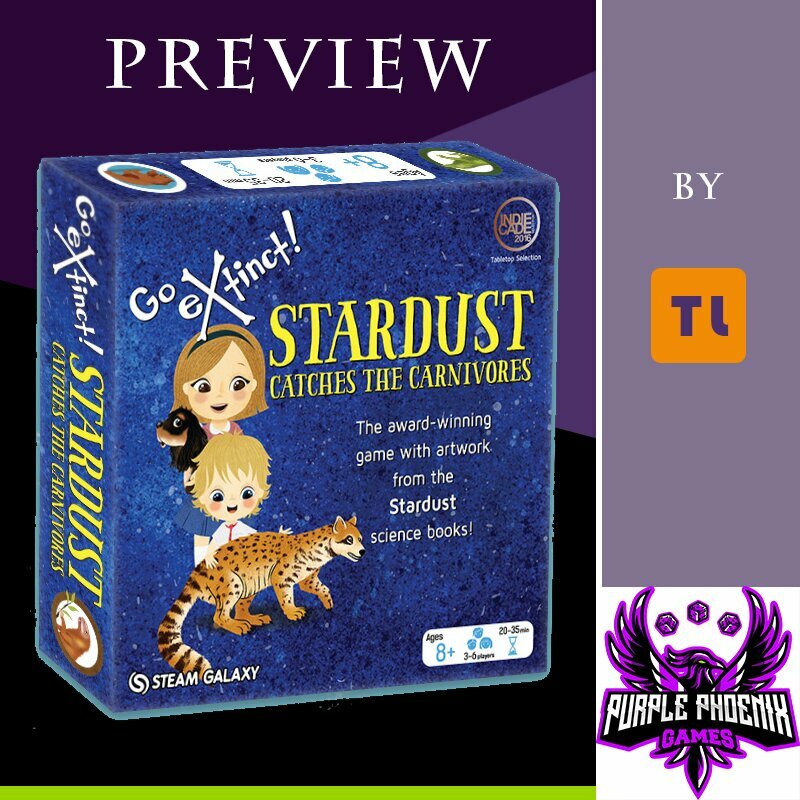
“Yo, uhh, got any sevens?” “Naw, go fish.” “Dag, yo.” “Hmm, got any Queens?” “Nope, go fish.” “*&%#@!!” While this may be many of us during the social distancing or self-isolation using meager playing cards, there is now another option – Go Extinct!: Stardust Catches the Carnivores. The title is long, but the playtime isn’t, and the Go Fish is there, but it is masked by an educational skin. Does this one make a case for our collection?
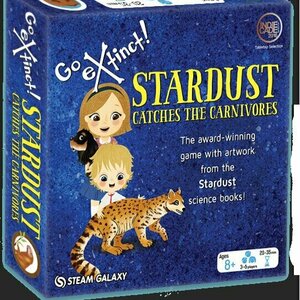
In Go Extinct!: Stardust Catches the Carnivores (which I will shorten to Go Extinct from here on out) players are attempting to score the most points at the end of the game by collecting runs(?) of animals within the same biological family, called “clades.” More points are gained by collecting families with more members, and the game has a known end timeline – when the players’ cards run out.
DISCLAIMER: We were provided a prototype copy of this game for the purposes of this review. These are preview copy components, and I do not know for sure if the final components will be any different from these shown. Also, it is not my intention to detail every rule in the game, but to give a feel for how the game generally plays. You are invited to back the game through the Kickstarter campaign running until April 16, 2020, purchase from your FLGS upon release, or through any retailers stocking it after fulfillment. -T
To setup, place the large board on the table for all to see. Follow the setup rules per player count listed in the rule book (because it’s different for three players and for 4+). Shuffle the cards and deal each player six cards. The rest of the deck becomes the central draw deck. You are now ready to begin!
A game of Go Extinct is played over several rounds where players are trying to collect and play complete clades of animals. Only clades played to the players’ personal score piles can be scored at the end of the game, and once in the score pile, can no longer be stolen (asked for) by other players – just like in Go Fish.
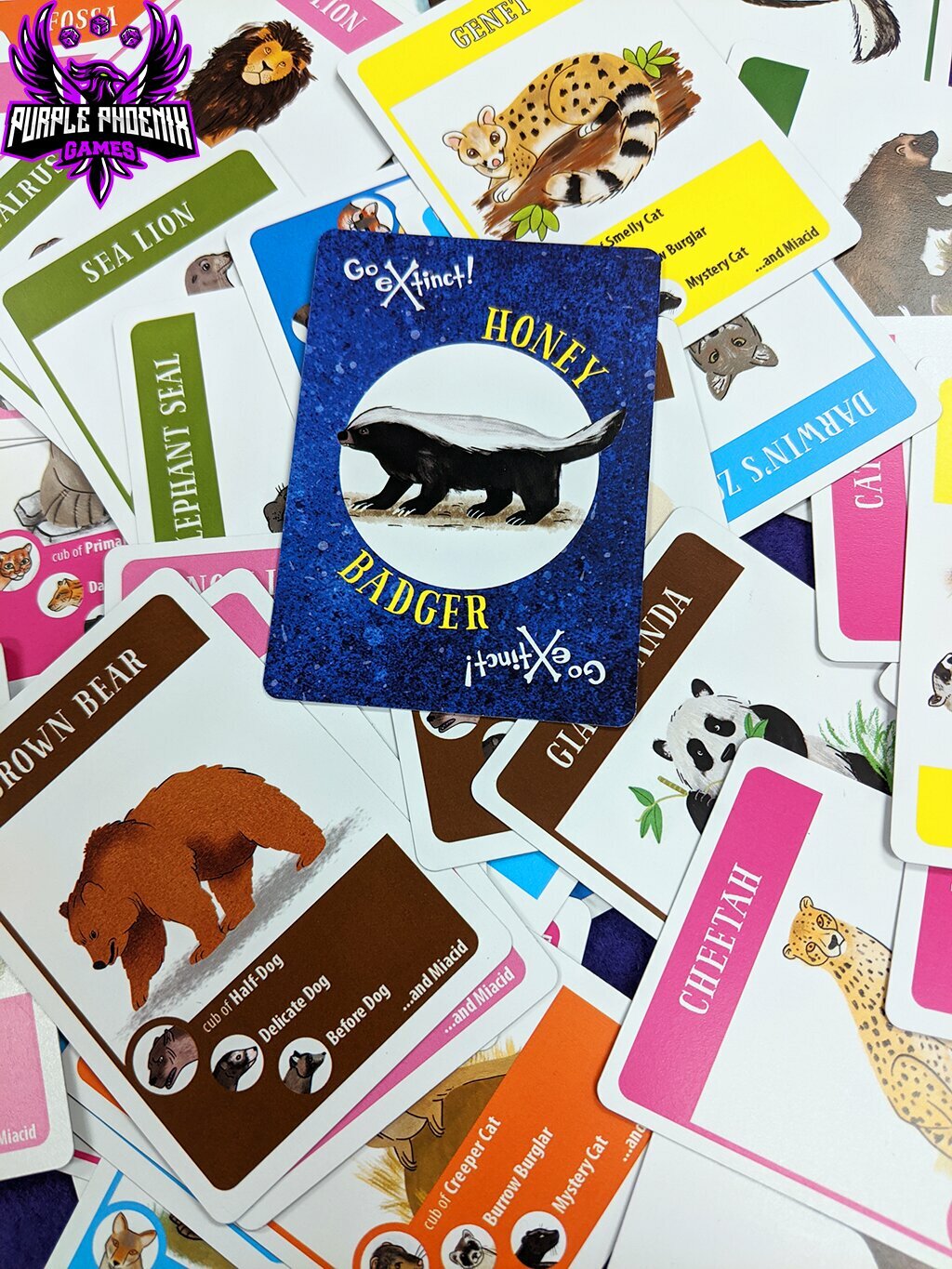
Go Extinct becomes a bit more distinct when asking for cards. A player can ask a specific player for a specific animal (Wolverine, Polar Bear, etc) or can ask for cards within the same family (a cub of Delicate Dog or Ancestor of Ursidae). If a player is given a specific animal species, the asking player may take another turn to ask for more animals or clade members. If the ask is unsuccessful, the asked player announces, “Go Extinct” to indicate that the asking player must hunt for animals elsewhere, namely, the draw pile. Redraw at the end of a turn to a hand size of six and the game continues with the next player.
Again, the game ends once all the cards are played, but when the draw deck runs out, a new rule enters play. When asked for a clade, the asked player must give up to three of their cards, if they have that many of that clade. Once a player runs out of cards in their hand, they are finished, and the game ends when every player is out of cards. Tally up the points per clade size, and determine who is the best at collecting animal clades!
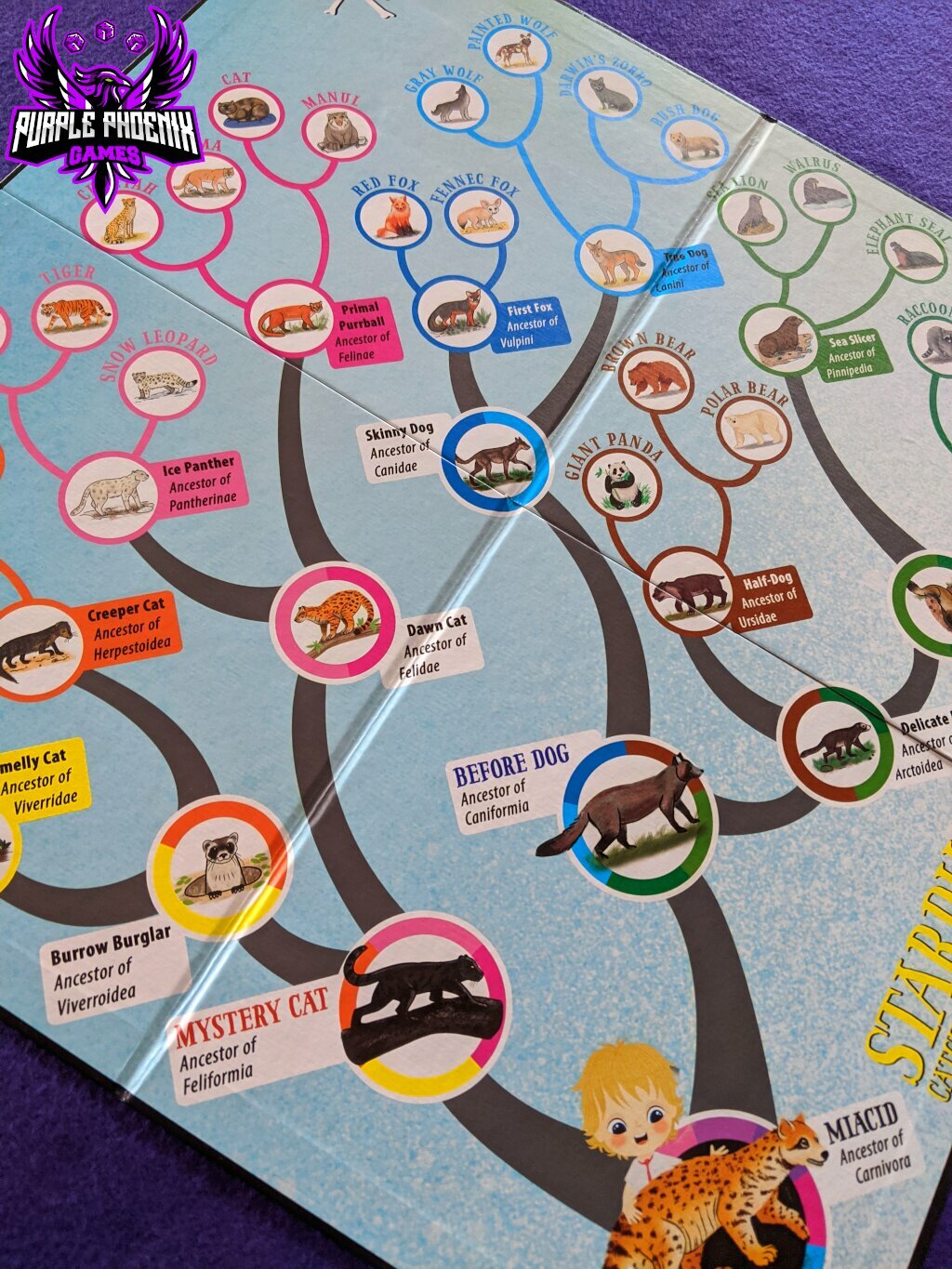
Components. Again, we were provided a prototype copy of this game, which is on Kickstarter now, so the components may be different from what will be produced via a successful KS campaign. That said, the components we received are great! The cards are good quality with excellent card art depicting extinct and current animals. The graphic layout is good, and once you can read the cards, the board is no longer really necessary for play. That board. It is absolutely beautiful, though not overly ornate, and is also completely unnecessary for play. We did enjoy having it on the table while we played, but players never actually interact with it or use for anything other than reference. It is a nice touch, though.
Being a family man, myself, and having young children, this will be great for when my kids learn to read. Learning the names of ancestral animals and scientific nomenclature of current animals is something I cannot wait to teach my kids. I really see no reason for me to ever teach them Go Fish while I have Go Extinct in my collection, and I do believe I will keep it there for a long time. If you enjoy light games with a heavy dose of education and direct player interaction without conflict, then Go Extinct is for you. It may be too light for hardcore gamers, but those gamers are not the intended audience. If you are looking for games to bond with your kids over, then you simply must check out Go Extinct. Or if you just want to learn a little something yourself, go ahead and pick up a copy or three. I recommend it. Visit the Kickstarter campaign here and tell them Purple Phoenix Games sent you!
In Go Extinct!: Stardust Catches the Carnivores (which I will shorten to Go Extinct from here on out) players are attempting to score the most points at the end of the game by collecting runs(?) of animals within the same biological family, called “clades.” More points are gained by collecting families with more members, and the game has a known end timeline – when the players’ cards run out.
DISCLAIMER: We were provided a prototype copy of this game for the purposes of this review. These are preview copy components, and I do not know for sure if the final components will be any different from these shown. Also, it is not my intention to detail every rule in the game, but to give a feel for how the game generally plays. You are invited to back the game through the Kickstarter campaign running until April 16, 2020, purchase from your FLGS upon release, or through any retailers stocking it after fulfillment. -T
To setup, place the large board on the table for all to see. Follow the setup rules per player count listed in the rule book (because it’s different for three players and for 4+). Shuffle the cards and deal each player six cards. The rest of the deck becomes the central draw deck. You are now ready to begin!
A game of Go Extinct is played over several rounds where players are trying to collect and play complete clades of animals. Only clades played to the players’ personal score piles can be scored at the end of the game, and once in the score pile, can no longer be stolen (asked for) by other players – just like in Go Fish.
Go Extinct becomes a bit more distinct when asking for cards. A player can ask a specific player for a specific animal (Wolverine, Polar Bear, etc) or can ask for cards within the same family (a cub of Delicate Dog or Ancestor of Ursidae). If a player is given a specific animal species, the asking player may take another turn to ask for more animals or clade members. If the ask is unsuccessful, the asked player announces, “Go Extinct” to indicate that the asking player must hunt for animals elsewhere, namely, the draw pile. Redraw at the end of a turn to a hand size of six and the game continues with the next player.
Again, the game ends once all the cards are played, but when the draw deck runs out, a new rule enters play. When asked for a clade, the asked player must give up to three of their cards, if they have that many of that clade. Once a player runs out of cards in their hand, they are finished, and the game ends when every player is out of cards. Tally up the points per clade size, and determine who is the best at collecting animal clades!
Components. Again, we were provided a prototype copy of this game, which is on Kickstarter now, so the components may be different from what will be produced via a successful KS campaign. That said, the components we received are great! The cards are good quality with excellent card art depicting extinct and current animals. The graphic layout is good, and once you can read the cards, the board is no longer really necessary for play. That board. It is absolutely beautiful, though not overly ornate, and is also completely unnecessary for play. We did enjoy having it on the table while we played, but players never actually interact with it or use for anything other than reference. It is a nice touch, though.
Being a family man, myself, and having young children, this will be great for when my kids learn to read. Learning the names of ancestral animals and scientific nomenclature of current animals is something I cannot wait to teach my kids. I really see no reason for me to ever teach them Go Fish while I have Go Extinct in my collection, and I do believe I will keep it there for a long time. If you enjoy light games with a heavy dose of education and direct player interaction without conflict, then Go Extinct is for you. It may be too light for hardcore gamers, but those gamers are not the intended audience. If you are looking for games to bond with your kids over, then you simply must check out Go Extinct. Or if you just want to learn a little something yourself, go ahead and pick up a copy or three. I recommend it. Visit the Kickstarter campaign here and tell them Purple Phoenix Games sent you!

Nymphomaniac Volume I (2014)
6.7 Rate It
Movie Watch
1. "The Compleat Angler" Inspired by a fly fishing hook in the wall behind her and Seligman's love...