
Search
Search results
Medical Conditions in the Athlete 3rd Edition with Web Study Guide
Katie Walsh Flanagan and Micki Cuppett
Book
Medical Conditions in the Athlete, Third Edition With Web Study Guide, equips health care providers...
Northern Soul: An Illustrated History
Elaine Constantine and Gareth Sweeney
Book
The story of Northern Soul is one of practically total immersion, dedication and devotion, where the...

From the Fatherland with Love
Ryu Murakami, Charles De Wolf, Ralph McCarthy and Ginny Takemori
Book
An ambitious, epic dystopian novel - part political thriller and part satire. From the Fatherland,...

Kristy H (1252 KP) rated Valley of the Dolls in Books
May 13, 2021
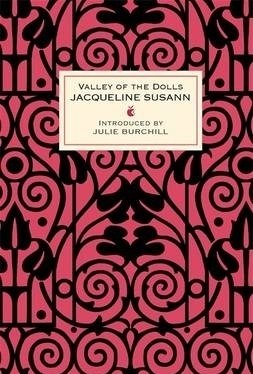

A classic that doesn't stand the test of time
This is the twenty-second book in my #atozchallenge! I'm challenging myself to read a book from my shelves that starts with each letter of the alphabet. Let's clear those shelves and delve into that backlist!
This classic novel had been sitting on my shelves for a while, so I decided to tackle it as a part of my challenge. I still have mixed feelings about it, even writing this review a month or so later. Honestly, this book is really depressing. The beginning was interesting, and I thought I would find it very engaging, but eventually the women became reduced to annoying drug addicts whose lives revolved around their looks and men. I wasn't sure what the message was, but it wasn't one I cared for.
VALLEY OF THE DOLLS centers on three women: Anne, a young woman from a tiny town who escapes and comes to New York City; Jennifer, a beautiful woman who parlays that beauty into an acting career; and Neely, a young woman with a lovely voice who dreams of an acting and singing career. Anne finds work at a talent agency, working for Henry Bellamy, which is how she meets Jennifer. Neely is her young neighbor. At first, all three women are poor and dreaming of a better life. Over the course of the book, their fortunes change, but they do not necessarily become happier.
I was sort of horrified if this was what life was like for the rich and famous in the 40s to the 60s. So much drinking, drugs, and partying. There was such intense focus on looks--if this book was supposed to be advanced for the era, it's certainly not now! The men came across terribly, but the women were not much better. Even if they were using their bodies for power, everything just felt icky. Anne is supposed to be the model of an independent woman, as she has her own money, but she's not... I wanted to like her, but it was hard.
Overall, while I certainly found parts of this book fascinating, I cannot say I always enjoyed it. It definitely provides great historical insight into a particular era, though. I'm glad I read it--it's always interesting to see what was a classic and why at certain times. But did I like the characters and plot? Not really. 2 stars for plot, rounded to 3 stars for historical significance. (Oh and major trigger warning for the use of the "f" word in relation to queer people. Part of the times, I realize, but it became very disconcerting after a while for me.)
This classic novel had been sitting on my shelves for a while, so I decided to tackle it as a part of my challenge. I still have mixed feelings about it, even writing this review a month or so later. Honestly, this book is really depressing. The beginning was interesting, and I thought I would find it very engaging, but eventually the women became reduced to annoying drug addicts whose lives revolved around their looks and men. I wasn't sure what the message was, but it wasn't one I cared for.
VALLEY OF THE DOLLS centers on three women: Anne, a young woman from a tiny town who escapes and comes to New York City; Jennifer, a beautiful woman who parlays that beauty into an acting career; and Neely, a young woman with a lovely voice who dreams of an acting and singing career. Anne finds work at a talent agency, working for Henry Bellamy, which is how she meets Jennifer. Neely is her young neighbor. At first, all three women are poor and dreaming of a better life. Over the course of the book, their fortunes change, but they do not necessarily become happier.
I was sort of horrified if this was what life was like for the rich and famous in the 40s to the 60s. So much drinking, drugs, and partying. There was such intense focus on looks--if this book was supposed to be advanced for the era, it's certainly not now! The men came across terribly, but the women were not much better. Even if they were using their bodies for power, everything just felt icky. Anne is supposed to be the model of an independent woman, as she has her own money, but she's not... I wanted to like her, but it was hard.
Overall, while I certainly found parts of this book fascinating, I cannot say I always enjoyed it. It definitely provides great historical insight into a particular era, though. I'm glad I read it--it's always interesting to see what was a classic and why at certain times. But did I like the characters and plot? Not really. 2 stars for plot, rounded to 3 stars for historical significance. (Oh and major trigger warning for the use of the "f" word in relation to queer people. Part of the times, I realize, but it became very disconcerting after a while for me.)

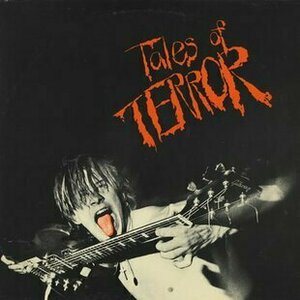
Mark Arm recommended Tales Of Terror by Tales Of Terror in Music (curated)
Jesters_folly (230 KP) rated Mandy (2018) in Movies
Sep 25, 2019


Contains spoilers, click to show
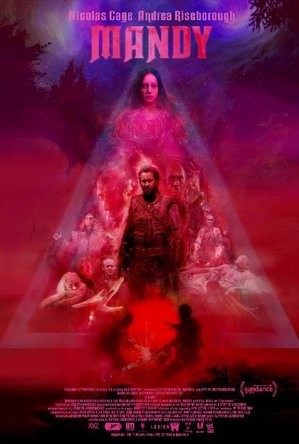
Red Miller (Nicholas Cage) is sent on a rampaging quest for vengeance when an evil cult abducts and kill his partner, Mandy Bloom.
The story is simple, Mandy and Red live alone in a forest. By chance Mandy is spotted by a cult leader who decided that he wants her to join him. Things don’t go to plan and Mandy ends up dead and Red starts on a quest for revenge. Simple and familiar, it’s not an uncommon plot, however Mandy is part film, part drug filled dream with snippets of animation thrown in, overlaid with a psychedelic, prog rock soundtrack. It has drugs, cults, demonic, slipknot esc bikers, (male) nudity, chainsaws and crossbows, religious parables and Jesus parallels. There is a metaphorical decent to hell and there is Nicholas Cage. All this is shot with constantly changing, coloured filters and distorted voices.
You can probably tell that Mandy isn’t for everyone, at times the film feels like an Italian horror, something like Suspiria or Deep Red and other time it seems like someone has brought a 70’s or 80’s rock/metal album cover to life. Throw in some animation that would be at home in ‘Heavy Metal’ Magazine, turn the crazy dial up to 11 and let Nicolas Cage (slowly) off the sanity leash and you have Mandy.
There are plot point that are not explained, for example Red suddenly has a friend who has a cross bow stored away for him and Red suddenly has a forge and knows how to use it. Is Mandy some kind of witch and, of course, is Red dead at the end.
I would say that there are some crazy scenes but the whole film is crazy but it does lead to some great scene’s like a chainsaw duel.
As I said, Mandy isn’t for everyone, it has a simple plot that has been turned in to a surreal nightmare so if you don’t like weird don’t watch this.
Mandy is also slow to get started as it builds up the atmosphere. I think that, if the film kept the atmosphere it starts with it could have been a similar tone to something like Midsommar however by the halfway point it has past that and, by the end the film just takes a head dive down the rabbit hole (almost literally).
Given all that I found it hard to rate, it has the feel of a 70’s horror and an 80’s grindhouse, some of the filters make it hard to understand some of the lines and the colour filters were disturbing and distracting although most of this was on purpose but over all I did enjoy it.
The story is simple, Mandy and Red live alone in a forest. By chance Mandy is spotted by a cult leader who decided that he wants her to join him. Things don’t go to plan and Mandy ends up dead and Red starts on a quest for revenge. Simple and familiar, it’s not an uncommon plot, however Mandy is part film, part drug filled dream with snippets of animation thrown in, overlaid with a psychedelic, prog rock soundtrack. It has drugs, cults, demonic, slipknot esc bikers, (male) nudity, chainsaws and crossbows, religious parables and Jesus parallels. There is a metaphorical decent to hell and there is Nicholas Cage. All this is shot with constantly changing, coloured filters and distorted voices.
You can probably tell that Mandy isn’t for everyone, at times the film feels like an Italian horror, something like Suspiria or Deep Red and other time it seems like someone has brought a 70’s or 80’s rock/metal album cover to life. Throw in some animation that would be at home in ‘Heavy Metal’ Magazine, turn the crazy dial up to 11 and let Nicolas Cage (slowly) off the sanity leash and you have Mandy.
There are plot point that are not explained, for example Red suddenly has a friend who has a cross bow stored away for him and Red suddenly has a forge and knows how to use it. Is Mandy some kind of witch and, of course, is Red dead at the end.
I would say that there are some crazy scenes but the whole film is crazy but it does lead to some great scene’s like a chainsaw duel.
As I said, Mandy isn’t for everyone, it has a simple plot that has been turned in to a surreal nightmare so if you don’t like weird don’t watch this.
Mandy is also slow to get started as it builds up the atmosphere. I think that, if the film kept the atmosphere it starts with it could have been a similar tone to something like Midsommar however by the halfway point it has past that and, by the end the film just takes a head dive down the rabbit hole (almost literally).
Given all that I found it hard to rate, it has the feel of a 70’s horror and an 80’s grindhouse, some of the filters make it hard to understand some of the lines and the colour filters were disturbing and distracting although most of this was on purpose but over all I did enjoy it.

Darren (1599 KP) rated Climax (2018) in Movies
Jul 13, 2019


Verdict: What The?
Story: Climax starts as we meet all the dancers in this gathering, Selva (Boutella) seems to be the one that is planning the big dance number that will give all of them a chance to show of their different styles and techniques, we see an early look at the project before seeing the dancers relaxing at a party, going through the social numbers.
The night takes a dramatic turn when somebody spikes the drink with LSD putting everybody into a hallucinatory nightmare bringing out the worst in them all.
Thoughts on Climax
Characters – We have so many characters that we meet in this film, nobody seems to be the main character, with most getting equal screen time, this doesn’t help the movie because it is hard to keep up with every single character, you get to see the names in the opening introduction only to forget them when you meet the next one, not many of them are that interesting either, they do all have one thing in common though, they want to be dancers.
Performances – It is hard to judge any of the performances in this film, the dancing side of everything is faultless, it is meant to look different, but because we don’t give enough time to the actors it is hard to give them time to shine in anyway through this film.
Story – The story follows a group of dancers that are working on a project who look to celebrate only for the occasion to turn into a nightmare when the drink is spike. I am going to be honest, there really isn’t a story here, it is mostly just characters talking about who they want to have sex with, then getting high and running around like maniacs, that is all that happens.
Horror – The horror in this film comes from just what these people end up doing to each other once the drugs have kicked in, it’s a lot of screaming and it does try to push the boundaries, the problem comes from us not getting to know these characters enough to care what they do.
Settings – The film is set in one location, it has plenty of corridors along with a big party hall, which does make senses for everything happening in once location over one night.
Scene of the Movie – The interview introductions do make sense for the number of characters we have to meet.
That Moment That Annoyed Me – The first about 50 minutes is just boring.
Final Thoughts – This is a movie that will have its fans, though it is just a complete art piece that is trying to push the boundaries more than give us a proper story with too many characters to keep up with.
Overall: Overly Arty Movie.
Rating
Story: Climax starts as we meet all the dancers in this gathering, Selva (Boutella) seems to be the one that is planning the big dance number that will give all of them a chance to show of their different styles and techniques, we see an early look at the project before seeing the dancers relaxing at a party, going through the social numbers.
The night takes a dramatic turn when somebody spikes the drink with LSD putting everybody into a hallucinatory nightmare bringing out the worst in them all.
Thoughts on Climax
Characters – We have so many characters that we meet in this film, nobody seems to be the main character, with most getting equal screen time, this doesn’t help the movie because it is hard to keep up with every single character, you get to see the names in the opening introduction only to forget them when you meet the next one, not many of them are that interesting either, they do all have one thing in common though, they want to be dancers.
Performances – It is hard to judge any of the performances in this film, the dancing side of everything is faultless, it is meant to look different, but because we don’t give enough time to the actors it is hard to give them time to shine in anyway through this film.
Story – The story follows a group of dancers that are working on a project who look to celebrate only for the occasion to turn into a nightmare when the drink is spike. I am going to be honest, there really isn’t a story here, it is mostly just characters talking about who they want to have sex with, then getting high and running around like maniacs, that is all that happens.
Horror – The horror in this film comes from just what these people end up doing to each other once the drugs have kicked in, it’s a lot of screaming and it does try to push the boundaries, the problem comes from us not getting to know these characters enough to care what they do.
Settings – The film is set in one location, it has plenty of corridors along with a big party hall, which does make senses for everything happening in once location over one night.
Scene of the Movie – The interview introductions do make sense for the number of characters we have to meet.
That Moment That Annoyed Me – The first about 50 minutes is just boring.
Final Thoughts – This is a movie that will have its fans, though it is just a complete art piece that is trying to push the boundaries more than give us a proper story with too many characters to keep up with.
Overall: Overly Arty Movie.
Rating


Lee (2222 KP) rated The Rental (2020) in Movies
Sep 2, 2020
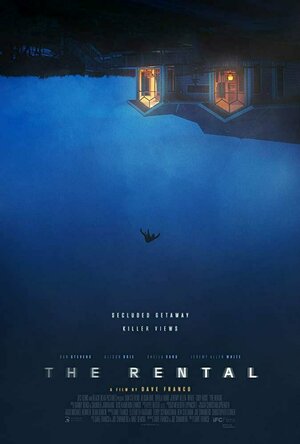


Business startup partners Charlie (Dan Stevens) and Mina (Sheila Vand) are celebrating the success of their company by looking at Airbnb rentals for a weekend getaway. As Mina casually rests on Charlie, looking over his shoulder at the amazing, but expensive house they’re thinking of renting, you get the impression they are a couple. That is, until Charlie’s brother Josh (Jeremy Allen White) walks in, and we learn that it is Josh and Mina who are together. And that the weekend trip is to include Charlie’s wife Michelle (Alison Brie).
Some obstacles to a perfect weekend arise before the foursome even make it to their rented house. Josh has decided to bring along his dog, Reggie, a violation of the homeowners no-pets rule, and Mina is concerned that the homeowner may be racist. She had tried to book the exact same house just an hour before Charlie did but was turned down, and she believes her Middle-Eastern name (her surname is Mohammadi) was the reason.
They arrive at the idyllic house, set out in the woods and right by the ocean, where they are greeted by the caretaker, and brother of the homeowner, Taylor (Toby Huss). He’s not exactly a welcoming barrel of laughs though – unhappy at the group for arriving an hour late and definitely giving off some racist vibes towards Mina which only add fuel to the concerns she’d raised in the car earlier.
With Taylor gone, the couples begin to settle into their weekend break with some music, drink and drugs. When Josh and Michelle decide to get an early night in preparation for a planned hike the next day, business partners Charlie and Mina decide to go and try out the hottub. And, well, I’m sure you can figure out how much of a mistake that turns out to be. To top it all off, somebody seems to be watching the group from afar…
The Rental is the directorial debut of actor Dave Franco. It’s a horror movie, but spends half of its 88 minute runtime with very little happening at all. If it wasn’t for the foreboding music, and the occasional hint at some sort of stalker, you’d think this was just a drama about two couples getting themselves into a whole heap of trouble in a strangers house.
When things do begin to shift, some potentially interesting twists and plot setups quickly fall by the wayside, as The Rental slips into being just a very generic slasher movie with nothing we haven’t seen before. I suddenly realised just how interesting that first half was in comparison and what a waste of a great cast it was.
Some obstacles to a perfect weekend arise before the foursome even make it to their rented house. Josh has decided to bring along his dog, Reggie, a violation of the homeowners no-pets rule, and Mina is concerned that the homeowner may be racist. She had tried to book the exact same house just an hour before Charlie did but was turned down, and she believes her Middle-Eastern name (her surname is Mohammadi) was the reason.
They arrive at the idyllic house, set out in the woods and right by the ocean, where they are greeted by the caretaker, and brother of the homeowner, Taylor (Toby Huss). He’s not exactly a welcoming barrel of laughs though – unhappy at the group for arriving an hour late and definitely giving off some racist vibes towards Mina which only add fuel to the concerns she’d raised in the car earlier.
With Taylor gone, the couples begin to settle into their weekend break with some music, drink and drugs. When Josh and Michelle decide to get an early night in preparation for a planned hike the next day, business partners Charlie and Mina decide to go and try out the hottub. And, well, I’m sure you can figure out how much of a mistake that turns out to be. To top it all off, somebody seems to be watching the group from afar…
The Rental is the directorial debut of actor Dave Franco. It’s a horror movie, but spends half of its 88 minute runtime with very little happening at all. If it wasn’t for the foreboding music, and the occasional hint at some sort of stalker, you’d think this was just a drama about two couples getting themselves into a whole heap of trouble in a strangers house.
When things do begin to shift, some potentially interesting twists and plot setups quickly fall by the wayside, as The Rental slips into being just a very generic slasher movie with nothing we haven’t seen before. I suddenly realised just how interesting that first half was in comparison and what a waste of a great cast it was.

Matthew Krueger (10051 KP) rated The Last House on the Left (1972) in Movies
Sep 3, 2020

To Avoid Fainting Keep Repeating...Its Only A Movie
The Last House on the Left- was wes's directoral debut and what a start. Its a disturbing, psychological, graphic, exploitation horror film.
The plot: Teenagers Mari (Sandra Cassel) and Phyllis (Lucy Grantham) head to the city for a concert, then afterward go looking for drugs. Instead, they find a gang of escaped convicts who subject them to a night of torture and rape. The gang then kills the girls in the woods, not realizing they're near Mari's house. When they pose as salesmen and are taken in by Mari's mother (Cynthia Carr) and father (Gaylord St. James), it doesn't take the parents long to figure out their identities and plot revenge.
Wes Craven, who had no money at the time, was put on the job of synchronizing dailies for Cunningham's re-shoot. He soon began editing the film with Cunningham. He soon began editing the film with Cunningham and they became good friends. Hallmark bought the film for $10,000, and it was considered a "hit"; this prompted Hallmark to persuade them to make another film with a bigger budget, and gave them $90,000 to shoot a horror film.
This script, written under the title Night of Vengeance, has never been released; only a brief glimpse is visible in the featurette Celluloid Crime of the Century (a 2003 documentary on the making of the film).
The majority of the cast of The Last House on the Left were inexperienced or first-time actors, with the exception of Richard Towers, Eleanor Shaw, and Sandra Peabody who were all soap opera regulars and had prior film roles.
The film underwent multiple title changes, with its investors initially titling it Sex Crime of the Century. However, after test screenings were completed, it was decided to change the title to Krug and Company; however, this title was found to have little draw during test screenings. A marketing specialist who was an acquaintance of Cunningham's proposed the title The Last House on the Left. Craven initially thought the title was "terrible."
Due to its graphic content, the film sparked protests from the public throughout the fall of 1972 who called for its removal from local theaters.
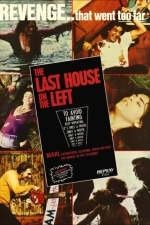
Promotional material capitalized on the film's graphic content and divisive reception, featuring the tagline: "To avoid fainting, keep repeating 'It's only a movie' ..." advertising campaign. Under the Last House... title, the film proved to be a hit.
Though the film passed with an R-rating by the Motion Picture Association of America, director Craven claimed that on several occasions, horrified audience members would demand that theater projectionists destroy the footage, sometimes stealing the film themselves.
It is a distubing film but it is a excellet film by a horror icon.
The plot: Teenagers Mari (Sandra Cassel) and Phyllis (Lucy Grantham) head to the city for a concert, then afterward go looking for drugs. Instead, they find a gang of escaped convicts who subject them to a night of torture and rape. The gang then kills the girls in the woods, not realizing they're near Mari's house. When they pose as salesmen and are taken in by Mari's mother (Cynthia Carr) and father (Gaylord St. James), it doesn't take the parents long to figure out their identities and plot revenge.
Wes Craven, who had no money at the time, was put on the job of synchronizing dailies for Cunningham's re-shoot. He soon began editing the film with Cunningham. He soon began editing the film with Cunningham and they became good friends. Hallmark bought the film for $10,000, and it was considered a "hit"; this prompted Hallmark to persuade them to make another film with a bigger budget, and gave them $90,000 to shoot a horror film.
This script, written under the title Night of Vengeance, has never been released; only a brief glimpse is visible in the featurette Celluloid Crime of the Century (a 2003 documentary on the making of the film).
The majority of the cast of The Last House on the Left were inexperienced or first-time actors, with the exception of Richard Towers, Eleanor Shaw, and Sandra Peabody who were all soap opera regulars and had prior film roles.
The film underwent multiple title changes, with its investors initially titling it Sex Crime of the Century. However, after test screenings were completed, it was decided to change the title to Krug and Company; however, this title was found to have little draw during test screenings. A marketing specialist who was an acquaintance of Cunningham's proposed the title The Last House on the Left. Craven initially thought the title was "terrible."
Due to its graphic content, the film sparked protests from the public throughout the fall of 1972 who called for its removal from local theaters.
Promotional material capitalized on the film's graphic content and divisive reception, featuring the tagline: "To avoid fainting, keep repeating 'It's only a movie' ..." advertising campaign. Under the Last House... title, the film proved to be a hit.
Though the film passed with an R-rating by the Motion Picture Association of America, director Craven claimed that on several occasions, horrified audience members would demand that theater projectionists destroy the footage, sometimes stealing the film themselves.
It is a distubing film but it is a excellet film by a horror icon.

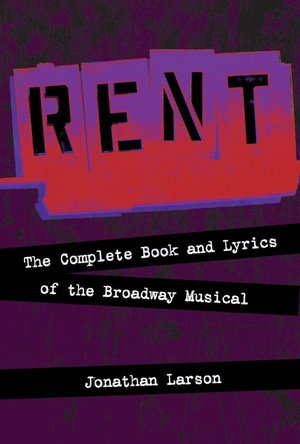
HerCrazyReviews (247 KP) rated Rent: The Complete Book and Lyrics of the Broadway Musical in Books
Aug 24, 2019
AIDs Representation (1 more)
LGBTQIA+ Representation
Great Representation, Horrible Characters
I have never seen the musical Rent nor have I ever seen the movie (though I heard it is not as good and different from the musical). Therefore, my rating is based solely on this book and because of that, I may not be able to understand or enjoy it as much as I would have if I had watched the movie or musical first.
First off, I loved that the book (or rather, musical) was set during the AIDS crisis and showed LGBTQIA+ representation. I think that is fantastic because (a.) we are lacking in our current day representation of LGBTQIA+ characters (though, we are slowly beginning to have this become the norm.) and (b.) the AIDS crisis was not a good time in history. The American government was not doing much to help with this crisis and seemed to sort of sweep it aside. Now, I was not alive during the beginning of this crisis and therefore have learned from sources and not with my own experiences, but not much was being done and this was mostly because this was originally considered a “gay disease” and, sadly, people in the past have not treated the LGBTQIA+ community with the respect they deserve. Instead, because this was considered a “gay disease” it was considered unimportant and therefore the AIDS epidemic was ignored. Luckily, today we have better people who are trying their best to find a cure.
Second, while I extremely enjoyed the representation and awareness this book (or musical) brought I did not enjoy most of the characters. While I do believe that characters should have flaws (after all no one is perfect and that is part of what make us human) I did not appreciate the way the characters in the book seemed to make excuses. Especially the fact that they used others difficulties to try and better themselves. Not to mention, most of the characters seemed to accentuate their poorness and use it as a way to better themselves. One scene that really got to me was when Mark was starting to film a homeless person. He did save them from the police but even they said “My life’s not for you to make a name for yourself on” and “Hey artist you gotta dollar? I thought not,” (Pg.38). It literally stated that these people who claim themselves to be “artists” use this as an excuse to exploit others.
Another huge part of what I did not appreciate about this book would be the harmful relationship that most of the characters seem to be in. Most of these relationships seemed too toxic and seemed to revolve around awful and sometimes disgusting circumstances.
Maureen (Cheater) + Joanne = 💔
Maureen and Joanne were repeatedly arguing, breaking it off, then getting back together. Now, that alone already seems like it’s not a healthy foundation for any relationship but then we find out that Maureen is a HUGE cheater. Mark himself told Joanne that she used to cheat on him when they were together and even had a bit of evidence that she was doing it again.
Roger (Past Drug Addict) + Mimi (Drug User) = 💔
Now, Roger is one of the many characters in this musical to have AIDS and because he is a past drug user we can infer that he got AIDS from drugs, or from his ex-girlfriend. Anyway, his goal before he dies from AIDS is to write one last song so that his life could mean something. To make sure that his life was worth it (to have glory), and I actually admire him for that. Lots of people would give up and I think it’s amazing that he wants to continue to try to make his life worth living. However, Mimi comes in and started to spark a flame (or light a candle) with Roger. There’s just one problem. Mimi is a drug user. Plus, it seems like she is trying to get Roger to get back on drugs. Definitely not something a healthy and loving relationship would have.
Benny (At least 30yrs.) + Mimi (Younger than 19) = 💔
Now, this has to be the most disgusting relationship in the book. While I don’t mind couples having age differences I am one-hundred percent NOT behind underage people dating men who are at least thirty, if not forty, years old. This was revealed when we got told that Mimi use to date Benny before she met Roger. Mimi was nineteen when she met Roger and if she had a prior relationship with Benny she was most likely eighteen or under.
Finally, I wasn’t very happy with the ending of the book. Mimi’s sort-of “death” scene just wasn’t my thing. It seemed to be that the situation as a whole seemed too excessive. She was dead, then she was back, then she was dead again, and she managed to come back because Angel told her too. While Mimi is a main character and main character deaths are extremely sad this story was supposed to make people more aware of AIDS and it just seemed to be too fanciful for me. This is an extremely deadly disease and just because someone told you that it was not your time to die yet does not mean that you are not going to yet pass. However, this is fiction and this does happen.
Would I Recommend? No. I really enjoyed the representation this showed within the LGBTQIA+ community and the awareness it would bring to people about the AIDS crisis, but I thought the story itself was bad. The characters, in my opinion, were not written well and I especially did not enjoy their actions or choices.
First off, I loved that the book (or rather, musical) was set during the AIDS crisis and showed LGBTQIA+ representation. I think that is fantastic because (a.) we are lacking in our current day representation of LGBTQIA+ characters (though, we are slowly beginning to have this become the norm.) and (b.) the AIDS crisis was not a good time in history. The American government was not doing much to help with this crisis and seemed to sort of sweep it aside. Now, I was not alive during the beginning of this crisis and therefore have learned from sources and not with my own experiences, but not much was being done and this was mostly because this was originally considered a “gay disease” and, sadly, people in the past have not treated the LGBTQIA+ community with the respect they deserve. Instead, because this was considered a “gay disease” it was considered unimportant and therefore the AIDS epidemic was ignored. Luckily, today we have better people who are trying their best to find a cure.
Second, while I extremely enjoyed the representation and awareness this book (or musical) brought I did not enjoy most of the characters. While I do believe that characters should have flaws (after all no one is perfect and that is part of what make us human) I did not appreciate the way the characters in the book seemed to make excuses. Especially the fact that they used others difficulties to try and better themselves. Not to mention, most of the characters seemed to accentuate their poorness and use it as a way to better themselves. One scene that really got to me was when Mark was starting to film a homeless person. He did save them from the police but even they said “My life’s not for you to make a name for yourself on” and “Hey artist you gotta dollar? I thought not,” (Pg.38). It literally stated that these people who claim themselves to be “artists” use this as an excuse to exploit others.
Another huge part of what I did not appreciate about this book would be the harmful relationship that most of the characters seem to be in. Most of these relationships seemed too toxic and seemed to revolve around awful and sometimes disgusting circumstances.
Maureen (Cheater) + Joanne = 💔
Maureen and Joanne were repeatedly arguing, breaking it off, then getting back together. Now, that alone already seems like it’s not a healthy foundation for any relationship but then we find out that Maureen is a HUGE cheater. Mark himself told Joanne that she used to cheat on him when they were together and even had a bit of evidence that she was doing it again.
Roger (Past Drug Addict) + Mimi (Drug User) = 💔
Now, Roger is one of the many characters in this musical to have AIDS and because he is a past drug user we can infer that he got AIDS from drugs, or from his ex-girlfriend. Anyway, his goal before he dies from AIDS is to write one last song so that his life could mean something. To make sure that his life was worth it (to have glory), and I actually admire him for that. Lots of people would give up and I think it’s amazing that he wants to continue to try to make his life worth living. However, Mimi comes in and started to spark a flame (or light a candle) with Roger. There’s just one problem. Mimi is a drug user. Plus, it seems like she is trying to get Roger to get back on drugs. Definitely not something a healthy and loving relationship would have.
Benny (At least 30yrs.) + Mimi (Younger than 19) = 💔
Now, this has to be the most disgusting relationship in the book. While I don’t mind couples having age differences I am one-hundred percent NOT behind underage people dating men who are at least thirty, if not forty, years old. This was revealed when we got told that Mimi use to date Benny before she met Roger. Mimi was nineteen when she met Roger and if she had a prior relationship with Benny she was most likely eighteen or under.
Finally, I wasn’t very happy with the ending of the book. Mimi’s sort-of “death” scene just wasn’t my thing. It seemed to be that the situation as a whole seemed too excessive. She was dead, then she was back, then she was dead again, and she managed to come back because Angel told her too. While Mimi is a main character and main character deaths are extremely sad this story was supposed to make people more aware of AIDS and it just seemed to be too fanciful for me. This is an extremely deadly disease and just because someone told you that it was not your time to die yet does not mean that you are not going to yet pass. However, this is fiction and this does happen.
Would I Recommend? No. I really enjoyed the representation this showed within the LGBTQIA+ community and the awareness it would bring to people about the AIDS crisis, but I thought the story itself was bad. The characters, in my opinion, were not written well and I especially did not enjoy their actions or choices.