
Ninth House (Alex Stern #1)
7.0 Rate It
Book
Galaxy “Alex” Stern is the most unlikely member of Yale’s freshman class. Raised in the Los...
Mirror Sight: Green Rider #5
Book
Karigan G’ladheon is a Green Rider—a seasoned member of the elite messenger corps of King...
A Song of Storm & Shadow (Storms in Amethir #1)
Book
Princess Azmei of Tamnen doesn’t like the decision she’s facing: marry Vistaren of Amethir or...
Epic Fantasy

Ross (3284 KP) rated Redemption's Blade: After the War in Books
Jun 15, 2018
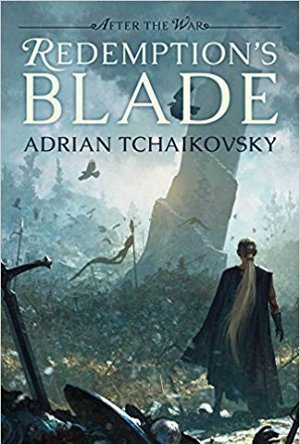
Over the last few months I have been lucky to read three new Tchaikovsky books. As this was the first fantasy book of those three (the other two being war sci-fi) I had fingers crossed for a return to the heights of the Shadows of the Apt series. I was sadly disappointed.
The scope of this book is truly epic in every sense. The world we are thrown into has a diverse range of beings, species, cities, religions and beliefs and a rich history. The events follow on from the end of a tyrannical reign of the Kinslayer, a power-mad demi-god who tried to break the spirit of those races he didn't just wipe out. We see the Kinslayer-slayer Celestaine's attempts to do good in the aftermath of this war, and try to make one species whole again. This aim leads her on a journey across the world where we are introduced to a range of new peoples and places. The journey goes on from place to place, the company increasing all the while.
I have real respect for Tchaikovsky trying to do something new - tell the story that follows on from a somewhat typical fantasy tale. Sadly for me, the story that went before sounds so much more interesting and engaging - the besting of a truly despicable being. This story is instead something of an empty, largely pointless journey. The ending leads us to believe someone had been luring people with the promise of magical items, to come to him and ultimately their doom - however, the trail leading to him was not exactly clear and the chances of anyone following it would be minimal (let alone someone following it at exactly the right pace to witness certain key events!). The world-building is epic and yet completely forgettable. I found myself forgetting who people were, why they were doing things and I completely missed one major reveal in the final chapters, only to re-read and find that there pretty much was no reveal.
I am a fan of Tchaikovsky's writing style but for me this book was a struggle to get through. I had no feelings towards any of the characters and couldn't remember or care where they had been or why, or what had happened. Not a worthwhile investment of my time.
The Book of Dust
6.5 Rate It
Book
“What can I tell you about it? The first thing to say is that Lyra is at the centre of the...
Disinformation
Book
Frances Leviston's first collection, Public Dream, was one of the most acclaimed debuts of recent...

The Wolf: Online RPG Simulator
Games
App
Dive into the world of wild wolves and live your life as one of them! The best wolf RPG on mobile is...

4Club - Find and date singles
Social Networking
App
Are you looking for something new? 4Club is the best app whenever you are looking for new friends,...

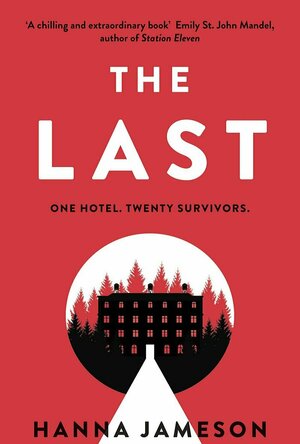

Our narrator, Jon, is a historian witnessing the most monumental event of humanity but at a great distance. He feels compelled to keep a record of the people isolated with him in a vast hotel. He collects their stories and feelings in the faint hope that some sort of civilisation will survive long enough to rediscover them. Through his journal we experience what it would be like to be aware that the world was ending, billions dying, but be totally disconnected from the horrific events.
Most books set during an apocalypse are fraught with traumatic dashes, violent brushes with death, horror and misery. There are elements of that here but this book mostly poses the question of what you would do if there was little drama but lots of time to dwell on things. The people in the hotel are comparatively safe in an old hotel surrounded by forest. They wait for something to happen, for someone to rescue them, or perhaps just for their food to run out. Jon embarks on a quest to solve one cruel murder, taking him down a path of mistrust and near hysteria.
I enjoyed the blend of dystopia and murder mystery; the first half of the book reads like a modern day progeny of George Orwell and Agatha Christie. Asking your audience to imagine bombs wiping out entire countries but then drastically limiting their focus to one death amongst multitudes is startling. I also liked the references to real people and places, there were definite shades of the Cecil Hotel here for a true-crime/horror podcast junkie like me to appreciate. However, I do feel that the novel lost it's way towards the end - trying to be all things to all people perhaps. It's definitely worth reading and I'm keen to see more from this author.
Toy Defense Fantasy
Games, Entertainment and Stickers
App
Toy Defense Fantasy 2.0 will please fans of tower defence genre with excellent graphics,...