
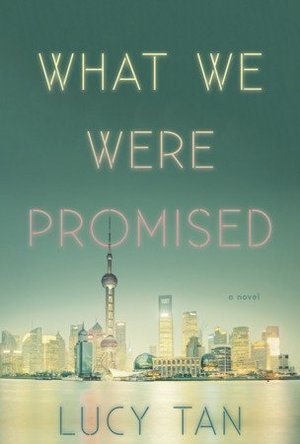
What We Were Promised
Book
After years of chasing the American dream, the Zhen family has moved back to China. Settling into a...

The Sisters Chase
7.0 Rate It
Book
A gripping novel about two sisters who are left homeless by their mother’s death and the lengths...
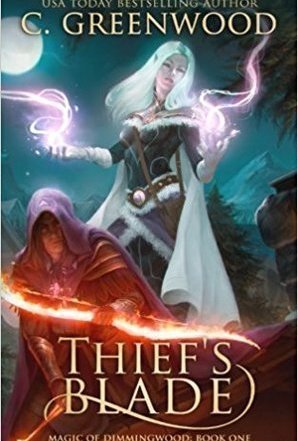
Thief's Blade (Magic of Dimmingwood Book #1)
Book
Luka’s carefree existence as the spoiled son of a minor noble ended the day his family was...

City Girl vs Country Boy (Forever Love #1)
8.0 Rate It
Book
A tragic accident brought them together. Will devotion be the glue that mends their broken hearts? ...
Sweet Young Adult Contemporary Romance

Heather Cranmer (2721 KP) created a post
Aug 20, 2021


Mark @ Carstairs Considers (2660 KP) rated The Raven Thief in Books
Jan 25, 2024 (Updated Jan 25, 2024)
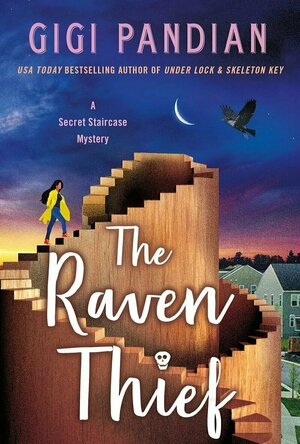

I’m not sure why I didn’t get to this book sooner, but I’m glad I finally did. I was quickly hooked, and the locked room aspect really added to the plot. The complications and twists just made the book harder to put down, but I was completely satisfied when I turned the last page. I fell in love with the characters even more here, as well. We get some advancement to the overarching storyline related to Tempest’s family, which made me glad the next book is coming soon. There are even three recipes at the end. If you haven’t read this book yet, fix that today.


Sweetest Blood
8.5
Rate It
Book
Felix. When my sister gets cursed into a coma by a witch coven, I’m forced to pay them...
MM Paranormal Romance Vampires Witches
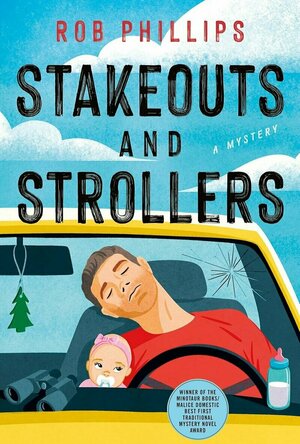
Stakeouts and Strollers
8.0
Rate It
Book
Amateur private investigator and new dad Charlie Shaw gets more than he bargained for when he agrees...
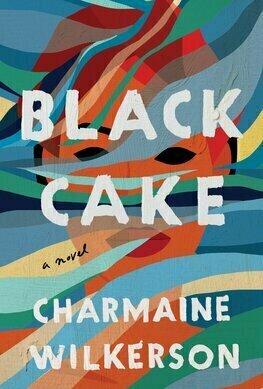
Black Cake
8.5
Rate It
Book
In this moving debut novel, two estranged siblings must set aside their differences to deal with...
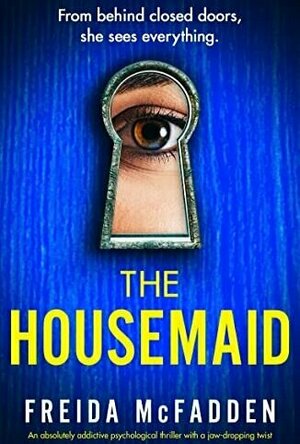
The Housemaid (The Housemaid #1)
8.5
Rate It
Book
“Welcome to the family,” Nina Winchester says as I shake her elegant, manicured hand. I smile...
psychological thriller series