
Search
Search results

JusTalk: simple video calling
Social Networking
App
JusTalk is a FREE high-quality video and voice calling app for everyone - simple, reliable, secure...

Melanie Caldicott (6 KP) rated 10 Minutes 38 Seconds in This Strange World in Books
Apr 29, 2021

You can also read my review at my blog - https://roamingthroughbooks.wordpress.com
I saw this book reviewed on The Sky Arts Book Club and Shafak was interviewed and I think I fell a little in love. Shafak is a beautiful human being who is currently self-exiled from Turkey to the content of her novels being subject to investigation as part of a legal movement in which writers are frequently prosecuted. A passionate storyteller, who writes openly about human rights, her protagonists are often the fallen, forgotten and marginalised. Needless to say I have been looking forward to reading this ever since.
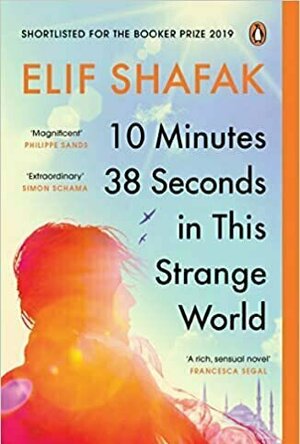
10 Minutes 38 Seconds in this Strange World is a novel about a murdered street walker, Tequila Leila and the last moments of brain activity that is said to occur after the heart has stopped beating. The memories of her life flood back, often related to taste and smell and we start to learn about the story of her life.
Central to her memories and providing a backbone to her life were The Five, – five people with which she formed close, integral friendships and in the absence of her blood relatives, are Leila’s “family”.
The book is structured around three parts – the first, The Mind telling the stories of her post-mortem memories, the second, The Body about how she was murdered and the impact it has on The Five, and finally, The Soul which is a touching finale in which The Five determine to give Leila the send-off she deserves.
Shafak is such a clever storyteller and is able to illuminate aspects of humanity which is often avoided or ignored, which make us feel uncomfortable, and yet her tenderness and compassion shine through the portrayal of all her characters enabling the reader to walk a mile in the shoes of those who are often forgotten.
For a book centred around death, an issue that rarely sits comfortably with human beings, 10 Minutes 38 Seconds in this Strange World confronts it without fear. She skilfully takes a sex worker’s body which is disregarded in its anonymity by those that are responsible for sweeping up the detritus of the Istanbul streets, and reveals a story of a life, full of tragedy, joy and love.
I love how Elif Shafak takes the stories of all of The Five and transforms the insignificant to the significant through the love they have for Leila and each other. In a society which elevates the rich and famous and makes their voices the loudest and most significant in the world, I loved the truth which was affirmed in this book about what a life of substance really means.
I saw this book reviewed on The Sky Arts Book Club and Shafak was interviewed and I think I fell a little in love. Shafak is a beautiful human being who is currently self-exiled from Turkey to the content of her novels being subject to investigation as part of a legal movement in which writers are frequently prosecuted. A passionate storyteller, who writes openly about human rights, her protagonists are often the fallen, forgotten and marginalised. Needless to say I have been looking forward to reading this ever since.
10 Minutes 38 Seconds in this Strange World is a novel about a murdered street walker, Tequila Leila and the last moments of brain activity that is said to occur after the heart has stopped beating. The memories of her life flood back, often related to taste and smell and we start to learn about the story of her life.
Central to her memories and providing a backbone to her life were The Five, – five people with which she formed close, integral friendships and in the absence of her blood relatives, are Leila’s “family”.
The book is structured around three parts – the first, The Mind telling the stories of her post-mortem memories, the second, The Body about how she was murdered and the impact it has on The Five, and finally, The Soul which is a touching finale in which The Five determine to give Leila the send-off she deserves.
Shafak is such a clever storyteller and is able to illuminate aspects of humanity which is often avoided or ignored, which make us feel uncomfortable, and yet her tenderness and compassion shine through the portrayal of all her characters enabling the reader to walk a mile in the shoes of those who are often forgotten.
For a book centred around death, an issue that rarely sits comfortably with human beings, 10 Minutes 38 Seconds in this Strange World confronts it without fear. She skilfully takes a sex worker’s body which is disregarded in its anonymity by those that are responsible for sweeping up the detritus of the Istanbul streets, and reveals a story of a life, full of tragedy, joy and love.
I love how Elif Shafak takes the stories of all of The Five and transforms the insignificant to the significant through the love they have for Leila and each other. In a society which elevates the rich and famous and makes their voices the loudest and most significant in the world, I loved the truth which was affirmed in this book about what a life of substance really means.

BookInspector (124 KP) rated Erotic Stories for Punjabi Widows in Books
Sep 24, 2020
When I started reading this book, I really didn't know what to expect from it. The name of the book was simply unbelievable. The more I read it, the more it shocked me, and I know for sure, that after reading this book, I will never look the same at South Asian aunties and the community. The description of the book is quite accurate. British born Punjabi Nikki gets a job in gurdwara in Southall, London, to teach reading and writing to Punjabi widows, who are mostly from villages. She quickly notices that these widows are not interested in learning how to write, instead, they are very keen to share their erotic fantasies with other women. While teaching the widows, Nikki learns, that Southall, and the community itself are hiding many dirty secrets of its own.
I found the characters of this book very amusing, and at the same time very close to my heart. I loved how author put two opposites in the book; Nikki, who wants to live her life and make her own choices, and her sister Mindi-who still wants things done the traditional way. All the widows, who participated in this book, were really interesting and diverse personalities. They all had a story to tell, not only erotic one, but the one of their life as well. I do know quite a lot of South Asian people, and the way author described them in the book is very accurate. I am not including their fantasies, but the part of how they present themselves to society, is quite accurate. Respect of the family is the main value in Asian society, and all people try to maintain that. That’s why Nikki is kind of rebel against traditional values, which is sometimes quite shameful in the eye of the community. Everything in this book sounds very real and believable: characters, plot and the way author described places used in this book, it’s unbelievably accurate. I liked that author included more than one character in this book, and told the story from Nikki’s and her employer’s Kulvinder’s perspective. Kulvinder has huge influence in the book, with the tragic story of her daughter Maya, who died very young. Through the views of Nikki and Kulvinder, the story of the book unfolds very nicely, and keeps the suspense going.
The plot of the book is very original; nevertheless, it tells couple of different stories at the same time. Most of the action in this book happens in Southall, London. As the author said in the book, she lived in Southall, while she was studying at university. That explains why she wrote about this place with such detail. She described every corner and street with great accuracy, and beautifully presented the spirit of that place. How do I know? I visited that place many times, that’s why the similarity shocked me. This book tells not only the story of widow’s fantasies, but also involves murders, and many dark secrets of the society itself, and that really made the book amusing, twisty and hard to put down. The more Nikki gets involved with the widows, the more this story turns and thickens. Author discussed a lot of important topics in this book, such as: honour killings; family relations between parents and children, and what honour and respect of the family means in Asian society; immigration and adjustment problems; and many more. Author showed really nicely, that women, even after marriage remain women, and that after washing dishes, cooking and cleaning houses, they have their wishes and desires, which are not always fulfilled. Let me tell you one thing, those erotic stories they tell are really kinky, and has wide variety of action going on, so it is definitely not for young people to read.
So, as I mentioned before, and as it is obvious from the name of the book, it contains so foul language but at the same time is very comic and funny to read. This book is quite detailed, but it doesn’t make it boring, it helps to understand the situations better. I really liked, that the chapters were divided, so it was easier and more fun to read it. The ending of the book is nice and ended the book really well, by putting all characters at peace. To conclude, I really enjoyed this layered, funny and very beautifully written book and I do recommend reading it to everyone, who would like to have an insight of South Asian community, and get involved with those great topics which author brought up in this book.
I found the characters of this book very amusing, and at the same time very close to my heart. I loved how author put two opposites in the book; Nikki, who wants to live her life and make her own choices, and her sister Mindi-who still wants things done the traditional way. All the widows, who participated in this book, were really interesting and diverse personalities. They all had a story to tell, not only erotic one, but the one of their life as well. I do know quite a lot of South Asian people, and the way author described them in the book is very accurate. I am not including their fantasies, but the part of how they present themselves to society, is quite accurate. Respect of the family is the main value in Asian society, and all people try to maintain that. That’s why Nikki is kind of rebel against traditional values, which is sometimes quite shameful in the eye of the community. Everything in this book sounds very real and believable: characters, plot and the way author described places used in this book, it’s unbelievably accurate. I liked that author included more than one character in this book, and told the story from Nikki’s and her employer’s Kulvinder’s perspective. Kulvinder has huge influence in the book, with the tragic story of her daughter Maya, who died very young. Through the views of Nikki and Kulvinder, the story of the book unfolds very nicely, and keeps the suspense going.
The plot of the book is very original; nevertheless, it tells couple of different stories at the same time. Most of the action in this book happens in Southall, London. As the author said in the book, she lived in Southall, while she was studying at university. That explains why she wrote about this place with such detail. She described every corner and street with great accuracy, and beautifully presented the spirit of that place. How do I know? I visited that place many times, that’s why the similarity shocked me. This book tells not only the story of widow’s fantasies, but also involves murders, and many dark secrets of the society itself, and that really made the book amusing, twisty and hard to put down. The more Nikki gets involved with the widows, the more this story turns and thickens. Author discussed a lot of important topics in this book, such as: honour killings; family relations between parents and children, and what honour and respect of the family means in Asian society; immigration and adjustment problems; and many more. Author showed really nicely, that women, even after marriage remain women, and that after washing dishes, cooking and cleaning houses, they have their wishes and desires, which are not always fulfilled. Let me tell you one thing, those erotic stories they tell are really kinky, and has wide variety of action going on, so it is definitely not for young people to read.
So, as I mentioned before, and as it is obvious from the name of the book, it contains so foul language but at the same time is very comic and funny to read. This book is quite detailed, but it doesn’t make it boring, it helps to understand the situations better. I really liked, that the chapters were divided, so it was easier and more fun to read it. The ending of the book is nice and ended the book really well, by putting all characters at peace. To conclude, I really enjoyed this layered, funny and very beautifully written book and I do recommend reading it to everyone, who would like to have an insight of South Asian community, and get involved with those great topics which author brought up in this book.

Carma (21 KP) rated How to Keep a Secret in Books
Jun 17, 2019
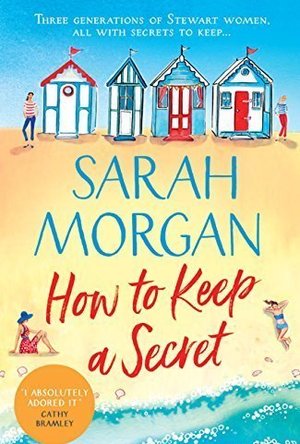

How to Keep a Secret is written in a different style than we normally see from Sarah Morgan. As with all her other novels, this one flows story to story without hesitation blending all 4 womens stories into one overall story. Not leaving you feel like you are reading separate stories, another 5 star, well done for Ms. Morgan.
How to Keep a Secret follows the stories of Mom Nancy, a painter who barely had time for her daughters while they grew up. Sisters Jenna, who longs for a baby with her husband (maybe too much), Lauren, whos husband unexpectedly dies leaving her in chaos with her teenage daughter Mack, who isnt much into supporting her mother right now. They each are well versed in secret keeping, will they come together as one to tackle them head on.
Each woman has her own story to tell and each is told with passion, compassion, dignity and grace from both their own perspectives and as seen from those around them. Once again Ms. Morgan uses her pen and paper to draw us into this world, surrounding us with new friends who we fight for, care about and are sad when they leave us.
Nancys story could be a mothers story from any age or perspective. She is the breadwinner and leaves the care of the girls up to their dad, the fun one. She feels like she has neglected them their whole lives and has no clue how to be there for them now. Having lost her husband 5 years ago she has become a shell of her former self. She has to do some major life adjustments and clean outs to get back to being herself again. Maybe even find love again.
Lauren is dealing with the loss of her husband as well, though in the present not the past as her mother is. She has lost the close connection with her teenage daughter Mack, and has absolutely no idea what happened to cause the rift. At her husbands funeral she finally finds out the reason behind Macks sudden departure. As she packs and moves back home to Marthas Vineyard, can she find peace with her daughter once again?
Jenna has suffered her own personal losses as of late she cant get pregnant. She has no idea why or how come, she just knows she wants a baby more than anything isnt being afforded the opportunity. If one more well-meaning person tells her how great a mom shed be when she finally decided to have a baby, she would spit nails. Shes decided the universe has not. Can her marriage to Greg withstand the constant pressure that comes from trying to make a baby and failing?
Mack is a confused, upset, lonely and borderline angry teenage girl. She just lost her dad Ed and is now having to move across the pond with her mother into her grandmothers house on Marthas Vineyard. Nothing about life is fair at this moment. Can she start over in a new place, with new friends and new family?
Ms. Morgan once again tells a beautiful story that has you so wrapped up in the lives of the characters you are quite upset that it has ended. I received a copy of the novel in advance without any expectations for review. Any and all opinions expressed are solely my own. I would advise you to run, not walk, to the nearest place that sells Ms. Morgans books and pick up a copy today.
How to Keep a Secret follows the stories of Mom Nancy, a painter who barely had time for her daughters while they grew up. Sisters Jenna, who longs for a baby with her husband (maybe too much), Lauren, whos husband unexpectedly dies leaving her in chaos with her teenage daughter Mack, who isnt much into supporting her mother right now. They each are well versed in secret keeping, will they come together as one to tackle them head on.
Each woman has her own story to tell and each is told with passion, compassion, dignity and grace from both their own perspectives and as seen from those around them. Once again Ms. Morgan uses her pen and paper to draw us into this world, surrounding us with new friends who we fight for, care about and are sad when they leave us.
Nancys story could be a mothers story from any age or perspective. She is the breadwinner and leaves the care of the girls up to their dad, the fun one. She feels like she has neglected them their whole lives and has no clue how to be there for them now. Having lost her husband 5 years ago she has become a shell of her former self. She has to do some major life adjustments and clean outs to get back to being herself again. Maybe even find love again.
Lauren is dealing with the loss of her husband as well, though in the present not the past as her mother is. She has lost the close connection with her teenage daughter Mack, and has absolutely no idea what happened to cause the rift. At her husbands funeral she finally finds out the reason behind Macks sudden departure. As she packs and moves back home to Marthas Vineyard, can she find peace with her daughter once again?
Jenna has suffered her own personal losses as of late she cant get pregnant. She has no idea why or how come, she just knows she wants a baby more than anything isnt being afforded the opportunity. If one more well-meaning person tells her how great a mom shed be when she finally decided to have a baby, she would spit nails. Shes decided the universe has not. Can her marriage to Greg withstand the constant pressure that comes from trying to make a baby and failing?
Mack is a confused, upset, lonely and borderline angry teenage girl. She just lost her dad Ed and is now having to move across the pond with her mother into her grandmothers house on Marthas Vineyard. Nothing about life is fair at this moment. Can she start over in a new place, with new friends and new family?
Ms. Morgan once again tells a beautiful story that has you so wrapped up in the lives of the characters you are quite upset that it has ended. I received a copy of the novel in advance without any expectations for review. Any and all opinions expressed are solely my own. I would advise you to run, not walk, to the nearest place that sells Ms. Morgans books and pick up a copy today.

FarFaria Stories To Read Along
Education and Book
App
- “Brain Expander” –Parenting Magazine - “Netflix for Children's Books!” –USA Today -...

Hazel (1853 KP) rated The House at the Edge of the Night in Books
Oct 20, 2017

For Victoria Hislop fans
I received this book for free through Goodreads First Reads.
Castellamare, a small island off the south coast of Italy, is the perfect setting for a captivating epic tale that traces a family from the beginning of the 1900s until the more recent year of 2009. Centred at the island’s only bar ‘The House at the Edge of the Night’, the island inhabitants suffer through two world wars, fascism, tourism and recession, however, the bar determinedly stays standing. But what happens in the rest of the world is largely ignored by the island dwellers that prefer to come to the bar to learn about friendships, betrayals and love affairs.
The House at the Edge of the Night begins on the mainland where the Dr Esposito removes the foundling Amadeo from care. Following in his foster father’s footsteps, Amadea Esposito trains to be a doctor and eventually lands himself a position on Castellamare. Having never had a doctor on the island before, Amadeo is welcomed by almost everyone, however, an illicit affair puts an end to his career. Fortunately, The House at the End of the Night provides Amadeo with an income and a home for his new wife, Pina, and his four children.
The story takes the reader through the Second World War, something that is interesting to read from the Italian’s point of view. Rejecting fascism, the Islanders are enraged when their boys are called up to join the war, especially as many, including Amadeo’s three boys, never return. With only a daughter, Maria-Grazia, remaining, the Esposito’s keep the bar going for lack of anything better to do.
But war brings good things as well as bad. Washed up on sure, the British soldier Robert brings good luck to the superstitious villagers, eventually marrying the lovely Maria-Grazia. The story continues through the childhood of their unruly boys, coming to an end as their granddaughter reaches adulthood.
A doctor and a barman, Amadeo also had a love for stories. Listening to his patients and patrons fantastical tales, Amadeo keeps note of them all in his personal notebook. Split into five parts, the book contains a story at the beginning of each section that, although mythical, set the scene for the subsequent narrative.
Alienated from the rest of the world, the Islanders are stuck in their ways, attributing any luck – good and bad – to their patron saint, Sant’Agata. Whenever life gets tough, the people on Castellamare turn to prayer, which although is part of their Catholic faith, often comes across as superstitious and irrational. They refuse to believe any logical explanation, preferring to regard their island as a magical, preternatural site.
There is no specific storyline with the usual climax and conclusion; instead, it works as a biography of a fictional family. It is interesting to regard the impact of the rapidly developing world on the island, from the introduction of a building society and the eventual launch of the Europe – something that the Islanders are naturally against. The inhabitants of Castellamare come across as naïve, but their backgrounds and beliefs are far more interesting than the average person.
The House at the Edge of the Night is a story of stories. It provides more than to be expected from a novel. Catherine Banner writes of beautiful settings, compelling characters and fascinating events that both amuse and entertain in a moving way.
With Victoria Hislop’s novels such as The Island being all the rage amongst many female readers, Catherine Banner’s The House at the Edge of the Night is destined for success. It is a great book to read on holiday or at home, and perfect for book clubs. This book is the ideal escape from the stresses of everyday life.
Castellamare, a small island off the south coast of Italy, is the perfect setting for a captivating epic tale that traces a family from the beginning of the 1900s until the more recent year of 2009. Centred at the island’s only bar ‘The House at the Edge of the Night’, the island inhabitants suffer through two world wars, fascism, tourism and recession, however, the bar determinedly stays standing. But what happens in the rest of the world is largely ignored by the island dwellers that prefer to come to the bar to learn about friendships, betrayals and love affairs.
The House at the Edge of the Night begins on the mainland where the Dr Esposito removes the foundling Amadeo from care. Following in his foster father’s footsteps, Amadea Esposito trains to be a doctor and eventually lands himself a position on Castellamare. Having never had a doctor on the island before, Amadeo is welcomed by almost everyone, however, an illicit affair puts an end to his career. Fortunately, The House at the End of the Night provides Amadeo with an income and a home for his new wife, Pina, and his four children.
The story takes the reader through the Second World War, something that is interesting to read from the Italian’s point of view. Rejecting fascism, the Islanders are enraged when their boys are called up to join the war, especially as many, including Amadeo’s three boys, never return. With only a daughter, Maria-Grazia, remaining, the Esposito’s keep the bar going for lack of anything better to do.
But war brings good things as well as bad. Washed up on sure, the British soldier Robert brings good luck to the superstitious villagers, eventually marrying the lovely Maria-Grazia. The story continues through the childhood of their unruly boys, coming to an end as their granddaughter reaches adulthood.
A doctor and a barman, Amadeo also had a love for stories. Listening to his patients and patrons fantastical tales, Amadeo keeps note of them all in his personal notebook. Split into five parts, the book contains a story at the beginning of each section that, although mythical, set the scene for the subsequent narrative.
Alienated from the rest of the world, the Islanders are stuck in their ways, attributing any luck – good and bad – to their patron saint, Sant’Agata. Whenever life gets tough, the people on Castellamare turn to prayer, which although is part of their Catholic faith, often comes across as superstitious and irrational. They refuse to believe any logical explanation, preferring to regard their island as a magical, preternatural site.
There is no specific storyline with the usual climax and conclusion; instead, it works as a biography of a fictional family. It is interesting to regard the impact of the rapidly developing world on the island, from the introduction of a building society and the eventual launch of the Europe – something that the Islanders are naturally against. The inhabitants of Castellamare come across as naïve, but their backgrounds and beliefs are far more interesting than the average person.
The House at the Edge of the Night is a story of stories. It provides more than to be expected from a novel. Catherine Banner writes of beautiful settings, compelling characters and fascinating events that both amuse and entertain in a moving way.
With Victoria Hislop’s novels such as The Island being all the rage amongst many female readers, Catherine Banner’s The House at the Edge of the Night is destined for success. It is a great book to read on holiday or at home, and perfect for book clubs. This book is the ideal escape from the stresses of everyday life.

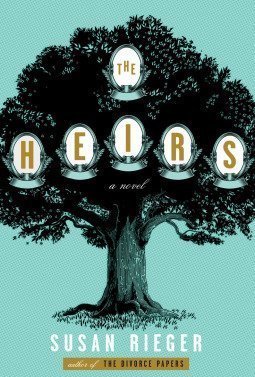
Rupert Falkes is a wealthy, (somewhat) self-made man. A British orphan, he came to America, charmed his way into Yale Law, and made a career as a successful lawyer. He also married well: the beautiful (and rich) Eleanor Phipps. Together, the pair had five sons (Harry, Will, Sam, Jack, and Tom) and a happy life. When Rupert dies of cancer, a woman comes forward, claiming to have had two sons with him as well. The revelation causes different reactions among Eleanor and all the Falkes boys (now men), setting off a chain of reactions throughout the privileged family.
I'll be honest; I requested this ARC solely because I enjoyed Reiger's previous novel, [b:The Divorce Papers|18142403|The Divorce Papers|Susan Rieger|https://images.gr-assets.com/books/1378708022s/18142403.jpg|25489091], so much. I did not realize THE HEIRS was set in New York City and focused purely on a wealthy family--it seems like so many of these novels lately are tedious, and I can't find any connection to the characters.
And, truly, at first seemed it seemed like a boring look at a bunch of rich people. However, the novel becomes more interesting and nuanced as it progresses, with the viewpoints varying by chapter (and really within each chapter). The story is told by the people who were within Rupert Falkes' orbit. We hear from his wife, some of his sons, and past love interests of both Rupert and Eleanor. It turns out to be an effective way to tell the story, with bits and pieces of various stories coming out from the characters throughout the book, including about the possible illegitimate sons. (The focus is less on these two potential heirs than you would think, albeit their potential existence sort of kicks off the story.)
About halfway through, I found many of the characters to be petulant and annoying again--probably because we were in whiny middle son Sam's chapter. Truly, a lot of the people in this book are jerks. Sadly, Eleanor and Rupert's sons aren't always of the best character. Still, Eleanor is a fascinating person. She's strong, witty, and deep. She was definitely my favorite character in the novel, and any stories related to her were my favorite as well.
There is a lot of talk about money, class, and heritage in the novel. It's set in an earlier time period; it sometimes seems a bit much, but I suppose it's a realistic portrayal of wealthy New York in that era. Still, it is a lot of Jews versus Gentiles, rich versus poor, Yale versus Princeton.
I was a bit torn on this one for a bit, but I can't deny that I really enjoyed it, even if I didn't always like the characters. Besides, I was quite taken with Eleanor and even Anne (the wife of Eleanor's past love, Jim). Rieger is simply a good writer: her books are crisp and sharp. While on the surface the novel seems to be about a bunch of rich people, it also depicts the ties that bind us; there's meaning behind the sniping. There are touching moments in this novel, heartbreaking ones, and even funny ones. I didn't love it quite as much as THE DIVORCE PAPERS, and would probably rate as it 3.75 stars, but I'll round up to 4 stars here.
I received a copy of this novel from the publisher and Librarything (thank you!) in return for an unbiased review; it is available everywhere as of 05/23/2017.
<center><a href="http://justacatandabookatherside.blogspot.com/">Blog</a>; ~ <a href="https://twitter.com/mwcmoto">Twitter</a>; ~ <a href="https://www.facebook.com/justacatandabook/">Facebook</a>; ~ <a href="https://plus.google.com/u/0/+KristyHamiltonbooks">Google+</a></center>;
I'll be honest; I requested this ARC solely because I enjoyed Reiger's previous novel, [b:The Divorce Papers|18142403|The Divorce Papers|Susan Rieger|https://images.gr-assets.com/books/1378708022s/18142403.jpg|25489091], so much. I did not realize THE HEIRS was set in New York City and focused purely on a wealthy family--it seems like so many of these novels lately are tedious, and I can't find any connection to the characters.
And, truly, at first seemed it seemed like a boring look at a bunch of rich people. However, the novel becomes more interesting and nuanced as it progresses, with the viewpoints varying by chapter (and really within each chapter). The story is told by the people who were within Rupert Falkes' orbit. We hear from his wife, some of his sons, and past love interests of both Rupert and Eleanor. It turns out to be an effective way to tell the story, with bits and pieces of various stories coming out from the characters throughout the book, including about the possible illegitimate sons. (The focus is less on these two potential heirs than you would think, albeit their potential existence sort of kicks off the story.)
About halfway through, I found many of the characters to be petulant and annoying again--probably because we were in whiny middle son Sam's chapter. Truly, a lot of the people in this book are jerks. Sadly, Eleanor and Rupert's sons aren't always of the best character. Still, Eleanor is a fascinating person. She's strong, witty, and deep. She was definitely my favorite character in the novel, and any stories related to her were my favorite as well.
There is a lot of talk about money, class, and heritage in the novel. It's set in an earlier time period; it sometimes seems a bit much, but I suppose it's a realistic portrayal of wealthy New York in that era. Still, it is a lot of Jews versus Gentiles, rich versus poor, Yale versus Princeton.
I was a bit torn on this one for a bit, but I can't deny that I really enjoyed it, even if I didn't always like the characters. Besides, I was quite taken with Eleanor and even Anne (the wife of Eleanor's past love, Jim). Rieger is simply a good writer: her books are crisp and sharp. While on the surface the novel seems to be about a bunch of rich people, it also depicts the ties that bind us; there's meaning behind the sniping. There are touching moments in this novel, heartbreaking ones, and even funny ones. I didn't love it quite as much as THE DIVORCE PAPERS, and would probably rate as it 3.75 stars, but I'll round up to 4 stars here.
I received a copy of this novel from the publisher and Librarything (thank you!) in return for an unbiased review; it is available everywhere as of 05/23/2017.
<center><a href="http://justacatandabookatherside.blogspot.com/">Blog</a>; ~ <a href="https://twitter.com/mwcmoto">Twitter</a>; ~ <a href="https://www.facebook.com/justacatandabook/">Facebook</a>; ~ <a href="https://plus.google.com/u/0/+KristyHamiltonbooks">Google+</a></center>;
Hazel (1853 KP) rated The House at the Edge of the Night in Books
Dec 7, 2018
<i>I received this book for free through Goodreads First Reads.</i>
Castellamare, a small island off the south coast of Italy, is the perfect setting for a captivating epic tale that traces a family from the beginning of the 1900s until the more recent year of 2009. Centred at the island’s only bar ‘The House at the Edge of the Night’, the island inhabitants suffer through two world wars, fascism, tourism and recession, however, the bar determinedly stays standing. But what happens in the rest of the world is largely ignored by the island dwellers that prefer to come to the bar to learn about friendships, betrayals and love affairs.
<i>The House at the Edge of the Night </i>begins on the mainland where the Dr Esposito removes the foundling Amadeo from care. Following in his foster father’s footsteps, Amadea Esposito trains to be a doctor and eventually lands himself a position on Castellamare. Having never had a doctor on the island before, Amadeo is welcomed by almost everyone, however, an illicit affair puts an end to his career. Fortunately, The House at the End of the Night provides Amadeo with an income and a home for his new wife, Pina, and his four children.
The story takes the reader through the Second World War, something that is interesting to read from the Italian’s point of view. Rejecting fascism, the Islanders are enraged when their boys are called up to join the war, especially as many, including Amadeo’s three boys, never return. With only a daughter, Maria-Grazia, remaining, the Esposito’s keep the bar going for lack of anything better to do.
But war brings good things as well as bad. Washed up on sure, the British soldier Robert brings good luck to the superstitious villagers, eventually marrying the lovely Maria-Grazia. The story continues through the childhood of their unruly boys, coming to an end as their granddaughter reaches adulthood.
A doctor and a barman, Amadeo also had a love for stories. Listening to his patients and patrons fantastical tales, Amadeo keeps note of them all in his personal notebook. Split into five parts, the book contains a story at the beginning of each section that, although mythical, set the scene for the subsequent narrative.
Alienated from the rest of the world, the Islanders are stuck in their ways, attributing any luck – good and bad – to their patron saint, Sant’Agata. Whenever life gets tough, the people on Castellamare turn to prayer, which although is part of their Catholic faith, often comes across as superstitious and irrational. They refuse to believe any logical explanation, preferring to regard their island as a magical, preternatural site.
There is no specific storyline with the usual climax and conclusion; instead, it works as a biography of a fictional family. It is interesting to regard the impact of the rapidly developing world on the island, from the introduction of a building society and the eventual launch of the Europe – something that the Islanders are naturally against. The inhabitants of Castellamare come across as naïve, but their backgrounds and beliefs are far more interesting than the average person.
<i>The House at the Edge of the Night</i> is a story of stories. It provides more than to be expected from a novel. Catherine Banner writes of beautiful settings, compelling characters and fascinating events that both amuse and entertain in a moving way.
With Victoria Hislop’s novels such as <i>The Island</i> being all the rage amongst many female readers, Catherine Banner’s <i>The House at the Edge of the Night </i>is destined for success. It is a great book to read on holiday or at home, and perfect for book clubs. This book is the ideal escape from the stresses of everyday life.
Castellamare, a small island off the south coast of Italy, is the perfect setting for a captivating epic tale that traces a family from the beginning of the 1900s until the more recent year of 2009. Centred at the island’s only bar ‘The House at the Edge of the Night’, the island inhabitants suffer through two world wars, fascism, tourism and recession, however, the bar determinedly stays standing. But what happens in the rest of the world is largely ignored by the island dwellers that prefer to come to the bar to learn about friendships, betrayals and love affairs.
<i>The House at the Edge of the Night </i>begins on the mainland where the Dr Esposito removes the foundling Amadeo from care. Following in his foster father’s footsteps, Amadea Esposito trains to be a doctor and eventually lands himself a position on Castellamare. Having never had a doctor on the island before, Amadeo is welcomed by almost everyone, however, an illicit affair puts an end to his career. Fortunately, The House at the End of the Night provides Amadeo with an income and a home for his new wife, Pina, and his four children.
The story takes the reader through the Second World War, something that is interesting to read from the Italian’s point of view. Rejecting fascism, the Islanders are enraged when their boys are called up to join the war, especially as many, including Amadeo’s three boys, never return. With only a daughter, Maria-Grazia, remaining, the Esposito’s keep the bar going for lack of anything better to do.
But war brings good things as well as bad. Washed up on sure, the British soldier Robert brings good luck to the superstitious villagers, eventually marrying the lovely Maria-Grazia. The story continues through the childhood of their unruly boys, coming to an end as their granddaughter reaches adulthood.
A doctor and a barman, Amadeo also had a love for stories. Listening to his patients and patrons fantastical tales, Amadeo keeps note of them all in his personal notebook. Split into five parts, the book contains a story at the beginning of each section that, although mythical, set the scene for the subsequent narrative.
Alienated from the rest of the world, the Islanders are stuck in their ways, attributing any luck – good and bad – to their patron saint, Sant’Agata. Whenever life gets tough, the people on Castellamare turn to prayer, which although is part of their Catholic faith, often comes across as superstitious and irrational. They refuse to believe any logical explanation, preferring to regard their island as a magical, preternatural site.
There is no specific storyline with the usual climax and conclusion; instead, it works as a biography of a fictional family. It is interesting to regard the impact of the rapidly developing world on the island, from the introduction of a building society and the eventual launch of the Europe – something that the Islanders are naturally against. The inhabitants of Castellamare come across as naïve, but their backgrounds and beliefs are far more interesting than the average person.
<i>The House at the Edge of the Night</i> is a story of stories. It provides more than to be expected from a novel. Catherine Banner writes of beautiful settings, compelling characters and fascinating events that both amuse and entertain in a moving way.
With Victoria Hislop’s novels such as <i>The Island</i> being all the rage amongst many female readers, Catherine Banner’s <i>The House at the Edge of the Night </i>is destined for success. It is a great book to read on holiday or at home, and perfect for book clubs. This book is the ideal escape from the stresses of everyday life.
Hazel (1853 KP) rated The Storyteller in Books
Dec 7, 2018

This is my Book of the Month for May 2014. You can check out and reblog my Tumblr post here: http://fuzzysparrow.tumblr.com/post/87410836442
Jodi Picoult is the bestselling author of numerous novels, with <i>My Sister’s Keeper</i> being the most well known, perhaps. All of her stories are well written although it is still possible to notice improvements in the writing over the years right up until now with her latest, <i>The Storyteller</i>, which quite possibly could be her best yet.
Arguably, <i>The Storyteller</i> does not quite read as a Jodi Picoult novel is known to. This is, in part, because of the nature of the story. Most of her previous books deal with medical ethics and/or court cases, whereas this story contains neither. <i>The Storyteller</i> contains a combination of past and present - the main focus being on the Holocaust.
Four people narrate the novel: two in the present day and two giving an account of their experience during the Second World War. It begins with Sage Singer, a 25 year old, hermit-like woman with a disfiguring facial scar – the result of a terrible accident, one that also led to the death of her mother. For the past three years Sage has been participating in a grief group – a place where people who have lost loved ones can come together and talk about their feelings. After three years surely Sage would no longer need the help of the group? However she still attends, not because she finds it helpful, but for the opposite reason. She even says herself: “If it were helpful I wouldn’t still be coming.” It unfolds that she still blames herself for her mother’s death despite the reassurances that it was an accident and not her fault.
It is through the grief group that Sage meets an elderly man, Josef Weber. After becoming friendly and discovering that Sage comes from a Jewish family, Josef confesses to something terrible – he was a Nazi during the war. He killed people. He wants Sage to represent all the Jews he killed and forgive him. Then he wants her to help him die.
Whilst, Josef recounts his experience of being part of the Nazi party, another account is also given. Minka, Sage’s grandmother, describes the terrors she faced as an imprisoned Jew suffering fates such as the deaths of all her family and friends and her time in Auschwitz. Another element to the novel is the vampire story Minka wrote as a teenager. This is interspersed between the other chapters of the book. Unwittingly, Minka’s fictional tale reflects the alienation and destruction of the Jews. The final character is Leo who, like Sage, is narrating the present day, and trying to locate ex-Nazi members in order for them to be punished by the government.
One thing to praise Picoult for, not just in <i>The Storyteller</i>, but also in all her novels is the amount of in-depth research she undertakes to make her stories as accurate as possible even though they are fictional. Minka’s account was written is such a way that it was almost believable that Picoult had been there and experienced it herself. She even learnt to bake bread so that she could write from the point of view of a baker. This is pure dedication!
<i>The Storyteller</i> is an amazing, beautiful book, which is not purely an enjoyable read. It informs, shocks and stays with you for a long time. You will question your own morals and ability to forgive. Is anyone entirely evil? Is anyone entirely good? Perhaps we are both, so why should anyone have the right to treat others as inferior from themselves?
Jodi Picoult is the bestselling author of numerous novels, with <i>My Sister’s Keeper</i> being the most well known, perhaps. All of her stories are well written although it is still possible to notice improvements in the writing over the years right up until now with her latest, <i>The Storyteller</i>, which quite possibly could be her best yet.
Arguably, <i>The Storyteller</i> does not quite read as a Jodi Picoult novel is known to. This is, in part, because of the nature of the story. Most of her previous books deal with medical ethics and/or court cases, whereas this story contains neither. <i>The Storyteller</i> contains a combination of past and present - the main focus being on the Holocaust.
Four people narrate the novel: two in the present day and two giving an account of their experience during the Second World War. It begins with Sage Singer, a 25 year old, hermit-like woman with a disfiguring facial scar – the result of a terrible accident, one that also led to the death of her mother. For the past three years Sage has been participating in a grief group – a place where people who have lost loved ones can come together and talk about their feelings. After three years surely Sage would no longer need the help of the group? However she still attends, not because she finds it helpful, but for the opposite reason. She even says herself: “If it were helpful I wouldn’t still be coming.” It unfolds that she still blames herself for her mother’s death despite the reassurances that it was an accident and not her fault.
It is through the grief group that Sage meets an elderly man, Josef Weber. After becoming friendly and discovering that Sage comes from a Jewish family, Josef confesses to something terrible – he was a Nazi during the war. He killed people. He wants Sage to represent all the Jews he killed and forgive him. Then he wants her to help him die.
Whilst, Josef recounts his experience of being part of the Nazi party, another account is also given. Minka, Sage’s grandmother, describes the terrors she faced as an imprisoned Jew suffering fates such as the deaths of all her family and friends and her time in Auschwitz. Another element to the novel is the vampire story Minka wrote as a teenager. This is interspersed between the other chapters of the book. Unwittingly, Minka’s fictional tale reflects the alienation and destruction of the Jews. The final character is Leo who, like Sage, is narrating the present day, and trying to locate ex-Nazi members in order for them to be punished by the government.
One thing to praise Picoult for, not just in <i>The Storyteller</i>, but also in all her novels is the amount of in-depth research she undertakes to make her stories as accurate as possible even though they are fictional. Minka’s account was written is such a way that it was almost believable that Picoult had been there and experienced it herself. She even learnt to bake bread so that she could write from the point of view of a baker. This is pure dedication!
<i>The Storyteller</i> is an amazing, beautiful book, which is not purely an enjoyable read. It informs, shocks and stays with you for a long time. You will question your own morals and ability to forgive. Is anyone entirely evil? Is anyone entirely good? Perhaps we are both, so why should anyone have the right to treat others as inferior from themselves?

Kirk Bage (1775 KP) rated Unsolved Mysteries in TV
Jan 22, 2021 (Updated Jan 22, 2021)

It is a guilty secret of mine that when in the right mood I love to get a small fix of the unexplained or the macabre true crime documentary type thing. They tend to range from truly ridiculous to the mildly convincing, but tend not to have especially high production value. Netflix seem to know there is demand for it however, and every now and again there is a mini-series that can live in the same box as the more serious docs.
Making a Murderer was maybe the first to break through into the mainstream consciousness, some five years ago. I watched the first series of that with a morbid fascination, as did everyone else. The second season was interesting too, but lacked the cliffhanger drive of the first. Then there are three or four parters like the superlative Ted Bundy Tapes, which get to the point and don’t out stay their welcome. Unsolved Mysteries is sort of something in the middle.
The twist on this series is that these six stories are all active cases that remain unsolved by local police forces, and we are encouraged at the end of each one to call a hotline with any info that may lead to an arrest. This is a gimmick, of course, and I can’t imagine the calls and emails they have been getting! Those would make a better TV show than this actually is, for sure.
Each episode is an hour long, which in honesty is twice as long as it needs to be in half the cases. In fact, only two of the six captured my imagination enough to give me chills and want to know what happened. The other four were standard missing person stories that although “unsolved” were pretty mundane. As mundane as murder ever gets… which is a pitfall of watching this stuff… it all gets quite normalised and loses its power to disturb, as it should.
The first to interest me was the first up, the strange story of Rey Rivera, known as “the mystery on the rooftop”. The thing that got me was the hidden note taped to the back of his computer, that read like a coded message, and hinted at involvement with a secret society. That, combined with the fact that his fall to death was impossible, and that his boss put a gagging order on all his staff after the event. Whatever this guy had going on in his life it was weird! And his family knew not one thing about it…
The second was “House of Terror”, the story of a French aristocrat who secretly shot his entire family while they slept, carefully buried them under the back porch with immense care, left no other trace of evidence in the house, then disappeared forever into the mountains, seemingly creating a deliberate false trail on CCTV. What got me here was the calculation and calm of it all, combined with the mystery of not knowing his motive, other than the fact he may have been living a lie about how successful he was financially. Regardless, his actions were so cool and unpanicked, it was like watching something out of the Bourne Identity.
As I say, otherwise it is all pretty standard stuff, and nothing to write home about. But I will remember those two cases and be holding out for any new developments in them. I guess that’s all they want – enough intrigue to keep you hooked for more down the line. Of course, you are never quite sure how manipulative with the “truth” these things are? It seemed to be presented soberly and without a sensationalist angle, but you never know. Why do I watch them at all, that is the biggest mystery…
Making a Murderer was maybe the first to break through into the mainstream consciousness, some five years ago. I watched the first series of that with a morbid fascination, as did everyone else. The second season was interesting too, but lacked the cliffhanger drive of the first. Then there are three or four parters like the superlative Ted Bundy Tapes, which get to the point and don’t out stay their welcome. Unsolved Mysteries is sort of something in the middle.
The twist on this series is that these six stories are all active cases that remain unsolved by local police forces, and we are encouraged at the end of each one to call a hotline with any info that may lead to an arrest. This is a gimmick, of course, and I can’t imagine the calls and emails they have been getting! Those would make a better TV show than this actually is, for sure.
Each episode is an hour long, which in honesty is twice as long as it needs to be in half the cases. In fact, only two of the six captured my imagination enough to give me chills and want to know what happened. The other four were standard missing person stories that although “unsolved” were pretty mundane. As mundane as murder ever gets… which is a pitfall of watching this stuff… it all gets quite normalised and loses its power to disturb, as it should.
The first to interest me was the first up, the strange story of Rey Rivera, known as “the mystery on the rooftop”. The thing that got me was the hidden note taped to the back of his computer, that read like a coded message, and hinted at involvement with a secret society. That, combined with the fact that his fall to death was impossible, and that his boss put a gagging order on all his staff after the event. Whatever this guy had going on in his life it was weird! And his family knew not one thing about it…
The second was “House of Terror”, the story of a French aristocrat who secretly shot his entire family while they slept, carefully buried them under the back porch with immense care, left no other trace of evidence in the house, then disappeared forever into the mountains, seemingly creating a deliberate false trail on CCTV. What got me here was the calculation and calm of it all, combined with the mystery of not knowing his motive, other than the fact he may have been living a lie about how successful he was financially. Regardless, his actions were so cool and unpanicked, it was like watching something out of the Bourne Identity.
As I say, otherwise it is all pretty standard stuff, and nothing to write home about. But I will remember those two cases and be holding out for any new developments in them. I guess that’s all they want – enough intrigue to keep you hooked for more down the line. Of course, you are never quite sure how manipulative with the “truth” these things are? It seemed to be presented soberly and without a sensationalist angle, but you never know. Why do I watch them at all, that is the biggest mystery…