
Search
Search results
Sophia (Bookwyrming Thoughts) (530 KP) rated Eona: The Last Dragoneye (Eon, #2) in Books
Jan 23, 2020
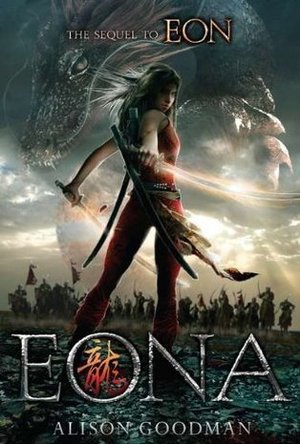


Apparently when Eona and Co. are on the run, things get mighty interesting and there's almost never a dull moment. There's the ten dead Dragoneyes, an entire army of Sethon's supposed minions (who knows if they're actually loyal to the dude, anyways?), and a supposed-to-be emperor by the name of Kygo who's also on the run from being brutally murdered as well.
Goodman starts out the whopping 600-paged book with a "primary" source from Teacher Prahn, quickly summarizing the events at the imperial palace in the ending of Eon, and it's helpful for those who haven't the first book in a long while (unless you have a fantastic memory, which I sometimes have. Epiphany!). The second and last book to the duology starts out shortly after those events, with Eona and her friends on the run from Sethon and the hunt for Kygo. Goodman brings us outside of the imperial palace and into other parts of the Empire of Celestial Dragons, places that were briefly mentioned in book one and now play a bigger role in book two.
I personally disliked Eona back when she was Eon, and I don't like her any better as a girl either. Back as Eon, Eona just seemed to desperate to fit in and trying to prove herself worthy – those sun drug scenes? The worst of Eon. I even vowed to DNF this book if Eona decided to run around with the sun drug again; it was that bad.
In a way, I do like Eona: she's not desperate, she's <s>Taylor Swift</s> fearless (all those odds stacked against her!) – she's a lot better when compared to Eon, when she trying to fully disguise herself as a guy and being a slinky. Eona just argues a lot with Kygo when she finally finds him, and I mean a huge emphasis on "argues a lot." I'm pretty sure if I get a dollar for every time they argued, I could actually pay my rent. Though compared to the <s>lovely</s> love triangle with Ido (thank you, so-called prophecy), I fully ship Kygo and Eona, even though Eona seems very mopey when it comes to whether or not Kygo truly loves her.
<blockquote>"What if I said you could have either me or my power? Which one would you choose?"</blockquote>
Eona certainly makes up for the many dull moments in pacing from its predecessor, where the beginning is a little interesting, the middle is extremely draggy and the decent ending is very fast and rapid. The pacing in the final book of Goodman's Eon duology is much better and engrossing, bringing us a fantastic end to two very long books.
-----------------
Original Rating: 4.5 out of 5
Review originally posted at <a href="http://bookwyrming-thoughts.blogspot.com/2015/01/review-eona-by-alison-goodman.html">Bookwyrming Thoughts</a>
<a href="http://bookwyrming-thoughts.blogspot.com/"><img src="http://3.bp.blogspot.com/-cG5gfBqJVzk/VA5BIojjZ9I/AAAAAAAAD1g/7srLUfpAGEU/s1600/banner.png"; /></a>
Goodman starts out the whopping 600-paged book with a "primary" source from Teacher Prahn, quickly summarizing the events at the imperial palace in the ending of Eon, and it's helpful for those who haven't the first book in a long while (unless you have a fantastic memory, which I sometimes have. Epiphany!). The second and last book to the duology starts out shortly after those events, with Eona and her friends on the run from Sethon and the hunt for Kygo. Goodman brings us outside of the imperial palace and into other parts of the Empire of Celestial Dragons, places that were briefly mentioned in book one and now play a bigger role in book two.
I personally disliked Eona back when she was Eon, and I don't like her any better as a girl either. Back as Eon, Eona just seemed to desperate to fit in and trying to prove herself worthy – those sun drug scenes? The worst of Eon. I even vowed to DNF this book if Eona decided to run around with the sun drug again; it was that bad.
In a way, I do like Eona: she's not desperate, she's <s>Taylor Swift</s> fearless (all those odds stacked against her!) – she's a lot better when compared to Eon, when she trying to fully disguise herself as a guy and being a slinky. Eona just argues a lot with Kygo when she finally finds him, and I mean a huge emphasis on "argues a lot." I'm pretty sure if I get a dollar for every time they argued, I could actually pay my rent. Though compared to the <s>lovely</s> love triangle with Ido (thank you, so-called prophecy), I fully ship Kygo and Eona, even though Eona seems very mopey when it comes to whether or not Kygo truly loves her.
<blockquote>"What if I said you could have either me or my power? Which one would you choose?"</blockquote>
Eona certainly makes up for the many dull moments in pacing from its predecessor, where the beginning is a little interesting, the middle is extremely draggy and the decent ending is very fast and rapid. The pacing in the final book of Goodman's Eon duology is much better and engrossing, bringing us a fantastic end to two very long books.
-----------------
Original Rating: 4.5 out of 5
Review originally posted at <a href="http://bookwyrming-thoughts.blogspot.com/2015/01/review-eona-by-alison-goodman.html">Bookwyrming Thoughts</a>
<a href="http://bookwyrming-thoughts.blogspot.com/"><img src="http://3.bp.blogspot.com/-cG5gfBqJVzk/VA5BIojjZ9I/AAAAAAAAD1g/7srLUfpAGEU/s1600/banner.png"; /></a>
Little Fox Music Box - Sing along fun for kids
Education and Games
App
A sing-along songbook with more than 100 interactive elements in 3 songs and the little fox music...

Nelly Cootalot: The Fowl Fleet
Games, Entertainment and Stickers
App
Best of Mac App Store 2016 game now on iOS! "The funniest mobile game of 2017 if not all time." -...



Eleanor Luhar (47 KP) rated A Note of Madness (Flynn Laukonen, #1) in Books
Jun 24, 2019
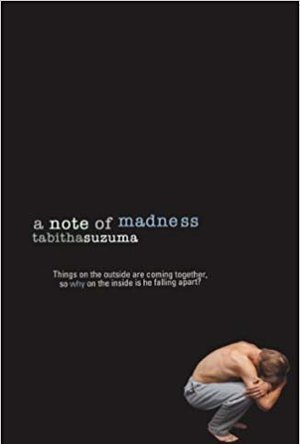

Tabitha Suzuma is quickly becoming one of my favourite authors.
I didn't realise this was the first of two books, but it reads fine as a standalone novel anyway. I hadn't intended to read on, but I just love Suzuma's writing too much. I've reserved the next novel at the library.
I found this quite similar to Hurt in a couple of ways; firstly, the protagonist is a young male who is experiencing something very unpleasant but important to talk about. Instead of rape, as in Hurt, this time the topic is mental health. Flynn's got the whole world at his feet, but suddenly he's up all night composing or drowning himself in alcohol and aspirin. Everything feels wrong and he doesn't know why. His flatmate, Harry, calls Flynn's brother in to help. He's a doctor and soon realises Flynn needs proper help. After one incorrect diagnosis and several relapses, Flynn finally feels the world go back to normal.
Although the ending is typically "hopeful" (which you can only expect, really - it's not gonna be very helpful for kids to read stories where you never recover from your mental illness) it still manages to be realistic rather than overly positive and optimistic. For example, Flynn is offered a couple of amazing experiences in this book, the first of which he is determined to take. But he doesn't, because his health declines so much. I can tell you how horrible it is when you have your heart set on something but your mental health holds you back... Sometimes you just can't do it. Flynn's health gets so bad that his brother takes him away on the eve of his big concert (he's a music uni student).
There's also a romance line through this, which I gather will be furthered in the next book. Flynn doesn't pay much attention to it - doesn't even notice it - due to his condition, until it's too late and he's messed it up. Jennah is an old crush of his, recently parted from her boyfriend for a mysterious "other guy". Flynn just doesn't put 2 and 2 together, though, and assumes she could never love him because he's so hopeless and talentless and depressed. Things really get bad when they argue about it during one of Flynn's relapses, and she goes missing for the night. I must admit that I immediately feared the worst after what happened in Hurt, but it was eventually resolved. I am very interested in reading how Flynn's mental illness impacts his relationship in the future.
This is a great topic to address, especially in males. The episodes may be a little exaggerated but then I suppose that is how some people experience it. It's different for everyone. I really appreciate the age chosen, too, because people often forget that mental illnesses don't only develop when you're twelve or thirteen. 5 stars; a fantastic book and a fantastic author.
I didn't realise this was the first of two books, but it reads fine as a standalone novel anyway. I hadn't intended to read on, but I just love Suzuma's writing too much. I've reserved the next novel at the library.
I found this quite similar to Hurt in a couple of ways; firstly, the protagonist is a young male who is experiencing something very unpleasant but important to talk about. Instead of rape, as in Hurt, this time the topic is mental health. Flynn's got the whole world at his feet, but suddenly he's up all night composing or drowning himself in alcohol and aspirin. Everything feels wrong and he doesn't know why. His flatmate, Harry, calls Flynn's brother in to help. He's a doctor and soon realises Flynn needs proper help. After one incorrect diagnosis and several relapses, Flynn finally feels the world go back to normal.
Although the ending is typically "hopeful" (which you can only expect, really - it's not gonna be very helpful for kids to read stories where you never recover from your mental illness) it still manages to be realistic rather than overly positive and optimistic. For example, Flynn is offered a couple of amazing experiences in this book, the first of which he is determined to take. But he doesn't, because his health declines so much. I can tell you how horrible it is when you have your heart set on something but your mental health holds you back... Sometimes you just can't do it. Flynn's health gets so bad that his brother takes him away on the eve of his big concert (he's a music uni student).
There's also a romance line through this, which I gather will be furthered in the next book. Flynn doesn't pay much attention to it - doesn't even notice it - due to his condition, until it's too late and he's messed it up. Jennah is an old crush of his, recently parted from her boyfriend for a mysterious "other guy". Flynn just doesn't put 2 and 2 together, though, and assumes she could never love him because he's so hopeless and talentless and depressed. Things really get bad when they argue about it during one of Flynn's relapses, and she goes missing for the night. I must admit that I immediately feared the worst after what happened in Hurt, but it was eventually resolved. I am very interested in reading how Flynn's mental illness impacts his relationship in the future.
This is a great topic to address, especially in males. The episodes may be a little exaggerated but then I suppose that is how some people experience it. It's different for everyone. I really appreciate the age chosen, too, because people often forget that mental illnesses don't only develop when you're twelve or thirteen. 5 stars; a fantastic book and a fantastic author.

Ticket to Ride: First Journey
Games
App
"***It looks like Days of Wonder has come up with a solution to my problem with the introduction of...

Charlie Cobra Reviews (1840 KP) rated the PlayStation 4 version of Samurai Warriors 5 in Video Games
Sep 14, 2021 (Updated Sep 14, 2021)
Revamped art style and character designs (1 more)
All new weapon system
Character animations are a bit stiff in scenes with dialogue (1 more)
Battle music can be repetitive
Fantastic Return For The Warriors Series
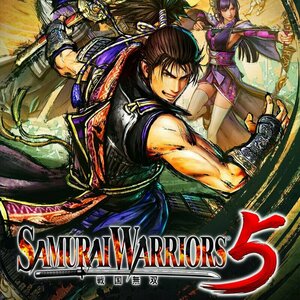
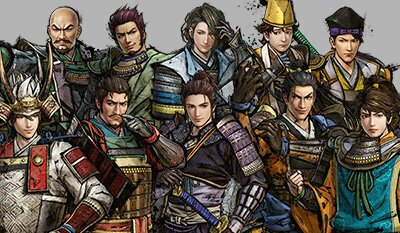
Samurai Warriors 5 is a 2021 hack and slash, action, "Musou/Warriors" game developed by Omega Force and published by Koei Tecmo. It is available on PS4, Xbox One, Nintendo Switch and PC, with current gen consoles not featuring an upgraded version yet. The fifth installment in the series, it is a re-imagining as almost everything from art style to character designs has been revamped. The story has been redone as well, focusing mainly on Nobunaga Oda and Mitsuhide Akechi, up to the events of the Honno-ji incident.
Play as the legends of the Sengoku Era of Japanese history in this epic "Warriors" game. Samurai Warriors 5 has been revamped with a new art style and an all new weapon system allowing characters to utilize any weapon in a large arsenal as you mow down hundreds of soldiers from opposing armies. Every weapon has special moves to use in combat and can be upgraded in the blacksmith menu. Characters have a simplistic skill tree and some also have ultimate moves. A stable menu is available to upgrade and train horses you acquire as well. There are two game modes: Musou Mode, which is a mission based story mode and Citadel Mode, which is an extra game mode in which you defend a base while completing different objectives to get the highest score you can.
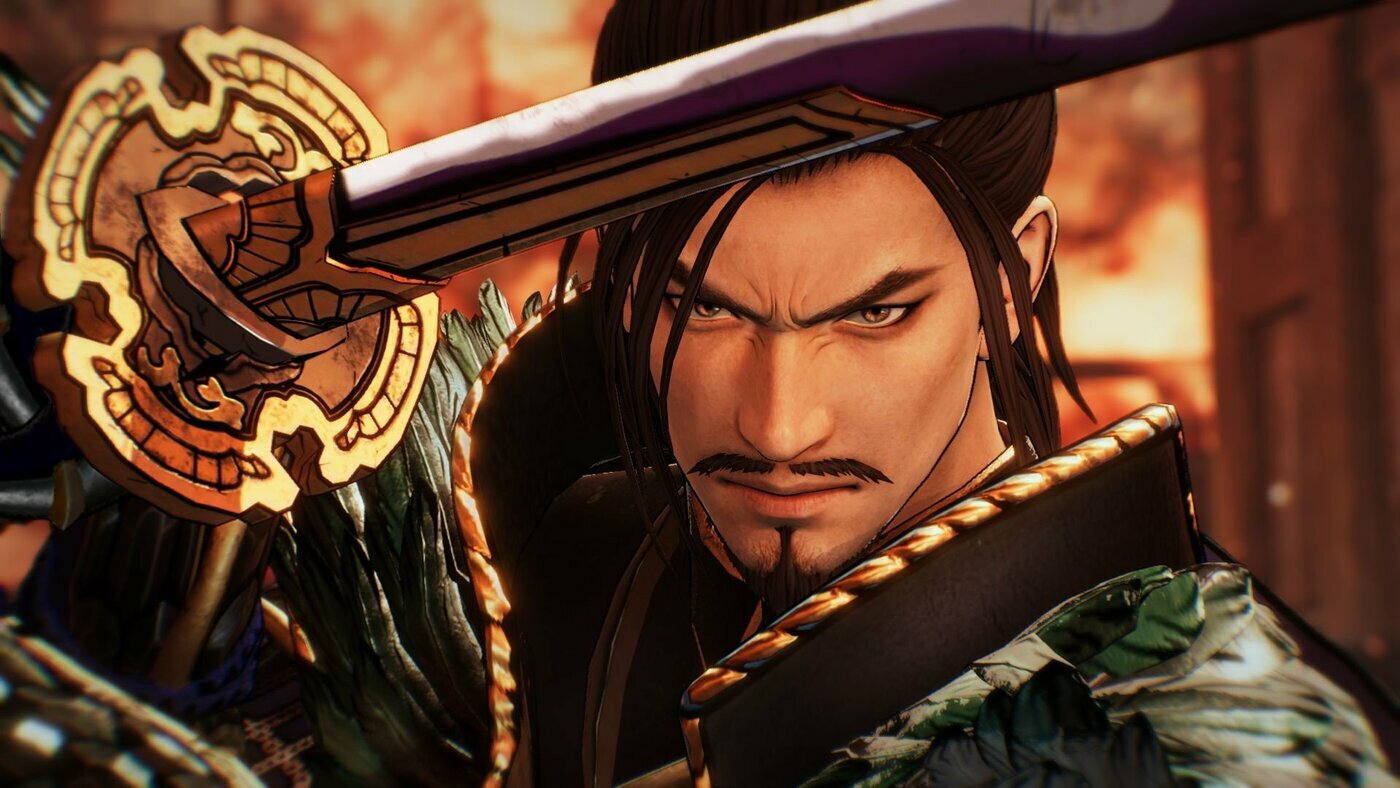
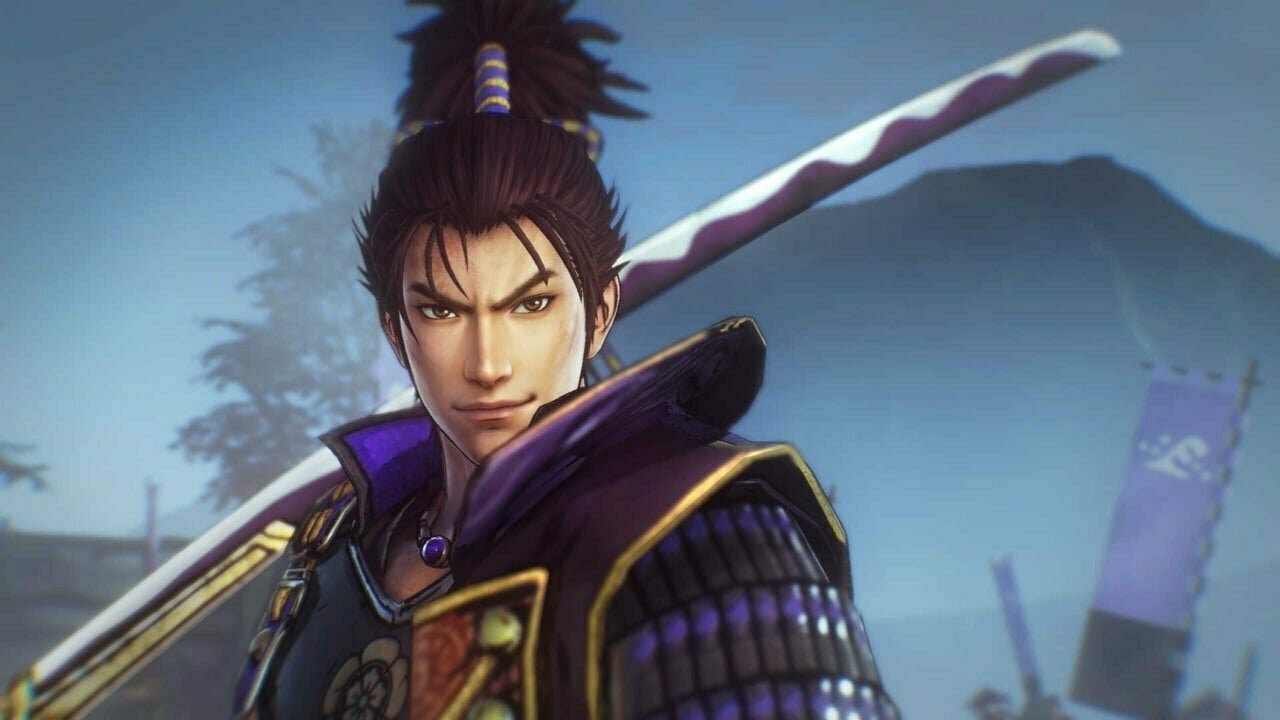
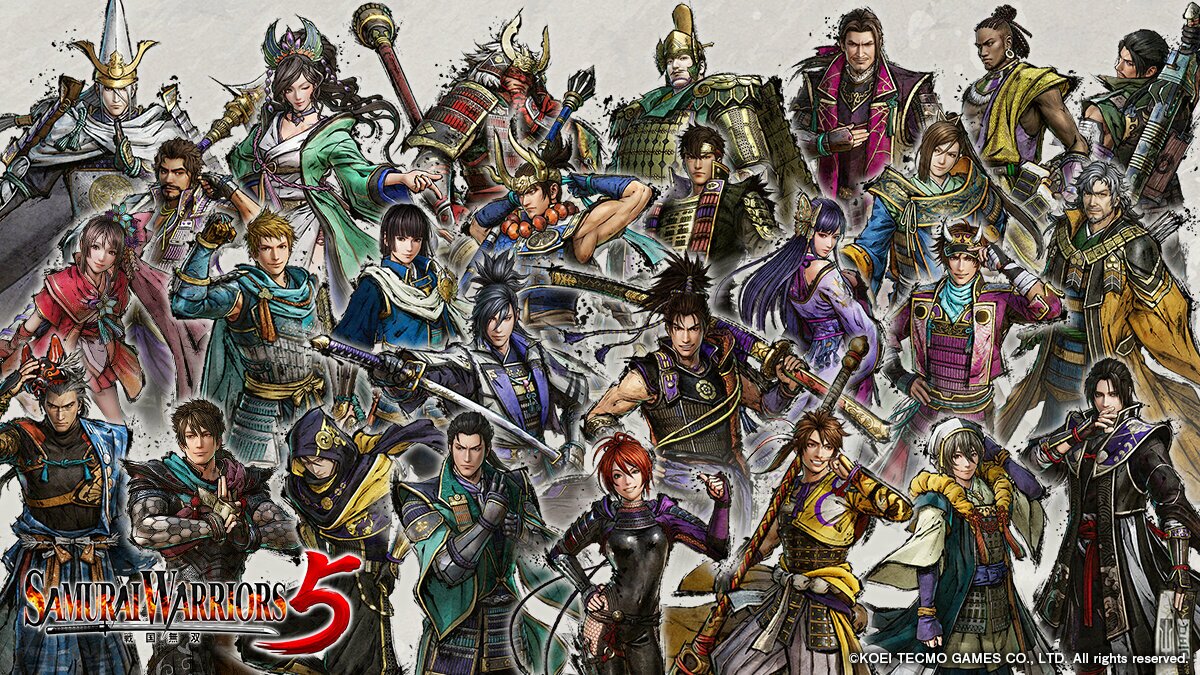
Utilizing new character designs and a new art style based on Japanese paintings, Samurai Warriors has never looked so good. Musou attacks look great with some ending in a character posing for a painting. Character animations are great in battle but a little stiff in scenes with dialogue, however, the cutscenes are well done.
Battle music can get repetitive but if you love the "Warriors" series it's what you've come to expect. Classic "Warriors" style music with epic rock/metal guitar riffs are mixed with the traditional Japanese style music, although with more emphasis on the latter. Overall the music is very enjoyable. The sound design for weapon combos gives you a good sense of impact too and really makes you feel like you're doing damage.
Samurai Warriors 5 is the tale of Nobunaga Oda, the legendary Japanese Daimyo (Lord) on his quest to unify all the lands of Japan and bring peace to it's people. This game is based off of historical records of Nobunaga's life and that of Mitsuhide Akechi with many liberties taken to romanticize real life historical accounts. The plot follows them through their lives, up to the incident at Honno-ji.
Verdict: [7/10]
A fantastic return to form for the "Warriors" series after the abysmal Dynasty Warriors 9. The new art style is a refreshing take and gameplay innovates while simultaneously not alienating lovers of past games in the series.
Play as the legends of the Sengoku Era of Japanese history in this epic "Warriors" game. Samurai Warriors 5 has been revamped with a new art style and an all new weapon system allowing characters to utilize any weapon in a large arsenal as you mow down hundreds of soldiers from opposing armies. Every weapon has special moves to use in combat and can be upgraded in the blacksmith menu. Characters have a simplistic skill tree and some also have ultimate moves. A stable menu is available to upgrade and train horses you acquire as well. There are two game modes: Musou Mode, which is a mission based story mode and Citadel Mode, which is an extra game mode in which you defend a base while completing different objectives to get the highest score you can.
Utilizing new character designs and a new art style based on Japanese paintings, Samurai Warriors has never looked so good. Musou attacks look great with some ending in a character posing for a painting. Character animations are great in battle but a little stiff in scenes with dialogue, however, the cutscenes are well done.
Battle music can get repetitive but if you love the "Warriors" series it's what you've come to expect. Classic "Warriors" style music with epic rock/metal guitar riffs are mixed with the traditional Japanese style music, although with more emphasis on the latter. Overall the music is very enjoyable. The sound design for weapon combos gives you a good sense of impact too and really makes you feel like you're doing damage.
Samurai Warriors 5 is the tale of Nobunaga Oda, the legendary Japanese Daimyo (Lord) on his quest to unify all the lands of Japan and bring peace to it's people. This game is based off of historical records of Nobunaga's life and that of Mitsuhide Akechi with many liberties taken to romanticize real life historical accounts. The plot follows them through their lives, up to the incident at Honno-ji.
Verdict: [7/10]
A fantastic return to form for the "Warriors" series after the abysmal Dynasty Warriors 9. The new art style is a refreshing take and gameplay innovates while simultaneously not alienating lovers of past games in the series.

Suswatibasu (1703 KP) rated Loving (2016) in Movies
Nov 8, 2017 (Updated Nov 8, 2017)

Rather stunning, poignant film
What makes this beautiful story so wonderful is the fact that it crosses boundaries in an unpretentious way. Based on a true story, there were ample chances to go over the top. However, there is no civil rights action, or major protestations, as portrayed in some other Hollywood films, keeping court scenes to a minimum.
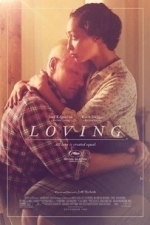
The plot follows the real case Loving Vs. Virginia, in which a white man marries a black woman in the 1950's. At that time, interracial marriages were deemed illegal under segregation laws, and even the constitution. And in 1958, the couple were arrested after they secretly wed in Washington. They pleaded guilty and were forced to leave the state, banished for 25 years. But five years later, they return vowing to fight for their right to stay with each other, and now their three young children in the place which they call home.
The entire movie is quiet, and it is all conveyed through quite fantastic acting, subtle facial expressions, sounds, cinematography and minimal dialogue. The director makes the portrayal as accurate as possible - even posing scenes from real photographs posted in Life magazine at the time. And the tension from constantly keeping an eye out for authorities is palpable in Joel Edgerton's (Richard Loving) demeanour. It is a rare mainstream film that provokes frustration and rage without resorting to monologues or melodrama.
The plot follows the real case Loving Vs. Virginia, in which a white man marries a black woman in the 1950's. At that time, interracial marriages were deemed illegal under segregation laws, and even the constitution. And in 1958, the couple were arrested after they secretly wed in Washington. They pleaded guilty and were forced to leave the state, banished for 25 years. But five years later, they return vowing to fight for their right to stay with each other, and now their three young children in the place which they call home.
The entire movie is quiet, and it is all conveyed through quite fantastic acting, subtle facial expressions, sounds, cinematography and minimal dialogue. The director makes the portrayal as accurate as possible - even posing scenes from real photographs posted in Life magazine at the time. And the tension from constantly keeping an eye out for authorities is palpable in Joel Edgerton's (Richard Loving) demeanour. It is a rare mainstream film that provokes frustration and rage without resorting to monologues or melodrama.

Book Divas (227 KP) rated Light Years in Books
Dec 12, 2017

Though I personally didn't find myself connecting with the characters the story line kept me interested until the end. This book is packed with a bit of everything from a dysfunctional and broken family to a deadly virus and the author's writing style often takes on a poetic voice which I believe is the real reason why I enjoyed reading it. When I first reached the abrupt ending I was left with a bitter taste in my mouth but I went back and read the last three chapters again and the ending took on a different meaning for me. I recommend that this book be read with an open mind. I will end my review with some of my favorite quotes.
"You have nothing to lose here, whatever happens. You just be yourself and let go of the results."
"The world is everyone's oyster if they step up to crack it open."
"Can you feel it? The wind? That's God's hand, washing you clean."
"If you begin with a belief that the world is flat, you'll never be able to conceive of it as a sphere. Your brain will just stop there, deciding that it knows. It will never allow you to consider an alternate perception."
{I received an E-ARC via The Fantastic Flying Book Club and the Publisher via NetGalley and made no guarantee of a favorable review. The opinions expressed here are unbiased and my own.}
"You have nothing to lose here, whatever happens. You just be yourself and let go of the results."
"The world is everyone's oyster if they step up to crack it open."
"Can you feel it? The wind? That's God's hand, washing you clean."
"If you begin with a belief that the world is flat, you'll never be able to conceive of it as a sphere. Your brain will just stop there, deciding that it knows. It will never allow you to consider an alternate perception."
{I received an E-ARC via The Fantastic Flying Book Club and the Publisher via NetGalley and made no guarantee of a favorable review. The opinions expressed here are unbiased and my own.}
Suswatibasu (1703 KP) rated Tell Me How it Ends: An Essay in Forty Questions in Books
Jan 3, 2018
A human portrait of child migrants
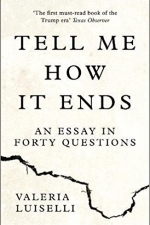
With the world being shaped by migration, this essay comes at a timely fashion. Exploring the nuances of this reality, Valeria Luiselli, a skilful and gifted Mexican writer knows the migratory experience first-hand having travelled across the globe. This compassionate, short book finds her in a head-on confrontation with daily reality.
Based on her experiences working as an interpreter for dozens of Central American child migrants, she speaks to those who risked their lives crossing Mexico to escape their fraught existence back home. To stay in the US, each must be vetted by the Citizenship and Immigration Services, a vast, impersonal bureaucracy. It's her job to help these kids, but in order to do so, they must answer 40 questions that will determine their fate.
The truth about the crossing may be much more brutal in reality, with 80% of women and girls who cross from Mexico to the US being raped, hence some of the children appear evasive when answering questions. But this book is fueled, in no small part, by Luiselli's bottles up shame and rage. She's aghast at the gap between American ideals and the way they actually treat undocumented children, yet her writing is measured and fair-minded.
Luiselli takes us inside the grand dream of migration, offering the valuable reminder that exceedingly few immigrants abandon their past and brave death to come to America for dark or nasty reasons. Fantastic read.
Based on her experiences working as an interpreter for dozens of Central American child migrants, she speaks to those who risked their lives crossing Mexico to escape their fraught existence back home. To stay in the US, each must be vetted by the Citizenship and Immigration Services, a vast, impersonal bureaucracy. It's her job to help these kids, but in order to do so, they must answer 40 questions that will determine their fate.
The truth about the crossing may be much more brutal in reality, with 80% of women and girls who cross from Mexico to the US being raped, hence some of the children appear evasive when answering questions. But this book is fueled, in no small part, by Luiselli's bottles up shame and rage. She's aghast at the gap between American ideals and the way they actually treat undocumented children, yet her writing is measured and fair-minded.
Luiselli takes us inside the grand dream of migration, offering the valuable reminder that exceedingly few immigrants abandon their past and brave death to come to America for dark or nasty reasons. Fantastic read.