
Search
Search results

Bob Mann (459 KP) rated Rogue One: A Star Wars Story (2016) in Movies
Sep 29, 2021
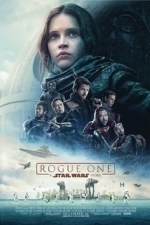


Putting the “Wars” back into “Star Wars”.
Expectations have been sky-high for this first in the ‘add-in’ series of Star Wars films. But with director Gareth Edwards at the helm, whose past movie track-record includes just the low-budget “Monsters” and the less than memorable “Godzilla“, I was frankly concerned.
But the English guy (with the Welsh name) has seriously delivered!
“Rogue One” (I have omitted the inane and irritating suffix “: A Star Wars Story”) tells the story behind the story of the original Episode IV: “A New Hope”. Felicity Jones (“The Theory of Everything“) plays Jyn Erso, daughter to Imperial weapons expert Mads Mikkelsen (“Doctor Strange“, “Casino Royale”). An interrupted childhood leads the delinquent Jyn on a personal journey to become a leader in the fragmenting Rebel Alliance, as a small band of heroes battle to obtain the plans for the Empire’s planet-zapping Death Star. Will they succeed (this is hardly a question worth asking given the start of Episode IV!) and at what cost?
I’m throwing it out there…. this is the best Star Wars film since “The Empire Strikes Back”. The story (John Knoll and Gary Whitta) is almost Shakespearean in its scope, leading to a moving and memorable finale. As a standalone episode within the Star Wars canon – chronologically positioned as it between “Star Wars Episode III: Revenge of the Sith” and “Star Wars Episode IV: A New Hope” – the film marvellously knits the two together bringing in cameos from Episode III as well as (very surprising) cameos from Episode IV, now nearly 40 years old. The screenplay (by Chris “About a Boy” Weitz and Tony Gilroy, writer of the “Bourne” films) is whip-smart with great lines.
For Star Wars fans the film is also chock full of ‘Easter Eggs’ from the original Star Wars. All of these are great fun but – frankly – some don’t make a lot of sense: for example, a chance encounter with a character in the streets of Jedha City doesn’t gel with what happens an hour or two later.
After Rey in last December’s “Star Wars: The Force Awakens” we again see another kick-ass heroine and a further cinematic nod towards girl-power in the movies. But this is a nuanced heroine with more than a hint of darkness about her. Felicity Jones plays her perfectly, reflecting her transition from teenage rebel to rebel-leading teen.
In general, the darkness continues throughout the supporting cast with some of the heroes – notably the impressive Diego Luna (“The Terminal”) as Cassian Andor – managing to do some very anti-heroic things at points in the story. The rest of the cast, and especially Donnie Yen and Wen Jiang as dynamic martial arts duo Chirrut Îmwe and Baze Malbus, generate the warm fuzzies enough for you – as the audience – to really care for what happens to them. This even extends to the lump of metal in the frame – the droid K-2SO (voiced by Alan Tudyk) – who could be the film’s Jar Jar Binks but manages instead to steal the best comic lines in the film.
Elsewhere Forest Whitaker (“Arrival“) is underused as rebel guerilla Saw Gerrera; Mads Mikkelsen adds gravitas to a key strategic role; and Ben Mendelsohn makes for a memorable Imperial villain. The only slightly irritating character in an otherwise stellar ensemble cast is pilot Rodhi Rook (played by Riz Ahmed from “Jason Bourne“): more for the rather pointless way his character is written than for the Londoner’s portrayal per se.
An equal member of the cast is the sublime music of Michael Giacchino, having the unenviable task of following John Williams into the Star Wars franchise. But he does a great job. After the shock of the non-traditional opening (and an abrupt and rather out of place Title shot) the style settles down, with some of the swelling music in the closing reel adding tremendously to the emotion of the finale.
The film is not quite perfect though. The first half of the film could have moved on a bit quicker to get to the breathtaking finale. And even though CGI has moved on significantly from the stick men and women walking around on the deck in “Titanic” in 1997, the state of the art (no spoilers, but you’ll know what I mean if you’ve seen the film) still has room for some improvement. (Perhaps the first of these scenes could have been as subliminal as the last for better effect).
An outstanding effort, and one I definitely want to watch again. The Bluray version will also be a ‘must-buy’ when it emerges, since – with 4 to 5 weeks of re-shoots done in the summer, and many scenes in the trailer not appearing in the final cut – there must be an enormous number of deleted (original?) scenes that may tell a very different story from the one we saw this week.
Disney must be so, so pleased at their very expensive investment in Star Wars, and fears that the Mouse would trash the brand seem to be – thankfully – unfounded.
But the English guy (with the Welsh name) has seriously delivered!
“Rogue One” (I have omitted the inane and irritating suffix “: A Star Wars Story”) tells the story behind the story of the original Episode IV: “A New Hope”. Felicity Jones (“The Theory of Everything“) plays Jyn Erso, daughter to Imperial weapons expert Mads Mikkelsen (“Doctor Strange“, “Casino Royale”). An interrupted childhood leads the delinquent Jyn on a personal journey to become a leader in the fragmenting Rebel Alliance, as a small band of heroes battle to obtain the plans for the Empire’s planet-zapping Death Star. Will they succeed (this is hardly a question worth asking given the start of Episode IV!) and at what cost?
I’m throwing it out there…. this is the best Star Wars film since “The Empire Strikes Back”. The story (John Knoll and Gary Whitta) is almost Shakespearean in its scope, leading to a moving and memorable finale. As a standalone episode within the Star Wars canon – chronologically positioned as it between “Star Wars Episode III: Revenge of the Sith” and “Star Wars Episode IV: A New Hope” – the film marvellously knits the two together bringing in cameos from Episode III as well as (very surprising) cameos from Episode IV, now nearly 40 years old. The screenplay (by Chris “About a Boy” Weitz and Tony Gilroy, writer of the “Bourne” films) is whip-smart with great lines.
For Star Wars fans the film is also chock full of ‘Easter Eggs’ from the original Star Wars. All of these are great fun but – frankly – some don’t make a lot of sense: for example, a chance encounter with a character in the streets of Jedha City doesn’t gel with what happens an hour or two later.
After Rey in last December’s “Star Wars: The Force Awakens” we again see another kick-ass heroine and a further cinematic nod towards girl-power in the movies. But this is a nuanced heroine with more than a hint of darkness about her. Felicity Jones plays her perfectly, reflecting her transition from teenage rebel to rebel-leading teen.
In general, the darkness continues throughout the supporting cast with some of the heroes – notably the impressive Diego Luna (“The Terminal”) as Cassian Andor – managing to do some very anti-heroic things at points in the story. The rest of the cast, and especially Donnie Yen and Wen Jiang as dynamic martial arts duo Chirrut Îmwe and Baze Malbus, generate the warm fuzzies enough for you – as the audience – to really care for what happens to them. This even extends to the lump of metal in the frame – the droid K-2SO (voiced by Alan Tudyk) – who could be the film’s Jar Jar Binks but manages instead to steal the best comic lines in the film.
Elsewhere Forest Whitaker (“Arrival“) is underused as rebel guerilla Saw Gerrera; Mads Mikkelsen adds gravitas to a key strategic role; and Ben Mendelsohn makes for a memorable Imperial villain. The only slightly irritating character in an otherwise stellar ensemble cast is pilot Rodhi Rook (played by Riz Ahmed from “Jason Bourne“): more for the rather pointless way his character is written than for the Londoner’s portrayal per se.
An equal member of the cast is the sublime music of Michael Giacchino, having the unenviable task of following John Williams into the Star Wars franchise. But he does a great job. After the shock of the non-traditional opening (and an abrupt and rather out of place Title shot) the style settles down, with some of the swelling music in the closing reel adding tremendously to the emotion of the finale.
The film is not quite perfect though. The first half of the film could have moved on a bit quicker to get to the breathtaking finale. And even though CGI has moved on significantly from the stick men and women walking around on the deck in “Titanic” in 1997, the state of the art (no spoilers, but you’ll know what I mean if you’ve seen the film) still has room for some improvement. (Perhaps the first of these scenes could have been as subliminal as the last for better effect).
An outstanding effort, and one I definitely want to watch again. The Bluray version will also be a ‘must-buy’ when it emerges, since – with 4 to 5 weeks of re-shoots done in the summer, and many scenes in the trailer not appearing in the final cut – there must be an enormous number of deleted (original?) scenes that may tell a very different story from the one we saw this week.
Disney must be so, so pleased at their very expensive investment in Star Wars, and fears that the Mouse would trash the brand seem to be – thankfully – unfounded.

Mayhawke (97 KP) rated I am No One in Books
Feb 13, 2018


Intriguing but ultimately disappointing
Written in the first person I Am No One is the account of recent events in the life of the fictional NY academic, Jeremy O'Keefe. O'Keefe, ironically an expert in surveillance, finds himself the subject of apparent scrutiny by unknown observers, a discovery that propels him into paranoia and pushes him to the boundaries of sanity. As the story is unpacked, page by page, it becomes clear that O'Keefe's paranoia is not unfounded, and that his initial confusion as to why anyone would want to bother observing the behaviour of a mundane and only moderately successful Professor actually belies a deeper understanding of the cause and his actions that precipitated it.
O'Keefe is a difficult character to really sympathise with. Whilst his ideology is admirably egalitarian he falls into that bracket of slightly stuffy, middle-class liberals who take themselves too seriously and fail to practise what they preach. In fairness to O'Keefe he largely has the grace and self-awareness to question the rationality of his fears and accidental moments of prejudice (though he is of the very typical male Liberal variety that doesn't seem to recognise the contradiction of professing himself feminist whilst watching porn): slightly pompous, slightly too much self-regard slightly too much sense of victimhood, he is not unlikeable just a bit of a non-entity. Whilst this is clearly intentional it makes his narrative stodgy. Not unreadable, but at the same time easy to put down for a week whilst a more engaging book is read. This is either a spectacularly adept piece of characterisation or an unfortunate reflection of the author, Patrick Flanery. I do hope it is the writing because if not then all the peculiar, inaccurate and unlikely observations made by O'Keefe onbehalf of his character regarding differences between the British and Americans are likely also Flanery's:. For example the breath-taking assertion that socio-economic failure is treated more harshly in the UK than in the US, when any basic knowledge of sociology in the two countries shows that the criteria for failure is a) much broader in the US and b) responded to far more harshly, e.g.: "if you don't earn enough from your three jobs to afford medical insurance to pay for your cancer treatment, you clearly haven't worked hard enough. The fault is yours , you are a failure and the punishment is premature death.". It is also difficult to accept that Flanery is regularly treated with distrust and dislike by bank cashiers for his Irish name. Quite aside from anything else most bank cashiers in this country now aren't old enough to remember the Irish troubles, and the bigots-for-bigotry's-sake have long since transferred their angst from the Irish to the Poles and the Muslims.
Flanery is also an academic, something that is abundantly obvious from the highly structured writing method he employs in this book. The reader is left with the impression that where other novelists write books to be read as stories Flanery has written a text with an eye to future deconstruction by English Lit students. That is not necessarily a bad thing, of course, but occasionally one wishes he could have been a little less concerned with construction in the minutiae and more concerned with crafting a story with a complete beginning, middle and end. And therein lies one of the greatest failings of this book: it has no real conclusion. Questions are raised that go unanswered. In particular, there are issues with characters, whose true identity may never be elaborated upon or, in the case of his girlfriend who makes a sudden, poorly explained behavioural volte-face that is entirely out of character but provides Flanery with a device to enable his protagonist take the critical closing step to the tale.
It seems that Flanery has written this book as a parable on the dangers of unfettered digital surveillance: how easy it is for those who wish to to access all our personal data and how very quickly and efficiently lives can be subverted. Whilst this may be a revelation to a few it has to be said that there is nothing revealed in this book about the scope and methods of data collection that anyone who has even a small amount of technical savvy won't already know, which rather undermines it as an expose. The book also attempts to portray how easy it is to suddenly and unintentionally find oneself on the wrong side of the law. Unfortunately in this story the actions which purport to have landed O'Keefe in possible criminality are so ridiculous and far-fetched that only the most paranoid would ever see an offence in them. Contrary to highlighting the ease with which the well intentioned can unwittingly find themselves in need of lawyers it suggests that all the peripheral characters are actually far more paranoid and delusional than O'Keefe will ever be.
All that aside this was an intriguing and mildly engaging story. Largely well-written but let down by a an unsatisfactory conclusion and a failure to induce the kind of fear that was intended.
O'Keefe is a difficult character to really sympathise with. Whilst his ideology is admirably egalitarian he falls into that bracket of slightly stuffy, middle-class liberals who take themselves too seriously and fail to practise what they preach. In fairness to O'Keefe he largely has the grace and self-awareness to question the rationality of his fears and accidental moments of prejudice (though he is of the very typical male Liberal variety that doesn't seem to recognise the contradiction of professing himself feminist whilst watching porn): slightly pompous, slightly too much self-regard slightly too much sense of victimhood, he is not unlikeable just a bit of a non-entity. Whilst this is clearly intentional it makes his narrative stodgy. Not unreadable, but at the same time easy to put down for a week whilst a more engaging book is read. This is either a spectacularly adept piece of characterisation or an unfortunate reflection of the author, Patrick Flanery. I do hope it is the writing because if not then all the peculiar, inaccurate and unlikely observations made by O'Keefe onbehalf of his character regarding differences between the British and Americans are likely also Flanery's:. For example the breath-taking assertion that socio-economic failure is treated more harshly in the UK than in the US, when any basic knowledge of sociology in the two countries shows that the criteria for failure is a) much broader in the US and b) responded to far more harshly, e.g.: "if you don't earn enough from your three jobs to afford medical insurance to pay for your cancer treatment, you clearly haven't worked hard enough. The fault is yours , you are a failure and the punishment is premature death.". It is also difficult to accept that Flanery is regularly treated with distrust and dislike by bank cashiers for his Irish name. Quite aside from anything else most bank cashiers in this country now aren't old enough to remember the Irish troubles, and the bigots-for-bigotry's-sake have long since transferred their angst from the Irish to the Poles and the Muslims.
Flanery is also an academic, something that is abundantly obvious from the highly structured writing method he employs in this book. The reader is left with the impression that where other novelists write books to be read as stories Flanery has written a text with an eye to future deconstruction by English Lit students. That is not necessarily a bad thing, of course, but occasionally one wishes he could have been a little less concerned with construction in the minutiae and more concerned with crafting a story with a complete beginning, middle and end. And therein lies one of the greatest failings of this book: it has no real conclusion. Questions are raised that go unanswered. In particular, there are issues with characters, whose true identity may never be elaborated upon or, in the case of his girlfriend who makes a sudden, poorly explained behavioural volte-face that is entirely out of character but provides Flanery with a device to enable his protagonist take the critical closing step to the tale.
It seems that Flanery has written this book as a parable on the dangers of unfettered digital surveillance: how easy it is for those who wish to to access all our personal data and how very quickly and efficiently lives can be subverted. Whilst this may be a revelation to a few it has to be said that there is nothing revealed in this book about the scope and methods of data collection that anyone who has even a small amount of technical savvy won't already know, which rather undermines it as an expose. The book also attempts to portray how easy it is to suddenly and unintentionally find oneself on the wrong side of the law. Unfortunately in this story the actions which purport to have landed O'Keefe in possible criminality are so ridiculous and far-fetched that only the most paranoid would ever see an offence in them. Contrary to highlighting the ease with which the well intentioned can unwittingly find themselves in need of lawyers it suggests that all the peripheral characters are actually far more paranoid and delusional than O'Keefe will ever be.
All that aside this was an intriguing and mildly engaging story. Largely well-written but let down by a an unsatisfactory conclusion and a failure to induce the kind of fear that was intended.

Ivana A. | Diary of Difference (1171 KP) rated Fawkes in Books
Jul 9, 2018
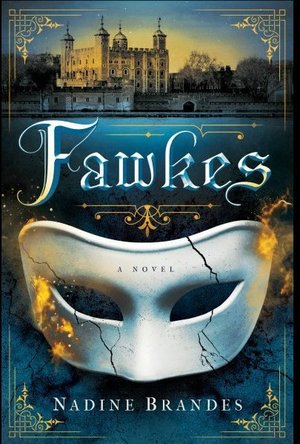

When history meets magic...
Fawkes by Nadine Brandes is one of those books that draws you into a world, enlightens you with its magic, and then sends you back to reality, so you can enlighten others while you glow!
Nadine used the history of Guy Fawkes and the failed attempt to blow the parliament as a base to her story, that follows Guy Fawkes’s son, Thomas, into an incredible magical journey.
‘’A foundation of truth represents what life was intended to be.’’
Thomas is about to get his mask, that is supposed to make him control one colour. He also happens to be affected with the plague, that turns his face into stone. His family are all Keepers, and he, by default is a keeper too. But things are never that simple. What will happen when he might not get his mask, and the plague is about to kill him?
We follow the journey of Thomas through a first - person perspective. He feels incomplete when he has the plague, and all his life he is waiting to get his mask, and to be able to control a colour. Any colour, even though he prefers Grey.
Only with my mask could I bond with a color.
But on the day when he is about to receive his mask from his dad, he learns that his father is in London, and is not willing to come.
Scared for his life, and angry at his father, he goes into an adventure to find him. His father is Guy Fawkes, a Keeper that is involved in a Gunpowder plot, which will kill the whole parliament, and most importantly, the king of England, who is the cause of the plague!
Thomas joins the plot, knowing that this is the last chance for him to survive the plague! If the king is dead, the plague would be gone. But will it?
I never imagined a single moment of acceptance could reverse a year of bitterness and prejudice.
Through Thomas’s eyes, we see a war between the Keepers and the Igniters. It might be a metaphor for the Catholics and Protestants, but I won’t go into this now. The Keepers were loyal to one color only, and Igniters wanted to control all colors. Igniters used the White Colour as a source to control all power. But White Color doesn’t obey like other colours do - the White Color makes people go crazy for power and glory. Something similar to the ring in Lord of The Rings.
‘’Igniters believe that for each Keeper that dies, one person is cured of the plague’’.
We see Thomas caught between two sides - the keepers want to be free of oppression, and the Igniters want to be free to use color speech as they wanted. On such a crossroad, Thomas wants to find the truth for himself. But there is no time, and not many people that he can trust.
‘’You’ve given me your truth. I have to find it for myself for it to become mine. And curiosity is the first step’’.
On his journey, his relationship with Emma becomes stronger. She is an Igniter, and they share different beliefs, and she also knows he has the plague. But she is still around, and she accepts his as he is. And Thomas, taught to always hide his face, because otherwise he would be killed by the Igniters, is able to relax around Emma. This will teach him to accept Emma as she is, once she tells him her secret.
I loved the character of Emma. She is a strong person, but unable to show her true self due to the fact that she is not like the others, that she is not the same. In this book it is also shown quite well how women were underestimated in the 17th century. How they were thought to be unworthy. The only bit I didn’t like about Emma is that, even though such strong character, she would have never fought for herself if Thomas wasn’t there to ‘’save’’ her.
This book is a lovely story about Thomas, and how he finds his true self, how he is not afraid to stand up for the things he believes in, how he learns that he shouldn't be hiding his true self anymore and embrace his fears, as they might turn out to be the best things that ever happened in his life.
‘’Take a breath, Thomas. There has always been fear. There will always be fear. It’s up to us to stand tall, even when the fear demands we bow to it.’’
So yes, my lovely readers, I loved this book so much! I loved the magical moments, I loved how it turned out to be an amazing plot, based on real history events. I loved Thomas’s character, and I loved Emma. I loved Guy Fawkes as well, especially in the end of the book.
If you happen to love these types of books, please get your copy as soon as you can. You won’t regret it at all!
I have received a complimentary copy of this book from Thomas Nelson through NetGalley. Opinions expressed in this review are completely my own.
Nadine used the history of Guy Fawkes and the failed attempt to blow the parliament as a base to her story, that follows Guy Fawkes’s son, Thomas, into an incredible magical journey.
‘’A foundation of truth represents what life was intended to be.’’
Thomas is about to get his mask, that is supposed to make him control one colour. He also happens to be affected with the plague, that turns his face into stone. His family are all Keepers, and he, by default is a keeper too. But things are never that simple. What will happen when he might not get his mask, and the plague is about to kill him?
We follow the journey of Thomas through a first - person perspective. He feels incomplete when he has the plague, and all his life he is waiting to get his mask, and to be able to control a colour. Any colour, even though he prefers Grey.
Only with my mask could I bond with a color.
But on the day when he is about to receive his mask from his dad, he learns that his father is in London, and is not willing to come.
Scared for his life, and angry at his father, he goes into an adventure to find him. His father is Guy Fawkes, a Keeper that is involved in a Gunpowder plot, which will kill the whole parliament, and most importantly, the king of England, who is the cause of the plague!
Thomas joins the plot, knowing that this is the last chance for him to survive the plague! If the king is dead, the plague would be gone. But will it?
I never imagined a single moment of acceptance could reverse a year of bitterness and prejudice.
Through Thomas’s eyes, we see a war between the Keepers and the Igniters. It might be a metaphor for the Catholics and Protestants, but I won’t go into this now. The Keepers were loyal to one color only, and Igniters wanted to control all colors. Igniters used the White Colour as a source to control all power. But White Color doesn’t obey like other colours do - the White Color makes people go crazy for power and glory. Something similar to the ring in Lord of The Rings.
‘’Igniters believe that for each Keeper that dies, one person is cured of the plague’’.
We see Thomas caught between two sides - the keepers want to be free of oppression, and the Igniters want to be free to use color speech as they wanted. On such a crossroad, Thomas wants to find the truth for himself. But there is no time, and not many people that he can trust.
‘’You’ve given me your truth. I have to find it for myself for it to become mine. And curiosity is the first step’’.
On his journey, his relationship with Emma becomes stronger. She is an Igniter, and they share different beliefs, and she also knows he has the plague. But she is still around, and she accepts his as he is. And Thomas, taught to always hide his face, because otherwise he would be killed by the Igniters, is able to relax around Emma. This will teach him to accept Emma as she is, once she tells him her secret.
I loved the character of Emma. She is a strong person, but unable to show her true self due to the fact that she is not like the others, that she is not the same. In this book it is also shown quite well how women were underestimated in the 17th century. How they were thought to be unworthy. The only bit I didn’t like about Emma is that, even though such strong character, she would have never fought for herself if Thomas wasn’t there to ‘’save’’ her.
This book is a lovely story about Thomas, and how he finds his true self, how he is not afraid to stand up for the things he believes in, how he learns that he shouldn't be hiding his true self anymore and embrace his fears, as they might turn out to be the best things that ever happened in his life.
‘’Take a breath, Thomas. There has always been fear. There will always be fear. It’s up to us to stand tall, even when the fear demands we bow to it.’’
So yes, my lovely readers, I loved this book so much! I loved the magical moments, I loved how it turned out to be an amazing plot, based on real history events. I loved Thomas’s character, and I loved Emma. I loved Guy Fawkes as well, especially in the end of the book.
If you happen to love these types of books, please get your copy as soon as you can. You won’t regret it at all!
I have received a complimentary copy of this book from Thomas Nelson through NetGalley. Opinions expressed in this review are completely my own.

Gareth von Kallenbach (980 KP) rated Tusk (2014) in Movies
Jun 19, 2019

To legions of his many fans, writer, director, producer, and podcaster Kevin Smith is a man fanboys find easy to root for. His films have become pop-culture gold to comic book, science fiction, and general geekdom fans the world over. Smith has built a career on independent films with characters that are as real as they are raw and raunchy. The crude nature of his jokes often put him in a “love them or hate them” category for many critics as it is definitely not a style that is for the masses. That being said, the films are witty, honest, and most times relatable, no matter how bad the situations and the characters become. Recently, Smith took a detour to the darker side with his film “Red State” that looked at a group of kids who became the victims of a fanatical cult leader and his followers.
While Smith was reportedly working to get funding for “Clerks 3”, an idea was presented to him during his Smodcast about a guy in rural Canada who is offering free room and board to anybody who would live with him on the condition that they wear a walrus costume from time to time. Buoyed by his followers on Twitter, Smith decided to make a horror film based on the situation even after learning that the incident in question was the result of a prank by a comedian.
In his new film Tusk, we are introduced to a successful podcaster named Wallace (Justin Long), who along with his costar Teddy (Haley Joel Osment), run a show called the Not See Party, whose name leads to several double takes and comical and uncomfortable situations down the line. Wallace’s girlfriend Ally (Genesis Rodriguez) wishes to accompany Wallace to his trip up to Canada in order to interview someone for a show.
Since Teddy is not a flyer, Wallace travels to locations to interview people and then in turn tells the stories to Teddy so the two can comment about them on air. Ally longs for the Wallace of old who was a struggling comedian as she believes that the successful Wallace is not that fun to be around as he no longer makes her a priority in life. Wallace admits as much when he discloses a series of infidelities to Teddy and dismisses them as nothing more than clearing of the head while traveling or before doing a live show for an audience.
Upon arriving in Manitoba, Wallace learns that his intended interview has befallen tragedy and faced without a topic for his next show, Wallace is intrigued by a flyer from a man offering room and board as well as plenty of stories.
Wallace makes contact with the individual and travels two hours into rural Manitoba at night to meet the man at his expansive estate. Upon meeting Howard Howe (Michael Parks), Wallace is captivated by the elderly wheelchair-bound gentleman and his tales of life at sea including meeting Ernest Hemingway during the war. As Wallace sat spellbound by the tales Howard is telling him, he soon falls unconscious as a result of being drugged by his host. Things take a very dark turn the following morning when Howard learns that he has lost a leg of which Howard proclaims was the tragic result of a spider bite. Things become a living nightmare as Wallace quickly learns just how devious and diabolical Michael’s plans are for him and trapped in a remote area his humanity and faith are slowly stripped away by the situation he finds himself in.
Teddy and Ally travel to Manitoba due to a frantic call Wallace makes and not finding much assistance from the local authorities, turn to quirky and eccentric former homicide detective Guy LaPointe (Johnny Depp), who fears that Wallace has become the victim of an elusive killer whom LaPointe has been trying to find for years.
What follows is a dark, disturbing, and utterly captivating thriller in a race against time with the very essence and humanity of Wallace hanging in the balance.
While Smith inserts his trademark humor into the film, this is very much a psychological thriller and not a comedy. Depp does a fantastic job and is almost unrecognizable in his role as a homicide detective who is scheduled to appear in a subsequent film currently shooting. While it seemed a bit of a stretch that Ally would want be involved with Wallace, there was nonetheless a good bit of chemistry between them even though the majority of their scenes are shown via flashback.
Long and Parks propel the story as it is pretty much about the dramatic struggle between the two of them. Parks is captivating and creepy while the brash Wallace gets a lesson in humanity and what truly matters in life. While some will no doubt find the subject matter highly disturbing and may be quick to dismiss the film, this is one of the more clever and enjoyable thrillers in recent years and proves that Smith is a filmmaker capable of doing things other than his trademark comedies and should be encouraged to continue to broaden his horizons.
As it stands the film should delight fans of Smith but also allows him to expand his audience into new areas as this truly is one of the more memorable and entertaining films of the year.
http://sknr.net/2014/09/19/tusk/
While Smith was reportedly working to get funding for “Clerks 3”, an idea was presented to him during his Smodcast about a guy in rural Canada who is offering free room and board to anybody who would live with him on the condition that they wear a walrus costume from time to time. Buoyed by his followers on Twitter, Smith decided to make a horror film based on the situation even after learning that the incident in question was the result of a prank by a comedian.
In his new film Tusk, we are introduced to a successful podcaster named Wallace (Justin Long), who along with his costar Teddy (Haley Joel Osment), run a show called the Not See Party, whose name leads to several double takes and comical and uncomfortable situations down the line. Wallace’s girlfriend Ally (Genesis Rodriguez) wishes to accompany Wallace to his trip up to Canada in order to interview someone for a show.
Since Teddy is not a flyer, Wallace travels to locations to interview people and then in turn tells the stories to Teddy so the two can comment about them on air. Ally longs for the Wallace of old who was a struggling comedian as she believes that the successful Wallace is not that fun to be around as he no longer makes her a priority in life. Wallace admits as much when he discloses a series of infidelities to Teddy and dismisses them as nothing more than clearing of the head while traveling or before doing a live show for an audience.
Upon arriving in Manitoba, Wallace learns that his intended interview has befallen tragedy and faced without a topic for his next show, Wallace is intrigued by a flyer from a man offering room and board as well as plenty of stories.
Wallace makes contact with the individual and travels two hours into rural Manitoba at night to meet the man at his expansive estate. Upon meeting Howard Howe (Michael Parks), Wallace is captivated by the elderly wheelchair-bound gentleman and his tales of life at sea including meeting Ernest Hemingway during the war. As Wallace sat spellbound by the tales Howard is telling him, he soon falls unconscious as a result of being drugged by his host. Things take a very dark turn the following morning when Howard learns that he has lost a leg of which Howard proclaims was the tragic result of a spider bite. Things become a living nightmare as Wallace quickly learns just how devious and diabolical Michael’s plans are for him and trapped in a remote area his humanity and faith are slowly stripped away by the situation he finds himself in.
Teddy and Ally travel to Manitoba due to a frantic call Wallace makes and not finding much assistance from the local authorities, turn to quirky and eccentric former homicide detective Guy LaPointe (Johnny Depp), who fears that Wallace has become the victim of an elusive killer whom LaPointe has been trying to find for years.
What follows is a dark, disturbing, and utterly captivating thriller in a race against time with the very essence and humanity of Wallace hanging in the balance.
While Smith inserts his trademark humor into the film, this is very much a psychological thriller and not a comedy. Depp does a fantastic job and is almost unrecognizable in his role as a homicide detective who is scheduled to appear in a subsequent film currently shooting. While it seemed a bit of a stretch that Ally would want be involved with Wallace, there was nonetheless a good bit of chemistry between them even though the majority of their scenes are shown via flashback.
Long and Parks propel the story as it is pretty much about the dramatic struggle between the two of them. Parks is captivating and creepy while the brash Wallace gets a lesson in humanity and what truly matters in life. While some will no doubt find the subject matter highly disturbing and may be quick to dismiss the film, this is one of the more clever and enjoyable thrillers in recent years and proves that Smith is a filmmaker capable of doing things other than his trademark comedies and should be encouraged to continue to broaden his horizons.
As it stands the film should delight fans of Smith but also allows him to expand his audience into new areas as this truly is one of the more memorable and entertaining films of the year.
http://sknr.net/2014/09/19/tusk/

Lorey L. (3 KP) rated The Hazel Wood in Books
Mar 7, 2018

Loved! Would recommend for fans of chilling fairytales.
Immediately after finishing Albert's dark tale, I took to Goodread's knowing other's had been left with the same tingly sensation of bloody good wrongness. Unfortunately, I found for many this was not the case. The story was dark, creepy and had all the good bad things that make you listen too closely at bumps and stare too intensely at shadows.
First, the writing is completely breathtaking. The imagery in Albert's style is superb. It made me want to wrap up in a blanket with a hot cup of tea and a roaring fire and wish for her words to never end.
With that being said, I did find that at times it could get a little thick and hard to sludge through, but for me, that was infrequent enough to not give me too much of a bother. I felt there was a lot of backstory that could have been told in a more fluid manner, but nevertheless, it was (mostly) needed backstory.
The world Albert created in Hinterland... I need more. If more/most of the story had taken place in the Hinterland, I feel it would have been closer to 5 stars. But, being mostly set in New York it did still leave the storyline curious and mysterious enough to lure you in if given half a chance.
Secondly, the characters are... horrible and good and missing things. Personally, once I figured out who Alice was, I understood why she was written the way she was (more on that in a bit). Unfortunately, I felt most characters, outside of Alice, were mostly one-dimensional. More fully fleshed out and I may have found myself falling a little in love Finch, desperately wanting to know Ella, or even more curious about the mysterious Althea. They just needed a little... more.
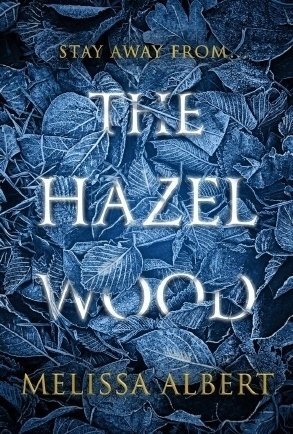
Thirdly, the artwork. Oh good Lord in Heaven, I am in love with the cover art of this book. Dark and shiny and filled with images that beg to be understood. Jim Tierney should be praised almost as much as the author for lending the right mindset for this dark story.
Further, my favorite parts of this book were by far the snippets of Althea's Hinterland Stories. Even if you don't like the book- you will LOVE these stories. They are the perfect amounts of creepy, mysterious, weird, and wonderful.
Finally, a more in-depth look. I'd like to begin with Alice. I feel it's not that her character is "misunderstood" but that she is almost too understood. Mean, angry, violent. With little too no explanation for her outbursts... Except for the simple fact that many readers seem not to care about (and understandably, to a degree. She's not the most likable person). She was spun that way. With an icy core she is unable to control, a darkness she fears.
**"I'd let myself drift too close to the dark continent at the core of me, a lawless place I tried never to visit."**
*SPOILER* Alice Three Times is basically the villain of a dark fairytale. She is made up of rage and ice and blackness. The fact Ella helps her control it even a little is amazing. Understanding this allowed me to view Alice in a different way than I had other heroines. She was, in the end, simply trying to become an ex-Story. To try and be the normal girl she never had the chance of being. *END SPOILER* This made her annoying, unexplained, angry outbursts easier to understand and accept,
for me.
Finch, the only character we know to be a person of color (note: many characters within the book, as previously mentioned, are far from being fully-fleshed out. For most, ethnicity isn't even mentioned), is nerdy and verging-on-fierce, but kind-of, off-putting in some instances. For example, because he is such a "fan" there are several times he ignores the fact that he is making Alice uncomfortable, and especially *SPOILER* when he basically sells her to the Hinterland Stories for entry to their land*END SPOILER*
*SPOILER*I also wanted to quickly talk about the confrontation with the police that leads Finch to try and explain why he's mad, which in turn leads to Alice acting very Story-ish. I felt for Finch in a big way here. I was angry with her stupid, selfish reaction as well. I applauded him for standing up for her and got annoyed that she acted so irrationally and privileged. But, I realized after reading the section through again, Alice is not a person. She is a Story. And although she was raised a human, her "ice core" sometimes ruled her actions more than her mind- which seemed to agree with Finch, even though her actions, words, and anger said otherwise:
**"...You think rich matters in this situation? You think a cop looks at me and sees <i>rich?</i> You're pretending you don't get it, but you do."
<b>I did get it, I did. And the shame of it boiled into something darker.</b> Before my brain could catch up, I jerked the wheel and turned the car off the road, sending us rattling toward the trees."** *END SPOILER*
This isn't a book for everyone. I enjoy reading both the positive and negative reviews, as they shed new light on different aspects of the story! I loved it and I can't wait for Melissa Albert's book of Hinterland Stories- and maybe even a second Hazel Wood! If you do choose to give this book a try, go in with an open mind... and maybe a light on.
First, the writing is completely breathtaking. The imagery in Albert's style is superb. It made me want to wrap up in a blanket with a hot cup of tea and a roaring fire and wish for her words to never end.
With that being said, I did find that at times it could get a little thick and hard to sludge through, but for me, that was infrequent enough to not give me too much of a bother. I felt there was a lot of backstory that could have been told in a more fluid manner, but nevertheless, it was (mostly) needed backstory.
The world Albert created in Hinterland... I need more. If more/most of the story had taken place in the Hinterland, I feel it would have been closer to 5 stars. But, being mostly set in New York it did still leave the storyline curious and mysterious enough to lure you in if given half a chance.
Secondly, the characters are... horrible and good and missing things. Personally, once I figured out who Alice was, I understood why she was written the way she was (more on that in a bit). Unfortunately, I felt most characters, outside of Alice, were mostly one-dimensional. More fully fleshed out and I may have found myself falling a little in love Finch, desperately wanting to know Ella, or even more curious about the mysterious Althea. They just needed a little... more.
Thirdly, the artwork. Oh good Lord in Heaven, I am in love with the cover art of this book. Dark and shiny and filled with images that beg to be understood. Jim Tierney should be praised almost as much as the author for lending the right mindset for this dark story.
Further, my favorite parts of this book were by far the snippets of Althea's Hinterland Stories. Even if you don't like the book- you will LOVE these stories. They are the perfect amounts of creepy, mysterious, weird, and wonderful.
Finally, a more in-depth look. I'd like to begin with Alice. I feel it's not that her character is "misunderstood" but that she is almost too understood. Mean, angry, violent. With little too no explanation for her outbursts... Except for the simple fact that many readers seem not to care about (and understandably, to a degree. She's not the most likable person). She was spun that way. With an icy core she is unable to control, a darkness she fears.
**"I'd let myself drift too close to the dark continent at the core of me, a lawless place I tried never to visit."**
*SPOILER* Alice Three Times is basically the villain of a dark fairytale. She is made up of rage and ice and blackness. The fact Ella helps her control it even a little is amazing. Understanding this allowed me to view Alice in a different way than I had other heroines. She was, in the end, simply trying to become an ex-Story. To try and be the normal girl she never had the chance of being. *END SPOILER* This made her annoying, unexplained, angry outbursts easier to understand and accept,
for me.
Finch, the only character we know to be a person of color (note: many characters within the book, as previously mentioned, are far from being fully-fleshed out. For most, ethnicity isn't even mentioned), is nerdy and verging-on-fierce, but kind-of, off-putting in some instances. For example, because he is such a "fan" there are several times he ignores the fact that he is making Alice uncomfortable, and especially *SPOILER* when he basically sells her to the Hinterland Stories for entry to their land*END SPOILER*
*SPOILER*I also wanted to quickly talk about the confrontation with the police that leads Finch to try and explain why he's mad, which in turn leads to Alice acting very Story-ish. I felt for Finch in a big way here. I was angry with her stupid, selfish reaction as well. I applauded him for standing up for her and got annoyed that she acted so irrationally and privileged. But, I realized after reading the section through again, Alice is not a person. She is a Story. And although she was raised a human, her "ice core" sometimes ruled her actions more than her mind- which seemed to agree with Finch, even though her actions, words, and anger said otherwise:
**"...You think rich matters in this situation? You think a cop looks at me and sees <i>rich?</i> You're pretending you don't get it, but you do."
<b>I did get it, I did. And the shame of it boiled into something darker.</b> Before my brain could catch up, I jerked the wheel and turned the car off the road, sending us rattling toward the trees."** *END SPOILER*
This isn't a book for everyone. I enjoy reading both the positive and negative reviews, as they shed new light on different aspects of the story! I loved it and I can't wait for Melissa Albert's book of Hinterland Stories- and maybe even a second Hazel Wood! If you do choose to give this book a try, go in with an open mind... and maybe a light on.

Jayme (18 KP) rated Underwater in Books
Mar 28, 2018

Plot (1 more)
Emotion
Contains spoilers, click to show
Marisa Reichardt’s debut novel Underwater is a compelling account of a teenage girl’s struggles with agoraphobia caused by a traumatic shooting taking place in her high school. The book intended for a young adult audience follows Morgan as as she tries to cope with several adversities in her life, primarily the fear of leaving her apartment. Morgan was content with wearing the same pajamas everyday while she did her schoolwork online and ate grilled cheese for lunch until a boy her age named Evan moved in next door. Evan showed up on Morgan’s door step smelling like the ocean, reminding her of summer and everything she missed outdoors. With help from Evan, her psychiatrist, her mom, and her little brother Ben, Morgan is able to finally confront her fears and take necessary steps toward recovery.
I found myself connecting to Morgan more than any other character within the book, and that connection began early on in her description of the day her younger brother was born.
"I think of Ben on the day he was born, all chubby and pink and bald. … I think of the newborn Ben next to my mom’s hospital bed and rocking him under dim lights while he slept in my arms. I fall asleep to the feeling of a love I never knew until my brother got here."
Being the youngest in my family and having no experience with anyone I knew having children, I was especially excited when my only sister got pregnant with her first child. I sat in an uncomfortable chair across the room from my sister’s hospital bed for thirteen hours while she was in labor. When she was finally ready to push, I stood at her side giving words of encouragement, and she even gave me the honor of cutting my nephew’s umbilical cord. I remember the warmth of my tears as I heard my nephew cry out, sucking in his first breaths of air. I left the hospital shortly after his delivery, allowing my sister to get some rest. I returned a few hours later and held my tiny nephew in my arms for the first time. I love plenty of people in my life, but it wasn’t until I watched my newborn nephew as he slept swaddled in the hospital-issued blanket that I fully understood the depths of the love I was capable of producing. The astonishment I felt holding my precious nephew can be compared to the feelings Morgan had toward her brother the day he was born.
What I found to be most fascinating about this book is the way the author tackles the problem of school shootings in a way that humanizes the shooter and his victims. Instead of making the shooter out to be a merciless attacker, he was demonstrated as a victim of neglect among his peers who deserves forgiveness for his mistakes. There have been one hundred and seventy-four school shootings in America since the year 2003. School shootings are a recurring issue in our society.
"Before Aaron’s Facebook was disabled, news outlets released photographs from his profile. They found the worst ones. The ones that painted the picture of a kid who was angry and alone. They interviewed neighbors who said Aaron spent weekends tinkering in the garage. His mom revealed Aaron had been in therapy since middle school. His dad revealed he kept guns in the house. For protection. From the world. Not from his son. Those were guns Aaron brought to school onOctober fifteenth. … And the only person who could give us answers, who could tell us why, was gone."
The media is quick to make the shooter out to be a monster instead of acknowledging the idea that people make drastic decisions, like one of shooting up a school, because they have no one to turn to.
Other personal accounts of shootings have been written, but there is nothing like this fictional demonstration of the aftereffects of such occurrences. Misty Bernell, the mother of a student killed in the Columbine High School shooting taking place in 1999, wrote the book She Said Yes: The Unlikely Martydom of Cassie Bernall as a way of commemorating her daughter and spreading awareness of the lives lost in the tragic massacre. Reichardt manages to establish a point of view that allows readers to show empathy toward a victim in the shooting the same way Bernell does without downplaying the internal struggles Aaron, the shooter in the novel, may have been experiencing.
The successful manner in which Reichardt explores a real-time societal issue from a unique perspective provides enough grounds for me to recommend the book. However, I was also able to find many characteristics that made me feel invested in the well-being of the each of the characters within the novel. Morgan works especially hard to go outside in order to see her brother perform in his kindergarten play, the psychiatrist meets with Morgan for free because the psychiatrist wanted Morgan to know she was being heard, Evan offering his old prepaid cell phone to Morgan so they could send text messages to communicate the problems Morgan was too afraid to talk about out loud, and the way Morgan’s mother compromises with Morgan and attempts to understand her feelings. Each character demonstrates selflessness and unconditional love while maneuvering through a situation where love and support are crucial to the mental health of everyone involved. Reading about people who truly care about each other and work to build each other up in a difficult time instead of worrying only of themselves is refreshing.
I found myself connecting to Morgan more than any other character within the book, and that connection began early on in her description of the day her younger brother was born.
"I think of Ben on the day he was born, all chubby and pink and bald. … I think of the newborn Ben next to my mom’s hospital bed and rocking him under dim lights while he slept in my arms. I fall asleep to the feeling of a love I never knew until my brother got here."
Being the youngest in my family and having no experience with anyone I knew having children, I was especially excited when my only sister got pregnant with her first child. I sat in an uncomfortable chair across the room from my sister’s hospital bed for thirteen hours while she was in labor. When she was finally ready to push, I stood at her side giving words of encouragement, and she even gave me the honor of cutting my nephew’s umbilical cord. I remember the warmth of my tears as I heard my nephew cry out, sucking in his first breaths of air. I left the hospital shortly after his delivery, allowing my sister to get some rest. I returned a few hours later and held my tiny nephew in my arms for the first time. I love plenty of people in my life, but it wasn’t until I watched my newborn nephew as he slept swaddled in the hospital-issued blanket that I fully understood the depths of the love I was capable of producing. The astonishment I felt holding my precious nephew can be compared to the feelings Morgan had toward her brother the day he was born.
What I found to be most fascinating about this book is the way the author tackles the problem of school shootings in a way that humanizes the shooter and his victims. Instead of making the shooter out to be a merciless attacker, he was demonstrated as a victim of neglect among his peers who deserves forgiveness for his mistakes. There have been one hundred and seventy-four school shootings in America since the year 2003. School shootings are a recurring issue in our society.
"Before Aaron’s Facebook was disabled, news outlets released photographs from his profile. They found the worst ones. The ones that painted the picture of a kid who was angry and alone. They interviewed neighbors who said Aaron spent weekends tinkering in the garage. His mom revealed Aaron had been in therapy since middle school. His dad revealed he kept guns in the house. For protection. From the world. Not from his son. Those were guns Aaron brought to school onOctober fifteenth. … And the only person who could give us answers, who could tell us why, was gone."
The media is quick to make the shooter out to be a monster instead of acknowledging the idea that people make drastic decisions, like one of shooting up a school, because they have no one to turn to.
Other personal accounts of shootings have been written, but there is nothing like this fictional demonstration of the aftereffects of such occurrences. Misty Bernell, the mother of a student killed in the Columbine High School shooting taking place in 1999, wrote the book She Said Yes: The Unlikely Martydom of Cassie Bernall as a way of commemorating her daughter and spreading awareness of the lives lost in the tragic massacre. Reichardt manages to establish a point of view that allows readers to show empathy toward a victim in the shooting the same way Bernell does without downplaying the internal struggles Aaron, the shooter in the novel, may have been experiencing.
The successful manner in which Reichardt explores a real-time societal issue from a unique perspective provides enough grounds for me to recommend the book. However, I was also able to find many characteristics that made me feel invested in the well-being of the each of the characters within the novel. Morgan works especially hard to go outside in order to see her brother perform in his kindergarten play, the psychiatrist meets with Morgan for free because the psychiatrist wanted Morgan to know she was being heard, Evan offering his old prepaid cell phone to Morgan so they could send text messages to communicate the problems Morgan was too afraid to talk about out loud, and the way Morgan’s mother compromises with Morgan and attempts to understand her feelings. Each character demonstrates selflessness and unconditional love while maneuvering through a situation where love and support are crucial to the mental health of everyone involved. Reading about people who truly care about each other and work to build each other up in a difficult time instead of worrying only of themselves is refreshing.

Sass Perilla (36 KP) rated The Master and Margarita in Books
Aug 9, 2019
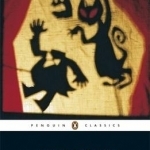
Worth a read? Yes. Worth a reread? Maybe not.
Contains spoilers, click to show
The Master and Magarita: Mikhail Bulgakov
Firstly, I didn’t intend to write an essay on this novel. However, once started I found I had a lot to say, and the more I thought about the plot and characters, the more ideas and parallels were sparked, so I am hopeful that the verbosity of this review can be forgiven.
At the risk of sounding both ignorant and uncultured, I found this novel (at least at first) bloody hard slog; not least because the Russian characters have three names, plus a nickname, plus a pun on their name (none of which work particularly well in translation and all of which sound rather similar to the English untrained ear). As an example- Ivan Nikolaevich Ponyrev (who seems to be referred to by any and all of these names) is also known as “Homeless” and “the poet” is a key character in the opening section of the novel. To further demonstrate: there are 17 different names that start with A that are used to refer to 15 different characters with Andreyevich used as the middle name of a bereaved uncle, who makes a journey from Kiev after his nephew is beheaded in a freak tram accident- and Andrey the buffet manager at a Moscow theatre. Clear as mud right? And that is before starting on similarly named characters with the initials M, P, L and S! At my last count there were 45 distinct characters, and I am fairly sure there will be some that I have missed. Hence, I did a lot of re-reading to work out exactly who was doing what to whom.
Additionally, I would suggest you need to be wary of the different translations. The distinct changes in meaning are subtle but important. To triangulate I had three versions at my disposal: Hugh Aplin’s translation (available for free on Kindle), the audiobook version translated by Richard Pevear and Larissa Volokhonsky (which I listened to simultaneously when reading the book to come to my own interpretation, and the subtitles for the Russian TV miniseries from 2005 when I gave up trying to work out who was who from name alone!
So those were my “technical” issues (if you like) with engaging with this novel, and this lack of clarity and understanding (and my own lack of contextual knowledge of Stalinist Russia) meant I missed many of the (what I am sure are hysterically funny to those in the know) satirical jokes in the opening section. That said, the random action and quick changes of focus, undercurrent of chaos in Moscow despite entrenched hierarchal structures and clear threat that (any) one could go missing at any time, for an unclear reason gave a clear insight into the mind and fears of a 1930s Russian citizen. No wonder it was available only in censored form for so long.
Despite these hardships, there were some genuinely laugh out loud moments in the first Moscow based part of the novel. The citizens have not lost their individuality, as they scrabble and fight for bank notes in the theatre, which are later revealed to be worthless. Nor have they lost their sense of pride and vanity, which we see in the female theatre goers, so desperate to attain the fashionable French couture (which later literally disappears from their bodies leaving semi-naked citizenesses desperately trying to cover themselves in a scene reminiscent of “Allo Allo” meets “Benny Hill”). When Professor Woland says his show will “expose” what the locals have failed to realise is that it is their (moral) shortcomings that are about to be revealed. The message is clearly, that no government can successfully legislate against human nature.
Oooh- and another fun fact, apparently Woland (later revealed- or perhaps is implied- to be Satan) was the inspiration to the Rolling Stones 1968 hit “Sympathy for the Devil”, well at least that is what my Google-Fu tells me.
Obviously, there were substantial hurdles to leap, however, I found by the second half of the novel, when we finally meet the eponymous characters, I had got in to the swing of things and begun to embrace the farcical surrealism of the novel.
The second “book” marks a change in tone, although it continues to cut away to scenes of Jesus’ sentencing by Pilate and execution (here known in the Aramaic form Yeshua). Ironically it is these scenes that are the most “real” and substantially human, as Pilate’s decision weighs head achingly heavily on him throughout. The Master and Margarita seem to be the only two characters fully invested in the authenticity of literature, and serve as a counterpoint to the heavily censored “monstrous” writing of Ivan and the rest of the writers’ union Massolit, more interested in fine dining and what their positions can do for them then the production of quality writing.
And it is Margarita’s journey of discovery and liberation from the stodgy, miserable societal expectations of that leads her back to her Master. Bulgakov mixes classical myth, Russian folklore and Bible stories to give us an impression of the timelessness of the central romance. As the worlds of communist Moscow and the inner worlds of the Master and Margarita collide, we are informed of the former’s desire to excuse all magic (and mischief) as the product of mass hypnosis, when the latter (and the reader) are fully aware of the spiritual significance and dimension of the events.
Clever, astute and in places laugh out loud funny, this novel none-the-less requires a level of dedication from the non-Russian speaking reader. Worth a read? Yes. Worth a re-read? Maybe not.
Firstly, I didn’t intend to write an essay on this novel. However, once started I found I had a lot to say, and the more I thought about the plot and characters, the more ideas and parallels were sparked, so I am hopeful that the verbosity of this review can be forgiven.
At the risk of sounding both ignorant and uncultured, I found this novel (at least at first) bloody hard slog; not least because the Russian characters have three names, plus a nickname, plus a pun on their name (none of which work particularly well in translation and all of which sound rather similar to the English untrained ear). As an example- Ivan Nikolaevich Ponyrev (who seems to be referred to by any and all of these names) is also known as “Homeless” and “the poet” is a key character in the opening section of the novel. To further demonstrate: there are 17 different names that start with A that are used to refer to 15 different characters with Andreyevich used as the middle name of a bereaved uncle, who makes a journey from Kiev after his nephew is beheaded in a freak tram accident- and Andrey the buffet manager at a Moscow theatre. Clear as mud right? And that is before starting on similarly named characters with the initials M, P, L and S! At my last count there were 45 distinct characters, and I am fairly sure there will be some that I have missed. Hence, I did a lot of re-reading to work out exactly who was doing what to whom.
Additionally, I would suggest you need to be wary of the different translations. The distinct changes in meaning are subtle but important. To triangulate I had three versions at my disposal: Hugh Aplin’s translation (available for free on Kindle), the audiobook version translated by Richard Pevear and Larissa Volokhonsky (which I listened to simultaneously when reading the book to come to my own interpretation, and the subtitles for the Russian TV miniseries from 2005 when I gave up trying to work out who was who from name alone!
So those were my “technical” issues (if you like) with engaging with this novel, and this lack of clarity and understanding (and my own lack of contextual knowledge of Stalinist Russia) meant I missed many of the (what I am sure are hysterically funny to those in the know) satirical jokes in the opening section. That said, the random action and quick changes of focus, undercurrent of chaos in Moscow despite entrenched hierarchal structures and clear threat that (any) one could go missing at any time, for an unclear reason gave a clear insight into the mind and fears of a 1930s Russian citizen. No wonder it was available only in censored form for so long.
Despite these hardships, there were some genuinely laugh out loud moments in the first Moscow based part of the novel. The citizens have not lost their individuality, as they scrabble and fight for bank notes in the theatre, which are later revealed to be worthless. Nor have they lost their sense of pride and vanity, which we see in the female theatre goers, so desperate to attain the fashionable French couture (which later literally disappears from their bodies leaving semi-naked citizenesses desperately trying to cover themselves in a scene reminiscent of “Allo Allo” meets “Benny Hill”). When Professor Woland says his show will “expose” what the locals have failed to realise is that it is their (moral) shortcomings that are about to be revealed. The message is clearly, that no government can successfully legislate against human nature.
Oooh- and another fun fact, apparently Woland (later revealed- or perhaps is implied- to be Satan) was the inspiration to the Rolling Stones 1968 hit “Sympathy for the Devil”, well at least that is what my Google-Fu tells me.
Obviously, there were substantial hurdles to leap, however, I found by the second half of the novel, when we finally meet the eponymous characters, I had got in to the swing of things and begun to embrace the farcical surrealism of the novel.
The second “book” marks a change in tone, although it continues to cut away to scenes of Jesus’ sentencing by Pilate and execution (here known in the Aramaic form Yeshua). Ironically it is these scenes that are the most “real” and substantially human, as Pilate’s decision weighs head achingly heavily on him throughout. The Master and Margarita seem to be the only two characters fully invested in the authenticity of literature, and serve as a counterpoint to the heavily censored “monstrous” writing of Ivan and the rest of the writers’ union Massolit, more interested in fine dining and what their positions can do for them then the production of quality writing.
And it is Margarita’s journey of discovery and liberation from the stodgy, miserable societal expectations of that leads her back to her Master. Bulgakov mixes classical myth, Russian folklore and Bible stories to give us an impression of the timelessness of the central romance. As the worlds of communist Moscow and the inner worlds of the Master and Margarita collide, we are informed of the former’s desire to excuse all magic (and mischief) as the product of mass hypnosis, when the latter (and the reader) are fully aware of the spiritual significance and dimension of the events.
Clever, astute and in places laugh out loud funny, this novel none-the-less requires a level of dedication from the non-Russian speaking reader. Worth a read? Yes. Worth a re-read? Maybe not.

Bong Mines Entertainment (15 KP) rated Beerbongs & Bentleys by Post Malone in Music
Jun 7, 2019
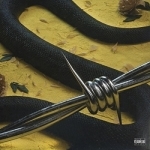
Post Malone is a rapper from Syracuse, New York. Not too long ago, he released his sophomore album, entitled, “beerbongs & bentleys”, featuring Swae Lee, 21 Savage, Ty Dolla Sign, Nicki Minaj, G-Eazy, and YG.
Malone wears his heart on his sleeve and speaks from the heart. His world is good and bad, and he blames himself for his dual reality because life is what you make it.
PARANOID
Malone opens the album speaking about his paranoia. He’s worked so hard to become rich and successful. Now, he can’t trust anyone around him. He fears that people are out to get him for his riches, which he has stashed in different areas of his home.
To protect himself, Malone sleeps with a gun by his bed. Also, he’s willing to shoot anyone trying to break in or enter his home unannounced.
SPOIL MY NIGHT (FT. SWAE LEE)
Malone addresses limelight-lustful females he encounters in nightclubs. The women know Malone is a celebrity, so they want their social-media world to know that they are hanging out with him.
Malone admits that what he’s doing is wrong. But there’s no need for these women to get star-struck. In a way, he’s suspicious about their move to go live on Instagram. He would rather them chill and keep things on the low.
RICH & SAD
Malone addresses his girlfriend. She’s the reason why he doesn’t want his female fans recording him in the clubs.
Apparently, Malone’s girl leaves him for unknown reasons. Malone claims it’s because his career is skyrocketing. So, that might’ve complicated their relationship. But the real reason is anyone’s guess.
After her departure, Malone feels lonely and depressed, even though he’s surrounded by fame and fortune.
Malone realizes that money can’t buy happiness. All he wants is his girlfriend back.
ZACK AND CODEINE
Malone solves his loneliness by indulging in his guilty pleasures. So, he parties in a hotel lobby, filled with women, drugs, and alcohol.
Malone celebrates his success and doesn’t plan on sleeping anytime soon. As long as he’s partying, he doesn’t feel alone. He even addresses the current state of urban music.
TAKIN’ SHOTS
Malone continues his pleasure-seeking. This time, he’s at another party, mixing unprotected threesome sex, drugs, and alcohol.
Malone is drunk before he gets to the party. Still, that doesn’t stop him from taking more shots. Also, he’s waiting for more drugs to come.
ROCKSTAR FEAT. 21 SAVAGE
Malone identifies what he is—a Rockstar, smoking weed like a Rasta, f*cking hoes, and popping pills.
The Emil Nava-directed video shows Malone as a deranged swordsman. Also, he is warring against the ops, and they are clothed in business attire.
OVER NOW
Malone stops partying and addresses his off-and-on relationship with his girlfriend. This time, he lets her know that he’s been a begging idiot. Now, he doesn’t want her anymore. It’s over!
PSYCHO FEAT. TY DOLLA $IGN
Malone raps about making his first million, how much he charges for a walkthrough, and how the jewelry on his neck is making his neck cold. Also, all these things he has accumulated, have women asking, “Can I have some to hold?”
The James DeFina-directed video begins with Malone riding a tank in a deserted area. Also, later scenes show Ty Dolla riding inside the tank.
BETTER NOW
Malone reverts back to talking about his ex-girlfriend. He questions her saying that she is better now. But he doesn’t believe that, even though he sees her with a new guy.
Malone is trying to win back her love and faults himself as the problem of their separation. He puts his heart on his sleeve and lets it be known that he’s still in love with her.
BALL FOR ME FEAT. NICKI MINAJ
Malone ditches his relationship drama and puts on his ballin’ jersey. He’s busy on the road getting paid. So, he doesn’t have time to personally take her shopping on Rodeo Drive.
The girl wants to be styled in Saint Laurent fashion. So, Malone offers to pay $30,000 for the shopping spree and nothing more.
OTHERSIDE
Malone reverts back to talking about his ex-girlfriend. He’s been drinking and reminiscing about their rocky relationship. Also, he wants to know why she doesn’t answer when he calls her name.
It seems Malone’s girl did him dirty. She left him in the cold and now he’s burning inside trying to drink away the pain. But somehow, he still loves her and wants the waves to come and take him back to her.
STAY
Malone is stuck in a sunken place. The rocky relationship between him and his ex is starting to get to him and he’s starting to drink more and more.
BLAME IT ON ME
Malone reflects on a time when he didn’t have money and fame. Life was so simple back then.
Now, people around him are trying to take pieces of him, and everything he has worked hard for. He blames himself for them taking advantage of him, even though he knows they love when he’s in agony.
SAME BITCHES FEAT. YG & G-EAZY
Malone raps about being in Los Angeles. He questions, if the population is 4-million, how come he sees the same b*tches? Also, he questions their intention.
JONESTOWN (INTERLUDE)
Malone is depressed again. He mentions the Jonestown cult massacre when Jim Jones poisoned his followers with a poisonous Kool-Aid drink.
Malone raps about his 1992 Ford Explorer. Apparently, he purchased another one for $1,700 and got it customized by West Coast Customs.
CANDY PAINT
Malone continues his lavish talks about his lavish lifestyle, expensive vehicles, and his boss status. Also, he warns people not to plot on what he has because it can get ugly.
‘Candy Paint’ was originally recorded for “The Fate of the Furious: The Album” soundtrack.
SUGAR WRAITH
Malone continues with the car theme. He raps about his Rolls Royce Wraith and taking it out for a drive. Also, he covers other topics.
CONCLUSION
‘beerbongs & bentleys’ is a rhythmic/harmonious album with solid production and detailed songwriting.
Also, it highlights Malone’s struggles, pinpoints his weaknesses and addictions, which are lotion with tears of depression and materialistic happiness.
https://www.bongminesentertainment.com/post-malone-beerbongs-bentleys/
Malone wears his heart on his sleeve and speaks from the heart. His world is good and bad, and he blames himself for his dual reality because life is what you make it.
PARANOID
Malone opens the album speaking about his paranoia. He’s worked so hard to become rich and successful. Now, he can’t trust anyone around him. He fears that people are out to get him for his riches, which he has stashed in different areas of his home.
To protect himself, Malone sleeps with a gun by his bed. Also, he’s willing to shoot anyone trying to break in or enter his home unannounced.
SPOIL MY NIGHT (FT. SWAE LEE)
Malone addresses limelight-lustful females he encounters in nightclubs. The women know Malone is a celebrity, so they want their social-media world to know that they are hanging out with him.
Malone admits that what he’s doing is wrong. But there’s no need for these women to get star-struck. In a way, he’s suspicious about their move to go live on Instagram. He would rather them chill and keep things on the low.
RICH & SAD
Malone addresses his girlfriend. She’s the reason why he doesn’t want his female fans recording him in the clubs.
Apparently, Malone’s girl leaves him for unknown reasons. Malone claims it’s because his career is skyrocketing. So, that might’ve complicated their relationship. But the real reason is anyone’s guess.
After her departure, Malone feels lonely and depressed, even though he’s surrounded by fame and fortune.
Malone realizes that money can’t buy happiness. All he wants is his girlfriend back.
ZACK AND CODEINE
Malone solves his loneliness by indulging in his guilty pleasures. So, he parties in a hotel lobby, filled with women, drugs, and alcohol.
Malone celebrates his success and doesn’t plan on sleeping anytime soon. As long as he’s partying, he doesn’t feel alone. He even addresses the current state of urban music.
TAKIN’ SHOTS
Malone continues his pleasure-seeking. This time, he’s at another party, mixing unprotected threesome sex, drugs, and alcohol.
Malone is drunk before he gets to the party. Still, that doesn’t stop him from taking more shots. Also, he’s waiting for more drugs to come.
ROCKSTAR FEAT. 21 SAVAGE
Malone identifies what he is—a Rockstar, smoking weed like a Rasta, f*cking hoes, and popping pills.
The Emil Nava-directed video shows Malone as a deranged swordsman. Also, he is warring against the ops, and they are clothed in business attire.
OVER NOW
Malone stops partying and addresses his off-and-on relationship with his girlfriend. This time, he lets her know that he’s been a begging idiot. Now, he doesn’t want her anymore. It’s over!
PSYCHO FEAT. TY DOLLA $IGN
Malone raps about making his first million, how much he charges for a walkthrough, and how the jewelry on his neck is making his neck cold. Also, all these things he has accumulated, have women asking, “Can I have some to hold?”
The James DeFina-directed video begins with Malone riding a tank in a deserted area. Also, later scenes show Ty Dolla riding inside the tank.
BETTER NOW
Malone reverts back to talking about his ex-girlfriend. He questions her saying that she is better now. But he doesn’t believe that, even though he sees her with a new guy.
Malone is trying to win back her love and faults himself as the problem of their separation. He puts his heart on his sleeve and lets it be known that he’s still in love with her.
BALL FOR ME FEAT. NICKI MINAJ
Malone ditches his relationship drama and puts on his ballin’ jersey. He’s busy on the road getting paid. So, he doesn’t have time to personally take her shopping on Rodeo Drive.
The girl wants to be styled in Saint Laurent fashion. So, Malone offers to pay $30,000 for the shopping spree and nothing more.
OTHERSIDE
Malone reverts back to talking about his ex-girlfriend. He’s been drinking and reminiscing about their rocky relationship. Also, he wants to know why she doesn’t answer when he calls her name.
It seems Malone’s girl did him dirty. She left him in the cold and now he’s burning inside trying to drink away the pain. But somehow, he still loves her and wants the waves to come and take him back to her.
STAY
Malone is stuck in a sunken place. The rocky relationship between him and his ex is starting to get to him and he’s starting to drink more and more.
BLAME IT ON ME
Malone reflects on a time when he didn’t have money and fame. Life was so simple back then.
Now, people around him are trying to take pieces of him, and everything he has worked hard for. He blames himself for them taking advantage of him, even though he knows they love when he’s in agony.
SAME BITCHES FEAT. YG & G-EAZY
Malone raps about being in Los Angeles. He questions, if the population is 4-million, how come he sees the same b*tches? Also, he questions their intention.
JONESTOWN (INTERLUDE)
Malone is depressed again. He mentions the Jonestown cult massacre when Jim Jones poisoned his followers with a poisonous Kool-Aid drink.
Malone raps about his 1992 Ford Explorer. Apparently, he purchased another one for $1,700 and got it customized by West Coast Customs.
CANDY PAINT
Malone continues his lavish talks about his lavish lifestyle, expensive vehicles, and his boss status. Also, he warns people not to plot on what he has because it can get ugly.
‘Candy Paint’ was originally recorded for “The Fate of the Furious: The Album” soundtrack.
SUGAR WRAITH
Malone continues with the car theme. He raps about his Rolls Royce Wraith and taking it out for a drive. Also, he covers other topics.
CONCLUSION
‘beerbongs & bentleys’ is a rhythmic/harmonious album with solid production and detailed songwriting.
Also, it highlights Malone’s struggles, pinpoints his weaknesses and addictions, which are lotion with tears of depression and materialistic happiness.
https://www.bongminesentertainment.com/post-malone-beerbongs-bentleys/

Daniel Boyd (1066 KP) rated Gerald's Game (2017) in Movies
Oct 13, 2017 (Updated Oct 13, 2017)
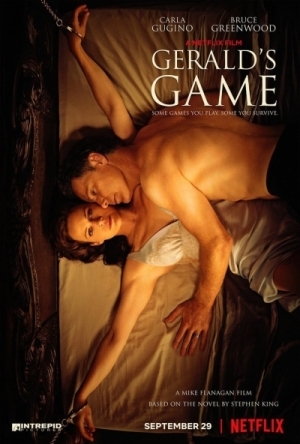
Top Notch Performances. (1 more)
Effective Scares.
Hard To Watch, Yet Impossible To Turn Away
Contains spoilers, click to show
After being underwhelmed by the major blockbuster release of IT, I didn’t have much hope for this small Netflix movie with a limited cast, a low budget and being an adaption of what is regarded as one of Stephen King’s lesser works. I am happy to report that I was pleasantly surprised when I sat down to watch this one, in fact I’d go as far as to say it blew me away.
This is a movie that lives and dies on the performances of the actors involved. For those of you not familiar with the story’s premise, it involves a married couple driving out to a holiday cottage in the woods for a dirty weekend. The couple is played by Carla Gugino, (Jessie,) and Bruce Greenwood, (Gerald,) who both totally nail their respective roles in the movie. Once they get to the cottage and the door is conveniently left ajar, Gerald handcuffs Jessie to the bed and goes to the bathroom to pop a Viagra. Once he comes back and explains how he has made sure the gardeners and the cleaners won’t disturb them for a few days, he takes a heart attack and collapses onto the floor and dies.
From this point on, Carla Gugino spends the vast majority of the movie handcuffed to the bed and she gives an absolutely stellar performance, possibly the best of her career. She goes though a vast array of emotions in convincing, believable form and shows everything, from despair, to sadness, to anger, to fear, to resilience. I don’t think anyone has ever been Oscar nominated for a straight-to-Netflix movie, but if there is one performance that deserves to be, it is this one.
If you haven’t seen the movie yet, please don’t read on past this point as I am going to have to delve into spoilers in order to discuss the other aspects of the movie that I enjoyed. I thought the way that Gerald appeared to Jessie as a sort of devil on her shoulder was really effective and Greenwood delivered the required level of intense cruelty perfectly. Then the fact that Jessie appeared to herself as a sort of angel on the shoulder to oppose Gerald’s negative thoughts, meant that Gugino was required to deliver a dual character performance, on top of the already challenging role of being chained to the bed.
Flashback sequences in movies can go either way for me. They usually either tend to detract from the story at hand and become an unnecessary tangent, or they compliment what is going on and add to the movie overall. Thankfully in this movie, it is the latter. The flashback scenes are uncomfortable and hard to watch, but they do add context to what is going on in the character’s mind and make for a more interesting dissection of the effect that child abuse can have on a person in later life and how psychologically, even as adults people are still affected by the dreadful things that occurred in their past.
I also thought that this film was extremely effective in terms of its fear factor. As opposed to IT, which was scary at the start, but became repetitive and managed to desensitise its audience for what to expect by the halfway mark, Gerald’s game retains an unpredictable level of uneasiness throughout.
As far as the viewer knows during the first half of the movie, the main conflict facing the protagonist is starvation and the dog that is gnawing on Gerald’s dead body, but then things take a much more sinister turn. In what is possibly the creepiest scene I have seen in a movie this year, Jessie wakes up during the night after passing out for a few hours and she looks into the corner of the room, squinting her eyes. The camera follows where she is looking and the general shape of something can be made out. Then the shape begins to move forwards into the moonlight and is revealed to be a huge, deformed man holding a trinket box. This was so unexpected and freaky, and I loved it. I thought it was so effective in the context of the movie and was executed perfectly to be as disturbing as possible. It is also a relatable scare, as we have all experienced that moment; glancing at the corner of the room, something catches our eye and looks off in the darkness, but you just brush it off and fall back asleep. Jessie’s worst fears are confirmed here though, as she really did see something in the corner of the room and she is helpless to get away from it.
It also throws a twist into a story that has so far been based in what could be a real situation. You start to wonder, is Jessie experiencing something supernatural, or is she just hallucinating due to lack of food and water? Then the Gerald hallucination asks her if ‘The Moonlight Man,’ that she saw isn’t real, then why did the dog run away when he was in the room? Just like Jessie, the audience starts to wonder if he could be real, perhaps he is death and he has come to take Jessie to hell. All of these questions add to the already intense and disturbing tone of the movie and I thought it worked perfectly.
Eventually the movie wraps up with Jessie having an epiphany that if she smashes the glass of water and cuts her wrist, the blood can help her slip her hand out of the cuffs. What follows is a gory, brutal, difficult to watch de-gloving scene that will have you wincing and watching through your fingers. Then in true Stephen King fashion, the movie goes on to reveal another twist. It is revealed that ‘The Moonlight Man,’ really was in the room with Jessie. He was a serial killer that collected various body parts form dead people and he was taking parts from Gerald’s body while Jessie was chained to the bed. I can see why this ending could be polarizing for some, but I loved it and I thought it added an extra layer of craziness to the already insane sequence of events that we just witnessed.
Overall, Gerald’s Game is fantastic. A truly unsettling, chilling Stephen King adaption that showcases fantastic performances from its cast, makes the most of its minimal setting and managed to creep me out way more than any other horror movie I have seen this year.
This is a movie that lives and dies on the performances of the actors involved. For those of you not familiar with the story’s premise, it involves a married couple driving out to a holiday cottage in the woods for a dirty weekend. The couple is played by Carla Gugino, (Jessie,) and Bruce Greenwood, (Gerald,) who both totally nail their respective roles in the movie. Once they get to the cottage and the door is conveniently left ajar, Gerald handcuffs Jessie to the bed and goes to the bathroom to pop a Viagra. Once he comes back and explains how he has made sure the gardeners and the cleaners won’t disturb them for a few days, he takes a heart attack and collapses onto the floor and dies.
From this point on, Carla Gugino spends the vast majority of the movie handcuffed to the bed and she gives an absolutely stellar performance, possibly the best of her career. She goes though a vast array of emotions in convincing, believable form and shows everything, from despair, to sadness, to anger, to fear, to resilience. I don’t think anyone has ever been Oscar nominated for a straight-to-Netflix movie, but if there is one performance that deserves to be, it is this one.
If you haven’t seen the movie yet, please don’t read on past this point as I am going to have to delve into spoilers in order to discuss the other aspects of the movie that I enjoyed. I thought the way that Gerald appeared to Jessie as a sort of devil on her shoulder was really effective and Greenwood delivered the required level of intense cruelty perfectly. Then the fact that Jessie appeared to herself as a sort of angel on the shoulder to oppose Gerald’s negative thoughts, meant that Gugino was required to deliver a dual character performance, on top of the already challenging role of being chained to the bed.
Flashback sequences in movies can go either way for me. They usually either tend to detract from the story at hand and become an unnecessary tangent, or they compliment what is going on and add to the movie overall. Thankfully in this movie, it is the latter. The flashback scenes are uncomfortable and hard to watch, but they do add context to what is going on in the character’s mind and make for a more interesting dissection of the effect that child abuse can have on a person in later life and how psychologically, even as adults people are still affected by the dreadful things that occurred in their past.
I also thought that this film was extremely effective in terms of its fear factor. As opposed to IT, which was scary at the start, but became repetitive and managed to desensitise its audience for what to expect by the halfway mark, Gerald’s game retains an unpredictable level of uneasiness throughout.
As far as the viewer knows during the first half of the movie, the main conflict facing the protagonist is starvation and the dog that is gnawing on Gerald’s dead body, but then things take a much more sinister turn. In what is possibly the creepiest scene I have seen in a movie this year, Jessie wakes up during the night after passing out for a few hours and she looks into the corner of the room, squinting her eyes. The camera follows where she is looking and the general shape of something can be made out. Then the shape begins to move forwards into the moonlight and is revealed to be a huge, deformed man holding a trinket box. This was so unexpected and freaky, and I loved it. I thought it was so effective in the context of the movie and was executed perfectly to be as disturbing as possible. It is also a relatable scare, as we have all experienced that moment; glancing at the corner of the room, something catches our eye and looks off in the darkness, but you just brush it off and fall back asleep. Jessie’s worst fears are confirmed here though, as she really did see something in the corner of the room and she is helpless to get away from it.
It also throws a twist into a story that has so far been based in what could be a real situation. You start to wonder, is Jessie experiencing something supernatural, or is she just hallucinating due to lack of food and water? Then the Gerald hallucination asks her if ‘The Moonlight Man,’ that she saw isn’t real, then why did the dog run away when he was in the room? Just like Jessie, the audience starts to wonder if he could be real, perhaps he is death and he has come to take Jessie to hell. All of these questions add to the already intense and disturbing tone of the movie and I thought it worked perfectly.
Eventually the movie wraps up with Jessie having an epiphany that if she smashes the glass of water and cuts her wrist, the blood can help her slip her hand out of the cuffs. What follows is a gory, brutal, difficult to watch de-gloving scene that will have you wincing and watching through your fingers. Then in true Stephen King fashion, the movie goes on to reveal another twist. It is revealed that ‘The Moonlight Man,’ really was in the room with Jessie. He was a serial killer that collected various body parts form dead people and he was taking parts from Gerald’s body while Jessie was chained to the bed. I can see why this ending could be polarizing for some, but I loved it and I thought it added an extra layer of craziness to the already insane sequence of events that we just witnessed.
Overall, Gerald’s Game is fantastic. A truly unsettling, chilling Stephen King adaption that showcases fantastic performances from its cast, makes the most of its minimal setting and managed to creep me out way more than any other horror movie I have seen this year.

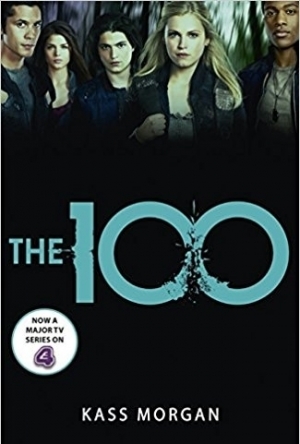
"The door slid open and Clarke knew it was time to die." What a way to start the book. Kass Morgan dives right into her storyline with an in-your-face opener. It took a bit of time before I, as the reader realized what this book was about. She began by setting up a number of characters, switching between perspectives, to quickly introduce you to the players. Those people who will have the biggest impact upon the storyline.
Each character is thrown into the mix, destined to be sent to Earth. The first in a long, long time. While not all make it, we are still treated with back stories and past relationships. Had the author not included those scenes, her characters would have been much more difficult to relate to. You come to briefly understand what the person goes through, exactly why he/she is so angry and hurt, and what they each did to become subjected to the fate of the 100. Personally, I would have preferred that greater attention had been given to character development rather than relationship development.
The Earth was unlivable for so long, and yet they send these 100 "children" as guinea pigs, rather than trained professionals. People who could colonize, build shelters, feed the colony, study the land and environment, or even tend to the ill. Instead, these youths are forced to come together with a common goal - survival.
One gets to a certain point in the novel and then realizes they don't entirely know what these different living situations/names mean. Of course, the Walden and Arcadian people seem to be of a lower class, economic, and social standing than the Phoenix. Walden also had an outbreak at one point that had to be quarantined. But beyond that? I'm not entirely sure what the distinctions are. Clearly the Phoenix people are "posh", with foreign accents, prone to extravagances and taking what they have for granted. But how did they come to be in that, dare I say, caste to begins with? Were people settled based upon their original locations on Earth? Or perhaps based upon the money/knowledge they could provide? Unfortunately, that aspect of the story is not very clearly explained. It seems that the author took more time to focus on the intricacies of the relationships than the world building.
Sometimes the author was redundant, choosing to repeat the same fears/desire over and over again. Yes, we understand that the medicine is missing. Was it flung from the ship before the crash or during? Can they survive without it? We don't know yet, but if we didn't realize the medicine was important the first time it was mentioned... We certainly realized it after the tenth.
This book has a very unique concept in that it combines the post-apocalyptic Hunger Games or Divergent-type Earth with space. While it may exist in other novels, I've not yet read something similar. Where it does seem to follow typical YA novels is the fact that it has a love triangle. Those seem like they are a requirement, as they are in most popular young adult novels. (HG, Divergent, TMI, Vampire Diaries, etc.)
There is a bit of mystery in the book as well. It seems that the reason one of the characters is arrested must be kept a secret, even from the reader. The author continuously has the girl think to herself, 'Why isn't he asking me about my confinement?', 'He's happy, this is for the best [that he doesn't know.]', and even has her love interest say "I heard a rumor about a girl on Phoenix who was arrested for..." Yes, there was a dramatic pause. And no, he does not finish his sentence. After the third or fourth time, the author finally reveals the girl's situation during a flashback.
Throughout the novel, the author develops the relationship between two main characters. Unfortunately, it's a bit jarring and sporadic. It quickly jumps from bitter hatred from the moment they step foot on Earth to reconciliation after one act, then back to hatred. Again, after one act. While relationships can be a roller coaster, this is a bit too authentic to the carnival ride.
The relationship is not perfect, especially when she has a second possible love interest. A guy who after only a short while, thinks of only her before he falls asleep. That girl must be something. The first time they really spend any time together, he decides that making out is the best course of action. Much to the dismay of her other love interest, though it does not dissuade him. Sound familiar?
It doesn't take long before he snaps at her and their brief... Whatever it was is over. Or is it?
They must be masochists, because it seems they're just gluttons for punishment and emotional, gut wrenching hurt... Or just those that don't learn from history. (Doomed to repeat it and all that.) Who would continuously subject themselves to that kind of torment? Move on and let yourself heal. It's not a post-apocalyptic world that only the two of you can repopulate... There are other individuals in camp with you. (Like the second guy you may or may not like, but that you certainly make out with in the woods.) But that's just my perspective.
While I found myself bemused and skeptical at times about certain aspects of the book, none of those times corresponded to the purposefully exaggerated environment that they must adapt to on Earth. Rather it is the progression of relationships, situations characters find themselves in, and utterly disastrous karmic intervention. Seriously, they must have really messed with the world for it to so perfectly separate two lovers as it does.
I suspected there would be a particular plot twist and unsurprisingly it came to fruition approximately 98% of the way through the book. I'm intrigued to see where the author takes it and how it will develop in the sequel - The 100: Day
21 (which is next on my review list!)
I find myself enjoying the read, dispute the obvious flaws one notices whilst reading it. If you take it as an easy, enjoyable read - then that is what you will come away with. If you expect it to be a fantastic piece that delves into the human psyche to truly draw you into a character's life and relationships - then you will be quite disappointed. Overall, I would recommend this novel to those who enjoy dystopian, teen romance series.
Each character is thrown into the mix, destined to be sent to Earth. The first in a long, long time. While not all make it, we are still treated with back stories and past relationships. Had the author not included those scenes, her characters would have been much more difficult to relate to. You come to briefly understand what the person goes through, exactly why he/she is so angry and hurt, and what they each did to become subjected to the fate of the 100. Personally, I would have preferred that greater attention had been given to character development rather than relationship development.
The Earth was unlivable for so long, and yet they send these 100 "children" as guinea pigs, rather than trained professionals. People who could colonize, build shelters, feed the colony, study the land and environment, or even tend to the ill. Instead, these youths are forced to come together with a common goal - survival.
One gets to a certain point in the novel and then realizes they don't entirely know what these different living situations/names mean. Of course, the Walden and Arcadian people seem to be of a lower class, economic, and social standing than the Phoenix. Walden also had an outbreak at one point that had to be quarantined. But beyond that? I'm not entirely sure what the distinctions are. Clearly the Phoenix people are "posh", with foreign accents, prone to extravagances and taking what they have for granted. But how did they come to be in that, dare I say, caste to begins with? Were people settled based upon their original locations on Earth? Or perhaps based upon the money/knowledge they could provide? Unfortunately, that aspect of the story is not very clearly explained. It seems that the author took more time to focus on the intricacies of the relationships than the world building.
Sometimes the author was redundant, choosing to repeat the same fears/desire over and over again. Yes, we understand that the medicine is missing. Was it flung from the ship before the crash or during? Can they survive without it? We don't know yet, but if we didn't realize the medicine was important the first time it was mentioned... We certainly realized it after the tenth.
This book has a very unique concept in that it combines the post-apocalyptic Hunger Games or Divergent-type Earth with space. While it may exist in other novels, I've not yet read something similar. Where it does seem to follow typical YA novels is the fact that it has a love triangle. Those seem like they are a requirement, as they are in most popular young adult novels. (HG, Divergent, TMI, Vampire Diaries, etc.)
There is a bit of mystery in the book as well. It seems that the reason one of the characters is arrested must be kept a secret, even from the reader. The author continuously has the girl think to herself, 'Why isn't he asking me about my confinement?', 'He's happy, this is for the best [that he doesn't know.]', and even has her love interest say "I heard a rumor about a girl on Phoenix who was arrested for..." Yes, there was a dramatic pause. And no, he does not finish his sentence. After the third or fourth time, the author finally reveals the girl's situation during a flashback.
Throughout the novel, the author develops the relationship between two main characters. Unfortunately, it's a bit jarring and sporadic. It quickly jumps from bitter hatred from the moment they step foot on Earth to reconciliation after one act, then back to hatred. Again, after one act. While relationships can be a roller coaster, this is a bit too authentic to the carnival ride.
The relationship is not perfect, especially when she has a second possible love interest. A guy who after only a short while, thinks of only her before he falls asleep. That girl must be something. The first time they really spend any time together, he decides that making out is the best course of action. Much to the dismay of her other love interest, though it does not dissuade him. Sound familiar?
It doesn't take long before he snaps at her and their brief... Whatever it was is over. Or is it?
They must be masochists, because it seems they're just gluttons for punishment and emotional, gut wrenching hurt... Or just those that don't learn from history. (Doomed to repeat it and all that.) Who would continuously subject themselves to that kind of torment? Move on and let yourself heal. It's not a post-apocalyptic world that only the two of you can repopulate... There are other individuals in camp with you. (Like the second guy you may or may not like, but that you certainly make out with in the woods.) But that's just my perspective.
While I found myself bemused and skeptical at times about certain aspects of the book, none of those times corresponded to the purposefully exaggerated environment that they must adapt to on Earth. Rather it is the progression of relationships, situations characters find themselves in, and utterly disastrous karmic intervention. Seriously, they must have really messed with the world for it to so perfectly separate two lovers as it does.
I suspected there would be a particular plot twist and unsurprisingly it came to fruition approximately 98% of the way through the book. I'm intrigued to see where the author takes it and how it will develop in the sequel - The 100: Day
21 (which is next on my review list!)
I find myself enjoying the read, dispute the obvious flaws one notices whilst reading it. If you take it as an easy, enjoyable read - then that is what you will come away with. If you expect it to be a fantastic piece that delves into the human psyche to truly draw you into a character's life and relationships - then you will be quite disappointed. Overall, I would recommend this novel to those who enjoy dystopian, teen romance series.