
Search
Search results

Charlie Cobra Reviews (1840 KP) rated Coming 2 America (2021) in Movies
Mar 16, 2021 (Updated Mar 27, 2021)


Almost all of the original cast returns for this sequel (2 more)
Lots of laughs
Eddie Murphy and Arsenio Hall reprising many of the roles where they played multiple characters again.
Terrible character development (2 more)
Plot doesn't make sense at times or feels like missing scenes or plot development
Some jokes fall flat or feel forced and the trailer spoils some
Lots of Laughs and Callbacks But Not Enough Substance
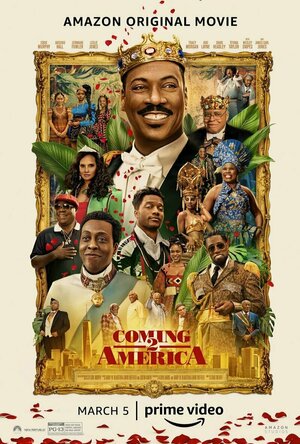
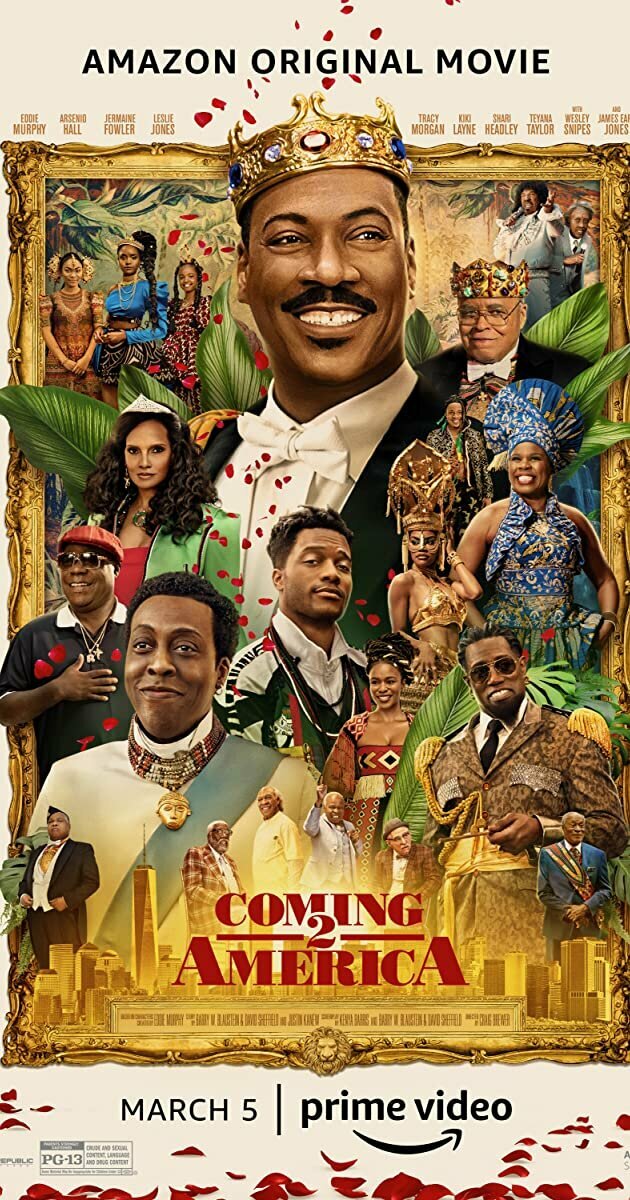
Prince Akeem of Zamunda (Eddie Murphy) is visited by General Izzi (Wesley Snipes) who pushes for Akeem's eldest daughter Meeka (Kiki Layne) to marry his foppish son, Idi (Rotimi). Nexdoria is a hostile militaristic neighbor nation ruled by General Izzi, who is also the brother of Akeem's original arranged bride-to-be. Izzi threatens Akeem and says that it is better to be bound by blood and family then divided by blood and war. This occurs on the very day that Zamunda is celebrating the 30th anniversary of Prince Akeem and Lisa's wedding. King Jaffe Joffer (James Earl Jones) summons Akeem and Semmi (Arsenio Hall) and reminds them that only a male heir can inherit his kingdom. He summons his shaman Baba and they reveal that Akeem has a long lost son in America that he must retrieve in order to avoid a hostile takeover by Nexdoria.
I enjoyed this movie when I saw it the first time and thought that it was pretty funny. It definitely isn't a great movie but when compared to several other sequels that happen years after the original, I felt that it did better than most. It was for the most part a lesser version of the original but it's been years since I've seen the original and I didn't let my nostalgia for it to skew my opinion on this one. I do plan on re-watching the original soon though so I can see how much they differ. A big difference was that the original Coming to America is rated R and this sequel was PG-13. I usually hate when a company chooses to do this because I always feel what the fans/audience gets is a watered down version of the original but it's hard to say this time around. This movie was full of laughs and I was surprised how much they got away with it for being a PG-13 movie, however some of the jokes fell flat and a lot of them were given away in the trailer. Also there were somethings in the trailer that I didn't see in the movie; like the Wakanda joke in the barbershop. Wesley Snipes character General Izzi was quite a character and you could feel he was having fun portraying him. I also enjoyed Akeem's three daughters in the movie. I really liked the opening scene which showed Prince Akeem sparring with his daughters and stick fighting like the original movie. The middle daughter Princess Omma who had glasses was actually Eddie Murphy's daughter in real life, Bella Murphy. And I also heard that most of the palace scenes in Zamunda were actually filmed in rapper Rick Ross' house. As much as I liked this movie it also felt very thin and didn't have a lot of character development or much of a plot to speak of. It also felt like quite a few things didn't make sense and that characters that came out in the first movie were quite different personality wise or just by their actions. I feel like I should give this movie a lower score but I'm not sure if it's nostalgia again or the fact that since it's a comedy I'm not really letting some of those things bother me as much. I'll go over my many reasons for scoring it so low in the spoiler section but for now I give this movie a 6/10. I would say it's worth getting a free trial of Amazon Prime if you want to see it in good quality and for free, or if you already have Amazon Prime you should give it a shot if you're looking for some laughs, but if not you can totally wait to see this movie.
-------------------------------------------------------
Spoiler Section Review:
Alright so let's get to it. Like I said I enjoyed this movie and thought that it delivered on the laughs even if some of them were forced or fell flat. I also felt that it was pretty thin on the plot and from what I remember of the first movie some of the characters were off or acted very different personality wise. I loved how the movie began with Prince Akeem training with his daughters and doing the stick fighting which was one of many call backs to the original film. The conflict begins in the beginning of the movie when General Izzi visits Akeem and tries to arrange a marriage between his son and Akeem's oldest daughter, Princess Meeka. You can tell that Akeem doesn't like General Izzi's son Idi but doesn't say anything other than his daughter didn't find him suitable. General Izzi threatens him after making a comment about the King being dead or near death and Akeem not having any male heirs. I still don't understand the conflict between the two nations and felt that this would have benefitted the plot more if they would have explained it better. Why would he need an heir so soon if he himself hadn't even inherited the kingdom from his father yet? Also the only explanation between the conflict of the nations was that Nexdoria was poor and Zamunda was rich. Anyways then Akeem is summoned to see his father and his shaman Baba and is told that he has an illegitimate son in America after a tryst with a woman while being drugged. I thought this was pretty funny scene where they did a flashback to when it happened. So now Akeem and Semmi must travel to America to retrieve his son so that he can take the princely tests and become heir to the kingdom. This totally doesn't make any sense to me plot wise other than this is how they wanted the movie to go. Akeem was totally a person who went against his father's wishes and traditions in the first film to find his wife Lisa and doesn't make sense that he would get this "son" to be his heir even if he was blood without getting to know him first. However I ignored that while watching because I figured he would get to know him while they met and he went back to Zamunda with them. Also before the leave there is a pretty cool scene where King Jaffe Joffer decides to have his funeral while he's alive and it was very lavish and elegant and full of cameos from great artists and performers. It was funny to see the barbershop scene and how Eddie Murphy and Arsenio Hall reprised their roles of some of the barbershop characters when they arrive in America but I felt that the funny parts were already spoiled in the trailer. Also the part about Wakanda wasn't even in the movie. From there they find out that his son is selling tickets near Madison Square when they're told about the mascot being a thunderbird that was part of Baba's vision. That was a cool details that I wish would have been developed more to make it more interesting. It would have been cool for them to have struggled to find his son but instead the first place they go tells them exactly where he is. Also when he meets his son Lavelle, it didn't even come off as awkward enough and Lavelle totally takes him back to his house to meet everyone or ask his mom. I didn't see this as realistic or how it would have played out in real life. Leslie Jones was a pretty annoying character but I feel she fit the job of the role she played and that people are too harsh on her as an actor for this role but I do feel that she is like Kevin Hart or The Rock in basically being the same character in every role. She admits that Akeem could be Lavelle's father and just like that they are whisked away to Zamunda. No paternity test, no lie detector test, no witnesses like her friend in the club saying yes it was true. This was very unrealistic to me because anybody would say yes to inherit the riches of Zamunda. When he returns Princess Lisa confronts him about him having a son and the particulars of how it occurred and she was shocked to find out that he brought not only his son but the son's mother back with him as well. General Izzi returns to Zamunda as soon as Prince Lavelle returns and makes it known that he has a daughter that he wishes for him to marry and Prince Akeem un-characteristically allows this arranged marriage to take place. Prince Lavelle must now pass the 3 princely tests first, which consist of knowledge of his ancestors/predecessors, getting the whiskers of a lion, and also one which involved ritual circumcision. I felt like there wasn't enough character development during these scenes and also the ones where Lavelle interacted with Mirembe, his royal barber to warrant the closeness that they all experienced. Princess Meeka, Akeem's oldest daughter is very upset about being passes up as heir for being a woman and rightly dislikes Lavelle and it totally seems out of character for her to aid him in passing his test to get the lion whiskers. They only had a small exchange about being written off or being judged for how they look or talk. And I felt that Lavelle also didn't have enough rapport with his barber Mirembe to be falling in love with her in under a week, or if they did it wasn't shown enough to us. There was a lot that didn't make sense or I feel was cut from the movie or even worse, just bad writing and poor plot development and it wasn't done right. The worse had to have been seeing Akeem's character become the opposite of who he was in the first movie. He passes over his daughter to give the throne to a stranger because he is a man and even when he loses his patience with a drunk or inebriated Lisa and tells her to shut her mouth after the celebration of the upcoming wedding between Lavelle and Bopoto, General Izzi's daughter. All in all I have to say that for me personally this movie was full of laughs but just had so much wrong with it that I should really be rating it a 5 or just an average movie. However there are so many sequels that happen 5 years or more after the original that are far worse or just as bad that I feel since this one was 30 years later it wasn't as bad as others are judging it. But maybe if I had seen the original right before seeing this one I would have changed by rating but for now I'm not sure if it's nostalgia or just bias but I rate this movie a 6/10. If you thought the original was funny then you more than likely will like this movie but if the original is a special movie to you that holds a special place in your heart then you might just think this sequel is utter trash.
https://youtu.be/-tT8Wy3YeI4
I enjoyed this movie when I saw it the first time and thought that it was pretty funny. It definitely isn't a great movie but when compared to several other sequels that happen years after the original, I felt that it did better than most. It was for the most part a lesser version of the original but it's been years since I've seen the original and I didn't let my nostalgia for it to skew my opinion on this one. I do plan on re-watching the original soon though so I can see how much they differ. A big difference was that the original Coming to America is rated R and this sequel was PG-13. I usually hate when a company chooses to do this because I always feel what the fans/audience gets is a watered down version of the original but it's hard to say this time around. This movie was full of laughs and I was surprised how much they got away with it for being a PG-13 movie, however some of the jokes fell flat and a lot of them were given away in the trailer. Also there were somethings in the trailer that I didn't see in the movie; like the Wakanda joke in the barbershop. Wesley Snipes character General Izzi was quite a character and you could feel he was having fun portraying him. I also enjoyed Akeem's three daughters in the movie. I really liked the opening scene which showed Prince Akeem sparring with his daughters and stick fighting like the original movie. The middle daughter Princess Omma who had glasses was actually Eddie Murphy's daughter in real life, Bella Murphy. And I also heard that most of the palace scenes in Zamunda were actually filmed in rapper Rick Ross' house. As much as I liked this movie it also felt very thin and didn't have a lot of character development or much of a plot to speak of. It also felt like quite a few things didn't make sense and that characters that came out in the first movie were quite different personality wise or just by their actions. I feel like I should give this movie a lower score but I'm not sure if it's nostalgia again or the fact that since it's a comedy I'm not really letting some of those things bother me as much. I'll go over my many reasons for scoring it so low in the spoiler section but for now I give this movie a 6/10. I would say it's worth getting a free trial of Amazon Prime if you want to see it in good quality and for free, or if you already have Amazon Prime you should give it a shot if you're looking for some laughs, but if not you can totally wait to see this movie.
-------------------------------------------------------
Spoiler Section Review:
Alright so let's get to it. Like I said I enjoyed this movie and thought that it delivered on the laughs even if some of them were forced or fell flat. I also felt that it was pretty thin on the plot and from what I remember of the first movie some of the characters were off or acted very different personality wise. I loved how the movie began with Prince Akeem training with his daughters and doing the stick fighting which was one of many call backs to the original film. The conflict begins in the beginning of the movie when General Izzi visits Akeem and tries to arrange a marriage between his son and Akeem's oldest daughter, Princess Meeka. You can tell that Akeem doesn't like General Izzi's son Idi but doesn't say anything other than his daughter didn't find him suitable. General Izzi threatens him after making a comment about the King being dead or near death and Akeem not having any male heirs. I still don't understand the conflict between the two nations and felt that this would have benefitted the plot more if they would have explained it better. Why would he need an heir so soon if he himself hadn't even inherited the kingdom from his father yet? Also the only explanation between the conflict of the nations was that Nexdoria was poor and Zamunda was rich. Anyways then Akeem is summoned to see his father and his shaman Baba and is told that he has an illegitimate son in America after a tryst with a woman while being drugged. I thought this was pretty funny scene where they did a flashback to when it happened. So now Akeem and Semmi must travel to America to retrieve his son so that he can take the princely tests and become heir to the kingdom. This totally doesn't make any sense to me plot wise other than this is how they wanted the movie to go. Akeem was totally a person who went against his father's wishes and traditions in the first film to find his wife Lisa and doesn't make sense that he would get this "son" to be his heir even if he was blood without getting to know him first. However I ignored that while watching because I figured he would get to know him while they met and he went back to Zamunda with them. Also before the leave there is a pretty cool scene where King Jaffe Joffer decides to have his funeral while he's alive and it was very lavish and elegant and full of cameos from great artists and performers. It was funny to see the barbershop scene and how Eddie Murphy and Arsenio Hall reprised their roles of some of the barbershop characters when they arrive in America but I felt that the funny parts were already spoiled in the trailer. Also the part about Wakanda wasn't even in the movie. From there they find out that his son is selling tickets near Madison Square when they're told about the mascot being a thunderbird that was part of Baba's vision. That was a cool details that I wish would have been developed more to make it more interesting. It would have been cool for them to have struggled to find his son but instead the first place they go tells them exactly where he is. Also when he meets his son Lavelle, it didn't even come off as awkward enough and Lavelle totally takes him back to his house to meet everyone or ask his mom. I didn't see this as realistic or how it would have played out in real life. Leslie Jones was a pretty annoying character but I feel she fit the job of the role she played and that people are too harsh on her as an actor for this role but I do feel that she is like Kevin Hart or The Rock in basically being the same character in every role. She admits that Akeem could be Lavelle's father and just like that they are whisked away to Zamunda. No paternity test, no lie detector test, no witnesses like her friend in the club saying yes it was true. This was very unrealistic to me because anybody would say yes to inherit the riches of Zamunda. When he returns Princess Lisa confronts him about him having a son and the particulars of how it occurred and she was shocked to find out that he brought not only his son but the son's mother back with him as well. General Izzi returns to Zamunda as soon as Prince Lavelle returns and makes it known that he has a daughter that he wishes for him to marry and Prince Akeem un-characteristically allows this arranged marriage to take place. Prince Lavelle must now pass the 3 princely tests first, which consist of knowledge of his ancestors/predecessors, getting the whiskers of a lion, and also one which involved ritual circumcision. I felt like there wasn't enough character development during these scenes and also the ones where Lavelle interacted with Mirembe, his royal barber to warrant the closeness that they all experienced. Princess Meeka, Akeem's oldest daughter is very upset about being passes up as heir for being a woman and rightly dislikes Lavelle and it totally seems out of character for her to aid him in passing his test to get the lion whiskers. They only had a small exchange about being written off or being judged for how they look or talk. And I felt that Lavelle also didn't have enough rapport with his barber Mirembe to be falling in love with her in under a week, or if they did it wasn't shown enough to us. There was a lot that didn't make sense or I feel was cut from the movie or even worse, just bad writing and poor plot development and it wasn't done right. The worse had to have been seeing Akeem's character become the opposite of who he was in the first movie. He passes over his daughter to give the throne to a stranger because he is a man and even when he loses his patience with a drunk or inebriated Lisa and tells her to shut her mouth after the celebration of the upcoming wedding between Lavelle and Bopoto, General Izzi's daughter. All in all I have to say that for me personally this movie was full of laughs but just had so much wrong with it that I should really be rating it a 5 or just an average movie. However there are so many sequels that happen 5 years or more after the original that are far worse or just as bad that I feel since this one was 30 years later it wasn't as bad as others are judging it. But maybe if I had seen the original right before seeing this one I would have changed by rating but for now I'm not sure if it's nostalgia or just bias but I rate this movie a 6/10. If you thought the original was funny then you more than likely will like this movie but if the original is a special movie to you that holds a special place in your heart then you might just think this sequel is utter trash.
https://youtu.be/-tT8Wy3YeI4

Purple Phoenix Games (2266 KP) rated Mob Sitters in Tabletop Games
Sep 17, 2019


I feel like everyone at some point in their lives has been a babysitter. Either for younger (or maybe even older?) siblings, or for the entire neighborhood – it kind of seems like a rite of passage. I definitely had my share of babysitting gigs growing up, but none as exciting and high-energy as the one presented in Mob Sitters!
Disclaimer: This preview is based upon a preview copy of the game. The final components, rules, and gameplay may differ from those described in this review! -L
In Mob Sitters, you take on the role of a babysitter working for the mob. Just because crime pays the bills doesn’t mean these mobsters don’t have families! You’re no ordinary babysitter though, otherwise you wouldn’t be mixed up with the mob. You’ve got plans of your own – whether it’s stealing from your boss, ratting out your rivals to the cops, or actually just some innocent babysitting, there’s money to be made here!
Mob Sitters is played over six rounds in which you take turns playing cards (some hidden and some not), targeting or reacting to your opponents, and collecting that sweet sweet money. Let’s break it down. To start the game, each player receives a player mat and deck of cards for their chosen character. There will be 8 characters in the final game, but only 6 are present in the preview copy. The different characters do not have any special powers or abilities, they just have different artwork on their cards! Shuffle your decks, draw a hand of 6 cards, determine a starting player, and you’re ready to go.
Each player’s turn consists of 6 steps (Steps 1-3 are not applicable in round 1, and Steps 4-6 are not applicable in the final round). Step 1 is to earn money – any cards with a monetary value that are in your play area are moved to your Safe and will count towards end-game scoring. It is important to note that cards that earn you money (Steal and Job cards) must be played face-up into your play area. Step 2 is to reveal and resolve any Accusation cards in your play area that you want to. Accusation cards allow you to target an opponent’s Job/Steal card currently in play, in an attempt to discard it to their Cops/Boss piles, respectively, to count against that player in end-game scoring. The targeted player does not have to sit idly by and watch their money go down the drain, however. If the targeted player has a Reaction card face-down in their play area, they may reveal it to deflect the blame to yet another player! If you successfully deflect the blame, that money will not count against you, but will instead count against the next player blamed who is unable to react to and shift blame to someone else. To play a Reaction card, it must already be in your play area – you cannot play one directly from your hand! The next step, Step 3, is to discard any remaining face down cards in your play area. In Step 4, you choose 3 cards from your hand and play them into your play area. Job/Steal cards must be played face-up, but Accusation and Reaction cards can be played face-down. During Step 5, you resolve any face-up accusation cards you may have played in Step 4. The final step, Step 6, of your turn is to draw 3 cards, bringing your hand back up to 6 cards. Play then moves on to the next player, who then will perform their 6 steps, and so on. After 6 rounds, the game ends. Scoring varies depending on how many players there are, but ultimately the winner is the player with the most money in their safe!
I know that sounds like quite a lot going on, but believe me when I say the game plays pretty well (and pretty quickly) once you’ve gotten the hang of the turns. On paper, the sheer number of steps per turn seems excessive and like it would bog down the gameplay, but in actuality, the actions performed in each step are simple and fast. Perhaps if the number of steps were condensed from 6 down to maybe 3-4, the gameplay would seem a little less daunting. There is some slight ambiguity between the types of cards and into which stacks they go – the rules call cards Job and Steal cards, but the player mat refers to Boss and Cop cards. Fortunately the cards have symbols that correspond to the different stacks, so when in doubt, check the corner of the card!
Let’s talk components. This is first and foremost a card game, and the cards I received are of good quality! They shuffle well, and feel sturdy enough to withstand many plays. The art on the cards is pretty cute, the colors really pop, and there are some fun puns to be found on several Steal/Job cards. As for the player mats, this is only a preview copy of the game so I just printed them out (apologies for my lack of access to a color printer!), but their text is clear and helpful for remembering turn steps. The components may change throughout the Kickstarter campaign, but so far they’re off to a good start!
So how does it play? For the most part, Mob Sitters plays pretty quickly and is engaging for all players. There’s a good amount of strategy involved, as well as some luck and a whole lotta take that. All players receive identical decks of cards, which are then shuffled, so although you know what cards are available to your opponents, you never know what they currently have in their hand. You’ve got to be watchful of which cards your opponents play, to see if you can deduce which cards they have remaining. Are they taking the offensive approach and accusing everyone? Or are they being more subtle and taking a defensive stance, deflecting all accusations onto others? You have to decide when is the right time to play your cards to ensure that you aren’t targeted by too many opponents. Your strategy is ever-changing to adapt to the cards currently in your hand, and that’s what takes Mob Sitters to the next level for me.
Mob Sitters is a quick, easy, and fun game for any sized group. Hilarity ensues when accusations result in all players pointing fingers and trying to deflect blame. Although it can be played with 3, I think this game is better suited for 4+ players. With a smaller group, some of the aspects of ‘take that’ can feel personal and lead to tension between players. But a larger group can eliminate some of the animosity caused by always being targeted by the same person the entire game. Overall though, I enjoyed getting to play Mob Sitters! It has a unique theme and simple, yet strategic, gameplay that will keep all players on their toes. In my communications with the designer, I have learned that the retail version of the game will include “Hidden Agenda” cards to provide each player with a secret objective. There is also an expansion already in the works – The Heavy Mob Deck – that will add more cards and more complexity for experienced gamers!
If you enjoy games of hidden information, take that, and a little bit of bluffing, definitely check Mob Sitters out! It’s more than the standard party game, but still fits the categories of light, fast, and easy to learn games for all players. I look forward to following this upcoming campaign, and I definitely will be playing my copy again!
Disclaimer: This preview is based upon a preview copy of the game. The final components, rules, and gameplay may differ from those described in this review! -L
In Mob Sitters, you take on the role of a babysitter working for the mob. Just because crime pays the bills doesn’t mean these mobsters don’t have families! You’re no ordinary babysitter though, otherwise you wouldn’t be mixed up with the mob. You’ve got plans of your own – whether it’s stealing from your boss, ratting out your rivals to the cops, or actually just some innocent babysitting, there’s money to be made here!
Mob Sitters is played over six rounds in which you take turns playing cards (some hidden and some not), targeting or reacting to your opponents, and collecting that sweet sweet money. Let’s break it down. To start the game, each player receives a player mat and deck of cards for their chosen character. There will be 8 characters in the final game, but only 6 are present in the preview copy. The different characters do not have any special powers or abilities, they just have different artwork on their cards! Shuffle your decks, draw a hand of 6 cards, determine a starting player, and you’re ready to go.
Each player’s turn consists of 6 steps (Steps 1-3 are not applicable in round 1, and Steps 4-6 are not applicable in the final round). Step 1 is to earn money – any cards with a monetary value that are in your play area are moved to your Safe and will count towards end-game scoring. It is important to note that cards that earn you money (Steal and Job cards) must be played face-up into your play area. Step 2 is to reveal and resolve any Accusation cards in your play area that you want to. Accusation cards allow you to target an opponent’s Job/Steal card currently in play, in an attempt to discard it to their Cops/Boss piles, respectively, to count against that player in end-game scoring. The targeted player does not have to sit idly by and watch their money go down the drain, however. If the targeted player has a Reaction card face-down in their play area, they may reveal it to deflect the blame to yet another player! If you successfully deflect the blame, that money will not count against you, but will instead count against the next player blamed who is unable to react to and shift blame to someone else. To play a Reaction card, it must already be in your play area – you cannot play one directly from your hand! The next step, Step 3, is to discard any remaining face down cards in your play area. In Step 4, you choose 3 cards from your hand and play them into your play area. Job/Steal cards must be played face-up, but Accusation and Reaction cards can be played face-down. During Step 5, you resolve any face-up accusation cards you may have played in Step 4. The final step, Step 6, of your turn is to draw 3 cards, bringing your hand back up to 6 cards. Play then moves on to the next player, who then will perform their 6 steps, and so on. After 6 rounds, the game ends. Scoring varies depending on how many players there are, but ultimately the winner is the player with the most money in their safe!
I know that sounds like quite a lot going on, but believe me when I say the game plays pretty well (and pretty quickly) once you’ve gotten the hang of the turns. On paper, the sheer number of steps per turn seems excessive and like it would bog down the gameplay, but in actuality, the actions performed in each step are simple and fast. Perhaps if the number of steps were condensed from 6 down to maybe 3-4, the gameplay would seem a little less daunting. There is some slight ambiguity between the types of cards and into which stacks they go – the rules call cards Job and Steal cards, but the player mat refers to Boss and Cop cards. Fortunately the cards have symbols that correspond to the different stacks, so when in doubt, check the corner of the card!
Let’s talk components. This is first and foremost a card game, and the cards I received are of good quality! They shuffle well, and feel sturdy enough to withstand many plays. The art on the cards is pretty cute, the colors really pop, and there are some fun puns to be found on several Steal/Job cards. As for the player mats, this is only a preview copy of the game so I just printed them out (apologies for my lack of access to a color printer!), but their text is clear and helpful for remembering turn steps. The components may change throughout the Kickstarter campaign, but so far they’re off to a good start!
So how does it play? For the most part, Mob Sitters plays pretty quickly and is engaging for all players. There’s a good amount of strategy involved, as well as some luck and a whole lotta take that. All players receive identical decks of cards, which are then shuffled, so although you know what cards are available to your opponents, you never know what they currently have in their hand. You’ve got to be watchful of which cards your opponents play, to see if you can deduce which cards they have remaining. Are they taking the offensive approach and accusing everyone? Or are they being more subtle and taking a defensive stance, deflecting all accusations onto others? You have to decide when is the right time to play your cards to ensure that you aren’t targeted by too many opponents. Your strategy is ever-changing to adapt to the cards currently in your hand, and that’s what takes Mob Sitters to the next level for me.
Mob Sitters is a quick, easy, and fun game for any sized group. Hilarity ensues when accusations result in all players pointing fingers and trying to deflect blame. Although it can be played with 3, I think this game is better suited for 4+ players. With a smaller group, some of the aspects of ‘take that’ can feel personal and lead to tension between players. But a larger group can eliminate some of the animosity caused by always being targeted by the same person the entire game. Overall though, I enjoyed getting to play Mob Sitters! It has a unique theme and simple, yet strategic, gameplay that will keep all players on their toes. In my communications with the designer, I have learned that the retail version of the game will include “Hidden Agenda” cards to provide each player with a secret objective. There is also an expansion already in the works – The Heavy Mob Deck – that will add more cards and more complexity for experienced gamers!
If you enjoy games of hidden information, take that, and a little bit of bluffing, definitely check Mob Sitters out! It’s more than the standard party game, but still fits the categories of light, fast, and easy to learn games for all players. I look forward to following this upcoming campaign, and I definitely will be playing my copy again!

Daniel Boyd (1066 KP) rated Kingsman: The Golden Circle (2017) in Movies
Oct 3, 2017
Plot Holes Galore (1 more)
Lack of Character Motivations
A Disappointing Sequel
Contains spoilers, click to show
You can look at this movie from two different perspectives. If you choose to see it as a dumb, switch-your-brain-off spy movie and are only going for the batshit insane action scenes, then you will have a good time. If you are looking for a decent comic book movie that serves as a sequel to the first movie and sets up a potential future franchise, then you will probably leave feeling similar to how I did, pretty disappointed.
The first movie was released with no hype behind it and for most people was a pleasant surprise. This film has a lot more to live up to and unfortunately it doesn't quite get there. Although the movie does feel like a sequel, it's not the worst sequel I've ever seen and it's not the worst sequel released this year.
Julianne Moore plays the antagonist in the movie and whilst her motivations for what she was doing were questionable, you could tell she was having fun with the character and it was a fun performance to watch. The action scenes were as fast paced and as fun as you would want them to be and although they do feel cartoony, there are a few crazy set pieces that you can’t help but grin at.
This movie also introduces the Statesman, an American version of the Kingsman who work out of a whisky factory rather than a tailor’s shop. Jeff Bridges and Halle Berry don’t get much screen time, which is fine, but Channing Tatum is hardly in the movie at all, despite appearing on a lot of the marketing for the film. I think he is onscreen in Hateful Eight for longer than he is in this.
Ok, spoiler time. If you haven’t seen the movie yet, don’t read on past this point. I mean if you have seen any of the trailers for the movie then you already know that they have brought Colin Firth back from the dead.
The explanation for this is sort of anti-climactic. Essentially, The Statesman have came up with a cure to gunshot wounds to the head and any other fatal wound that you may sustain, the process involves wrapping the wound in a gel strip and then inflating it with two syringes. Sure, you can argue this is a heightened reality where crazy stuff like this is entirely possible, but my problem with it, is that it immediately lowers all of the stakes. If anyone can be brought back from the dead, then how is there any peril left for the characters in the franchise?
After this whole revelation, they kill off Merlin, the character played by Mark Strong. His death is really pathetic and something that could have easily been avoided. Eggsy accidentally steps on a landmine, (even though they specifically point out that they are using a minesweeper,) then Merlin sprays the mine with a freeze gel so that Eggsy can step off of the mine and Merlin takes his place, then he distracts some guards and gets blown up. What I’m left wondering is the limit of what can be fixed with the regeneration strip. Surely if a bullet to the head can be walked off, then getting blown up by a landmine is fair game? Could they not have tried piecing him together like a jigsaw a wrapping him in the magic gel strips? I guess they could bring him back in the next movie and I’m sure if they do, we will know when the first trailer for Kingsman 3 is released.
Overall this isn’t a bad movie, it’s just disappointing. There are some entertaining action scenes, but rubbish dialogue and ridiculous plot elements make this inferior to the first Kingsman movie and pretty mediocre overall.
The first movie was released with no hype behind it and for most people was a pleasant surprise. This film has a lot more to live up to and unfortunately it doesn't quite get there. Although the movie does feel like a sequel, it's not the worst sequel I've ever seen and it's not the worst sequel released this year.
Julianne Moore plays the antagonist in the movie and whilst her motivations for what she was doing were questionable, you could tell she was having fun with the character and it was a fun performance to watch. The action scenes were as fast paced and as fun as you would want them to be and although they do feel cartoony, there are a few crazy set pieces that you can’t help but grin at.
This movie also introduces the Statesman, an American version of the Kingsman who work out of a whisky factory rather than a tailor’s shop. Jeff Bridges and Halle Berry don’t get much screen time, which is fine, but Channing Tatum is hardly in the movie at all, despite appearing on a lot of the marketing for the film. I think he is onscreen in Hateful Eight for longer than he is in this.
Ok, spoiler time. If you haven’t seen the movie yet, don’t read on past this point. I mean if you have seen any of the trailers for the movie then you already know that they have brought Colin Firth back from the dead.
The explanation for this is sort of anti-climactic. Essentially, The Statesman have came up with a cure to gunshot wounds to the head and any other fatal wound that you may sustain, the process involves wrapping the wound in a gel strip and then inflating it with two syringes. Sure, you can argue this is a heightened reality where crazy stuff like this is entirely possible, but my problem with it, is that it immediately lowers all of the stakes. If anyone can be brought back from the dead, then how is there any peril left for the characters in the franchise?
After this whole revelation, they kill off Merlin, the character played by Mark Strong. His death is really pathetic and something that could have easily been avoided. Eggsy accidentally steps on a landmine, (even though they specifically point out that they are using a minesweeper,) then Merlin sprays the mine with a freeze gel so that Eggsy can step off of the mine and Merlin takes his place, then he distracts some guards and gets blown up. What I’m left wondering is the limit of what can be fixed with the regeneration strip. Surely if a bullet to the head can be walked off, then getting blown up by a landmine is fair game? Could they not have tried piecing him together like a jigsaw a wrapping him in the magic gel strips? I guess they could bring him back in the next movie and I’m sure if they do, we will know when the first trailer for Kingsman 3 is released.
Overall this isn’t a bad movie, it’s just disappointing. There are some entertaining action scenes, but rubbish dialogue and ridiculous plot elements make this inferior to the first Kingsman movie and pretty mediocre overall.

Kristy H (1252 KP) rated The Roanoke Girls in Books
Dec 24, 2017
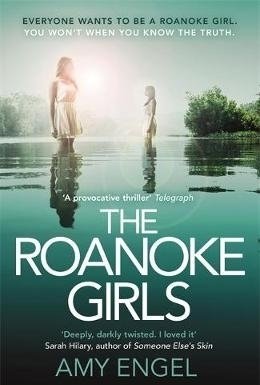


alluring (2 more)
twisted
well-written
Lane Roanoke is just a teenager when her mother commits suicide, and Lane is sent to live with her grandparents in Kansas. While Lane lived a sad life with her depressed, volatile mother, her wealthy grandparents represent a chance for a new start - and Lane can meet her cousin, Allegra, who is close to her age. When Lane arrives in Kansas, she quickly befriends Allegra and is amazed by the kindness of her grandfather, but she also realizes not everything is as it seems.
Eleven years later, after Lane has fled the farm (and left her family there behind), Lane receives a call from her grandfather: Allegra is missing. Can she please come home? Reluctantly Lane returns to a place she vowed she'd never see again to search for her cousin, whom she has always felt bad about leaving behind. But returning only brings up bad memories, and Lane quickly worries that something terrible has happened to Allegra. Can Lane face her fears and figure out what happened to her cousin?
This book, oh this book. Wow. This is quite the novel! The story alternates between the present-day and that fateful summer (from Lane's point of view), with a few snippets from earlier generations of the other Roanoke girls thrown in. It's slightly confusing at first (you'll need easy access to the family tree at the beginning of the book), but quickly pulls you in and never lets you go. I was immediately captivated by this novel and read it in less than 24 hours. It's not some "feel good" novel, but it's amazingly well-written and just spellbinding. It starts off with a bombshell and then hooks you from there with the dark story of the twisted Roanoke family.
There is something completely alluring about how messed up and sick the Roanokes are. I couldn't turn away from them. The book is great because you become quickly intrigued and invested in the story of what happened to Allegra, but there's also a bit of suspense to the "then" storyline as Lane finds out something terrible about her family. Engel is remarkably talented because we know the secret already, and Lane knows it in the present-day portion of the book, but it's still enthralling watching it unravel as she's a teen. There's also just a pure fascination and horror at this family. There are also periodic shockers throughout the entire novel and several "wow" and "didn't see that coming" moments for me. The whole thing is extremely well-done.
I was extremely impressed by Engel's characters. For instance, Lane is a broken and damaged person who cannot trust or love. As such, she is frustrating with her guarded heart but still sympathetic. She drove me crazy, but I loved her. Engel did an excellent job with all of these characters. Even those that seemed (or were) absolutely awful; they all seemed so real. She also did a great job at portraying small towns and their tangled web of secrets. The broken Kansas town where the Roanokes lived was expertly done, with all of its bit characters and the descriptions of its streets and happenings.
Overall, I was incredibly impressed with this book. Its entire plot was creepy and twisted, and it was compulsively readable, with plenty of shocking moments. Yet it also had empathetic, well-written characters. It was an amazing dark look at the power of childhood, your parents, and your past. It's a mean and twisted novel and impeccably written, because you feel such a range of emotions for its characters. Definitely recommend.
Eleven years later, after Lane has fled the farm (and left her family there behind), Lane receives a call from her grandfather: Allegra is missing. Can she please come home? Reluctantly Lane returns to a place she vowed she'd never see again to search for her cousin, whom she has always felt bad about leaving behind. But returning only brings up bad memories, and Lane quickly worries that something terrible has happened to Allegra. Can Lane face her fears and figure out what happened to her cousin?
This book, oh this book. Wow. This is quite the novel! The story alternates between the present-day and that fateful summer (from Lane's point of view), with a few snippets from earlier generations of the other Roanoke girls thrown in. It's slightly confusing at first (you'll need easy access to the family tree at the beginning of the book), but quickly pulls you in and never lets you go. I was immediately captivated by this novel and read it in less than 24 hours. It's not some "feel good" novel, but it's amazingly well-written and just spellbinding. It starts off with a bombshell and then hooks you from there with the dark story of the twisted Roanoke family.
There is something completely alluring about how messed up and sick the Roanokes are. I couldn't turn away from them. The book is great because you become quickly intrigued and invested in the story of what happened to Allegra, but there's also a bit of suspense to the "then" storyline as Lane finds out something terrible about her family. Engel is remarkably talented because we know the secret already, and Lane knows it in the present-day portion of the book, but it's still enthralling watching it unravel as she's a teen. There's also just a pure fascination and horror at this family. There are also periodic shockers throughout the entire novel and several "wow" and "didn't see that coming" moments for me. The whole thing is extremely well-done.
I was extremely impressed by Engel's characters. For instance, Lane is a broken and damaged person who cannot trust or love. As such, she is frustrating with her guarded heart but still sympathetic. She drove me crazy, but I loved her. Engel did an excellent job with all of these characters. Even those that seemed (or were) absolutely awful; they all seemed so real. She also did a great job at portraying small towns and their tangled web of secrets. The broken Kansas town where the Roanokes lived was expertly done, with all of its bit characters and the descriptions of its streets and happenings.
Overall, I was incredibly impressed with this book. Its entire plot was creepy and twisted, and it was compulsively readable, with plenty of shocking moments. Yet it also had empathetic, well-written characters. It was an amazing dark look at the power of childhood, your parents, and your past. It's a mean and twisted novel and impeccably written, because you feel such a range of emotions for its characters. Definitely recommend.

Hazel (1853 KP) rated Touching the Rock: An Experience of Blindness (Notes on Blindness Film Tie-in) in Books
May 23, 2017

Eye-opener (if you pardon the pun)
I received this book for free through Goodreads First Reads.
It is not often a blind man writes a book, and “write” is a word used due to the lack of a better. John M. Hull gradually lost his sight, registering as blind in 1980, a couple of days before the birth of his son. Although anticipating the event, John struggled to come to terms with his new circumstances and adjust to a new way of living. From 1983 through to 1985, John recorded his thoughts on tape, in diary form, as a way to ascertain and understand his predicament. Originally titled Touching the Rock (1990), John’s book has been republished as Notes on Blindness after the release of the film of the same name.
Initially, John made recordings every day, dictating the everyday occurrences he encountered. Amazingly, despite his disability, John was able to continue as a university lecturer and delve deeper into the world of theology. The way John thinks things through as he speaks reflects his academic abilities. Although he may have despaired at the thoughts of not being able to see his children, he had a fairly positive outlook on life.
John’s thought capacity and religious ideology are evident in his assemblage of diary entries. As a blind person, he learns to see the world in an alternative way, and often feels closer to God as a result. Through these new experiences, John begins to see the light despite the darkness.
The metaphorical descriptions of blindness help the reader to understand the horror and difficulties not being able to see visually provokes. This is heightened by John’s recordings of the bad dreams he often suffers, in which he is able to see. His fixations on these dreams are assumedly a fascination with visual imagery, which he does not have access to in his waking life.
It is hard not feel sorry for John as he reports the conversations he has with his young children. The effort to communicate and play with them is far greater than a seeing parent. Remarkably, as John begins to adjust to his new lifestyle, his children take the situation in their stride.
Notes on Blindness is also an educational narrative for those without sight problems. John explains the things other people, in attempts to be helpful, do that result in making things far more confusing for John as he tries to navigate his way from one place to another. Despite what most think, blind people are fairly good at walking routes they are familiar with, and, with the help of a stick, can safely travel through new areas. Once people start shouting instructions, it is difficult to pay attention to the location and listen to everyone else at the same time.
John’s voice is extremely articulate, and his thoughts profound, which may suggest heavy editing when compiling the recordings into written form. However, as he is an academician, his eloquence of speech does not feel forced or faked.
Notes on Blindness remains the same as the original publication but with the added inclusion of an introduction by Cathy Rentzenbrink, and an epilogue by his wife Marilyn, written in 2016, a year after his death. These, the latter in particular, provide an insight into how John’s blindness affected those around him and emphasises what a truly remarkable man he was.
Of the many memoirs available on bookshelves today, Notes on Blindness is a truly unique publication. It is not telling a story, or recounting a well-lived life, but gives great insight into the world of the blind. As John’s thoughts were not originally recorded with intention of being available to everyone, they are all the more personal and honest, provoking emotion and providing the reader with a new way of seeing. It is a book that will stay with you for a very long time.
It is not often a blind man writes a book, and “write” is a word used due to the lack of a better. John M. Hull gradually lost his sight, registering as blind in 1980, a couple of days before the birth of his son. Although anticipating the event, John struggled to come to terms with his new circumstances and adjust to a new way of living. From 1983 through to 1985, John recorded his thoughts on tape, in diary form, as a way to ascertain and understand his predicament. Originally titled Touching the Rock (1990), John’s book has been republished as Notes on Blindness after the release of the film of the same name.
Initially, John made recordings every day, dictating the everyday occurrences he encountered. Amazingly, despite his disability, John was able to continue as a university lecturer and delve deeper into the world of theology. The way John thinks things through as he speaks reflects his academic abilities. Although he may have despaired at the thoughts of not being able to see his children, he had a fairly positive outlook on life.
John’s thought capacity and religious ideology are evident in his assemblage of diary entries. As a blind person, he learns to see the world in an alternative way, and often feels closer to God as a result. Through these new experiences, John begins to see the light despite the darkness.
The metaphorical descriptions of blindness help the reader to understand the horror and difficulties not being able to see visually provokes. This is heightened by John’s recordings of the bad dreams he often suffers, in which he is able to see. His fixations on these dreams are assumedly a fascination with visual imagery, which he does not have access to in his waking life.
It is hard not feel sorry for John as he reports the conversations he has with his young children. The effort to communicate and play with them is far greater than a seeing parent. Remarkably, as John begins to adjust to his new lifestyle, his children take the situation in their stride.
Notes on Blindness is also an educational narrative for those without sight problems. John explains the things other people, in attempts to be helpful, do that result in making things far more confusing for John as he tries to navigate his way from one place to another. Despite what most think, blind people are fairly good at walking routes they are familiar with, and, with the help of a stick, can safely travel through new areas. Once people start shouting instructions, it is difficult to pay attention to the location and listen to everyone else at the same time.
John’s voice is extremely articulate, and his thoughts profound, which may suggest heavy editing when compiling the recordings into written form. However, as he is an academician, his eloquence of speech does not feel forced or faked.
Notes on Blindness remains the same as the original publication but with the added inclusion of an introduction by Cathy Rentzenbrink, and an epilogue by his wife Marilyn, written in 2016, a year after his death. These, the latter in particular, provide an insight into how John’s blindness affected those around him and emphasises what a truly remarkable man he was.
Of the many memoirs available on bookshelves today, Notes on Blindness is a truly unique publication. It is not telling a story, or recounting a well-lived life, but gives great insight into the world of the blind. As John’s thoughts were not originally recorded with intention of being available to everyone, they are all the more personal and honest, provoking emotion and providing the reader with a new way of seeing. It is a book that will stay with you for a very long time.
Hazel (1853 KP) rated Red Rising in Books
May 30, 2017
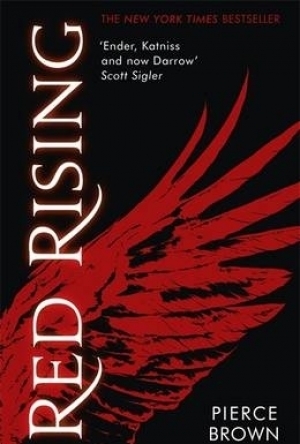
Mildly boring
This eBook was provided by the publisher via NetGalley in exchange for an honest review
Red Rising by debut author Pierce Brown is a very difficult book to review. It is clear that Brown is an excellent writer with amazing ideas, but at the same time it does not feel possible to rate the book any higher that two or three stars. This first book of three is somewhat alike The Hunger Games Trilogy by Suzanne Collins and has some very exciting themes. However at other times it provoked a range of emotions from disgust to almost verging on boredom.
Set thousands of years in the future, the world has become colour coded. Gold are the elite, the ruling colour, and at the bottom of the pile are the Reds. Darrow is a Red and lives below the surface of the planet Mars in the mines with the responsibility of helping to make the planet’s surface habitable for humans in the future. He soon discovers that the ruling societies have been lying to him all his life, and to the many generations before him. But there is an uprising brewing and Darrow has been chosen to play a vital role in it, even though that means pretending to be the enemy.
Although it was difficult to get into the novel it appeared to be clear what the plot would be about. Wrong! Once Darrow has been trained to behave like a Gold the storyline changes completely. It is almost as though it is a different book altogether. Red Rising suddenly becomes Hunger Games-esque and the situations with the Reds, while being referred to once or twice, was all but forgotten. Presumably those original themes will continue within the final books of the trilogy.
Living under the surface of Mars with no sunlight speeds up the aging process of the inhabitants. People in the thirties are considered old; therefore even though Darrow is a teenager in Earth years, he is portrayed as a man – an image that is difficult to shake off throughout the entire book. Once Darrow is living with the Golds and, supposedly, resembling his true age, it is still easy to forget that he is young. This may change the way the reader pictures the scenes compared with how the author intended them to be imagined. The characters are still only children but may be mistaken for adults due Darrow’s opening scenes.
It cannot be denied that Brown is a very knowledgeable writer. As well as writing in an exceptionally well-structured way, he incorporates a vast amount of high culture into his story. A lot of the novel is influenced by Greek and Roman mythology and he also quotes famous philosophers such as Cicero and Plato. So despite its science fiction genre it also has a slight educational nature.
Something interesting about Red Rising was the character development of Darrow. At the beginning he was rather naïve, believing everything he was told, following orders etc. But soon he becomes more confident, clever, Gold-like. However he then becomes like a wild beast, killing to survive, to win. Thankfully his cleverness takes control and he realises that he needs to become a leader and not a tyrant. Towards the end he even becomes messiah-like. As Darrow progresses through these changes he becomes a more likable character.
I am not sure whether I want to read the next installment of Red Rising. For the beginning storyline to continue and become the main focus, the book would need to be completely different. This could be a good thing because, as mentioned, there were times when it was a little boring, however there’s the risk that it will not feel like a follow on from the first book. I do not want to put anyone off from reading it, but I will honestly say that it was not really what I was expecting.
Red Rising by debut author Pierce Brown is a very difficult book to review. It is clear that Brown is an excellent writer with amazing ideas, but at the same time it does not feel possible to rate the book any higher that two or three stars. This first book of three is somewhat alike The Hunger Games Trilogy by Suzanne Collins and has some very exciting themes. However at other times it provoked a range of emotions from disgust to almost verging on boredom.
Set thousands of years in the future, the world has become colour coded. Gold are the elite, the ruling colour, and at the bottom of the pile are the Reds. Darrow is a Red and lives below the surface of the planet Mars in the mines with the responsibility of helping to make the planet’s surface habitable for humans in the future. He soon discovers that the ruling societies have been lying to him all his life, and to the many generations before him. But there is an uprising brewing and Darrow has been chosen to play a vital role in it, even though that means pretending to be the enemy.
Although it was difficult to get into the novel it appeared to be clear what the plot would be about. Wrong! Once Darrow has been trained to behave like a Gold the storyline changes completely. It is almost as though it is a different book altogether. Red Rising suddenly becomes Hunger Games-esque and the situations with the Reds, while being referred to once or twice, was all but forgotten. Presumably those original themes will continue within the final books of the trilogy.
Living under the surface of Mars with no sunlight speeds up the aging process of the inhabitants. People in the thirties are considered old; therefore even though Darrow is a teenager in Earth years, he is portrayed as a man – an image that is difficult to shake off throughout the entire book. Once Darrow is living with the Golds and, supposedly, resembling his true age, it is still easy to forget that he is young. This may change the way the reader pictures the scenes compared with how the author intended them to be imagined. The characters are still only children but may be mistaken for adults due Darrow’s opening scenes.
It cannot be denied that Brown is a very knowledgeable writer. As well as writing in an exceptionally well-structured way, he incorporates a vast amount of high culture into his story. A lot of the novel is influenced by Greek and Roman mythology and he also quotes famous philosophers such as Cicero and Plato. So despite its science fiction genre it also has a slight educational nature.
Something interesting about Red Rising was the character development of Darrow. At the beginning he was rather naïve, believing everything he was told, following orders etc. But soon he becomes more confident, clever, Gold-like. However he then becomes like a wild beast, killing to survive, to win. Thankfully his cleverness takes control and he realises that he needs to become a leader and not a tyrant. Towards the end he even becomes messiah-like. As Darrow progresses through these changes he becomes a more likable character.
I am not sure whether I want to read the next installment of Red Rising. For the beginning storyline to continue and become the main focus, the book would need to be completely different. This could be a good thing because, as mentioned, there were times when it was a little boring, however there’s the risk that it will not feel like a follow on from the first book. I do not want to put anyone off from reading it, but I will honestly say that it was not really what I was expecting.

BankofMarquis (1832 KP) rated Casablanca (1942) in Movies
Feb 13, 2019


A classic in every sense of the word
"Of all the gin joints in all the towns, in all the world, she had to walk into mine."
If there was only 1 movie that could be shown to show off "classic", old time Hollywood of the 1930's, '40's and early '50s, look no further than Michael Curtiz' 1942 classic CASABLANCA. While well known for the performances of the leads, the multiple quoted lines, Sam singing AS TIME GOES BY and the iconic ending, this film also is a time capsule to a Hollywood of another year - one that just doesn't exist today.
Starring the great Humphrey Bogart in an Academy Award nominated performance (inexplicably, losing to Paul Lukas for WATCH ON THE RHINE), CASABLANCA tells the tale of Rick Blaine the owner/operator of "Rick's Place" a bar in Casablanca, Morocco in the early days of WWII. He is world-weary, beaten and cynical and is well known as someone who can get things done (for a price) but also one who will not stick his neck out for anyone. When a couple on the run from the Nazi's (Paul Henreid, Ingrid Bergman) enter's Rick's Place, Blaine (for reasons that are revealed in the film) decides to help.
"Here's looking at your kid."
Bogart is marvelous as Blaine, you can see every inch of his world-weariness on his well-worn, craggy face. He is perfectly cast as Rick and his mannerisms and vocal patterns depict a heaviness within. Bogart is often criticized for his lack of acting talent - nothing could be further from the truth here. He is perfectly paired with Bergman as Ilse - a former love of Rick's, who is now the wife of Freedom Fighter Victor Laszlo (Henreid). There is real chemistry between Bogart and Bergman in this film and you can tell that they are former lovers that still has a flame burning inside.
"We'll always have Paris."
But it's not just the leads who are terrific in this, it's the "who's who" of character actors that make up the Supporting Cast that really brings this film to life. From Peter Lorre to Sydney Greenstreet to Conrad Veidt to S.Z. Sakall to Dooley Wilson as Sam (who plays and sings AS TIME GOES BY), all bring interesting faces and characters to Casablanca (and Rick's Place) but the standout is Claude Rains (nominated for Best Supporting Actor - losing, inexplicably, to Charles Coburn in THE MORE THE MERRIER) as Louis, the corrupt Police Captain of Casablanca who becomes an uneasy ally of Rick's. Did I say that Bogart and Bergman had good chemistry? Check out the chemistry between Bogart and Rains, there was talk of a sequel to Casablance featuring these two - I, for one, would love to have seen that buddy flick.
Director Michael Curtiz won an Oscar for his work - and it is richly deserved. Nary a shot is wasted on this film, each picture a rich black and white portrait. It is interesting to note that this entire film was shot in California (not Casablanca), mostly on the Warner Brothers lot, but Curtiz was able to give the look and (more importantly) the feel of the place through the sets, costumes, lighting and atmosphere.
But it's the words that these characters got to say that really brought home the feel and atmosphere of the time, so credit needs to go to Screenwriters Julius and Phillip Epstein as well as Howard Koch who won Oscars for their work here. This is a masterful, classic work. One that stands up to this day. If you haven't seen this film in awhile, do yourself a favor and check it out - you'll be glad you did.
"Louie, I think this is the beginning of a beautiful friendship."
Letter Grade: A+
A rare 10 (out of 10) stars and you can take that to the Bank(ofMarquis)
If there was only 1 movie that could be shown to show off "classic", old time Hollywood of the 1930's, '40's and early '50s, look no further than Michael Curtiz' 1942 classic CASABLANCA. While well known for the performances of the leads, the multiple quoted lines, Sam singing AS TIME GOES BY and the iconic ending, this film also is a time capsule to a Hollywood of another year - one that just doesn't exist today.
Starring the great Humphrey Bogart in an Academy Award nominated performance (inexplicably, losing to Paul Lukas for WATCH ON THE RHINE), CASABLANCA tells the tale of Rick Blaine the owner/operator of "Rick's Place" a bar in Casablanca, Morocco in the early days of WWII. He is world-weary, beaten and cynical and is well known as someone who can get things done (for a price) but also one who will not stick his neck out for anyone. When a couple on the run from the Nazi's (Paul Henreid, Ingrid Bergman) enter's Rick's Place, Blaine (for reasons that are revealed in the film) decides to help.
"Here's looking at your kid."
Bogart is marvelous as Blaine, you can see every inch of his world-weariness on his well-worn, craggy face. He is perfectly cast as Rick and his mannerisms and vocal patterns depict a heaviness within. Bogart is often criticized for his lack of acting talent - nothing could be further from the truth here. He is perfectly paired with Bergman as Ilse - a former love of Rick's, who is now the wife of Freedom Fighter Victor Laszlo (Henreid). There is real chemistry between Bogart and Bergman in this film and you can tell that they are former lovers that still has a flame burning inside.
"We'll always have Paris."
But it's not just the leads who are terrific in this, it's the "who's who" of character actors that make up the Supporting Cast that really brings this film to life. From Peter Lorre to Sydney Greenstreet to Conrad Veidt to S.Z. Sakall to Dooley Wilson as Sam (who plays and sings AS TIME GOES BY), all bring interesting faces and characters to Casablanca (and Rick's Place) but the standout is Claude Rains (nominated for Best Supporting Actor - losing, inexplicably, to Charles Coburn in THE MORE THE MERRIER) as Louis, the corrupt Police Captain of Casablanca who becomes an uneasy ally of Rick's. Did I say that Bogart and Bergman had good chemistry? Check out the chemistry between Bogart and Rains, there was talk of a sequel to Casablance featuring these two - I, for one, would love to have seen that buddy flick.
Director Michael Curtiz won an Oscar for his work - and it is richly deserved. Nary a shot is wasted on this film, each picture a rich black and white portrait. It is interesting to note that this entire film was shot in California (not Casablanca), mostly on the Warner Brothers lot, but Curtiz was able to give the look and (more importantly) the feel of the place through the sets, costumes, lighting and atmosphere.
But it's the words that these characters got to say that really brought home the feel and atmosphere of the time, so credit needs to go to Screenwriters Julius and Phillip Epstein as well as Howard Koch who won Oscars for their work here. This is a masterful, classic work. One that stands up to this day. If you haven't seen this film in awhile, do yourself a favor and check it out - you'll be glad you did.
"Louie, I think this is the beginning of a beautiful friendship."
Letter Grade: A+
A rare 10 (out of 10) stars and you can take that to the Bank(ofMarquis)

graveyardgremlin (7194 KP) rated To Die For (Blair Mallory, #1) in Books
Feb 15, 2019

Hmm, I'm having a hard time describing how I feel about this book. I liked it enough, Blair was a decent character, but there was something (or things) missing. I'm not one of those who hate first person narratives (I really have no preference - both first and third person narratives are fine with me, as long as they work for the book), but for some reason it felt weird in this book and didn't quite work for me. Also, I don't know how I feel about Wyatt. His reason for leaving Blair two years ago was lame and I can't believe she let him off the hook so easily; not to mention he was rather one-dimensional. The mystery was hardly that and it seemed as if the author forgot all about someone trying to kill Blair until the end, deadline was near, and just added some cockamamie, loony-tune ending that was a total let down and came from left field. Not to mention, the whole someone-wants-to-kill-Blair thing was pushed aside for all the petty arguing and sex. Now I liked Blair giving Wyatt a hard time and all, but some of the stuff she said or did was overkill and the editor needed to trim a good fifty or so pages of it out of the book. It didn't help that going into the book, I thought it was a more serious romantic suspense, which is what I really wanted to read at the time.
Some of my petty annoyances with the book came fairly early on: I don't get why Blair (and/or the author) thought Jason Carson or Jenni Mallory rhymed. Now if his name was Jason Cayson, I'd understand, or Jenni Menni, but just because Jason and Carson both end with 'son,' it doesn't rhyme because it's the same thing. I don't know if I'm saying that right but oh well. My other thing was that Blair couldn't wear some underwear because the bra got ruined. Uh, okay. Now I like my undies to match but that wouldn't mean I'd never wear the underwear again because the bra that matched got ruined. That's just snobby and stupid. Yeah, I know, ridiculous things to find annoying in the book, but we all have something. LoL
After I finished the book and went to Amazon I saw that there's a sequel. I'm not sure if I'm up for another trip into Blair's mind or not, but if I come across it real cheap or someone gives it to me, I might read it. That's not to say I didn't enjoy the book, I did, but I liked Blair up to a point, but when it got to around page 250, she was just a bit too much for a 378 page book. Maybe if we weren't in her head the whole time, or the book was shorter, I would have liked the book better.
Here's part of an Amazon review I liked:
'Wyatt had stayed away from his soulmate for two years and only came running with an engagement ring when he thought she had been murdered. How long would he have stayed away if nothing had happened to Blair? Also, Blair was supposedly only a 'dumb blonde' when it suited her. But I question the intelligence of anyone who thinks someone who cuts her brake line is just stupid and someone who shoots her with intent to kill is just a nitwit. I wonder if these things bothered anyone else. Still, these problems did not take too much away from my enjoyment of the book.'
Some of my petty annoyances with the book came fairly early on: I don't get why Blair (and/or the author) thought Jason Carson or Jenni Mallory rhymed. Now if his name was Jason Cayson, I'd understand, or Jenni Menni, but just because Jason and Carson both end with 'son,' it doesn't rhyme because it's the same thing. I don't know if I'm saying that right but oh well. My other thing was that Blair couldn't wear some underwear because the bra got ruined. Uh, okay. Now I like my undies to match but that wouldn't mean I'd never wear the underwear again because the bra that matched got ruined. That's just snobby and stupid. Yeah, I know, ridiculous things to find annoying in the book, but we all have something. LoL
After I finished the book and went to Amazon I saw that there's a sequel. I'm not sure if I'm up for another trip into Blair's mind or not, but if I come across it real cheap or someone gives it to me, I might read it. That's not to say I didn't enjoy the book, I did, but I liked Blair up to a point, but when it got to around page 250, she was just a bit too much for a 378 page book. Maybe if we weren't in her head the whole time, or the book was shorter, I would have liked the book better.
Here's part of an Amazon review I liked:
'Wyatt had stayed away from his soulmate for two years and only came running with an engagement ring when he thought she had been murdered. How long would he have stayed away if nothing had happened to Blair? Also, Blair was supposedly only a 'dumb blonde' when it suited her. But I question the intelligence of anyone who thinks someone who cuts her brake line is just stupid and someone who shoots her with intent to kill is just a nitwit. I wonder if these things bothered anyone else. Still, these problems did not take too much away from my enjoyment of the book.'

Kara Skinner (332 KP) rated Gunning for Trouble in Books
Jun 12, 2019
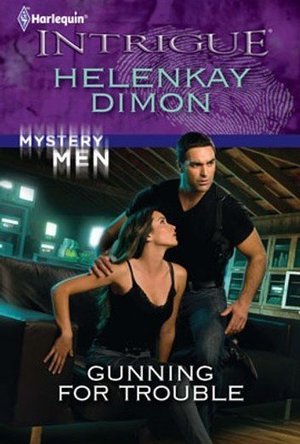


Bland Characters Gun Each Other Down in Gunning For Trouble
Genre: Contemporary
Page Count: 217 Pages
Average Goodreads Rating: 3.79 out of 5 stars
My rating: 1 out of 5 stars
Caleb was in a dead sleep until his phone alerts him to a break-in to his apartment. Immediately his defensive instincts — honed by his dangerous work of tracking missing persons and protecting witnesses — surface and he springs out of bed with his gun to tell the would-be burglar they have chosen the wrong apartment. But he ends up pointing the gun at Avery Walters, his former boss and ex-lover.
To Caleb’s irritation, Avery is on an assignment from Caleb’s boss about a string of murders in the witness protection program. Now dangerous people are after her and the only person she could turn to was Caleb. Despite Caleb’s resentment and anger toward Avery, he still feels the need to protect her. While they work together to stop the murders, old anger and mistrust rises between them, but so does the lust they feel for each other. Can they move forward and learn to love each other, or will the past always hold them back?
This book was awful. Caleb and Avery have the chemistry of fifth graders in their Drama Club rendition of Romeo and Juliet.
Caleb is a complete jackass. He protects Avery but it’s clear he doesn’t want to do it out of anything other than a sense of duty. Not only is he angry about her waking him up in the middle of the night– you know, just because her life is in danger. She should stop whining, right?– but he constantly makes her feel stupid and makes it clear he resents the shit out of her. He says she fired him so she could get a promotion, when in reality he was a loose cannon who deserved to be fired.
Even his friends and coworkers think he needs to tone down the anger.
“Haven’t heard you apologize to her,” (Zach, Caleb’s friend and coworker said).
“For what?”
“You tell me.”
“I was blindsided by what she did back then.”
“Any chance you had tunnel vision?”
Caleb is also so hot-headed I wouldn’t be surprised if he took steroids on a regular basis. Even someone like Avery, who has little more character than a stock photo, deserves better than that.
Caleb does eventually realize he’s been acting like a PMSing Neanderthal and “forgives her”, still thinking he did nothing wrong but wanting to put it behind him.
Avery isn’t as bad as Caleb, but Avery isn’t much of anything at all. She probably goes down in history as one of the least interesting protagonists ever created.
I might have cared more about the characters if I understood and liked the plot. But even that was a hot mess. While I get the gist of the situation– someone is selling names of people in the Witness Protection Program– I can’t make sense of the finer details. A hailstorm of minor characters were dumped on me at once and I couldn’t even keep them straight, let alone focus on what they were saying.
On top of that, there are a couple of times Avery seems to just “get” stuff and the reader is supposed to just “get” it too. But these aren’t obvious things, nor are they minor.
These things are like why Avery is too dangerous to be around Caleb’s coworkers’ wives. Avery just accepts that it’s reasonable she would put the wives in danger, but it’s not.
Even after reading the entire book and going back to skim parts of it for this review, I still don’t understand the plot that well.
If you are looking for a good Harlequin Intrigue book, you would be better off reading Scene of the Crime: Black Creek by Carla Cassidy. But don’t waste your time reading a half-assed story like Gunning for Trouble
Page Count: 217 Pages
Average Goodreads Rating: 3.79 out of 5 stars
My rating: 1 out of 5 stars
Caleb was in a dead sleep until his phone alerts him to a break-in to his apartment. Immediately his defensive instincts — honed by his dangerous work of tracking missing persons and protecting witnesses — surface and he springs out of bed with his gun to tell the would-be burglar they have chosen the wrong apartment. But he ends up pointing the gun at Avery Walters, his former boss and ex-lover.
To Caleb’s irritation, Avery is on an assignment from Caleb’s boss about a string of murders in the witness protection program. Now dangerous people are after her and the only person she could turn to was Caleb. Despite Caleb’s resentment and anger toward Avery, he still feels the need to protect her. While they work together to stop the murders, old anger and mistrust rises between them, but so does the lust they feel for each other. Can they move forward and learn to love each other, or will the past always hold them back?
This book was awful. Caleb and Avery have the chemistry of fifth graders in their Drama Club rendition of Romeo and Juliet.
Caleb is a complete jackass. He protects Avery but it’s clear he doesn’t want to do it out of anything other than a sense of duty. Not only is he angry about her waking him up in the middle of the night– you know, just because her life is in danger. She should stop whining, right?– but he constantly makes her feel stupid and makes it clear he resents the shit out of her. He says she fired him so she could get a promotion, when in reality he was a loose cannon who deserved to be fired.
Even his friends and coworkers think he needs to tone down the anger.
“Haven’t heard you apologize to her,” (Zach, Caleb’s friend and coworker said).
“For what?”
“You tell me.”
“I was blindsided by what she did back then.”
“Any chance you had tunnel vision?”
Caleb is also so hot-headed I wouldn’t be surprised if he took steroids on a regular basis. Even someone like Avery, who has little more character than a stock photo, deserves better than that.
Caleb does eventually realize he’s been acting like a PMSing Neanderthal and “forgives her”, still thinking he did nothing wrong but wanting to put it behind him.
Avery isn’t as bad as Caleb, but Avery isn’t much of anything at all. She probably goes down in history as one of the least interesting protagonists ever created.
I might have cared more about the characters if I understood and liked the plot. But even that was a hot mess. While I get the gist of the situation– someone is selling names of people in the Witness Protection Program– I can’t make sense of the finer details. A hailstorm of minor characters were dumped on me at once and I couldn’t even keep them straight, let alone focus on what they were saying.
On top of that, there are a couple of times Avery seems to just “get” stuff and the reader is supposed to just “get” it too. But these aren’t obvious things, nor are they minor.
These things are like why Avery is too dangerous to be around Caleb’s coworkers’ wives. Avery just accepts that it’s reasonable she would put the wives in danger, but it’s not.
Even after reading the entire book and going back to skim parts of it for this review, I still don’t understand the plot that well.
If you are looking for a good Harlequin Intrigue book, you would be better off reading Scene of the Crime: Black Creek by Carla Cassidy. But don’t waste your time reading a half-assed story like Gunning for Trouble

postapocalypticplayground (27 KP) rated Ready Player One in Books
Jan 29, 2018
The year is 2044, the world has burnt through it's fossil fuels and the effects of global warming has left the world in decline, many turn to drugs and crime to survive and to cope with the world around them. Tech giant James Halliday offers humanity an escape in "The Oasis" a virtual universe where you can pretty much do anything you want and mostly for free. When Halliday dies he has no heir to his vast fortune and announces to the world an elaborate game, the first to win and find his "easter egg" inherits everything. The game however is fiendish and after 5 years without a single clue answered, many have given up searching until one day, Wade Watts, becomes the first to enter the scoreboard and the race to win explodes back into everyone's lives.
I think it's safe to say I devoured this book! Whilst set in a future world, most of what takes place is within the Oasis itself as Wade is a "gunter" (an whittled down name for egg hunter) he dedicates his life to the search for the egg, living on a diet rich with 80's pop culture his knowledge is great enough to rival Halliday's himself. He is far from alone in this though, many are still searching and the race is on against corporate egg hunters, the Sixers, who want to take the egg purely for profiteering. I loved Wade as a character and whilst everything seems overwhelming for him the writing never feels so. You feel everything he goes through, willing him to solve each riddle, sharing his frustration at each dead end and his joy when something goes right. It's almost as if Wade becomes the readers avatar. The 80's references are many as well as throwbacks to all kinds of gaming which I loved and there was many a knowing smile and laugh out loud moment for me whilst reading. I loved how the solving of each puzzle was well laid out and researched (apart from the Pan Galactic Gargle Blasters that is) and how the story felt comfortable moving away from it's linear path, sometimes surprisingly so.
It's quite lacking in female avatars though which I think is a little sad, other than Art3mis it's pretty much a lad zone, which given that female gamers now make up over 40% (various sources) of the gaming populous makes it feel that the book was written for a male stereotype (and stereotyping crops up a lot). Not only is she the only female avatar but it feels like she is only there to be the "love interest" despite her being a formidable gunter. It's not all bad, she is pretty much the most kick ass of all of them but I just wished there was a more even presence. There is also sadly a fair bit of tokenism going on and I felt some minority groups were marginalised.
It didn't detract from my overall enjoyment of the book at the time which I read pretty much every opportunity I got, but now having had time to reflect I'm going to have to knock a star off for everything I mentioned above. If you grew up in, or have a good knowledge of the 1980's and have a thing for retro gaming this will tick a ton of boxes for you. If you didn't or don't, this is still a great adventure that will pull you in and you will likely discover a whole new world of games, films and TV that you may find yourself wanting to check out!
I think it's safe to say I devoured this book! Whilst set in a future world, most of what takes place is within the Oasis itself as Wade is a "gunter" (an whittled down name for egg hunter) he dedicates his life to the search for the egg, living on a diet rich with 80's pop culture his knowledge is great enough to rival Halliday's himself. He is far from alone in this though, many are still searching and the race is on against corporate egg hunters, the Sixers, who want to take the egg purely for profiteering. I loved Wade as a character and whilst everything seems overwhelming for him the writing never feels so. You feel everything he goes through, willing him to solve each riddle, sharing his frustration at each dead end and his joy when something goes right. It's almost as if Wade becomes the readers avatar. The 80's references are many as well as throwbacks to all kinds of gaming which I loved and there was many a knowing smile and laugh out loud moment for me whilst reading. I loved how the solving of each puzzle was well laid out and researched (apart from the Pan Galactic Gargle Blasters that is) and how the story felt comfortable moving away from it's linear path, sometimes surprisingly so.
It's quite lacking in female avatars though which I think is a little sad, other than Art3mis it's pretty much a lad zone, which given that female gamers now make up over 40% (various sources) of the gaming populous makes it feel that the book was written for a male stereotype (and stereotyping crops up a lot). Not only is she the only female avatar but it feels like she is only there to be the "love interest" despite her being a formidable gunter. It's not all bad, she is pretty much the most kick ass of all of them but I just wished there was a more even presence. There is also sadly a fair bit of tokenism going on and I felt some minority groups were marginalised.
It didn't detract from my overall enjoyment of the book at the time which I read pretty much every opportunity I got, but now having had time to reflect I'm going to have to knock a star off for everything I mentioned above. If you grew up in, or have a good knowledge of the 1980's and have a thing for retro gaming this will tick a ton of boxes for you. If you didn't or don't, this is still a great adventure that will pull you in and you will likely discover a whole new world of games, films and TV that you may find yourself wanting to check out!