
Search
Search results

Gareth von Kallenbach (980 KP) rated Vampires Suck (2010) in Movies
Aug 8, 2019
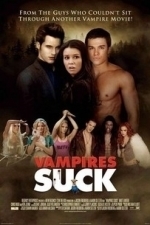


Vampires suck – but does the movie? We open on the San Salvatore Festival with the angsty Becca watching her beau, Edward Sullen, disrobe and expose his sparkly secrets- he’s a vampire! Cue the “True Blood- 40oz” toting, Mono-fang vampire to take Edward out….wait, we have to get the rest of the story! What follows is a parody of the first two movies of the Twilight Saga. Most of the characters analogous to the spoof’s target are introduced in the first 30 minutes; few of them are actually seen again throughout the movie.
Becca (newcomer Jenn Proske) is forced to move to Sporks, Washington, with her deadbeat father and town sheriff, Frank Crane (Diedrich Bader of The Drew Carey Show). Frank’s best friend is the rough-and-tumble paraplegic Native American, Bobby. His contribution to the plot is his hunky teenage son, Jacob White (Chris Riggi of Gossip Girl). The town of Sporks seems to have vampires on the brain and its population is only growing smaller.
Our heroine is introduced to Edward Sullen (Matt Lanter of Disaster Movie) and what follows is the “classic” story of girl-meets-vampire, girl-loses-vampire, girl-gets-threatened-by-vampire-nemesis, etc. Writers/Directors Jason Friedberg and Aaron Seltzer use their formulaic approach to spoof movies by making the plot a cliff-notes version of the Stephanie Meyer’s original material, with ample jokes thrown in-in an attempt to beef up their rendition.
In fact, there are so many visual jokes in the movie that it left me wondering what a sight-impaired person might conclude of the movie. “What are all these people laughing at?” I noticed a few of the dialogue driven jokes weren’t even played off by the actors. They seemed to have been missed by everyone, including the editors. Other jokes are pop-culture references that will get stale with time. They’re integrated well, but definitely dated. The movie is redolent with the classic American comedy tradition of slapstick, which occasionally comes off as funny.
The production value left something to be desired as several scenes were obviously one-takes. I counted several instances where Becca’s kiss left Edward’s mouth with a smudge of his own flesh-tone showing through. But hey- at least single takes have continuity, right? The contacts, no doubt purchased in bulk, gave the characters an occasional Marty Feldman goggly-look. The effect is hilarious, although I’m not always sure if it’s intentional.
The cast has its standouts. Jenn Proske’s Becca comes dangerously close (like copyright-violating close) to the performance of Kristen Stewart’s Bella as the fidgety, twitchy, sullen and hormone-y heroine. And Ken Jeong (The Hangover) as Daro, while not appearing on screen much, definitely makes his comedic presence felt.
All in all, “Vampires Suck” didn’t really suck… it kind of chews, like gum. Gum out of the package is fresh, flavorful, but the longer you chew it, the tougher and more stale it becomes. This movie is fresh, funny, and quirky right now, but it won’t stand the test of time like more accomplished parodies.
Becca (newcomer Jenn Proske) is forced to move to Sporks, Washington, with her deadbeat father and town sheriff, Frank Crane (Diedrich Bader of The Drew Carey Show). Frank’s best friend is the rough-and-tumble paraplegic Native American, Bobby. His contribution to the plot is his hunky teenage son, Jacob White (Chris Riggi of Gossip Girl). The town of Sporks seems to have vampires on the brain and its population is only growing smaller.
Our heroine is introduced to Edward Sullen (Matt Lanter of Disaster Movie) and what follows is the “classic” story of girl-meets-vampire, girl-loses-vampire, girl-gets-threatened-by-vampire-nemesis, etc. Writers/Directors Jason Friedberg and Aaron Seltzer use their formulaic approach to spoof movies by making the plot a cliff-notes version of the Stephanie Meyer’s original material, with ample jokes thrown in-in an attempt to beef up their rendition.
In fact, there are so many visual jokes in the movie that it left me wondering what a sight-impaired person might conclude of the movie. “What are all these people laughing at?” I noticed a few of the dialogue driven jokes weren’t even played off by the actors. They seemed to have been missed by everyone, including the editors. Other jokes are pop-culture references that will get stale with time. They’re integrated well, but definitely dated. The movie is redolent with the classic American comedy tradition of slapstick, which occasionally comes off as funny.
The production value left something to be desired as several scenes were obviously one-takes. I counted several instances where Becca’s kiss left Edward’s mouth with a smudge of his own flesh-tone showing through. But hey- at least single takes have continuity, right? The contacts, no doubt purchased in bulk, gave the characters an occasional Marty Feldman goggly-look. The effect is hilarious, although I’m not always sure if it’s intentional.
The cast has its standouts. Jenn Proske’s Becca comes dangerously close (like copyright-violating close) to the performance of Kristen Stewart’s Bella as the fidgety, twitchy, sullen and hormone-y heroine. And Ken Jeong (The Hangover) as Daro, while not appearing on screen much, definitely makes his comedic presence felt.
All in all, “Vampires Suck” didn’t really suck… it kind of chews, like gum. Gum out of the package is fresh, flavorful, but the longer you chew it, the tougher and more stale it becomes. This movie is fresh, funny, and quirky right now, but it won’t stand the test of time like more accomplished parodies.
Sophia (Bookwyrming Thoughts) (530 KP) rated Passenger (Passenger, #1) in Books
Jan 23, 2020



<b><i>I received this book for free from Publisher in exchange for an honest review. This does not affect my opinion of the book or the content of my review.</i></b>
My very first taste of Alexandra Bracken's works didn't go bad after all (which means I don't have to mope or panic about wasting 99 cents on the first two books in her other series).
<i>Passenger</i> was a little hard for me to get into, at least in terms of characters – everything else is on good terms with me. The traveler world is a delight to read about – Bracken reveals some tidbits from significant events in history I've never actually known about unless I decide to dive into the nit picky details of world/American history or do research for fun on my own. I also love how Bracken integrates music into the traveling world.
Then there are the characters, especially Etta and Nick, who are pretty much the only characters throughout the entire novel. Everyone else appears every so often.
I'm a huge character person – I'm very nit picky about the characters I read about and is unintentionally weighed heavily on whether or not I become fond of the book or my continuation of reading the book. *cough* <i><a title="The Fifth Wave review" href="http://www.bookwyrmingthoughts.com/2015/05/dnf-review-the-5th-wave-by-rick-yancey-so.html"; target="_blank" rel="noopener">The Fifth Wave</a></i> didn't bode too well, and that's an understatement.
We have Etta, part one of two main characters/views. She's a violin prodigy, a loner (violin is everything after all), acts superior, and pleases her mother even when she doesn't want to.
Problem? Yep. The girl acts quite bratty and thinks she's everything.
Then there's Nick. He's from another time period, bitter, and blames himself for Julian's death constantly.
What a lovely duo to contend with.
But this is when Bracken just introduces Mademoiselle Superior and Monsieur Bitter into the story. Over the course of being a passenger in this wonderful book – the pun is totally intended – that doesn't sound so wonderful as of right now, saying Nick and Etta are horrible characters is a complete understatement.
Etta is not just a violin prodigy thrown in the world of time travel, a loner, and acts like she's better than every other violinist around her. She is also someone who is fierce, stubborn, and has no problem standing up for her beliefs or speaking her mind. Perhaps she's not bratty after all.
And Nick... well... he's secretly sweet among that internal bitterness.
I'm completely fond of the two characters by the time Bracken takes me through several time periods on Nick and Etta's journey to take back the astrolabe her mother hid from the Ironwoods (who is apparently thirsty for power and creating a familial empire through time). <i>Passenger</i> is a power struggle among families and a revenge rolled into time travel adventure and romance – it's going to be interesting to see where Bracken takes the series in future novels.
<a href="https://bookwyrmingthoughts.com/arc-review-passenger-by-alexandra-bracken/"; target="_blank">This review was originally posted on Bookwyrming Thoughts</a>
My very first taste of Alexandra Bracken's works didn't go bad after all (which means I don't have to mope or panic about wasting 99 cents on the first two books in her other series).
<i>Passenger</i> was a little hard for me to get into, at least in terms of characters – everything else is on good terms with me. The traveler world is a delight to read about – Bracken reveals some tidbits from significant events in history I've never actually known about unless I decide to dive into the nit picky details of world/American history or do research for fun on my own. I also love how Bracken integrates music into the traveling world.
Then there are the characters, especially Etta and Nick, who are pretty much the only characters throughout the entire novel. Everyone else appears every so often.
I'm a huge character person – I'm very nit picky about the characters I read about and is unintentionally weighed heavily on whether or not I become fond of the book or my continuation of reading the book. *cough* <i><a title="The Fifth Wave review" href="http://www.bookwyrmingthoughts.com/2015/05/dnf-review-the-5th-wave-by-rick-yancey-so.html"; target="_blank" rel="noopener">The Fifth Wave</a></i> didn't bode too well, and that's an understatement.
We have Etta, part one of two main characters/views. She's a violin prodigy, a loner (violin is everything after all), acts superior, and pleases her mother even when she doesn't want to.
Problem? Yep. The girl acts quite bratty and thinks she's everything.
Then there's Nick. He's from another time period, bitter, and blames himself for Julian's death constantly.
What a lovely duo to contend with.
But this is when Bracken just introduces Mademoiselle Superior and Monsieur Bitter into the story. Over the course of being a passenger in this wonderful book – the pun is totally intended – that doesn't sound so wonderful as of right now, saying Nick and Etta are horrible characters is a complete understatement.
Etta is not just a violin prodigy thrown in the world of time travel, a loner, and acts like she's better than every other violinist around her. She is also someone who is fierce, stubborn, and has no problem standing up for her beliefs or speaking her mind. Perhaps she's not bratty after all.
And Nick... well... he's secretly sweet among that internal bitterness.
I'm completely fond of the two characters by the time Bracken takes me through several time periods on Nick and Etta's journey to take back the astrolabe her mother hid from the Ironwoods (who is apparently thirsty for power and creating a familial empire through time). <i>Passenger</i> is a power struggle among families and a revenge rolled into time travel adventure and romance – it's going to be interesting to see where Bracken takes the series in future novels.
<a href="https://bookwyrmingthoughts.com/arc-review-passenger-by-alexandra-bracken/"; target="_blank">This review was originally posted on Bookwyrming Thoughts</a>

Night Reader Reviews (683 KP) rated 36 Hours in Books
Feb 4, 2020
Honest Review for Free Copy of Book
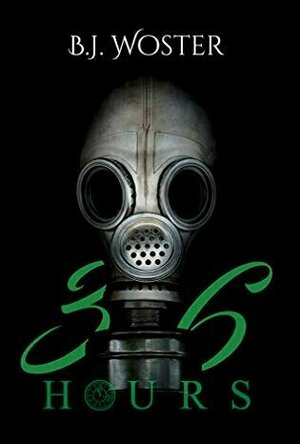
36 Hours by B. J. Woster is a thrilling crime book fro the reader who doesn't want to deal with all the legal stuff. Yes, readers follow the police search but the author has omitted writing a lengthy book about a trial.
Christian Price is a serial killer, though that is not his real name and no one has realized the deaths are all connected. Yet. Christian is not killing because he likes to kill, no, he does this because he feels he has to. In his opinion, many local police forces are incompetent or lack the drive to solve missing person cases and Christian has decided to motivate them. He does this by kidnapping a woman and called it into the police to find her within a limited amount of time or else she dies. The first one usually doses. He then continues this pattern with another woman, usually not going past three victims is one area, until the police are successful after which he moves to a different city. Things are a little bit different in Atlanta though.
Brooke Madison is terrified of parking garages, especially after her friend and co-worker Sandra McIntyre was abducted from the garage and later killed. Brooke and Sandra had both been taking self-defense classes together but it doesn't appear to help. Sadly Brooke discovers first hand how easy it was for Sandra to be abducted when it happens to her as well. Now she is trapped in a Wearhouse somewhere, the next in line in a series of experiments to jump-start the police’s interest again, Will they find her before the time is up or will Christian take yet another victim?
It would appear that the author did their homework because the book made sense. While I would have liked more details on a few things I prefer this approach compared to those who just guess and come up with situations that would never possibly work. In this case, I believe the author found a nice balance. Multiple time limits take place during this book and I was expecting just one well-detailed one. Also, the back of the book mentions how Christian suffered a tragedy that was unsolved by police and that is why he does this. The defining tragedy gets very little recognition when it is a big piece of backstory.
Young adults will enjoy this book the most. It has very little in the lines of gore or inappropriate content. Overall it is a nice mid-grade crime/mystery book. It is great for those that want a decent book without it being super long. I rate this book 2 out of 4. It was not what I was expecting. While it was a good read, the content spanned over a much longer time than what the book leads readers to believe. Also, the lack of diving into Christian’s backstory was disappointing at best.
https://nightreaderreviews.blogspot.com
https://facebook.com/nightreaderreviews
https://smashbomb.com/nightreader
Christian Price is a serial killer, though that is not his real name and no one has realized the deaths are all connected. Yet. Christian is not killing because he likes to kill, no, he does this because he feels he has to. In his opinion, many local police forces are incompetent or lack the drive to solve missing person cases and Christian has decided to motivate them. He does this by kidnapping a woman and called it into the police to find her within a limited amount of time or else she dies. The first one usually doses. He then continues this pattern with another woman, usually not going past three victims is one area, until the police are successful after which he moves to a different city. Things are a little bit different in Atlanta though.
Brooke Madison is terrified of parking garages, especially after her friend and co-worker Sandra McIntyre was abducted from the garage and later killed. Brooke and Sandra had both been taking self-defense classes together but it doesn't appear to help. Sadly Brooke discovers first hand how easy it was for Sandra to be abducted when it happens to her as well. Now she is trapped in a Wearhouse somewhere, the next in line in a series of experiments to jump-start the police’s interest again, Will they find her before the time is up or will Christian take yet another victim?
It would appear that the author did their homework because the book made sense. While I would have liked more details on a few things I prefer this approach compared to those who just guess and come up with situations that would never possibly work. In this case, I believe the author found a nice balance. Multiple time limits take place during this book and I was expecting just one well-detailed one. Also, the back of the book mentions how Christian suffered a tragedy that was unsolved by police and that is why he does this. The defining tragedy gets very little recognition when it is a big piece of backstory.
Young adults will enjoy this book the most. It has very little in the lines of gore or inappropriate content. Overall it is a nice mid-grade crime/mystery book. It is great for those that want a decent book without it being super long. I rate this book 2 out of 4. It was not what I was expecting. While it was a good read, the content spanned over a much longer time than what the book leads readers to believe. Also, the lack of diving into Christian’s backstory was disappointing at best.
https://nightreaderreviews.blogspot.com
https://facebook.com/nightreaderreviews
https://smashbomb.com/nightreader
Gareth von Kallenbach (980 KP) rated The Adjustment Bureau (2011) in Movies
Aug 7, 2019
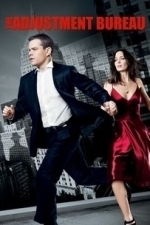

The Adjustment Bureau is based on (or it may be more accurate to say, inspired by) the Philip K. Dick short story “Adjustment Team”, and stars Matt Damon as David Norris, a New York politician running for the U.S. Senate and Emily Blunt as Elise Sellas, a professional ballerina.
When David and Elise first meet in the men’s restroom and he doesn’t question her gender I knew this wasn’t going to be the typical boy meets girl story. Just to clarify, I’m not saying she turns out to be a he, I’m just saying it’s good to check out the engine under the hood. But what should have been a once in a restroom… er, lifetime encounter, becomes a second, then a third and… you get the point. Shortly after their second encounter where David finally gets Elise’s name and number written on a business card he walks in on a strange group of well dressed individuals who were what can only be described as “probing” his friends in a conference room. So David does what any sane person would do after witnessing a group probing, he runs (like you wouldn’t? ). After running down a few hallways, he’s captured. Let’s be honest, running down hallways isn’t Oscar material, so I was glad it was short-lived. David learns that these well-dressed individuals work for The Adjustment Bureau.
This secret organization works behind the scenes to ensure the course of destiny, as written by “The Chairman”, goes as planned and they tell him that men’s room ballerinas are not part of the plan for him. At this point I wanted to yell “Screw them, go for the ballerina! They’re bendy!” but before I could, Agent Richardson (played by John Slattery) informs David that if he doesn’t follow the plan they have for him then they will… well, let’s just say they will probe him like nobody’s business. Then before they leave they take the business card with Elise’s name and number on it and before you can say “rooster-block” they throw him to the floor like Chevy Chase impersonating President Ford and disappear.
In time David and Elise are reunited by chance and with some information given to him by his disgruntled Adjustment Bureau ex-caseworker Agent Harry (played by Anthony Mackie), David works hard to overcome the obstacles placed before them by the Adjustment Bureau. But when Agent Thompson (played by Terence Stamp) joins the fray, he tells David what will happen to Elise if he doesn’t leave her.
Does love win in the end, does fate win or are they eaten by the alligators in the New York City sewers? I will tell you, that once again, the alligators did not win. The film does an excellent job of balancing its romance and thriller aspects with just enough humor to compliment the first two aspects, making it a very enjoyable movie for an individual, a couple or a group of friends to see. On a side note, when the film was over I left the movie wanting to buy a suit and I really dislike wearing suits.
When David and Elise first meet in the men’s restroom and he doesn’t question her gender I knew this wasn’t going to be the typical boy meets girl story. Just to clarify, I’m not saying she turns out to be a he, I’m just saying it’s good to check out the engine under the hood. But what should have been a once in a restroom… er, lifetime encounter, becomes a second, then a third and… you get the point. Shortly after their second encounter where David finally gets Elise’s name and number written on a business card he walks in on a strange group of well dressed individuals who were what can only be described as “probing” his friends in a conference room. So David does what any sane person would do after witnessing a group probing, he runs (like you wouldn’t? ). After running down a few hallways, he’s captured. Let’s be honest, running down hallways isn’t Oscar material, so I was glad it was short-lived. David learns that these well-dressed individuals work for The Adjustment Bureau.
This secret organization works behind the scenes to ensure the course of destiny, as written by “The Chairman”, goes as planned and they tell him that men’s room ballerinas are not part of the plan for him. At this point I wanted to yell “Screw them, go for the ballerina! They’re bendy!” but before I could, Agent Richardson (played by John Slattery) informs David that if he doesn’t follow the plan they have for him then they will… well, let’s just say they will probe him like nobody’s business. Then before they leave they take the business card with Elise’s name and number on it and before you can say “rooster-block” they throw him to the floor like Chevy Chase impersonating President Ford and disappear.
In time David and Elise are reunited by chance and with some information given to him by his disgruntled Adjustment Bureau ex-caseworker Agent Harry (played by Anthony Mackie), David works hard to overcome the obstacles placed before them by the Adjustment Bureau. But when Agent Thompson (played by Terence Stamp) joins the fray, he tells David what will happen to Elise if he doesn’t leave her.
Does love win in the end, does fate win or are they eaten by the alligators in the New York City sewers? I will tell you, that once again, the alligators did not win. The film does an excellent job of balancing its romance and thriller aspects with just enough humor to compliment the first two aspects, making it a very enjoyable movie for an individual, a couple or a group of friends to see. On a side note, when the film was over I left the movie wanting to buy a suit and I really dislike wearing suits.
Leadership:Time Management
Productivity and Magazines & Newspapers
App
ATTENTION: Not getting as much done as you should ? Discover How The Secrets of How Successful...

Britain's Best Small Hills: A Guide to Short Adventures and Wild Walks with Great Views
Book
Hot on the success of Wilderness Weekends, one of the top selling guides in 2015, award-winning...
Graham Bonnet: The Story Behind the Shades
Book
Graham Bonnet was born in Skegness in 1947 and had his first hit single with The Marbles in 1968,...

BookInspector (124 KP) rated The Year of No Rules in Books
Sep 24, 2020


The blurb of this book, describes it quite accurately, however, there is way more to this book. It goes through all the parts of the relationship: love, separation, depression, acceptance and moving on.
The main characters of this book were Sasha and Kirk, later joined by Sam. The whole narrative was told only from Sasha’s perspective, so we have to believe of how Sasha portrayed them and don’t really have an insight into their personalities to judge them ourselves. Even though Sasha was the lead in this story, my favorite character in this book was Sam. I honestly liked him for his charisma, understanding nature, and all women should have a partner like him. Some of Sasha’s actions really annoyed me, it’s like watching a horror movie, where the actress is going to a dark cellar willingly when we know she is going to die. In these cases, I really want to shout to her “danger, don’t go!”/ “don’t be stupid, you are going to die!”, but the actress still does it and gets hurt in the end… Why Sasha? Why?
The whole book was divided into three parts: “The year with rules”; “After Kirk”; “The year of no rules”. In the first part, Sasha was sharing her life with Kirk. How their dates used to go, what Kirk did in the past, and how she loved to spoil him. In the second part, Sasha was telling how she was dealing (or not) with her life after Kirk walked off. She shared he sorrows, memories, and how Kirk was psychologically tormenting her even many months after their break up. (Sasha why did you allow it? WHY?) In the third part, Sasha started to gather her life again, by setting little goals to fight her major depression and finding a fantastic man.
The plot of this novel often jumped between past and present through Sasha’s memories about Kirk and their relationship. What I loved the most about this book, was the topics which McClelland discussed in this book: the danger of controlling partners; forgiving person even after grand betrayal; major depression and how people can fight it; how to deal with broken trust. I think this book can really help women who were/are in Sasha’s situation and need help, I think it could be a guide to taking those first steps to help yourself.
The writing style of this book was pleasant and really easy to read, with short chapters, which made it a great weekend read. It has a nice ending to the book, I would say realistic ending, not “happily ever after” one, which you can read in most fiction books. So, to conclude, even though there are many, many Sasha’s actions which made me question “Woman, why would you do this?”, I loved this book because it is funny, carries a strong message, and how relate-able it can be to some people. I do recommend it to all chick lit fans, and to all who are going through a nasty break up. Enjoy! :)
Was given this book by the author for honest review.
The main characters of this book were Sasha and Kirk, later joined by Sam. The whole narrative was told only from Sasha’s perspective, so we have to believe of how Sasha portrayed them and don’t really have an insight into their personalities to judge them ourselves. Even though Sasha was the lead in this story, my favorite character in this book was Sam. I honestly liked him for his charisma, understanding nature, and all women should have a partner like him. Some of Sasha’s actions really annoyed me, it’s like watching a horror movie, where the actress is going to a dark cellar willingly when we know she is going to die. In these cases, I really want to shout to her “danger, don’t go!”/ “don’t be stupid, you are going to die!”, but the actress still does it and gets hurt in the end… Why Sasha? Why?
The whole book was divided into three parts: “The year with rules”; “After Kirk”; “The year of no rules”. In the first part, Sasha was sharing her life with Kirk. How their dates used to go, what Kirk did in the past, and how she loved to spoil him. In the second part, Sasha was telling how she was dealing (or not) with her life after Kirk walked off. She shared he sorrows, memories, and how Kirk was psychologically tormenting her even many months after their break up. (Sasha why did you allow it? WHY?) In the third part, Sasha started to gather her life again, by setting little goals to fight her major depression and finding a fantastic man.
The plot of this novel often jumped between past and present through Sasha’s memories about Kirk and their relationship. What I loved the most about this book, was the topics which McClelland discussed in this book: the danger of controlling partners; forgiving person even after grand betrayal; major depression and how people can fight it; how to deal with broken trust. I think this book can really help women who were/are in Sasha’s situation and need help, I think it could be a guide to taking those first steps to help yourself.
The writing style of this book was pleasant and really easy to read, with short chapters, which made it a great weekend read. It has a nice ending to the book, I would say realistic ending, not “happily ever after” one, which you can read in most fiction books. So, to conclude, even though there are many, many Sasha’s actions which made me question “Woman, why would you do this?”, I loved this book because it is funny, carries a strong message, and how relate-able it can be to some people. I do recommend it to all chick lit fans, and to all who are going through a nasty break up. Enjoy! :)
Was given this book by the author for honest review.

Kristy H (1252 KP) rated A Means to an End in Books
Sep 13, 2019
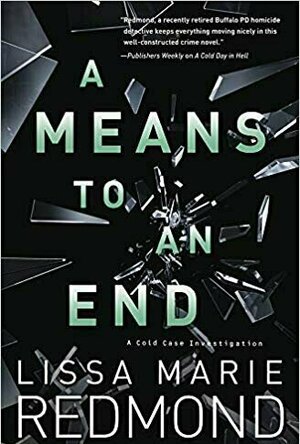
Cold Case Detective Lauren Riley is back on the job after being stabbed in the line of duty. She and her partner, Shane Reese, find themselves investigating a body dumped in the woods in the exact same site as a victim from one of Lauren's previous cases. She quickly recognizes the tie to David Spencer, a clever kid whom Lauren helped get off on a murder charge while she was working as a Private Investigator. Once he was acquitted, Lauren realized he was a cold-blooded psychopath, and she's been haunted by it (and him) ever since. Lauren is put on a Task Force investigating the killing--and the unsolved murders of two cops--but she quickly realizes she may be the only one who can stop David, for once and for all.
I really like the character of Lauren Riley--she's a tough yet vulnerable cop who knows her stuff, and I've been following her since the beginning of this series. This book tied up some things, but left others hanging, and I have to admit, I hope there is a book four out there? I also have to say, to prove my devotion to Lauren, my ARC copy had issues with the "f"s in the book (e.g. Sheriff = Sheri; office = offce; files = les, etc.) and none of the text messages were in there, and I still read it, because I needed to know what was happening to Lauren. A final copy will be fine--just pointing out how much I care about these characters!
We have a small cast here, but do get some new blood, mainly in the form of the task force gents. Two, of course, suspect Lauren for the cop killings that happened in the second novel, but one, Jack Nolan, seems to be a good guy. Poor Lauren, she can't catch a break. I would mention that this book will make more sense if you've read the first two. Redmond explains things, but the backstory is easier to comprehend (and those first two books are good). Still, don't let that scare you away from this one.
These cases are personal for Lauren, and I found some of this book stressful, as I care about her and Reese, and I was worried about them both! If you're less invested, you may not be as concerned. No matter what, it's an interesting book--we think we know our suspect (David), but we're never quite sure, and there's a lot of angst and intrigue in trying to track him down. I always enjoy how the city of Buffalo is almost another character in these books, and it's very clear that Redmond knows her police procedures.
"She'd been waging a one-person war against him, and she was losing. She had to take this further before anyone else got hurt."
Overall, I definitely recommend this one, especially if you've read the earlier books, enjoy a good police procedural, or are on the hunt for a strong female protagonist. Redmond's stories are always interesting and sure to suck you in. 4 stars.
I really like the character of Lauren Riley--she's a tough yet vulnerable cop who knows her stuff, and I've been following her since the beginning of this series. This book tied up some things, but left others hanging, and I have to admit, I hope there is a book four out there? I also have to say, to prove my devotion to Lauren, my ARC copy had issues with the "f"s in the book (e.g. Sheriff = Sheri; office = offce; files = les, etc.) and none of the text messages were in there, and I still read it, because I needed to know what was happening to Lauren. A final copy will be fine--just pointing out how much I care about these characters!
We have a small cast here, but do get some new blood, mainly in the form of the task force gents. Two, of course, suspect Lauren for the cop killings that happened in the second novel, but one, Jack Nolan, seems to be a good guy. Poor Lauren, she can't catch a break. I would mention that this book will make more sense if you've read the first two. Redmond explains things, but the backstory is easier to comprehend (and those first two books are good). Still, don't let that scare you away from this one.
These cases are personal for Lauren, and I found some of this book stressful, as I care about her and Reese, and I was worried about them both! If you're less invested, you may not be as concerned. No matter what, it's an interesting book--we think we know our suspect (David), but we're never quite sure, and there's a lot of angst and intrigue in trying to track him down. I always enjoy how the city of Buffalo is almost another character in these books, and it's very clear that Redmond knows her police procedures.
"She'd been waging a one-person war against him, and she was losing. She had to take this further before anyone else got hurt."
Overall, I definitely recommend this one, especially if you've read the earlier books, enjoy a good police procedural, or are on the hunt for a strong female protagonist. Redmond's stories are always interesting and sure to suck you in. 4 stars.

Debbiereadsbook (1795 KP) rated Restrained Desires (Rehoboth Pact #3) in Books
Apr 9, 2022
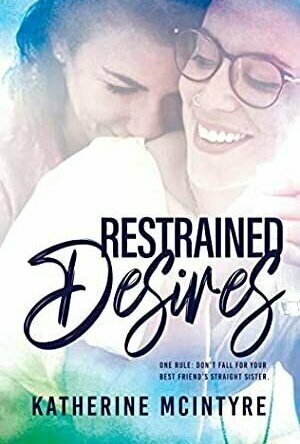
Saved the best for last!
Independent reviewer for Archaeolibrarian, I was gifted my copy of this book.
This is the final book in the Rehoboth Pact trilogy. It CAN be read as a stand alone, however I STRONGLY recommend you read the other two books first. It will give you a better picture of Kyle and how, up to now, she has been kind of in the background. Confined got 4 stars, Opposed crept up to 4.5 stars.
But this one? Knocked it out the park, baby, and it gets the full and shiny 5 star rating! Saving the best for last was the right thing to do!
Chelsea is Aubrey's sister (from Opposed) and is newly divorced from her husband. Kyle is, well, at best, plodding along. Her mother (and I use the term very loosely!) pushes Kyle to say she is bringing a date to the family gathering and then panics because she doesn't have one. Chelsea, being all single, steps up to the plate to help Kyle. And there follows a journey of self discovery, and learning to love yourself, and that found families can be so much more than blood families.
Kyle. . .oh! i wanted to wrap her up and give her a big cuddle cos that parental female unit was not a nice person! Wanted to punch the b*tch a time or two! But Chelsea? She really SEES Kyle, and Kyle does struggle a bit with that, at first. Once she and Chelsea take their fake relationship up a notch, Kyle really benefits for having someone in her corner. And Chelsea? She's different to Aubs, but not less a force to be reckoned with. Once she gets her hands on Kyle, there was no going back.
Til someone does something stoopid and then there is a fight to be had.
Aubs nearly got a punch, here, along with that parental unit. She didn't take too well to Chelsea and Kyle getting together and deals with it badly. She DOES redeem herself, giving Chelsea the means to win the fight for Kyle, but still.
It is again, HEAVY on the emotional aspect, but for Kyle dealing with that parental unit b*tch and feelings of inadequacy, and Chelsea, dealing with her divorce, but her father's betrayal cuts deep. He does come out the other side, but faced with losing both his daughters will make anyone turnaround rapidly!
The smexy stuff? Oh! My! Days! steamiest of the three. Mostly because Kyle pushes every single button of Chelsea's and then some. And Chelsea pushes buttons in Kyle she never knew she needed pushing!
Obviously, Aubs and Selina play a part here, but also Mia and Sky, and it was lovely to catch up with them all.
I again commend Ms McIntyre on her writing skills. Switching from MF, to MM and then to FF can't be easy, but McIntyre NAILS it with the final book in this trilogy. Keep 'em coming, please!
As I said . .
5 full and shiny stars!
*same worded review will appear elsewhere
This is the final book in the Rehoboth Pact trilogy. It CAN be read as a stand alone, however I STRONGLY recommend you read the other two books first. It will give you a better picture of Kyle and how, up to now, she has been kind of in the background. Confined got 4 stars, Opposed crept up to 4.5 stars.
But this one? Knocked it out the park, baby, and it gets the full and shiny 5 star rating! Saving the best for last was the right thing to do!
Chelsea is Aubrey's sister (from Opposed) and is newly divorced from her husband. Kyle is, well, at best, plodding along. Her mother (and I use the term very loosely!) pushes Kyle to say she is bringing a date to the family gathering and then panics because she doesn't have one. Chelsea, being all single, steps up to the plate to help Kyle. And there follows a journey of self discovery, and learning to love yourself, and that found families can be so much more than blood families.
Kyle. . .oh! i wanted to wrap her up and give her a big cuddle cos that parental female unit was not a nice person! Wanted to punch the b*tch a time or two! But Chelsea? She really SEES Kyle, and Kyle does struggle a bit with that, at first. Once she and Chelsea take their fake relationship up a notch, Kyle really benefits for having someone in her corner. And Chelsea? She's different to Aubs, but not less a force to be reckoned with. Once she gets her hands on Kyle, there was no going back.
Til someone does something stoopid and then there is a fight to be had.
Aubs nearly got a punch, here, along with that parental unit. She didn't take too well to Chelsea and Kyle getting together and deals with it badly. She DOES redeem herself, giving Chelsea the means to win the fight for Kyle, but still.
It is again, HEAVY on the emotional aspect, but for Kyle dealing with that parental unit b*tch and feelings of inadequacy, and Chelsea, dealing with her divorce, but her father's betrayal cuts deep. He does come out the other side, but faced with losing both his daughters will make anyone turnaround rapidly!
The smexy stuff? Oh! My! Days! steamiest of the three. Mostly because Kyle pushes every single button of Chelsea's and then some. And Chelsea pushes buttons in Kyle she never knew she needed pushing!
Obviously, Aubs and Selina play a part here, but also Mia and Sky, and it was lovely to catch up with them all.
I again commend Ms McIntyre on her writing skills. Switching from MF, to MM and then to FF can't be easy, but McIntyre NAILS it with the final book in this trilogy. Keep 'em coming, please!
As I said . .
5 full and shiny stars!
*same worded review will appear elsewhere