
Search
Search results

Lorey L. (3 KP) rated The Hazel Wood in Books
Mar 7, 2018


Loved! Would recommend for fans of chilling fairytales.
Immediately after finishing Albert's dark tale, I took to Goodread's knowing other's had been left with the same tingly sensation of bloody good wrongness. Unfortunately, I found for many this was not the case. The story was dark, creepy and had all the good bad things that make you listen too closely at bumps and stare too intensely at shadows.
First, the writing is completely breathtaking. The imagery in Albert's style is superb. It made me want to wrap up in a blanket with a hot cup of tea and a roaring fire and wish for her words to never end.
With that being said, I did find that at times it could get a little thick and hard to sludge through, but for me, that was infrequent enough to not give me too much of a bother. I felt there was a lot of backstory that could have been told in a more fluid manner, but nevertheless, it was (mostly) needed backstory.
The world Albert created in Hinterland... I need more. If more/most of the story had taken place in the Hinterland, I feel it would have been closer to 5 stars. But, being mostly set in New York it did still leave the storyline curious and mysterious enough to lure you in if given half a chance.
Secondly, the characters are... horrible and good and missing things. Personally, once I figured out who Alice was, I understood why she was written the way she was (more on that in a bit). Unfortunately, I felt most characters, outside of Alice, were mostly one-dimensional. More fully fleshed out and I may have found myself falling a little in love Finch, desperately wanting to know Ella, or even more curious about the mysterious Althea. They just needed a little... more.
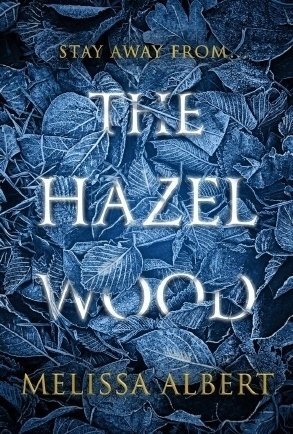
Thirdly, the artwork. Oh good Lord in Heaven, I am in love with the cover art of this book. Dark and shiny and filled with images that beg to be understood. Jim Tierney should be praised almost as much as the author for lending the right mindset for this dark story.
Further, my favorite parts of this book were by far the snippets of Althea's Hinterland Stories. Even if you don't like the book- you will LOVE these stories. They are the perfect amounts of creepy, mysterious, weird, and wonderful.
Finally, a more in-depth look. I'd like to begin with Alice. I feel it's not that her character is "misunderstood" but that she is almost too understood. Mean, angry, violent. With little too no explanation for her outbursts... Except for the simple fact that many readers seem not to care about (and understandably, to a degree. She's not the most likable person). She was spun that way. With an icy core she is unable to control, a darkness she fears.
**"I'd let myself drift too close to the dark continent at the core of me, a lawless place I tried never to visit."**
*SPOILER* Alice Three Times is basically the villain of a dark fairytale. She is made up of rage and ice and blackness. The fact Ella helps her control it even a little is amazing. Understanding this allowed me to view Alice in a different way than I had other heroines. She was, in the end, simply trying to become an ex-Story. To try and be the normal girl she never had the chance of being. *END SPOILER* This made her annoying, unexplained, angry outbursts easier to understand and accept,
for me.
Finch, the only character we know to be a person of color (note: many characters within the book, as previously mentioned, are far from being fully-fleshed out. For most, ethnicity isn't even mentioned), is nerdy and verging-on-fierce, but kind-of, off-putting in some instances. For example, because he is such a "fan" there are several times he ignores the fact that he is making Alice uncomfortable, and especially *SPOILER* when he basically sells her to the Hinterland Stories for entry to their land*END SPOILER*
*SPOILER*I also wanted to quickly talk about the confrontation with the police that leads Finch to try and explain why he's mad, which in turn leads to Alice acting very Story-ish. I felt for Finch in a big way here. I was angry with her stupid, selfish reaction as well. I applauded him for standing up for her and got annoyed that she acted so irrationally and privileged. But, I realized after reading the section through again, Alice is not a person. She is a Story. And although she was raised a human, her "ice core" sometimes ruled her actions more than her mind- which seemed to agree with Finch, even though her actions, words, and anger said otherwise:
**"...You think rich matters in this situation? You think a cop looks at me and sees <i>rich?</i> You're pretending you don't get it, but you do."
<b>I did get it, I did. And the shame of it boiled into something darker.</b> Before my brain could catch up, I jerked the wheel and turned the car off the road, sending us rattling toward the trees."** *END SPOILER*
This isn't a book for everyone. I enjoy reading both the positive and negative reviews, as they shed new light on different aspects of the story! I loved it and I can't wait for Melissa Albert's book of Hinterland Stories- and maybe even a second Hazel Wood! If you do choose to give this book a try, go in with an open mind... and maybe a light on.
First, the writing is completely breathtaking. The imagery in Albert's style is superb. It made me want to wrap up in a blanket with a hot cup of tea and a roaring fire and wish for her words to never end.
With that being said, I did find that at times it could get a little thick and hard to sludge through, but for me, that was infrequent enough to not give me too much of a bother. I felt there was a lot of backstory that could have been told in a more fluid manner, but nevertheless, it was (mostly) needed backstory.
The world Albert created in Hinterland... I need more. If more/most of the story had taken place in the Hinterland, I feel it would have been closer to 5 stars. But, being mostly set in New York it did still leave the storyline curious and mysterious enough to lure you in if given half a chance.
Secondly, the characters are... horrible and good and missing things. Personally, once I figured out who Alice was, I understood why she was written the way she was (more on that in a bit). Unfortunately, I felt most characters, outside of Alice, were mostly one-dimensional. More fully fleshed out and I may have found myself falling a little in love Finch, desperately wanting to know Ella, or even more curious about the mysterious Althea. They just needed a little... more.
Thirdly, the artwork. Oh good Lord in Heaven, I am in love with the cover art of this book. Dark and shiny and filled with images that beg to be understood. Jim Tierney should be praised almost as much as the author for lending the right mindset for this dark story.
Further, my favorite parts of this book were by far the snippets of Althea's Hinterland Stories. Even if you don't like the book- you will LOVE these stories. They are the perfect amounts of creepy, mysterious, weird, and wonderful.
Finally, a more in-depth look. I'd like to begin with Alice. I feel it's not that her character is "misunderstood" but that she is almost too understood. Mean, angry, violent. With little too no explanation for her outbursts... Except for the simple fact that many readers seem not to care about (and understandably, to a degree. She's not the most likable person). She was spun that way. With an icy core she is unable to control, a darkness she fears.
**"I'd let myself drift too close to the dark continent at the core of me, a lawless place I tried never to visit."**
*SPOILER* Alice Three Times is basically the villain of a dark fairytale. She is made up of rage and ice and blackness. The fact Ella helps her control it even a little is amazing. Understanding this allowed me to view Alice in a different way than I had other heroines. She was, in the end, simply trying to become an ex-Story. To try and be the normal girl she never had the chance of being. *END SPOILER* This made her annoying, unexplained, angry outbursts easier to understand and accept,
for me.
Finch, the only character we know to be a person of color (note: many characters within the book, as previously mentioned, are far from being fully-fleshed out. For most, ethnicity isn't even mentioned), is nerdy and verging-on-fierce, but kind-of, off-putting in some instances. For example, because he is such a "fan" there are several times he ignores the fact that he is making Alice uncomfortable, and especially *SPOILER* when he basically sells her to the Hinterland Stories for entry to their land*END SPOILER*
*SPOILER*I also wanted to quickly talk about the confrontation with the police that leads Finch to try and explain why he's mad, which in turn leads to Alice acting very Story-ish. I felt for Finch in a big way here. I was angry with her stupid, selfish reaction as well. I applauded him for standing up for her and got annoyed that she acted so irrationally and privileged. But, I realized after reading the section through again, Alice is not a person. She is a Story. And although she was raised a human, her "ice core" sometimes ruled her actions more than her mind- which seemed to agree with Finch, even though her actions, words, and anger said otherwise:
**"...You think rich matters in this situation? You think a cop looks at me and sees <i>rich?</i> You're pretending you don't get it, but you do."
<b>I did get it, I did. And the shame of it boiled into something darker.</b> Before my brain could catch up, I jerked the wheel and turned the car off the road, sending us rattling toward the trees."** *END SPOILER*
This isn't a book for everyone. I enjoy reading both the positive and negative reviews, as they shed new light on different aspects of the story! I loved it and I can't wait for Melissa Albert's book of Hinterland Stories- and maybe even a second Hazel Wood! If you do choose to give this book a try, go in with an open mind... and maybe a light on.
Purple Phoenix Games (2266 KP) rated Gorinto in Tabletop Games
Mar 2, 2020

I have been noticing that as I do more and more reviews and previews I am learning to absolutely adore abstract strategy games. Like, I LOVE them now. So when a call for reviewers came out for a new abstract game with art by Josh Cappel, I was immediately intrigued. I love games with an Asian style (even if loosely themed), and games that reward players for thinking ahead and maximizing their turns. Wait, it plays in 30-60 minutes too? I’m a fan.
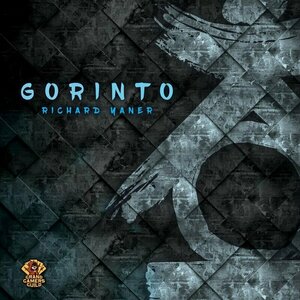
A “gorinto” is a Japanese five-tier pagoda tower where each tier is representative of something of religious importance. In this game, each tier is representative of one of the elements: fire, water, wind, earth, and void. In this prototype version, the season tracking pawn is a representative gorinto. To gain deeper understanding of these elements and attain ultimate Wisdom is the goal of the game of Gorinto.
DISCLAIMER: We were provided a prototype copy of this game for the purposes of this review. These are preview copy components, and the final components will be different from these shown. Also, it is not my intention to detail every rule in the game. You are invited to download the rulebook, back the game through the Kickstarter campaign running until March 4, 2020, or purchase through any retailers stocking it after fulfillment. -T
To setup, each player will choose a color, take the play mat of matching color, and place their score marker on the score board. The season tracker will be placed on the scoreboard as well, along with the randomized Goal cards and end-of-game element scoring cards. The main play board will be populated with randomized element tiles pulled from the bag in the shape of a mountain, with 10 tiles placed along the side and top edges of the built mountain of tiles. Determine the first player and the game is ready to be played.
On a player’s turn they will choose one of these outlying tiles to move onto the board. Once placed, the player will choose tiles, based on the placed tile’s power, from the board. For example, “fire spreads tall,” so if a Fire tile is placed on the board, a player may choose any tile from the column where it was placed two spaces above or below the placed tile. The number of tiles that can be plucked from the board depends on the player’s “understanding” of the element (the number of tiles of that type on the player’s board +1). With two tiles on a player’s personal board, they can choose three tiles when moving that type of tile, in the example – fire.
Tiles moved from the left side of the mountain can only move horizontally in their row and tiles moved from the top of the mountain can only move vertically in their column. With each of the elements possessing different ways tiles can be chosen from the mountain, and understanding of each element affecting how many tiles can be chosen, players need to plan ahead for their turns… except that other players will be doing the same and planning their own strategies to destroy their opponents’ plans.
When there are fewer tiles to be moved outside the mountain than there are players, the season (round) ends. At this point, players will score the Goal cards before setting up for the next season.
Each season the Goal cards will be scored – so players will know throughout the game upon what they should be concentrating their efforts. Examples of these Goal cards are: score your tallest stack (1 point per tile), then score your shortest stack (0 points if no tiles on a stack); score your stacks with odd number of tiles twice; score the stack with the median number of tiles three times. By being able to manipulate and keep track of the tile stacks players can be planning their scores ahead of time for each season.
Components. Again, this is a prototype copy of the game, but already one can see the direction this game is headed, and it’s glorious! I have seen the Kickstarter page, and am super excited about seeing nearly every component get a fantastic upgrade. The art direction is incredible, the physical components are plastic and cardboard heaven. I am even pretty happy with this prototype copy. Yeah, the tiles are squarish wooden tiles with stickers, and the retail copy will have sexy interlocking plastic tokens, and the player boards in prototype are rectangular, but the retail copy will have a fancy contoured edge. Even so! The game looks amazing on the table, and will be even more so once it goes to manufacturing in earnest.
I mentioned in my intro that I am falling more in love with abstracts the more I play them. Has it just been that abstracts have been getting better and better lately, or am I leveling up as a gamer? I don’t know and I don’t care. Abstracts hold a very special place in my heart now, and this one is one of the best I have played. Most abstracts get a bad rap for being themeless and boring to look at, but Gorinto brings it and I’m totally diggin’ it. I love games like Gekitai, Calico, Elementos, Hive, and Onitama, and now there’s another to add to my display case of amazing abstracts.
If you enjoy themed abstract strategy games, games that make you think without bogging you down, and games that make you smile even when you lose simply because you enjoyed the experience, you should check this one out. There is still time to back it through Kickstarter, but the campaign ends on Wednesday, March 6. At the time of writing, the campaign is funded at over 500%.
A “gorinto” is a Japanese five-tier pagoda tower where each tier is representative of something of religious importance. In this game, each tier is representative of one of the elements: fire, water, wind, earth, and void. In this prototype version, the season tracking pawn is a representative gorinto. To gain deeper understanding of these elements and attain ultimate Wisdom is the goal of the game of Gorinto.
DISCLAIMER: We were provided a prototype copy of this game for the purposes of this review. These are preview copy components, and the final components will be different from these shown. Also, it is not my intention to detail every rule in the game. You are invited to download the rulebook, back the game through the Kickstarter campaign running until March 4, 2020, or purchase through any retailers stocking it after fulfillment. -T
To setup, each player will choose a color, take the play mat of matching color, and place their score marker on the score board. The season tracker will be placed on the scoreboard as well, along with the randomized Goal cards and end-of-game element scoring cards. The main play board will be populated with randomized element tiles pulled from the bag in the shape of a mountain, with 10 tiles placed along the side and top edges of the built mountain of tiles. Determine the first player and the game is ready to be played.
On a player’s turn they will choose one of these outlying tiles to move onto the board. Once placed, the player will choose tiles, based on the placed tile’s power, from the board. For example, “fire spreads tall,” so if a Fire tile is placed on the board, a player may choose any tile from the column where it was placed two spaces above or below the placed tile. The number of tiles that can be plucked from the board depends on the player’s “understanding” of the element (the number of tiles of that type on the player’s board +1). With two tiles on a player’s personal board, they can choose three tiles when moving that type of tile, in the example – fire.
Tiles moved from the left side of the mountain can only move horizontally in their row and tiles moved from the top of the mountain can only move vertically in their column. With each of the elements possessing different ways tiles can be chosen from the mountain, and understanding of each element affecting how many tiles can be chosen, players need to plan ahead for their turns… except that other players will be doing the same and planning their own strategies to destroy their opponents’ plans.
When there are fewer tiles to be moved outside the mountain than there are players, the season (round) ends. At this point, players will score the Goal cards before setting up for the next season.
Each season the Goal cards will be scored – so players will know throughout the game upon what they should be concentrating their efforts. Examples of these Goal cards are: score your tallest stack (1 point per tile), then score your shortest stack (0 points if no tiles on a stack); score your stacks with odd number of tiles twice; score the stack with the median number of tiles three times. By being able to manipulate and keep track of the tile stacks players can be planning their scores ahead of time for each season.
Components. Again, this is a prototype copy of the game, but already one can see the direction this game is headed, and it’s glorious! I have seen the Kickstarter page, and am super excited about seeing nearly every component get a fantastic upgrade. The art direction is incredible, the physical components are plastic and cardboard heaven. I am even pretty happy with this prototype copy. Yeah, the tiles are squarish wooden tiles with stickers, and the retail copy will have sexy interlocking plastic tokens, and the player boards in prototype are rectangular, but the retail copy will have a fancy contoured edge. Even so! The game looks amazing on the table, and will be even more so once it goes to manufacturing in earnest.
I mentioned in my intro that I am falling more in love with abstracts the more I play them. Has it just been that abstracts have been getting better and better lately, or am I leveling up as a gamer? I don’t know and I don’t care. Abstracts hold a very special place in my heart now, and this one is one of the best I have played. Most abstracts get a bad rap for being themeless and boring to look at, but Gorinto brings it and I’m totally diggin’ it. I love games like Gekitai, Calico, Elementos, Hive, and Onitama, and now there’s another to add to my display case of amazing abstracts.
If you enjoy themed abstract strategy games, games that make you think without bogging you down, and games that make you smile even when you lose simply because you enjoyed the experience, you should check this one out. There is still time to back it through Kickstarter, but the campaign ends on Wednesday, March 6. At the time of writing, the campaign is funded at over 500%.
Kirk Bage (1775 KP) rated Black Mirror - Season 4 in TV
Mar 3, 2020
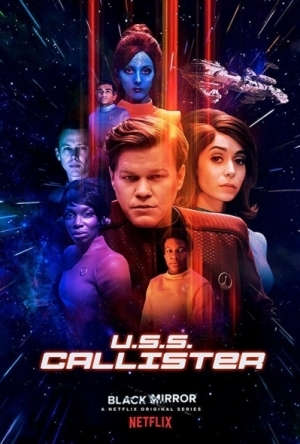
USS Callister - 7.5
A fascinatingly geeky episode, all else aside. Not only are there references to almost every significant sci-fi meme (in the true sociological sense of the word) you can think of, but there are also many links to past and even future Black Mirror episodes. It really is a spot the clever touch piece of the ensemble. Deceptively colourful and lively, this is a dark idea – taking identity theft to the next level and using stolen DNA to replicate and then trap a person in a virtual world where you are god. Jesse Plemons takes on two personas and has never been seen to such effect as in this rare lead role for him. Nominated for 8 Emmys and winning 4, the start to season four in late 2017 was a strong one, and a real indicator that the Universe of Black Mirror is all intrinsically linked. As I say, geek heaven! Points for spotting Kirsten Dunst in an unspoken cameo…
Arkangel - 6
Notable for the first big guest director credit of one Jodie Foster. This one moves from creepy idea to hard to swallow nonsense very quickly. Returning to the idea of brain implants and using the eyes of a person as a recorder than can be manipulated, the idea of aparent using such tech to protect a child is fine on the surface. But when you go deeper, it is impossible to imagine a parent stupid enough not to see the drawbacks and dangers of it, and fantastical to imagine the child not questioning it as they get older. Apart from a memorable moment of violence that works well in the context of the story, this episode largely doesn’t really work.
Crocodile - 7
An almost unrecognisable Andrea Riseborough is the best thing about this bleak thriller type episode, often compared to Scandi-dramas like The Bridge. It starts with a haunting accidental death and cover up scenario, progressing to a breakdown manifested in two very different ways. Once again, the tech on display is a machine not unlike the Voight-Kampf of Blade Runner, which can translate memory into images. The intrigue and tension are great, and when things really kick off, we find ourselves yelling “just stop” at our screens! Trouble is, the final twist undermines it all, by crossing the line of irony and into comedy. Memorable, but not in the top ten for me.
Hang the DJ - 8.5
Now, this one I really like! The unlikely chemistry of Joe Cole and Georgina Campbell, as two guinea pigs using an intense dating app in some vague dystopia, hits the right tone from the start and keeps you gripped. The basic idea being that the app tells you how long a couple can be together, before parting, whether they want to or not. The promise of the system being that in the end there is a 99.8% chance of finding your “perfect” partner. The empathy for the leads is huge by the time it comes to the inevitable conclusion that they must rebel to escape their fate and be together. What happens next: the simplicity, yet detail of the twist is absolute genius! Leaving you with a wry smile and a very strong lasting impression. Artistically, not he strongest; in terms of pure writing, one of the very best.
Metalhead - 7
Perhaps unfairly, this episode, shot in gorgeous black and white, is the lowest rated of all Black Mirror episodes on IMDb. David Slade, the man responsible for films such as Hard Candy and 30 Days of Night directs, and it is apparent this is going to be a minimal mood piece, with standard psychological horror elements. The most obvious comparison is The Terminator, but there is more going on than that. What I like about it is the ambiguity. How we got to this place and where “home” is and who is left there, are all left to our imagination, as we watch Maxine Peake struggle to survive against a machine that will not stop. I think many reject it out of hand because it is too vague and has little in the way of a clever twist. But, as a character study it works fine. Shorter than most, at 41 minutes, perhaps even that is a push, given the simple idea, which does have short film vibes pouring out of it. I can’t say I don’t like it though…
Black Museum - 8
A fitting end to season four was the trick of paying homage to old anthology horror movies of the 70s, where artifacts that link to dark stories are collected in one place and re-told by a perhaps sinister narrator. There are plenty of clever nods to recognisable props and images from earlier episodes, as well as new stuff that may have future significance, that,even more than USS Callister, this episode is basically one big Easter egg. Letitia Wright, best known from her role in Black Panther, to date, shows star quality in a tricky part that basically requires her to listen and wait patiently until the satisfying pay-off. The three linking tales of a doctor who becomes addicted to pain via an empathy implant; a dead mother whose soul is trapped in a childs toy forever; and a murderer condemned to relive his execution over and over for the gratification of paying customers – are all captivating within themselves, and fit into the macabre tongue in cheek vibe well. Thankfully, the climax does make it all gel and make sense, and we leave the season on a high, reflecting our own sense of “justice”.
A fascinatingly geeky episode, all else aside. Not only are there references to almost every significant sci-fi meme (in the true sociological sense of the word) you can think of, but there are also many links to past and even future Black Mirror episodes. It really is a spot the clever touch piece of the ensemble. Deceptively colourful and lively, this is a dark idea – taking identity theft to the next level and using stolen DNA to replicate and then trap a person in a virtual world where you are god. Jesse Plemons takes on two personas and has never been seen to such effect as in this rare lead role for him. Nominated for 8 Emmys and winning 4, the start to season four in late 2017 was a strong one, and a real indicator that the Universe of Black Mirror is all intrinsically linked. As I say, geek heaven! Points for spotting Kirsten Dunst in an unspoken cameo…
Arkangel - 6
Notable for the first big guest director credit of one Jodie Foster. This one moves from creepy idea to hard to swallow nonsense very quickly. Returning to the idea of brain implants and using the eyes of a person as a recorder than can be manipulated, the idea of aparent using such tech to protect a child is fine on the surface. But when you go deeper, it is impossible to imagine a parent stupid enough not to see the drawbacks and dangers of it, and fantastical to imagine the child not questioning it as they get older. Apart from a memorable moment of violence that works well in the context of the story, this episode largely doesn’t really work.
Crocodile - 7
An almost unrecognisable Andrea Riseborough is the best thing about this bleak thriller type episode, often compared to Scandi-dramas like The Bridge. It starts with a haunting accidental death and cover up scenario, progressing to a breakdown manifested in two very different ways. Once again, the tech on display is a machine not unlike the Voight-Kampf of Blade Runner, which can translate memory into images. The intrigue and tension are great, and when things really kick off, we find ourselves yelling “just stop” at our screens! Trouble is, the final twist undermines it all, by crossing the line of irony and into comedy. Memorable, but not in the top ten for me.
Hang the DJ - 8.5
Now, this one I really like! The unlikely chemistry of Joe Cole and Georgina Campbell, as two guinea pigs using an intense dating app in some vague dystopia, hits the right tone from the start and keeps you gripped. The basic idea being that the app tells you how long a couple can be together, before parting, whether they want to or not. The promise of the system being that in the end there is a 99.8% chance of finding your “perfect” partner. The empathy for the leads is huge by the time it comes to the inevitable conclusion that they must rebel to escape their fate and be together. What happens next: the simplicity, yet detail of the twist is absolute genius! Leaving you with a wry smile and a very strong lasting impression. Artistically, not he strongest; in terms of pure writing, one of the very best.
Metalhead - 7
Perhaps unfairly, this episode, shot in gorgeous black and white, is the lowest rated of all Black Mirror episodes on IMDb. David Slade, the man responsible for films such as Hard Candy and 30 Days of Night directs, and it is apparent this is going to be a minimal mood piece, with standard psychological horror elements. The most obvious comparison is The Terminator, but there is more going on than that. What I like about it is the ambiguity. How we got to this place and where “home” is and who is left there, are all left to our imagination, as we watch Maxine Peake struggle to survive against a machine that will not stop. I think many reject it out of hand because it is too vague and has little in the way of a clever twist. But, as a character study it works fine. Shorter than most, at 41 minutes, perhaps even that is a push, given the simple idea, which does have short film vibes pouring out of it. I can’t say I don’t like it though…
Black Museum - 8
A fitting end to season four was the trick of paying homage to old anthology horror movies of the 70s, where artifacts that link to dark stories are collected in one place and re-told by a perhaps sinister narrator. There are plenty of clever nods to recognisable props and images from earlier episodes, as well as new stuff that may have future significance, that,even more than USS Callister, this episode is basically one big Easter egg. Letitia Wright, best known from her role in Black Panther, to date, shows star quality in a tricky part that basically requires her to listen and wait patiently until the satisfying pay-off. The three linking tales of a doctor who becomes addicted to pain via an empathy implant; a dead mother whose soul is trapped in a childs toy forever; and a murderer condemned to relive his execution over and over for the gratification of paying customers – are all captivating within themselves, and fit into the macabre tongue in cheek vibe well. Thankfully, the climax does make it all gel and make sense, and we leave the season on a high, reflecting our own sense of “justice”.

Bob Mann (459 KP) rated Soul (2020) in Movies
Dec 30, 2020
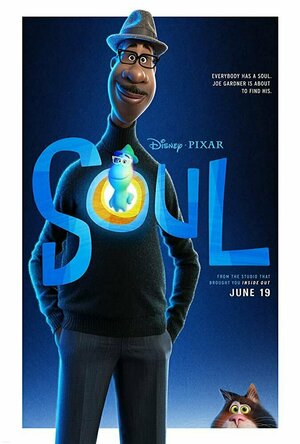
Soul is Pixar at its most cerebral
In the last few days I've seen Pixar's latest animation - "Soul" - described by various reviewers as a cross between "Inside Out", "Coco", "La La Land" and "Whiplash". I'll add to that some older movies with more obvious parallels with the story: 1946's "A Matter of Life and Death" with David Niven; 1941's "Here Comes Mr Jordan" with Robert Montgomery and its 1978 remake - a personal favourite of mine - "Heaven Can Wait" with Warren Beatty. For these all tell the story of someone plucked from the world a tad too early.
In "Soul", Joe (Jamie Foxx) is a talented jazz pianist always dreaming of getting to be a big time session musician. He is stuck though in a worthwhile but unappreciated job as a high school music teacher. But his luck is - temporarily - about to change when an old successful student (nice touch) recommends him to provide backing to the fearsome jazz star Dorothea Williams (Angela Bassett).
Just as things seem to going his way, an open manhole cover has other ideas, and Joe falls to his 'death'. Feeling his soul has exited the world too early, and just before he gets his big shot, Joe's spirit struggles to return to the world with the help of reluctant soul/recruit "22" (Tina Fey).
Pete Docter seems to have done it again with "Soul". The man behind Pixar's hugely successful "Up" and "Inside Out" has the magic touch with these animated classics. He's had more than his share of Oscar success. (Although having gone straight to streaming on Disney+, does it qualify for the Oscars this year? Or have they relaxed the rules?) Assuming it is eligible, you'd be a brave man to bet against "Soul" winning Best Animated Feature this year.
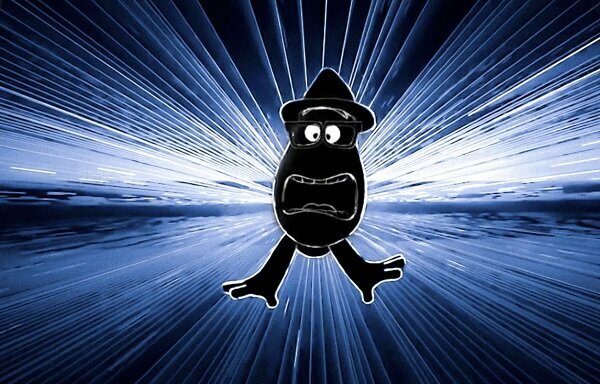
For there are some sequences of this movie that are breathtakingly effective. The fall of Joe from the "stairway to the great beyond" to the pre-life domain (as shown in the trailer) is a masterpiece of graphic design. (And do I detect in there a tribute to the "stargate" in "2001: A Space Odyssey"?) What makes these sequences distinctive is not the afterlife soul's or the "great before" souls, who resemble blue variants of Casper. It's the 'counsellors' of the realms. They are surreally drawn Picasso-style in 2D and - although easy to draw for preschooler's with a crayon - might be a bit of a stretch for them to relate to.
But will the kids get it? I know that my 6-year old grandson enjoyed watching it. But ultimately, this is principally a Pixar film squarely targeted at adults to enjoy. Indeed, the themes of death and afterlife might be disturbing for younger children (as in "Coco"). They will certainly struggle to understand the land of lost souls, where those obsessed with their work or hobbies (metal detecting! LOL!) are almost beyond reach. And surely the message of 'enjoying the everyday here and now' rather than getting too wrapped up in career or life goals will only be relatable to adults.
"Soul" is brim-full with Pixar quirkiness. As per normal, the movie has a lot of detail that will need multiple watches. And I can confirm that the pause button helps! For example, "22" has been an earth-apprentice for so many millennia that he has had just about every mentor who's ever passed through. His 'den' is wallpapered with "Hello, My Name is ...." badges, and a pause at that point reveals mentors as varied as Gandhi, Aretha Franklin, Albert Einstein and Stephen Hawking! And in the end titles, the usual list of babies born during production are "Recent You Seminar graduates"!
The movie also features two of the most distinctive voices from UK television. Graham Norton plays Moonwind: a sign-spinning hippy and lost-soul-sea piratical captain (I've honestly not been taking drugs). And Richard Ayoade, a UK TV regular but familiar to US audiences from his role in "The IT Crowd", plays Counsellor Jerry (well, one of them!). Alice Braga, as another Counsellor Jerry and most recently seen as the doctor in "The New Mutants", is another familiar voice
For once, Michael Giacchino doesn't get the scoring gig. Instead, this went to the "Nine Inch Nails" partnership of Trent Reznor and Atticus Ross. (The soundtrack for "Mank" was their most recent work). The music is perhaps not as immediately accessible as some of the previous Pixar scores. But I think will be a 'grower'.
I have a "but" in my review. I sobbed like a young child during parts of "Up". And similarly, I was a mess as 'Bing Bong' faded away in "Inside Out". And yet here, my tear ducts remained stubbornly unchallenged. Perhaps this is a personal thing, and others were a soggy mess after this movie. But, for me, it simply didn't connect with me at the same raw emotional level that Docter's other work (and indeed other Pixar movies) have done. So, for that reason (only), I'm going to hold off my highest rating.
It's highly recommended since, notwithstanding this, it's a magnificent effort. (At the 11th hour, it made my "Number 7" slot in my Top 10 of 2020). It's also worth noting that it's mildly groundbreaking in being the first Pixar movie with a black leading character.
(For the full graphical review, please check out the full review in One Mann's Movies here - https://bob-the-movie-man.com/2020/12/30/soul-is-pixar-at-its-most-cerebral/).
In "Soul", Joe (Jamie Foxx) is a talented jazz pianist always dreaming of getting to be a big time session musician. He is stuck though in a worthwhile but unappreciated job as a high school music teacher. But his luck is - temporarily - about to change when an old successful student (nice touch) recommends him to provide backing to the fearsome jazz star Dorothea Williams (Angela Bassett).
Just as things seem to going his way, an open manhole cover has other ideas, and Joe falls to his 'death'. Feeling his soul has exited the world too early, and just before he gets his big shot, Joe's spirit struggles to return to the world with the help of reluctant soul/recruit "22" (Tina Fey).
Pete Docter seems to have done it again with "Soul". The man behind Pixar's hugely successful "Up" and "Inside Out" has the magic touch with these animated classics. He's had more than his share of Oscar success. (Although having gone straight to streaming on Disney+, does it qualify for the Oscars this year? Or have they relaxed the rules?) Assuming it is eligible, you'd be a brave man to bet against "Soul" winning Best Animated Feature this year.
For there are some sequences of this movie that are breathtakingly effective. The fall of Joe from the "stairway to the great beyond" to the pre-life domain (as shown in the trailer) is a masterpiece of graphic design. (And do I detect in there a tribute to the "stargate" in "2001: A Space Odyssey"?) What makes these sequences distinctive is not the afterlife soul's or the "great before" souls, who resemble blue variants of Casper. It's the 'counsellors' of the realms. They are surreally drawn Picasso-style in 2D and - although easy to draw for preschooler's with a crayon - might be a bit of a stretch for them to relate to.
But will the kids get it? I know that my 6-year old grandson enjoyed watching it. But ultimately, this is principally a Pixar film squarely targeted at adults to enjoy. Indeed, the themes of death and afterlife might be disturbing for younger children (as in "Coco"). They will certainly struggle to understand the land of lost souls, where those obsessed with their work or hobbies (metal detecting! LOL!) are almost beyond reach. And surely the message of 'enjoying the everyday here and now' rather than getting too wrapped up in career or life goals will only be relatable to adults.
"Soul" is brim-full with Pixar quirkiness. As per normal, the movie has a lot of detail that will need multiple watches. And I can confirm that the pause button helps! For example, "22" has been an earth-apprentice for so many millennia that he has had just about every mentor who's ever passed through. His 'den' is wallpapered with "Hello, My Name is ...." badges, and a pause at that point reveals mentors as varied as Gandhi, Aretha Franklin, Albert Einstein and Stephen Hawking! And in the end titles, the usual list of babies born during production are "Recent You Seminar graduates"!
The movie also features two of the most distinctive voices from UK television. Graham Norton plays Moonwind: a sign-spinning hippy and lost-soul-sea piratical captain (I've honestly not been taking drugs). And Richard Ayoade, a UK TV regular but familiar to US audiences from his role in "The IT Crowd", plays Counsellor Jerry (well, one of them!). Alice Braga, as another Counsellor Jerry and most recently seen as the doctor in "The New Mutants", is another familiar voice
For once, Michael Giacchino doesn't get the scoring gig. Instead, this went to the "Nine Inch Nails" partnership of Trent Reznor and Atticus Ross. (The soundtrack for "Mank" was their most recent work). The music is perhaps not as immediately accessible as some of the previous Pixar scores. But I think will be a 'grower'.
I have a "but" in my review. I sobbed like a young child during parts of "Up". And similarly, I was a mess as 'Bing Bong' faded away in "Inside Out". And yet here, my tear ducts remained stubbornly unchallenged. Perhaps this is a personal thing, and others were a soggy mess after this movie. But, for me, it simply didn't connect with me at the same raw emotional level that Docter's other work (and indeed other Pixar movies) have done. So, for that reason (only), I'm going to hold off my highest rating.
It's highly recommended since, notwithstanding this, it's a magnificent effort. (At the 11th hour, it made my "Number 7" slot in my Top 10 of 2020). It's also worth noting that it's mildly groundbreaking in being the first Pixar movie with a black leading character.
(For the full graphical review, please check out the full review in One Mann's Movies here - https://bob-the-movie-man.com/2020/12/30/soul-is-pixar-at-its-most-cerebral/).

Chris Sawin (602 KP) rated Texas Chainsaw Massacre (2022) in Movies
Feb 19, 2022 (Updated Feb 19, 2022)


Wasted backstories that go nowhere. (3 more)
Rehashes and recreates the original film while not offering much of its own material.
New characters fall flat.
Feels like a half-cocked attempt at a new "film. "
Tearing the Face Off of a Horror Franchise
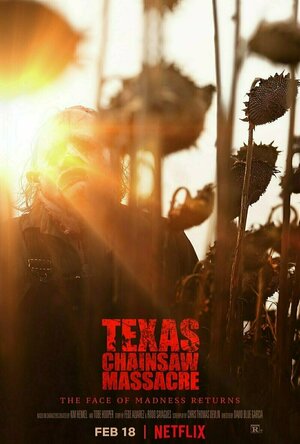
Texas Chainsaw Massacre is a direct sequel to the original 1974 film nearly 50 years later. Directed by David Blue Garcia with a screenplay by Chris Thomas Devlin and a story by Fede Alvarez (co-writer and director of the 2013 Evil Dead remake) and Rodo Sayagues (Don’t Breathe 1 & 2), Texas Chainsaw Massacre follows a group of young 20-somethings as they venture from Austin to Harlow, TX; a seven hour drive.
Dante (Jacob Latimore, Detroit) and Melody (Sarah Yarkin, Happy Death Day 2U) are business partners with somewhat of an impressive internet following. Dante is a chef who is looking to expand and Harlow is just the type of remote town to do it in. Melody’s teenage sister Lila (Elsie Fisher, Eighth Grade) and Dante’s fiancé Ruth (Nell Hudson) have tagged along mostly for emotional support.
With bank investors on the way to scout the location, the young foursome discovers a dilapidated orphanage with an old woman (Alice Krige, Gretel & Hansel) still living inside along with the last of what she refers to as, “her boys.” Dante and his friends awaken the mostly dormant monster known as Leatherface. Sally Hardesty (Olwen Fouéré) has been searching for Leatherface since he killed her friends all those years ago and now she can finally have the vengeful closure that she deserves.
The Texas Chainsaw Massacre franchise is mostly trash. Leatherface has gotten the manure treatment outside of the original film, the 2003 remake, and maybe the 1986 sequel. The timeline is as messy and inconsistent as Halloween as whatever takes place behind the scenes between sequels, remakes, and reboots all seems to result in lackluster or sometimes atrocious outings for one of the most recognizable horror movie icons.
This new film can’t seem to decide what it wants to be. Sally is brought back for a half-hearted cameo as she does nothing but wear a cowboy hat, stare at a picture, cock a shotgun, and gut a pig. She’s meant to be the connection between this film and the original and it just doesn’t work. Texas Chainsaw Massacre also just seems to lift aspects from the original film as well as other non-genre films without ever offering its audience anything original or actually worthwhile.
The ending is basically lifted directly from the original as is the aspect of a group of young people running into trouble on a road trip far away from home. It’s young, city outsiders versus born-and-bred country veterans. The film also has a weird amount of homage to Terminator 2 (Melody’s leg wound and the shotgun blasts to Leatherface by the water being similar to Sarah Connor’s showdown with the T-1000 near the end of T2). It also feels like it’s trying to capitalize on the success Halloween has had since it follows a similar format (making a direct sequel to the original film decades later).
On the bright side, the kills and the gore are mostly satisfying. The wrist breaking scene followed by being stabbed in the neck with the broken bone is gnarly. There’s a brutal head smashing scene with a hammer and the bus sequence is essentially horror movie fan heaven even if the setup and dialogue in said sequence is awful. The swinging door kill feels like it could have been better than it was since it covers up more than it reveals. You can either leave the brutality to the audience’s imagination or show everything in its nasty and gruesome glory; trying to do both in the same sequence just results in disappointment.
You can make the argument that you watch a film like this for the gore and not the story anyway, but that isn’t the point. When there’s this much of a wait between new entries fans deserve better. The frustrating aspect is that Fede Alvarez and Rodo Sayagues are capable of providing a worthwhile story along with the blood and guts because they gave it to us with Evil Dead. There’s nothing here worth the nine year gap between this and the last Texas Chainsaw film (Texas Chainsaw 3D) or the five year gap between this and Leatherface. When it’s not recycling gags from the original film or borrowing from other franchises, it’s just young people being dumb for the sake of a cheap scare or kill.
Texas Chainsaw Massacre isn’t as unwatchable as some reviews are making it out to be, but it’s not a good film by any stretch of the imagination. It’s barely 80-minutes long, so it has a relatively quick pace and the kills are solid. But the story is seriously lacking as there are elements that literally go nowhere; Lila’s backstory about why she’s so quiet doesn’t add much of anything other than a reason for her to never leave a padded cell when and if a sequel to this is ever made.
The problem now is that the successful film formula revolves around nostalgia, rehashing familiar sequences and storylines, and bringing back survivors for one final confrontation. This has all proven to crush the box office, especially during the pandemic. This results in there being no originality or creativity anymore; it’s just a repetition of what we’ve already seen. Until Leatherface can get a fresh face to wear, the Texas Chainsaw Massacre franchise is doomed to run in circles with a sputtering chainsaw on a mostly deserted road no one wants to travel down.
Dante (Jacob Latimore, Detroit) and Melody (Sarah Yarkin, Happy Death Day 2U) are business partners with somewhat of an impressive internet following. Dante is a chef who is looking to expand and Harlow is just the type of remote town to do it in. Melody’s teenage sister Lila (Elsie Fisher, Eighth Grade) and Dante’s fiancé Ruth (Nell Hudson) have tagged along mostly for emotional support.
With bank investors on the way to scout the location, the young foursome discovers a dilapidated orphanage with an old woman (Alice Krige, Gretel & Hansel) still living inside along with the last of what she refers to as, “her boys.” Dante and his friends awaken the mostly dormant monster known as Leatherface. Sally Hardesty (Olwen Fouéré) has been searching for Leatherface since he killed her friends all those years ago and now she can finally have the vengeful closure that she deserves.
The Texas Chainsaw Massacre franchise is mostly trash. Leatherface has gotten the manure treatment outside of the original film, the 2003 remake, and maybe the 1986 sequel. The timeline is as messy and inconsistent as Halloween as whatever takes place behind the scenes between sequels, remakes, and reboots all seems to result in lackluster or sometimes atrocious outings for one of the most recognizable horror movie icons.
This new film can’t seem to decide what it wants to be. Sally is brought back for a half-hearted cameo as she does nothing but wear a cowboy hat, stare at a picture, cock a shotgun, and gut a pig. She’s meant to be the connection between this film and the original and it just doesn’t work. Texas Chainsaw Massacre also just seems to lift aspects from the original film as well as other non-genre films without ever offering its audience anything original or actually worthwhile.
The ending is basically lifted directly from the original as is the aspect of a group of young people running into trouble on a road trip far away from home. It’s young, city outsiders versus born-and-bred country veterans. The film also has a weird amount of homage to Terminator 2 (Melody’s leg wound and the shotgun blasts to Leatherface by the water being similar to Sarah Connor’s showdown with the T-1000 near the end of T2). It also feels like it’s trying to capitalize on the success Halloween has had since it follows a similar format (making a direct sequel to the original film decades later).
On the bright side, the kills and the gore are mostly satisfying. The wrist breaking scene followed by being stabbed in the neck with the broken bone is gnarly. There’s a brutal head smashing scene with a hammer and the bus sequence is essentially horror movie fan heaven even if the setup and dialogue in said sequence is awful. The swinging door kill feels like it could have been better than it was since it covers up more than it reveals. You can either leave the brutality to the audience’s imagination or show everything in its nasty and gruesome glory; trying to do both in the same sequence just results in disappointment.
You can make the argument that you watch a film like this for the gore and not the story anyway, but that isn’t the point. When there’s this much of a wait between new entries fans deserve better. The frustrating aspect is that Fede Alvarez and Rodo Sayagues are capable of providing a worthwhile story along with the blood and guts because they gave it to us with Evil Dead. There’s nothing here worth the nine year gap between this and the last Texas Chainsaw film (Texas Chainsaw 3D) or the five year gap between this and Leatherface. When it’s not recycling gags from the original film or borrowing from other franchises, it’s just young people being dumb for the sake of a cheap scare or kill.
Texas Chainsaw Massacre isn’t as unwatchable as some reviews are making it out to be, but it’s not a good film by any stretch of the imagination. It’s barely 80-minutes long, so it has a relatively quick pace and the kills are solid. But the story is seriously lacking as there are elements that literally go nowhere; Lila’s backstory about why she’s so quiet doesn’t add much of anything other than a reason for her to never leave a padded cell when and if a sequel to this is ever made.
The problem now is that the successful film formula revolves around nostalgia, rehashing familiar sequences and storylines, and bringing back survivors for one final confrontation. This has all proven to crush the box office, especially during the pandemic. This results in there being no originality or creativity anymore; it’s just a repetition of what we’ve already seen. Until Leatherface can get a fresh face to wear, the Texas Chainsaw Massacre franchise is doomed to run in circles with a sputtering chainsaw on a mostly deserted road no one wants to travel down.
Daniel Boyd (1066 KP) rated GoodFellas (1990) in Movies
Aug 25, 2020

Cast (3 more)
Sets
Script
Directing
Masterpiece
Contains spoilers, click to show
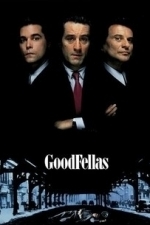
At the weekend, I was lucky enough to go and see one of my favourite films ever made on the big screen; Goodfellas. I thoroughly enjoyed the experience of seeing the movie in an actual cinema, but it has been a few years since I have last seen it and seeing it after seeing some of Scorsese’s more recent efforts, I actually saw the story in a different light.
Here me out here; Goodfellas is a religious story.
I know what you are thinking, “But Scorsese has already made religious movies with The Last Temptation of Christ and Silence. Goodfellas is about gangsters and murder and the only brief mention of religion in the movie is the fact that Karen is Jewish and Henry wears a cross.” Well none of that is strictly untrue, but there were just several points of the movie that I just couldn’t help but feel an implied religious undertone.
The first of which is in the opening scene of the movie, when Henry, Tommy and Jimmy open the boot of the car to finish off Billy Batts. The bright red tail light shines harshly on Henry’s face as he watches a man die and delivers his iconic voiceover: “As far back as I can remember, I’ve always wanted to be a gangster.” Here we are being introduced to a man who is capable of literally staring death in the face and metaphorically staring into the jaws of hell without even flinching.
From this point on, Henry is our guide into this forbidden underworld. He treats us the viewers as total newcomers to this chaotic landscape as he attempts to sell to us how great it is to live this way. It’s akin to Virgil guiding Dante through the various circles of hell in the Divine Comedy. This idea of Henry being a guide into hell is most explicit in the scene of his and Karen’s first real date at the Copacabana nightclub. In this scene we are treated to a glorious tracking shot that follows the couple all the way from their car to their seat directly in front of the stage. The first major direction we are taken is down. We descend down a staircase into a hallway painted red, in fact if you pay attention to the background in this entire sequence, there is almost always at least one red object onscreen. All the way to the table, Henry is greeted by various sinners as the ‘Then He Kissed Me,’ plays in the background; a song of seduction and lust.
Another example of this is the famous scene where Henry introduces us to various gangsters such as Jimmy Two Times through voiceover. Once again, the environment is littered with red light and dark shadowed areas as we are being introduced to a batch of sinners, thieves and murderers.
After Tommy’s death, the period of seduction in the movie is over. From this point on, we are seeing the intense fall of Henry’s world. It is just as chaotic as the first half of the movie, but now Henry and his friends are no longer in charge of the chaos and slowly they are beginning to lose control of everything that was once theirs. All of a sudden the momentum that has carried the movie and Henry’s life up until this point is brought to a halt, most obviously manifested in the scene of Henry driving far too fast despite being unaware of wait awaits him ahead and having to slam on his breaks and come to a screeching stop mere inches away from crashing. What direction is he looking just prior to this? He’s looking up for the chopper that he suspects has been following him, however he is also looking in the direction of Heaven, looking for a threat of something bigger than him that threatens to put a stop to his sinful lifestyle.
In the movie’s epilogue, once Henry gives up Jimmy and Paulie to the FBI, we see him in an entirely different environment. He’s dressed different, the weather is different and he describes how he is now just a nobody like everyone else as if that to him is a fate worse that death. Almost as if, he is in Limbo. No longer is he amongst the sinners in a world of gratification and sin, but instead he is in a ‘safe,’ environment where he can’t do anything even remotely illegal or morally questionable because he is being monitored by people just waiting for him to slip up. Then the very last shot we see is Tommy shooting at the audience. This is not only a very neat bookend as both the opening scene and final scene of the movie see Tommy committing a violent act, but it signifies that elements of Henry’s old life still follow him and he will spend the rest of his days looking over his shoulder for demons from his old life, like Tommy waiting to snuff him out.
Maybe I’m reaching slightly with this, but I feel like at least a few of these choices were intentionally put in by Scorsese. Especially the opening scene showing the murder of Billy Batts and the tracking shot as we are taken into the Copacabana. After watching recently watching Silence and The Irishman, it is clear that faith and mortality are both things that heavily weigh on Scorsese’s mind, so I don’t think that it is too much of a stretch to say that it was probably something that was at least in the back of his mind in 1990.
Regardless, this movie is a masterpiece and is still great no matter how many times you have seen it previously. It feels so authentic and genuine through the direction and presentation and the fantastic performances given by the respective cast members allow the characters to feel so real and deep. There is a reason that this is still considered as one of the seminal gangster movies. 10/10
Here me out here; Goodfellas is a religious story.
I know what you are thinking, “But Scorsese has already made religious movies with The Last Temptation of Christ and Silence. Goodfellas is about gangsters and murder and the only brief mention of religion in the movie is the fact that Karen is Jewish and Henry wears a cross.” Well none of that is strictly untrue, but there were just several points of the movie that I just couldn’t help but feel an implied religious undertone.
The first of which is in the opening scene of the movie, when Henry, Tommy and Jimmy open the boot of the car to finish off Billy Batts. The bright red tail light shines harshly on Henry’s face as he watches a man die and delivers his iconic voiceover: “As far back as I can remember, I’ve always wanted to be a gangster.” Here we are being introduced to a man who is capable of literally staring death in the face and metaphorically staring into the jaws of hell without even flinching.
From this point on, Henry is our guide into this forbidden underworld. He treats us the viewers as total newcomers to this chaotic landscape as he attempts to sell to us how great it is to live this way. It’s akin to Virgil guiding Dante through the various circles of hell in the Divine Comedy. This idea of Henry being a guide into hell is most explicit in the scene of his and Karen’s first real date at the Copacabana nightclub. In this scene we are treated to a glorious tracking shot that follows the couple all the way from their car to their seat directly in front of the stage. The first major direction we are taken is down. We descend down a staircase into a hallway painted red, in fact if you pay attention to the background in this entire sequence, there is almost always at least one red object onscreen. All the way to the table, Henry is greeted by various sinners as the ‘Then He Kissed Me,’ plays in the background; a song of seduction and lust.
Another example of this is the famous scene where Henry introduces us to various gangsters such as Jimmy Two Times through voiceover. Once again, the environment is littered with red light and dark shadowed areas as we are being introduced to a batch of sinners, thieves and murderers.
After Tommy’s death, the period of seduction in the movie is over. From this point on, we are seeing the intense fall of Henry’s world. It is just as chaotic as the first half of the movie, but now Henry and his friends are no longer in charge of the chaos and slowly they are beginning to lose control of everything that was once theirs. All of a sudden the momentum that has carried the movie and Henry’s life up until this point is brought to a halt, most obviously manifested in the scene of Henry driving far too fast despite being unaware of wait awaits him ahead and having to slam on his breaks and come to a screeching stop mere inches away from crashing. What direction is he looking just prior to this? He’s looking up for the chopper that he suspects has been following him, however he is also looking in the direction of Heaven, looking for a threat of something bigger than him that threatens to put a stop to his sinful lifestyle.
In the movie’s epilogue, once Henry gives up Jimmy and Paulie to the FBI, we see him in an entirely different environment. He’s dressed different, the weather is different and he describes how he is now just a nobody like everyone else as if that to him is a fate worse that death. Almost as if, he is in Limbo. No longer is he amongst the sinners in a world of gratification and sin, but instead he is in a ‘safe,’ environment where he can’t do anything even remotely illegal or morally questionable because he is being monitored by people just waiting for him to slip up. Then the very last shot we see is Tommy shooting at the audience. This is not only a very neat bookend as both the opening scene and final scene of the movie see Tommy committing a violent act, but it signifies that elements of Henry’s old life still follow him and he will spend the rest of his days looking over his shoulder for demons from his old life, like Tommy waiting to snuff him out.
Maybe I’m reaching slightly with this, but I feel like at least a few of these choices were intentionally put in by Scorsese. Especially the opening scene showing the murder of Billy Batts and the tracking shot as we are taken into the Copacabana. After watching recently watching Silence and The Irishman, it is clear that faith and mortality are both things that heavily weigh on Scorsese’s mind, so I don’t think that it is too much of a stretch to say that it was probably something that was at least in the back of his mind in 1990.
Regardless, this movie is a masterpiece and is still great no matter how many times you have seen it previously. It feels so authentic and genuine through the direction and presentation and the fantastic performances given by the respective cast members allow the characters to feel so real and deep. There is a reason that this is still considered as one of the seminal gangster movies. 10/10

Bong Mines Entertainment (15 KP) rated KOD by J. Cole in Music
Jun 7, 2019
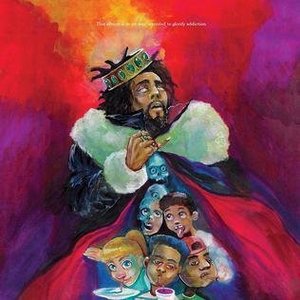

J. Cole is a popular hip-hop lyricist out of Fayetteville, North Carolina. Not too long ago, he released his long-anticipated, self-produced, fifth studio album, entitled, “KOD”.
J. Cole – “KOD Trailer”
Cole revealed via Twitter that “KOD” stands for Kids on Drugs, King Overdosed, and Kill Our Demons. The rest of the album he leaves to our interpretation. Well, let’s begin.
INTRO
The album begins with caution. Jazz bellows underneath a female voice reciting uplifting words. Her message suggests listeners should make the right decisions (choose wisely) because the past (sand in an hourglass) can provide shelter for their demons.
Also, a way to a painless existence is provided. Those in pain must choose wisely, or make healthier decisions, to avoid being tormented by their past.
KOD
The title track showcases Cole’s Kids on Drugs braggadocios side. In verse one, he utilizes his carnal mind to reply to media/fans asking him a bunch of ‘how’ questions. But instead of being humble, Cole replies to his critics in an arrogant way.
The second verse disconnects from the first and goes into a random storytelling mode with intersecting ideas that jump from one subject to another.
The outro is noteworthy. It forms a bridge between Intro and KOD songs. Also, it ends on a thought-provoking note.
If love is indeed the strongest drug like Cole stated, then why isn’t it being chased after like the drugs listed above? Why aren’t more people getting high off love? The question then becomes…is love even a drug?
That depends on who you ask. But what we all will agree on, love is an invisible element that contributes to people being addicted to drugs? It’s a fact, a strong love for something breeds addiction, dependency, et cetera.
PHOTOGRAPH
Cole uses a 2018 rhyme pattern to address a woman he follows privately on social media. He’s addicted or loves to stalk the woman online, and it’s starting to mess with his health.
Cole always excels when he tells stories about him and a woman. Women are his go-to subject to rap about and he does a pretty good job on this song.
THE CUT OFF (FEAT. KILL EDWARD)
Cole isn’t too fond of doing features on his albums. But this time, he enlists his alter ego, kiLL edward, to help him say that Heaven is a mental mind state.
edward raps that he’s stuck in his fallen ways and that’s why he keeps falling down. That’s why he drinks alcohol and uses drugs to help him cope. But keep in mind that edward is actually Cole.
Cole raps about disloyal friends that owe him an apology and what he’s gonna do to them when they meet. But all the while, edward is in Cole’s mind telling him that drinking alcohol and using drugs will help numb his pain.
ATM
ATM is an energetically poppin’ single with replay value. It begins with the album’s theme—choose wisely.
Cole praises money like it’s biblical and even states that it solved every problem he had. But after counting up all the money, he concludes that you can’t take it with you when you die.
The Scott Lazer & Cole-directed video shows the King of Drugs chauffeuring a bunch of children riding on a drug float. The storyline is dope, reminiscent of a classic video from hip-hop’s golden era.
Also, Cole literally gives his arm and leg to purchase a vehicle. That transaction signifies what people are doing nowadays to accumulate material wealth. But keep in mind, chasing money will lead to your death or downfall. Message received.
MOTIV8
Motiv8 is a good track that features a sample from Junior M.A.F.I.A.’s “Get Money” single.
Cole encourages listeners to get high and get money, even though he just said that chasing money is detrimental to their health.
Verse 2 features one of Cole’s best lyrics and flow.
KEVIN’S HEART
Cole’s continues his lyrical crusade and touches on his favorite subject.
He raps about being in a committed relationship but admits to being an addict that’s addicted to cheating. He tries to fight the temptation and remain faithful but acknowledges that he’s fake for thinking that way.
BRACKETS
The song begins with a Richard Pryor comedy skit.
Cole speaks about being a millionaire and then he receives a phone call from Uncle Sam.
Verse 2 highlights Cole’s disgust with paying higher taxes now that he’s a millionaire.
ONCE AN ADDICT – INTERLUDE
Cole shines brightly on this song, which is reminiscent of Nas’ “Project Windows” single.
He addresses his mother’s battle with alcoholism. The reason why she drank—because Cole’s step-father had a baby with another woman. So, to cope with the pain, Cole’s mother started abusing alcohol.
With no one to turn to, she used to call to talk to Cole. But he didn’t like talking to her while she was drunk.
At the end of the song, Cole regrets being that way to his mother when she needed him the most.
FRIENDS (FEAT. KILL EDWARDS)
Cole finds solace in his alter ego and cops another bag of weed to smoke. Somehow, he needs it to cope and gets aggravated when he doesn’t smoke.
He takes this time to address his friends who aren’t motivated to succeed. He tells them several things they can blame their lack of motivation on. And ends it by saying that the blame game is also an addiction that people use to not get better.
Also, he raps about depression and drug addiction.
WINDOW PAIN – OUTRO
The song begins with a girl telling Cole about the time her cousin got shot. Cole is sad, listening to the girl with tears in his eyes.
Then Cole praises the Most High. He speaks about things he wanna do like killing the man that made his mother cry and seeing his granny on the other side.
The girl ends the song with a powerful message.
1985 – INTRO TO “THE FALL OFF”
Cole ends his KOD album in battle rap mode. He addresses Lil Pump for dissing him on Pump’s “F*ck J Cole” song.
Cole’s flow is melodic and his lyrics cut deep. He foretells Pump’s future and predicts the rapper will be on Love & Hip-Hop in five years. Also, Cole wished him good luck in his career.
CONCLUSION
J. Cole gets a big thumbs up for producing a solid album with no features. Also, his evergreen message of choosing wisely has to be applauded, especially nowadays when living recklessly is being rewarded.
Listeners have different options to cope with their pain. Using drugs and drinking alcohol are just two ways of doing so. But if you choose wisely, and pick a healthier way to ease your pain, your life will change for the better.
https://www.bongminesentertainment.com/j-cole-kod/
J. Cole – “KOD Trailer”
Cole revealed via Twitter that “KOD” stands for Kids on Drugs, King Overdosed, and Kill Our Demons. The rest of the album he leaves to our interpretation. Well, let’s begin.
INTRO
The album begins with caution. Jazz bellows underneath a female voice reciting uplifting words. Her message suggests listeners should make the right decisions (choose wisely) because the past (sand in an hourglass) can provide shelter for their demons.
Also, a way to a painless existence is provided. Those in pain must choose wisely, or make healthier decisions, to avoid being tormented by their past.
KOD
The title track showcases Cole’s Kids on Drugs braggadocios side. In verse one, he utilizes his carnal mind to reply to media/fans asking him a bunch of ‘how’ questions. But instead of being humble, Cole replies to his critics in an arrogant way.
The second verse disconnects from the first and goes into a random storytelling mode with intersecting ideas that jump from one subject to another.
The outro is noteworthy. It forms a bridge between Intro and KOD songs. Also, it ends on a thought-provoking note.
If love is indeed the strongest drug like Cole stated, then why isn’t it being chased after like the drugs listed above? Why aren’t more people getting high off love? The question then becomes…is love even a drug?
That depends on who you ask. But what we all will agree on, love is an invisible element that contributes to people being addicted to drugs? It’s a fact, a strong love for something breeds addiction, dependency, et cetera.
PHOTOGRAPH
Cole uses a 2018 rhyme pattern to address a woman he follows privately on social media. He’s addicted or loves to stalk the woman online, and it’s starting to mess with his health.
Cole always excels when he tells stories about him and a woman. Women are his go-to subject to rap about and he does a pretty good job on this song.
THE CUT OFF (FEAT. KILL EDWARD)
Cole isn’t too fond of doing features on his albums. But this time, he enlists his alter ego, kiLL edward, to help him say that Heaven is a mental mind state.
edward raps that he’s stuck in his fallen ways and that’s why he keeps falling down. That’s why he drinks alcohol and uses drugs to help him cope. But keep in mind that edward is actually Cole.
Cole raps about disloyal friends that owe him an apology and what he’s gonna do to them when they meet. But all the while, edward is in Cole’s mind telling him that drinking alcohol and using drugs will help numb his pain.
ATM
ATM is an energetically poppin’ single with replay value. It begins with the album’s theme—choose wisely.
Cole praises money like it’s biblical and even states that it solved every problem he had. But after counting up all the money, he concludes that you can’t take it with you when you die.
The Scott Lazer & Cole-directed video shows the King of Drugs chauffeuring a bunch of children riding on a drug float. The storyline is dope, reminiscent of a classic video from hip-hop’s golden era.
Also, Cole literally gives his arm and leg to purchase a vehicle. That transaction signifies what people are doing nowadays to accumulate material wealth. But keep in mind, chasing money will lead to your death or downfall. Message received.
MOTIV8
Motiv8 is a good track that features a sample from Junior M.A.F.I.A.’s “Get Money” single.
Cole encourages listeners to get high and get money, even though he just said that chasing money is detrimental to their health.
Verse 2 features one of Cole’s best lyrics and flow.
KEVIN’S HEART
Cole’s continues his lyrical crusade and touches on his favorite subject.
He raps about being in a committed relationship but admits to being an addict that’s addicted to cheating. He tries to fight the temptation and remain faithful but acknowledges that he’s fake for thinking that way.
BRACKETS
The song begins with a Richard Pryor comedy skit.
Cole speaks about being a millionaire and then he receives a phone call from Uncle Sam.
Verse 2 highlights Cole’s disgust with paying higher taxes now that he’s a millionaire.
ONCE AN ADDICT – INTERLUDE
Cole shines brightly on this song, which is reminiscent of Nas’ “Project Windows” single.
He addresses his mother’s battle with alcoholism. The reason why she drank—because Cole’s step-father had a baby with another woman. So, to cope with the pain, Cole’s mother started abusing alcohol.
With no one to turn to, she used to call to talk to Cole. But he didn’t like talking to her while she was drunk.
At the end of the song, Cole regrets being that way to his mother when she needed him the most.
FRIENDS (FEAT. KILL EDWARDS)
Cole finds solace in his alter ego and cops another bag of weed to smoke. Somehow, he needs it to cope and gets aggravated when he doesn’t smoke.
He takes this time to address his friends who aren’t motivated to succeed. He tells them several things they can blame their lack of motivation on. And ends it by saying that the blame game is also an addiction that people use to not get better.
Also, he raps about depression and drug addiction.
WINDOW PAIN – OUTRO
The song begins with a girl telling Cole about the time her cousin got shot. Cole is sad, listening to the girl with tears in his eyes.
Then Cole praises the Most High. He speaks about things he wanna do like killing the man that made his mother cry and seeing his granny on the other side.
The girl ends the song with a powerful message.
1985 – INTRO TO “THE FALL OFF”
Cole ends his KOD album in battle rap mode. He addresses Lil Pump for dissing him on Pump’s “F*ck J Cole” song.
Cole’s flow is melodic and his lyrics cut deep. He foretells Pump’s future and predicts the rapper will be on Love & Hip-Hop in five years. Also, Cole wished him good luck in his career.
CONCLUSION
J. Cole gets a big thumbs up for producing a solid album with no features. Also, his evergreen message of choosing wisely has to be applauded, especially nowadays when living recklessly is being rewarded.
Listeners have different options to cope with their pain. Using drugs and drinking alcohol are just two ways of doing so. But if you choose wisely, and pick a healthier way to ease your pain, your life will change for the better.
https://www.bongminesentertainment.com/j-cole-kod/
Chris Sawin (602 KP) rated Transformers Revenge of the Fallen (2009) in Movies
Jun 22, 2019
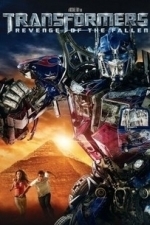
In 2009, I saw Transformers: Revenge of the Fallen in theaters during a midnight screening on its day of release. Somehow I managed to sit through a two and a half hour movie, drive home, write a review, post it, and promote it all before I went to bed that morning at 5am. Looking back, I still have no idea how something like that was accomplished while also juggling a full-time job. Needless to say, I've been eager to revisit Revenge of the Fallen ever since. Delirium begins to set in at that hour and midnight screenings are rarely ever not fun. Not to mention my skills as a movie critic have evolved greatly since then and my tastes have altered. The movie deserved a proper review with a sober state of mind. And yes, thankfully, the trip was worth taking because I'm not quite as enthusiastic about Revenge of the Fallen being such a great piece of cinema as its glaring flaws tend to overshadow what little good it had going for it.
The writing is obviously the sequel's biggest flaw and not just the storyline, but the dialogue as well. The Fallen touched down on earth all the way back in 17,000 B.C. and while we've been able to uncover the likes of cavemen existing thereabouts during that time period, there's no evidence of autobots or decepticons existing in that point in history. With the way they fight and their vast numbers, that seems pretty hard to believe. Oh, and look, Sam has held onto the shirt he wore when the world almost came to an end in the last movie and apparently hasn't ever washed it. A sliver of the allspark has just been sitting in that thing this entire time. Alice actually being a decepticon didn't feel right either. Probable maybe, but it just didn't seem to fit with all other transformers being vehicles of some kind. Meanwhile Soundwave is a satellite in this movie, but walks around on earth with some crazy worm thing in Dark of the Moon with no reason of him evolving between films.
The movie has a thing about humping, too. We see two male dogs humping on more than one occasion and Wheelie also humps the crap out of Megan Fox's leg, but that's not the only time male genitalia comes into play. We also get a good glimpse at the testicles of the Sun Harvester as John Turturro spits out a one-liner about its scrotum. Leo and his freaking out over absolutely everything is also really annoying and makes Shia LaBeouf's "BUM-BULL-BEE!!!" and "OP-TIM-US!!!" squawks feel like a breath of fresh air. Sam's parents are practically the kryptonite of the movie as they're featured way too much and in the worst of times. Sam's mom has the lamest dialogue while also overreacting to everything while his dad can't decide to let Sam go or protect him. Why they were ever even Egypt is a boggling question in itself. Why are there autobots in heaven? If Megatron's master was The Fallen and he took orders from Sentinel Prime in Dark of the Moon, just how many other Decepticons does he answer to? The questions and plot holes just seem endless.
The atrocious dialogue practically echoes through your bones. It starts with Ironhide saying, "Punk ass decepticon," and never really lets up. Between Sam's parents "smelling" a "$40,000 education," and Simmons telling everyone that what he was about to show them was "top secret" and "do not tell my mother," the bases are pretty much covered. Military sergeants listening to a kid in college seems outlandish anyway, but throwing their absolute blind faith in him seems really outrageous. I realize the cast of the movie had the writer's strike to deal with, but two of the three writers for Revenge of the Fallen also wrote Star Trek which showed none of the same problems that this movie had. The writing in a Michael Bay movie is already secondary. Throw in a writer's strike and you've got something as apocalyptic behind the camera as what's taking place on screen.
There is something entertaining deep within the loins of this cinematic abomination though. The special effects are more than satisfying and pretty much outshine the special effects in the first movie. Onscreen battles are more extraordinary, explosions are bigger, and the numbers are more massive. It feels more like an actual war this time around. Bumblebee also gets his time to shine in the sequel. His scene in the garage with Sam at the start of the movie is one of the better calm scenes in the entire thing and then there are his fight scenes. Several of the fight scenes seem inspired by Mortal Kombat; Bumblebee's spine-rip sequence and Optimus’ face ripping and hand bursting through the chest of The Fallen with its villainous heart. Optimus feels very scarcely used in the two Transformers sequels. He has a few scenes where he gets to be awesome and then spends a good portion of the movie being incapacitated. At least he was dead in this one, that's a liable excuse. In Dark of the Moon, he's basically just hanging out upside down for thirty to forty minutes while hundreds of people die. Even though The Fallen is dealt with in a matter of minutes, he is kind of cool. He teleports a lot like Nightcrawler and is voiced by Tony Todd. Unfortunately, he's only appealing on the surface, kind of sucks as a main villain, and is a total embarrassment to the decepticons.
Michael Bay needs to learn that more explosions and more destructive mayhem don't automatically make a film better than its predecessor. There are more battles between the autobots and decepticons, the stakes are higher, and the special effects are more impressive, but it's essentially just eye candy or like giving reconstructive facial surgery to a really hideous person; they're still ugly but their appearance is at least nice to look at now. With a storyline that jumps all over the place for no rhyme or reason, really terrible dialogue being spewed from just about every major character, and The Twins probably being more offensive than they are humorous, Revenge of the Fallen falls short of being half as good as Bay's original effort and is quite difficult to think of as anything more than a guilty pleasure.
The writing is obviously the sequel's biggest flaw and not just the storyline, but the dialogue as well. The Fallen touched down on earth all the way back in 17,000 B.C. and while we've been able to uncover the likes of cavemen existing thereabouts during that time period, there's no evidence of autobots or decepticons existing in that point in history. With the way they fight and their vast numbers, that seems pretty hard to believe. Oh, and look, Sam has held onto the shirt he wore when the world almost came to an end in the last movie and apparently hasn't ever washed it. A sliver of the allspark has just been sitting in that thing this entire time. Alice actually being a decepticon didn't feel right either. Probable maybe, but it just didn't seem to fit with all other transformers being vehicles of some kind. Meanwhile Soundwave is a satellite in this movie, but walks around on earth with some crazy worm thing in Dark of the Moon with no reason of him evolving between films.
The movie has a thing about humping, too. We see two male dogs humping on more than one occasion and Wheelie also humps the crap out of Megan Fox's leg, but that's not the only time male genitalia comes into play. We also get a good glimpse at the testicles of the Sun Harvester as John Turturro spits out a one-liner about its scrotum. Leo and his freaking out over absolutely everything is also really annoying and makes Shia LaBeouf's "BUM-BULL-BEE!!!" and "OP-TIM-US!!!" squawks feel like a breath of fresh air. Sam's parents are practically the kryptonite of the movie as they're featured way too much and in the worst of times. Sam's mom has the lamest dialogue while also overreacting to everything while his dad can't decide to let Sam go or protect him. Why they were ever even Egypt is a boggling question in itself. Why are there autobots in heaven? If Megatron's master was The Fallen and he took orders from Sentinel Prime in Dark of the Moon, just how many other Decepticons does he answer to? The questions and plot holes just seem endless.
The atrocious dialogue practically echoes through your bones. It starts with Ironhide saying, "Punk ass decepticon," and never really lets up. Between Sam's parents "smelling" a "$40,000 education," and Simmons telling everyone that what he was about to show them was "top secret" and "do not tell my mother," the bases are pretty much covered. Military sergeants listening to a kid in college seems outlandish anyway, but throwing their absolute blind faith in him seems really outrageous. I realize the cast of the movie had the writer's strike to deal with, but two of the three writers for Revenge of the Fallen also wrote Star Trek which showed none of the same problems that this movie had. The writing in a Michael Bay movie is already secondary. Throw in a writer's strike and you've got something as apocalyptic behind the camera as what's taking place on screen.
There is something entertaining deep within the loins of this cinematic abomination though. The special effects are more than satisfying and pretty much outshine the special effects in the first movie. Onscreen battles are more extraordinary, explosions are bigger, and the numbers are more massive. It feels more like an actual war this time around. Bumblebee also gets his time to shine in the sequel. His scene in the garage with Sam at the start of the movie is one of the better calm scenes in the entire thing and then there are his fight scenes. Several of the fight scenes seem inspired by Mortal Kombat; Bumblebee's spine-rip sequence and Optimus’ face ripping and hand bursting through the chest of The Fallen with its villainous heart. Optimus feels very scarcely used in the two Transformers sequels. He has a few scenes where he gets to be awesome and then spends a good portion of the movie being incapacitated. At least he was dead in this one, that's a liable excuse. In Dark of the Moon, he's basically just hanging out upside down for thirty to forty minutes while hundreds of people die. Even though The Fallen is dealt with in a matter of minutes, he is kind of cool. He teleports a lot like Nightcrawler and is voiced by Tony Todd. Unfortunately, he's only appealing on the surface, kind of sucks as a main villain, and is a total embarrassment to the decepticons.
Michael Bay needs to learn that more explosions and more destructive mayhem don't automatically make a film better than its predecessor. There are more battles between the autobots and decepticons, the stakes are higher, and the special effects are more impressive, but it's essentially just eye candy or like giving reconstructive facial surgery to a really hideous person; they're still ugly but their appearance is at least nice to look at now. With a storyline that jumps all over the place for no rhyme or reason, really terrible dialogue being spewed from just about every major character, and The Twins probably being more offensive than they are humorous, Revenge of the Fallen falls short of being half as good as Bay's original effort and is quite difficult to think of as anything more than a guilty pleasure.
Chris Sawin (602 KP) rated Batman Begins (2005) in Movies
Jun 18, 2019
Before Ben Affleck, but after Adam West, Michael Keaton, Kevin Conroy, Val Kilmer, and George Clooney, Christian Bale was Batman for at least two of the best Batman films out there. With a screenplay by director Christopher Nolan and his brother Jonathan and a story by David S. Goyer, Batman Begins is an origin story. Gotham City is dying since criminals like Carmine Falcone (Tom Wilkinson) are able to get away with murder since, “he keeps the bad people rich and the good people scared,” as Rachel Dawes (Katie Holmes) puts it. Bruce Wayne (Christian Bale) trains with Henri Ducard (Liam Neeson), the right hand of Ra’s Al Ghul (Ken Watanabe), and The League of Shadows.
But The League of Shadows has a skewed view of justice since they believe that more serious crimes should be punishable by death (usually by their hand) while Bruce believes in compassion and the right to a fair trial before passing judgment. Leaving The League of Shadows in shambles, Bruce makes his way back to Gotham after a seven year absence. In Bruce’s own words, “As a man, I’m flesh and blood. I can be ignored. I can be destroyed. But as a symbol I can be incorruptible. I can be everlasting.” This is the story of Batman’s uprising; how a young Bruce Wayne conquered his fear of bats and the death of his parents to become the ominous and fearsome dark knight.
Even when you look back at what Christopher Nolan accomplished in his Dark Knight Trilogy, Batman Begins still holds its own and should be considered one of the best Batman films to date. Before Batman v Superman took the dark and gritty aspects of serious superhero films too far, Batman Begins was the first Batman film since Tim Burton’s Batman to favor a more serious tone in comparison to the campiness that overloads the likes of Batman Forever and Batman & Robin. Christopher Nolan always had the intention of keeping Batman grounded in realism and that concept reflected in its incredibly well-written storyline. Batman Begins is a lot like the Year One comic book storyline with Bruce Wayne returning to Gotham City after training in martial arts and being gone for several years, the inclusion of Carmine Falcone, a blossoming relationship between Batman and Jim Gordon, and The Joker tease on the rooftop even ends the story in similar fashion.
The realistic quality Christopher Nolan was aiming for also translates into the dialogue as nothing seems forced or out of place and everything seems to take place in consistent and reasonable fashion. Aside from Christian Bale, the rest of the cast is far more impressive than it had any right to be with the likes of Michael Caine, Morgan Freeman, Gary Oldman, Cillian Murphy, and Rutger Hauer. Caine adds a level of tenderness to the Alfred character we haven’t really seen before while Cillian Murphy is brilliantly sinister as Jonathan Crane/Scarecrow. Thanks to frequent Christopher Nolan collaborator, director of photography Wally Pfister, Batman Begins is beautifully shot. Colors are always bright and vibrant outside of the Batcave as the dark visuals of the film seem to slowly swallow their colorful surroundings piece by piece.
The inclusion of Liam Neeson in the film is an interesting one for statistical purposes. Prior to Taken, Neeson was known for taking on roles where his character died; Star Wars: Episode I – The Phantom Menace, Gangs of New York, Kingdom of Heaven, and The Chronicles of Narnia: The Lion, The Witch, and The Wardrobe are all prime examples. Neeson’s character Ducard is also the main ingredient in the surprise Nolan often includes in the finale of his films. Neeson has this calm demeanor about him as Ducard that portrays just how in control he is of the training he’s passing onto Bruce. The cast to Batman films are usually packed with stars that are relevant to the time it’s released, but Batman Begins can boast that its supporting cast is just as strong as the leads in the film.
The reasoning behind Christian Bale’s Batman voice is legitimate and you certainly understand why it’s utilized, but the awkward transition between normal voice and rough and raspy vigilante takes some getting used to since you immediately think of the ridiculousness in The Lego Batman Movie or the handful of Deadpool 2 jokes whenever he’s Batman now. Katie Holmes is dull dishwater as an actress. She is the least memorable of the entire cast and is basically that person at a party that everyone knows that’s there but they don’t say anything to anybody before leaving when no one is looking. Maggie Gyllenhaal is able to add some depth with the Rachel Dawes character in The Dark Knight, but it’s as if you can still hear the sound of the Dawson’s Creek theme song echoing in your head whenever Gyllenhaal is on-screen; Katie Holmes is like a huge fart that is still smelt after she’s gone in the sequel she’s not even a part of. There was an overwhelming amount of complaints in the online community regarding how ugly Batman’s new Batmobile, The Tumblr, is in the film. While the vehicle is ugly, at least that ugliness is maintained throughout Nolan’s entire trilogy. Batman likes ugly things in this universe, but at least they’re functional and serve their purpose.
Even with how most individuals feel about The Dark Knight, Batman Begins is still an incredible superhero film that is more than capable as a standalone feature as well as the jumpstart to a new set of Batman films. Christopher Nolan practically reinvented the Batman franchise to a certain extent starting with this film. Depending on how you feel about Ben Affleck’s Batman, Christian Bale was the last satisfying Batman.
Batman Begins feels more like a crime film first and a superhero film second where Batman is an unstoppable force of nature. Stripping the film of its origin retelling, one would think this is what Todd McFarlane is going for with his new Spawn film only to an R-rated extent; a superhero that flourishes in the darkness and has a reputation as this spiritual incarnation of vengeance. Christopher Nolan made something special with his Batman films and it feels like Batman Begins is often overlooked due to the reputation of The Dark Knight. While that perspective isn’t necessarily wrong, fans should at least appreciate Batman Begins in a similar light if not a slightly brighter one.
Batman Begins is currently available to stream for $2.99 on Amazon Prime, YouTube, Vudu, and Google Play and for $3.99 on iTunes. The film is available for a variety of formats on Amazon including 4K/Blu-ray ($24.49), DVD ($9.43), and Multi-Format Blu-ray ($11.49). The Blu-ray is currently $5.22 (5% off its normal $5.50 price) in brand new condition and $3.42 pre-owned on eBay with free shipping on both. You can also get the film as part of a three-disc DVD trilogy pack with The Dark Knight and The Dark Knight Rises or as The Dark Knight Trilogy box set on DVD or Blu-ray. Both options are available on both Amazon and eBay (DVD set is running $11.97 on eBay and $19.72 on Amazon while The Dark Knight Trilogy is available in a variety of formats (regular, ultimate, and special editions) on both sites between $12 and $18.99 unless you want the $69.99 ultimate set.
But The League of Shadows has a skewed view of justice since they believe that more serious crimes should be punishable by death (usually by their hand) while Bruce believes in compassion and the right to a fair trial before passing judgment. Leaving The League of Shadows in shambles, Bruce makes his way back to Gotham after a seven year absence. In Bruce’s own words, “As a man, I’m flesh and blood. I can be ignored. I can be destroyed. But as a symbol I can be incorruptible. I can be everlasting.” This is the story of Batman’s uprising; how a young Bruce Wayne conquered his fear of bats and the death of his parents to become the ominous and fearsome dark knight.
Even when you look back at what Christopher Nolan accomplished in his Dark Knight Trilogy, Batman Begins still holds its own and should be considered one of the best Batman films to date. Before Batman v Superman took the dark and gritty aspects of serious superhero films too far, Batman Begins was the first Batman film since Tim Burton’s Batman to favor a more serious tone in comparison to the campiness that overloads the likes of Batman Forever and Batman & Robin. Christopher Nolan always had the intention of keeping Batman grounded in realism and that concept reflected in its incredibly well-written storyline. Batman Begins is a lot like the Year One comic book storyline with Bruce Wayne returning to Gotham City after training in martial arts and being gone for several years, the inclusion of Carmine Falcone, a blossoming relationship between Batman and Jim Gordon, and The Joker tease on the rooftop even ends the story in similar fashion.
The realistic quality Christopher Nolan was aiming for also translates into the dialogue as nothing seems forced or out of place and everything seems to take place in consistent and reasonable fashion. Aside from Christian Bale, the rest of the cast is far more impressive than it had any right to be with the likes of Michael Caine, Morgan Freeman, Gary Oldman, Cillian Murphy, and Rutger Hauer. Caine adds a level of tenderness to the Alfred character we haven’t really seen before while Cillian Murphy is brilliantly sinister as Jonathan Crane/Scarecrow. Thanks to frequent Christopher Nolan collaborator, director of photography Wally Pfister, Batman Begins is beautifully shot. Colors are always bright and vibrant outside of the Batcave as the dark visuals of the film seem to slowly swallow their colorful surroundings piece by piece.
The inclusion of Liam Neeson in the film is an interesting one for statistical purposes. Prior to Taken, Neeson was known for taking on roles where his character died; Star Wars: Episode I – The Phantom Menace, Gangs of New York, Kingdom of Heaven, and The Chronicles of Narnia: The Lion, The Witch, and The Wardrobe are all prime examples. Neeson’s character Ducard is also the main ingredient in the surprise Nolan often includes in the finale of his films. Neeson has this calm demeanor about him as Ducard that portrays just how in control he is of the training he’s passing onto Bruce. The cast to Batman films are usually packed with stars that are relevant to the time it’s released, but Batman Begins can boast that its supporting cast is just as strong as the leads in the film.
The reasoning behind Christian Bale’s Batman voice is legitimate and you certainly understand why it’s utilized, but the awkward transition between normal voice and rough and raspy vigilante takes some getting used to since you immediately think of the ridiculousness in The Lego Batman Movie or the handful of Deadpool 2 jokes whenever he’s Batman now. Katie Holmes is dull dishwater as an actress. She is the least memorable of the entire cast and is basically that person at a party that everyone knows that’s there but they don’t say anything to anybody before leaving when no one is looking. Maggie Gyllenhaal is able to add some depth with the Rachel Dawes character in The Dark Knight, but it’s as if you can still hear the sound of the Dawson’s Creek theme song echoing in your head whenever Gyllenhaal is on-screen; Katie Holmes is like a huge fart that is still smelt after she’s gone in the sequel she’s not even a part of. There was an overwhelming amount of complaints in the online community regarding how ugly Batman’s new Batmobile, The Tumblr, is in the film. While the vehicle is ugly, at least that ugliness is maintained throughout Nolan’s entire trilogy. Batman likes ugly things in this universe, but at least they’re functional and serve their purpose.
Even with how most individuals feel about The Dark Knight, Batman Begins is still an incredible superhero film that is more than capable as a standalone feature as well as the jumpstart to a new set of Batman films. Christopher Nolan practically reinvented the Batman franchise to a certain extent starting with this film. Depending on how you feel about Ben Affleck’s Batman, Christian Bale was the last satisfying Batman.
Batman Begins feels more like a crime film first and a superhero film second where Batman is an unstoppable force of nature. Stripping the film of its origin retelling, one would think this is what Todd McFarlane is going for with his new Spawn film only to an R-rated extent; a superhero that flourishes in the darkness and has a reputation as this spiritual incarnation of vengeance. Christopher Nolan made something special with his Batman films and it feels like Batman Begins is often overlooked due to the reputation of The Dark Knight. While that perspective isn’t necessarily wrong, fans should at least appreciate Batman Begins in a similar light if not a slightly brighter one.
Batman Begins is currently available to stream for $2.99 on Amazon Prime, YouTube, Vudu, and Google Play and for $3.99 on iTunes. The film is available for a variety of formats on Amazon including 4K/Blu-ray ($24.49), DVD ($9.43), and Multi-Format Blu-ray ($11.49). The Blu-ray is currently $5.22 (5% off its normal $5.50 price) in brand new condition and $3.42 pre-owned on eBay with free shipping on both. You can also get the film as part of a three-disc DVD trilogy pack with The Dark Knight and The Dark Knight Rises or as The Dark Knight Trilogy box set on DVD or Blu-ray. Both options are available on both Amazon and eBay (DVD set is running $11.97 on eBay and $19.72 on Amazon while The Dark Knight Trilogy is available in a variety of formats (regular, ultimate, and special editions) on both sites between $12 and $18.99 unless you want the $69.99 ultimate set.

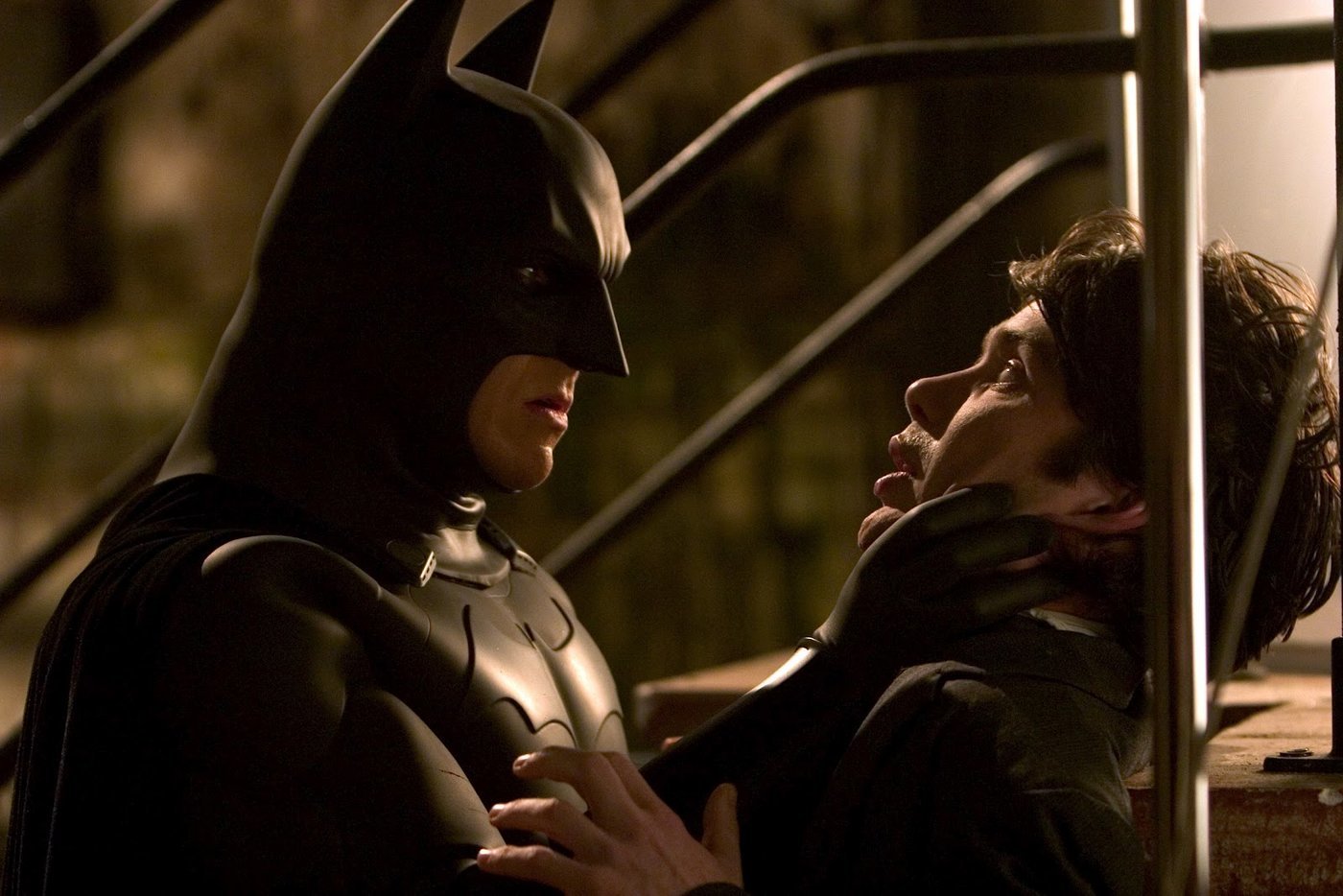


James P. Sumner (65 KP) rated Game Of Thrones in TV
Jul 1, 2019
Winter has come and gone... and there won't ever be anything like it again!
Contains spoilers, click to show
Game of Thrones. The only show that drove people to brag on social media about the fact they've never seen it every time a new series came out!
I watched this from Season 3, quickly binging the first two seasons about a week before it aired. I'm not a huge Fantasy fan, but this show really was something else. Despite the setting, it gave us everything - blood, guts, drama, sex... even comedy. It gave us some of the most vile and hated antagonists to ever grace the screen, and it made heroes out of the unlikeliest of people.
Watching it week-to-week was difficult for a couple of reasons. One, so much is going on (especially in the earlier seasons) that you can forget a lot in a week, and you find yourself questioning everything. Two, it's so bloody good, you didn't want to wait a whole week to get your fix! Obviously, now it's finished, the second issue is no longer relevant - it's available to binge to your heart's content, which you absolutely should do.
I want to address the recent criticism of the eighth and final season. We waited over two years for it, and many people felt it was rushed, too short and too shallow. I would say 75% of people who watched the last season were left disappointed. Myself included.
But a few days after it had finished, I found myself thinking about the series as a whole more and more. I was reading articles online, theories and arguments about how and why the story played out the way it did. I realised I had felt somewhat detached watching Season 8 because it HAD been two years since I watched Season 7. It's as if I'd forgotten what it was like to watch it.
So, having never seen any episode more than once, I went back to the beginning and watched all eight seasons in a little under three weeks...
SO MUCH BETTER the second time around!
For two reasons. Firstly, there was no break in the story at all. Watching it as it aired meant you had a 12-month break every 10 hours, basically. Easy to lose your thread. Easy to forget things. When that doesn't happen, it's much more enjoyable and actually makes a lot more sense. There was so much I'd forgotten over the course of the nine years it was on, I kind of felt like I'd cheated myself, in a way, by not watching Seasons 1-7 before Season 8 aired.
Second, much in the way that Star Wars Episodes 1-3 work better if you've seen 4-6 first, Game of Thrones was actually much more enjoyable having seen the ending, because things make a lot more sense in retrospect.
***This is where it gets spoilery***
It becomes evident early on, even in the first season, that Jon Snow is one to watch. His shocking death at the end of Season 5 caused much confusion and debate. Obviously, his resurrection early in Season 6 put an end to that, and when the secret about his true identity is finally revealed in Season 8, it was a shocking moment, as everything started to fall into place and the true threat became evident.
However...
Having now done Seasons 1-8 back-to-back, the revelation that Jon Snow is, in fact, a Targaryen is far from surprising, given they've been dropping clues about it since back in the first few episodes. Obviously, at the time, these seemingly throwaway comments meant nothing, but now we know, there are numerous conversations throughout the show that border on being spoilers themselves.
Same with Arya Stark and her storyline. Second time around, even from Season 1, it's evident she was destined to slay The Night King. And as with Jon Snow, you never would've picked up on it at the time, but in hindsight it's been obvious for years.
Now, the major criticism about Season 8 was that it felt rushed and that it sacrificed too many characters arcs for the sake of finishing inside of six episodes. Watching it as it aired, I completely agreed. Jon Snow "suddenly" went from a brooding hero to a pointless extra. Daenerys Targaryen "suddenly" went from the freer of slaves and saviour of Westeros to an insane despot who slaughtered half the world because someone took her toys away.
Not true.
It seemed like that after two years of forgetting almost everything that had happened previously, but watching it from start to finish in one go, those things make perfect sense, and aren't actually that sudden. The Mother of Dragons showed clear and obvious signs of becoming The Mad Queen of Ashes very early on in the show. She was always kind and fair and just... but my goodness, did you get it if you pissed her off! Let's not forget she crucified almost 200 slave-owners long after they surrendered to prove a point. And poor Sam Tarly's father and brother! She had a mean streak, and she lived on a knife's edge. At any point since she married Khal Drogo back at the beginning of Season 1, the slightest push and she would snap. Fast forward to Season 8 and, after many years of fighting to fulfil her birthright and take the Iron Throne, she finds out she's not actually the heir to it at all... that's a pretty big push to a woman with a history of losing her shit when things don't go her way. So not much of a surprise at all, really.
And to address the criticism further, I'll analyse this as a writer. I tell stories for a living. When you're writing a novel, you look at it as a triangle, of sorts. It starts off wide and gradually gets to a point. Game of Thrones began very wide, with lots of characters and subplots. But as time goes on, it narrows and becomes more focused on the main threat... the main storylines - the battle against The Night King and the fight for the Iron Throne. Those two things are what nine years of storytelling were working towards, so yes, when you get to the final season and you have to wrap things up, it makes sense that you're going to focus on the big finish - the point of the series.
Not only that, for the first six seasons, the shows writers and creators had their hands held by George R. R. Martin and his source material. But then the TV show caught up with the books, which meant they suddenly had nothing more than a handful of bullet points to work off instead. Not easy to go from one to the other. They can't embellish things too much, because they run the risk of contradicting and undermining future books, which Mr. Martin wouldn't allow them to do. So they had to keep it simple, stick to the point and finish the job they started - nothing more.
Ultimately, no one likes to see their favourite show end. In hindsight, I think a lot of the criticism the final season received was because the audience forgot what came before it, and because they didn't want it to end.
If you're reading this having never watched it before.... first of all, sorry for ruining the story for you (but I did say it contained spoilers, in my defence). But you have the benefit of being able to binge through this, which means you'll get the full, uninterrupted experience, which is well worth the investment of your time to do.
If you HAVE watched the show before, I strongly suggest re-watching it from the beginning, because I enjoyed it far more the second time around.
This is the kind of show that comes along once a generation. The kind of show people talk about daily long after it finished. It redefines TV drama and I can promise you, you'll never see anything like it again.
That said, don't watch it if you're easily offended or grossed out. Or if you like animals. Oh, and don't watch Season 4, Episode 8 whilst you're eating. And don't watch Season 3, Episode 9 if you believe in the afterlife and have your heart set on getting into Heaven. And it's perfectly acceptable to watch Season 6, Episode 9 and feel like that's what you would do if faced with certain death.
Just perfect.
I watched this from Season 3, quickly binging the first two seasons about a week before it aired. I'm not a huge Fantasy fan, but this show really was something else. Despite the setting, it gave us everything - blood, guts, drama, sex... even comedy. It gave us some of the most vile and hated antagonists to ever grace the screen, and it made heroes out of the unlikeliest of people.
Watching it week-to-week was difficult for a couple of reasons. One, so much is going on (especially in the earlier seasons) that you can forget a lot in a week, and you find yourself questioning everything. Two, it's so bloody good, you didn't want to wait a whole week to get your fix! Obviously, now it's finished, the second issue is no longer relevant - it's available to binge to your heart's content, which you absolutely should do.
I want to address the recent criticism of the eighth and final season. We waited over two years for it, and many people felt it was rushed, too short and too shallow. I would say 75% of people who watched the last season were left disappointed. Myself included.
But a few days after it had finished, I found myself thinking about the series as a whole more and more. I was reading articles online, theories and arguments about how and why the story played out the way it did. I realised I had felt somewhat detached watching Season 8 because it HAD been two years since I watched Season 7. It's as if I'd forgotten what it was like to watch it.
So, having never seen any episode more than once, I went back to the beginning and watched all eight seasons in a little under three weeks...
SO MUCH BETTER the second time around!
For two reasons. Firstly, there was no break in the story at all. Watching it as it aired meant you had a 12-month break every 10 hours, basically. Easy to lose your thread. Easy to forget things. When that doesn't happen, it's much more enjoyable and actually makes a lot more sense. There was so much I'd forgotten over the course of the nine years it was on, I kind of felt like I'd cheated myself, in a way, by not watching Seasons 1-7 before Season 8 aired.
Second, much in the way that Star Wars Episodes 1-3 work better if you've seen 4-6 first, Game of Thrones was actually much more enjoyable having seen the ending, because things make a lot more sense in retrospect.
***This is where it gets spoilery***
It becomes evident early on, even in the first season, that Jon Snow is one to watch. His shocking death at the end of Season 5 caused much confusion and debate. Obviously, his resurrection early in Season 6 put an end to that, and when the secret about his true identity is finally revealed in Season 8, it was a shocking moment, as everything started to fall into place and the true threat became evident.
However...
Having now done Seasons 1-8 back-to-back, the revelation that Jon Snow is, in fact, a Targaryen is far from surprising, given they've been dropping clues about it since back in the first few episodes. Obviously, at the time, these seemingly throwaway comments meant nothing, but now we know, there are numerous conversations throughout the show that border on being spoilers themselves.
Same with Arya Stark and her storyline. Second time around, even from Season 1, it's evident she was destined to slay The Night King. And as with Jon Snow, you never would've picked up on it at the time, but in hindsight it's been obvious for years.
Now, the major criticism about Season 8 was that it felt rushed and that it sacrificed too many characters arcs for the sake of finishing inside of six episodes. Watching it as it aired, I completely agreed. Jon Snow "suddenly" went from a brooding hero to a pointless extra. Daenerys Targaryen "suddenly" went from the freer of slaves and saviour of Westeros to an insane despot who slaughtered half the world because someone took her toys away.
Not true.
It seemed like that after two years of forgetting almost everything that had happened previously, but watching it from start to finish in one go, those things make perfect sense, and aren't actually that sudden. The Mother of Dragons showed clear and obvious signs of becoming The Mad Queen of Ashes very early on in the show. She was always kind and fair and just... but my goodness, did you get it if you pissed her off! Let's not forget she crucified almost 200 slave-owners long after they surrendered to prove a point. And poor Sam Tarly's father and brother! She had a mean streak, and she lived on a knife's edge. At any point since she married Khal Drogo back at the beginning of Season 1, the slightest push and she would snap. Fast forward to Season 8 and, after many years of fighting to fulfil her birthright and take the Iron Throne, she finds out she's not actually the heir to it at all... that's a pretty big push to a woman with a history of losing her shit when things don't go her way. So not much of a surprise at all, really.
And to address the criticism further, I'll analyse this as a writer. I tell stories for a living. When you're writing a novel, you look at it as a triangle, of sorts. It starts off wide and gradually gets to a point. Game of Thrones began very wide, with lots of characters and subplots. But as time goes on, it narrows and becomes more focused on the main threat... the main storylines - the battle against The Night King and the fight for the Iron Throne. Those two things are what nine years of storytelling were working towards, so yes, when you get to the final season and you have to wrap things up, it makes sense that you're going to focus on the big finish - the point of the series.
Not only that, for the first six seasons, the shows writers and creators had their hands held by George R. R. Martin and his source material. But then the TV show caught up with the books, which meant they suddenly had nothing more than a handful of bullet points to work off instead. Not easy to go from one to the other. They can't embellish things too much, because they run the risk of contradicting and undermining future books, which Mr. Martin wouldn't allow them to do. So they had to keep it simple, stick to the point and finish the job they started - nothing more.
Ultimately, no one likes to see their favourite show end. In hindsight, I think a lot of the criticism the final season received was because the audience forgot what came before it, and because they didn't want it to end.
If you're reading this having never watched it before.... first of all, sorry for ruining the story for you (but I did say it contained spoilers, in my defence). But you have the benefit of being able to binge through this, which means you'll get the full, uninterrupted experience, which is well worth the investment of your time to do.
If you HAVE watched the show before, I strongly suggest re-watching it from the beginning, because I enjoyed it far more the second time around.
This is the kind of show that comes along once a generation. The kind of show people talk about daily long after it finished. It redefines TV drama and I can promise you, you'll never see anything like it again.
That said, don't watch it if you're easily offended or grossed out. Or if you like animals. Oh, and don't watch Season 4, Episode 8 whilst you're eating. And don't watch Season 3, Episode 9 if you believe in the afterlife and have your heart set on getting into Heaven. And it's perfectly acceptable to watch Season 6, Episode 9 and feel like that's what you would do if faced with certain death.
Just perfect.