
Search
Search results

Sygic Car Navigation
Navigation and Travel
App
This is 7 day trial version. You can upgrade to Lifetime Premium anytime. Sygic Car Navigation is...
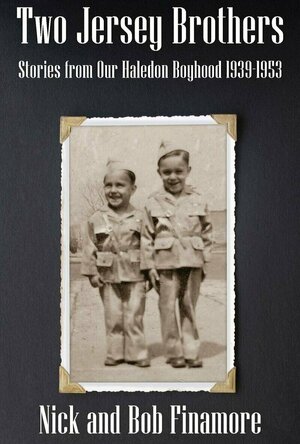
Two Jersey Brothers: Stories from Our Haledon Boyhood 1939-1953
Book
Two Jersey Brothers recounts the boyhoods of brothers Nick and Bob Finamore in the small, quiet,...
memoir biography bookbuzz
Hazel (1853 KP) rated Where the Wild Winds are: Walking Europe's Winds from the Pennines to Provence in Books
Sep 26, 2017

Fantastic, beautifully written book
I received this book for free through Goodreads First Reads.
From the moment the great storm of 1987 almost blew six-year-old Nick Hunt away, he has had the urge to travel. So many travel books are on the market, it is difficult to produce something new and exciting, but after coming across an interesting map of Europe, Hunt was determined to go on a journey that not many have attempted before. With a map listing the named winds of Europe, Hunt sets off on a quixotic quest to follow the winds.
Beginning in the Pennine Mountains, Nick Hunt takes the reader on a personal journey through the continent as he explores the towns and valleys the winds flow through whilst hoping the elusive tempests will occur so that he can experience them himself. With a mix of euphoria and disappointment, Hunt details his arduous journey providing additional knowledge along the way.
Some winds are more evanescent than others – one, discouragingly, not appearing at all – whereas one is so strong, Hunt witnesses a waterfall being blown upwards. Ignoring the warnings of the locals, Hunt, dead set on completing what he intended to do, takes us on a long walk from Italy to Croatia, a trek through the Alpine valleys of Switzerland, and a final expedition to the south of France.
Wind may seem like an odd topic to write a book about, but the Helm, Bora, Foehn and Mistral are no ordinary breezes. Their violence makes Hunt’s journey a dangerous and daring endeavour and is full of stories about past disasters that have occurred as a result of the strong, temperamental weather.
As well as teaching us about these four winds, Nick Hunt has collected facts and stories about the general areas he passes through. Personal stories of the inhabitants break up Hunt’s narrative, however, myths, legends, history and superstitions frequent the lengthy chapters as much as the winds themselves.
Giving wind a name provides it with a personality, as though it is something tangible that can be met and observed. Nick Hunt notes that artists such as Turner and Constable were interested in the weather and fascinated by the effects the wind had on the surrounding landscape. Another artist that was affected by the weather was Vincent Van Gogh - some of his paintings took place in France in the midst of the powerful Mistral. Just as the wind can be seen in his starry night skies, the scenery in France is evocative of a Van Gogh painting.
The winds do not only affect the lands they blow through, they have a strong impact on the wellbeing of the inhabitants. Some experience physical symptoms such as headaches, nose bleeds, dry skin and so forth, whereas others find themselves growing irritable, depressed and confused. The author himself has the opportunity to undergo the effects of these winds. Hunt also puts forward the suggestion that Van Gogh’s deteriorating mental health was a direct consequence of residing in the path of the Mistral.
From witchcraft to the Greek god Aeolus, there are a number of theories about why these strong winds blow. There are, of course, meteorological explanations, which Hunt attempts to explain, but admits he finds it as baffling as the next person. Regardless of the reason, these winds exist and it is captivating to learn about this aspect of Europe.
Where the Wild Winds Are: Walking Europe’s Winds from the Pennines to Provence is a fantastic, beautifully written book. Nick Hunt’s narrative is so personal that it becomes more than a travel documentation or informative non-fiction. As we read, we really get a sense of the emotions and physical hardship Hunt experienced, yet, at the same time, learn so much about European culture as well as, of course, Europe’s winds. Whether or not you are interested in travelling, this book will take you on a journey you will never forget.
From the moment the great storm of 1987 almost blew six-year-old Nick Hunt away, he has had the urge to travel. So many travel books are on the market, it is difficult to produce something new and exciting, but after coming across an interesting map of Europe, Hunt was determined to go on a journey that not many have attempted before. With a map listing the named winds of Europe, Hunt sets off on a quixotic quest to follow the winds.
Beginning in the Pennine Mountains, Nick Hunt takes the reader on a personal journey through the continent as he explores the towns and valleys the winds flow through whilst hoping the elusive tempests will occur so that he can experience them himself. With a mix of euphoria and disappointment, Hunt details his arduous journey providing additional knowledge along the way.
Some winds are more evanescent than others – one, discouragingly, not appearing at all – whereas one is so strong, Hunt witnesses a waterfall being blown upwards. Ignoring the warnings of the locals, Hunt, dead set on completing what he intended to do, takes us on a long walk from Italy to Croatia, a trek through the Alpine valleys of Switzerland, and a final expedition to the south of France.
Wind may seem like an odd topic to write a book about, but the Helm, Bora, Foehn and Mistral are no ordinary breezes. Their violence makes Hunt’s journey a dangerous and daring endeavour and is full of stories about past disasters that have occurred as a result of the strong, temperamental weather.
As well as teaching us about these four winds, Nick Hunt has collected facts and stories about the general areas he passes through. Personal stories of the inhabitants break up Hunt’s narrative, however, myths, legends, history and superstitions frequent the lengthy chapters as much as the winds themselves.
Giving wind a name provides it with a personality, as though it is something tangible that can be met and observed. Nick Hunt notes that artists such as Turner and Constable were interested in the weather and fascinated by the effects the wind had on the surrounding landscape. Another artist that was affected by the weather was Vincent Van Gogh - some of his paintings took place in France in the midst of the powerful Mistral. Just as the wind can be seen in his starry night skies, the scenery in France is evocative of a Van Gogh painting.
The winds do not only affect the lands they blow through, they have a strong impact on the wellbeing of the inhabitants. Some experience physical symptoms such as headaches, nose bleeds, dry skin and so forth, whereas others find themselves growing irritable, depressed and confused. The author himself has the opportunity to undergo the effects of these winds. Hunt also puts forward the suggestion that Van Gogh’s deteriorating mental health was a direct consequence of residing in the path of the Mistral.
From witchcraft to the Greek god Aeolus, there are a number of theories about why these strong winds blow. There are, of course, meteorological explanations, which Hunt attempts to explain, but admits he finds it as baffling as the next person. Regardless of the reason, these winds exist and it is captivating to learn about this aspect of Europe.
Where the Wild Winds Are: Walking Europe’s Winds from the Pennines to Provence is a fantastic, beautifully written book. Nick Hunt’s narrative is so personal that it becomes more than a travel documentation or informative non-fiction. As we read, we really get a sense of the emotions and physical hardship Hunt experienced, yet, at the same time, learn so much about European culture as well as, of course, Europe’s winds. Whether or not you are interested in travelling, this book will take you on a journey you will never forget.
Hazel (1853 KP) rated The House at the Edge of the Night in Books
Oct 20, 2017


For Victoria Hislop fans
I received this book for free through Goodreads First Reads.
Castellamare, a small island off the south coast of Italy, is the perfect setting for a captivating epic tale that traces a family from the beginning of the 1900s until the more recent year of 2009. Centred at the island’s only bar ‘The House at the Edge of the Night’, the island inhabitants suffer through two world wars, fascism, tourism and recession, however, the bar determinedly stays standing. But what happens in the rest of the world is largely ignored by the island dwellers that prefer to come to the bar to learn about friendships, betrayals and love affairs.
The House at the Edge of the Night begins on the mainland where the Dr Esposito removes the foundling Amadeo from care. Following in his foster father’s footsteps, Amadea Esposito trains to be a doctor and eventually lands himself a position on Castellamare. Having never had a doctor on the island before, Amadeo is welcomed by almost everyone, however, an illicit affair puts an end to his career. Fortunately, The House at the End of the Night provides Amadeo with an income and a home for his new wife, Pina, and his four children.
The story takes the reader through the Second World War, something that is interesting to read from the Italian’s point of view. Rejecting fascism, the Islanders are enraged when their boys are called up to join the war, especially as many, including Amadeo’s three boys, never return. With only a daughter, Maria-Grazia, remaining, the Esposito’s keep the bar going for lack of anything better to do.
But war brings good things as well as bad. Washed up on sure, the British soldier Robert brings good luck to the superstitious villagers, eventually marrying the lovely Maria-Grazia. The story continues through the childhood of their unruly boys, coming to an end as their granddaughter reaches adulthood.
A doctor and a barman, Amadeo also had a love for stories. Listening to his patients and patrons fantastical tales, Amadeo keeps note of them all in his personal notebook. Split into five parts, the book contains a story at the beginning of each section that, although mythical, set the scene for the subsequent narrative.
Alienated from the rest of the world, the Islanders are stuck in their ways, attributing any luck – good and bad – to their patron saint, Sant’Agata. Whenever life gets tough, the people on Castellamare turn to prayer, which although is part of their Catholic faith, often comes across as superstitious and irrational. They refuse to believe any logical explanation, preferring to regard their island as a magical, preternatural site.
There is no specific storyline with the usual climax and conclusion; instead, it works as a biography of a fictional family. It is interesting to regard the impact of the rapidly developing world on the island, from the introduction of a building society and the eventual launch of the Europe – something that the Islanders are naturally against. The inhabitants of Castellamare come across as naïve, but their backgrounds and beliefs are far more interesting than the average person.
The House at the Edge of the Night is a story of stories. It provides more than to be expected from a novel. Catherine Banner writes of beautiful settings, compelling characters and fascinating events that both amuse and entertain in a moving way.
With Victoria Hislop’s novels such as The Island being all the rage amongst many female readers, Catherine Banner’s The House at the Edge of the Night is destined for success. It is a great book to read on holiday or at home, and perfect for book clubs. This book is the ideal escape from the stresses of everyday life.
Castellamare, a small island off the south coast of Italy, is the perfect setting for a captivating epic tale that traces a family from the beginning of the 1900s until the more recent year of 2009. Centred at the island’s only bar ‘The House at the Edge of the Night’, the island inhabitants suffer through two world wars, fascism, tourism and recession, however, the bar determinedly stays standing. But what happens in the rest of the world is largely ignored by the island dwellers that prefer to come to the bar to learn about friendships, betrayals and love affairs.
The House at the Edge of the Night begins on the mainland where the Dr Esposito removes the foundling Amadeo from care. Following in his foster father’s footsteps, Amadea Esposito trains to be a doctor and eventually lands himself a position on Castellamare. Having never had a doctor on the island before, Amadeo is welcomed by almost everyone, however, an illicit affair puts an end to his career. Fortunately, The House at the End of the Night provides Amadeo with an income and a home for his new wife, Pina, and his four children.
The story takes the reader through the Second World War, something that is interesting to read from the Italian’s point of view. Rejecting fascism, the Islanders are enraged when their boys are called up to join the war, especially as many, including Amadeo’s three boys, never return. With only a daughter, Maria-Grazia, remaining, the Esposito’s keep the bar going for lack of anything better to do.
But war brings good things as well as bad. Washed up on sure, the British soldier Robert brings good luck to the superstitious villagers, eventually marrying the lovely Maria-Grazia. The story continues through the childhood of their unruly boys, coming to an end as their granddaughter reaches adulthood.
A doctor and a barman, Amadeo also had a love for stories. Listening to his patients and patrons fantastical tales, Amadeo keeps note of them all in his personal notebook. Split into five parts, the book contains a story at the beginning of each section that, although mythical, set the scene for the subsequent narrative.
Alienated from the rest of the world, the Islanders are stuck in their ways, attributing any luck – good and bad – to their patron saint, Sant’Agata. Whenever life gets tough, the people on Castellamare turn to prayer, which although is part of their Catholic faith, often comes across as superstitious and irrational. They refuse to believe any logical explanation, preferring to regard their island as a magical, preternatural site.
There is no specific storyline with the usual climax and conclusion; instead, it works as a biography of a fictional family. It is interesting to regard the impact of the rapidly developing world on the island, from the introduction of a building society and the eventual launch of the Europe – something that the Islanders are naturally against. The inhabitants of Castellamare come across as naïve, but their backgrounds and beliefs are far more interesting than the average person.
The House at the Edge of the Night is a story of stories. It provides more than to be expected from a novel. Catherine Banner writes of beautiful settings, compelling characters and fascinating events that both amuse and entertain in a moving way.
With Victoria Hislop’s novels such as The Island being all the rage amongst many female readers, Catherine Banner’s The House at the Edge of the Night is destined for success. It is a great book to read on holiday or at home, and perfect for book clubs. This book is the ideal escape from the stresses of everyday life.

Sassy Brit (97 KP) rated Maybe For You in Books
Jun 5, 2019
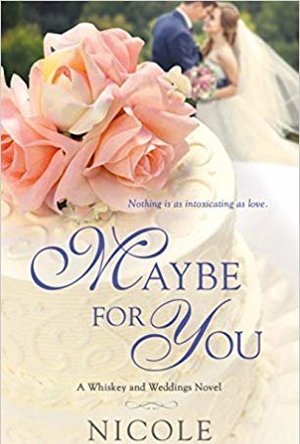

Maybe For You by Nicole McLaughlin is a very emotional storyline. The theme allows readers to understand how to cope with loss and handle grief. It is also a friends to lover’s story.
Many say that a guy and gal cannot be friends. This story seems to prove that point. The different dynamic relationships play a part in how people react to each other. Friends usually are able to be direct and let their guards down without having to build walls. Usually these relationships are based on honesty where each person can show their true selves. Some of the best intimate relationships start off as friends. The heroine, Alexis, and the hero, Jake began their friendship as pen pals while she was deployed in Italy. They did not literally converse with a writing object, but used the modern way, a phone text. McLaughlin wanted “it to be a safer way to share feelings without being face to face or voice to voice. These two are able to share only when they feel like sharing.”
Alexis is not used to displaying her emotions, keeping everything close to the chest. Her parents died in an auto accident, she was raised by her older brother Dean, and now has lost her fiancé in a military helicopter accident. Anyone who has lost a loved one, especially when it is unexpected, can relate to this powerful quote, “Several times she had to talk herself out of just crawling back into bed… Moving on, healing, required putting one foot in front of the other. Even when it felt impossible.”
The story poignantly shows how those grieving can move on, that time heals. Yet, there are also instances when something can spur someone’s memory about a loved one, and that feeling of being hit in the gut returns. “I wanted to write about this because I experience it. I put in the book how sometimes the weight of the pain feels brand new. I lost my father when I was ten. I watched my mother and how she dealt with losing a partner. I think I put my own feelings in these scenes. My dad has been dead almost twenty-five years and every once in awhile a thought pops up in my head and I cry instantly. I think the grieving process is a long journey.”
But it is also a story of hope. After a year serving overseas Alexis returns to her home town in Kansas. Her brother offers her a job at the Stag Distillery he owns with two friends. But it also ended up becoming one of the most successful wedding and event venues in the Kansas City metro area. To promote their business one of the partners, Jake, travels on the road to find new clients. Realizing that Alex would be a good addition for making sells, it is decided that she will travel with him. Ready for a new challenge, Alexis agrees to accompany her new co-worker, Jake. Soon the casual relationship becomes intense where both realize they have strong feelings for each other.
“I wrote how their relationship was grounded in respect and friendship. Both needed someone that they cared for. They were able to tease and joke with each other, feeling very comfortable, because they started out as friends. They appear as opposites since Alexis is a survivor, strong, broken, vulnerable, determined, desperate for a family, and is very guarded. Jake is a player, a playboy, who always feels second best. As Alexis opens up to him about her feelings he listens, doesn’t pry or lecture about what she should be feeling. Slowly he transitions from a playboy to a partner.”
This is a very emotional story that will tug at the heart. There are many touching scenes with very likeable characters.
Many say that a guy and gal cannot be friends. This story seems to prove that point. The different dynamic relationships play a part in how people react to each other. Friends usually are able to be direct and let their guards down without having to build walls. Usually these relationships are based on honesty where each person can show their true selves. Some of the best intimate relationships start off as friends. The heroine, Alexis, and the hero, Jake began their friendship as pen pals while she was deployed in Italy. They did not literally converse with a writing object, but used the modern way, a phone text. McLaughlin wanted “it to be a safer way to share feelings without being face to face or voice to voice. These two are able to share only when they feel like sharing.”
Alexis is not used to displaying her emotions, keeping everything close to the chest. Her parents died in an auto accident, she was raised by her older brother Dean, and now has lost her fiancé in a military helicopter accident. Anyone who has lost a loved one, especially when it is unexpected, can relate to this powerful quote, “Several times she had to talk herself out of just crawling back into bed… Moving on, healing, required putting one foot in front of the other. Even when it felt impossible.”
The story poignantly shows how those grieving can move on, that time heals. Yet, there are also instances when something can spur someone’s memory about a loved one, and that feeling of being hit in the gut returns. “I wanted to write about this because I experience it. I put in the book how sometimes the weight of the pain feels brand new. I lost my father when I was ten. I watched my mother and how she dealt with losing a partner. I think I put my own feelings in these scenes. My dad has been dead almost twenty-five years and every once in awhile a thought pops up in my head and I cry instantly. I think the grieving process is a long journey.”
But it is also a story of hope. After a year serving overseas Alexis returns to her home town in Kansas. Her brother offers her a job at the Stag Distillery he owns with two friends. But it also ended up becoming one of the most successful wedding and event venues in the Kansas City metro area. To promote their business one of the partners, Jake, travels on the road to find new clients. Realizing that Alex would be a good addition for making sells, it is decided that she will travel with him. Ready for a new challenge, Alexis agrees to accompany her new co-worker, Jake. Soon the casual relationship becomes intense where both realize they have strong feelings for each other.
“I wrote how their relationship was grounded in respect and friendship. Both needed someone that they cared for. They were able to tease and joke with each other, feeling very comfortable, because they started out as friends. They appear as opposites since Alexis is a survivor, strong, broken, vulnerable, determined, desperate for a family, and is very guarded. Jake is a player, a playboy, who always feels second best. As Alexis opens up to him about her feelings he listens, doesn’t pry or lecture about what she should be feeling. Slowly he transitions from a playboy to a partner.”
This is a very emotional story that will tug at the heart. There are many touching scenes with very likeable characters.

Kyera (8 KP) rated The Young Elites in Books
Feb 1, 2018
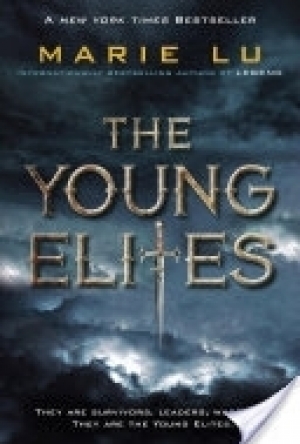
Despite the fact that I found the main character disagreeable - the premise was enjoyable. Initially, Adelina is very dark and unrelatable. She relishes pain and fear, as a result, I don't have sympathy for her character. Even though her father treated her abysmally her entire life, that treatment only seemed to nurture the darkness inside her. It did not create it. The darkness is all her own.
The only time I truly felt her humanity was when she was with the kind Gemma. It is in those moments she allows herself to feel. even concern for her sister seems forced, like familial obligation rather than a love. Her concern is usually accompanied with ill thoughts and blackened memories towards her sister.
Raffaele and Gemma are the most human of the characters and more likeable than the rest. Dante's main role is to antagonize. Enzo's role is to function as a romantic interest and future savior of the realm. The Windwalker, Lucent, and the Architect, Michel, serve more as background pieces than fully developed characters. Obviously, this is an over=simplification of their roles but it helps to illustrate the weaknesses in character development in the book. Over the course of the novel, the reader is given small glimpses into the character or their backstory but it is insufficient as these are her main and supporting characters for which the book is titled. The Young Elites.
The world the author builds draws you in with its unique holidays, three moons, elegant dress and giant rays that swim through the sky. The elaborate and opulent headquarters (Fortunata Court) of the Dagger Society rise in your mind surrounded by towers, merchants and Inquisitors. Stylistically, the world is reminiscent of Renaissance Italy with its gondolas, dress and canals that might draw you in like the world of Assassin's Creed.
During the course of the novel, we watch as Adelina trains her abilities and before long she joins the Daggers on a mission. She also seems to adopt more humanity as the book progresses which makes her a slightly more appealing character - but she is unable to hold onto that ray of light for long before succumbing to the festering darkness within. (Leaving the reader just as unsympathetic as before.)
She would be more likeable if she didn't welcome that darkness and unless her character arc leads her to light and love, changing her affinities, I have no emotional stake in her well-being. I understand that the author wants to write a dark character, but I personally just don't have an emotional stake in the outcome of this book because I don't particularly identify with any of her characters. Without redeeming qualities, you cannot justify or form an attachment to the character (especially because she is the main character). I'm sure others would like her character, and she is certainly an interesting character, but I prefer a lead who is flawed but inherently good. Perhaps an anti-hero but not the villain.
Growing up unloved, she quickly falls in with the Daggers but questions their motivation and is willing to betray them with the slightest provocation. In her mind, no one could possibly just be kind. They must have an agenda or be using her in some fashion. She is easily manipulated and swayed. Whether she follows through with her vengeance, betrays or redeems is something you must discover by reading the book yourself. Will Adelina redeems herself or succumb to the darkness?
I'm intrigued by the premise and the characters, despite the critical parts of my review. As such, I look forward to seeing where this series goes. I would definitely recommend it to YA fans who enjoy rich worlds that aren't modern or people with special abilities.
The only time I truly felt her humanity was when she was with the kind Gemma. It is in those moments she allows herself to feel. even concern for her sister seems forced, like familial obligation rather than a love. Her concern is usually accompanied with ill thoughts and blackened memories towards her sister.
Raffaele and Gemma are the most human of the characters and more likeable than the rest. Dante's main role is to antagonize. Enzo's role is to function as a romantic interest and future savior of the realm. The Windwalker, Lucent, and the Architect, Michel, serve more as background pieces than fully developed characters. Obviously, this is an over=simplification of their roles but it helps to illustrate the weaknesses in character development in the book. Over the course of the novel, the reader is given small glimpses into the character or their backstory but it is insufficient as these are her main and supporting characters for which the book is titled. The Young Elites.
The world the author builds draws you in with its unique holidays, three moons, elegant dress and giant rays that swim through the sky. The elaborate and opulent headquarters (Fortunata Court) of the Dagger Society rise in your mind surrounded by towers, merchants and Inquisitors. Stylistically, the world is reminiscent of Renaissance Italy with its gondolas, dress and canals that might draw you in like the world of Assassin's Creed.
During the course of the novel, we watch as Adelina trains her abilities and before long she joins the Daggers on a mission. She also seems to adopt more humanity as the book progresses which makes her a slightly more appealing character - but she is unable to hold onto that ray of light for long before succumbing to the festering darkness within. (Leaving the reader just as unsympathetic as before.)
She would be more likeable if she didn't welcome that darkness and unless her character arc leads her to light and love, changing her affinities, I have no emotional stake in her well-being. I understand that the author wants to write a dark character, but I personally just don't have an emotional stake in the outcome of this book because I don't particularly identify with any of her characters. Without redeeming qualities, you cannot justify or form an attachment to the character (especially because she is the main character). I'm sure others would like her character, and she is certainly an interesting character, but I prefer a lead who is flawed but inherently good. Perhaps an anti-hero but not the villain.
Growing up unloved, she quickly falls in with the Daggers but questions their motivation and is willing to betray them with the slightest provocation. In her mind, no one could possibly just be kind. They must have an agenda or be using her in some fashion. She is easily manipulated and swayed. Whether she follows through with her vengeance, betrays or redeems is something you must discover by reading the book yourself. Will Adelina redeems herself or succumb to the darkness?
I'm intrigued by the premise and the characters, despite the critical parts of my review. As such, I look forward to seeing where this series goes. I would definitely recommend it to YA fans who enjoy rich worlds that aren't modern or people with special abilities.
Hazel (1853 KP) rated The House at the Edge of the Night in Books
Dec 7, 2018
<i>I received this book for free through Goodreads First Reads.</i>
Castellamare, a small island off the south coast of Italy, is the perfect setting for a captivating epic tale that traces a family from the beginning of the 1900s until the more recent year of 2009. Centred at the island’s only bar ‘The House at the Edge of the Night’, the island inhabitants suffer through two world wars, fascism, tourism and recession, however, the bar determinedly stays standing. But what happens in the rest of the world is largely ignored by the island dwellers that prefer to come to the bar to learn about friendships, betrayals and love affairs.
<i>The House at the Edge of the Night </i>begins on the mainland where the Dr Esposito removes the foundling Amadeo from care. Following in his foster father’s footsteps, Amadea Esposito trains to be a doctor and eventually lands himself a position on Castellamare. Having never had a doctor on the island before, Amadeo is welcomed by almost everyone, however, an illicit affair puts an end to his career. Fortunately, The House at the End of the Night provides Amadeo with an income and a home for his new wife, Pina, and his four children.
The story takes the reader through the Second World War, something that is interesting to read from the Italian’s point of view. Rejecting fascism, the Islanders are enraged when their boys are called up to join the war, especially as many, including Amadeo’s three boys, never return. With only a daughter, Maria-Grazia, remaining, the Esposito’s keep the bar going for lack of anything better to do.
But war brings good things as well as bad. Washed up on sure, the British soldier Robert brings good luck to the superstitious villagers, eventually marrying the lovely Maria-Grazia. The story continues through the childhood of their unruly boys, coming to an end as their granddaughter reaches adulthood.
A doctor and a barman, Amadeo also had a love for stories. Listening to his patients and patrons fantastical tales, Amadeo keeps note of them all in his personal notebook. Split into five parts, the book contains a story at the beginning of each section that, although mythical, set the scene for the subsequent narrative.
Alienated from the rest of the world, the Islanders are stuck in their ways, attributing any luck – good and bad – to their patron saint, Sant’Agata. Whenever life gets tough, the people on Castellamare turn to prayer, which although is part of their Catholic faith, often comes across as superstitious and irrational. They refuse to believe any logical explanation, preferring to regard their island as a magical, preternatural site.
There is no specific storyline with the usual climax and conclusion; instead, it works as a biography of a fictional family. It is interesting to regard the impact of the rapidly developing world on the island, from the introduction of a building society and the eventual launch of the Europe – something that the Islanders are naturally against. The inhabitants of Castellamare come across as naïve, but their backgrounds and beliefs are far more interesting than the average person.
<i>The House at the Edge of the Night</i> is a story of stories. It provides more than to be expected from a novel. Catherine Banner writes of beautiful settings, compelling characters and fascinating events that both amuse and entertain in a moving way.
With Victoria Hislop’s novels such as <i>The Island</i> being all the rage amongst many female readers, Catherine Banner’s <i>The House at the Edge of the Night </i>is destined for success. It is a great book to read on holiday or at home, and perfect for book clubs. This book is the ideal escape from the stresses of everyday life.
Castellamare, a small island off the south coast of Italy, is the perfect setting for a captivating epic tale that traces a family from the beginning of the 1900s until the more recent year of 2009. Centred at the island’s only bar ‘The House at the Edge of the Night’, the island inhabitants suffer through two world wars, fascism, tourism and recession, however, the bar determinedly stays standing. But what happens in the rest of the world is largely ignored by the island dwellers that prefer to come to the bar to learn about friendships, betrayals and love affairs.
<i>The House at the Edge of the Night </i>begins on the mainland where the Dr Esposito removes the foundling Amadeo from care. Following in his foster father’s footsteps, Amadea Esposito trains to be a doctor and eventually lands himself a position on Castellamare. Having never had a doctor on the island before, Amadeo is welcomed by almost everyone, however, an illicit affair puts an end to his career. Fortunately, The House at the End of the Night provides Amadeo with an income and a home for his new wife, Pina, and his four children.
The story takes the reader through the Second World War, something that is interesting to read from the Italian’s point of view. Rejecting fascism, the Islanders are enraged when their boys are called up to join the war, especially as many, including Amadeo’s three boys, never return. With only a daughter, Maria-Grazia, remaining, the Esposito’s keep the bar going for lack of anything better to do.
But war brings good things as well as bad. Washed up on sure, the British soldier Robert brings good luck to the superstitious villagers, eventually marrying the lovely Maria-Grazia. The story continues through the childhood of their unruly boys, coming to an end as their granddaughter reaches adulthood.
A doctor and a barman, Amadeo also had a love for stories. Listening to his patients and patrons fantastical tales, Amadeo keeps note of them all in his personal notebook. Split into five parts, the book contains a story at the beginning of each section that, although mythical, set the scene for the subsequent narrative.
Alienated from the rest of the world, the Islanders are stuck in their ways, attributing any luck – good and bad – to their patron saint, Sant’Agata. Whenever life gets tough, the people on Castellamare turn to prayer, which although is part of their Catholic faith, often comes across as superstitious and irrational. They refuse to believe any logical explanation, preferring to regard their island as a magical, preternatural site.
There is no specific storyline with the usual climax and conclusion; instead, it works as a biography of a fictional family. It is interesting to regard the impact of the rapidly developing world on the island, from the introduction of a building society and the eventual launch of the Europe – something that the Islanders are naturally against. The inhabitants of Castellamare come across as naïve, but their backgrounds and beliefs are far more interesting than the average person.
<i>The House at the Edge of the Night</i> is a story of stories. It provides more than to be expected from a novel. Catherine Banner writes of beautiful settings, compelling characters and fascinating events that both amuse and entertain in a moving way.
With Victoria Hislop’s novels such as <i>The Island</i> being all the rage amongst many female readers, Catherine Banner’s <i>The House at the Edge of the Night </i>is destined for success. It is a great book to read on holiday or at home, and perfect for book clubs. This book is the ideal escape from the stresses of everyday life.
<i>I received this book for free through Goodreads First Reads.</i>
From the moment the great storm of 1987 almost blew six-year-old Nick Hunt away, he has had the urge to travel. So many travel books are on the market, it is difficult to produce something new and exciting, but after coming across an interesting map of Europe, Hunt was determined to go on a journey that not many have attempted before. With a map listing the named winds of Europe, Hunt sets off on a quixotic quest to follow the winds.
Beginning in the Pennine Mountains, Nick Hunt takes the reader on a personal journey through the continent as he explores the towns and valleys the winds flow through whilst hoping the elusive tempests will occur so that he can experience them himself. With a mix of euphoria and disappointment, Hunt details his arduous journey providing additional knowledge along the way.
Some winds are more evanescent than others – one, discouragingly, not appearing at all – whereas one is so strong, Hunt witnesses a waterfall being blown upwards. Ignoring the warnings of the locals, Hunt, dead set on completing what he intended to do, takes us on a long walk from Italy to Croatia, a trek through the Alpine valleys of Switzerland, and a final expedition to the south of France.
Wind may seem like an odd topic to write a book about, but the Helm, Bora, Foehn and Mistral are no ordinary breezes. Their violence makes Hunt’s journey a dangerous and daring endeavour and is full of stories about past disasters that have occurred as a result of the strong, temperamental weather.
As well as teaching us about these four winds, Nick Hunt has collected facts and stories about the general areas he passes through. Personal stories of the inhabitants break up Hunt’s narrative, however, myths, legends, history and superstitions frequent the lengthy chapters as much as the winds themselves.
Giving wind a name provides it with a personality, as though it is something tangible that can be met and observed. Nick Hunt notes that artists such as Turner and Constable were interested in the weather and fascinated by the effects the wind had on the surrounding landscape. Another artist that was affected by the weather was Vincent Van Gogh - some of his paintings took place in France in the midst of the powerful Mistral. Just as the wind can be seen in his starry night skies, the scenery in France is evocative of a Van Gogh painting.
The winds do not only affect the lands they blow through, they have a strong impact on the wellbeing of the inhabitants. Some experience physical symptoms such as headaches, nose bleeds, dry skin and so forth, whereas others find themselves growing irritable, depressed and confused. The author himself has the opportunity to undergo the effects of these winds. Hunt also puts forward the suggestion that Van Gogh’s deteriorating mental health was a direct consequence of residing in the path of the Mistral.
From witchcraft to the Greek god Aeolus, there are a number of theories about why these strong winds blow. There are, of course, meteorological explanations, which Hunt attempts to explain, but admits he finds it as baffling as the next person. Regardless of the reason, these winds exist and it is captivating to learn about this aspect of Europe.
<i>Where the Wild Winds Are: Walking Europe’s Winds from the Pennines to Provence</i> is a fantastic, beautifully written book. Nick Hunt’s narrative is so personal that it becomes more than a travel documentation or informative non-fiction. As we read, we really get a sense of the emotions and physical hardship Hunt experienced, yet, at the same time, learn so much about European culture as well as, of course, Europe’s winds. Whether or not you are interested in travelling, this book will take you on a journey you will never forget.
From the moment the great storm of 1987 almost blew six-year-old Nick Hunt away, he has had the urge to travel. So many travel books are on the market, it is difficult to produce something new and exciting, but after coming across an interesting map of Europe, Hunt was determined to go on a journey that not many have attempted before. With a map listing the named winds of Europe, Hunt sets off on a quixotic quest to follow the winds.
Beginning in the Pennine Mountains, Nick Hunt takes the reader on a personal journey through the continent as he explores the towns and valleys the winds flow through whilst hoping the elusive tempests will occur so that he can experience them himself. With a mix of euphoria and disappointment, Hunt details his arduous journey providing additional knowledge along the way.
Some winds are more evanescent than others – one, discouragingly, not appearing at all – whereas one is so strong, Hunt witnesses a waterfall being blown upwards. Ignoring the warnings of the locals, Hunt, dead set on completing what he intended to do, takes us on a long walk from Italy to Croatia, a trek through the Alpine valleys of Switzerland, and a final expedition to the south of France.
Wind may seem like an odd topic to write a book about, but the Helm, Bora, Foehn and Mistral are no ordinary breezes. Their violence makes Hunt’s journey a dangerous and daring endeavour and is full of stories about past disasters that have occurred as a result of the strong, temperamental weather.
As well as teaching us about these four winds, Nick Hunt has collected facts and stories about the general areas he passes through. Personal stories of the inhabitants break up Hunt’s narrative, however, myths, legends, history and superstitions frequent the lengthy chapters as much as the winds themselves.
Giving wind a name provides it with a personality, as though it is something tangible that can be met and observed. Nick Hunt notes that artists such as Turner and Constable were interested in the weather and fascinated by the effects the wind had on the surrounding landscape. Another artist that was affected by the weather was Vincent Van Gogh - some of his paintings took place in France in the midst of the powerful Mistral. Just as the wind can be seen in his starry night skies, the scenery in France is evocative of a Van Gogh painting.
The winds do not only affect the lands they blow through, they have a strong impact on the wellbeing of the inhabitants. Some experience physical symptoms such as headaches, nose bleeds, dry skin and so forth, whereas others find themselves growing irritable, depressed and confused. The author himself has the opportunity to undergo the effects of these winds. Hunt also puts forward the suggestion that Van Gogh’s deteriorating mental health was a direct consequence of residing in the path of the Mistral.
From witchcraft to the Greek god Aeolus, there are a number of theories about why these strong winds blow. There are, of course, meteorological explanations, which Hunt attempts to explain, but admits he finds it as baffling as the next person. Regardless of the reason, these winds exist and it is captivating to learn about this aspect of Europe.
<i>Where the Wild Winds Are: Walking Europe’s Winds from the Pennines to Provence</i> is a fantastic, beautifully written book. Nick Hunt’s narrative is so personal that it becomes more than a travel documentation or informative non-fiction. As we read, we really get a sense of the emotions and physical hardship Hunt experienced, yet, at the same time, learn so much about European culture as well as, of course, Europe’s winds. Whether or not you are interested in travelling, this book will take you on a journey you will never forget.

Lucy Buglass (45 KP) rated Welcome Home (2018) in Movies
Jun 20, 2019
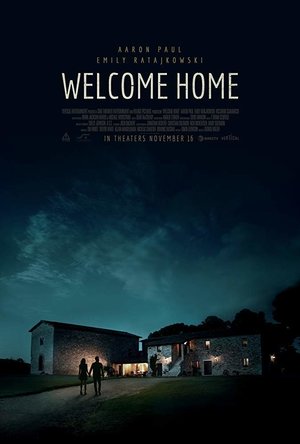
The holiday from hell
We’ve all had holidays that didn’t go according to plan, but George Ratliff’s new thriller takes this idea to a whole new level. Welcome Home follows couple Cassie and Bryan as they travel to Italy together. They’ve rented a secluded, spacious home for a few days, so they can spend some quality time together. So far, so simple. However, it’s soon revealed that they’ve been having relationship problems due to Cassie having a drunken one night stand. It’s clear that this isn’t going to be an easy trip for them, and that’s before we meet the real threat.
Aaron Paul and Emily Ratajkowski are great in the lead roles. They feel like your everyday, plausible couple who are simply trying to repair their relationship. I found myself rooting for them and hoping they could reconnect throughout. Despite the slow pacing in places, I did genuinely care about them as characters. Without the strength of their acting, I think this film might have struggled in places as some of it seemed to drag or could’ve easily been cut out. Welcome Home does have similarities to the 2008 film The Strangers, in which see a strained relationship set within a secluded summer home, with the couple being terrorised by masked murderers.
This film’s antagonist, Frederico, is less ambiguous than that, and instead spends time with the couple and tries to befriend them in order to gain their trust. Cassie is a lot more receptive to this than Bryan, who is distrustful of Frederico after he brought Cassie back to the house when she sprained her ankle whilst running. He believes something else is going on, based on the one night stand. At first they believe he’s a neighbour, so nothing really seems out of the ordinary. Then, it starts to get weird. He says some strange things and starts showing up uninvited, even running into them on the street and deciding to turn up to the house to cook dinner.
Every second that Frederico’s on the screen is an uncomfortable one, and you know he’s not the innocent person he’s pretending to be. It’s only a matter of time before his true intentions are revealed to the couple, putting them both in danger. Italian actor Riccardo Scamarcio really blew me away in this film and I’m excited to see more from him.
Although it takes a while to get going, the second and third act of Welcome Home is a tense and unnerving experience. Frederico goes from friendly, helpful neighbour to a creepy psychopath very quickly, and it turns out he has very dark intentions for the couple. He spends the film manipulating them and turning them against each other. I won’t spoil it for you, but it turns this couple’s holiday into a complete nightmare. I did quite like the big reveal at the end, though it seems a little far-fetched it’s not beyond the realms of possibility given the digital age that we live in. This fact is emphasised by the voyeuristic nature of the camera, how we’re always peeking around doors or watching things we shouldn’t be.
I have seen stronger thrillers with better pacing, but Welcome Home is certainly an entertaining watch if you’re looking for a new, exciting story with a strong cast list. It puts a fun twist on your classic home invasion horror, with a charming, magnetic antagonist to really lure you in. I’d recommend giving it a go if you get the opportunity, as it’s worth it for the characters and the ending.
https://lucygoestohollywood.com/2018/11/13/the-holiday-from-hell-a-review-of-welcome-home/
Aaron Paul and Emily Ratajkowski are great in the lead roles. They feel like your everyday, plausible couple who are simply trying to repair their relationship. I found myself rooting for them and hoping they could reconnect throughout. Despite the slow pacing in places, I did genuinely care about them as characters. Without the strength of their acting, I think this film might have struggled in places as some of it seemed to drag or could’ve easily been cut out. Welcome Home does have similarities to the 2008 film The Strangers, in which see a strained relationship set within a secluded summer home, with the couple being terrorised by masked murderers.
This film’s antagonist, Frederico, is less ambiguous than that, and instead spends time with the couple and tries to befriend them in order to gain their trust. Cassie is a lot more receptive to this than Bryan, who is distrustful of Frederico after he brought Cassie back to the house when she sprained her ankle whilst running. He believes something else is going on, based on the one night stand. At first they believe he’s a neighbour, so nothing really seems out of the ordinary. Then, it starts to get weird. He says some strange things and starts showing up uninvited, even running into them on the street and deciding to turn up to the house to cook dinner.
Every second that Frederico’s on the screen is an uncomfortable one, and you know he’s not the innocent person he’s pretending to be. It’s only a matter of time before his true intentions are revealed to the couple, putting them both in danger. Italian actor Riccardo Scamarcio really blew me away in this film and I’m excited to see more from him.
Although it takes a while to get going, the second and third act of Welcome Home is a tense and unnerving experience. Frederico goes from friendly, helpful neighbour to a creepy psychopath very quickly, and it turns out he has very dark intentions for the couple. He spends the film manipulating them and turning them against each other. I won’t spoil it for you, but it turns this couple’s holiday into a complete nightmare. I did quite like the big reveal at the end, though it seems a little far-fetched it’s not beyond the realms of possibility given the digital age that we live in. This fact is emphasised by the voyeuristic nature of the camera, how we’re always peeking around doors or watching things we shouldn’t be.
I have seen stronger thrillers with better pacing, but Welcome Home is certainly an entertaining watch if you’re looking for a new, exciting story with a strong cast list. It puts a fun twist on your classic home invasion horror, with a charming, magnetic antagonist to really lure you in. I’d recommend giving it a go if you get the opportunity, as it’s worth it for the characters and the ending.
https://lucygoestohollywood.com/2018/11/13/the-holiday-from-hell-a-review-of-welcome-home/
Hazel (1853 KP) rated The Ice-Cream Makers in Books
Dec 14, 2018

<i>I received this book for free through Goodreads First Reads.</i>
An intriguing blurb promises an incredible story about an Italian ice-cream making family, however the story is nothing like you expect. Ernest van der Kwast’s <i>The Ice-Cream Makers</i> is set between a small village in Italy and the busy summer streets of Rotterdam. The Talamini family has been creating innovative ice-cream flavours for over a century, running a successful and hard-working parlour in the Netherlands. The business is handed down from father to son throughout the years, but now eldest son Giovanni has broken the tradition.
Giovanni Talamini has no interest in making ice-cream and would much rather spend the day reading poetry. After pursuing a literary career, Giovanni is now the director of the World Poetry Festival. Younger brother Luca has been left to pick up the <i>spatula</i> of the family business, but he has a problem of his own. Giovanni faces a dilemma: cut himself of from his family entirely or help his brother out with his peculiar request.
The highly unusual request mentioned in the blurb of <i>The Ice-Cream Makers</i> does not actually surface until the latter stages of the book. For the majority of the narrative there is no clear storyline, however the detail and information van der Kwast provides about ice-cream making, poetry and European culture makes the novel entirely worth reading. The request itself is entirely unexpected and not at all possible to guess, but it is an oddly brilliant way of reuniting two estranged brothers.
It takes a while for the narrative to start flowing as it constantly changes time periods. Giovanni, the narrator, rarely speaks in the present tense and is constantly relating events from his childhood and adulthood interspersed with family history and historical knowledge. On occasion the book takes on the air of an autobiography as Giovanni gives an in depth insight to the life of his family and his break from tradition. There is also the odd chapter that becomes almost a work of non-fiction, providing the reader with highbrow literary references and factual information about the history of ice-cream.
Once the scenes caused by the male sexual mind have been glossed over, <i>The Ice-Cream Makers</i> becomes a beautifully written, almost poetical story that compels and engages the reader despite the lack of a clear-cut storyline. The literary references will appeal to the intellectual, scholar, philosopher or culture enthusiast, for this novel teaches and inspires as well as entertains.
The amount of research van der Kwast conducted is phenomenal. The accuracy (or so is presumed) of the historical factors implies the author had thoroughly investigated the subject matter prior to writing. It is almost as though van der Kwast lived the life of Giovanni; it is entirely believable – hence the sense of an autobiography. Although the nature of the novel’s theme suggests a serious tone, van der Kwast has included a great deal of humour in the form of Giovanni and Luca’s father and his questionable mental health.
The lack of a climax prevents <i>The Ice-Cream Makers</i> from being described as an exciting book, however its beautifully poetic prose makes up for this absence. The philosophical insight into poetry will make you think about life and admire Giovanni for insisting on making his own way in the world. Likewise, Luca’s quiet acceptance and perseverance in the family business is also an admirable feat. Readers with a dislike for descriptive sexual scenarios may feel uncomfortable in a few of the resulting scenes, however the general story compensates for these distasteful passages. All in all, a high-quality work of fiction.
An intriguing blurb promises an incredible story about an Italian ice-cream making family, however the story is nothing like you expect. Ernest van der Kwast’s <i>The Ice-Cream Makers</i> is set between a small village in Italy and the busy summer streets of Rotterdam. The Talamini family has been creating innovative ice-cream flavours for over a century, running a successful and hard-working parlour in the Netherlands. The business is handed down from father to son throughout the years, but now eldest son Giovanni has broken the tradition.
Giovanni Talamini has no interest in making ice-cream and would much rather spend the day reading poetry. After pursuing a literary career, Giovanni is now the director of the World Poetry Festival. Younger brother Luca has been left to pick up the <i>spatula</i> of the family business, but he has a problem of his own. Giovanni faces a dilemma: cut himself of from his family entirely or help his brother out with his peculiar request.
The highly unusual request mentioned in the blurb of <i>The Ice-Cream Makers</i> does not actually surface until the latter stages of the book. For the majority of the narrative there is no clear storyline, however the detail and information van der Kwast provides about ice-cream making, poetry and European culture makes the novel entirely worth reading. The request itself is entirely unexpected and not at all possible to guess, but it is an oddly brilliant way of reuniting two estranged brothers.
It takes a while for the narrative to start flowing as it constantly changes time periods. Giovanni, the narrator, rarely speaks in the present tense and is constantly relating events from his childhood and adulthood interspersed with family history and historical knowledge. On occasion the book takes on the air of an autobiography as Giovanni gives an in depth insight to the life of his family and his break from tradition. There is also the odd chapter that becomes almost a work of non-fiction, providing the reader with highbrow literary references and factual information about the history of ice-cream.
Once the scenes caused by the male sexual mind have been glossed over, <i>The Ice-Cream Makers</i> becomes a beautifully written, almost poetical story that compels and engages the reader despite the lack of a clear-cut storyline. The literary references will appeal to the intellectual, scholar, philosopher or culture enthusiast, for this novel teaches and inspires as well as entertains.
The amount of research van der Kwast conducted is phenomenal. The accuracy (or so is presumed) of the historical factors implies the author had thoroughly investigated the subject matter prior to writing. It is almost as though van der Kwast lived the life of Giovanni; it is entirely believable – hence the sense of an autobiography. Although the nature of the novel’s theme suggests a serious tone, van der Kwast has included a great deal of humour in the form of Giovanni and Luca’s father and his questionable mental health.
The lack of a climax prevents <i>The Ice-Cream Makers</i> from being described as an exciting book, however its beautifully poetic prose makes up for this absence. The philosophical insight into poetry will make you think about life and admire Giovanni for insisting on making his own way in the world. Likewise, Luca’s quiet acceptance and perseverance in the family business is also an admirable feat. Readers with a dislike for descriptive sexual scenarios may feel uncomfortable in a few of the resulting scenes, however the general story compensates for these distasteful passages. All in all, a high-quality work of fiction.