Search
Search results
Bong Mines Entertainment (15 KP) rated Good Thing by Leon Bridges in Music
Jun 7, 2019
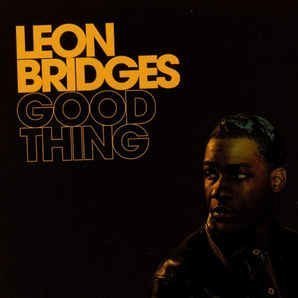
Leon Bridges is a talented R&B/soul singer outta Fort Worth, Texas. Not too long ago, he released his second studio album, entitled, “Good Thing”.
BET AIN’T WORTH THE HAND
The artist sings a beautiful ballad about leaving a rocky relationship. He doesn’t want to leave because he still sees hope in making it work.
The Natalie Rae-directed video begins with Bridges walking the street. He’s hurt. The following scenes show him relating to other people going through the same emotional pain he’s experiencing.
The artist knows that’s a risky move staying in a broken relationship. Also, he looks at the cards he’s dealt with and realizes his best is to move on.
BAD BAD NEWS
The artist switches speed and takes listeners on a funky ride. It’s disco time and he celebrates on the dancefloor. Also, being there isn’t easy. So, he has to fight his way through the crowd to make it to the front.
The Natalie Rae-directed video begins with a voluptuous woman walking inside a train station. She hears someone whistling so she heads in that direction, following the whistler.
Somehow, Bridges’ music overtakes her soul and she begins to follow its funky rhythm. In the end, it leads her to the guy who was whistling in the beginning.
The artist sings a triumphant song. He questions people trying to hold him in the back. But that’s not where he belongs. So, he moves up front and kills them with style and grace.
SHY
The artist addresses a shy woman that he’s in love with. Also, he assures her that it doesn’t matter if she’s shy. He doesn’t care about her shyness because he’s into her.
BEYOND
Bridges is deep in love with the shy woman. Everything is moving fast. Also, he wants to slow things down but he can’t. Because of that, he’s scared to death that she might be the one.
FORGIVE YOU
The artist sings the blues. He admits he played the fool in the relationship where his girl took advantage of his kindness. But he forgives her even though it’s hard to. Also, his friends warned him not to be so gullible.
LIONS
The aftermath of experiencing bad love has Bridges feeling like a thirsty lion. But through his trials and tribulations, he remains true to himself. Also, he refuses to conform to who the woman wants him to be.
IF IT FEELS GOOD (THEN IT MUST BE)
The artist removes the bad love aura and freshens the air with truth and honesty. Also, he perfumes the dancefloor with a splash of funkiness and rhythm and blues.
He wants the mysterious lady bad. So, he tells her to let her guards down and enjoy herself. He doesn’t want her to act so seriously.
YOU DON’T KNOW
The artist continues dancing in the name of love. He’s head over heels for the woman in his life and he wants the world to know that. Also, he wants her to stop thinking because their loving might not go down if she continues to do so.
MRS.
The artist addresses his love and hate relationship with his girl. When they’re good they’re good, but when they’re bad they’re really bad. Also, whenever she shows him affection, he remembers that she still loves him.
GEORGIA TO TEXAS
The artist sings about his mother carrying him in her womb, while his father drove them from Atlanta to Texas. But years later, he admits that adapting to his surrounding wasn’t easy.
Apparently, the 504 black girl is Bridges’ mother, Lisa Sawyer. The number 504 is the area code where she’s from in New Orleans, Lousiana.
CONCLUSION
Leon Bridges’ “Good Thing” is a classic album perfumed with soul ballads, spicy topics, and danceable tunes. Its soulful sound is the perfect soundtrack for those who have loved and lost, and those who are in love for the very first time. It’s romantic, celebratory, with lush experiences. Also, it takes listeners on an emotional journey through the hills and valleys where love dwells.
https://www.bongminesentertainment.com/leon-bridges-good-thing/
BET AIN’T WORTH THE HAND
The artist sings a beautiful ballad about leaving a rocky relationship. He doesn’t want to leave because he still sees hope in making it work.
The Natalie Rae-directed video begins with Bridges walking the street. He’s hurt. The following scenes show him relating to other people going through the same emotional pain he’s experiencing.
The artist knows that’s a risky move staying in a broken relationship. Also, he looks at the cards he’s dealt with and realizes his best is to move on.
BAD BAD NEWS
The artist switches speed and takes listeners on a funky ride. It’s disco time and he celebrates on the dancefloor. Also, being there isn’t easy. So, he has to fight his way through the crowd to make it to the front.
The Natalie Rae-directed video begins with a voluptuous woman walking inside a train station. She hears someone whistling so she heads in that direction, following the whistler.
Somehow, Bridges’ music overtakes her soul and she begins to follow its funky rhythm. In the end, it leads her to the guy who was whistling in the beginning.
The artist sings a triumphant song. He questions people trying to hold him in the back. But that’s not where he belongs. So, he moves up front and kills them with style and grace.
SHY
The artist addresses a shy woman that he’s in love with. Also, he assures her that it doesn’t matter if she’s shy. He doesn’t care about her shyness because he’s into her.
BEYOND
Bridges is deep in love with the shy woman. Everything is moving fast. Also, he wants to slow things down but he can’t. Because of that, he’s scared to death that she might be the one.
FORGIVE YOU
The artist sings the blues. He admits he played the fool in the relationship where his girl took advantage of his kindness. But he forgives her even though it’s hard to. Also, his friends warned him not to be so gullible.
LIONS
The aftermath of experiencing bad love has Bridges feeling like a thirsty lion. But through his trials and tribulations, he remains true to himself. Also, he refuses to conform to who the woman wants him to be.
IF IT FEELS GOOD (THEN IT MUST BE)
The artist removes the bad love aura and freshens the air with truth and honesty. Also, he perfumes the dancefloor with a splash of funkiness and rhythm and blues.
He wants the mysterious lady bad. So, he tells her to let her guards down and enjoy herself. He doesn’t want her to act so seriously.
YOU DON’T KNOW
The artist continues dancing in the name of love. He’s head over heels for the woman in his life and he wants the world to know that. Also, he wants her to stop thinking because their loving might not go down if she continues to do so.
MRS.
The artist addresses his love and hate relationship with his girl. When they’re good they’re good, but when they’re bad they’re really bad. Also, whenever she shows him affection, he remembers that she still loves him.
GEORGIA TO TEXAS
The artist sings about his mother carrying him in her womb, while his father drove them from Atlanta to Texas. But years later, he admits that adapting to his surrounding wasn’t easy.
Apparently, the 504 black girl is Bridges’ mother, Lisa Sawyer. The number 504 is the area code where she’s from in New Orleans, Lousiana.
CONCLUSION
Leon Bridges’ “Good Thing” is a classic album perfumed with soul ballads, spicy topics, and danceable tunes. Its soulful sound is the perfect soundtrack for those who have loved and lost, and those who are in love for the very first time. It’s romantic, celebratory, with lush experiences. Also, it takes listeners on an emotional journey through the hills and valleys where love dwells.
https://www.bongminesentertainment.com/leon-bridges-good-thing/
Python Data Mining Cookbook
Book
Over 100 recipes to help you discover patterns in data with Python 3.x About This Book * Rich...
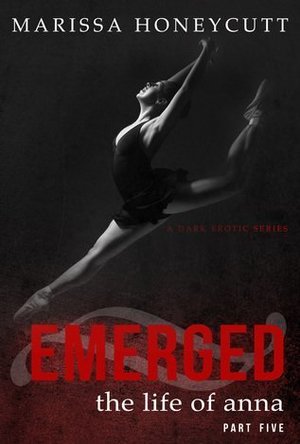
Emerged (The Life of Anna #5)
Book
Anna has escaped from Devin. Now she must learn what it is to live without a master. Yet Devin will...
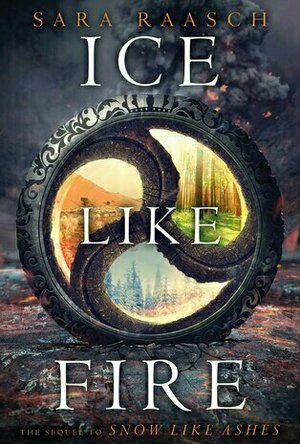
Sophia (Bookwyrming Thoughts) (530 KP) rated Ice Like Fire (Snow Like Ashes, #2) in Books
Jan 23, 2020
I don't know what to say about this one. (Aside from the fact the author is just another evil writing spawn...)
Anyways. Let's get this up and out of the way: I enjoyed <i><a title="Snow Like Ashes review" href="http://www.bookwyrmingthoughts.com/2015/04/review-snow-like-ashes-by-sara-raasch.html" target="_blank" rel="noopener tag">Snow Like Ashes</a></i> much much better than <i>Ice Like Fire</i>. In fact, it would have been <i>great</i> as a stand alone novel as well, aside from the fact it would be an open-ended ending that would probably just demand a series in the end.
<i>Ice Like Fire</i> is basically a reconstruction phrase for the Winterians, who are recovering from the harsh conditions of their work camps in Spring (or maybe another kingdom). Under Cordell's orders (and because Winter is in debt to the kingdom for their assistance in getting rid of Angra), the Winterians are mining and searching for the origins of the conduits, and the source of powerful magic. When they find the magic chasm, everyone has different viewpoints: Theron wants to open the chasm and unite the world, Meira wants to keep the chasm closed and answers, and Mather just wants the Winterians to be free.
And to hopefully accomplish all of that and gain allies, Meira and Theron set off on a journey to the other kingdoms, primarily Summer, Yakim, and Ventralli. If you ask me, nothing terribly action packed is going on in this sequel unless visiting kingdoms and seeing their traditions in action is considered "action."
But let's talk about this love triangle established from <i>Snow Like Ashes</i> and continuing with <i>Ice Like Fire</i>. Mather is compassionate and loyal and quotable, and Theron makes fantastic comments and has big dreams for the kingdoms. Both with good intentions and not exactly considered annoying thus far. I haven't actually made any progress with this love triangle – not when it comes to going with one side or another.
Ultimately, though, stay away from <i>Ice Like Fire</i>. The first book is more enjoyable, but the second book will leave readers wanting closure that won't actually happen until later on this year.
<a href="https://bookwyrmingthoughts.com/chibi-views-touch-jennifer-snyder-ice-like-fire-sara-raasch/" target="_blank">This review was originally posted on Bookwyrming Thoughts</a>
Anyways. Let's get this up and out of the way: I enjoyed <i><a title="Snow Like Ashes review" href="http://www.bookwyrmingthoughts.com/2015/04/review-snow-like-ashes-by-sara-raasch.html" target="_blank" rel="noopener tag">Snow Like Ashes</a></i> much much better than <i>Ice Like Fire</i>. In fact, it would have been <i>great</i> as a stand alone novel as well, aside from the fact it would be an open-ended ending that would probably just demand a series in the end.
<i>Ice Like Fire</i> is basically a reconstruction phrase for the Winterians, who are recovering from the harsh conditions of their work camps in Spring (or maybe another kingdom). Under Cordell's orders (and because Winter is in debt to the kingdom for their assistance in getting rid of Angra), the Winterians are mining and searching for the origins of the conduits, and the source of powerful magic. When they find the magic chasm, everyone has different viewpoints: Theron wants to open the chasm and unite the world, Meira wants to keep the chasm closed and answers, and Mather just wants the Winterians to be free.
And to hopefully accomplish all of that and gain allies, Meira and Theron set off on a journey to the other kingdoms, primarily Summer, Yakim, and Ventralli. If you ask me, nothing terribly action packed is going on in this sequel unless visiting kingdoms and seeing their traditions in action is considered "action."
But let's talk about this love triangle established from <i>Snow Like Ashes</i> and continuing with <i>Ice Like Fire</i>. Mather is compassionate and loyal and quotable, and Theron makes fantastic comments and has big dreams for the kingdoms. Both with good intentions and not exactly considered annoying thus far. I haven't actually made any progress with this love triangle – not when it comes to going with one side or another.
Ultimately, though, stay away from <i>Ice Like Fire</i>. The first book is more enjoyable, but the second book will leave readers wanting closure that won't actually happen until later on this year.
<a href="https://bookwyrmingthoughts.com/chibi-views-touch-jennifer-snyder-ice-like-fire-sara-raasch/" target="_blank">This review was originally posted on Bookwyrming Thoughts</a>
Only When I Laugh: My Autobiography
Book
Known for his intelligent and often surreal humour, Paul Merton's weekly appearances on BBC1's Have...

Purple Phoenix Games (2266 KP) rated Viceroy in Tabletop Games
Jun 12, 2019
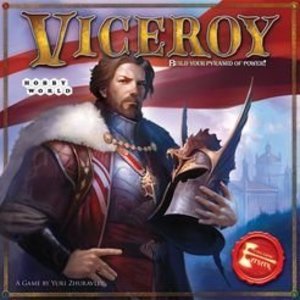
One of the best parts of the board gaming experience is finding a fun group of people with whom to play! Sometimes, though, coordinating a game night is easier said than done. We all must occasionally forego the group experience and face the world as the Lonely Only. But fear not! The world of solo-play is a vast and exciting realm! What follows is a chronicle of my journey into the solo-playing world – notes on gameplay, mechanics, rules, difficulty, and overall experience with solo variations of commonly multiplayer games! I hope this will provide some insight as you continue to grow your collection, or explore your already owned games!
Power. That’s what everyone wants, isn’t it? Well, at least it is in Viceroy! As an inhabitant of the world of Laar, you are fighting to become the ultimate ruler. Recruit allies who provide strategic advantages and enact laws that solidify your claim for power. Do you have what it takes to build and maintain a powerful kingdom, or will your attempts fall short?
DISCLAIMER: There is an expansion to this game, but we are not reviewing it at this time. Should we review it in the future we will either update this review or post a link to the new material here. -T
Viceroy, a game of card drafting and tile placement, is played over 12 turns in which players build a pyramid with their cards – paying to place each card and collecting rewards based upon which level of the pyramid a card is placed. Each turn is divided into two phases: Auction and Development. During the Auction Phase, players bid gemstones to buy a card from the auction line. Once every player has either collected 1 card from auction or passed, play moves to the Development Phase. During the Development Phase, players can either play a card into their pyramid, pass, or discard a card and take 2 gemstones from the reserve. To play a Law card into your pyramid, you place it for free. To play a Character card into your pyramid, you have to pay for it with gems. The cost is dependent upon which level of the pyramid the card is to be placed. You must pay for the level the card will sit on, as well as pay the cost for every level beneath it. For example, to add a card to the third level of the pyramid, you must pay the cost for the 3rd level, AND 2nd level, AND 1st level. The rewards gained from adding a card to the pyramid, however, are taken only for the level on which the card sits. In the earlier example, you would only get the reward for the third level alone, since that is the level on which the card sits. The Development Phase is played over 3 rounds, so a player could play up to 3 cards into their pyramid during 1 Development Phase. After the 3 rounds are up, the next turn begins again in the Auction Phase. When all cards are gone from the Auction Deck, the game ends. Players count up all of their Power Points, and the player with the highest Power value wins!
The only change in Viceroy between a group and solo game is during the Auction Phase. Obviously, if you are playing solo, there is nobody to bid against for cards. How that is alleviated is that you still bid your gemstone as normal, and you randomly draw an unused gemstone from the box as an AI bid. If the colors match, you lose your gem and go on to the next auction. If the colors do not match, you collect your choice card, and the card the AI would have collected gets discarded. If the AI color does not match an available card, you just discard one of the remaining cards. This mimics group play in the sense that you might not always get the card you want from auction! The Development Phase is played as normal. At the end of the game, count points as normal and try to beat your own high score.
Viceroy is a neat game. Every card has so many options that there is no one single strategy that is a sure-win every time. Maybe one game I’ll go for Magic tokens. And maybe the next I’ll try to go for raw Power Point tokens. The possibilities really are endless, and that keeps this game fresh for me. I don’t feel like I’m just going through the motions because every card will act differently depending on where it is played. Strategy really is everything here. On the flip-side of that, however, is that sometimes the options can be a little overwhelming. With so many possibilities for each card, it can get hard for me to decide on what strategy I really want to use. It should also be noted that a card can only be played onto a level if it can sit on exactly 2 cards on the level beneath it. So sometimes I buy a card to play on a certain level only to get to the Development Phase and realize I don’t have a legal place to which I can play it. So do I sacrifice other cards/gemstones to build a slot for this one card, or do I play it to a different level and change my strategy a bit? There’s a little bit of a learning curve, but the more I play, the better I get (or at least, the better I think I get).
Another grievance with Viceroy is that I find myself running out of cards in my hand a lot. The only opportunity to draw cards is if you play a card into your pyramid that allows you to do so. And since I’m usually focused on other strategic routes, I don’t use those cards for those purposes. So then I play all of the cards in my hand (leaving me empty-handed), get 1 card at the next auction, play it, and am again left with no cards in my hand. To fix this issue, I wish one of the actions you could take during the Development Phase was to draw 1 card. I’m not sure if other people have this issue, or if it’s just me, but it’s a problem I run into almost every game.
Overall, I think Viceroy is a good game. It’s unique in the sense that there are so many possibilities that you’ll probably never play the same game twice, even if you decide to play by the same strategy. The mechanics and gameplay are cool too – it’s fun to watch your pyramid literally grow in front of you as the game progresses. This game takes a little more focus and thought than you might think, so it’s not one I’d necessarily just pull out for some light fun. I think Viceroy is as exciting as a solo game as it is as a group game since there really aren’t any differences between the two settings. If you like Viceroy, give it a try solo! If you’ve never played Viceroy, try it either solo or in a group – it’s the same game after all!
https://purplephoenixgames.wordpress.com/2019/04/18/solo-chronicles-viceroy/
Power. That’s what everyone wants, isn’t it? Well, at least it is in Viceroy! As an inhabitant of the world of Laar, you are fighting to become the ultimate ruler. Recruit allies who provide strategic advantages and enact laws that solidify your claim for power. Do you have what it takes to build and maintain a powerful kingdom, or will your attempts fall short?
DISCLAIMER: There is an expansion to this game, but we are not reviewing it at this time. Should we review it in the future we will either update this review or post a link to the new material here. -T
Viceroy, a game of card drafting and tile placement, is played over 12 turns in which players build a pyramid with their cards – paying to place each card and collecting rewards based upon which level of the pyramid a card is placed. Each turn is divided into two phases: Auction and Development. During the Auction Phase, players bid gemstones to buy a card from the auction line. Once every player has either collected 1 card from auction or passed, play moves to the Development Phase. During the Development Phase, players can either play a card into their pyramid, pass, or discard a card and take 2 gemstones from the reserve. To play a Law card into your pyramid, you place it for free. To play a Character card into your pyramid, you have to pay for it with gems. The cost is dependent upon which level of the pyramid the card is to be placed. You must pay for the level the card will sit on, as well as pay the cost for every level beneath it. For example, to add a card to the third level of the pyramid, you must pay the cost for the 3rd level, AND 2nd level, AND 1st level. The rewards gained from adding a card to the pyramid, however, are taken only for the level on which the card sits. In the earlier example, you would only get the reward for the third level alone, since that is the level on which the card sits. The Development Phase is played over 3 rounds, so a player could play up to 3 cards into their pyramid during 1 Development Phase. After the 3 rounds are up, the next turn begins again in the Auction Phase. When all cards are gone from the Auction Deck, the game ends. Players count up all of their Power Points, and the player with the highest Power value wins!
The only change in Viceroy between a group and solo game is during the Auction Phase. Obviously, if you are playing solo, there is nobody to bid against for cards. How that is alleviated is that you still bid your gemstone as normal, and you randomly draw an unused gemstone from the box as an AI bid. If the colors match, you lose your gem and go on to the next auction. If the colors do not match, you collect your choice card, and the card the AI would have collected gets discarded. If the AI color does not match an available card, you just discard one of the remaining cards. This mimics group play in the sense that you might not always get the card you want from auction! The Development Phase is played as normal. At the end of the game, count points as normal and try to beat your own high score.
Viceroy is a neat game. Every card has so many options that there is no one single strategy that is a sure-win every time. Maybe one game I’ll go for Magic tokens. And maybe the next I’ll try to go for raw Power Point tokens. The possibilities really are endless, and that keeps this game fresh for me. I don’t feel like I’m just going through the motions because every card will act differently depending on where it is played. Strategy really is everything here. On the flip-side of that, however, is that sometimes the options can be a little overwhelming. With so many possibilities for each card, it can get hard for me to decide on what strategy I really want to use. It should also be noted that a card can only be played onto a level if it can sit on exactly 2 cards on the level beneath it. So sometimes I buy a card to play on a certain level only to get to the Development Phase and realize I don’t have a legal place to which I can play it. So do I sacrifice other cards/gemstones to build a slot for this one card, or do I play it to a different level and change my strategy a bit? There’s a little bit of a learning curve, but the more I play, the better I get (or at least, the better I think I get).
Another grievance with Viceroy is that I find myself running out of cards in my hand a lot. The only opportunity to draw cards is if you play a card into your pyramid that allows you to do so. And since I’m usually focused on other strategic routes, I don’t use those cards for those purposes. So then I play all of the cards in my hand (leaving me empty-handed), get 1 card at the next auction, play it, and am again left with no cards in my hand. To fix this issue, I wish one of the actions you could take during the Development Phase was to draw 1 card. I’m not sure if other people have this issue, or if it’s just me, but it’s a problem I run into almost every game.
Overall, I think Viceroy is a good game. It’s unique in the sense that there are so many possibilities that you’ll probably never play the same game twice, even if you decide to play by the same strategy. The mechanics and gameplay are cool too – it’s fun to watch your pyramid literally grow in front of you as the game progresses. This game takes a little more focus and thought than you might think, so it’s not one I’d necessarily just pull out for some light fun. I think Viceroy is as exciting as a solo game as it is as a group game since there really aren’t any differences between the two settings. If you like Viceroy, give it a try solo! If you’ve never played Viceroy, try it either solo or in a group – it’s the same game after all!
https://purplephoenixgames.wordpress.com/2019/04/18/solo-chronicles-viceroy/
Heather Cranmer (2721 KP) rated When Patty Went Away in Books
Jun 7, 2018
(This review can be found on my blog <a href=http://themisadventuresofatwentysomething.blogspot.com/">The (Mis)Adventures of a Twenty-Something Year Old Girl</a>.
The blurb intrigued me a lot. This was a book I really wanted to read. However, I was a bit disappointed when I finally got a chance to read it.
The title definitely fits the book for at least the second half. (I'll go into more detail about that later). The title reminds me of someone who checks out of reality though.
I like the serene look of the cover. I don't really know how it ties into the book though. The cover made me think more of a holiday romance type.
I can't really fault the world building. I thought it was done rather well and very believable. From a historic viewpoint, the facts and events were all correct. It was interesting that Ms. Burt chose to narrate through the point of view of a man. She did a great job of making it work though. There was one or two times I felt a bit confused, but I put it down to just a personal thing like maybe I wasn't paying as much attention as I should've been. The only thing that bothered me was when the narrator of the book would suddenly start talking about a memory. It was too sudden, and I didn't know if it was happening in present time or if it was indeed a memory. I felt as if a memory could've had a better introduction so the audience was aware that it happened at another time in the book.
I felt that the pacing was too slow for about the first two-thirds of the book. It seemed to drone on and on about a topic I wasn't that interested in (farming). I realize that Ms. Burt was setting up a back story, but there was too much focus on the whole farming aspect of the book and not about Patty disappearing as the title and the blurb would suggest. Once the main character goes to Montreal, the pacing picks up decently, and it becomes a book that I had a hard time putting down.
The whole story line was a bit weak, I felt. First off, it reads like two books. The first two-thirds of the book is about a family who has lost their farm due to a bad storm. The reader then takes a journey into finding out how this family struggles to survive without their means of income. I found it a bit tedious because I don't really care about farming, and this book used a lot of farming terminology. The last third of the book is when Jack goes to Montreal to look for Patty. This explores the seedy side of Montreal (which could be just about anywhere) and prostitution involving runaways. I thought the story line was strong during this bit.
I felt that Jack was a well developed character and very likable. It was easy to feel what he was feeling and to feel sorry for him with all that he was going through. Molly is a strict God fearing woman. However, I felt that there was too much focus on her being overweight which was uncalled for. I didn't really like how Christianity was portrayed when it came to Molly. I'm sure there are people in the world like her, but there were times when I just felt a bit offended. I would've loved to know more about Patty and Edie as individuals. I just felt like they didn't get enough time throughout the book, Patty especially. I found it a bit hard to care about Edie and Patty especially as I felt like I didn't have enough information on them to care.
The dialogue fit this book very well. However, I think a lot of people will struggle with the farming terminology and have a hard time relating to the whole farm scenario. As I've said before, this book reads like two books in one. To further prove my point, even the dialogue is different. During the whole family losing their farm scenario, the language isn't vulgar nor is there any swearing (that I could remember). Once Jack gets to Montreal, the language turns a bit vulgar, and there is some swearing.
Overall, When Patty Went Away is just an alright read. The plot could've been better and the merging of ideas could've been smoother. Saying that, the main character is very likable and the world building was good.
I'd recommend this book to those 18+ who know something about farming or those who want a book that will last awhile.
<b>I'd give When Patty Went Away by Jeannie Burt a 2.5 out of 5.</b>
(I received a free paperback of this book from LibraryThing for free in exchange for a fair and honest review).
The blurb intrigued me a lot. This was a book I really wanted to read. However, I was a bit disappointed when I finally got a chance to read it.
The title definitely fits the book for at least the second half. (I'll go into more detail about that later). The title reminds me of someone who checks out of reality though.
I like the serene look of the cover. I don't really know how it ties into the book though. The cover made me think more of a holiday romance type.
I can't really fault the world building. I thought it was done rather well and very believable. From a historic viewpoint, the facts and events were all correct. It was interesting that Ms. Burt chose to narrate through the point of view of a man. She did a great job of making it work though. There was one or two times I felt a bit confused, but I put it down to just a personal thing like maybe I wasn't paying as much attention as I should've been. The only thing that bothered me was when the narrator of the book would suddenly start talking about a memory. It was too sudden, and I didn't know if it was happening in present time or if it was indeed a memory. I felt as if a memory could've had a better introduction so the audience was aware that it happened at another time in the book.
I felt that the pacing was too slow for about the first two-thirds of the book. It seemed to drone on and on about a topic I wasn't that interested in (farming). I realize that Ms. Burt was setting up a back story, but there was too much focus on the whole farming aspect of the book and not about Patty disappearing as the title and the blurb would suggest. Once the main character goes to Montreal, the pacing picks up decently, and it becomes a book that I had a hard time putting down.
The whole story line was a bit weak, I felt. First off, it reads like two books. The first two-thirds of the book is about a family who has lost their farm due to a bad storm. The reader then takes a journey into finding out how this family struggles to survive without their means of income. I found it a bit tedious because I don't really care about farming, and this book used a lot of farming terminology. The last third of the book is when Jack goes to Montreal to look for Patty. This explores the seedy side of Montreal (which could be just about anywhere) and prostitution involving runaways. I thought the story line was strong during this bit.
I felt that Jack was a well developed character and very likable. It was easy to feel what he was feeling and to feel sorry for him with all that he was going through. Molly is a strict God fearing woman. However, I felt that there was too much focus on her being overweight which was uncalled for. I didn't really like how Christianity was portrayed when it came to Molly. I'm sure there are people in the world like her, but there were times when I just felt a bit offended. I would've loved to know more about Patty and Edie as individuals. I just felt like they didn't get enough time throughout the book, Patty especially. I found it a bit hard to care about Edie and Patty especially as I felt like I didn't have enough information on them to care.
The dialogue fit this book very well. However, I think a lot of people will struggle with the farming terminology and have a hard time relating to the whole farm scenario. As I've said before, this book reads like two books in one. To further prove my point, even the dialogue is different. During the whole family losing their farm scenario, the language isn't vulgar nor is there any swearing (that I could remember). Once Jack gets to Montreal, the language turns a bit vulgar, and there is some swearing.
Overall, When Patty Went Away is just an alright read. The plot could've been better and the merging of ideas could've been smoother. Saying that, the main character is very likable and the world building was good.
I'd recommend this book to those 18+ who know something about farming or those who want a book that will last awhile.
<b>I'd give When Patty Went Away by Jeannie Burt a 2.5 out of 5.</b>
(I received a free paperback of this book from LibraryThing for free in exchange for a fair and honest review).
Purple Phoenix Games (2266 KP) rated Darkest Night (First edition) in Tabletop Games
Jun 12, 2019
One of the best parts of the board gaming experience is finding a fun group of people with whom to play! Sometimes, though, coordinating a game night is easier said than done. We all must occasionally forego the group experience and face the world as the Lonely Only. But fear not! The world of solo-play is a vast and exciting realm! What follows is a chronicle of my journey into the solo-playing world – notes on gameplay, mechanics, rules, difficulty, and overall experience with solo variations of commonly multiplayer games! I hope this will provide some insight as you continue to grow your collection, or explore your already owned games!
Once prosperous, your kingdom has fallen victim to a powerful Necromancer who has shrouded the realm in darkness. His minions traverse the land doing his bidding, and his army, as well as his powers, continue to grow. All hope is lost….or is it? Four heroes band together in a final attempt to defeat this evil being. Each brings unique powers and strategies to the table, and success will come in one of two ways – by defeating the Necromancer in direct combat, or by gathering Holy Relics and performing a ritual to undo his powers. But be warned: the Necromancer grows stronger with every passing moment, so be sure your chosen strategy is the right one. Otherwise you too will fall victim to the Necromancer’s might.
Darkest Night is a cooperative game where players take on the role of the heroes attempting to defeat the Necromancer. Each turn has 4 steps – Perform any start-of-turn actions, draw/resolve an Event card, perform one action, and defend against Blights (monsters). Each equipped with a unique set of powers, the heroes must work together to search the land for Holy Relics and destroy Blights before the kingdom is overrun. Once all of the heroes have had their turn, the Necromancer gets his turn, which entails advancing the Darkness track, moving towards the closest detected hero, and creating more Blights. Victory comes in two forms – ritual or combat. If the heroes collectively uncover three Holy Relics, they can use them in a ritual to break the Necromancer’s powers. Or if a hero gets strong enough, they could directly fight the Necromancer. If, at any point, the Monastery is overrun by Blights, the game ends in failure and the kingdom has fallen into darkness.
DISCLAIMER – This review is for the Darkest Night (First Edition) base game. There is a second edition, and several expansions, but I have not had experience with any of those, so my thoughts are solely based on the First Edition base game. -L
I’m just going to be up-front and let you know that I am not a huge fan of this game solo. The main reason is that this game is for four heroes, regardless of actual player count. So playing solo means that I have to control all four heroes. Controlling one hero, I can do. Controlling two heroes takes more focus, but is usually manageable. But controlling four heroes at once? Madness! At least for me it is. There is so much more for a single person to keep track of, and it can be pretty overwhelming. There are so many variables to keep track of, I often end up making mistakes – forgetting to draw Event cards, accidentally using one hero’s ability when it is a different hero’s turn, forgetting to give one hero a turn in a round because I thought they already had one, etc. If I am lucky, I will catch a mistake in-progress, or one turn later, and can rectify it. But to be honest, of all the mistakes I make while playing Darkest Night, I probably won’t catch 25% of them. Which can either make a game super easy, or super brutal. You might tell me, “Focus!” or “Pay better attention!” but believe me, I’m trying! I just feel like four heroes for one person is too much.
Patience is a virtue, but apparently I have none when it comes to this game. And by that, I mean that I feel like it takes an eternity to accomplish anything in this game. On your turn, you only get one single action. And movement is an action. Picture this – I am trying to move my hero to the opposite end of the kingdom (at least 2 spaces away). I am going to have to spend 2 complete rounds (active hero turn, other hero turns, Necromancer turn, x2) just to get there. And then once I finally get there, I have to wait for the 3rd round to even do anything in that location! I just get frustrated at the fact that something as simple as moving a few spaces takes multiple rounds to accomplish. Since everything takes so long to do, you have to be thinking so far into the future with every turn. That makes it difficult for me to strategize, and the game just feels so inefficient, especially in solo play, when you have to control all of the heroes. It can be tricky enough planning a few turns in advance for a single hero, but being in charge of all heroes just makes the job more complicated. And maybe I’m just not patient enough for this game, but I think that if every hero got two actions per turn, the game would be a lot more manageable.
This will come as no surprise to you, but I enjoy this game more in a group rather than solo. This game is cooperative, and I like being able to talk strategy with my fellow gamers, rather than trying to figure everything out for each of the four heroes by myself. Group play also allows me to focus my attention on one single hero instead of multiple, which makes the game feel less overwhelming to me. And perhaps the second edition or expansions address some of the issues I have with the game, but for the time being, Darkest Night is low on my list of solo games.
https://purplephoenixgames.wordpress.com/2019/01/04/solo-chronicles-darkest-night/
Once prosperous, your kingdom has fallen victim to a powerful Necromancer who has shrouded the realm in darkness. His minions traverse the land doing his bidding, and his army, as well as his powers, continue to grow. All hope is lost….or is it? Four heroes band together in a final attempt to defeat this evil being. Each brings unique powers and strategies to the table, and success will come in one of two ways – by defeating the Necromancer in direct combat, or by gathering Holy Relics and performing a ritual to undo his powers. But be warned: the Necromancer grows stronger with every passing moment, so be sure your chosen strategy is the right one. Otherwise you too will fall victim to the Necromancer’s might.
Darkest Night is a cooperative game where players take on the role of the heroes attempting to defeat the Necromancer. Each turn has 4 steps – Perform any start-of-turn actions, draw/resolve an Event card, perform one action, and defend against Blights (monsters). Each equipped with a unique set of powers, the heroes must work together to search the land for Holy Relics and destroy Blights before the kingdom is overrun. Once all of the heroes have had their turn, the Necromancer gets his turn, which entails advancing the Darkness track, moving towards the closest detected hero, and creating more Blights. Victory comes in two forms – ritual or combat. If the heroes collectively uncover three Holy Relics, they can use them in a ritual to break the Necromancer’s powers. Or if a hero gets strong enough, they could directly fight the Necromancer. If, at any point, the Monastery is overrun by Blights, the game ends in failure and the kingdom has fallen into darkness.
DISCLAIMER – This review is for the Darkest Night (First Edition) base game. There is a second edition, and several expansions, but I have not had experience with any of those, so my thoughts are solely based on the First Edition base game. -L
I’m just going to be up-front and let you know that I am not a huge fan of this game solo. The main reason is that this game is for four heroes, regardless of actual player count. So playing solo means that I have to control all four heroes. Controlling one hero, I can do. Controlling two heroes takes more focus, but is usually manageable. But controlling four heroes at once? Madness! At least for me it is. There is so much more for a single person to keep track of, and it can be pretty overwhelming. There are so many variables to keep track of, I often end up making mistakes – forgetting to draw Event cards, accidentally using one hero’s ability when it is a different hero’s turn, forgetting to give one hero a turn in a round because I thought they already had one, etc. If I am lucky, I will catch a mistake in-progress, or one turn later, and can rectify it. But to be honest, of all the mistakes I make while playing Darkest Night, I probably won’t catch 25% of them. Which can either make a game super easy, or super brutal. You might tell me, “Focus!” or “Pay better attention!” but believe me, I’m trying! I just feel like four heroes for one person is too much.
Patience is a virtue, but apparently I have none when it comes to this game. And by that, I mean that I feel like it takes an eternity to accomplish anything in this game. On your turn, you only get one single action. And movement is an action. Picture this – I am trying to move my hero to the opposite end of the kingdom (at least 2 spaces away). I am going to have to spend 2 complete rounds (active hero turn, other hero turns, Necromancer turn, x2) just to get there. And then once I finally get there, I have to wait for the 3rd round to even do anything in that location! I just get frustrated at the fact that something as simple as moving a few spaces takes multiple rounds to accomplish. Since everything takes so long to do, you have to be thinking so far into the future with every turn. That makes it difficult for me to strategize, and the game just feels so inefficient, especially in solo play, when you have to control all of the heroes. It can be tricky enough planning a few turns in advance for a single hero, but being in charge of all heroes just makes the job more complicated. And maybe I’m just not patient enough for this game, but I think that if every hero got two actions per turn, the game would be a lot more manageable.
This will come as no surprise to you, but I enjoy this game more in a group rather than solo. This game is cooperative, and I like being able to talk strategy with my fellow gamers, rather than trying to figure everything out for each of the four heroes by myself. Group play also allows me to focus my attention on one single hero instead of multiple, which makes the game feel less overwhelming to me. And perhaps the second edition or expansions address some of the issues I have with the game, but for the time being, Darkest Night is low on my list of solo games.
https://purplephoenixgames.wordpress.com/2019/01/04/solo-chronicles-darkest-night/
Cut the Rope 2: Om Nom's Quest
Games and Entertainment
App
Second part of the legendary Cut the Rope logic puzzles series. Get it now for free! Cut the Rope 2...
Gareth von Kallenbach (980 KP) rated The Hobbit: An Unexpected Journey (2012) in Movies
Aug 7, 2019
Following the Lord of the Rings Trilogy was going to be no easy feat. The series not only made incredible amounts of cash at the box office worldwide, but also garnered an Academy award for best picture for the final film in the series. In the years since the trilogy, writer-director-producer Peter Jackson has not overwhelmed at the box office. His big-budget remake of “King Kong” performed below expectations and the high-profile collapse of the “Halo” movie to which he was attached, as well as the underwhelming box office of “The Lovely Bones” made many people question if Jackson had peaked and was better suited for the lower budgeted independent films that first gave him his start.
When it was announced that a film version of “The Hobbit” was in the works and that director Guillermo del Toro would direct the film as well as help write the screenplay and that Jackson would produce, the fans’ interest level was definitely piqued. But after a long state of pre-production, del Torro decided not to direct the film as he was unwilling to commit the next six years to living and working in New Zealand. Jackson then took over the film and soon after it was announced that it would be stretched into three movies to form a new trilogy.
For those unfamiliar with the story it was actually the first book written by J.R.R. Tolkien, which sets the stage for what was to follow in the Lord of the Rings even though it was originally conceived as a standalone story. The film opens with an older Bilbo Baggins (Martin Freeman), writing a memoir while preparations for a party are underway. Bilbo discusses how there was one story that he had not disclosed and sets pen to paper in order to chronicle his legendary journey 60 years prior.
Gandolf Wizard (Sir Ian McKellen) visits the younger Bilbo and suggests he go on an adventure. Bilbo immediately declines, as being a Hobbit, he has no desire to leave the creature comforts and serenity of The Shire, much less face the dangers that exist in the world beyond. A group of dwarves arrive’ that evening and despite their gluttonous appetites and loud behavior, Bilbo has a change of heart the following morning and accompanies them on their quest.
The group’s goal is to travel to the dwarves’ kingdom of Erebor to reclaim their stronghold which was lost many years earlier to a vicious Dragon named Smaug. In the decades since, the dwarves existed as people without a home, forced to live as nomads taking work wherever they can find it. Along the way the group deals with all manner of threats and dangers ranging from trolls, goblins, orcs, and other supernatural elements. Of course there were some internal tensions and conflicts within the group as it marched towards a finale that sets the stage for the next film.
The movie has a runtime of nearly 3 hours and there were times that I caught a couple members in press row dozing briefly. While I enjoyed the film more than I did any of the Lord of the Rings movies, it was clearly obvious that things were being stretched out in order to justify a third film in the series. There were countless scenes of the band walking over hills and across the countryside so much so that at times I felt that I was watching the longest commercial for New Zealand tourism ever created. We get it. It’s a long journey. They travel near and far. I got it. I don’t need to see it every 10 minutes.
There were also several scenes that were done almost as if in aside that truthfully did not add much to the story but seem to exist as nothing more than time fillers. In the subsequent films it is learned that characters and scenes that did not appear in the book will be inserted into the film. Once again I have to question this as I do believe they could have easily cut an hour out of this movie and not lose much of the necessary narrative.
There’s been a lot of talk about the higher frame rate 3-D that was used to create the film. There have been claims that it was distracting, jerky, and detracted from the movie. I on the other hand found it absolutely captivating because it did not have that movie look to it, and it felt like I was watching an HD television. Even during the CGI heavy sequences, it did appear as if the performers were literally right there in front of me and I got the impression more of watching a play than of watching a movie.
The visual effects in the film were quite stunning. The live-action and computer-generated elements were absolutely amazing, especially during the latter part of the film when we meet Gollum (Andy Serkis), and during the battle and the goblin stronghold. Although the book is considered a children’s novel, I would really have to think twice about bringing young children to see this film as there is a lot of action and violence in the film as well as potential scares in the form of the monsters that abound.
The film could have definitely used some star power to it. While the cast does a solid job, they are fairly generic and almost interchangeable during certain segments of the film. That being said, the film works because despite its issues, it’s a visually spectacular masterpiece that, if you can endure the long periods of inaction, pays off especially well during the film’s battle sequences.
When it was announced that a film version of “The Hobbit” was in the works and that director Guillermo del Toro would direct the film as well as help write the screenplay and that Jackson would produce, the fans’ interest level was definitely piqued. But after a long state of pre-production, del Torro decided not to direct the film as he was unwilling to commit the next six years to living and working in New Zealand. Jackson then took over the film and soon after it was announced that it would be stretched into three movies to form a new trilogy.
For those unfamiliar with the story it was actually the first book written by J.R.R. Tolkien, which sets the stage for what was to follow in the Lord of the Rings even though it was originally conceived as a standalone story. The film opens with an older Bilbo Baggins (Martin Freeman), writing a memoir while preparations for a party are underway. Bilbo discusses how there was one story that he had not disclosed and sets pen to paper in order to chronicle his legendary journey 60 years prior.
Gandolf Wizard (Sir Ian McKellen) visits the younger Bilbo and suggests he go on an adventure. Bilbo immediately declines, as being a Hobbit, he has no desire to leave the creature comforts and serenity of The Shire, much less face the dangers that exist in the world beyond. A group of dwarves arrive’ that evening and despite their gluttonous appetites and loud behavior, Bilbo has a change of heart the following morning and accompanies them on their quest.
The group’s goal is to travel to the dwarves’ kingdom of Erebor to reclaim their stronghold which was lost many years earlier to a vicious Dragon named Smaug. In the decades since, the dwarves existed as people without a home, forced to live as nomads taking work wherever they can find it. Along the way the group deals with all manner of threats and dangers ranging from trolls, goblins, orcs, and other supernatural elements. Of course there were some internal tensions and conflicts within the group as it marched towards a finale that sets the stage for the next film.
The movie has a runtime of nearly 3 hours and there were times that I caught a couple members in press row dozing briefly. While I enjoyed the film more than I did any of the Lord of the Rings movies, it was clearly obvious that things were being stretched out in order to justify a third film in the series. There were countless scenes of the band walking over hills and across the countryside so much so that at times I felt that I was watching the longest commercial for New Zealand tourism ever created. We get it. It’s a long journey. They travel near and far. I got it. I don’t need to see it every 10 minutes.
There were also several scenes that were done almost as if in aside that truthfully did not add much to the story but seem to exist as nothing more than time fillers. In the subsequent films it is learned that characters and scenes that did not appear in the book will be inserted into the film. Once again I have to question this as I do believe they could have easily cut an hour out of this movie and not lose much of the necessary narrative.
There’s been a lot of talk about the higher frame rate 3-D that was used to create the film. There have been claims that it was distracting, jerky, and detracted from the movie. I on the other hand found it absolutely captivating because it did not have that movie look to it, and it felt like I was watching an HD television. Even during the CGI heavy sequences, it did appear as if the performers were literally right there in front of me and I got the impression more of watching a play than of watching a movie.
The visual effects in the film were quite stunning. The live-action and computer-generated elements were absolutely amazing, especially during the latter part of the film when we meet Gollum (Andy Serkis), and during the battle and the goblin stronghold. Although the book is considered a children’s novel, I would really have to think twice about bringing young children to see this film as there is a lot of action and violence in the film as well as potential scares in the form of the monsters that abound.
The film could have definitely used some star power to it. While the cast does a solid job, they are fairly generic and almost interchangeable during certain segments of the film. That being said, the film works because despite its issues, it’s a visually spectacular masterpiece that, if you can endure the long periods of inaction, pays off especially well during the film’s battle sequences.