Search

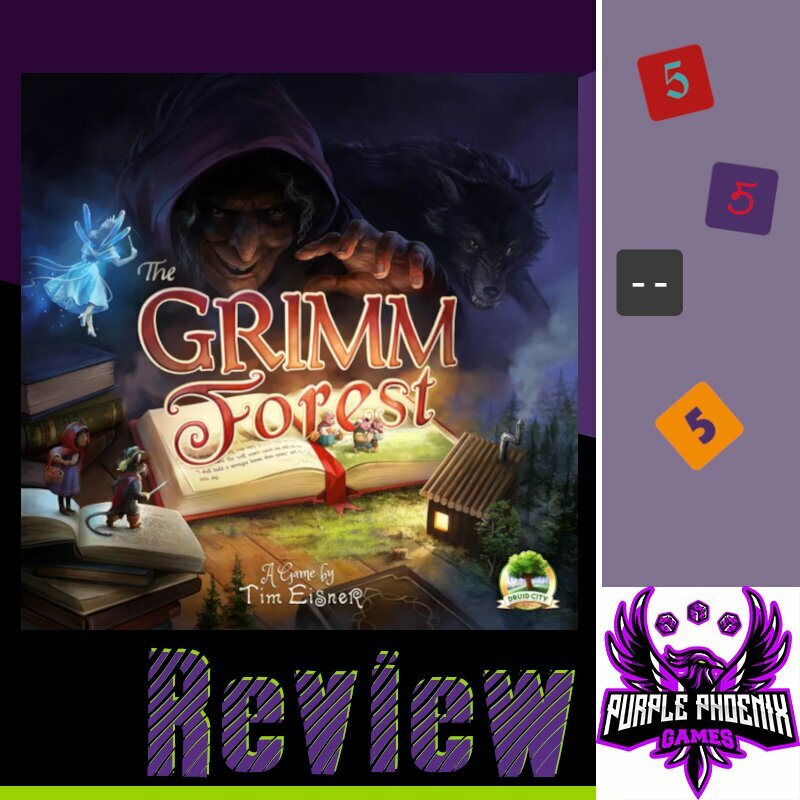
Purple Phoenix Games (2266 KP) rated The Grimm Forest in Tabletop Games
Apr 9, 2021

I am so psyched to be reviewing another board game based on fairytale lore. The Brothers Grimm material is such an enchanting (eh? eh?) theme and games can be taken in so many wonderful directions. Though I have never actually read any of the Grimm’s Fairy Tales (I know, I know), I have seen most of the movies based on the stories. I also know that the source material happens to be way darker than what Disney puts out, so when I heard we would be receiving The Grimm Forest to review, and not having really researched it much beforehand, I had a feeling it would be darker fare. But how dark does it go? Let’s find out.
The Grimm Forest is a simultaneous action selection, set collection, take that game for four family members of the infamous Three Little Pigs. As fantasy contractors players are tasked with constructing three houses as sturdy and quickly as they can. However, these contractors will have competition for limited resources, as well as the occasional interference from scary creatures and buddies of opponents. Like the baseball movie says, “If you build it, you will win the contract to build more stuff.” Or something like that.
DISCLAIMER: We were provided a copy of this game for the purposes of this review. This is a retail copy of the game, so what you see in these photos is exactly what would be received in your box. I do not intend to cover every single rule included in the rulebook, but will describe the overall game flow and major rule set so that our readers may get a sense of how the game plays. For more in depth rules, you may purchase a copy online or from your FLGS. -T
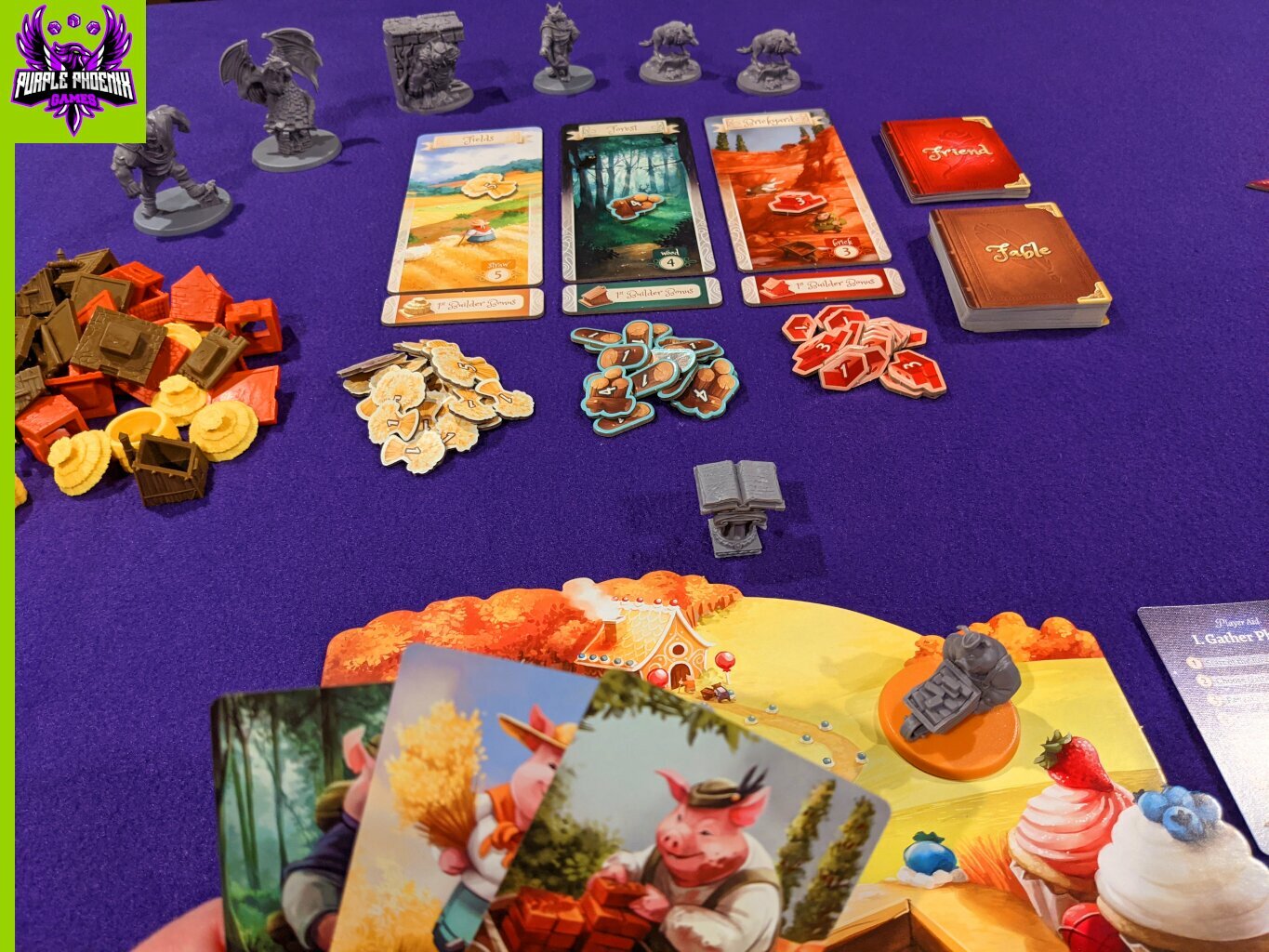
To setup, place the Location boards on the table for the Fields, Forest, and Brickyard (for a three-player game, as below). The First Builder Bonus tokens are placed below the matching Locations as well as the resources that can be harvested. One of each Mega Resource (5 Straw, 4 Wood, 3 Brick) are placed on the matching Location at the beginning of each round. The Friend and Fable decks are shuffled and placed nearby, as are the House sections (Floors, Walls, Roofs – Rooves?), and the Monster minis. Each player chooses a color and collects the Player board, Pig mini, and Gather cards matching that color. The first player is given the Starting Player tome token and the game may now begin!
The Grimm Forest is played over a series of rounds with each pig having a multi-step turn. Initially, however, the pigs will be deciding from which Location they would like to harvest resources by laying the corresponding Gather card from their hand to the table face-down. Once all pigs have laid their card, the Gather cards are flipped and revealed simultaneously. If any pig had chosen to also play one Fable card it would have been revealed and possibly resolved prior to this step. Players will place their Pig mini on the Location board they chose and then harvesting of resources may begin, unless a player has a Fable card that resolves at this point in the turn. If a Pig is alone in a Location they receive all resources currently found there. If Pigs share a Location then the shared minis will share the resources equally, keeping any remaining resources on the Location for the next round. If any player used a Fable card that activates at the end of the Gather phase, it is resolved now.
After the Gather phase, the Pigs will be able to take actions. On their turn, in turn order, each Pig may choose to perform two of the following actions in any order they wish (actions may be repeated except for Friend Special Actions): Draw a Fable card, Gain 1 Resource, Build, Special Actions. Drawing a Fable card is self-explanatory and players will keep their Fable cards secret from the other players. They may choose to play one of these Fable cards during the choosing of Gather cards portion of the beginning phase of a turn. A Pig may instead wish to gain one resource of their choosing and add it to their collection. As mentioned earlier, a Pig may also use their active Friend card’s (which is earned by building a Wall section) Special Action once per turn, should they have collected one earlier.
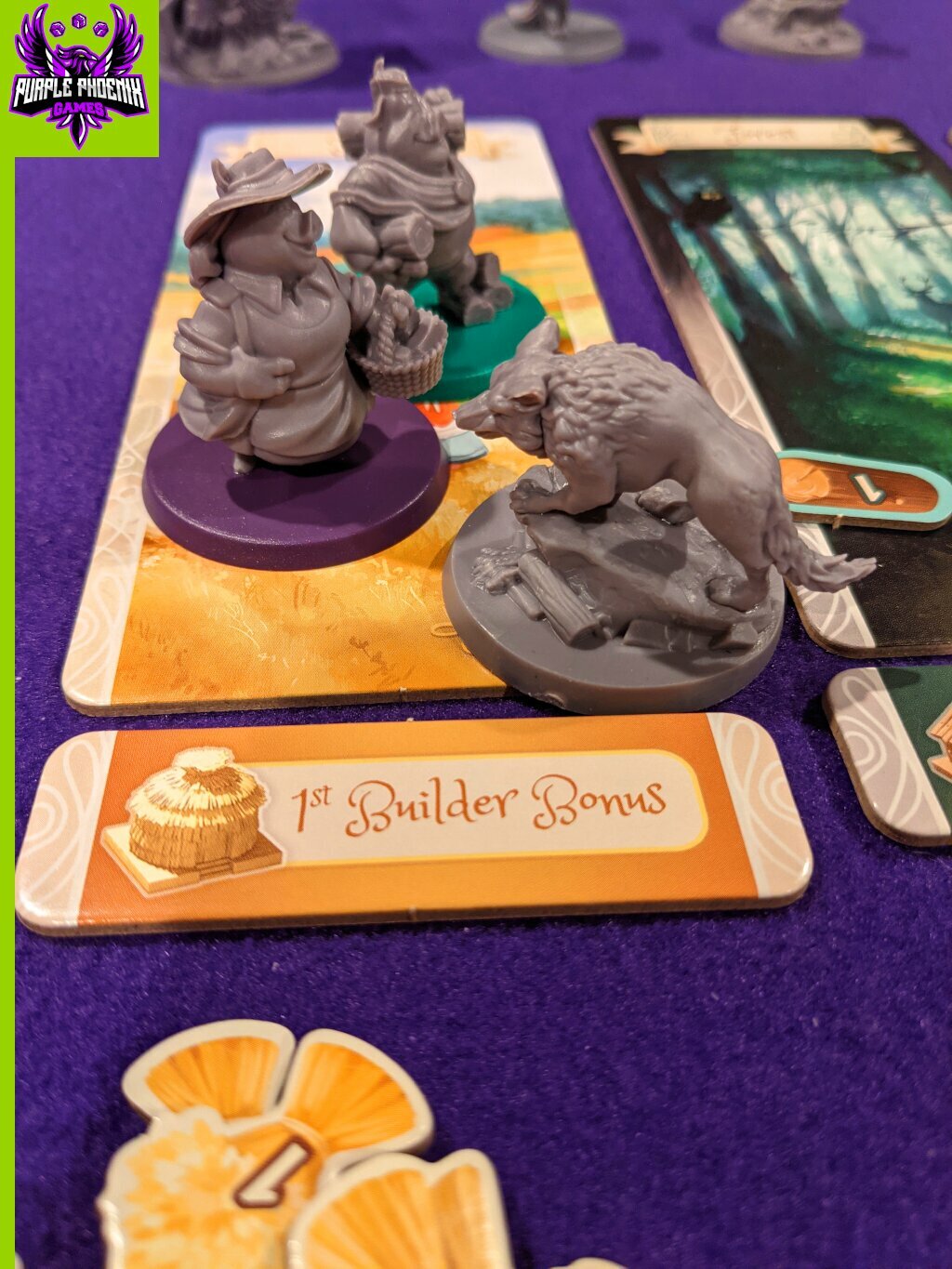
The true hero of The Grimm Forest is the Build action as this is what propels players to victory. Pigs may Build any house type they wish, as long as that type is not currently under construction elsewhere on their board. Also note that houses must be built from the ground up so Floors must be present before Walls can be built and Walls need to be constructed in order to hold up a Roof. Pigs may build these sections of houses by discarding the appropriate number and type of resources they have gathered previously: two resources for a Floor, four resources for Walls, and six resources for a Roof. Once a Pig completes construction of the first house of a type they will grab the matching First Builder Bonus token and reap its rewards.
The game continues in this fashion until one player has built three houses of any type, or multiple players have completed their three houses by the end of the round. Those tied players then check for sturdiness to break their tie: brick houses are sturdier than wood, which are sturdier than straw. The winner is the player with the sturdiest collection of houses, and then all players are invited to share a plate of bacon in celebration of the win (not in the rules, but I added that for… flavor).
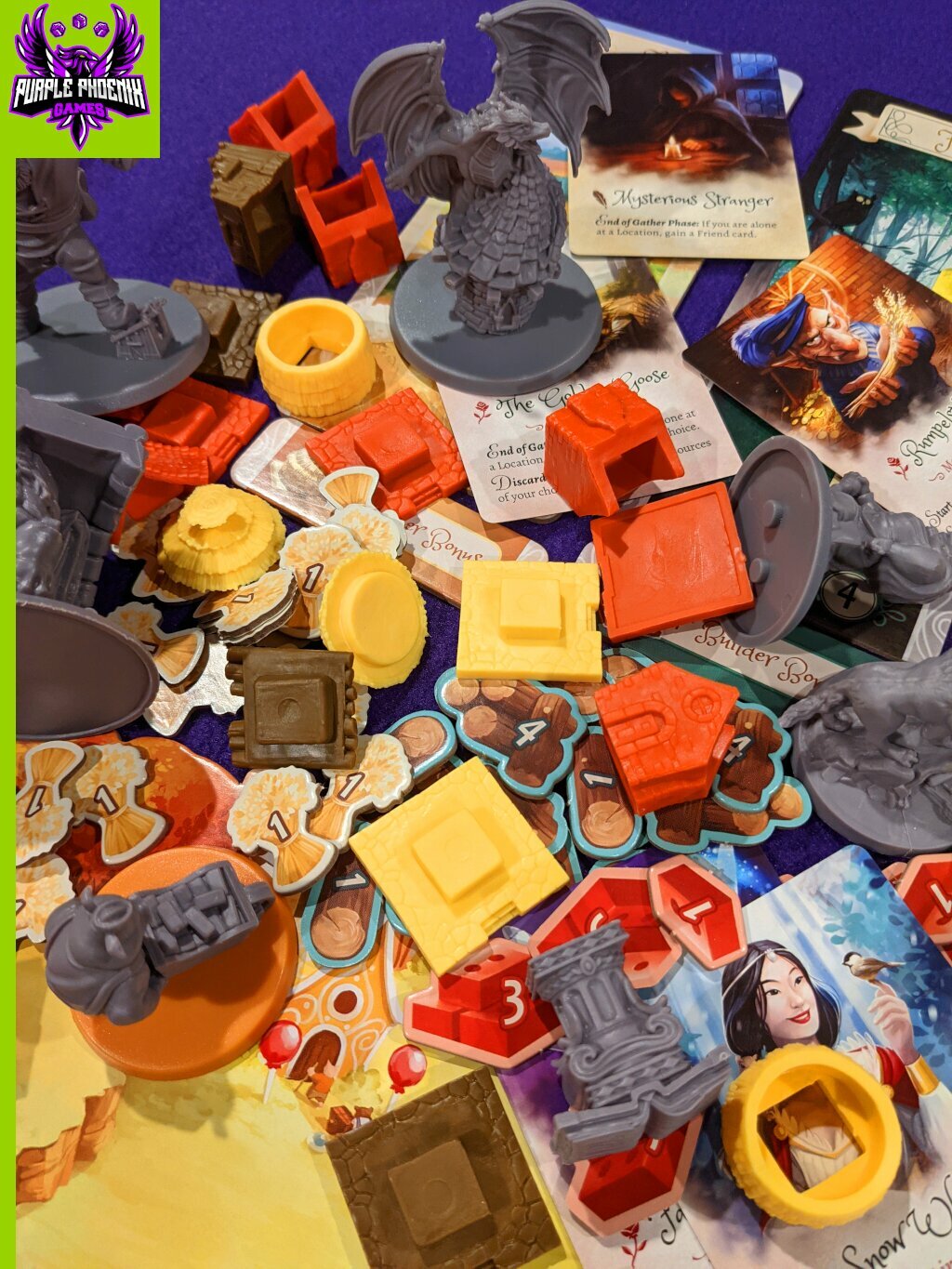
Components. This game is chocked full of killer components. I do not oftentimes compliment boxes and inserts, but when a game comes with GameTrayz already, you know that the publisher cared a ton about the game. Everything sets up and tears down so much nicer and quicker with a GameTrayz insert that I wish every game would come with them. Yeah, I know, $$$. Outside of the insert (or inside?) the other components in the game are simply stellar. Everything from the card backs resembling book covers, the incredible plastic house pieces, and amazing minis, just makes this one sing when on the table. The art is done by the incredible Mr. Cuddington, and they are quickly becoming some of my favorite board game artists.
Wait, there are monster minis? But I didn’t talk about that in my overview. Well, yes, that’s correct. These monsters come into play from certain Fable cards, and when they are played it instructs the player to introduce the appropriate monster mini on the playing area. This can be done with such dramatic flair that you truly get a sense of dread that little piggies may feel. If you have seen Stranger Things (not a sponsor) and remember the part when the Demogorgon mini hits the table, then you understand how I introduce my monster minis. These monsters wreak havoc on the players and sometimes deny them resources, and other chaos to mess with pigs.
Overall, I am so enamored with this game. It has nearly everything I love about games. It has amazing theme and art. That is always big with me. The components are super high quality, as all Druid City Games/Skybound Games usually are, and the game is so smooth once it is learned. All phases and turn components work together well, and there are plenty of choices each player makes every round. The game comes with advanced rules and components as well once all players are comfortable with the base game, and I love when games come with that added complexity and difficulty.
I have nothing bad to say about this game at all, which makes me sad, because I can usually find something to improve with every game I play. Okay wait, I just thought of one: I appreciate that the player colors include both orange and purple, but then the others are blue and green. I think the player colors could have come with some different choices as I feel blue, green, and purple are within similar color bands. Maybe pink and aqua would be better choices for my taste? I don’t know, and I am sure research was done to decide on the player colors, but like I said, I needed to find SOMETHING to complain about.
So it is certainly no surprise that I love this game and rated so highly. I doubt it will ever truly break into my Top 10, but I feel it ticks all of my boxes for a great game and a 6 from me. Purple Phoenix Games as a whole gives this one a porky 15 / 18. If you are looking for a great game that is admittedly lighter, but gives great gameplay throughout, features incredible art and components, and offers opportunities for role-play then you definitely need to grab a copy of The Grimm Forest. I will be recommending this to so many gamers in the future, and I will be pushing the floor of the age suggestion on the box once my son decides he wants to learn to read. I think I am going to go try out the Advanced rules now, and remember: don’t eat an apple that a scary person gave you at the door.
The Grimm Forest is a simultaneous action selection, set collection, take that game for four family members of the infamous Three Little Pigs. As fantasy contractors players are tasked with constructing three houses as sturdy and quickly as they can. However, these contractors will have competition for limited resources, as well as the occasional interference from scary creatures and buddies of opponents. Like the baseball movie says, “If you build it, you will win the contract to build more stuff.” Or something like that.
DISCLAIMER: We were provided a copy of this game for the purposes of this review. This is a retail copy of the game, so what you see in these photos is exactly what would be received in your box. I do not intend to cover every single rule included in the rulebook, but will describe the overall game flow and major rule set so that our readers may get a sense of how the game plays. For more in depth rules, you may purchase a copy online or from your FLGS. -T
To setup, place the Location boards on the table for the Fields, Forest, and Brickyard (for a three-player game, as below). The First Builder Bonus tokens are placed below the matching Locations as well as the resources that can be harvested. One of each Mega Resource (5 Straw, 4 Wood, 3 Brick) are placed on the matching Location at the beginning of each round. The Friend and Fable decks are shuffled and placed nearby, as are the House sections (Floors, Walls, Roofs – Rooves?), and the Monster minis. Each player chooses a color and collects the Player board, Pig mini, and Gather cards matching that color. The first player is given the Starting Player tome token and the game may now begin!
The Grimm Forest is played over a series of rounds with each pig having a multi-step turn. Initially, however, the pigs will be deciding from which Location they would like to harvest resources by laying the corresponding Gather card from their hand to the table face-down. Once all pigs have laid their card, the Gather cards are flipped and revealed simultaneously. If any pig had chosen to also play one Fable card it would have been revealed and possibly resolved prior to this step. Players will place their Pig mini on the Location board they chose and then harvesting of resources may begin, unless a player has a Fable card that resolves at this point in the turn. If a Pig is alone in a Location they receive all resources currently found there. If Pigs share a Location then the shared minis will share the resources equally, keeping any remaining resources on the Location for the next round. If any player used a Fable card that activates at the end of the Gather phase, it is resolved now.
After the Gather phase, the Pigs will be able to take actions. On their turn, in turn order, each Pig may choose to perform two of the following actions in any order they wish (actions may be repeated except for Friend Special Actions): Draw a Fable card, Gain 1 Resource, Build, Special Actions. Drawing a Fable card is self-explanatory and players will keep their Fable cards secret from the other players. They may choose to play one of these Fable cards during the choosing of Gather cards portion of the beginning phase of a turn. A Pig may instead wish to gain one resource of their choosing and add it to their collection. As mentioned earlier, a Pig may also use their active Friend card’s (which is earned by building a Wall section) Special Action once per turn, should they have collected one earlier.
The true hero of The Grimm Forest is the Build action as this is what propels players to victory. Pigs may Build any house type they wish, as long as that type is not currently under construction elsewhere on their board. Also note that houses must be built from the ground up so Floors must be present before Walls can be built and Walls need to be constructed in order to hold up a Roof. Pigs may build these sections of houses by discarding the appropriate number and type of resources they have gathered previously: two resources for a Floor, four resources for Walls, and six resources for a Roof. Once a Pig completes construction of the first house of a type they will grab the matching First Builder Bonus token and reap its rewards.
The game continues in this fashion until one player has built three houses of any type, or multiple players have completed their three houses by the end of the round. Those tied players then check for sturdiness to break their tie: brick houses are sturdier than wood, which are sturdier than straw. The winner is the player with the sturdiest collection of houses, and then all players are invited to share a plate of bacon in celebration of the win (not in the rules, but I added that for… flavor).
Components. This game is chocked full of killer components. I do not oftentimes compliment boxes and inserts, but when a game comes with GameTrayz already, you know that the publisher cared a ton about the game. Everything sets up and tears down so much nicer and quicker with a GameTrayz insert that I wish every game would come with them. Yeah, I know, $$$. Outside of the insert (or inside?) the other components in the game are simply stellar. Everything from the card backs resembling book covers, the incredible plastic house pieces, and amazing minis, just makes this one sing when on the table. The art is done by the incredible Mr. Cuddington, and they are quickly becoming some of my favorite board game artists.
Wait, there are monster minis? But I didn’t talk about that in my overview. Well, yes, that’s correct. These monsters come into play from certain Fable cards, and when they are played it instructs the player to introduce the appropriate monster mini on the playing area. This can be done with such dramatic flair that you truly get a sense of dread that little piggies may feel. If you have seen Stranger Things (not a sponsor) and remember the part when the Demogorgon mini hits the table, then you understand how I introduce my monster minis. These monsters wreak havoc on the players and sometimes deny them resources, and other chaos to mess with pigs.
Overall, I am so enamored with this game. It has nearly everything I love about games. It has amazing theme and art. That is always big with me. The components are super high quality, as all Druid City Games/Skybound Games usually are, and the game is so smooth once it is learned. All phases and turn components work together well, and there are plenty of choices each player makes every round. The game comes with advanced rules and components as well once all players are comfortable with the base game, and I love when games come with that added complexity and difficulty.
I have nothing bad to say about this game at all, which makes me sad, because I can usually find something to improve with every game I play. Okay wait, I just thought of one: I appreciate that the player colors include both orange and purple, but then the others are blue and green. I think the player colors could have come with some different choices as I feel blue, green, and purple are within similar color bands. Maybe pink and aqua would be better choices for my taste? I don’t know, and I am sure research was done to decide on the player colors, but like I said, I needed to find SOMETHING to complain about.
So it is certainly no surprise that I love this game and rated so highly. I doubt it will ever truly break into my Top 10, but I feel it ticks all of my boxes for a great game and a 6 from me. Purple Phoenix Games as a whole gives this one a porky 15 / 18. If you are looking for a great game that is admittedly lighter, but gives great gameplay throughout, features incredible art and components, and offers opportunities for role-play then you definitely need to grab a copy of The Grimm Forest. I will be recommending this to so many gamers in the future, and I will be pushing the floor of the age suggestion on the box once my son decides he wants to learn to read. I think I am going to go try out the Advanced rules now, and remember: don’t eat an apple that a scary person gave you at the door.

tapestry100 (306 KP) rated The Marsh King's Daughter in Books
Aug 2, 2017
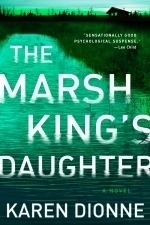

Originally reviewed on http://www.frommybookshelf.com
Helena Pelletier's life is more or less exactly what she wants: a husband and two daughters she loves deeply, a home business that keeps her busy during the days, her past a secret that she keeps hidden from everyone. Helena has worked hard for these things and she prides herself in her accomplishments, until the day her father escapes from prison and she immediately understands that her past is going to catch up to her, whether she wants it to or not. She also knows that the only way to keep her family safe and put her father back in prison is to find and deal with her father herself, since he was the one who trained her to live in the marshes of Michigan's Upper Peninsula, where he was keeping her mother captive after he had kidnapped her as a young girl.
With the main part of the story taking place over 24 hours "real time" with Helena tracking her father, the actual meat of the story all takes place in flashbacks as Helena thinks back on her childhood in the marshes of the UP and how her father treated her and her mother, who her father kidnapped as a young girl and made his wife. As she closes in on her father, she goes over various aspects of the only life she knew as a child, until her mother's past starts to catch up to her and Helena realizes that much of her life has been a lie perpetrated by both her father and mother and isn't exactly what they told her it was. As she grows older and finally starts to understand that even though this is the only life she's ever known, it may not be the life that either she or her mother deserves, and when she finally escapes her father's control she discovers that there is in fact an entire world she never knew about outside the marsh.
To be honest, the story of Helena's childhood is what really makes this book. Personally, I felt the entire portion of the book that is taking place in "real time" where Helena knows that she's the only one who can find her father, regardless of the large police force searching for him, and that she knows exactly where to look for him in the entire area surrounding her home and the prison he escaped from all seemed far to convenient, and only plausible in order to make this portion of the story move forward. Helena's memories of her childhood and the psychological aspects of being a child who has been raised in an extreme situation, but one that seems normal to her only because it's all that she knows, was fascinating. Her recollections of her father teaching her how to hunt and live in the wilderness, and her childhood idolization of him in this respect juxtaposed against her later feeling towards him as she starts to mature and gain some sense of adolescent independence, and her eventual discovery that her whole life has been based on lies and the kidnapping of her mother, was remarkable storytelling, and Karen Dionne delivers this entire sequence of events deftly and with sharp storytelling. While the "real time" story requires quite a hefty amount of suspension of disbelief, the background story well makes up for this and creates a truly mesmerizing and atmospheric story that will keep you up late into the night, turning the page for more.
Helena Pelletier's life is more or less exactly what she wants: a husband and two daughters she loves deeply, a home business that keeps her busy during the days, her past a secret that she keeps hidden from everyone. Helena has worked hard for these things and she prides herself in her accomplishments, until the day her father escapes from prison and she immediately understands that her past is going to catch up to her, whether she wants it to or not. She also knows that the only way to keep her family safe and put her father back in prison is to find and deal with her father herself, since he was the one who trained her to live in the marshes of Michigan's Upper Peninsula, where he was keeping her mother captive after he had kidnapped her as a young girl.
With the main part of the story taking place over 24 hours "real time" with Helena tracking her father, the actual meat of the story all takes place in flashbacks as Helena thinks back on her childhood in the marshes of the UP and how her father treated her and her mother, who her father kidnapped as a young girl and made his wife. As she closes in on her father, she goes over various aspects of the only life she knew as a child, until her mother's past starts to catch up to her and Helena realizes that much of her life has been a lie perpetrated by both her father and mother and isn't exactly what they told her it was. As she grows older and finally starts to understand that even though this is the only life she's ever known, it may not be the life that either she or her mother deserves, and when she finally escapes her father's control she discovers that there is in fact an entire world she never knew about outside the marsh.
To be honest, the story of Helena's childhood is what really makes this book. Personally, I felt the entire portion of the book that is taking place in "real time" where Helena knows that she's the only one who can find her father, regardless of the large police force searching for him, and that she knows exactly where to look for him in the entire area surrounding her home and the prison he escaped from all seemed far to convenient, and only plausible in order to make this portion of the story move forward. Helena's memories of her childhood and the psychological aspects of being a child who has been raised in an extreme situation, but one that seems normal to her only because it's all that she knows, was fascinating. Her recollections of her father teaching her how to hunt and live in the wilderness, and her childhood idolization of him in this respect juxtaposed against her later feeling towards him as she starts to mature and gain some sense of adolescent independence, and her eventual discovery that her whole life has been based on lies and the kidnapping of her mother, was remarkable storytelling, and Karen Dionne delivers this entire sequence of events deftly and with sharp storytelling. While the "real time" story requires quite a hefty amount of suspension of disbelief, the background story well makes up for this and creates a truly mesmerizing and atmospheric story that will keep you up late into the night, turning the page for more.
Purple Phoenix Games (2266 KP) rated On the Rocks in Tabletop Games
Sep 7, 2021

I have to come clean right at the top of this one. I have not really tried a whole lot of different cocktails in my life. I have been mostly a beer kind of guy. Not that I am opposed to cocktails at all – in fact, I have really enjoyed most of the drinks I have tried. That said, I wish I was more hip so I would know all the drink lingo and really know why someone would want their concoction shaken and not stirred. So, I went into this one thinking I would learn the secret finally. But I didn’t. I did have a good time playing it though.
“On the Rocks is a marble drafting, cocktail recipe fulfillment game for 1-4 players. It is NOT a drinking game.” – straight from the game’s BGG page. So what does that mean? Well, this one is a variation of the “I cut, you choose” style game, but HEAVILY themed around bartending and enhanced with additional fun mechanics. The winner is the player who amasses the most amount of money by the end of their shift.
DISCLAIMER: We were provided a copy of this game for the purposes of this review. This is a retail copy of the game, so what you see in these photos is exactly what would be received in your box. I do not intend to cover every single rule included in the rulebook, but will describe the overall game flow and major rule set so that our readers may get a sense of how the game plays. For more in depth rules, you may purchase a copy online or from your FLGS. -T
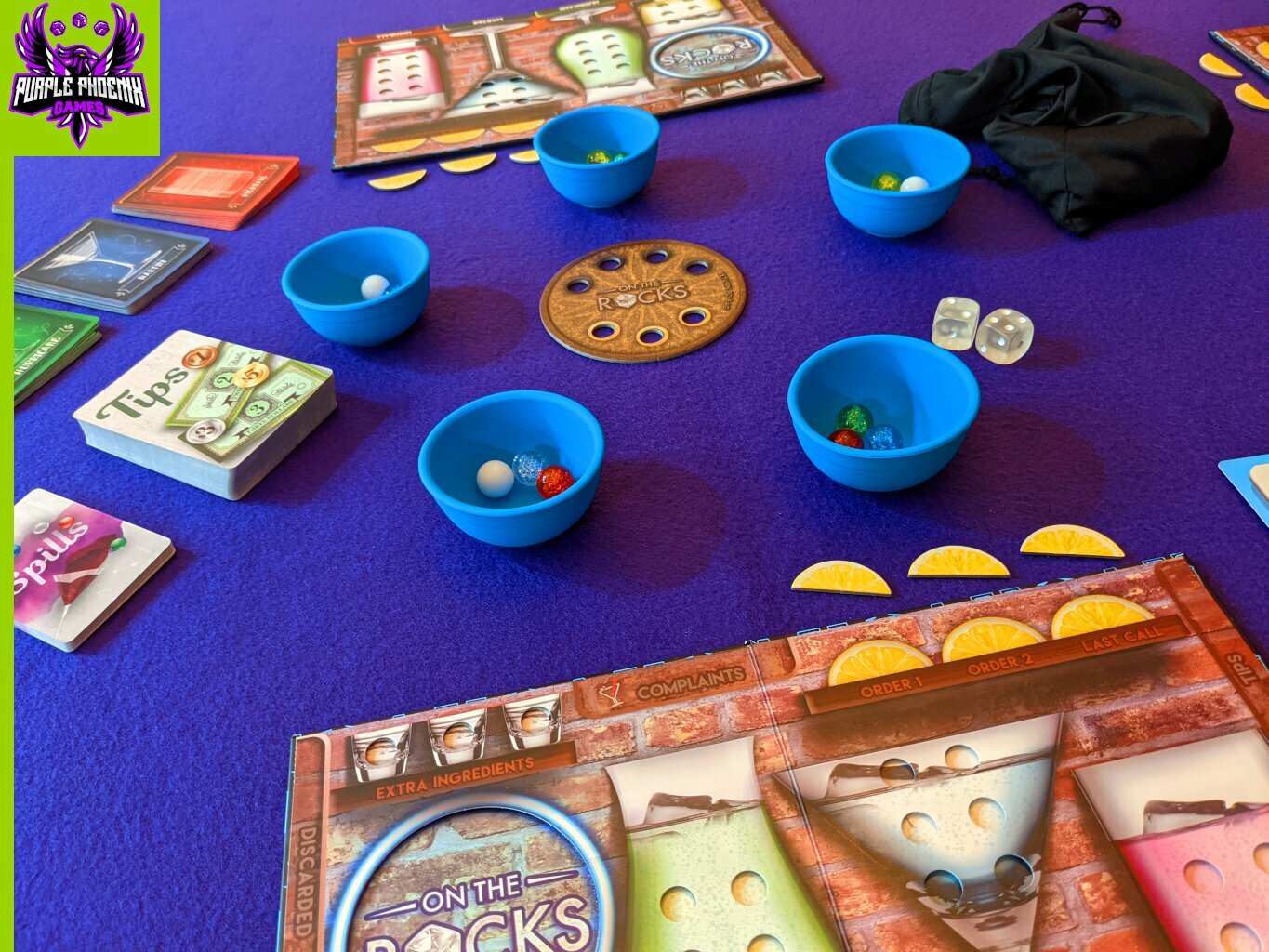
To setup, consult the rulebook, as there are many steps. However, once setup, the game should look similar to the photo below. Choose the starting player and the mixology competition can begin!
On the Rocks is played over several rounds with each player completing specific steps. The first step is optional, and is Tip Cards. Players will accumulate Tip Cards throughout the game, and each one features a special ability that may be used at this time. The next step may also be optional, depending on if the active player had received a Complaint card previously. Complaints must be completed on this step and is pretty much a wrench thrown in the plans by competitors.
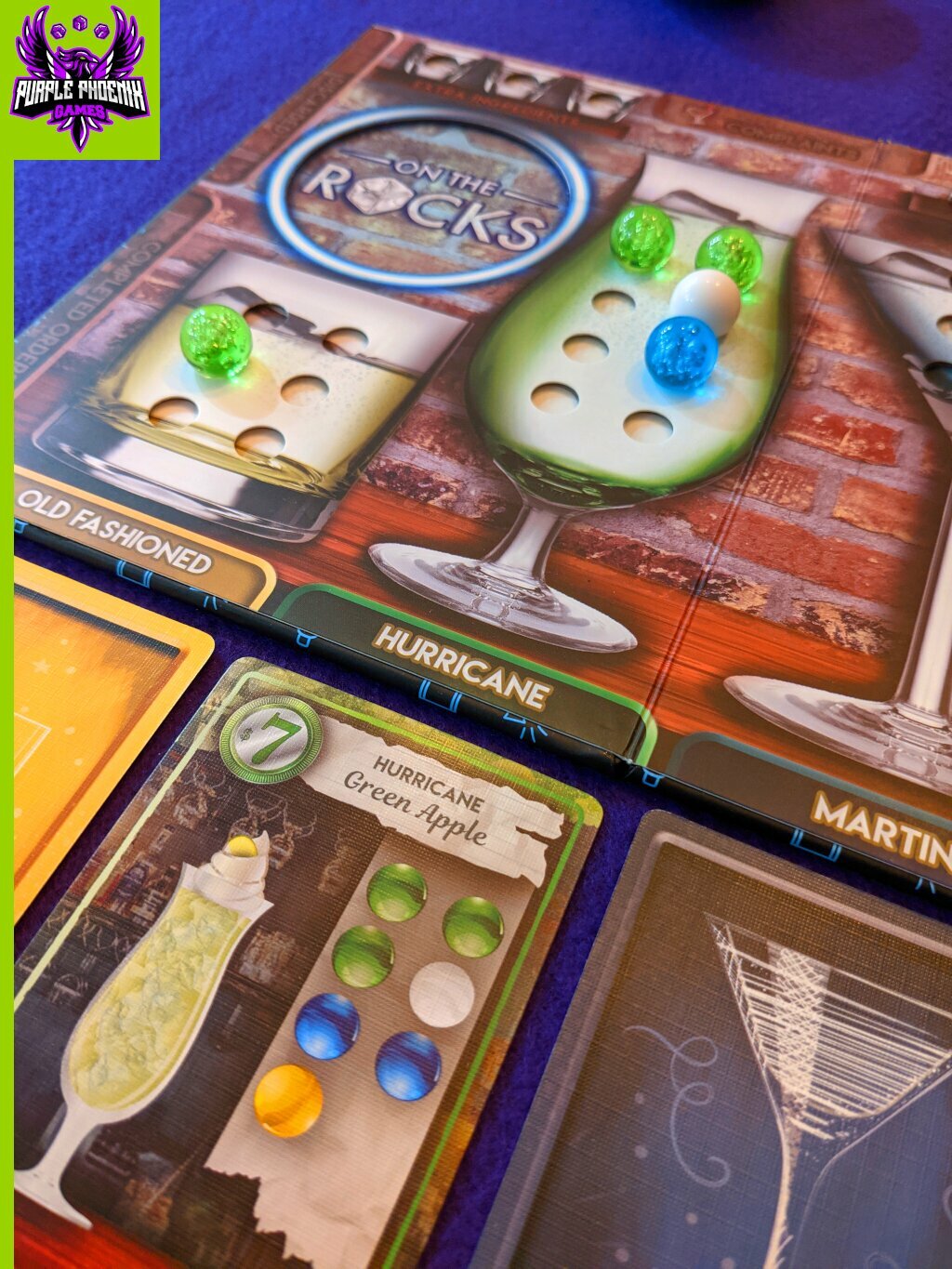
Once these (possibly) optional steps have been completed the active player then takes the 2d6 and Rolls them. This number determines how many ingredient marbles are to be pulled from the bag and added into play. For the cost of one ingredient marble, the active player may manipulate the rolled dice by flipping it to its opposite face. Next, the player will Draft the number of marbles from the bag they rolled in the previous step. From these drafted marbles the player will Mix them into the blue Jigger Bowls in the middle of the table one at a time, a la Mancala (oh that’s fun to say: A LA MANCALA!). Then the player will Select & Place a jigger of marbles from the table onto their player board. Placing the corresponding marbles onto the drinks is how recipes can be completed. If any ingredients were selected from the jigger but not placed, the player must then place the ingredients into the Extra Ingredients shot glasses on the top portion of the player board, to Save for later use.
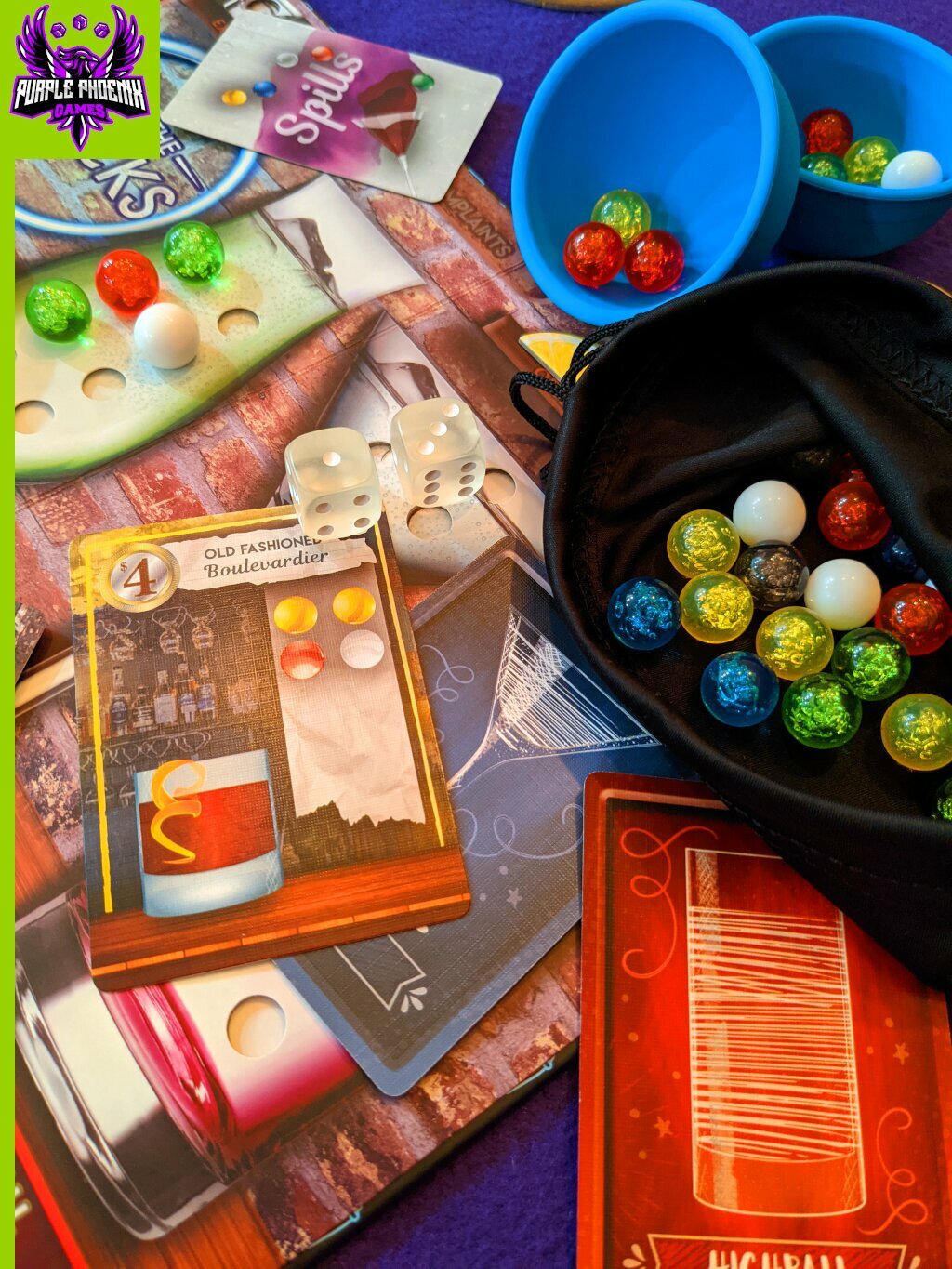
When the ingredient marbles have been placed and saved, the player must then complete the Resolve step. Several ingredient marbles are “Premium” or “Spill” marbles. Premium marbles (golden) allow the player to select ANY two ingredients from the draw bag and the Premium marble is then discarded to the coaster in the middle of the table. The black Spill marble forces the active player to draw a Spill card from the deck and complete its action. It also during the Resolve step that the player may complete a recipe card by discarding the drink’s ingredients to the bag and flipping its recipe card face-down. If the entire order (all of the face-up recipe cards) is completed, the active player’s round ends and they notate this by placing one of the three lemon tokens on their player board. Some round end cleanup is performed, like drawing another set of 3 or 4 drink recipes for an order, and the player’s turn is over.
Once a player has completed their third order of drinks, they must indicate “Last Call” to the other players at the table. This informs the other players that they have one last turn to earn any extra money before the game ends. When the game has been finished, final scoring is performed and the winner is they who earned the most money throughout the night. The other players must immediately fix the winner a drink, or buy the winner a shot. Okay, those aren’t in the rulebook, but merely suggestions for the revised second edition…
Components. For those that follow our reviews, you know I am a sucker for games with great components, and this one definitely delivers for me. The aesthetics and art style are just perfect, the double-layer boards are always lovely, and the rubber jiggers are excellent. I cannot see anything that can be improved in terms of components, and I completely expected that because this was published by Pentree Games and 25th Century Games (one of my favorite publishers in the business). The game looks and feels deluxe, which is VERY satisfying.
I think that the Pittre duo of Michael and Christina really knocked it out of the park with this one. Wait, this is their first game design?? And it’s incredible? Okay okay, I’ll be keeping my eye on you two. On the Rocks is a light game with excellent table presence and some difficult choices presented. Now, the choices may be TOOOOOO difficult for some gamers, especially our AP-prone players. Carefully planning out each ingredient’s distribution into the jigger bowls can send them into a frenzy, so I have advised to choose one or two bowls they wish to buff and concentrate on hitting those with the marbles they want, and just randomly place the other ingredients. I know that is a big ask, but this game is supposed to take 45-90 minutes, not 45-90 hours. My other gripe about the game is the color-dependence of the ingredient marbles. I am sorry to all my colorblind friends out there, but I am unable to see how you might keep a possible 12 different marbles straight in your heads while simultaneously remembering the state of marbles in each jigger bowl. I hope I am completely wrong, as I do not suffer from colorblindness, and please do let me know if this is still playable for those gamers.
These gripes aside, everything else about the game is fabulous. I love being able to manipulate my dice rolls (yes, with a cost) to have ultimate control of the number of marbles pulled from the bag. That bag, however, takes control away immediately unless I draft a bunch of clear (wild) or golden marbles to affect my final placements. I also adore struggling to choose which recipes to concentrate on first, and weighing the possibilities of completing the higher value recipes, or blitzing the smaller ones first.
Oh, and the Spills cards? They can be real pains in the booty. These effectively give the active player the ability to completely botch another players’ plans by discarding their ingredient marbles from their player board. Not enough player interaction? How about negative Tip cards, which are earned by completing a recipe, that impede a competitor’s progress by making them complete the Tip card before being able to move on with their plans, or by limiting their marble selection to two instead of the entire bowl? Yeah, this has player interaction for sure.
Again, I like a good drink now and then, just as much as the next person. However, I have never been a bartender, and I do not plan on ever becoming one. I could not ever imagine having to compete with other bartenders for tip money either, especially if it is as brutally cutthroat as On the Rocks portrays it to be. I will, however, play a game where all that “fun” is diluted to dice, cards, and marbles. I was looking through my collection recently and noticed have embarrassingly few games with an adult beverage theme. If you are like me and require more games depicting fun with alcohol, then I strongly urge you to check out On the Rocks. I feel like I can finally graduate from Fuzzy Navels and Stone Sours just by playing this game and really upping my liquor acumen. Purple Phoenix Games gives this one a delicious 5 / 6. It seems readily available for consumption, but please do not try to go drink for drink with this game. It’s not designed to be a drinking game… or is it?
“On the Rocks is a marble drafting, cocktail recipe fulfillment game for 1-4 players. It is NOT a drinking game.” – straight from the game’s BGG page. So what does that mean? Well, this one is a variation of the “I cut, you choose” style game, but HEAVILY themed around bartending and enhanced with additional fun mechanics. The winner is the player who amasses the most amount of money by the end of their shift.
DISCLAIMER: We were provided a copy of this game for the purposes of this review. This is a retail copy of the game, so what you see in these photos is exactly what would be received in your box. I do not intend to cover every single rule included in the rulebook, but will describe the overall game flow and major rule set so that our readers may get a sense of how the game plays. For more in depth rules, you may purchase a copy online or from your FLGS. -T
To setup, consult the rulebook, as there are many steps. However, once setup, the game should look similar to the photo below. Choose the starting player and the mixology competition can begin!
On the Rocks is played over several rounds with each player completing specific steps. The first step is optional, and is Tip Cards. Players will accumulate Tip Cards throughout the game, and each one features a special ability that may be used at this time. The next step may also be optional, depending on if the active player had received a Complaint card previously. Complaints must be completed on this step and is pretty much a wrench thrown in the plans by competitors.
Once these (possibly) optional steps have been completed the active player then takes the 2d6 and Rolls them. This number determines how many ingredient marbles are to be pulled from the bag and added into play. For the cost of one ingredient marble, the active player may manipulate the rolled dice by flipping it to its opposite face. Next, the player will Draft the number of marbles from the bag they rolled in the previous step. From these drafted marbles the player will Mix them into the blue Jigger Bowls in the middle of the table one at a time, a la Mancala (oh that’s fun to say: A LA MANCALA!). Then the player will Select & Place a jigger of marbles from the table onto their player board. Placing the corresponding marbles onto the drinks is how recipes can be completed. If any ingredients were selected from the jigger but not placed, the player must then place the ingredients into the Extra Ingredients shot glasses on the top portion of the player board, to Save for later use.
When the ingredient marbles have been placed and saved, the player must then complete the Resolve step. Several ingredient marbles are “Premium” or “Spill” marbles. Premium marbles (golden) allow the player to select ANY two ingredients from the draw bag and the Premium marble is then discarded to the coaster in the middle of the table. The black Spill marble forces the active player to draw a Spill card from the deck and complete its action. It also during the Resolve step that the player may complete a recipe card by discarding the drink’s ingredients to the bag and flipping its recipe card face-down. If the entire order (all of the face-up recipe cards) is completed, the active player’s round ends and they notate this by placing one of the three lemon tokens on their player board. Some round end cleanup is performed, like drawing another set of 3 or 4 drink recipes for an order, and the player’s turn is over.
Once a player has completed their third order of drinks, they must indicate “Last Call” to the other players at the table. This informs the other players that they have one last turn to earn any extra money before the game ends. When the game has been finished, final scoring is performed and the winner is they who earned the most money throughout the night. The other players must immediately fix the winner a drink, or buy the winner a shot. Okay, those aren’t in the rulebook, but merely suggestions for the revised second edition…
Components. For those that follow our reviews, you know I am a sucker for games with great components, and this one definitely delivers for me. The aesthetics and art style are just perfect, the double-layer boards are always lovely, and the rubber jiggers are excellent. I cannot see anything that can be improved in terms of components, and I completely expected that because this was published by Pentree Games and 25th Century Games (one of my favorite publishers in the business). The game looks and feels deluxe, which is VERY satisfying.
I think that the Pittre duo of Michael and Christina really knocked it out of the park with this one. Wait, this is their first game design?? And it’s incredible? Okay okay, I’ll be keeping my eye on you two. On the Rocks is a light game with excellent table presence and some difficult choices presented. Now, the choices may be TOOOOOO difficult for some gamers, especially our AP-prone players. Carefully planning out each ingredient’s distribution into the jigger bowls can send them into a frenzy, so I have advised to choose one or two bowls they wish to buff and concentrate on hitting those with the marbles they want, and just randomly place the other ingredients. I know that is a big ask, but this game is supposed to take 45-90 minutes, not 45-90 hours. My other gripe about the game is the color-dependence of the ingredient marbles. I am sorry to all my colorblind friends out there, but I am unable to see how you might keep a possible 12 different marbles straight in your heads while simultaneously remembering the state of marbles in each jigger bowl. I hope I am completely wrong, as I do not suffer from colorblindness, and please do let me know if this is still playable for those gamers.
These gripes aside, everything else about the game is fabulous. I love being able to manipulate my dice rolls (yes, with a cost) to have ultimate control of the number of marbles pulled from the bag. That bag, however, takes control away immediately unless I draft a bunch of clear (wild) or golden marbles to affect my final placements. I also adore struggling to choose which recipes to concentrate on first, and weighing the possibilities of completing the higher value recipes, or blitzing the smaller ones first.
Oh, and the Spills cards? They can be real pains in the booty. These effectively give the active player the ability to completely botch another players’ plans by discarding their ingredient marbles from their player board. Not enough player interaction? How about negative Tip cards, which are earned by completing a recipe, that impede a competitor’s progress by making them complete the Tip card before being able to move on with their plans, or by limiting their marble selection to two instead of the entire bowl? Yeah, this has player interaction for sure.
Again, I like a good drink now and then, just as much as the next person. However, I have never been a bartender, and I do not plan on ever becoming one. I could not ever imagine having to compete with other bartenders for tip money either, especially if it is as brutally cutthroat as On the Rocks portrays it to be. I will, however, play a game where all that “fun” is diluted to dice, cards, and marbles. I was looking through my collection recently and noticed have embarrassingly few games with an adult beverage theme. If you are like me and require more games depicting fun with alcohol, then I strongly urge you to check out On the Rocks. I feel like I can finally graduate from Fuzzy Navels and Stone Sours just by playing this game and really upping my liquor acumen. Purple Phoenix Games gives this one a delicious 5 / 6. It seems readily available for consumption, but please do not try to go drink for drink with this game. It’s not designed to be a drinking game… or is it?


BankofMarquis (1832 KP) rated It: Chapter Two (2019) in Movies
Sep 7, 2019
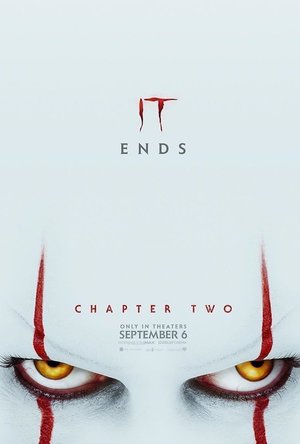

Hader steals the film
The "secret sauce" of the first chapter of IT (based on the horror novel by Stephen King) was NOT the gore or scares that were thrown at the audience, it was the characters and the performances that made that first film work. The young members of the "Loser's Club" - and especially the young actors populating these characters - created people that you wanted to root and cheer for throughout their ordeal with Pennywise the Clown and the bullies of Derry.
So...it should have been a "no-brainer" for Director Andy Muschietti and the filmmakers to repeat that pattern - it worked very, very well. But, somewhere along the way they forgot what made the first film good and Muschietti and new screenwriter Gary Dauberman decided to focus on the horror, gore and frights and let their talented group of adult actors inhabit the characters with little (maybe no) help from the screenplay.
And...the result is a "fine" film that wraps up the first film just "fine", but ultimately falls short of that first film and definitely falls short of what "could have been".
IT: CHAPTER TWO picks up 27 years later when Pennywise the Dancing Clown comes back (per his cycle) to terrorize the children of Derry once again. The Loser's Club from the first film band back together (per their pact at the end of the first film) to battle - and finally destroy - this dark threat.
The filmmakers pull a strong group of actors together to play the adult versions of the Loser's Club - headlined by Jessica Chastain (ZERO DARK THIRTY) as the adult Beverly Marsh and James McAvoy (Professor X in the recent run of X-MEN films) as the adult Bill Denborough. I find McAvoy to be (for the most part) a solid, if unspectacular, actor and he is true to from here. Solid, but unspectacular in a role that was written that way. Chastain, perhaps, is the biggest disappointment for me in this film as the young Beverly Marsh (as portrayed by Sophia Lillis) was the highlight of the first film but here this character is...bland and somewhat boring. I don't fault Chastain (an actress that I usually enjoy very, very much), I blame the screenplay which saddles these two characters with an underwritten "love triangle" with the adult Ben Hascombe (Jay Ryan - somewhat of a newcomer, who has smoldering good looks, but not much else going for him). It was rumored that Chris Pratt was circling this character (I would imagine he walked away when he saw the screenplay). That's too bad, for he might have brought some life to all 3 of these characters.
Faring better is the usually reliable Isiah Mustafa (TV's SHADOWHUNTERS) as the adult Mike Hanlon, the only one of the Loser's Club who stayed in Derry to keep a vigilant watch against Pennywise' return. He has a haunted air about him - certainly in keeping with the the past that only he remembers. And Andy Bean (SWAMP THING) has a nice couple of moments as the adult Stanley Uris.
The only truly interesting dynamic of the returning Loser's Club is the characters and love/hate relationship between the older Eddie Kaspbrak, the hypochondriac (played by James Ransome, TV's THE WIRE) and smart-mouth Richie Tolzier (inhabited by SNL vet Bill Hader). While Ransome's Eddie is quite a bit more interesting than he was as a youth (and that's no slight on Jack Dylan Grazer who played the younger Eddie, I just found Ransome's portrayal more nuanced and somewhat more interesting). But it is Hader who steals this film. His Richie is constantly using humor to cover his emotions building on the interesting characterization that Finn Wolfhard brought to the younger version and giving us more. Hader is a master comedian, so handles the comedy parts as deftly as you would think he would, but it is when the other emotions - fear, rage, love - come barreling out of him that Hader elevates this character (and the movie) to a higher level. I would be thrilled if Hader was nominated for an Oscar for this role - he is that good.
Also coming back are all of the "kids" from the first film to flesh out some scenes - and set up some other scenes/moments by the adults - they are a welcome addition and shine a spotlight at how weak - and underwritten - most of the adult characters are in this film.
Bill Skarsgard is seen quite a bit more as Pennywise - and that makes him less menacing and threatening (but still scary) and there are 2 fun cameos along the way by 2 prominent individuals, so that was fun.
There is a running gag throughout the film about author Bill Denborough (the surrogate for Stephen King) not being able to write a decent ending - a critique that King receives constantly - and they changed the ending of this film from the book. I am a big fan of the book, but would agree that the ending of the book was not that good, so was open to this trying a different way to end things...and...this new ending lands about as well as the original ending (oh well...).
But that's just a quibble, for by that time you've ridden with these characters for over 5 hours and while the first chapter is stronger than the first, the journey is good (enough) for an enjoyable (enough) time at the Cineplex.
Come for the Loser's Club and the scares - stay for Hader's Oscar worthy performance.
Letter Grade: B+
7 (out of 10) stars and you can take that to the Bank(ofMarquis)
So...it should have been a "no-brainer" for Director Andy Muschietti and the filmmakers to repeat that pattern - it worked very, very well. But, somewhere along the way they forgot what made the first film good and Muschietti and new screenwriter Gary Dauberman decided to focus on the horror, gore and frights and let their talented group of adult actors inhabit the characters with little (maybe no) help from the screenplay.
And...the result is a "fine" film that wraps up the first film just "fine", but ultimately falls short of that first film and definitely falls short of what "could have been".
IT: CHAPTER TWO picks up 27 years later when Pennywise the Dancing Clown comes back (per his cycle) to terrorize the children of Derry once again. The Loser's Club from the first film band back together (per their pact at the end of the first film) to battle - and finally destroy - this dark threat.
The filmmakers pull a strong group of actors together to play the adult versions of the Loser's Club - headlined by Jessica Chastain (ZERO DARK THIRTY) as the adult Beverly Marsh and James McAvoy (Professor X in the recent run of X-MEN films) as the adult Bill Denborough. I find McAvoy to be (for the most part) a solid, if unspectacular, actor and he is true to from here. Solid, but unspectacular in a role that was written that way. Chastain, perhaps, is the biggest disappointment for me in this film as the young Beverly Marsh (as portrayed by Sophia Lillis) was the highlight of the first film but here this character is...bland and somewhat boring. I don't fault Chastain (an actress that I usually enjoy very, very much), I blame the screenplay which saddles these two characters with an underwritten "love triangle" with the adult Ben Hascombe (Jay Ryan - somewhat of a newcomer, who has smoldering good looks, but not much else going for him). It was rumored that Chris Pratt was circling this character (I would imagine he walked away when he saw the screenplay). That's too bad, for he might have brought some life to all 3 of these characters.
Faring better is the usually reliable Isiah Mustafa (TV's SHADOWHUNTERS) as the adult Mike Hanlon, the only one of the Loser's Club who stayed in Derry to keep a vigilant watch against Pennywise' return. He has a haunted air about him - certainly in keeping with the the past that only he remembers. And Andy Bean (SWAMP THING) has a nice couple of moments as the adult Stanley Uris.
The only truly interesting dynamic of the returning Loser's Club is the characters and love/hate relationship between the older Eddie Kaspbrak, the hypochondriac (played by James Ransome, TV's THE WIRE) and smart-mouth Richie Tolzier (inhabited by SNL vet Bill Hader). While Ransome's Eddie is quite a bit more interesting than he was as a youth (and that's no slight on Jack Dylan Grazer who played the younger Eddie, I just found Ransome's portrayal more nuanced and somewhat more interesting). But it is Hader who steals this film. His Richie is constantly using humor to cover his emotions building on the interesting characterization that Finn Wolfhard brought to the younger version and giving us more. Hader is a master comedian, so handles the comedy parts as deftly as you would think he would, but it is when the other emotions - fear, rage, love - come barreling out of him that Hader elevates this character (and the movie) to a higher level. I would be thrilled if Hader was nominated for an Oscar for this role - he is that good.
Also coming back are all of the "kids" from the first film to flesh out some scenes - and set up some other scenes/moments by the adults - they are a welcome addition and shine a spotlight at how weak - and underwritten - most of the adult characters are in this film.
Bill Skarsgard is seen quite a bit more as Pennywise - and that makes him less menacing and threatening (but still scary) and there are 2 fun cameos along the way by 2 prominent individuals, so that was fun.
There is a running gag throughout the film about author Bill Denborough (the surrogate for Stephen King) not being able to write a decent ending - a critique that King receives constantly - and they changed the ending of this film from the book. I am a big fan of the book, but would agree that the ending of the book was not that good, so was open to this trying a different way to end things...and...this new ending lands about as well as the original ending (oh well...).
But that's just a quibble, for by that time you've ridden with these characters for over 5 hours and while the first chapter is stronger than the first, the journey is good (enough) for an enjoyable (enough) time at the Cineplex.
Come for the Loser's Club and the scares - stay for Hader's Oscar worthy performance.
Letter Grade: B+
7 (out of 10) stars and you can take that to the Bank(ofMarquis)

Le VPN – Enjoy the Internet by Your Own Rules
Productivity and Utilities
App
Le VPN app for iPhone and iPad is the best mobile security app for WiFi security, online privacy and...

Rachel King (13 KP) rated The Help in Books
Feb 11, 2019
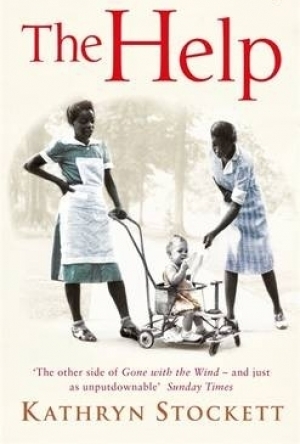

Despite the length of this book, I raced through it with ease. I watched the movie before I read the book, and in this case, it made the book much more enjoyable, as I had a few ideas of what to expect. As for book versus movie, I think both are worth the effort, and the movie does a decent job of keeping to the book's overall plot.
The book is told in three voices: Miss Skeeter, Aibileen, and Minny. All three are very unique and specific to each personality, and all come through as strong and confident voices. Truly, I cannot say which voice is the strongest, as they all are essential to the narration of the book, nor can I really pick a favorite.
I grew up in Louisiana, and I can remember some of the stories my dad told me of my grandma's having "help" part-time. This book "struck home" for me because I can remember very clearly my grandma's racism, and how even my own dad still harbored some of that racism. The book does a very thorough job of illustrating how racism can infiltrate every mode of thought and speech, from hygiene and bodily functions, to dress and etiquette. Miss Hilly is the epitome of this racism, wearing her ignorance like a badge of honor, but there are varying degrees in many of the other characters. It is easy to see that in many of these situations, the people involved are simply victims of the times and can hardly be blamed for their perspective, as they were never taught to think differently. For that reason alone, I wish that this book had been based on a true story, for the good such a plot could have done in real life.
Miss Skeeter gives the unique perspective of the white women and how they come to fit this mold of hiring and lording over the help, even as she reevaluates her own issues of racism. With her, the reader is able to see into the minds of other prominent women in the story, such as Miss Hilly and Miss Leefolt, and how they reason and justify their treatment of the colored people they hire. Miss Hilly has the unique role of pursuing a greater separation between the two groups, whereas the other white women just go along with whatever they are told. While Hilly does pay the consequences for her behavior, it is unlikely her type ever really learns from their mistakes.
Aibileen seems to represent the voices of the older generation of colored help, mourning her losses of the past while attempting to adjust to the volatile climate of the present war on segregation. She plays the voice of reason for the other two women more often than not, always knowing how they should proceed with their secret project. Her personal focus seems to always be on the children, the ones she has raised that belonged to white women, as well as the loss of her own son. I particularly loved the effort she went through to teach Mae Mobley both self-confidence and an appreciation for humanity that ignores skin color, so much so that I use some of her same tactics with my own daughters.
Minny represents the voice of the younger, more emotional generation of colored help, with her snarky speech and blunt honesty. She kept me laughing from cover to cover, and it's her cooking I would love to try, even despite the pie trick. Her character also brings to light the poverty and abuse that many suffered through as a result of segregation laws. What I found ironic is that both her and Aibileen, in their struggles to survive, showed a strength and maturity that seems to only arise under extreme circumstances of hardship.
While those segregation laws have been abolished, I know that many of those same mental biases still exist - and not just in the southern U.S. This wonderful book is only a small part of the education required to erase the ignorance from the hearts and minds of all people. If there is one book you read this year, The Help needs to be it.
The book is told in three voices: Miss Skeeter, Aibileen, and Minny. All three are very unique and specific to each personality, and all come through as strong and confident voices. Truly, I cannot say which voice is the strongest, as they all are essential to the narration of the book, nor can I really pick a favorite.
I grew up in Louisiana, and I can remember some of the stories my dad told me of my grandma's having "help" part-time. This book "struck home" for me because I can remember very clearly my grandma's racism, and how even my own dad still harbored some of that racism. The book does a very thorough job of illustrating how racism can infiltrate every mode of thought and speech, from hygiene and bodily functions, to dress and etiquette. Miss Hilly is the epitome of this racism, wearing her ignorance like a badge of honor, but there are varying degrees in many of the other characters. It is easy to see that in many of these situations, the people involved are simply victims of the times and can hardly be blamed for their perspective, as they were never taught to think differently. For that reason alone, I wish that this book had been based on a true story, for the good such a plot could have done in real life.
Miss Skeeter gives the unique perspective of the white women and how they come to fit this mold of hiring and lording over the help, even as she reevaluates her own issues of racism. With her, the reader is able to see into the minds of other prominent women in the story, such as Miss Hilly and Miss Leefolt, and how they reason and justify their treatment of the colored people they hire. Miss Hilly has the unique role of pursuing a greater separation between the two groups, whereas the other white women just go along with whatever they are told. While Hilly does pay the consequences for her behavior, it is unlikely her type ever really learns from their mistakes.
Aibileen seems to represent the voices of the older generation of colored help, mourning her losses of the past while attempting to adjust to the volatile climate of the present war on segregation. She plays the voice of reason for the other two women more often than not, always knowing how they should proceed with their secret project. Her personal focus seems to always be on the children, the ones she has raised that belonged to white women, as well as the loss of her own son. I particularly loved the effort she went through to teach Mae Mobley both self-confidence and an appreciation for humanity that ignores skin color, so much so that I use some of her same tactics with my own daughters.
Minny represents the voice of the younger, more emotional generation of colored help, with her snarky speech and blunt honesty. She kept me laughing from cover to cover, and it's her cooking I would love to try, even despite the pie trick. Her character also brings to light the poverty and abuse that many suffered through as a result of segregation laws. What I found ironic is that both her and Aibileen, in their struggles to survive, showed a strength and maturity that seems to only arise under extreme circumstances of hardship.
While those segregation laws have been abolished, I know that many of those same mental biases still exist - and not just in the southern U.S. This wonderful book is only a small part of the education required to erase the ignorance from the hearts and minds of all people. If there is one book you read this year, The Help needs to be it.
Purple Phoenix Games (2266 KP) rated Tiny Epic Galaxies: BLAST OFF! in Tabletop Games
Mar 30, 2021

Yes, we have reviewed Tiny Epic Galaxies in the past. We loved it. It’s close to being a Golden Feather Award recipient. It has earned a spot on my Top 10 Games of All Time list. I cannot say enough great things about the game. But wait, a newer updated version has recently hit the scene. Is it just new art on the same game? Nope. Read on.
I will not be explaining the entire game in this review as indeed it is mostly the same game as before. However, I will be visiting some differences between this version and the original.
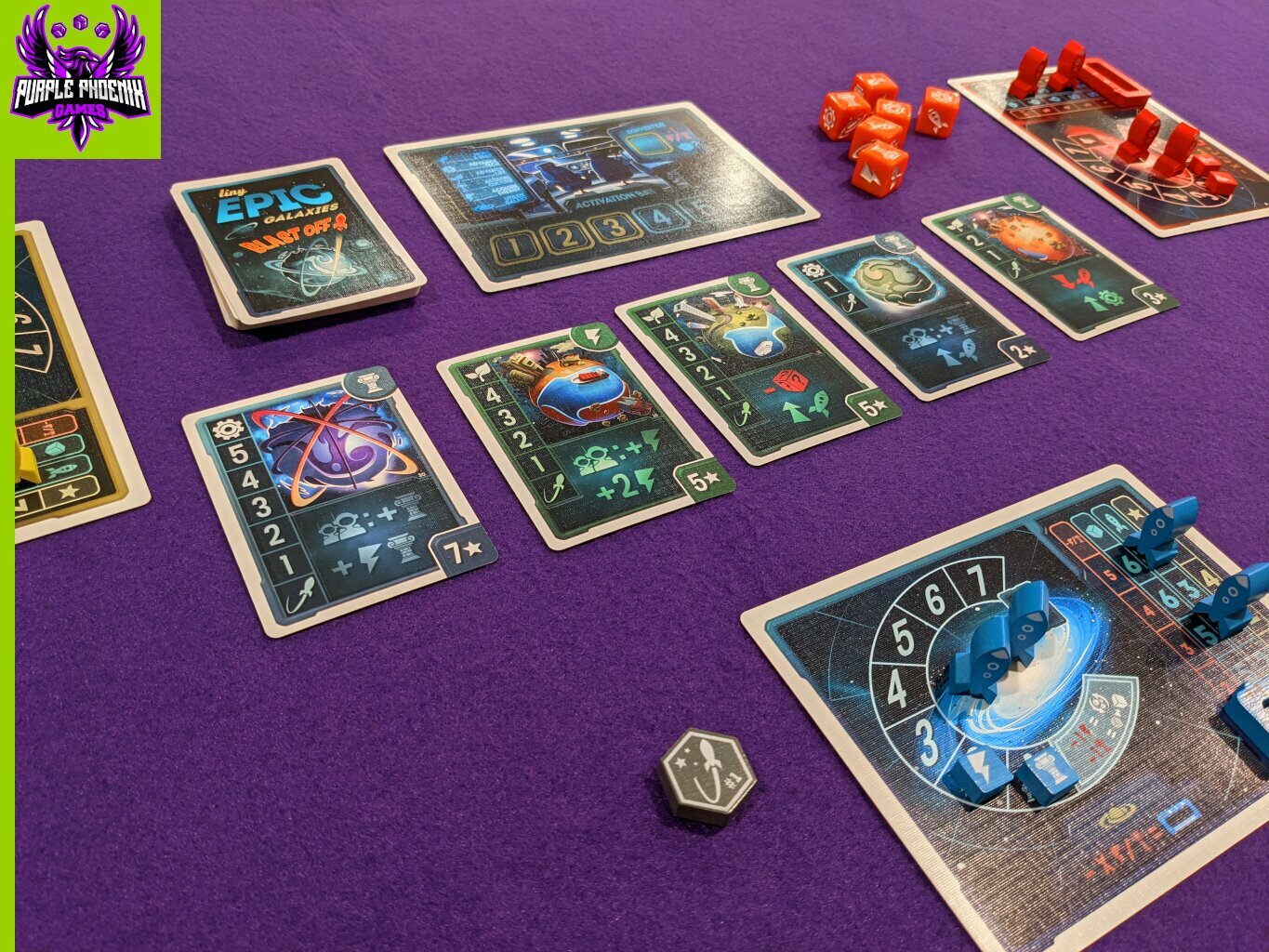
Firstly, the art is most certainly different. The card layouts are all different. The components are completely different. It is markedly improved for me, but I will save my gushings until the end.
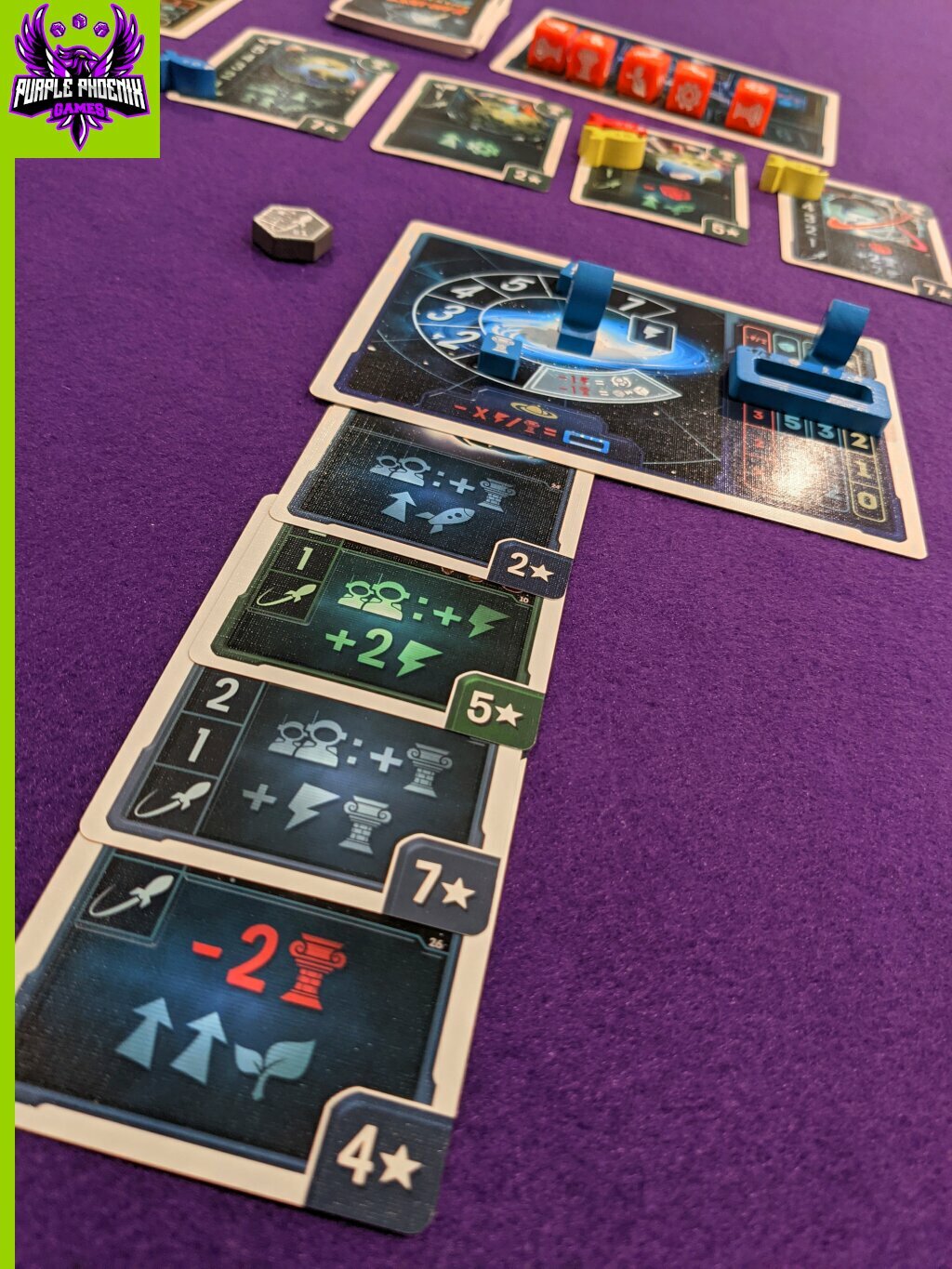
Mechanics-wise, the differences are slight, but perfectly altered. For starters, many of the benefits of using planet powers have been streamlined, simplified, and make a lot of sense. Much of this has to do with iconography on the cards, but also the powers are mostly brand new. Additionally, this version rids players of the Secret Mission cards from the original. Now, I enjoyed that aspect of OG TEG, but I did not find myself pining for it whilst playing BLAST OFF! Also removed from this version is the seventh action die; BLAST OFF! comes complete with six dice total. Again, it reduces the number of actions that can be completed on a turn, but I haven’t missed that extra die. One of the greatest changes in this version is the Converter tweak. In the original game a player would need to sacrifice two inactive dice to convert a third die to whichever face was needed. In the new version, only one die is needed for sacrifice along with either one Energy or one Culture value. The Converter was always neglected in the older version, and now it’s a real option during play.
I do wish certain aspects of the older version were included, however. What has been eliminated in the streamlining process is the Solo mode and the fifth player. BLAST OFF! can accommodate two to four players now instead of one to five players, with the black components being axed from this version. I will miss the Solo mode mostly because I used to love breaking out the game later at night once the kids were asleep to try to conquer the Red rival (I almost never play Red). I do understand that a Solo mode may still be created in the future by Gamelyn directly or by another gamer.
All of these changes are minor, but equate to a much better gameplay overall. I do want to speak more on components, so let’s away with them.
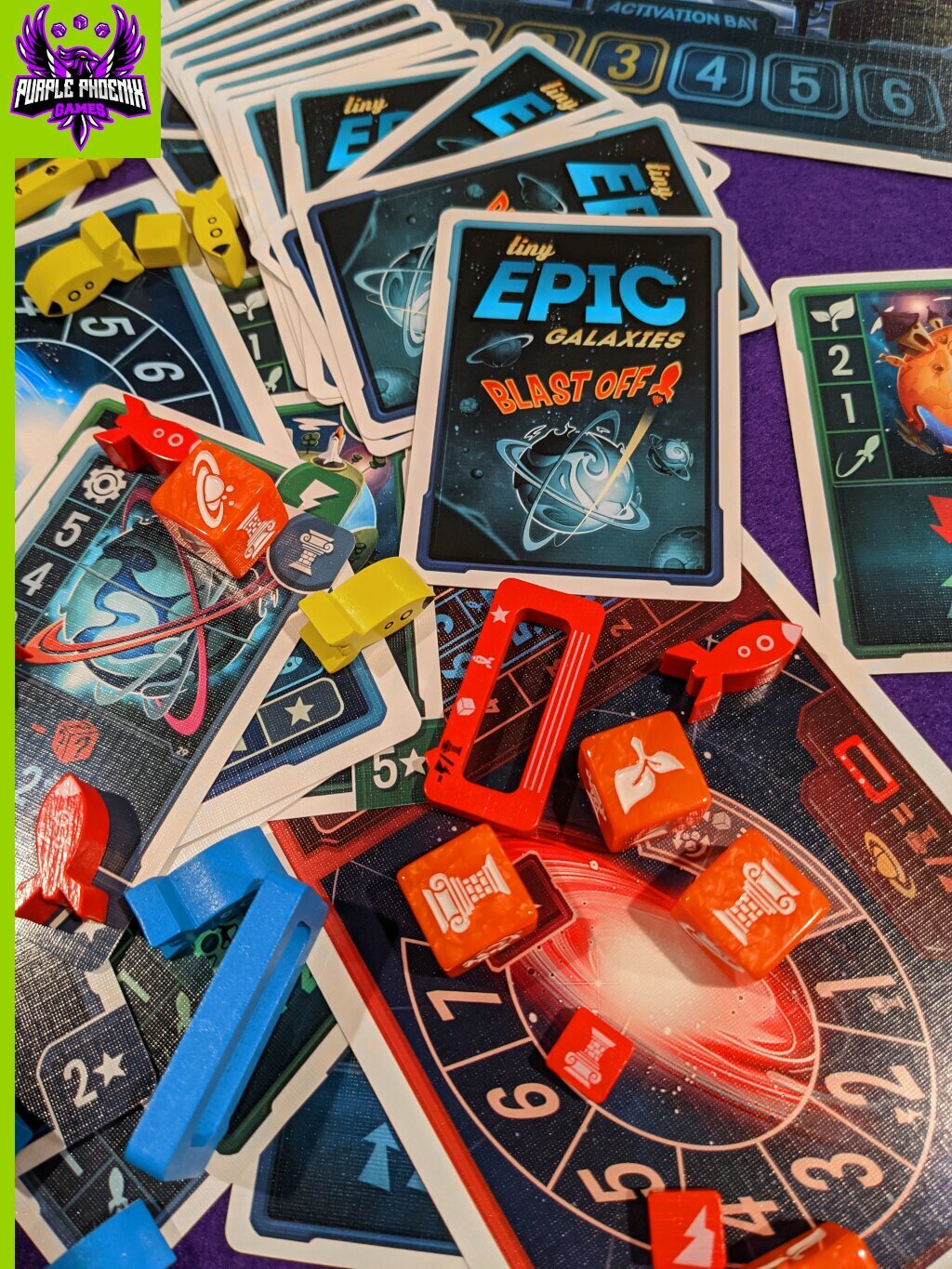
Components. Okay, BLAST OFF! boasts improvements on the original game on every facet of components. Yes, the materials are similar quality, so it’s a wash there, but everything else is so much better. The dice are bigger, and ORANGE (great choice btw)! The iconography is much easier to understand and decipher throughout the game. The planets now have two new alignments: Life (plant icon) and Tech (gear icon). I feel the iconography and terminology in the first version could be confusing to new players, but plants vs gears is easy to distinguish. The ships are more stylized now, and the inclusion of this new Galaxy Slider to move up the Galaxy Track on the mats is most excellent. All of these improvements definitely cater to new Tiny Epic Galaxies players, and are most welcome as I try to convince my brother that this is one of the best games out there.
Obviously I am keeping this version and am seriously considering weeding out my original version of TEG with all expansions in favor for this. I just feel better playing it. It is more streamlined, easier to play and teach, and I love the way it looks on the table much more. One minor wish I have for the game is different player colors. This game could have been a triumph with just four different player colors from the original. Now, there’s nothing wrong with tried and true blue, yellow, green, and red, but I’m much more interested in playing a game with fuscia, purple, volt (like our green color we use throughout our branding), and aqua. Maybe it has to do with colorblindness, I don’t know, but take on the colors like are found in Seasons or something, and this game would blast off higher on my Top 10 Games of All Time list for sure.
That said, Purple Phoenix Games still gives this one a rocket of a GOLDEN FEATHER AWARD! If you are a fan of the original but wish new players to the game would enjoy it more, check out BLAST OFF! Nearly everything that has been changed caters to newer players and giving all players a more aesthetically-pleasing experience over the original. I will definitely be playing my copy a TON. Maybe if I ask nicely Gamelyn Games will make me some different player colors. Maybe.
I will not be explaining the entire game in this review as indeed it is mostly the same game as before. However, I will be visiting some differences between this version and the original.
Firstly, the art is most certainly different. The card layouts are all different. The components are completely different. It is markedly improved for me, but I will save my gushings until the end.
Mechanics-wise, the differences are slight, but perfectly altered. For starters, many of the benefits of using planet powers have been streamlined, simplified, and make a lot of sense. Much of this has to do with iconography on the cards, but also the powers are mostly brand new. Additionally, this version rids players of the Secret Mission cards from the original. Now, I enjoyed that aspect of OG TEG, but I did not find myself pining for it whilst playing BLAST OFF! Also removed from this version is the seventh action die; BLAST OFF! comes complete with six dice total. Again, it reduces the number of actions that can be completed on a turn, but I haven’t missed that extra die. One of the greatest changes in this version is the Converter tweak. In the original game a player would need to sacrifice two inactive dice to convert a third die to whichever face was needed. In the new version, only one die is needed for sacrifice along with either one Energy or one Culture value. The Converter was always neglected in the older version, and now it’s a real option during play.
I do wish certain aspects of the older version were included, however. What has been eliminated in the streamlining process is the Solo mode and the fifth player. BLAST OFF! can accommodate two to four players now instead of one to five players, with the black components being axed from this version. I will miss the Solo mode mostly because I used to love breaking out the game later at night once the kids were asleep to try to conquer the Red rival (I almost never play Red). I do understand that a Solo mode may still be created in the future by Gamelyn directly or by another gamer.
All of these changes are minor, but equate to a much better gameplay overall. I do want to speak more on components, so let’s away with them.
Components. Okay, BLAST OFF! boasts improvements on the original game on every facet of components. Yes, the materials are similar quality, so it’s a wash there, but everything else is so much better. The dice are bigger, and ORANGE (great choice btw)! The iconography is much easier to understand and decipher throughout the game. The planets now have two new alignments: Life (plant icon) and Tech (gear icon). I feel the iconography and terminology in the first version could be confusing to new players, but plants vs gears is easy to distinguish. The ships are more stylized now, and the inclusion of this new Galaxy Slider to move up the Galaxy Track on the mats is most excellent. All of these improvements definitely cater to new Tiny Epic Galaxies players, and are most welcome as I try to convince my brother that this is one of the best games out there.
Obviously I am keeping this version and am seriously considering weeding out my original version of TEG with all expansions in favor for this. I just feel better playing it. It is more streamlined, easier to play and teach, and I love the way it looks on the table much more. One minor wish I have for the game is different player colors. This game could have been a triumph with just four different player colors from the original. Now, there’s nothing wrong with tried and true blue, yellow, green, and red, but I’m much more interested in playing a game with fuscia, purple, volt (like our green color we use throughout our branding), and aqua. Maybe it has to do with colorblindness, I don’t know, but take on the colors like are found in Seasons or something, and this game would blast off higher on my Top 10 Games of All Time list for sure.
That said, Purple Phoenix Games still gives this one a rocket of a GOLDEN FEATHER AWARD! If you are a fan of the original but wish new players to the game would enjoy it more, check out BLAST OFF! Nearly everything that has been changed caters to newer players and giving all players a more aesthetically-pleasing experience over the original. I will definitely be playing my copy a TON. Maybe if I ask nicely Gamelyn Games will make me some different player colors. Maybe.