
Search

Hazel (1853 KP) rated Station Eleven in Books
May 30, 2017


Horrifyingly Plausible
This ARC was provided by the publisher via NetGalley in exchange for an honest review
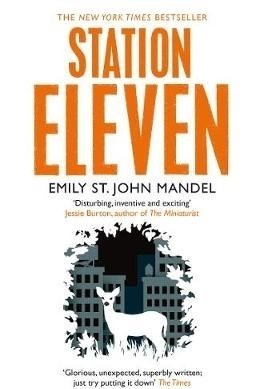
The dystopian idea of a virus wiping out most of the world’s human inhabitants is not a new concept. It has be done and retold over and over again. Emily St. John Mandel’s invention of the Georgian Flu is no different from these. Brought to Canada and the USA by a passenger on a plane from Russia, the highly contagious virus spreads quickly from person to person, town to town, and once caught you are dead within forty-eight hours.
The difference between Station Eleven and other novels of apocalyptic themes is that the story takes place primarily in two time periods – pre-Georgian Flu and twenty years post-Georgian flu – rather than during the outbreak and the immediate days after (although there are a few scenes written within that timeframe). It is difficult to explain the storyline without giving too much away. Although the death of millions of people is a vital feature, it is the lives of the characters that are important. All the significant characters are in some way linked to one man, Arthur Leander, and, particularly in the case of one individual, a graphic novel titled Station Eleven.
The book opens in Toronto with Arthur, a Hollywood actor, starring in a stage production of King Lear. Despite the quick reaction of trainee paramedic Jeevan, Arthur dies of a heart attack after suddenly collapsing during the forth act. Then suddenly, that same night, the Georgian flu makes its first appearance in Canada. Despite this occurring right at the beginning, it is not the last the reader sees of Arthur. Throughout the story the author returns to Arthur, recounting scenes of his life from acting career to his three ex-wives and only child.
Twenty years after the Georgian flu, Kirsten Raymonde, who starred as a child in the same production of King Lear, is part of the Traveling Symphony: a group of actors and musicians walking from decaying-town-to-town performing a number of Shakespeare plays as they go. With her she carries two Station Eleven comics that Arthur gave her before he died – incidentally written and drawn by his first wife. Most people that the Symphony encounter are accommodating and are trying their best to live in a world of no electricity or health care, but then they meet a man who calls himself the Prophet. Believing that he has been given a duty by God to repopulate the world he preaches to the people telling them that everything happens for a reason, likening the epidemic to Noah’s flood in the Bible. However it soon becomes clear that he is a dangerous character.
In a way it is heartening to imagine that high culture (such as Shakespeare and orchestral music) survives in a world that has been destroyed. Shakespeare was born in a time before all the modern inventions relied upon today, and now, in this novel, it is once again an electricity-less era yet these historical things live on.
One problem with Station Eleven is that it is hard to pinpoint the exact plot line. There is the life story of Arthur Leander, his wives and a close friend. Then there is Kirsten living a completely different life. Nonetheless it is still an incredibly fascinating book. Although it flits between time periods it is thankfully not as confusing as some may imagine it would be.
Even though dystopian novels of this nature have been done before, Station Eleven is definitely a book to read; and through it all it poses the question of how you, the reader, would survive in such a world.
The dystopian idea of a virus wiping out most of the world’s human inhabitants is not a new concept. It has be done and retold over and over again. Emily St. John Mandel’s invention of the Georgian Flu is no different from these. Brought to Canada and the USA by a passenger on a plane from Russia, the highly contagious virus spreads quickly from person to person, town to town, and once caught you are dead within forty-eight hours.
The difference between Station Eleven and other novels of apocalyptic themes is that the story takes place primarily in two time periods – pre-Georgian Flu and twenty years post-Georgian flu – rather than during the outbreak and the immediate days after (although there are a few scenes written within that timeframe). It is difficult to explain the storyline without giving too much away. Although the death of millions of people is a vital feature, it is the lives of the characters that are important. All the significant characters are in some way linked to one man, Arthur Leander, and, particularly in the case of one individual, a graphic novel titled Station Eleven.
The book opens in Toronto with Arthur, a Hollywood actor, starring in a stage production of King Lear. Despite the quick reaction of trainee paramedic Jeevan, Arthur dies of a heart attack after suddenly collapsing during the forth act. Then suddenly, that same night, the Georgian flu makes its first appearance in Canada. Despite this occurring right at the beginning, it is not the last the reader sees of Arthur. Throughout the story the author returns to Arthur, recounting scenes of his life from acting career to his three ex-wives and only child.
Twenty years after the Georgian flu, Kirsten Raymonde, who starred as a child in the same production of King Lear, is part of the Traveling Symphony: a group of actors and musicians walking from decaying-town-to-town performing a number of Shakespeare plays as they go. With her she carries two Station Eleven comics that Arthur gave her before he died – incidentally written and drawn by his first wife. Most people that the Symphony encounter are accommodating and are trying their best to live in a world of no electricity or health care, but then they meet a man who calls himself the Prophet. Believing that he has been given a duty by God to repopulate the world he preaches to the people telling them that everything happens for a reason, likening the epidemic to Noah’s flood in the Bible. However it soon becomes clear that he is a dangerous character.
In a way it is heartening to imagine that high culture (such as Shakespeare and orchestral music) survives in a world that has been destroyed. Shakespeare was born in a time before all the modern inventions relied upon today, and now, in this novel, it is once again an electricity-less era yet these historical things live on.
One problem with Station Eleven is that it is hard to pinpoint the exact plot line. There is the life story of Arthur Leander, his wives and a close friend. Then there is Kirsten living a completely different life. Nonetheless it is still an incredibly fascinating book. Although it flits between time periods it is thankfully not as confusing as some may imagine it would be.
Even though dystopian novels of this nature have been done before, Station Eleven is definitely a book to read; and through it all it poses the question of how you, the reader, would survive in such a world.
Hazel (1853 KP) rated Station Eleven in Books
Dec 7, 2018
<i>This ARC was provided by the publisher via NetGalley in exchange for an honest review</i>
The dystopian idea of a virus wiping out most of the world’s human inhabitants is not a new concept. It has be done and retold over and over again. Emily St. John Mandel’s invention of the Georgian Flu is no different from these. Brought to Canada and the USA by a passenger on a plane from Russia, the highly contagious virus spreads quickly from person to person, town to town, and once caught you are dead within forty-eight hours.
The difference between <i>Station Eleven</i> and other novels of apocalyptic themes is that the story takes place primarily in two time periods – pre-Georgian Flu and twenty years post-Georgian flu – rather than during the outbreak and the immediate days after (although there are a few scenes written within that timeframe). It is difficult to explain the storyline without giving too much away. Although the death of millions of people is a vital feature, it is the lives of the characters that are important. All the significant characters are in some way linked to one man, Arthur Leander, and, particularly in the case of one individual, a graphic novel titled <i>Station Eleven</i>.
The book opens in Toronto with Arthur, a Hollywood actor, starring in a stage production of <i>King Lear</i>. Despite the quick reaction of trainee paramedic Jeevan, Arthur dies of a heart attack after suddenly collapsing during the forth act. Then suddenly, that same night, the Georgian flu makes its first appearance in Canada. Despite this occurring right at the beginning, it is not the last the reader sees of Arthur. Throughout the story the author returns to Arthur, recounting scenes of his life from acting career to his three ex-wives and only child.
Twenty years after the Georgian flu, Kirsten Raymonde, who starred as a child in the same production of <i>King Lear</i>, is part of the Traveling Symphony: a group of actors and musicians walking from decaying-town-to-town performing a number of Shakespeare plays as they go. With her she carries two <i>Station Eleven</i> comics that Arthur gave her before he died – incidentally written and drawn by his first wife. Most people that the Symphony encounter are accommodating and are trying their best to live in a world of no electricity or health care, but then they meet a man who calls himself the Prophet. Believing that he has been given a duty by God to repopulate the world he preaches to the people telling them that everything happens for a reason, likening the epidemic to Noah’s flood in the Bible. However it soon becomes clear that he is a dangerous character.
In a way it is heartening to imagine that high culture (such as Shakespeare and orchestral music) survives in a world that has been destroyed. Shakespeare was born in a time before all the modern inventions relied upon today, and now, in this novel, it is once again an electricity-less era yet these historical things live on.
One problem with <i>Station Eleven</i> is that it is hard to pinpoint the exact plot line. There is the life story of Arthur Leander, his wives and a close friend. Then there is Kirsten living a completely different life. Nonetheless it is still an incredibly fascinating book. Although it flits between time periods it is thankfully not as confusing as some may imagine it would be.
Even though dystopian novels of this nature have been done before, <i>Station Eleven</i> is definitely a book to read; and through it all it poses the question of how you, the reader, would survive in such a world.
The dystopian idea of a virus wiping out most of the world’s human inhabitants is not a new concept. It has be done and retold over and over again. Emily St. John Mandel’s invention of the Georgian Flu is no different from these. Brought to Canada and the USA by a passenger on a plane from Russia, the highly contagious virus spreads quickly from person to person, town to town, and once caught you are dead within forty-eight hours.
The difference between <i>Station Eleven</i> and other novels of apocalyptic themes is that the story takes place primarily in two time periods – pre-Georgian Flu and twenty years post-Georgian flu – rather than during the outbreak and the immediate days after (although there are a few scenes written within that timeframe). It is difficult to explain the storyline without giving too much away. Although the death of millions of people is a vital feature, it is the lives of the characters that are important. All the significant characters are in some way linked to one man, Arthur Leander, and, particularly in the case of one individual, a graphic novel titled <i>Station Eleven</i>.
The book opens in Toronto with Arthur, a Hollywood actor, starring in a stage production of <i>King Lear</i>. Despite the quick reaction of trainee paramedic Jeevan, Arthur dies of a heart attack after suddenly collapsing during the forth act. Then suddenly, that same night, the Georgian flu makes its first appearance in Canada. Despite this occurring right at the beginning, it is not the last the reader sees of Arthur. Throughout the story the author returns to Arthur, recounting scenes of his life from acting career to his three ex-wives and only child.
Twenty years after the Georgian flu, Kirsten Raymonde, who starred as a child in the same production of <i>King Lear</i>, is part of the Traveling Symphony: a group of actors and musicians walking from decaying-town-to-town performing a number of Shakespeare plays as they go. With her she carries two <i>Station Eleven</i> comics that Arthur gave her before he died – incidentally written and drawn by his first wife. Most people that the Symphony encounter are accommodating and are trying their best to live in a world of no electricity or health care, but then they meet a man who calls himself the Prophet. Believing that he has been given a duty by God to repopulate the world he preaches to the people telling them that everything happens for a reason, likening the epidemic to Noah’s flood in the Bible. However it soon becomes clear that he is a dangerous character.
In a way it is heartening to imagine that high culture (such as Shakespeare and orchestral music) survives in a world that has been destroyed. Shakespeare was born in a time before all the modern inventions relied upon today, and now, in this novel, it is once again an electricity-less era yet these historical things live on.
One problem with <i>Station Eleven</i> is that it is hard to pinpoint the exact plot line. There is the life story of Arthur Leander, his wives and a close friend. Then there is Kirsten living a completely different life. Nonetheless it is still an incredibly fascinating book. Although it flits between time periods it is thankfully not as confusing as some may imagine it would be.
Even though dystopian novels of this nature have been done before, <i>Station Eleven</i> is definitely a book to read; and through it all it poses the question of how you, the reader, would survive in such a world.

BankofMarquis (1832 KP) rated Killers of the Flower moon (2023) in Movies
Oct 27, 2023

Best Thing Scorses (and DeNiro) have done in many, many years
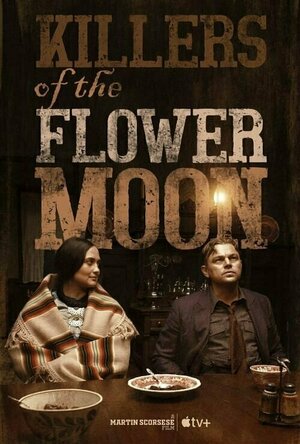
The BankofMarquis would highly recommend you see the latest epic (and we do mean EPIC) film from famed Director Martin Scorsese in a movie theater. Not because of the beautiful Cinematography by Rodrigo Prieto, not because of the Epic-ness of the tale told and not because movie theaters could use your business (all of which are reasons to see it in the movie theaters). You need to see KILLERS OF THE FLOWER MOON in a movie theater so that you cannot be distracted by things around you (most, notably your PHONE). One needs to immerse themselves in the experience of this 3 1/2 movie to totally understand and appreciate it.
And that is because KILLERS OF THE FLOWER MOON is as much atmosphere, mood and setting as it is story. Early on, one of the characters warns another one that the Osage people (the central group in this story) “don’t say much, listen more and let long pauses hang between words” and Scorsese does much of the same. Letting the story hang - and be told in - the silence between the words. And it works…if you are paying attention.
Starring Scorsese regulars Leonardo DiCaprio and Robert DeNiro and featuring a wonderful, soon-to-be-Oscar-Nominated performance by newcomer Lily Gladstone, KILLERS OF THE FLOWER MOON is based on the novel of the same name by David Gann and tells the tale of the Osage Nation who discover oil on their land in the 1920’s and the white men who come to try to connive and steal it away from them.
Taken on the surface, this story could be a pretty straight-forward white-man steals from the Indians story (substitute Buffalo for Oil and we have a story told so many times before - most notably in the Oscar winning movie DANCING WITH WOLVES), but in the hands of master craftsman Scorsese, this movie is much, much more than that.
Easily his best work in at least 10 years, Scorsese lets this story breathe and focuses in on the mood and atmosphere of the period - and the disparate people that inhabit…and battle for…this land and oil. It is the work of a maestro nearing the end of his tenure, skillfully conducting the Orchestra, one last, loving, magnificent time.
Like Scorsese, this is Oscar winner Robert DeNiro’s best performance in years and will not be surprised if he garners his first Oscar nomination in many, many years. Gone are the histrionics and over-the-top gestures and facial ticks that mar his comedic work (and in some cases his non-comedic work). DeNiro returns to the compact, internal “method” acting that was the hallmark of his early (best) work. You can see that this player still has “game” and he gives the role of William “King” Hale some dimension. This is good for this character could have, in lesser hands, turned into a “mustache-twirling” villain tying the heroine to the railroad tracks but in DeNiro’s capable hands (with Scorsese skillfully leading him) it is so much more.
Speaking of the Heroine, newcomer Lily Gladstone is just a strong and compact in her portrayal of Mollie Burkhart - the Osage woman in the center of the story. She gives Lily some sharp edges along with the rounded corners she is given in the script and the story and more than holds her own with the likes of DeNiro and DiCaprio in the many, many scenes she has with them. Most of the time, she needs to express quite a bit with a look or silence (while looking away) and she is able to convey that very, very well.
Fairing less well in this film is Leonardo DiCaprio as Ernest Burkhart, the sad-sack that is the pawn of “King” Hale and the love interest of Lily…or is he? DiCaprio is very good as Burkhart (when has he ever given a bad performance) but this character is thinly written and you can almost see the puppet strings on him. This, probably, is on purpose by Scorsese…but against two solid characters like DeNiro’s “King” Hale and Gladstone’s Molly, there just needed to be a bit more to DiCaprio’s character to make him more interesting.
Since this is a Scorsese film, it is fleshed out by some wonderful character actors led by the always watchable Jesse Plemons as the FBI agent sent to unpack what is going on. Joining him in what are (essentially) extended cameos are John Lithgow, newly minted Oscar winner Brendan Fraser, the always good Tantoo Cardinal, Scott Shepherd (as Leo’s brother) and a myriad of “that guy” and “interesting looking roughnecks” to flesh the feel of the film out - both on the white man as well as the Osage sides of the story.
The aforementioned Cinematography by Rodrigo Prieto along with the Costuming (Jacqueline West), Production Design (Jack Fisk) and Score (Robbie Peterson) all add to the mood of the piece and makes it very successful, indeed.
Just be forewarned, it is as every bit of 3 1/2 hours as it’s runtime dictates. There will be long, slow, silent parts that will make you tempted to pick up your phone - but resist that and enjoy the epic mood piece that is KILLERS OF THE FLOWER MOON. You won’t regret it.
Letter Grade: A-
8 stars (out of 10) and you can take that to the Bank(ofMarquis).
And that is because KILLERS OF THE FLOWER MOON is as much atmosphere, mood and setting as it is story. Early on, one of the characters warns another one that the Osage people (the central group in this story) “don’t say much, listen more and let long pauses hang between words” and Scorsese does much of the same. Letting the story hang - and be told in - the silence between the words. And it works…if you are paying attention.
Starring Scorsese regulars Leonardo DiCaprio and Robert DeNiro and featuring a wonderful, soon-to-be-Oscar-Nominated performance by newcomer Lily Gladstone, KILLERS OF THE FLOWER MOON is based on the novel of the same name by David Gann and tells the tale of the Osage Nation who discover oil on their land in the 1920’s and the white men who come to try to connive and steal it away from them.
Taken on the surface, this story could be a pretty straight-forward white-man steals from the Indians story (substitute Buffalo for Oil and we have a story told so many times before - most notably in the Oscar winning movie DANCING WITH WOLVES), but in the hands of master craftsman Scorsese, this movie is much, much more than that.
Easily his best work in at least 10 years, Scorsese lets this story breathe and focuses in on the mood and atmosphere of the period - and the disparate people that inhabit…and battle for…this land and oil. It is the work of a maestro nearing the end of his tenure, skillfully conducting the Orchestra, one last, loving, magnificent time.
Like Scorsese, this is Oscar winner Robert DeNiro’s best performance in years and will not be surprised if he garners his first Oscar nomination in many, many years. Gone are the histrionics and over-the-top gestures and facial ticks that mar his comedic work (and in some cases his non-comedic work). DeNiro returns to the compact, internal “method” acting that was the hallmark of his early (best) work. You can see that this player still has “game” and he gives the role of William “King” Hale some dimension. This is good for this character could have, in lesser hands, turned into a “mustache-twirling” villain tying the heroine to the railroad tracks but in DeNiro’s capable hands (with Scorsese skillfully leading him) it is so much more.
Speaking of the Heroine, newcomer Lily Gladstone is just a strong and compact in her portrayal of Mollie Burkhart - the Osage woman in the center of the story. She gives Lily some sharp edges along with the rounded corners she is given in the script and the story and more than holds her own with the likes of DeNiro and DiCaprio in the many, many scenes she has with them. Most of the time, she needs to express quite a bit with a look or silence (while looking away) and she is able to convey that very, very well.
Fairing less well in this film is Leonardo DiCaprio as Ernest Burkhart, the sad-sack that is the pawn of “King” Hale and the love interest of Lily…or is he? DiCaprio is very good as Burkhart (when has he ever given a bad performance) but this character is thinly written and you can almost see the puppet strings on him. This, probably, is on purpose by Scorsese…but against two solid characters like DeNiro’s “King” Hale and Gladstone’s Molly, there just needed to be a bit more to DiCaprio’s character to make him more interesting.
Since this is a Scorsese film, it is fleshed out by some wonderful character actors led by the always watchable Jesse Plemons as the FBI agent sent to unpack what is going on. Joining him in what are (essentially) extended cameos are John Lithgow, newly minted Oscar winner Brendan Fraser, the always good Tantoo Cardinal, Scott Shepherd (as Leo’s brother) and a myriad of “that guy” and “interesting looking roughnecks” to flesh the feel of the film out - both on the white man as well as the Osage sides of the story.
The aforementioned Cinematography by Rodrigo Prieto along with the Costuming (Jacqueline West), Production Design (Jack Fisk) and Score (Robbie Peterson) all add to the mood of the piece and makes it very successful, indeed.
Just be forewarned, it is as every bit of 3 1/2 hours as it’s runtime dictates. There will be long, slow, silent parts that will make you tempted to pick up your phone - but resist that and enjoy the epic mood piece that is KILLERS OF THE FLOWER MOON. You won’t regret it.
Letter Grade: A-
8 stars (out of 10) and you can take that to the Bank(ofMarquis).

Cynthia Armistead (17 KP) rated Unusual Suspects: Stories of Mystery & Fantasy in Books
Mar 1, 2018


Another uneven anthology. I still have it in my hands, so I'll try to hit each story briefly.
"Lucky" by Charlaine Harris - Sookie is much easier to take in short form. I can't help it, the woman grates on me (in the TV show even worse than in the books). The other characters keep me reading.
"Bogieman" by Carole Nelson Douglas - Delilah Street does more than grate on my nerves in long form. She's more palatable in short form, too, but there are reminders of why I don't intend to read more in that series.
"Looks are Deceiving" by Michael A. Stackpole - If I've read any of Stackpole's work before, it's been in anthologies, and I don't remember it. I did wonder if this short story is set in a universe he uses in longer works, though. It wasn't bad at all.
"The House of Seven Spirits" by Sharon Shinn - I loved this story! And how often do you say that about a haunted house tale? I must track down and read some of Shinn's novels. Any suggestions?
"Glamour" by Mike Doogan - The Peasantry Anti-Defamation League might be after Doogan if he isn't careful (at least, representatives of the male peasantry). The story was cute, and it did make me laugh.
"Spellbound" by Donna Andrews - This is another author whose books are going on my (groaning) to-read shelf. The story hit a few clichés, but was fun enough to get away with them.
"The Duh Vice" by Michael Armstrong - Ugh. A little too preachy, and way too much anti-fat prejudice.
"Weight of the World" by John Straley - Where does Santa Claus go in the off-season? That's the biggest question answered in this piece. The "mystery" was "solved" nearly as soon as it was discovered.
"Illumination" by Laura Anne Gilman - Bonnie's back story! I think a bit of this story is used in the first chapter of Gilman's first PUPI novel, but I'll know more when I get my hands on it. It's a must-read for fans of the Cosa Nostradamus universe, though.
"The House" by Laurie R. King - could we maybe call a hiatus on the abused-kid stories? Maybe I'm hypersensitive, but I'm tired of them.
"Appetite for Murder" by Simon R. Green - another dark Nightside story. I don't think I'll ever need to read more in that universe.
"A Woman's Work" by Dana Stabenow - I'm an unabashed Stabenow fangirl. Despite that, I wasn't sure how she'd do in a fantasy setting. She proved herself, certainly. I can only hope that we'll see longer fantasy works from her in print at some juncture.
"Lucky" by Charlaine Harris - Sookie is much easier to take in short form. I can't help it, the woman grates on me (in the TV show even worse than in the books). The other characters keep me reading.
"Bogieman" by Carole Nelson Douglas - Delilah Street does more than grate on my nerves in long form. She's more palatable in short form, too, but there are reminders of why I don't intend to read more in that series.
"Looks are Deceiving" by Michael A. Stackpole - If I've read any of Stackpole's work before, it's been in anthologies, and I don't remember it. I did wonder if this short story is set in a universe he uses in longer works, though. It wasn't bad at all.
"The House of Seven Spirits" by Sharon Shinn - I loved this story! And how often do you say that about a haunted house tale? I must track down and read some of Shinn's novels. Any suggestions?
"Glamour" by Mike Doogan - The Peasantry Anti-Defamation League might be after Doogan if he isn't careful (at least, representatives of the male peasantry). The story was cute, and it did make me laugh.
"Spellbound" by Donna Andrews - This is another author whose books are going on my (groaning) to-read shelf. The story hit a few clichés, but was fun enough to get away with them.
"The Duh Vice" by Michael Armstrong - Ugh. A little too preachy, and way too much anti-fat prejudice.
"Weight of the World" by John Straley - Where does Santa Claus go in the off-season? That's the biggest question answered in this piece. The "mystery" was "solved" nearly as soon as it was discovered.
"Illumination" by Laura Anne Gilman - Bonnie's back story! I think a bit of this story is used in the first chapter of Gilman's first PUPI novel, but I'll know more when I get my hands on it. It's a must-read for fans of the Cosa Nostradamus universe, though.
"The House" by Laurie R. King - could we maybe call a hiatus on the abused-kid stories? Maybe I'm hypersensitive, but I'm tired of them.
"Appetite for Murder" by Simon R. Green - another dark Nightside story. I don't think I'll ever need to read more in that universe.
"A Woman's Work" by Dana Stabenow - I'm an unabashed Stabenow fangirl. Despite that, I wasn't sure how she'd do in a fantasy setting. She proved herself, certainly. I can only hope that we'll see longer fantasy works from her in print at some juncture.
BankofMarquis (1832 KP) rated Wreck-It-Ralph (2012) in Movies
Nov 12, 2018
Deserves greater credit than it currently is getting
Not being a big video game guy, I was late to the party to the original WRECK-IT RALPH in 2012 and when I saw it, I thought "it's fine" and didn't really think more about it. Now that it's sequel is coming out, I thought it would be good time to revisit this film (and to also remind me of the characters of the first one). And I'm glad I did, for I enjoyed myself much more this go around with this film than I did in my initial experience.
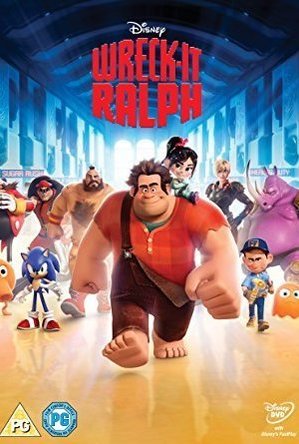
Taking a page out of PIXAR, this WALT DISNEY ANIMATION STUDIOS picture tells the "inside story" of what happens to Video Game characters when the lights go off. Following a "villain" in a game, WRECK-IT RALPH tells the story of Ralph's attempt to become a hero by winning a medal in another video game, only to become something more when he encounters a "glitch" in another game.
This is a well made, smart animation film that has enough action, suspense and silliness to appeal to children, but enough "adult content" (read: smart humor that goes over the heads of the kids) to appeal to the adults that have taken the kids to the movies. It pays great homage to video games - many of which went over my head, but (I am assured) were well played (at least according to the video gamers that I am acquainted).
Like all animated movies, a good percentage of the joy of this film is in the voice work - and this picture has very good ones from Sarah Silverman's Vanellope to Jack McBrayer's Fix-It Felix and Jane Lynch's kick-butt Calhoun, the voices strongly portray the character - and character types - quickly and easily. Special mention should be made of Allan Tudyk's King Candy (an homage to the the great Vaudeville and early film comedian Ed Wynn) and, especially, John C. Reilly in the title role. He is perfectly cast as Ralph, showing the weight of the size of the character in his voice with a sweetness and vulnerability that shows the size of the character's heart.
This is a wonderful and winning film, one that deserves greater praise than it is currently given, and I, for one, am looking forward to the sequel coming out.
Letter Grade: A-
8 (out of 10) stars and you can take that to the Bank (ofMarquis)
Taking a page out of PIXAR, this WALT DISNEY ANIMATION STUDIOS picture tells the "inside story" of what happens to Video Game characters when the lights go off. Following a "villain" in a game, WRECK-IT RALPH tells the story of Ralph's attempt to become a hero by winning a medal in another video game, only to become something more when he encounters a "glitch" in another game.
This is a well made, smart animation film that has enough action, suspense and silliness to appeal to children, but enough "adult content" (read: smart humor that goes over the heads of the kids) to appeal to the adults that have taken the kids to the movies. It pays great homage to video games - many of which went over my head, but (I am assured) were well played (at least according to the video gamers that I am acquainted).
Like all animated movies, a good percentage of the joy of this film is in the voice work - and this picture has very good ones from Sarah Silverman's Vanellope to Jack McBrayer's Fix-It Felix and Jane Lynch's kick-butt Calhoun, the voices strongly portray the character - and character types - quickly and easily. Special mention should be made of Allan Tudyk's King Candy (an homage to the the great Vaudeville and early film comedian Ed Wynn) and, especially, John C. Reilly in the title role. He is perfectly cast as Ralph, showing the weight of the size of the character in his voice with a sweetness and vulnerability that shows the size of the character's heart.
This is a wonderful and winning film, one that deserves greater praise than it is currently given, and I, for one, am looking forward to the sequel coming out.
Letter Grade: A-
8 (out of 10) stars and you can take that to the Bank (ofMarquis)

Bob Mann (459 KP) rated A United Kingdom (2017) in Movies
Sep 29, 2021

“In to Africa”.
I managed to miss this film when it was first shown at the end of 2016. And what a shame as it would have UNDOUBTEDLY made my “Films of the Year” list.
Directed by Amma Asante (“Belle”) this is the true tale of a real-life fairy story, featuring a handsome prince and his love, who can never be his princess thanks to the Machievellian schemings of court-do-gooders and bureaucrats.
The prince in this case is Seretse Kham (David Oyelowo, “Selma“) , heir to the throne of Bechuanaland (now Botswana), who meets and falls in love with a lowly white Lloyd’s of London clerk Ruth Williams (Rosamund Pike, “Gone Girl“, “The World’s End“). The plot has many parallels with that of another film from earlier this year: “Loving” with Ruth Negga and Joel Edgerton. As an inter-racial couple in 1947 this is taboo enough, but the fact that Kham is soon to be king in a country bordering the apartheid tinderkeg that is South Africa blows the affair up to be a diplomatic crisis.
Concern in the corridors of power for Prime Minister Atlee (Anton Lesser) being faced up to by the couple’s supporter – a young Anthony Wedgewood Benn (Jack Lowden).
Defying the officials he marries his true love, driving a wedge between both his own uncle (Vusi Kunene ) and sister (Terry Pheto) and making Ruth an outcast in both countries. As things turn from bad to worse, can true love conquer all their adversities?
Just everything about this film delights. Oyelowo and Pike – always a safe pair of hands – add real emotional depth to their roles. Their relationship feels natural and loving without either of them trying too hard. The estrangement of Ruth from her parents (particularly her father played by Nicholas Lyndhurst) is truly touching.
Another star turn is Harry Potter alumni Tom Felton, playing Rufus Lancaster – a weaselly and very unpleasant local official. I have a prediction…. that in 30 year’s time, the young Potter actor that will be the ‘Ian McKellen of his day’ (that is, a world recognized great actor… not necessarily gay!) will be Felton.
Sam McCurdy (“The Descent”) delivers cinematography of Africa that is vibrant (to be fair, for anyone lucky enough to visit Africa will know, cameras just love the place) and the John Barry-esque music by Patrick Doyle (“Murder on the Orient Express“) is pitch perfect for the mood.
When it says “Based on a true story” it means it: the real family.
A beautifully crafted film that older viewers will just love.
Directed by Amma Asante (“Belle”) this is the true tale of a real-life fairy story, featuring a handsome prince and his love, who can never be his princess thanks to the Machievellian schemings of court-do-gooders and bureaucrats.
The prince in this case is Seretse Kham (David Oyelowo, “Selma“) , heir to the throne of Bechuanaland (now Botswana), who meets and falls in love with a lowly white Lloyd’s of London clerk Ruth Williams (Rosamund Pike, “Gone Girl“, “The World’s End“). The plot has many parallels with that of another film from earlier this year: “Loving” with Ruth Negga and Joel Edgerton. As an inter-racial couple in 1947 this is taboo enough, but the fact that Kham is soon to be king in a country bordering the apartheid tinderkeg that is South Africa blows the affair up to be a diplomatic crisis.
Concern in the corridors of power for Prime Minister Atlee (Anton Lesser) being faced up to by the couple’s supporter – a young Anthony Wedgewood Benn (Jack Lowden).
Defying the officials he marries his true love, driving a wedge between both his own uncle (Vusi Kunene ) and sister (Terry Pheto) and making Ruth an outcast in both countries. As things turn from bad to worse, can true love conquer all their adversities?
Just everything about this film delights. Oyelowo and Pike – always a safe pair of hands – add real emotional depth to their roles. Their relationship feels natural and loving without either of them trying too hard. The estrangement of Ruth from her parents (particularly her father played by Nicholas Lyndhurst) is truly touching.
Another star turn is Harry Potter alumni Tom Felton, playing Rufus Lancaster – a weaselly and very unpleasant local official. I have a prediction…. that in 30 year’s time, the young Potter actor that will be the ‘Ian McKellen of his day’ (that is, a world recognized great actor… not necessarily gay!) will be Felton.
Sam McCurdy (“The Descent”) delivers cinematography of Africa that is vibrant (to be fair, for anyone lucky enough to visit Africa will know, cameras just love the place) and the John Barry-esque music by Patrick Doyle (“Murder on the Orient Express“) is pitch perfect for the mood.
When it says “Based on a true story” it means it: the real family.
A beautifully crafted film that older viewers will just love.

Gareth von Kallenbach (980 KP) rated Bullet Train (2022) in Movies
Aug 6, 2022
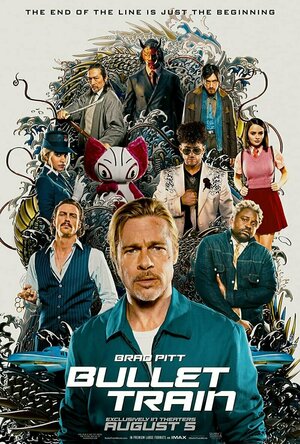
I first got an extended look at “Bullet Train” during Cinemacon when a reel of the film was shown during the Sony showcase to an enthusiastic crowd. The footage mixed action and humor with quirky and dysfunctional characters and became a must-see film for me based on the teased footage.
The film is based on a book by Kotaro Isaka and stars Brad Pitt as an operative named Ladybug. He is called at the last minute as a replacement and given instructions to board a Bullet Train and snatch a case in one of the passenger areas before exiting at the next station.
Having gone through a recent crisis, Ladybug is awash in various philosophical and new age ideas as he attempts to find his inner peace and a new path in life, as such he does not take a gun with him when he boards despite being instructed to do so by his handler.
The train is filled with various killers and dangerous people who are there to accomplish various goals and most of whom fail frequently in violent and hysterical manners which further complicate their agendas as well as that of the others and often puts them into conflict with one another as the story unfolds.
It would be difficult to go into further detail on the various characters without spoiling some of the reveals and twists along the way but suffice it to say that Aaron Taylor-Johnson and Brian Tyree Henry as Tangerine and Lemon are great and their banter, as well as capers, is a frequent highlight.
There are some surprise cameos in the film which add to the fun and Joey King is as great as perhaps one of the more complicated characters in the film. Pitt is clearly the star but the film allows him as well as his supporting cast plenty of moments to shine and the humor flies fast and frequent as does the action which creates a very engaging and stylistic hybrid of western and Asian cinema.
The film does drag slightly late before leading to the finale but thanks to the great cast and action it comes through in the end.
Director David Leitch has worked on films such as “Deadpool 2”, “Atomic Blonde”, and “John Wick: and you can see that he has a knack for directing action and comedy as this is a very fun and engaging film that has some great action and humor and one that you will not want to miss.
4 stars out of 5.
The film is based on a book by Kotaro Isaka and stars Brad Pitt as an operative named Ladybug. He is called at the last minute as a replacement and given instructions to board a Bullet Train and snatch a case in one of the passenger areas before exiting at the next station.
Having gone through a recent crisis, Ladybug is awash in various philosophical and new age ideas as he attempts to find his inner peace and a new path in life, as such he does not take a gun with him when he boards despite being instructed to do so by his handler.
The train is filled with various killers and dangerous people who are there to accomplish various goals and most of whom fail frequently in violent and hysterical manners which further complicate their agendas as well as that of the others and often puts them into conflict with one another as the story unfolds.
It would be difficult to go into further detail on the various characters without spoiling some of the reveals and twists along the way but suffice it to say that Aaron Taylor-Johnson and Brian Tyree Henry as Tangerine and Lemon are great and their banter, as well as capers, is a frequent highlight.
There are some surprise cameos in the film which add to the fun and Joey King is as great as perhaps one of the more complicated characters in the film. Pitt is clearly the star but the film allows him as well as his supporting cast plenty of moments to shine and the humor flies fast and frequent as does the action which creates a very engaging and stylistic hybrid of western and Asian cinema.
The film does drag slightly late before leading to the finale but thanks to the great cast and action it comes through in the end.
Director David Leitch has worked on films such as “Deadpool 2”, “Atomic Blonde”, and “John Wick: and you can see that he has a knack for directing action and comedy as this is a very fun and engaging film that has some great action and humor and one that you will not want to miss.
4 stars out of 5.
Bible Scholar Interactive
Reference and Games
App
Now just $2.99. The Bible Scholar named one of: "25 Incredible..Apps Every Theology Student...
Gareth von Kallenbach (980 KP) rated Wreck-It-Ralph (2012) in Movies
Aug 7, 2019
In this modern age of console, p.c., and mobile video games it’s easy to forget the days of my youth when the video arcade was king. This is not to say that we didn’t have gaming systems of our own but an Atari 2600 and PlayStation 3 are about as similar as one of Henry Ford’s model T’s to a fully loaded Mercedes.
Suffice it to say I remember very clearly when video games were only a quarter, and how timeless classics ranging from Space Invaders, Donkey Kong, and countless other arcade treasures became cultural icons as well as school yard conversation topics in the pre-Internet days.
Walt Disney Studios have crafted an amazing visual spectacle that combines numerous references to gaming greats old and new with their new movie “Wreck-it Ralph”. The film stars John C. Reilly as Ralph, the villain of a very popular arcade game called Fix it Felix. When the arcade closes for the evening Felix Jr. (Jack McBrayer), and the other residents the game enjoy carefree life of companionship and socialization while Ralph is relegated to a pile of bricks in the town dump and forced to watch the frivolity enjoyed by his workmates from a distance.
His only relief comes when he travels to a central gaming hub and enjoys the company of other gaming villains in a support group. During one such group, Ralph drops the shocking revelation that he wishes to become a hero. Not only does this disclosure shock his fellow gaming villains but the cast of his game, one of whom taunts Ralph to go off and win a hero’s medal elsewhere.
Undaunted, Ralph sets off and finds himself in a brand-new 3-D shooter called Heroes Duty. It is here that Jack meets Sgt. Calhoun (Jane Lynch), a grizzled and bitter veteran who’s been programmed to have the most tragic back story ever developed for gaming persona. Despite his bumbling actions, Ralph achieves his medal and plans to returns to his own game in triumph. Unfortunately in the time that he is been away, the arcade owner believes that his game is defective since Ralph is missing from it and labels the game out of order.
This is a terrible situation especially for older game, as once a game is un-plugged, all of the characters contained within are lost forever. On his way back to his game, Ralph finds himself in a colorfully festooned sugar and treat filled racing game as he attempts to retrieve his medal and set things right unaware that an even bigger threat is looming that threatens all the game characters in the arcade.
Assisting Ralph is Vanellope von Schweetz, (Sarah Silverman), who is an impish glitch that Ralph views as a kindred spirit as she is also ostracized by her fellow game cast. With the gigantic race looming, and the loony King Candy (Alan Tudyk), making things difficult Ralph must rise up and become more than he ever thought he could be to save the day.
The 3-D animation the film the spectacular but what really makes the movie is fine performances by Riley, Lynch, and Silverman, as well as the amazing supporting work by Tudyk, McBrayer, and the rest of the cast. The jokes are extremely clever and come at you at a fairly steady pace. The film was nearly 2 hours in length so parents be warned that this and the PG rating might make things a little harder than usual for extremely young viewers.
There were several fantastic jokes that clearly went over the heads of many of the younger viewers during our test screening as they were geared at those who grew up with arcades and the original Nintendo console.
The film did have a few pacing issues but they were minor and did not as a whole take away from my overall enjoyment of the film. While it falls just short of being considered a modern classic, the movie is definitely one of the more enjoyable films of the year and one that I hope spawns several follow-ups as it was pure Disney magic and gaming nostalgia blended to perfection.
Suffice it to say I remember very clearly when video games were only a quarter, and how timeless classics ranging from Space Invaders, Donkey Kong, and countless other arcade treasures became cultural icons as well as school yard conversation topics in the pre-Internet days.
Walt Disney Studios have crafted an amazing visual spectacle that combines numerous references to gaming greats old and new with their new movie “Wreck-it Ralph”. The film stars John C. Reilly as Ralph, the villain of a very popular arcade game called Fix it Felix. When the arcade closes for the evening Felix Jr. (Jack McBrayer), and the other residents the game enjoy carefree life of companionship and socialization while Ralph is relegated to a pile of bricks in the town dump and forced to watch the frivolity enjoyed by his workmates from a distance.
His only relief comes when he travels to a central gaming hub and enjoys the company of other gaming villains in a support group. During one such group, Ralph drops the shocking revelation that he wishes to become a hero. Not only does this disclosure shock his fellow gaming villains but the cast of his game, one of whom taunts Ralph to go off and win a hero’s medal elsewhere.
Undaunted, Ralph sets off and finds himself in a brand-new 3-D shooter called Heroes Duty. It is here that Jack meets Sgt. Calhoun (Jane Lynch), a grizzled and bitter veteran who’s been programmed to have the most tragic back story ever developed for gaming persona. Despite his bumbling actions, Ralph achieves his medal and plans to returns to his own game in triumph. Unfortunately in the time that he is been away, the arcade owner believes that his game is defective since Ralph is missing from it and labels the game out of order.
This is a terrible situation especially for older game, as once a game is un-plugged, all of the characters contained within are lost forever. On his way back to his game, Ralph finds himself in a colorfully festooned sugar and treat filled racing game as he attempts to retrieve his medal and set things right unaware that an even bigger threat is looming that threatens all the game characters in the arcade.
Assisting Ralph is Vanellope von Schweetz, (Sarah Silverman), who is an impish glitch that Ralph views as a kindred spirit as she is also ostracized by her fellow game cast. With the gigantic race looming, and the loony King Candy (Alan Tudyk), making things difficult Ralph must rise up and become more than he ever thought he could be to save the day.
The 3-D animation the film the spectacular but what really makes the movie is fine performances by Riley, Lynch, and Silverman, as well as the amazing supporting work by Tudyk, McBrayer, and the rest of the cast. The jokes are extremely clever and come at you at a fairly steady pace. The film was nearly 2 hours in length so parents be warned that this and the PG rating might make things a little harder than usual for extremely young viewers.
There were several fantastic jokes that clearly went over the heads of many of the younger viewers during our test screening as they were geared at those who grew up with arcades and the original Nintendo console.
The film did have a few pacing issues but they were minor and did not as a whole take away from my overall enjoyment of the film. While it falls just short of being considered a modern classic, the movie is definitely one of the more enjoyable films of the year and one that I hope spawns several follow-ups as it was pure Disney magic and gaming nostalgia blended to perfection.

Rachel King (13 KP) rated Veiled Rose (Tales of Goldstone Wood, #2) in Books
Feb 11, 2019
I am always a fan of fairy re-tellings, even if it is for a fairy tale I am not actually familiar with, as that of Rose Red. It took me awhile, but I also gathered that the book is a kind of Christian allegory, and parts remind me of Pilgrim's Progress by John Bunyan.
Rose Red is by far the most intriguing character, as her birth is shrouded in mystery, her friends are animals with voices, and she cloaks herself in veils and layers to hide even the smallest scrap of skin from any prying eyes - including her own. The shame she bears for her own appearance is so great that her very existence is surrounded by grand tales of monsters and demons told by all of the local villagers, yet she bears a strength much greater than she appears to possess and she has a kind of magic that allows her to walk the secret Paths and face down death in all its forms. Even at the end of the book, I could not fully grasp who or what she is.
Leo manages to find and befriend Rose Red in boyhood, but he has a burden of his own as Prince Lionheart of Southlands, destined to become King. Leo knows his responsibilities, but he secretly just wants a friend and to make people laugh as a court jester. These polar opposites manage to pull him across the world again and again as he struggles with the simple question, "What do you want?"
Many other characters litter the pages of the book, which was at times confusing as I attempted to deduce which creature or character was on the side of good or evil, such as the Dragon - which became apparent at its occupation of Southlands. As an allegory for Christianity, some characters were clear - such as the Prince, but others were murkier, such as the Lady.
The structure of the book itself was off-putting for me. The book is divided into five parts, with chapters in each part, but in between each part a vague sense of time has passed, so that the reader cannot pick up where the last chapter left off. At each break, I would get the feeling that the plot was picking up, only to be let down that the climactic moments have been glossed over. I also really disliked the ending. Certain things are expected of classic fairy tales, and none of this was included in the ending of this book. Perhaps the author was aiming for something more "realistic" or to simply get the reader to continue the series, but loose endings this big make me feel like I wasted my time reading the book, only to get no satisfaction at the finale.
Rose Red is by far the most intriguing character, as her birth is shrouded in mystery, her friends are animals with voices, and she cloaks herself in veils and layers to hide even the smallest scrap of skin from any prying eyes - including her own. The shame she bears for her own appearance is so great that her very existence is surrounded by grand tales of monsters and demons told by all of the local villagers, yet she bears a strength much greater than she appears to possess and she has a kind of magic that allows her to walk the secret Paths and face down death in all its forms. Even at the end of the book, I could not fully grasp who or what she is.
Leo manages to find and befriend Rose Red in boyhood, but he has a burden of his own as Prince Lionheart of Southlands, destined to become King. Leo knows his responsibilities, but he secretly just wants a friend and to make people laugh as a court jester. These polar opposites manage to pull him across the world again and again as he struggles with the simple question, "What do you want?"
Many other characters litter the pages of the book, which was at times confusing as I attempted to deduce which creature or character was on the side of good or evil, such as the Dragon - which became apparent at its occupation of Southlands. As an allegory for Christianity, some characters were clear - such as the Prince, but others were murkier, such as the Lady.
The structure of the book itself was off-putting for me. The book is divided into five parts, with chapters in each part, but in between each part a vague sense of time has passed, so that the reader cannot pick up where the last chapter left off. At each break, I would get the feeling that the plot was picking up, only to be let down that the climactic moments have been glossed over. I also really disliked the ending. Certain things are expected of classic fairy tales, and none of this was included in the ending of this book. Perhaps the author was aiming for something more "realistic" or to simply get the reader to continue the series, but loose endings this big make me feel like I wasted my time reading the book, only to get no satisfaction at the finale.