
Search
Search results

Hazel (1853 KP) rated The Witchwood Crown in Books
Jul 22, 2017


Gosh, what a long book!
Review I received this book for free through Goodreads First Reads.
Approximately 30 years ago, the first novel in Tad Williams’ Memory, Sorrow and Thorn trilogy was published. Fans all over the world adored this high fantasy story about a young kitchen boy, Simon, who goes on to become King of Ostern Ard. Now Williams’ has returned to the fictional lands with a follow-up trilogy, The Last King of Ostern Ard.
Three decades have been and gone since the ending of the previous series. The Witchwood Crown explores the changes that have occurred since the epic story finished, unfortunately, things are not looking good. Simon and his wife, Miriamele, have suffered a few personal tragedies, leaving them with two fatherless grandchildren. Young Lillia is an out spoken child who expostulates with everyone in order to get her way – she is a princess after all. Morgan, the heir, is rather obtuse in comparison; a lazy young man whose vexatious behaviour constantly causes the Royals to despair. However, this is only a tiny problem in their restless kingdom.
The Norn Queen, an antagonist of the original story, has been asleep for the past few decades. Mortals foolishly believed they were safe from the evil character, yet unexpectedly, she has awoken and is determined to destroy humanity. Too weak to carry out her own plans, she infiltrates the minds of the members of her immortal race, sending them off on perilous missions, for example, to extract blood from a live dragon.
As well as Simon’s city and the Norns, there are several more important characters and locations, each with their own on going storyline. A mix of assiduous and animus personas shake up the peace that had settled at the closing of Memory, Sorrow and Thorn. It is almost impossible to fathom whom the good and bad are, especially when reading from so many different points of view.
If the 700 odd pages did not already give it away, the inclusion of maps and appendixes prove the book to contain an extremely lengthy tale. Flitting from one set of characters to another, it is hard to keep up with the hundreds of names and roles. It does not help that the majority are unpronounceable, full of additional apostrophes making them as unlike English names as possible – a usual trait of fantasy fiction.
Not only are the names difficult to pronounce, the words and vernacular some of the characters use are just as dumbfounding. Thankfully, definitions are provided at the back of the book, but to keep flipping between pages can get quite tedious after a while.
The sheer number of characters makes it difficult to unearth the main storyline. In fact, there does not appear to be a strong plot at all. Judging by the ending, it is as though The Witchwood Crown is only an introduction to the narrative that will begin in the following book.
Reading the primary series first will have its benefits, however, it is not mandatory. New readers, like myself, are able to pick up snippets of past events and piece together the lead up to the current scenario. Although a work of historical fantasy, it is possible to see elements of real life within the story. Dragons and fairies may not exist in our world, but similar beliefs and systems are relatable. For instance, the days of the week are obviously based on the English names: Sunday, Moonday, Tiasday, Udunsday, Drorsday, Frayday and Satrinsday.
The most striking connection between real and imagined is the religious beliefs of different clans and species. Many of the mortals have taken, up what is suggested to be, a new religion. There are so many similarities; it is undoubtedly based on Christianity. Likewise, other beliefs are comparable to pagan rites and ceremonies of the distant past.
The Witchwood Crown is not an easy book to read, neither is it all that exciting. On the other hand, it is interesting. It is equivalent to reading historical information with the added benefit of mythical creatures. This is not a quick read; therefore you need to be dedicated to sitting down and pacing through the story. It is definitely targeted at high fantasy fans – in fact, the original stories influenced George R. R. Martin (A Game of Thrones) – who are used to the length and complexity of the narrative
Approximately 30 years ago, the first novel in Tad Williams’ Memory, Sorrow and Thorn trilogy was published. Fans all over the world adored this high fantasy story about a young kitchen boy, Simon, who goes on to become King of Ostern Ard. Now Williams’ has returned to the fictional lands with a follow-up trilogy, The Last King of Ostern Ard.
Three decades have been and gone since the ending of the previous series. The Witchwood Crown explores the changes that have occurred since the epic story finished, unfortunately, things are not looking good. Simon and his wife, Miriamele, have suffered a few personal tragedies, leaving them with two fatherless grandchildren. Young Lillia is an out spoken child who expostulates with everyone in order to get her way – she is a princess after all. Morgan, the heir, is rather obtuse in comparison; a lazy young man whose vexatious behaviour constantly causes the Royals to despair. However, this is only a tiny problem in their restless kingdom.
The Norn Queen, an antagonist of the original story, has been asleep for the past few decades. Mortals foolishly believed they were safe from the evil character, yet unexpectedly, she has awoken and is determined to destroy humanity. Too weak to carry out her own plans, she infiltrates the minds of the members of her immortal race, sending them off on perilous missions, for example, to extract blood from a live dragon.
As well as Simon’s city and the Norns, there are several more important characters and locations, each with their own on going storyline. A mix of assiduous and animus personas shake up the peace that had settled at the closing of Memory, Sorrow and Thorn. It is almost impossible to fathom whom the good and bad are, especially when reading from so many different points of view.
If the 700 odd pages did not already give it away, the inclusion of maps and appendixes prove the book to contain an extremely lengthy tale. Flitting from one set of characters to another, it is hard to keep up with the hundreds of names and roles. It does not help that the majority are unpronounceable, full of additional apostrophes making them as unlike English names as possible – a usual trait of fantasy fiction.
Not only are the names difficult to pronounce, the words and vernacular some of the characters use are just as dumbfounding. Thankfully, definitions are provided at the back of the book, but to keep flipping between pages can get quite tedious after a while.
The sheer number of characters makes it difficult to unearth the main storyline. In fact, there does not appear to be a strong plot at all. Judging by the ending, it is as though The Witchwood Crown is only an introduction to the narrative that will begin in the following book.
Reading the primary series first will have its benefits, however, it is not mandatory. New readers, like myself, are able to pick up snippets of past events and piece together the lead up to the current scenario. Although a work of historical fantasy, it is possible to see elements of real life within the story. Dragons and fairies may not exist in our world, but similar beliefs and systems are relatable. For instance, the days of the week are obviously based on the English names: Sunday, Moonday, Tiasday, Udunsday, Drorsday, Frayday and Satrinsday.
The most striking connection between real and imagined is the religious beliefs of different clans and species. Many of the mortals have taken, up what is suggested to be, a new religion. There are so many similarities; it is undoubtedly based on Christianity. Likewise, other beliefs are comparable to pagan rites and ceremonies of the distant past.
The Witchwood Crown is not an easy book to read, neither is it all that exciting. On the other hand, it is interesting. It is equivalent to reading historical information with the added benefit of mythical creatures. This is not a quick read; therefore you need to be dedicated to sitting down and pacing through the story. It is definitely targeted at high fantasy fans – in fact, the original stories influenced George R. R. Martin (A Game of Thrones) – who are used to the length and complexity of the narrative

Goddess in the Stacks (553 KP) rated The Priory of the Orange Tree in Books
May 3, 2019


AMAZING epic fantasy.
Holy COW, you guys. I keep saying “I haven’t read much epic fantasy lately” and “I don’t have time to read such long books/series” but I made an exception for Priory, and I’m SO glad I did. Just WOW.
So the basic premise of this world is that The Nameless One (some gigantic evil dragon) was locked away a thousand years ago, and all his minions with him. The exact details of how and who did it have been mostly lost to history. It’s said that as long as the House of Berethnet rules Inys, he’ll never rise again, and Berethnet queens always have one child, a daughter. The current queen, however, is unwed, and minions of The Nameless One have begun rising, and in fact have conquered a few neighboring nations. We have three main factions of countries; The East, who have dragon riders, but make a distinction between their dragons, who are aquatic and identify with the stars, and the evil minions of The Nameless One, who are full of fire. Then we have Virtudom, which is headed by Inys, and is a coalition of countries who have made a religion of the Knightly Virtues. This is the West, and they make no distinction between the draconic servants of The Nameless One and the water dragons of the East. This has forced a split between the West and the East, because Virtudom won’t have anything to do with countries that have anything to do with dragons, because most of what they see is the third faction – the Draconic countries. These are countries conquered by minions of the Nameless One, and they are full of chaos, fire, evil, and plague.
This is the world the book opens on. Most of our main characters – Queen Sabran, her handmaiden Ead, the dragonrider Tané – are women, but we also have Doctor Niclays Roos, an alchemist, and Lord Arteloth Beck, a friend of the Queen. In this world, women are just as capable as men, and are treated as such. There are female knights, and same-sex relationships are just as ordinary as opposite-sex ones. There is a bit too much moral emphasis placed on monogamy/sex within the bounds of marriage, but I guess that’s “Knightly Virtue” for you. Skin color is only mentioned a couple of times, but I seem to remember Lord Arteloth being described as very dark-skinned, and Ead as golden-brown. Rather nice to see a fantasy NOT all caught up in racial and gender differences. Not to say there isn’t a fair amount of bigotry, but in this book it’s based pretty much solely on nationality and religion. And when the biggest sticking point is “do you like evil dragons or not” that kind of makes sense!
I think the only thing I didn’t like about this book was its size. It’s unwieldy to read, at over 800 pages! I’m not sure why they didn’t break it into a duology. Regardless, if you have the choice, I’d read it on Kindle. It would be far easier to handle. I’m not complaining about the amount of text, mind you. Just the sheer physical size. I can’t imagine the story being told in less time. There’s So. Much. Here.
This book goes from Queen Sabran’s court to the dragonrider academy in the East, to the draconic kingdom of Yscalin, to the Abyss where the Nameless One sleeps. We see glittering courts, hidden islands, sweltering tunnels through volcanic mountains, and deep valleys with secret magic trees. We battle wyrms and cockatrices, swim through endless seas with dragonriders, sail through storms with pirate crews, and navigate the trickiest of diplomatic matters with courtiers. The Priory of the Orange Tree paints an elaborate, incredibly complex world and I am absolutely here for it.
Okay, so one tiny quibble – while I liked the romance, I feel like it started kind of oddly. I didn’t see any reason for the initial spark. From there, it progressed perfectly, but I just didn’t get the beginning.
This book has multiple queer couples! There’s at least one same-sex couple mentioned as attending a party; Doctor Roos spends a lot of time mourning his dead lover, and there’s the lesbian romance between a couple of main characters. And one character has at least strong affection for a man before falling in love with a woman; I think she was in love with both. No trans or ace rep, but plenty of gay, lesbian, and bi!
This is hands-down the best book I’ve read so far this year. It took me three days – it’s a big book – but it is absolutely fantastic.
You can find all my reviews at http://goddessinthestacks.com
So the basic premise of this world is that The Nameless One (some gigantic evil dragon) was locked away a thousand years ago, and all his minions with him. The exact details of how and who did it have been mostly lost to history. It’s said that as long as the House of Berethnet rules Inys, he’ll never rise again, and Berethnet queens always have one child, a daughter. The current queen, however, is unwed, and minions of The Nameless One have begun rising, and in fact have conquered a few neighboring nations. We have three main factions of countries; The East, who have dragon riders, but make a distinction between their dragons, who are aquatic and identify with the stars, and the evil minions of The Nameless One, who are full of fire. Then we have Virtudom, which is headed by Inys, and is a coalition of countries who have made a religion of the Knightly Virtues. This is the West, and they make no distinction between the draconic servants of The Nameless One and the water dragons of the East. This has forced a split between the West and the East, because Virtudom won’t have anything to do with countries that have anything to do with dragons, because most of what they see is the third faction – the Draconic countries. These are countries conquered by minions of the Nameless One, and they are full of chaos, fire, evil, and plague.
This is the world the book opens on. Most of our main characters – Queen Sabran, her handmaiden Ead, the dragonrider Tané – are women, but we also have Doctor Niclays Roos, an alchemist, and Lord Arteloth Beck, a friend of the Queen. In this world, women are just as capable as men, and are treated as such. There are female knights, and same-sex relationships are just as ordinary as opposite-sex ones. There is a bit too much moral emphasis placed on monogamy/sex within the bounds of marriage, but I guess that’s “Knightly Virtue” for you. Skin color is only mentioned a couple of times, but I seem to remember Lord Arteloth being described as very dark-skinned, and Ead as golden-brown. Rather nice to see a fantasy NOT all caught up in racial and gender differences. Not to say there isn’t a fair amount of bigotry, but in this book it’s based pretty much solely on nationality and religion. And when the biggest sticking point is “do you like evil dragons or not” that kind of makes sense!
I think the only thing I didn’t like about this book was its size. It’s unwieldy to read, at over 800 pages! I’m not sure why they didn’t break it into a duology. Regardless, if you have the choice, I’d read it on Kindle. It would be far easier to handle. I’m not complaining about the amount of text, mind you. Just the sheer physical size. I can’t imagine the story being told in less time. There’s So. Much. Here.
This book goes from Queen Sabran’s court to the dragonrider academy in the East, to the draconic kingdom of Yscalin, to the Abyss where the Nameless One sleeps. We see glittering courts, hidden islands, sweltering tunnels through volcanic mountains, and deep valleys with secret magic trees. We battle wyrms and cockatrices, swim through endless seas with dragonriders, sail through storms with pirate crews, and navigate the trickiest of diplomatic matters with courtiers. The Priory of the Orange Tree paints an elaborate, incredibly complex world and I am absolutely here for it.
Okay, so one tiny quibble – while I liked the romance, I feel like it started kind of oddly. I didn’t see any reason for the initial spark. From there, it progressed perfectly, but I just didn’t get the beginning.
This book has multiple queer couples! There’s at least one same-sex couple mentioned as attending a party; Doctor Roos spends a lot of time mourning his dead lover, and there’s the lesbian romance between a couple of main characters. And one character has at least strong affection for a man before falling in love with a woman; I think she was in love with both. No trans or ace rep, but plenty of gay, lesbian, and bi!
This is hands-down the best book I’ve read so far this year. It took me three days – it’s a big book – but it is absolutely fantastic.
You can find all my reviews at http://goddessinthestacks.com

Darren (1599 KP) rated Aladdin (1992) in Movies
Jun 20, 2019

Story: Aladdin starts as we see the evil Jafar looking for a lamp but hi plans are put on hold when he needs to find a diamond in the rough. We move onto meet street thieve Aladdin who steals to survive and help others who are less fortunate. We also meet Princess Jasmin who needs to be married off by her Sultan father by her next birthday but wants to fall in love before marrying someone.
After Jasmine runs away she meets Aladdin who gets placed into helping Jafar retrieve the Lamp from the Cave of Wonders. Once Aladdin finds the lamp he awakens the Genie who grants him three wishes that could change his life forever.
Aladdin is one of the most popular Disney movies all time and I can see why. We have the unlikely hero that is good at heart but never given the chance to be the success he could be, we have a strong female lead and a villain tired of being in the shadows wanting power. Mixing all of these together we get a full story that does everything you need in a film taking the Disney Princess idea to a new world. This will always be considered a true classic that will forever be loved.
Character Review
Aladdin: Aladdin is the small town street thieve that does what he needs to, to survive. When he meets Jasmine he instantly falls in love but finds him the target of Jafar to steal a magic lamp. The lamp gives him three wishes that he uses to make himself a Prince to marry Jasmine but it isn’t long before his true self is discovered and he can become a hero by himself. Aladdin is a great character that shows just because he does criminal activities he is doing them for the right reason and is selfless at heart.
Genie: Genie comes from the lamp giving Aladdin three wishes having been trapped for years. He has rules but must grant wishes that don’t break these rules to his master. He loves working for Aladdin but ends up being forced into working for Jafar. Genie is one of Robin William best performance as the pure energy behind this film that you want to see every single scene he is in.
Jasmine: Jasmine is the princess that is being forced into marrying a prince but she keeps rejecting any that come her way. She escapes the kingdom and falls in love with Aladdin who is everything she shouldn’t be marrying. Jasmine is a strong princess which is unlike most of Disney’s for the time she wants love and will make sure she finds it.
Jafar: Jafar is the Sultan’s most trusted advisor but he has plans to become the Sultan himself and will look into to any means to make this happen including finding the lamp to wish for the power. Jafar is one of your typical villains you see in a Disney film that will always be one to hate.
Support Characters: Aladdin has good supporting comedy character that will make you laugh through the film.
Director Review: Ron Clements, John Musker – The pair give us one of the most memorable and stand out Disney films of all time.
Adventure: Aladdin takes us on an adventure as Aladdin goes from street thieve to worthy hand in marriage for Jasmine.
Animation: Aladdin had the brilliant animation you have come to know from Disney.
Comedy: Aladdin has great use of comedy with most coming from Robin Williams.
Family: Aladdin is one the whole family could enjoy with jokes for the whole family to understand.
Fantasy: Aladdin puts us in the middle of a fantasy world that is filled with genies that can grant wishes.
Romance: Aladdin has a romantic story that follows a princess who wants to fall in love rather than be forced into marriage.
Settings: Aladdin puts us into a world that shows the type of world that Aladdin is living in.
Suggestion: Aladdin is one that I think everyone should have watched at least once. (Watch)
Best Part: Whole New World.
Worst Part: Not one.
Believability: No
Chances of Tears:
Chances of Sequel: Has one.
Post Credits Scene: No
Oscar Chances: Won 2 Oscars
Budget: $28 Million
Runtime: 1 Hour 30 Minutes
Tagline: A diamond in the rough.
Trivia: This film became the 14th (and the first animated movie) to gross more than $200,000,000.
Overall: One of the BEST Disney films of all time.
https://moviesreview101.com/2016/07/06/aladdin-1992/
After Jasmine runs away she meets Aladdin who gets placed into helping Jafar retrieve the Lamp from the Cave of Wonders. Once Aladdin finds the lamp he awakens the Genie who grants him three wishes that could change his life forever.
Aladdin is one of the most popular Disney movies all time and I can see why. We have the unlikely hero that is good at heart but never given the chance to be the success he could be, we have a strong female lead and a villain tired of being in the shadows wanting power. Mixing all of these together we get a full story that does everything you need in a film taking the Disney Princess idea to a new world. This will always be considered a true classic that will forever be loved.
Character Review
Aladdin: Aladdin is the small town street thieve that does what he needs to, to survive. When he meets Jasmine he instantly falls in love but finds him the target of Jafar to steal a magic lamp. The lamp gives him three wishes that he uses to make himself a Prince to marry Jasmine but it isn’t long before his true self is discovered and he can become a hero by himself. Aladdin is a great character that shows just because he does criminal activities he is doing them for the right reason and is selfless at heart.
Genie: Genie comes from the lamp giving Aladdin three wishes having been trapped for years. He has rules but must grant wishes that don’t break these rules to his master. He loves working for Aladdin but ends up being forced into working for Jafar. Genie is one of Robin William best performance as the pure energy behind this film that you want to see every single scene he is in.
Jasmine: Jasmine is the princess that is being forced into marrying a prince but she keeps rejecting any that come her way. She escapes the kingdom and falls in love with Aladdin who is everything she shouldn’t be marrying. Jasmine is a strong princess which is unlike most of Disney’s for the time she wants love and will make sure she finds it.
Jafar: Jafar is the Sultan’s most trusted advisor but he has plans to become the Sultan himself and will look into to any means to make this happen including finding the lamp to wish for the power. Jafar is one of your typical villains you see in a Disney film that will always be one to hate.
Support Characters: Aladdin has good supporting comedy character that will make you laugh through the film.
Director Review: Ron Clements, John Musker – The pair give us one of the most memorable and stand out Disney films of all time.
Adventure: Aladdin takes us on an adventure as Aladdin goes from street thieve to worthy hand in marriage for Jasmine.
Animation: Aladdin had the brilliant animation you have come to know from Disney.
Comedy: Aladdin has great use of comedy with most coming from Robin Williams.
Family: Aladdin is one the whole family could enjoy with jokes for the whole family to understand.
Fantasy: Aladdin puts us in the middle of a fantasy world that is filled with genies that can grant wishes.
Romance: Aladdin has a romantic story that follows a princess who wants to fall in love rather than be forced into marriage.
Settings: Aladdin puts us into a world that shows the type of world that Aladdin is living in.
Suggestion: Aladdin is one that I think everyone should have watched at least once. (Watch)
Best Part: Whole New World.
Worst Part: Not one.
Believability: No
Chances of Tears:
Chances of Sequel: Has one.
Post Credits Scene: No
Oscar Chances: Won 2 Oscars
Budget: $28 Million
Runtime: 1 Hour 30 Minutes
Tagline: A diamond in the rough.
Trivia: This film became the 14th (and the first animated movie) to gross more than $200,000,000.
Overall: One of the BEST Disney films of all time.
https://moviesreview101.com/2016/07/06/aladdin-1992/
Darren (1599 KP) rated Alice Through the Looking Glass (2016) in Movies
Jun 20, 2019

Story: Alice Through the Looking Glass starts as Alice (Wasikowska) returns from one of her voyages around the world only to find her dreams of seeing the world have been taken from her. Escaping the real world Wonderland calls Alice back with Queen Mirana (Hathaway) and the rest of the characters need Alice to bring the Hatter (Depp) back to his senses after he falls through memories of his loss.
Alice must travel back through time to save the Hatter’ family and bring him back to his colourful ways. Alice finds herself having to go to Time (Cohen) himself to find a way to save the Hatter where she finds herself coming across an old foe Iracebeth (Carter) who wants to use time to control the kingdoms regaining her crown.
Alice Through the Looking Glass does what Oz the Great and Powerful and Wicked have done to The Wizard of Oz by making us want to sympathise with the villainous characters by showing us how they got driven into evil ways because of the bad decisions by the good one. The travel through time works because it does explain certain moments from the story like why Hatter and co have been waiting so long for the tea party. In the end this just tries slightly too much to not bring any new villainous threat to the world to show Alice the important lesson in the real life she is living.
Actor Review
Johnny Depp: Hatter Tarrant Hightopp has gone into a deep depression when he learns to remember the fate of his family, Alice is trying to go through his past to stop this event so we get to meet Hatter as he was younger and struggling to decide whether to follow in his father’s footsteps. Johnny continues his streak of quirky roles but does get over shadowed by Mia.
Mia Wasikowska: Alice is now an adventurer who travels the world only to return home and find her future gone and being forced to give up her dreams. When she returns to Wonderland she must battle the forces of time to save her old friend Hatter and learn to accept her own changes in her life. Mia is good in this role but it is strange seeing an older version of Alice.
Helena Bonham Carter: Iracebeth is the evil queen who lost her crown in the first film, she wants to use time to change the past keeping her power over the kingdoms, but this time we learn about what drove her to be the way she is. Helena continues her blatant rip off performance from Queenie in Blackadder.
Anne Hathaway: Mirana is the good queen of the kingdom who asks Alice to help the Hatter only for us to learn about her younger ways. Anne is very basic in this supporting performance where she doesn’t get much to work with.
Support Cast: Alice Through the Looking Glass has a big supporting cast with Sacha Baron Cohen shining as Time itself chasing Alice down through time.
Director Review: James Bobin – James gives us a solid sequel but seems to mix Oz the Great and Powerful with time travel.
Adventure: Alice Through the Looking Glass does put Alice on an adventure she could only dream of through time itself.
Family: Alice Through the Looking Glass does feel slightly too dark for the youngest members of family to enjoy.
Fantasy: Alice Through the Looking Glass builds on the fantasy world created on the first outing looking deeper into the backstory of the characters involved.
Settings: Alice Through the Looking Glass brings us back to the Wonderland location with the inclusion of the time warehouse location.
Special Effects: Alice Through the Looking Glass is a film you can almost feel the green screen behind the actors.
Suggestion: Alice Through the Looking Glass is only one to try really I don’t think it is one that is that special. (Try It)
Best Part: Time is a good character.
Worst Part: Just feels like a copy of Oz the Great and the Powerful with time travel.
Believability: No
Chances of Tears: No
Chances of Sequel: No
Post Credits Scene: No
Oscar Chances: No
Budget: $170 Million
Runtime: 1 Hour 53 Minutes
Tagline: This spring, it’s time for a little madness.
Overall: Simple sequel that offers nothing new to the overall Wonderland world.
https://moviesreview101.com/2016/06/23/alice-through-the-looking-glass-2016/
Alice must travel back through time to save the Hatter’ family and bring him back to his colourful ways. Alice finds herself having to go to Time (Cohen) himself to find a way to save the Hatter where she finds herself coming across an old foe Iracebeth (Carter) who wants to use time to control the kingdoms regaining her crown.
Alice Through the Looking Glass does what Oz the Great and Powerful and Wicked have done to The Wizard of Oz by making us want to sympathise with the villainous characters by showing us how they got driven into evil ways because of the bad decisions by the good one. The travel through time works because it does explain certain moments from the story like why Hatter and co have been waiting so long for the tea party. In the end this just tries slightly too much to not bring any new villainous threat to the world to show Alice the important lesson in the real life she is living.
Actor Review
Johnny Depp: Hatter Tarrant Hightopp has gone into a deep depression when he learns to remember the fate of his family, Alice is trying to go through his past to stop this event so we get to meet Hatter as he was younger and struggling to decide whether to follow in his father’s footsteps. Johnny continues his streak of quirky roles but does get over shadowed by Mia.
Mia Wasikowska: Alice is now an adventurer who travels the world only to return home and find her future gone and being forced to give up her dreams. When she returns to Wonderland she must battle the forces of time to save her old friend Hatter and learn to accept her own changes in her life. Mia is good in this role but it is strange seeing an older version of Alice.
Helena Bonham Carter: Iracebeth is the evil queen who lost her crown in the first film, she wants to use time to change the past keeping her power over the kingdoms, but this time we learn about what drove her to be the way she is. Helena continues her blatant rip off performance from Queenie in Blackadder.
Anne Hathaway: Mirana is the good queen of the kingdom who asks Alice to help the Hatter only for us to learn about her younger ways. Anne is very basic in this supporting performance where she doesn’t get much to work with.
Support Cast: Alice Through the Looking Glass has a big supporting cast with Sacha Baron Cohen shining as Time itself chasing Alice down through time.
Director Review: James Bobin – James gives us a solid sequel but seems to mix Oz the Great and Powerful with time travel.
Adventure: Alice Through the Looking Glass does put Alice on an adventure she could only dream of through time itself.
Family: Alice Through the Looking Glass does feel slightly too dark for the youngest members of family to enjoy.
Fantasy: Alice Through the Looking Glass builds on the fantasy world created on the first outing looking deeper into the backstory of the characters involved.
Settings: Alice Through the Looking Glass brings us back to the Wonderland location with the inclusion of the time warehouse location.
Special Effects: Alice Through the Looking Glass is a film you can almost feel the green screen behind the actors.
Suggestion: Alice Through the Looking Glass is only one to try really I don’t think it is one that is that special. (Try It)
Best Part: Time is a good character.
Worst Part: Just feels like a copy of Oz the Great and the Powerful with time travel.
Believability: No
Chances of Tears: No
Chances of Sequel: No
Post Credits Scene: No
Oscar Chances: No
Budget: $170 Million
Runtime: 1 Hour 53 Minutes
Tagline: This spring, it’s time for a little madness.
Overall: Simple sequel that offers nothing new to the overall Wonderland world.
https://moviesreview101.com/2016/06/23/alice-through-the-looking-glass-2016/
Sophia (Bookwyrming Thoughts) (530 KP) rated Six of Crows in Books
Jan 23, 2020
I know. I KNOW. I SLACK A LOT LATELY. 😳
<div class="separator" style="clear: both; text-align: center;"><a style="margin-left: 1em; margin-right: 1em;" href="https://1.bp.blogspot.com/-hcqoJiAtqoU/WP49XaJ2bwI/AAAAAAAAHOA/OnF5g0zvczILdnf3D8tiOTTTG2Uhr1_7gCLcB/s1600/hiding-gif.gif"><img src="http://bookwyrmingthoughts.bookblog.io/wp-content/uploads/sites/317/2017/05/hiding-gif.gif"; width="320" height="168" border="0" /></a></div>
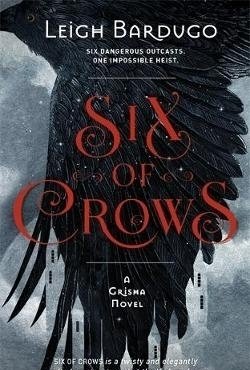
I’ve finally read <em>Six of Crows,</em> the book that everyone keeps talking about and won’t stop talking about (now everyone keeps talking about <i>Crooked Kingdom</i>, among other books), and <i>hellooo </i>this is better than the <i>Grisha </i>trilogy. I didn’t even like Alina or Mal from the first series - if anything, I liked the Darkling (bless his dark heart) and Stormhound (I keep wondering if he’ll appear and he doesn’t seem to have despite the fact there might be mentions of him 🤔).
Yet with <i>Six of Crows</i>… I like maybe 85% of the main characters. I say maybe because my math might actually be off and I’m too lazy to actually pull out a calculator and punch in some numbers to get what might be 0.84999. And it’s 85% because I might hate them later. That’s more than who I liked from the <i>Grisha </i>trilogy. 😱
<i>Six of Crows</i> technically has six main characters: Kaz, Inej, Nina, Matthias, Jesper, and Wylan (the odd little bean with no spotlight and therefore no prowling in his mind). All of whom are outcasts sent on a suicidal mission to rescue the creator of a drug that increases a Grisha’s power exponentially yet kills them in the end.
Five of which all have POVs switching around every chapter. I’m not a <i>huge </i>fan of multiple POVs because it can easily get confusing, but Bardugo wrote all five in a way that I’m not confused and running around like a little hamster who lost hold of how to stop its wheel.
The group of six are <i>fantastic </i>as a group - despite their differences, they get along pretty well and have a great dynamic together. They’re even better as pairs: Kaz and Inej, Nina and Matthias, Jesper and Wylan. I am all for witty and snark and just great dialogue. 😍
<blockquote class="tr_bq">Jesper knocked his head against the hull and cast his eyes heavenward. “Fine. But if Pekka Rollins kills us all, I’m going to get Wylan’s ghost to teach my ghost how to play the flute just so that I can annoy the hell out of your ghost.”
Brekker’s lips quirked. “I’ll just hire Matthias’ ghost to kick your ghost’s ass.”
“My ghost won’t associate with your ghost,” Matthias said primly.</blockquote>
In case anyone wonders…. I ship Kaz and Inej. They are, simply out, badass and go well together perfectly (apparently my ship doesn’t sail in the sequel, which I’m extremely disappointed about). Kaz is a brilliant leader leading the Dregs with all kinds of tricks and plans up his cane and never backs down from a mission no matter how impossible it may be. Inej is a highly skilled assassin who has a knack for sneaking up on people without them ever knowing. Have I mentioned under their tough exteriors, they’re occasionally softies and it’s cute?
Onto ze world… <i>Six of Crows</i> brings us back to the world of Grisha, onto a small little island off the coast of Ravka and Shu Han, and into a little area called Ketterdam where criminals and misfits of society lurk together. I really loved the drastic change from palaces to a complete polar opposite where one has to constantly watch their back. Throughout the duration of the book, I really liked Bardugo’s descriptions of each place the six travel on their way, especially with how Fjerda has this ice court with a palace virtually impossible to break into with all the top notch security that they have.
<i>Six of Crows</i> can be read regardless of whether or not the <i>Grisha </i>trilogy has been read - there’s excellent character dynamics, great dialogue that might cause a laugh or two, and a cast that come from all kinds of backgrounds.
<a href="https://bookwyrmingthoughts.com/six-of-crows-by-leigh-bardugo-review/"; target="_blank">This review was originally posted on Bookwyrming Thoughts</a>
<div class="separator" style="clear: both; text-align: center;"><a style="margin-left: 1em; margin-right: 1em;" href="https://1.bp.blogspot.com/-hcqoJiAtqoU/WP49XaJ2bwI/AAAAAAAAHOA/OnF5g0zvczILdnf3D8tiOTTTG2Uhr1_7gCLcB/s1600/hiding-gif.gif"><img src="http://bookwyrmingthoughts.bookblog.io/wp-content/uploads/sites/317/2017/05/hiding-gif.gif"; width="320" height="168" border="0" /></a></div>
I’ve finally read <em>Six of Crows,</em> the book that everyone keeps talking about and won’t stop talking about (now everyone keeps talking about <i>Crooked Kingdom</i>, among other books), and <i>hellooo </i>this is better than the <i>Grisha </i>trilogy. I didn’t even like Alina or Mal from the first series - if anything, I liked the Darkling (bless his dark heart) and Stormhound (I keep wondering if he’ll appear and he doesn’t seem to have despite the fact there might be mentions of him 🤔).
Yet with <i>Six of Crows</i>… I like maybe 85% of the main characters. I say maybe because my math might actually be off and I’m too lazy to actually pull out a calculator and punch in some numbers to get what might be 0.84999. And it’s 85% because I might hate them later. That’s more than who I liked from the <i>Grisha </i>trilogy. 😱
<i>Six of Crows</i> technically has six main characters: Kaz, Inej, Nina, Matthias, Jesper, and Wylan (the odd little bean with no spotlight and therefore no prowling in his mind). All of whom are outcasts sent on a suicidal mission to rescue the creator of a drug that increases a Grisha’s power exponentially yet kills them in the end.
Five of which all have POVs switching around every chapter. I’m not a <i>huge </i>fan of multiple POVs because it can easily get confusing, but Bardugo wrote all five in a way that I’m not confused and running around like a little hamster who lost hold of how to stop its wheel.
The group of six are <i>fantastic </i>as a group - despite their differences, they get along pretty well and have a great dynamic together. They’re even better as pairs: Kaz and Inej, Nina and Matthias, Jesper and Wylan. I am all for witty and snark and just great dialogue. 😍
<blockquote class="tr_bq">Jesper knocked his head against the hull and cast his eyes heavenward. “Fine. But if Pekka Rollins kills us all, I’m going to get Wylan’s ghost to teach my ghost how to play the flute just so that I can annoy the hell out of your ghost.”
Brekker’s lips quirked. “I’ll just hire Matthias’ ghost to kick your ghost’s ass.”
“My ghost won’t associate with your ghost,” Matthias said primly.</blockquote>
In case anyone wonders…. I ship Kaz and Inej. They are, simply out, badass and go well together perfectly (apparently my ship doesn’t sail in the sequel, which I’m extremely disappointed about). Kaz is a brilliant leader leading the Dregs with all kinds of tricks and plans up his cane and never backs down from a mission no matter how impossible it may be. Inej is a highly skilled assassin who has a knack for sneaking up on people without them ever knowing. Have I mentioned under their tough exteriors, they’re occasionally softies and it’s cute?
Onto ze world… <i>Six of Crows</i> brings us back to the world of Grisha, onto a small little island off the coast of Ravka and Shu Han, and into a little area called Ketterdam where criminals and misfits of society lurk together. I really loved the drastic change from palaces to a complete polar opposite where one has to constantly watch their back. Throughout the duration of the book, I really liked Bardugo’s descriptions of each place the six travel on their way, especially with how Fjerda has this ice court with a palace virtually impossible to break into with all the top notch security that they have.
<i>Six of Crows</i> can be read regardless of whether or not the <i>Grisha </i>trilogy has been read - there’s excellent character dynamics, great dialogue that might cause a laugh or two, and a cast that come from all kinds of backgrounds.
<a href="https://bookwyrmingthoughts.com/six-of-crows-by-leigh-bardugo-review/"; target="_blank">This review was originally posted on Bookwyrming Thoughts</a>

Chris Sawin (602 KP) rated Jojo Rabbit (2019) in Movies
Oct 8, 2019
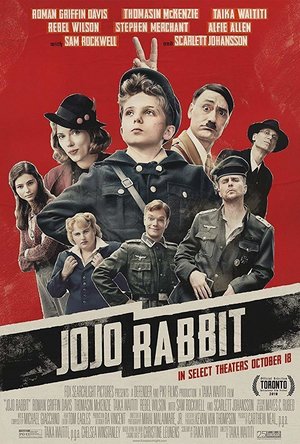
Roman Griffin Davis stars as Jojo Betzler in Taika Waititi’s black comedy Jojo Rabbit. Along with his second best friend Yorki (Archie Yates), Jojo is a part of a Nazi training camp for young boys and girls to become the men and women suited for Hitler supporting soldiers. Meanwhile, Jojo’s mom Rosie (Scarlett Johansson) is secretly hiding a young Jewish girl named Elsa (Thomasin McKenzie) within the walls of their home. Jojo, who is incredibly adamant about Hitler becoming his first best friend, has Hitler as an imaginary friend (portrayed by Taika Waititi) who shows up whenever Jojo seems to need a pep talk.
Based on the 2008 novel Caging Skies by Christine Leunens, Jojo Rabbit is a bonkers twist on one of the most devastating wars and tyrannical madmen in history. On the surface, the film is about a child attempting to become a Nazi because he views HItler as this great leader. He has to attempt to learn to kill, hate Jews, and essentially ignore all of his morals in order to just fit in with an army who believes they are the superior race. The intriguing aspect is that Waititi injects this unexpected tenderness and has concocted a film that has a heartbeat that is entirely too human and too genuine for any sort of project involving the likes of Adolf Hitler.
The Jojo/Hitler dynamic is an incredibly playful one. Hitler only seems to show up when something doesn’t go according to plan for Jojo or he needs some words of encouragement when times get tough. Hitler is a figment of Jojo’s imagination and is completely reactionary to Jojo’s world. If Jojo gets scared, Hitler shows up to remind him why he’s risking his own self comfort. While Waititi is funny and awkwardly charming as Hitler, which is an odd thing to say in itself, don’t overlook Archie Yates. Roman Griffin Davis encapsulates this innocence that even Elsa describes as something along the lines of a ten year old playing dress up with his friends in order to join a club. But Yates often plays off of Davis humorously and amusingly and will likely be forgotten about by some by the time they leave the theater.
Seemingly tapping into his inspiration for Gentlemen Broncos, Sam Rockwell portrays Captain Klenzendorf - a former war veteran who lost an eye and is now forced to teach children how to be soldiers. He has this strange tension on the verge of romance thing going on with his right hand man Finkel (Alfie Allen) and has extravagant taste with intricate ideas for his new uniform. Rockwell and Allen are hilarious and outshine Rebel Wilson’s Fräulein Rahm who never seems to serve much purpose before or after her line about, “having 18 kids for Germany.”
The sweet nature of Jojo Rabbit is expanded upon with the mother/son relationship between Rosie and Jojo. They have completely different viewpoints of a world on the verge of total annihilation where Jojo is slowly nudged into his mother’s mindset. It’s not so much a brainwashing as it is Jojo coming to terms with how he feels about people. Jojo Rabbit defines who we all are on the inside and simply explores the path anyone with an everyday beating heart (not rooted by a tiny mustache) would travel down over the course of their youth.
It’s kind of extraordinary that Jojo Rabbit has been released during a time when Fox Searchlight Pictures is owned by Walt Disney Studios Motion Pictures where a guy directing two of the biggest Thor movies did a side project where he plays Hitler and never had to attempt to keep that a secret. Waititi puts Jojo Betzler through the ringer by blowing him up repeatedly and throwing him down a flight of stairs all while being bullied and pushed around the entire time. But dammit if Jojo Rabbit isn’t one of the most heartfelt and imaginative fairy tales of the year.
This is a film where storytelling, embellishing and elongating false reputations, and glorifying urban myths is the driving force of entertainment. Underneath its layers of SS uniforms, dangerous pistols, and knives you should never leave home without, Jojo Rabbit is a touching film about human compassion with an intimacy that is absolutely unparalleled. Categorized somewhere between Wes Anderson’s Moonrise Kingdom and an imaginative concept that is an obvious homage to Calvin and Hobbes, love feels like it’s the only thing spreading across the world more powerful than war and Jojo Rabbit is more than happy to hype you up and throw you in love’s way without remorse.
Based on the 2008 novel Caging Skies by Christine Leunens, Jojo Rabbit is a bonkers twist on one of the most devastating wars and tyrannical madmen in history. On the surface, the film is about a child attempting to become a Nazi because he views HItler as this great leader. He has to attempt to learn to kill, hate Jews, and essentially ignore all of his morals in order to just fit in with an army who believes they are the superior race. The intriguing aspect is that Waititi injects this unexpected tenderness and has concocted a film that has a heartbeat that is entirely too human and too genuine for any sort of project involving the likes of Adolf Hitler.
The Jojo/Hitler dynamic is an incredibly playful one. Hitler only seems to show up when something doesn’t go according to plan for Jojo or he needs some words of encouragement when times get tough. Hitler is a figment of Jojo’s imagination and is completely reactionary to Jojo’s world. If Jojo gets scared, Hitler shows up to remind him why he’s risking his own self comfort. While Waititi is funny and awkwardly charming as Hitler, which is an odd thing to say in itself, don’t overlook Archie Yates. Roman Griffin Davis encapsulates this innocence that even Elsa describes as something along the lines of a ten year old playing dress up with his friends in order to join a club. But Yates often plays off of Davis humorously and amusingly and will likely be forgotten about by some by the time they leave the theater.
Seemingly tapping into his inspiration for Gentlemen Broncos, Sam Rockwell portrays Captain Klenzendorf - a former war veteran who lost an eye and is now forced to teach children how to be soldiers. He has this strange tension on the verge of romance thing going on with his right hand man Finkel (Alfie Allen) and has extravagant taste with intricate ideas for his new uniform. Rockwell and Allen are hilarious and outshine Rebel Wilson’s Fräulein Rahm who never seems to serve much purpose before or after her line about, “having 18 kids for Germany.”
The sweet nature of Jojo Rabbit is expanded upon with the mother/son relationship between Rosie and Jojo. They have completely different viewpoints of a world on the verge of total annihilation where Jojo is slowly nudged into his mother’s mindset. It’s not so much a brainwashing as it is Jojo coming to terms with how he feels about people. Jojo Rabbit defines who we all are on the inside and simply explores the path anyone with an everyday beating heart (not rooted by a tiny mustache) would travel down over the course of their youth.
It’s kind of extraordinary that Jojo Rabbit has been released during a time when Fox Searchlight Pictures is owned by Walt Disney Studios Motion Pictures where a guy directing two of the biggest Thor movies did a side project where he plays Hitler and never had to attempt to keep that a secret. Waititi puts Jojo Betzler through the ringer by blowing him up repeatedly and throwing him down a flight of stairs all while being bullied and pushed around the entire time. But dammit if Jojo Rabbit isn’t one of the most heartfelt and imaginative fairy tales of the year.
This is a film where storytelling, embellishing and elongating false reputations, and glorifying urban myths is the driving force of entertainment. Underneath its layers of SS uniforms, dangerous pistols, and knives you should never leave home without, Jojo Rabbit is a touching film about human compassion with an intimacy that is absolutely unparalleled. Categorized somewhere between Wes Anderson’s Moonrise Kingdom and an imaginative concept that is an obvious homage to Calvin and Hobbes, love feels like it’s the only thing spreading across the world more powerful than war and Jojo Rabbit is more than happy to hype you up and throw you in love’s way without remorse.

Bob Mann (459 KP) rated Black Panther (2018) in Movies
Sep 29, 2021
Black Ops.
There was a joke on the internet the other day that made me laugh and laugh. Virtually the only white people in “Black Panther” are the Hobbit/LOTR stars Martin Freeman and Andy Serkis…. they are the Tolkein white guys! It’s actually getting to feel quite isolating as an ‘average white guy’ at the movies! After a plethora of #SheDo films about empowered women, now comes the first black-centred Marvel film… stuffed full of powerful women too!
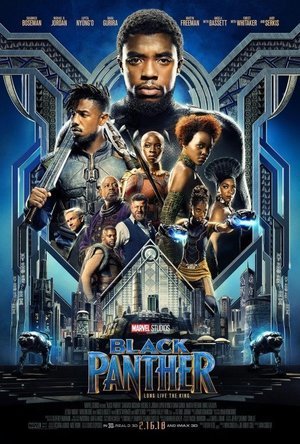
The setting is the hidden African kingdom of Wakanda, where due to an abundance of a an all-powerful mineral called McGuffinite… so, sorry, Vibranium… the leaders have made their city a technological marvel and developed all sorts of ad tech to help the people keep their goats well and weave their baskets better (there are a few odd scenes in this film!). T’Challa (Chadwick Boseman) succeeds his father T’Chaka (John Kani) to become the king and adopt the role of The Black Panther, being bestowed superhero powers by drinking a glass of Ribena.
But it emerges that T’Chaka has a dark secret in the form of Eric Killmonger (Michael B Jordan, “Creed“) who is determined to muscle in on the king-stuff. ‘It never rains but it pours’, and the whole of Wakanda’s secrets are in danger of being exposed by the antics of the vicious South African mercenary Ulysses Klaue (Andy Serkis, “War For The Planet Of The Apes“), trying to get his hands on vibranium to sell on to CIA operative Everett Ross (Martin Freeman, “The Hobbit: The Battle of the Five Armies“, “The World’s End“).
After “Thor: Ragnarok“, this is back to the more seriously-played end of the superhero spectrum: there are a few jokes but it’s not overtly played for comedy. Holding the film together are some sterling performances from the ensemble cast with Michael B Jordan very good as the villain of the piece. Adding to the significant black girl power in the film are Angela Bassett (“London Has Fallen“) as the queen mother; Danai Gurira (“Wonder Woman“) as the leader of the Dora Milaje: the all-female king’s guard; and Lupita Nyong’o (“12 Years a Slave“, “Star Wars: The Force Awakens“) as the spy and love interest Nakia. But the star performance for me, and one I found absolutely spot-on as a role model for young people, was Letitia Wright (“The Commuter“) as Shuri, the king’s chief scientist. She is absolutely radiant, adding beauty, rude gestures and energy to every scene she is in.
Man of the moment Daniel Kaluuya (“Get Out“) also adds to his movie-cred as a conflicted courtier.
On the white side of the shop Andy Serkis has enormous fun as Klaue and I really wanted to see more of his character than I did. Martin Freeman feels rather lightweight and under-used, and I couldn’t quite get past his dodgy American accent.
In terms of storyline, the film is a hotch-potch of plots from multiple other films, with “The Lion King” featuring strongly (but almost in reverse!). But that’s no crime, when the Shakespearean-style narrative is good, and interpolating the strongly emotional story into the Marvel universe works well.
Where I felt a little uncomfortable is the element of racism – that is, racism *against* white people – reflected in the story. If there was a movie plot centred (basically) on the topic of whites killing blacks and taking control of every black-controlled country in the world (yes, I know, I’m British and we have historically been there!) then there would be justified uproar, and the film would be shunned.
In the technical department, I had real problems with some of the effects employed. Starting with a dodgy ‘aircraft’ shadow, things nose-dive with an astonishingly poor waterfall scene with Forest Whitaker (“Rogue One“, “Arrival“) as Zuri, green-screened against some Disneyworld cascades and hundreds of cut and pasted tribesmen randomly inserted onto the cliffs. Almost matching that is a studio-set scene in a jungle clearing, where if feels they could hardly have bothered to take the plants out of their pots. Think “Daktari” quality (kids, ask your parents/grandparents).
But overall, the film, directed by Ryan Coogler (“Creed“), is a high-energy and uniquely different take on Marvel that absolutely pays off. And it is without doubt an important movie in moving the black agenda forward into properly mainstream cinema.
The setting is the hidden African kingdom of Wakanda, where due to an abundance of a an all-powerful mineral called McGuffinite… so, sorry, Vibranium… the leaders have made their city a technological marvel and developed all sorts of ad tech to help the people keep their goats well and weave their baskets better (there are a few odd scenes in this film!). T’Challa (Chadwick Boseman) succeeds his father T’Chaka (John Kani) to become the king and adopt the role of The Black Panther, being bestowed superhero powers by drinking a glass of Ribena.
But it emerges that T’Chaka has a dark secret in the form of Eric Killmonger (Michael B Jordan, “Creed“) who is determined to muscle in on the king-stuff. ‘It never rains but it pours’, and the whole of Wakanda’s secrets are in danger of being exposed by the antics of the vicious South African mercenary Ulysses Klaue (Andy Serkis, “War For The Planet Of The Apes“), trying to get his hands on vibranium to sell on to CIA operative Everett Ross (Martin Freeman, “The Hobbit: The Battle of the Five Armies“, “The World’s End“).
After “Thor: Ragnarok“, this is back to the more seriously-played end of the superhero spectrum: there are a few jokes but it’s not overtly played for comedy. Holding the film together are some sterling performances from the ensemble cast with Michael B Jordan very good as the villain of the piece. Adding to the significant black girl power in the film are Angela Bassett (“London Has Fallen“) as the queen mother; Danai Gurira (“Wonder Woman“) as the leader of the Dora Milaje: the all-female king’s guard; and Lupita Nyong’o (“12 Years a Slave“, “Star Wars: The Force Awakens“) as the spy and love interest Nakia. But the star performance for me, and one I found absolutely spot-on as a role model for young people, was Letitia Wright (“The Commuter“) as Shuri, the king’s chief scientist. She is absolutely radiant, adding beauty, rude gestures and energy to every scene she is in.
Man of the moment Daniel Kaluuya (“Get Out“) also adds to his movie-cred as a conflicted courtier.
On the white side of the shop Andy Serkis has enormous fun as Klaue and I really wanted to see more of his character than I did. Martin Freeman feels rather lightweight and under-used, and I couldn’t quite get past his dodgy American accent.
In terms of storyline, the film is a hotch-potch of plots from multiple other films, with “The Lion King” featuring strongly (but almost in reverse!). But that’s no crime, when the Shakespearean-style narrative is good, and interpolating the strongly emotional story into the Marvel universe works well.
Where I felt a little uncomfortable is the element of racism – that is, racism *against* white people – reflected in the story. If there was a movie plot centred (basically) on the topic of whites killing blacks and taking control of every black-controlled country in the world (yes, I know, I’m British and we have historically been there!) then there would be justified uproar, and the film would be shunned.
In the technical department, I had real problems with some of the effects employed. Starting with a dodgy ‘aircraft’ shadow, things nose-dive with an astonishingly poor waterfall scene with Forest Whitaker (“Rogue One“, “Arrival“) as Zuri, green-screened against some Disneyworld cascades and hundreds of cut and pasted tribesmen randomly inserted onto the cliffs. Almost matching that is a studio-set scene in a jungle clearing, where if feels they could hardly have bothered to take the plants out of their pots. Think “Daktari” quality (kids, ask your parents/grandparents).
But overall, the film, directed by Ryan Coogler (“Creed“), is a high-energy and uniquely different take on Marvel that absolutely pays off. And it is without doubt an important movie in moving the black agenda forward into properly mainstream cinema.

Movie Metropolis (309 KP) rated Aquaman (2018) in Movies
Jun 10, 2019
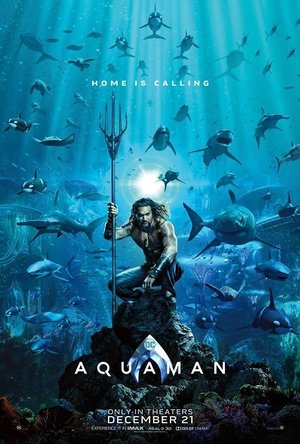
Bad Wigs aside it's really rather good
You could be forgiven for being rather sceptical walking into the cinema to see Aquaman, and it’s easy to see why. An uninspiring set of trailers preceded by the DCEU’s shall we say reluctance to resonate with audiences.
Of course, Wonder Woman was a sterling effort by Patty Jenkins, only hampered by a poor final act and the feeling that the female superhero couldn’t quite shake off the trappings of Zac Snyder’s overarching vision for the DC Extended Universe.
Justice League was a steaming pile of mediocrity and Batman vs Superman was fun if entirely forgettable. Aquaman arrives on the scene with the hopes of Warner Bros. entire franchise on its shoulders. But is it any good?
After the events of Justice League and the defeat of Steppenwolf, Aquaman (Jason Momoa) finds himself caught between a surface world that ravages the sea and the underwater Atlanteans who are ready to revolt. Much like the murky depths of the many oceans the film takes us to, Aquaman is at times, a clouded and muddled blockbuster that lacks the subtle nuances of the MCU, but do you know what, it’s actually really rather good.
As we should have been expecting, Aquaman plays the sensible card when it comes to plot and features numerous references to how we as human beings are destroying our oceans, and this is more than welcome. With the ongoing environmental crisis, the more we plug it in mainstream films, the better.
Jason Momoa takes to the role of Arthur Curry like a duck to water and gets to prove his acting prowess in some of the film’s more poignant moments. Nicole Kidman marks her superhero movie debut as his mother, Queen Atlanna and she looks like she’s having a royally good time. Elsewhere, Amber Heard battles against a truly ghastly wig as Momoa’s love-interest and sidekick – she’s fabulous, wig aside.
The supporting cast is also very strong. We get to see superhero veteran Willem Dafoe having a great time as wise Vulko and Patrick Wilson as Aquaman’s scaly brother, Orm. It’s a cracking cast that bolsters a film that is well-written and enjoyable throughout.
Director James Wan, mastermind of the Saw franchise and director of Furious 7brings his trademark filming style to the superhero blockbuster. There’s some stunning imagery throughout and it’s up there with Jurassic World: Fallen Kingdom as one of the best-looking films of the year. There’s something delightful to look at lurking in every frame and it’s leagues ahead of anything the DCEU has thrown at us.
The underwater world of Atlantis is brimming with life, albeit of the CGI variety. The neon colour-palate works incredibly well and it feels at times like you’re watching a Star Wars cloud city, but in the depths of the ocean. It’s nicely detailed and very well put together.
For all its flashy special effects and excellent cinematography, it feels wholly unoriginal
The special effects are on the whole, a bit of a mixed bag. The underwater worlds look fab and the sea creatures too have been improved after the critical mauling they received in the trailers. Nevertheless, there are some moments of shaky CGI, normally involving surface dwellers or Atlantean individuals, rather than scenery or creatures. That’s a shame as it distracts from a gorgeous looking film.
When it comes to villainy, both the DCEU and MCU have struggled to create compelling bad guys and unfortunately the same is true here. Yes, Patrick Wilson’s scheming brother is fun to watch, but he feels like a poor man’s Loki and that’s exactly what he is.
Then there’s Black Manta, portrayed by Yahya Abdul-Mateen II from The Greatest Showman. Despite being part of one of the film’s best sequences (a fantastically filmed rooftop chase in Italy), he doesn’t get to do a lot and his motives are very Killmonger-esque.
And therein lies the fundamental flaw with Aquaman. For all its flashy special effects and excellent cinematography, it feels wholly unoriginal. From Star Wars to Harry Potter and Thor to Black Panther, elements are borrowed here and there until they make up a film that at 143 minutes is a good 20 minutes too long.
But, it doesn’t take itself too seriously (a problem the DCEU has suffered previously) and Jason Momoa somehow manages to make that Aquaman suit work very well indeed. As far as the DCEU is concerned, this is by far the best film the franchise has put out so far – there’s life in the old dog yet. Aquaman is cheesy, campy fun, and I have to say, I really rather liked it. Just ignore the bad wigs.
https://moviemetropolis.net/2018/12/13/aquaman-review-bad-wigs-aside-its-really-rather-good/
Of course, Wonder Woman was a sterling effort by Patty Jenkins, only hampered by a poor final act and the feeling that the female superhero couldn’t quite shake off the trappings of Zac Snyder’s overarching vision for the DC Extended Universe.
Justice League was a steaming pile of mediocrity and Batman vs Superman was fun if entirely forgettable. Aquaman arrives on the scene with the hopes of Warner Bros. entire franchise on its shoulders. But is it any good?
After the events of Justice League and the defeat of Steppenwolf, Aquaman (Jason Momoa) finds himself caught between a surface world that ravages the sea and the underwater Atlanteans who are ready to revolt. Much like the murky depths of the many oceans the film takes us to, Aquaman is at times, a clouded and muddled blockbuster that lacks the subtle nuances of the MCU, but do you know what, it’s actually really rather good.
As we should have been expecting, Aquaman plays the sensible card when it comes to plot and features numerous references to how we as human beings are destroying our oceans, and this is more than welcome. With the ongoing environmental crisis, the more we plug it in mainstream films, the better.
Jason Momoa takes to the role of Arthur Curry like a duck to water and gets to prove his acting prowess in some of the film’s more poignant moments. Nicole Kidman marks her superhero movie debut as his mother, Queen Atlanna and she looks like she’s having a royally good time. Elsewhere, Amber Heard battles against a truly ghastly wig as Momoa’s love-interest and sidekick – she’s fabulous, wig aside.
The supporting cast is also very strong. We get to see superhero veteran Willem Dafoe having a great time as wise Vulko and Patrick Wilson as Aquaman’s scaly brother, Orm. It’s a cracking cast that bolsters a film that is well-written and enjoyable throughout.
Director James Wan, mastermind of the Saw franchise and director of Furious 7brings his trademark filming style to the superhero blockbuster. There’s some stunning imagery throughout and it’s up there with Jurassic World: Fallen Kingdom as one of the best-looking films of the year. There’s something delightful to look at lurking in every frame and it’s leagues ahead of anything the DCEU has thrown at us.
The underwater world of Atlantis is brimming with life, albeit of the CGI variety. The neon colour-palate works incredibly well and it feels at times like you’re watching a Star Wars cloud city, but in the depths of the ocean. It’s nicely detailed and very well put together.
For all its flashy special effects and excellent cinematography, it feels wholly unoriginal
The special effects are on the whole, a bit of a mixed bag. The underwater worlds look fab and the sea creatures too have been improved after the critical mauling they received in the trailers. Nevertheless, there are some moments of shaky CGI, normally involving surface dwellers or Atlantean individuals, rather than scenery or creatures. That’s a shame as it distracts from a gorgeous looking film.
When it comes to villainy, both the DCEU and MCU have struggled to create compelling bad guys and unfortunately the same is true here. Yes, Patrick Wilson’s scheming brother is fun to watch, but he feels like a poor man’s Loki and that’s exactly what he is.
Then there’s Black Manta, portrayed by Yahya Abdul-Mateen II from The Greatest Showman. Despite being part of one of the film’s best sequences (a fantastically filmed rooftop chase in Italy), he doesn’t get to do a lot and his motives are very Killmonger-esque.
And therein lies the fundamental flaw with Aquaman. For all its flashy special effects and excellent cinematography, it feels wholly unoriginal. From Star Wars to Harry Potter and Thor to Black Panther, elements are borrowed here and there until they make up a film that at 143 minutes is a good 20 minutes too long.
But, it doesn’t take itself too seriously (a problem the DCEU has suffered previously) and Jason Momoa somehow manages to make that Aquaman suit work very well indeed. As far as the DCEU is concerned, this is by far the best film the franchise has put out so far – there’s life in the old dog yet. Aquaman is cheesy, campy fun, and I have to say, I really rather liked it. Just ignore the bad wigs.
https://moviemetropolis.net/2018/12/13/aquaman-review-bad-wigs-aside-its-really-rather-good/

Lottie disney bookworm (1056 KP) rated Fairest of All: A Tale of the Wicked Queen (Villains #1) in Books
Aug 16, 2019
Review by Disney Bookworm
This is my first foray into the villain’s series so I thought I should read them in order. The collection has been on my “to read” list forever but the twisted tales series kept multiplying and skipping the queue! As I am a good girl and never break the rules, I started with book one: Fairest of All.
I will say that this series of books are quite thin and are an easy read. This may be due to them falling into the Young Adult category but I can safely add them into the “busy working mum” category too. (P.S. Booksirens, NetGalley and Goodreads: this should definitely become a category!)
Personally, I didn’t have high hopes for these books due to some of the reviews that I read beforehand, particularly those that refer to the series as “fan fiction”. However, in these cases, I believe the reviewers in question have missed the point of these novels: these are not to be compared with twisted tales as they are not retellings. These novels provide a backstory to our villains: a different perspective that explores the circumstances around their evil actions.
Fairest of All tells the tale of the Wicked Queen from Snow White before she became wicked. The reader is introduced to a new bride who loves her husband, the king, and adores her new stepdaughter Snow White. Snow returns her stepmother’s love, referring to her as “momma”, and the little family are perfectly happy and content, attending celebrations in the kingdom and having cosy dinners in the castle. Their life truly is idyllic, that is, until the call of battle draws the king away.
Initially little is said of the Queen’s life before she met the king. We know her father was a renowned mirror maker and her mother was considered extraordinarily beautiful before her untimely death.
However, the Queen’s former life is slowly revealed: a heartbreaking tale that exposes the vulnerability of the monarch and endears her to the reader. Suddenly, it seems almost natural that a person so deprived of love could possess such vanity and unthinkable that this character could descend into madness: committing the evil deeds that we know lie in the upcoming pages.
Despite her flaws, I found I never identified with the Queen fully as a human character. I suspect this is because the Queen is only referred to by her title throughout the novel; a curious method by Valentino. Is Valentino keeping us focused on her fate as the Wicked Queen? Perhaps she is suggesting that the Queen has never been her own woman: merely a tortured mirror maker’s daughter who became a figurehead and a mother in one fell swoop?
The Queen is such a complex character that all the other characters in the book seem quite flat in comparison. Again, I suspect this is intentional: the tale is from the Queen’s perspective after all. Nevertheless, the reader is reunited with old characters such as Snow, the huntsman and the mirror as well as being introduced to new characters, the most notable of which are the three cousins of the King.
The Odd Sisters are described as such from the beginning: a titbit I greatly enjoyed as their novel has recently been released. They are fascinating characters, always keeping the reader on their toes and causing us to never quite know whether they are pure evil or simply insane. Their transparent disappointment that the Queen is not an evil stepmother and their candid conversations about magic cause worry for characters and readers alike: it is clear that they have more than a passing impact on the Queen’s demise.
The names of the characters within this novel possess a clear imagery of light and darkness. Snow and Verona (Latin for a true/honest image) bring out a side to the Queen that is the polar opposite of that of the odd sisters and the magic mirror; who is often referred to as “the Slave”. I’m sure this is how the Queen sees the relationship but the reader sees this from an entirely different perspective. Although the face appears to do her bidding, it becomes more apparent that the power within the relationship does not lie with the Queen.
Overall, I really enjoyed this novel. In my opinion it stayed true to the fairytale without purely repeating the story. Valentino humanised the Queen for the reader before promptly showing how hiding your vulnerabilities and not accepting help can lead you down a dangerous path. The Queen is not evil from the beginning: in fact, she shows her capacity for love throughout, but her depression, grief and madness gradually consume her.
For me, the twist in the final few pages make this book a must read. I still can’t decide whether Valentino has made the docile, simple character of Snow into a strong heroine or whether she has upturned all of our childhoods and is hinting at a darker side. Needless to say, I can’t wait to see what comes next.
I will say that this series of books are quite thin and are an easy read. This may be due to them falling into the Young Adult category but I can safely add them into the “busy working mum” category too. (P.S. Booksirens, NetGalley and Goodreads: this should definitely become a category!)
Personally, I didn’t have high hopes for these books due to some of the reviews that I read beforehand, particularly those that refer to the series as “fan fiction”. However, in these cases, I believe the reviewers in question have missed the point of these novels: these are not to be compared with twisted tales as they are not retellings. These novels provide a backstory to our villains: a different perspective that explores the circumstances around their evil actions.
Fairest of All tells the tale of the Wicked Queen from Snow White before she became wicked. The reader is introduced to a new bride who loves her husband, the king, and adores her new stepdaughter Snow White. Snow returns her stepmother’s love, referring to her as “momma”, and the little family are perfectly happy and content, attending celebrations in the kingdom and having cosy dinners in the castle. Their life truly is idyllic, that is, until the call of battle draws the king away.
Initially little is said of the Queen’s life before she met the king. We know her father was a renowned mirror maker and her mother was considered extraordinarily beautiful before her untimely death.
However, the Queen’s former life is slowly revealed: a heartbreaking tale that exposes the vulnerability of the monarch and endears her to the reader. Suddenly, it seems almost natural that a person so deprived of love could possess such vanity and unthinkable that this character could descend into madness: committing the evil deeds that we know lie in the upcoming pages.
Despite her flaws, I found I never identified with the Queen fully as a human character. I suspect this is because the Queen is only referred to by her title throughout the novel; a curious method by Valentino. Is Valentino keeping us focused on her fate as the Wicked Queen? Perhaps she is suggesting that the Queen has never been her own woman: merely a tortured mirror maker’s daughter who became a figurehead and a mother in one fell swoop?
The Queen is such a complex character that all the other characters in the book seem quite flat in comparison. Again, I suspect this is intentional: the tale is from the Queen’s perspective after all. Nevertheless, the reader is reunited with old characters such as Snow, the huntsman and the mirror as well as being introduced to new characters, the most notable of which are the three cousins of the King.
The Odd Sisters are described as such from the beginning: a titbit I greatly enjoyed as their novel has recently been released. They are fascinating characters, always keeping the reader on their toes and causing us to never quite know whether they are pure evil or simply insane. Their transparent disappointment that the Queen is not an evil stepmother and their candid conversations about magic cause worry for characters and readers alike: it is clear that they have more than a passing impact on the Queen’s demise.
The names of the characters within this novel possess a clear imagery of light and darkness. Snow and Verona (Latin for a true/honest image) bring out a side to the Queen that is the polar opposite of that of the odd sisters and the magic mirror; who is often referred to as “the Slave”. I’m sure this is how the Queen sees the relationship but the reader sees this from an entirely different perspective. Although the face appears to do her bidding, it becomes more apparent that the power within the relationship does not lie with the Queen.
Overall, I really enjoyed this novel. In my opinion it stayed true to the fairytale without purely repeating the story. Valentino humanised the Queen for the reader before promptly showing how hiding your vulnerabilities and not accepting help can lead you down a dangerous path. The Queen is not evil from the beginning: in fact, she shows her capacity for love throughout, but her depression, grief and madness gradually consume her.
For me, the twist in the final few pages make this book a must read. I still can’t decide whether Valentino has made the docile, simple character of Snow into a strong heroine or whether she has upturned all of our childhoods and is hinting at a darker side. Needless to say, I can’t wait to see what comes next.
Movie Metropolis (309 KP) rated Terminator: Dark Fate (2019) in Movies
Oct 31, 2019
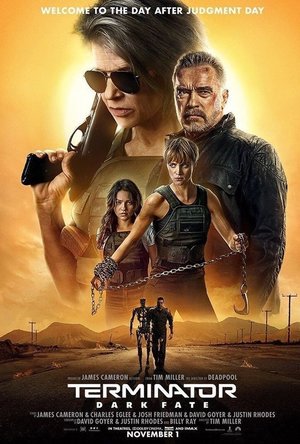
It might sound like we’re damning Terminator: Dark Fate with faint praise by declaring it the best Terminator sequel since T2, however that seems to be the way many Hollywood franchises are going nowadays.
After all, last year’s Halloween sequel was declared the best one yet simply because it retconned the events of its mostly dreadful predecessors and blasted them out of existence. Jurassic World: Fallen Kingdom was declared (by us anyway) the very best sequel the franchise has ever gotten, but The Lost World and Jurassic Park III were hardly critical darlings.
The similarities between the Terminator and Jurassic franchises don’t end there though. You see, in an effort to reboot the flagging sci-fi series, Deadpool director Tim Miller has been brought in with the legend that is James Cameron returning to the franchise in a producing role, similar to how Steven Spielberg still produces the Jurassic movies to this day.
Yes, it appears that ignoring poor sequels allows film-makers to go back to the good old days, rather than trying to shoehorn poor sequel after poor sequel until audiences stop turning up at the cinema. That’s what has happened with the Terminator franchise. Following James Cameron’s incredible first two films, the sequels that followed ranged from dreadful to downright shambolic. But is Dark Fate actually good? Or just better than what came before it?
Sarah Connor (Linda Hamilton returning to the role that defined her career) and a hybrid cyborg human, Grace (Mackenzie Davis) must protect a young girl (Natalia Reyes) from a newly modified liquid Terminator from the future.
Seeing Linda Hamilton return to such an iconic role after almost 30 years is a real highlight over the course of the film and she slots back into Sarah Connor’s shoes particularly well. She gets a few clunky one-liners but manages to stop them from sounding too ridiculous.
Elsewhere, Mackenzie Davis is absolutely cracking as Grace, a human-cyborg sent from the future. She’s full of heart and the script allows her to develop more of a personality than we’re used to from this franchise. Grace is a nicely fleshed out character with enough backstory to allow the audience to care for wellbeing.
Of course, Terminator fans are here to see Arnie and although his screen time is more limited than we’d like, it’s nice to see both him and Hamilton squaring up against each other again. We won’t spoil the plot devices used to bring about his return to the series, but they’re very well integrated and don’t feel as clunky as you might expect.
Set piece after set piece after set piece is thrown at the audience… but each one is so inventive that the probability of you getting bored is very slim indeed
Unfortunately, Natalia Reyes’ Dani is a little more wooden compared to her on-screen co-stars. There’s nothing particularly wrong with her character, but she’s merely there as a plot device and doesn’t really get to do much. It’s no easy feat to go up against Sarah Connor and the T-800 and while she tries her best, she falls a little short.
When it comes to action, Dark Fate pulls no punches. Set piece after set piece after set piece is thrown at the audience in an almost Fast & Furious-like way, but each one is so inventive that the probability of you getting bored is very slim indeed. The film starts with a very nicely choreographed chase on a freeway, culminating in a tense showdown at a power plant.
Dotted in between these rollercoaster moments however are some touching moments and well-timed comedy. While not on a level with Miller’s Deadpool, there are a couple of instances that raised a chuckle from the audience, though most of them involved Arnold Schwarzenegger and his deadpan line delivery.
Terminator: Dark Fate - Official Trailer (2019) - Paramount Pictures - YouTube
The CGI is mostly successful, though the lack of practical effects like those we saw in the film’s predecessors does lend an unnaturally glossy and artificial look to not only the Terminators themselves, but some of the landscapes. This is a bit of a shame as CGI body doubles are all too evident from time-to-time, but never does it pull you out of the film completely.
Overall, Terminator: Dark Fate is indeed the best sequel since T2. This is a film that successfully reboots a franchise that had been flagging for decades and is one of the year’s best action flicks. Not only does it bring back two of cinema’s most iconic characters, it places them in a film which is nicely shot, reasonably well-written and absolutely thrilling from start to finish. Now, if only the same winning formula could be applied to the Alien series, James Cameron may able to sleep soundly at night.
After all, last year’s Halloween sequel was declared the best one yet simply because it retconned the events of its mostly dreadful predecessors and blasted them out of existence. Jurassic World: Fallen Kingdom was declared (by us anyway) the very best sequel the franchise has ever gotten, but The Lost World and Jurassic Park III were hardly critical darlings.
The similarities between the Terminator and Jurassic franchises don’t end there though. You see, in an effort to reboot the flagging sci-fi series, Deadpool director Tim Miller has been brought in with the legend that is James Cameron returning to the franchise in a producing role, similar to how Steven Spielberg still produces the Jurassic movies to this day.
Yes, it appears that ignoring poor sequels allows film-makers to go back to the good old days, rather than trying to shoehorn poor sequel after poor sequel until audiences stop turning up at the cinema. That’s what has happened with the Terminator franchise. Following James Cameron’s incredible first two films, the sequels that followed ranged from dreadful to downright shambolic. But is Dark Fate actually good? Or just better than what came before it?
Sarah Connor (Linda Hamilton returning to the role that defined her career) and a hybrid cyborg human, Grace (Mackenzie Davis) must protect a young girl (Natalia Reyes) from a newly modified liquid Terminator from the future.
Seeing Linda Hamilton return to such an iconic role after almost 30 years is a real highlight over the course of the film and she slots back into Sarah Connor’s shoes particularly well. She gets a few clunky one-liners but manages to stop them from sounding too ridiculous.
Elsewhere, Mackenzie Davis is absolutely cracking as Grace, a human-cyborg sent from the future. She’s full of heart and the script allows her to develop more of a personality than we’re used to from this franchise. Grace is a nicely fleshed out character with enough backstory to allow the audience to care for wellbeing.
Of course, Terminator fans are here to see Arnie and although his screen time is more limited than we’d like, it’s nice to see both him and Hamilton squaring up against each other again. We won’t spoil the plot devices used to bring about his return to the series, but they’re very well integrated and don’t feel as clunky as you might expect.
Set piece after set piece after set piece is thrown at the audience… but each one is so inventive that the probability of you getting bored is very slim indeed
Unfortunately, Natalia Reyes’ Dani is a little more wooden compared to her on-screen co-stars. There’s nothing particularly wrong with her character, but she’s merely there as a plot device and doesn’t really get to do much. It’s no easy feat to go up against Sarah Connor and the T-800 and while she tries her best, she falls a little short.
When it comes to action, Dark Fate pulls no punches. Set piece after set piece after set piece is thrown at the audience in an almost Fast & Furious-like way, but each one is so inventive that the probability of you getting bored is very slim indeed. The film starts with a very nicely choreographed chase on a freeway, culminating in a tense showdown at a power plant.
Dotted in between these rollercoaster moments however are some touching moments and well-timed comedy. While not on a level with Miller’s Deadpool, there are a couple of instances that raised a chuckle from the audience, though most of them involved Arnold Schwarzenegger and his deadpan line delivery.
Terminator: Dark Fate - Official Trailer (2019) - Paramount Pictures - YouTube
The CGI is mostly successful, though the lack of practical effects like those we saw in the film’s predecessors does lend an unnaturally glossy and artificial look to not only the Terminators themselves, but some of the landscapes. This is a bit of a shame as CGI body doubles are all too evident from time-to-time, but never does it pull you out of the film completely.
Overall, Terminator: Dark Fate is indeed the best sequel since T2. This is a film that successfully reboots a franchise that had been flagging for decades and is one of the year’s best action flicks. Not only does it bring back two of cinema’s most iconic characters, it places them in a film which is nicely shot, reasonably well-written and absolutely thrilling from start to finish. Now, if only the same winning formula could be applied to the Alien series, James Cameron may able to sleep soundly at night.