
Search
Search results

Kyera (8 KP) rated A Court of Thorns and Roses in Books
Jan 31, 2018
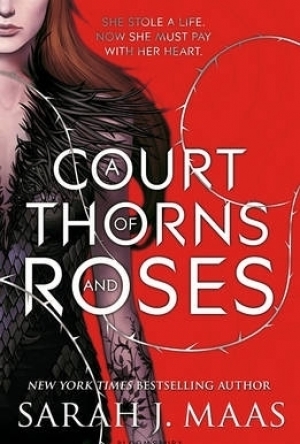

After reading the Throne of Glass series, I didn't think that I could love SJM's next series as much. How could it compare? It doesn't, but not in a bad way. While it's also a book about the Fae, a Court of Thorns and Roses is set in an entirely different world with its own set of unique characters. It is also vaguely a retelling, or reimagining, of the Beauty and the Beast fairytale, which I loved. The human and Fae worlds are separated by an invisible wall and a Treaty that was crafted after a brutal war which took place 500 years earlier.
We are first introduced to Feyre, a girl who tries to take care of her family as best she can despite being the youngest. It is on one of her trip into the forest to feed her family when she stumbles across the path of a wolf whilst hunting a deer. After shooting and killing both animals, she skins the wolf and carries the deer home for food. Unfortunately for her, the wolf was actually a Fae male and her actions force her to make a choice. Either be killed or live forevermore in the Fae realm.
It is not much of a choice and Feyre chooses to go with Tamlin to his estate in Prythian, the land of the Fae. Tamlin, she later discovers is not only a High Fae, but the Lord of the Spring Court and much more powerful than she realized. He is joined by Lucien, another High Fae who is originally from the Autumn Court and not much else besides a few workers. The large estate seems empty and a little bit sad.
As one can expect from a Beauty and the Beast retelling, the girl must fall in love with the shapeshifting Fae beast to break a curse. the curse is not known to the reader or Feyre until the end of the book. She must fight to prove her love under the most harrowing of situations and trials.
A must read, especially if you wish to find out what happens. Highly recommended for teen/young adult readers who like fantasy, supernatural creatures and magic. The world building is amazing, the magic is awe inspiring and the lands are populated by a variety of characters from the heroes to the villains, the cowards, the friends and the just plain misunderstood.
Reread Feelings:
Slight spoiler warning for ACOTAR and ACOWAR.
A second read-through of a Court of Thornes and Roses let me to notice a lot more details that I had missed during my first introduction to the world. The inspiration that the novel drew from Beauty and the Beast was also more prevalent than I had realized. Her family life and desire to protect those she loves is directly pulled and inspired by the original novel. Tamlin’s beast form and temper are also reminiscent of the Beast in the story.
Knowing how the book ends and what happens in ACOMAF, you can more clearly see the actions and personality of Tamlin. He is very protective of Feyre and a little bit controlling, but without any direct threat to her life it is not as apparent. The events that occurred Under the Mountain pushed him over the edge and turned that protectiveness dark. It became corrupted and too strong to be overlooked. He also has an explosive temper and anger, but you see it less frequently as the book goes on. That doesn’t mean it goes away, so his personality in the second book is not as surprising as I thought it was my first time reading the series. It still like him in this series, but I don’t love him as much as I did during the first read through.
The incredible world of Prythian is just so packed with different faeries, Courts, and intense story that you can’t focus on everything the first time you read it. You discover more magic the second, or third, time you read through the book because you know the story and can now also focus on the read of the world building and character development. To me, that is fantastic writing when you can always discover something new hidden in a book you love.
I fell in love with the series even more on the second read-through, especially Rhysand. You truly appreciate just how much he did for Feyre, not just healing her arm when she was on death’s door but mentally and emotionally supporting her when she was ready to give up. He puts on a dark front, but his every action belies his true feelings. Rhys lies to Amarantha about the identity of Tamlin’s human love, even though it could mean his end and his people’s if she discovers the truth. On multiple occasions, he plays the bad guy to maintain a façade but secretly does good. I appreciated and recognized his acts a lot more the second time reading, and it made me fall in love with his character even more.
Even though I know what happens in the book, the emotions are still so prevalent. You ride the story’s highs and lows, feel yourself filling with light when there is goodness, and fear for the dark. I can’t even describe my feelings. I was walking around my room reading the final pages as Feyre is being hurt – and someone calls out her name. I just sort of collapsed to the ground, with my hand on my heart and my feelings bursting from my chest about that particular Fae male. You could almost hear the pain and horror in his voice as he cried out for her, and it destroyed me. The final moments of the book were so beautiful and made me a little teary.
We are first introduced to Feyre, a girl who tries to take care of her family as best she can despite being the youngest. It is on one of her trip into the forest to feed her family when she stumbles across the path of a wolf whilst hunting a deer. After shooting and killing both animals, she skins the wolf and carries the deer home for food. Unfortunately for her, the wolf was actually a Fae male and her actions force her to make a choice. Either be killed or live forevermore in the Fae realm.
It is not much of a choice and Feyre chooses to go with Tamlin to his estate in Prythian, the land of the Fae. Tamlin, she later discovers is not only a High Fae, but the Lord of the Spring Court and much more powerful than she realized. He is joined by Lucien, another High Fae who is originally from the Autumn Court and not much else besides a few workers. The large estate seems empty and a little bit sad.
As one can expect from a Beauty and the Beast retelling, the girl must fall in love with the shapeshifting Fae beast to break a curse. the curse is not known to the reader or Feyre until the end of the book. She must fight to prove her love under the most harrowing of situations and trials.
A must read, especially if you wish to find out what happens. Highly recommended for teen/young adult readers who like fantasy, supernatural creatures and magic. The world building is amazing, the magic is awe inspiring and the lands are populated by a variety of characters from the heroes to the villains, the cowards, the friends and the just plain misunderstood.
Reread Feelings:
Slight spoiler warning for ACOTAR and ACOWAR.
A second read-through of a Court of Thornes and Roses let me to notice a lot more details that I had missed during my first introduction to the world. The inspiration that the novel drew from Beauty and the Beast was also more prevalent than I had realized. Her family life and desire to protect those she loves is directly pulled and inspired by the original novel. Tamlin’s beast form and temper are also reminiscent of the Beast in the story.
Knowing how the book ends and what happens in ACOMAF, you can more clearly see the actions and personality of Tamlin. He is very protective of Feyre and a little bit controlling, but without any direct threat to her life it is not as apparent. The events that occurred Under the Mountain pushed him over the edge and turned that protectiveness dark. It became corrupted and too strong to be overlooked. He also has an explosive temper and anger, but you see it less frequently as the book goes on. That doesn’t mean it goes away, so his personality in the second book is not as surprising as I thought it was my first time reading the series. It still like him in this series, but I don’t love him as much as I did during the first read through.
The incredible world of Prythian is just so packed with different faeries, Courts, and intense story that you can’t focus on everything the first time you read it. You discover more magic the second, or third, time you read through the book because you know the story and can now also focus on the read of the world building and character development. To me, that is fantastic writing when you can always discover something new hidden in a book you love.
I fell in love with the series even more on the second read-through, especially Rhysand. You truly appreciate just how much he did for Feyre, not just healing her arm when she was on death’s door but mentally and emotionally supporting her when she was ready to give up. He puts on a dark front, but his every action belies his true feelings. Rhys lies to Amarantha about the identity of Tamlin’s human love, even though it could mean his end and his people’s if she discovers the truth. On multiple occasions, he plays the bad guy to maintain a façade but secretly does good. I appreciated and recognized his acts a lot more the second time reading, and it made me fall in love with his character even more.
Even though I know what happens in the book, the emotions are still so prevalent. You ride the story’s highs and lows, feel yourself filling with light when there is goodness, and fear for the dark. I can’t even describe my feelings. I was walking around my room reading the final pages as Feyre is being hurt – and someone calls out her name. I just sort of collapsed to the ground, with my hand on my heart and my feelings bursting from my chest about that particular Fae male. You could almost hear the pain and horror in his voice as he cried out for her, and it destroyed me. The final moments of the book were so beautiful and made me a little teary.

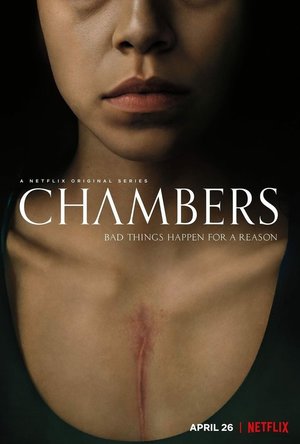

Interesting and very intriguing
Trigger Warnings: talk of rape, drug abuse, torture
When I first put this on, I was just putting it on as background noise while I worked on art. But I ended up becoming drawn into the thriller and mysteriousness of the story.
Chambers begins with the MC, Sasha Yazzie telling her father, Frank, that she is going out to study. But in reality, she's going out with her boyfriend TJ Locklear - in the hopes that she will lose her virginity. The couple goes into a mattress shop to do the deed when Sasha's head starts pounding. She ends up passing out and rushed to the hospital.
Months later, we see the scar from a heart transplant. Sasha had a heart attack, which was very random and rare. She is miserable from missing a ton of school, having to be on anti-rejection pills for the rest of her life, and for everyone treating her like a porcelain doll.
One day, she walks into Frank's shop and meets Ben Lefevre who was the father of Becky, the teenage girl who gave Sasha her heart. Sasha is deeply creeped out when Ben asks for Frank and her to come to dinner. But when she goes to refuse, Frank agrees since he empathizes with the family.
When they arrive, Sasha is peppered with questions about her ambitions from Nancy, Becky's mother and snarky comments from Becky's brother, Elliot. The Lefevres tell Sasha that they are taking Becky's college fund and establishing a scholarship that they want her to have. Sasha soon sees a picture of Becky and eventually starts having visions, a major one happens during an Arizona dust storm that forces the Yazzies to stay at the Lefevres' house.
Sasha accepts the scholarship where she attends Becky's old school. This new school is very upper class, I mean it has "nap rooms" and "life coaches" and not all of Becky's old friends are reluctant to be friends. Sasha finds out via a few of Becky's old friends how exactly Becky died, but it doesn't make sense at all. The show continues on with a few twists and turns, a few trigger scenes, and was captivating.
Chambers is an odd yet enthralling show that also gives a foreboding tone. The creator doesn't hide some of the messages you see in the first episode, but it's all things we've seen done before. Like the Lefevres having it all while the Yazzies are a working-class family. The main reason why I kept watching until the very end was the mystery surrounding Becky's death and Rose's performance as Sasha. Throughout the episodes, you can see that Sasha doesn't go around "stopping and smelling the roses" all because she was given another chance to live. She resents the heart and just wants to be a normal teen again. Which is totally understandable. Getting an organ transplant is a hard thing to go through, especially at such a young age like under 17 years old.
If you're into thrilling mysteries that have a bit foreshadowing, I highly recommend Chambers. You can stream it on Netflix!
When I first put this on, I was just putting it on as background noise while I worked on art. But I ended up becoming drawn into the thriller and mysteriousness of the story.
Chambers begins with the MC, Sasha Yazzie telling her father, Frank, that she is going out to study. But in reality, she's going out with her boyfriend TJ Locklear - in the hopes that she will lose her virginity. The couple goes into a mattress shop to do the deed when Sasha's head starts pounding. She ends up passing out and rushed to the hospital.
Months later, we see the scar from a heart transplant. Sasha had a heart attack, which was very random and rare. She is miserable from missing a ton of school, having to be on anti-rejection pills for the rest of her life, and for everyone treating her like a porcelain doll.
One day, she walks into Frank's shop and meets Ben Lefevre who was the father of Becky, the teenage girl who gave Sasha her heart. Sasha is deeply creeped out when Ben asks for Frank and her to come to dinner. But when she goes to refuse, Frank agrees since he empathizes with the family.
When they arrive, Sasha is peppered with questions about her ambitions from Nancy, Becky's mother and snarky comments from Becky's brother, Elliot. The Lefevres tell Sasha that they are taking Becky's college fund and establishing a scholarship that they want her to have. Sasha soon sees a picture of Becky and eventually starts having visions, a major one happens during an Arizona dust storm that forces the Yazzies to stay at the Lefevres' house.
Sasha accepts the scholarship where she attends Becky's old school. This new school is very upper class, I mean it has "nap rooms" and "life coaches" and not all of Becky's old friends are reluctant to be friends. Sasha finds out via a few of Becky's old friends how exactly Becky died, but it doesn't make sense at all. The show continues on with a few twists and turns, a few trigger scenes, and was captivating.
Chambers is an odd yet enthralling show that also gives a foreboding tone. The creator doesn't hide some of the messages you see in the first episode, but it's all things we've seen done before. Like the Lefevres having it all while the Yazzies are a working-class family. The main reason why I kept watching until the very end was the mystery surrounding Becky's death and Rose's performance as Sasha. Throughout the episodes, you can see that Sasha doesn't go around "stopping and smelling the roses" all because she was given another chance to live. She resents the heart and just wants to be a normal teen again. Which is totally understandable. Getting an organ transplant is a hard thing to go through, especially at such a young age like under 17 years old.
If you're into thrilling mysteries that have a bit foreshadowing, I highly recommend Chambers. You can stream it on Netflix!

TheDefunctDiva (304 KP) rated Alice in Wonderland (2010) in Movies
Sep 26, 2017


A is for Artful
Contains spoilers, click to show
As with another of Tim Burton’s films, Sleepy Hollow, Alice in Wonderland strays significantly from the original material. And, in a vein similar to Sleepy Hollow, decapitation is a much-discussed topic.
Alice is introduced to the audience as a child who has strange dreams. In the subsequent scenes, an older Alice is seen in a carriage with her mother. She is unwittingly on her way to her engagement party, and she is fully expected to accept the offer of marriage from someone who seems quite ill-suited for her. “Your life will be perfect. It’s already been decided,” says her sister Margaret.
Elements of the engagement party offer foreshadowing for the alternate reality Alice soon finds herself in. Instead of accepting her suitor’s proposal, Alice runs away and follows a rabbit wearing a waistcoat into an exceptionally large rabbit hole. There, she is found falling with a variety of household objects, including one particularly friendly piano.
Once in Wonderland, Alice’s world has literally turned upside-down. She falls from her perch on the ceiling to the floor. Alice solves a puzzle of many locked doors, using the expected growing and shrinking mechanisms, and then she emerges into a strange topiary. There she is greeted by the rabbit and other residents of Wonderland, who argue whether this Alice is “the right Alice.”
Many of the traditional characters are found in this Wonderland, but most of the ominous poetry associated with those characters has been omitted. Tweedledum and Tweedledee are introduced, but they don’t seem to serve much purpose. I missed the recitation of “the Walrus and the Carpenter” very much.
Alice insists that the world around her must be a dream, as she is led through oversized mushrooms to a blue caterpillar, voiced by the talented Alan Rickman. Once again, Alice’s destiny is written: the caterpillar reveals a scroll which shows an image of Alice slaying the dreaded Jabberwocky. Indeed, it is her role to become the champion of Wonderland, to rise up and defeat the Red Queen who keeps this horrible beast as a weapon.
Later, we come across a dysfunctional tea party held under the shadow of a dilapidated windmill. Johnny Depp appears as the wild and wide-eyed Mad Hatter. Alice, it seems, is late to her tea just as she was to her engagement party. We learn that there is a whole network of characters, including the White Queen (Anne Hathaway), who wish to bring down the tyrannical Red Queen.
The struggle between the Red and White Queens eventually comes to a head, and Alice bravely accepts her fate to fight the Jabberwocky. And the Jabberwocky is indeed a terrifying entity, as it seems to be part dinosaur and part dragon.
The visual effects in this film were striking. Burton paints a beautiful landscape full of dark, rich colors. Several moments in the film are surreal and disturbing, such as when Alice crosses a moat full of dismembered heads to gain access to the Red Queen’s castle. However, some of the characters, such as the Cheshire cat, had a more cartoonish quality about them that I found off-putting.
The acting and voice-overs in the film were also impressive. Actress Mia Wasikowska was enchanting as Alice. She reflected the vulnerability and the more intrepid characteristics of the young girl quite well. Depp was delightfully creepy as the Mad Hatter. Crispin Glover was effective as the Knave of Hearts, the Red Queen’s lead henchman. And Stephen Fry was a marvelous voice choice for the strange and eerie Cheshire Cat.
The Red Queen is quite the character in this film. Helena Bonham Carter perfectly captures the Queen’s cruelty and absurdity. She delivers the “off with his head” line repeatedly and with gusto. The Queen’s cranium was so large that I was surprised she didn’t fall forward from the weight of it. And I haven’t seen that much blue eyeshadow since the 80s.
The Blu-ray version of this film enhanced the quality of the computer graphic imagery quite well. The special features consisted of interviews of the cast regarding the characters. These interviews contained behind-the-scenes looks at some of the makeup and green screen work done on this film. Though these interviews were enlightening, I would have loved to see more about the production process, since the sets and some characters were entirely computer-generated.
All things considered, Burton’s Alice in Wonderland is a delightful departure from reality. Fans of Burton’s other films are sure to love it.
Alice is introduced to the audience as a child who has strange dreams. In the subsequent scenes, an older Alice is seen in a carriage with her mother. She is unwittingly on her way to her engagement party, and she is fully expected to accept the offer of marriage from someone who seems quite ill-suited for her. “Your life will be perfect. It’s already been decided,” says her sister Margaret.
Elements of the engagement party offer foreshadowing for the alternate reality Alice soon finds herself in. Instead of accepting her suitor’s proposal, Alice runs away and follows a rabbit wearing a waistcoat into an exceptionally large rabbit hole. There, she is found falling with a variety of household objects, including one particularly friendly piano.
Once in Wonderland, Alice’s world has literally turned upside-down. She falls from her perch on the ceiling to the floor. Alice solves a puzzle of many locked doors, using the expected growing and shrinking mechanisms, and then she emerges into a strange topiary. There she is greeted by the rabbit and other residents of Wonderland, who argue whether this Alice is “the right Alice.”
Many of the traditional characters are found in this Wonderland, but most of the ominous poetry associated with those characters has been omitted. Tweedledum and Tweedledee are introduced, but they don’t seem to serve much purpose. I missed the recitation of “the Walrus and the Carpenter” very much.
Alice insists that the world around her must be a dream, as she is led through oversized mushrooms to a blue caterpillar, voiced by the talented Alan Rickman. Once again, Alice’s destiny is written: the caterpillar reveals a scroll which shows an image of Alice slaying the dreaded Jabberwocky. Indeed, it is her role to become the champion of Wonderland, to rise up and defeat the Red Queen who keeps this horrible beast as a weapon.
Later, we come across a dysfunctional tea party held under the shadow of a dilapidated windmill. Johnny Depp appears as the wild and wide-eyed Mad Hatter. Alice, it seems, is late to her tea just as she was to her engagement party. We learn that there is a whole network of characters, including the White Queen (Anne Hathaway), who wish to bring down the tyrannical Red Queen.
The struggle between the Red and White Queens eventually comes to a head, and Alice bravely accepts her fate to fight the Jabberwocky. And the Jabberwocky is indeed a terrifying entity, as it seems to be part dinosaur and part dragon.
The visual effects in this film were striking. Burton paints a beautiful landscape full of dark, rich colors. Several moments in the film are surreal and disturbing, such as when Alice crosses a moat full of dismembered heads to gain access to the Red Queen’s castle. However, some of the characters, such as the Cheshire cat, had a more cartoonish quality about them that I found off-putting.
The acting and voice-overs in the film were also impressive. Actress Mia Wasikowska was enchanting as Alice. She reflected the vulnerability and the more intrepid characteristics of the young girl quite well. Depp was delightfully creepy as the Mad Hatter. Crispin Glover was effective as the Knave of Hearts, the Red Queen’s lead henchman. And Stephen Fry was a marvelous voice choice for the strange and eerie Cheshire Cat.
The Red Queen is quite the character in this film. Helena Bonham Carter perfectly captures the Queen’s cruelty and absurdity. She delivers the “off with his head” line repeatedly and with gusto. The Queen’s cranium was so large that I was surprised she didn’t fall forward from the weight of it. And I haven’t seen that much blue eyeshadow since the 80s.
The Blu-ray version of this film enhanced the quality of the computer graphic imagery quite well. The special features consisted of interviews of the cast regarding the characters. These interviews contained behind-the-scenes looks at some of the makeup and green screen work done on this film. Though these interviews were enlightening, I would have loved to see more about the production process, since the sets and some characters were entirely computer-generated.
All things considered, Burton’s Alice in Wonderland is a delightful departure from reality. Fans of Burton’s other films are sure to love it.
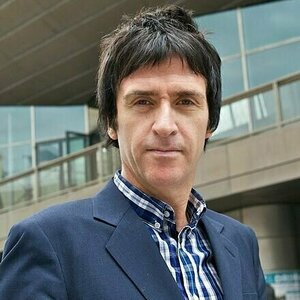
Johnny Marr recommended track Jeepster by T Rex in Electric Boogie 1971 by T Rex in Music (curated)

Gareth von Kallenbach (980 KP) rated Django Unchained (2012) in Movies
Aug 7, 2019
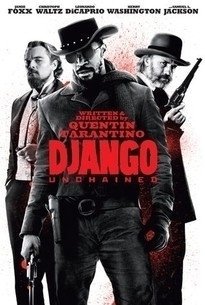

Writer-director Quentin Tarantino has returned in a big way with “Django Unchained” his homage to spaghetti Westerns. The film stars Jamie Foxx as a slave named Django who is part of a convoy of slaves being transported through Texas two years before the start of the Civil War. Django is unaware that his life is about to take a monumental turn when his caravan encounters Dr. King Schultz (Christoph Waltz) one dark evening. Schultz wishes to purchase Django, and when his current owners make the mistake of threatening the good doctor, he quickly turns the table on them and sets Django and his fellow slaves free. Schultz reveals to Django that he is in fact a bounty hunter and needs him to help identify three potential targets. Since Django last lived at the plantation where the three targets worked as overseers, he is essential to Schultz’s hunt. Schultz offers to free Django and pay him $75.00 for his assistance and the duo set off on their mission.
Some truly action-packed and hysterical scenes later, Schultz realizes that Django is an absolute natural for the business and decides to take him on for the winter as an assistant, even going so far as to offer to share one third of his bounties with them. In return, Schultz also offers to help Django reclaim his wife who was sold to a plantation somewhere in Tennessee. Schultz rationalizes that to show up now would be extremely dangerous, therefore the duo must wait out the winter earning money before embarking on their rescue mission.
The hard work of the team pays off and they learn that Django’s wife has been sold to one of the largest plantations under the ownership of Calvin Candie (Leonardo di Caprio), a despotic plantation owner who is as greedy as he is cruel. Despite having more money than he could ever use, Calvin likes to force certain members of his slaves to fight to the death. Schultz and Django decide to use this angle as their chance to get close to Calvin so they can verify that Django’s wife is indeed at the plantation and determine what it will take to buy or obtain her freedom. This proves to be no easy task as not only is Calvin surrounded by an army hired guns, but he also has a very surly and suspicious head of a household named Stephen (Samuel L. Jackson), eyeing every move that the strangers make and questioning their actions.
What follows is a hyperkinetic storm of violence, fury, music, and color in the true Tarantino style. The director is never one to shy away from blood and violence and there are tons of it in the film. The amazing thing about it is despite being graphic and, in some cases, borderline gratuitous, it does not distract from the enjoyment of the film and its characters. The performances were absolutely amazing, especially the work of Waltz, Foxx, and diCaprio. Jackson also does very solid supporting work as does Don Johnson in his appearance as an uber-racist plantation owner. Waltz worked previously with Tarantino on “Inglorious Bastards”, and this is where the Austrian actor really gained notice by Hollywood. This time out he gives a captivating performance as the complex killer with a heart of gold.
While I understand Tarantino’s style is not for everybody, it’s hard not to be impressed with the way he is able to paint a picture, fill it with interesting and quirky characters, and quickly tear it all apart as things descend into utter chaos and destruction. You alternate between laughing, cheering, and being shocked all the way through the film’s nearly three-hour runtime. Yet rarely did the film ever seem to drag on unnecessarily. There was some loss of pacing as the characters converged on Calvin’s plantation, and some may question some of the character changes or gaps in logic in the film’s finale.
I believe this film is one of the best films of the year. It captured so much of what an action film and drama should have: interesting, complex and well-acted characters, a good story, and plenty of action. Those who are easily offended will want to take note that the language in the film is extremely rough and there is frequent uses of racials lurs, as well is derogatory comments made about the black characters in the film. While this is intended to show the mindset and lifestyle of the 1860s in which the film is set, some may find it unsettling if they go in unprepared.
That being said I can honestly say that this was the most enjoyable Tarantino film I have ever seen and could be his best work to date.
Some truly action-packed and hysterical scenes later, Schultz realizes that Django is an absolute natural for the business and decides to take him on for the winter as an assistant, even going so far as to offer to share one third of his bounties with them. In return, Schultz also offers to help Django reclaim his wife who was sold to a plantation somewhere in Tennessee. Schultz rationalizes that to show up now would be extremely dangerous, therefore the duo must wait out the winter earning money before embarking on their rescue mission.
The hard work of the team pays off and they learn that Django’s wife has been sold to one of the largest plantations under the ownership of Calvin Candie (Leonardo di Caprio), a despotic plantation owner who is as greedy as he is cruel. Despite having more money than he could ever use, Calvin likes to force certain members of his slaves to fight to the death. Schultz and Django decide to use this angle as their chance to get close to Calvin so they can verify that Django’s wife is indeed at the plantation and determine what it will take to buy or obtain her freedom. This proves to be no easy task as not only is Calvin surrounded by an army hired guns, but he also has a very surly and suspicious head of a household named Stephen (Samuel L. Jackson), eyeing every move that the strangers make and questioning their actions.
What follows is a hyperkinetic storm of violence, fury, music, and color in the true Tarantino style. The director is never one to shy away from blood and violence and there are tons of it in the film. The amazing thing about it is despite being graphic and, in some cases, borderline gratuitous, it does not distract from the enjoyment of the film and its characters. The performances were absolutely amazing, especially the work of Waltz, Foxx, and diCaprio. Jackson also does very solid supporting work as does Don Johnson in his appearance as an uber-racist plantation owner. Waltz worked previously with Tarantino on “Inglorious Bastards”, and this is where the Austrian actor really gained notice by Hollywood. This time out he gives a captivating performance as the complex killer with a heart of gold.
While I understand Tarantino’s style is not for everybody, it’s hard not to be impressed with the way he is able to paint a picture, fill it with interesting and quirky characters, and quickly tear it all apart as things descend into utter chaos and destruction. You alternate between laughing, cheering, and being shocked all the way through the film’s nearly three-hour runtime. Yet rarely did the film ever seem to drag on unnecessarily. There was some loss of pacing as the characters converged on Calvin’s plantation, and some may question some of the character changes or gaps in logic in the film’s finale.
I believe this film is one of the best films of the year. It captured so much of what an action film and drama should have: interesting, complex and well-acted characters, a good story, and plenty of action. Those who are easily offended will want to take note that the language in the film is extremely rough and there is frequent uses of racials lurs, as well is derogatory comments made about the black characters in the film. While this is intended to show the mindset and lifestyle of the 1860s in which the film is set, some may find it unsettling if they go in unprepared.
That being said I can honestly say that this was the most enjoyable Tarantino film I have ever seen and could be his best work to date.

Movie Metropolis (309 KP) rated The Twilight Saga: Breaking Dawn Part 2 (2012) in Movies
Jun 10, 2019


The Twilight Saga has had a tough time in its short screen life. Constant comparisons to Harry Potter and now The Hunger Games have ensured that it has taken a back seat to these franchises. After 3 bitterly disappointing instalments in the series, Breaking Dawn Part 1 which was released last year lifted the bar and promised a fine end to the series. One year later, Part 2 has been released, but can it keep up the momentum set by its predecessor?
The answer, unfortunately is no and as Robert Pattinson (Edward Cullen), Taylor Lautner, (Jacob Black) and Kristen Stewart (Bella Swan) pull the curtains over the long suffering franchise, you can’t help but feel a strange sense of sadness. These films haven’t been as good as they could’ve.
Breaking Dawn Part 2 starts immediately where the last film finished as Bella Swan (Stewart) gives birth to her half-human, half-vampire child. For some bizarre reason, the blood and childbirth elements of the last film have been completely thrown to the wind as Bella awakens as a vampire and is better than ever. Not reminding viewers of what went before was a major oversight on the part of director Bill Condon and those not familiar with the books will have a hard time remembering what happened last year.
It just so happens that Bella and Edward’s daughter Renesmee is growing at an astonishing rate. To show this, the producers have created her with a CGI layering effect which means using a real baby with a CGI face. Unfortunately, this means that Renesmee is the creepiest baby you will have ever had the misfortune to see. Surely there must’ve been some money left over from the $120m budget to create a real treat for fans. As it is, the first time you lay eyes on Renesmee, there is a gasp of horror rather than adoration.
Unfortunately, the sinister Volturi have gotten wind of Renesmee’s existence thanks to a brief cameo by Maggie Grace (Taken 2) as Irina. She mistakenly believes that the child is a pure vampire which is, under no circumstances allowed. Michael Sheen is a highlight as Aro, leader of the Volturi, his camp, unbelievably over the top performance, highlighted perfectly in the film’s finale, is a breath of fresh air against the heavy breathing, downtrodden characterisations from the rest of the cast.
Special effects have never been a strong point for this movie franchise and things really haven’t improved in this latest instalment. We’ve already mentioned the horror of Bella’s demon baby, but the werewolves are pretty bad too and really don’t move the game on at all. In fact, in some sequences it’s like we’re back in the 90s.
It’s not all bad news however; a real highlight for me throughout the course of the films has been the excellent cinematography. The setting is absolutely wonderful, from the snow-capped peaks and plains, to the cliff edges and forests, everything looks fantastic and director Bill Condon really knows how to maximise the environment he has been given to work with.
Unfortunately, no amount of scenery can save a film which, ultimately is a bit of a damp squib. This is more apparent in the finale, which I can honestly say is one of the worst I have ever seen in a film franchise. This is, partly down to Stephenie Meyer’s amateurish writing in the novel, which ensures the final scenes which should’ve been a joy to watch, are completely disregarded and frankly, stupid.
So, there we have it, The Twilight Saga has ended and what a saga it has been. Three average films at best gave way to Breaking Dawn Part 1, which showed promise and could possibly have been the saviour of the franchise. However, the release of Breaking Dawn Part 2 has pushed things back to where it was before the 3rd instalment, Eclipse. The series’ passionate fans have deserved much better and when it should’ve been going out with a bit of bite, instead, we leave Twilight on a bit of a whimper.
https://moviemetropolis.net/2012/12/03/twilight-breaking-dawn-pt-2-review/
The answer, unfortunately is no and as Robert Pattinson (Edward Cullen), Taylor Lautner, (Jacob Black) and Kristen Stewart (Bella Swan) pull the curtains over the long suffering franchise, you can’t help but feel a strange sense of sadness. These films haven’t been as good as they could’ve.
Breaking Dawn Part 2 starts immediately where the last film finished as Bella Swan (Stewart) gives birth to her half-human, half-vampire child. For some bizarre reason, the blood and childbirth elements of the last film have been completely thrown to the wind as Bella awakens as a vampire and is better than ever. Not reminding viewers of what went before was a major oversight on the part of director Bill Condon and those not familiar with the books will have a hard time remembering what happened last year.
It just so happens that Bella and Edward’s daughter Renesmee is growing at an astonishing rate. To show this, the producers have created her with a CGI layering effect which means using a real baby with a CGI face. Unfortunately, this means that Renesmee is the creepiest baby you will have ever had the misfortune to see. Surely there must’ve been some money left over from the $120m budget to create a real treat for fans. As it is, the first time you lay eyes on Renesmee, there is a gasp of horror rather than adoration.
Unfortunately, the sinister Volturi have gotten wind of Renesmee’s existence thanks to a brief cameo by Maggie Grace (Taken 2) as Irina. She mistakenly believes that the child is a pure vampire which is, under no circumstances allowed. Michael Sheen is a highlight as Aro, leader of the Volturi, his camp, unbelievably over the top performance, highlighted perfectly in the film’s finale, is a breath of fresh air against the heavy breathing, downtrodden characterisations from the rest of the cast.
Special effects have never been a strong point for this movie franchise and things really haven’t improved in this latest instalment. We’ve already mentioned the horror of Bella’s demon baby, but the werewolves are pretty bad too and really don’t move the game on at all. In fact, in some sequences it’s like we’re back in the 90s.
It’s not all bad news however; a real highlight for me throughout the course of the films has been the excellent cinematography. The setting is absolutely wonderful, from the snow-capped peaks and plains, to the cliff edges and forests, everything looks fantastic and director Bill Condon really knows how to maximise the environment he has been given to work with.
Unfortunately, no amount of scenery can save a film which, ultimately is a bit of a damp squib. This is more apparent in the finale, which I can honestly say is one of the worst I have ever seen in a film franchise. This is, partly down to Stephenie Meyer’s amateurish writing in the novel, which ensures the final scenes which should’ve been a joy to watch, are completely disregarded and frankly, stupid.
So, there we have it, The Twilight Saga has ended and what a saga it has been. Three average films at best gave way to Breaking Dawn Part 1, which showed promise and could possibly have been the saviour of the franchise. However, the release of Breaking Dawn Part 2 has pushed things back to where it was before the 3rd instalment, Eclipse. The series’ passionate fans have deserved much better and when it should’ve been going out with a bit of bite, instead, we leave Twilight on a bit of a whimper.
https://moviemetropolis.net/2012/12/03/twilight-breaking-dawn-pt-2-review/
Gareth von Kallenbach (980 KP) rated Resident Evil: Revelations in Video Games
Jun 19, 2019
Following the disappointing fan response to Resident Evil 6 and Resident Evil: Operation Raccoon City, Capcom has taken a page from the past to present one of the more enjoyable Resident Evil games in recent memory. Resident Evil: Revelations first saw life as a Nintendo 3 DS game which now has been polished up and released it for the PlayStation 3, Xbox 360, and Wii U gaming systems.The game does not acquire any previous experience with the resident evil series although the story is set approximately between Resident Evil 4 and 5.
Playing as Jill Valentine to start players must navigate and explore various locales as they attempt to locate Jill’s missing partner Chris. The game is broken down into chapters and in some chapters players will play as Chris when aspects of the storyline are told in a nonlinear fashion.
Although this sounds confusing it’s a very clever way of advancing the story without giving too much away. Players are given a scenario and then in a future mission, there given the opportunity to fill in the blanks and discover how the later or past events transpired.
The game uses an over the shoulder perspective which although a third person survival horror shooter, the game effectively mixes various styles of play as players may go to a first-person mode should they feel the need.
This is not a straight run and gun game; instead players have to use a device known as Genesis in order to scan rooms to find clues as well as much-needed objects such as keys and ammunition. Of course scanning enemies is always a good idea I just suggest that players do that only after dispatching them.
The game does have its share of puzzles that must be solved as players have to do things such as hack electrical boxes in order to gain access to various locales. Although this at times slows down the flow of the game it does provide a break from the action at times when it is most needed.
Keep in mind this was originally designed for handheld control system of the game is very streamlined and effective. Players can change weapons easily and I was able to navigate the map without any real problems aside from the fact that most of the game occurs within a very dark setting and occasionally requires you to hug the wall in order to find your way around obstacles.
Combat is very simple where you simply raise the weapon and fire your shots or toss a grenade or exploding decoy at your intended victims. While very creepy most of the enemies I encountered move very slowly and tended to have a very linear and predictable attack path. I found that firing my weapon and back stepping and using object such as table between us while reloading usually was more than sufficient to dispatch them with little to no threat.
The only times I really was challenged were moments when I was forced to be stationary or encounter enemies with no weapon available to me. The game does offer three gameplay settings so you can find one that works best for you. I left it on Normal during my review sessions.
The game’s graphics are dated and while enhanced for consoles they are coming from a handheld environment so players expecting state-of-the-art graphics are going to be out of luck.
That being said the storytelling was very enjoyable and I found myself being quickly immersed into the game more so than I had at any point in the previous two Resident Evil games.
There is also an online Raid mode for two players team up to take on waves of incoming bad guys which adds an enjoyable new dimension to the game as well as an extra level of replayability.
The voice acting game is solid and really helps propel the characters although some of the lines are stuff that B-movie cheese has made legendary.
That being said, the game definitely has a lot going for it as a must own for fans of the series or for anybody looking for a return to the basics that made the franchise what it is today.
http://sknr.net/2013/05/31/resident-evil-revelations/
Playing as Jill Valentine to start players must navigate and explore various locales as they attempt to locate Jill’s missing partner Chris. The game is broken down into chapters and in some chapters players will play as Chris when aspects of the storyline are told in a nonlinear fashion.
Although this sounds confusing it’s a very clever way of advancing the story without giving too much away. Players are given a scenario and then in a future mission, there given the opportunity to fill in the blanks and discover how the later or past events transpired.
The game uses an over the shoulder perspective which although a third person survival horror shooter, the game effectively mixes various styles of play as players may go to a first-person mode should they feel the need.
This is not a straight run and gun game; instead players have to use a device known as Genesis in order to scan rooms to find clues as well as much-needed objects such as keys and ammunition. Of course scanning enemies is always a good idea I just suggest that players do that only after dispatching them.
The game does have its share of puzzles that must be solved as players have to do things such as hack electrical boxes in order to gain access to various locales. Although this at times slows down the flow of the game it does provide a break from the action at times when it is most needed.
Keep in mind this was originally designed for handheld control system of the game is very streamlined and effective. Players can change weapons easily and I was able to navigate the map without any real problems aside from the fact that most of the game occurs within a very dark setting and occasionally requires you to hug the wall in order to find your way around obstacles.
Combat is very simple where you simply raise the weapon and fire your shots or toss a grenade or exploding decoy at your intended victims. While very creepy most of the enemies I encountered move very slowly and tended to have a very linear and predictable attack path. I found that firing my weapon and back stepping and using object such as table between us while reloading usually was more than sufficient to dispatch them with little to no threat.
The only times I really was challenged were moments when I was forced to be stationary or encounter enemies with no weapon available to me. The game does offer three gameplay settings so you can find one that works best for you. I left it on Normal during my review sessions.
The game’s graphics are dated and while enhanced for consoles they are coming from a handheld environment so players expecting state-of-the-art graphics are going to be out of luck.
That being said the storytelling was very enjoyable and I found myself being quickly immersed into the game more so than I had at any point in the previous two Resident Evil games.
There is also an online Raid mode for two players team up to take on waves of incoming bad guys which adds an enjoyable new dimension to the game as well as an extra level of replayability.
The voice acting game is solid and really helps propel the characters although some of the lines are stuff that B-movie cheese has made legendary.
That being said, the game definitely has a lot going for it as a must own for fans of the series or for anybody looking for a return to the basics that made the franchise what it is today.
http://sknr.net/2013/05/31/resident-evil-revelations/
Gareth von Kallenbach (980 KP) rated The Greatest Showman (2017) in Movies
Jul 11, 2019
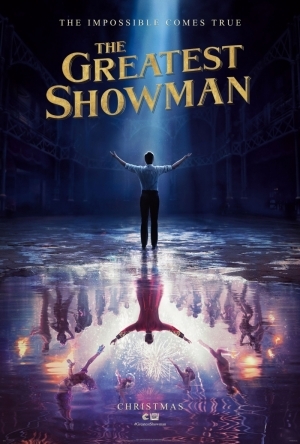

I can’t claim to know much about musicals. I don’t actively avoid them, but I don’t go out of my way to see them either. The few that I have seen and liked don’t seem to sit well with the musical theater crowd either. For instance, recently in conversation my defense of Russell Crowe as Javert in the latest adaptation of Les Misérables was shot down in a matter of seconds. My wife, with some frequency, reminds me that my (until now) secret admiration of Tim Burton’s Sweeney Todd is something that should never be declared in a public forum. For me, one of the best achievements in musical film will always be South Park: Bigger, Longer & Uncut; and though there is a general positivity about it, I’ve never seen it taken all that seriously as a contemporary musical (it was certainly a hell of a lot more memorable than 2003’s Best Picture winner, Chicago). So, if you haven’t already decided my opinion will be moot and stopped reading, I will, with the limited appreciation I have for this genre, give The Greatest Showman the fairest shake I can.
At a surprisingly short hour and forty-five minutes, this high-concept imagining of the meteoric rise of P.T. Barnum (Hugh Jackman), from the impoverished son of a tailor to one of the biggest names in the history of entertainment, should absolutely fly by. Tragically, it doesn’t. Beginning with an irresponsibly rushed first act that condenses decades of backstory into a few minutes, it dramatically stops dead between its second and third acts as we’re subjected to three songs in a row that not all that subtly beat us over the head with the inevitably that our leads are going to have to face some predictable, life-changing conflict before the big finale. Showman also suffers from the delusion that period pieces will be more engaging and relatable with a modern-inspired soundtrack, à la Baz Luhrmann’s misguided attempt at The Great Gatsby. The idea being that the music of the time, though antiquated to us now, would have sounded modern to people then, so why not put modern music, whether original or sourced, over period images in an attempt to bridge the gap between their world and ours? It’s a concept that might sound great on paper, but as Luhrmann already proved, the final results don’t so much complement each other as they expose each other’s weaknesses.
Its major flaw though, and why The Greatest Showman fails to be a great anything, is the insistence on force-feeding moments of attempted catharsis every 15-20 minutes, having earned almost none of them. A great many of the numbers are presented as such grand, climactic set pieces that they don’t feel as though they are working to serve a cohesive, larger whole. We are inundated with a blur of crescendo after crescendo and left little time to reflect on what we have just seen and heard before the film clumsily bounds off to the next song-and-dance laden plot point; and if you asked me to name any of the individual tunes now three days later, I’d be hard-pressed to do so. It’s an odd juxtaposition, and one I’ve very rarely experienced, wanting so badly for a film to end and at the same time wishing it had been given more time to fully realize its scope. Keep your ears open as well for an ill-advised line in which Barnum proudly compares himself to Napoleon. Isn’t Barnum supposed to be the “hero” of this piece, someone we are supposed to identify with and for whom we want to find success? Somebody please provide Showman’s writers a history lesson that didn’t just come off a Wikipedia page (for Barnum and Napoleon’s sakes).
With any negative criticism, I do like to try and go out on something positive, and if I have to concede anything to this movie, it’s that it finds its footing, albeit temporarily, while addressing issues of equality. Showman shines in the few moments where the supporting players portraying Barnum’s “oddities”, Keala Settle as Lettie Lutz in particular, are given the opportunity to stand toe-to-toe with the leads and, in many of these scenes, they rise above even the likes of Hugh Jackman. Another member of the cast who merits a little bit of praise (and I reserve the right to retract this at any time of my choosing, more than likely with whatever juvenile comedy he’ll be seen in next) is Zac Efron. Exposure to the likes of Nicole Kidman and John Cusack in 2012’s sadly overlooked The Paperboy, may finally be yielding results as he is the only lead who leaves an impression. Though his journey as a high society playwright begrudgingly brought into Barnum’s world definitely leans heavily on the saccharine side, it does provide a break of plausibility in amongst the unbridled chaos of the rest of the picture. I wouldn’t doubt that there is a much better movie that could have been made from expanding into its own feature the subplot of his character bucking the expectations of his status to fall in love with a circus performer.
At a surprisingly short hour and forty-five minutes, this high-concept imagining of the meteoric rise of P.T. Barnum (Hugh Jackman), from the impoverished son of a tailor to one of the biggest names in the history of entertainment, should absolutely fly by. Tragically, it doesn’t. Beginning with an irresponsibly rushed first act that condenses decades of backstory into a few minutes, it dramatically stops dead between its second and third acts as we’re subjected to three songs in a row that not all that subtly beat us over the head with the inevitably that our leads are going to have to face some predictable, life-changing conflict before the big finale. Showman also suffers from the delusion that period pieces will be more engaging and relatable with a modern-inspired soundtrack, à la Baz Luhrmann’s misguided attempt at The Great Gatsby. The idea being that the music of the time, though antiquated to us now, would have sounded modern to people then, so why not put modern music, whether original or sourced, over period images in an attempt to bridge the gap between their world and ours? It’s a concept that might sound great on paper, but as Luhrmann already proved, the final results don’t so much complement each other as they expose each other’s weaknesses.
Its major flaw though, and why The Greatest Showman fails to be a great anything, is the insistence on force-feeding moments of attempted catharsis every 15-20 minutes, having earned almost none of them. A great many of the numbers are presented as such grand, climactic set pieces that they don’t feel as though they are working to serve a cohesive, larger whole. We are inundated with a blur of crescendo after crescendo and left little time to reflect on what we have just seen and heard before the film clumsily bounds off to the next song-and-dance laden plot point; and if you asked me to name any of the individual tunes now three days later, I’d be hard-pressed to do so. It’s an odd juxtaposition, and one I’ve very rarely experienced, wanting so badly for a film to end and at the same time wishing it had been given more time to fully realize its scope. Keep your ears open as well for an ill-advised line in which Barnum proudly compares himself to Napoleon. Isn’t Barnum supposed to be the “hero” of this piece, someone we are supposed to identify with and for whom we want to find success? Somebody please provide Showman’s writers a history lesson that didn’t just come off a Wikipedia page (for Barnum and Napoleon’s sakes).
With any negative criticism, I do like to try and go out on something positive, and if I have to concede anything to this movie, it’s that it finds its footing, albeit temporarily, while addressing issues of equality. Showman shines in the few moments where the supporting players portraying Barnum’s “oddities”, Keala Settle as Lettie Lutz in particular, are given the opportunity to stand toe-to-toe with the leads and, in many of these scenes, they rise above even the likes of Hugh Jackman. Another member of the cast who merits a little bit of praise (and I reserve the right to retract this at any time of my choosing, more than likely with whatever juvenile comedy he’ll be seen in next) is Zac Efron. Exposure to the likes of Nicole Kidman and John Cusack in 2012’s sadly overlooked The Paperboy, may finally be yielding results as he is the only lead who leaves an impression. Though his journey as a high society playwright begrudgingly brought into Barnum’s world definitely leans heavily on the saccharine side, it does provide a break of plausibility in amongst the unbridled chaos of the rest of the picture. I wouldn’t doubt that there is a much better movie that could have been made from expanding into its own feature the subplot of his character bucking the expectations of his status to fall in love with a circus performer.

Kristy H (1252 KP) rated The Roanoke Girls in Books
Feb 1, 2018
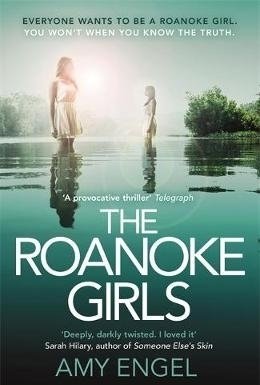
Lane Roanoke is just a teenager when her mother commits suicide, and Lane is sent to live with her grandparents in Kansas. While Lane lived a sad life with her depressed, volatile mother, her wealthy grandparents represent a chance for a new start - and Lane can meet her cousin, Allegra, who is close to her age. But when Lane arrives in Kansas, while she quickly befriends Allegra and is amazed by the kindness of her grandfather, she also realizes not everything is as it seems.
Eleven years later, after Lane has fled the farm (and left her family there behind), Lane receives a call from her grandfather: Allegra is missing. Can she please come home? Reluctantly Lane returns to a place she vowed she'd never see again to search for her cousin, whom she has always felt bad about leaving behind. But returning only brings up bad memories, and Lane quickly worries that something terrible has happened to Allegra. Can Lane face her fears and figure out what happened to her cousin?
This book, oh this book. Wow. This is quite the novel! The story alternates between the present-day and that fateful summer (from Lane's point of view), with a few snippets from earlier generations of the other Roanoke girls thrown in. It's slightly confusing at first (you'll need easy access to the family tree at the beginning of the book), but quickly pulls you in and never lets you go. I was immediately captivated by this novel and read it in less than 24 hours. It's not some "feel good" novel, but it's amazingly well-written and just spellbinding. It starts off with a bombshell and then hooks you from there with the dark story of the twisted Roanoke family.
There is something completely alluring about how messed up and sick the Roanokes are. I couldn't turn away from them. The book is great because you become quickly intrigued and invested in the story of what happened to Allegra, but there's also a bit of suspense to the "then" storyline as Lane finds out something terrible about her family. Engel is remarkably talented because we know the secret already, and Lane knows it in the present-day portion of the book, but it's still enthralling watching it unravel as she's a teen. There's also just a pure fascination and horror at this family. There are also periodic shockers throughout the entire novel and several "wow" and "didn't see that coming" moments for me. The whole thing is extremely well-done.
I was extremely expressed by Engel's characters. For instance, Lane is a broken and damaged person who cannot trust or love. As such, she is frustrating with her guarded heart but still sympathetic. She drove me crazy, but I loved her. Engel did an excellent job with all of these characters. Even those that seemed (or were) absolutely awful; they all seemed so real. She also did a great job at portraying small towns and their tangled web of secrets. The broken Kansas town where the Roanokes lived was expertly done, with all of its bit characters and the descriptions of its streets and happenings.
Overall, I was incredibly impressed with this book. Its entire plot was creepy and twisted, and it was compulsively readable, with plenty of shocking moments. Yet it also had empathetic, well-written characters. It was an amazing dark look at the power of childhood, your parents, and your past. It's a mean and twisted novel and impeccably written, because you feel such a range of emotions for its characters. Definitely recommend.
I received a copy of this novel from the publisher and Netgalley (thank you!) in return for an unbiased review; it is available everywhere as of 03/07/2017.
Eleven years later, after Lane has fled the farm (and left her family there behind), Lane receives a call from her grandfather: Allegra is missing. Can she please come home? Reluctantly Lane returns to a place she vowed she'd never see again to search for her cousin, whom she has always felt bad about leaving behind. But returning only brings up bad memories, and Lane quickly worries that something terrible has happened to Allegra. Can Lane face her fears and figure out what happened to her cousin?
This book, oh this book. Wow. This is quite the novel! The story alternates between the present-day and that fateful summer (from Lane's point of view), with a few snippets from earlier generations of the other Roanoke girls thrown in. It's slightly confusing at first (you'll need easy access to the family tree at the beginning of the book), but quickly pulls you in and never lets you go. I was immediately captivated by this novel and read it in less than 24 hours. It's not some "feel good" novel, but it's amazingly well-written and just spellbinding. It starts off with a bombshell and then hooks you from there with the dark story of the twisted Roanoke family.
There is something completely alluring about how messed up and sick the Roanokes are. I couldn't turn away from them. The book is great because you become quickly intrigued and invested in the story of what happened to Allegra, but there's also a bit of suspense to the "then" storyline as Lane finds out something terrible about her family. Engel is remarkably talented because we know the secret already, and Lane knows it in the present-day portion of the book, but it's still enthralling watching it unravel as she's a teen. There's also just a pure fascination and horror at this family. There are also periodic shockers throughout the entire novel and several "wow" and "didn't see that coming" moments for me. The whole thing is extremely well-done.
I was extremely expressed by Engel's characters. For instance, Lane is a broken and damaged person who cannot trust or love. As such, she is frustrating with her guarded heart but still sympathetic. She drove me crazy, but I loved her. Engel did an excellent job with all of these characters. Even those that seemed (or were) absolutely awful; they all seemed so real. She also did a great job at portraying small towns and their tangled web of secrets. The broken Kansas town where the Roanokes lived was expertly done, with all of its bit characters and the descriptions of its streets and happenings.
Overall, I was incredibly impressed with this book. Its entire plot was creepy and twisted, and it was compulsively readable, with plenty of shocking moments. Yet it also had empathetic, well-written characters. It was an amazing dark look at the power of childhood, your parents, and your past. It's a mean and twisted novel and impeccably written, because you feel such a range of emotions for its characters. Definitely recommend.
I received a copy of this novel from the publisher and Netgalley (thank you!) in return for an unbiased review; it is available everywhere as of 03/07/2017.

Mothergamer (1658 KP) rated Yakuza Kiwami SteelBook Edition in Video Games
Jun 21, 2019

I had never played any of the Yakuza games, but I had always been curious about them so when Yakuza Kiwami was one of the free games offered up with my Playstation Plus I picked it up. The introduction at the beginning of the story is interesting and I really liked Kazuma Kiryu because of his sense of honor and doing his best to protect his friends. I was glad to see that there are a range of difficulty settings in the game options and went with easy so I could get a feel for the game and just enjoy the story.
The story begins with Kiryu taking the fall for a friend and emerging from prison ten years later. This opens up a small tutorial for how the game controls work. Exploration and level grinding are a big part of Yakuza Kiwami as you progress in the main story and there are side quests as well. The night life of Tokyo is vibrant and colorful in the game adding to the atmosphere. I found myself stopping often just to look around at all the different things.
This wouldn't be Yakuza without the brawls of course and there are many. Often gangs roaming the streets will pick fights with Kiryu and this is where the game really shines. The fights are fun and being able to switch between Kiryu's four fighting styles; brawler, rush, and beast give you a feel for the fighting mechanics while feeling that raw criminal underworld vibe. However, there are times where the game fails to give you an idea about which fighting style works best and how they differ from each other. I did a lot of trial and error with many fights because of this. That didn't make the game any less fun for me though and successfully winning a fight felt great.
There is one thing that really bugged me about the game and that is all the fights with the character Majima. While I understood that Kiryu being forced to fight Majima was a way to get him back to his original top tier fighting shape after his long stint in prison, I felt incredibly annoyed at how often Majima turned up demanding a brawl especially when I was trying to get somewhere in the story. I did not want to have a constant detour of fighting him and yet he kept popping up everywhere. Majimi is an interesting character don't get me wrong, but I found these fights tedious. Of course the reward for all these fights is it unlocks Kiryu's dragon fighting form which is great, but the irritation of Majima fights sucked a bit of fun out of the game for me.
I enjoyed the story for Yakuza Kiwami a lot because I liked Kiryu and was invested in his journey. There are a lot of flashbacks explaining what happened to certain characters and shines a light on how they came to be where they are in the present. Sometimes the story feels a little slow in places, but it is well thought out and well done. Where it really stands out is with the intrigue and drama with plot reveals that give amazing cinematic cutscenes that feel like you're watching a movie. Overall the game is great and while it's not necessarily a long game, there is plenty to do with the side quests, mini games, and exploration of the city. Once you finish the game, you can also try new game plus which carries over all your learned abilities, mini games, and side quest stories. Yakuza Kiwami was a lot of fun for me to play and I'm glad I checked it out. Thanks for reading, see you at the next adventure!
The story begins with Kiryu taking the fall for a friend and emerging from prison ten years later. This opens up a small tutorial for how the game controls work. Exploration and level grinding are a big part of Yakuza Kiwami as you progress in the main story and there are side quests as well. The night life of Tokyo is vibrant and colorful in the game adding to the atmosphere. I found myself stopping often just to look around at all the different things.
This wouldn't be Yakuza without the brawls of course and there are many. Often gangs roaming the streets will pick fights with Kiryu and this is where the game really shines. The fights are fun and being able to switch between Kiryu's four fighting styles; brawler, rush, and beast give you a feel for the fighting mechanics while feeling that raw criminal underworld vibe. However, there are times where the game fails to give you an idea about which fighting style works best and how they differ from each other. I did a lot of trial and error with many fights because of this. That didn't make the game any less fun for me though and successfully winning a fight felt great.
There is one thing that really bugged me about the game and that is all the fights with the character Majima. While I understood that Kiryu being forced to fight Majima was a way to get him back to his original top tier fighting shape after his long stint in prison, I felt incredibly annoyed at how often Majima turned up demanding a brawl especially when I was trying to get somewhere in the story. I did not want to have a constant detour of fighting him and yet he kept popping up everywhere. Majimi is an interesting character don't get me wrong, but I found these fights tedious. Of course the reward for all these fights is it unlocks Kiryu's dragon fighting form which is great, but the irritation of Majima fights sucked a bit of fun out of the game for me.
I enjoyed the story for Yakuza Kiwami a lot because I liked Kiryu and was invested in his journey. There are a lot of flashbacks explaining what happened to certain characters and shines a light on how they came to be where they are in the present. Sometimes the story feels a little slow in places, but it is well thought out and well done. Where it really stands out is with the intrigue and drama with plot reveals that give amazing cinematic cutscenes that feel like you're watching a movie. Overall the game is great and while it's not necessarily a long game, there is plenty to do with the side quests, mini games, and exploration of the city. Once you finish the game, you can also try new game plus which carries over all your learned abilities, mini games, and side quest stories. Yakuza Kiwami was a lot of fun for me to play and I'm glad I checked it out. Thanks for reading, see you at the next adventure!