
Search
Search results
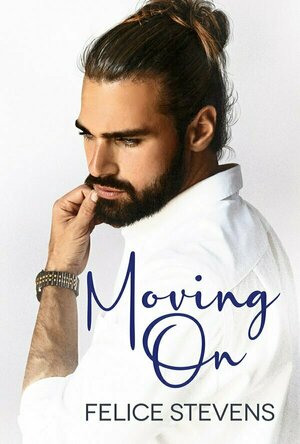
Moving On
9.0 Rate It
Book
When his roof caves in, Sean Lovett thinks things can't get any worse. Until he loses his job,...
Contemporary MM Romance

KatieLouCreate (162 KP) rated Perfected (Perfected, #1) in Books
Jul 10, 2023



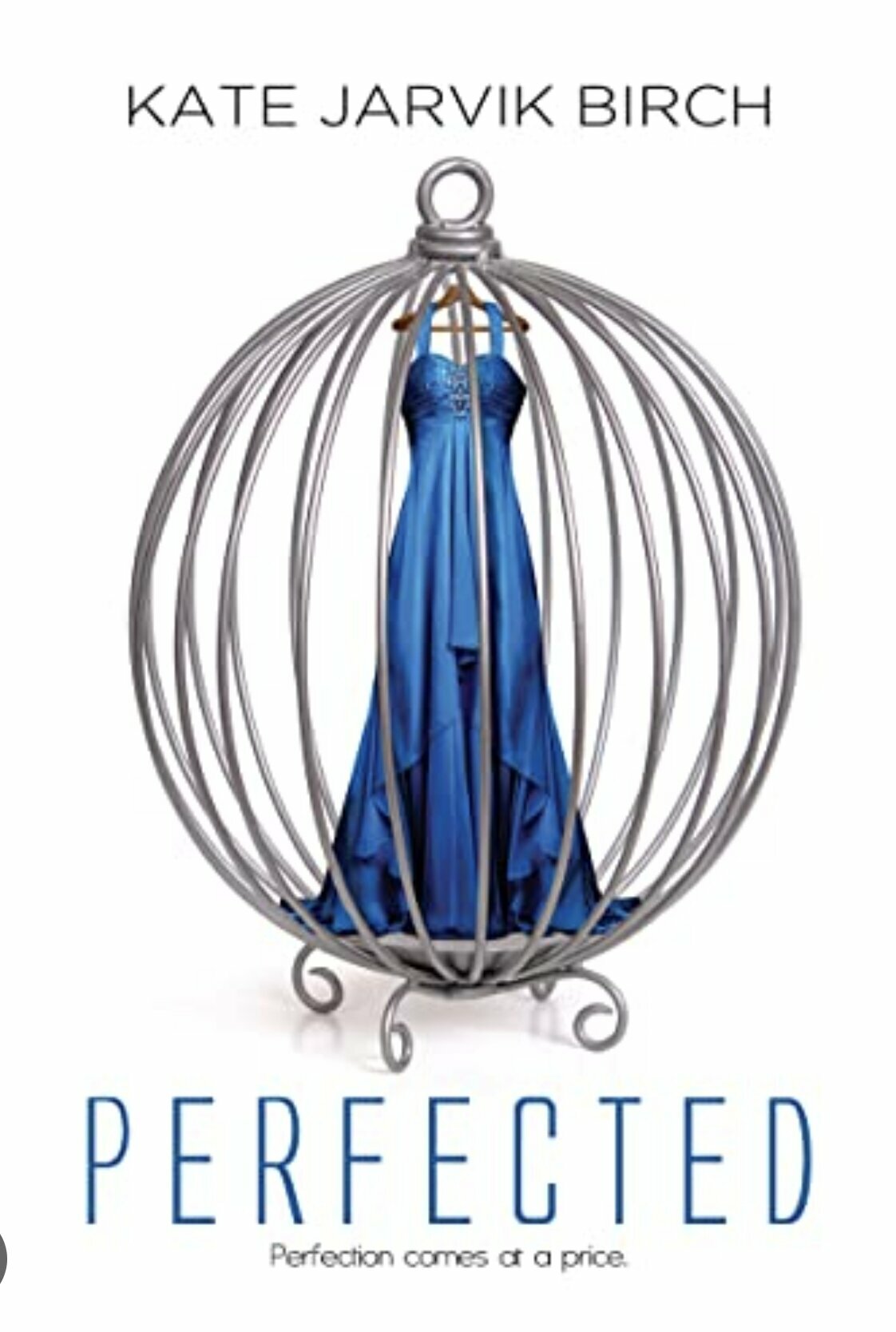
Perfected by Kate Jarvik Birch
This book has been sat on my bookshelf for as long as I can remember, which is why i finally decided to pick it up.
The book was originally published in 2014, around the height of YA Dystopian books. And if that doesn't tell you everything you need to know about this book allow me to continue.
After creating a new law which allows for the creation of human pets, congressman Kimball bought Ella. She is a pet designed and trained specifically for entertaining the Elite as the most prestigious family companion.
But for Ella, things aren't what they seem. Family secrets arise; she is kidnapped; and the dark world under her pampered life shows itself; and she cannot help but fall for the congressman's son, Penn. She is forced to question her existence. But if she chooses to act on these new revelations, she may face a fate worse than death.
Not to be rude, but this book is just like any other YA book written of its time. It draws a lot of similarities to Lauren DeStefano's Wither Trilogy. Its beautifully written, with lots of potential, but lacks execution. Ella is a very basic character for me. She is passive and her only motives for pushing herself derive from Penn, her love interest.
It seems the author tried to go for a hate to love relationship, but it fell flat with the instalovey trope. Even then, their love seemed more like lust to me. They didn't really build any foundations and connection. At least not enough to justify Ella's actions and motives.
Had I read this in my teens when the book came out, I would probably have loved it. But I'm older and nore cynical now.
I have already bought the second book on Audible and the book wasn't so terrible that I won't at least give it a try, but I'm apprehensive to say the least.
The book was originally published in 2014, around the height of YA Dystopian books. And if that doesn't tell you everything you need to know about this book allow me to continue.
After creating a new law which allows for the creation of human pets, congressman Kimball bought Ella. She is a pet designed and trained specifically for entertaining the Elite as the most prestigious family companion.
But for Ella, things aren't what they seem. Family secrets arise; she is kidnapped; and the dark world under her pampered life shows itself; and she cannot help but fall for the congressman's son, Penn. She is forced to question her existence. But if she chooses to act on these new revelations, she may face a fate worse than death.
Not to be rude, but this book is just like any other YA book written of its time. It draws a lot of similarities to Lauren DeStefano's Wither Trilogy. Its beautifully written, with lots of potential, but lacks execution. Ella is a very basic character for me. She is passive and her only motives for pushing herself derive from Penn, her love interest.
It seems the author tried to go for a hate to love relationship, but it fell flat with the instalovey trope. Even then, their love seemed more like lust to me. They didn't really build any foundations and connection. At least not enough to justify Ella's actions and motives.
Had I read this in my teens when the book came out, I would probably have loved it. But I'm older and nore cynical now.
I have already bought the second book on Audible and the book wasn't so terrible that I won't at least give it a try, but I'm apprehensive to say the least.
ClareR (6256 KP) rated All the Broken Places in Books
Nov 4, 2023
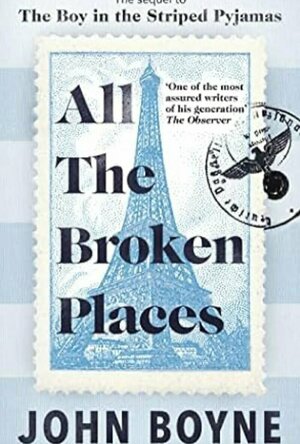

Gretel Fernsby has a terrible secret that she’d rather others didn’t know. If you’ve read The Boy in the Striped Pyjamas, you’ll recognise the name: Gretel is the daughter of the camp Commandant of Auschwitz.
In short chapters, flashing between the past and the present, we learn about 91 year old Gretel’s past, and what happened when she and her mother escaped Germany.
Gretel is very well off, living in an expensive block of very large flats in central London. She doesn’t really have any friends, and seems to keep her true self from everyone including her son.
She is confronted with the memory of her younger brother, Bruno, when a boy of his age moves in to the downstairs flat. She realises that his father is violent, and his mother is abused. Gretel can’t let this kind of violence happen again.
The characters in this were superb. Whilst the first book had its problems with historical accuracy, I feel that this book centred more around trauma, guilt and shame. Gretel carries all of these things around with her forever. She feels culpable for what happened in the camp - even though she was both a child and female. In retrospect, she is able to see what was wrong with the nazi regime, but at the time would have been brainwashed. She wouldn’t have known a time where Jews and other “undesirable” minorities would have been treated any differently. The wonder is that she went on to learn that this was wrong. The trauma that she carries with her from the death of her brother, learning about what her father was guilty of, and occurrences in Paris, is lifelong.
From Gretel’s life experiences to those of her downstairs neighbour, everything is handled with compassion and tact. Again, it’s not perfect, but then neither are humans. And that is what this book shows above all: that we can learn from our mistakes if we are willing to do so.
In short chapters, flashing between the past and the present, we learn about 91 year old Gretel’s past, and what happened when she and her mother escaped Germany.
Gretel is very well off, living in an expensive block of very large flats in central London. She doesn’t really have any friends, and seems to keep her true self from everyone including her son.
She is confronted with the memory of her younger brother, Bruno, when a boy of his age moves in to the downstairs flat. She realises that his father is violent, and his mother is abused. Gretel can’t let this kind of violence happen again.
The characters in this were superb. Whilst the first book had its problems with historical accuracy, I feel that this book centred more around trauma, guilt and shame. Gretel carries all of these things around with her forever. She feels culpable for what happened in the camp - even though she was both a child and female. In retrospect, she is able to see what was wrong with the nazi regime, but at the time would have been brainwashed. She wouldn’t have known a time where Jews and other “undesirable” minorities would have been treated any differently. The wonder is that she went on to learn that this was wrong. The trauma that she carries with her from the death of her brother, learning about what her father was guilty of, and occurrences in Paris, is lifelong.
From Gretel’s life experiences to those of her downstairs neighbour, everything is handled with compassion and tact. Again, it’s not perfect, but then neither are humans. And that is what this book shows above all: that we can learn from our mistakes if we are willing to do so.
Heather Cranmer (2721 KP) created a post
May 20, 2022
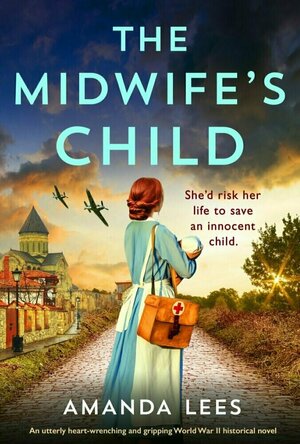
The Midwife's Child (WW2 Resistance Series #3)
8.0 Rate It
Book
‘Save her,’ she begs, drawing her last, quavering breaths. ‘Save my baby. Find her father. And...
Heather Cranmer (2721 KP) rated Don't Stop Believin' in Books
May 28, 2019
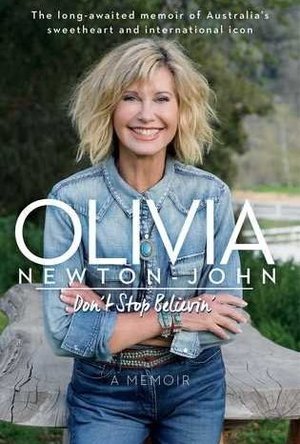

I was obsessed with Olivia Newton-John as a little girl. As a little girl, I knew all of her songs by heart, and I had watched all of her movies over and over. I do admit that as I grew up, my obsession faded. However, when I saw Olivia's autobiography, Don't Stop Believin', on the shelf at my local library, I decided to give it a read. While it was enjoyable, it just came across as kind of preachy.
Olivia Newton-John rose to fame in the United States as the character of Sandy in the movie Grease. She also had a bunch of hit songs and records afterwards. Olivia's autobiography does mention her rise to fame although I felt as if there wasn't enough time spent on her rise to fame. She does write about her time with Grease and other films as well as recording her songs throughout the book. I felt the movies and songs were written about well.
We get a taste of her life as a child in England and Australia, although I felt she didn't discuss her pre-fame life too much. I would have liked to read more about her childhood instead of just being rushed into when she started performing. I know Olivia Newton-John likes to keep her private life out of the limelight, but when writing an autobiography, it's important to give the reader a little more details than what Don't Stop Believin' gave us.
There was so much name dropping throughout this book! While I understand that famous people know other famous people, sometimes I felt as if Olivia was dropping names just for show instead of because it fit the story. You have a lot of famous friends. We get it!
Another thing that annoyed me about the book was how some parts seemed like an advertisement for her Olivia Newton-John Cancer Wellness and Research Centre as well as for her husband, John Easterling's, herb company. I know she's done so much for her cancer center, (which I give her mad props for), but she goes on and on about how great and lovely of a place it was especially after she was an inpatient there. Of course the staff would treat her better when her name is on the building! There's more than one chapter devoted to how great the place is. I'm sure it is lovely, but I felt like I didn't need to a chapter (and more) about how great it is. As for her husband's herb company, she went on and on towards the end of the book how his herbs really helped her out which is great, but again, does the reader really need the specifics and being told over and over again how helpful it was?
The major thing that annoyed me was how preachy Don't Stop Believin' was in a lot of chapters. In fact, it made me feel guilty sometimes that I rely on modern medicine. Olivia writes how she'd rather take the natural approach to fighting off viruses and diseases, and I get that because I don't like to take medicine needlessly either, but sometimes, it's the best thing. However, I just felt that Olivia was berating those who choose to go the medicinal route. I felt like she was implying that natural remedies work better than modern medicine. This can be dangerous especially if someone gets off their medicines they need to survive to try the natural approach. People should always discuss any changes of medication with their doctors.
To me, Don't Stop Believin' writes like someone who's always been privileged and sheltered throughout their life. A lot of it feels like Olivia Newton-John is out of touch with reality and like she's living in La-La Land. I just found it hard to relate to her throughout the book. Yes, she has gone through some hardships such as deaths in the family, her cancer diagnoses, and her ex-boyfriend disappearing, but for the most part, her autobiography is just too sunshine and rainbows for me to truly relate.
Don't Stop Believin' flows beautifully though, and the writing is done very well, so it has that going for it. I did find myself enjoying the book most of the time when Olivia wasn't been preachy or advertising something. There were some interesting tidbits about her life throughout the book.
Trigger warnings include some profanity use, death, cancer, drinking, and smoking.
Overall, Don't Stop Believin' isn't a bad book, quite the contrary. It's just a bit too hippie dippy for me to have truly enjoyed it to its fullest. I did find the book interesting though despite some flaws. I would recommend Don't Stop Believin' by Olivia Newton-John especially to those who have been diagnosed with cancer as this book does come with a bunch of positivity when it comes to dealing with cancer.
Olivia Newton-John rose to fame in the United States as the character of Sandy in the movie Grease. She also had a bunch of hit songs and records afterwards. Olivia's autobiography does mention her rise to fame although I felt as if there wasn't enough time spent on her rise to fame. She does write about her time with Grease and other films as well as recording her songs throughout the book. I felt the movies and songs were written about well.
We get a taste of her life as a child in England and Australia, although I felt she didn't discuss her pre-fame life too much. I would have liked to read more about her childhood instead of just being rushed into when she started performing. I know Olivia Newton-John likes to keep her private life out of the limelight, but when writing an autobiography, it's important to give the reader a little more details than what Don't Stop Believin' gave us.
There was so much name dropping throughout this book! While I understand that famous people know other famous people, sometimes I felt as if Olivia was dropping names just for show instead of because it fit the story. You have a lot of famous friends. We get it!
Another thing that annoyed me about the book was how some parts seemed like an advertisement for her Olivia Newton-John Cancer Wellness and Research Centre as well as for her husband, John Easterling's, herb company. I know she's done so much for her cancer center, (which I give her mad props for), but she goes on and on about how great and lovely of a place it was especially after she was an inpatient there. Of course the staff would treat her better when her name is on the building! There's more than one chapter devoted to how great the place is. I'm sure it is lovely, but I felt like I didn't need to a chapter (and more) about how great it is. As for her husband's herb company, she went on and on towards the end of the book how his herbs really helped her out which is great, but again, does the reader really need the specifics and being told over and over again how helpful it was?
The major thing that annoyed me was how preachy Don't Stop Believin' was in a lot of chapters. In fact, it made me feel guilty sometimes that I rely on modern medicine. Olivia writes how she'd rather take the natural approach to fighting off viruses and diseases, and I get that because I don't like to take medicine needlessly either, but sometimes, it's the best thing. However, I just felt that Olivia was berating those who choose to go the medicinal route. I felt like she was implying that natural remedies work better than modern medicine. This can be dangerous especially if someone gets off their medicines they need to survive to try the natural approach. People should always discuss any changes of medication with their doctors.
To me, Don't Stop Believin' writes like someone who's always been privileged and sheltered throughout their life. A lot of it feels like Olivia Newton-John is out of touch with reality and like she's living in La-La Land. I just found it hard to relate to her throughout the book. Yes, she has gone through some hardships such as deaths in the family, her cancer diagnoses, and her ex-boyfriend disappearing, but for the most part, her autobiography is just too sunshine and rainbows for me to truly relate.
Don't Stop Believin' flows beautifully though, and the writing is done very well, so it has that going for it. I did find myself enjoying the book most of the time when Olivia wasn't been preachy or advertising something. There were some interesting tidbits about her life throughout the book.
Trigger warnings include some profanity use, death, cancer, drinking, and smoking.
Overall, Don't Stop Believin' isn't a bad book, quite the contrary. It's just a bit too hippie dippy for me to have truly enjoyed it to its fullest. I did find the book interesting though despite some flaws. I would recommend Don't Stop Believin' by Olivia Newton-John especially to those who have been diagnosed with cancer as this book does come with a bunch of positivity when it comes to dealing with cancer.
Corey Richard Bennett (10 KP) rated Spider-Man: Far From Home (2019) in Movies
Jul 18, 2019 (Updated Jul 18, 2019)
Great follow-up to Avengers Endgame (2 more)
Extremely relatable teen angst and romance
Accurate potrayal of the Spider Man character
Contains spoilers, click to show
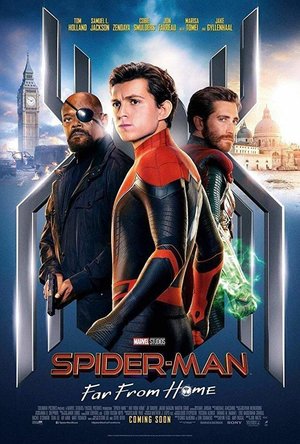
The last film in the 4th phase of Marvel's Cinematic Universe is a fitting bookend for the Universe so far, and where the Cinematic Universe is heading. After losing his mentor, Tony Stark, Spider-Man Peter Parker tries to resume a life of normality. With high hopes of romance with classmate MJ abroad in Europe, Peter is drawn into a ploy that is ultimately being triggered by fake interloper Mysterio AKA Quentin Beck. With use of virtual reality tech, and military grade drones, Beck tricks Nick Fury, and Peter into thinking beings known as Elementals are attacking Earth. Seemingly with all other Avengers busy or not home, Fury calls upon Tony Stark's chosen successor to help Mysterio in slaying the new beasts.
This is peak portrayal of the web-slinger as Tom Holland makes you really feel for his teenage character who is balancing a life of normality and a life with huge responsibility. Peter constantly thinks of his friends well-being and hiding his secret identity throughout Europe. Then there is the aspect of Peter's budding romance for MJ, played beautifully by Zendaya. This incarnation of MJ is quirky and awkward, which is not like any other portrayals I have seen before, but it matches with Holland's Parker, as he too is awkward as most teenagers trying to find themselves in life.
Now the bad guy. Mysterio is a long well known enemy in the Spider-Man lore, so the twist that he is Master of Illusion should not be a shock, but the trailers did a good job painting the possibility that we were seeing a new incarnation of the dome-headed man of mystery. The trailers also got fans excited, with the possibility of a multiverse being created by the snap of Thanos, now referred to as the Blip by the people of Earth. The multiverse could have been the way to shoe-horn the X-Men into the MCU, but alas it was all a ploy to get the ever powerful Stark Tech glasses (known as EDITH Even Dead I'm The Hero) away from Peter, as Tony had left them to him in his will. Tricking everyone including usually tactful Nick Fury, Mysterio gains Peter's trust, and then his glasses, as Peter thinks Beck is a more fitting replacement to Iron-Man than Peter himself, who wants to live a normal life for the time being. Mysterio almost gets away with his plan, but with one simple slip-up Peter realizes his gaff and pursues Beck to Berlin, which brings me to the best scene (In my humble Opinion).
Knowing Peter is on his way, Beck springs his own web of illusions around Peter which tricks Peter immensely, and dazzles the fan. Tricking Peter to the point that he learns who knows of his plan, dispatches Peter via a train, which Peter barely survives. Beck moves his plans to London where he tries to enact his greatest illusion but a rejuvenated Peter (with help from Happy Hogan) thwarts Beck's plan which ultimately leads to Beck's untimely demise. But with his plan burning around him, he uses his last minutes to frame Peter in his death, and reveal his identity to the world.
In the course of the movie, Peter and MJ finally reveal their feelings for one another, and become a couple before landing back in the USA, but with Peter's secret to the world (which MJ had figured out a while back) their relationship and Peter's safety hangs in the balance. Now the only question alot of people like myself are left wondering, what's next? What's next for the MCU? and Whats next for Spider-Man? Well for the MCU, Black-Widow's solo movie seems to be next in line with Guardians 3 in the Horizon. As for Spider-Man, Marvel and Sony's deal has one more movie left, so hopefully they make a longer agreement, as Tom Holland should being playing this role for a long time. The next film should be a fantastic spot to bring in Kraven the Hunter into the MCU, as Peter Parker is now enemy number 1 in New York and Kraven would be the best villian to set loose to hunt for Peter. Using MJ as bait or even Ned, the story rights itself, even possibly using the comic book story which Kraven buries Spider-Man. But I guess we need a few more years to find out what will happen to Peter, but this film is a great one in a line of great MCU entries.
P.S. Yeah that end-credit scene. Yup, we are getting Secret Wars storyline as the next big Avengers event.
This is peak portrayal of the web-slinger as Tom Holland makes you really feel for his teenage character who is balancing a life of normality and a life with huge responsibility. Peter constantly thinks of his friends well-being and hiding his secret identity throughout Europe. Then there is the aspect of Peter's budding romance for MJ, played beautifully by Zendaya. This incarnation of MJ is quirky and awkward, which is not like any other portrayals I have seen before, but it matches with Holland's Parker, as he too is awkward as most teenagers trying to find themselves in life.
Now the bad guy. Mysterio is a long well known enemy in the Spider-Man lore, so the twist that he is Master of Illusion should not be a shock, but the trailers did a good job painting the possibility that we were seeing a new incarnation of the dome-headed man of mystery. The trailers also got fans excited, with the possibility of a multiverse being created by the snap of Thanos, now referred to as the Blip by the people of Earth. The multiverse could have been the way to shoe-horn the X-Men into the MCU, but alas it was all a ploy to get the ever powerful Stark Tech glasses (known as EDITH Even Dead I'm The Hero) away from Peter, as Tony had left them to him in his will. Tricking everyone including usually tactful Nick Fury, Mysterio gains Peter's trust, and then his glasses, as Peter thinks Beck is a more fitting replacement to Iron-Man than Peter himself, who wants to live a normal life for the time being. Mysterio almost gets away with his plan, but with one simple slip-up Peter realizes his gaff and pursues Beck to Berlin, which brings me to the best scene (In my humble Opinion).
Knowing Peter is on his way, Beck springs his own web of illusions around Peter which tricks Peter immensely, and dazzles the fan. Tricking Peter to the point that he learns who knows of his plan, dispatches Peter via a train, which Peter barely survives. Beck moves his plans to London where he tries to enact his greatest illusion but a rejuvenated Peter (with help from Happy Hogan) thwarts Beck's plan which ultimately leads to Beck's untimely demise. But with his plan burning around him, he uses his last minutes to frame Peter in his death, and reveal his identity to the world.
In the course of the movie, Peter and MJ finally reveal their feelings for one another, and become a couple before landing back in the USA, but with Peter's secret to the world (which MJ had figured out a while back) their relationship and Peter's safety hangs in the balance. Now the only question alot of people like myself are left wondering, what's next? What's next for the MCU? and Whats next for Spider-Man? Well for the MCU, Black-Widow's solo movie seems to be next in line with Guardians 3 in the Horizon. As for Spider-Man, Marvel and Sony's deal has one more movie left, so hopefully they make a longer agreement, as Tom Holland should being playing this role for a long time. The next film should be a fantastic spot to bring in Kraven the Hunter into the MCU, as Peter Parker is now enemy number 1 in New York and Kraven would be the best villian to set loose to hunt for Peter. Using MJ as bait or even Ned, the story rights itself, even possibly using the comic book story which Kraven buries Spider-Man. But I guess we need a few more years to find out what will happen to Peter, but this film is a great one in a line of great MCU entries.
P.S. Yeah that end-credit scene. Yup, we are getting Secret Wars storyline as the next big Avengers event.
Ivana A. | Diary of Difference (1171 KP) rated Beautiful Demons (The Shadow Demons Saga #1) in Books
Jul 20, 2018
Nice YA Read
www.diaryofdifference.com
I used to read a lot of Young Adult, Fiction and Fantasy books before. My little sister mentioned to me a few weeks ago that she started reading this genre. I decided that it would be a good thing to join her in this adventure, and to read some of the books she's reading.
I have also asked for recommendations on the bookshelf that I made especially for this, and received so many responses. Thank you to all of you who contributed, and this is the list that we have now - Tea's Wishlist
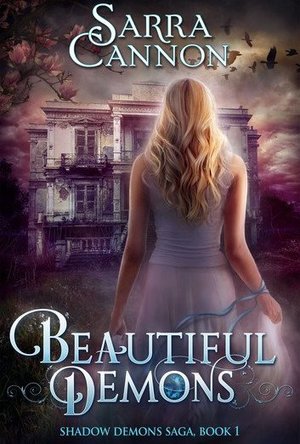
Beautiful Demons is the first book of the Shadow Demons series.
It is a story about Harper Madison, an orphan, that went from one family to another, causing troubles all her life and on one occasion, unintentionally made fire and burned people to death. With no family willing to take her now, she has to go to Shadowford, a place for troubled orphan girls.
But what if everything happens for a reason? And why is this whole town so mysterious? Why, for the first time, she actually belongs somewhere?
Everyone in this town seems to be hiding something? And that is just the beginning…
Even though this book is quite short, I was actually amused as to how much it was able to cover. I was pulled in from the first chapter, and this kept me going until the last.
We have all seen the new girl, new town, new school, being bullied type of scenario, and the cheerleaders owning the school and dating the jocks. This is the same, except it isn’t. It is spiced up with mystery and magic, and cheerleaders are just a metaphor of all that lies behind it. I will only reveal this much - the moment you get accepted to become a cheerleader, your life changes. But that is also the moment you realise it's only the beginning.
I liked Harper's character, and how she was presented. Sometimes she was too naïve and vulnerable for her own good, sometimes a bit too reckless when she didn't have enough information and clues. She was though, a nice young girl example of making brave decisions, but also a bad example of making stupid decisions…
The plot twist in the end was amazing, and I could never see that coming.
I think the purpose of this book was to make a nice scene building for the next books in the series, and to raise our curiosity. A lot of questions were raised, and not many were answered, which proves my point.
I really enjoyed the beginning of this series, and will definitely be reading the next books.
I used to read a lot of Young Adult, Fiction and Fantasy books before. My little sister mentioned to me a few weeks ago that she started reading this genre. I decided that it would be a good thing to join her in this adventure, and to read some of the books she's reading.
I have also asked for recommendations on the bookshelf that I made especially for this, and received so many responses. Thank you to all of you who contributed, and this is the list that we have now - Tea's Wishlist
Beautiful Demons is the first book of the Shadow Demons series.
It is a story about Harper Madison, an orphan, that went from one family to another, causing troubles all her life and on one occasion, unintentionally made fire and burned people to death. With no family willing to take her now, she has to go to Shadowford, a place for troubled orphan girls.
But what if everything happens for a reason? And why is this whole town so mysterious? Why, for the first time, she actually belongs somewhere?
Everyone in this town seems to be hiding something? And that is just the beginning…
Even though this book is quite short, I was actually amused as to how much it was able to cover. I was pulled in from the first chapter, and this kept me going until the last.
We have all seen the new girl, new town, new school, being bullied type of scenario, and the cheerleaders owning the school and dating the jocks. This is the same, except it isn’t. It is spiced up with mystery and magic, and cheerleaders are just a metaphor of all that lies behind it. I will only reveal this much - the moment you get accepted to become a cheerleader, your life changes. But that is also the moment you realise it's only the beginning.
I liked Harper's character, and how she was presented. Sometimes she was too naïve and vulnerable for her own good, sometimes a bit too reckless when she didn't have enough information and clues. She was though, a nice young girl example of making brave decisions, but also a bad example of making stupid decisions…
The plot twist in the end was amazing, and I could never see that coming.
I think the purpose of this book was to make a nice scene building for the next books in the series, and to raise our curiosity. A lot of questions were raised, and not many were answered, which proves my point.
I really enjoyed the beginning of this series, and will definitely be reading the next books.
Alice (12 KP) rated The Dead Seekers (Dead Seekers, #1) in Books
Jul 3, 2018
<i>I received a copy of this book from the publisher in exchange for an honest review </i>
Original review can be found on my blog Raptureinbooks <a href="http://wp.me/p5y0lX-1Jk">here</a href>
<i>The Dead Seekers</i> is the first in a new series from Barb & J.C. Hendee which follows in the same vein as their Noble Dead series with strong characters and a good storyline. The Dead Seekers follows Tris - or as he is known throughout the book The Dead’s Man – a ghost hunter with the ability to see, interact with and control the dead after he was stillborn; and Mari, a shape-changing gypsy/traveller (known as a <i>Mondyalitko</i>) whose parents were killed when Tris was a child outside of his ancestral home who is convinced that The Dead’s Man is responsible.
The story begins with the birth/death of Tris and subsequent miracle of his rebirth and with the slaughter of Mari’s family a few years later. It then follows Tris as he performs his job as a ghost hunter and banisher of nasty spirits; Mari manages to track him down after a prolonged period of hunting him herself and follows him to his next job which involves the banishing of a spirit who has been kept on this plane against her will by her mother.
Mari saves Tris’ life the first night they are together as no one else can kill her prey and then continues to save his life on many occasions throughout the remainder of the book which is at odds with her nature to kill him as she believes he is the one responsible for murdering her family when she was a child – in a way, he is which is explained really well later on in the book at the end when their investigations into the spirit of the town take them further afield to a city barracks where several people are dying in odd manners.
The depiction of the ghosts were in themselves quite good, particularly how they weren’t depicted as what I refer to as basic ghosts but instead each one had a description of how they actually died – for example head wounds or missing limbs etc. which I quite liked. I also liked the tension between Tris and Mari which was eventually eased towards the end of the book once Mari realised who and what Tris actually was. The description of Mari as her other side was also written exceedingly well with a more animal personality at the forefront rather than the human side of her as with most shape-changers.
In all, it was an interesting concept with a couple of nifty little bits here and there that I liked. I look forward to the next installment.
Original review can be found on my blog Raptureinbooks <a href="http://wp.me/p5y0lX-1Jk">here</a href>
<i>The Dead Seekers</i> is the first in a new series from Barb & J.C. Hendee which follows in the same vein as their Noble Dead series with strong characters and a good storyline. The Dead Seekers follows Tris - or as he is known throughout the book The Dead’s Man – a ghost hunter with the ability to see, interact with and control the dead after he was stillborn; and Mari, a shape-changing gypsy/traveller (known as a <i>Mondyalitko</i>) whose parents were killed when Tris was a child outside of his ancestral home who is convinced that The Dead’s Man is responsible.
The story begins with the birth/death of Tris and subsequent miracle of his rebirth and with the slaughter of Mari’s family a few years later. It then follows Tris as he performs his job as a ghost hunter and banisher of nasty spirits; Mari manages to track him down after a prolonged period of hunting him herself and follows him to his next job which involves the banishing of a spirit who has been kept on this plane against her will by her mother.
Mari saves Tris’ life the first night they are together as no one else can kill her prey and then continues to save his life on many occasions throughout the remainder of the book which is at odds with her nature to kill him as she believes he is the one responsible for murdering her family when she was a child – in a way, he is which is explained really well later on in the book at the end when their investigations into the spirit of the town take them further afield to a city barracks where several people are dying in odd manners.
The depiction of the ghosts were in themselves quite good, particularly how they weren’t depicted as what I refer to as basic ghosts but instead each one had a description of how they actually died – for example head wounds or missing limbs etc. which I quite liked. I also liked the tension between Tris and Mari which was eventually eased towards the end of the book once Mari realised who and what Tris actually was. The description of Mari as her other side was also written exceedingly well with a more animal personality at the forefront rather than the human side of her as with most shape-changers.
In all, it was an interesting concept with a couple of nifty little bits here and there that I liked. I look forward to the next installment.
Necole (36 KP) rated The Stolen Marriage in Books
Aug 12, 2018
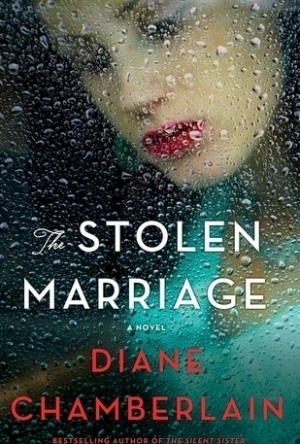
Ok so let me just say the cover of this novel is absolutely stunning … all the water droplets are raised and the image is breath taking!!!!
After reading the synopsis of the story in the cover, I was hooked into wanting to read this and the novel did not disappoint. This is not only a multilayered, multifaceted novel of plots and characters but also genre of books. The writing is like watching a movie playing in your head … Chamberlain has a way at pulling you in and making you feel all different emotions throughout the story. Each character is written in a way that you feel like you know them and see their growth and there views and feel each of their stories. If you like historical fiction or mystery or self discovery or even romance, you will love The Stolen Marriage.
The book is set in 1943-1945 with an epilogue that is 1955. It starts out with Tess in Baltimore, which in these times is considered to have northern values and religions with a mix of cultures. Then the story continues into Hickory NC where southern religions, views on colored people, values such as money and family come into play. I am not going to summarize it too much and give too much away nor am I going to describe the synopsis of the book that is given because it is spot on. However, the first chapter draws you in with an accident and a death!!! Then the story unfolds where Tess makes a detrimental decision that changes her path in life drastically. Then its a wild, emotional and beautiful story about a marriage to someone she doesn't know and slowly gets to know, loosing people that are precious to her, loosing herself and finding herself when she becomes a nurse and uses these skills when the polio epidemic hits Hickory, how the town comes together during this time to build a make shift hospital in a very short time, losing and regretting the love of her life, finding out people are not what they make of themselves, secrets that come to light throughout the book, finding out that even though differences are evident you still can learn and overcome a way of thinking, and so much more.
The decisions she makes changes not only her path but others as well. And also the decisions others make change Tess and change the characters lives as well.
This book has race issues, religious issues, moral dilemmas, moral values, personal growth, finding ones true self, etc.
I highly recommend this book!!!!! It was an amazing read, compelling story telling and so many plots wrapped up in one incredible novel!
After reading the synopsis of the story in the cover, I was hooked into wanting to read this and the novel did not disappoint. This is not only a multilayered, multifaceted novel of plots and characters but also genre of books. The writing is like watching a movie playing in your head … Chamberlain has a way at pulling you in and making you feel all different emotions throughout the story. Each character is written in a way that you feel like you know them and see their growth and there views and feel each of their stories. If you like historical fiction or mystery or self discovery or even romance, you will love The Stolen Marriage.
The book is set in 1943-1945 with an epilogue that is 1955. It starts out with Tess in Baltimore, which in these times is considered to have northern values and religions with a mix of cultures. Then the story continues into Hickory NC where southern religions, views on colored people, values such as money and family come into play. I am not going to summarize it too much and give too much away nor am I going to describe the synopsis of the book that is given because it is spot on. However, the first chapter draws you in with an accident and a death!!! Then the story unfolds where Tess makes a detrimental decision that changes her path in life drastically. Then its a wild, emotional and beautiful story about a marriage to someone she doesn't know and slowly gets to know, loosing people that are precious to her, loosing herself and finding herself when she becomes a nurse and uses these skills when the polio epidemic hits Hickory, how the town comes together during this time to build a make shift hospital in a very short time, losing and regretting the love of her life, finding out people are not what they make of themselves, secrets that come to light throughout the book, finding out that even though differences are evident you still can learn and overcome a way of thinking, and so much more.
The decisions she makes changes not only her path but others as well. And also the decisions others make change Tess and change the characters lives as well.
This book has race issues, religious issues, moral dilemmas, moral values, personal growth, finding ones true self, etc.
I highly recommend this book!!!!! It was an amazing read, compelling story telling and so many plots wrapped up in one incredible novel!