
Search
Search results

Emma @ The Movies (1786 KP) rated Guns Akimbo (2019) in Movies
May 20, 2020



When I first heard about Guns Akimbo I was very interested in seeing it, when I next heard about it... well, it wasn't exactly a happy internet moment. Despite the actions of one person though you shouldn't write off something that so many people worked on, that meant I was still keen.
Miles likes to think of himself as a bit of an online warrior, really he's just trolling the trolls... and he's just annoyed the wrong people. Skizm are making a name for themselves in real-life gaming experiences, you can watch online as people battle to the death, and Miles' transgression means he's their next competitor.
The idea isn't a new one, there's Gamer and Nerve (I haven't seen the latter but it was mentioned to me), I personally get a few vibes from The Condemned too, but despite all of that it still feels like it has a fun twist to it.
Miles is a "mild mannered" nerd who gets thrown into the violent world of Skizm, well outside his comfort zone he's now tasked with killing their current champion before she kills him. There's shouldn't really be much of a contest because even with guns surgically attached to his hands he's still only a mild threat to Nix. In the real world an ill-matched pairing probably wouldn't work but with the extra story and some added movie magic in the form of dumb luck for Miles and it means we get an underdog battle that everyone enjoys.
The contest runs rampant through the streets and we mainly follow Miles on his journey with the occasional jump to fill in story. It sticks well to video game imagery and principles, I particularly liked the addition of health/1-up sound effects. Overall the filming of it is well presented and engaging with combat scenes changing pace for dramatic effect and cutting between angles to give you something to react to. There are a lot of Dutch angles used, which makes sense considering how much concussion and drugs are flying around. My only quibble with this would probably be that there seems to be every possible camera technique and angle used in the film, that isn't necessarily a bad thing, but at times it feels a bit much.
Daniel Radcliffe is in the main role of Miles, and this is more of a personal drawback for me because I'm never entirely convinced he can act... but he is very amusing in this. In the beginning his inner nerd is on point when faced with Nix for the first time and the pair have a good, if slightly bizarre, rapport. I can deal with the fact that Miles has a lot of dumb luck, but at one point in the film he suddenly develops skills out of nowhere and that one annoyed me even though it made for a great scene.
As I said, the chemistry between Miles and Nix is very entertaining and Samara Weaving is a solid choice in casting. Nix is the baddie that you can't really hate and with her dark humour and the back story they weave in she's probably my favourite character. There were two things that leapt out at me, the Ready Or Note laugh and the Harley Quinn/Birds Of Prey drug snorting... now, BoP and Guns Akimbo must have been filmed at similar times so I can't see how it could have been copied but there's a moment that makes me instantly think of BoP, and with Weaving always momentarily confusing my brain when I see her it threw me for a loop.
There's a really well chosen group of songs throughout and they fit well with the tone of the film and the levels of energy needed... but as with everything in this review there's a little thing to pick at, and again, it's only tiny but it bugged me. One of the songs is used twice... technically nothing wrong with that, but I noticed it and it mildly annoyed me.
We've got two great leads who work well together and lots of hidden pop culture references that really help the film along. There's potential for the ultra violent moments to become a bit too much but with the effects, humour and editing I think it stops it from becoming anything too graphic. Guns Akimbo was pretty entertaining throughout and it's definitely one I can see myself rewatching.
Originally posted on: https://emmaatthemovies.blogspot.com/2020/05/guns-akimbo-movie-review.html
Miles likes to think of himself as a bit of an online warrior, really he's just trolling the trolls... and he's just annoyed the wrong people. Skizm are making a name for themselves in real-life gaming experiences, you can watch online as people battle to the death, and Miles' transgression means he's their next competitor.
The idea isn't a new one, there's Gamer and Nerve (I haven't seen the latter but it was mentioned to me), I personally get a few vibes from The Condemned too, but despite all of that it still feels like it has a fun twist to it.
Miles is a "mild mannered" nerd who gets thrown into the violent world of Skizm, well outside his comfort zone he's now tasked with killing their current champion before she kills him. There's shouldn't really be much of a contest because even with guns surgically attached to his hands he's still only a mild threat to Nix. In the real world an ill-matched pairing probably wouldn't work but with the extra story and some added movie magic in the form of dumb luck for Miles and it means we get an underdog battle that everyone enjoys.
The contest runs rampant through the streets and we mainly follow Miles on his journey with the occasional jump to fill in story. It sticks well to video game imagery and principles, I particularly liked the addition of health/1-up sound effects. Overall the filming of it is well presented and engaging with combat scenes changing pace for dramatic effect and cutting between angles to give you something to react to. There are a lot of Dutch angles used, which makes sense considering how much concussion and drugs are flying around. My only quibble with this would probably be that there seems to be every possible camera technique and angle used in the film, that isn't necessarily a bad thing, but at times it feels a bit much.
Daniel Radcliffe is in the main role of Miles, and this is more of a personal drawback for me because I'm never entirely convinced he can act... but he is very amusing in this. In the beginning his inner nerd is on point when faced with Nix for the first time and the pair have a good, if slightly bizarre, rapport. I can deal with the fact that Miles has a lot of dumb luck, but at one point in the film he suddenly develops skills out of nowhere and that one annoyed me even though it made for a great scene.
As I said, the chemistry between Miles and Nix is very entertaining and Samara Weaving is a solid choice in casting. Nix is the baddie that you can't really hate and with her dark humour and the back story they weave in she's probably my favourite character. There were two things that leapt out at me, the Ready Or Note laugh and the Harley Quinn/Birds Of Prey drug snorting... now, BoP and Guns Akimbo must have been filmed at similar times so I can't see how it could have been copied but there's a moment that makes me instantly think of BoP, and with Weaving always momentarily confusing my brain when I see her it threw me for a loop.
There's a really well chosen group of songs throughout and they fit well with the tone of the film and the levels of energy needed... but as with everything in this review there's a little thing to pick at, and again, it's only tiny but it bugged me. One of the songs is used twice... technically nothing wrong with that, but I noticed it and it mildly annoyed me.
We've got two great leads who work well together and lots of hidden pop culture references that really help the film along. There's potential for the ultra violent moments to become a bit too much but with the effects, humour and editing I think it stops it from becoming anything too graphic. Guns Akimbo was pretty entertaining throughout and it's definitely one I can see myself rewatching.
Originally posted on: https://emmaatthemovies.blogspot.com/2020/05/guns-akimbo-movie-review.html

Daniel Boyd (1066 KP) rated Fantastic Beasts and Where to Find Them (2016) in Movies
Jul 19, 2017

Some of the lighting is well implemented (1 more)
Colin Farrell
Bad CGI (2 more)
The movies 3 leads are extremely annoying
Johnny 'oooh' Depp
Fantastic Beasts and Where To Find Them - Or JK Rowling and the Never Ending Quest for More Money
Contains spoilers, click to show
First off, full disclosure, I have never been a fan of the Harry Potter franchise. I’ve read a few of the books and seen a few of the movies and it just isn’t my thing. Honestly, I’m not even a fan of fantasy in general, I think Lord Of The Rings is nonsense and Game Of Thrones is vastly overrated and the last Harry Potter movie I saw was the fourth one. However, I was willing to go into this movie with a clean slate and hopefully have it win me over and unfortunately it didn’t. Also this review will contain spoilers if you care about that sort of thing.
This film is a prequel to the other Harry Potter movies, this time set in America rather than Britain and telling the story of the events that led to the great wizarding war between Dumbledore and Grindlewald. The film did have potential, to see what would have essentially been WWII fought with magic could be really cool but unfortunately all we get here is setup and that actual event we want to see will probably take place 4 or 5 movies down the line. The film opens with Eddie Redmayne’s character, Newt Scamander going to New York from London to set free one of the beasts that he keeps inside his Tardis-like brief case. Then he ends up in a bank and meets a ‘Nomaj,’ which is this film’s lazy version of a ‘muggle,’ who we learn is a simple lonely guy that just wants to open his own bakery and that’s another character cliché ticked off the list. We now have the double act of the nerdy, sniveling protagonist and the overweight sympathetic sidekick. Also, for the rest of this review I will be referring to the baker character as fat bloke and this isn’t to be derogatory, but is purely because the script relies on the, ‘fat, jolly, sympathetic, pathetic loner’ stereotype and passes it off as a character arc. If the script isn’t treating the character with any respect, then why should I? So fat bloke it is then.
So the two of them of course have the exact same briefcase and after some cartoony looking CGI animals escape from Redmayne’s case in the bank the suitcases predictably get mixed up and then the fat bloke gets his bakery loan declined and returns home with Redmayne’s suitcase, then more bad CGI animals open the case and attack the fat bloke. Redmayne’s character then gets arrested by some wizarding inspector for letting the, ‘Nomaj,’ (urgh) get away after seeing the animals in the case and is taken to the New York Wizards base, I guess? Then it’s revealed that the wizarding inspector that arrested Redmayne is a bit of a shit inspector and she is trying to redeem herself in the eyes of her superiors, so in front of this high wizard council, she confiscates the case from Redmayne and opens it only to reveal a bunch of cakes inside. Yes, really… Who writes this shit? Rowling is doing to Harry Potter what Lucas did to Star Wars during the prequels at this point.
So Redmayne gets set free and he goes to fat bloke’s house to find him lying on the floor, then some more bad CGI later the inspector turns up and they take him back to her house to meet her sister? Friend? Does it matter? She ends up becoming the love interest for fat bloke. Then for no apparent reason Redmayne and fat bloke enter the case and he shows fat bloke all this crazy shit that apparently humans aren’t supposed to see and then Redmayne does some more sniveling and decides they have to sneak out of the girls’ apartment and recapture the animals that escaped in the bank and from fat bloke’s apartment. They get a couple of the beasts back then they go to central park to find Redmayne’s horny rhino and they dress fat bloke up in a leather rhino costume and use him as rape bait then they ice skate for a bit and capture the rhino. Again, really… I am not making this shit up for satirical reasons.
Then we see a real life prick Ezra Miller playing some sort of weird emo child who is beat by his mother and we see he is working with Colin Farrell to find a big bad dark spirit that is killing people around New York. Colin Farrell is definitely the best thing about the film at this point. After this a bunch of other stupid shit happens, like Ron Perlman and John Voight coming into the movie, showing a ray of potential then being totally wasted. The movie drags in the middle, but eventually after some more fat jokes, bad CGI and sniveling, all of the creatures are captured and Ezra Miller turns into a black death cloud or some such nonsense. Then he is boosting around New York, fucking up shit as he goes and so Redmayne and Farrell follow him down to the subway to stop him. Redmayne seems to be talking him down and then Farrell shows up and essentially tells him to join the dark side. Then there is a CGI wand battle and the council from earlier show up out of nowhere and kill the black cloud of death. Then Colin Farrell gets pissed off and in the best scene in the movie murders half of the council members before he gets arrested by Eddie Redmayne with some magic handcuffs.
Then the worst part in the movie takes place. It is revealed that Colin Farrell is actually Johnny Depp in disguise. I mean he is Grindlewald in disguise but the important part for me is the replacement of Colin Farrell with Johnny Depp. Now I’m not the world’s biggest Colin Farrell fan, he is great in, ‘In Bruges,’ but other than that he is pretty meh, but he was definitely the best thing that this movie had going for it and they fucking swapped him out! With fucking Johnny-‘ooh’-Depp. As if this movie wasn’t shit enough they swapped out the best thing about it for Johnny Depp, the biggest joke in Hollywood. I’m done, fuck this movie, fuck Johnny Depp, fuck JK Rowling, fuck Harry Potter, I’m out.
Okay, let’s briefly talk about the technical side of the film before I score this thing. The whole cast of this movie is phoning it in, so the acting is fine but nothing to write home about, Farrell is the best thing in this movie, but I feel that in the sequels it will just be an ‘ooh,’ off between Depp and Redmayne. The direction is okay as the movie plods along sufficiently, but the writing is wildly inconsistent and the plot as stated above is all over the place. The lighting and cinematography in one scene are fantastic, when Farrell and Miller are conversing in a dark alleyway but other than that they are pretty mundane too. The score is suitably Harry Potter like and the CGI is also to a similar standard of the Harry Potter films. The problem with that is that the CGI was ropey and of a fairly poor standard in the Harry Potter movies 10 years ago and it doesn’t seem like it has improved much since then. This movie isn’t for me, but even from an objective standpoint, based solely from a moviemaking perspective this movie is poor.
This film is a prequel to the other Harry Potter movies, this time set in America rather than Britain and telling the story of the events that led to the great wizarding war between Dumbledore and Grindlewald. The film did have potential, to see what would have essentially been WWII fought with magic could be really cool but unfortunately all we get here is setup and that actual event we want to see will probably take place 4 or 5 movies down the line. The film opens with Eddie Redmayne’s character, Newt Scamander going to New York from London to set free one of the beasts that he keeps inside his Tardis-like brief case. Then he ends up in a bank and meets a ‘Nomaj,’ which is this film’s lazy version of a ‘muggle,’ who we learn is a simple lonely guy that just wants to open his own bakery and that’s another character cliché ticked off the list. We now have the double act of the nerdy, sniveling protagonist and the overweight sympathetic sidekick. Also, for the rest of this review I will be referring to the baker character as fat bloke and this isn’t to be derogatory, but is purely because the script relies on the, ‘fat, jolly, sympathetic, pathetic loner’ stereotype and passes it off as a character arc. If the script isn’t treating the character with any respect, then why should I? So fat bloke it is then.
So the two of them of course have the exact same briefcase and after some cartoony looking CGI animals escape from Redmayne’s case in the bank the suitcases predictably get mixed up and then the fat bloke gets his bakery loan declined and returns home with Redmayne’s suitcase, then more bad CGI animals open the case and attack the fat bloke. Redmayne’s character then gets arrested by some wizarding inspector for letting the, ‘Nomaj,’ (urgh) get away after seeing the animals in the case and is taken to the New York Wizards base, I guess? Then it’s revealed that the wizarding inspector that arrested Redmayne is a bit of a shit inspector and she is trying to redeem herself in the eyes of her superiors, so in front of this high wizard council, she confiscates the case from Redmayne and opens it only to reveal a bunch of cakes inside. Yes, really… Who writes this shit? Rowling is doing to Harry Potter what Lucas did to Star Wars during the prequels at this point.
So Redmayne gets set free and he goes to fat bloke’s house to find him lying on the floor, then some more bad CGI later the inspector turns up and they take him back to her house to meet her sister? Friend? Does it matter? She ends up becoming the love interest for fat bloke. Then for no apparent reason Redmayne and fat bloke enter the case and he shows fat bloke all this crazy shit that apparently humans aren’t supposed to see and then Redmayne does some more sniveling and decides they have to sneak out of the girls’ apartment and recapture the animals that escaped in the bank and from fat bloke’s apartment. They get a couple of the beasts back then they go to central park to find Redmayne’s horny rhino and they dress fat bloke up in a leather rhino costume and use him as rape bait then they ice skate for a bit and capture the rhino. Again, really… I am not making this shit up for satirical reasons.
Then we see a real life prick Ezra Miller playing some sort of weird emo child who is beat by his mother and we see he is working with Colin Farrell to find a big bad dark spirit that is killing people around New York. Colin Farrell is definitely the best thing about the film at this point. After this a bunch of other stupid shit happens, like Ron Perlman and John Voight coming into the movie, showing a ray of potential then being totally wasted. The movie drags in the middle, but eventually after some more fat jokes, bad CGI and sniveling, all of the creatures are captured and Ezra Miller turns into a black death cloud or some such nonsense. Then he is boosting around New York, fucking up shit as he goes and so Redmayne and Farrell follow him down to the subway to stop him. Redmayne seems to be talking him down and then Farrell shows up and essentially tells him to join the dark side. Then there is a CGI wand battle and the council from earlier show up out of nowhere and kill the black cloud of death. Then Colin Farrell gets pissed off and in the best scene in the movie murders half of the council members before he gets arrested by Eddie Redmayne with some magic handcuffs.
Then the worst part in the movie takes place. It is revealed that Colin Farrell is actually Johnny Depp in disguise. I mean he is Grindlewald in disguise but the important part for me is the replacement of Colin Farrell with Johnny Depp. Now I’m not the world’s biggest Colin Farrell fan, he is great in, ‘In Bruges,’ but other than that he is pretty meh, but he was definitely the best thing that this movie had going for it and they fucking swapped him out! With fucking Johnny-‘ooh’-Depp. As if this movie wasn’t shit enough they swapped out the best thing about it for Johnny Depp, the biggest joke in Hollywood. I’m done, fuck this movie, fuck Johnny Depp, fuck JK Rowling, fuck Harry Potter, I’m out.
Okay, let’s briefly talk about the technical side of the film before I score this thing. The whole cast of this movie is phoning it in, so the acting is fine but nothing to write home about, Farrell is the best thing in this movie, but I feel that in the sequels it will just be an ‘ooh,’ off between Depp and Redmayne. The direction is okay as the movie plods along sufficiently, but the writing is wildly inconsistent and the plot as stated above is all over the place. The lighting and cinematography in one scene are fantastic, when Farrell and Miller are conversing in a dark alleyway but other than that they are pretty mundane too. The score is suitably Harry Potter like and the CGI is also to a similar standard of the Harry Potter films. The problem with that is that the CGI was ropey and of a fairly poor standard in the Harry Potter movies 10 years ago and it doesn’t seem like it has improved much since then. This movie isn’t for me, but even from an objective standpoint, based solely from a moviemaking perspective this movie is poor.

Gareth von Kallenbach (980 KP) rated the PC version of Call of Duty: Ghosts in Video Games
Jun 19, 2019

Call of Duty: Ghosts is the latest installment in the commonly popular series and the first design with the next generation of consoles in mind. The 10th main game in the series is brought to life by series creator Infinity Ward with assistance from Raven and Neversoft, was written by Academy award-winning writer-director Stephen Gaghan who lists “Traffic” and “Syrianna” among his many credits.
Starting a whole new story arc, the game is set in the near future when a group of militants from the Latin American-based power conglomerate called the Federation, launch a surprise attack on a space station and unleash a devastating attack upon cities of the American Southwest that utterly destroys many of them in the process. The game jumps forward in time and follows the exploits of two brothers named Logan and David who nearly escaped the destruction of San Diego and 10 years later find the remaining American forces fighting a war against the ever-expanding Federation forces. When a rescue mission goes awry, Logan and David find themselves recruited by their father Elias into an elite Ghost Squad unit who soon discover that members of their unit are being hunted down by a former member named Rorke who was assumed killed on a mission many years earlier. The fact that Rorke may also be behind the attack on the United States as well as a big cog in the Federation’s plans springs the team into action with the fate of the United States hanging in the balance.
Players will play as various characters and assume control of everything from remote operated weaponry, Apache helicopters, tanks, and even a German shepherd named Riley who is a very welcome addition to the series. The heavily modified engine produces some amazing graphics in the game especially during some of the more scenic locales ranging from underwater missions to snow-covered landscapes as well as desolate cities such as Vegas and San Diego. Playing on the PC, did require a bit of patience at launch as the graphics did not seem up to par with what we’ve come to expect from the series much less a next-generation tweaking of the engine. Thankfully the game was soon patched and the graphics stepped up considerably although in multiplayer there were some frustrating moments where the mouse was not recognized and I had to do a series of workarounds until a patch resolved the issue. I still have occasional issues with the system wanting to reset the graphics down to the base level even though my card is more than capable of running the high-level graphics setting. This is a very minor annoyance though as I am able to customize the controls and settings anyway that I like and the gameplay is absolutely phenomenal as the developers clearly put an emphasis on a higher frame rate and smoother gameplay experience.
Fans of the series will know what to expect as there are a lot of familiar touches such is the wave-based attacks, stealth missions, and at the gun battles that are signature of the series. Early in the game, many moments seem to have been almost carbon copies of earlier games but thankfully the game finds stride roughly at the midway point and presses the accelerator all the way to the boards for one nonstop thrill ride which includes an epic finale and some shocking moments along the way not the least of which are the bonus scenes during the credits.
While I was able to complete the solo campaign in just under five hours I did find myself really caught up in the story and the characters which is something that I had not experienced in Black Ops 2 as a largely completed the solo play portion of that game out of obligation rather than compulsion. Absolutely love the space fight sequences as the Zero G combat was great and I would absolutely love to see an entire game set in this environment. I also loved taking control of the tank and running over opponents while unleashing furious amounts of firepower upon all those that crossed my path.
Now multi-play is the bread-and-butter of series and Ghosts definitely has a lot to offer in this category. From the co-op missions to the alien infested “Extinction” mode for up to four players battle against hordes of aliens for survival the game truly has something for everyone. Fans will be happy to know that in addition to the standard Death Match, Team Death Match, Kill Confirmed, and Domination modes there are five other modes which include Infected, Blitz, Search and Rescue, Search and Destroy, and Cranked as well as the standard and Hardcore modes of play.
Customization has long been a big part of the series and this timeout players can play is either a male or female character and have the option to customize the look of their player and online matches down to the type of headgear and uniform that they wear. As with previous games in the series, players are awarded points for kills, assists, and other challenges and actions during gameplay which allow them to rank up and obtain new weaponry, perks, and kill streak rewards. While I did find the customization menus took a little bit to get used to after being so familiar with the ones in the previous games, I soon was up and running and found plenty of options to my liking and I continue to experiment with various configurations to date.
The online maps are fantastic and full of detail however some of them appear to not have the same graphical wow as others because most of them absolutely blow you away and are filled with all sorts of nice touches such as dust and particle effects which have caused players with itchy trigger fingers to jump at shadows and shooter the paper flowing in the wind. The biggest complaint many people have with the maps is that they are extremely large in size and would be better suited for larger teams rather than the current number that is limited for online play. I specifically enjoy one in the snow as well as one set in a devastated city complete with leaning and partially destroyed buildings which allow endless opportunity to get the drop on your opponent especially from many floors up.
While I had some initial frustrations with the game, they quickly vanished and the more time I spent with it the more I was drawn into the characters and storyline as well as the multi-play versatility of the game. Well if used frustrations remain I have no doubt they will be patched eventually, and while I would’ve liked a slightly longer story mode what was presented was absolutely epic and delivered one of the best call of duty experiences to date.
I highly recommend the game and encourage people to focus on the many things that the game and gets right instead of lamenting about things that you wish they were included or what you feel was done wrong because it is a phenomenal ride that is not to be missed.
http://sknr.net/2013/11/17/call-of-duty-ghosts/
Starting a whole new story arc, the game is set in the near future when a group of militants from the Latin American-based power conglomerate called the Federation, launch a surprise attack on a space station and unleash a devastating attack upon cities of the American Southwest that utterly destroys many of them in the process. The game jumps forward in time and follows the exploits of two brothers named Logan and David who nearly escaped the destruction of San Diego and 10 years later find the remaining American forces fighting a war against the ever-expanding Federation forces. When a rescue mission goes awry, Logan and David find themselves recruited by their father Elias into an elite Ghost Squad unit who soon discover that members of their unit are being hunted down by a former member named Rorke who was assumed killed on a mission many years earlier. The fact that Rorke may also be behind the attack on the United States as well as a big cog in the Federation’s plans springs the team into action with the fate of the United States hanging in the balance.
Players will play as various characters and assume control of everything from remote operated weaponry, Apache helicopters, tanks, and even a German shepherd named Riley who is a very welcome addition to the series. The heavily modified engine produces some amazing graphics in the game especially during some of the more scenic locales ranging from underwater missions to snow-covered landscapes as well as desolate cities such as Vegas and San Diego. Playing on the PC, did require a bit of patience at launch as the graphics did not seem up to par with what we’ve come to expect from the series much less a next-generation tweaking of the engine. Thankfully the game was soon patched and the graphics stepped up considerably although in multiplayer there were some frustrating moments where the mouse was not recognized and I had to do a series of workarounds until a patch resolved the issue. I still have occasional issues with the system wanting to reset the graphics down to the base level even though my card is more than capable of running the high-level graphics setting. This is a very minor annoyance though as I am able to customize the controls and settings anyway that I like and the gameplay is absolutely phenomenal as the developers clearly put an emphasis on a higher frame rate and smoother gameplay experience.
Fans of the series will know what to expect as there are a lot of familiar touches such is the wave-based attacks, stealth missions, and at the gun battles that are signature of the series. Early in the game, many moments seem to have been almost carbon copies of earlier games but thankfully the game finds stride roughly at the midway point and presses the accelerator all the way to the boards for one nonstop thrill ride which includes an epic finale and some shocking moments along the way not the least of which are the bonus scenes during the credits.
While I was able to complete the solo campaign in just under five hours I did find myself really caught up in the story and the characters which is something that I had not experienced in Black Ops 2 as a largely completed the solo play portion of that game out of obligation rather than compulsion. Absolutely love the space fight sequences as the Zero G combat was great and I would absolutely love to see an entire game set in this environment. I also loved taking control of the tank and running over opponents while unleashing furious amounts of firepower upon all those that crossed my path.
Now multi-play is the bread-and-butter of series and Ghosts definitely has a lot to offer in this category. From the co-op missions to the alien infested “Extinction” mode for up to four players battle against hordes of aliens for survival the game truly has something for everyone. Fans will be happy to know that in addition to the standard Death Match, Team Death Match, Kill Confirmed, and Domination modes there are five other modes which include Infected, Blitz, Search and Rescue, Search and Destroy, and Cranked as well as the standard and Hardcore modes of play.
Customization has long been a big part of the series and this timeout players can play is either a male or female character and have the option to customize the look of their player and online matches down to the type of headgear and uniform that they wear. As with previous games in the series, players are awarded points for kills, assists, and other challenges and actions during gameplay which allow them to rank up and obtain new weaponry, perks, and kill streak rewards. While I did find the customization menus took a little bit to get used to after being so familiar with the ones in the previous games, I soon was up and running and found plenty of options to my liking and I continue to experiment with various configurations to date.
The online maps are fantastic and full of detail however some of them appear to not have the same graphical wow as others because most of them absolutely blow you away and are filled with all sorts of nice touches such as dust and particle effects which have caused players with itchy trigger fingers to jump at shadows and shooter the paper flowing in the wind. The biggest complaint many people have with the maps is that they are extremely large in size and would be better suited for larger teams rather than the current number that is limited for online play. I specifically enjoy one in the snow as well as one set in a devastated city complete with leaning and partially destroyed buildings which allow endless opportunity to get the drop on your opponent especially from many floors up.
While I had some initial frustrations with the game, they quickly vanished and the more time I spent with it the more I was drawn into the characters and storyline as well as the multi-play versatility of the game. Well if used frustrations remain I have no doubt they will be patched eventually, and while I would’ve liked a slightly longer story mode what was presented was absolutely epic and delivered one of the best call of duty experiences to date.
I highly recommend the game and encourage people to focus on the many things that the game and gets right instead of lamenting about things that you wish they were included or what you feel was done wrong because it is a phenomenal ride that is not to be missed.
http://sknr.net/2013/11/17/call-of-duty-ghosts/

EmersonRose (320 KP) rated The Buried Giant in Books
Nov 20, 2019
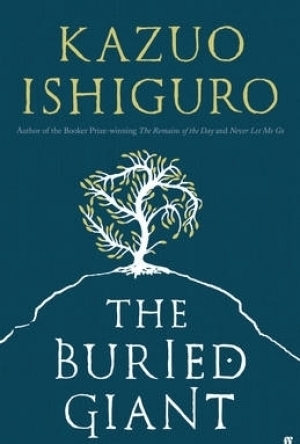
The winner of the 2017 Nobel Prize for Literature, Kazuo Ishiguro was born in 1954 in Nagasaki Japan, but he and his family moved in England in 1960. These two places and cultures have profoundly affected Ishiguro’s writing throughout his career. His first book, A Pale View of Hills, was published in 1982 and won the Winifred Holtby Memorial Prize, and he has since written seven novels and numerous short stories. His most recent book was The Buried Giant in 2015.
It is hard to pinpoint a genre to which Kazuo Ishiguro sticks to as he writes in fantasy, science-fiction, and historical. It can be said that all of his novels have the feeling of being set in the past even when the time period is not explicitly described, but the core theme that connects all of his writing together is memory. In each of his stories, Ishiguro examines how people use memory, how memory affects people, and who we are with or without memory.
Ishiguro explores many different ways in which memory affects people throughout his books ranging from memory loss to dream like memory distortion. In his books Never Let Me Go and The Remains of the Day the stories are told by narrators looking back at crucial moments in their lives. In letting us know that they are remembering their own pasts they admit that they are saying their perspective and their memory might be lacking. In this way letting the reader know that they are unreliable narrators. In The Remains of the Day the narrator, the butler Mr. Stevens decides to go on a journey to visit an old friend and along the way shows his unreliability in several ways. First in acknowledging how memory can change and fade over time.
“It occurs to me that elsewhere in attempting to gather such recollections, I may well have asserted that this memory derived from the minute immediately after Miss Kenton receiving news of her aunt’s death….But now, having thought further, I believed I may have been a little confused about this matter; that in fact, this fragment of memory derives from events that took place on an evening at least a few months after the death of Miss Kenton’s aunt” (212).
In this way, Steven’s is acknowledging human error which both shows his unreliability but gives a level of trust in the acknowledgment that he is doing his best to be truthful. This, however, is challenged because Steven’s informs us that he lies, at the very least through omission, to other characters. A clear case of this is when he allows himself to be considered a gentleman rather than a butler on several occasions throughout his journey. This becomes complex because he is allowing the reader in on the truth, but the very fact of admitting that he can lie further reveals his unreliability.
In Ishiguro’s most recent book, The Buried Giant, he looks at memory in a way that is similar to these previous stories but takes a new approach. His central two characters in this book, Axle, and Beatrice are an elderly couple setting out on a journey with almost no memory of who they are. Throughout the story, they remember or think they remember pieces of their pasts and in the process making them question who they really are. This uncertainty in themselves creates interesting questions of whether or not they want to remember their lives if they are happier not knowing, and if they can continue to live their lives the way they are with their new/old information?
“Yet are you so certain, good mistress, you wish to be free of this mist? Is it not better some things remain hidden from our minds?”
“It may be for some, father, but not for us. Axl and I wish to have again the happy moments we shared together. To be robbed of them is as if a thief came in the night and took what’s most precious from us.”
“Yet the mist covers all memories, the bad as well as the good. Isn’t that so, mistress?”
“We’ll have the bad ones come back too, even if they make us weep or shake with anger. For isn’t it the life we’ve shared?” (172).
In some of Ishiguro’s other work, he chooses to explore memory through the lens of a dreamlike state or surreal views, such as his short story A Village After Dark and the novel The Unconsoled. In these stories, the narrator enters into a new place and finds that they have slowly emerging memories connected to the places and people they meet. The Unconsoled creates a strange dynamic where the lead character Mr. Ryder has never been to this town before but finds himself confronted by childhood acquaintances as well as meeting a woman and child who treat him like husband and father and memories that support this begin to come back to him. In an interview Ishiguro did on the book in 1995, he summarizes the story as “an anxiety dream” as Mr. Ryder continually finds himself confronted with the expectation of him without being told anything in advance. At the beginning of the story, Mr. Ryder arrives at his hotel knowing that he will be playing at a concert in few days and is told he has a busy schedule up till then. At this point in the story, the anxiety dream state sets in Mr. Ryder continuously finds himself late to engagements, leaving people behind by accident and being dragged around town. As the story progresses, Mr. Ryder begins to have memories of a past associated with some of the people he has met, despite being introduced as completely new to the town. Some of these can be explained by the fact that as a reader we are dropped into a story after it has started but the memories of these instances only come back to Ryder after he has been told things have happened. This means that throughout the story it impossible to know whether or not the narrator has forgotten and is remembering or if the town is merely a dream limbo and nothing he is being told is real, to begin with.
Whether taking the more fantastical approach or the those that fall closer to realism, Ishiguro’s play with memory remains relatable to the readers. Each journey Ishiguro writes is designed to tackle something different about memory. The stories ask us questions about what memory and how much it affects who we are and our ability to live in our world. From whether or not we can know who we are without memory to how trustworthy our memories actually are. These questions, however fantastically asked, offer something to the reader that they can relate to. For memory is almost a fanatical force on its own that we all share and try to understand. It can play with us when we take it for granted and offer vulnerability and connection when shared with others. Ishiguro delves into these ideas in each of his works, ever exploring its uncertainty and power.
It is hard to pinpoint a genre to which Kazuo Ishiguro sticks to as he writes in fantasy, science-fiction, and historical. It can be said that all of his novels have the feeling of being set in the past even when the time period is not explicitly described, but the core theme that connects all of his writing together is memory. In each of his stories, Ishiguro examines how people use memory, how memory affects people, and who we are with or without memory.
Ishiguro explores many different ways in which memory affects people throughout his books ranging from memory loss to dream like memory distortion. In his books Never Let Me Go and The Remains of the Day the stories are told by narrators looking back at crucial moments in their lives. In letting us know that they are remembering their own pasts they admit that they are saying their perspective and their memory might be lacking. In this way letting the reader know that they are unreliable narrators. In The Remains of the Day the narrator, the butler Mr. Stevens decides to go on a journey to visit an old friend and along the way shows his unreliability in several ways. First in acknowledging how memory can change and fade over time.
“It occurs to me that elsewhere in attempting to gather such recollections, I may well have asserted that this memory derived from the minute immediately after Miss Kenton receiving news of her aunt’s death….But now, having thought further, I believed I may have been a little confused about this matter; that in fact, this fragment of memory derives from events that took place on an evening at least a few months after the death of Miss Kenton’s aunt” (212).
In this way, Steven’s is acknowledging human error which both shows his unreliability but gives a level of trust in the acknowledgment that he is doing his best to be truthful. This, however, is challenged because Steven’s informs us that he lies, at the very least through omission, to other characters. A clear case of this is when he allows himself to be considered a gentleman rather than a butler on several occasions throughout his journey. This becomes complex because he is allowing the reader in on the truth, but the very fact of admitting that he can lie further reveals his unreliability.
In Ishiguro’s most recent book, The Buried Giant, he looks at memory in a way that is similar to these previous stories but takes a new approach. His central two characters in this book, Axle, and Beatrice are an elderly couple setting out on a journey with almost no memory of who they are. Throughout the story, they remember or think they remember pieces of their pasts and in the process making them question who they really are. This uncertainty in themselves creates interesting questions of whether or not they want to remember their lives if they are happier not knowing, and if they can continue to live their lives the way they are with their new/old information?
“Yet are you so certain, good mistress, you wish to be free of this mist? Is it not better some things remain hidden from our minds?”
“It may be for some, father, but not for us. Axl and I wish to have again the happy moments we shared together. To be robbed of them is as if a thief came in the night and took what’s most precious from us.”
“Yet the mist covers all memories, the bad as well as the good. Isn’t that so, mistress?”
“We’ll have the bad ones come back too, even if they make us weep or shake with anger. For isn’t it the life we’ve shared?” (172).
In some of Ishiguro’s other work, he chooses to explore memory through the lens of a dreamlike state or surreal views, such as his short story A Village After Dark and the novel The Unconsoled. In these stories, the narrator enters into a new place and finds that they have slowly emerging memories connected to the places and people they meet. The Unconsoled creates a strange dynamic where the lead character Mr. Ryder has never been to this town before but finds himself confronted by childhood acquaintances as well as meeting a woman and child who treat him like husband and father and memories that support this begin to come back to him. In an interview Ishiguro did on the book in 1995, he summarizes the story as “an anxiety dream” as Mr. Ryder continually finds himself confronted with the expectation of him without being told anything in advance. At the beginning of the story, Mr. Ryder arrives at his hotel knowing that he will be playing at a concert in few days and is told he has a busy schedule up till then. At this point in the story, the anxiety dream state sets in Mr. Ryder continuously finds himself late to engagements, leaving people behind by accident and being dragged around town. As the story progresses, Mr. Ryder begins to have memories of a past associated with some of the people he has met, despite being introduced as completely new to the town. Some of these can be explained by the fact that as a reader we are dropped into a story after it has started but the memories of these instances only come back to Ryder after he has been told things have happened. This means that throughout the story it impossible to know whether or not the narrator has forgotten and is remembering or if the town is merely a dream limbo and nothing he is being told is real, to begin with.
Whether taking the more fantastical approach or the those that fall closer to realism, Ishiguro’s play with memory remains relatable to the readers. Each journey Ishiguro writes is designed to tackle something different about memory. The stories ask us questions about what memory and how much it affects who we are and our ability to live in our world. From whether or not we can know who we are without memory to how trustworthy our memories actually are. These questions, however fantastically asked, offer something to the reader that they can relate to. For memory is almost a fanatical force on its own that we all share and try to understand. It can play with us when we take it for granted and offer vulnerability and connection when shared with others. Ishiguro delves into these ideas in each of his works, ever exploring its uncertainty and power.

Connor Sheffield (293 KP) rated Batman v Superman: Dawn of Justice (2016) in Movies
Apr 18, 2017

The Good, The Bad and The Editing
So...here's a movie that split so many fans and has caused COUNTLESS arguments online. My review may also cause arguments, but I'm willing to risk that as I have a fair bit to say about this movie, most importantly and foremost;
I enjoyed the movie!
The Good:
Let me start with what's good because I feel there's never enough positivity around this movie so here goes.
Ben Affleck and Gal Gadot were the two focuses of this movie because they had a lot of pressure on them to bring Batman and Wonder Woman to life and do the characters justice (terrible I know but I couldn't resist). All over the internet I saw hate for Ben Affleck and people saying Gal Gadot was too skinny. At first, I'll be honest, I did think Gal Gadot was really skinny and couldn't imagine her as Wonder Woman, BUT, unlike most people, I knew that before they would film her scenes, she would be 'buffing up' because I have faith in Zack Snyder because he is a fan and has made brilliant films. Man Of Steel made me like Superman, because of the way he was written as conflicted and the whole film made him more human and I loved it.
Here's where some people will disagree highly with me....I am not a big fan of the Nolan trilogy Batman. Now, before you throw a fit and verbally kick my ass, let me try and tell you why. The Voice! (it's not the only reason, but this is the reason I'm trying to make a point of) Batman a.k.a Bruce Wayne is a BILLIONAIRE, so who thought that the best way for him to disguise his voice would be to make him sound like he's fucked up his throat somehow? A billionaire with all those gadgets would surely think that what he needs is a voice modulator. Snyder brought in the voice modulator and I fell in love in that first trailer from hearing Batman talk through a voice modulator because I was sat there like "Hallelujah they finally worked out what a billionaire vigilante would do!" and I think it could be just me, but I honestly would prefer to think of Batman using one of those rather than grumbling his voice, because it just makes more sense.
So...Batfleck was incredible. My favourite portrayal so far and here's why:
- Arkham game fighting style
- Aged personality that says it all about why he's that violent
- He's definitely a great portrayal of the Dark Knight Returns version of Batman
- Ben Affleck is a great actor (in my opinion)
People's biggest complaint was 'Batman Kills' and I've had this discussion with my friends many times. Yes people died, IT'S HAPPENED BEFORE! It's rare but it's happened. You like the realism of Nolan's trilogy but there's a realism to Batfleck that you might not be seeing. He's been through all the same shit year in, year out for decades. Villains cause chaos, Batman fights villain, lets them live, puts them away, they break out, rinse repeat. Doing that for decades, losing people you love because of your choice not to kill, would surely cause a spark in your mind and Bruce Wayne says this in the movie through less words. "How many good guys are left? How many stay that way?"
If you think about it, he's essentially saying "I was a good guy but even I have had my boundaries pushed to the line and over". He's finally at the age where he has a state of mind that from his perspective...bad guys don't deserve to be shown mercy, but at the same time, he doesn't necessarily kill the bad guys directly.
Think of the warehouse scene. Bad Guy throws grenade, Batman kicks it back at him. Grenade goes BOOM. Bad guys die. BUT! If the guy hadn't have tried to throw the grenade, Batman wouldn't have kicked it back, and it wouldn't have ended in their death. Simple as that.
Let's move on though.
Superman is conflicted and the movie gets very political with a message of "Here's a God-Like figure. Should he be allowed to do what he wants or should we take away Choice by having under the Governments thumb?" and Superman personally is having internal issues of "I want this to be my home because it's the only home I've known, but these people don't want me and this stress is affecting both Clark Kent and Superman". He should have been able to see or hear the bomb in the wheelchair, but his mind was preoccupied with "Why does this government and these people hate me when I saved not only my city but the whole world?". Think about your stress with work, with college, school etc. and how it really does effect everything else around you. You might not want to go out with friends because you feel drained from the stress, now try to imagine that on the level of Superman! The poor guy just wanted to help.
My biggest enjoyment from this film was ALL OF THE DC REFERENCES! There were so many cool easter eggs, references etc. that I adored from Riddler Question Marks, to seeing Superman in a skeletal form after the Nuke explosion and then regaining his life force from the flowers through their Photosynthesis just like in the graphic novel! It was an incredible experience and I loved the film mainly for that.
The Bad:
Doomsday....I want to hope it's not the actual Doomsday and maybe just a failed experiment that Lex tried out but at the same time I know it probably is meant to be THE Doomsday.
The Editing:
The editing was jumpy and some cuts didn't make sense UNTIL the Ultimate Cut. The Ultimate Cut gives us some scenes with Clark Kent in Gotham BEFORE the big introduction to Batman in person, and hearing stories and investigating why people fear him, but also respect him. This would have worked so much better in the Theatrical Cut but sadly studios like to cut the film and people blame the Director for it which annoys me slightly.
Guaranteed this post might not change your mind, but I must say that you should try watching the film again if you've avoided it, watch the Ultimate Cut and really pay attention to how its being shown to the audience. Overall this is one of my favourite superhero movies and I will always stand up for it, BUT I'm not blind to it's faults.
I enjoyed the movie!
The Good:
Let me start with what's good because I feel there's never enough positivity around this movie so here goes.
Ben Affleck and Gal Gadot were the two focuses of this movie because they had a lot of pressure on them to bring Batman and Wonder Woman to life and do the characters justice (terrible I know but I couldn't resist). All over the internet I saw hate for Ben Affleck and people saying Gal Gadot was too skinny. At first, I'll be honest, I did think Gal Gadot was really skinny and couldn't imagine her as Wonder Woman, BUT, unlike most people, I knew that before they would film her scenes, she would be 'buffing up' because I have faith in Zack Snyder because he is a fan and has made brilliant films. Man Of Steel made me like Superman, because of the way he was written as conflicted and the whole film made him more human and I loved it.
Here's where some people will disagree highly with me....I am not a big fan of the Nolan trilogy Batman. Now, before you throw a fit and verbally kick my ass, let me try and tell you why. The Voice! (it's not the only reason, but this is the reason I'm trying to make a point of) Batman a.k.a Bruce Wayne is a BILLIONAIRE, so who thought that the best way for him to disguise his voice would be to make him sound like he's fucked up his throat somehow? A billionaire with all those gadgets would surely think that what he needs is a voice modulator. Snyder brought in the voice modulator and I fell in love in that first trailer from hearing Batman talk through a voice modulator because I was sat there like "Hallelujah they finally worked out what a billionaire vigilante would do!" and I think it could be just me, but I honestly would prefer to think of Batman using one of those rather than grumbling his voice, because it just makes more sense.
So...Batfleck was incredible. My favourite portrayal so far and here's why:
- Arkham game fighting style
- Aged personality that says it all about why he's that violent
- He's definitely a great portrayal of the Dark Knight Returns version of Batman
- Ben Affleck is a great actor (in my opinion)
People's biggest complaint was 'Batman Kills' and I've had this discussion with my friends many times. Yes people died, IT'S HAPPENED BEFORE! It's rare but it's happened. You like the realism of Nolan's trilogy but there's a realism to Batfleck that you might not be seeing. He's been through all the same shit year in, year out for decades. Villains cause chaos, Batman fights villain, lets them live, puts them away, they break out, rinse repeat. Doing that for decades, losing people you love because of your choice not to kill, would surely cause a spark in your mind and Bruce Wayne says this in the movie through less words. "How many good guys are left? How many stay that way?"
If you think about it, he's essentially saying "I was a good guy but even I have had my boundaries pushed to the line and over". He's finally at the age where he has a state of mind that from his perspective...bad guys don't deserve to be shown mercy, but at the same time, he doesn't necessarily kill the bad guys directly.
Think of the warehouse scene. Bad Guy throws grenade, Batman kicks it back at him. Grenade goes BOOM. Bad guys die. BUT! If the guy hadn't have tried to throw the grenade, Batman wouldn't have kicked it back, and it wouldn't have ended in their death. Simple as that.
Let's move on though.
Superman is conflicted and the movie gets very political with a message of "Here's a God-Like figure. Should he be allowed to do what he wants or should we take away Choice by having under the Governments thumb?" and Superman personally is having internal issues of "I want this to be my home because it's the only home I've known, but these people don't want me and this stress is affecting both Clark Kent and Superman". He should have been able to see or hear the bomb in the wheelchair, but his mind was preoccupied with "Why does this government and these people hate me when I saved not only my city but the whole world?". Think about your stress with work, with college, school etc. and how it really does effect everything else around you. You might not want to go out with friends because you feel drained from the stress, now try to imagine that on the level of Superman! The poor guy just wanted to help.
My biggest enjoyment from this film was ALL OF THE DC REFERENCES! There were so many cool easter eggs, references etc. that I adored from Riddler Question Marks, to seeing Superman in a skeletal form after the Nuke explosion and then regaining his life force from the flowers through their Photosynthesis just like in the graphic novel! It was an incredible experience and I loved the film mainly for that.
The Bad:
Doomsday....I want to hope it's not the actual Doomsday and maybe just a failed experiment that Lex tried out but at the same time I know it probably is meant to be THE Doomsday.
The Editing:
The editing was jumpy and some cuts didn't make sense UNTIL the Ultimate Cut. The Ultimate Cut gives us some scenes with Clark Kent in Gotham BEFORE the big introduction to Batman in person, and hearing stories and investigating why people fear him, but also respect him. This would have worked so much better in the Theatrical Cut but sadly studios like to cut the film and people blame the Director for it which annoys me slightly.
Guaranteed this post might not change your mind, but I must say that you should try watching the film again if you've avoided it, watch the Ultimate Cut and really pay attention to how its being shown to the audience. Overall this is one of my favourite superhero movies and I will always stand up for it, BUT I'm not blind to it's faults.


Heather Cranmer (2721 KP) rated The Thousand Year Curse in Books
Jun 7, 2018

(This review can be found on my blog <a href="http://themisadventuresofatwentysomething.blogspot.com/">The (Mis)Adventures of a Twenty-Something Year Old Girl</a> towards the end of September).
When I first found out about this book, I was very interested. I couldn't wait to read it! Luckily, it totally delivered.
Ryder is a 17 year old high school student who isn't very popular. Her ex-best friend makes her life a living hell at school. When Ollie arrives, he takes an immediate interest. Ryder is thrilled and feels as if Ollie is her soul mate. Not much later, Ari turns up, and Ryder can't help but feel as if she's known him. There's also some kind of attraction there. Ryder must choose between the two boys. As if that wasn't hard enough, Ryder has just found out her mother is a Greek goddess. Ryder wants to find her mother but doing so may put everyone in danger.
The title is definitely interesting. It does go with what the books about, and I think it's an awesome choice.
To be honest, I'm not really a fan of the cover. I think it's just a personal thing simply because I'm not a big fan of symbolism. I do like the whole pretty flower in the midst of dead things, but I just don't like it for this book. It doesn't really say much about the book.
The world building is alright. There's a few things that hurt the world building. For example, it seemed to me that Ryder just accepted everything she was told at face value. Sure, a few weird things are happening to her, but it's like she's told by a boy she just met, and she believes it all. Her best friend is even worse. He's told that Ryder is a half-goddess, and he just believes it with no questions asked. Also, I don't really think this whole curse is explained well enough. In fact, I'm still a little confused about the curse. So if both guys find her, even if she chooses one, she'll die a horrible death and be reincarnated? I'm just wondering how long she has before she dies because it just seemed like the curse wasn't that imminent. There's also Ryder's powers. She's had super strength since the beginning of the book, yet later on she has another super strength episode, and she acts like it's the first one she's had and is all shocked. Another thing that I found confusing was the whole reincarnation thing. She's been reincarnated by Hades for a thousand years. This life, she is a half goddess which makes things a bit difficult for Hades. Surely if Hades is the one that put the curse on her, then he should've been able to make her human. Saying that, I don't want people to think the world building is horribly written. It's far from it actually. The world is very interesting, but I just tend to over think things, I think. (See what I mean)?
The pacing is great in this book. The pacing really picks up during the Hell scenes, I thought. These were the scenes that held my attention the most although the whole book held my attention. The Hell scenes just made me want to read faster to find out what would happen next!
The plot is definitely an interesting one. I love the infusion of Greek mythology, and Ms. Lavati does an excellent job of making mythology work in her book. I've read a few books where the author tried to use some sort of mythology, and the book was just too boring. However, The Thousand Year Curse is by no means boring! There is a love triangle, and I usually hate them, but this one works in this story. I also like the fact that the plot involved going into Hell. That was definitely a good move on Ms. Lavati's part to include it in her book. There's no cliff hangar ending, but there are questions left unanswered to make way for the second book in the series. I, personally, am looking forward to the next book in the series.
The characters were written really well. I liked Ryder, and I liked how she dealt with her problems. At times, I did get annoyed with her because I just wanted her to choose one guy. However, I would have to remind myself that without this problem, there'd be no series. Ryder felt like a real girl and not just words on a paper. Ollie was written really well, but I just didn't like him. For one, I felt like he was just too serious. I also felt like he was too distant with Ryder a lot of the time. I also wanted to see more about Ollie in the book. My favorite character was Ari. I swooned over Ari! He had enough of that bad boy personality without being too much of an annoying character. I liked how he liked to take chances, and it seemed like he knew how to have fun. I'm Team Ari all the way! I'm hoping that Ryder ends up with Ari in the long run. I can actually feel the chemistry between those two.
There are quite a lot of grammar errors in this book. I feel that it does affect the quality of the book a little bit, but not so much so that it makes it unreadable. However, the dialogue in this book is fantastic especially in the scenes that Ari is in. (Okay, so I'm a bit biased). The characters all speak like they're from this time period even though two of them are gods. I was super thankful the characters spoke like normal people. I've read a book before where the character who is a god spoke rather strangely hence why I was so happy with the dialogue in this book.
Overall, The Thousand Year Curse by Taylor Lavati is an enjoyable read. Sure, it could do with some better editing and the world building could've used a little bit of work, but it's still really interesting. Plus, I've learned that Ms. Lavati wrote this book in 30 days for the NaNoWriMo competition. After learning that, my respect for Ms. Lavati went up a lot! To write a book as good as The Thousand Year Curse in 30 days is no small feat. After saying that, I'm definitely looking forward to reading the next book in the series!
I'd recommend this book to those aged 17+ who are after a fantastic book with Greek mythology infusions.
(I was provided with a free paperback copy of this title from the author in exchange for a fair and honest review).
When I first found out about this book, I was very interested. I couldn't wait to read it! Luckily, it totally delivered.
Ryder is a 17 year old high school student who isn't very popular. Her ex-best friend makes her life a living hell at school. When Ollie arrives, he takes an immediate interest. Ryder is thrilled and feels as if Ollie is her soul mate. Not much later, Ari turns up, and Ryder can't help but feel as if she's known him. There's also some kind of attraction there. Ryder must choose between the two boys. As if that wasn't hard enough, Ryder has just found out her mother is a Greek goddess. Ryder wants to find her mother but doing so may put everyone in danger.
The title is definitely interesting. It does go with what the books about, and I think it's an awesome choice.
To be honest, I'm not really a fan of the cover. I think it's just a personal thing simply because I'm not a big fan of symbolism. I do like the whole pretty flower in the midst of dead things, but I just don't like it for this book. It doesn't really say much about the book.
The world building is alright. There's a few things that hurt the world building. For example, it seemed to me that Ryder just accepted everything she was told at face value. Sure, a few weird things are happening to her, but it's like she's told by a boy she just met, and she believes it all. Her best friend is even worse. He's told that Ryder is a half-goddess, and he just believes it with no questions asked. Also, I don't really think this whole curse is explained well enough. In fact, I'm still a little confused about the curse. So if both guys find her, even if she chooses one, she'll die a horrible death and be reincarnated? I'm just wondering how long she has before she dies because it just seemed like the curse wasn't that imminent. There's also Ryder's powers. She's had super strength since the beginning of the book, yet later on she has another super strength episode, and she acts like it's the first one she's had and is all shocked. Another thing that I found confusing was the whole reincarnation thing. She's been reincarnated by Hades for a thousand years. This life, she is a half goddess which makes things a bit difficult for Hades. Surely if Hades is the one that put the curse on her, then he should've been able to make her human. Saying that, I don't want people to think the world building is horribly written. It's far from it actually. The world is very interesting, but I just tend to over think things, I think. (See what I mean)?
The pacing is great in this book. The pacing really picks up during the Hell scenes, I thought. These were the scenes that held my attention the most although the whole book held my attention. The Hell scenes just made me want to read faster to find out what would happen next!
The plot is definitely an interesting one. I love the infusion of Greek mythology, and Ms. Lavati does an excellent job of making mythology work in her book. I've read a few books where the author tried to use some sort of mythology, and the book was just too boring. However, The Thousand Year Curse is by no means boring! There is a love triangle, and I usually hate them, but this one works in this story. I also like the fact that the plot involved going into Hell. That was definitely a good move on Ms. Lavati's part to include it in her book. There's no cliff hangar ending, but there are questions left unanswered to make way for the second book in the series. I, personally, am looking forward to the next book in the series.
The characters were written really well. I liked Ryder, and I liked how she dealt with her problems. At times, I did get annoyed with her because I just wanted her to choose one guy. However, I would have to remind myself that without this problem, there'd be no series. Ryder felt like a real girl and not just words on a paper. Ollie was written really well, but I just didn't like him. For one, I felt like he was just too serious. I also felt like he was too distant with Ryder a lot of the time. I also wanted to see more about Ollie in the book. My favorite character was Ari. I swooned over Ari! He had enough of that bad boy personality without being too much of an annoying character. I liked how he liked to take chances, and it seemed like he knew how to have fun. I'm Team Ari all the way! I'm hoping that Ryder ends up with Ari in the long run. I can actually feel the chemistry between those two.
There are quite a lot of grammar errors in this book. I feel that it does affect the quality of the book a little bit, but not so much so that it makes it unreadable. However, the dialogue in this book is fantastic especially in the scenes that Ari is in. (Okay, so I'm a bit biased). The characters all speak like they're from this time period even though two of them are gods. I was super thankful the characters spoke like normal people. I've read a book before where the character who is a god spoke rather strangely hence why I was so happy with the dialogue in this book.
Overall, The Thousand Year Curse by Taylor Lavati is an enjoyable read. Sure, it could do with some better editing and the world building could've used a little bit of work, but it's still really interesting. Plus, I've learned that Ms. Lavati wrote this book in 30 days for the NaNoWriMo competition. After learning that, my respect for Ms. Lavati went up a lot! To write a book as good as The Thousand Year Curse in 30 days is no small feat. After saying that, I'm definitely looking forward to reading the next book in the series!
I'd recommend this book to those aged 17+ who are after a fantastic book with Greek mythology infusions.
(I was provided with a free paperback copy of this title from the author in exchange for a fair and honest review).

Lottie disney bookworm (1056 KP) rated A Whole New World in Books
Aug 16, 2019
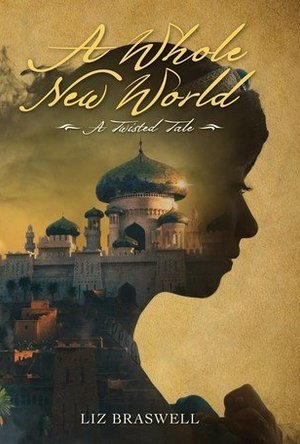
Review by Disney Bookworm
“What if Aladdin had never found the lamp?”
OK so I am going to start off this review with a really pedantic comment and I know I am being petty and that this will almost definitely end in a rant but… he does find the lamp! Of course he does! Aladdin is the diamond in the rough! He is literally the only one who can find the lamp. If he didn’t find the lamp nothing would happen: Jasmine would probably grow old with her tiger; Jafar would carry on hypnotising the Sultan; Aladdin would probably wind up arrested and this would be the shortest twisted tale in history.
*Ahem*
So, Aladdin finds the lamp. Let’s move past it, because if you have read my other reviews, you will know I love Liz Braswell: her twisted tales always wind up being my favourites as she always brings something completely unexpected to the novels. In the circumstances, I can forgive the tagline.
This review of “A Whole New World” comes at a time where Aladdin is everywhere: the live action movie was released in the UK just over a month ago and, I for one, loved it! With this in mind, I just had to re-read this twisted tale and shout about the wholly different Agrabah that it presents to the reader.
Braswell’s Agrabah is a raw, dirty, troubled cousin of the Agrabah we all know and love. I struggle to comprehend exactly how the movies did it, because both showed starving children, but we found ourselves simultaneously accepting and glossing over the poverty of the street rats. We have no such option in “A Whole New World”.
From starving infants; old men shovelling camel dung for coins; to Aladdin’s own mother dying of a wasting disease: this novel takes no prisoners in the Quarter of the Street Rats. However, those in the Palace remain blind to the struggles of the poor, with the Sultan playing with his golden toys whilst some of his citizens have no food or clean water.
The plight of the Agrabah people creates an undercurrent of resentment that runs all the way through Aladdin and Jasmine’s story. It is also a clear indicator of the identity of this novel: Braswell has taken all the romanticism of the familiar story and buried it in her own cave of wonders, leaving behind a highly political but incredibly powerful story.
The twisted tale starts off on a similar vein to both movies, boy meets girl, boy rescues girl from hand severing businessman, boy winds up arrested and transported to a creepy cave where he finds an old lamp, boy’s monkey can’t keep his hands to himself and boy is left clinging on for his life at the entrance to said creepy cave. However, in this version, when Jafar steps on Aladdin’s fingers to prevent his escape, Abu doesn’t grab the lamp! How will Aladdin escape now?
As is to be expected from Braswell’s novels, the characters are phenomenal. Aladdin is the proud, eternal optimist that we recognise but with a strong ethical viewpoint that is introduced by the inclusion of his mother as a character.
Creating a new character, particularly Aladdin’s mother, could simply be a tactic to give some history to the charming thief. However, Braswell uses the matriarch to add depth to Aladdin: she tells him “don’t let how poor you are, decide who you are…you can choose to be something more”.
This is ultimately the lesson the genie would teach Aladdin if they were to meet and so I think it is very clever of Braswell to keep this element of Aladdin’s character. It allows us to witness Aladdin’s pride and strength through these instilled virtues: he has even lost friends over his views of when he considers it acceptable to be a thief.
Although I wouldn’t consider the genie a main character in this tale (he doesn’t get as much airtime as in the films): he remains a funny and flippant sidekick for the most part. However, in keeping with the tone of “A Whole New World”, he does use this humour to provoke our thoughts. The genie and Braswell divulge that there was once a whole race of djinn who have since died out. The genie has lost his home, his wife and his freedom and so, he rightly asks, who would stay sane under those conditions?
Jafar; Mr dark and twisty himself, is a whole other level of evil in this twisted tale. He does present some of the characteristics of the movie villain: power mad, desperate for everyone to love him and all that jazz; however, he also tortures the genie and plans to break the laws of magic in order to create an army of the dead. It’s all very game of thrones all of a sudden!
I know what you’re thinking: what about Jasmine? Surely, she isn’t all dark and twisty as well? The girl looks good in turquoise baggy trousers for goodness sakes!
Jasmine begins her journey as the typical naïve, sheltered princess she is always portrayed as: possessing no knowledge of the price of food or the struggles of her own people. However, Braswell manages to make even the live-action Jasmine appear over-dramatic and petty: she isn’t resisting marriage just because she doesn’t fancy random foreign prince number 3; she is resisting becoming a “baby making machine” and signing herself up to an early grave.
“A princess among men”, Jasmine and the reader soon realise that she has to step forward and become the hero of this tale. This is no small ask for someone who has never led an army or witnessed death before. Nonetheless, Jasmine is clearly up to the task: this is no weak princess trapped in an hourglass of sand, waiting to be rescued by a man. This is a Sultana!
The story of Aladdin typically conjures up images of love, magic carpets and romantic duets. Liz Braswell’s story of Agrabah does orbit around love, how could it not? However, “A Whole New World” explores the shades of grey in life: Street rats are not always bad, Princesses are not always good and magic is not always the solution. This is not a tale of love; it is a tale of finding strength in unlikely places; it is a tale that teaches us you don’t need magic to have a happy ending.
OK so I am going to start off this review with a really pedantic comment and I know I am being petty and that this will almost definitely end in a rant but… he does find the lamp! Of course he does! Aladdin is the diamond in the rough! He is literally the only one who can find the lamp. If he didn’t find the lamp nothing would happen: Jasmine would probably grow old with her tiger; Jafar would carry on hypnotising the Sultan; Aladdin would probably wind up arrested and this would be the shortest twisted tale in history.
*Ahem*
So, Aladdin finds the lamp. Let’s move past it, because if you have read my other reviews, you will know I love Liz Braswell: her twisted tales always wind up being my favourites as she always brings something completely unexpected to the novels. In the circumstances, I can forgive the tagline.
This review of “A Whole New World” comes at a time where Aladdin is everywhere: the live action movie was released in the UK just over a month ago and, I for one, loved it! With this in mind, I just had to re-read this twisted tale and shout about the wholly different Agrabah that it presents to the reader.
Braswell’s Agrabah is a raw, dirty, troubled cousin of the Agrabah we all know and love. I struggle to comprehend exactly how the movies did it, because both showed starving children, but we found ourselves simultaneously accepting and glossing over the poverty of the street rats. We have no such option in “A Whole New World”.
From starving infants; old men shovelling camel dung for coins; to Aladdin’s own mother dying of a wasting disease: this novel takes no prisoners in the Quarter of the Street Rats. However, those in the Palace remain blind to the struggles of the poor, with the Sultan playing with his golden toys whilst some of his citizens have no food or clean water.
The plight of the Agrabah people creates an undercurrent of resentment that runs all the way through Aladdin and Jasmine’s story. It is also a clear indicator of the identity of this novel: Braswell has taken all the romanticism of the familiar story and buried it in her own cave of wonders, leaving behind a highly political but incredibly powerful story.
The twisted tale starts off on a similar vein to both movies, boy meets girl, boy rescues girl from hand severing businessman, boy winds up arrested and transported to a creepy cave where he finds an old lamp, boy’s monkey can’t keep his hands to himself and boy is left clinging on for his life at the entrance to said creepy cave. However, in this version, when Jafar steps on Aladdin’s fingers to prevent his escape, Abu doesn’t grab the lamp! How will Aladdin escape now?
As is to be expected from Braswell’s novels, the characters are phenomenal. Aladdin is the proud, eternal optimist that we recognise but with a strong ethical viewpoint that is introduced by the inclusion of his mother as a character.
Creating a new character, particularly Aladdin’s mother, could simply be a tactic to give some history to the charming thief. However, Braswell uses the matriarch to add depth to Aladdin: she tells him “don’t let how poor you are, decide who you are…you can choose to be something more”.
This is ultimately the lesson the genie would teach Aladdin if they were to meet and so I think it is very clever of Braswell to keep this element of Aladdin’s character. It allows us to witness Aladdin’s pride and strength through these instilled virtues: he has even lost friends over his views of when he considers it acceptable to be a thief.
Although I wouldn’t consider the genie a main character in this tale (he doesn’t get as much airtime as in the films): he remains a funny and flippant sidekick for the most part. However, in keeping with the tone of “A Whole New World”, he does use this humour to provoke our thoughts. The genie and Braswell divulge that there was once a whole race of djinn who have since died out. The genie has lost his home, his wife and his freedom and so, he rightly asks, who would stay sane under those conditions?
Jafar; Mr dark and twisty himself, is a whole other level of evil in this twisted tale. He does present some of the characteristics of the movie villain: power mad, desperate for everyone to love him and all that jazz; however, he also tortures the genie and plans to break the laws of magic in order to create an army of the dead. It’s all very game of thrones all of a sudden!
I know what you’re thinking: what about Jasmine? Surely, she isn’t all dark and twisty as well? The girl looks good in turquoise baggy trousers for goodness sakes!
Jasmine begins her journey as the typical naïve, sheltered princess she is always portrayed as: possessing no knowledge of the price of food or the struggles of her own people. However, Braswell manages to make even the live-action Jasmine appear over-dramatic and petty: she isn’t resisting marriage just because she doesn’t fancy random foreign prince number 3; she is resisting becoming a “baby making machine” and signing herself up to an early grave.
“A princess among men”, Jasmine and the reader soon realise that she has to step forward and become the hero of this tale. This is no small ask for someone who has never led an army or witnessed death before. Nonetheless, Jasmine is clearly up to the task: this is no weak princess trapped in an hourglass of sand, waiting to be rescued by a man. This is a Sultana!
The story of Aladdin typically conjures up images of love, magic carpets and romantic duets. Liz Braswell’s story of Agrabah does orbit around love, how could it not? However, “A Whole New World” explores the shades of grey in life: Street rats are not always bad, Princesses are not always good and magic is not always the solution. This is not a tale of love; it is a tale of finding strength in unlikely places; it is a tale that teaches us you don’t need magic to have a happy ending.
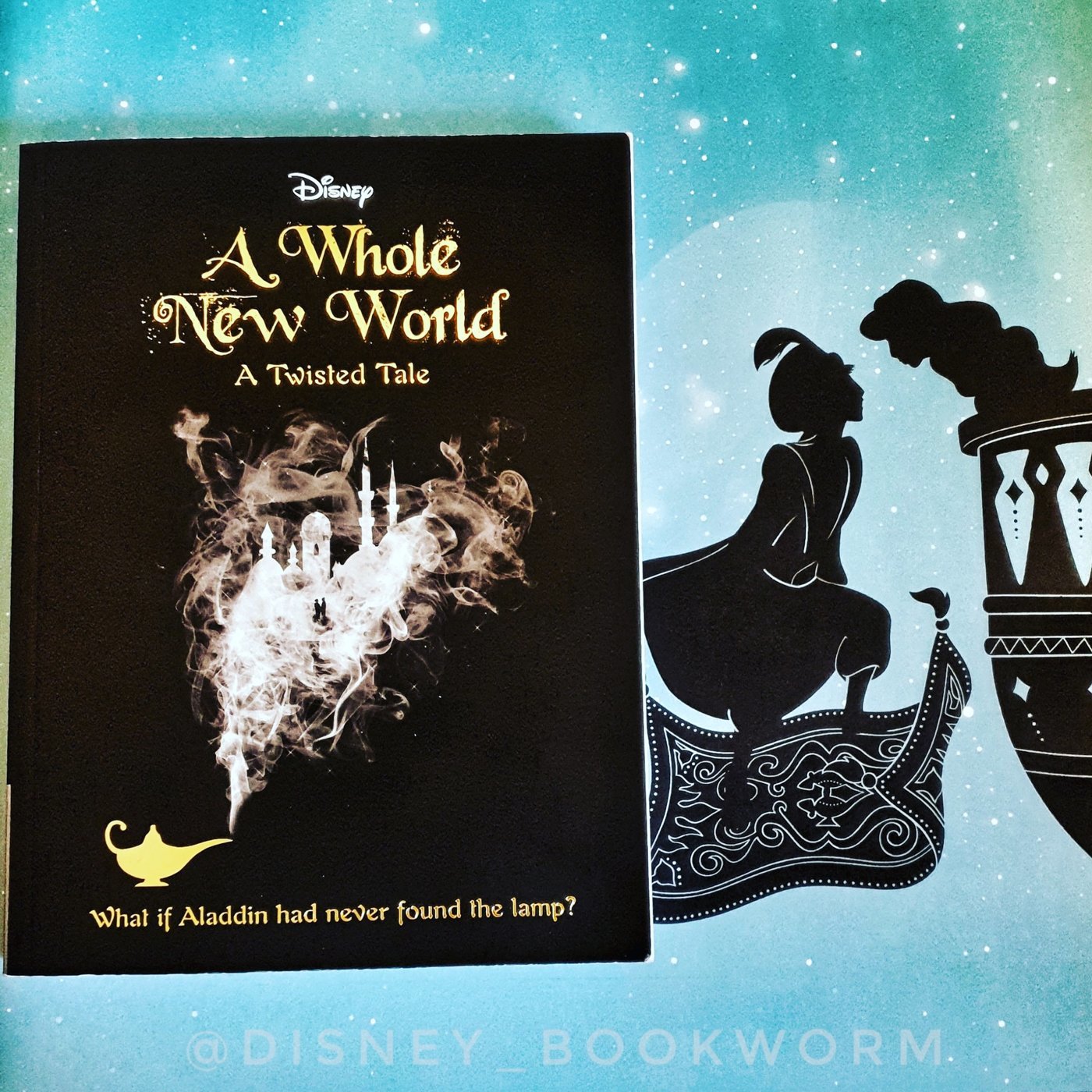


Breathtaking Historical Fiction; Must Read!
You can also find this review on my blog: bookingwayreads.wordpress.com
TRIGGER WARNINGS: rape, domestic violence, death, affairs, miscarriage
"You can only go so long pretending, acting as if you're someone you're not. Eventually you must return to who you are, who you were born to be. You can stray from it, try on other roles, other personalities, other beliefs, other lives, but eventually it will catch up with you and you have to return to the only person you can be."
Main Characters:
Beatrice Bordeaux - the main character, married to Harry Bordeaux. A bit of a feminist but it doesn't start showing until the middle to end of the novel. She's got a strong, compassionate, sweet personality. Her development was major and not at all what I was expecting.
Thomas - the lighthouse keeper. He's a simple man, compassionate and patient. Also unbelievably kind to all, no matter ethnicity, class, or gender.
Harry Bordeaux - cocky, self-conceded. Honestly, the most horrible person ever.
Dolly - hat maker who befriends Bea. She's sweet, independent, and an all around feminist.
Elizabeth - laundress for the Montauk Manor, befriends Bea. She's down-to-earth and a loving mother and wife.
"I felt rage and a hot determination side by side and that was something. That alone gave me hope. Something was better than numbness. Something was better than not caring, not dreaming, not daring."
Review:
**Possible spoilers ahead**
The story starts off in the year of 1938. The wealthy from New York City always head to the East Coast to an up and coming town called Montauk for the summer. Here, the wives stay in the luxurious Montauk Manor during the weekdays with their children and nannies, planning social events and relaxing, while the men head back to the city to work - only coming back to visit on the weekends.
Beatrice Bordeaux is one of the wives who ends up staying in Montauk for the summer. But she soon learns that her husband, Harry, would actually be leaving with the rest of the men during the week. Beatrice is taken aback, as the main reason why the couple took this vacation was to rekindle their cracking marriage. She was also hoping that the vacation would allow her and Harry to have alone time as she craved being a mother but has been eluded by pregnancy for the past five years.
Beatrice is forced to socialize with the other wives, even though she just wants to relax and read, so that Harry can gain a foothold for his investment interests. He thinks that if Beatrice can become buddy buddy with some of the more known in society women, that he can sizzle his way up to their husbands to get some funds to invest into Montauk. But, Beatrice quickly grows bored of the woman's talk of events that are more self-serving than they are generous. This is where Elizabeth, the Manor's laundress enters.
Elizabeth's down-to-earth nature gives Beatrice nostalgia of her life prior to meeting Harry. The two women befriend each other, even though it would be looked down upon if the other wives of the Manor found out. This doesn't stop Beatrice though.
As the novel progresses, Beatrice becomes disillusioned with her marriage and even finds out that Harry was not being the faithful husband he promised in his vows. The reader can see Harry's regression of interest towards Beatrice throughout the novel, and how he only seems to care about her when she is beside him at social gatherings. This causes Beatrice to start doing the things that she wants. Enter the handsome yet sensitive lighthouse keeper, Thomas.
Thomas is the complete opposite of Harry and as Beatrice's marriage drifts more and more apart, she takes her life into her own hands where she follows what her heart wants. But with the risk she's taking, major consequences that could take lives and ruin social standings follow. This is when Beatrice must decide whether to follow her heart or do what is right according to society.
Montauk is an interesting and beautifully written look back into history when women were expected to do what society told her to do. Questions were not asked, and one must be "happy" that she's being cared for by her husband, because "good wives" waited for orders from their husbands and always did what they wished. The author, Nicola Harrison, does an excellent job with captivating the history and superficial feel of society back in the late 30's. Even the descriptions of the lighthouse, manor, and fishing village created vivid images that circulated within my mind as I read.
Usually, when it comes to Historical Fiction novels, I've found that they can be very predictable. Montauk was not your average Historical Fiction novel, that's for sure. There were twists and turns that I was not expecting and the ending twist threw me for a major loop. The one problem that I do have with the overall story, was the last chapter and epilogue. It lacked the depth and detail that was interwoven throughout the rest of the story. But overall, I was fascinated and enthralled in the story of Montauk.
Character/ Story background and development -
It's there, one hundred percent there. The main character's and the side characters all have the development and background interwoven into the story, waiting to be dug out as you read. All of the development and background that took place within Montauk, actually made this novel great!
Plot -
At first, the plot and story was slow. It could have just been my skewed perspective of not liking Historical Fiction novels, but it eventually picked up; allowing the like/dislike scales to flip. I was really worried that I would DNF Montauk, but once the story started to get more in depth with the characters and background, I was taken on an emotional roller coaster of feels. And I will happily take that ride over and over again.
Spelling/ Grammatical errors -
I did not notice any spelling or grammatical errors that took away from the overall story. There were a slight few littered throughout, but they were so minor and hardly noticeable that it did no harm to count it against the author or publisher.
Enjoyment -
I can for sure say, that I 100% enjoyed every second I spent on Montauk. I don't typically like Historical Fiction novels, but Nicola Harrison does an amazing job not only making sure the information is correct, but the writing is well-thought out.
Overall -
This novel is a sucker punch to the emotions; it's honestly one of those novels that will be cherished forever because the story, the development, the plot, the background, the heartache and pain, it was all there. And it made this a breathtaking novel to read.
Do I recommend? -
159% yes! I highly recommend Montauk by Nicola Harrison.
"With the ocean surrounding me, I feel free and at peace with the world."
TRIGGER WARNINGS: rape, domestic violence, death, affairs, miscarriage
"You can only go so long pretending, acting as if you're someone you're not. Eventually you must return to who you are, who you were born to be. You can stray from it, try on other roles, other personalities, other beliefs, other lives, but eventually it will catch up with you and you have to return to the only person you can be."
Main Characters:
Beatrice Bordeaux - the main character, married to Harry Bordeaux. A bit of a feminist but it doesn't start showing until the middle to end of the novel. She's got a strong, compassionate, sweet personality. Her development was major and not at all what I was expecting.
Thomas - the lighthouse keeper. He's a simple man, compassionate and patient. Also unbelievably kind to all, no matter ethnicity, class, or gender.
Harry Bordeaux - cocky, self-conceded. Honestly, the most horrible person ever.
Dolly - hat maker who befriends Bea. She's sweet, independent, and an all around feminist.
Elizabeth - laundress for the Montauk Manor, befriends Bea. She's down-to-earth and a loving mother and wife.
"I felt rage and a hot determination side by side and that was something. That alone gave me hope. Something was better than numbness. Something was better than not caring, not dreaming, not daring."
Review:
**Possible spoilers ahead**
The story starts off in the year of 1938. The wealthy from New York City always head to the East Coast to an up and coming town called Montauk for the summer. Here, the wives stay in the luxurious Montauk Manor during the weekdays with their children and nannies, planning social events and relaxing, while the men head back to the city to work - only coming back to visit on the weekends.
Beatrice Bordeaux is one of the wives who ends up staying in Montauk for the summer. But she soon learns that her husband, Harry, would actually be leaving with the rest of the men during the week. Beatrice is taken aback, as the main reason why the couple took this vacation was to rekindle their cracking marriage. She was also hoping that the vacation would allow her and Harry to have alone time as she craved being a mother but has been eluded by pregnancy for the past five years.
Beatrice is forced to socialize with the other wives, even though she just wants to relax and read, so that Harry can gain a foothold for his investment interests. He thinks that if Beatrice can become buddy buddy with some of the more known in society women, that he can sizzle his way up to their husbands to get some funds to invest into Montauk. But, Beatrice quickly grows bored of the woman's talk of events that are more self-serving than they are generous. This is where Elizabeth, the Manor's laundress enters.
Elizabeth's down-to-earth nature gives Beatrice nostalgia of her life prior to meeting Harry. The two women befriend each other, even though it would be looked down upon if the other wives of the Manor found out. This doesn't stop Beatrice though.
As the novel progresses, Beatrice becomes disillusioned with her marriage and even finds out that Harry was not being the faithful husband he promised in his vows. The reader can see Harry's regression of interest towards Beatrice throughout the novel, and how he only seems to care about her when she is beside him at social gatherings. This causes Beatrice to start doing the things that she wants. Enter the handsome yet sensitive lighthouse keeper, Thomas.
Thomas is the complete opposite of Harry and as Beatrice's marriage drifts more and more apart, she takes her life into her own hands where she follows what her heart wants. But with the risk she's taking, major consequences that could take lives and ruin social standings follow. This is when Beatrice must decide whether to follow her heart or do what is right according to society.
Montauk is an interesting and beautifully written look back into history when women were expected to do what society told her to do. Questions were not asked, and one must be "happy" that she's being cared for by her husband, because "good wives" waited for orders from their husbands and always did what they wished. The author, Nicola Harrison, does an excellent job with captivating the history and superficial feel of society back in the late 30's. Even the descriptions of the lighthouse, manor, and fishing village created vivid images that circulated within my mind as I read.
Usually, when it comes to Historical Fiction novels, I've found that they can be very predictable. Montauk was not your average Historical Fiction novel, that's for sure. There were twists and turns that I was not expecting and the ending twist threw me for a major loop. The one problem that I do have with the overall story, was the last chapter and epilogue. It lacked the depth and detail that was interwoven throughout the rest of the story. But overall, I was fascinated and enthralled in the story of Montauk.
Character/ Story background and development -
It's there, one hundred percent there. The main character's and the side characters all have the development and background interwoven into the story, waiting to be dug out as you read. All of the development and background that took place within Montauk, actually made this novel great!
Plot -
At first, the plot and story was slow. It could have just been my skewed perspective of not liking Historical Fiction novels, but it eventually picked up; allowing the like/dislike scales to flip. I was really worried that I would DNF Montauk, but once the story started to get more in depth with the characters and background, I was taken on an emotional roller coaster of feels. And I will happily take that ride over and over again.
Spelling/ Grammatical errors -
I did not notice any spelling or grammatical errors that took away from the overall story. There were a slight few littered throughout, but they were so minor and hardly noticeable that it did no harm to count it against the author or publisher.
Enjoyment -
I can for sure say, that I 100% enjoyed every second I spent on Montauk. I don't typically like Historical Fiction novels, but Nicola Harrison does an amazing job not only making sure the information is correct, but the writing is well-thought out.
Overall -
This novel is a sucker punch to the emotions; it's honestly one of those novels that will be cherished forever because the story, the development, the plot, the background, the heartache and pain, it was all there. And it made this a breathtaking novel to read.
Do I recommend? -
159% yes! I highly recommend Montauk by Nicola Harrison.
"With the ocean surrounding me, I feel free and at peace with the world."

Hazel (1853 KP) rated The Music Shop in Books
Aug 22, 2017
Learning to listen
This eBook was provided by the publisher via NetGalley in exchange for an honest review
From the author of The Unlikely Pilgrimage of Harold Fry comes a unique and beautiful story about music and learning how to listen. The Music Shop by Rachel Joyce takes readers on a journey through the developing music world of the late 1980s when CDs are beginning to wipe out all other means of recording music – a complete disaster for someone like Frank, the owner of the music shop, who only sells vinyl.
The book begins in 1988 in a crumbling down street where shopkeepers are barely making enough money to survive. Frank’s shop is one of the few remaining and, despite everything against him, is determined to keep going. Not only does he sell vinyl records, Frank has an empathetic gift allowing him to sense exactly what a customer needs to listen to, even though they may not realise it themselves. However, one day, Frank’s world is turned upside down by the arrival of a young German woman, Ilse Brauchmann, who faints on his doorstep.
Ilse intrigues all of the shopkeepers on Unity Street, particularly Frank’s teenaged assistant, Kit. Although Frank tries to deny it, Ilse also fascinates him to the point that he is rarely thinking of anything else. But what concerns him most is that he cannot pinpoint what piece of music she ought to listen to. When questioned, Ilse admits she knows nothing about music and begs Frank to give her lessons. These lessons have nothing to do with instruments – Frank is the least qualified to teach such a thing – but about how to listen to music. How to hear the pauses in classical pieces; understand the meaning behind Beethoven’s sonatas; feel the passion behind punk music; learn to love a number of composers for the things many people miss.
The longer Frank spends around Ilse, the more he begins to fall in love. However, love is something Frank denies himself ever since the death of his mother fifteen years previously. Written in italics are flashback chapters explaining how Frank’s love of music came about, his relationship with his mother, and how he ended up as a dead-end vinyl seller. Due to his fear of intimate relationships, Frank keeps pushing Ilse away until, one day, he realises how much he needs her. But, he may have left it too late.
The Music Shop is split into four sections, or sides (a reference to vinyl records). Side A introduces the characters and settings during a wintery January when Frank is beginning to struggle with the competition caused by the recently opened Woolworths on the nearby high street. Sides B and C focus on the development of Frank and Ilse’s friendship, the secrets they hide from each other and the foreboding sense of disaster hanging over the one-of-a-kind music shop.
As Frank begins to realise how much Ilse means to him, the sudden appearance of side D will break readers’ hearts. Whilst sides A, B and C take place in 1988, side D jumps forward 21 years to 2009. It appears Frank and Ilse never got the relationship they deserved. Two unhappy decades have been and gone, demolishing any resemblance of the way life used to be. However, because there is a side D, readers can only hope it will result in a happy ending.
The Music Shop is a love story between two quiet, modest characters whose past and present circumstances get in the way of a peaceful future. However, it is not only a piece of romantic fiction. Rachel Joyce writes a message in story format about second chances and being brave. Learning to listen does not only apply to music, it applies to hearing what other people are saying and what they are not; most importantly, the book urges people to listen to themselves.
The research undertaken for this novel is phenomenal. For starters, it is set almost thirty years ago when vinyl was only beginning to go out of fashion. The quality of music and the access people had to it was extremely different to the simplicity of today where it is possible to download everything at the press of a button. The breadth of music genre is as wide as possible. Every type of music is covered from Handel’s Messiah to Aretha Franklin and The Sex Pistols. To be able to discuss such a range without falling into stereotypes is a feat worthy of congratulating.
The Music Shop far surpasses anything Rachel Joyce has written so far. The story is fragile in a beautiful way, its delicacy causing the reader to treat it with care, rather than rush through it like some mundane piece of fiction. It will interest a whole host of readers: male and female, music lovers and those with a preference for silence. Whoever you are, be prepared to take something away from this distinctive, outstanding novel.
From the author of The Unlikely Pilgrimage of Harold Fry comes a unique and beautiful story about music and learning how to listen. The Music Shop by Rachel Joyce takes readers on a journey through the developing music world of the late 1980s when CDs are beginning to wipe out all other means of recording music – a complete disaster for someone like Frank, the owner of the music shop, who only sells vinyl.
The book begins in 1988 in a crumbling down street where shopkeepers are barely making enough money to survive. Frank’s shop is one of the few remaining and, despite everything against him, is determined to keep going. Not only does he sell vinyl records, Frank has an empathetic gift allowing him to sense exactly what a customer needs to listen to, even though they may not realise it themselves. However, one day, Frank’s world is turned upside down by the arrival of a young German woman, Ilse Brauchmann, who faints on his doorstep.
Ilse intrigues all of the shopkeepers on Unity Street, particularly Frank’s teenaged assistant, Kit. Although Frank tries to deny it, Ilse also fascinates him to the point that he is rarely thinking of anything else. But what concerns him most is that he cannot pinpoint what piece of music she ought to listen to. When questioned, Ilse admits she knows nothing about music and begs Frank to give her lessons. These lessons have nothing to do with instruments – Frank is the least qualified to teach such a thing – but about how to listen to music. How to hear the pauses in classical pieces; understand the meaning behind Beethoven’s sonatas; feel the passion behind punk music; learn to love a number of composers for the things many people miss.
The longer Frank spends around Ilse, the more he begins to fall in love. However, love is something Frank denies himself ever since the death of his mother fifteen years previously. Written in italics are flashback chapters explaining how Frank’s love of music came about, his relationship with his mother, and how he ended up as a dead-end vinyl seller. Due to his fear of intimate relationships, Frank keeps pushing Ilse away until, one day, he realises how much he needs her. But, he may have left it too late.
The Music Shop is split into four sections, or sides (a reference to vinyl records). Side A introduces the characters and settings during a wintery January when Frank is beginning to struggle with the competition caused by the recently opened Woolworths on the nearby high street. Sides B and C focus on the development of Frank and Ilse’s friendship, the secrets they hide from each other and the foreboding sense of disaster hanging over the one-of-a-kind music shop.
As Frank begins to realise how much Ilse means to him, the sudden appearance of side D will break readers’ hearts. Whilst sides A, B and C take place in 1988, side D jumps forward 21 years to 2009. It appears Frank and Ilse never got the relationship they deserved. Two unhappy decades have been and gone, demolishing any resemblance of the way life used to be. However, because there is a side D, readers can only hope it will result in a happy ending.
The Music Shop is a love story between two quiet, modest characters whose past and present circumstances get in the way of a peaceful future. However, it is not only a piece of romantic fiction. Rachel Joyce writes a message in story format about second chances and being brave. Learning to listen does not only apply to music, it applies to hearing what other people are saying and what they are not; most importantly, the book urges people to listen to themselves.
The research undertaken for this novel is phenomenal. For starters, it is set almost thirty years ago when vinyl was only beginning to go out of fashion. The quality of music and the access people had to it was extremely different to the simplicity of today where it is possible to download everything at the press of a button. The breadth of music genre is as wide as possible. Every type of music is covered from Handel’s Messiah to Aretha Franklin and The Sex Pistols. To be able to discuss such a range without falling into stereotypes is a feat worthy of congratulating.
The Music Shop far surpasses anything Rachel Joyce has written so far. The story is fragile in a beautiful way, its delicacy causing the reader to treat it with care, rather than rush through it like some mundane piece of fiction. It will interest a whole host of readers: male and female, music lovers and those with a preference for silence. Whoever you are, be prepared to take something away from this distinctive, outstanding novel.


The first half of The Serpent and the Moon mainly deals with Francois I's reign as king and has little to do with the love triangle. Frankly, the whole book itself hasn't much to do with the love triangle or "one of the great love stories of all time," but more to do with the political intrigue of Henri I and his father's reigns. Oh, and lest I forget, Henri, Diane, and both of their symbols, monograms, etc. I honestly don't know what the whole fascination of that was all about, but it showed up everywhere.
On page 187 the princess tells us that it is a man's way of thinking that Diane wouldn't have become Henri's mistress if he hadn't become dauphin. I disagree, it is a realist's view, and frankly, I think it's fully possible that was how it started. Yes, maybe she was flattered by his attention too, but to consider having him as a lover in light of how much she was in his life growing up, it's a bit creepy. Oedipus comes to mind. I believe he was infatuated with her from a young age and it most likely progressed into love, for both of them. I envision her grabbing the chance at being the mistress of a king and being older, she knew how to mould and persuade him. Whether or not it was a true love story, I really don't know; I'm not sure anyone does and I don't care all that much.
As many other reviewers have stated, there is an obvious bias. The readers are warned in the introduction, but even if you know that, there's still the possibility that the work as a whole might be neutral. Unfortunately, that's not the case. Maybe if it had only been a slight bias, I wouldn't have cared so much, but when an author heaps praise on one person and how they accomplish everything, and then turn around and bash someone else for the exact same thing. Well, that's just hypocrisy.
From the book, the author would have you believe that Diane de Poitiers got to where she was merely by being a good, honest, gracious, and pious woman and Catherine de' Medici did it by being a cold, heartless, evil, spiteful person. I'm sorry but you cannot have climbed to the heights Diane did, especially in those times, without being conniving in one way or the other. I'm sure she did the same things Catherine did, so quit holding Diane up on a pedestal; she's really not a goddess, just a woman. Diane is a white light, Catherine is black as death and there isn't any grey between them for most of the book. By the end of the book I really took the "history" lightly, mainly that of these two women, more than anything else; it was just an unfair assessment. And with the author's snarky and catty remarks directed towards Catherine, saying she has a "fat little heart," well, that was just uncalled for. Then at the end, her words were so disgusting about Catherine's behavior towards Diane, saying how petty she was and she did things purely due to "feminine spite". Catherine could have done much worse to her but she didn't! Of course, Ms. Perfect D. was always so respectful and exemplary of Catherine. Give me a break. Maybe some of the things said in the book were true about both women, but then again, maybe not. Most is lost to history.
If Princess Michael of Kent's plan was for me to sympathize and idolize Diane de Poitiers, as she does, it backfired. Now I don't ever care to ever hear about her again, and I love history of all kinds. On the other hand, I have already ordered two books about Catherine de' Medici from the library. Most likely the opposite of what she wanted. I honestly don't blame Catherine if she was bitter, who wouldn't be in that situation? Even if it was a different time, circumstance, and an arranged marriage? I refuse to believe Diane was this perfect being, a goddess, virtuous as can be, a victim - nobody is all these things and I don't know why the author cannot see any imperfections and insists on romanticizing her.
Even though I hated how biased this book was, I still appreciate the amount of research this must have taken, it was fairly well-written in form, and there was loads of information. I'd only recommend this to Catherine haters, loathers, or serious dislikers. With the princess's flair for the dramatic and speculation on feelings and actions, she might want to focus on writing works of fiction instead. I have no desire to read anything by this author again.
On page 187 the princess tells us that it is a man's way of thinking that Diane wouldn't have become Henri's mistress if he hadn't become dauphin. I disagree, it is a realist's view, and frankly, I think it's fully possible that was how it started. Yes, maybe she was flattered by his attention too, but to consider having him as a lover in light of how much she was in his life growing up, it's a bit creepy. Oedipus comes to mind. I believe he was infatuated with her from a young age and it most likely progressed into love, for both of them. I envision her grabbing the chance at being the mistress of a king and being older, she knew how to mould and persuade him. Whether or not it was a true love story, I really don't know; I'm not sure anyone does and I don't care all that much.
As many other reviewers have stated, there is an obvious bias. The readers are warned in the introduction, but even if you know that, there's still the possibility that the work as a whole might be neutral. Unfortunately, that's not the case. Maybe if it had only been a slight bias, I wouldn't have cared so much, but when an author heaps praise on one person and how they accomplish everything, and then turn around and bash someone else for the exact same thing. Well, that's just hypocrisy.
From the book, the author would have you believe that Diane de Poitiers got to where she was merely by being a good, honest, gracious, and pious woman and Catherine de' Medici did it by being a cold, heartless, evil, spiteful person. I'm sorry but you cannot have climbed to the heights Diane did, especially in those times, without being conniving in one way or the other. I'm sure she did the same things Catherine did, so quit holding Diane up on a pedestal; she's really not a goddess, just a woman. Diane is a white light, Catherine is black as death and there isn't any grey between them for most of the book. By the end of the book I really took the "history" lightly, mainly that of these two women, more than anything else; it was just an unfair assessment. And with the author's snarky and catty remarks directed towards Catherine, saying she has a "fat little heart," well, that was just uncalled for. Then at the end, her words were so disgusting about Catherine's behavior towards Diane, saying how petty she was and she did things purely due to "feminine spite". Catherine could have done much worse to her but she didn't! Of course, Ms. Perfect D. was always so respectful and exemplary of Catherine. Give me a break. Maybe some of the things said in the book were true about both women, but then again, maybe not. Most is lost to history.
If Princess Michael of Kent's plan was for me to sympathize and idolize Diane de Poitiers, as she does, it backfired. Now I don't ever care to ever hear about her again, and I love history of all kinds. On the other hand, I have already ordered two books about Catherine de' Medici from the library. Most likely the opposite of what she wanted. I honestly don't blame Catherine if she was bitter, who wouldn't be in that situation? Even if it was a different time, circumstance, and an arranged marriage? I refuse to believe Diane was this perfect being, a goddess, virtuous as can be, a victim - nobody is all these things and I don't know why the author cannot see any imperfections and insists on romanticizing her.
Even though I hated how biased this book was, I still appreciate the amount of research this must have taken, it was fairly well-written in form, and there was loads of information. I'd only recommend this to Catherine haters, loathers, or serious dislikers. With the princess's flair for the dramatic and speculation on feelings and actions, she might want to focus on writing works of fiction instead. I have no desire to read anything by this author again.