Search
Search results

Heather Cranmer (2721 KP) rated Paper Dolls (Dark Carousel #2) in Books
Nov 7, 2020

I really loved Dollhouse, the first book in the Dark Carousel series by Anya Allyn. I couldn't wait to dive into the next book in the series, Paper Dolls. I wanted to love Paper Dolls as much as Dollhouse, but it just wasn't as great.
Paper Dolls takes place right after Dollhouse although Paper Dolls also goes back to 1920 to focus more on Jessamine's back story and to thicken the modern day plot. While I loved Jessamine's story, Cassie's narrative is a bit lackluster. The pacing for Cassie's plot feels very slow moving. While there were a few plot twists regarding Cassie's story, the main one was the most predictable from early on. Don't get me wrong, Allyn's writing is fantastic, but Cassie's plotline just didn't wow me as before. Jessamine's, on the other hand, was fantastic! I loved learning more about Jessamine and how she become like she was in Dollhouse. Jessamine's narrative moved at a great pace, and I would get so excited when her chapters would come up. I also loved how Jessamine's chapters involved more backstory for Henry and Audette and explains how they became ghosts. It also talks more about the mysterious Donovan Fiveash. Many of the other characters, even characters with small parts, from Dollhouse are mentioned again in Paper Dolls. We get a bit more of their back story as well which was nice. There is a big cliffhanger at the end of this book which will lead into the next book in the series, Marionette. Although this book is intended for young adults, I would say it's more aimed towards a mature young adult audience as it's a lot more dark compared to Dollhouse.
As with the first book in the series, Anya Allyn did a fantastic job keeping her characters realistic relatable. Even though I found Cassie's story a little boring, I still enjoyed Cassie's character. I did find her a bit naïve in this book, but she is a teenager, so I could understand why she'd trust the first boy that showed her attention. I felt like I was Cassie's babysitter and was mentally urging her not to trust anyone! Jessamine was my obviously my favorite character. I just wanted to hug her as she had such a sad life for the most part. After reading her story, I understood why she was the way she was in Dollhouse. I really wanted to protect Jessamine throughout the whole book especially when she was still alive although I already knew she'd end up as a ghost. Henry was a character I didn't think I'd end up liking since he seemed like a bad guy in the first book. However, the audience is shown a whole different side of Henry in Paper Dolls. I just wanted Audette to disappear though. Not because she was written poorly but just because how vile and horrible she was to Jessamine. Although they were nice, I had a hard time trusting the Batiste family. They just seemed a little too nice for my liking.
Trigger warnings for Paper Dolls include death, murder, attempted rape, violence, occult activity, and mentions of sex (though not graphic).
Despite being a bit of a slow read, I still enjoyed Paper Dolls. Learning more about many of the ghosts' backstory was extremely interesting, and I loved all the characters. I would recommend Paper Dolls by Anya Allyn to those aged 16+ who love supernatural horror. I have already started reading Marionette, the next book in the Dark Carousel series, since I'm loving this series!
Paper Dolls takes place right after Dollhouse although Paper Dolls also goes back to 1920 to focus more on Jessamine's back story and to thicken the modern day plot. While I loved Jessamine's story, Cassie's narrative is a bit lackluster. The pacing for Cassie's plot feels very slow moving. While there were a few plot twists regarding Cassie's story, the main one was the most predictable from early on. Don't get me wrong, Allyn's writing is fantastic, but Cassie's plotline just didn't wow me as before. Jessamine's, on the other hand, was fantastic! I loved learning more about Jessamine and how she become like she was in Dollhouse. Jessamine's narrative moved at a great pace, and I would get so excited when her chapters would come up. I also loved how Jessamine's chapters involved more backstory for Henry and Audette and explains how they became ghosts. It also talks more about the mysterious Donovan Fiveash. Many of the other characters, even characters with small parts, from Dollhouse are mentioned again in Paper Dolls. We get a bit more of their back story as well which was nice. There is a big cliffhanger at the end of this book which will lead into the next book in the series, Marionette. Although this book is intended for young adults, I would say it's more aimed towards a mature young adult audience as it's a lot more dark compared to Dollhouse.
As with the first book in the series, Anya Allyn did a fantastic job keeping her characters realistic relatable. Even though I found Cassie's story a little boring, I still enjoyed Cassie's character. I did find her a bit naïve in this book, but she is a teenager, so I could understand why she'd trust the first boy that showed her attention. I felt like I was Cassie's babysitter and was mentally urging her not to trust anyone! Jessamine was my obviously my favorite character. I just wanted to hug her as she had such a sad life for the most part. After reading her story, I understood why she was the way she was in Dollhouse. I really wanted to protect Jessamine throughout the whole book especially when she was still alive although I already knew she'd end up as a ghost. Henry was a character I didn't think I'd end up liking since he seemed like a bad guy in the first book. However, the audience is shown a whole different side of Henry in Paper Dolls. I just wanted Audette to disappear though. Not because she was written poorly but just because how vile and horrible she was to Jessamine. Although they were nice, I had a hard time trusting the Batiste family. They just seemed a little too nice for my liking.
Trigger warnings for Paper Dolls include death, murder, attempted rape, violence, occult activity, and mentions of sex (though not graphic).
Despite being a bit of a slow read, I still enjoyed Paper Dolls. Learning more about many of the ghosts' backstory was extremely interesting, and I loved all the characters. I would recommend Paper Dolls by Anya Allyn to those aged 16+ who love supernatural horror. I have already started reading Marionette, the next book in the Dark Carousel series, since I'm loving this series!
Heather Cranmer (2721 KP) rated The Westing Game in Books
Dec 13, 2020
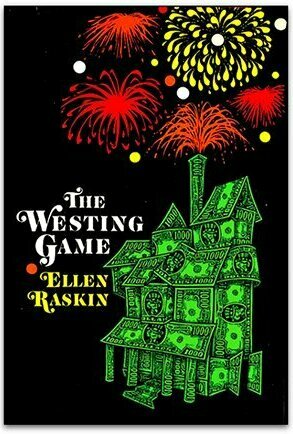


While looking for my next read, I came across The Westing Game by Ellen Raskin. I had never heard of it before, but the synopsis sounded interesting. I decided to give it a read, and I'm glad I did.
Sixteen people all move into Sam Westing's apartment building after receiving a letter inviting them to move in. They are the only tenants in the building. Little do they know that they were picked to play in a game where they could potentially win a lot of money. However, they must play hard to win if they want to inherit millions even if the game may be dangerous.
I didn't realize it while reading The Westing Game, but this book is considered middle grade fiction. The way it is written, I think every age group would enjoy it. It's a fun and easy read. The plot flows smoothly, and the story progresses with ease. Each page is filled with mystery. I found myself guessing who was the murderer and which person would figure out the clues to inherit Sam Westing's inheritance. I will say that The Westing Game's mystery had me stumped. I never could guess who was who which made me love this book even more. This book is chock full of mystery and intrigue. It will leave you scratching your head as you read it trying to figure out who killed Sam Westing. There's plenty of plot twists, and just when you think you have figured everything out, you will find out how wrong your guess was. I've never read a book that stumped me so much while trying to figure out everything! However, by the end of the book, everything is revealed. All questions are answered, and the author lets us know how each character got on in life. One minor annoyance (and I believe it's a personal thing) was that the writing seemed a little choppy to me in how it was written. Maybe it is just that style, but I found it a bit peculiar. However, that didn't take away my interest in the story that much.
I thoroughly enjoyed the characters in Ellen Raskin's The Westing Game. I enjoyed the diversity of the characters in the book. I do wish there was a bit more backstory for each of the characters though. It's not that they didn't feel fleshed out because they did, but I would have enjoyed learning more about each one of them a bit more before they moved in to Westing's apartment building. I enjoyed Turtle's character the most. Although she was often looked over, her determination to prove herself was admirable. I like how, despite her young age, she threw herself into Sam Westing's game. Sydelle was my least favorite character. It wasn't because she wasn't written well, quite the opposite. I just found her personality annoying. I kept hoping she was somehow be kicked out. Even though she wasn't mentioned as much, I really liked Madame Hoo. I enjoyed her scenes and her personality on the pages she was mentioned in.
Trigger warnings for The Westing Game include minor violence, death, suicide, drinking, and minor racism from one of the characters.
With it's mysterious plot and interesting cast of characters, The Westing Game is one of those books that you will love reading while trying to figure out its plot. It will keep you on your toes at all times! I would definitely recommend The Westing Game by Ellen Raskin to those aged 13+ who are after an unpredictable and well written mystery novel.
Sixteen people all move into Sam Westing's apartment building after receiving a letter inviting them to move in. They are the only tenants in the building. Little do they know that they were picked to play in a game where they could potentially win a lot of money. However, they must play hard to win if they want to inherit millions even if the game may be dangerous.
I didn't realize it while reading The Westing Game, but this book is considered middle grade fiction. The way it is written, I think every age group would enjoy it. It's a fun and easy read. The plot flows smoothly, and the story progresses with ease. Each page is filled with mystery. I found myself guessing who was the murderer and which person would figure out the clues to inherit Sam Westing's inheritance. I will say that The Westing Game's mystery had me stumped. I never could guess who was who which made me love this book even more. This book is chock full of mystery and intrigue. It will leave you scratching your head as you read it trying to figure out who killed Sam Westing. There's plenty of plot twists, and just when you think you have figured everything out, you will find out how wrong your guess was. I've never read a book that stumped me so much while trying to figure out everything! However, by the end of the book, everything is revealed. All questions are answered, and the author lets us know how each character got on in life. One minor annoyance (and I believe it's a personal thing) was that the writing seemed a little choppy to me in how it was written. Maybe it is just that style, but I found it a bit peculiar. However, that didn't take away my interest in the story that much.
I thoroughly enjoyed the characters in Ellen Raskin's The Westing Game. I enjoyed the diversity of the characters in the book. I do wish there was a bit more backstory for each of the characters though. It's not that they didn't feel fleshed out because they did, but I would have enjoyed learning more about each one of them a bit more before they moved in to Westing's apartment building. I enjoyed Turtle's character the most. Although she was often looked over, her determination to prove herself was admirable. I like how, despite her young age, she threw herself into Sam Westing's game. Sydelle was my least favorite character. It wasn't because she wasn't written well, quite the opposite. I just found her personality annoying. I kept hoping she was somehow be kicked out. Even though she wasn't mentioned as much, I really liked Madame Hoo. I enjoyed her scenes and her personality on the pages she was mentioned in.
Trigger warnings for The Westing Game include minor violence, death, suicide, drinking, and minor racism from one of the characters.
With it's mysterious plot and interesting cast of characters, The Westing Game is one of those books that you will love reading while trying to figure out its plot. It will keep you on your toes at all times! I would definitely recommend The Westing Game by Ellen Raskin to those aged 13+ who are after an unpredictable and well written mystery novel.

Emma @ The Movies (1786 KP) rated Bumblebee (2018) in Movies
Sep 25, 2019
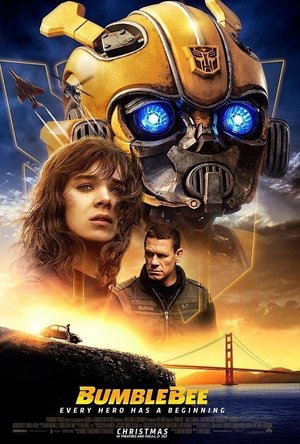
I'm really torn by this film. I enjoyed it but at the same time it isn't amazing. It's got all the classic formulas in it. Charlie is still trying to make sense of her father's death. Bumblebee is trying to remember who he is. Together they help each other... it really could be one of many films.
Something I'm pleased to discover is that other people were getting Herbie vibes from this. In the notes I was jotting down for my review I put "this would make a pretty good Herbie story". And then I pondered the possibility that Herbie was a Transformer who was broken and stuck in his Beetle shape.
The opening battle on Cyberton is surprisingly natural considering it's made up of CGId robots. It makes for a great opening. But I wasn't wowed. I should have been blown away by the effects and I just wasn't.
Bumblebee as a character was a real joy. After his memory is damaged he's basically back to being a scared little boy and the animation reflects that incredibly well. Everything about him is inquisitive and childlike, and all the little touches are there to really bring him to life. He's very human in the moments before he gets his memory back.
There are so many of his scenes that were genuinely pleasing to watch. Him waving at Charlie as she chases after them. The cassette tapes. The extended toilet paper prank and house demolition scenes. Probably my favourite bit though is where he's sitting in the forest and she's trying to fix him, his fidgeting is adorable.
When it comes to the cast feels like we've got the members of a comedy working on a drama/action film. They work well with what they've got and we get some enjoyable performances but there's nothing that really sticks in the memory.
I still enjoyed Bumblebee but I can't say that I found it to be any better than previous films in the franchise, certainly not on the action and graphics side of things. The soundtrack is full of some classic tunes that are very well placed, and the overall vibe of that combined with everything else is spot on for the 80s. You do forget it's set in 1987 though, which means that little things pop up like the TV and the technology that the military have and you feel like the films has already dated.
This is the first Transformers movie to get a PG rating in the UK, previously they've all been rated 12. It's definitely family friendly... but... it reminds me more and more of Herbie every moment I think about it.
As a last thought... seriously, Charlie? You have your moments. "If we're driving down the street and we see someone you have to hide"... if you're driving down the street he's a car anyway, hiding would make it more obvious that he's not just a car. You draw more attention to Bee than he does. Blindfolding yourself with Memo's shirt (weird moment in the film by the way, creepily out of place) and then standing out the sunroof? That won't make you more noticeable to passersby.
What you should do
It's an enjoyable film and should make for a fun family outing. I don't think there's any particular rush to see it in the cinema though.
Movie thing you wish you could take home
Who wouldn't want they're own Transformer who can change into any car it wants AND can dance?!
Something I'm pleased to discover is that other people were getting Herbie vibes from this. In the notes I was jotting down for my review I put "this would make a pretty good Herbie story". And then I pondered the possibility that Herbie was a Transformer who was broken and stuck in his Beetle shape.
The opening battle on Cyberton is surprisingly natural considering it's made up of CGId robots. It makes for a great opening. But I wasn't wowed. I should have been blown away by the effects and I just wasn't.
Bumblebee as a character was a real joy. After his memory is damaged he's basically back to being a scared little boy and the animation reflects that incredibly well. Everything about him is inquisitive and childlike, and all the little touches are there to really bring him to life. He's very human in the moments before he gets his memory back.
There are so many of his scenes that were genuinely pleasing to watch. Him waving at Charlie as she chases after them. The cassette tapes. The extended toilet paper prank and house demolition scenes. Probably my favourite bit though is where he's sitting in the forest and she's trying to fix him, his fidgeting is adorable.
When it comes to the cast feels like we've got the members of a comedy working on a drama/action film. They work well with what they've got and we get some enjoyable performances but there's nothing that really sticks in the memory.
I still enjoyed Bumblebee but I can't say that I found it to be any better than previous films in the franchise, certainly not on the action and graphics side of things. The soundtrack is full of some classic tunes that are very well placed, and the overall vibe of that combined with everything else is spot on for the 80s. You do forget it's set in 1987 though, which means that little things pop up like the TV and the technology that the military have and you feel like the films has already dated.
This is the first Transformers movie to get a PG rating in the UK, previously they've all been rated 12. It's definitely family friendly... but... it reminds me more and more of Herbie every moment I think about it.
As a last thought... seriously, Charlie? You have your moments. "If we're driving down the street and we see someone you have to hide"... if you're driving down the street he's a car anyway, hiding would make it more obvious that he's not just a car. You draw more attention to Bee than he does. Blindfolding yourself with Memo's shirt (weird moment in the film by the way, creepily out of place) and then standing out the sunroof? That won't make you more noticeable to passersby.
What you should do
It's an enjoyable film and should make for a fun family outing. I don't think there's any particular rush to see it in the cinema though.
Movie thing you wish you could take home
Who wouldn't want they're own Transformer who can change into any car it wants AND can dance?!

Choices: Stories You Play
Entertainment and Games
6.9 Rate It
App
One choice can change everything! Fall in love, solve crimes, or embark on epic fantasy adventures...
Coping with Chloe
Book
Anna and Chloe are twins. They share everything. Even Chloe's terrible accident hasn't split them...

Connor Sheffield (293 KP) rated Supernatural - Season 1 in TV
Apr 20, 2017
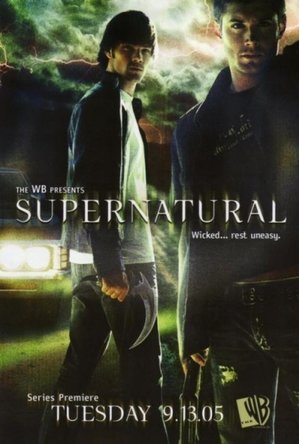


Great Character development (2 more)
Brilliant take on the myths/legends lore
Somewhat educational
Saving People, Hunting Things, The Family Business...
Supernatural Season One first aired in 2005, and I was only 10 years old when I first watched it with my Dad. I didn't sleep for right for ages and didn't look in a mirror for a long time. However, now when I watch it, this show still has the horror factor but my brain has grown accustomed to the genre so it doesn't necessarily frighten me these days but it is very creepy.
The first thing I loved about this show was that the lore's it followed were real from the legend of Bloody Mary, to the Woman in White and even a Wendigo. I knew about these legends but this show taught me more about what people believed about them and how they came to be, so this show is somewhat educational as well as being a great action horror drama show.
SPOILERS AHEAD!
So in Season One we are introduced to a family who witness the death of their mother/wife as she bursts into a fiery explosion on the ceiling of baby Sam's nursery room. Fast forward years later and Sam's in college/university and has left his past behind him until his brother Dean shows up to tell him their Dad has gone missing after a 'Hunting' trip.
This is where we learn that Sam, Dean and their Father, were actual in the life of Hunters who hunt down demons, ghosts/spirits, and monsters.
This show takes you one a journey with Sam and Dean saving lives from all sorts of strange and horrifying evil beings, who don't always turn out to be an evil being, just tortured or maybe even a being trying to warn them of a greater evil.
The effects are on par with a lot of big budget movies, even better than some of the most recent box office hits and in 2005, that says a lot about how the show can only get better with age. And it has!
Writer Eric Kripke truly did create something spectacular and to say that it's still running to this day, with a whole 12 seasons finished and a 13th season coming soon, it's hard to believe that it can still stay fresh and entertaining with this genre, but when you watch this show I guarantee you'll be entertained as there are dozens of pop culture references in every episode from X- Files to Lord of the Rings and many more, and with soundtracks that include rock and metal bands such as AC/DC it's hard to wrap your head around just how awesome this show is.
Many episodes are either named after movies ("Children Shouldn't Play with Dead Things", "The Usual Suspects", "I Know What You Did Last Summer") or classic rock songs ("In My Time of Dying", "Born Under a Bad Sign", "What is and What Should Never Be", "Sympathy For The Devil", "When The Levee Breaks"). - Copied from IMDB
The on screen chemistry between characters is brilliant and more often than not, even in serious situations, it can become hilarious with cheesy one liners or pop culture references used with perfect timing to lighten the mood of the show.
Sam and Dean (portrayed by Jared Padalecki and Jensen Ackles) have some of the best character development that I've seen in a show, and sometimes throughout the different series' the formula of arguing, falling out, and coming back to one another, can become somewhat tedious and repetitive making you scream at the TV saying "WHY!? YOU KNOW YOU'RE JUST GOING TO REALIZE YOU NEED EACH OTHER!" but if you think about it, that's how brothers would be in this situation. Having to spend every day with your brother on the road fighting the unthinkable, it would be stressful and tensions would run high, but you'd soon realize that after everything you've been through, who else could you feel comfortable around?
If you're into the paranormal or want to start learning more about different paranormal legends then this is the show for you.
TIP: For further entertainment, watch the bloopers. Some of the most hilarious clips I have ever seen from a show ;)
The first thing I loved about this show was that the lore's it followed were real from the legend of Bloody Mary, to the Woman in White and even a Wendigo. I knew about these legends but this show taught me more about what people believed about them and how they came to be, so this show is somewhat educational as well as being a great action horror drama show.
SPOILERS AHEAD!
So in Season One we are introduced to a family who witness the death of their mother/wife as she bursts into a fiery explosion on the ceiling of baby Sam's nursery room. Fast forward years later and Sam's in college/university and has left his past behind him until his brother Dean shows up to tell him their Dad has gone missing after a 'Hunting' trip.
This is where we learn that Sam, Dean and their Father, were actual in the life of Hunters who hunt down demons, ghosts/spirits, and monsters.
This show takes you one a journey with Sam and Dean saving lives from all sorts of strange and horrifying evil beings, who don't always turn out to be an evil being, just tortured or maybe even a being trying to warn them of a greater evil.
The effects are on par with a lot of big budget movies, even better than some of the most recent box office hits and in 2005, that says a lot about how the show can only get better with age. And it has!
Writer Eric Kripke truly did create something spectacular and to say that it's still running to this day, with a whole 12 seasons finished and a 13th season coming soon, it's hard to believe that it can still stay fresh and entertaining with this genre, but when you watch this show I guarantee you'll be entertained as there are dozens of pop culture references in every episode from X- Files to Lord of the Rings and many more, and with soundtracks that include rock and metal bands such as AC/DC it's hard to wrap your head around just how awesome this show is.
Many episodes are either named after movies ("Children Shouldn't Play with Dead Things", "The Usual Suspects", "I Know What You Did Last Summer") or classic rock songs ("In My Time of Dying", "Born Under a Bad Sign", "What is and What Should Never Be", "Sympathy For The Devil", "When The Levee Breaks"). - Copied from IMDB
The on screen chemistry between characters is brilliant and more often than not, even in serious situations, it can become hilarious with cheesy one liners or pop culture references used with perfect timing to lighten the mood of the show.
Sam and Dean (portrayed by Jared Padalecki and Jensen Ackles) have some of the best character development that I've seen in a show, and sometimes throughout the different series' the formula of arguing, falling out, and coming back to one another, can become somewhat tedious and repetitive making you scream at the TV saying "WHY!? YOU KNOW YOU'RE JUST GOING TO REALIZE YOU NEED EACH OTHER!" but if you think about it, that's how brothers would be in this situation. Having to spend every day with your brother on the road fighting the unthinkable, it would be stressful and tensions would run high, but you'd soon realize that after everything you've been through, who else could you feel comfortable around?
If you're into the paranormal or want to start learning more about different paranormal legends then this is the show for you.
TIP: For further entertainment, watch the bloopers. Some of the most hilarious clips I have ever seen from a show ;)

Hazel (1853 KP) rated God: A Human History in Books
Nov 5, 2017

An Ambiguous History
I received this book for free through Goodreads First Reads.
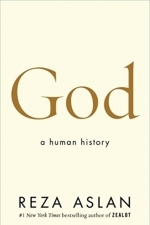
Where did religion come from? This is the question Reza Aslan, a scholar of religions, attempts to answer in his latest publication, God: A Human History. To date, Aslan has tackled subjects such as the life of Jesus of Nazareth, and the origins, evolution and future of Islam. In this book, the author journeys back to the earliest evidence of human existence and, using a mix of resources, theories and investigations, tries to determine how our ancestors conceived the idea of gods and souls. Maintaining the idea that the majority of humans think of God as a divine version of ourselves, Aslan also looks at the way our perception of life after death has altered due to the changes in our governments and cultures.
Reza Aslan claims that he, a Muslim-devout-Christian-convert-turned-Sufi, is neither trying to prove or disprove the existence of God or gods. Instead, he is providing readers with a thorough history of religion with a strong suggestion that we, as believers, have fashioned God in our image, and not the other way around.
Insisting that belief systems are inherited from each previous generation, Aslan takes a look at ancient cave drawings where he, and many other theorists, surmise that a form of religion was already well underway. Lack of written word results in a lot of speculation and hypothesis as to what these, usually animal-like, drawings represent, however, many have come to the conclusion that early humans had some form of animistic belief system.
Although not a dig at religion, after all, the author is religious himself, the following chapters bring in to question the authenticity of past and present beliefs. With reference to various psychologists, Aslan poses the theory that ancient humans may have misinterpreted dreams as evidence of a spirit realm. With no one qualified to clarify the things they did not understand, anything without a clear explanation may have been attributed to a god or gods.
As the author describes how religious ideas may have developed from these primitive beliefs to the fully detailed faiths of today, he labels the human race as anthropocentric creatures that have based their religions on human traits and emotions. By reporting in this way, it comes across that the past ideas of the soul, spiritual realms, gods and so forth could not possibly be true, yet, as the final chapters suggest, Aslan is still adamant about the existence of God.
Aslan’s narrative speeds up, finally reaching the recognizable religions of today. Beginning with the Israelites, enslaved by the Egyptians, the author explains, using biblical references, how the first successful monotheistic religion came about. However, researchers have studied the early Bible texts and are inconclusive as to whether the God worshipped by the Jews was the only divine being or whether there were others of a similar standing.
Next, Aslan explores Christianity, posing more questions than he solves, for example, is God one or is God three (i.e. the Holy Trinity)? He defines and compares the definitions of monotheism and pantheism, eventually bringing in Islam and the development of Sufism, which he is not afraid of admitting he agrees with.
God: A Human History is disappointingly short, ending with the feeble conclusion that humans are born with the ability to be convinced of the existence of a divine being and the soul, but it is our own choice to decide whether or not to believe in them. The remaining third of the book is an abundance of notes on the texts, bibliographical references, and Reza Aslan’s personal opinions about the ideas and theories mentioned in his history of religion.
Although an extensive history on the origins of religion, God: A Human History leaves readers none the wiser as to whether their belief is founded in truth or whether it is something that has evolved over time due to lack of understanding about the world. Granted, it was not the aim of the book to prove or disprove the existence of God, however, it may unintentionally sow seeds of doubt or, potentially, anger devout believers. However, there is no attempt at persuading readers to believe one thing or another, thus making it suitable for people of all religion and none.
Where did religion come from? This is the question Reza Aslan, a scholar of religions, attempts to answer in his latest publication, God: A Human History. To date, Aslan has tackled subjects such as the life of Jesus of Nazareth, and the origins, evolution and future of Islam. In this book, the author journeys back to the earliest evidence of human existence and, using a mix of resources, theories and investigations, tries to determine how our ancestors conceived the idea of gods and souls. Maintaining the idea that the majority of humans think of God as a divine version of ourselves, Aslan also looks at the way our perception of life after death has altered due to the changes in our governments and cultures.
Reza Aslan claims that he, a Muslim-devout-Christian-convert-turned-Sufi, is neither trying to prove or disprove the existence of God or gods. Instead, he is providing readers with a thorough history of religion with a strong suggestion that we, as believers, have fashioned God in our image, and not the other way around.
Insisting that belief systems are inherited from each previous generation, Aslan takes a look at ancient cave drawings where he, and many other theorists, surmise that a form of religion was already well underway. Lack of written word results in a lot of speculation and hypothesis as to what these, usually animal-like, drawings represent, however, many have come to the conclusion that early humans had some form of animistic belief system.
Although not a dig at religion, after all, the author is religious himself, the following chapters bring in to question the authenticity of past and present beliefs. With reference to various psychologists, Aslan poses the theory that ancient humans may have misinterpreted dreams as evidence of a spirit realm. With no one qualified to clarify the things they did not understand, anything without a clear explanation may have been attributed to a god or gods.
As the author describes how religious ideas may have developed from these primitive beliefs to the fully detailed faiths of today, he labels the human race as anthropocentric creatures that have based their religions on human traits and emotions. By reporting in this way, it comes across that the past ideas of the soul, spiritual realms, gods and so forth could not possibly be true, yet, as the final chapters suggest, Aslan is still adamant about the existence of God.
Aslan’s narrative speeds up, finally reaching the recognizable religions of today. Beginning with the Israelites, enslaved by the Egyptians, the author explains, using biblical references, how the first successful monotheistic religion came about. However, researchers have studied the early Bible texts and are inconclusive as to whether the God worshipped by the Jews was the only divine being or whether there were others of a similar standing.
Next, Aslan explores Christianity, posing more questions than he solves, for example, is God one or is God three (i.e. the Holy Trinity)? He defines and compares the definitions of monotheism and pantheism, eventually bringing in Islam and the development of Sufism, which he is not afraid of admitting he agrees with.
God: A Human History is disappointingly short, ending with the feeble conclusion that humans are born with the ability to be convinced of the existence of a divine being and the soul, but it is our own choice to decide whether or not to believe in them. The remaining third of the book is an abundance of notes on the texts, bibliographical references, and Reza Aslan’s personal opinions about the ideas and theories mentioned in his history of religion.
Although an extensive history on the origins of religion, God: A Human History leaves readers none the wiser as to whether their belief is founded in truth or whether it is something that has evolved over time due to lack of understanding about the world. Granted, it was not the aim of the book to prove or disprove the existence of God, however, it may unintentionally sow seeds of doubt or, potentially, anger devout believers. However, there is no attempt at persuading readers to believe one thing or another, thus making it suitable for people of all religion and none.
Hazel (1853 KP) rated God: A Human History in Books
Dec 7, 2018
<i>I received this book for free through Goodreads First Reads.
</i>
Where did religion come from? This is the question Reza Aslan, a scholar of religions, attempts to answer in his latest publication, <i>God: A Human History.</i> To date, Aslan has tackled subjects such as the life of Jesus of Nazareth, and the origins, evolution and future of Islam. In this book, the author journeys back to the earliest evidence of human existence and, using a mix of resources, theories and investigations, tries to determine how our ancestors conceived the idea of gods and souls. Maintaining the idea that the majority of humans think of God as a divine version of ourselves, Aslan also looks at the way our perception of life after death has altered due to the changes in our governments and cultures.
Reza Aslan claims that he, a Muslim-devout-Christian-convert-turned-Sufi, is neither trying to prove or disprove the existence of God or gods. Instead, he is providing readers with a thorough history of religion with a strong suggestion that we, as believers, have fashioned God in our image, and not the other way around.
Insisting that belief systems are inherited from each previous generation, Aslan takes a look at ancient cave drawings where he, and many other theorists, surmise that a form of religion was already well underway. Lack of written word results in a lot of speculation and hypothesis as to what these, usually animal-like, drawings represent, however, many have come to the conclusion that early humans had some form of animistic belief system.
Although not a dig at religion, after all, the author is religious himself, the following chapters bring in to question the authenticity of past and present beliefs. With reference to various psychologists, Aslan poses the theory that ancient humans may have misinterpreted dreams as evidence of a spirit realm. With no one qualified to clarify the things they did not understand, anything without a clear explanation may have been attributed to a god or gods.
As the author describes how religious ideas may have developed from these primitive beliefs to the fully detailed faiths of today, he labels the human race as anthropocentric creatures that have based their religions on human traits and emotions. By reporting in this way, it comes across that the past ideas of the soul, spiritual realms, gods and so forth could not possibly be true, yet, as the final chapters suggest, Aslan is still adamant about the existence of God.
Aslan’s narrative speeds up, finally reaching the recognizable religions of today. Beginning with the Israelites, enslaved by the Egyptians, the author explains, using biblical references, how the first successful monotheistic religion came about. However, researchers have studied the early Bible texts and are inconclusive as to whether the God worshipped by the Jews was the only divine being or whether there were others of a similar standing.
Next, Aslan explores Christianity, posing more questions than he solves, for example, is God one or is God three (i.e. the Holy Trinity)? He defines and compares the definitions of monotheism and pantheism, eventually bringing in Islam and the development of Sufism, which he is not afraid of admitting he agrees with.
<i>God: A Human History </i>is disappointingly short, ending with the feeble conclusion that humans are born with the ability to be convinced of the existence of a divine being and the soul, but it is our own choice to decide whether or not to believe in them. The remaining third of the book is an abundance of notes on the texts, bibliographical references, and Reza Aslan’s personal opinions about the ideas and theories mentioned in his history of religion.
Although an extensive history on the origins of religion, <i>God: A Human History </i>leaves readers none the wiser as to whether their belief is founded in truth or whether it is something that has evolved over time due to lack of understanding about the world. Granted, it was not the aim of the book to prove or disprove the existence of God, however, it may unintentionally sow seeds of doubt or, potentially, anger devout believers. However, there is no attempt at persuading readers to believe one thing or another, thus making it suitable for people of all religion and none.
</i>
Where did religion come from? This is the question Reza Aslan, a scholar of religions, attempts to answer in his latest publication, <i>God: A Human History.</i> To date, Aslan has tackled subjects such as the life of Jesus of Nazareth, and the origins, evolution and future of Islam. In this book, the author journeys back to the earliest evidence of human existence and, using a mix of resources, theories and investigations, tries to determine how our ancestors conceived the idea of gods and souls. Maintaining the idea that the majority of humans think of God as a divine version of ourselves, Aslan also looks at the way our perception of life after death has altered due to the changes in our governments and cultures.
Reza Aslan claims that he, a Muslim-devout-Christian-convert-turned-Sufi, is neither trying to prove or disprove the existence of God or gods. Instead, he is providing readers with a thorough history of religion with a strong suggestion that we, as believers, have fashioned God in our image, and not the other way around.
Insisting that belief systems are inherited from each previous generation, Aslan takes a look at ancient cave drawings where he, and many other theorists, surmise that a form of religion was already well underway. Lack of written word results in a lot of speculation and hypothesis as to what these, usually animal-like, drawings represent, however, many have come to the conclusion that early humans had some form of animistic belief system.
Although not a dig at religion, after all, the author is religious himself, the following chapters bring in to question the authenticity of past and present beliefs. With reference to various psychologists, Aslan poses the theory that ancient humans may have misinterpreted dreams as evidence of a spirit realm. With no one qualified to clarify the things they did not understand, anything without a clear explanation may have been attributed to a god or gods.
As the author describes how religious ideas may have developed from these primitive beliefs to the fully detailed faiths of today, he labels the human race as anthropocentric creatures that have based their religions on human traits and emotions. By reporting in this way, it comes across that the past ideas of the soul, spiritual realms, gods and so forth could not possibly be true, yet, as the final chapters suggest, Aslan is still adamant about the existence of God.
Aslan’s narrative speeds up, finally reaching the recognizable religions of today. Beginning with the Israelites, enslaved by the Egyptians, the author explains, using biblical references, how the first successful monotheistic religion came about. However, researchers have studied the early Bible texts and are inconclusive as to whether the God worshipped by the Jews was the only divine being or whether there were others of a similar standing.
Next, Aslan explores Christianity, posing more questions than he solves, for example, is God one or is God three (i.e. the Holy Trinity)? He defines and compares the definitions of monotheism and pantheism, eventually bringing in Islam and the development of Sufism, which he is not afraid of admitting he agrees with.
<i>God: A Human History </i>is disappointingly short, ending with the feeble conclusion that humans are born with the ability to be convinced of the existence of a divine being and the soul, but it is our own choice to decide whether or not to believe in them. The remaining third of the book is an abundance of notes on the texts, bibliographical references, and Reza Aslan’s personal opinions about the ideas and theories mentioned in his history of religion.
Although an extensive history on the origins of religion, <i>God: A Human History </i>leaves readers none the wiser as to whether their belief is founded in truth or whether it is something that has evolved over time due to lack of understanding about the world. Granted, it was not the aim of the book to prove or disprove the existence of God, however, it may unintentionally sow seeds of doubt or, potentially, anger devout believers. However, there is no attempt at persuading readers to believe one thing or another, thus making it suitable for people of all religion and none.
Hazel (1853 KP) rated There Will Be Lies in Books
Dec 17, 2018
<i>This eBook was provided by the publisher via NetGalley in exchange for an honest review </i>
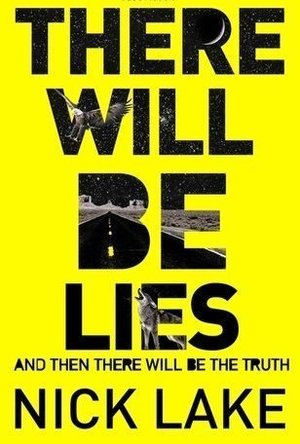
Award winning Nick Lake has returned to the limelight with a young adult thriller so full of emotion that you will be gripped from beginning to end. <i>There Will Be Lies </i>starts with a happy relationship between mother and daughter, then rips it apart revealing that everything you once believed true is a lie.
From the very beginning seventeen year old Shelby Jane Cooper warns the reader that bad things are going to happen. She speaks of death and of a car collision that is about to occur within the first few chapters of the story. But this is not the climax of the story. It is merely the small stone dropped on the top of a mountain, causing an avalanche of questions, danger and the slowly unraveling truth.
All her life Shelby has been homeschooled, isolated from society and shadowed by her over protective mother. After being hit by a car, resulting in a fractured foot, Shelby is ushered into a car by her mother and driven in the opposite direction from home. Supposedly an abusive father, a man Shelby cannot recall, is on their tail whom they must hide from to avoid a disastrous confrontation. Despite initially believing this story, peculiar things start happening to Shelby that suggest all is not as it seems.
The first quarter of <i>There Will Be Lies</i> follows a typical contemporary storyline, but as it becomes more thrilling, the author incorporates fantasy/American mythology into the mix. Finding herself slipping in and out of a dying, impossible world known as the <i>Dreaming</i>, Shelby begins to hesitate to believe the things her mother is telling her, especially after being warned that there will be two lies followed by a truth. Yet she cannot work out what they are; and what if the truth is something she cannot, does not want, to consider?
I loved this book from the very beginning. I loved Shelby’s character: the way she spoke, her sarcasm, her wit, her intelligence. I liked that despite being so sheltered from the world, she was not weird or awkward. What made it even better was discovering she was deaf. Readers will not even be able to guess at that for almost half the novel, when Shelby reveals the fact herself. She is not portrayed as stupid or any less human for having a disability. Nick Lake has done a superb job of avoiding any forms of stigma or prejudice.
With the story picking up the pace, my love was almost turned to hate. Almost. The fantastical elements, the American mythology, which gave it the appearance of a half fairytale, very nearly ruined the entire book for me. I admit I liked the concept and enjoyed reading the scenes set in the <i>Dreaming</i>, but it seemed so out of place with the rest of the novel. It felt as though Lake had written two different stories and decided to combine them together instead of publishing them separately. However, as I said, this only ALMOST ruined it.
As the story progressed, the relevance of the fairy-tale-like elements became clearer. You cannot say for sure whether the <i>Dreaming</i> was real or whether Shelby was merely doing that: dreaming. But what you can say is that the mythological storyline is a metaphorical way of showing what Shelby was dealing with in the real world. In a place where she was confused about what was true, she needed the <i>Dreaming</i> to explain things to her, to make her understand her predicament.
<i>There Will Be Lies </i>is full of little metaphors, some that you do not notice at first, but can easily be applied to life in general. It is an extremely quotable narrative with beautiful phrasing. With two thrilling storylines that eventually merge together, it is guaranteed that you will be gripped, wanting to know what happens; yet also not wanting it to end.
Award winning Nick Lake has returned to the limelight with a young adult thriller so full of emotion that you will be gripped from beginning to end. <i>There Will Be Lies </i>starts with a happy relationship between mother and daughter, then rips it apart revealing that everything you once believed true is a lie.
From the very beginning seventeen year old Shelby Jane Cooper warns the reader that bad things are going to happen. She speaks of death and of a car collision that is about to occur within the first few chapters of the story. But this is not the climax of the story. It is merely the small stone dropped on the top of a mountain, causing an avalanche of questions, danger and the slowly unraveling truth.
All her life Shelby has been homeschooled, isolated from society and shadowed by her over protective mother. After being hit by a car, resulting in a fractured foot, Shelby is ushered into a car by her mother and driven in the opposite direction from home. Supposedly an abusive father, a man Shelby cannot recall, is on their tail whom they must hide from to avoid a disastrous confrontation. Despite initially believing this story, peculiar things start happening to Shelby that suggest all is not as it seems.
The first quarter of <i>There Will Be Lies</i> follows a typical contemporary storyline, but as it becomes more thrilling, the author incorporates fantasy/American mythology into the mix. Finding herself slipping in and out of a dying, impossible world known as the <i>Dreaming</i>, Shelby begins to hesitate to believe the things her mother is telling her, especially after being warned that there will be two lies followed by a truth. Yet she cannot work out what they are; and what if the truth is something she cannot, does not want, to consider?
I loved this book from the very beginning. I loved Shelby’s character: the way she spoke, her sarcasm, her wit, her intelligence. I liked that despite being so sheltered from the world, she was not weird or awkward. What made it even better was discovering she was deaf. Readers will not even be able to guess at that for almost half the novel, when Shelby reveals the fact herself. She is not portrayed as stupid or any less human for having a disability. Nick Lake has done a superb job of avoiding any forms of stigma or prejudice.
With the story picking up the pace, my love was almost turned to hate. Almost. The fantastical elements, the American mythology, which gave it the appearance of a half fairytale, very nearly ruined the entire book for me. I admit I liked the concept and enjoyed reading the scenes set in the <i>Dreaming</i>, but it seemed so out of place with the rest of the novel. It felt as though Lake had written two different stories and decided to combine them together instead of publishing them separately. However, as I said, this only ALMOST ruined it.
As the story progressed, the relevance of the fairy-tale-like elements became clearer. You cannot say for sure whether the <i>Dreaming</i> was real or whether Shelby was merely doing that: dreaming. But what you can say is that the mythological storyline is a metaphorical way of showing what Shelby was dealing with in the real world. In a place where she was confused about what was true, she needed the <i>Dreaming</i> to explain things to her, to make her understand her predicament.
<i>There Will Be Lies </i>is full of little metaphors, some that you do not notice at first, but can easily be applied to life in general. It is an extremely quotable narrative with beautiful phrasing. With two thrilling storylines that eventually merge together, it is guaranteed that you will be gripped, wanting to know what happens; yet also not wanting it to end.

Gareth von Kallenbach (980 KP) rated Avatar (2009) in Movies
Aug 8, 2019
With a budget reported to be around $400 million dollars and a four year production cycle, “Avatar” by James Cameron is poised to usher in a new age in digital fx and 3d.
The film is set in 2154 and involves a disabled vet named Jake (Sam Worthington), who is sent to the distant moon of Pandora following the death of his brother.
It is learned that Pandora possesses a highly valuable resource that sells on the resource ravaged earth for $200 million a kilo and, which naturally sets off a frenzy of mining on the moon.
With the cultivation of the resource at a premium a facility has been established to ensure a constant mining operation and protect those on the base from the hostile wildlife that is everywhere.
While the wildlife on Pandora is a big issue, it pales in comparison to the issues poised by the native Na’vi who are a blue-skinned race who live in the forests of the moon and are in harmony with the nature of the planet which have caused them to hamper the mining efforts of the humans.
Anxious to keep the mining operations going, and limit the use of brute force to avoid any p.r. issues, a program known as “Avatar” is put into motion which allows select individuals to pilot a surrogate made from Na’vi and human D.N.A. in an effort to get the Na’vi to move and end their opposition to the mining.
It is hoped that the pilots will in time find a way to force the cooperation of the Na’vi after spending time amongst them.
Jake is thrilled with the program as once his remote link is established, he is free to run and jump again and in time finds himself absorbed by the Na’vi who wish to show him their ways as a test of his worthiness after he is separated from his fellow humans.
At this point Jake leads a double life as his surrogate learns what it is to be Na’vi and when the surrogate is asleep, Jake unhooks himself from his control bed, and is back on the base with his fellow humans. Jake is approached by Colonel Quaritch (Stephen Lang), who tasks the Marine to obtain tactical data on the Na’vi should his forces be called into action to force their cooperation. Jake is promised a costly procedure in return which would allow him to regain the use of his legs and live a life outside of his wheelchair.
As time passes, Jake grows closer to his Na’vi mentor Neytire (Zoe Saldana), who aside from being the daughter of the chief is a skilled hunter for her people. At this point Jake begins to question the motives and methods of his people and sees the exploitation and possible massacre of the Na’vi as something he can no longer accept. Jake puts a plan in motion to protect his human and Na’vi friends and what follows is an epic confrontation that is awash in visual splendor and action as James Cameron once again pushes the boundaries of technology.
Some may cite the story as resembling “Dances with Wolves’; and other films that deal with the exploitation of the native races, but the true magic of the film is that it is not limited to the lavish visuals but is instead powered by the compelling characters.
The 3d fx shine as Cameron has created another world with a thriving ecosystem that is as much a character in the film as the flesh and blood and digital creations that power the story.
The film has good supporting work from Sigourney Weaver, and Michelle Rodriquez as well as the fine ensemble cast. The amazing blend of story, digital splendor, and characters all combine to make “Avatar” a truly amazing visual film with a strong message of love, hope, and unity. James Cameron has once again proved that he is one of the true masters of cinema and has crafted a magical experience that enchants and informs.
The film is set in 2154 and involves a disabled vet named Jake (Sam Worthington), who is sent to the distant moon of Pandora following the death of his brother.
It is learned that Pandora possesses a highly valuable resource that sells on the resource ravaged earth for $200 million a kilo and, which naturally sets off a frenzy of mining on the moon.
With the cultivation of the resource at a premium a facility has been established to ensure a constant mining operation and protect those on the base from the hostile wildlife that is everywhere.
While the wildlife on Pandora is a big issue, it pales in comparison to the issues poised by the native Na’vi who are a blue-skinned race who live in the forests of the moon and are in harmony with the nature of the planet which have caused them to hamper the mining efforts of the humans.
Anxious to keep the mining operations going, and limit the use of brute force to avoid any p.r. issues, a program known as “Avatar” is put into motion which allows select individuals to pilot a surrogate made from Na’vi and human D.N.A. in an effort to get the Na’vi to move and end their opposition to the mining.
It is hoped that the pilots will in time find a way to force the cooperation of the Na’vi after spending time amongst them.
Jake is thrilled with the program as once his remote link is established, he is free to run and jump again and in time finds himself absorbed by the Na’vi who wish to show him their ways as a test of his worthiness after he is separated from his fellow humans.
At this point Jake leads a double life as his surrogate learns what it is to be Na’vi and when the surrogate is asleep, Jake unhooks himself from his control bed, and is back on the base with his fellow humans. Jake is approached by Colonel Quaritch (Stephen Lang), who tasks the Marine to obtain tactical data on the Na’vi should his forces be called into action to force their cooperation. Jake is promised a costly procedure in return which would allow him to regain the use of his legs and live a life outside of his wheelchair.
As time passes, Jake grows closer to his Na’vi mentor Neytire (Zoe Saldana), who aside from being the daughter of the chief is a skilled hunter for her people. At this point Jake begins to question the motives and methods of his people and sees the exploitation and possible massacre of the Na’vi as something he can no longer accept. Jake puts a plan in motion to protect his human and Na’vi friends and what follows is an epic confrontation that is awash in visual splendor and action as James Cameron once again pushes the boundaries of technology.
Some may cite the story as resembling “Dances with Wolves’; and other films that deal with the exploitation of the native races, but the true magic of the film is that it is not limited to the lavish visuals but is instead powered by the compelling characters.
The 3d fx shine as Cameron has created another world with a thriving ecosystem that is as much a character in the film as the flesh and blood and digital creations that power the story.
The film has good supporting work from Sigourney Weaver, and Michelle Rodriquez as well as the fine ensemble cast. The amazing blend of story, digital splendor, and characters all combine to make “Avatar” a truly amazing visual film with a strong message of love, hope, and unity. James Cameron has once again proved that he is one of the true masters of cinema and has crafted a magical experience that enchants and informs.