
Search
Search results

Annie Chanse (15 KP) rated Surrender the Sky in Books
Dec 20, 2017

Contains spoilers, click to show
** spoiler alert ** *contains spoilers*
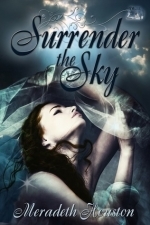
This was a very decent story. I give it three stars because I'm a tough critic, and I have to put it up against things like the "A Song of Ice and Fire" books and "American Gods" which are what I consider five star books, but honestly, I think most average readers of these types of books would probably give it a four.
The book centers around Gabby, a member of the Sary, which are basically guardian angels who come down to earth in the guise of humans to "guard" potential suicide victims and try everything to keep them from killing themselves and ending up in the vast nothingness that awaits suicides after death. This is the sole purpose of the Sary's existence. They do not fall in love; they do not have families; they do not do anything outside of their sacred duty.
Gabby's assignment is a troubled high school student, and within five pages of the book's opening, she has obviously very much failed in her assignment. The worst part, however, isn't that the student killed himself. Instead, it is that, in killing himself, the student shot Gabby, and in her pain and shock at being shot, she accidentally changes her form and exposes all six-feet of the winged goodness that is her Sary form.
This, of course, causes massive problems because secrecy is totally imperative for the Sary. Enter Jassen, next in line for the Sary crown -- although there is no ACTUAL crown, mind you. Beautiful, powerful, dutiful Jassen, who is dedicated to the Sary's solitary way of life. So, of course, he becomes the love interest. :-p Seriously though, I joke about it -- and it IS a bit predictable -- but still, it was a really good story all in all.
And it isn't just romance. Jassen has a twin brother who is a bit psychotic and isn't happy with the way Jassen and the Teacher (the leader of the Sary) are running things. He believes the Sary should live out in the open, sort of a Gods-among-men situation, and because they are identical twins, he causes all sorts of trouble, not just for the Sary, but for Gabby in particular.
I actually really enjoyed the story, but there were a few places in which the action was a little weak, and those spots brought my overall opinion of the story down a bit. For instance, Gabby's best friend, Bea -- the only true friend she's ever really had -- falls in love with a Sary member of the "clean-up crew" sent to fix Gabby's mess. This particular Sary, Nathan, eventually turns on Gabby, Jassen, and the rest of the Sary and allies himself with Jassen's twin, Leon. He does a couple of terrible things, including kidnapping Gabby, and is caught and locked up in a bedroom for a day. Then, he helps heal Gabby, and he is all out about, lying in Bea's lap, letting her stroke his hair.
I'm sorry, but I have a best friend, too, and no matter how much she loved her significant other, if he kidnapped me and led to me suffering a serious injury -- even if he helped patch me back together afterwards -- she would never forgive him, much less in a little over a day. That was completely ridiculous and unbelievable to me, and it really bothered me quite a bit. It bothered me so much, in fact, that it truly did affect my overall opinion of the book.
However, that being said, again I will say that I did enjoy the book, and it is a very solid three star story.
This was a very decent story. I give it three stars because I'm a tough critic, and I have to put it up against things like the "A Song of Ice and Fire" books and "American Gods" which are what I consider five star books, but honestly, I think most average readers of these types of books would probably give it a four.
The book centers around Gabby, a member of the Sary, which are basically guardian angels who come down to earth in the guise of humans to "guard" potential suicide victims and try everything to keep them from killing themselves and ending up in the vast nothingness that awaits suicides after death. This is the sole purpose of the Sary's existence. They do not fall in love; they do not have families; they do not do anything outside of their sacred duty.
Gabby's assignment is a troubled high school student, and within five pages of the book's opening, she has obviously very much failed in her assignment. The worst part, however, isn't that the student killed himself. Instead, it is that, in killing himself, the student shot Gabby, and in her pain and shock at being shot, she accidentally changes her form and exposes all six-feet of the winged goodness that is her Sary form.
This, of course, causes massive problems because secrecy is totally imperative for the Sary. Enter Jassen, next in line for the Sary crown -- although there is no ACTUAL crown, mind you. Beautiful, powerful, dutiful Jassen, who is dedicated to the Sary's solitary way of life. So, of course, he becomes the love interest. :-p Seriously though, I joke about it -- and it IS a bit predictable -- but still, it was a really good story all in all.
And it isn't just romance. Jassen has a twin brother who is a bit psychotic and isn't happy with the way Jassen and the Teacher (the leader of the Sary) are running things. He believes the Sary should live out in the open, sort of a Gods-among-men situation, and because they are identical twins, he causes all sorts of trouble, not just for the Sary, but for Gabby in particular.
I actually really enjoyed the story, but there were a few places in which the action was a little weak, and those spots brought my overall opinion of the story down a bit. For instance, Gabby's best friend, Bea -- the only true friend she's ever really had -- falls in love with a Sary member of the "clean-up crew" sent to fix Gabby's mess. This particular Sary, Nathan, eventually turns on Gabby, Jassen, and the rest of the Sary and allies himself with Jassen's twin, Leon. He does a couple of terrible things, including kidnapping Gabby, and is caught and locked up in a bedroom for a day. Then, he helps heal Gabby, and he is all out about, lying in Bea's lap, letting her stroke his hair.
I'm sorry, but I have a best friend, too, and no matter how much she loved her significant other, if he kidnapped me and led to me suffering a serious injury -- even if he helped patch me back together afterwards -- she would never forgive him, much less in a little over a day. That was completely ridiculous and unbelievable to me, and it really bothered me quite a bit. It bothered me so much, in fact, that it truly did affect my overall opinion of the book.
However, that being said, again I will say that I did enjoy the book, and it is a very solid three star story.
Heather Cranmer (2721 KP) rated Those People in Books
Apr 20, 2019


Enthralling Read
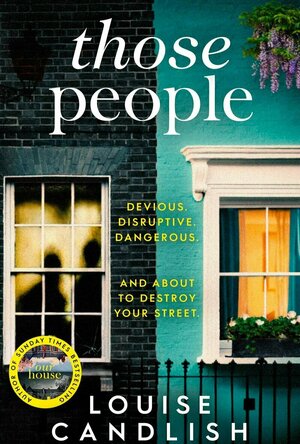
I must admit that I was sucked into Those People by Louise Candlish as soon as I read the synopsis. I had a feeling this was going to be a good read, and I was correct. I found this book to be very interesting.
The plot of Those People really held my attention. Basically, the short of it is, Lowland Way, the road where the story takes place, is full of rich people. When neighbors Darren and Jodie inherit a house from a relative, they make their neighbors' lives a nightmare by being loud, playing loud music all day and night, taking up a lot of space with their car business, and not following the neighborly rules of being good neighbors. When a murder occurs, the rich folk of Lowland Way think it will be an open and shut case and that their lives will return to normal. However, nothing could be further from the truth. After reading about Darren and Jodie, I could definitely relate to the feelings of the people on Lowland Way because I've had some pretty bad neighbors. Luckily, they've never been as bad as Darren and Jodie though. I found the plot to be extreme, but it was believable. Sometimes people will go too far if they are driven mad enough (not that I agreed with their actions) as was the case in Those People. There were a few good plot twists. However, I felt like I need more closure at the end of the book. Those People is not part of a series, so I feel like I will never get answers. It's more of a speculative ending which I am never a fan of.
I did enjoy reading about the lives of the characters in Those People. I felt they were all written perfectly and were fleshed out enough to feel like real people instead of just characters in a book. I did find many of the characters to be snobby especially Naomi. She was written really well, but I felt her character had a giant chip on her shoulder. Emma was a complete basket case. I get that she just had a baby, but some of her actions were quite extreme. However, I do know someone like her in real life. Sissy was my overall favorite character. She was the oldest, and she also had the most to lose especially as Darren and Jodie's actions were causing her to lose her bed and breakfast business. My heart really went out to her. I did think Darren and Jodie made for great baddies. I like how Darren would keep his cool for the most part when the others of Lowland Way would lose their cool towards him. For the most part, I felt that females in this book overshadowed the men with the exception of Darren and Jodie. The females seemed to be the stronger characters. This wasn't necessarily a bad thing though.
The pacing for Those People always stayed consistent and held my attention throughout. In fact, I never wanted to put this book down because I was so entranced with what was going on and what would happen next.
Trigger warnings for Those People include violence, death, profanity, and alcohol and drug use.
Overall, Those People is a really good read. I was consistently absorbed by all the drama happening at Lowland Way. The characters were written well, and the plot definitely held my attention. I would definitely recommend Those People by Louise Candlish to everyone aged 18+ especially those who have ever had to deal with some horrible neighbors.
--
(A special thank you to the publisher for providing me with an ARC paperback of Those People by Louise Candlish in exchange for an honest and unbiased review.)
The plot of Those People really held my attention. Basically, the short of it is, Lowland Way, the road where the story takes place, is full of rich people. When neighbors Darren and Jodie inherit a house from a relative, they make their neighbors' lives a nightmare by being loud, playing loud music all day and night, taking up a lot of space with their car business, and not following the neighborly rules of being good neighbors. When a murder occurs, the rich folk of Lowland Way think it will be an open and shut case and that their lives will return to normal. However, nothing could be further from the truth. After reading about Darren and Jodie, I could definitely relate to the feelings of the people on Lowland Way because I've had some pretty bad neighbors. Luckily, they've never been as bad as Darren and Jodie though. I found the plot to be extreme, but it was believable. Sometimes people will go too far if they are driven mad enough (not that I agreed with their actions) as was the case in Those People. There were a few good plot twists. However, I felt like I need more closure at the end of the book. Those People is not part of a series, so I feel like I will never get answers. It's more of a speculative ending which I am never a fan of.
I did enjoy reading about the lives of the characters in Those People. I felt they were all written perfectly and were fleshed out enough to feel like real people instead of just characters in a book. I did find many of the characters to be snobby especially Naomi. She was written really well, but I felt her character had a giant chip on her shoulder. Emma was a complete basket case. I get that she just had a baby, but some of her actions were quite extreme. However, I do know someone like her in real life. Sissy was my overall favorite character. She was the oldest, and she also had the most to lose especially as Darren and Jodie's actions were causing her to lose her bed and breakfast business. My heart really went out to her. I did think Darren and Jodie made for great baddies. I like how Darren would keep his cool for the most part when the others of Lowland Way would lose their cool towards him. For the most part, I felt that females in this book overshadowed the men with the exception of Darren and Jodie. The females seemed to be the stronger characters. This wasn't necessarily a bad thing though.
The pacing for Those People always stayed consistent and held my attention throughout. In fact, I never wanted to put this book down because I was so entranced with what was going on and what would happen next.
Trigger warnings for Those People include violence, death, profanity, and alcohol and drug use.
Overall, Those People is a really good read. I was consistently absorbed by all the drama happening at Lowland Way. The characters were written well, and the plot definitely held my attention. I would definitely recommend Those People by Louise Candlish to everyone aged 18+ especially those who have ever had to deal with some horrible neighbors.
--
(A special thank you to the publisher for providing me with an ARC paperback of Those People by Louise Candlish in exchange for an honest and unbiased review.)

Hazel (1853 KP) rated Flame in the Mist in Books
Dec 17, 2018
<i>I received this book for free through Goodreads First Reads.</i>
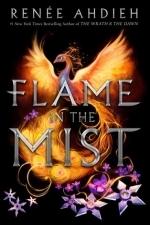
Famed for her highly rated <i>The Wrath & The Dawn</i>, Renée Ahdieh has created a new fantasy world full of original characters. Set in a land similar to the Middle Eastern countries we are familiar with, <i>Flame in the Mist</i> incorporates out-dated ideology, ancient lifestyle with a hint of supernatural, and, of course – it is a Young Adult novel after all – a dash of romance. With an eclectic mix of themes, it is a book without cessation of adventure.
The protagonist, Hattori Mariko, at the mere age of 17, is destined to marry the son of the Emperor’s favourite concubine, Prince Raidan. The book commences with the journey from her home, however, Mariko never makes it to the city. Ambushed and presumed dead, Mariko is alone in the dangerous forest, at risk of being discovered by the infamous Black Clan. Instead of waiting for rescue, Mariko, fed up of women being treated as inferior to men, decides she does not want to go home, nor does she want to marry the prince. Her only remaining option is to locate the Black Clan and discover who attempted to murder her. But for this to work, she needs to convince everyone she is a boy.
Whilst Mariko is worming her way into the clan, her twin brother is determined to track down and rescue his sister. Unbeknownst to him, Mariko is beginning to feel more affiliated with their enemies than with her own family. And so a dilemma arises. Does Mariko betray her new “friends” or be unfaithful to the brother she loves?
<i>Flame in the Mist</i> is not only about Mariko’s predicament; it also concerns an age-old feud between powerful families, involving the wrongful death of a disgraced Samurai. As the younger generation reach maturity, they determine to avenge the deaths of their fathers, and, without knowing, Mariko ends up in the centre of two warring parties.
It is a little difficult to get into the story initially; many characters are introduced, but their significance is not obvious for some time. To add to the confusion, vital persons are only formally presented at the end of the novel, which finishes on a cliffhanger. The similarity of the foreign sounding names also creates uncertainty.
Ahdieh cleverly includes a problematic situation that our own world has (almost) overcome. Mariko represents the female population, a gender that is believed to be inferior to their male counterparts. Controlled by fathers, husbands, and powerful leaders, women do not have the opportunity to make their own decisions about their lives. Although it is disconcerting that someone wishes to take Mariko’s life, the ambush provides her with the freedom and chance to prove women are as capable as men. Sadly, she has to pretend to be a boy in order to do this.
It was inevitable that there would be a love interest in <i>Flame in the Mist</i>, however, it is not as inspiring as readers may hope for. The attraction between Mariko and a member of the Black Clan almost comes out of nowhere. Not only was Mariko believed to be male for a wide stretch of the novel, the character in question was one of the more abusive.
<i>Flame in the Mist</i> being the first novel I have read by Renée Ahdieh, I have nothing with which to compare it or state why it is readers particularly admire her writing. The story was mediocre at best, with very little characters that garner respect. Having been published less than a month ago, there is already a lot of hype surrounding this book – either I am missing something vital, or readers are going to be disappointed.
Famed for her highly rated <i>The Wrath & The Dawn</i>, Renée Ahdieh has created a new fantasy world full of original characters. Set in a land similar to the Middle Eastern countries we are familiar with, <i>Flame in the Mist</i> incorporates out-dated ideology, ancient lifestyle with a hint of supernatural, and, of course – it is a Young Adult novel after all – a dash of romance. With an eclectic mix of themes, it is a book without cessation of adventure.
The protagonist, Hattori Mariko, at the mere age of 17, is destined to marry the son of the Emperor’s favourite concubine, Prince Raidan. The book commences with the journey from her home, however, Mariko never makes it to the city. Ambushed and presumed dead, Mariko is alone in the dangerous forest, at risk of being discovered by the infamous Black Clan. Instead of waiting for rescue, Mariko, fed up of women being treated as inferior to men, decides she does not want to go home, nor does she want to marry the prince. Her only remaining option is to locate the Black Clan and discover who attempted to murder her. But for this to work, she needs to convince everyone she is a boy.
Whilst Mariko is worming her way into the clan, her twin brother is determined to track down and rescue his sister. Unbeknownst to him, Mariko is beginning to feel more affiliated with their enemies than with her own family. And so a dilemma arises. Does Mariko betray her new “friends” or be unfaithful to the brother she loves?
<i>Flame in the Mist</i> is not only about Mariko’s predicament; it also concerns an age-old feud between powerful families, involving the wrongful death of a disgraced Samurai. As the younger generation reach maturity, they determine to avenge the deaths of their fathers, and, without knowing, Mariko ends up in the centre of two warring parties.
It is a little difficult to get into the story initially; many characters are introduced, but their significance is not obvious for some time. To add to the confusion, vital persons are only formally presented at the end of the novel, which finishes on a cliffhanger. The similarity of the foreign sounding names also creates uncertainty.
Ahdieh cleverly includes a problematic situation that our own world has (almost) overcome. Mariko represents the female population, a gender that is believed to be inferior to their male counterparts. Controlled by fathers, husbands, and powerful leaders, women do not have the opportunity to make their own decisions about their lives. Although it is disconcerting that someone wishes to take Mariko’s life, the ambush provides her with the freedom and chance to prove women are as capable as men. Sadly, she has to pretend to be a boy in order to do this.
It was inevitable that there would be a love interest in <i>Flame in the Mist</i>, however, it is not as inspiring as readers may hope for. The attraction between Mariko and a member of the Black Clan almost comes out of nowhere. Not only was Mariko believed to be male for a wide stretch of the novel, the character in question was one of the more abusive.
<i>Flame in the Mist</i> being the first novel I have read by Renée Ahdieh, I have nothing with which to compare it or state why it is readers particularly admire her writing. The story was mediocre at best, with very little characters that garner respect. Having been published less than a month ago, there is already a lot of hype surrounding this book – either I am missing something vital, or readers are going to be disappointed.

Night Reader Reviews (683 KP) rated Incinerate in Books
Feb 4, 2020
Honest Review for Free Copy of Book
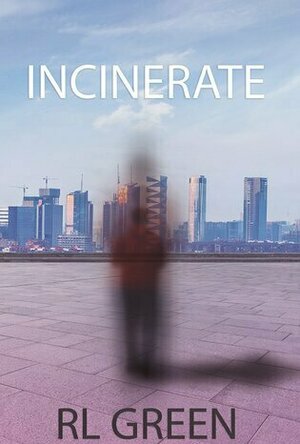
Motives and trust are put to question in the short book Incinerate by R. L. Green. However, it is not just the trust of others that is questioned but trust in oneself when emotions are involved.
Ted was raised by his Uncle Will who is, unfortunately, laying in the ICU on life support. While he is not bad off, Ted is very money conscious and is fairly sure he is his Uncle’s heir but has yet to see a copy of the will. He fears that this situation is going to bring distant relatives, especially those on his dad’s side who ran off when he was a baby, out of the woodwork looking for money. He is not completely wrong. His half-sister, Tamsyn, decides to take this opportunity to connect with family. Much to Ted’s surprise and suspicion Tam shows up in a wheelchair with a traveling companion tagging along by the name of Jazz.
Although Jazz comes off as harsh and cold towards Ted to begin with it appears this is only because she is trying to look out for Tam. After a little bit, Ted and Jazz begin to build a relationship or so Ted thinks, while Tam and Ben, Ted’s best friend seem to hit it off as well. Unfortunately, there is more to Jazz than meets the eye as Ted soon finds out. Ted and Ben make it their goal to help Tam get out of Tazz’s manipulative clutches, but it proves difficult. Ted must keep his feelings for Jazz from interfering with the plan yet keep Jazz from knowing he is aware of the truth. Jazz, however, doesn't want to give up her grip on Tam that easily and is willing to go to extreme lengths to keep ahold of her.
I enjoyed Ted’s personality quite a bit. He is questioning and careful of new people and situations until he understands what is going on. Once he understands, Ted seems to have very little trouble deciding to take sides, even if it means he has to fight himself in the process. I was unhappy with the ending of this book. It was a cliffhanger (which I have no problem with) but it just left way too much hanging. The situation with Uncle Will is never resolved, though it's not hard to guess what happened to him, but the will in another unanswered factor. Mor importantly even though there are plans to go ahead and start the business nothing is said about how it works out. I am also extremely interested to know if Jazz ever comes back and if the accident she had was an accident. Then there is also the fact that Ted said “hey” way too much and at times when it felt wrong.
This book deals with tough subjects best suited for adult and high school students. Subjects include rape, manipulation, sex, and death. Other than that the writing style itself is not that difficult. I would also classify this book as a drama from those that are interested. I rate this book 2 out of 4. It is a quick read for those that do not have a lot of free time. While the book itself lacks depth the characters seem to have quite a bit to them. For everything that I find fault for in this book, it is balanced with a positive aspect as well. This might not be a book that I would highly recommend, yet I would not discourage anyone from giving it a shot.
https://nightreaderreviews.blogspot.com
https://facebook.com/nightreaderreviews
https://smashbomb.com/nightreader
Ted was raised by his Uncle Will who is, unfortunately, laying in the ICU on life support. While he is not bad off, Ted is very money conscious and is fairly sure he is his Uncle’s heir but has yet to see a copy of the will. He fears that this situation is going to bring distant relatives, especially those on his dad’s side who ran off when he was a baby, out of the woodwork looking for money. He is not completely wrong. His half-sister, Tamsyn, decides to take this opportunity to connect with family. Much to Ted’s surprise and suspicion Tam shows up in a wheelchair with a traveling companion tagging along by the name of Jazz.
Although Jazz comes off as harsh and cold towards Ted to begin with it appears this is only because she is trying to look out for Tam. After a little bit, Ted and Jazz begin to build a relationship or so Ted thinks, while Tam and Ben, Ted’s best friend seem to hit it off as well. Unfortunately, there is more to Jazz than meets the eye as Ted soon finds out. Ted and Ben make it their goal to help Tam get out of Tazz’s manipulative clutches, but it proves difficult. Ted must keep his feelings for Jazz from interfering with the plan yet keep Jazz from knowing he is aware of the truth. Jazz, however, doesn't want to give up her grip on Tam that easily and is willing to go to extreme lengths to keep ahold of her.
I enjoyed Ted’s personality quite a bit. He is questioning and careful of new people and situations until he understands what is going on. Once he understands, Ted seems to have very little trouble deciding to take sides, even if it means he has to fight himself in the process. I was unhappy with the ending of this book. It was a cliffhanger (which I have no problem with) but it just left way too much hanging. The situation with Uncle Will is never resolved, though it's not hard to guess what happened to him, but the will in another unanswered factor. Mor importantly even though there are plans to go ahead and start the business nothing is said about how it works out. I am also extremely interested to know if Jazz ever comes back and if the accident she had was an accident. Then there is also the fact that Ted said “hey” way too much and at times when it felt wrong.
This book deals with tough subjects best suited for adult and high school students. Subjects include rape, manipulation, sex, and death. Other than that the writing style itself is not that difficult. I would also classify this book as a drama from those that are interested. I rate this book 2 out of 4. It is a quick read for those that do not have a lot of free time. While the book itself lacks depth the characters seem to have quite a bit to them. For everything that I find fault for in this book, it is balanced with a positive aspect as well. This might not be a book that I would highly recommend, yet I would not discourage anyone from giving it a shot.
https://nightreaderreviews.blogspot.com
https://facebook.com/nightreaderreviews
https://smashbomb.com/nightreader

BankofMarquis (1832 KP) rated The Curious Case of Benjamin Button (2008) in Movies
Mar 28, 2020
Holds up well - worth your time
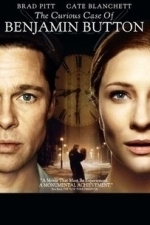
I remember really liking THE CURIOUS CASE OF BENJAMIN BUTTON when it first was released in 2011. It made me a fan of Brad Pitt, Cate Blanchette, Tilda Swinton, Taraji P. Henson, Jared Harris and Director David Fincher - and I defended this film to those that did not have as high an opinion of this movie than I did. So when my daughter recommended we re-watch this film (a film I haven't watched in 5 or 6 years), I was excited to revisit it.
And...I'm glad I did...for I re-fell in love with the portions of the film that I remembered fondly while I was also able to see the flaws (mostly in pacing) that drops this film down a peg.
Based on the short story by F. Scott Fitgerald, THE CURIOUS CASE OF BENJAMIN BUTTON tells the tale of a man who ages backwards. His life is chronicled from his birth (right after the "Great War" ended in the 1919) and follows right up to his death.
As played by Brad Pitt in an Oscar nominated turn, the titular character is earnest, honest, somewhat naive and (as he gets younger) very attractive to look at. I've been a fan of Pitt's acting since the days of FIGHT CLUB and 12 MONKEYS (and think he deserved his Oscar for ONCE UPON A TIME IN HOLLYWOOD) and he does not disappoint in this film, especially since he has quite a few strong performers to play against (even while under heavy make-up).
Jared Harris, Taraji P. Henson (in an Oscar nominated performance) and Mahershala Ali all bring strong, winning performances but is the performances of 2 strong actresses that drew my attention to them from this point forward. Tilda Swinton (SNOWPIERCER) brings a sense of longing to her portrayal of a woman that Benjamin has a brief affair with. Their scenes together are touching and poignant with a sense of sadness that had me rooting for Swinton's character throughout.
But, it is the appearance of Cate Blanchette (THOR: RAGNAROK) that elevates this film for me. I had been a fan of Blanchette's since her Oscar winning role of Katherine Hepburn in THE AVIATOR, but this performance raised her abilities in my eyes and I eagerly await everything that she is going to appear in (including CAROL, a film that I loathe).
Director David Fincher (Se7EN, FIGHT CLUB) was also Oscar nominated for his work in this film and he blends a lifelong love story with events of the day while mixing in some wonderful CGI that helps age (or de-age) Benjamin as the film unfolds. This film, for me, was a departure for Fincher who I came to admire for his trippy films, but he brings a human-ness to the proceedings that helps ground the fantastical into reality.
Upon this viewing, I did find that this film does drag a bit at times - it is as if Fincher (and the cast) fell so in love with the characters and the scenes, that they lose track of the pacing, letting the film bog down from time to time. The film runs 2 hours and 46 minutes...and I think I could help find spots to trim about 20 minutes out of it.
The film did win in 3 of the 13 categories it was Oscar nominated in (it was nominated for BEST FILM, but did not win that award). The Oscar wins were all for special effects of some sort - and I kept looking to see if I could spot the tricks and Special FX in the film - and I could not. A good sign that this film is holding up 9 years later.
Take a trip through time (backwards) with Benjamin Button, it's is worth it.
Letter Grade: A-
8 stars out of 10 (and you can take that to the Bank(OfMarquis)
And...I'm glad I did...for I re-fell in love with the portions of the film that I remembered fondly while I was also able to see the flaws (mostly in pacing) that drops this film down a peg.
Based on the short story by F. Scott Fitgerald, THE CURIOUS CASE OF BENJAMIN BUTTON tells the tale of a man who ages backwards. His life is chronicled from his birth (right after the "Great War" ended in the 1919) and follows right up to his death.
As played by Brad Pitt in an Oscar nominated turn, the titular character is earnest, honest, somewhat naive and (as he gets younger) very attractive to look at. I've been a fan of Pitt's acting since the days of FIGHT CLUB and 12 MONKEYS (and think he deserved his Oscar for ONCE UPON A TIME IN HOLLYWOOD) and he does not disappoint in this film, especially since he has quite a few strong performers to play against (even while under heavy make-up).
Jared Harris, Taraji P. Henson (in an Oscar nominated performance) and Mahershala Ali all bring strong, winning performances but is the performances of 2 strong actresses that drew my attention to them from this point forward. Tilda Swinton (SNOWPIERCER) brings a sense of longing to her portrayal of a woman that Benjamin has a brief affair with. Their scenes together are touching and poignant with a sense of sadness that had me rooting for Swinton's character throughout.
But, it is the appearance of Cate Blanchette (THOR: RAGNAROK) that elevates this film for me. I had been a fan of Blanchette's since her Oscar winning role of Katherine Hepburn in THE AVIATOR, but this performance raised her abilities in my eyes and I eagerly await everything that she is going to appear in (including CAROL, a film that I loathe).
Director David Fincher (Se7EN, FIGHT CLUB) was also Oscar nominated for his work in this film and he blends a lifelong love story with events of the day while mixing in some wonderful CGI that helps age (or de-age) Benjamin as the film unfolds. This film, for me, was a departure for Fincher who I came to admire for his trippy films, but he brings a human-ness to the proceedings that helps ground the fantastical into reality.
Upon this viewing, I did find that this film does drag a bit at times - it is as if Fincher (and the cast) fell so in love with the characters and the scenes, that they lose track of the pacing, letting the film bog down from time to time. The film runs 2 hours and 46 minutes...and I think I could help find spots to trim about 20 minutes out of it.
The film did win in 3 of the 13 categories it was Oscar nominated in (it was nominated for BEST FILM, but did not win that award). The Oscar wins were all for special effects of some sort - and I kept looking to see if I could spot the tricks and Special FX in the film - and I could not. A good sign that this film is holding up 9 years later.
Take a trip through time (backwards) with Benjamin Button, it's is worth it.
Letter Grade: A-
8 stars out of 10 (and you can take that to the Bank(OfMarquis)
Infected by Scott Sigler
Podcast
Across America a mysterious disease is turning ordinary people into raving, paranoid murderers who...

School of Dragons: How to Train Your Dragon
Games and Education
App
FEATURES • Visit with familiar friends like Hiccup, Toothless and others from the “How To Train...
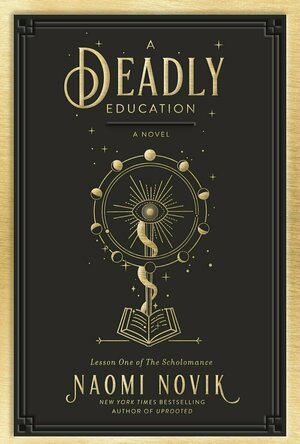
Janeeny (200 KP) rated A Deadly Education: Lesson One of the Scholomance in Books
Jun 18, 2021

I received an ARC of this book in exchange for an honest review.
It’s taken me three days to write this review, as I’ve tried to find something clever and witty to say about it when the simple truth is, I like this book and it’s hard to explain why without giving too much away.
It has all the elements you’d expect and enjoy from a fantasy novel, and even though most people I know who enjoy this genre feel it bridges the gap between YA and adult fiction, I should still probably say that the only thing that gives it away that this is a YA book is the teenage protagonist. Novik has gone with the canny technique of a YA voice and theme with an adult backdrop. (I know it’s school but I don’t think even Harry Potter had THIS many near-death experiences)
The protagonist is a girl called El who goes to a special school called The Scholomance. What makes this school so special is the fact that it’s for magically gifted children, it’s held between realities, there are no teachers, the school itself assesses your progress and provides your work accordingly. However, where there are magical beings there are beasties and there are some right nasty ones in this school. Luckily El is constantly rescued by resident hero Orion, which she is especially aggrieved by, considering that El herself is potentially the most dangerous thing in the school.
Oddly enough, one of my favourite aspects of this book was the one thing that most reviewers found annoying about it, and that’s what they’re calling the ‘info-dumping’. There’s a strong feeling amongst the reviews that there is constantly just too much information being thrown at you. In hindsight, I can see their point, and if you’re a fan of Novik and were expecting her usual standard this may be annoying. However, for me as my first foray into her style, I didn’t mind it. In fact, I think it contributed to her world-building and just made me even keener to read the next book. Maybe now that the base is established the next book won’t have so much of it, but it didn’t detract from the story at all for me. I can’t help it, I like information. Sure if a bunch of schoolroom chairs have just come to life and chased after our main characters I want to know how that turns out as quickly as possible, but I do also like to know why.
There is so much going on here, that not only is Novik giving you an entertaining story but it feels like she’s laying the groundwork for what could be (hopefully) an epic new series. El is at times annoying and frustrating, but refreshingly consistent. Orion is the reluctant hero, despite being provided with a bit of background for him he still feels a little 2 dimensional to me, but I hope he’ll be fleshed out a bit more in the next book. They are supported by a range of diverse characters, speaking of which . . .
I’d be remiss if I didn’t mention the controversy around the book regarding some racist claims. I am by no means qualified to comment on this point, but what I would say is that the issue is a sin of omission rather than intention, and has been addressed by the author. If this is an issue that has you reconsidering adding this to your TBR pile, please do read a broad selection of reviews before making up your mind. As it is a fantastic book and could potentially be my favourite new series
It’s taken me three days to write this review, as I’ve tried to find something clever and witty to say about it when the simple truth is, I like this book and it’s hard to explain why without giving too much away.
It has all the elements you’d expect and enjoy from a fantasy novel, and even though most people I know who enjoy this genre feel it bridges the gap between YA and adult fiction, I should still probably say that the only thing that gives it away that this is a YA book is the teenage protagonist. Novik has gone with the canny technique of a YA voice and theme with an adult backdrop. (I know it’s school but I don’t think even Harry Potter had THIS many near-death experiences)
The protagonist is a girl called El who goes to a special school called The Scholomance. What makes this school so special is the fact that it’s for magically gifted children, it’s held between realities, there are no teachers, the school itself assesses your progress and provides your work accordingly. However, where there are magical beings there are beasties and there are some right nasty ones in this school. Luckily El is constantly rescued by resident hero Orion, which she is especially aggrieved by, considering that El herself is potentially the most dangerous thing in the school.
Oddly enough, one of my favourite aspects of this book was the one thing that most reviewers found annoying about it, and that’s what they’re calling the ‘info-dumping’. There’s a strong feeling amongst the reviews that there is constantly just too much information being thrown at you. In hindsight, I can see their point, and if you’re a fan of Novik and were expecting her usual standard this may be annoying. However, for me as my first foray into her style, I didn’t mind it. In fact, I think it contributed to her world-building and just made me even keener to read the next book. Maybe now that the base is established the next book won’t have so much of it, but it didn’t detract from the story at all for me. I can’t help it, I like information. Sure if a bunch of schoolroom chairs have just come to life and chased after our main characters I want to know how that turns out as quickly as possible, but I do also like to know why.
There is so much going on here, that not only is Novik giving you an entertaining story but it feels like she’s laying the groundwork for what could be (hopefully) an epic new series. El is at times annoying and frustrating, but refreshingly consistent. Orion is the reluctant hero, despite being provided with a bit of background for him he still feels a little 2 dimensional to me, but I hope he’ll be fleshed out a bit more in the next book. They are supported by a range of diverse characters, speaking of which . . .
I’d be remiss if I didn’t mention the controversy around the book regarding some racist claims. I am by no means qualified to comment on this point, but what I would say is that the issue is a sin of omission rather than intention, and has been addressed by the author. If this is an issue that has you reconsidering adding this to your TBR pile, please do read a broad selection of reviews before making up your mind. As it is a fantastic book and could potentially be my favourite new series
Kirk Bage (1775 KP) rated Good Time (2017) in Movies
Jan 22, 2021
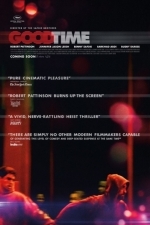
Here is another example of a very watchable low budget film that may have passed by your radar undetected. It came to my attention in two ways. The first because I disliked Uncut Gems so much folk started telling me to watch Good Time to get a better idea of what the Safdie brothers were all about. The second because Robert Pattinson kept popping up and being good in things, when again, there was a time I wouldn’t have thought that possible.
Josh and Benny Safdie have a lot of energy as filmmakers it seems; if the two films I’ve seen so far indicate a motif then it is people forced to act without much thought when the stakes are pretty much life and death. A raw, desperate energy exists in their work that comes straight at you through the screen. In Uncut Gems I found they pushed that feeling too hard, and what we were left with was a massively uncomfortable experience that felt like drinking too much coffee and then being screamed at by someone you hated. Good Time tempers that a little by having a protagonist whose motives you can at least identify with, played by a better, less shouty, more subtle and more likeable actor.
The plot revolves around Pattinson’s Connie frantically trying to find and save his mentally challenged brother, Nick, played by co-director Benny Safdie, after forcing him to participate in a bank robbery that goes wrong. Safdie as an actor is superb and memorable in the role, as is Pattinson. The chemistry between the two is simultaneously edgy, heartbreaking and somehow genuine. You believe they are brothers and invest in it – feeling Nick’s guilt and need to atone driving every bad decision along the grimy path he treads through the seedier parts of the city.
The camerawork and direction make the lights and sounds of the city a character in itself. It may not be true, but I see this film in my head, now as I think of it, as being 90% at night, lit by flashing headlights. Certainly that feel of running head-on into traffic is a big part of it. But there are slower, more sensitive scenes that spring to mind too. Constantly we are being asked if we can forgive Nick, or at least understand why he is making the choices he is making. Essentially he wants the panic to stop, but can’t ever get himself to a place of peace. An idea beautifully illustrated in the scenes involving the female characters of Corey and Crystal (the former played by Jennifer Jason Leigh with typical edge); Nick wants to be loved and respected, but how will that ever be possible?
Contrasting Pattinson’s work here with other recent efforts, including Tenet, The Lighthouse and The Lost City of Z, you can see an impressive range where his true personality disappears into his character. Something not every actor can do by any means, and something Adam Sandler failed to do in Uncut Gems, for example. I continue to be more impressed by him from film to film, to the extent that if I saw him in a cast it would be reason enough to see something. He has that ability to make an average film watchable, often being the best thing about the project. And I have to admit that has surprised me. But I like Kristen Stewart too these days, so it just shows how much the Twilight franchise has to answer for!
I wouldn’t go mad recommending this to everyone, but there is a time and a place for it, and I’m pleased I can appreciate the talent and potential the Safdie Brothers have inherently. There certainly aren’t enough young filmmakers taking risks in this way any more. It wouldn’t surprise me at all to see their formula strike true gold before too long.
Josh and Benny Safdie have a lot of energy as filmmakers it seems; if the two films I’ve seen so far indicate a motif then it is people forced to act without much thought when the stakes are pretty much life and death. A raw, desperate energy exists in their work that comes straight at you through the screen. In Uncut Gems I found they pushed that feeling too hard, and what we were left with was a massively uncomfortable experience that felt like drinking too much coffee and then being screamed at by someone you hated. Good Time tempers that a little by having a protagonist whose motives you can at least identify with, played by a better, less shouty, more subtle and more likeable actor.
The plot revolves around Pattinson’s Connie frantically trying to find and save his mentally challenged brother, Nick, played by co-director Benny Safdie, after forcing him to participate in a bank robbery that goes wrong. Safdie as an actor is superb and memorable in the role, as is Pattinson. The chemistry between the two is simultaneously edgy, heartbreaking and somehow genuine. You believe they are brothers and invest in it – feeling Nick’s guilt and need to atone driving every bad decision along the grimy path he treads through the seedier parts of the city.
The camerawork and direction make the lights and sounds of the city a character in itself. It may not be true, but I see this film in my head, now as I think of it, as being 90% at night, lit by flashing headlights. Certainly that feel of running head-on into traffic is a big part of it. But there are slower, more sensitive scenes that spring to mind too. Constantly we are being asked if we can forgive Nick, or at least understand why he is making the choices he is making. Essentially he wants the panic to stop, but can’t ever get himself to a place of peace. An idea beautifully illustrated in the scenes involving the female characters of Corey and Crystal (the former played by Jennifer Jason Leigh with typical edge); Nick wants to be loved and respected, but how will that ever be possible?
Contrasting Pattinson’s work here with other recent efforts, including Tenet, The Lighthouse and The Lost City of Z, you can see an impressive range where his true personality disappears into his character. Something not every actor can do by any means, and something Adam Sandler failed to do in Uncut Gems, for example. I continue to be more impressed by him from film to film, to the extent that if I saw him in a cast it would be reason enough to see something. He has that ability to make an average film watchable, often being the best thing about the project. And I have to admit that has surprised me. But I like Kristen Stewart too these days, so it just shows how much the Twilight franchise has to answer for!
I wouldn’t go mad recommending this to everyone, but there is a time and a place for it, and I’m pleased I can appreciate the talent and potential the Safdie Brothers have inherently. There certainly aren’t enough young filmmakers taking risks in this way any more. It wouldn’t surprise me at all to see their formula strike true gold before too long.
Kirk Bage (1775 KP) rated Unsolved Mysteries in TV
Jan 22, 2021 (Updated Jan 22, 2021)
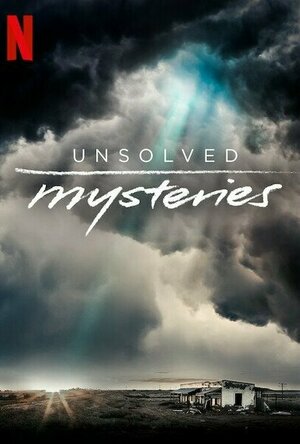
It is a guilty secret of mine that when in the right mood I love to get a small fix of the unexplained or the macabre true crime documentary type thing. They tend to range from truly ridiculous to the mildly convincing, but tend not to have especially high production value. Netflix seem to know there is demand for it however, and every now and again there is a mini-series that can live in the same box as the more serious docs.
Making a Murderer was maybe the first to break through into the mainstream consciousness, some five years ago. I watched the first series of that with a morbid fascination, as did everyone else. The second season was interesting too, but lacked the cliffhanger drive of the first. Then there are three or four parters like the superlative Ted Bundy Tapes, which get to the point and don’t out stay their welcome. Unsolved Mysteries is sort of something in the middle.
The twist on this series is that these six stories are all active cases that remain unsolved by local police forces, and we are encouraged at the end of each one to call a hotline with any info that may lead to an arrest. This is a gimmick, of course, and I can’t imagine the calls and emails they have been getting! Those would make a better TV show than this actually is, for sure.
Each episode is an hour long, which in honesty is twice as long as it needs to be in half the cases. In fact, only two of the six captured my imagination enough to give me chills and want to know what happened. The other four were standard missing person stories that although “unsolved” were pretty mundane. As mundane as murder ever gets… which is a pitfall of watching this stuff… it all gets quite normalised and loses its power to disturb, as it should.
The first to interest me was the first up, the strange story of Rey Rivera, known as “the mystery on the rooftop”. The thing that got me was the hidden note taped to the back of his computer, that read like a coded message, and hinted at involvement with a secret society. That, combined with the fact that his fall to death was impossible, and that his boss put a gagging order on all his staff after the event. Whatever this guy had going on in his life it was weird! And his family knew not one thing about it…
The second was “House of Terror”, the story of a French aristocrat who secretly shot his entire family while they slept, carefully buried them under the back porch with immense care, left no other trace of evidence in the house, then disappeared forever into the mountains, seemingly creating a deliberate false trail on CCTV. What got me here was the calculation and calm of it all, combined with the mystery of not knowing his motive, other than the fact he may have been living a lie about how successful he was financially. Regardless, his actions were so cool and unpanicked, it was like watching something out of the Bourne Identity.
As I say, otherwise it is all pretty standard stuff, and nothing to write home about. But I will remember those two cases and be holding out for any new developments in them. I guess that’s all they want – enough intrigue to keep you hooked for more down the line. Of course, you are never quite sure how manipulative with the “truth” these things are? It seemed to be presented soberly and without a sensationalist angle, but you never know. Why do I watch them at all, that is the biggest mystery…
Making a Murderer was maybe the first to break through into the mainstream consciousness, some five years ago. I watched the first series of that with a morbid fascination, as did everyone else. The second season was interesting too, but lacked the cliffhanger drive of the first. Then there are three or four parters like the superlative Ted Bundy Tapes, which get to the point and don’t out stay their welcome. Unsolved Mysteries is sort of something in the middle.
The twist on this series is that these six stories are all active cases that remain unsolved by local police forces, and we are encouraged at the end of each one to call a hotline with any info that may lead to an arrest. This is a gimmick, of course, and I can’t imagine the calls and emails they have been getting! Those would make a better TV show than this actually is, for sure.
Each episode is an hour long, which in honesty is twice as long as it needs to be in half the cases. In fact, only two of the six captured my imagination enough to give me chills and want to know what happened. The other four were standard missing person stories that although “unsolved” were pretty mundane. As mundane as murder ever gets… which is a pitfall of watching this stuff… it all gets quite normalised and loses its power to disturb, as it should.
The first to interest me was the first up, the strange story of Rey Rivera, known as “the mystery on the rooftop”. The thing that got me was the hidden note taped to the back of his computer, that read like a coded message, and hinted at involvement with a secret society. That, combined with the fact that his fall to death was impossible, and that his boss put a gagging order on all his staff after the event. Whatever this guy had going on in his life it was weird! And his family knew not one thing about it…
The second was “House of Terror”, the story of a French aristocrat who secretly shot his entire family while they slept, carefully buried them under the back porch with immense care, left no other trace of evidence in the house, then disappeared forever into the mountains, seemingly creating a deliberate false trail on CCTV. What got me here was the calculation and calm of it all, combined with the mystery of not knowing his motive, other than the fact he may have been living a lie about how successful he was financially. Regardless, his actions were so cool and unpanicked, it was like watching something out of the Bourne Identity.
As I say, otherwise it is all pretty standard stuff, and nothing to write home about. But I will remember those two cases and be holding out for any new developments in them. I guess that’s all they want – enough intrigue to keep you hooked for more down the line. Of course, you are never quite sure how manipulative with the “truth” these things are? It seemed to be presented soberly and without a sensationalist angle, but you never know. Why do I watch them at all, that is the biggest mystery…