

Joe Julians (221 KP) rated Suburbicon (2017) in Movies
Jan 30, 2018
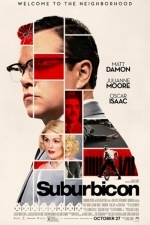


On the one hand, we have a black family moving into the area and being subjected to abuse and extreme prejudice, and on the other, a family hiding a dirty secret about a home invasion that led to the death of the mother. The problem is, neither of these plots is given the right amount of attention. The racial story is by far the most interesting here, yet it's relegated to a side plot and, with the exception of the young boy, none of the family get a chance to develop into actual characters. Then you have the murder story which takes up the bulk of the running time, but it's neither fresh nor original- it's actually rather dull.
Despite being beautifully shot and occasionally amusing (Matt Damon on a kid's bike), Suburbicon ends up being a bit of a slog. It's a mish mash of ideas and tones that don't come close to forming a coherent story. There's decent performances to be found, but beyond that- don't expect much.
Erika Kehlet (21 KP) rated Candy Corn Murder (A Lucy Stone Mystery, #22) in Books
Feb 21, 2018

For the first 2/3 of this novel, I thought the whole mystery was the identity of the individual who was sabotaging the pumpkin festival. This didn't seem like much of a crime for a mystery novel, but the real thing comes along later in the story. Most of the action happens in the last quarter of the book, but I never felt like the story was dragging. The beginning has enough conflict and backstory to keep it moving along.
Lucy is a very down-to-earth sort of character, and she is easy to like and commiserate with. She has her hands full with her catapult-building husband, two daughters, and a grandson who is temporarily living in her home while his parents are out of the country, as well as her full time job as a reporter with the local paper. It's that job that gives her an excuse to get close to people who may have something to hide, and helps her track down a killer in the end.
***I received a free copy from Netgalley in exchange for an honest review***

ClareR (6256 KP) rated Now We Shall Be Entirely Free in Books
Oct 18, 2018
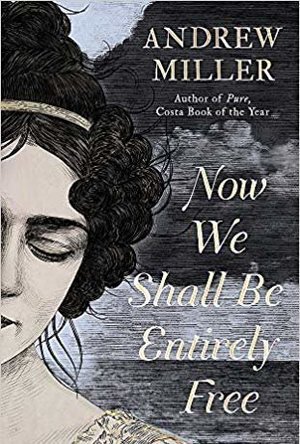

John Lacroix (who changes his name to Lovell) meets a family (two sisters and their brother) who are free thinkers who want to live a free life. Just what Lacroix needs, I think.
I liked this. The writing style had a peaceful, reigned air to it, even in the more unpleasant parts. It's a brutal story, gently told, in fact.
Many thanks to NetGalley and the publisher for my copy of this book.
The Wave: A Memoir of Life After the Tsunami
Book
Winner of the PEN/Ackerley Prize 2014 The book opens and we are inside the wave: thirty feet high,...
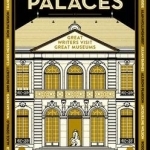
Treasure Palaces: Great Writers Visit Great Museums
Book
From a stunning villa on sunny Capri with Ali Smith to an unlikely temple in the heart of Copenhagen...
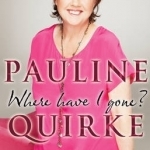
Where Have I Gone?
Book
Pauline Quirke was a skinny child, a slim teenager, a curvy woman, then - according to her bathroom...

With Love from God
Book
Does cancer enhance courage? Or does it heighten the sense of humor? Can a life threatening illness...
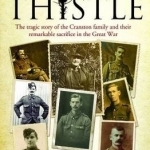
Blood on the Thistle: The Tragic Story of the Cranston Family and Their Remarkable Sacrifice
Stuart Pearson and Robert G. Mitchell
Book
Blood on the Thistle is an examination of the life and times of a remarkable Scottish family, the...
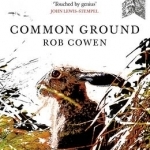
Common Ground
Book
SHORTLISTED FOR THE WAINWRIGHT PRIZE 2016. Shortlisted for the 2015 Portico Prize for Non-Fiction....
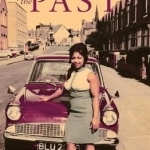
Echoes of the Past
Book
Having moved to the hustle and bustle of London from Jamaica, Gloria Ifill found her initial attempt...