
Search
Search results

Bob Mann (459 KP) rated Mary Poppins Returns (2018) in Movies
Sep 28, 2021
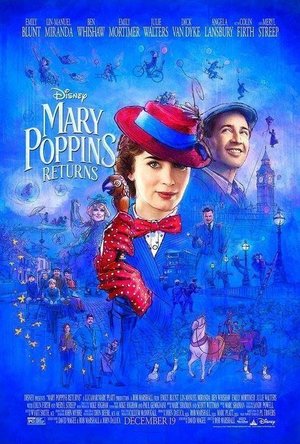


A valiant attempt to recreate a masterpiece.
How do you repaint a masterpiece: the Mona Lisa of children’s fantasy cinema? Some would say “You shouldn’t try”.
As I’ve said before, Mary Poppins was the first film I saw when it came out (or soon afterwards) at a very impressionable age…. I was said to have bawled my eyes out with “THE MAGIC NANNY IS GOING AWAY!!” as Julie Andrews floated off! So as my last cinema trip of 2018 I went to see this sequel, 54 years after the original, with a sense of dread. I’m relieved to say that although the film has its flaws it’s by no means the disaster I envisaged.
The plot
It’s a fairly lightweight story. Now all grown up, young Michael from the original film (Ben Whishaw) has his own family. His troubles though come not singly but in battalions since not only is he grieving a recent loss but he is also about to be evicted from 17 Cherry Tree Lane. Help is at hand in that his father, George Banks, had shares with the Fidelity Fiduciary Bank. But despite their best efforts neither he, his sister Jane (Emily Mortimer) nor their chirpy “strike a light” lamplighter friend Jack (Lin-Manuel Miranda) can find the all-important share certificates. With the deadline from bank manager Wilkins (Colin Firth) approaching, it’s fortuitous that Mary Poppins (Emily Blunt) drops in to look after the Banks children – John (Nathanael Saleh), Anabel (Pixie Davies) and Georgie (Joel Dawson) – in her own inimitable fashion.
Songs that are more Meh-ry Poppins
I know musical taste is very personal. My biggest problem with the film though was that the songs by Marc Shaiman were, to me, on the lacklustre side. Only one jumped out and struck me: the jaunty vaudeville number “A Cover is not the Book”. Elsewhere they were – to me – unmemorable and nowhere near as catchy as those of “The Greatest Showman“. (What amplified this for me was having some of the classic Sherman-brothers themes woven into the soundtrack that just made me realise what I was missing!) Richard M Sherman – now 90 – was credited with “Music Consultant” but I wonder how much input he actually had?
The other flaws
Another issue I had with the film was that it just tried WAAYYY too hard to tick off the key attributes of the original:
‘Mary in the mirror’ – check
‘Bottomless carpet bag’ – check
‘Initial fun in the nursery’ – check
‘Quirky trip to a cartoon land’ – check
‘Dance on the ceiling with a quirky relative’ – check
‘Chirpy chimney sweeps’ – check (“Er… Mr Marshall… we couldn’t get chimney sweeps… will lamplighters do?” “Yeah, good enough”)
Another thing that struck me about the film – particularly as a film aimed at kids – is just how long it is. At 2 hours and 10 minutes it’s a bladder-testing experience for adults let alone younger children. (It’s worth noting that this is still 9 minutes shorter than the original, but back in the 60’s we had FAR fewer options to be stimulated by entertainment and our attention spans were – I think – much longer as a result!)
What it does get right
But with this whinging aside, the film does get a number of things spit-spot on.
Emily Blunt is near perfection as Poppins. (In the interests of balance my wife found her bizarrely clipped accent very grating, but I suspect P.L. Travers would have approved!). Broadway star Lin-Manuel Miranda also does a good job as Jack, although you wonder whether the ‘society of cockney actors’ must again be in a big grump about the casting! I found Emily Mortimer just delightful as the grown-up Jane, although Ben Whishaw‘s Michael didn’t particularly connect with me.
Almost unrecognisable was David Warner as the now wheelchair-bound Admiral Boom. His first mate is none other than Jim Norton of “Father Ted” Bishop Brennan fame (thanks to my daughter Jenn for pointing that one out)!
Also watch out (I’d largely missed it before I realised!) for a nice pavement cameo by Karen Dotrice, the original Jane, asking directions to number 19 Cherry Tree Lane.
What the film also gets right is to implement the old-school animation of the “Jolly Holidays” segment of the original. That’s a really smart move. Filmed at Shepperton Studios in London, this is once again a great advert for Britain’s film technicians. The London sets and the costumes (by the great Sandy Powell) are just superb.
Some cameo cherries on the cake
Finally, the aces in the hole are the two cameos near the end of the film. And they would have been lovely surprises as well since neither name appears in the opening credits. It’s therefore a CRYING SHAME that they chose to let the cat out of the bag in the trailer (BLOODY MARKETING EXECS!). In case you haven’t seen the trailer, I won’t spoil it for you here. But as a magical movie experience the first of those cameos moved me close to tears. He also delivers a hum-dinger of a plot twist that is a genuinely welcome crossover from the first film.
Final Thoughts
Rob Marshall directs, and with a pretty impossible task he delivers an end-product that, while it didn’t completely thrill me, did well not to trash my delicate hopes and dreams either. Having just listened to Kermode and Mayo’s review (and it seems that Mark Kermode places Poppins on a similar pedestal to me) the songs (and therefore the “Place Where Lost Things Go” song) just didn’t resonate with me in the same way, and so, unlike Kermode, I mentally never bridged the gap to safely enjoying it.
But what we all think is secondary. Because if some three or four year old out there gets a similarly lifelong love of the cinema by watching this, then that’s all that matters.
As I’ve said before, Mary Poppins was the first film I saw when it came out (or soon afterwards) at a very impressionable age…. I was said to have bawled my eyes out with “THE MAGIC NANNY IS GOING AWAY!!” as Julie Andrews floated off! So as my last cinema trip of 2018 I went to see this sequel, 54 years after the original, with a sense of dread. I’m relieved to say that although the film has its flaws it’s by no means the disaster I envisaged.
The plot
It’s a fairly lightweight story. Now all grown up, young Michael from the original film (Ben Whishaw) has his own family. His troubles though come not singly but in battalions since not only is he grieving a recent loss but he is also about to be evicted from 17 Cherry Tree Lane. Help is at hand in that his father, George Banks, had shares with the Fidelity Fiduciary Bank. But despite their best efforts neither he, his sister Jane (Emily Mortimer) nor their chirpy “strike a light” lamplighter friend Jack (Lin-Manuel Miranda) can find the all-important share certificates. With the deadline from bank manager Wilkins (Colin Firth) approaching, it’s fortuitous that Mary Poppins (Emily Blunt) drops in to look after the Banks children – John (Nathanael Saleh), Anabel (Pixie Davies) and Georgie (Joel Dawson) – in her own inimitable fashion.
Songs that are more Meh-ry Poppins
I know musical taste is very personal. My biggest problem with the film though was that the songs by Marc Shaiman were, to me, on the lacklustre side. Only one jumped out and struck me: the jaunty vaudeville number “A Cover is not the Book”. Elsewhere they were – to me – unmemorable and nowhere near as catchy as those of “The Greatest Showman“. (What amplified this for me was having some of the classic Sherman-brothers themes woven into the soundtrack that just made me realise what I was missing!) Richard M Sherman – now 90 – was credited with “Music Consultant” but I wonder how much input he actually had?
The other flaws
Another issue I had with the film was that it just tried WAAYYY too hard to tick off the key attributes of the original:
‘Mary in the mirror’ – check
‘Bottomless carpet bag’ – check
‘Initial fun in the nursery’ – check
‘Quirky trip to a cartoon land’ – check
‘Dance on the ceiling with a quirky relative’ – check
‘Chirpy chimney sweeps’ – check (“Er… Mr Marshall… we couldn’t get chimney sweeps… will lamplighters do?” “Yeah, good enough”)
Another thing that struck me about the film – particularly as a film aimed at kids – is just how long it is. At 2 hours and 10 minutes it’s a bladder-testing experience for adults let alone younger children. (It’s worth noting that this is still 9 minutes shorter than the original, but back in the 60’s we had FAR fewer options to be stimulated by entertainment and our attention spans were – I think – much longer as a result!)
What it does get right
But with this whinging aside, the film does get a number of things spit-spot on.
Emily Blunt is near perfection as Poppins. (In the interests of balance my wife found her bizarrely clipped accent very grating, but I suspect P.L. Travers would have approved!). Broadway star Lin-Manuel Miranda also does a good job as Jack, although you wonder whether the ‘society of cockney actors’ must again be in a big grump about the casting! I found Emily Mortimer just delightful as the grown-up Jane, although Ben Whishaw‘s Michael didn’t particularly connect with me.
Almost unrecognisable was David Warner as the now wheelchair-bound Admiral Boom. His first mate is none other than Jim Norton of “Father Ted” Bishop Brennan fame (thanks to my daughter Jenn for pointing that one out)!
Also watch out (I’d largely missed it before I realised!) for a nice pavement cameo by Karen Dotrice, the original Jane, asking directions to number 19 Cherry Tree Lane.
What the film also gets right is to implement the old-school animation of the “Jolly Holidays” segment of the original. That’s a really smart move. Filmed at Shepperton Studios in London, this is once again a great advert for Britain’s film technicians. The London sets and the costumes (by the great Sandy Powell) are just superb.
Some cameo cherries on the cake
Finally, the aces in the hole are the two cameos near the end of the film. And they would have been lovely surprises as well since neither name appears in the opening credits. It’s therefore a CRYING SHAME that they chose to let the cat out of the bag in the trailer (BLOODY MARKETING EXECS!). In case you haven’t seen the trailer, I won’t spoil it for you here. But as a magical movie experience the first of those cameos moved me close to tears. He also delivers a hum-dinger of a plot twist that is a genuinely welcome crossover from the first film.
Final Thoughts
Rob Marshall directs, and with a pretty impossible task he delivers an end-product that, while it didn’t completely thrill me, did well not to trash my delicate hopes and dreams either. Having just listened to Kermode and Mayo’s review (and it seems that Mark Kermode places Poppins on a similar pedestal to me) the songs (and therefore the “Place Where Lost Things Go” song) just didn’t resonate with me in the same way, and so, unlike Kermode, I mentally never bridged the gap to safely enjoying it.
But what we all think is secondary. Because if some three or four year old out there gets a similarly lifelong love of the cinema by watching this, then that’s all that matters.

Chris Sawin (602 KP) rated The Suicide Squad (2021) in Movies
Oct 6, 2021
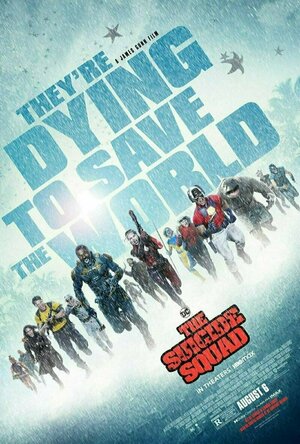

Its adult humor is also incredibly poignant (2 more)
Blood and gore is Troma levels of insanity
King Shark and Polka Dot Man
Not as fun on repeat viewings (1 more)
Is a little too similar to Guardians of the Galaxy
I'm a Motherf@#$ing Superhero!
You could probably get away with calling James Gunn’s The Suicide Squad an R-rated version of Guardians of the Galaxy, but it isn’t entirely fair or correct. It’s a complicated comparison much like Gunn’s status with Marvel Studios that allowed him to make the film in the first place and whether or not The Suicide Squad is a sequel or a reboot to David Ayer’s 2016 film.
Gunn has always had a knack for getting gory or gross or raunchy if the opportunity presented itself. The Suicide Squad almost feels like a clean, strike that, blood-splattered slate for the filmmaker. Gunn had complete creative control while making The Suicide Squad and it shows; not only in its graphic content and excessive vulgarity, but also in the characters Gunn chose to be in the film. Nearly everyone has been replaced from the previous Suicide Squad film except for Captain Boomerang (Jai Courtney), Colonel Rick Flagg (Joel Kinnaman), Harley Quinn (Margot Robbie), and Amanda Waller (Viola Davis). The new characters are mostly unknown or barely known villains, which makes the fact that nearly all of them are expendable all the more intriguing.
While Guardians of the Galaxy and The Suicide Squad are two different films, there are some undeniable similarities. The cast of The Suicide Squad is insanely stacked, but you have to know by now that three quarters of these characters die in horribly gruesome ways. Witnessing who lives and who dies is half the fun of the film, so that won’t be spoiled here. But The Suicide Squad has a team of five characters that are grouped together and featured more than anyone else. It’s a lot like how Guardians began with Star-Lord, Gamora, Drax, Rocket, and Groot. These five characters also end up being the ones you love the most.
Gunn also has a thing for taking a group of assholes and giving them meaning. In the tenth season of South Park, Eric Cartman meets Bart Simpson face to face. Bart has always been a troublemaker and a prankster, but Cartman ground up Scott Tenorman’s parents, slapped that ground parent meat in some chili, and made Scott eat his own parents. The comparison between Guardians and The Suicide Squad is a lot like the difference between Bart Simpson and Eric Cartman. The Suicide Squad features straight up murderers, demented psychopaths, and whatever the hell Weasel is.
Not unlike his other comic book film work though, Gunn typically takes what would be unlikable characters on their own and finds a purpose for them once they’re with other outcasts that they can relate to. There is a ton of heart in The Suicide Squad. You fall in love with King Shark because he’s trying to read books upside down and use one of his fingers as mustache as a brilliant disguise, but you don’t feel for him until he reveals that he’s never had a friend. Sebastian, Ratcatcher II’s go-to rat, is adorable because he waves at, offers leaves to, and flocks toward Bloodsport even though he’s afraid of rats. There’s still this camaraderie in The Suicide Squad. It may be broken and gory, but it’s still camaraderie.
There are some unusual choices that Gunn made with The Suicide Squad though. They originally wanted Will Smith to come back as Deadshot, but supposedly cast Idris Elba to replace Smith in the role. Then they backtracked and made Elba Bloodsport. The odd thing is that both Bloodsport and Peacemaker are exactly the same as Deadshot. Peacemaker seems to be a bit crazier, but both characters have a thing for making anything a weapon in their hands and having precise aim. Bloodsport is even doing everything in the film for the sake of his daughter. It gives Warner Bros a chance to bring Smith back as Deadshot down the line, but having all three characters in the same film would be serious overkill.
Harley Quinn’s action sequences in The Suicide Squad are better and more satisfying than anything Margot Robbie has done with the role. Polka Dot Man is low-key the coolest character of the film despite seeing his mom in every person that he meets. Many will likely point to the blood, the gore, and all of the F-bombs shouted mostly among teammates as Gunn cleansing his Marvel/Disney palette so to speak. However, the major difference is Starro. Starro is a giant blue and purple starfish with an eyeball in the middle of his body. He is essentially a kaiju, but he shoots miniature versions of himself out of his armpits which latch onto people’s faces, kills them, and turns their corpses into zombie-like slaves that do his bidding; all while Starro gets bigger and bigger in the process. The abridged version of this starfish heavy explanation is that Starro is fucking terrifying. The entire world is basically on the verge of bowing down to a Godzilla sized starfish that has the ability to shoot armies of himself out of his Goddamn armpits! The MCU featuring a monster or creature of any kind that is that scary is slim to none.
The Suicide Squad is an uproarious extravaganza filled with grotesque nom-noms, full-on naked dick shots, and John Cena in tighty-whities and it’s is the most fun you’ll have with an R-rated comic book film in a theater (or at home with HBO Max) since Deadpool. It’s the first comic book film to come along in a good long while that’s charming because of how weird it is. As a final note, stay/watch after the credits. James Gunn and John Cena are doing an 8-episode Peacemaker TV series for HBO Max due sometime in 2022, so that may or may not be teased in some capacity.
Gunn has always had a knack for getting gory or gross or raunchy if the opportunity presented itself. The Suicide Squad almost feels like a clean, strike that, blood-splattered slate for the filmmaker. Gunn had complete creative control while making The Suicide Squad and it shows; not only in its graphic content and excessive vulgarity, but also in the characters Gunn chose to be in the film. Nearly everyone has been replaced from the previous Suicide Squad film except for Captain Boomerang (Jai Courtney), Colonel Rick Flagg (Joel Kinnaman), Harley Quinn (Margot Robbie), and Amanda Waller (Viola Davis). The new characters are mostly unknown or barely known villains, which makes the fact that nearly all of them are expendable all the more intriguing.
While Guardians of the Galaxy and The Suicide Squad are two different films, there are some undeniable similarities. The cast of The Suicide Squad is insanely stacked, but you have to know by now that three quarters of these characters die in horribly gruesome ways. Witnessing who lives and who dies is half the fun of the film, so that won’t be spoiled here. But The Suicide Squad has a team of five characters that are grouped together and featured more than anyone else. It’s a lot like how Guardians began with Star-Lord, Gamora, Drax, Rocket, and Groot. These five characters also end up being the ones you love the most.
Gunn also has a thing for taking a group of assholes and giving them meaning. In the tenth season of South Park, Eric Cartman meets Bart Simpson face to face. Bart has always been a troublemaker and a prankster, but Cartman ground up Scott Tenorman’s parents, slapped that ground parent meat in some chili, and made Scott eat his own parents. The comparison between Guardians and The Suicide Squad is a lot like the difference between Bart Simpson and Eric Cartman. The Suicide Squad features straight up murderers, demented psychopaths, and whatever the hell Weasel is.
Not unlike his other comic book film work though, Gunn typically takes what would be unlikable characters on their own and finds a purpose for them once they’re with other outcasts that they can relate to. There is a ton of heart in The Suicide Squad. You fall in love with King Shark because he’s trying to read books upside down and use one of his fingers as mustache as a brilliant disguise, but you don’t feel for him until he reveals that he’s never had a friend. Sebastian, Ratcatcher II’s go-to rat, is adorable because he waves at, offers leaves to, and flocks toward Bloodsport even though he’s afraid of rats. There’s still this camaraderie in The Suicide Squad. It may be broken and gory, but it’s still camaraderie.
There are some unusual choices that Gunn made with The Suicide Squad though. They originally wanted Will Smith to come back as Deadshot, but supposedly cast Idris Elba to replace Smith in the role. Then they backtracked and made Elba Bloodsport. The odd thing is that both Bloodsport and Peacemaker are exactly the same as Deadshot. Peacemaker seems to be a bit crazier, but both characters have a thing for making anything a weapon in their hands and having precise aim. Bloodsport is even doing everything in the film for the sake of his daughter. It gives Warner Bros a chance to bring Smith back as Deadshot down the line, but having all three characters in the same film would be serious overkill.
Harley Quinn’s action sequences in The Suicide Squad are better and more satisfying than anything Margot Robbie has done with the role. Polka Dot Man is low-key the coolest character of the film despite seeing his mom in every person that he meets. Many will likely point to the blood, the gore, and all of the F-bombs shouted mostly among teammates as Gunn cleansing his Marvel/Disney palette so to speak. However, the major difference is Starro. Starro is a giant blue and purple starfish with an eyeball in the middle of his body. He is essentially a kaiju, but he shoots miniature versions of himself out of his armpits which latch onto people’s faces, kills them, and turns their corpses into zombie-like slaves that do his bidding; all while Starro gets bigger and bigger in the process. The abridged version of this starfish heavy explanation is that Starro is fucking terrifying. The entire world is basically on the verge of bowing down to a Godzilla sized starfish that has the ability to shoot armies of himself out of his Goddamn armpits! The MCU featuring a monster or creature of any kind that is that scary is slim to none.
The Suicide Squad is an uproarious extravaganza filled with grotesque nom-noms, full-on naked dick shots, and John Cena in tighty-whities and it’s is the most fun you’ll have with an R-rated comic book film in a theater (or at home with HBO Max) since Deadpool. It’s the first comic book film to come along in a good long while that’s charming because of how weird it is. As a final note, stay/watch after the credits. James Gunn and John Cena are doing an 8-episode Peacemaker TV series for HBO Max due sometime in 2022, so that may or may not be teased in some capacity.

BankofMarquis (1832 KP) rated Avengers: Endgame (2019) in Movies
Apr 29, 2019
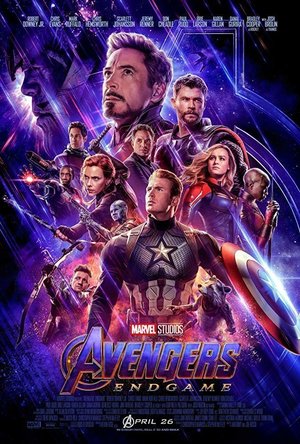

It has "all the feels"
***There will be NO SPOILERS in this review***
AVENGERS: ENDGAME is an emotionally and artistically satisfying conclusion to 11 years and 22 films of the MARVEL CINEMATIC UNIVERSE.
Closing out "Phase III" in the MCU, the concluding chapter for most of the "original" MCU characters/actors, ENDGAME picks up the Avengers story right after the conclusion of AVENGERS: INFINITY WAR - a film which saw our heroes lose the battle to Thanos, who snapped his fingers and half the living beings in the Universe vanished.
Instead of downplaying the grief that a survivor would feel, Directors Joe and Anthony Russo (veterans of many MCU films) wisely decide to "lean into" this grief which gives this film something that is surprising for a SuperHero film - emotional resonance. You grieve with these characters that you have come to know - and love - and share their pain and sorrow.
It's a wise choice for it adds a layer to this film that many Superhero films fail to achieve. Along with action, fun characters that you want to root for, interesting visuals and (are you listening DC?) - HUMOR, this film has "all the feels" (to steal a phrase) and will leave the MCU fan (both hardcore and casual) satisfied with the experience.
Also...interestingly enough...this film stands on it's own quite well. The guy next to me in the theater was a "newbie" to the MCU, dragged to the theater with his friends to be "part of the crowd" in this experience. Over the first 5 minutes he was asking his buddy a million questions about who is who and what is what...but after that he just settled into his chair and enjoyed the ride for what it is - even jumping up and cheering at a spot late in the film where EVERYONE in the sold out IMAX showing I was in was tempted to jump out of their chair and cheer (yes - there is THAT kind of moment in this film).
There is also sorrow...loss...joy...relief...tension...excitement...as I said..."all the feels". I don't usually tear up at movies, but I felt some glistening in the corners of my eyes and a lump in my throat on more than 1 occasion - sometimes with sadness, but, sometimes, with joy and exuberance. Yes! I had tears of JOY jumping out of my eyes at a few moments in this film.
But, if it is Special Effects spectacle you are looking for - no worries. There are PLENTY including a finale that is worthy of being the Final Battle in the Final Film for this Phase of the series.
And...the humor...this film has a surprisingly large amount of light, happy moments as well. I give the Russo Brothers - and the MCU - credit for realizing that humor is a good counterbalance to sorrow, action and suspense. I also give them credit for what character they decided to use as the "comic relief" in this film. It's a good choice - and the performer tapped to play the humor is equal to the task.
But, of course, none of this matters if the characters aren't interesting enough to root for - and this film has it in spades. We've watched these characters grow, develop, bond and tear apart over the course of these past 11 years, so there is quite a bit of emotional investment in the characters - and this investment pays of handsomely (again...if you are a "casual" fan or a "newbie", you'll be fine). But...if you are like me and are "into" the MCU then there is payoff after payoff in this film that is extremely satisfying.
The actors in ENDGAME are, of course, at the top of their game. They know they are capping a special moment in their careers and they "bring it". Starting, of course, with Robert Downey, Jr. as Tony Stark/Iron Man. His character goes through a wide variety of emotions through the course of this film and - if this is his last MCU film - he's going out in style. As is Chris Evans as Steve Rogers/Captain America. These two are at the heart of this film - and at the heart of the MCU - and they take center stage with aplomb, tweaking their characters while respecting all that came before. To be honest, I never really bought into the Iron Man vs. Captain America "Civil War" storyline, but they tie that up nicely.
Of course the other 4 "Original 6 Avengers" - Chris Hemsworth's THOR, Scarlett Johansson's BLACK WIDOW, Mark Ruffalo's BRUCE BANNER and Jeremy Renner's CLINT/HAWKEYE/RONIN - are on hand and they all have their moments and take their bows as appropriate throughout. I also have to give some "props" to Don Cheadle's James "Rhodey" Rhodes/WAR MACHINE - kind of an unsung performer in these films and is a welcome sight who would have been missed had he not been there.
The other "survivors of the snap" - Bradley Cooper's ROCKET RACOON, Karen Gillan's NEBULA and Paul Rudd's SCOTT LANG/ANT MAN - fit in with the "original" Avengers quite well. This group of 10 is fun to watch. Add to them Brie Larson's CAPTAIN MARVEL to mix the drink and the concoction was intoxicating to me. A small "quibble" and I do mean a "quibble" - Danai Gurira and her character OKOYE is underutlized/underused for my tastes, but...that is just a "quibble".
Oh...and James Brolin is back as "big bad" Thanos - a worthy adversary, both emotionally, intellectually and physically for this group of SuperHero's to outwit/outlast/outplay.
Finally...without giving away any plot points...this story figured out a way to reflect on/pay homage to previous films in this Universe. It was a clever way to bring back stories/characters/moments from the past and to give some of these performers and moments a nice "cameo" curtain call.
I better stop now before I give away plot points - needless to say I LOVED THIS FILM - it was a very satisfying way to say "thank you and goodbye" to 11 years (and 22 films) of marvelous film making.
I'm looking forward to what the next 11 years in the Marvel Cinematic Universe has to offer - the bar has been set at the highest level.
Letter Grade: A+
10 stars (out of 10) and you can take that to the Bank(ofMarquis)
AVENGERS: ENDGAME is an emotionally and artistically satisfying conclusion to 11 years and 22 films of the MARVEL CINEMATIC UNIVERSE.
Closing out "Phase III" in the MCU, the concluding chapter for most of the "original" MCU characters/actors, ENDGAME picks up the Avengers story right after the conclusion of AVENGERS: INFINITY WAR - a film which saw our heroes lose the battle to Thanos, who snapped his fingers and half the living beings in the Universe vanished.
Instead of downplaying the grief that a survivor would feel, Directors Joe and Anthony Russo (veterans of many MCU films) wisely decide to "lean into" this grief which gives this film something that is surprising for a SuperHero film - emotional resonance. You grieve with these characters that you have come to know - and love - and share their pain and sorrow.
It's a wise choice for it adds a layer to this film that many Superhero films fail to achieve. Along with action, fun characters that you want to root for, interesting visuals and (are you listening DC?) - HUMOR, this film has "all the feels" (to steal a phrase) and will leave the MCU fan (both hardcore and casual) satisfied with the experience.
Also...interestingly enough...this film stands on it's own quite well. The guy next to me in the theater was a "newbie" to the MCU, dragged to the theater with his friends to be "part of the crowd" in this experience. Over the first 5 minutes he was asking his buddy a million questions about who is who and what is what...but after that he just settled into his chair and enjoyed the ride for what it is - even jumping up and cheering at a spot late in the film where EVERYONE in the sold out IMAX showing I was in was tempted to jump out of their chair and cheer (yes - there is THAT kind of moment in this film).
There is also sorrow...loss...joy...relief...tension...excitement...as I said..."all the feels". I don't usually tear up at movies, but I felt some glistening in the corners of my eyes and a lump in my throat on more than 1 occasion - sometimes with sadness, but, sometimes, with joy and exuberance. Yes! I had tears of JOY jumping out of my eyes at a few moments in this film.
But, if it is Special Effects spectacle you are looking for - no worries. There are PLENTY including a finale that is worthy of being the Final Battle in the Final Film for this Phase of the series.
And...the humor...this film has a surprisingly large amount of light, happy moments as well. I give the Russo Brothers - and the MCU - credit for realizing that humor is a good counterbalance to sorrow, action and suspense. I also give them credit for what character they decided to use as the "comic relief" in this film. It's a good choice - and the performer tapped to play the humor is equal to the task.
But, of course, none of this matters if the characters aren't interesting enough to root for - and this film has it in spades. We've watched these characters grow, develop, bond and tear apart over the course of these past 11 years, so there is quite a bit of emotional investment in the characters - and this investment pays of handsomely (again...if you are a "casual" fan or a "newbie", you'll be fine). But...if you are like me and are "into" the MCU then there is payoff after payoff in this film that is extremely satisfying.
The actors in ENDGAME are, of course, at the top of their game. They know they are capping a special moment in their careers and they "bring it". Starting, of course, with Robert Downey, Jr. as Tony Stark/Iron Man. His character goes through a wide variety of emotions through the course of this film and - if this is his last MCU film - he's going out in style. As is Chris Evans as Steve Rogers/Captain America. These two are at the heart of this film - and at the heart of the MCU - and they take center stage with aplomb, tweaking their characters while respecting all that came before. To be honest, I never really bought into the Iron Man vs. Captain America "Civil War" storyline, but they tie that up nicely.
Of course the other 4 "Original 6 Avengers" - Chris Hemsworth's THOR, Scarlett Johansson's BLACK WIDOW, Mark Ruffalo's BRUCE BANNER and Jeremy Renner's CLINT/HAWKEYE/RONIN - are on hand and they all have their moments and take their bows as appropriate throughout. I also have to give some "props" to Don Cheadle's James "Rhodey" Rhodes/WAR MACHINE - kind of an unsung performer in these films and is a welcome sight who would have been missed had he not been there.
The other "survivors of the snap" - Bradley Cooper's ROCKET RACOON, Karen Gillan's NEBULA and Paul Rudd's SCOTT LANG/ANT MAN - fit in with the "original" Avengers quite well. This group of 10 is fun to watch. Add to them Brie Larson's CAPTAIN MARVEL to mix the drink and the concoction was intoxicating to me. A small "quibble" and I do mean a "quibble" - Danai Gurira and her character OKOYE is underutlized/underused for my tastes, but...that is just a "quibble".
Oh...and James Brolin is back as "big bad" Thanos - a worthy adversary, both emotionally, intellectually and physically for this group of SuperHero's to outwit/outlast/outplay.
Finally...without giving away any plot points...this story figured out a way to reflect on/pay homage to previous films in this Universe. It was a clever way to bring back stories/characters/moments from the past and to give some of these performers and moments a nice "cameo" curtain call.
I better stop now before I give away plot points - needless to say I LOVED THIS FILM - it was a very satisfying way to say "thank you and goodbye" to 11 years (and 22 films) of marvelous film making.
I'm looking forward to what the next 11 years in the Marvel Cinematic Universe has to offer - the bar has been set at the highest level.
Letter Grade: A+
10 stars (out of 10) and you can take that to the Bank(ofMarquis)

Hadley (567 KP) rated Frankenstein in Books
Apr 30, 2019

Great main character (1 more)
Beautiful writing
Over usage of some words (1 more)
Secondary characters have hardly a back story
In the horror genre, I have very few favorite female writers, but Mary Shelley is one of them. The way she weaves environments with character defining scenes is beautifully done in 'Frankenstein.' At the tender age of 18, Shelley was able to convey grief and loss through a single story. She created a relatable 'creature' that many readers will have pity for, but also an obsessive young man that can hardly be hated. Some people may be intimidated by the more diverse English language from the early 1800's, but, in my opinion, the story would not have had the same impact if it had been written today.
Not just horror readers will enjoy 'Frankenstein,' but also those who like to read philosophy. Shelley brings up life discerning questions that even society meddles with today. It's amazing to think that a two century old book discusses problems we still deal with.
The book begins with a sea captain that picks up a stranger that was stranded on a raft of ice, and this man has a fascinating story to tell. The entire book is a letter written by the sea captain to his sister, which he details every bit of Victor Frankenstein's several year tale. Readers get to follow Frankenstein's life from the moment his 'creature' is made to the end of his days, which traverses the globe. When Shelley begins to lull over her love of environments, she quickly picks up with character or story development that keeps our attention from wandering.
'Frankenstein' focuses on the need to be loved and accepted to live a happy existence,as well as reaching our dreams, but Shelley shows how achieving such things can cause a crushing defeat in the latter pursuit: "Night was far advanced when I came to the halfway resting-place, and seated myself beside the fountain. The stars shone at intervals, as the clouds passed from over them; the dark pines rose before me, and every here and there a broken tree lay on the ground: it was a scene of wonderful solemnity, and stirred strange thoughts within me. I wept bitterly; and clasping my hands in agony, I exclaimed, 'Oh! stars, and clouds, and winds, ye are all about to mock me: if ye really pity me, crush sensation and memory; let me become as nought; but if not, depart, depart, and leave me in darkness.' "
There are other characters we read of, including Frankenstein's best friend, Henry, and his long time love interest, Elizabeth (both of who grew up with Frankenstein). Henry comes from a well-to-do merchant family, while Elizabeth was orphaned from a wealthy family, then adopted by the Frankensteins as a future wife for Victor. Unfortunately, we learn little about them or Victor's family, that when any of them do die, it's not felt personally by the reader. There are other characters that had major events in the story, but as with the friends, they weren't developed enough to bring up any emotion at their passing.
After Frankenstein sets out after his creation,we meet the 'creature' at the top of a mountain. He is devastated that his creator hates him, and that the other humans he has met also hated him. "I expected this reception,' said the demon. 'All men hate the wretched; how, then, must I be hated, who am miserable beyond all living things! Yet you, my creator, detest and spurn me, thy creature, to whom thou art bound by ties only dissoluble by the annihilation of one of us. You purpose to kill me. How dare you sport thus with life? Do your duty towards me, and I will do mine towards you and the rest of mankind. If you will comply with my conditions, I will leave them and you at peace; but if you refuse, I will glut the maw of death, until it be satiated with the blood of your remaining friends.' "
The 'creature' gives Frankenstein an ultimatum: he either makes him a female companion or he will kill everyone Frankenstein loves and adores." 'What I ask of you is reasonable and moderate; I demand a creature of another sex, but as hideous as myself; the gratification is small, but it is all that I can receive,and it shall content me.' " Although, by this time, the 'creature' has already murdered Frankenstein's youngest brother, Victor agrees to make him a companion, but with serious regret soon after.
The majority of the story concerns Frankenstein trying fool-hardly to protect all those he loves while the 'creature' murders them one by one. The most surprising of the murders is Henry's. After Frankenstein changes his mind on making another creation, the 'creature' quickly finds Henry and kills him, but Frankenstein is accused of the murder and spends quite some time in prison for it. "But I was doomed to live; and, in two months, found myself as awaking from a dream, in a prison, stretched on a wretched bed, surrounded by gaolers, turnkeys, bolts, and all the miserable apparatus of a dungeon. "
Frankenstein is eventually released from prison when the evidence doesn't add up, and witnesses come forward, claiming to have seen Victor elsewhere at the time of the murder. Frankenstein is, at this time, in a drowning melancholy and madness, but this doesn't stop him from marrying Elizabeth. The 'creature' foretold Frankenstein that he would be with him on his wedding night, and Victor uses this to his advantage - arming himself with pistols and knives on the honeymoon. Yet, to no avail, Frankenstein is unable to outlive or outsmart the 'creature' at any turn.
'Frankenstein' is a must-read for all readers. Although many horror stories today pertain to a creature killing it's master, none of them can reach the grief stricken peaks as Shelley has. Every passage in this book reads like poetry. Every interaction between Frankenstein and his 'creature' is fascinating to the reader. And, before Frankenstein dies, he leaves the sea captain with words of wisdom that even readers could benefit from: "Seek happiness in tranquillity and avoid ambition, even if it be only the apparently innocent one of distinguishing yourself in science and discoveries."
Highly recommend!
Not just horror readers will enjoy 'Frankenstein,' but also those who like to read philosophy. Shelley brings up life discerning questions that even society meddles with today. It's amazing to think that a two century old book discusses problems we still deal with.
The book begins with a sea captain that picks up a stranger that was stranded on a raft of ice, and this man has a fascinating story to tell. The entire book is a letter written by the sea captain to his sister, which he details every bit of Victor Frankenstein's several year tale. Readers get to follow Frankenstein's life from the moment his 'creature' is made to the end of his days, which traverses the globe. When Shelley begins to lull over her love of environments, she quickly picks up with character or story development that keeps our attention from wandering.
'Frankenstein' focuses on the need to be loved and accepted to live a happy existence,as well as reaching our dreams, but Shelley shows how achieving such things can cause a crushing defeat in the latter pursuit: "Night was far advanced when I came to the halfway resting-place, and seated myself beside the fountain. The stars shone at intervals, as the clouds passed from over them; the dark pines rose before me, and every here and there a broken tree lay on the ground: it was a scene of wonderful solemnity, and stirred strange thoughts within me. I wept bitterly; and clasping my hands in agony, I exclaimed, 'Oh! stars, and clouds, and winds, ye are all about to mock me: if ye really pity me, crush sensation and memory; let me become as nought; but if not, depart, depart, and leave me in darkness.' "
There are other characters we read of, including Frankenstein's best friend, Henry, and his long time love interest, Elizabeth (both of who grew up with Frankenstein). Henry comes from a well-to-do merchant family, while Elizabeth was orphaned from a wealthy family, then adopted by the Frankensteins as a future wife for Victor. Unfortunately, we learn little about them or Victor's family, that when any of them do die, it's not felt personally by the reader. There are other characters that had major events in the story, but as with the friends, they weren't developed enough to bring up any emotion at their passing.
After Frankenstein sets out after his creation,we meet the 'creature' at the top of a mountain. He is devastated that his creator hates him, and that the other humans he has met also hated him. "I expected this reception,' said the demon. 'All men hate the wretched; how, then, must I be hated, who am miserable beyond all living things! Yet you, my creator, detest and spurn me, thy creature, to whom thou art bound by ties only dissoluble by the annihilation of one of us. You purpose to kill me. How dare you sport thus with life? Do your duty towards me, and I will do mine towards you and the rest of mankind. If you will comply with my conditions, I will leave them and you at peace; but if you refuse, I will glut the maw of death, until it be satiated with the blood of your remaining friends.' "
The 'creature' gives Frankenstein an ultimatum: he either makes him a female companion or he will kill everyone Frankenstein loves and adores." 'What I ask of you is reasonable and moderate; I demand a creature of another sex, but as hideous as myself; the gratification is small, but it is all that I can receive,and it shall content me.' " Although, by this time, the 'creature' has already murdered Frankenstein's youngest brother, Victor agrees to make him a companion, but with serious regret soon after.
The majority of the story concerns Frankenstein trying fool-hardly to protect all those he loves while the 'creature' murders them one by one. The most surprising of the murders is Henry's. After Frankenstein changes his mind on making another creation, the 'creature' quickly finds Henry and kills him, but Frankenstein is accused of the murder and spends quite some time in prison for it. "But I was doomed to live; and, in two months, found myself as awaking from a dream, in a prison, stretched on a wretched bed, surrounded by gaolers, turnkeys, bolts, and all the miserable apparatus of a dungeon. "
Frankenstein is eventually released from prison when the evidence doesn't add up, and witnesses come forward, claiming to have seen Victor elsewhere at the time of the murder. Frankenstein is, at this time, in a drowning melancholy and madness, but this doesn't stop him from marrying Elizabeth. The 'creature' foretold Frankenstein that he would be with him on his wedding night, and Victor uses this to his advantage - arming himself with pistols and knives on the honeymoon. Yet, to no avail, Frankenstein is unable to outlive or outsmart the 'creature' at any turn.
'Frankenstein' is a must-read for all readers. Although many horror stories today pertain to a creature killing it's master, none of them can reach the grief stricken peaks as Shelley has. Every passage in this book reads like poetry. Every interaction between Frankenstein and his 'creature' is fascinating to the reader. And, before Frankenstein dies, he leaves the sea captain with words of wisdom that even readers could benefit from: "Seek happiness in tranquillity and avoid ambition, even if it be only the apparently innocent one of distinguishing yourself in science and discoveries."
Highly recommend!

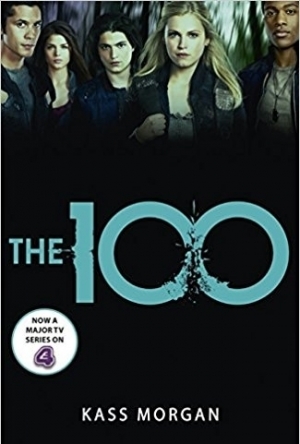
"The door slid open and Clarke knew it was time to die." What a way to start the book. Kass Morgan dives right into her storyline with an in-your-face opener. It took a bit of time before I, as the reader realized what this book was about. She began by setting up a number of characters, switching between perspectives, to quickly introduce you to the players. Those people who will have the biggest impact upon the storyline.
Each character is thrown into the mix, destined to be sent to Earth. The first in a long, long time. While not all make it, we are still treated with back stories and past relationships. Had the author not included those scenes, her characters would have been much more difficult to relate to. You come to briefly understand what the person goes through, exactly why he/she is so angry and hurt, and what they each did to become subjected to the fate of the 100. Personally, I would have preferred that greater attention had been given to character development rather than relationship development.
The Earth was unlivable for so long, and yet they send these 100 "children" as guinea pigs, rather than trained professionals. People who could colonize, build shelters, feed the colony, study the land and environment, or even tend to the ill. Instead, these youths are forced to come together with a common goal - survival.
One gets to a certain point in the novel and then realizes they don't entirely know what these different living situations/names mean. Of course, the Walden and Arcadian people seem to be of a lower class, economic, and social standing than the Phoenix. Walden also had an outbreak at one point that had to be quarantined. But beyond that? I'm not entirely sure what the distinctions are. Clearly the Phoenix people are "posh", with foreign accents, prone to extravagances and taking what they have for granted. But how did they come to be in that, dare I say, caste to begins with? Were people settled based upon their original locations on Earth? Or perhaps based upon the money/knowledge they could provide? Unfortunately, that aspect of the story is not very clearly explained. It seems that the author took more time to focus on the intricacies of the relationships than the world building.
Sometimes the author was redundant, choosing to repeat the same fears/desire over and over again. Yes, we understand that the medicine is missing. Was it flung from the ship before the crash or during? Can they survive without it? We don't know yet, but if we didn't realize the medicine was important the first time it was mentioned... We certainly realized it after the tenth.
This book has a very unique concept in that it combines the post-apocalyptic Hunger Games or Divergent-type Earth with space. While it may exist in other novels, I've not yet read something similar. Where it does seem to follow typical YA novels is the fact that it has a love triangle. Those seem like they are a requirement, as they are in most popular young adult novels. (HG, Divergent, TMI, Vampire Diaries, etc.)
There is a bit of mystery in the book as well. It seems that the reason one of the characters is arrested must be kept a secret, even from the reader. The author continuously has the girl think to herself, 'Why isn't he asking me about my confinement?', 'He's happy, this is for the best [that he doesn't know.]', and even has her love interest say "I heard a rumor about a girl on Phoenix who was arrested for..." Yes, there was a dramatic pause. And no, he does not finish his sentence. After the third or fourth time, the author finally reveals the girl's situation during a flashback.
Throughout the novel, the author develops the relationship between two main characters. Unfortunately, it's a bit jarring and sporadic. It quickly jumps from bitter hatred from the moment they step foot on Earth to reconciliation after one act, then back to hatred. Again, after one act. While relationships can be a roller coaster, this is a bit too authentic to the carnival ride.
The relationship is not perfect, especially when she has a second possible love interest. A guy who after only a short while, thinks of only her before he falls asleep. That girl must be something. The first time they really spend any time together, he decides that making out is the best course of action. Much to the dismay of her other love interest, though it does not dissuade him. Sound familiar?
It doesn't take long before he snaps at her and their brief... Whatever it was is over. Or is it?
They must be masochists, because it seems they're just gluttons for punishment and emotional, gut wrenching hurt... Or just those that don't learn from history. (Doomed to repeat it and all that.) Who would continuously subject themselves to that kind of torment? Move on and let yourself heal. It's not a post-apocalyptic world that only the two of you can repopulate... There are other individuals in camp with you. (Like the second guy you may or may not like, but that you certainly make out with in the woods.) But that's just my perspective.
While I found myself bemused and skeptical at times about certain aspects of the book, none of those times corresponded to the purposefully exaggerated environment that they must adapt to on Earth. Rather it is the progression of relationships, situations characters find themselves in, and utterly disastrous karmic intervention. Seriously, they must have really messed with the world for it to so perfectly separate two lovers as it does.
I suspected there would be a particular plot twist and unsurprisingly it came to fruition approximately 98% of the way through the book. I'm intrigued to see where the author takes it and how it will develop in the sequel - The 100: Day
21 (which is next on my review list!)
I find myself enjoying the read, dispute the obvious flaws one notices whilst reading it. If you take it as an easy, enjoyable read - then that is what you will come away with. If you expect it to be a fantastic piece that delves into the human psyche to truly draw you into a character's life and relationships - then you will be quite disappointed. Overall, I would recommend this novel to those who enjoy dystopian, teen romance series.
Each character is thrown into the mix, destined to be sent to Earth. The first in a long, long time. While not all make it, we are still treated with back stories and past relationships. Had the author not included those scenes, her characters would have been much more difficult to relate to. You come to briefly understand what the person goes through, exactly why he/she is so angry and hurt, and what they each did to become subjected to the fate of the 100. Personally, I would have preferred that greater attention had been given to character development rather than relationship development.
The Earth was unlivable for so long, and yet they send these 100 "children" as guinea pigs, rather than trained professionals. People who could colonize, build shelters, feed the colony, study the land and environment, or even tend to the ill. Instead, these youths are forced to come together with a common goal - survival.
One gets to a certain point in the novel and then realizes they don't entirely know what these different living situations/names mean. Of course, the Walden and Arcadian people seem to be of a lower class, economic, and social standing than the Phoenix. Walden also had an outbreak at one point that had to be quarantined. But beyond that? I'm not entirely sure what the distinctions are. Clearly the Phoenix people are "posh", with foreign accents, prone to extravagances and taking what they have for granted. But how did they come to be in that, dare I say, caste to begins with? Were people settled based upon their original locations on Earth? Or perhaps based upon the money/knowledge they could provide? Unfortunately, that aspect of the story is not very clearly explained. It seems that the author took more time to focus on the intricacies of the relationships than the world building.
Sometimes the author was redundant, choosing to repeat the same fears/desire over and over again. Yes, we understand that the medicine is missing. Was it flung from the ship before the crash or during? Can they survive without it? We don't know yet, but if we didn't realize the medicine was important the first time it was mentioned... We certainly realized it after the tenth.
This book has a very unique concept in that it combines the post-apocalyptic Hunger Games or Divergent-type Earth with space. While it may exist in other novels, I've not yet read something similar. Where it does seem to follow typical YA novels is the fact that it has a love triangle. Those seem like they are a requirement, as they are in most popular young adult novels. (HG, Divergent, TMI, Vampire Diaries, etc.)
There is a bit of mystery in the book as well. It seems that the reason one of the characters is arrested must be kept a secret, even from the reader. The author continuously has the girl think to herself, 'Why isn't he asking me about my confinement?', 'He's happy, this is for the best [that he doesn't know.]', and even has her love interest say "I heard a rumor about a girl on Phoenix who was arrested for..." Yes, there was a dramatic pause. And no, he does not finish his sentence. After the third or fourth time, the author finally reveals the girl's situation during a flashback.
Throughout the novel, the author develops the relationship between two main characters. Unfortunately, it's a bit jarring and sporadic. It quickly jumps from bitter hatred from the moment they step foot on Earth to reconciliation after one act, then back to hatred. Again, after one act. While relationships can be a roller coaster, this is a bit too authentic to the carnival ride.
The relationship is not perfect, especially when she has a second possible love interest. A guy who after only a short while, thinks of only her before he falls asleep. That girl must be something. The first time they really spend any time together, he decides that making out is the best course of action. Much to the dismay of her other love interest, though it does not dissuade him. Sound familiar?
It doesn't take long before he snaps at her and their brief... Whatever it was is over. Or is it?
They must be masochists, because it seems they're just gluttons for punishment and emotional, gut wrenching hurt... Or just those that don't learn from history. (Doomed to repeat it and all that.) Who would continuously subject themselves to that kind of torment? Move on and let yourself heal. It's not a post-apocalyptic world that only the two of you can repopulate... There are other individuals in camp with you. (Like the second guy you may or may not like, but that you certainly make out with in the woods.) But that's just my perspective.
While I found myself bemused and skeptical at times about certain aspects of the book, none of those times corresponded to the purposefully exaggerated environment that they must adapt to on Earth. Rather it is the progression of relationships, situations characters find themselves in, and utterly disastrous karmic intervention. Seriously, they must have really messed with the world for it to so perfectly separate two lovers as it does.
I suspected there would be a particular plot twist and unsurprisingly it came to fruition approximately 98% of the way through the book. I'm intrigued to see where the author takes it and how it will develop in the sequel - The 100: Day
21 (which is next on my review list!)
I find myself enjoying the read, dispute the obvious flaws one notices whilst reading it. If you take it as an easy, enjoyable read - then that is what you will come away with. If you expect it to be a fantastic piece that delves into the human psyche to truly draw you into a character's life and relationships - then you will be quite disappointed. Overall, I would recommend this novel to those who enjoy dystopian, teen romance series.

Dana (24 KP) rated Vanishing Girls in Books
Mar 23, 2018

I am not sure why I keep being surprised at how good books are, especially since I have read some of these authors before! This book is no different. I was thinking this book would be just okay, nothing too memorable, but I was so wrong! Oh, and I got to meet Lauren Oliver at Yallwest 2015! She was so sweet and signed my book!!
This book is interesting in its set up. It is told in a "Before and After" story line by two characters: Dara and Nick. There are also some photographs and some blog post type pages which were really interesting.
So I am going to try to write whenever there is a large spoiler, but there may be some minor plot points written throughout. So look out for SPOILERS in the review if you want to skip those.
Okay, so I'm going to start off with talking about the three main characters: Dara, Nick, and Parker.
Nick is the main character of this book and, honestly, she was very interesting. She seems quite detached throughout a good part of the book, specifically the first half. I did not like either of the sisters at first, if I am being completely honest. But then I grew to partially understand both of them separately. Nick is emotionally distant because, as seen in the beginning of the book, she sees herself as needing to be the responsible one out of the two sisters. Where Dara is wildness and spontaneity, Nick is the reserved older sister who has to keep her sister in line. Nick, however, is not all she seems. It is known that there was a bad car accident that happened before the book started, but none of the details were really disclosed. Neither person involved really wanted to talk about it. SPOILERS ARE IN THE REST OF THIS PARAGRAPH!! I wasn't a fan of how Nick treated both Dara and Parker. For Dara, it can easily be understood why she wouldn't want to talk to Nick. I would be pretty upset if that was my situation as well, but Nick seemed like she was just being petty. With Parker, she was unfair. Yes, they had been best friends and then he started dating her sister, but they were still best friends. She could have at least tried to talk to him about her feelings, but no. She didn't.
Dara was a very complex character. It seemed as if she would rebel just to do it and to see if she could get a rise out of her sister and/or her parents. She is wild and reckless because she needs to try to distance herself from her sister's shadow. I totally understand that (even if I would not take that path myself). I think her story arc was very interesting, to say the least. I will go more into the plot points a bit later, though.
Parker was just a guy who was caught in a tough situation. Yes, he was dumb in putting himself in that situation, but he seemed like a pretty good guy all in all. I enjoyed his story line because he grounded the other characters in the real world.
Okay, now onto the plot. THERE WILL BE SPOILERS IN THE REST OF THE REVIEW EXCEPT FOR THE LAST PARAGRAPH. IF YOU DO NOT WANT TO BE SPOILED, SKIP DOWN FOR MY FINAL THOUGHTS ON THE BOOK.
Okay, so the plot. Oh my goodness, that was a good story. I really liked the complexity and all of the little connections throughout the two time lines.
Let's start with the "before." We get to see a lot of how Nick and Dara's relationship had disintegrated the closer to the accident we get. I loved getting it intermittent between the "after" sections because sometimes it made the previous chapter more clear, but a lot of the time, it convoluted it just enough to keep me intrigued. Each moment up to the accident felt like it had more tension because you, as the reader, knew what was coming, but not necessarily when or how. I do wish, however, we got more of the accident itself. That would have been pretty cool.
Now onto the "after." Wow. If you want a really complex story line that you won't see coming, read this book. That freaking plot twist was not something I called, and I am normally really good at calling them! I think I was too preoccupied trying to figure out what happened in the accident to see all of the signs (and there were a lot of them) of the truth of what happened. I loved how Lauren Oliver was able to explore mental health issues that we don't normally get to see in a young adult novel. The post-traumatic stress is usually shown as being withdrawn, not all of the other symptoms that may be possible in the human mind. I don't even necessarily want to touch on the FanLand plot line because it's pretty self explanatory. I did like how those were bright moments in the otherwise very dark story. I could go on and on about this section, but I'll keep it short. If you want to talk to me more about my thoughts on it, then feel free to message me about it!
Madeline Snow's story line was really cool. Not what happened to her, of course, that was super messed up, but the unraveling of what happened was crazy! Oh, and the disappearance actually happened on my birthday. Super random fact, but hey, at least it's interesting? Okay, lets start with the fact that there was a semi-sex trafficking ring going on and that wasn't even the highlight of the book. You know it is an intense book when that happens. I thought it was really interesting that Nick's mom was so enraptured with the case, because instead of noticing her daughter's struggles, she is focused on a stranger. I do like how it ended, us learning about the truth of the accident while learning about the truth of Madeline's disappearance because they were very interconnected! I am very thankful of how it truly ended happily rather than a very horrible possibility.
Overall, I was highly impressed by this book. As I said, this has become one of my favorite books of the year! If you enjoy thriller, suspense, or mystery books, definitely check this one out!
This book is interesting in its set up. It is told in a "Before and After" story line by two characters: Dara and Nick. There are also some photographs and some blog post type pages which were really interesting.
So I am going to try to write whenever there is a large spoiler, but there may be some minor plot points written throughout. So look out for SPOILERS in the review if you want to skip those.
Okay, so I'm going to start off with talking about the three main characters: Dara, Nick, and Parker.
Nick is the main character of this book and, honestly, she was very interesting. She seems quite detached throughout a good part of the book, specifically the first half. I did not like either of the sisters at first, if I am being completely honest. But then I grew to partially understand both of them separately. Nick is emotionally distant because, as seen in the beginning of the book, she sees herself as needing to be the responsible one out of the two sisters. Where Dara is wildness and spontaneity, Nick is the reserved older sister who has to keep her sister in line. Nick, however, is not all she seems. It is known that there was a bad car accident that happened before the book started, but none of the details were really disclosed. Neither person involved really wanted to talk about it. SPOILERS ARE IN THE REST OF THIS PARAGRAPH!! I wasn't a fan of how Nick treated both Dara and Parker. For Dara, it can easily be understood why she wouldn't want to talk to Nick. I would be pretty upset if that was my situation as well, but Nick seemed like she was just being petty. With Parker, she was unfair. Yes, they had been best friends and then he started dating her sister, but they were still best friends. She could have at least tried to talk to him about her feelings, but no. She didn't.
Dara was a very complex character. It seemed as if she would rebel just to do it and to see if she could get a rise out of her sister and/or her parents. She is wild and reckless because she needs to try to distance herself from her sister's shadow. I totally understand that (even if I would not take that path myself). I think her story arc was very interesting, to say the least. I will go more into the plot points a bit later, though.
Parker was just a guy who was caught in a tough situation. Yes, he was dumb in putting himself in that situation, but he seemed like a pretty good guy all in all. I enjoyed his story line because he grounded the other characters in the real world.
Okay, now onto the plot. THERE WILL BE SPOILERS IN THE REST OF THE REVIEW EXCEPT FOR THE LAST PARAGRAPH. IF YOU DO NOT WANT TO BE SPOILED, SKIP DOWN FOR MY FINAL THOUGHTS ON THE BOOK.
Okay, so the plot. Oh my goodness, that was a good story. I really liked the complexity and all of the little connections throughout the two time lines.
Let's start with the "before." We get to see a lot of how Nick and Dara's relationship had disintegrated the closer to the accident we get. I loved getting it intermittent between the "after" sections because sometimes it made the previous chapter more clear, but a lot of the time, it convoluted it just enough to keep me intrigued. Each moment up to the accident felt like it had more tension because you, as the reader, knew what was coming, but not necessarily when or how. I do wish, however, we got more of the accident itself. That would have been pretty cool.
Now onto the "after." Wow. If you want a really complex story line that you won't see coming, read this book. That freaking plot twist was not something I called, and I am normally really good at calling them! I think I was too preoccupied trying to figure out what happened in the accident to see all of the signs (and there were a lot of them) of the truth of what happened. I loved how Lauren Oliver was able to explore mental health issues that we don't normally get to see in a young adult novel. The post-traumatic stress is usually shown as being withdrawn, not all of the other symptoms that may be possible in the human mind. I don't even necessarily want to touch on the FanLand plot line because it's pretty self explanatory. I did like how those were bright moments in the otherwise very dark story. I could go on and on about this section, but I'll keep it short. If you want to talk to me more about my thoughts on it, then feel free to message me about it!
Madeline Snow's story line was really cool. Not what happened to her, of course, that was super messed up, but the unraveling of what happened was crazy! Oh, and the disappearance actually happened on my birthday. Super random fact, but hey, at least it's interesting? Okay, lets start with the fact that there was a semi-sex trafficking ring going on and that wasn't even the highlight of the book. You know it is an intense book when that happens. I thought it was really interesting that Nick's mom was so enraptured with the case, because instead of noticing her daughter's struggles, she is focused on a stranger. I do like how it ended, us learning about the truth of the accident while learning about the truth of Madeline's disappearance because they were very interconnected! I am very thankful of how it truly ended happily rather than a very horrible possibility.
Overall, I was highly impressed by this book. As I said, this has become one of my favorite books of the year! If you enjoy thriller, suspense, or mystery books, definitely check this one out!
Daniel Boyd (1066 KP) rated Ready Player One (2018) in Movies
Sep 20, 2018 (Updated Sep 20, 2018)
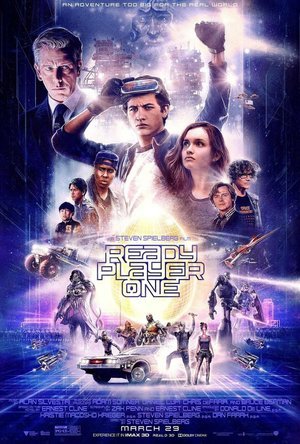
Not Quite Ready
I saw this movie in the cinema back when it came out in March earlier this year and I honestly didn't feel ready to review it after a single viewing because of all of the references etc that there was to take in. After watching the movie a couple more times and watching a bunch of Easter Egg videos on Youtube, I feel more equipped to discuss the film.
Up top, I never read the book that this film is based on. It has been recommended to me quite a few times, but I have never gotten around to reading it, so I was going into this with no pre-conceived ideas of what it was going to be other than what I had seen in the various trailers for the movie.
Let's start with the good stuff. Although I have some issues with the overabundance of CGI onscreen, as a 3d animator myself I was extremely impressed at the sheer quality of the animation in the movie. I know that this thing had a pretty high budget behind it, but still the level of quality in the animation is really high throughout the film. The references are also pretty cool, at least for the first third of the movie but the novelty of seeing some of your favourite pop culture characters does wear off after a while and ends up feeling like a cheap gimmick before too long. Finally, if all you are looking for is a big dumb fun blockbuster, then this movie provides that in spades.
Ok, onto the stuff that bothered me. As I said above, although the quality of the CGI is pretty incredible, the vast amount of it gets tiresome after a while. I also don't like the character designs at all, Parzival looks like a rejected piece of Final Fantasy artwork, Art3mis looks like a stereotypical version of a what a middle aged man thinks a cool hacker looks like with a weird resemblance to a feline, Aech just looked chunky and awkward, like something from a last-gen Gears Of War game, I-R0k's weird, edgy, fantasy-based design didn't fit his voice or the tone of the scenes he appeared in and Sorrento's avatar just looked distractingly like a dastardly Clark Kent for some reason. Also, these original character designs seemed oddly out of place being surrounded by other characters from franchises that we already know like DC and Mortal Kombat, none of it meshed well.
From this point on I am going to delve into some mid-movie spoilers, so here's your warning.
It really annoyed me how they kept touching on the idea that someone in the Oasis might not necessarily look the same as they do in real life and if you ever met them in real life you would be sorely disappointed, only for the reason for all of this to be a birthmark on Olivia Cooke's character's face. The way that they make her out to some sort of beast-like monster because of a slight skin-irregularity is ridiculous and also kinda offensive. Also, we are told during the movie's opening sequence that the Oasis is a worldwide thing, where people from anywhere on the planet can meet up online and fight together or kill each other for coins, then halfway through the movie, all of the characters meet up in a small ice cream truck in the real world and it turns out that they all live within a few miles of each other. It just made the whole thing feel really small scale. Another issue is that the movie is only 6 months old at this point and it already feels slightly dated. I don't see this movie ageing very well at all and this is both due to the CGI and the references that they choose to include.
Lastly, as I said earlier, if what you want out of this movie is mindless fun, then you'll walk away satisfied, the problem with that is that the movie seems to want to be more than that. The way that the movie treats itself and the way it was marketed along with the fact that it's got Spielberg in the director's chair, signifies that the filmmakers were intending for this to be this generation's Back To The Future or Star Wars and on that front it totally fails. In these other movies that this film is aspiring to be, you care about what happens to the characters and want to see where they go, whereas here the audience cares way more about seeing the next popular franchise references than anything that happens to the main characters at the heart of this story and once you've seen the film, you are going to leave talking about the characters that appeared from outside franchises rather than the ones created for this story. The characters are also instantly forgettable, for example I have seen this film three times now and still couldn't tell you the real world names of any of the characters other than Wade Watts and Sorrento and that's only because he has the same name in the real world as he does in the Oasis. I also don't care if I ever see any of these characters again if I'm being honest. I'm sure there is probably a sequel to this already being planned seeing as it made a bunch of money at the box office and there is apparently a sequel book in the works, but frankly I wouldn't care if I never saw any of these characters again and I don't care where the story is going either.
In conclusion, Ready Player One doesn't achieve the goal that it sets for itself of being a modern sci-fi classic, but there is a lot of fun to be had here along with some impressive animation to boot. The movie has a fairly shallow, hollow feel to it throughout, as if we are scratching the surface of something potentially engaging and worth investing in, but the filmmakers constantly keep distracting us with flashy visuals and obscure pop culture references. If the movie committed to telling a more original story rather than being obsessed with the 80's classics it is exploiting, then it may be more worthwhile. Also, it's definitely not Spielberg's best, this may be a bit harsh but it's probably closer to Kingdom Of The Crystal Skull than Raiders Of The Lost Ark. I wish that Smashbomb had a half star rating system, because although I feel that the movie was better than a 6, I don't like it enough to give it a 7, so a 6.5 would sum up how I felt about the film more accurately.
Up top, I never read the book that this film is based on. It has been recommended to me quite a few times, but I have never gotten around to reading it, so I was going into this with no pre-conceived ideas of what it was going to be other than what I had seen in the various trailers for the movie.
Let's start with the good stuff. Although I have some issues with the overabundance of CGI onscreen, as a 3d animator myself I was extremely impressed at the sheer quality of the animation in the movie. I know that this thing had a pretty high budget behind it, but still the level of quality in the animation is really high throughout the film. The references are also pretty cool, at least for the first third of the movie but the novelty of seeing some of your favourite pop culture characters does wear off after a while and ends up feeling like a cheap gimmick before too long. Finally, if all you are looking for is a big dumb fun blockbuster, then this movie provides that in spades.
Ok, onto the stuff that bothered me. As I said above, although the quality of the CGI is pretty incredible, the vast amount of it gets tiresome after a while. I also don't like the character designs at all, Parzival looks like a rejected piece of Final Fantasy artwork, Art3mis looks like a stereotypical version of a what a middle aged man thinks a cool hacker looks like with a weird resemblance to a feline, Aech just looked chunky and awkward, like something from a last-gen Gears Of War game, I-R0k's weird, edgy, fantasy-based design didn't fit his voice or the tone of the scenes he appeared in and Sorrento's avatar just looked distractingly like a dastardly Clark Kent for some reason. Also, these original character designs seemed oddly out of place being surrounded by other characters from franchises that we already know like DC and Mortal Kombat, none of it meshed well.
From this point on I am going to delve into some mid-movie spoilers, so here's your warning.
It really annoyed me how they kept touching on the idea that someone in the Oasis might not necessarily look the same as they do in real life and if you ever met them in real life you would be sorely disappointed, only for the reason for all of this to be a birthmark on Olivia Cooke's character's face. The way that they make her out to some sort of beast-like monster because of a slight skin-irregularity is ridiculous and also kinda offensive. Also, we are told during the movie's opening sequence that the Oasis is a worldwide thing, where people from anywhere on the planet can meet up online and fight together or kill each other for coins, then halfway through the movie, all of the characters meet up in a small ice cream truck in the real world and it turns out that they all live within a few miles of each other. It just made the whole thing feel really small scale. Another issue is that the movie is only 6 months old at this point and it already feels slightly dated. I don't see this movie ageing very well at all and this is both due to the CGI and the references that they choose to include.
Lastly, as I said earlier, if what you want out of this movie is mindless fun, then you'll walk away satisfied, the problem with that is that the movie seems to want to be more than that. The way that the movie treats itself and the way it was marketed along with the fact that it's got Spielberg in the director's chair, signifies that the filmmakers were intending for this to be this generation's Back To The Future or Star Wars and on that front it totally fails. In these other movies that this film is aspiring to be, you care about what happens to the characters and want to see where they go, whereas here the audience cares way more about seeing the next popular franchise references than anything that happens to the main characters at the heart of this story and once you've seen the film, you are going to leave talking about the characters that appeared from outside franchises rather than the ones created for this story. The characters are also instantly forgettable, for example I have seen this film three times now and still couldn't tell you the real world names of any of the characters other than Wade Watts and Sorrento and that's only because he has the same name in the real world as he does in the Oasis. I also don't care if I ever see any of these characters again if I'm being honest. I'm sure there is probably a sequel to this already being planned seeing as it made a bunch of money at the box office and there is apparently a sequel book in the works, but frankly I wouldn't care if I never saw any of these characters again and I don't care where the story is going either.
In conclusion, Ready Player One doesn't achieve the goal that it sets for itself of being a modern sci-fi classic, but there is a lot of fun to be had here along with some impressive animation to boot. The movie has a fairly shallow, hollow feel to it throughout, as if we are scratching the surface of something potentially engaging and worth investing in, but the filmmakers constantly keep distracting us with flashy visuals and obscure pop culture references. If the movie committed to telling a more original story rather than being obsessed with the 80's classics it is exploiting, then it may be more worthwhile. Also, it's definitely not Spielberg's best, this may be a bit harsh but it's probably closer to Kingdom Of The Crystal Skull than Raiders Of The Lost Ark. I wish that Smashbomb had a half star rating system, because although I feel that the movie was better than a 6, I don't like it enough to give it a 7, so a 6.5 would sum up how I felt about the film more accurately.
Chris Sawin (602 KP) rated Avatar (2009) in Movies
Jun 20, 2019
Jake Sully (Sam Worthington) is your typical jarhead from the military other than the fact that he doesn't have the use of his legs, but him being in a wheelchair doesn't seem to slow him down at all. Jake is the type of soldier to shoot first and ask questions later while his twin brother was more of the scientific type, but Jake's life takes an unexpected turn when his brother is killed. Jake is asked to step into his brother's shoes, so to speak, and take his spot in the Avatar project. The project requires him to travel to Pandora, a planet that takes nearly six years to get to, and to try to learn the ways of the natives there, the Na'vi.
Incredible technology has been developed that enables users to transfer their human essence into the body of a Na'vi avatar that they've raised from a DNA injected fetus and transfer back again. Parker Selfridge (Giovanni Ribisi) runs the project currently taking place on Pandora, who is after a resource known as unobtanium that could be the answer to the energy crisis back on Earth. A sacred tree that acts as the Na'vi's central base rests on top of the largest unobtanium deposits in Pandora. When Jake begins being trusted by the Na'vi race, a deal is made that he'll get his legs back if he can somehow convince the Na'vi people to leave. However, Jake begins to realize how spectacular their world really is, that the Na'vi people are more than just "blue monkeys," and begins to feel like his time in the avatar body is more genuine than when he wakes up. He begins to wonder if he's fighting for the wrong side.
The first feature film from director James Cameron (director of the first two Terminator films, Aliens, and Titanic) in 12 years that promised some of the most groundbreaking special effects to ever hit the screen is finally here. This film's ad campaign has been insane with clips and behind the scenes featurettes showing up online left and right while TV spots were nearly on every major channel. Is there any way a film could live up this kind of hype? The short answer is yes.
Avatar starts off rather slowly with the main human characters and the world of Pandora being introduced to us. Then there's the technology on the human side that needs its fair amount of screen time. Needless to say, it takes a good while for things to really get rolling. Character development is never a bad thing to accomplish early on. It makes it that much easier to establish an emotional connection when things get rough later on, which is exactly what this film does. Plus, when the war finally does happen, it's well worth the wait. Although, the emotional connection didn't seem as strong as it should have been or as strong as previous Cameron films. Once things took a turn for the worst, the emotions were there but it just seemed like it should have had a stronger connection given the duration of the film along with the time, effort, and money put into making this film as great as it is.
The special effects are pretty mind blowing. James Cameron has practically given life to this extravagant world and the marvelous creatures that inhabit it. The majority of the film looks realistic even though nearly every scene relies heavily on CGI. A feat not many CGI-heavy films have been able to pull off and none to the extent that this film has. There's a scene where Jake is attacked by a group of viperwolves and another scene where Jake learns to ride a direhorse that look incredibly genuine. To make something like people with blue skin or a horse that has an anteater head with six legs look real is an accomplishment worth being proud of. The technology used in the film by the humans is pulled off so flawlessly that it seems like it could come to fruition in the real world tomorrow.
Sam Worthington continues his trend of exceptional performances, as well. While Zoey Saldana, Sigourney Weaver, Giovanni Ribisi, and Joel David Moore all have their shining moments, Worthington steals the spotlight and rightfully so since he's the lead. His dry humor and struggle to do what's right are one of the most enjoyable factors in watching the film (other than the special effects, of course). Worthington was really the only redeeming factor of Terminator: Salvation and looks to put in another strong performance in next year's Clash of the Titans.
While the film has superb action sequences (the thanator chase and leonopteryx chase were amazing in IMAX), nearly flawless CGI, and strong performances from the cast, the film still had its flaws. The story is probably the weakest aspect of the film. It's pretty thin and predictable, but that is probably the last thing on the minds of most of the moviegoing audience. With South Park mocking the film last month by calling the film, "Dances With Smurfs," and the film being called, "Dances With Wolves in space," nearly all across the net, the similarities of those two comparisons are certainly there. While the Smurf one is a bit of a stretch, Dances With Wolves in space seems almost accurate as a nutshell review. The nearly three hour duration may also be a factor for some while 3D and IMAX versions of the film may be a problem for those who had problems with a film like Cloverfield. Seeing the film in IMAX, going back for future viewings of the film in 3D and 2D seems like a good idea just to compare since the IMAX version didn't feel like the definitive version. Would it have the same effect in digital 3D showings? What about regular showings? Shelling out $15 when you could spend half of that is something to take into consideration when seeing a film that was sold out nearly its entire opening weekend.
James Cameron's Avatar was well worth the wait and certainly lives up to the hype. Its special effects are certainly the best to be featured in any film to date as these vibrant creatures nearly jump to life because of the effects alone. The performances are top notch and the action sequences certainly live up to James Cameron's reputation. Despite all this, the emotional connection between the audience and the characters didn't seem quite as strong as some of the other films this year. Up, Where the Wild Things Are, and even Moon were able to establish a stronger connection. So while the film is exceptional, it isn’t the best film of 2009 which is probably a shock to some.
Incredible technology has been developed that enables users to transfer their human essence into the body of a Na'vi avatar that they've raised from a DNA injected fetus and transfer back again. Parker Selfridge (Giovanni Ribisi) runs the project currently taking place on Pandora, who is after a resource known as unobtanium that could be the answer to the energy crisis back on Earth. A sacred tree that acts as the Na'vi's central base rests on top of the largest unobtanium deposits in Pandora. When Jake begins being trusted by the Na'vi race, a deal is made that he'll get his legs back if he can somehow convince the Na'vi people to leave. However, Jake begins to realize how spectacular their world really is, that the Na'vi people are more than just "blue monkeys," and begins to feel like his time in the avatar body is more genuine than when he wakes up. He begins to wonder if he's fighting for the wrong side.
The first feature film from director James Cameron (director of the first two Terminator films, Aliens, and Titanic) in 12 years that promised some of the most groundbreaking special effects to ever hit the screen is finally here. This film's ad campaign has been insane with clips and behind the scenes featurettes showing up online left and right while TV spots were nearly on every major channel. Is there any way a film could live up this kind of hype? The short answer is yes.
Avatar starts off rather slowly with the main human characters and the world of Pandora being introduced to us. Then there's the technology on the human side that needs its fair amount of screen time. Needless to say, it takes a good while for things to really get rolling. Character development is never a bad thing to accomplish early on. It makes it that much easier to establish an emotional connection when things get rough later on, which is exactly what this film does. Plus, when the war finally does happen, it's well worth the wait. Although, the emotional connection didn't seem as strong as it should have been or as strong as previous Cameron films. Once things took a turn for the worst, the emotions were there but it just seemed like it should have had a stronger connection given the duration of the film along with the time, effort, and money put into making this film as great as it is.
The special effects are pretty mind blowing. James Cameron has practically given life to this extravagant world and the marvelous creatures that inhabit it. The majority of the film looks realistic even though nearly every scene relies heavily on CGI. A feat not many CGI-heavy films have been able to pull off and none to the extent that this film has. There's a scene where Jake is attacked by a group of viperwolves and another scene where Jake learns to ride a direhorse that look incredibly genuine. To make something like people with blue skin or a horse that has an anteater head with six legs look real is an accomplishment worth being proud of. The technology used in the film by the humans is pulled off so flawlessly that it seems like it could come to fruition in the real world tomorrow.
Sam Worthington continues his trend of exceptional performances, as well. While Zoey Saldana, Sigourney Weaver, Giovanni Ribisi, and Joel David Moore all have their shining moments, Worthington steals the spotlight and rightfully so since he's the lead. His dry humor and struggle to do what's right are one of the most enjoyable factors in watching the film (other than the special effects, of course). Worthington was really the only redeeming factor of Terminator: Salvation and looks to put in another strong performance in next year's Clash of the Titans.
While the film has superb action sequences (the thanator chase and leonopteryx chase were amazing in IMAX), nearly flawless CGI, and strong performances from the cast, the film still had its flaws. The story is probably the weakest aspect of the film. It's pretty thin and predictable, but that is probably the last thing on the minds of most of the moviegoing audience. With South Park mocking the film last month by calling the film, "Dances With Smurfs," and the film being called, "Dances With Wolves in space," nearly all across the net, the similarities of those two comparisons are certainly there. While the Smurf one is a bit of a stretch, Dances With Wolves in space seems almost accurate as a nutshell review. The nearly three hour duration may also be a factor for some while 3D and IMAX versions of the film may be a problem for those who had problems with a film like Cloverfield. Seeing the film in IMAX, going back for future viewings of the film in 3D and 2D seems like a good idea just to compare since the IMAX version didn't feel like the definitive version. Would it have the same effect in digital 3D showings? What about regular showings? Shelling out $15 when you could spend half of that is something to take into consideration when seeing a film that was sold out nearly its entire opening weekend.
James Cameron's Avatar was well worth the wait and certainly lives up to the hype. Its special effects are certainly the best to be featured in any film to date as these vibrant creatures nearly jump to life because of the effects alone. The performances are top notch and the action sequences certainly live up to James Cameron's reputation. Despite all this, the emotional connection between the audience and the characters didn't seem quite as strong as some of the other films this year. Up, Where the Wild Things Are, and even Moon were able to establish a stronger connection. So while the film is exceptional, it isn’t the best film of 2009 which is probably a shock to some.
Chris Sawin (602 KP) rated Transformers Revenge of the Fallen (2009) in Movies
Jun 22, 2019
In 2009, I saw Transformers: Revenge of the Fallen in theaters during a midnight screening on its day of release. Somehow I managed to sit through a two and a half hour movie, drive home, write a review, post it, and promote it all before I went to bed that morning at 5am. Looking back, I still have no idea how something like that was accomplished while also juggling a full-time job. Needless to say, I've been eager to revisit Revenge of the Fallen ever since. Delirium begins to set in at that hour and midnight screenings are rarely ever not fun. Not to mention my skills as a movie critic have evolved greatly since then and my tastes have altered. The movie deserved a proper review with a sober state of mind. And yes, thankfully, the trip was worth taking because I'm not quite as enthusiastic about Revenge of the Fallen being such a great piece of cinema as its glaring flaws tend to overshadow what little good it had going for it.
The writing is obviously the sequel's biggest flaw and not just the storyline, but the dialogue as well. The Fallen touched down on earth all the way back in 17,000 B.C. and while we've been able to uncover the likes of cavemen existing thereabouts during that time period, there's no evidence of autobots or decepticons existing in that point in history. With the way they fight and their vast numbers, that seems pretty hard to believe. Oh, and look, Sam has held onto the shirt he wore when the world almost came to an end in the last movie and apparently hasn't ever washed it. A sliver of the allspark has just been sitting in that thing this entire time. Alice actually being a decepticon didn't feel right either. Probable maybe, but it just didn't seem to fit with all other transformers being vehicles of some kind. Meanwhile Soundwave is a satellite in this movie, but walks around on earth with some crazy worm thing in Dark of the Moon with no reason of him evolving between films.
The movie has a thing about humping, too. We see two male dogs humping on more than one occasion and Wheelie also humps the crap out of Megan Fox's leg, but that's not the only time male genitalia comes into play. We also get a good glimpse at the testicles of the Sun Harvester as John Turturro spits out a one-liner about its scrotum. Leo and his freaking out over absolutely everything is also really annoying and makes Shia LaBeouf's "BUM-BULL-BEE!!!" and "OP-TIM-US!!!" squawks feel like a breath of fresh air. Sam's parents are practically the kryptonite of the movie as they're featured way too much and in the worst of times. Sam's mom has the lamest dialogue while also overreacting to everything while his dad can't decide to let Sam go or protect him. Why they were ever even Egypt is a boggling question in itself. Why are there autobots in heaven? If Megatron's master was The Fallen and he took orders from Sentinel Prime in Dark of the Moon, just how many other Decepticons does he answer to? The questions and plot holes just seem endless.
The atrocious dialogue practically echoes through your bones. It starts with Ironhide saying, "Punk ass decepticon," and never really lets up. Between Sam's parents "smelling" a "$40,000 education," and Simmons telling everyone that what he was about to show them was "top secret" and "do not tell my mother," the bases are pretty much covered. Military sergeants listening to a kid in college seems outlandish anyway, but throwing their absolute blind faith in him seems really outrageous. I realize the cast of the movie had the writer's strike to deal with, but two of the three writers for Revenge of the Fallen also wrote Star Trek which showed none of the same problems that this movie had. The writing in a Michael Bay movie is already secondary. Throw in a writer's strike and you've got something as apocalyptic behind the camera as what's taking place on screen.
There is something entertaining deep within the loins of this cinematic abomination though. The special effects are more than satisfying and pretty much outshine the special effects in the first movie. Onscreen battles are more extraordinary, explosions are bigger, and the numbers are more massive. It feels more like an actual war this time around. Bumblebee also gets his time to shine in the sequel. His scene in the garage with Sam at the start of the movie is one of the better calm scenes in the entire thing and then there are his fight scenes. Several of the fight scenes seem inspired by Mortal Kombat; Bumblebee's spine-rip sequence and Optimus’ face ripping and hand bursting through the chest of The Fallen with its villainous heart. Optimus feels very scarcely used in the two Transformers sequels. He has a few scenes where he gets to be awesome and then spends a good portion of the movie being incapacitated. At least he was dead in this one, that's a liable excuse. In Dark of the Moon, he's basically just hanging out upside down for thirty to forty minutes while hundreds of people die. Even though The Fallen is dealt with in a matter of minutes, he is kind of cool. He teleports a lot like Nightcrawler and is voiced by Tony Todd. Unfortunately, he's only appealing on the surface, kind of sucks as a main villain, and is a total embarrassment to the decepticons.
Michael Bay needs to learn that more explosions and more destructive mayhem don't automatically make a film better than its predecessor. There are more battles between the autobots and decepticons, the stakes are higher, and the special effects are more impressive, but it's essentially just eye candy or like giving reconstructive facial surgery to a really hideous person; they're still ugly but their appearance is at least nice to look at now. With a storyline that jumps all over the place for no rhyme or reason, really terrible dialogue being spewed from just about every major character, and The Twins probably being more offensive than they are humorous, Revenge of the Fallen falls short of being half as good as Bay's original effort and is quite difficult to think of as anything more than a guilty pleasure.
The writing is obviously the sequel's biggest flaw and not just the storyline, but the dialogue as well. The Fallen touched down on earth all the way back in 17,000 B.C. and while we've been able to uncover the likes of cavemen existing thereabouts during that time period, there's no evidence of autobots or decepticons existing in that point in history. With the way they fight and their vast numbers, that seems pretty hard to believe. Oh, and look, Sam has held onto the shirt he wore when the world almost came to an end in the last movie and apparently hasn't ever washed it. A sliver of the allspark has just been sitting in that thing this entire time. Alice actually being a decepticon didn't feel right either. Probable maybe, but it just didn't seem to fit with all other transformers being vehicles of some kind. Meanwhile Soundwave is a satellite in this movie, but walks around on earth with some crazy worm thing in Dark of the Moon with no reason of him evolving between films.
The movie has a thing about humping, too. We see two male dogs humping on more than one occasion and Wheelie also humps the crap out of Megan Fox's leg, but that's not the only time male genitalia comes into play. We also get a good glimpse at the testicles of the Sun Harvester as John Turturro spits out a one-liner about its scrotum. Leo and his freaking out over absolutely everything is also really annoying and makes Shia LaBeouf's "BUM-BULL-BEE!!!" and "OP-TIM-US!!!" squawks feel like a breath of fresh air. Sam's parents are practically the kryptonite of the movie as they're featured way too much and in the worst of times. Sam's mom has the lamest dialogue while also overreacting to everything while his dad can't decide to let Sam go or protect him. Why they were ever even Egypt is a boggling question in itself. Why are there autobots in heaven? If Megatron's master was The Fallen and he took orders from Sentinel Prime in Dark of the Moon, just how many other Decepticons does he answer to? The questions and plot holes just seem endless.
The atrocious dialogue practically echoes through your bones. It starts with Ironhide saying, "Punk ass decepticon," and never really lets up. Between Sam's parents "smelling" a "$40,000 education," and Simmons telling everyone that what he was about to show them was "top secret" and "do not tell my mother," the bases are pretty much covered. Military sergeants listening to a kid in college seems outlandish anyway, but throwing their absolute blind faith in him seems really outrageous. I realize the cast of the movie had the writer's strike to deal with, but two of the three writers for Revenge of the Fallen also wrote Star Trek which showed none of the same problems that this movie had. The writing in a Michael Bay movie is already secondary. Throw in a writer's strike and you've got something as apocalyptic behind the camera as what's taking place on screen.
There is something entertaining deep within the loins of this cinematic abomination though. The special effects are more than satisfying and pretty much outshine the special effects in the first movie. Onscreen battles are more extraordinary, explosions are bigger, and the numbers are more massive. It feels more like an actual war this time around. Bumblebee also gets his time to shine in the sequel. His scene in the garage with Sam at the start of the movie is one of the better calm scenes in the entire thing and then there are his fight scenes. Several of the fight scenes seem inspired by Mortal Kombat; Bumblebee's spine-rip sequence and Optimus’ face ripping and hand bursting through the chest of The Fallen with its villainous heart. Optimus feels very scarcely used in the two Transformers sequels. He has a few scenes where he gets to be awesome and then spends a good portion of the movie being incapacitated. At least he was dead in this one, that's a liable excuse. In Dark of the Moon, he's basically just hanging out upside down for thirty to forty minutes while hundreds of people die. Even though The Fallen is dealt with in a matter of minutes, he is kind of cool. He teleports a lot like Nightcrawler and is voiced by Tony Todd. Unfortunately, he's only appealing on the surface, kind of sucks as a main villain, and is a total embarrassment to the decepticons.
Michael Bay needs to learn that more explosions and more destructive mayhem don't automatically make a film better than its predecessor. There are more battles between the autobots and decepticons, the stakes are higher, and the special effects are more impressive, but it's essentially just eye candy or like giving reconstructive facial surgery to a really hideous person; they're still ugly but their appearance is at least nice to look at now. With a storyline that jumps all over the place for no rhyme or reason, really terrible dialogue being spewed from just about every major character, and The Twins probably being more offensive than they are humorous, Revenge of the Fallen falls short of being half as good as Bay's original effort and is quite difficult to think of as anything more than a guilty pleasure.

Emma @ The Movies (1786 KP) rated 1917 (2020) in Movies
Jan 22, 2020
It has felt like a long wait to get to this film, there was a lot of talk when Midway was coming out so I was very glad it finally arrived.
Lance Corporal Blake has been told to report with another soldier, the respite from war was short but something important must be afoot. It's more than just important, it's life and death for Blake's older brother. His company have sent word that they're going to advance on the retreating German troops but communications are down and they don't know they're going headfirst into a trap.
Blake and Schofield are tasked with finding a way to their position to stop the advance before they lead 1,600 men into the ambush. Between them and their objective? No man's land, abandoned German trenches and large expanses of open land. One another and vigilance are all they have to get them to their objective.
I ended up seeing this twice on its opening weekend, mainly for technical reasons. When I completed my first watch I saw a lot of tweets about its "one-shot" filming and details of an interview about the filming techniques used, that all made me want to go back and watch for more detail.
If I'm honest with you I didn't notice the "one-shot" filming during my first trip to the cinema. In the interview I saw it said that there were no takes longer than 9 minutes, with its running time that meant that at the very least there were 14 cuts... of course I wanted to go and try to spot them. There were only a few "obvious" ones, but even then some of those felt so seamless that you wouldn't question if they said it was done in one (two) shot(s).
The effects in the film are fantastic, but also one of my only quibbles. There are several video clips with and without effects on floating around the internet and you'll see the massive effort that went into these effects. The major scene that comes to mind is in the trailer, Schofield is running across the field as the regiment is advancing around him. I had just assumed that the shot was aerial, but no, it was filmed from the back of a truck. That doesn't sound all that strange until you see in this video that the truck has a road to drive down that is then CGId out for the final cut. That was incredible to see. But this scene is also the only scene that made me doubt the effects too. When I watched it on the big screen it felt clear that some of the explosions were generated, and watching the clips proved that feeling to be right.
I could ramble on about the effects in this for ages but I need to remember there are other things to talk about... but well, I want to rave a little.
The nighttime scene is truly incredible to watch. It makes you paranoid and scared, you watch the shadows for soldiers and survivors, ugh, gripping and terrifying all at the same time.
Right, come one... move along, Emma!
Not much of a switch but I want to mention what I believe are mainly physical effects. One of the first scenes shows Blake and Schofield going through the trenches and over no man's land, walking through the trenches takes a long time, the fact they dug all of that and decked out the entire length for what is sometimes just a fleeting view. The soldiers as they sleep against the walls blending in like they're not there, the claustrophobic feeling as they walls creep higher and closer around them, and just the sheer volume of people down there. Both fast-paced and drawn out at the same time this whole sequence is complex and important.
After the trenches we see them go over the top into no man's land. The pair of them make an amazing job of playing in the mud. It's another part of the film that makes you look around. What's floating in the water? What's hidden in the mud? Truly spectacular additions and I imagine that on every viewing you'd see something different and horrific appear.
Come on, Emma... acting.
There are a lot of cameos from recognisable talented actors but the nature of the story means they're only the briefest of scenes. Mark Strong was probably my favourite of those, his tone at that critical part of the film was perfect.
To our main duo... Blake is played by Dean-Charles Chapman, a face I recognised but had to look up. I'd seen him most recently in The King and Blinded By The Light but clearly neither of those roles stuck with me. Schofield is played by George MacKay who I haven't seen in anything before. The pair had an interesting dynamic, there was certainly a camaraderie there but I swung between thinking they were good friends and just acquaintances because of their behaviour towards each other. Their characters felt very much at two ends of the scale, Blake optimistic and almost a little green, Schofield, battle-worn and sceptical.
Between the two I can easily say that George MacKay was the better performer. He does get some of the headier scenes to deal with but Chapman felt like he wasn't in a warzone. There were still good moments there but I wasn't as convinced by his performance. MacKay was acting even when he wasn't acting, his moments of silence were just as impressive as his scripted parts.
There is just so much in 1917 to look at, the background is so well thought out that you're drawn to it just as much as the action that's in the foreground. You're scanning everything as they move with them like you're a member of their regiment. It feels like it needs to be watched a couple of times. I watched it to see it, I watched it to watch the techniques and I feel like I want to see it again just to watch that background. None of these watches are for anything other than the technical side of things though. Even though I felt emotional connections with parts of the story it's still a basic quest with obstacles and while it's an interesting look at soldiers and their dedication it's not all that extraordinary.
This truly deserves to win a lot of technical awards. I'm not sure that the acting or script hit the same heights, but as a whole 1917 is definitely something special to see.
Originally posted on: https://emmaatthemovies.blogspot.com/2020/01/1917-movie-review.html
Lance Corporal Blake has been told to report with another soldier, the respite from war was short but something important must be afoot. It's more than just important, it's life and death for Blake's older brother. His company have sent word that they're going to advance on the retreating German troops but communications are down and they don't know they're going headfirst into a trap.
Blake and Schofield are tasked with finding a way to their position to stop the advance before they lead 1,600 men into the ambush. Between them and their objective? No man's land, abandoned German trenches and large expanses of open land. One another and vigilance are all they have to get them to their objective.
I ended up seeing this twice on its opening weekend, mainly for technical reasons. When I completed my first watch I saw a lot of tweets about its "one-shot" filming and details of an interview about the filming techniques used, that all made me want to go back and watch for more detail.
If I'm honest with you I didn't notice the "one-shot" filming during my first trip to the cinema. In the interview I saw it said that there were no takes longer than 9 minutes, with its running time that meant that at the very least there were 14 cuts... of course I wanted to go and try to spot them. There were only a few "obvious" ones, but even then some of those felt so seamless that you wouldn't question if they said it was done in one (two) shot(s).
The effects in the film are fantastic, but also one of my only quibbles. There are several video clips with and without effects on floating around the internet and you'll see the massive effort that went into these effects. The major scene that comes to mind is in the trailer, Schofield is running across the field as the regiment is advancing around him. I had just assumed that the shot was aerial, but no, it was filmed from the back of a truck. That doesn't sound all that strange until you see in this video that the truck has a road to drive down that is then CGId out for the final cut. That was incredible to see. But this scene is also the only scene that made me doubt the effects too. When I watched it on the big screen it felt clear that some of the explosions were generated, and watching the clips proved that feeling to be right.
I could ramble on about the effects in this for ages but I need to remember there are other things to talk about... but well, I want to rave a little.
The nighttime scene is truly incredible to watch. It makes you paranoid and scared, you watch the shadows for soldiers and survivors, ugh, gripping and terrifying all at the same time.
Right, come one... move along, Emma!
Not much of a switch but I want to mention what I believe are mainly physical effects. One of the first scenes shows Blake and Schofield going through the trenches and over no man's land, walking through the trenches takes a long time, the fact they dug all of that and decked out the entire length for what is sometimes just a fleeting view. The soldiers as they sleep against the walls blending in like they're not there, the claustrophobic feeling as they walls creep higher and closer around them, and just the sheer volume of people down there. Both fast-paced and drawn out at the same time this whole sequence is complex and important.
After the trenches we see them go over the top into no man's land. The pair of them make an amazing job of playing in the mud. It's another part of the film that makes you look around. What's floating in the water? What's hidden in the mud? Truly spectacular additions and I imagine that on every viewing you'd see something different and horrific appear.
Come on, Emma... acting.
There are a lot of cameos from recognisable talented actors but the nature of the story means they're only the briefest of scenes. Mark Strong was probably my favourite of those, his tone at that critical part of the film was perfect.
To our main duo... Blake is played by Dean-Charles Chapman, a face I recognised but had to look up. I'd seen him most recently in The King and Blinded By The Light but clearly neither of those roles stuck with me. Schofield is played by George MacKay who I haven't seen in anything before. The pair had an interesting dynamic, there was certainly a camaraderie there but I swung between thinking they were good friends and just acquaintances because of their behaviour towards each other. Their characters felt very much at two ends of the scale, Blake optimistic and almost a little green, Schofield, battle-worn and sceptical.
Between the two I can easily say that George MacKay was the better performer. He does get some of the headier scenes to deal with but Chapman felt like he wasn't in a warzone. There were still good moments there but I wasn't as convinced by his performance. MacKay was acting even when he wasn't acting, his moments of silence were just as impressive as his scripted parts.
There is just so much in 1917 to look at, the background is so well thought out that you're drawn to it just as much as the action that's in the foreground. You're scanning everything as they move with them like you're a member of their regiment. It feels like it needs to be watched a couple of times. I watched it to see it, I watched it to watch the techniques and I feel like I want to see it again just to watch that background. None of these watches are for anything other than the technical side of things though. Even though I felt emotional connections with parts of the story it's still a basic quest with obstacles and while it's an interesting look at soldiers and their dedication it's not all that extraordinary.
This truly deserves to win a lot of technical awards. I'm not sure that the acting or script hit the same heights, but as a whole 1917 is definitely something special to see.
Originally posted on: https://emmaatthemovies.blogspot.com/2020/01/1917-movie-review.html