
Search
Search results

Singapore Marco Polo Pocket Guide
Book
Marco Polo Singapore: the Travel Guide with Insider Tips. Fully revised and updated for 2017. Now...

Charlie Cobra Reviews (1840 KP) rated The Lion King (2019) in Movies
Jul 7, 2020

Return of The King
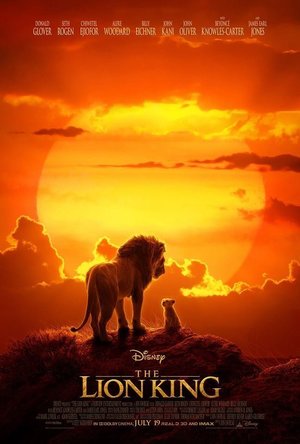
The Lion King is a 2019 computer-animated musical movie directed and produced by Jon Favreau. It was written by Jeff Nathanson, and produced by Fairview Entertainment and Walt Disney Pictures and distributed by Walt Disney Studios Motion Pictures. The film stars Donald Glover, Seth Rogen, Chiwetel Ejiofor, Beyonce and James Earl Jones.
King Mufasa (James Earl Jones) and Queen Sarabi rule over the animal kingdom with their pride of lions from Pride Rock, in the African Pride Lands. Things change with the birth of their son, Simba, the new Prince. Mufasa's younger brother, and former heir to the throne, Scar, covets the throne and plots to eliminate Mufasa and Simba, so he may become king. The battle for Pride Rock is filled with betrayal, tragedy and drama and circumstances are forever changed after the events of the stampede.
This movie was really good, but of course it was. The original Lion King was one of Disney's best animated films to date. There was a lot of build up to the release of this movie, with fans every anticipating when they could finally see this story on the big screen again. Jon Favreau did not disappoint, but there was a lot of negativity and bad review scores when it first released. I think the big problem was that in all the previews/trailers leading up to the movie coming out showed how realistic the animals looked and how they were able to recreate iconic scenes in stunning state of the art CGI, but they never showed the animals talking or singing. This for me made it difficult to get fully immersed in the film when the very realistic animals began talking and singing, but eventually it went away or I got used to it a couple minutes into the movie. Also they changed very little in this remake and it was almost literally a shot for shot or scene for scene recreation of the original Lion King, which I think bothered the critics. I personally liked little changes they made that I felt made the movie just a little bit better, like the dialogue between Mufasa's and Scar implying Mufasa's gave him the scar, Zimbabwe catching up with Nala for the journey back to Pride Rock, and Nala leading the female lions in the fight against the hyenas. I also thought it was cool how they made it more clear that one of the hyenas was the leader and it was the female and the scene where Scar makes the deal with them. Overall though I feel like they could have shown more emotion in the animals if they had chosen a style that was so detailed to look so realistic. I give this movie a 7/10. It is worth watching for nostalgia and to see it in theaters is a treat, especially when getting children or younger family members to see it for the first time, but the original is still the better film.
King Mufasa (James Earl Jones) and Queen Sarabi rule over the animal kingdom with their pride of lions from Pride Rock, in the African Pride Lands. Things change with the birth of their son, Simba, the new Prince. Mufasa's younger brother, and former heir to the throne, Scar, covets the throne and plots to eliminate Mufasa and Simba, so he may become king. The battle for Pride Rock is filled with betrayal, tragedy and drama and circumstances are forever changed after the events of the stampede.
This movie was really good, but of course it was. The original Lion King was one of Disney's best animated films to date. There was a lot of build up to the release of this movie, with fans every anticipating when they could finally see this story on the big screen again. Jon Favreau did not disappoint, but there was a lot of negativity and bad review scores when it first released. I think the big problem was that in all the previews/trailers leading up to the movie coming out showed how realistic the animals looked and how they were able to recreate iconic scenes in stunning state of the art CGI, but they never showed the animals talking or singing. This for me made it difficult to get fully immersed in the film when the very realistic animals began talking and singing, but eventually it went away or I got used to it a couple minutes into the movie. Also they changed very little in this remake and it was almost literally a shot for shot or scene for scene recreation of the original Lion King, which I think bothered the critics. I personally liked little changes they made that I felt made the movie just a little bit better, like the dialogue between Mufasa's and Scar implying Mufasa's gave him the scar, Zimbabwe catching up with Nala for the journey back to Pride Rock, and Nala leading the female lions in the fight against the hyenas. I also thought it was cool how they made it more clear that one of the hyenas was the leader and it was the female and the scene where Scar makes the deal with them. Overall though I feel like they could have shown more emotion in the animals if they had chosen a style that was so detailed to look so realistic. I give this movie a 7/10. It is worth watching for nostalgia and to see it in theaters is a treat, especially when getting children or younger family members to see it for the first time, but the original is still the better film.

Movie Metropolis (309 KP) rated Krampus (2015) in Movies
Jun 11, 2019


Full of festive chills and thrills
It’s the most wonderful time of the year, or in the case of one typical US family, it’s not, as they face off against a whole host of festive monsters and ghouls, all serving their evil overlord, Krampus.
This horror comedy takes the genre to a whole new level, throwing in a nice dose of cheesy festive calamity for good measure. But will you be wishing for it on this year’s Christmas list?
Krampus follows the story of a family, who after getting together for the holiday; forget the spirit of Christmas and what it means to hope for a better future and for the well-being of those around you.
Unfortunately, there aren’t any visits from Santa on the cards for this unlucky group, as their continuous bickering summons Krampus, St. Nicholas’ shadow. Krampus is a popular piece of German folklore, a hooded anthropomorphic figure who punishes naughty children in the run up to Christmas.
Naturally, the legend of Krampus gets an American makeover but surprisingly the end result is one of the best horror comedy films in years with some well-time scares and just the right amount of laughs. The family, known only by their first names, is a well-acted group featuring talent like Toni Collette, Adam Scott and the ever-popular David Koechner.
The family unit has just the right amount of chemistry to make their relationships feel believable with Krista Stadler providing an eerie performance as the film’s eldest character.
What sets Krampus apart from its peers is the ingenious plot and fascinating story, with one particular scene featuring some crazed gingerbread men and demonic toys proving to be the film’s highlight. The constant shifts in tone ensure it never settles into a rut, and unusually for the genre, Krampus manages to steamroll itself to a genuinely pleasing climax that’ll have you talking long after you’ve walked out of the cinema.
There’s also a beautifully animated backstory explaining the origins of our antagonist that just proves how above average this film truly is. Only Harry Potter & the Deathly Hallows: Part 1 managed to do such a tasteful cut to animation and it works fantastically well here too.
The titular character is a menacing figure in a long cloak, with dangling chains and large hooves, and despite his lack of screen time, he makes his presence felt. There’ll be no chance of bickering around the Christmas dinner table if there’s the possibility of Krampus showing up.
If there’s one criticism to be directed towards Krampus, it’s the lack of actual horror. Yes, there are scares but the majority of them are of the jump variety and there’s only so much terror that can be inflicted by maniacal biscuits.
Overall, Krampus is a highly entertaining romp with one of the best endings ever seen in the horror comedy genre. This frighteningly funny festive treat should most definitely be on your must watch list – it’s a delight.
Just remember, he knows when you’ve been bad or good, so be good for goodness sake! Krampus is coming to town.
https://moviemetropolis.net/2015/12/06/full-of-festive-thrills-and-chills-krampus-review/
This horror comedy takes the genre to a whole new level, throwing in a nice dose of cheesy festive calamity for good measure. But will you be wishing for it on this year’s Christmas list?
Krampus follows the story of a family, who after getting together for the holiday; forget the spirit of Christmas and what it means to hope for a better future and for the well-being of those around you.
Unfortunately, there aren’t any visits from Santa on the cards for this unlucky group, as their continuous bickering summons Krampus, St. Nicholas’ shadow. Krampus is a popular piece of German folklore, a hooded anthropomorphic figure who punishes naughty children in the run up to Christmas.
Naturally, the legend of Krampus gets an American makeover but surprisingly the end result is one of the best horror comedy films in years with some well-time scares and just the right amount of laughs. The family, known only by their first names, is a well-acted group featuring talent like Toni Collette, Adam Scott and the ever-popular David Koechner.
The family unit has just the right amount of chemistry to make their relationships feel believable with Krista Stadler providing an eerie performance as the film’s eldest character.
What sets Krampus apart from its peers is the ingenious plot and fascinating story, with one particular scene featuring some crazed gingerbread men and demonic toys proving to be the film’s highlight. The constant shifts in tone ensure it never settles into a rut, and unusually for the genre, Krampus manages to steamroll itself to a genuinely pleasing climax that’ll have you talking long after you’ve walked out of the cinema.
There’s also a beautifully animated backstory explaining the origins of our antagonist that just proves how above average this film truly is. Only Harry Potter & the Deathly Hallows: Part 1 managed to do such a tasteful cut to animation and it works fantastically well here too.
The titular character is a menacing figure in a long cloak, with dangling chains and large hooves, and despite his lack of screen time, he makes his presence felt. There’ll be no chance of bickering around the Christmas dinner table if there’s the possibility of Krampus showing up.
If there’s one criticism to be directed towards Krampus, it’s the lack of actual horror. Yes, there are scares but the majority of them are of the jump variety and there’s only so much terror that can be inflicted by maniacal biscuits.
Overall, Krampus is a highly entertaining romp with one of the best endings ever seen in the horror comedy genre. This frighteningly funny festive treat should most definitely be on your must watch list – it’s a delight.
Just remember, he knows when you’ve been bad or good, so be good for goodness sake! Krampus is coming to town.
https://moviemetropolis.net/2015/12/06/full-of-festive-thrills-and-chills-krampus-review/

Kristy H (1252 KP) rated Girls' Weekend in Books
Feb 13, 2018

Charlotte, Dani, and Meg have been friends for ages-- bonding over motherhood and the issues that accompany it. However, each woman has their own problems and are reluctant to bring them up with their friends. Charlotte, a busy and successful interior designer, has a dentist husband and a loving son, but she feels like her husband, Brett, doesn't even see her anymore. Dani's life appears great -- a caring husband and two kids, but she can't quite shake the empty feelings she has. And Meg is still reeling from losing her young son two years ago; her grief remains, but everyone around her seems to have moved on. When the three women get a chance to go away for a girls' weekend, they jump at the chance, even if involves a little rearranging of schedules. But once there, they make a fateful decision: they aren't coming back home.
When reading it, the premise seems a little farfetched, but the characters in this novel immediately seem very real and the book gives a lot of little details about motherhood that lend it realism (for instance, humming annoying intro music to a children's show at inappropriate times). Each woman is different, but you can relate to a piece of each of them. I found myself liking parts of each and being frustrated with other parts - just like your actual friends.
It's probably true that parts of the book are stereotypical toward men (and fathers) -- painting them as bumbling and clueless toward their wives and children, but sadly, there is some realism to it, too. Plus, as the storyline progresses, you fixate less on this fact and realize there's more to this story than black and white. Honestly, it speaks universally to many women, especially mothers: those seeking answers in life, those feeling guilty for not being happy when life seems perfect on paper, those wondering when life simply became a series of errands. I felt like Achterberg did an excellent job of dealing with and capturing some of the quintessential problems facing the modern mom.
The book is painful to read at times, but only because it's so well-written. Your heart breaks for Meg and all she has been through. The book lags a little in the middle, but really, the women do too, as they try to figure out exactly what they should do. It is fascinating because they are doing what you can't quite imagine pulling off. My mind was racing as I read: I mean, who would really watch your kids for that long? What spouse would be OK with this? Who could leave their kids for that long? And yet, you sort of dream for the time away, envy the women as you read the novel. It's easy to empathize with them, even as you may question some of their motives.
Overall, the book was easy to read and Charlotte, Meg, and Dani were interesting and relatable characters. The book made me think (and highlight many passages). It's a fun read, but also goes deeper, too. Really enjoyed it.
I received an ARC of this book from Netgalley (thank you!); it is available everywhere on 5/3.
When reading it, the premise seems a little farfetched, but the characters in this novel immediately seem very real and the book gives a lot of little details about motherhood that lend it realism (for instance, humming annoying intro music to a children's show at inappropriate times). Each woman is different, but you can relate to a piece of each of them. I found myself liking parts of each and being frustrated with other parts - just like your actual friends.
It's probably true that parts of the book are stereotypical toward men (and fathers) -- painting them as bumbling and clueless toward their wives and children, but sadly, there is some realism to it, too. Plus, as the storyline progresses, you fixate less on this fact and realize there's more to this story than black and white. Honestly, it speaks universally to many women, especially mothers: those seeking answers in life, those feeling guilty for not being happy when life seems perfect on paper, those wondering when life simply became a series of errands. I felt like Achterberg did an excellent job of dealing with and capturing some of the quintessential problems facing the modern mom.
The book is painful to read at times, but only because it's so well-written. Your heart breaks for Meg and all she has been through. The book lags a little in the middle, but really, the women do too, as they try to figure out exactly what they should do. It is fascinating because they are doing what you can't quite imagine pulling off. My mind was racing as I read: I mean, who would really watch your kids for that long? What spouse would be OK with this? Who could leave their kids for that long? And yet, you sort of dream for the time away, envy the women as you read the novel. It's easy to empathize with them, even as you may question some of their motives.
Overall, the book was easy to read and Charlotte, Meg, and Dani were interesting and relatable characters. The book made me think (and highlight many passages). It's a fun read, but also goes deeper, too. Really enjoyed it.
I received an ARC of this book from Netgalley (thank you!); it is available everywhere on 5/3.

Andy K (10827 KP) rated The Devil's Rejects (2005) in Movies
Oct 16, 2019
Chinese, Japanese, Dirty knees, look at these!
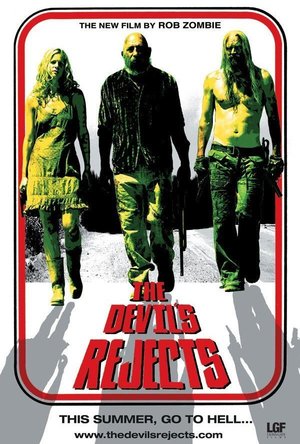
Shortly after the events of House of 1,000 Corpses, Sheriff Wydell and his band of deputies approach and surround the homestead occupied by everyone's favorite murderous, diabolical, psychotic family. Inside, lazy slumbering quickly turns to mounting a counter offensive when the family realizes what is about to happen. The ensuring shootout claims several victims before the aid of tear gas precedes a law enforcement home invasion. Unfortunately, only one family member is captured while Baby and Otis escape out the back. Baby calls their father, Captain Spaulding, to inform him of the pending doom on his way so he can meet up with them subsequently.
The two siblings arrive at a local motel only to perform their brand of debauchery on two couples and friends staying there. They are forced to be in constant fear for their lives whilst their kidnappers decide what to do with them while waiting on their matriarch. The torture endured by their victims is heinous, cruel and unnecessary, but is their way of life.
The law is tightly on their trail waiting for that lead which will lead them to the felons. This is growing personal for the sheriff as he discovers the "rejects" were responsible for the death of his brother. The sheriff decides to hire some disreputable men of his own to use whatever methods they can to acquire the location of his targets.
The inevitable stand off leaves other casualties and a position it will be difficult for the sheriff to return from. The "rejects" always seem to find a way to survive no matter their degree of peril.
This film takes a different direction than that of House of 1,000 Corpses. That film being more of a standard "teenagers wander into a house of horrors" situation, whereas this film feels more like a "Natural Born Killers" type.
The total lack of any sort of normal human decency for the family is truly revolting and is on display every time they interact with anyone including women and children. They even don't really like each other very much and are constantly arguing with one other; their visceral hatred always right on the edge of bubbling over.
The unspeakable cruelty they enact on their victims can seem excessive at times; however, if you have lived through the events of the first film, you know what you are getting into here. When they are attached to their motel guests, you are just waiting for the next moment of panic when their guests start to figure out exactly what type of monsters they are dealing with.
I loved the gritty look of the film along with the mostly 1970s classic rock soundtrack. The scenery and landscapes of the sparse countryside fit the film well as well.
Not too many sequels build or are as good or better than their predecessor, but this film could be one of those for sure.
The two siblings arrive at a local motel only to perform their brand of debauchery on two couples and friends staying there. They are forced to be in constant fear for their lives whilst their kidnappers decide what to do with them while waiting on their matriarch. The torture endured by their victims is heinous, cruel and unnecessary, but is their way of life.
The law is tightly on their trail waiting for that lead which will lead them to the felons. This is growing personal for the sheriff as he discovers the "rejects" were responsible for the death of his brother. The sheriff decides to hire some disreputable men of his own to use whatever methods they can to acquire the location of his targets.
The inevitable stand off leaves other casualties and a position it will be difficult for the sheriff to return from. The "rejects" always seem to find a way to survive no matter their degree of peril.
This film takes a different direction than that of House of 1,000 Corpses. That film being more of a standard "teenagers wander into a house of horrors" situation, whereas this film feels more like a "Natural Born Killers" type.
The total lack of any sort of normal human decency for the family is truly revolting and is on display every time they interact with anyone including women and children. They even don't really like each other very much and are constantly arguing with one other; their visceral hatred always right on the edge of bubbling over.
The unspeakable cruelty they enact on their victims can seem excessive at times; however, if you have lived through the events of the first film, you know what you are getting into here. When they are attached to their motel guests, you are just waiting for the next moment of panic when their guests start to figure out exactly what type of monsters they are dealing with.
I loved the gritty look of the film along with the mostly 1970s classic rock soundtrack. The scenery and landscapes of the sparse countryside fit the film well as well.
Not too many sequels build or are as good or better than their predecessor, but this film could be one of those for sure.

BabySparks - Development App
Education and Health & Fitness
App
1,300+ baby development activities and milestones for children 0-24 months. Designed by experts,...

Birthday & Party Planner
Lifestyle and Productivity
App
Plan your family celebration quickly and efficiently with the Party Planner. First choose one of the...
Jesters_folly (230 KP) rated The Banana Splits Movie (2019) in Movies
Jan 3, 2020


Contains spoilers, click to show
The Banana Splits Movie
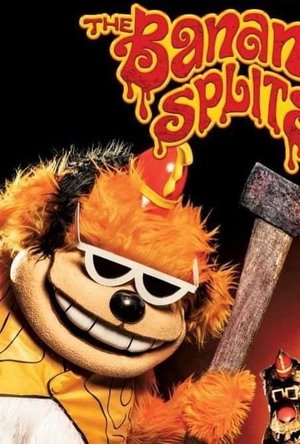
Isn’t it nice when a network tries to reboot an old children’s favourite? It seems to be happening a lot these days with Netflix reviving Voltron, She-Ra and the Dark Crystal. They have taken a different approach with the Banana Splits though. The starting premise is that the Banana Splits show was never cancelled and, for his ninth birthday Harley is taken to a live filming of the show. Drooper, Fleegle, Snorky and Bingo are all there but the actors have been replaced with animatronics and they have three human friends they interact with (Paige, Stevie and Thadd). The show is still the same as when it first started way back in the 1960s with silly sketches, fun catchphrases and an assault course for the kids although the show has gathered a cult following (as it would in real life) and half the audience are adults.
As the live filming gets under way the actors are informed that this will be the final show as the network has cancelled it, this news is met with mixed reactions from the crew. The Banana splits however only have one reaction, they are programmed that ‘The Show Must Go On’ so, during the back stage tour they begin to make sure that it will never stop. They kidnap all the children, after all the show will always need an audience, and they start to kill or torture all the adults.
Yes, that’s right, someone took a beloved children’s show and added a splash of the ‘Child's Play’ remake and a whole ton of ‘Five Nights At Freddy’s’. To be clear this is a horror/slasher that’s rated 18 (R rated in the USA) that features a group of 60’s children’s characters going on a killing spree because their show got cancelled. It’s campy, it’s dark, it actually builds up to the kills and it has some really good characters and scenes, I especially like Poppy’s story line.
So, we have a film based on a 60’s children’s series that’s been turned into a horror whilst still sticking to its roots that is defiantly not for kids and isn’t a total pile of rubbish.
As a side note I did read that the Banana Splits movie came about because Warner Bros wanted to make a ‘Five Nights At Freddie’s’ movie but they couldn’t get the rights so they made this. not sure how true it is but there are similarities.
Isn’t it nice when a network tries to reboot an old children’s favourite? It seems to be happening a lot these days with Netflix reviving Voltron, She-Ra and the Dark Crystal. They have taken a different approach with the Banana Splits though. The starting premise is that the Banana Splits show was never cancelled and, for his ninth birthday Harley is taken to a live filming of the show. Drooper, Fleegle, Snorky and Bingo are all there but the actors have been replaced with animatronics and they have three human friends they interact with (Paige, Stevie and Thadd). The show is still the same as when it first started way back in the 1960s with silly sketches, fun catchphrases and an assault course for the kids although the show has gathered a cult following (as it would in real life) and half the audience are adults.
As the live filming gets under way the actors are informed that this will be the final show as the network has cancelled it, this news is met with mixed reactions from the crew. The Banana splits however only have one reaction, they are programmed that ‘The Show Must Go On’ so, during the back stage tour they begin to make sure that it will never stop. They kidnap all the children, after all the show will always need an audience, and they start to kill or torture all the adults.
Yes, that’s right, someone took a beloved children’s show and added a splash of the ‘Child's Play’ remake and a whole ton of ‘Five Nights At Freddy’s’. To be clear this is a horror/slasher that’s rated 18 (R rated in the USA) that features a group of 60’s children’s characters going on a killing spree because their show got cancelled. It’s campy, it’s dark, it actually builds up to the kills and it has some really good characters and scenes, I especially like Poppy’s story line.
So, we have a film based on a 60’s children’s series that’s been turned into a horror whilst still sticking to its roots that is defiantly not for kids and isn’t a total pile of rubbish.
As a side note I did read that the Banana Splits movie came about because Warner Bros wanted to make a ‘Five Nights At Freddie’s’ movie but they couldn’t get the rights so they made this. not sure how true it is but there are similarities.
BookInspector (124 KP) rated My Sister's Bones in Books
Sep 24, 2020
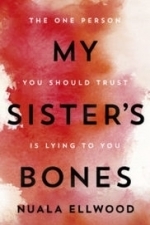

This novel started creating tension from the first pages, and it kept the intrigue going all the way till the very last page. This book contains tree parts. The first one is the story from Kate’s point of view. She is a successful Journalist, who came to her birth place after her mother’s death. The second part is the story told from Sally’s point of view. Sally is Kate’s younger sister, who is chronic alcoholic. She feels like a black sheep of the family, the “never good enough” daughter. The third part will remain a secret; I don’t like to spoil the pleasure. I love when Author gives voices to more than one character, I really enjoyed reading the story from different point of view and it made the book and the characters way more interesting and indulging. The characters which author chose are really intriguing and interesting. All of them suffering from some mental problems and are disturbed. Kate disturbed by her childhood and constant trips to war zones, and Sally by her inner demons. I think the characters were well rounded and exciting to read about.
The plot was amazingly thought through and overflowing with suspense. I couldn’t put it down, it captivated me and I needed to know more. I loved that the chapters were not long; it made it quick and pleasurable for me to read it. The writing style used in this novel was not difficult and very easy to read. I really loved how every part of the book was concluded with a sentence, which actually used to take my breath away with disbelief and wish to know more. This book has everything, it is fast paced, it has lots of twists and turns and it thickens with every chapter. This book covers so many great universal themes: how alcoholism destroys families and life of children in such families, what does journalist feels during and after trips to war torn countries, how it affects their personal life seeing so many ruined lives and death of innocent people, how people react while suffering domestic violence. There are so many great and very important themes in this book. I am amazed how author rounded all them up and fitted so many of them in this beautiful creation. The ending of the book was really unexpected and I was so confused after reading it. To be honest, all I have for this book is praise, it is an amazing book and it is a Must Read. Can’t wait for the movie because there definitely will be one.
The plot was amazingly thought through and overflowing with suspense. I couldn’t put it down, it captivated me and I needed to know more. I loved that the chapters were not long; it made it quick and pleasurable for me to read it. The writing style used in this novel was not difficult and very easy to read. I really loved how every part of the book was concluded with a sentence, which actually used to take my breath away with disbelief and wish to know more. This book has everything, it is fast paced, it has lots of twists and turns and it thickens with every chapter. This book covers so many great universal themes: how alcoholism destroys families and life of children in such families, what does journalist feels during and after trips to war torn countries, how it affects their personal life seeing so many ruined lives and death of innocent people, how people react while suffering domestic violence. There are so many great and very important themes in this book. I am amazed how author rounded all them up and fitted so many of them in this beautiful creation. The ending of the book was really unexpected and I was so confused after reading it. To be honest, all I have for this book is praise, it is an amazing book and it is a Must Read. Can’t wait for the movie because there definitely will be one.

Bob Mann (459 KP) rated The Nutcracker and the Four Realms (2018) in Movies
Sep 28, 2021
A fantasy that’s glossy and beautiful to look at.
Before the heavyweight juggernaut of “Mary Poppins Returns” arrives at Christmas, here’s another Disney live action feature to get everyone in the festive spirit.
The Plot.
It’s Victorian London and Young Clara (Mackenzie Foy) lives with her father (Matthew Macfadyen), her older sister Louise (Ellie Bamber) and her younger brother Fritz (Tom Sweet). It’s Christmas and the family are having a hard time as they are grieving the recent death of wife and mother Marie (Anna Madeley). Like her mother, Clara has an astute mind with an engineering bias and is encouraged in this pursuit by her quirky inventor godfather, Drosselmeyer (Morgan Freeman). At his fabled Christmas ball, Clara asks for his help in accessing a gift Clara’s mother has bequeathed to her. This leads Clara on a magical adventure to a parallel world with four realms, where everything is not quite peace and harmony.
The Review.
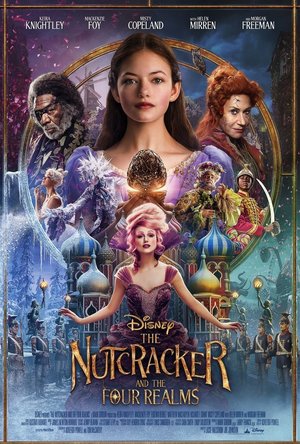
This is a film that visually delights from the word go. The film opens with a swooping tour of Victorian London (who knew the Disney castle was in the capital’s suburbs?!) via Westminster bridge and into the Stahlbaum’s attic. It’s a spectacular tour-de-force of special-effects wizardry and sets up the expectation of what’s to come. For every scene that follows is a richly decorated feast for the eyes. Drosselmeyer’s party is a glorious event, full of extras, strong on costume design and with a rich colour palette as filmed by Linus Sandgren (“La La Land“). When we are pitched into the Four Realms – no wardrobe required – the magical visions continue.
The film represents a Narnia-esque take on the four compass-point lands of Oz, and on that basis it’s a bit formulaic. But the good vs evil angles are more subtley portrayed. Of the Four Realms leaders, Keira Knightley as Sugar Plum rather steals the show from the others (played by Richard E. Grant, Eugenio Derbez and Helen Mirren). Mirren in particular is given little to do.
What age kids would this be suitable for? Well, probably a good judge would be the Wizard of Oz. If your kids are not completely freaked out by the Wicked Witch of the West and the flying monkeys, then they will probably cope OK with the scary bits of the “Realm of Entertainment”. Although those who suffer from either musophobia or (especially) coulrophobia might want to give it a miss! All kids are different though, and the “loss of the mother” is also an angle to consider: that might worry and upset young children. It is definitely a “PG” certificate rather than a “U” certificate.
Young people who also enjoy ballet (I nearly fell into a sexist trap there!) will also get a kick out of some of the dance sequences, which are “Fantasia-esque” in their presentation and feature Misty Copeland, famously the first African American Female Principal Dancer with the American Ballet Theatre. (I have no appreciation at all for ballet, but I’m sure it was brilliant!)
As for the moral tone of the film, the female empowerment message is rather ladled on with a trowel, but as it’s a good message I have no great problem with that. I am often appalled at how lacking in confidence young people are in their own abilities. Here is a young lady (an engineer!) learning self-resilience and the confidence to be able to do anything in life she puts her mind to. Well said.
The story is rather generic – child visits a magical other world – but the screenplay is impressive given its the first-feature screenplay for Ashleigh Powell: there is an article on her approach to screenwriting that you might find interesting here.
The film is credited with two directors. This – particularly if there is also an army of screenwriters – is normally a warning sign on a film. (As a case in point, the chaotic 1967 version of “Casino Royale” had six different directors, and it shows!). Here, there clearly were issues with the filming since Disney insisted on reshoots for which the original director, Lasse Hallström, was not available. This is where the “Captain America” director Joe Johnston stepped in.
The turns.
I really enjoyed Mackenzie Foy‘s performance as Clara. Now 18, she is a feisty and believable Disney princess for the modern age. (If, like me, you are struggling to place where you’ve heard her name before, she was the young Murph in Nolan’s “Interstellar“).
Another name I was struggling with was Ellie Bamber as her sister. Ellie was excellent in the traumatic role of the daughter in the brilliant “Nocturnal Animals“, one of my favourite films of 2016. (Hopefully the therapy has worked and Ellie can sleep at night again!).
A newcomer with a big role is Jayden Fowora-Knight as the Nutcracker soldier: Jayden had a bit part in “Ready Player One” but does a great job here in a substantial role in the film. He stands out as a black actor in a Disney feature: notwithstanding the Finn character in “Star Wars”, this is a long-overdue and welcome approach from Disney.
British comedians Omid Djalili and Jack Whitehouse turn up to add some light relief, but the humour seems rather forced and not particularly fitting.
Final thoughts
I wasn’t expecting to enjoy this one much, but I did. Prinicipally because it is such a visual feast and worth going to see just for that alone: I have a prediction that this film will be nominated for production design, costume design and possible special effects.
I think kids of the right age – I would have thought 6 to 10 sort of range – will enjoy this a lot, particularly if they like dance. Young girls in particular will most relate to the lead character. For such kids, I’d rate this a 4*. The rating below reflects my rating as an adult: so I don’t think ‘drag-a-long’ parents in the Christmas holidays (if it is still on by then) will not be totally bored.
The Plot.
It’s Victorian London and Young Clara (Mackenzie Foy) lives with her father (Matthew Macfadyen), her older sister Louise (Ellie Bamber) and her younger brother Fritz (Tom Sweet). It’s Christmas and the family are having a hard time as they are grieving the recent death of wife and mother Marie (Anna Madeley). Like her mother, Clara has an astute mind with an engineering bias and is encouraged in this pursuit by her quirky inventor godfather, Drosselmeyer (Morgan Freeman). At his fabled Christmas ball, Clara asks for his help in accessing a gift Clara’s mother has bequeathed to her. This leads Clara on a magical adventure to a parallel world with four realms, where everything is not quite peace and harmony.
The Review.
This is a film that visually delights from the word go. The film opens with a swooping tour of Victorian London (who knew the Disney castle was in the capital’s suburbs?!) via Westminster bridge and into the Stahlbaum’s attic. It’s a spectacular tour-de-force of special-effects wizardry and sets up the expectation of what’s to come. For every scene that follows is a richly decorated feast for the eyes. Drosselmeyer’s party is a glorious event, full of extras, strong on costume design and with a rich colour palette as filmed by Linus Sandgren (“La La Land“). When we are pitched into the Four Realms – no wardrobe required – the magical visions continue.
The film represents a Narnia-esque take on the four compass-point lands of Oz, and on that basis it’s a bit formulaic. But the good vs evil angles are more subtley portrayed. Of the Four Realms leaders, Keira Knightley as Sugar Plum rather steals the show from the others (played by Richard E. Grant, Eugenio Derbez and Helen Mirren). Mirren in particular is given little to do.
What age kids would this be suitable for? Well, probably a good judge would be the Wizard of Oz. If your kids are not completely freaked out by the Wicked Witch of the West and the flying monkeys, then they will probably cope OK with the scary bits of the “Realm of Entertainment”. Although those who suffer from either musophobia or (especially) coulrophobia might want to give it a miss! All kids are different though, and the “loss of the mother” is also an angle to consider: that might worry and upset young children. It is definitely a “PG” certificate rather than a “U” certificate.
Young people who also enjoy ballet (I nearly fell into a sexist trap there!) will also get a kick out of some of the dance sequences, which are “Fantasia-esque” in their presentation and feature Misty Copeland, famously the first African American Female Principal Dancer with the American Ballet Theatre. (I have no appreciation at all for ballet, but I’m sure it was brilliant!)
As for the moral tone of the film, the female empowerment message is rather ladled on with a trowel, but as it’s a good message I have no great problem with that. I am often appalled at how lacking in confidence young people are in their own abilities. Here is a young lady (an engineer!) learning self-resilience and the confidence to be able to do anything in life she puts her mind to. Well said.
The story is rather generic – child visits a magical other world – but the screenplay is impressive given its the first-feature screenplay for Ashleigh Powell: there is an article on her approach to screenwriting that you might find interesting here.
The film is credited with two directors. This – particularly if there is also an army of screenwriters – is normally a warning sign on a film. (As a case in point, the chaotic 1967 version of “Casino Royale” had six different directors, and it shows!). Here, there clearly were issues with the filming since Disney insisted on reshoots for which the original director, Lasse Hallström, was not available. This is where the “Captain America” director Joe Johnston stepped in.
The turns.
I really enjoyed Mackenzie Foy‘s performance as Clara. Now 18, she is a feisty and believable Disney princess for the modern age. (If, like me, you are struggling to place where you’ve heard her name before, she was the young Murph in Nolan’s “Interstellar“).
Another name I was struggling with was Ellie Bamber as her sister. Ellie was excellent in the traumatic role of the daughter in the brilliant “Nocturnal Animals“, one of my favourite films of 2016. (Hopefully the therapy has worked and Ellie can sleep at night again!).
A newcomer with a big role is Jayden Fowora-Knight as the Nutcracker soldier: Jayden had a bit part in “Ready Player One” but does a great job here in a substantial role in the film. He stands out as a black actor in a Disney feature: notwithstanding the Finn character in “Star Wars”, this is a long-overdue and welcome approach from Disney.
British comedians Omid Djalili and Jack Whitehouse turn up to add some light relief, but the humour seems rather forced and not particularly fitting.
Final thoughts
I wasn’t expecting to enjoy this one much, but I did. Prinicipally because it is such a visual feast and worth going to see just for that alone: I have a prediction that this film will be nominated for production design, costume design and possible special effects.
I think kids of the right age – I would have thought 6 to 10 sort of range – will enjoy this a lot, particularly if they like dance. Young girls in particular will most relate to the lead character. For such kids, I’d rate this a 4*. The rating below reflects my rating as an adult: so I don’t think ‘drag-a-long’ parents in the Christmas holidays (if it is still on by then) will not be totally bored.