
Search

Erika (17789 KP) rated Loki - Season 1 in TV
Jul 16, 2021 (Updated Jul 16, 2021)


I’ll stick with Loki’s original story-arc.
Contains spoilers, click to show
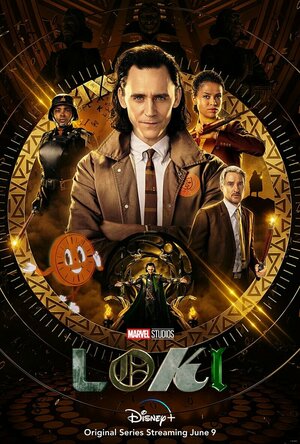
Loki, featuring the return of Tom Hiddleston to the MCU, has escaped with the tesseract, and is subsequently caught by the TVA. He agrees to help Owen Wilson’s Mobius track down a variant that is conveniently a version of himself. What ensues is a painful setup for Ironman with Magic… oh, sorry, Dr. Strange and the Multiverse of Madness.
On one hand, my ma always told me, if you don’t have anything nice to say, don’t say anything at all, but on the other hand, I haven’t been this pissed off at a major franchise since Star Wars: The Last Jedi. My visceral, negative reaction was caused by many things.
First, this series did not need to be made. Loki had a perfect ending to his overall arc, and it really didn’t need to be messed with. I am a huge Tom Hiddleston fan, I went to NYC to see him in a play, waited outside freezing my butt off to meet him, all of that. I was so glad when Loki was killed off, so he’d be free to do other things, and not just be known for Loki. Alas, that did not happen.
This series was made for two subsets of fans: the fans that can’t accept the death of their favorite character, and the fans that are absolutely, irrationally obsessed with having their favorite character paired up romantically. I fall into neither of these categories. ‘More Stories to Tell’ was the tagline… it should have been ‘More Money to be Made’.
After watching the same movie in a different flavor for over ten years, I realized that maybe the MCU wasn’t for me anymore. But, when Loki was announced, I was promised something new and weird! I thought, maybe this will be the show to get me back into the MCU. That was not the case. I cannot believe the rave reviews about this series; did we all watch the same thing?
The first warning sign for me was when it was announced that Michael Waldron, who was a writer for Rick & Morty was going to be helming this series. Rick & Morty is funny… if you’re a dude-bro, drunk, or high. When I read a few of his interviews prior to the release of Loki, another warning sign, this guy kind of sounded like a huge douchebag. I was then calmed and reassured that maybe it wouldn’t be a train-wreck because Hiddleston was heavily involved in the series.
As I’ve mentioned before, we were promised something new, different, and weird. Don’t make promises you can’t keep, creative team behind Loki.
Episode 1 was cheap; did I need to see clips from previous movies used in a very uncreative way? No, I did not. There was also something just off about the casting of Wilson. Now, this may be on me because my teen-years were spent quoting Owen Wilson films. There were a few things I liked about Episode 1, like the Blade Runner robot reference. There was a red flag in this episode though. Pro-tip: never, EVER have a character verbalize/confirm that they’re smart. Because it’s probably not the case.
Episode 2 was the bright spot, it was my favorite, by far. It was fast-paced, amusing, and the most interesting episode out of the whole series. The Mt Vesuvius/unleashing of the goats thing was the sort of thing I was looking for in this series. I actually chuckled a little, which rarely happens. It moved the story along, and we get the big reveal of the Loki variant that’s causing all the havoc.
Episode 3 was, for lack of a better word, boring. The pace slowed, and it was the infamous Disney+ show filler episode. We’re introduced to Mary Sue, sorry, I mean Lady Loki, but not really, Sylvie, the Enchantress, right? No, wait, she’s a completely different, new character. Probably shouldn’t have opted for the name Sylvie in that case. She’s a brand new, *strong* female, that shows her strength by punching people and has no personality (see: Carol Danvers - Captain Marvel, Hope van Dyne - Ant-Man). Y’all, you told me you were going to give me something different, new, weird. A Mary Sue isn’t new, different, or weird. This episode was a get-to-know-each-other, and build a pseudo-sibling relationship, right? Because anything else would be weird in a bad way, not an interesting way. There was a considerable shift in our TVA ‘Smart’ Loki character evolution, he opened-up, announced that he was a member of the LGBTQQIAAP nation, progress! First bi-sexual character in the MCU, way to go Disney, getting with the times! It was still a filler episode though, and while the stakes seemed high, you knew that there were three more episodes to go, of course they would live.
Again, I was reassured after this lackluster episode by Hiddleston, that 4 and 5 were his favorite. That fact is now disturbing.
Episode 4 was the death knell. I think the response from the creative team afterwards was also incredibly tone-deaf, and, quite frankly, insulting. The 4th episode was so bad, I legitimately had to go cleanse my eyes and brain with a GBBO marathon. The fact that the creative team had no idea that the insta-love (see: Jane and Thor - Thor) between two characters that had seemingly formed a pseudo-sibling relationship wouldn’t come off a little incest-y is really strange to me. If a pseudo-sibling relationship was not the intention, then it was poor writing, directing and acting by all parties involved. Sometimes, when a Mary Sue punches our main character, he falls in love with her (see: Hope and Scott - Ant-Man). The whole narcissism thing was hilarious, I’m glad our TVA ‘Smart’ Loki was cured of that by Sylvie and another *strong* personality-lacking woman (see: Sif -Thor/Thor: the Dark World) kicking him between the legs was what he’d needed all along. If a small portion of this episode was actually utilizing the myth of Narcissus, then I’m glad they followed it through to the dying part. This is when everything clicked for me. Our TVA ‘Smart’ Loki’s character evolution made him a big ol’ bowl of mushy, overcooked oatmeal. HOW and WHY would you take one of the best anti-heroes in the MCU, or any superhero franchise, and make him so mushy? More importantly, I didn’t care about what happened to any of the characters, except B-15. Normally, that’s my cue to stop watching a show, but I wanted to see if they tried to convince audiences that this Oatmeal Loki was actually smart and logical.
Episode 5 was when things slightly improved. Again, I couldn’t forgive the events of Episode 4, and I totally fast-forwarded during whatever talk Loki and Mary Sue, sorry, Sylvie, had with a blankie around their shoulders. All of the other Lokis were better in their tiny amount of screen time than Oatmeal Loki and Mary Sue Loki. Alligator Loki had more personality than Sylvie. Richard Grant is the superior Loki in my opinion. This episode also reintroduced hand holding with CGI colors swirling around characters (see: Guardians of the Galaxy).
Episode 6 was our finale. Thank God. We’re introduced to the real head of the TVA, which was who everyone was expecting. This episode was a little slow-paced, with a lot of interesting chit-chat. Oatmeal Loki actually seemed like he had a brain cell or two for a few brief, fleeting moments. He even showed off some of his powers, which, by the way, we were told we’d see more of… but didn’t. Then, our Oatmeal Loki was distracted by his Mary Sue, went for a kiss, and plopped right on his ass, looking like a fool. I almost snorted my coffee as I watched. Then, they confirmed a Season 2.
Honestly, I was hoping Oatmeal Loki and Mary Sue Loki would get killed off. Sadly, it didn’t happen, and they’re getting another series, and an appearance in Ironman with Magic. I’m so glad this series was something new, different, and weird, not just the bog-standard, MCU drivel we normally get. Oh, wait… I probably don’t even need to state that this wasn’t my cup of tea, and, again, solidified the fact that I’m over the MCU. I also know that I should avoid anything Michael Waldron and Kate Herron touch. Eventually, I’ll stop feeling betrayed by Hiddleston, but it may take a while. Is that ridiculous? Probably.
On one hand, my ma always told me, if you don’t have anything nice to say, don’t say anything at all, but on the other hand, I haven’t been this pissed off at a major franchise since Star Wars: The Last Jedi. My visceral, negative reaction was caused by many things.
First, this series did not need to be made. Loki had a perfect ending to his overall arc, and it really didn’t need to be messed with. I am a huge Tom Hiddleston fan, I went to NYC to see him in a play, waited outside freezing my butt off to meet him, all of that. I was so glad when Loki was killed off, so he’d be free to do other things, and not just be known for Loki. Alas, that did not happen.
This series was made for two subsets of fans: the fans that can’t accept the death of their favorite character, and the fans that are absolutely, irrationally obsessed with having their favorite character paired up romantically. I fall into neither of these categories. ‘More Stories to Tell’ was the tagline… it should have been ‘More Money to be Made’.
After watching the same movie in a different flavor for over ten years, I realized that maybe the MCU wasn’t for me anymore. But, when Loki was announced, I was promised something new and weird! I thought, maybe this will be the show to get me back into the MCU. That was not the case. I cannot believe the rave reviews about this series; did we all watch the same thing?
The first warning sign for me was when it was announced that Michael Waldron, who was a writer for Rick & Morty was going to be helming this series. Rick & Morty is funny… if you’re a dude-bro, drunk, or high. When I read a few of his interviews prior to the release of Loki, another warning sign, this guy kind of sounded like a huge douchebag. I was then calmed and reassured that maybe it wouldn’t be a train-wreck because Hiddleston was heavily involved in the series.
As I’ve mentioned before, we were promised something new, different, and weird. Don’t make promises you can’t keep, creative team behind Loki.
Episode 1 was cheap; did I need to see clips from previous movies used in a very uncreative way? No, I did not. There was also something just off about the casting of Wilson. Now, this may be on me because my teen-years were spent quoting Owen Wilson films. There were a few things I liked about Episode 1, like the Blade Runner robot reference. There was a red flag in this episode though. Pro-tip: never, EVER have a character verbalize/confirm that they’re smart. Because it’s probably not the case.
Episode 2 was the bright spot, it was my favorite, by far. It was fast-paced, amusing, and the most interesting episode out of the whole series. The Mt Vesuvius/unleashing of the goats thing was the sort of thing I was looking for in this series. I actually chuckled a little, which rarely happens. It moved the story along, and we get the big reveal of the Loki variant that’s causing all the havoc.
Episode 3 was, for lack of a better word, boring. The pace slowed, and it was the infamous Disney+ show filler episode. We’re introduced to Mary Sue, sorry, I mean Lady Loki, but not really, Sylvie, the Enchantress, right? No, wait, she’s a completely different, new character. Probably shouldn’t have opted for the name Sylvie in that case. She’s a brand new, *strong* female, that shows her strength by punching people and has no personality (see: Carol Danvers - Captain Marvel, Hope van Dyne - Ant-Man). Y’all, you told me you were going to give me something different, new, weird. A Mary Sue isn’t new, different, or weird. This episode was a get-to-know-each-other, and build a pseudo-sibling relationship, right? Because anything else would be weird in a bad way, not an interesting way. There was a considerable shift in our TVA ‘Smart’ Loki character evolution, he opened-up, announced that he was a member of the LGBTQQIAAP nation, progress! First bi-sexual character in the MCU, way to go Disney, getting with the times! It was still a filler episode though, and while the stakes seemed high, you knew that there were three more episodes to go, of course they would live.
Again, I was reassured after this lackluster episode by Hiddleston, that 4 and 5 were his favorite. That fact is now disturbing.
Episode 4 was the death knell. I think the response from the creative team afterwards was also incredibly tone-deaf, and, quite frankly, insulting. The 4th episode was so bad, I legitimately had to go cleanse my eyes and brain with a GBBO marathon. The fact that the creative team had no idea that the insta-love (see: Jane and Thor - Thor) between two characters that had seemingly formed a pseudo-sibling relationship wouldn’t come off a little incest-y is really strange to me. If a pseudo-sibling relationship was not the intention, then it was poor writing, directing and acting by all parties involved. Sometimes, when a Mary Sue punches our main character, he falls in love with her (see: Hope and Scott - Ant-Man). The whole narcissism thing was hilarious, I’m glad our TVA ‘Smart’ Loki was cured of that by Sylvie and another *strong* personality-lacking woman (see: Sif -Thor/Thor: the Dark World) kicking him between the legs was what he’d needed all along. If a small portion of this episode was actually utilizing the myth of Narcissus, then I’m glad they followed it through to the dying part. This is when everything clicked for me. Our TVA ‘Smart’ Loki’s character evolution made him a big ol’ bowl of mushy, overcooked oatmeal. HOW and WHY would you take one of the best anti-heroes in the MCU, or any superhero franchise, and make him so mushy? More importantly, I didn’t care about what happened to any of the characters, except B-15. Normally, that’s my cue to stop watching a show, but I wanted to see if they tried to convince audiences that this Oatmeal Loki was actually smart and logical.
Episode 5 was when things slightly improved. Again, I couldn’t forgive the events of Episode 4, and I totally fast-forwarded during whatever talk Loki and Mary Sue, sorry, Sylvie, had with a blankie around their shoulders. All of the other Lokis were better in their tiny amount of screen time than Oatmeal Loki and Mary Sue Loki. Alligator Loki had more personality than Sylvie. Richard Grant is the superior Loki in my opinion. This episode also reintroduced hand holding with CGI colors swirling around characters (see: Guardians of the Galaxy).
Episode 6 was our finale. Thank God. We’re introduced to the real head of the TVA, which was who everyone was expecting. This episode was a little slow-paced, with a lot of interesting chit-chat. Oatmeal Loki actually seemed like he had a brain cell or two for a few brief, fleeting moments. He even showed off some of his powers, which, by the way, we were told we’d see more of… but didn’t. Then, our Oatmeal Loki was distracted by his Mary Sue, went for a kiss, and plopped right on his ass, looking like a fool. I almost snorted my coffee as I watched. Then, they confirmed a Season 2.
Honestly, I was hoping Oatmeal Loki and Mary Sue Loki would get killed off. Sadly, it didn’t happen, and they’re getting another series, and an appearance in Ironman with Magic. I’m so glad this series was something new, different, and weird, not just the bog-standard, MCU drivel we normally get. Oh, wait… I probably don’t even need to state that this wasn’t my cup of tea, and, again, solidified the fact that I’m over the MCU. I also know that I should avoid anything Michael Waldron and Kate Herron touch. Eventually, I’ll stop feeling betrayed by Hiddleston, but it may take a while. Is that ridiculous? Probably.

Lucy Buglass (45 KP) rated Velvet Buzzsaw (2019) in Movies
Jun 20, 2019
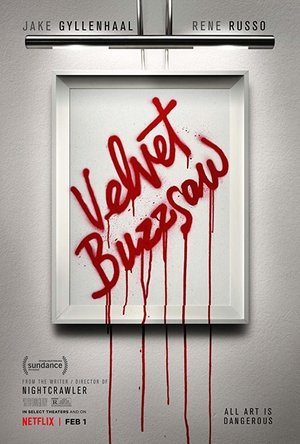

Ever since Netflix have proven themselves as a fantastic streaming platform, everyone gets hyped about their ‘Originals’. Velvet Buzzsaw was no exception, and when the first trailer dropped I was so excited to watch it. Everything about it seemed great; it was written and directed by Dan Gilroy (the guy who gave us the fantastic Nightcrawler), and the cast was incredible. Who could say no to Jake Gyllenhaal, Rene Russo AND Toni Collette? Not me. Unfortunately, this wonderful mix didn’t live up to my expectations at all and left me feeling very disappointed.
The main issue I had with Velvet Buzzsaw is that the pacing is horrendously slow. The first 45 minutes felt like nothing but exposition, when it was a relatively simple concept for the audience to grasp. The film follows a bunch of art critics, artists and patrons of the arts as they uncover a series of paintings from an unknown artist. However, they’re not your normal paintings because a supernatural force lurks within them waiting to enact revenge. That’s it, that’s the synopsis. So why waste so much screen time dragging things out? The trailer made this look like a fast paced, intense thriller, but the reality is nothing like that.
It’s a shame the pacing and screenplay is so weak, because Velvet Buzzsaw does have a few redeeming features. The quality of acting is very good, and visually it’s beautiful to look at, particularly the locations and the paintings that appear throughout. I especially enjoyed the characters Rhodora Haze (Rene Russo) and Gretchen (Toni Collette), as they embody the typically powerful, ruthless and bitchy personas one would expect from this industry. They satirise art lovers perfectly, which is partially why I haven’t rated this film lower. In all honesty, these actors deserved better than the script they were dealt, and it’s a shame such talent was wasted here. I’m having trouble understanding how you can take such an interesting concept and brilliant actors, and make it so boring.
Even the inevitable death scenes are pretty dull, and play like a straight to TV horror film that doesn’t quite hit the mark. Velvet Buzzsaw fails to execute any sort of suspense, or even terror, so when people eventually die you’re just sat there like “Huh, is that it?”. After such a slow first act, you expect some kind of payoff, but it never arrives. Again, the trailer had some pretty scary moments that made me expect a few jump scares or intense moments. I’m confused about why this was even marketed as a horror-thriller, when it lacks so many of the aspects that make both those genres great. I didn’t feel scared at all, and even when the characters we were supposed to hate met their demise, there was no morbid satisfaction in it. To be completely honest, I was apathetic towards the whole thing. I just wanted it to end.
If you are a fan of slow-burning films that take a while to get going, then you might enjoy Velvet Buzzsaw more than I did. I don’t necessarily have a problem with these types of films, but you still need to keep the audience gripped somehow. You need to give people a reason to keep watching.
Gilroy’s attempt to show the horrors of the art world falls flat, and certainly doesn’t live up to the expectations based on the success of Nightcrawler. Part of me even wondered how this was the same man, it felt so vastly different to his other work. Netflix Originals rarely let me down, but this time, they really did.
https://jumpcutonline.co.uk/review-velvet-buzzsaw-2019/
The main issue I had with Velvet Buzzsaw is that the pacing is horrendously slow. The first 45 minutes felt like nothing but exposition, when it was a relatively simple concept for the audience to grasp. The film follows a bunch of art critics, artists and patrons of the arts as they uncover a series of paintings from an unknown artist. However, they’re not your normal paintings because a supernatural force lurks within them waiting to enact revenge. That’s it, that’s the synopsis. So why waste so much screen time dragging things out? The trailer made this look like a fast paced, intense thriller, but the reality is nothing like that.
It’s a shame the pacing and screenplay is so weak, because Velvet Buzzsaw does have a few redeeming features. The quality of acting is very good, and visually it’s beautiful to look at, particularly the locations and the paintings that appear throughout. I especially enjoyed the characters Rhodora Haze (Rene Russo) and Gretchen (Toni Collette), as they embody the typically powerful, ruthless and bitchy personas one would expect from this industry. They satirise art lovers perfectly, which is partially why I haven’t rated this film lower. In all honesty, these actors deserved better than the script they were dealt, and it’s a shame such talent was wasted here. I’m having trouble understanding how you can take such an interesting concept and brilliant actors, and make it so boring.
Even the inevitable death scenes are pretty dull, and play like a straight to TV horror film that doesn’t quite hit the mark. Velvet Buzzsaw fails to execute any sort of suspense, or even terror, so when people eventually die you’re just sat there like “Huh, is that it?”. After such a slow first act, you expect some kind of payoff, but it never arrives. Again, the trailer had some pretty scary moments that made me expect a few jump scares or intense moments. I’m confused about why this was even marketed as a horror-thriller, when it lacks so many of the aspects that make both those genres great. I didn’t feel scared at all, and even when the characters we were supposed to hate met their demise, there was no morbid satisfaction in it. To be completely honest, I was apathetic towards the whole thing. I just wanted it to end.
If you are a fan of slow-burning films that take a while to get going, then you might enjoy Velvet Buzzsaw more than I did. I don’t necessarily have a problem with these types of films, but you still need to keep the audience gripped somehow. You need to give people a reason to keep watching.
Gilroy’s attempt to show the horrors of the art world falls flat, and certainly doesn’t live up to the expectations based on the success of Nightcrawler. Part of me even wondered how this was the same man, it felt so vastly different to his other work. Netflix Originals rarely let me down, but this time, they really did.
https://jumpcutonline.co.uk/review-velvet-buzzsaw-2019/

Gareth von Kallenbach (980 KP) rated Constantine (2005) in Movies
Aug 14, 2019

The battle between Heaven and Hell has been chronicled numerous times on film. Ranging from the “Omen” and “Exorcist” series to the recent “Hellboy” and “End of Days”, Hollywood has never shied away from the struggle between good and evil and audiences have usually responded by attending in droves.
The latest entry into the genre is Constantine, which chronicles the exploits of supernatural detective John Constantine (Keanu Reeves), who is tasked to walk the line between good and evil to make sure that balance is maintained. John is a very troubled individual and his transactions with angels and demons have warped his views on life, humanity, and the afterlife.
Due to things in his past, John is trying to right his wrongs so he can gain a place in heaven, toward that end, the forces of Hell are trying there best to ensure that John is unable to gain redemption so they will be able to collect his soul, and repay him for all of their minions that he has vanquished over the years.
As if this was not bad enough, the rules between Heaven and Hell seem to be blurring as there is a growing demon presence on Earth which does not bode well for the future of humanity. It is learned that there is an agreement in place that there can be no direct contact, only influence to humans giving them the freedom to pick between good and evil and thus the fate of ones soul.
When a local detective named Angela (Rachael Weisz), contacts John, she is desperate to learn the truth behind her twin sister’s apparent suicide. Although skeptical at first, John soon learns that he and Angela have become players in a much larger game with the very fate of humanity dependant upon their actions.
Before long, John and Angela are facing off against legions of Hell’s minions as they attempt to save the soul of Angela’s sister and save humanity.
The film will be different things to many viewers as on one hand; some many take exception to the story and the bland tone and mannerisms of Reeves, as well as some of the films theological stances.
That being said, the film works, the action is good without being in your face as the computer generated effects enhance the film, complimenting the story and actors rather than upstaging them. The film has a murky look to it which sets the tone perfectly as this is not a happy movie filled with lovable people, instead it is a tail of people trying to do what is right and staying true to their beliefs though surrounded by temptations and numerous chances to stray.
Reeves plays Constantine as a man who is dedicated to what he does, but also shows us that he is unhappy with his life and past choices as they have forever haunted him. John is forced to do things he would rather not do as it is the only chance he has left at redemption and this has seen him deteriorate as he feels he is a tool that is being used with no end in sight.
Weisz does a good job with a very limited role as she is able to keep up with the action without falling prey to the damsel in distress mode that haunted her character in the “Mummy Films”. Singer Gavin Rossdale does a good job as the smarmy demon Balthazar who is a constant bane to John.
Despite the occasional hiccups with the plot and Reeves inability to show range or expressions, for the most part Constantine works and looks to be a good starting point for what is likely to be a franchise series for Warner Bros.
The latest entry into the genre is Constantine, which chronicles the exploits of supernatural detective John Constantine (Keanu Reeves), who is tasked to walk the line between good and evil to make sure that balance is maintained. John is a very troubled individual and his transactions with angels and demons have warped his views on life, humanity, and the afterlife.
Due to things in his past, John is trying to right his wrongs so he can gain a place in heaven, toward that end, the forces of Hell are trying there best to ensure that John is unable to gain redemption so they will be able to collect his soul, and repay him for all of their minions that he has vanquished over the years.
As if this was not bad enough, the rules between Heaven and Hell seem to be blurring as there is a growing demon presence on Earth which does not bode well for the future of humanity. It is learned that there is an agreement in place that there can be no direct contact, only influence to humans giving them the freedom to pick between good and evil and thus the fate of ones soul.
When a local detective named Angela (Rachael Weisz), contacts John, she is desperate to learn the truth behind her twin sister’s apparent suicide. Although skeptical at first, John soon learns that he and Angela have become players in a much larger game with the very fate of humanity dependant upon their actions.
Before long, John and Angela are facing off against legions of Hell’s minions as they attempt to save the soul of Angela’s sister and save humanity.
The film will be different things to many viewers as on one hand; some many take exception to the story and the bland tone and mannerisms of Reeves, as well as some of the films theological stances.
That being said, the film works, the action is good without being in your face as the computer generated effects enhance the film, complimenting the story and actors rather than upstaging them. The film has a murky look to it which sets the tone perfectly as this is not a happy movie filled with lovable people, instead it is a tail of people trying to do what is right and staying true to their beliefs though surrounded by temptations and numerous chances to stray.
Reeves plays Constantine as a man who is dedicated to what he does, but also shows us that he is unhappy with his life and past choices as they have forever haunted him. John is forced to do things he would rather not do as it is the only chance he has left at redemption and this has seen him deteriorate as he feels he is a tool that is being used with no end in sight.
Weisz does a good job with a very limited role as she is able to keep up with the action without falling prey to the damsel in distress mode that haunted her character in the “Mummy Films”. Singer Gavin Rossdale does a good job as the smarmy demon Balthazar who is a constant bane to John.
Despite the occasional hiccups with the plot and Reeves inability to show range or expressions, for the most part Constantine works and looks to be a good starting point for what is likely to be a franchise series for Warner Bros.

Andy K (10826 KP) rated The Man Who Killed Don Quixote (2018) in Movies
Jul 1, 2019
25+ years in the making!
Up until its release, "The Man Who Killed Don Quixote" would have been at the top of any movie list featuring movies in development hell never to actually make it to the big screen. Those who are interested should read the lengthy details of the various derailed productions of the film including its original incarnation starring Johnny Depp and the late Jean Rochefort. The film chronicles can even be viewed on their own in the 2002 documentary film "Lost in La Mancha".
To say director Terry Gilliam has had a hard time getting some of his quirky films made, financed and released is an understatement for sure. Films like "Brazil", "The Adventures of Baron Munchausen" or "Tideland" had their difficulties making it to the big screen. How about having the main star of your film die in the middle of production? He had that issue as well during filming of "The Imaginarium of Doctor Parnassus" when Heath Ledger passed away. Thanks to the help of Johnny Depp, Collin Farrell and Jude Law stepping in, the film was able to be released eventually.
Over the years I had kept up with Gilliam's repeated attempts to get the film financed and made including another time where he had cast fellow Python vet Michael Palin in the lead or even Robert Duvall was attached at one point.
The movie itself is a marvel of tenacity for Gilliam and I am very glad he was finally able to make it.
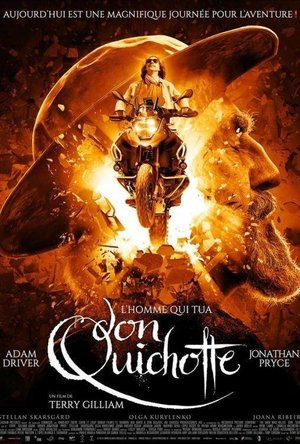
This final version of the film stars Adam Driver as troubled film director, Toby, and Jonathan Pryce as Don Quixote.
Toby is not thrilled about his current production and wanders back to the small Spanish town where he had met some of the locals and made a student film about Quixote 10 years earlier. He finds his "Quixote" living out a sideshow fantasy having lost his grip on reality thinking he is still Quixote today. Toby decides to launch an adventure with him through the Spanish countryside as his "Sancho Panza". Through their quests they encounter a multitude of interesting, wacky and outlandish characters who feed into the Quixote fantasy.
I have to say the film's look left me breathless. As with Gilliam's entire library of films, the production design, art direction and cinematography were astonishing really delving you into this larger than life world and helped move along some of the weaker elements.
Gilliam's goal with the screenplay was to adapt the classic Quixote story to be told under up to date circumstances and I'm not sure he completely succeeded. Some of the scenes and dialogue were boring and the movie's plot dragged at times. The mixing of world's was a little confusing and not sure the payoff entirely wrapped the story to conclusion.
Besides playing Kylo Wren, I am not sure Adam Driver will end up having a long career in film as I thought he was flat and not entertaining to watch as I am sure Depp would have been in the role. Jonathan Pryce was a joy to watch and every scene he was in he really stole the show.
It was fun to watch some elements from some of Gilliam's other work on display including the red knight from "The Fisher King", the sprawling landscapes from "Baron Munchausen" or "Time Bandits" and even the sideshow from "Parnassus".
Overall, I am glad I finally got to watch it as I am sure Gilliam was to finally film and release his long-awaited project. I guess I would say I was entertained, but felt like it fell short of being a true classic.
To say director Terry Gilliam has had a hard time getting some of his quirky films made, financed and released is an understatement for sure. Films like "Brazil", "The Adventures of Baron Munchausen" or "Tideland" had their difficulties making it to the big screen. How about having the main star of your film die in the middle of production? He had that issue as well during filming of "The Imaginarium of Doctor Parnassus" when Heath Ledger passed away. Thanks to the help of Johnny Depp, Collin Farrell and Jude Law stepping in, the film was able to be released eventually.
Over the years I had kept up with Gilliam's repeated attempts to get the film financed and made including another time where he had cast fellow Python vet Michael Palin in the lead or even Robert Duvall was attached at one point.
The movie itself is a marvel of tenacity for Gilliam and I am very glad he was finally able to make it.
This final version of the film stars Adam Driver as troubled film director, Toby, and Jonathan Pryce as Don Quixote.
Toby is not thrilled about his current production and wanders back to the small Spanish town where he had met some of the locals and made a student film about Quixote 10 years earlier. He finds his "Quixote" living out a sideshow fantasy having lost his grip on reality thinking he is still Quixote today. Toby decides to launch an adventure with him through the Spanish countryside as his "Sancho Panza". Through their quests they encounter a multitude of interesting, wacky and outlandish characters who feed into the Quixote fantasy.
I have to say the film's look left me breathless. As with Gilliam's entire library of films, the production design, art direction and cinematography were astonishing really delving you into this larger than life world and helped move along some of the weaker elements.
Gilliam's goal with the screenplay was to adapt the classic Quixote story to be told under up to date circumstances and I'm not sure he completely succeeded. Some of the scenes and dialogue were boring and the movie's plot dragged at times. The mixing of world's was a little confusing and not sure the payoff entirely wrapped the story to conclusion.
Besides playing Kylo Wren, I am not sure Adam Driver will end up having a long career in film as I thought he was flat and not entertaining to watch as I am sure Depp would have been in the role. Jonathan Pryce was a joy to watch and every scene he was in he really stole the show.
It was fun to watch some elements from some of Gilliam's other work on display including the red knight from "The Fisher King", the sprawling landscapes from "Baron Munchausen" or "Time Bandits" and even the sideshow from "Parnassus".
Overall, I am glad I finally got to watch it as I am sure Gilliam was to finally film and release his long-awaited project. I guess I would say I was entertained, but felt like it fell short of being a true classic.
156Reviews (7 KP) rated Dark Waters (2019) in Movies
May 1, 2020

Films are important.
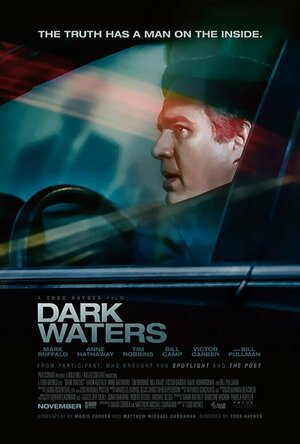
Films are important to us all for many different reasons, they show what we are, what we can be, what we aspire to be, of who we are. Sometimes that comes in the form of escapism, of dreaming that we can be better, Mark Ruffalo is no stranger to the genre I'm referring to, sometimes shows us our darkest fears and that we can overcome them, and sometimes, it shows us just how low, we as people can get, and never offer any kind of redemption. Dark Waters manages to be all of these things. A small intro before the film began had me franticly signing up to numerous petitions the second the film ended, joining a cause I didn't even know existed before I sat down to watch. This is why film is important, and why you should watch Dark Waters as soon as you can. So why the 3 out of 5 rating? Surely a film that EVERYONE should watch should get top marks, right? Unfortunately not.
The film begins with Rob Bilott (Mark Ruffalo), a corporate defence attorney, whose office is visited by a farmer from his home town, trying to raise a legal case against DuPont, a multi-billion dollar business, the towns biggest employer, and a chemical company at the heart of potentially poisoning the towns water supply. As Billot investigates the scale of the issue, and its inevitable cover up, it all becomes alarmingly clear. Thousands of people are being poisoned, they're health will likely deteriorate and life threatening illnesses are now a high probability. To take a line from the recent movie Bombshell “somebody has to stand up, somebody has to get mad.”
That anger that should be felt, but for all the terrifying facts about the poisoning these people received on a daily basis, it never comes, the rage should be palpable. Instead it opts for giving us all the information, teaching about regulation and government intervention, or lack thereof, and the only temper in the film shows comes as a heated exchange in a board room that blows over as soon as it comes, and protesters outside courtrooms for fleeting moments throughout the movie. It should be seething instead of showing, giving us the knowledge we need through gritted teeth, not clinical, scientific and impersonal.
Dark Waters is off the mark with its tone, Mark Ruffalo's high-priced lawyer is too uncertain, a little too every-man, never really portrayed a hot-shot or an underdog, and the supporting cast fall into “Good Guy” or “Bad Guy” far too easily with no exploration into any depth of character. One scene has a DuPont representative, shown in great detail, every undisputable, despicable thing that his company has done to these people, and listens attentively, never upset or defiant but instead seeming slightly bored, before getting up and leaving. Every scene feels like it should be emotionally hard-hitting but never raises above a tap on the shoulder.
As the lesson goes on, the complete lack of morals DuPont has, becomes shockingly clear as they drag the case on for as long as they can, making sure Billot's firm spend more money and time than they are willing to pay. Bilot's home life becomes strained, which distracts from the main thread more than adds to it plot, he becomes distant from his wife, a woefully underused Anne Hathaway, and his health deteriorates under the weight of fighting, and in the end, the conclusion is murkier than the water supply. But he still fights, and in real life, Rob Billot is still fighting to this day to help the West Virginia community, and to change the way the corporations are regulated worldwide.
This film is important, and everyone should see it because it's message, just don't see it for its entertainment value, because that's few and far between.
Films are important to us all for many different reasons, they show what we are, what we can be, what we aspire to be, of who we are. Sometimes that comes in the form of escapism, of dreaming that we can be better, Mark Ruffalo is no stranger to the genre I'm referring to, sometimes shows us our darkest fears and that we can overcome them, and sometimes, it shows us just how low, we as people can get, and never offer any kind of redemption. Dark Waters manages to be all of these things. A small intro before the film began had me franticly signing up to numerous petitions the second the film ended, joining a cause I didn't even know existed before I sat down to watch. This is why film is important, and why you should watch Dark Waters as soon as you can. So why the 3 out of 5 rating? Surely a film that EVERYONE should watch should get top marks, right? Unfortunately not.
The film begins with Rob Bilott (Mark Ruffalo), a corporate defence attorney, whose office is visited by a farmer from his home town, trying to raise a legal case against DuPont, a multi-billion dollar business, the towns biggest employer, and a chemical company at the heart of potentially poisoning the towns water supply. As Billot investigates the scale of the issue, and its inevitable cover up, it all becomes alarmingly clear. Thousands of people are being poisoned, they're health will likely deteriorate and life threatening illnesses are now a high probability. To take a line from the recent movie Bombshell “somebody has to stand up, somebody has to get mad.”
That anger that should be felt, but for all the terrifying facts about the poisoning these people received on a daily basis, it never comes, the rage should be palpable. Instead it opts for giving us all the information, teaching about regulation and government intervention, or lack thereof, and the only temper in the film shows comes as a heated exchange in a board room that blows over as soon as it comes, and protesters outside courtrooms for fleeting moments throughout the movie. It should be seething instead of showing, giving us the knowledge we need through gritted teeth, not clinical, scientific and impersonal.
Dark Waters is off the mark with its tone, Mark Ruffalo's high-priced lawyer is too uncertain, a little too every-man, never really portrayed a hot-shot or an underdog, and the supporting cast fall into “Good Guy” or “Bad Guy” far too easily with no exploration into any depth of character. One scene has a DuPont representative, shown in great detail, every undisputable, despicable thing that his company has done to these people, and listens attentively, never upset or defiant but instead seeming slightly bored, before getting up and leaving. Every scene feels like it should be emotionally hard-hitting but never raises above a tap on the shoulder.
As the lesson goes on, the complete lack of morals DuPont has, becomes shockingly clear as they drag the case on for as long as they can, making sure Billot's firm spend more money and time than they are willing to pay. Bilot's home life becomes strained, which distracts from the main thread more than adds to it plot, he becomes distant from his wife, a woefully underused Anne Hathaway, and his health deteriorates under the weight of fighting, and in the end, the conclusion is murkier than the water supply. But he still fights, and in real life, Rob Billot is still fighting to this day to help the West Virginia community, and to change the way the corporations are regulated worldwide.
This film is important, and everyone should see it because it's message, just don't see it for its entertainment value, because that's few and far between.
Discovering Statistics Using IBM SPSS Statistics
Book
Lecturers/instructors - request a free digital inspection copy here With a little help from his...

Full House Casino Jackpot Slot
Games
App
No Deposit! Vegas Classic Style Scatter Slot Machines With Baccarat! Bingo! Blackjack! Lottery!...

West Indies Boating Charts
Navigation and Travel
App
*** For people who are looking for appealing charts, features like seamless scrolling, comprehensive...

Hadley (567 KP) rated Stranger Things: Runaway Max in Books
Feb 16, 2020


More of Max & Billy's relationship (1 more)
Max's life in California
Brenna Yovanoff wrote this novel after season two of Stranger Things debuted on Netflix. And it reads exactly like season two, but from Max's point-of-view with some flashbacks of her life before Hawkins mixed in to make a pleasurable meal for the eyes.
Max Mayfield is a pre-teen that just moved to Hawkins, Indiana after her mother remarried and added an abusive step-father and step-brother to the family equation. She spends most of her time trying to not want to fit in with the kids at her new school, riding her trusty skateboard behind the building during recess and telling a group of boys who can't stop staring at her to leave her alone. Max's home life has become unbearable to the point that she debates running back to her real father in California. Fortunately, two of those boys that couldn't stop staring try to be friends with her, but when she begins to hang around them, she learns that things are not what they seem in Hawkins, Indiana. Merging with this group of boys, Max's life is forever changed, and probably for the better.
Runaway Max doesn't focus on the supernatural aspect that Stranger Things is known for. Instead, the focus is on a girl's life that gets turned upside down [pun intended] by the introduction of two abusive people that enter it with the intent of either destroying her or making her compliant, the struggle with who she is and who everyone else says she should be, to the desperation for just one real friend. Personally, I believe Yovanoff did an amazing job at telling Stranger Things fans the backstory of our Mad Max. As a result, I have no complaints about this novel whatsoever.
Yovanoff starts readers off with Max riding her skateboard through downtown Hawkins, with Max telling us how she was happy there was an arcade in this small town. Max wipes out on her skateboard, where a woman who will be very familiar to fans, runs out of a store to help her to her feet until the loud sound of engine comes pulling up; enter Billy and his Camaro. All throughout the story, readers get to see more of what was going on inside the Mayfield/Hargrove's household, which viewers of the series were only witness to one of the abuses happening to Billy by his father.
Runaway Max picks up the pace when a familiar scene happens with Max joining Stranger Things regulars: Lucas and Dustin, for Halloween around Hawkins. But with this story, we follow Max home after Will's encounter with a creature from the Upside Down. We learn that Billy never picked Max up, as he was suppose to, and that his father, Neil, is beyond angry when Billy comes home drunk and high:
" When Billy came slamming into the house, the smell came with him, rolling like the clouds of smoke and alcohol wafting out of a dive bar. Like bad weather. He was stumbling a little. His eyes were red-rimmed and heavier than ever, and he still had the leather jacket on, but he wasn't wearing a shirt. The light from the stained-glass lamp on the end table made him look deranged.
Neil breathed in through his nose and heaved himself out of his chair. 'And where the hell have you been?'
'Nowhere,' Billy muttered, and tried to brush past him, but Neil stepped in front of him and stopped him with a hand on his chest.
'What was that?'
Billy ducked his head and mumbled something about a flat tire. I couldn't tell if he was being honest or not - - - probably not - - - but as soon as he said it, it was pretty obvious that I had been lying. Whatever he'd been doing, it definitely hadn't been giving a school friend a ride home.
Neil had stayed ominously quiet, but now he drew himself up and took a step forward so he had Billy trapped against the wall. 'I'm curious to know where you learned to be so disobedient.'
Billy stared back at him. He was standing with his chin down and his jacket open, looking mutinous. He smelled like beer and the dry-skunk smell of Nate's brother, Silas, and all the other eighth-grade boys who got stoned behind the baseball diamond back home. It was the smell of not caring. 'Bite me, Neil. I'm not in the mood.'
For a second, they just stood looking at each other.
Then Neil spoke in a low, dangerous voice. The air was heavy and metallic, like right before a thunderstorm. 'I don't know where you've been or what you've been up to, but you will show me some respect!'
He shouted the last part. His voice sounded much too big in the smallness of the living room, and I winced, even though I was willing myself not to."
After Max quickly heads to her room to count her Halloween candy...
"Out in the living room, Neil was tuning up. For a while, it was just a rumble of voices, softer sometimes, then louder. There was a short, sharp cry and then a flat, meaty sound, like punching the pocket of a baseball glove. "
Runaway Max does a superb job of detailing abuse and the psychology that plays a role in it. Readers, also, get to see more of Billy's abuse towards Max. Focusing on the shift of personality Billy goes through (those who have watched season three of Stranger Things will have more of an understanding behind Billy, I recommend that if you haven't watched that season yet, that you do after reading this book). While all of this is going on, Yovanoff also retells season two, winding it within Max's story effortlessly and concisely:
"Dustin bent over the table, gazing at the creature in his hands like it was the sweetest, most adorable thing. He kept calling it a he, even though it was so weird and shapeless that how could you tell?
When he saw me staring, he asked if I wanted to hold it, and I shook my head, but he turned and tipped it out of his cupped palms and into mine.
It felt cool and squishy, heavier than it looked, and I passed it to Lucas fast. Lucas handed it off to Will, and it made its way around the circle. I was a little relieved to see that I wasn't the only one shrinking back from it. Will was looking at it like it had some kind of disease, and even Mike didn't exactly seem thrilled to touch it. He was the bravest, though, and held it up for a closer look. "
All-in-all, Runaway Max is season two of Stranger Things to-a-tee. But with Max's relationship with Billy being molded more by this novel, it can make even the most die-hard fans look at the two in a different way. There are even small splotches of scenes where Billy seems to want Max as a little sister, one such, when Max catches him in the garage of their California home, working on his car and smoking a cigarette:
" I leaned forward with my knees on my elbows and cupped my chin in my hands. 'At the health assembly in school, they told us that we're not supposed to smoke.'
Billy straightened and closed the hood, wiping his hands with a rag. 'And do you always do everything your teachers tell you?'
That idea was so wrong it was hilarious. My grades were usually okay, but my conduct cards were a mess. I was always in trouble for something- - - talking back, or drawing cartoon hot rods on my desk with a felt pen. I laughed and shook my head.
That seemed to make him happy. He smiled in a slow, lazy way, then pulled the pack of Parliaments out of his shirt pocket. He held it out to me and waited, watching my face until I took one." When readers get to see the small moments between the two, it hurts more to know that Billy is just an abused young man that is reflecting his father's behavior.
Overall, I really enjoyed Max's story, but was it needed? Before season three, I would have said yes, but with what we learned of Billy in season three, I don't think it was completely necessary. I think only die-hard fans of the show will enjoy this book, otherwise watching the series is the majority of the novel.
Max Mayfield is a pre-teen that just moved to Hawkins, Indiana after her mother remarried and added an abusive step-father and step-brother to the family equation. She spends most of her time trying to not want to fit in with the kids at her new school, riding her trusty skateboard behind the building during recess and telling a group of boys who can't stop staring at her to leave her alone. Max's home life has become unbearable to the point that she debates running back to her real father in California. Fortunately, two of those boys that couldn't stop staring try to be friends with her, but when she begins to hang around them, she learns that things are not what they seem in Hawkins, Indiana. Merging with this group of boys, Max's life is forever changed, and probably for the better.
Runaway Max doesn't focus on the supernatural aspect that Stranger Things is known for. Instead, the focus is on a girl's life that gets turned upside down [pun intended] by the introduction of two abusive people that enter it with the intent of either destroying her or making her compliant, the struggle with who she is and who everyone else says she should be, to the desperation for just one real friend. Personally, I believe Yovanoff did an amazing job at telling Stranger Things fans the backstory of our Mad Max. As a result, I have no complaints about this novel whatsoever.
Yovanoff starts readers off with Max riding her skateboard through downtown Hawkins, with Max telling us how she was happy there was an arcade in this small town. Max wipes out on her skateboard, where a woman who will be very familiar to fans, runs out of a store to help her to her feet until the loud sound of engine comes pulling up; enter Billy and his Camaro. All throughout the story, readers get to see more of what was going on inside the Mayfield/Hargrove's household, which viewers of the series were only witness to one of the abuses happening to Billy by his father.
Runaway Max picks up the pace when a familiar scene happens with Max joining Stranger Things regulars: Lucas and Dustin, for Halloween around Hawkins. But with this story, we follow Max home after Will's encounter with a creature from the Upside Down. We learn that Billy never picked Max up, as he was suppose to, and that his father, Neil, is beyond angry when Billy comes home drunk and high:
" When Billy came slamming into the house, the smell came with him, rolling like the clouds of smoke and alcohol wafting out of a dive bar. Like bad weather. He was stumbling a little. His eyes were red-rimmed and heavier than ever, and he still had the leather jacket on, but he wasn't wearing a shirt. The light from the stained-glass lamp on the end table made him look deranged.
Neil breathed in through his nose and heaved himself out of his chair. 'And where the hell have you been?'
'Nowhere,' Billy muttered, and tried to brush past him, but Neil stepped in front of him and stopped him with a hand on his chest.
'What was that?'
Billy ducked his head and mumbled something about a flat tire. I couldn't tell if he was being honest or not - - - probably not - - - but as soon as he said it, it was pretty obvious that I had been lying. Whatever he'd been doing, it definitely hadn't been giving a school friend a ride home.
Neil had stayed ominously quiet, but now he drew himself up and took a step forward so he had Billy trapped against the wall. 'I'm curious to know where you learned to be so disobedient.'
Billy stared back at him. He was standing with his chin down and his jacket open, looking mutinous. He smelled like beer and the dry-skunk smell of Nate's brother, Silas, and all the other eighth-grade boys who got stoned behind the baseball diamond back home. It was the smell of not caring. 'Bite me, Neil. I'm not in the mood.'
For a second, they just stood looking at each other.
Then Neil spoke in a low, dangerous voice. The air was heavy and metallic, like right before a thunderstorm. 'I don't know where you've been or what you've been up to, but you will show me some respect!'
He shouted the last part. His voice sounded much too big in the smallness of the living room, and I winced, even though I was willing myself not to."
After Max quickly heads to her room to count her Halloween candy...
"Out in the living room, Neil was tuning up. For a while, it was just a rumble of voices, softer sometimes, then louder. There was a short, sharp cry and then a flat, meaty sound, like punching the pocket of a baseball glove. "
Runaway Max does a superb job of detailing abuse and the psychology that plays a role in it. Readers, also, get to see more of Billy's abuse towards Max. Focusing on the shift of personality Billy goes through (those who have watched season three of Stranger Things will have more of an understanding behind Billy, I recommend that if you haven't watched that season yet, that you do after reading this book). While all of this is going on, Yovanoff also retells season two, winding it within Max's story effortlessly and concisely:
"Dustin bent over the table, gazing at the creature in his hands like it was the sweetest, most adorable thing. He kept calling it a he, even though it was so weird and shapeless that how could you tell?
When he saw me staring, he asked if I wanted to hold it, and I shook my head, but he turned and tipped it out of his cupped palms and into mine.
It felt cool and squishy, heavier than it looked, and I passed it to Lucas fast. Lucas handed it off to Will, and it made its way around the circle. I was a little relieved to see that I wasn't the only one shrinking back from it. Will was looking at it like it had some kind of disease, and even Mike didn't exactly seem thrilled to touch it. He was the bravest, though, and held it up for a closer look. "
All-in-all, Runaway Max is season two of Stranger Things to-a-tee. But with Max's relationship with Billy being molded more by this novel, it can make even the most die-hard fans look at the two in a different way. There are even small splotches of scenes where Billy seems to want Max as a little sister, one such, when Max catches him in the garage of their California home, working on his car and smoking a cigarette:
" I leaned forward with my knees on my elbows and cupped my chin in my hands. 'At the health assembly in school, they told us that we're not supposed to smoke.'
Billy straightened and closed the hood, wiping his hands with a rag. 'And do you always do everything your teachers tell you?'
That idea was so wrong it was hilarious. My grades were usually okay, but my conduct cards were a mess. I was always in trouble for something- - - talking back, or drawing cartoon hot rods on my desk with a felt pen. I laughed and shook my head.
That seemed to make him happy. He smiled in a slow, lazy way, then pulled the pack of Parliaments out of his shirt pocket. He held it out to me and waited, watching my face until I took one." When readers get to see the small moments between the two, it hurts more to know that Billy is just an abused young man that is reflecting his father's behavior.
Overall, I really enjoyed Max's story, but was it needed? Before season three, I would have said yes, but with what we learned of Billy in season three, I don't think it was completely necessary. I think only die-hard fans of the show will enjoy this book, otherwise watching the series is the majority of the novel.
Mandy and G.D. Burkhead (26 KP) rated Poison Study (Study, #1) in Books
May 20, 2018

Shelf Life – The Chronicles of Ixia merits closer study
Contains spoilers, click to show
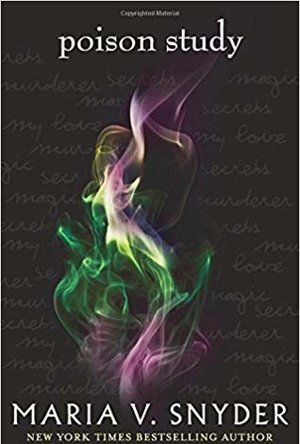
This review is for the entire Chronicles of Ixia series.
The first trilogy, comprised of Poison Study, Fire Study, and Magic Study, follows Yelena Zaltana. The second series, also called the Glass series, follows her friend Opal Cowan in Storm Glass, Sea Glass, and Spy Glass. The final trilogy, Shadow Study, Night Study, and Dawn Study, is where things get a bit odd. Maria V. Snyder had thrown in a few short stories/novellas throughout from different characters’ points of view. Perhaps she got bored of just sticking to one POV, or maybe fans wanted more from the other characters, so the third trilogy is from Yelena’s POV in first person and the POV’s of multiple characters (mainly Valek, Leif, and Janco, with a few others popping in from time to time) in third person.
I’m not sure which editor thought it would be a good idea to have POV switch from first person to third person in the same novel, but—yikes—is it jarring. Even with the wonky POV stuff in the third trilogy, these books are amazing and absolutely worth your time to read. Snyder’s world-building is compelling, detailed, and original. The books take place mostly between two pre-industrial countries: Ixia and Sitia. Ixia is a post-revolution country ruled by Commander Ambrose. His personal body guard and assassin is Valek. In the first novel Yelena is in prison for murder and is offered the choice to be the Commander’s food taster in exchange for her life. She agrees, and throughout the first book she and Valek begin to fall in love.
Ixia reminded me a lot of Communist Russia or China. In its attempts to throw away the corrupt government and society that came before, it has also thrown out all culture in the process. The country has been re-divided into districts with numbers instead of names, everyone is forced to wear a uniform, all art and extravagance has been destroyed, people have to have passes to travel between districts, and magic is forbidden. Anyone born with it is killed (or so the reader is led to believe). But Maria V. Snyder does a wonderful job of showing the good with the bad in this totalitarian dictatorship. Everyone has a job and nobody goes hungry, women are now equal to men, and violence and sexual assault are intolerable. This is why Yelena ends up in prison in the first place: she murdered the man that raped her. Now, this is probably my first major gripe with the series. We learn that Commander Ambrose loathes sexual assault and will execute anyone found guilty of it, but apparently killing a rapist in self-defense is also an executable offense. And all of that being said, Ambrose still has his own personal assassin. It all feels a bit contradictory, but again, that’s what I like about this series: it does an excellent job of peeling back the layers of her fictional societies and pointing out that governments and people in power tend to be hypocritical.
Now, the series name (or rather one of them) is Chronicles of Ixia, but honestly, it should have been called Chronicles of Sitia, because that is where most of the story takes place and is by far the more interesting and vibrant country. Sitia is part jungle, part desert, and full of magic. The peoples are divided into multiple clans or tribes that are all unique and compelling. In the second book, Yelena flees to Sitia after the Commander learns she has magic, and there she finds the family she was kidnapped from as a small child. They are part of the Zaltana clan, a group of people that live high in the trees in the jungle. Whenever I read about them, I would have to remind myself that they were not wood elves or dryads, because while there is magic in these books, there are no fantastical creatures: all characters are human or animal.
Another fascinating tribe is the Sandseeds, a group of nomads in the desert known for two major things: breeding super smart horses and having Storyweavers. The Storyweavers are people who have the magical ability to see the future and guide others, but who have to do it really cryptically because reasons (I appreciate that this gets pointed out by an annoyed Yelena multiple times). And of course, the Sandseed horses are fantastic; they choose their rider and able to mentally communicate with magical people. They even have their own horse names for people that they like.
Besides the different clans throughout Sitia, there is also the capitol, the Citadel, which is home to the magic school and the Sitian Council. While very different from Ixia, Sitia is by no means perfect. Its Council epitomizes everything annoying and dysfunctional about a bureaucracy. While the council members are elected and come from every clan in Sitia, they are at best useless and at worst actively impede the main characters.
The magic school is interesting, though the story doesn’t actually spend much time there. I like how magic was done in this series: it usually runs in families, most people with it have control over one or two things (ie. fire, mind-control, telepathy, etc.), but those who have the ability to master more can become Master Magicians after enduring a daunting trial. Magic is bound in people’s blood, so blood magic is a thing and is obviously bad, and magic (and a person’s soul) can be stolen using an intricate and gruesome blood ritual that involves prolonged torture, rape, and then murder.
The power blanket is another interesting concept used in this series. Essentially is resides over the entire world and is the essence of magic, so magicians can pull from it to augment their own magic. However, if they pull too much and lose control, they can flame out, killing themselves and temporarily damaging the blanket in the process. I thought this was a good literary tool to prevent magical characters from being too OP (at least most of the time).
I especially like the romantic relationships in this series. Valek and Yelena are of course the main couple. In the first book they fall in love, in the second book they get separated, and throughout the series they regularly cross paths and save one another. Yelena and Valek are heartmates, and as the series progresses they both have to mature and learn how to trust one another. My biggest complaint about the romance is that all sex scenes are just fade to black, which I personally find a bit boring.
The other major romantic relationship is between Opal and Devlen. This one was a bit awkward. Opal actually goes through a couple of guys first: a stormdancer named Kade and another glassmaker named Ulrick. And I really liked that the author included this. Many people have multiple partners before finding their soulmate, and a woman who does is not a slut. Her relationship with Devlen, however . . . Well, she’s a more forgiving person than me.
You see, it turns out that Devlen is the man who kidnapped Opal a few years earlier and tortured her because he was trying to steal her magic. But he didn’t actually enjoy torturing her and never raped her, which I guess makes it better? Well, he manages to switch bodies with Ulrick and, as Ulrick, tricks Opal into dating him, then, when he’s discovered, kidnaps and tortures her (again) to gain more power. But then she steals his magic, he spends some time in prison, and the combination of the two miraculously turn him into a good guy, claiming that magic is what made him evil in the first place.
I’m going to be honest, I didn’t completely buy his redemption arc even at the end of the third book in the Glass series, but by the ninth book they’re still together and he’s on the good guys’ side, so I guess it was real. And I have definitely watched/read much worse evil asshole to boyfriend stories. At least Devlen genuinely feels guilty for the horrible things he did in the past and attempts to make up for them, and in her defense, Opal has to do a lot of soul-searching before she can find it in her to forgive and trust him, and even more before she can develop romantic feelings for him (that aren’t based on deception, anyway). Also, Ulrick becomes a huge jerk because of his newfound magical abilities, tries to kill Opal, and later gets assassinated by Valek. I appreciate what Maria V. Snyder is trying to do here, which is to teach through her storytelling how good people can become evil, and evil people can redeem themselves and be good. Their romance was uncomfortable to read, but it was supposed to be uncomfortable, because that’s how all parties involved felt.
Now, let’s talk about Commander Ambrose. Towards the end of the first book, Yelena discovers that Ambrose is a female to male trans person. This is revealed to be why Ambrose hates magicians so much: he is afraid that one of them will read his mind and then reveal his secret (which is how Yelena discovers it). After I read the first book, I was really pleased that Snyder did such a good job of depicting a trans person, as that’s really only a small part of his character, and those who know (mainly Valek and Yelena) don’t make a big deal out of it.
And then . . . I really wish that the author would have just left the issue of the Commander being trans alone. Yelena discovers it in the first book, she keeps it to herself because it’s nobody else’s business, the end. But by creating this weird intricate background to explain why Ambrose is trans, Snyder just kind of shoots herself in the foot.
Throughout the rest of the series, I kept hoping for some other LGBTQ+ characters to show up to redeem the blunder with Ambrose. I actually believed that Ari and Janco were a gay couple for the longest time, what with their banter and often being referred to as partners. However, if this was the author’s intention, it was never really explicitly stated, and the partner thing just seems to refer to them being partners in combat and nothing else.
The first trilogy, comprised of Poison Study, Fire Study, and Magic Study, follows Yelena Zaltana. The second series, also called the Glass series, follows her friend Opal Cowan in Storm Glass, Sea Glass, and Spy Glass. The final trilogy, Shadow Study, Night Study, and Dawn Study, is where things get a bit odd. Maria V. Snyder had thrown in a few short stories/novellas throughout from different characters’ points of view. Perhaps she got bored of just sticking to one POV, or maybe fans wanted more from the other characters, so the third trilogy is from Yelena’s POV in first person and the POV’s of multiple characters (mainly Valek, Leif, and Janco, with a few others popping in from time to time) in third person.
I’m not sure which editor thought it would be a good idea to have POV switch from first person to third person in the same novel, but—yikes—is it jarring. Even with the wonky POV stuff in the third trilogy, these books are amazing and absolutely worth your time to read. Snyder’s world-building is compelling, detailed, and original. The books take place mostly between two pre-industrial countries: Ixia and Sitia. Ixia is a post-revolution country ruled by Commander Ambrose. His personal body guard and assassin is Valek. In the first novel Yelena is in prison for murder and is offered the choice to be the Commander’s food taster in exchange for her life. She agrees, and throughout the first book she and Valek begin to fall in love.
Ixia reminded me a lot of Communist Russia or China. In its attempts to throw away the corrupt government and society that came before, it has also thrown out all culture in the process. The country has been re-divided into districts with numbers instead of names, everyone is forced to wear a uniform, all art and extravagance has been destroyed, people have to have passes to travel between districts, and magic is forbidden. Anyone born with it is killed (or so the reader is led to believe). But Maria V. Snyder does a wonderful job of showing the good with the bad in this totalitarian dictatorship. Everyone has a job and nobody goes hungry, women are now equal to men, and violence and sexual assault are intolerable. This is why Yelena ends up in prison in the first place: she murdered the man that raped her. Now, this is probably my first major gripe with the series. We learn that Commander Ambrose loathes sexual assault and will execute anyone found guilty of it, but apparently killing a rapist in self-defense is also an executable offense. And all of that being said, Ambrose still has his own personal assassin. It all feels a bit contradictory, but again, that’s what I like about this series: it does an excellent job of peeling back the layers of her fictional societies and pointing out that governments and people in power tend to be hypocritical.
Now, the series name (or rather one of them) is Chronicles of Ixia, but honestly, it should have been called Chronicles of Sitia, because that is where most of the story takes place and is by far the more interesting and vibrant country. Sitia is part jungle, part desert, and full of magic. The peoples are divided into multiple clans or tribes that are all unique and compelling. In the second book, Yelena flees to Sitia after the Commander learns she has magic, and there she finds the family she was kidnapped from as a small child. They are part of the Zaltana clan, a group of people that live high in the trees in the jungle. Whenever I read about them, I would have to remind myself that they were not wood elves or dryads, because while there is magic in these books, there are no fantastical creatures: all characters are human or animal.
Another fascinating tribe is the Sandseeds, a group of nomads in the desert known for two major things: breeding super smart horses and having Storyweavers. The Storyweavers are people who have the magical ability to see the future and guide others, but who have to do it really cryptically because reasons (I appreciate that this gets pointed out by an annoyed Yelena multiple times). And of course, the Sandseed horses are fantastic; they choose their rider and able to mentally communicate with magical people. They even have their own horse names for people that they like.
Besides the different clans throughout Sitia, there is also the capitol, the Citadel, which is home to the magic school and the Sitian Council. While very different from Ixia, Sitia is by no means perfect. Its Council epitomizes everything annoying and dysfunctional about a bureaucracy. While the council members are elected and come from every clan in Sitia, they are at best useless and at worst actively impede the main characters.
The magic school is interesting, though the story doesn’t actually spend much time there. I like how magic was done in this series: it usually runs in families, most people with it have control over one or two things (ie. fire, mind-control, telepathy, etc.), but those who have the ability to master more can become Master Magicians after enduring a daunting trial. Magic is bound in people’s blood, so blood magic is a thing and is obviously bad, and magic (and a person’s soul) can be stolen using an intricate and gruesome blood ritual that involves prolonged torture, rape, and then murder.
The power blanket is another interesting concept used in this series. Essentially is resides over the entire world and is the essence of magic, so magicians can pull from it to augment their own magic. However, if they pull too much and lose control, they can flame out, killing themselves and temporarily damaging the blanket in the process. I thought this was a good literary tool to prevent magical characters from being too OP (at least most of the time).
I especially like the romantic relationships in this series. Valek and Yelena are of course the main couple. In the first book they fall in love, in the second book they get separated, and throughout the series they regularly cross paths and save one another. Yelena and Valek are heartmates, and as the series progresses they both have to mature and learn how to trust one another. My biggest complaint about the romance is that all sex scenes are just fade to black, which I personally find a bit boring.
The other major romantic relationship is between Opal and Devlen. This one was a bit awkward. Opal actually goes through a couple of guys first: a stormdancer named Kade and another glassmaker named Ulrick. And I really liked that the author included this. Many people have multiple partners before finding their soulmate, and a woman who does is not a slut. Her relationship with Devlen, however . . . Well, she’s a more forgiving person than me.
You see, it turns out that Devlen is the man who kidnapped Opal a few years earlier and tortured her because he was trying to steal her magic. But he didn’t actually enjoy torturing her and never raped her, which I guess makes it better? Well, he manages to switch bodies with Ulrick and, as Ulrick, tricks Opal into dating him, then, when he’s discovered, kidnaps and tortures her (again) to gain more power. But then she steals his magic, he spends some time in prison, and the combination of the two miraculously turn him into a good guy, claiming that magic is what made him evil in the first place.
I’m going to be honest, I didn’t completely buy his redemption arc even at the end of the third book in the Glass series, but by the ninth book they’re still together and he’s on the good guys’ side, so I guess it was real. And I have definitely watched/read much worse evil asshole to boyfriend stories. At least Devlen genuinely feels guilty for the horrible things he did in the past and attempts to make up for them, and in her defense, Opal has to do a lot of soul-searching before she can find it in her to forgive and trust him, and even more before she can develop romantic feelings for him (that aren’t based on deception, anyway). Also, Ulrick becomes a huge jerk because of his newfound magical abilities, tries to kill Opal, and later gets assassinated by Valek. I appreciate what Maria V. Snyder is trying to do here, which is to teach through her storytelling how good people can become evil, and evil people can redeem themselves and be good. Their romance was uncomfortable to read, but it was supposed to be uncomfortable, because that’s how all parties involved felt.
Now, let’s talk about Commander Ambrose. Towards the end of the first book, Yelena discovers that Ambrose is a female to male trans person. This is revealed to be why Ambrose hates magicians so much: he is afraid that one of them will read his mind and then reveal his secret (which is how Yelena discovers it). After I read the first book, I was really pleased that Snyder did such a good job of depicting a trans person, as that’s really only a small part of his character, and those who know (mainly Valek and Yelena) don’t make a big deal out of it.
And then . . . I really wish that the author would have just left the issue of the Commander being trans alone. Yelena discovers it in the first book, she keeps it to herself because it’s nobody else’s business, the end. But by creating this weird intricate background to explain why Ambrose is trans, Snyder just kind of shoots herself in the foot.
Throughout the rest of the series, I kept hoping for some other LGBTQ+ characters to show up to redeem the blunder with Ambrose. I actually believed that Ari and Janco were a gay couple for the longest time, what with their banter and often being referred to as partners. However, if this was the author’s intention, it was never really explicitly stated, and the partner thing just seems to refer to them being partners in combat and nothing else.