Search

Search only in certain items:

40x40

Robert Eggers recommended Mary Poppins (1964) in Movies (curated)
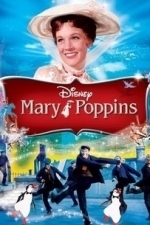
 
Mary Poppins (1964)
Mary Poppins (1964)
1964 | Classics, Comedy, Family

"Another movie that takes place in the Edwardian era, but in the country where Edward was actually reigning. It was an important movie for me as a kid and it continued to be something that I revisited again because it’s just good. Good storytelling, quite beautiful. You’ve got to love the matte paintings of the London rooftops. You’ve got to love a movie where a witch is your nanny. Obviously, no challenge to Dick van Dyke’s Australian Cockney accent, but his performance in that movie is really incredible. He is such a good physical comedian and when they’re in the chalk painting — which is also just lovely, the live action mix and the animation — he often has the same dance choreography as Julie Andrews. And he interprets it incredibly differently. It’s not that he can’t do them, it’s that he’s interpreting them in a different way, for humor, with his body type and so cleverly. It’s a movie where kids have power. They understand some things that their Edwardian dad doesn’t. And we use a Mary Poppins-esque weathervane shot in The Lighthouse. And then also, as much as it is a very, very satisfying narrative, the movie’s not without mystery. What is Mary Poppins’ backstory? What is her relationship with Bert? She creeps me out. Like when her reflection in the mirror keeps singing after her. The way she’s a little bit austere with the children and then the next minute she’s super cuddly, it is a little creepy. And then it just isn’t her, but when the kids get lost in East London, and there’s the dogs barking, and the old beggar woman who’s like, “Come here, children” or whatever. That was incredibly terrifying as a child."

Source
  
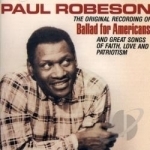
Ballad for Americans by Paul Robeson
1993 | Rock
(0 Ratings)
Album Favorite

"There's a reason that I left this one for last. I put it in this position because it seemed like the natural conclusion to this collection of songs. It's the climax, it's the one that gathers everything up and then sums everything up emotionally. It's the finale - everything's building up to this moment. There's centuries of pain, tragedy and - again - loss in his voice, it's undeniable. “The lyrics are based around one extremely simple metaphor, but so much that's good in art, whether we're talking about visual art or songwriting or performance art or literature or poetry, so much that's truly powerful takes one easily understood idea and then brings depth to it. That's what's happening here - it's a metaphor that you instantly understand. It's like looking at a Picasso painting; you're immediately struck by the image, but there's so much more going on beneath the surface. You can listen to it hundreds of times and not feel as if you've exhausted its emotional content. “We were talking about Trish Keenan earlier, but she seems like one of the exceptions to the rule I subscribe to, which is that you should be able to understand everything purely from the performance and the lyrics. You shouldn't need to know anything about the artist's personal life. Paul Robeson was this gargantuan figure of the twentieth century; there was that intelligence, integrity and, for the most part, nobility to him, going as he did from singer to actor to petitioning the President of the United States, but you wouldn't even have to know the slightest thing about him, and you'd still have that instant reaction to this song; there's so much emotional power to it. “I don't know how I'd deal with life if I didn't have music like this - to help me go through it, and to help me understand it.”"

Source