
Caffeinated Fae (464 KP) rated The Demon Next Door in Books
Apr 19, 2019
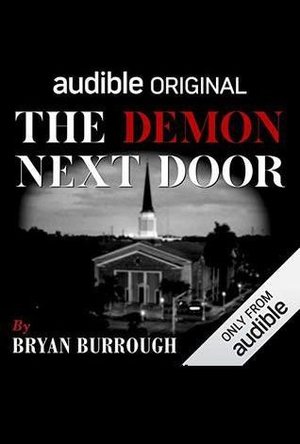

The information in this novella was interesting and well researched but still lacked depth. Most of the information that was presented in this book felt glossed over. One of the things I thought Bryan Burrough was exceptional at was not being too graphic about the crimes. Unfortunately, it seems that that lack of detail was present throughout the entire book. I would have loved to see more information about the background of the individuals and the town itself.
Something else that felt off in this audiobook was the narration. Steve White is an excellent narrator, but I don't feel that he was the right choice for this book. His intonations seemed to be too upbeat for a true crime novel about rape and murder. I would have preferred a more somber tone & his voice did not do this book justice.
All in all, this was an okay book. The details were interesting, but I wish that there would have been more depth to it.

Kristy H (1252 KP) rated Those Girls in Books
Feb 13, 2018


This book was rather bizarre, I have to say. First of all, do not read this if you are triggered by scenes of brutal abuse or rape. Just don't. Terrible things happen in this book. It was almost mind-numbing to read - almost too much.
I'm still not sure how I feel about this one. The sisters drove me a bit crazy. It seemed like one bad decision after another with them. I know they are young when they initially leave home, and abused, but seriously? Then it just seems like the book was a series of misfortunes after another. I feel like Stevens could have limited it at some point. However, it was all oddly compelling, and I found myself reading the whole thing rather compulsively, even if I was constantly disappointed and disheartened by each turn of events.
(Note: I received a copy of this book via Netgalley in return for an unbiased review.)

Christine A. (965 KP) rated Sex in the Name of God in Books
Dec 9, 2018
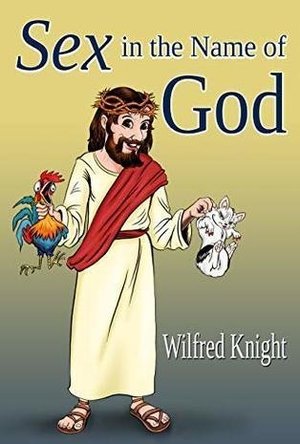
The book is not one that I was able to read in one or two sittings. I read a chapter at a time with long breaks in between as I usually read short stories.
Each topic covered is done with humor. Yet, the author is able to do so while being respectful. It is a very thin line and he walks it carefully. I would not recommend this book to anyone who is extremely religious or anyone who does not think religion should be discussed in a humorous way. For all others, this is worth checking out. My favorite idea discussed is "the only upside is the knowledge that family dysfunction is an intended norm." (page 6). Good to know. We're normal!
Shrill: Notes from a Loud Woman
Book
'Lindy West is an essential (and hilarious) voice for women. Her talent and bravery have made the...
The Cooked Seed
Book
In 1994, Anchee Min published Red Azalea, a memoir of growing up during the violent trauma of the...
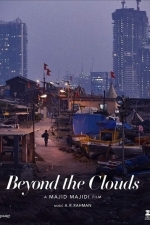
Beyond the Clouds (2017)
Movie
Set in the slums of Mumbai, acclaimed director Majid Majidi delivers a powerful coming-of-age tale...
drama
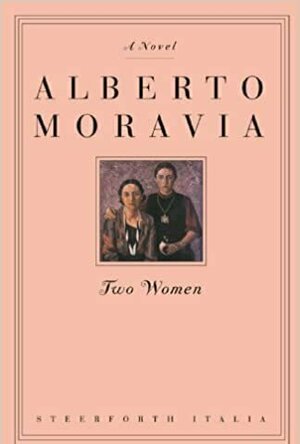
Two Women
Book
FIRST PUBLISHED in English in 1958, Two Women is a compassionate yet forthright narrative of simple...
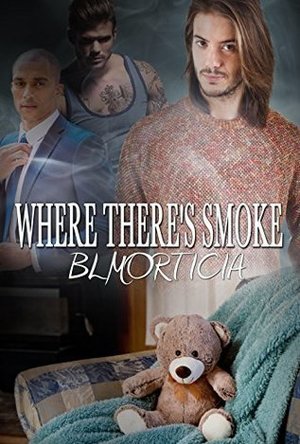
Where There's Smoke
Book
Santiago Mendoza Chicago nearly destroyed me, but moving to Cobalt, I found everything I needed...
M_M Contemporary Romance
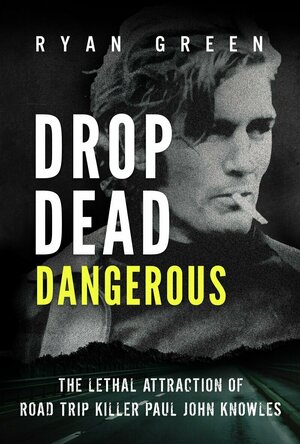
Drop Dead Dangerous: The Lethal Attraction of Road Trip Killer, Paul John Knowles
8.0 Rate It
Book
In 1974, the US East Coast was whipped up into a frenzy of fear. Locking their windows and doors,...
True Crime
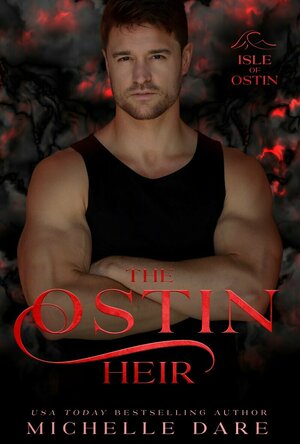
The Ostin Heir (Isle of Ostin #1)
8.0
Rate It
Book
Seventy years ago, Theo Ostin witnessed his family murdering a town of humans. He also watched as...
Paranormal MM Romance Vampires