
Search
Search results

Laura Doe (1350 KP) rated Sleeping with a Psychopath in Books
Aug 29, 2022
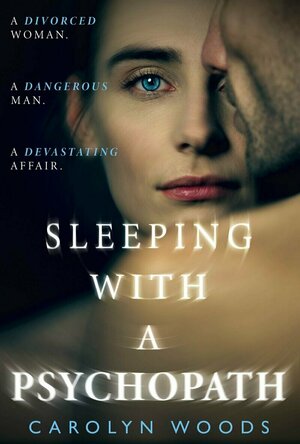


I really wasn’t sure what to expect when I started this book, sometimes the true life stories aren’t particularly gripping, but this one was in all the right ways.
We follow Carolyn through meeting and her subsequent relationship with Mark. With the benefit of hindsight, Carolyn is able to point out where she should have seen red flags and where she should have questioned things more. The story that she told and then excuses that Mark came up with throughout their relationship were so outlandish that you would think that she would have seen through them, but I think that Carolyn thought they were so crazy that you couldn’t possibly make them up and think you could get away with them.
We then follow Carolyn through the process of deciding to end the relationship, realising who Mark really is and the process of going to the police, the long process trying to get him arrested and the subsequent court case. It was interesting for this to be included in the book, as quite often the book ends after the relationship has ended with a quick chapter on what has happened since and how they got their life back on track. But this was different, as it showed the process she went through and the way that she was failed quite a lot by the police at the start of the investigation, but by being persistent and not dropping the case (even though it was obvious the officer wanted her to) she eventually got what she wanted. Although it wasn’t solely the police investigations that got her to that point, and Carolyn writes that if anything like this ever happens to you, you should make sure you become friends with a good investigative journalist as they will help you with leads that the police may not even have.
I did enjoy this book, and was happy that Carolyn is now rebuilding her life and seems happy. It is amazing to see how resilient she has been, and although she may have lost herself for a good few years, she shows how victims can get their lives back and become a new version of their former selves. The photos included at the end of the kindle edition were interesting to see, and you finally get to put faces to the names (especially Mark’s) and it makes it all the more real.
We follow Carolyn through meeting and her subsequent relationship with Mark. With the benefit of hindsight, Carolyn is able to point out where she should have seen red flags and where she should have questioned things more. The story that she told and then excuses that Mark came up with throughout their relationship were so outlandish that you would think that she would have seen through them, but I think that Carolyn thought they were so crazy that you couldn’t possibly make them up and think you could get away with them.
We then follow Carolyn through the process of deciding to end the relationship, realising who Mark really is and the process of going to the police, the long process trying to get him arrested and the subsequent court case. It was interesting for this to be included in the book, as quite often the book ends after the relationship has ended with a quick chapter on what has happened since and how they got their life back on track. But this was different, as it showed the process she went through and the way that she was failed quite a lot by the police at the start of the investigation, but by being persistent and not dropping the case (even though it was obvious the officer wanted her to) she eventually got what she wanted. Although it wasn’t solely the police investigations that got her to that point, and Carolyn writes that if anything like this ever happens to you, you should make sure you become friends with a good investigative journalist as they will help you with leads that the police may not even have.
I did enjoy this book, and was happy that Carolyn is now rebuilding her life and seems happy. It is amazing to see how resilient she has been, and although she may have lost herself for a good few years, she shows how victims can get their lives back and become a new version of their former selves. The photos included at the end of the kindle edition were interesting to see, and you finally get to put faces to the names (especially Mark’s) and it makes it all the more real.

BankofMarquis (1832 KP) rated A Beautiful Day in the Neighborhood (2019) in Movies
Dec 6, 2019

Gentle, slow-paced and full of HEART
The new "Mr. Rogers" movie, A BEAUTIFUL DAY IN THE NEIGHBORHOOD is gentle, warm, slow, kind and heartfelt - just the type of film that is antithetical to how life is bounding past all of us on a daily basis. It would be well worth your time to slow down, turn off the electronics, and take in this wonderfully loving film.
Tom Hanks, of course, stars as Mr. Rogers - the beloved TV Host of the beloved children's show MR. ROGERS NEIGHBORHOOD and he does a remarkable job of bringing this kind gentle soul to life. Hanks embodies all of what is good and right to this character, while still making him a real person. Hanks, no doubt, will be named an Oscar nominee for this performance - but it is in what category that might be a surprise to most.
For, it will be as Supporting (not Lead) Actor for this is NOT a movie ABOUT Mr. Rogers. It is a movie that Mr. Rogers plays a strong Supporting part.
This film is about the real, true-to-life relationship that Fred Rogers forged with troubled writer Lloyd Vogel (Matthew Rhys). Vogel is assigned by his boss at Esquire (Christine Lahti - who it was GREAT to see in a film) to do a quick "puff piece" on Rogers. This hard-boiled reporter is hell-bent on peeling the layers back on this man. The surface of Mr. Rogers is just "too good to be true" to this writer. What happens, of course, is that Fred Rogers peels back the layers on Vogel to help him understand his troubled relationship with his father (Chris Cooper) - and it is this relationship that is at the heart of this movie.
And heart is what is at the center of this film. This film is filled with love, understanding, warmth and HEART in abundance. Fred Rogers helps Lloyd Vogel to slow down and understand - and deal with - his feelings that are impeding his relationship with his father. And it is this heart and warmth that touched me. I was brought to the edge of tears more than once during the course of the 1 hour and 49 minute length of this film (and I am not a cryer) it was that well done - and emotional - without being cloying.
Credit Writers Micah Fitzerman-Blue and Noah Harpster (both of TV's TRANSPARENT) for adapting Tom Junod's real life Esquire article on Rogers in such a way that it is powerful, thoughtful and effective. They accomplished this by placing the events of this film, loosely, in the format of Rogers' beloved TV show and it worked well.
What also worked well was the Direction of Marielle Heller (CAN YOU EVER FORGIVE ME) like her previous film (which garnered Melissa McCarthy a well deserved Oscar nomination), Heller keeps her camera relatively still and lets her actors act - relying on tight. lingering close-ups and lingering, quiet pauses for the full effect of the emotions behind the words to land on the audience and resonate.
She would not be able to do this without a strong cast - and a strong cast she has. Besides Hanks, Matthew Rhys (TV's THE AMERICANS) is a steady calm. angry presence that anchors the film in the "no way Mr. Rogers can be that nice" mindset that almost all of us have at the beginning of the film to be slowly peeled away to reveal what is really causing the anger and cynicism emitting from his character. The always reliable Chris Cooper (Oscar winner for ADAPTATION back in 2002) brings pathos and regret as Jerry Vogel, Lloyds father. The relationship between these two is the balancing point of this film and it is balanced well. They are joined by a strong list of Supporting Actors (like Enrico Colantoni, Susan Kelechi Watson and Wendy Makkena) that bring strength and warmth to the proceedings without stealing focus on the main players. They all are SUPPORTING players and they SUPPORT the events of the film wonderfully
I strongly urge you to see this film in a "closed environment" - a movie theater, in a darkened room - without distractions (turn off your phone, close the shades if you are home) and let the warmth, gentleness, humanity and slow-pace wash over you. You'll be glad you did.
Letter Grade: A- (Did I mention that this film is paced VERY slowly)
8 stars (out of 10) and you can take that to the Bank(ofMarquis)
Tom Hanks, of course, stars as Mr. Rogers - the beloved TV Host of the beloved children's show MR. ROGERS NEIGHBORHOOD and he does a remarkable job of bringing this kind gentle soul to life. Hanks embodies all of what is good and right to this character, while still making him a real person. Hanks, no doubt, will be named an Oscar nominee for this performance - but it is in what category that might be a surprise to most.
For, it will be as Supporting (not Lead) Actor for this is NOT a movie ABOUT Mr. Rogers. It is a movie that Mr. Rogers plays a strong Supporting part.
This film is about the real, true-to-life relationship that Fred Rogers forged with troubled writer Lloyd Vogel (Matthew Rhys). Vogel is assigned by his boss at Esquire (Christine Lahti - who it was GREAT to see in a film) to do a quick "puff piece" on Rogers. This hard-boiled reporter is hell-bent on peeling the layers back on this man. The surface of Mr. Rogers is just "too good to be true" to this writer. What happens, of course, is that Fred Rogers peels back the layers on Vogel to help him understand his troubled relationship with his father (Chris Cooper) - and it is this relationship that is at the heart of this movie.
And heart is what is at the center of this film. This film is filled with love, understanding, warmth and HEART in abundance. Fred Rogers helps Lloyd Vogel to slow down and understand - and deal with - his feelings that are impeding his relationship with his father. And it is this heart and warmth that touched me. I was brought to the edge of tears more than once during the course of the 1 hour and 49 minute length of this film (and I am not a cryer) it was that well done - and emotional - without being cloying.
Credit Writers Micah Fitzerman-Blue and Noah Harpster (both of TV's TRANSPARENT) for adapting Tom Junod's real life Esquire article on Rogers in such a way that it is powerful, thoughtful and effective. They accomplished this by placing the events of this film, loosely, in the format of Rogers' beloved TV show and it worked well.
What also worked well was the Direction of Marielle Heller (CAN YOU EVER FORGIVE ME) like her previous film (which garnered Melissa McCarthy a well deserved Oscar nomination), Heller keeps her camera relatively still and lets her actors act - relying on tight. lingering close-ups and lingering, quiet pauses for the full effect of the emotions behind the words to land on the audience and resonate.
She would not be able to do this without a strong cast - and a strong cast she has. Besides Hanks, Matthew Rhys (TV's THE AMERICANS) is a steady calm. angry presence that anchors the film in the "no way Mr. Rogers can be that nice" mindset that almost all of us have at the beginning of the film to be slowly peeled away to reveal what is really causing the anger and cynicism emitting from his character. The always reliable Chris Cooper (Oscar winner for ADAPTATION back in 2002) brings pathos and regret as Jerry Vogel, Lloyds father. The relationship between these two is the balancing point of this film and it is balanced well. They are joined by a strong list of Supporting Actors (like Enrico Colantoni, Susan Kelechi Watson and Wendy Makkena) that bring strength and warmth to the proceedings without stealing focus on the main players. They all are SUPPORTING players and they SUPPORT the events of the film wonderfully
I strongly urge you to see this film in a "closed environment" - a movie theater, in a darkened room - without distractions (turn off your phone, close the shades if you are home) and let the warmth, gentleness, humanity and slow-pace wash over you. You'll be glad you did.
Letter Grade: A- (Did I mention that this film is paced VERY slowly)
8 stars (out of 10) and you can take that to the Bank(ofMarquis)

Darren (1599 KP) rated Raising Arizona (1987) in Movies
Jul 25, 2019

Story: Raising Arizona starts as we meet H.I. McDunnough (Cage) a petty thieve that has a habit of robbing convenience stores, he falls for police officer Ed (Hunter) and after his third spell in prison he decides to settle down with Ed and hope to start a family.
When the couple learn they can’t have children, their lives take a turn for the worse until rich businessman Nathan Arizona Sr (Wilson) has 5 babies, believing they can help, they steal one of the babies and the events of the film follows them trying to keep the baby and avoid the law.
Thoughts on Raising Arizona
Characters – H.I. McDunnough has been in and out of prison for the last decade each time getting closer to the arresting officer, deciding he wants to go clean he gets married and plans to start a family, only for his past to come back and haunt him forcing him to return to the life of crime. He is a character that has fallen into the life of crime and just can’t get out of it. Ed is a police officer that hasn’t had the best life, she falls for H.I. getting married and wanting to start a family. She learns she can’t have child, turning to a life of crime to get her own child. Nathan Arizona Sr is the father of the five babies willing to pay anything to get his son back legally or not. Gale is one half of criminal buddies pairing of H.I. that after breaking out of prison turns to his friend for help.
Performances – Nicolas Cage is wonderful in the leading role, where we see him show moments of his crazy level while giving a performance you will remember. Holly Hunter is great too where we see her create a performance where you feel for the pain and confliction her character goes through. When we look at the supporting cast we do get good performances from everyone that will give us enough to enjoy what we saw.
Story – The story here follows an unlikely couple that decide to take a child because they couldn’t have one of their own. We follow the build up to their relationship and focus on how the couple’s life had the ups and downs before the incident. By using a very real situation people could go through by not being able to have children and showing the fact the adoption process isn’t the fairest on the people that would offer a good home is important for the film. the hapless events the couple go through adds to the story and as with most of the Coen bothers movies we get lots of arcs that come together to add up to a final act which pts everything together.
Comedy/Crime – The comedy in the film comes from the events that the couple must go through, usually coming from H.I. actions in what is a crime world where he is a petty criminal taking any advantages he can.
Settings – The film takes us to the open America where money would be tight leading to the mistakes being made by the people who are just desperate for anything to come their way.
Scene of the Movie – The diaper chase.
That Moment That Annoyed Me – The baby forgetting scenes.
Final Thoughts – This is a classic crime comedy that shows us just how talented the Coen Brothers are, we get to see the best of Cage and a story which can be enjoyed by all.
Overall: Crime Comedy that is a must watch.
When the couple learn they can’t have children, their lives take a turn for the worse until rich businessman Nathan Arizona Sr (Wilson) has 5 babies, believing they can help, they steal one of the babies and the events of the film follows them trying to keep the baby and avoid the law.
Thoughts on Raising Arizona
Characters – H.I. McDunnough has been in and out of prison for the last decade each time getting closer to the arresting officer, deciding he wants to go clean he gets married and plans to start a family, only for his past to come back and haunt him forcing him to return to the life of crime. He is a character that has fallen into the life of crime and just can’t get out of it. Ed is a police officer that hasn’t had the best life, she falls for H.I. getting married and wanting to start a family. She learns she can’t have child, turning to a life of crime to get her own child. Nathan Arizona Sr is the father of the five babies willing to pay anything to get his son back legally or not. Gale is one half of criminal buddies pairing of H.I. that after breaking out of prison turns to his friend for help.
Performances – Nicolas Cage is wonderful in the leading role, where we see him show moments of his crazy level while giving a performance you will remember. Holly Hunter is great too where we see her create a performance where you feel for the pain and confliction her character goes through. When we look at the supporting cast we do get good performances from everyone that will give us enough to enjoy what we saw.
Story – The story here follows an unlikely couple that decide to take a child because they couldn’t have one of their own. We follow the build up to their relationship and focus on how the couple’s life had the ups and downs before the incident. By using a very real situation people could go through by not being able to have children and showing the fact the adoption process isn’t the fairest on the people that would offer a good home is important for the film. the hapless events the couple go through adds to the story and as with most of the Coen bothers movies we get lots of arcs that come together to add up to a final act which pts everything together.
Comedy/Crime – The comedy in the film comes from the events that the couple must go through, usually coming from H.I. actions in what is a crime world where he is a petty criminal taking any advantages he can.
Settings – The film takes us to the open America where money would be tight leading to the mistakes being made by the people who are just desperate for anything to come their way.
Scene of the Movie – The diaper chase.
That Moment That Annoyed Me – The baby forgetting scenes.
Final Thoughts – This is a classic crime comedy that shows us just how talented the Coen Brothers are, we get to see the best of Cage and a story which can be enjoyed by all.
Overall: Crime Comedy that is a must watch.

Ivana A. | Diary of Difference (1171 KP) rated Nightingale Point in Books
Feb 3, 2020


<a href="https://diaryofdifference.com/">Blog</a>; | <a href="https://www.facebook.com/diaryofdifference/">Facebook</a>; | <a href="https://twitter.com/DiaryDifference">Twitter</a>; | <a href="https://www.instagram.com/diaryofdifference/">Instagram</a>; | <a href="https://www.pinterest.co.uk/diaryofdifference/pins/">Pinterest</a>;
<img src="https://diaryofdifference.com/wp-content/uploads/2019/07/Book-Review-Banner.png"/>;
<b><i>One ordinary day. One extraordinary event. Their lives changed forever. </i></b>
Nightingale Point is a book that shows the aftermath of a terrible disaster. A story about many people's lives, how this event changed them and their recovery and grief.
<b><i>BEFORE</i></b>
The book starts with giving us a brief description of people living in two neighboring buildings. We get to know their daily routines, their worries and hopes. We get a glimpse of their everyday lives and start to care for them.
We meet Mary, who has moved from the Philippines into the UK to persue her career as a nurse. Her husband is always away and her children are distant.
We meet the brothers Tristan and Malachi - they have a tragedy of their own, and Mary is like their mum. Tristan is the naughty 16-year-old and Malachi is the older, more responsible brother.
Then we meet Pamela, a 16-year-old who loves running and falls in love with Malachi. However, her racist dad forbids her to see Malachi and locks her inside the building,
We see Elvis as well, who has learning disabilities and lives with his carer. He gets bullied by Tristan one day when Tristan spits in his face.
<b><i>AFTER</i></b>
On 4th May 1996, a plane crashes into these two buildings at Nightingale Point and everything changes.
Every resident that lives on Nightingale Point has a before and after story. The ones that survived, but also the ones that didn't.
This is a story about how much one event can turn your life upside down, how it can change you and also how much little things mean in life, but we forget them so often.
I found it amusing that we had different chapters from different people's perspectives, and each character had its own different writing style and life to it. This was amazingly done by the author. I found the chapters with Elvis especially refreshing, as they were so heartwarming.
Based on real tragic events - the crash in Bijlmer, Amsterdam and also the fire in Grenfell Tower, the author did a wonderful job in showing the readers the true pain, trauma and the battle of moving forward when a tragedy happens.
Guys, if you haven't read this book, please pick it up. It will be a hit and it will change your life. Every time I look at this book, I will remember how much little things matter in life and will always call my dad and ask him how he's doing. Because it matters.
Thank you to the team at HQ for sending me a copy of this book in exchange for an honest review.
<a href="https://diaryofdifference.com/">Blog</a>; | <a href="https://www.facebook.com/diaryofdifference/">Facebook</a>; | <a href="https://twitter.com/DiaryDifference">Twitter</a>; | <a href="https://www.instagram.com/diaryofdifference/">Instagram</a>; | <a href="https://www.pinterest.co.uk/diaryofdifference/pins/">Pinterest</a>;
<img src="https://diaryofdifference.com/wp-content/uploads/2019/07/Book-Review-Banner.png"/>;
<b><i>One ordinary day. One extraordinary event. Their lives changed forever. </i></b>
Nightingale Point is a book that shows the aftermath of a terrible disaster. A story about many people's lives, how this event changed them and their recovery and grief.
<b><i>BEFORE</i></b>
The book starts with giving us a brief description of people living in two neighboring buildings. We get to know their daily routines, their worries and hopes. We get a glimpse of their everyday lives and start to care for them.
We meet Mary, who has moved from the Philippines into the UK to persue her career as a nurse. Her husband is always away and her children are distant.
We meet the brothers Tristan and Malachi - they have a tragedy of their own, and Mary is like their mum. Tristan is the naughty 16-year-old and Malachi is the older, more responsible brother.
Then we meet Pamela, a 16-year-old who loves running and falls in love with Malachi. However, her racist dad forbids her to see Malachi and locks her inside the building,
We see Elvis as well, who has learning disabilities and lives with his carer. He gets bullied by Tristan one day when Tristan spits in his face.
<b><i>AFTER</i></b>
On 4th May 1996, a plane crashes into these two buildings at Nightingale Point and everything changes.
Every resident that lives on Nightingale Point has a before and after story. The ones that survived, but also the ones that didn't.
This is a story about how much one event can turn your life upside down, how it can change you and also how much little things mean in life, but we forget them so often.
I found it amusing that we had different chapters from different people's perspectives, and each character had its own different writing style and life to it. This was amazingly done by the author. I found the chapters with Elvis especially refreshing, as they were so heartwarming.
Based on real tragic events - the crash in Bijlmer, Amsterdam and also the fire in Grenfell Tower, the author did a wonderful job in showing the readers the true pain, trauma and the battle of moving forward when a tragedy happens.
Guys, if you haven't read this book, please pick it up. It will be a hit and it will change your life. Every time I look at this book, I will remember how much little things matter in life and will always call my dad and ask him how he's doing. Because it matters.
Thank you to the team at HQ for sending me a copy of this book in exchange for an honest review.
<a href="https://diaryofdifference.com/">Blog</a>; | <a href="https://www.facebook.com/diaryofdifference/">Facebook</a>; | <a href="https://twitter.com/DiaryDifference">Twitter</a>; | <a href="https://www.instagram.com/diaryofdifference/">Instagram</a>; | <a href="https://www.pinterest.co.uk/diaryofdifference/pins/">Pinterest</a>;

Kristy H (1252 KP) rated After the End in Books
Jun 25, 2019
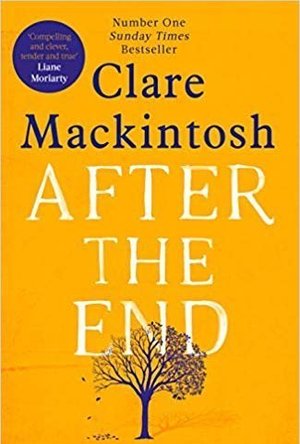

Max and Pip have a deep, untenable bond and a strong marriage that they feel is sealed by fate. But when their nearly three-year-old son, Dylan, gets sick, everything they know changes. Dylan has a brain tumor, and now Pip spends her days in the PICU, while Max tries to juggle work and being strong for his wife and child. Then, the couple receives the worst of all news: the chemo isn't helping Dylan's tumor, and the doctors feel Dylan's condition is terminal. Suddenly, Max and Pip find themselves on opposite sides--each wanting different medical treatment for their beloved boy.
Clare Mackintosh offers us a beautiful, poignant, and heartbreaking book based on her life experiences, having lost her own son. Knowing this makes the book even more tender and real, as each word is based on a kernel of truth. Reading this book isn't always easy--as a parent, my heart digested these words and put myself in the shoes of Max and Pip. This book makes you think, and it makes you so incredibly grateful for your own life, wanting to snuggle your own children and hold them dear.
"How can my son be a breath away from death, when evidence of his life is all around me? When I feel him in my heart, as surely as when I carried him in my womb?"
The story is one of loss, yes, but it's also a love story: Max and Pip, Dylan and his family, and more. We are introduced to Dylan's family and also to Dylan's doctor, Leila, whom I really liked. Leila has her own struggles. Her mom, Habibeh, is visiting, but won't leave the house, preferring to watch QVC and cook endlessly for her daughter. (Habibeh is a trip; she's awesome.) The decision of Dylan's fate falls on Leila's shoulders first: a lot for a young doctor to bear. We get the story through her eyes and then each of Dylan's parents. As a mom, I felt drawn to Pip, but I liked how we got both Pip and Max's perspectives. Each only wants what is best for their son--and, at first, each feels they are doing the right thing.
"However long you spend with someone, however well you think you know them, they can still be a stranger to you."
Mackintosh is best known for her thrillers, and, this book is just as well-written as those. And, interestingly enough, she throws in a bit of a twist here, too. I won't spoil it, per se, but will tell you that this book is a fascinating exploration of choices, allowing you to think about life and the various paths that everyone can take. It's a sad book, yes, but lovely too--a tribute to parents, medical professionals, and to the children we love so much. It's a reminder to cherish those we hold dear and that life can be short but beautiful, no matter which way it may turn out.
Overall, even though I found this difficult to read at times, I'm really glad I did. I was reminded, yet again, what a good writer Clare Mackintosh is. I'm so incredibly sorry she lost her son, and I'm in such awe that she could turn that loss into such a lovely book. I highly recommend this--it's a beautiful exploration of life's different paths and what fate can bring us.
Clare Mackintosh offers us a beautiful, poignant, and heartbreaking book based on her life experiences, having lost her own son. Knowing this makes the book even more tender and real, as each word is based on a kernel of truth. Reading this book isn't always easy--as a parent, my heart digested these words and put myself in the shoes of Max and Pip. This book makes you think, and it makes you so incredibly grateful for your own life, wanting to snuggle your own children and hold them dear.
"How can my son be a breath away from death, when evidence of his life is all around me? When I feel him in my heart, as surely as when I carried him in my womb?"
The story is one of loss, yes, but it's also a love story: Max and Pip, Dylan and his family, and more. We are introduced to Dylan's family and also to Dylan's doctor, Leila, whom I really liked. Leila has her own struggles. Her mom, Habibeh, is visiting, but won't leave the house, preferring to watch QVC and cook endlessly for her daughter. (Habibeh is a trip; she's awesome.) The decision of Dylan's fate falls on Leila's shoulders first: a lot for a young doctor to bear. We get the story through her eyes and then each of Dylan's parents. As a mom, I felt drawn to Pip, but I liked how we got both Pip and Max's perspectives. Each only wants what is best for their son--and, at first, each feels they are doing the right thing.
"However long you spend with someone, however well you think you know them, they can still be a stranger to you."
Mackintosh is best known for her thrillers, and, this book is just as well-written as those. And, interestingly enough, she throws in a bit of a twist here, too. I won't spoil it, per se, but will tell you that this book is a fascinating exploration of choices, allowing you to think about life and the various paths that everyone can take. It's a sad book, yes, but lovely too--a tribute to parents, medical professionals, and to the children we love so much. It's a reminder to cherish those we hold dear and that life can be short but beautiful, no matter which way it may turn out.
Overall, even though I found this difficult to read at times, I'm really glad I did. I was reminded, yet again, what a good writer Clare Mackintosh is. I'm so incredibly sorry she lost her son, and I'm in such awe that she could turn that loss into such a lovely book. I highly recommend this--it's a beautiful exploration of life's different paths and what fate can bring us.


City Island 4: Sim Town Tycoon (SD)
Games and Entertainment
6.0 Rate It
App
Play the most popular city building simulation game series on mobile! In this new City Island sim,...

Bob Mann (459 KP) rated Christine (2016) in Movies
Sep 29, 2021
If it bleeds, it leads.
Life is precious. Bad times always get good again eventually. Winter turns to spring and you feel the warmth of the sun on your face again. So what drives someone – anyone – to the point of despair sufficient for them to ignore all of the potential upturns and to take their own life?
Christine tells the tragic tale of Florida TV news reporter Christine Chubbuck who committed suicide live on air in 1974. Yes, this is a spoiler, but since most people have some sense of what a film is about before they go to see it, it’s not really a big one. And I think in this case, knowing the outcome is pretty essential since otherwise you will likely spend 2 hours getting increasingly irritated by the erratic behaviour of the lead character and may possibly turn it off. With this movie, the telling is in the journey – not the destination.
London-born Rebecca Hall (“The Town”) plays the 30 year old virgin Christine; a damaged article with past mental issues, she has been moved by her mother Peg (J Smith-Cameron) from Boston to Florida to make a fresh start. But the station is struggling and Christine’s insistence on pursuing dull but worthy stories, such as zoning disputes, isn’t helping: she is driving her boss (Tracy Letts) to distraction. Despite her spiky demeanour and unapproachable nature, her colleagues including Jean (Maria Dizzia), the show’s anchor (and potential deflowerer) George (Michael C Hall) and weatherman Steve (Timothy Simons from “Veep”) all do their best to support her. It is part of the true tragedy of the piece that her downward spiral continues despite their best efforts.
Hall is outstanding in the role. She portrays the crazily compulsive behaviour of Chubbuck extremely well: perfectionism gone wild as she attempts to edit out 3 seconds off a clip while the film is already in the machine. At times the other-worldliness and creepiness of her character become extremely unsettling; an excruciating scene with a married couple in a bar being a case in point. Overall it’s an extremely thoughtful portrayal that is as quiet and unassuming as Ruth Negga’s in “Loving” (but without the smiles or the charm). I would like to think that after the Oscars team picked the ‘obvious contenders’ of Portman, Stone and Huppert, and with a place ‘reserved’ for Streep, they were left with Negga and Hall and had a “dammit, we can only pick 1 out of 2 here” moment.
Letts as the crotchety station chief also delivers a fine performance, and it’s a shame that the script never gave us the chance to see his post-shooting reactions, since the ‘if only’ ramifications for him in particular must have been huge.
In retrospect, Chubbuck’s actions were bizarre: taking her life in such a public way (and insisting the show be recorded for her “reels”) strikes of narcissism and a bitter revenge. While the film is no doubt based on the true recollections of the real-life participants, the screenplay by Craig Shilowich, in an impressive writing debut, for me never quite closed that loop: why this way rather that a car and a hosepipe?
Directed by Antonio Campos, this is never an easy watch. It’s a bit like watching a car crash in ultra-slow motion, and pretty much mandates that you watch an episode of “Father Ted” afterwards to cheer yourself up! But it’s a fascinating study in mental decline, and it’s a useful reminder that it behoves all of us to pay more attention to others around us and reach out with real help if needed before the worst can happen.
Christine tells the tragic tale of Florida TV news reporter Christine Chubbuck who committed suicide live on air in 1974. Yes, this is a spoiler, but since most people have some sense of what a film is about before they go to see it, it’s not really a big one. And I think in this case, knowing the outcome is pretty essential since otherwise you will likely spend 2 hours getting increasingly irritated by the erratic behaviour of the lead character and may possibly turn it off. With this movie, the telling is in the journey – not the destination.
London-born Rebecca Hall (“The Town”) plays the 30 year old virgin Christine; a damaged article with past mental issues, she has been moved by her mother Peg (J Smith-Cameron) from Boston to Florida to make a fresh start. But the station is struggling and Christine’s insistence on pursuing dull but worthy stories, such as zoning disputes, isn’t helping: she is driving her boss (Tracy Letts) to distraction. Despite her spiky demeanour and unapproachable nature, her colleagues including Jean (Maria Dizzia), the show’s anchor (and potential deflowerer) George (Michael C Hall) and weatherman Steve (Timothy Simons from “Veep”) all do their best to support her. It is part of the true tragedy of the piece that her downward spiral continues despite their best efforts.
Hall is outstanding in the role. She portrays the crazily compulsive behaviour of Chubbuck extremely well: perfectionism gone wild as she attempts to edit out 3 seconds off a clip while the film is already in the machine. At times the other-worldliness and creepiness of her character become extremely unsettling; an excruciating scene with a married couple in a bar being a case in point. Overall it’s an extremely thoughtful portrayal that is as quiet and unassuming as Ruth Negga’s in “Loving” (but without the smiles or the charm). I would like to think that after the Oscars team picked the ‘obvious contenders’ of Portman, Stone and Huppert, and with a place ‘reserved’ for Streep, they were left with Negga and Hall and had a “dammit, we can only pick 1 out of 2 here” moment.
Letts as the crotchety station chief also delivers a fine performance, and it’s a shame that the script never gave us the chance to see his post-shooting reactions, since the ‘if only’ ramifications for him in particular must have been huge.
In retrospect, Chubbuck’s actions were bizarre: taking her life in such a public way (and insisting the show be recorded for her “reels”) strikes of narcissism and a bitter revenge. While the film is no doubt based on the true recollections of the real-life participants, the screenplay by Craig Shilowich, in an impressive writing debut, for me never quite closed that loop: why this way rather that a car and a hosepipe?
Directed by Antonio Campos, this is never an easy watch. It’s a bit like watching a car crash in ultra-slow motion, and pretty much mandates that you watch an episode of “Father Ted” afterwards to cheer yourself up! But it’s a fascinating study in mental decline, and it’s a useful reminder that it behoves all of us to pay more attention to others around us and reach out with real help if needed before the worst can happen.

Movie Metropolis (309 KP) rated The Amazing Spider-Man 2 (2014) in Movies
Jun 11, 2019

A film that never needed to exist
Marc Webb’s first attempt at being behind the lens of a Marvel film was 2012’s The Amazing Spider-Man. Just five years after Sam Raimi concluded his trilogy with Tobey Maguire in the tight fitting suit, Andrew Garfield donned the iconic costume in a film that was good if a little unnecessary. Here, Webb returns just two years later with The Amazing Spider-Man 2, but can it prove its worth?
Thankfully yes. Amazing Spider-Man 2 is not only the best Spider-Man film to date, but one of Marvel’s greatest offerings despite some flaws in its production.
Andrew Garfield and Emma Stone return as Peter Parker and Gwen Stacey respectively as they battle a whole host of new foes in a movie that is loud, frequently violent and massively long.
Peter is still trying to piece together the fate of his parents as Aunt May, played excellently by Sally Field, continues to keep the truth from him. However, there’s no time for anguish as the villains come thick-and-fast.
Jamie Foxx, Paul Giamatti and a superb Dane DeHaan are all present to give Spider-Man, and his alter ego, a good kicking. A brilliantly unrestrained Foxx plays Max Dillon who inexplicably becomes one of the title characters best on-screen foes, Electro.
Much of the criticism of Raimi’s 2007 blockbuster Spider-Man 3 was given to the inclusion of too many plots, sub-plots and villains. Therefore many fans and critics thought the case would be similar here, especially considering Electro, Green Goblin and Rhino were all billed to appear.
The-Amazing-Spider-Man-2-New-Poster-spider-man-35222096-1024-1421
Mercifully, Webb restrains himself and leaves much of the film’s running time to Electro while Rhino (Giamatti) and Green Goblin (DeHaan) are merely given glorified cameos; setting the characters up for a larger part in the inevitable Amazing Spider-Man 3 and 4.
The special effects are on a whole new level to what we have seen previously. Apart from a few lapses towards the climatic finale, where things can begin to look like a video game, the film looks absolutely fantastic. The soaring shots of Spider-Man swinging his way across New York landmarks are exceptional and Webb’s use of slow-motion frames bring home the spider like senses Parker has been gifted with.
Acting performances are also sublime. Parker is a much better Spider-Man than Maguire was in the previous films. His geeky, timid persona is brilliantly juxtaposed with the superhero’s more arrogant attitude. Yet he never becomes irritating, a la Spider-Man 3. Emma Stone’s portrayal of love interest Gwen Stacey is wonderful and she does a cracking job of making the pair have real chemistry despite how difficult it is for this to create – though it must always help when you are partnered in real life.
The real joy here though is Dane DeHaan as Harry Osborn/Green Goblin. His performance is the complete opposite of James Franco’s take, he makes Harry a more vulnerable young man, clearly damaged by previous events in his life, as well as the ones which will no doubt occur in the future.
Unfortunately, the film’s running time is a real headache. At 142 minutes, you begin to check your watch as there are numerous points where you believe it could end – though it never does. Thankfully, this is a minor issue in a film which rarely lets up in its riveting pace.
Overall, The Amazing Spider-Man 2 is a film which never really needed to exist, certainly not for another ten years or so. It is clear in some respects that its production has been rushed to capitalise on the ever-popular Marvel series, but in others it makes perfect sense to release it when the story is still fresh in people’s minds.
Despite some clunky special effects in the finale and its gargantuan length, Amazing Spider-Man 2 boasts excellent performances and a humorous and exciting story, and as such is one of Marvel’s best offerings to date, only beaten by Avengers Assemble. The only question is, was it all necessary?
https://moviemetropolis.net/2014/04/19/the-amazing-spider-man-2-review/
Thankfully yes. Amazing Spider-Man 2 is not only the best Spider-Man film to date, but one of Marvel’s greatest offerings despite some flaws in its production.
Andrew Garfield and Emma Stone return as Peter Parker and Gwen Stacey respectively as they battle a whole host of new foes in a movie that is loud, frequently violent and massively long.
Peter is still trying to piece together the fate of his parents as Aunt May, played excellently by Sally Field, continues to keep the truth from him. However, there’s no time for anguish as the villains come thick-and-fast.
Jamie Foxx, Paul Giamatti and a superb Dane DeHaan are all present to give Spider-Man, and his alter ego, a good kicking. A brilliantly unrestrained Foxx plays Max Dillon who inexplicably becomes one of the title characters best on-screen foes, Electro.
Much of the criticism of Raimi’s 2007 blockbuster Spider-Man 3 was given to the inclusion of too many plots, sub-plots and villains. Therefore many fans and critics thought the case would be similar here, especially considering Electro, Green Goblin and Rhino were all billed to appear.
The-Amazing-Spider-Man-2-New-Poster-spider-man-35222096-1024-1421
Mercifully, Webb restrains himself and leaves much of the film’s running time to Electro while Rhino (Giamatti) and Green Goblin (DeHaan) are merely given glorified cameos; setting the characters up for a larger part in the inevitable Amazing Spider-Man 3 and 4.
The special effects are on a whole new level to what we have seen previously. Apart from a few lapses towards the climatic finale, where things can begin to look like a video game, the film looks absolutely fantastic. The soaring shots of Spider-Man swinging his way across New York landmarks are exceptional and Webb’s use of slow-motion frames bring home the spider like senses Parker has been gifted with.
Acting performances are also sublime. Parker is a much better Spider-Man than Maguire was in the previous films. His geeky, timid persona is brilliantly juxtaposed with the superhero’s more arrogant attitude. Yet he never becomes irritating, a la Spider-Man 3. Emma Stone’s portrayal of love interest Gwen Stacey is wonderful and she does a cracking job of making the pair have real chemistry despite how difficult it is for this to create – though it must always help when you are partnered in real life.
The real joy here though is Dane DeHaan as Harry Osborn/Green Goblin. His performance is the complete opposite of James Franco’s take, he makes Harry a more vulnerable young man, clearly damaged by previous events in his life, as well as the ones which will no doubt occur in the future.
Unfortunately, the film’s running time is a real headache. At 142 minutes, you begin to check your watch as there are numerous points where you believe it could end – though it never does. Thankfully, this is a minor issue in a film which rarely lets up in its riveting pace.
Overall, The Amazing Spider-Man 2 is a film which never really needed to exist, certainly not for another ten years or so. It is clear in some respects that its production has been rushed to capitalise on the ever-popular Marvel series, but in others it makes perfect sense to release it when the story is still fresh in people’s minds.
Despite some clunky special effects in the finale and its gargantuan length, Amazing Spider-Man 2 boasts excellent performances and a humorous and exciting story, and as such is one of Marvel’s best offerings to date, only beaten by Avengers Assemble. The only question is, was it all necessary?
https://moviemetropolis.net/2014/04/19/the-amazing-spider-man-2-review/
Darren (1599 KP) rated The Runner (2015) in Movies
Jul 25, 2019


Story: The Runner starts as Louisiana is dealing with the effects of the Deepwater Horizon oil spill, politician Colin Pryce (Cage) wants to supporting his state who are not getting supported after the spill which is take jobs from the good people. His fight gets national attention as he starts to fight for the people whose lives are being destroyed.
When it is made public that Colin has had an affair behind his wife Deborah’s (Nielsen) back the state turns on him forcing him to resign and come back stronger as he continues to fight for the people of Louisiana he could make a comeback unlike anyone in the political world.
Thoughts on The Runner
Story – This is a very political drama story 101 job we have one man who was great for the people lose his role for affair and goes through tough tests before looking to make the comeback, you have nothing overly interesting going on here in what is a standard political drama.
Thriller – While this is more drama based you are kept wondering how Colin can bring his career back around by continuing to do the right thing.
Characters/Performance – Colin is based on a real person who does want to do the right thing for the people but isn’t the most morale correct when it comes to his personal life, this makes him an easy target in a political story. we do have other characters who are all part of the decision-making process that Colin goes through but none really make an impact. When you look at the performances they are all average without being any of the actor’s high points.
Settings – The settings are all real to the Louisiana as we see the different levels of working classes all dealing with the same problem after the BP oil spill but none of the locations come off feeling memorable.
Final Thoughts – Grab your text books and you will see how to make this movie with ease adding nothing special within the film.
Overall: Not the best, not the worst just forgettable.Story: The Runner starts as Louisiana is dealing with the effects of the Deepwater Horizon oil spill, politician Colin Pryce (Cage) wants to supporting his state who are not getting supported after the spill which is take jobs from the good people. His fight gets national attention as he starts to fight for the people whose lives are being destroyed.
When it is made public that Colin has had an affair behind his wife Deborah’s (Nielsen) back the state turns on him forcing him to resign and come back stronger as he continues to fight for the people of Louisiana he could make a comeback unlike anyone in the political world.
Thoughts on The Runner
Story – This is a very political drama story 101 job we have one man who was great for the people lose his role for affair and goes through tough tests before looking to make the comeback, you have nothing overly interesting going on here in what is a standard political drama.
Thriller – While this is more drama based you are kept wondering how Colin can bring his career back around by continuing to do the right thing.
Characters/Performance – Colin is based on a real person who does want to do the right thing for the people but isn’t the most morale correct when it comes to his personal life, this makes him an easy target in a political story. we do have other characters who are all part of the decision-making process that Colin goes through but none really make an impact. When you look at the performances they are all average without being any of the actor’s high points.
Settings – The settings are all real to the Louisiana as we see the different levels of working classes all dealing with the same problem after the BP oil spill but none of the locations come off feeling memorable.
Final Thoughts – Grab your text books and you will see how to make this movie with ease adding nothing special within the film.
Overall: Not the best, not the worst just forgettable.
When it is made public that Colin has had an affair behind his wife Deborah’s (Nielsen) back the state turns on him forcing him to resign and come back stronger as he continues to fight for the people of Louisiana he could make a comeback unlike anyone in the political world.
Thoughts on The Runner
Story – This is a very political drama story 101 job we have one man who was great for the people lose his role for affair and goes through tough tests before looking to make the comeback, you have nothing overly interesting going on here in what is a standard political drama.
Thriller – While this is more drama based you are kept wondering how Colin can bring his career back around by continuing to do the right thing.
Characters/Performance – Colin is based on a real person who does want to do the right thing for the people but isn’t the most morale correct when it comes to his personal life, this makes him an easy target in a political story. we do have other characters who are all part of the decision-making process that Colin goes through but none really make an impact. When you look at the performances they are all average without being any of the actor’s high points.
Settings – The settings are all real to the Louisiana as we see the different levels of working classes all dealing with the same problem after the BP oil spill but none of the locations come off feeling memorable.
Final Thoughts – Grab your text books and you will see how to make this movie with ease adding nothing special within the film.
Overall: Not the best, not the worst just forgettable.Story: The Runner starts as Louisiana is dealing with the effects of the Deepwater Horizon oil spill, politician Colin Pryce (Cage) wants to supporting his state who are not getting supported after the spill which is take jobs from the good people. His fight gets national attention as he starts to fight for the people whose lives are being destroyed.
When it is made public that Colin has had an affair behind his wife Deborah’s (Nielsen) back the state turns on him forcing him to resign and come back stronger as he continues to fight for the people of Louisiana he could make a comeback unlike anyone in the political world.
Thoughts on The Runner
Story – This is a very political drama story 101 job we have one man who was great for the people lose his role for affair and goes through tough tests before looking to make the comeback, you have nothing overly interesting going on here in what is a standard political drama.
Thriller – While this is more drama based you are kept wondering how Colin can bring his career back around by continuing to do the right thing.
Characters/Performance – Colin is based on a real person who does want to do the right thing for the people but isn’t the most morale correct when it comes to his personal life, this makes him an easy target in a political story. we do have other characters who are all part of the decision-making process that Colin goes through but none really make an impact. When you look at the performances they are all average without being any of the actor’s high points.
Settings – The settings are all real to the Louisiana as we see the different levels of working classes all dealing with the same problem after the BP oil spill but none of the locations come off feeling memorable.
Final Thoughts – Grab your text books and you will see how to make this movie with ease adding nothing special within the film.
Overall: Not the best, not the worst just forgettable.

Fameelee: GPS Tracker, Family Search, Online Chat
Lifestyle and Social Networking
App
Essential Family GPS Tracker Family locator by Fameelee is an essential tool right in your pocket....