Search
Search results
Who would have thought that a book about being on a reality TV show after being dumped on TV would be such an interesting book topic?
I love that Helly Acton dreamt up an entire Tv show around a devastating moment in life and turned it around to something positive. Having seven women in a house at a low point in their lives could have gone completely horribly, but the characters that Helly wrote gelled together so well that there wasn’t a lot of drama but you still rooted for each and every woman in The Shelf house.
I loved how she integrated social media and technology into the house with The Wall and The Tracker, and used them to show how they would be interacted with if they were included in a real reality TV show.
I didn’t want to put this book down, and didn’t know who I wanted to be evicted each time there was an eviction as I loved each one of the characters. I also liked how at the end of the book, everyone’s happiness wasn’t measured by whether they were in a relationship or not, it was whether they had met their goals. And I also love that the theme throughout this book wasn’t that you need to be in a relationship to be happy, but that you need to love yourself first to be happy and don’t rush into being with someone who ultimately isn’t right for you just because you think that you’re running out of time.
I can’t wait to read Helly’s next book now.

I love that Helly Acton dreamt up an entire Tv show around a devastating moment in life and turned it around to something positive. Having seven women in a house at a low point in their lives could have gone completely horribly, but the characters that Helly wrote gelled together so well that there wasn’t a lot of drama but you still rooted for each and every woman in The Shelf house.
I loved how she integrated social media and technology into the house with The Wall and The Tracker, and used them to show how they would be interacted with if they were included in a real reality TV show.
I didn’t want to put this book down, and didn’t know who I wanted to be evicted each time there was an eviction as I loved each one of the characters. I also liked how at the end of the book, everyone’s happiness wasn’t measured by whether they were in a relationship or not, it was whether they had met their goals. And I also love that the theme throughout this book wasn’t that you need to be in a relationship to be happy, but that you need to love yourself first to be happy and don’t rush into being with someone who ultimately isn’t right for you just because you think that you’re running out of time.
I can’t wait to read Helly’s next book now.
Hazel (2934 KP) rated The Midwife's Child (WW2 Resistance Series #3) in Books
May 21, 2023
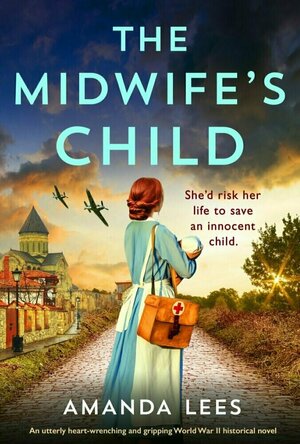
The Midwife's Child is an emotional rollercoaster that although is work of fiction, it's based on things that actually happened and real people with the love story element between Maggie and Jamie being based on the true story of a Scottish Commando who met a young woman in a displaced persons camp who had survived the death march.
This is the third in this series but I think it works successfully as a standalone because whilst there are recurring characters, each book is a separate story which focusses on one of those recurring characters.
The Midwife's Child centres around Maggie, a former SOE Special Operations Executive) but now incarcerated in Auschwitz following her capture. There she finds herself working in the camp hospital where the devil incarnate, Joseph Mengele, practised his infamous experiments and where Maggie is determined to save the life of her friend Eva and new born, Leah. The end of the war is fast approaching and the Russians are getting close, Eva is too unwell to go on the forced march so she begs Maggie to save her child and reunite her with her father. A seemingly impossible task but one which Maggie vows to complete.
Told from two timelines, from her time as a doctor working in the 'hospital' at Auschwitz towards the end of the war and the period afterwards, The Midwife's Child is a story of exceptional courage, duty, love, friendship and hope and a story that I highly recommended to those of you who enjoy this genre and I have to thank Bookouture and NetGalley for enabling me to read and share my thoughts of The Midwife's Child.
This is the third in this series but I think it works successfully as a standalone because whilst there are recurring characters, each book is a separate story which focusses on one of those recurring characters.
The Midwife's Child centres around Maggie, a former SOE Special Operations Executive) but now incarcerated in Auschwitz following her capture. There she finds herself working in the camp hospital where the devil incarnate, Joseph Mengele, practised his infamous experiments and where Maggie is determined to save the life of her friend Eva and new born, Leah. The end of the war is fast approaching and the Russians are getting close, Eva is too unwell to go on the forced march so she begs Maggie to save her child and reunite her with her father. A seemingly impossible task but one which Maggie vows to complete.
Told from two timelines, from her time as a doctor working in the 'hospital' at Auschwitz towards the end of the war and the period afterwards, The Midwife's Child is a story of exceptional courage, duty, love, friendship and hope and a story that I highly recommended to those of you who enjoy this genre and I have to thank Bookouture and NetGalley for enabling me to read and share my thoughts of The Midwife's Child.
Twist of Fate (Weavers Of The Ether #2)
Book
Trapped. Alone. Lost. I just need a way of breaking free. I used to be a fate weaver. Connected...
Reverse Harem Paranormal Romance Shifters Fated Mates Steamy
Kristy H (1252 KP) rated Spoiler Alert: The Hero Dies in Books
Feb 13, 2018
Entertainment reporter Michael Ausiello has enjoyed immense success in his professional life, progressing from writing at a soaps magazine to Entertainment Weekly and TV Guide to his current job as co-founder at TVLine.com. Ausiello is well-known for his snarky and knowledgeable insights about pop culture and TV. But while Ausiello's career was taking off, he was going through immense personal anguish: the death of his husband, Kit, from neuroendrocrine cancer in early 2015. Ausiello's memoir catalogues meeting Kit, thirteen years before his death, and also describes the heartbreaking journey of losing him to cancer--with much of the trademark wit and humor we see in many of his entertainment posts.
I don't know what possessed me to request this book. I love Ausiello, his reporting, and his columns, yes, but how I thought I'd come out unscathed from an incredibly sad memoir about a lovely gay man losing his beloved husband to cancer... I don't know. <i>Sure, parts of this memoir are funny and snarky, but much of it is just heartbreaking and gut-wrenching.</i> Good grief. There's no real equivalent of reading about a man openly and honestly telling you about losing a great love of his life.
Ausiello's memoir goes back in forth in time. While most of the book focuses on the present-day: learning about Kit's shocking diagnosis, how that affects couple, and ultimately leading up to his death. Still, he also goes back to when the two met, began to date, and fall in love. There's a sweetness to reading about young Kit and Mike, for sure. The early parts of the memoir very much remind me of reading pieces of someone's journal. Some of the beginning parts were a bit of a struggle for me, as you get bogged down in so much detail: what they ate, where they went, where they walked, who called who, etc. That was a little excruciating at times, but as I said, there was also a sweetness and tenderness to it. It just seemed like sometimes there was a little too much oversharing--details and moments that weren't necessarily relevant to the overall story. A little too much telling versus showing, especially in the first half or so of the book.
However, as it continues, it either improves or I became more used to the style. You become really caught up in Kit and Mike's relationship journey. It's painful and sad to read, but there are definitely humorous parts interspersed within as well (thank goodness). Ausiello appears to be brutally honest in his portrayal of everything--the ups and downs of their relationship, the cancer and its toll on Kit (and Mike), and more. What we're left with is a heartbreaking, poignant tale, with a reminder to truly live life to the fullest, as you really never know what comes next.
Overall, despite a slow (detailed) start, <i>this is a lovely tribute to Mike and Kit's love and life together.</i> It's heartbreaking and touching and a beautiful ode to his husband. My heart goes out to Ausiello, but after reading Kit and Mike's story, you'll be left grateful for the time the two had together. We should all be so lucky. 3.5 stars.
I received a copy of this novel from the publisher and Netgalley (thank you!) in return for an unbiased review. It is available everywhere as of 09/12/2017.
<center><a href="http://justacatandabookatherside.blogspot.com/">Blog</a> ~ <a href="https://twitter.com/mwcmoto">Twitter</a> ~ <a href="https://www.facebook.com/justacatandabook/">Facebook</a> ~ <a href="https://plus.google.com/u/0/+KristyHamiltonbooks">Google+</a> ~ <a href="https://www.instagram.com/justacatandabook/">Instagram</a> </center>
I don't know what possessed me to request this book. I love Ausiello, his reporting, and his columns, yes, but how I thought I'd come out unscathed from an incredibly sad memoir about a lovely gay man losing his beloved husband to cancer... I don't know. <i>Sure, parts of this memoir are funny and snarky, but much of it is just heartbreaking and gut-wrenching.</i> Good grief. There's no real equivalent of reading about a man openly and honestly telling you about losing a great love of his life.
Ausiello's memoir goes back in forth in time. While most of the book focuses on the present-day: learning about Kit's shocking diagnosis, how that affects couple, and ultimately leading up to his death. Still, he also goes back to when the two met, began to date, and fall in love. There's a sweetness to reading about young Kit and Mike, for sure. The early parts of the memoir very much remind me of reading pieces of someone's journal. Some of the beginning parts were a bit of a struggle for me, as you get bogged down in so much detail: what they ate, where they went, where they walked, who called who, etc. That was a little excruciating at times, but as I said, there was also a sweetness and tenderness to it. It just seemed like sometimes there was a little too much oversharing--details and moments that weren't necessarily relevant to the overall story. A little too much telling versus showing, especially in the first half or so of the book.
However, as it continues, it either improves or I became more used to the style. You become really caught up in Kit and Mike's relationship journey. It's painful and sad to read, but there are definitely humorous parts interspersed within as well (thank goodness). Ausiello appears to be brutally honest in his portrayal of everything--the ups and downs of their relationship, the cancer and its toll on Kit (and Mike), and more. What we're left with is a heartbreaking, poignant tale, with a reminder to truly live life to the fullest, as you really never know what comes next.
Overall, despite a slow (detailed) start, <i>this is a lovely tribute to Mike and Kit's love and life together.</i> It's heartbreaking and touching and a beautiful ode to his husband. My heart goes out to Ausiello, but after reading Kit and Mike's story, you'll be left grateful for the time the two had together. We should all be so lucky. 3.5 stars.
I received a copy of this novel from the publisher and Netgalley (thank you!) in return for an unbiased review. It is available everywhere as of 09/12/2017.
<center><a href="http://justacatandabookatherside.blogspot.com/">Blog</a> ~ <a href="https://twitter.com/mwcmoto">Twitter</a> ~ <a href="https://www.facebook.com/justacatandabook/">Facebook</a> ~ <a href="https://plus.google.com/u/0/+KristyHamiltonbooks">Google+</a> ~ <a href="https://www.instagram.com/justacatandabook/">Instagram</a> </center>
Kristy H (1252 KP) rated The Mighty Heart of Sunny St. James in Books
Jun 21, 2019
Sunny St. James is twelve and getting a new heart. She was diagnosed at the age of ten with cardiomyopathy: a failing heart. That was two years ago. Sunny’s been through a lot in her short life. Her dad passed away in an accident right after she was born. When she was four, her mom, Lena, couldn’t take care of her anymore, so she gave her to her best friend, Kate. Kate and Sunny moved to Juniper Island, where Kate runs Cherry Picked Books. And recently, Sunny’s best friendship with Margot ended. But she’s getting a heart transplant, and everything is going to change now. Sunny even has a new life plan, which includes finding a new best friend and kissing some boys. So when she meets Quinn, a new girl, on the beach, it seems like all the pieces of her plan are coming together. But Quinn makes Sunny question some things—including whether she wants to kiss boys at all.
“I’m going to die today. Definitely for a few minutes and maybe forever. Kate keeps telling me no way, nohow is it going to be forever, but she isn’t the one who’s about to have her most important internal organ switched out like a new swimsuit at the start of the summer.”
Oh this book, this book. Ashley Herring Blake did it again. She is just such a wonderful, wonderful writer. I simply fell head over heels for Sunny, who stole my heart from the first pages of this beautiful book. She is strong, vulnerable, and a darling character who came to life through Blake’s lovely writing. She goes through so much in her life—and in the chapters of this book—and yet there’s so much hope and laughter. I cannot even describe it. The book opens with Sunny’s transplant and then we move on from there, as she works to implement her three-step plan:
“Step One: Do awesome amazing things I could never do before. Step Two: Find a new best friend. Step Three: Find a boy and kiss him.”
To Sunny’s twelve-year-old reasoning, it all makes perfect sense. She has a new heart, so it’s a perfect time to be a new person. In fact, with the new heart, there’s no reason to feel the things she felt before, which might have included some desires to kiss girls. When she meets Quinn on the beach—Quinn and her mom are in town for the summer, as Quinn’s mom is a nature photographer—they become fast friends. It seems like they will be on a quest to kiss boys together. But things quickly go awry (seriously – there are some hilarious comedic scenes as the two attempt to kiss some boys). This book does such an amazing job at capturing the loneliness of young gay kids. I so wish there books like this around when I was a teen. Sunny is so sweet, so real, and so raw as she works through her confusion about liking girls. This is such a wonderful and needed book for middle schoolers (and everyone)—for queer kids as they try to figure out things like Sunny and for the allies who need to support them. I wish everyone could read it. Not only does Sunny struggle with her feelings about liking girls and boys, but she must deal with the return of her long-lost mother, Lena. In another book, these two storylines might feel crowded, but Blake handles them deftly.
And it’s such a lovely story at its heart—because, truly, it’s a book about hearts and those you love and who love you. I defy you to read this book and not fall in love with Sunny St. James. She is a character who will stick with you long after you read the last page. Blake has created yet another lasting story through her magical words. I highly recommend this book. 4.5+ stars.
“I’m going to die today. Definitely for a few minutes and maybe forever. Kate keeps telling me no way, nohow is it going to be forever, but she isn’t the one who’s about to have her most important internal organ switched out like a new swimsuit at the start of the summer.”
Oh this book, this book. Ashley Herring Blake did it again. She is just such a wonderful, wonderful writer. I simply fell head over heels for Sunny, who stole my heart from the first pages of this beautiful book. She is strong, vulnerable, and a darling character who came to life through Blake’s lovely writing. She goes through so much in her life—and in the chapters of this book—and yet there’s so much hope and laughter. I cannot even describe it. The book opens with Sunny’s transplant and then we move on from there, as she works to implement her three-step plan:
“Step One: Do awesome amazing things I could never do before. Step Two: Find a new best friend. Step Three: Find a boy and kiss him.”
To Sunny’s twelve-year-old reasoning, it all makes perfect sense. She has a new heart, so it’s a perfect time to be a new person. In fact, with the new heart, there’s no reason to feel the things she felt before, which might have included some desires to kiss girls. When she meets Quinn on the beach—Quinn and her mom are in town for the summer, as Quinn’s mom is a nature photographer—they become fast friends. It seems like they will be on a quest to kiss boys together. But things quickly go awry (seriously – there are some hilarious comedic scenes as the two attempt to kiss some boys). This book does such an amazing job at capturing the loneliness of young gay kids. I so wish there books like this around when I was a teen. Sunny is so sweet, so real, and so raw as she works through her confusion about liking girls. This is such a wonderful and needed book for middle schoolers (and everyone)—for queer kids as they try to figure out things like Sunny and for the allies who need to support them. I wish everyone could read it. Not only does Sunny struggle with her feelings about liking girls and boys, but she must deal with the return of her long-lost mother, Lena. In another book, these two storylines might feel crowded, but Blake handles them deftly.
And it’s such a lovely story at its heart—because, truly, it’s a book about hearts and those you love and who love you. I defy you to read this book and not fall in love with Sunny St. James. She is a character who will stick with you long after you read the last page. Blake has created yet another lasting story through her magical words. I highly recommend this book. 4.5+ stars.
The best Pixar film?
I have recently purchased a ‘100 Movies Bucket List’ scratch off poster, with the intention of finally crossing off all of the classic films I’ve never seen before. However with the current and ongoing COVID lockdowns, now seemed like a perfect time to watch all of the 100 films on this list including those I know and love. These will be watched in no particular order, and will be highly dependent on my mood and film availability. First on my list is Up.
Up (2009) is a Disney/Pixar animation that follows widower Carl, as he, his house and intrepid wilderness explorer Russell go on an adventure to Paradise Falls.
Up is definitely “up” there as one of the best ever Disney/Pixar films, if not THE best. It has all of the hallmarks that you’d come to expect from such a film and they are executed to perfection. From the opening sequence, which is by far one of the most heartwarming and heart-wrenching things you will ever watch (and this is coming from a studio that killed Bambi’s mother). If you’re not bawling your eyes out after the first 15 minutes, there is something seriously wrong with you.
Once we’ve recovered from the opening scenes, we’re introduced to Carl the widower (Ed Asher) and he’s still tugging on the old heart strings as he goes about his life on his own. He’s your typical grouchy old man, in a rather funny and adorable way, and watching his interactions with others is both sad and entertaining to watch. After a rather unfortunate event, Carl takes his house to the skies and it’s here where the film really starts to get going with stowaway Russell, as they arrive in Paradise Falls and encounter mysterious bird of paradise Kevin, Charles Muntz and his dogs.
As soon as Carl sets off on his journey, this becomes a spirited and fun adventure film. There is never a dull moment and is full of wonder, joy and a fair few laughs, as well as a surprising amount of dark tension generated by famous explorer Muntz (Christopher Plummer). For a kids film, Muntz is an unusually threatening figure and the fear of him is only exacerbated by the fact that half of this film is set at a quite a scary height. Even during the fight scene with Carl towards the end of the movie, Muntz is still intimidating despite the very amusing nods to old age that are thrown in.
For me though, the star (and stars) of Up are Dug and Muntz’s pack of dogs. Disney/Pixar have this amazing knack of writing funny sidekick animals, with the majority of laughs coming from simple observations about how these animals behave in real life (something The Secret Life of Pets should have take more notice of). Up so easily works dogs being dogs into the narrative of this story with ease, and talking dogs are just so funny. From the cone of shame to their attitude towards squirrels and tennis balls, and the fact that they refer to Russell as “the small mailman” – this is pure genius and makes me laugh no matter how many times I see it.
Disney/Pixar films fall into two categories: Very Good and Brilliant. Up has what all Disney/Pixar films have – a wonderfully balanced story full of adult and child appropriate laughs and heartwarming emotional ‘feels’, and some top notch animation. But what brings Up into the “Brilliant” category is it is a beautiful tale of love and friendship, with a touching and rather moving message about life. This is a classic tale that is done flawlessly in a way that only Disney/Pixar can.
Note: whilst I love the film, I’m so far not impressed with my poster itself. Scratched it as you would a scratch card and part of the picture has come off (see attached evidence)… best be more careful next time.
Up (2009) is a Disney/Pixar animation that follows widower Carl, as he, his house and intrepid wilderness explorer Russell go on an adventure to Paradise Falls.
Up is definitely “up” there as one of the best ever Disney/Pixar films, if not THE best. It has all of the hallmarks that you’d come to expect from such a film and they are executed to perfection. From the opening sequence, which is by far one of the most heartwarming and heart-wrenching things you will ever watch (and this is coming from a studio that killed Bambi’s mother). If you’re not bawling your eyes out after the first 15 minutes, there is something seriously wrong with you.
Once we’ve recovered from the opening scenes, we’re introduced to Carl the widower (Ed Asher) and he’s still tugging on the old heart strings as he goes about his life on his own. He’s your typical grouchy old man, in a rather funny and adorable way, and watching his interactions with others is both sad and entertaining to watch. After a rather unfortunate event, Carl takes his house to the skies and it’s here where the film really starts to get going with stowaway Russell, as they arrive in Paradise Falls and encounter mysterious bird of paradise Kevin, Charles Muntz and his dogs.
As soon as Carl sets off on his journey, this becomes a spirited and fun adventure film. There is never a dull moment and is full of wonder, joy and a fair few laughs, as well as a surprising amount of dark tension generated by famous explorer Muntz (Christopher Plummer). For a kids film, Muntz is an unusually threatening figure and the fear of him is only exacerbated by the fact that half of this film is set at a quite a scary height. Even during the fight scene with Carl towards the end of the movie, Muntz is still intimidating despite the very amusing nods to old age that are thrown in.
For me though, the star (and stars) of Up are Dug and Muntz’s pack of dogs. Disney/Pixar have this amazing knack of writing funny sidekick animals, with the majority of laughs coming from simple observations about how these animals behave in real life (something The Secret Life of Pets should have take more notice of). Up so easily works dogs being dogs into the narrative of this story with ease, and talking dogs are just so funny. From the cone of shame to their attitude towards squirrels and tennis balls, and the fact that they refer to Russell as “the small mailman” – this is pure genius and makes me laugh no matter how many times I see it.
Disney/Pixar films fall into two categories: Very Good and Brilliant. Up has what all Disney/Pixar films have – a wonderfully balanced story full of adult and child appropriate laughs and heartwarming emotional ‘feels’, and some top notch animation. But what brings Up into the “Brilliant” category is it is a beautiful tale of love and friendship, with a touching and rather moving message about life. This is a classic tale that is done flawlessly in a way that only Disney/Pixar can.
Note: whilst I love the film, I’m so far not impressed with my poster itself. Scratched it as you would a scratch card and part of the picture has come off (see attached evidence)… best be more careful next time.
Clash of Crime Mad City
Games and Entertainment
App
Deceive police, double-crossed the mafia, have fun, go for a drive on steep sport muscle cars, earn...
Kristy H (1252 KP) rated I'll Be Your Blue Sky in Books
Feb 26, 2018
Revisits former characters (3 more)
Features unexpected twists and turns
Beautiful characters that fit together well
Funny and touching
Lovely look at some favorite characters
The weekend of her wedding, Clare Hobbes meets an elderly woman, Edith Herron, at the venue. While they only have a few brief conversations, they provide Clare with the insight and courage she so badly needs. So much that she finds the strength to call off her wedding and return home alone. A few weeks later, Clare receives some sad and surprising news: Edith has passed away and left Clare a seaside home in Delaware. Desperately seeking a place to reevaluate her life, Clare decamps to the "Blue Sky House" and there begins to learn more about Edith and the remarkable life she led. This includes the discovery of two ledgers--one depicting a list of the guests who stayed at Edith's home when it was a beach guesthouse and another, "shadow" ledger, with mysterious notations. With the help of her former boyfriend, now best friend Dev Tremain, Clare starts to unravel Edith's brave and fascinating past. Along the way, she starts to get closer to working out more about herself as well.
I absolutely adore Marisa de los Santos and was really excited to see she had written another book picking up on the characters first introduced in Love Walked In: A Novel and Belong to Me. Both still hold a place of honor on the bookshelves of my home. Still, Goodreads told me it was nearly ten years since I'd read those gems. Considering I can forget a lot of what I've read a few months ago, it took a little remembering and time to get back into the characters. There's a lot to keep track of in the beginning. Still, once I got into the groove, it was like being back with old friends.
Getting to know more about Clare--all grown up now--is lovely. You find yourself drawn to her immediately. Her finance, Zach, made me nervous from the start, and in many ways, the novel can be a little stressful, between Clare navigating Zach, learning about what Edith was up to, and just some of the general topics of the novel. I always know a book is well-written when I find myself getting nervous on the characters' behalf.
The book generally alternates chapters between Clare and the story of Edith, the woman she meets at her wedding venue. Edith's story mainly takes place in the 1940s and 1950s, and I found myself always wishing for more and more of her tale, as she's a fascinating character in her own right. As Clare moves into Edith's old home and starts to investigate the woman's past, we learn a little more about her through Clare and Dev's sleuthing. It's a very effective format, and I found the book surprisingly suspenseful, with several unexpected twists and turns thrown in along the way.
Indeed, I was never really sure where this one was going. It meanders a bit and kept surprising me as it did. There are points where the sadness can be really hard and heartbreaking (in a wow, this novel is incredibly well-written and I feel as if these characters are real way). All the characters fit together so well and come to life before you--no surprise to anyone who has read a Marisa de los Santos novel before. It's so easy to get lost in the world she creates for us. At other times, I just found myself laughing, as Clare and Dev, for instance, could just be so funny and real.
In the end, I just wound up really loving this one. I was along for the ride wherever Clare and her gang were going to take me. I loved her, I loved Edith, and now I'd wait ten years for another book without any issue whatsoever. It's a lovely book about connections and about the family we have and the family we make. It's about love (very appropriate that I finished it on Valentine's Day). Thanks for revisiting these characters, Ms. de los Santos. I didn't know I needed them again, but I'm glad you did. 4+ stars.
I I received a copy of this novel from the publisher and Edelweiss in return for a honest review. More at http://justacatandabookatherside.blogspot.com/
I absolutely adore Marisa de los Santos and was really excited to see she had written another book picking up on the characters first introduced in Love Walked In: A Novel and Belong to Me. Both still hold a place of honor on the bookshelves of my home. Still, Goodreads told me it was nearly ten years since I'd read those gems. Considering I can forget a lot of what I've read a few months ago, it took a little remembering and time to get back into the characters. There's a lot to keep track of in the beginning. Still, once I got into the groove, it was like being back with old friends.
Getting to know more about Clare--all grown up now--is lovely. You find yourself drawn to her immediately. Her finance, Zach, made me nervous from the start, and in many ways, the novel can be a little stressful, between Clare navigating Zach, learning about what Edith was up to, and just some of the general topics of the novel. I always know a book is well-written when I find myself getting nervous on the characters' behalf.
The book generally alternates chapters between Clare and the story of Edith, the woman she meets at her wedding venue. Edith's story mainly takes place in the 1940s and 1950s, and I found myself always wishing for more and more of her tale, as she's a fascinating character in her own right. As Clare moves into Edith's old home and starts to investigate the woman's past, we learn a little more about her through Clare and Dev's sleuthing. It's a very effective format, and I found the book surprisingly suspenseful, with several unexpected twists and turns thrown in along the way.
Indeed, I was never really sure where this one was going. It meanders a bit and kept surprising me as it did. There are points where the sadness can be really hard and heartbreaking (in a wow, this novel is incredibly well-written and I feel as if these characters are real way). All the characters fit together so well and come to life before you--no surprise to anyone who has read a Marisa de los Santos novel before. It's so easy to get lost in the world she creates for us. At other times, I just found myself laughing, as Clare and Dev, for instance, could just be so funny and real.
In the end, I just wound up really loving this one. I was along for the ride wherever Clare and her gang were going to take me. I loved her, I loved Edith, and now I'd wait ten years for another book without any issue whatsoever. It's a lovely book about connections and about the family we have and the family we make. It's about love (very appropriate that I finished it on Valentine's Day). Thanks for revisiting these characters, Ms. de los Santos. I didn't know I needed them again, but I'm glad you did. 4+ stars.
I I received a copy of this novel from the publisher and Edelweiss in return for a honest review. More at http://justacatandabookatherside.blogspot.com/
Goddess in the Stacks (553 KP) rated Clock Dance in Books
Aug 11, 2018
Clock Dance was the second pick for Barnes & Noble's nation-wide Book Club. (The first was Meg Wolitzer's The Female Persuasion, back in May.) Like the first one, it was contemporary fiction, which I'm pretty meh about. When I learned it was set mostly in Baltimore, and written by a local author, I became more interested. I'm originally from Oregon, but Baltimore has become my home, and I enjoy reading about it. We had a slightly larger group than last time, but I was the only returning attendee besides the store employee, Sam, who led the discussion.
Sam opened the discussion with the same question that she started the last one with - "Did you like the main character?" It's an interesting question because most people ask "Did you like the book?" which can have a different answer. I don't usually read books in which I don't like the main character, but that's usually because I choose my books. I'm not choosing my Book Club books, so it's a good question. Unlike last time, I did like Willa. I disagreed with her judgment when it came to husbands, but I still sympathized with her. I mentioned that I didn't like that she just floated through most of her life without any real ambition, but to be honest, I've done that too. I'm not a very ambitious person - or my ambitions are quite low. I think that, perhaps, is the difference. I find a lot of fulfillment in being, effectively, my husband's personal assistant. It's fun. Willa did not seem to find it fulfilling, she just - didn't want to rock the boat.
I like how we saw each of Willa's "defining moments" - the book opens on her as a child, her volatile mother having stormed out of the house during an argument. Her mother really does a number on her as a child. I think it's why she hates to rock the boat so much. From here, we fast forward to college, and Willa's boyfriend proposing to her after gaslighting her about an event that happened on the plane. Willa's mother disapproves. Vehemently. I think that's part of why Willa accepts. Our next view of Willa's life is the accident that takes her husband's life, and its aftermath.
Then we finally start into the real meat of the book, twenty years after the death of her first husband. Her sons have grown and moved away, she has remarried, and both of her parents have passed. Her husband is a little distant, and she seems rather untethered. Then she gets the strangest phone call. It turns out her eldest son lived with a woman (Denise) and her daughter for a little while in Baltimore; he has since moved on, but "Sean's mother" is still a phone number on Denise's emergency contact list. So when Denise is shot in the leg and put in the hospital, a neighbor lady sees it, assumes Willa is the grandmother of the child, and calls her to come take care of her. It's a little convoluted, and Willa can't even adequately explain to her husband why she's decided to fly to Baltimore to take care of a child she has no relation to, but she does so anyway.
This is where we get to Baltimore, and, in Anne Tyler's own words, "when her story changes to Technicolor."
I actually live just outside Baltimore myself, but one of my best friends lives in Charles Village, and I could SO EASILY envision Willa's neighborhood as a street of rowhomes. (Turns out it's probably based on a neighborhood in Hamilton, according to the Baltimore Sun.) I was even mapping locations in Willa's house to my friend's rowhome! Anne Tyler really captures the spirit of Baltimore, and now I want to read more of her books, even if they are contemporary fiction!
Overall I enjoyed Clock Dance; Anne Tyler is very good at subtle character growth, which is quite realistic. People don't often change all at once. Sometimes it takes a lifetime of being told what to do before finally waking up to what you WANT to do.
You can find all my reviews at http://goddessinthestacks.wordpress.com
Sam opened the discussion with the same question that she started the last one with - "Did you like the main character?" It's an interesting question because most people ask "Did you like the book?" which can have a different answer. I don't usually read books in which I don't like the main character, but that's usually because I choose my books. I'm not choosing my Book Club books, so it's a good question. Unlike last time, I did like Willa. I disagreed with her judgment when it came to husbands, but I still sympathized with her. I mentioned that I didn't like that she just floated through most of her life without any real ambition, but to be honest, I've done that too. I'm not a very ambitious person - or my ambitions are quite low. I think that, perhaps, is the difference. I find a lot of fulfillment in being, effectively, my husband's personal assistant. It's fun. Willa did not seem to find it fulfilling, she just - didn't want to rock the boat.
I like how we saw each of Willa's "defining moments" - the book opens on her as a child, her volatile mother having stormed out of the house during an argument. Her mother really does a number on her as a child. I think it's why she hates to rock the boat so much. From here, we fast forward to college, and Willa's boyfriend proposing to her after gaslighting her about an event that happened on the plane. Willa's mother disapproves. Vehemently. I think that's part of why Willa accepts. Our next view of Willa's life is the accident that takes her husband's life, and its aftermath.
Then we finally start into the real meat of the book, twenty years after the death of her first husband. Her sons have grown and moved away, she has remarried, and both of her parents have passed. Her husband is a little distant, and she seems rather untethered. Then she gets the strangest phone call. It turns out her eldest son lived with a woman (Denise) and her daughter for a little while in Baltimore; he has since moved on, but "Sean's mother" is still a phone number on Denise's emergency contact list. So when Denise is shot in the leg and put in the hospital, a neighbor lady sees it, assumes Willa is the grandmother of the child, and calls her to come take care of her. It's a little convoluted, and Willa can't even adequately explain to her husband why she's decided to fly to Baltimore to take care of a child she has no relation to, but she does so anyway.
This is where we get to Baltimore, and, in Anne Tyler's own words, "when her story changes to Technicolor."
I actually live just outside Baltimore myself, but one of my best friends lives in Charles Village, and I could SO EASILY envision Willa's neighborhood as a street of rowhomes. (Turns out it's probably based on a neighborhood in Hamilton, according to the Baltimore Sun.) I was even mapping locations in Willa's house to my friend's rowhome! Anne Tyler really captures the spirit of Baltimore, and now I want to read more of her books, even if they are contemporary fiction!
Overall I enjoyed Clock Dance; Anne Tyler is very good at subtle character growth, which is quite realistic. People don't often change all at once. Sometimes it takes a lifetime of being told what to do before finally waking up to what you WANT to do.
You can find all my reviews at http://goddessinthestacks.wordpress.com
Lucy Buglass (45 KP) rated Jojo Rabbit (2019) in Movies
Oct 14, 2019
The premise of Jojo Rabbit is a bold one, and something that could have very easily been executed terribly on-screen.
Whilst you might feel some apprehension about the concept of a 10-year-old boy who has Hitler as an imaginary friend, Taika Waititi has turned it into something brilliant and poignant.
As mentioned above, the film follows Johannes ‘Jojo’ Betzler, who lives in Nazi Germany. He’s a fanatic and is driven by his desire to serve Adolf Hitler in the German army during World War II, even joining a Hitler Youth Camp which is run by Captain Klenzendorf (Sam Rockwell).
Jojo is unlike any other child protagonist I’ve seen, because it’s easy to have very mixed feelings about who he is as a person. He’s a child and his everyday behaviour is indicative of someone who lacks maturity, resulting in some laugh out loud moments.
However, a lot of what he says happens to be horrendous insults towards the Jewish community. He’s fuelled by a love of Hitler (even going as far as to describe him as his ‘best friend’).
Throughout the film, he imagines scenarios in which Hitler is there with him, such as when he’s looking in the mirror and giving himself a pep-talk.
The strength of Jojo Rabbit‘s protagonist is a testament to actor Roman Griffin Davis, and I found it hard to believe that this was his first ever film performance. He’s funny, flawed, and a very well-rounded character brilliantly brought to life.
As for Jojo’s imaginary Hitler, he’s hysterically funny and not at all how you’d imagine the real man to be. Played brilliantly by director Taika Waititi, he is a caricature of a deplorable historical figure, and fuels Jojo’s delusions of how wonderful he is.
He’s simply someone’s interpretation of a political leader, created by a child who has been brainwashed into believing Nazi propaganda by adults in his life.
This bubbly oversimplification of a dictator is what you’d expect from a naive child, who isn’t fully aware of the atrocities around him.
The fact Taika Waititi plays this version of Hitler feels important, because he’s mocking him in the best possible way. As a Jewish man, it feels very appropriate that he criticises Hitler’s ideology through his satirical performance. It was brilliant.
Adding jokes to such a horrific situation is difficult, but this is where Jojo Rabbit really excels. The balance between humour and gut-punching reality checks is beautifully done, and there were times when I wasn’t sure whether my tears were from laughing or because I was genuinely sad at what I’d just seen.
Relationships are an important part of the film, particularly the one between Jojo and his mother Rosie (Scarlett Johansson). However, this becomes strained when he finds out that his mother is hiding a young Jewish woman in their home.
Jojo’s meeting with Elsa Korr (Thomasin McKenzie) is central to the story and gives us a real insight into the horrific treatment of Jewish people during this period, and the extreme lengths they’d go to keep themselves safe.
Despite Elsa’s life constantly being in jeopardy, she’s very sassy and gives young Jojo a run for his money once the two meet. The way the two characters bounce off each other is exceptional, and again, you’ll laugh and cry in equal measure.
I was also impressed by some brief appearances in the film such as Rebel Wilson as Fraulein Rahm, who I found hilarious in this film. I must admit I’m not always a fan of her work, but here she really delivered.
Stephen Merchant as Captain Deertz and Archie Yates as young Yorki are also worthy of praise, as every time they were on screen I found them delightful to watch. Much like Roman Griffin Davis, this was Archie’s first film, and he stole the show every time he was in a scene.
Jojo Rabbit is, simply put, political satire at its finest. As a result of this, it’s an emotional rollercoaster and one that I am excited to revisit whenever I get the chance.
It’s darkly funny with an important overall message of confronting ideologies, and I’d urge you to seek it out ASAP.
Whilst you might feel some apprehension about the concept of a 10-year-old boy who has Hitler as an imaginary friend, Taika Waititi has turned it into something brilliant and poignant.
As mentioned above, the film follows Johannes ‘Jojo’ Betzler, who lives in Nazi Germany. He’s a fanatic and is driven by his desire to serve Adolf Hitler in the German army during World War II, even joining a Hitler Youth Camp which is run by Captain Klenzendorf (Sam Rockwell).
Jojo is unlike any other child protagonist I’ve seen, because it’s easy to have very mixed feelings about who he is as a person. He’s a child and his everyday behaviour is indicative of someone who lacks maturity, resulting in some laugh out loud moments.
However, a lot of what he says happens to be horrendous insults towards the Jewish community. He’s fuelled by a love of Hitler (even going as far as to describe him as his ‘best friend’).
Throughout the film, he imagines scenarios in which Hitler is there with him, such as when he’s looking in the mirror and giving himself a pep-talk.
The strength of Jojo Rabbit‘s protagonist is a testament to actor Roman Griffin Davis, and I found it hard to believe that this was his first ever film performance. He’s funny, flawed, and a very well-rounded character brilliantly brought to life.
As for Jojo’s imaginary Hitler, he’s hysterically funny and not at all how you’d imagine the real man to be. Played brilliantly by director Taika Waititi, he is a caricature of a deplorable historical figure, and fuels Jojo’s delusions of how wonderful he is.
He’s simply someone’s interpretation of a political leader, created by a child who has been brainwashed into believing Nazi propaganda by adults in his life.
This bubbly oversimplification of a dictator is what you’d expect from a naive child, who isn’t fully aware of the atrocities around him.
The fact Taika Waititi plays this version of Hitler feels important, because he’s mocking him in the best possible way. As a Jewish man, it feels very appropriate that he criticises Hitler’s ideology through his satirical performance. It was brilliant.
Adding jokes to such a horrific situation is difficult, but this is where Jojo Rabbit really excels. The balance between humour and gut-punching reality checks is beautifully done, and there were times when I wasn’t sure whether my tears were from laughing or because I was genuinely sad at what I’d just seen.
Relationships are an important part of the film, particularly the one between Jojo and his mother Rosie (Scarlett Johansson). However, this becomes strained when he finds out that his mother is hiding a young Jewish woman in their home.
Jojo’s meeting with Elsa Korr (Thomasin McKenzie) is central to the story and gives us a real insight into the horrific treatment of Jewish people during this period, and the extreme lengths they’d go to keep themselves safe.
Despite Elsa’s life constantly being in jeopardy, she’s very sassy and gives young Jojo a run for his money once the two meet. The way the two characters bounce off each other is exceptional, and again, you’ll laugh and cry in equal measure.
I was also impressed by some brief appearances in the film such as Rebel Wilson as Fraulein Rahm, who I found hilarious in this film. I must admit I’m not always a fan of her work, but here she really delivered.
Stephen Merchant as Captain Deertz and Archie Yates as young Yorki are also worthy of praise, as every time they were on screen I found them delightful to watch. Much like Roman Griffin Davis, this was Archie’s first film, and he stole the show every time he was in a scene.
Jojo Rabbit is, simply put, political satire at its finest. As a result of this, it’s an emotional rollercoaster and one that I am excited to revisit whenever I get the chance.
It’s darkly funny with an important overall message of confronting ideologies, and I’d urge you to seek it out ASAP.