
Search

Matthew Krueger (10051 KP) rated Eternal Darkness: Sanity's Requiem in Video Games
Oct 28, 2019 (Updated Oct 28, 2019)

Psychological Warfare
Contains spoilers, click to show
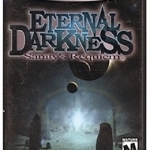
Eternal Darkness- why does no one talk about this game. It is amazing, its horrorfying, terroryfying, spooky, creepy, thrilling, chilling and so much more. Plus it came out only for the gamecube, which is huge because nintendo doesnt put out or release alot of horror games. This, luigi's mansion and Resident Evil 4 were the big horror games for the gamecube. Maybe more came out, but those 3 were the big ones. Lets talk about this game, shall we....
The narrative of the game's story switches between two phases. The main phase focuses on a series of chapters in which players take control of a new character each time. The other phase acts as an intermission. The game boasts twelve playable characters, split between four distinct locations, and from different periods of time.
The story features multiple paths that can be taken. This choice not only determines which of the game's three other antagonists are aligned to the plot, but it also has subtle effects on the gameplay in chapters and intermission periods. Some changes include slight differences in puzzles and items, but most changes revolve around enemy placement, which will determine how the player engages them. This can even have an effect on the relative difficulty of the game in certain situations. Red tinted enemies, for example, are tougher than their counterparts.
The other distinctive gameplay aspect comes from "Sanity Effects", the game's standout concept that Nintendo patented. Upon beginning the game's second chapter, players must keep watch on a Sanity meter – a green bar which decreases when the player is spotted by an enemy. As the bar becomes low, subtle changes to the environment and random unusual events begin to occur, which reflect the character's slackening grip on reality.
While minor effects include a skewed camera angle, heads of statues following the character, and unsettling noises, stronger effects include bleeding on walls and ceilings, entering a room that is unrealistic before finding that the character never left the previous room, the character suddenly dying, and fourth wall breaking effect such as "To Be Continued" promotions for a "sequel", and simulated errors and anomalies of the TV or GameCube. While the latter does not affect gameplay, they can be misconstrued by the player as being actual technical malfunctions.
Lets talk about the plot/story....
The story of Eternal Darkness takes place over four principal locations which the game skips back and forth between. They include an underground temple complex called the Forbidden City, in Persia; a Khmer temple in Angkor Thom, Cambodia; Oublié Cathedral in Amiens, France (not to be confused with Amiens Cathedral); and the Roivas Family Estate in Rhode Island, which also leads to an ancient underground city named Ehn'gha beneath the mansion. Each time a location is visited, it is done so in a different time period. Spanning from 26 BC to 2000 AD. Almost half of which take place in the 20th century. Each different era and character offers a different periodic and personal perspective on the location.
The chapters found in the game are not discovered in chronological order. Instead, to make the narrative more dramatic, each chapter jumps around the timeline of the plot. However, despite the overall story skipping back and forth through time, the chapters do follow chronological order within their respective locations. This is because each setting also has its own contained story.
This game is so good, its epic, im surprised that not of people know about this game and heard about this game.
I highly reccordmend playing this game.
Lastly shout out to @LeftSideCut for getting the hints/clues for this review.
The narrative of the game's story switches between two phases. The main phase focuses on a series of chapters in which players take control of a new character each time. The other phase acts as an intermission. The game boasts twelve playable characters, split between four distinct locations, and from different periods of time.
The story features multiple paths that can be taken. This choice not only determines which of the game's three other antagonists are aligned to the plot, but it also has subtle effects on the gameplay in chapters and intermission periods. Some changes include slight differences in puzzles and items, but most changes revolve around enemy placement, which will determine how the player engages them. This can even have an effect on the relative difficulty of the game in certain situations. Red tinted enemies, for example, are tougher than their counterparts.
The other distinctive gameplay aspect comes from "Sanity Effects", the game's standout concept that Nintendo patented. Upon beginning the game's second chapter, players must keep watch on a Sanity meter – a green bar which decreases when the player is spotted by an enemy. As the bar becomes low, subtle changes to the environment and random unusual events begin to occur, which reflect the character's slackening grip on reality.
While minor effects include a skewed camera angle, heads of statues following the character, and unsettling noises, stronger effects include bleeding on walls and ceilings, entering a room that is unrealistic before finding that the character never left the previous room, the character suddenly dying, and fourth wall breaking effect such as "To Be Continued" promotions for a "sequel", and simulated errors and anomalies of the TV or GameCube. While the latter does not affect gameplay, they can be misconstrued by the player as being actual technical malfunctions.
Lets talk about the plot/story....
The story of Eternal Darkness takes place over four principal locations which the game skips back and forth between. They include an underground temple complex called the Forbidden City, in Persia; a Khmer temple in Angkor Thom, Cambodia; Oublié Cathedral in Amiens, France (not to be confused with Amiens Cathedral); and the Roivas Family Estate in Rhode Island, which also leads to an ancient underground city named Ehn'gha beneath the mansion. Each time a location is visited, it is done so in a different time period. Spanning from 26 BC to 2000 AD. Almost half of which take place in the 20th century. Each different era and character offers a different periodic and personal perspective on the location.
The chapters found in the game are not discovered in chronological order. Instead, to make the narrative more dramatic, each chapter jumps around the timeline of the plot. However, despite the overall story skipping back and forth through time, the chapters do follow chronological order within their respective locations. This is because each setting also has its own contained story.
This game is so good, its epic, im surprised that not of people know about this game and heard about this game.
I highly reccordmend playing this game.
Lastly shout out to @LeftSideCut for getting the hints/clues for this review.