
Search

Night Reader Reviews (683 KP) rated Nutritional Herbs for Optimal Health in Books
Feb 4, 2020

Honest Review for Free Copy of Book
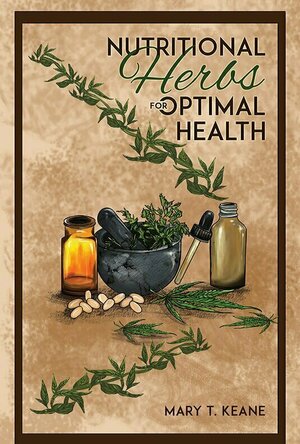
Nutritional Herbs for Optimal Health by Mary T. Keane is an extremely short handbook detailing a select few herbs and their usefulness for nutrition and health. Though the serious herbalist will want a bigger, more detailed guide this is a nice quick reference or introductory book for the beginner.
Herbs have been used for centuries for their medicinal and nutritional properties. In fact they were the first form of medicine we had long before our current manufactured medicine became a thing. This book details the way some herbs used to be used before modern medicine took over and how they may still be used today. It also covers some of the illnesses people of today face and the deficiencies that cause them. It explains why and how specific herbs can help with some of these illnesses.
While the book has a large focus on Nettles (yes that stinging plant that many outdoors families were taught to avoid, at least where I live) for arthritis and kelp for the heart and thyroid other useful plants were mentioned. Comfrey will be a herb that many readers will want to keep on hand after learning about how it can speed up healing wounds significantly. Those prone to nausea will learn to keep Dandelion on hand and some Yaroow for toothaches and those hemorrhoids no one ever want to talk about. Don’t know how to properly use, prepare, or administer these herbs? Don’t worry all that is covered as well.
I really enjoyed how the author went into the historic uses of some of the herbs mentioned. It was especially interesting to learn how Stinging Nettle would directly be hit on the skin of a person suffering from Arthritis to increase circulation in order to reduce pain. I was disapointed that there was not a larger range of herbs mentioned. The book only talks about around twenty-three herbs total and some of those only got one short paragraph. Alos out of those few herbs mentioned only and a handful have pictures with them. Finally, my last complaint is that it talks about specific mineral or element deficiencies that can be treated with herbs more than the herbs themselves.
To be completely honest the only people who are going to really enjoy this book are health-conscious adults. This is largely because of the informative topic and the fact that this book is more of a handbook or guide. I rate this book 2 out of 4. While I did enjoy the information in this book it felt like there wasn’t that much offered. The lack of images and diversity of the herbs mentioned was a real let-down from me. Between that and the author frequently referring to or mentioning other books she wrote this book felt more like a teaser or sample and not the full thing.
https://nightreaderreviews.blogspot.com
https://facebook.com/nightreaderreviews
Herbs have been used for centuries for their medicinal and nutritional properties. In fact they were the first form of medicine we had long before our current manufactured medicine became a thing. This book details the way some herbs used to be used before modern medicine took over and how they may still be used today. It also covers some of the illnesses people of today face and the deficiencies that cause them. It explains why and how specific herbs can help with some of these illnesses.
While the book has a large focus on Nettles (yes that stinging plant that many outdoors families were taught to avoid, at least where I live) for arthritis and kelp for the heart and thyroid other useful plants were mentioned. Comfrey will be a herb that many readers will want to keep on hand after learning about how it can speed up healing wounds significantly. Those prone to nausea will learn to keep Dandelion on hand and some Yaroow for toothaches and those hemorrhoids no one ever want to talk about. Don’t know how to properly use, prepare, or administer these herbs? Don’t worry all that is covered as well.
I really enjoyed how the author went into the historic uses of some of the herbs mentioned. It was especially interesting to learn how Stinging Nettle would directly be hit on the skin of a person suffering from Arthritis to increase circulation in order to reduce pain. I was disapointed that there was not a larger range of herbs mentioned. The book only talks about around twenty-three herbs total and some of those only got one short paragraph. Alos out of those few herbs mentioned only and a handful have pictures with them. Finally, my last complaint is that it talks about specific mineral or element deficiencies that can be treated with herbs more than the herbs themselves.
To be completely honest the only people who are going to really enjoy this book are health-conscious adults. This is largely because of the informative topic and the fact that this book is more of a handbook or guide. I rate this book 2 out of 4. While I did enjoy the information in this book it felt like there wasn’t that much offered. The lack of images and diversity of the herbs mentioned was a real let-down from me. Between that and the author frequently referring to or mentioning other books she wrote this book felt more like a teaser or sample and not the full thing.
https://nightreaderreviews.blogspot.com
https://facebook.com/nightreaderreviews
Lyndsey Gollogly (2893 KP) rated Resilience ( Rise of Iliri book 6) in Books
Jan 5, 2023

Contains spoilers, click to show
4 of 235
Kindle
Resilience ( Rise of Iliri book 6)
By Auryn Hadley
⭐️⭐️⭐️⭐️⭐️
Auryn Hadley's sixth action-adventure in The Rise of the Iliri fantasy series asks how far mankind will go to protect their pride. Because it seems they'll guard it at the expense of all else. Reminiscent of a futuristic Lord of the Rings, this epic fantasy romance traces not only the personal journey of its heroine and her family - a reverse harem made up of nine indomitable warriors who comprise an elite military force called the Black Blades - but also the liberation of a people and a new way of thinking for the whole world. For the source of iliri power is not domination, but connection. They seek it, cultivate it, and use it to defeat their enemies.
It's the iliri - now a rising, formidable race of underdogs - who must decide whether to risk their lives for the ungracious human race. Unbeknownst to humans, their fate lies in the capable hands of the iliri leader, the powerful Salryc Luxx. And she's no longer willing to be yanked around at any price.
Sal and the Black Blades have been summoned to a meeting with Parliament representatives of the Conglomerate of Free Citizens. But this time, she's not serving as their slave. Nor is she about to be captured and brought to trial again. Now the ruler of all iliri in her adopted country of Anglia - and de facto queen - she knows she has the upper hand.
The enemy Terrans have besieged Eastward, engaging in brutal guerrilla tactics throughout the country - hitting without mercy and killing all in their path. The world of humans is desperate.
"Tell me why I should send my brothers and sisters to die for humans that care so little for us?" Sal asks. The answer she's searching for comes from a frail iliri servant, whose telltale snow-colored skin is almost as light as Sal's: If she leaves the humans to die by the Terrans, war and enslavement will continue. History will repeat itself. But if it's the iliri and their allies who manage to defeat evil, perhaps humans can learn to respect them.
She knows she isn't finished fighting. Iliri warriors haven't yet "done enough." Not while so many of their brothers are still enslaved.
Alongside her faithful friends and leaders--and the tireless Black Blades - Sal must choose whether to surrender to her role as their leader and contend with The Emperor's murderous army - as well as the treacherous pride of the human race.
!!! Has a spoiler for book 5!!!
Every time I pick one of these books up I say it’s the best one yet and yes I’m saying it again! After the tears at the end of Book 5 we catch up with Sal and the blades dealing with the aftermath of losing Blaec and finding her feet with her new role and new male. This is non stop from the first word to the last. Brilliantly written it has to be one of my favourite series. Highly recommended for the fantasy readers!
Kindle
Resilience ( Rise of Iliri book 6)
By Auryn Hadley
⭐️⭐️⭐️⭐️⭐️
Auryn Hadley's sixth action-adventure in The Rise of the Iliri fantasy series asks how far mankind will go to protect their pride. Because it seems they'll guard it at the expense of all else. Reminiscent of a futuristic Lord of the Rings, this epic fantasy romance traces not only the personal journey of its heroine and her family - a reverse harem made up of nine indomitable warriors who comprise an elite military force called the Black Blades - but also the liberation of a people and a new way of thinking for the whole world. For the source of iliri power is not domination, but connection. They seek it, cultivate it, and use it to defeat their enemies.
It's the iliri - now a rising, formidable race of underdogs - who must decide whether to risk their lives for the ungracious human race. Unbeknownst to humans, their fate lies in the capable hands of the iliri leader, the powerful Salryc Luxx. And she's no longer willing to be yanked around at any price.
Sal and the Black Blades have been summoned to a meeting with Parliament representatives of the Conglomerate of Free Citizens. But this time, she's not serving as their slave. Nor is she about to be captured and brought to trial again. Now the ruler of all iliri in her adopted country of Anglia - and de facto queen - she knows she has the upper hand.
The enemy Terrans have besieged Eastward, engaging in brutal guerrilla tactics throughout the country - hitting without mercy and killing all in their path. The world of humans is desperate.
"Tell me why I should send my brothers and sisters to die for humans that care so little for us?" Sal asks. The answer she's searching for comes from a frail iliri servant, whose telltale snow-colored skin is almost as light as Sal's: If she leaves the humans to die by the Terrans, war and enslavement will continue. History will repeat itself. But if it's the iliri and their allies who manage to defeat evil, perhaps humans can learn to respect them.
She knows she isn't finished fighting. Iliri warriors haven't yet "done enough." Not while so many of their brothers are still enslaved.
Alongside her faithful friends and leaders--and the tireless Black Blades - Sal must choose whether to surrender to her role as their leader and contend with The Emperor's murderous army - as well as the treacherous pride of the human race.
!!! Has a spoiler for book 5!!!
Every time I pick one of these books up I say it’s the best one yet and yes I’m saying it again! After the tears at the end of Book 5 we catch up with Sal and the blades dealing with the aftermath of losing Blaec and finding her feet with her new role and new male. This is non stop from the first word to the last. Brilliantly written it has to be one of my favourite series. Highly recommended for the fantasy readers!

Becs (244 KP) rated Marrow Charm in Books
Dec 20, 2019

Dark and magical!!
Trigger Warnings: cannibalism, death, murder, gore, slavery, injury, abduction, absent parent(s), death of a parent(s), manipulation, violence
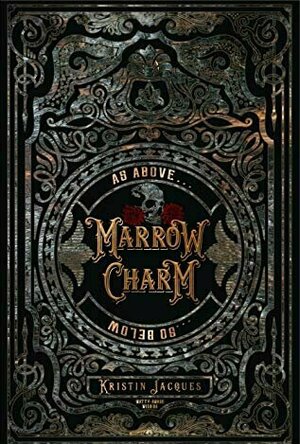
I was honestly surprised that I ended up loving this novel as much as I did. I had extremely high expectations for it and IT. DELIVERED. When I first picked it up, it took a good minute to actually get into the story. But once it clicked into place, I was devouring Marrow Charm with a thirst. It is heart-wrenching, action packed, enemies to lovers (kinda, a girl can dream), dark and oh so magical!
Marrow Charm follows a morally gray heroine, Azzy Brimvine in a world destroyed by magic. The magic plaguing the lands caused humans to retreat underground. But every so often, magical borne plagues will wipe out masses of human cities. These plagues create aberrations by striking those with magic. When Azzy’s brother is infected, she sets out with her mentor to the Above determined to save him. But, the world in the Above is not all gum drops and unicorns. It is plagued with monsters and humans, wild and cunning. Azzy must brave the perils that litter the Above to reach her brother before the Gate is opened.
Marrow Charm is a bit slow in the begin, but as you continue on it does pick up quite quickly. Once you hit that sweet spot though, your attention is gripped to the point where you don’t even want to put the book down because you are just enthralled in the complex world and characters. I would say the book starts picking up a few chapters in. This could also be a me only thing as I was slumping a bit when I started Marrow Charm, and we all know how slumps can ruin a book!
I was enthralled with not only the characters and their stories, but also the world. Kristin’s writing style is eloquent and breathtaking, and they included a couple of different themes throughout the story! Such as, family and friendship. It was really nice to see both of these take place when the main character had such a life of hardship. And don’t get me started on the complexity of the characters and world!
The characters are written in a way that draws the reader to them but they are also realistic in a way where their actions and thoughts are extremely relatable. This was really interesting to experience when reading, as I was not expecting to enjoy the characters as much as I did. The complexity of the world was also something that surprised me! There was no clear “good-side” or “bad-side” and the descriptions of everything was extremely well-done! You can tell that there is a higher, dark presence that is interwoven into the world but what it is, is unknown. Even at the ending of the novel. This was kind of a bummer, as I wanted to know what that presence was. But it also set it up nicely for book two: Skin Curse.
I can’t gush about Marrow Charm enough! It’s seriously one of my top books of the year and I can’t stop recommending it to everyone. If you are a fan of dark tales with fantasy and magical elements but also a hint of realism, then this is the book for you! But be warned, it does read ‘heavy.’ In the end though, the ‘heavy’ presence makes sense.
You can also find this review on my blog: bookingwayreads.wordpress.com
I was honestly surprised that I ended up loving this novel as much as I did. I had extremely high expectations for it and IT. DELIVERED. When I first picked it up, it took a good minute to actually get into the story. But once it clicked into place, I was devouring Marrow Charm with a thirst. It is heart-wrenching, action packed, enemies to lovers (kinda, a girl can dream), dark and oh so magical!
Marrow Charm follows a morally gray heroine, Azzy Brimvine in a world destroyed by magic. The magic plaguing the lands caused humans to retreat underground. But every so often, magical borne plagues will wipe out masses of human cities. These plagues create aberrations by striking those with magic. When Azzy’s brother is infected, she sets out with her mentor to the Above determined to save him. But, the world in the Above is not all gum drops and unicorns. It is plagued with monsters and humans, wild and cunning. Azzy must brave the perils that litter the Above to reach her brother before the Gate is opened.
Marrow Charm is a bit slow in the begin, but as you continue on it does pick up quite quickly. Once you hit that sweet spot though, your attention is gripped to the point where you don’t even want to put the book down because you are just enthralled in the complex world and characters. I would say the book starts picking up a few chapters in. This could also be a me only thing as I was slumping a bit when I started Marrow Charm, and we all know how slumps can ruin a book!
I was enthralled with not only the characters and their stories, but also the world. Kristin’s writing style is eloquent and breathtaking, and they included a couple of different themes throughout the story! Such as, family and friendship. It was really nice to see both of these take place when the main character had such a life of hardship. And don’t get me started on the complexity of the characters and world!
The characters are written in a way that draws the reader to them but they are also realistic in a way where their actions and thoughts are extremely relatable. This was really interesting to experience when reading, as I was not expecting to enjoy the characters as much as I did. The complexity of the world was also something that surprised me! There was no clear “good-side” or “bad-side” and the descriptions of everything was extremely well-done! You can tell that there is a higher, dark presence that is interwoven into the world but what it is, is unknown. Even at the ending of the novel. This was kind of a bummer, as I wanted to know what that presence was. But it also set it up nicely for book two: Skin Curse.
I can’t gush about Marrow Charm enough! It’s seriously one of my top books of the year and I can’t stop recommending it to everyone. If you are a fan of dark tales with fantasy and magical elements but also a hint of realism, then this is the book for you! But be warned, it does read ‘heavy.’ In the end though, the ‘heavy’ presence makes sense.
You can also find this review on my blog: bookingwayreads.wordpress.com
Essential Anatomy 5
Medical and Education
App
Essential Anatomy 5 is the most successful anatomy app of all time and has more content and features...

Lottie disney bookworm (1056 KP) rated The Once and Future Witches in Books
Sep 20, 2020
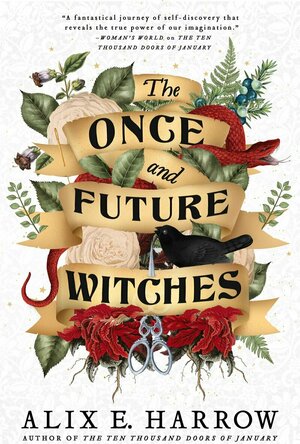
Thank you to Netgalley for luring me in with this recommendation and the gorgeous cover art. Thank you to Alix E Harrow for providing such an amazing story for this ARC review. All the opinions expressed below are my own.
"Witches and women's rights. Suffrage and spells. They're both...a kind of power...the kind we're not allowed to have."
I'm not often drawn to books involving witches to be honest. I love an annual viewing of Hocus Pocus (who doesn't?!) but that is usually where the affinity ends.
If anything can change my nonchalance, I suspect it may be Alix E. Harrow. This is the first piece of work I have read by the Hugo award winning writer and I don’t need any tarot cards to predict it will not be the last. From the outset of The Once and Future Witches I was hooked: the worldbuilding alone is amazing; you can immediately picture the mills, avenues, squares and slums of New Salem as well as the mysterious tower that pulls our three main characters together.
The three Eastwood sisters themselves are another work of art. Juniper, Agnes and Bella are fierce, formidable women in wildly different ways. They are also flawed, stubborn and quite frankly, inspirational: by linking women’s rights and witchcraft this fantasy novel suddenly becomes more real and relatable to the modern female reader, despite being set in 1893. We empathise, sympathise and rage right alongside the Eastwood sisters on their quest for equality in a male-controlled world.
However, not even witches can act alone and the Eastwood sisters have an amazing cast of supporting characters surrounding them. Impressively, not a single one of these characters can be accused of being two-dimensional: the character development that Harrow has invested into this novel is incredible and must have taken so much work! From the Suffragette’s secretary to the skin-crawling villain to the women and men fighting (and witching) side by side; every single character is substantial and memorable. The sarcasm within Juniper for example is hilarious and even the traditional figures of the Maiden, the Mother and the Crone refuse to conform to stereotypes: I LOVED it!
The format of this novel is very clever and practically forbids you from becoming too comfortable by peppering the main story with “witch-tales”. These complement rather than distract from the storyline and also provide small changes that make you smile – such as the tales of the Sisters Grimm.
Do not be fooled though: the use of witch-tales does not prevent The Once and Future Witches from being an incredibly modern piece of writing. Topics covered include sexuality, gender identity, feminism, race as well as smashing the patriarchy: all interspersed with magic, betrayal and a hell of a lot of emotion.
I would however argue that some topics are slightly too mature for the novel to be considered YA, the description of torture and suggestions of sexual abuse probably push this book firmly into general/adult fantasy fiction novels.
The Once and Future Witches is a future bestseller in my opinion. This unique, powerful novel provides characters that you can’t help but empathise with; slow-burning, intense relationships; the trials and tribulations that come with sisterhood and plot twists at every turn.
This book will swallow you heart and soul, make you laugh, make you cry and leave you bereft at the end.
It is a must read!
"Witches and women's rights. Suffrage and spells. They're both...a kind of power...the kind we're not allowed to have."
I'm not often drawn to books involving witches to be honest. I love an annual viewing of Hocus Pocus (who doesn't?!) but that is usually where the affinity ends.
If anything can change my nonchalance, I suspect it may be Alix E. Harrow. This is the first piece of work I have read by the Hugo award winning writer and I don’t need any tarot cards to predict it will not be the last. From the outset of The Once and Future Witches I was hooked: the worldbuilding alone is amazing; you can immediately picture the mills, avenues, squares and slums of New Salem as well as the mysterious tower that pulls our three main characters together.
The three Eastwood sisters themselves are another work of art. Juniper, Agnes and Bella are fierce, formidable women in wildly different ways. They are also flawed, stubborn and quite frankly, inspirational: by linking women’s rights and witchcraft this fantasy novel suddenly becomes more real and relatable to the modern female reader, despite being set in 1893. We empathise, sympathise and rage right alongside the Eastwood sisters on their quest for equality in a male-controlled world.
However, not even witches can act alone and the Eastwood sisters have an amazing cast of supporting characters surrounding them. Impressively, not a single one of these characters can be accused of being two-dimensional: the character development that Harrow has invested into this novel is incredible and must have taken so much work! From the Suffragette’s secretary to the skin-crawling villain to the women and men fighting (and witching) side by side; every single character is substantial and memorable. The sarcasm within Juniper for example is hilarious and even the traditional figures of the Maiden, the Mother and the Crone refuse to conform to stereotypes: I LOVED it!
The format of this novel is very clever and practically forbids you from becoming too comfortable by peppering the main story with “witch-tales”. These complement rather than distract from the storyline and also provide small changes that make you smile – such as the tales of the Sisters Grimm.
Do not be fooled though: the use of witch-tales does not prevent The Once and Future Witches from being an incredibly modern piece of writing. Topics covered include sexuality, gender identity, feminism, race as well as smashing the patriarchy: all interspersed with magic, betrayal and a hell of a lot of emotion.
I would however argue that some topics are slightly too mature for the novel to be considered YA, the description of torture and suggestions of sexual abuse probably push this book firmly into general/adult fantasy fiction novels.
The Once and Future Witches is a future bestseller in my opinion. This unique, powerful novel provides characters that you can’t help but empathise with; slow-burning, intense relationships; the trials and tribulations that come with sisterhood and plot twists at every turn.
This book will swallow you heart and soul, make you laugh, make you cry and leave you bereft at the end.
It is a must read!
Ivana A. | Diary of Difference (1171 KP) rated Rachel's Pudding Pantry in Books
Oct 2, 2020
A fast read that talks about family, love, grief and finding reasons to be happy!
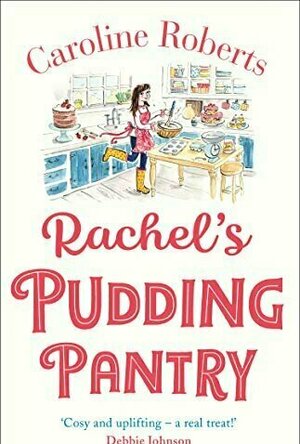
Rachel’s Pudding Pantry is a story about Rachel, who is a farmer in the modern world, living with her mum Jill and her little daughter Maisy. Rachel and her family has been dealing with a lot of grief in the last couple of years, and are struggling financially to keep the farm running.
The one thing that glues this family together, and keeps them happy is the baking and the making of lovely sweet puddings. They bake all day, especially grandma Jill, and they are the perfect example of what a family should look like – full with joy, love and laughter.
I loved the personality Rachel has;
She always puts her family in the first place, cares about her daughter and mum so much. Everything she is doing, she is doing for them, and she is always positive minded. It was such a refreshing moment for me to find such character.
Rachel and her mum are dealing with grief, losing a person in their family that meant a lot to them. This moment of sadness can be felt throughout the book, and I loved it. It shows that grief is a constant battle – it is not easy to lose someone you love, and you don’t get over it very easily. Years could pass, and you will still have the emptiness in your heart. I felt this on my skin, when I lost my grandfather in January. Even after three months, I still think of him every single day, and hope that he is looking over me and is proud of who I have become.
I was also very positively pleased with the other supportive characters surrounding Rachel’s story. Tom was the perfect neighbor – the one you always call for help and will always help you when you need him. He is always caring and trustworthy, and sometimes, I felt awkward when Rachel always came to him for help. Knowing myself, I would be so embarrassed to keep asking for help.
Then we have her best-friend Eve. She was my superhero, and a friend anyone would wish for. She was always supportive, always there for Rachel with her never-ending love. It is a priceless relationship these two ladies have, and I couldn’t help but be a massive fan of them.
The only thing that kept bothering me throughout the book, and is not that big of a deal anyways, was the fact that despite their financial struggles, Jill kept baking for like thirty people every single day (this is before they started the new business). If that was me, I wouldn’t bake that often. I guess it was a fact that just stuck with me for a while.
Even though it is not my usual read, I honestly really enjoyed this book. I am seriously considering giving this genre more time, and reading more books similar to this.
It was a quick, pleasurable read. It always made me feel happy and content, and eager to go in the kitchen and bake some sweets. Because I am a lazy one, I just bought sweets and ate them instead. Tell you what – that also works quite fine!
Rachel’s Pudding Pantry is a story about Rachel, who is a farmer in the modern world, living with her mum Jill and her little daughter Maisy. Rachel and her family has been dealing with a lot of grief in the last couple of years, and are struggling financially to keep the farm running.
The one thing that glues this family together, and keeps them happy is the baking and the making of lovely sweet puddings. They bake all day, especially grandma Jill, and they are the perfect example of what a family should look like – full with joy, love and laughter.
I loved the personality Rachel has;
She always puts her family in the first place, cares about her daughter and mum so much. Everything she is doing, she is doing for them, and she is always positive minded. It was such a refreshing moment for me to find such character.
Rachel and her mum are dealing with grief, losing a person in their family that meant a lot to them. This moment of sadness can be felt throughout the book, and I loved it. It shows that grief is a constant battle – it is not easy to lose someone you love, and you don’t get over it very easily. Years could pass, and you will still have the emptiness in your heart. I felt this on my skin, when I lost my grandfather in January. Even after three months, I still think of him every single day, and hope that he is looking over me and is proud of who I have become.
I was also very positively pleased with the other supportive characters surrounding Rachel’s story. Tom was the perfect neighbor – the one you always call for help and will always help you when you need him. He is always caring and trustworthy, and sometimes, I felt awkward when Rachel always came to him for help. Knowing myself, I would be so embarrassed to keep asking for help.
Then we have her best-friend Eve. She was my superhero, and a friend anyone would wish for. She was always supportive, always there for Rachel with her never-ending love. It is a priceless relationship these two ladies have, and I couldn’t help but be a massive fan of them.
The only thing that kept bothering me throughout the book, and is not that big of a deal anyways, was the fact that despite their financial struggles, Jill kept baking for like thirty people every single day (this is before they started the new business). If that was me, I wouldn’t bake that often. I guess it was a fact that just stuck with me for a while.
Even though it is not my usual read, I honestly really enjoyed this book. I am seriously considering giving this genre more time, and reading more books similar to this.
It was a quick, pleasurable read. It always made me feel happy and content, and eager to go in the kitchen and bake some sweets. Because I am a lazy one, I just bought sweets and ate them instead. Tell you what – that also works quite fine!
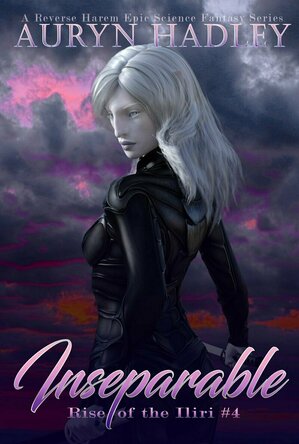
Inseparable (Rise of the Iliri #4)
9.0 Rate It
Book
DISASTER! THE BLACK BLADES DISBANDED, AN ALLIANCE IN TURMOIL... Growing ever more tender yet always...
Hazel (1853 KP) rated Where the Wild Winds are: Walking Europe's Winds from the Pennines to Provence in Books
Sep 26, 2017
Fantastic, beautifully written book
I received this book for free through Goodreads First Reads.
From the moment the great storm of 1987 almost blew six-year-old Nick Hunt away, he has had the urge to travel. So many travel books are on the market, it is difficult to produce something new and exciting, but after coming across an interesting map of Europe, Hunt was determined to go on a journey that not many have attempted before. With a map listing the named winds of Europe, Hunt sets off on a quixotic quest to follow the winds.
Beginning in the Pennine Mountains, Nick Hunt takes the reader on a personal journey through the continent as he explores the towns and valleys the winds flow through whilst hoping the elusive tempests will occur so that he can experience them himself. With a mix of euphoria and disappointment, Hunt details his arduous journey providing additional knowledge along the way.
Some winds are more evanescent than others – one, discouragingly, not appearing at all – whereas one is so strong, Hunt witnesses a waterfall being blown upwards. Ignoring the warnings of the locals, Hunt, dead set on completing what he intended to do, takes us on a long walk from Italy to Croatia, a trek through the Alpine valleys of Switzerland, and a final expedition to the south of France.
Wind may seem like an odd topic to write a book about, but the Helm, Bora, Foehn and Mistral are no ordinary breezes. Their violence makes Hunt’s journey a dangerous and daring endeavour and is full of stories about past disasters that have occurred as a result of the strong, temperamental weather.
As well as teaching us about these four winds, Nick Hunt has collected facts and stories about the general areas he passes through. Personal stories of the inhabitants break up Hunt’s narrative, however, myths, legends, history and superstitions frequent the lengthy chapters as much as the winds themselves.
Giving wind a name provides it with a personality, as though it is something tangible that can be met and observed. Nick Hunt notes that artists such as Turner and Constable were interested in the weather and fascinated by the effects the wind had on the surrounding landscape. Another artist that was affected by the weather was Vincent Van Gogh - some of his paintings took place in France in the midst of the powerful Mistral. Just as the wind can be seen in his starry night skies, the scenery in France is evocative of a Van Gogh painting.
The winds do not only affect the lands they blow through, they have a strong impact on the wellbeing of the inhabitants. Some experience physical symptoms such as headaches, nose bleeds, dry skin and so forth, whereas others find themselves growing irritable, depressed and confused. The author himself has the opportunity to undergo the effects of these winds. Hunt also puts forward the suggestion that Van Gogh’s deteriorating mental health was a direct consequence of residing in the path of the Mistral.
From witchcraft to the Greek god Aeolus, there are a number of theories about why these strong winds blow. There are, of course, meteorological explanations, which Hunt attempts to explain, but admits he finds it as baffling as the next person. Regardless of the reason, these winds exist and it is captivating to learn about this aspect of Europe.
Where the Wild Winds Are: Walking Europe’s Winds from the Pennines to Provence is a fantastic, beautifully written book. Nick Hunt’s narrative is so personal that it becomes more than a travel documentation or informative non-fiction. As we read, we really get a sense of the emotions and physical hardship Hunt experienced, yet, at the same time, learn so much about European culture as well as, of course, Europe’s winds. Whether or not you are interested in travelling, this book will take you on a journey you will never forget.
From the moment the great storm of 1987 almost blew six-year-old Nick Hunt away, he has had the urge to travel. So many travel books are on the market, it is difficult to produce something new and exciting, but after coming across an interesting map of Europe, Hunt was determined to go on a journey that not many have attempted before. With a map listing the named winds of Europe, Hunt sets off on a quixotic quest to follow the winds.
Beginning in the Pennine Mountains, Nick Hunt takes the reader on a personal journey through the continent as he explores the towns and valleys the winds flow through whilst hoping the elusive tempests will occur so that he can experience them himself. With a mix of euphoria and disappointment, Hunt details his arduous journey providing additional knowledge along the way.
Some winds are more evanescent than others – one, discouragingly, not appearing at all – whereas one is so strong, Hunt witnesses a waterfall being blown upwards. Ignoring the warnings of the locals, Hunt, dead set on completing what he intended to do, takes us on a long walk from Italy to Croatia, a trek through the Alpine valleys of Switzerland, and a final expedition to the south of France.
Wind may seem like an odd topic to write a book about, but the Helm, Bora, Foehn and Mistral are no ordinary breezes. Their violence makes Hunt’s journey a dangerous and daring endeavour and is full of stories about past disasters that have occurred as a result of the strong, temperamental weather.
As well as teaching us about these four winds, Nick Hunt has collected facts and stories about the general areas he passes through. Personal stories of the inhabitants break up Hunt’s narrative, however, myths, legends, history and superstitions frequent the lengthy chapters as much as the winds themselves.
Giving wind a name provides it with a personality, as though it is something tangible that can be met and observed. Nick Hunt notes that artists such as Turner and Constable were interested in the weather and fascinated by the effects the wind had on the surrounding landscape. Another artist that was affected by the weather was Vincent Van Gogh - some of his paintings took place in France in the midst of the powerful Mistral. Just as the wind can be seen in his starry night skies, the scenery in France is evocative of a Van Gogh painting.
The winds do not only affect the lands they blow through, they have a strong impact on the wellbeing of the inhabitants. Some experience physical symptoms such as headaches, nose bleeds, dry skin and so forth, whereas others find themselves growing irritable, depressed and confused. The author himself has the opportunity to undergo the effects of these winds. Hunt also puts forward the suggestion that Van Gogh’s deteriorating mental health was a direct consequence of residing in the path of the Mistral.
From witchcraft to the Greek god Aeolus, there are a number of theories about why these strong winds blow. There are, of course, meteorological explanations, which Hunt attempts to explain, but admits he finds it as baffling as the next person. Regardless of the reason, these winds exist and it is captivating to learn about this aspect of Europe.
Where the Wild Winds Are: Walking Europe’s Winds from the Pennines to Provence is a fantastic, beautifully written book. Nick Hunt’s narrative is so personal that it becomes more than a travel documentation or informative non-fiction. As we read, we really get a sense of the emotions and physical hardship Hunt experienced, yet, at the same time, learn so much about European culture as well as, of course, Europe’s winds. Whether or not you are interested in travelling, this book will take you on a journey you will never forget.
Rachel King (13 KP) rated Ink Exchange (Wicked Lovely, #2) in Books
Feb 11, 2019
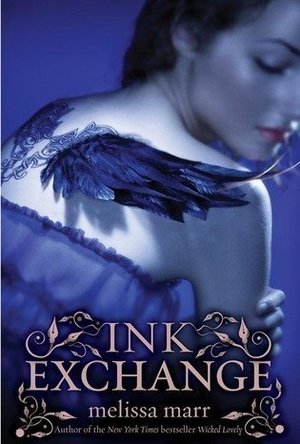


The second book in the Wicked Lovely series is decidely darker than the first book, especially as it focuses on the Dark Court. A major plot point is Leslie's struggles to deal with how her brother and father have fallen off the "deep end" and the rape that her brother allowed to happen to her. She believes a tattoo will allow her to reclaim her body as her own and stop being afraid, but the tattoo she chooses has unimaginable consequences as she becomes entangled into the drama of the faery courts that her best friend Aislinn belongs to.
I like the change in main characters, as we get to see this world through other characters' eyes as well as learn about different aspects that Keenan or Aislinn may not be familiar with. I had a difficult time finding a character to really love, as all three of the main characters, Leslie, Irial, and Niall, all seemed to have major faults that I had a hard time getting around. The theme for this book seemed to be the darker side of humanity and how deeply entrenched people can get into the "gray" area of life, while still believing that they are not doing anything wrong. Irial wants to only use Leslie, just as he has for every other mortal, but then he falls for her. Leslie wants to be her own person and hates her brother for his druggie lifestyle, but then becomes an addict just like Ren. Niall has shunned the Dark Court for all it stands for, even denying his own nature, but then wants Leslie so bad that he unknowingly uses what he is and what the Dark Court is about to try and lure her to him. In a word, they all behave like hypocrites, but Marr is such a good writer, that I find myself feeling sorry for all of them at some point. While in many fantasy genre works, the female lead often has to choose between two guys, Marr takes a completely unpredictable approach, and I think that I like this ending the best of all possibilities. Plus, since this is only the second book in a series, there is potential for Leslie to change her mind in the long run as she becomes more comfortable in her own skin.
The way that Marr approaches the horrific trauma that Leslie endured prior to this book's beginning is handled very delicately, as it should be. It is never really described in detail what exactly happens to her, and it is mostly left up to the reader's imagination, which I think is a smart move in that girls who have been in a situation similar to Leslie's can relate to her and feel like they have a voice in her words and thoughts. This alone is what makes this book both poignant and powerful. The fact that both males vying for her affection try to rescue her from this trauma in his own way is what redeems both of them for me.
Politics run heavy in this series, and while I am not really a fan of politics in real life, fantasy books often make it much more interesting, Marr's writing being no exception. The dynamics between the faery courts are quite intriguing and I think they seem to balance one another out well, even though at first glance it might seem like some should be kept over others. I find myself constantly wondering about the High Court and its Queen, Sorcha, which I can look forward to in the third installment in the series, Fragile Eternity (Wicked Lovely).
I like the change in main characters, as we get to see this world through other characters' eyes as well as learn about different aspects that Keenan or Aislinn may not be familiar with. I had a difficult time finding a character to really love, as all three of the main characters, Leslie, Irial, and Niall, all seemed to have major faults that I had a hard time getting around. The theme for this book seemed to be the darker side of humanity and how deeply entrenched people can get into the "gray" area of life, while still believing that they are not doing anything wrong. Irial wants to only use Leslie, just as he has for every other mortal, but then he falls for her. Leslie wants to be her own person and hates her brother for his druggie lifestyle, but then becomes an addict just like Ren. Niall has shunned the Dark Court for all it stands for, even denying his own nature, but then wants Leslie so bad that he unknowingly uses what he is and what the Dark Court is about to try and lure her to him. In a word, they all behave like hypocrites, but Marr is such a good writer, that I find myself feeling sorry for all of them at some point. While in many fantasy genre works, the female lead often has to choose between two guys, Marr takes a completely unpredictable approach, and I think that I like this ending the best of all possibilities. Plus, since this is only the second book in a series, there is potential for Leslie to change her mind in the long run as she becomes more comfortable in her own skin.
The way that Marr approaches the horrific trauma that Leslie endured prior to this book's beginning is handled very delicately, as it should be. It is never really described in detail what exactly happens to her, and it is mostly left up to the reader's imagination, which I think is a smart move in that girls who have been in a situation similar to Leslie's can relate to her and feel like they have a voice in her words and thoughts. This alone is what makes this book both poignant and powerful. The fact that both males vying for her affection try to rescue her from this trauma in his own way is what redeems both of them for me.
Politics run heavy in this series, and while I am not really a fan of politics in real life, fantasy books often make it much more interesting, Marr's writing being no exception. The dynamics between the faery courts are quite intriguing and I think they seem to balance one another out well, even though at first glance it might seem like some should be kept over others. I find myself constantly wondering about the High Court and its Queen, Sorcha, which I can look forward to in the third installment in the series, Fragile Eternity (Wicked Lovely).
<i>I received this book for free through Goodreads First Reads.</i>
From the moment the great storm of 1987 almost blew six-year-old Nick Hunt away, he has had the urge to travel. So many travel books are on the market, it is difficult to produce something new and exciting, but after coming across an interesting map of Europe, Hunt was determined to go on a journey that not many have attempted before. With a map listing the named winds of Europe, Hunt sets off on a quixotic quest to follow the winds.
Beginning in the Pennine Mountains, Nick Hunt takes the reader on a personal journey through the continent as he explores the towns and valleys the winds flow through whilst hoping the elusive tempests will occur so that he can experience them himself. With a mix of euphoria and disappointment, Hunt details his arduous journey providing additional knowledge along the way.
Some winds are more evanescent than others – one, discouragingly, not appearing at all – whereas one is so strong, Hunt witnesses a waterfall being blown upwards. Ignoring the warnings of the locals, Hunt, dead set on completing what he intended to do, takes us on a long walk from Italy to Croatia, a trek through the Alpine valleys of Switzerland, and a final expedition to the south of France.
Wind may seem like an odd topic to write a book about, but the Helm, Bora, Foehn and Mistral are no ordinary breezes. Their violence makes Hunt’s journey a dangerous and daring endeavour and is full of stories about past disasters that have occurred as a result of the strong, temperamental weather.
As well as teaching us about these four winds, Nick Hunt has collected facts and stories about the general areas he passes through. Personal stories of the inhabitants break up Hunt’s narrative, however, myths, legends, history and superstitions frequent the lengthy chapters as much as the winds themselves.
Giving wind a name provides it with a personality, as though it is something tangible that can be met and observed. Nick Hunt notes that artists such as Turner and Constable were interested in the weather and fascinated by the effects the wind had on the surrounding landscape. Another artist that was affected by the weather was Vincent Van Gogh - some of his paintings took place in France in the midst of the powerful Mistral. Just as the wind can be seen in his starry night skies, the scenery in France is evocative of a Van Gogh painting.
The winds do not only affect the lands they blow through, they have a strong impact on the wellbeing of the inhabitants. Some experience physical symptoms such as headaches, nose bleeds, dry skin and so forth, whereas others find themselves growing irritable, depressed and confused. The author himself has the opportunity to undergo the effects of these winds. Hunt also puts forward the suggestion that Van Gogh’s deteriorating mental health was a direct consequence of residing in the path of the Mistral.
From witchcraft to the Greek god Aeolus, there are a number of theories about why these strong winds blow. There are, of course, meteorological explanations, which Hunt attempts to explain, but admits he finds it as baffling as the next person. Regardless of the reason, these winds exist and it is captivating to learn about this aspect of Europe.
<i>Where the Wild Winds Are: Walking Europe’s Winds from the Pennines to Provence</i> is a fantastic, beautifully written book. Nick Hunt’s narrative is so personal that it becomes more than a travel documentation or informative non-fiction. As we read, we really get a sense of the emotions and physical hardship Hunt experienced, yet, at the same time, learn so much about European culture as well as, of course, Europe’s winds. Whether or not you are interested in travelling, this book will take you on a journey you will never forget.
From the moment the great storm of 1987 almost blew six-year-old Nick Hunt away, he has had the urge to travel. So many travel books are on the market, it is difficult to produce something new and exciting, but after coming across an interesting map of Europe, Hunt was determined to go on a journey that not many have attempted before. With a map listing the named winds of Europe, Hunt sets off on a quixotic quest to follow the winds.
Beginning in the Pennine Mountains, Nick Hunt takes the reader on a personal journey through the continent as he explores the towns and valleys the winds flow through whilst hoping the elusive tempests will occur so that he can experience them himself. With a mix of euphoria and disappointment, Hunt details his arduous journey providing additional knowledge along the way.
Some winds are more evanescent than others – one, discouragingly, not appearing at all – whereas one is so strong, Hunt witnesses a waterfall being blown upwards. Ignoring the warnings of the locals, Hunt, dead set on completing what he intended to do, takes us on a long walk from Italy to Croatia, a trek through the Alpine valleys of Switzerland, and a final expedition to the south of France.
Wind may seem like an odd topic to write a book about, but the Helm, Bora, Foehn and Mistral are no ordinary breezes. Their violence makes Hunt’s journey a dangerous and daring endeavour and is full of stories about past disasters that have occurred as a result of the strong, temperamental weather.
As well as teaching us about these four winds, Nick Hunt has collected facts and stories about the general areas he passes through. Personal stories of the inhabitants break up Hunt’s narrative, however, myths, legends, history and superstitions frequent the lengthy chapters as much as the winds themselves.
Giving wind a name provides it with a personality, as though it is something tangible that can be met and observed. Nick Hunt notes that artists such as Turner and Constable were interested in the weather and fascinated by the effects the wind had on the surrounding landscape. Another artist that was affected by the weather was Vincent Van Gogh - some of his paintings took place in France in the midst of the powerful Mistral. Just as the wind can be seen in his starry night skies, the scenery in France is evocative of a Van Gogh painting.
The winds do not only affect the lands they blow through, they have a strong impact on the wellbeing of the inhabitants. Some experience physical symptoms such as headaches, nose bleeds, dry skin and so forth, whereas others find themselves growing irritable, depressed and confused. The author himself has the opportunity to undergo the effects of these winds. Hunt also puts forward the suggestion that Van Gogh’s deteriorating mental health was a direct consequence of residing in the path of the Mistral.
From witchcraft to the Greek god Aeolus, there are a number of theories about why these strong winds blow. There are, of course, meteorological explanations, which Hunt attempts to explain, but admits he finds it as baffling as the next person. Regardless of the reason, these winds exist and it is captivating to learn about this aspect of Europe.
<i>Where the Wild Winds Are: Walking Europe’s Winds from the Pennines to Provence</i> is a fantastic, beautifully written book. Nick Hunt’s narrative is so personal that it becomes more than a travel documentation or informative non-fiction. As we read, we really get a sense of the emotions and physical hardship Hunt experienced, yet, at the same time, learn so much about European culture as well as, of course, Europe’s winds. Whether or not you are interested in travelling, this book will take you on a journey you will never forget.