
Search

TwoNav GPS: Premium
Navigation and Sports
App
TwoNav brings you the best GPS application for smartphones, featuring dual navigation to ensure...

Gareth von Kallenbach (980 KP) rated Indiana Jones and the Kingdom of the Crystal Skull (2008) in Movies
Aug 14, 2019
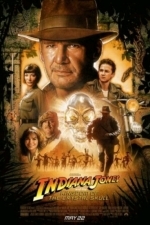


After 17 years away from the big screen, Indiana Jones has dusted off his trusty fedora and bullwhip in one of the most eagerly awaited returns to the screen in cinema history. Harrison Ford once again plays the rough and rugged archeologist who is as equally adept in the classroom as he is in the depths of an ancient trap laden chamber.
In “Indiana Jones and the Kingdom of the Crystal Skull”, audience are re-introduced to Jones, who is by now an older, and wiser man who spent the years of WWII as a special operative which earned him not only the rank of Colonel, but numerous medals and citations.
The film opens with a group of bad guys forcing Indiana to locate an object from a gigantic storage area in the infamous Area 51. Since Jones was part of a team that examined said object nearly a decade earlier, his services are greatly desired, and he is forced to play along with his captors.
Of course Indiana Jones is still a man of action, and soon turns the tables on his captors in a daring and humor filled action sequence that quickly answers those that doubted Ford could pull off his charismatic character in his 60’s.
The events of the situation do not go unnoticed by the U.S. government who suspect Jones of collaborating with the enemy, and in the Red Scare America of the 1950’s Jones soon finds himself suspended from his teaching position and looking to head overseas.
As Indy’s train heads out of town, he is approached by a motorcycle riding messenger who says his name is Mutt (Shia LaBeouf), and he has been sent to find Indy by a former college of Indy’s Professor Oxle (John Hurt). Intrigued, Jones listens to the tale Mutt tells him that people have kidnapped Oxley and his mother, and he shows him a letter that Oxley instructed him to pass along to Indy should anything happen to him.
Before Indy can dig further into the mystery, he and Mutt are accosted by thugs and after a daring race through traffic on Mutt’s motorcycle, find themselves on a plane to South America in search of Oxley and Mutt’s mother as well as the fabled Crystal Skull that legend says will grant amazing powers to anyone who returns it to the fabled Golden City.
Thinking that his old friend Oxley may have succeeded where Indy was unable to many years earlier, Jones takes up the cause of locating the fabled artifact and the city as he believes that they are also the keys to locating his missing friend. The film really slows down here and devotes a good amount of time to advancing the story and characters and thanks to the amazingly detailed sets and enjoyable characters; you may find yourself not minding the change of pace.
Of course there are plenty of bad guys to add to the mix, including the evil Irinia Spalko (Cate Blanchett), who is leading a team of Russian soldiers who also have designs on the skull, as it would give them the power to read and control the minds of the leaders the world over, amongst other powers that would be used for their aggressive agendas.
What follows is an effects-laden adventure leading to a grand finale that is not as spectacular as past films in the series, but enjoyable nonetheless. When the action comes it is solid, and while some of it seems to be a retread of some of the classic moments of the series, it does deliver enough thrills to keep fans happy. There are some very welcome moments in the film such as a nice tribute to Sean Connery and the Late Denholm Elliot as well as a cleverly placed cameo early in the film during the warehouse fight.
Shia LaBeouf is an interesting addition to the series and his scenes with Ford are very enjoyable. They have a natural chemistry and do not seem forced like the Short Round character from “Indiana Jones and the Temple of Doom”. I was also very happy to see Karen Allen return to the series as Marion Ravenwood. She has truly proven to be the only love interest in the series that truly measures up to Indy, and her fiery temper with a girl next door charm is the perfect foil for Jones.
The effects in the film are not groundbreaking, but solid, however some may find that the films plot is a bit to complex and takes too long to setup. There were funny moments in the film to go along with the action and viewers who pay close attention will catch some very subtle nods to other moments in the series.
I was pleased with the sets in the film as Director Steven Speilberg and Producer George Lucas clearly paid attention to details in the look of the film. The tombs and exotic chambers depicted in the film had a very immersive nature to them much the same way that classic Disneyland rides like Pirates of the Caribbean and The Haunted Mansion place guests right in the middle of the spooky and exotic locales. From cobwebs, skeletons, and insects and well as treasures galore, it was like being in on the adventure with Indy.
The series does have some life in it and while the film does not measure up with the first film in the series, I would say it is on par with “Temple of Doom” and was for me, more enjoyable than “The Last Crusade.” The film leaves the door open for yet another adventure, and if comments from Speilberg and Lucas are to be taken seriously, we may see the beloved archeologist back on the big screen in the not too distant future.
In “Indiana Jones and the Kingdom of the Crystal Skull”, audience are re-introduced to Jones, who is by now an older, and wiser man who spent the years of WWII as a special operative which earned him not only the rank of Colonel, but numerous medals and citations.
The film opens with a group of bad guys forcing Indiana to locate an object from a gigantic storage area in the infamous Area 51. Since Jones was part of a team that examined said object nearly a decade earlier, his services are greatly desired, and he is forced to play along with his captors.
Of course Indiana Jones is still a man of action, and soon turns the tables on his captors in a daring and humor filled action sequence that quickly answers those that doubted Ford could pull off his charismatic character in his 60’s.
The events of the situation do not go unnoticed by the U.S. government who suspect Jones of collaborating with the enemy, and in the Red Scare America of the 1950’s Jones soon finds himself suspended from his teaching position and looking to head overseas.
As Indy’s train heads out of town, he is approached by a motorcycle riding messenger who says his name is Mutt (Shia LaBeouf), and he has been sent to find Indy by a former college of Indy’s Professor Oxle (John Hurt). Intrigued, Jones listens to the tale Mutt tells him that people have kidnapped Oxley and his mother, and he shows him a letter that Oxley instructed him to pass along to Indy should anything happen to him.
Before Indy can dig further into the mystery, he and Mutt are accosted by thugs and after a daring race through traffic on Mutt’s motorcycle, find themselves on a plane to South America in search of Oxley and Mutt’s mother as well as the fabled Crystal Skull that legend says will grant amazing powers to anyone who returns it to the fabled Golden City.
Thinking that his old friend Oxley may have succeeded where Indy was unable to many years earlier, Jones takes up the cause of locating the fabled artifact and the city as he believes that they are also the keys to locating his missing friend. The film really slows down here and devotes a good amount of time to advancing the story and characters and thanks to the amazingly detailed sets and enjoyable characters; you may find yourself not minding the change of pace.
Of course there are plenty of bad guys to add to the mix, including the evil Irinia Spalko (Cate Blanchett), who is leading a team of Russian soldiers who also have designs on the skull, as it would give them the power to read and control the minds of the leaders the world over, amongst other powers that would be used for their aggressive agendas.
What follows is an effects-laden adventure leading to a grand finale that is not as spectacular as past films in the series, but enjoyable nonetheless. When the action comes it is solid, and while some of it seems to be a retread of some of the classic moments of the series, it does deliver enough thrills to keep fans happy. There are some very welcome moments in the film such as a nice tribute to Sean Connery and the Late Denholm Elliot as well as a cleverly placed cameo early in the film during the warehouse fight.
Shia LaBeouf is an interesting addition to the series and his scenes with Ford are very enjoyable. They have a natural chemistry and do not seem forced like the Short Round character from “Indiana Jones and the Temple of Doom”. I was also very happy to see Karen Allen return to the series as Marion Ravenwood. She has truly proven to be the only love interest in the series that truly measures up to Indy, and her fiery temper with a girl next door charm is the perfect foil for Jones.
The effects in the film are not groundbreaking, but solid, however some may find that the films plot is a bit to complex and takes too long to setup. There were funny moments in the film to go along with the action and viewers who pay close attention will catch some very subtle nods to other moments in the series.
I was pleased with the sets in the film as Director Steven Speilberg and Producer George Lucas clearly paid attention to details in the look of the film. The tombs and exotic chambers depicted in the film had a very immersive nature to them much the same way that classic Disneyland rides like Pirates of the Caribbean and The Haunted Mansion place guests right in the middle of the spooky and exotic locales. From cobwebs, skeletons, and insects and well as treasures galore, it was like being in on the adventure with Indy.
The series does have some life in it and while the film does not measure up with the first film in the series, I would say it is on par with “Temple of Doom” and was for me, more enjoyable than “The Last Crusade.” The film leaves the door open for yet another adventure, and if comments from Speilberg and Lucas are to be taken seriously, we may see the beloved archeologist back on the big screen in the not too distant future.

Bob Mann (459 KP) rated The Mauritanian (2021) in Movies
Apr 14, 2021
Great acting from all four leads, especially Tahar Rahim (2 more)
Great use of screen ratios for flashbacks
Very thought provoking
War crimes don't just happen on the battlefield
It’s 2001. Bush and Rumsfeld seek vengeance on the perpetrators of 9/11. Quite right too. But rounding up hundreds of suspects and incarcerating them for years, without charge, in Guantánamo Bay in Cuba was an appalling act for a supposedly first-world country.
“The Mauritanian” then is the true story of one such unfortunate – Mohamedou Ould Slahi, played by Tahar Rahim. We first join Slahi at a family wedding in Nouakchott (good “Pointless” answer for the capital of Mauritania people!). ‘Invited for questioning’ by the American authorities, we next see Slahi in the Cuban stronghold.
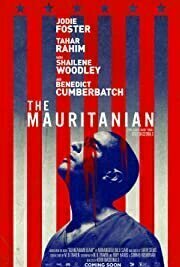
Pro-bono lawyer Nancy Hollander (Jodie Foster) becomes a pariah by picking up his defence. Supporting her is assistant Teri Duncan (Shailene Woodley). Hollander is very formal and professionally aloof, not assuming his guilt or innocence. After meeting the man, and assuming his innocence, Duncan though is more emotionally involved. The man opposing them at trial is US Army prosecutor Stuart Couch (Benedict Cumberbatch). Couch, having lost one of his best friends aboard the South Tower plane, has an axe to grind.
As the pair battle unseen forces for access to documentation, they uncover more and more of the truth about life in Guantánamo Bay.
Positives:
- I've not read the book so I found the story gripping. As the related legal information is divulged, the movie drip-feeds flashbacks of Slahia's story, which is clever.
- Acting wise, "The Mauritanian" has top notch stuff. Tahir Rahim is excellent as Slahia. He portrays charismatic and confident businessman, brought down to earth with a bump. Not recognizing him with an Oscar nomination feels like a minor crime. He will have to make do with the BAFTA nomination. Also brilliant is Jodie Foster. As the illustrious Mrs Movie Man pointed out, it's so nice to see an actress acting her age with confidence. The ever-watchable Shailene Woodley is also great, especially in a dramatic 'dismissal' scene. She adds some much needed warmth to the legal team. The southern drawl from Cumberbatch is a bit of a surprise and takes some getting used to. But it's still a strong performance from him.
- After ranting on last time at Zack Snyder's use of 4:3 screen ratios in "Justice League", here is an intelligent use of the technique. The film is in 16:9 ratio, but then pivots to 4:3 for all of the Guantanamo flashback scenes, reflecting the claustrophobia of Slahia's position.
- Real-life footage over the closing titles is absolutely fascinating.
Negatives:
- I personally didn't find this a particular negative, but I went into the film knowing it to be a "legal drama". So there would be lots of scenes, as in "The Trial of the Chicago 7", with courtroom debate and gavel-banging, right? Actually, there is almost none of that. Most of the legal action is in terms of the preparation of the case and the paperwork involved. (If this makes the movie sound excruciatingly dull... think again!)
- The Guantanamo story ends quite abruptly (with the above-mentioned jolt), and left me wanting to see more of the intervening time. It's not often that I complain about a film running too short, but here is one where just a little of "the Snyder treatment" might have been welcomed!
Additional Note for the squeamish: For those worried about seeing distressing scenes of torture (e.g. Fingernail extraction, etc), these are - although disturbing - more of the "psychological torment" type. So those of a squeamish disposition can still watch this one.
Summary Thoughts:
The fact that "The Mauritanian" is a true story hammers home just what the US has been up to over the last 20 years. War crimes are not only committed on the battlefield.
Director Kevin Macdonald is no stranger to documentaries ("Touching the Void", "Whitney"). He's also proved adept at bringing gripping true stories to the screen (having previously given us "The Last King of Scotland"). Here, the emotional journeys of the key characters are well observed making the movie 'highly recommended'.
For the full One Mann's Movies review see here - https://bob-the-movie-man.com/2021/04/09/the-mauritanian-america-are-you-squirming-with-embarrassment/
“The Mauritanian” then is the true story of one such unfortunate – Mohamedou Ould Slahi, played by Tahar Rahim. We first join Slahi at a family wedding in Nouakchott (good “Pointless” answer for the capital of Mauritania people!). ‘Invited for questioning’ by the American authorities, we next see Slahi in the Cuban stronghold.
Pro-bono lawyer Nancy Hollander (Jodie Foster) becomes a pariah by picking up his defence. Supporting her is assistant Teri Duncan (Shailene Woodley). Hollander is very formal and professionally aloof, not assuming his guilt or innocence. After meeting the man, and assuming his innocence, Duncan though is more emotionally involved. The man opposing them at trial is US Army prosecutor Stuart Couch (Benedict Cumberbatch). Couch, having lost one of his best friends aboard the South Tower plane, has an axe to grind.
As the pair battle unseen forces for access to documentation, they uncover more and more of the truth about life in Guantánamo Bay.
Positives:
- I've not read the book so I found the story gripping. As the related legal information is divulged, the movie drip-feeds flashbacks of Slahia's story, which is clever.
- Acting wise, "The Mauritanian" has top notch stuff. Tahir Rahim is excellent as Slahia. He portrays charismatic and confident businessman, brought down to earth with a bump. Not recognizing him with an Oscar nomination feels like a minor crime. He will have to make do with the BAFTA nomination. Also brilliant is Jodie Foster. As the illustrious Mrs Movie Man pointed out, it's so nice to see an actress acting her age with confidence. The ever-watchable Shailene Woodley is also great, especially in a dramatic 'dismissal' scene. She adds some much needed warmth to the legal team. The southern drawl from Cumberbatch is a bit of a surprise and takes some getting used to. But it's still a strong performance from him.
- After ranting on last time at Zack Snyder's use of 4:3 screen ratios in "Justice League", here is an intelligent use of the technique. The film is in 16:9 ratio, but then pivots to 4:3 for all of the Guantanamo flashback scenes, reflecting the claustrophobia of Slahia's position.
- Real-life footage over the closing titles is absolutely fascinating.
Negatives:
- I personally didn't find this a particular negative, but I went into the film knowing it to be a "legal drama". So there would be lots of scenes, as in "The Trial of the Chicago 7", with courtroom debate and gavel-banging, right? Actually, there is almost none of that. Most of the legal action is in terms of the preparation of the case and the paperwork involved. (If this makes the movie sound excruciatingly dull... think again!)
- The Guantanamo story ends quite abruptly (with the above-mentioned jolt), and left me wanting to see more of the intervening time. It's not often that I complain about a film running too short, but here is one where just a little of "the Snyder treatment" might have been welcomed!
Additional Note for the squeamish: For those worried about seeing distressing scenes of torture (e.g. Fingernail extraction, etc), these are - although disturbing - more of the "psychological torment" type. So those of a squeamish disposition can still watch this one.
Summary Thoughts:
The fact that "The Mauritanian" is a true story hammers home just what the US has been up to over the last 20 years. War crimes are not only committed on the battlefield.
Director Kevin Macdonald is no stranger to documentaries ("Touching the Void", "Whitney"). He's also proved adept at bringing gripping true stories to the screen (having previously given us "The Last King of Scotland"). Here, the emotional journeys of the key characters are well observed making the movie 'highly recommended'.
For the full One Mann's Movies review see here - https://bob-the-movie-man.com/2021/04/09/the-mauritanian-america-are-you-squirming-with-embarrassment/

Hazel (1853 KP) rated He Walks Among Us: Encounters with Christ in a Broken World in Books
Dec 17, 2018

<b>Synopsis</b>
Richard Stearns is the president of World Vision United States who, along with his wife Reneé, regularly visits the poorer countries of our world to see the ways the charity is helping to change people's lives. <i>He Walks Among Us</i> is a compilation of short thoughts and observations (two-to-three pages, including photographs) they have both had while conducting their work. As they alternate the writing, we are given opinions and experiences that we may be able to relate to our own. As Richard is the president of the organisation, he can give an insight into the way World Vision works, however, he can also express his opinions as a father, grandfather and believer in Christ. Reneé is also a World Vision worker, but due to her nature, gives a more maternal impression of the scenes she witnesses.
The individuals written about in this book come from all over the world. Most are located in Africa, but there are also similar stories in Asia, South and North America, and even Eastern Europe. The terrors these people have faced are shocking (AIDs, war, sexual abuse, natural disasters etc), but each family has been aided in some way by World Vision and their donors.
The purpose of <i>He Walks Among Us</i> is not to promote World Vision, but to encourage us to let God and Jesus into our lives. Richard and Reneé assume their readers are Christians, however, they realise that being a Christian does not equate to fully accepting God's plans. The victims of war, rape, and poverty mentioned have also been touched by Jesus. Many did not know him before World Vision came into their lives, but they have now been transformed through the power of his love - although their situation may not have significantly improved.
The actual stories used to illustrate the work of World Vision are only brief mentions, providing the bare bones of the situations. What Richard and Reneé have focused on is linking these lives, their lives and our lives to passages from the Bible. Either taken literally or metaphorically, the pair manage to relate everything to the actions and fates of a number of key Biblical characters. This emphasises that Our Lord is walking among us, giving life, peace, hope and steadfast faith.
<b>Ideas</b>
Giving someone new hope or purpose in their life can be related to Jesus raising Lazarus from the dead. Whether people are literally dying, or on the edge of hopelessness and despair, improving their situation can turn their lives around.
The donors and workers at World Vision are like the Good Samaritan in Jesus' parable. We do not know these people, know their religion or circumstances, yet we send money and aid. To do nothing would make us the Priest or Levite in the story.
David was only a young boy when he had to face Goliath, yet, against all odds, he defeated him. The children mentioned in this book are similar to David. They each have their metaphorical Goliath's: poverty, illness, loss of parents, war, hunger etc, but with God working through us, these can be overcome.
<b>Noteworthy Bible Verses</b>
Each chapter of the book begins with a Bible verse, and often more are included within the text. Here are a few that really relate to the work of World Vision and the ways in which we can involve ourselves:
Philippians 4:12-13
Luke 21:3-4
Luke 6:20-21
Psalm 23:4
<b>Statistics</b>
23 million people in sub-Sahara Africa are suffering from HIV.
In Soviet-controlled Georgia, churches were banned. Some villages are only just seeing their first church in over 400 years.
20 thousand children under the age of 5 die every day.
Every 4 seconds a child under 5 dies.
Over 2 billion people in the world are living on $2 or less a day.
1 billion people have no access to clean drinking water.
41% of the population in Niger have no clean water.
<b>Citations</b>
Helen Keller: "So much has been given to me, I have no time to ponder over that which is denied."
Oswald Chambers: "The great hindrance in spiritual life is that we will look for big things to do. Jesus took a towel ... and began to wash the disciples' feet."
Mother Theresa: "I am a pencil in the hand of a writing God who is sending a love letter to the world."
C.S. Lewis: "Humility is not thinking less of yourself but thinking of yourself less."
<b>Other Mentions</b>
Hymn - Frances R. Havergal, <i>Take my Life and let it be.</i>
Film - <i>Pushing the Elephant</i>
Richard Stearns is the president of World Vision United States who, along with his wife Reneé, regularly visits the poorer countries of our world to see the ways the charity is helping to change people's lives. <i>He Walks Among Us</i> is a compilation of short thoughts and observations (two-to-three pages, including photographs) they have both had while conducting their work. As they alternate the writing, we are given opinions and experiences that we may be able to relate to our own. As Richard is the president of the organisation, he can give an insight into the way World Vision works, however, he can also express his opinions as a father, grandfather and believer in Christ. Reneé is also a World Vision worker, but due to her nature, gives a more maternal impression of the scenes she witnesses.
The individuals written about in this book come from all over the world. Most are located in Africa, but there are also similar stories in Asia, South and North America, and even Eastern Europe. The terrors these people have faced are shocking (AIDs, war, sexual abuse, natural disasters etc), but each family has been aided in some way by World Vision and their donors.
The purpose of <i>He Walks Among Us</i> is not to promote World Vision, but to encourage us to let God and Jesus into our lives. Richard and Reneé assume their readers are Christians, however, they realise that being a Christian does not equate to fully accepting God's plans. The victims of war, rape, and poverty mentioned have also been touched by Jesus. Many did not know him before World Vision came into their lives, but they have now been transformed through the power of his love - although their situation may not have significantly improved.
The actual stories used to illustrate the work of World Vision are only brief mentions, providing the bare bones of the situations. What Richard and Reneé have focused on is linking these lives, their lives and our lives to passages from the Bible. Either taken literally or metaphorically, the pair manage to relate everything to the actions and fates of a number of key Biblical characters. This emphasises that Our Lord is walking among us, giving life, peace, hope and steadfast faith.
<b>Ideas</b>
Giving someone new hope or purpose in their life can be related to Jesus raising Lazarus from the dead. Whether people are literally dying, or on the edge of hopelessness and despair, improving their situation can turn their lives around.
The donors and workers at World Vision are like the Good Samaritan in Jesus' parable. We do not know these people, know their religion or circumstances, yet we send money and aid. To do nothing would make us the Priest or Levite in the story.
David was only a young boy when he had to face Goliath, yet, against all odds, he defeated him. The children mentioned in this book are similar to David. They each have their metaphorical Goliath's: poverty, illness, loss of parents, war, hunger etc, but with God working through us, these can be overcome.
<b>Noteworthy Bible Verses</b>
Each chapter of the book begins with a Bible verse, and often more are included within the text. Here are a few that really relate to the work of World Vision and the ways in which we can involve ourselves:
Philippians 4:12-13
Luke 21:3-4
Luke 6:20-21
Psalm 23:4
<b>Statistics</b>
23 million people in sub-Sahara Africa are suffering from HIV.
In Soviet-controlled Georgia, churches were banned. Some villages are only just seeing their first church in over 400 years.
20 thousand children under the age of 5 die every day.
Every 4 seconds a child under 5 dies.
Over 2 billion people in the world are living on $2 or less a day.
1 billion people have no access to clean drinking water.
41% of the population in Niger have no clean water.
<b>Citations</b>
Helen Keller: "So much has been given to me, I have no time to ponder over that which is denied."
Oswald Chambers: "The great hindrance in spiritual life is that we will look for big things to do. Jesus took a towel ... and began to wash the disciples' feet."
Mother Theresa: "I am a pencil in the hand of a writing God who is sending a love letter to the world."
C.S. Lewis: "Humility is not thinking less of yourself but thinking of yourself less."
<b>Other Mentions</b>
Hymn - Frances R. Havergal, <i>Take my Life and let it be.</i>
Film - <i>Pushing the Elephant</i>

Chris Sawin (602 KP) rated Up (2009) in Movies
Jun 22, 2019
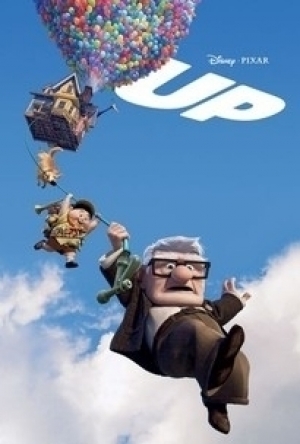

Carl Fredricksen is a balloon salesman who has always wanted to have that one big adventure ever since he was a little boy. As a boy, he idolized the then famous explorer, Charles Muntz. He's now 78-years-old and the odds are against him in having that adventure this late in his life until one fateful day. When Carl is left with no other option than to leave his home, he ties thousands of balloons to his house and literally floats away. He heads to South America just like a certain special someone who used to be in Carl's life would've wanted it. A wilderness explorer named Russell who's looking to get his "helping the elderly" badge is accidentally brought along on Carl's adventure. Carl soon figures out that even though keeping his word and going on an adventure he promised to take (crossed his heart) is something to be proud of, that particular adventure will eventually end and he'll have to rummage out on his own.
Pixar always seems to release one of the best films each and every year. This year is no exception. Up is able to take its audience through so many ups and downs throughout its running time. It makes your heart heavy in the first ten to fifteen minutes before the actual story begins, then the rest of the film seems to juggle its audience between humor, excitement, and being genuinely heartfelt. Pixar films seem to have this ability to accomplish more than other films. The writing is always extremely solid and the film is always built around an incredibly creative idea. It's like a Pixar film holds your emotions in the palm of its hand. Every emotion you have is a labeled button on the remote in this imaginary hand and Pixar can access these emotions at the simple push of a button. In fact, Pixar is at its strongest when there is no dialogue at all. The first half of WALL-E is a perfect example, but the short shown before Up (Partly Cloudy) is another great example. There's no dialogue at all, but my eyes were welling up before it was all said and done. When the credits roll to a Pixar film, a sense of fulfillment washes over its viewers. They're left with that warm fuzzy feeling that many films only dream of leaving their audience with.
There's nothing else that can really be said about the animation in this film that people aren't already expecting. It's top notch as the animation is fluid, character features (such as hair) look realistic (Carl grows a five o'clock shadow by the time the third day in Paradise Falls rolls around), and everything is just so colorful and vibrant. While knowing full well it's an animated feature, characters seem to jump off the screen and scenery looks like what would be found in actual wildlife. The 3-D was a nice touch, but isn't necessary to enjoying the film to its full extent. Although seeing 3-D animated characters in a 3-D world in actual 3-D really seemed to fit like a glove.
Each character is given just the right amount of screen time in the film to make its audience really care about them. Russell has this whole back story as to why he wants his "helping the elderly" badge, "Kevin" (the giant, colorful snipe) really just squawks and makes weird noises but is actually just trying to get home to serve its real purpose, and Dug (the dog with the collar that enables it to talk) is the outcast of his pack but pretty much steals whatever scene he is in. The whole story is built around Carl, so caring about him is pretty much a given after that heartbreaking opening that was mentioned earlier. The whole film is filled with oddball characters that all have their own quirks and gags (SQUIRREL!) that you really want nothing more than to see more of each and every one of them.
Up is one of the year's best films and will more than likely be on most best of lists by the time this year comes to a close. It is a family film, but it generally has something to offer for everybody. It is definitely the type of film to see to put anyone in a better mood and put a smile on your face. Up is a whimsical and heartwarming animated feature that's incredibly fun for anyone.
Pixar always seems to release one of the best films each and every year. This year is no exception. Up is able to take its audience through so many ups and downs throughout its running time. It makes your heart heavy in the first ten to fifteen minutes before the actual story begins, then the rest of the film seems to juggle its audience between humor, excitement, and being genuinely heartfelt. Pixar films seem to have this ability to accomplish more than other films. The writing is always extremely solid and the film is always built around an incredibly creative idea. It's like a Pixar film holds your emotions in the palm of its hand. Every emotion you have is a labeled button on the remote in this imaginary hand and Pixar can access these emotions at the simple push of a button. In fact, Pixar is at its strongest when there is no dialogue at all. The first half of WALL-E is a perfect example, but the short shown before Up (Partly Cloudy) is another great example. There's no dialogue at all, but my eyes were welling up before it was all said and done. When the credits roll to a Pixar film, a sense of fulfillment washes over its viewers. They're left with that warm fuzzy feeling that many films only dream of leaving their audience with.
There's nothing else that can really be said about the animation in this film that people aren't already expecting. It's top notch as the animation is fluid, character features (such as hair) look realistic (Carl grows a five o'clock shadow by the time the third day in Paradise Falls rolls around), and everything is just so colorful and vibrant. While knowing full well it's an animated feature, characters seem to jump off the screen and scenery looks like what would be found in actual wildlife. The 3-D was a nice touch, but isn't necessary to enjoying the film to its full extent. Although seeing 3-D animated characters in a 3-D world in actual 3-D really seemed to fit like a glove.
Each character is given just the right amount of screen time in the film to make its audience really care about them. Russell has this whole back story as to why he wants his "helping the elderly" badge, "Kevin" (the giant, colorful snipe) really just squawks and makes weird noises but is actually just trying to get home to serve its real purpose, and Dug (the dog with the collar that enables it to talk) is the outcast of his pack but pretty much steals whatever scene he is in. The whole story is built around Carl, so caring about him is pretty much a given after that heartbreaking opening that was mentioned earlier. The whole film is filled with oddball characters that all have their own quirks and gags (SQUIRREL!) that you really want nothing more than to see more of each and every one of them.
Up is one of the year's best films and will more than likely be on most best of lists by the time this year comes to a close. It is a family film, but it generally has something to offer for everybody. It is definitely the type of film to see to put anyone in a better mood and put a smile on your face. Up is a whimsical and heartwarming animated feature that's incredibly fun for anyone.
The Escape Manifesto: Quit Your Corporate Job - Do Something Different!
Book
Rob, Dom and Mikey were fed up with the corporate treadmill. When they decided to change careers,...

Becs (244 KP) rated A Raisin in the Sun in Books
Oct 2, 2019
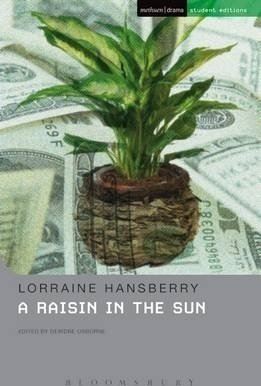

They honestly need more books like this. When my husband found out that I was getting A Raisin in the Sun by Lorraine Hansberry, he grew excited and he never does that unless it’s a science-related book. That was when I knew I was going to like this beautiful novel. When I started to read it, I rushed through it. Not in a “I just want to finish this book” way, more like “I FREAKING LOVE THIS BOOK AND I DON’T EVER WANT IT TO END” way. That says something, right?
A Raisin in the Sun by Lorraine Hansberry
Genre: Literary Classic, Play, Drama, Fiction
Synopsis: First produced in 1959, A Raisin in the Sun was awarded the New York Drama Critics Circle Award and hailed as a watershed in American drama. Not only a pioneering work by an African-American playwright – Lorraine Hansberry’s play was also a radically new representation of black life, resolutely authentic, fiercely unsentimental, and unflinching in its vision of what happens to people whose dreams are constantly deferred. In her portrait of an embattled Chicago family, Hansberry anticapted issues that range from generational clashes to the civil rights and women’s movements. She also posed the essential questions – about identity, justice, and moral responsibility – at the heart of those great struggles. The result is an American classic.
Audience/Reading Level: Middle School +
Interests: Plays, dramas, literary classics, racial segregation, women’s movement, 50s era.
Point of View: Third Person Omniscient
Difficulty Reading: Not at all, I rushed through it because I loved it so much! As in some of Shakespeares plays, you don’t get stuck on the general language of the era it was written, as it’s written close to a book you would get from this era.
Promise: “Award-winning drama of the hopes and aspirations of a struggling, working-class family living on the South Side of Chicago connected profoundly with the psyche of black America–and changed American theater forever.” – It did. 🙂
Insights: I love reading plays as it’s a way to step out of a comfort zone of reading Young Adult novels. It gives me a chance to dip into my theater/acting side and use what I’ve learned from theatre classes. A Raisin in the Sun is a well-written American classic that honestly should be read in every school from middle school and up. The lessens that are taught throughout the play are subtle yet obvious which creates a background that we can use in our every day life.
Ah-Ha Moment: The moment that Beneatha came into the picture and was a total feminist. Man, she’s my favorite character besides Mama (Lena Younger) and her little plant.
Favorite Quotes: “Beneatha: Love him? There is nothing left to love. Mama: There is always something left to love. And if you ain’t learned that, you ain’t learned nothing. (Looking at her) Have you cried for that boy today? I don’t mean for yourself and for the family ’cause we lost the money. I mean for him: what he been through and what it done to him. Child, when do you think is the time to love somebody the most? When they done good and made things easy for everybody? Well then, you ain’t through learning – because that ain’t the time at all. It’s when he’s at his lowest and can’t believe in hisself ’cause the world done whipped him so! when you starts measuring somebody, measure him right, child, measure him right. Make sure you done taken into account what hills and valleys he come through before he got to wherever he is.”
“Mama, you don’t understand. It’s all a matter of ideas, and God is just one idea I don’t acept. It’s not important. I am not going out and commit crimes or be immoral because I don’t believe in God. I don’t even think about it. It’s just that I get so tired of Him getting credit for all the things the human race achieves through its own stubborn effort. There simply is no God! There is only Man, and it’s he who makes miracles!”
What will you gain: A haunting yet revealing play that will be as fresh of a read today, as it was in the 50’s.
Aesthetics: The entire play. The cover. The characters. The underlying meaning beneath it all. The era it was written and is based off of. Just everything about this little book.
“I want to fly! I want to touch the sun!”
“Finish your eggs first.”
A Raisin in the Sun by Lorraine Hansberry
Genre: Literary Classic, Play, Drama, Fiction
Synopsis: First produced in 1959, A Raisin in the Sun was awarded the New York Drama Critics Circle Award and hailed as a watershed in American drama. Not only a pioneering work by an African-American playwright – Lorraine Hansberry’s play was also a radically new representation of black life, resolutely authentic, fiercely unsentimental, and unflinching in its vision of what happens to people whose dreams are constantly deferred. In her portrait of an embattled Chicago family, Hansberry anticapted issues that range from generational clashes to the civil rights and women’s movements. She also posed the essential questions – about identity, justice, and moral responsibility – at the heart of those great struggles. The result is an American classic.
Audience/Reading Level: Middle School +
Interests: Plays, dramas, literary classics, racial segregation, women’s movement, 50s era.
Point of View: Third Person Omniscient
Difficulty Reading: Not at all, I rushed through it because I loved it so much! As in some of Shakespeares plays, you don’t get stuck on the general language of the era it was written, as it’s written close to a book you would get from this era.
Promise: “Award-winning drama of the hopes and aspirations of a struggling, working-class family living on the South Side of Chicago connected profoundly with the psyche of black America–and changed American theater forever.” – It did. 🙂
Insights: I love reading plays as it’s a way to step out of a comfort zone of reading Young Adult novels. It gives me a chance to dip into my theater/acting side and use what I’ve learned from theatre classes. A Raisin in the Sun is a well-written American classic that honestly should be read in every school from middle school and up. The lessens that are taught throughout the play are subtle yet obvious which creates a background that we can use in our every day life.
Ah-Ha Moment: The moment that Beneatha came into the picture and was a total feminist. Man, she’s my favorite character besides Mama (Lena Younger) and her little plant.
Favorite Quotes: “Beneatha: Love him? There is nothing left to love. Mama: There is always something left to love. And if you ain’t learned that, you ain’t learned nothing. (Looking at her) Have you cried for that boy today? I don’t mean for yourself and for the family ’cause we lost the money. I mean for him: what he been through and what it done to him. Child, when do you think is the time to love somebody the most? When they done good and made things easy for everybody? Well then, you ain’t through learning – because that ain’t the time at all. It’s when he’s at his lowest and can’t believe in hisself ’cause the world done whipped him so! when you starts measuring somebody, measure him right, child, measure him right. Make sure you done taken into account what hills and valleys he come through before he got to wherever he is.”
“Mama, you don’t understand. It’s all a matter of ideas, and God is just one idea I don’t acept. It’s not important. I am not going out and commit crimes or be immoral because I don’t believe in God. I don’t even think about it. It’s just that I get so tired of Him getting credit for all the things the human race achieves through its own stubborn effort. There simply is no God! There is only Man, and it’s he who makes miracles!”
What will you gain: A haunting yet revealing play that will be as fresh of a read today, as it was in the 50’s.
Aesthetics: The entire play. The cover. The characters. The underlying meaning beneath it all. The era it was written and is based off of. Just everything about this little book.
“I want to fly! I want to touch the sun!”
“Finish your eggs first.”
Gareth von Kallenbach (980 KP) rated the PC version of Shadow Of The Tomb Raider in Video Games
Aug 14, 2019
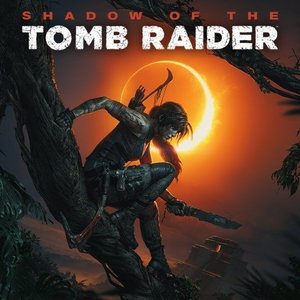

It’s hard to believe that Lara Croft made her first appearance in a video game all the way back in 1996. Featuring cutting edge 3D polygon graphics and gameplay that would often be duplicated but never replicated, the game would go on to sell a whopping 7 million copies. Since that time there have been numerous sequels, culminating in a complete re-envisioning of the franchise in 2013. The new era of Lara Croft explores her origin story and how she ultimately became one of the toughest female characters to grace a PC or console screen.
Shadow of the Tomb Raider is the third installment in the reboot of the franchise. Lara is no longer a naïve, explorer in training, who struggles with the idea, much less the actual action, of killing a human being. The years have made her a more seasoned (and possibly more ruthless) tomb raider, and she has now blossomed into the badass character that she is known for. Her adventures will take her deep into Mexico and South America, where she is trying to stop the apocalypse that she had accidently set in motion when she acquired an ancient dagger. What follows is roughly a 12+ hour main story and several hours’ worth of side missions that help flesh out the story and the world around her. The best part is that the story has all the excitement and thrills you would get if you took an Indiana Jones movie and added some of the Mel Gibson drama Apocalypto, so buckle up and enjoy the ride.
Shadow of the Tomb Raider adds the social interaction that was largely missing in the previous installments. While there are still plenty of times when Lara will be out on her own, searching through ruins or trekking through the jungle, there are now several civilizations that Lara will be interacting with. Her adventures will take her to the ancient city of Paititi, where most of her interactions will be with the locals and the main antagonists to the trilogy, Trinity. It’s in the interactions where we really get to see Lara question not only her beliefs but also her actions when acquiring ancient artifacts. Many of the discussions revolve around what will happen if outsiders come and try to change their standard of living or force their own wills on the natives. These discussions cause Lara to reevaluate what she does for a living, and how her own actions have an impact far greater than she even realizes. The inclusion of so much interaction with other people brings a whole new dimension to the Tomb Raider world and it entrenches you in the story in a way that battling even the most dangerous tombs never could.
One of the most interesting levels in the game takes you back in time to when Lara was just a young girl. You get the opportunity to experience the world through the innocence of a child, and her own imagination as she explores her father’s mansion. It provides an interesting look into the events that would unfold during her impressionable years, and also helps to offer some additional insight into what drives her as an adult. It’s in this level, where you finally understand what fuels her desire and continues to push her forward.
Gameplay is largely the same as the previous titles, but they did add a few new interesting ways to traverse some of the more difficult terrain, such as the ability to rappel down cliffs or using a pick axe to traverse cave ceilings. Climbing, jumping and swinging are all handled very intuitively using the controller. Yes, there were times where I felt I was doing the right thing and fell to my death anyway, but at no time did I feel overly frustrated or blame the tight controls for my own missteps.
Swimming and diving play a far bigger role in Shadow than in the previous games. Long, deep caverns will require you to swim and find pockets of air to keep from drowning. There are even a few sequences where you will need to swim through plants to avoid the various eels and piranha that will kill you, and swimming through the plants is just as easy as it sounds. Thankfully I never felt these sequences played on for too long and they certainly added diversity to the levels. While generally swimming and diving in video games tend to be an exercise in frustration, I never felt that was the case here.
Stealth also plays a bigger role in this game and adds another key to your survival. The original 1996 game focused on your dual pistol wielding abilities to get you out of jams and in this game, you are rewarded with a subtler approach. Taking a nod from games such as Horizon Zero Dawn, you will now have plenty of opportunities for Lara to crouch in large grassy fields or cover herself in mud and hide amongst the vines and cliff walls to surprise and take down her enemies. You can now overcome many adversities utilizing only stealth, but don’t worry, if you prefer more upfront action, there are still the obligatory pistols, shotguns and machine guns you can use to dispatch foes. Stealth is just an added way to ensure that Lara saves her bullets for far bigger threats down the road.
Now for everyone’s favorite part…the tombs! What would Tomb Raider be without tombs and the challenges that come along with them? As you may have already guessed, all sorts of puzzles and booby traps await you on your journey. I found they kept a nice balance between challenging and entertaining and thankfully none of them were so obscure that you need to break out Google to overcome them. Another great addition to the game is that the player can now individually adjust the difficulty on puzzles and on combat. That means if you love combat but not the puzzles you can adjust them independently, which is something I wish far more games would take advantage of. Either way, there are plenty of challenging tombs where you can flex your tomb raiding muscles.
As your adventure progresses you will earn skill points that allow you to upgrade Lara with new abilities. There are three skill trees, each containing many different skills, where Lara can spend her points. The three trees are broken down into Seeker, Warrior and Scavenger and Lara can be upgraded when she arrives at a basecamp. A few of these upgraded skills are longer swim times, multiple stealth takedowns, and the ability to shoot two enemies simultaneously. It’s always exciting to upgrade your character and see how the gameplay changes with new your abilities. This game is no exception and the upgrades you choose can really enhance your experience.
Graphically, Lara has never looked better. I played the game on my Xbox One X in 4K and the environments were awe inspiring. The lush jungle almost jumps off the screen and the character models are some of the best I’ve seen in recent memory. Of course, all this beauty wouldn’t mean much if there were stutters and lags and thankfully I never noticed a single frame drop while playing the game in all its 4K glory. Shadow of the Tomb Raider feels like you are part of a high budget, summer blockbuster and at times it was difficult to determine the difference between a cutscene or live game play (in a “wow, this is incredible!” way). The acting was also top notch and Camilla Luddington once again does an outstanding job delivering her lines, even making some of the corniest statements endearing. Every aspect of this game is the best of the best and you will be hard pressed to find an area of the game that was lacking.
Shadow of the Tomb Raider in an amazing accomplishment and easily my favorite game of the series. I’d even go as far as saying that I enjoyed it more than Uncharted 2, which is a true testament to how much I loved this game. Not only does the story have a heart and completely engages the player but it’s thrilling and there is non-stop adventure until the very end. While this certainly could be the last game in the rebooted series, I truly hope it’s not as I already want to play another. I highly recommend picking this game up. As soon as you knock over your first pot, you will be happy that you did!
What I liked: Stunning graphics, Incredible voice acting, Blockbuster feel
What I liked less: Occasional areas where it was unclear where to go next
Shadow of the Tomb Raider is the third installment in the reboot of the franchise. Lara is no longer a naïve, explorer in training, who struggles with the idea, much less the actual action, of killing a human being. The years have made her a more seasoned (and possibly more ruthless) tomb raider, and she has now blossomed into the badass character that she is known for. Her adventures will take her deep into Mexico and South America, where she is trying to stop the apocalypse that she had accidently set in motion when she acquired an ancient dagger. What follows is roughly a 12+ hour main story and several hours’ worth of side missions that help flesh out the story and the world around her. The best part is that the story has all the excitement and thrills you would get if you took an Indiana Jones movie and added some of the Mel Gibson drama Apocalypto, so buckle up and enjoy the ride.
Shadow of the Tomb Raider adds the social interaction that was largely missing in the previous installments. While there are still plenty of times when Lara will be out on her own, searching through ruins or trekking through the jungle, there are now several civilizations that Lara will be interacting with. Her adventures will take her to the ancient city of Paititi, where most of her interactions will be with the locals and the main antagonists to the trilogy, Trinity. It’s in the interactions where we really get to see Lara question not only her beliefs but also her actions when acquiring ancient artifacts. Many of the discussions revolve around what will happen if outsiders come and try to change their standard of living or force their own wills on the natives. These discussions cause Lara to reevaluate what she does for a living, and how her own actions have an impact far greater than she even realizes. The inclusion of so much interaction with other people brings a whole new dimension to the Tomb Raider world and it entrenches you in the story in a way that battling even the most dangerous tombs never could.
One of the most interesting levels in the game takes you back in time to when Lara was just a young girl. You get the opportunity to experience the world through the innocence of a child, and her own imagination as she explores her father’s mansion. It provides an interesting look into the events that would unfold during her impressionable years, and also helps to offer some additional insight into what drives her as an adult. It’s in this level, where you finally understand what fuels her desire and continues to push her forward.
Gameplay is largely the same as the previous titles, but they did add a few new interesting ways to traverse some of the more difficult terrain, such as the ability to rappel down cliffs or using a pick axe to traverse cave ceilings. Climbing, jumping and swinging are all handled very intuitively using the controller. Yes, there were times where I felt I was doing the right thing and fell to my death anyway, but at no time did I feel overly frustrated or blame the tight controls for my own missteps.
Swimming and diving play a far bigger role in Shadow than in the previous games. Long, deep caverns will require you to swim and find pockets of air to keep from drowning. There are even a few sequences where you will need to swim through plants to avoid the various eels and piranha that will kill you, and swimming through the plants is just as easy as it sounds. Thankfully I never felt these sequences played on for too long and they certainly added diversity to the levels. While generally swimming and diving in video games tend to be an exercise in frustration, I never felt that was the case here.
Stealth also plays a bigger role in this game and adds another key to your survival. The original 1996 game focused on your dual pistol wielding abilities to get you out of jams and in this game, you are rewarded with a subtler approach. Taking a nod from games such as Horizon Zero Dawn, you will now have plenty of opportunities for Lara to crouch in large grassy fields or cover herself in mud and hide amongst the vines and cliff walls to surprise and take down her enemies. You can now overcome many adversities utilizing only stealth, but don’t worry, if you prefer more upfront action, there are still the obligatory pistols, shotguns and machine guns you can use to dispatch foes. Stealth is just an added way to ensure that Lara saves her bullets for far bigger threats down the road.
Now for everyone’s favorite part…the tombs! What would Tomb Raider be without tombs and the challenges that come along with them? As you may have already guessed, all sorts of puzzles and booby traps await you on your journey. I found they kept a nice balance between challenging and entertaining and thankfully none of them were so obscure that you need to break out Google to overcome them. Another great addition to the game is that the player can now individually adjust the difficulty on puzzles and on combat. That means if you love combat but not the puzzles you can adjust them independently, which is something I wish far more games would take advantage of. Either way, there are plenty of challenging tombs where you can flex your tomb raiding muscles.
As your adventure progresses you will earn skill points that allow you to upgrade Lara with new abilities. There are three skill trees, each containing many different skills, where Lara can spend her points. The three trees are broken down into Seeker, Warrior and Scavenger and Lara can be upgraded when she arrives at a basecamp. A few of these upgraded skills are longer swim times, multiple stealth takedowns, and the ability to shoot two enemies simultaneously. It’s always exciting to upgrade your character and see how the gameplay changes with new your abilities. This game is no exception and the upgrades you choose can really enhance your experience.
Graphically, Lara has never looked better. I played the game on my Xbox One X in 4K and the environments were awe inspiring. The lush jungle almost jumps off the screen and the character models are some of the best I’ve seen in recent memory. Of course, all this beauty wouldn’t mean much if there were stutters and lags and thankfully I never noticed a single frame drop while playing the game in all its 4K glory. Shadow of the Tomb Raider feels like you are part of a high budget, summer blockbuster and at times it was difficult to determine the difference between a cutscene or live game play (in a “wow, this is incredible!” way). The acting was also top notch and Camilla Luddington once again does an outstanding job delivering her lines, even making some of the corniest statements endearing. Every aspect of this game is the best of the best and you will be hard pressed to find an area of the game that was lacking.
Shadow of the Tomb Raider in an amazing accomplishment and easily my favorite game of the series. I’d even go as far as saying that I enjoyed it more than Uncharted 2, which is a true testament to how much I loved this game. Not only does the story have a heart and completely engages the player but it’s thrilling and there is non-stop adventure until the very end. While this certainly could be the last game in the rebooted series, I truly hope it’s not as I already want to play another. I highly recommend picking this game up. As soon as you knock over your first pot, you will be happy that you did!
What I liked: Stunning graphics, Incredible voice acting, Blockbuster feel
What I liked less: Occasional areas where it was unclear where to go next