Search

Search only in certain items:

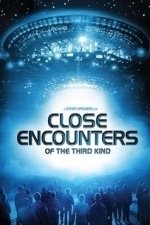
Close Encounters of the Third Kind (1977)
1977 | Action, Mystery, Sci-Fi

"It’s a film like the other two, in a way, which has grown as I’ve grown; it’s changed with me. You think of films as being finished, completed things that never change, but actually they do change — because we change. And so a film like Close Encounters, when I first watched it — when I was much younger — it scared me to death, and now it’s a film that I find intensely moving. It’s an almost spiritual film. Spielberg is just, I think, a genius in being able to tell a very simple story and get to something so complex and profound. I think he does in E.T. as well, to a certain extent, but this one I find one of the most moving films I’ve ever seen."

Source
  
40x40

Guillermo Del Toro recommended Vampyr (1932) in Movies (curated)

 
Vampyr (1932)
Vampyr (1932)
1932 | Horror
7.5 (2 Ratings)
Movie Favorite

"Sheer terror and sheer poetry, but both stem from distinctive medieval traditions. Häxan is the filmic equivalent of a hellish engraving by Bruegel or a painting by Bosch. It’s a strangely titillating record of sin and perversity that is as full of dread as it is of desire and atheistic conviction, and a condemnation of superstition that is morbidly in love with its subject. Vampyr is, strictly speaking, a memento mori, a stern reminder of death as the threshold of spiritual liberation. Like any memento mori, the film enthrones the right morbid imagery (skull, scythe, white limbo) in order to maximize the impact of the beautiful, almost intangible images that conclude it. If only Criterion had acquired my commentary track—sigh—from the UK edition."

Source
  
40x40

Guillermo Del Toro recommended Häxan (1922) in Movies (curated)

 
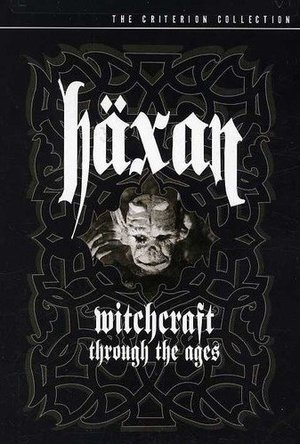
Häxan (1922)
Häxan (1922)
1922 | Documentary, Fantasy, Horror

"Sheer terror and sheer poetry, but both stem from distinctive medieval traditions. Häxan is the filmic equivalent of a hellish engraving by Bruegel or a painting by Bosch. It’s a strangely titillating record of sin and perversity that is as full of dread as it is of desire and atheistic conviction, and a condemnation of superstition that is morbidly in love with its subject. Vampyr is, strictly speaking, a memento mori, a stern reminder of death as the threshold of spiritual liberation. Like any memento mori, the film enthrones the right morbid imagery (skull, scythe, white limbo) in order to maximize the impact of the beautiful, almost intangible images that conclude it. If only Criterion had acquired my commentary track—sigh—from the UK edition."

Source