
Search
Search results

Merissa (14198 KP) rated Ascension (Southern Spirits #7) in Books
Apr 25, 2023
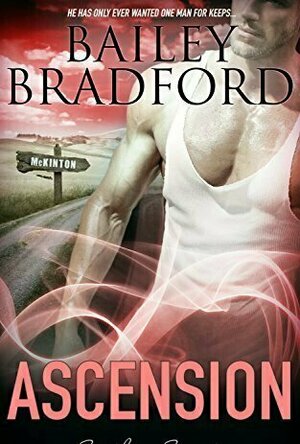
Connor has been the mischievous spirit from Book 1, even when it wasn't the right time or place. So much so, that Sev is very surprised when Connor makes a comment and he is 100% correct about it. It was wonderful to read this part, and I hope that Connor gets the recognition for it, and realises that he doesn't have to be the pesky spirit all the time. Going by the end of the book, he still has that cheeky side but has rounded out other aspects of his personality.
Another aspect of this book that I enjoyed is that Laine, Sev and all the others, are AGING!! Yes, what happens to most people has now caught up to the town of McKinton. Although this is an unexpected twist that usually doesn't appear in books, I really enjoyed this and even enjoyed Connor's stealing of Sev's hair dye and facial creams.
With a supernatural sweet and hot love story, this is perfect for Connor and Ro's happy ending, whilst still leaving it open for more fun and frolics. Don't get me wrong though, this isn't always nice. There is a section about how Ro deals with his mum's death that is hard reading. JD is not a nice person and whilst I wanted him to get his comeuppance, I also understand that it wouldn't have been possible without raking Ro's name through the mud.
A wonderful addition to the series and definitely recommended.
* A copy of this book was provided to me with no requirements for a review. I voluntarily read this book, and the comments here are my honest opinion. *
Merissa
Archaeolibrarian - I Dig Good Books!
Nov 16, 2015
Another aspect of this book that I enjoyed is that Laine, Sev and all the others, are AGING!! Yes, what happens to most people has now caught up to the town of McKinton. Although this is an unexpected twist that usually doesn't appear in books, I really enjoyed this and even enjoyed Connor's stealing of Sev's hair dye and facial creams.
With a supernatural sweet and hot love story, this is perfect for Connor and Ro's happy ending, whilst still leaving it open for more fun and frolics. Don't get me wrong though, this isn't always nice. There is a section about how Ro deals with his mum's death that is hard reading. JD is not a nice person and whilst I wanted him to get his comeuppance, I also understand that it wouldn't have been possible without raking Ro's name through the mud.
A wonderful addition to the series and definitely recommended.
* A copy of this book was provided to me with no requirements for a review. I voluntarily read this book, and the comments here are my honest opinion. *
Merissa
Archaeolibrarian - I Dig Good Books!
Nov 16, 2015

Lyndsey Gollogly (2893 KP) rated Rafael (Anita Blake book 28) in Books
Jan 31, 2022


19 of 230
Book
Rafael (Anita Blake book 28)
By Laurell K Hamilton
Rafael, king of the wererats, must fight to the death to defend his crown. He wants Anita Blake, one of his closest allies, with him as he faces an opponent unlike any he’s faced before. He will ask Anita to risk everything to be at his side....
But some of the wererats fear that Rafael depends too much on Anita and her ties to the vampires. They believe that there is only room in America for one supernatural king, and Rafael will turn them into nothing more than food for the bloodsuckers.
Among his enemies, a new challenger has arisen who is younger, hungrier, and has dark secrets that could destroy both the wererats and the vampires. Rafael will go into the magical heart of his people to find the power and violence that he needs to save them all, or die trying.
Ok so at first I thought oh god here we go again with all the relationship stuff BUT omg I loved it!!!! Rafael has been one of my favourites since book 1 I love him,so getting to know him more in this book was just so special. I loved catching up with Micah too I love that leopard. Anita was back to kicking ass too. Claudia is just brilliant. So much to love in such a short book I loved Anita using powers that we have forgotten she has. I could even stomach Jean Claude and Nathanial in this one as they are not my favourite boys at all unfortunately Asher is still a a massive no for me I would forgive him so fast! Overall the book was really good and finally we get some of the old Anita!
Book
Rafael (Anita Blake book 28)
By Laurell K Hamilton
Rafael, king of the wererats, must fight to the death to defend his crown. He wants Anita Blake, one of his closest allies, with him as he faces an opponent unlike any he’s faced before. He will ask Anita to risk everything to be at his side....
But some of the wererats fear that Rafael depends too much on Anita and her ties to the vampires. They believe that there is only room in America for one supernatural king, and Rafael will turn them into nothing more than food for the bloodsuckers.
Among his enemies, a new challenger has arisen who is younger, hungrier, and has dark secrets that could destroy both the wererats and the vampires. Rafael will go into the magical heart of his people to find the power and violence that he needs to save them all, or die trying.
Ok so at first I thought oh god here we go again with all the relationship stuff BUT omg I loved it!!!! Rafael has been one of my favourites since book 1 I love him,so getting to know him more in this book was just so special. I loved catching up with Micah too I love that leopard. Anita was back to kicking ass too. Claudia is just brilliant. So much to love in such a short book I loved Anita using powers that we have forgotten she has. I could even stomach Jean Claude and Nathanial in this one as they are not my favourite boys at all unfortunately Asher is still a a massive no for me I would forgive him so fast! Overall the book was really good and finally we get some of the old Anita!
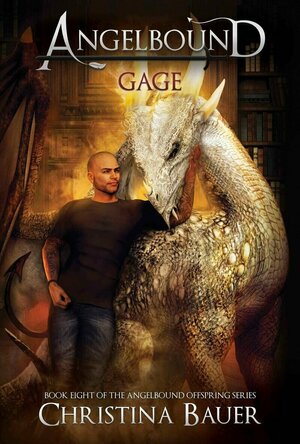
Gage (Angelbound Offspring #8) by Christina Bauer
Book
Gage runs the L’Griffe, AKA the dragon shifter mafia on Earth. Since the human realm has no...
Young Adult Fantasy Series
Merissa (14198 KP) rated The Remembering Tree in Books
Oct 3, 2022
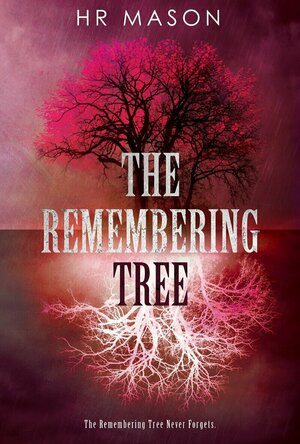
THE REMEMBERING TREE tells a story of magical healing and a belief in God, although it is not overly religious. When Gemma's husband dies, she is left alone, with just her fifteen-year-old daughter. Shortly after, her grandma dies and she is left a home, plus money for renovations, so they move there. Once at Moonstone House, things fall into place and Gemma realises things are not always as they seem.
Although this is listed as supernatural suspense, I would also add romance to that. Whilst not the main part, it does help and support the story move along.
I found this to be a quick and easy read, with the story pretty much going in the direction I thought it would. There are a few coincidences that raised my eyebrows as it seemed rather too easy, but that may just be me.
I was also left with a couple of questions - the main one being why wasn't Gemma named after a jewel? She named her daughter one, and it's what her family was known for, but she wasn't and it never explained why. I wanted to know!
I am probably in the minority here but the last part - the final ending, if you like - didn't do anything for me. In fact, for me, it actually took away from the story. I had enjoyed it up to that point but then felt a little let down.
All in all, this was a great read that I enjoyed and have no hesitation in recommending if you like cosy mysteries with a romantic element.
** same worded review will appear elsewhere **
* A copy of this book was provided to me with no requirements for a review. I voluntarily read this book, and the comments here are my honest opinion. *
Merissa
Archaeolibrarian - I Dig Good Books!
Although this is listed as supernatural suspense, I would also add romance to that. Whilst not the main part, it does help and support the story move along.
I found this to be a quick and easy read, with the story pretty much going in the direction I thought it would. There are a few coincidences that raised my eyebrows as it seemed rather too easy, but that may just be me.
I was also left with a couple of questions - the main one being why wasn't Gemma named after a jewel? She named her daughter one, and it's what her family was known for, but she wasn't and it never explained why. I wanted to know!
I am probably in the minority here but the last part - the final ending, if you like - didn't do anything for me. In fact, for me, it actually took away from the story. I had enjoyed it up to that point but then felt a little let down.
All in all, this was a great read that I enjoyed and have no hesitation in recommending if you like cosy mysteries with a romantic element.
** same worded review will appear elsewhere **
* A copy of this book was provided to me with no requirements for a review. I voluntarily read this book, and the comments here are my honest opinion. *
Merissa
Archaeolibrarian - I Dig Good Books!
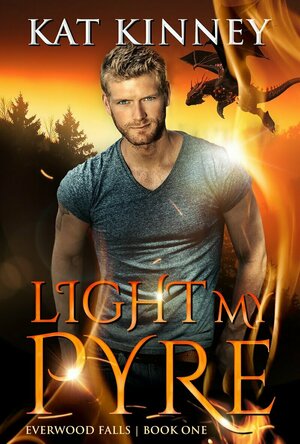
Light My Pyre (Everwood Falls #1)
8.7 Rate It
Book
EVERWOOD FALLS… a small supernatural community tucked up in the Colorado Rockies where witches,...
Paranormal Romance Cozy Mystery
Lyndsey Gollogly (2893 KP) rated Pale Immortal (Land of the Dead 1) in Books
Oct 24, 2023

157 of 235
Kindle
Pale Immortal ( Land of the Dead 1)
By Anne Frasier
⭐️⭐️⭐️
The legend:
A hundred years ago, in what is now called Old Tuonela, a killer known as the Pale Immortal walked the streets. When darkness fell children were rushed inside, doors and windows locked up tight. Some claimed the Pale Immortal bathed in blood, and that blood flooded the streets until the ground became saturated.
Even after the Pale Immortal's reign of terror ended, people were afraid. His death had come too late.
Many claimed the ground was cursed, and so a mass exodus took place. Every single person relocated to a new development five miles from the old one. A better location, they claimed. And prettier. On a bluff overlooking the river. Why had anyone settled at the old place, in such a dark valley?
Let's pretend Old Tuonela doesn't exist. Let's pretend we always lived here, in the new place.
Even though a hundred years has passed, many locals still like to pretend Old Tuonela isn't just beyond the outskirts of town where the softly rolling hills end abruptly, the valleys become dark and deep, and the roads turn back on themselves.
Look closely through the trees and you might see it on the other side of the Tuonela River.
This was different and kept me thinking all the way through about whether it was supernatural or not and if I’m perfectly honest I’m still not sure. The premise is really interesting and I a little confusing in the middle. But overall a really decent read. I do know I need to visit this place though it’s definitely drawn me in.
Kindle
Pale Immortal ( Land of the Dead 1)
By Anne Frasier
⭐️⭐️⭐️
The legend:
A hundred years ago, in what is now called Old Tuonela, a killer known as the Pale Immortal walked the streets. When darkness fell children were rushed inside, doors and windows locked up tight. Some claimed the Pale Immortal bathed in blood, and that blood flooded the streets until the ground became saturated.
Even after the Pale Immortal's reign of terror ended, people were afraid. His death had come too late.
Many claimed the ground was cursed, and so a mass exodus took place. Every single person relocated to a new development five miles from the old one. A better location, they claimed. And prettier. On a bluff overlooking the river. Why had anyone settled at the old place, in such a dark valley?
Let's pretend Old Tuonela doesn't exist. Let's pretend we always lived here, in the new place.
Even though a hundred years has passed, many locals still like to pretend Old Tuonela isn't just beyond the outskirts of town where the softly rolling hills end abruptly, the valleys become dark and deep, and the roads turn back on themselves.
Look closely through the trees and you might see it on the other side of the Tuonela River.
This was different and kept me thinking all the way through about whether it was supernatural or not and if I’m perfectly honest I’m still not sure. The premise is really interesting and I a little confusing in the middle. But overall a really decent read. I do know I need to visit this place though it’s definitely drawn me in.
Merissa (14198 KP) rated The Fortuna Coin in Books
Jan 26, 2022 (Updated Jul 5, 2023)
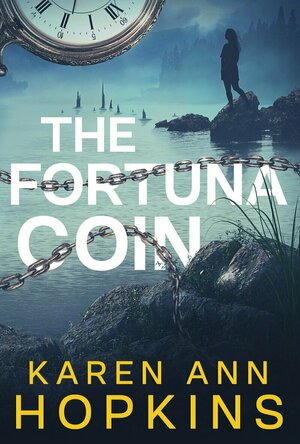

You know how the blurb of a book stirs your interest? And then, if you're really fortunate, the book itself is so much better than anything you could have expected. Well, that was THE FORTUNA COIN for me.
This book is exactly what it says it is about - second chances and domestic violence. It doesn't pretty it up. It's all there, especially in the first few scenes. If you have any kind of triggers wrapped up in domestic violence, please be warned.
We go with Wendy as she time-travels back to the past, the chance to do over her life. She has hard choices to make, and she does them selflessly. It costs her a lot in one way, but she is enriched in another. She makes good friends and has her four daughters, all over again.
I can't say too much without giving away parts of the storyline, but I will say I was completely enthralled. I knew how I wanted Wendy to act, and I hated it when she didn't. But it was all for her reasons, not mine, so I guess it makes sense!
There is so much I want to say but can't, for fear of ruining it for someone else. I read this book in one sitting, unable to put it down. It is a mixture of supernatural, contemporary, romance, and suspense - all delivered with perfect pacing and tension.
This was a fantastic story that I feel lucky enough to have read, and I have no hesitation in highly recommending it! Just watch out for triggers.
** same worded review will appear elsewhere **
* A copy of this book was provided to me with no requirements for a review. I voluntarily read this book, and the comments here are my honest opinion. *
Merissa
Archaeolibrarian - I Dig Good Books!
Jan 26, 2022
This book is exactly what it says it is about - second chances and domestic violence. It doesn't pretty it up. It's all there, especially in the first few scenes. If you have any kind of triggers wrapped up in domestic violence, please be warned.
We go with Wendy as she time-travels back to the past, the chance to do over her life. She has hard choices to make, and she does them selflessly. It costs her a lot in one way, but she is enriched in another. She makes good friends and has her four daughters, all over again.
I can't say too much without giving away parts of the storyline, but I will say I was completely enthralled. I knew how I wanted Wendy to act, and I hated it when she didn't. But it was all for her reasons, not mine, so I guess it makes sense!
There is so much I want to say but can't, for fear of ruining it for someone else. I read this book in one sitting, unable to put it down. It is a mixture of supernatural, contemporary, romance, and suspense - all delivered with perfect pacing and tension.
This was a fantastic story that I feel lucky enough to have read, and I have no hesitation in highly recommending it! Just watch out for triggers.
** same worded review will appear elsewhere **
* A copy of this book was provided to me with no requirements for a review. I voluntarily read this book, and the comments here are my honest opinion. *
Merissa
Archaeolibrarian - I Dig Good Books!
Jan 26, 2022
Lyndsey Gollogly (2893 KP) rated Beguiled ( Betwixt & Between book 3) in Books
Dec 31, 2022
226 of 230
Kindle
Beguiled ( Betwixt & Between book 3)
By Darynda Jones
⭐️⭐️⭐️⭐️⭐️
A Paranormal Women's Fiction with a bit of class, and a lot of sass, for anyone who feels like age is just a number!
Newly indoctrinated witch, Defiance Dayne, discovers there’s more to life after forty than she'd ever imagined possible. Especially if one is a charmling, one of only three in the world, with enough magics to make her a target for every power-hungry warlock out there. When one of them sends a hunter to town, she knows it’s time to take her talents seriously before the hunter takes her life.
She decides she has three things to do before she can die. Find out who killed her beloved grandmother, teach her BFF the finer points of spellcasting before she blows up the world, and figure out how serious her relationship with the Adonis living in her basement really is. If it’s heading in the direction she’s hoping for, she can die happy. Though, admittedly, she’d rather not. Die. Happy or otherwise.
None of that will matter, however, if she can’t figure out how to foil the supernatural assassin who’s been sent for her. Until then, it’s business—and hopefully romance—as usual. Now if she can only figure out how to tame a lacuna wolf.
This author never disappoints! I really am enjoying this series I think it’s quirky and love how it’s a middle aged normal woman as the lead. We see how finding her birth family and her magic changes her life and brings so many new people and adventures. Really worth a read as it’s easy to get into and a fun light read.
Kindle
Beguiled ( Betwixt & Between book 3)
By Darynda Jones
⭐️⭐️⭐️⭐️⭐️
A Paranormal Women's Fiction with a bit of class, and a lot of sass, for anyone who feels like age is just a number!
Newly indoctrinated witch, Defiance Dayne, discovers there’s more to life after forty than she'd ever imagined possible. Especially if one is a charmling, one of only three in the world, with enough magics to make her a target for every power-hungry warlock out there. When one of them sends a hunter to town, she knows it’s time to take her talents seriously before the hunter takes her life.
She decides she has three things to do before she can die. Find out who killed her beloved grandmother, teach her BFF the finer points of spellcasting before she blows up the world, and figure out how serious her relationship with the Adonis living in her basement really is. If it’s heading in the direction she’s hoping for, she can die happy. Though, admittedly, she’d rather not. Die. Happy or otherwise.
None of that will matter, however, if she can’t figure out how to foil the supernatural assassin who’s been sent for her. Until then, it’s business—and hopefully romance—as usual. Now if she can only figure out how to tame a lacuna wolf.
This author never disappoints! I really am enjoying this series I think it’s quirky and love how it’s a middle aged normal woman as the lead. We see how finding her birth family and her magic changes her life and brings so many new people and adventures. Really worth a read as it’s easy to get into and a fun light read.

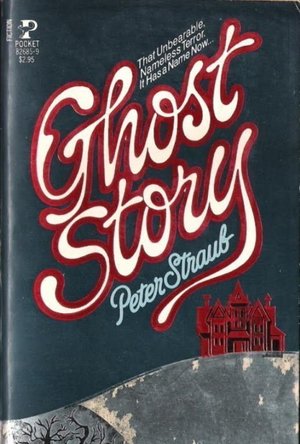
Hadley (567 KP) rated Ghost Story in Books
May 14, 2019

Great story line (1 more)
Great characters
Don Wanderley is a writer who happens to meet a supernatural being, and this meeting causes his life to be turned upside down in the novel 'Ghost Story.' Wanderley's brother and uncle both die of strange circumstances, leading him to seek how their deaths came to be. What Wanderley finds is that they were both infatuated with two women: Alma Mobley and Ann- Veronica Moore; Mobley just so happens to be Don's ex-fiance'.
Even if it seems so, Wanderley is not the main character of this book, instead, we meet four older gentlemen who have been friends the majority of their lives: John, Lewis, Ricky and Sears. The four have created what they like to call 'the Chowder Society,' where they meet up in suit and tie at one of their houses to tell ghost stories. Sears tells one ghost story that will haunt them the rest of the book about his time as a teacher in a rural town known as Elmira: "Well, one of the most dreadful things in my life happened to me there, or it didn't happen and I imagined it all, but anyhow it scared the pants off me and eventually made it impossible for me to stay on. This is the worst story I know, and I've kept it locked up in my mind for fifty years."
After that story, strange things begin to happen in Milburn; a farmer named Elmer Scales, reports that his sheep have been slaughtered by having their throats slit and completely drained of blood, but there are no footprints nor blood stains where the sheep were killed: " 'Their throats were cut,' Elmer said to his wife. 'What did I tell you? Some crazyman's been out here. And -' his voice rose ' - a crazyman who can fly, because he didn't leave no prints.' "
When the reader finds out that the four life long friends have a dark secret that has seem to come back to haunt them, we witness them being killed off by a supernatural force, one by one. This story brings not only a great cast of characters and amazing story telling, but also twist and turns that are not seen from a mile away, like most paranormal thrillers have today.
The supernatural force readers are introduced to is a shape shifter, who takes on forms from a werewolf to a vampire " When he took off the dark glasses his eyes shone a uniform golden yellow. " But the book is not lacking on ghosts, either : "Then she saw a figure moving around out there and Nettie, who understood more than even her sister credited, fearfully watched it approach the house and barn. She uttered a few choked sounds, but knew that Rea would never hear them. The figure came nearer, hauntingly familiar. Nettie was afraid it was the boy from town Rea talked about - that wild boy in a rage that Rea had named him to police. She trembled, watching the figure come nearer across the field, imagining what life would be like if the boy did anything to Rea; and then squawked in terror and nearly tipped over the wheelchair. The man walking toward the barn was her brother Stringer, wearing the brown shirt he'd had on the day he died: it was covered with blood, just as it had been when they'd put him on the table and wrapped him in blankets, but his arms were whole."
The entire story takes place in the town of Milburn, with a few scenes outside of it, but because of this, there are so many secondary characters introduced that the reader may find themselves back tracking through the book just to remember who all of them are. On top of that, a lot of the characters are so much alike, that description can't even help tell who is who. Even our four main characters have similar descriptions, other than girth, that it takes a couple of chapters for readers to put a face to a name. Only some secondary characters become important enough to remember near the end of the book, this including a teenager named Peter.
'Ghost Story' is among the few paranormal books that can stand on it's own. There are scenes of hallucination that out-do those of the top paranormal writers of today. One of the most memorable scenes is with the character Lewis: "Lewis moved back and forth on the floorboards, willing his friends to return with the farmer's car. He did not want to look at the covered shape on the bed; he went to the window. Through the greasepaper he could see only vague orange light.. He glanced back at the sheet. 'Linda, ' he said miserably. " - the scene quickly changes - "He stood in a metal room, with gray metal walls. One light bulb hung from the ceiling. His wife lay under a sheet on a metal table. Lewis leaned over her body and sobbed. 'I won't bury you in the pond,' he said. 'I'll take you into the rose garden.' He touched his wife's lifeless fingers under the sheet and felt them twitch. He recoiled. "
When the ghost story is finally revealed from the main characters' past, pieces of the puzzle begin to fit together. To not give away too much, here is a portion of that story: " 'She said she was lonely,' Ricky said. 'Said she was sick of this damned town and all the hypocrites in it. She wanted to drink and she wanted to dance, and she didn't care who was shocked. Said this dead little town and all its dead little people could go to hell as far as she was concerned. And if we were men and not little boys, we'd damn the town too.' "
While our main characters are being killed off one by one, the town of Milburn is going through an odd blizzard that seems to put everyone on edge: " People settled down in front of the television and ate pizzas from the freezer and prayed that the power lines would stay up; they avoided one another. If you looked outside and saw your next-door neighbor fighting up his lawn to get to his front door, he looked unearthly, transformed by stress into a wild ragged frontier version of himself: you knew he'd damage anyone who threatened to touch his dwindling store of food. He'd been touched by that savage music you had tried to escape, and if he looked through your Thermopane picture window and saw you his eyes were barely human."
Although 'Ghost Story' was published in 1979, it still has a big impact on the way the paranormal genre is written today. Straub not only makes a convincing story line, but he also makes characters that the reader can actually care about. Even when we find out what has been going on in the small town of Milburn, the reader can still feel a very real threat from the supernatural force within it. 'Ghost Story' is by far the best paranormal thriller I have ever read. I highly recommend this book to anyone who believes that the past can come back to haunt you.
For more reviews by me, please check out my blog at goreandtea.com
Even if it seems so, Wanderley is not the main character of this book, instead, we meet four older gentlemen who have been friends the majority of their lives: John, Lewis, Ricky and Sears. The four have created what they like to call 'the Chowder Society,' where they meet up in suit and tie at one of their houses to tell ghost stories. Sears tells one ghost story that will haunt them the rest of the book about his time as a teacher in a rural town known as Elmira: "Well, one of the most dreadful things in my life happened to me there, or it didn't happen and I imagined it all, but anyhow it scared the pants off me and eventually made it impossible for me to stay on. This is the worst story I know, and I've kept it locked up in my mind for fifty years."
After that story, strange things begin to happen in Milburn; a farmer named Elmer Scales, reports that his sheep have been slaughtered by having their throats slit and completely drained of blood, but there are no footprints nor blood stains where the sheep were killed: " 'Their throats were cut,' Elmer said to his wife. 'What did I tell you? Some crazyman's been out here. And -' his voice rose ' - a crazyman who can fly, because he didn't leave no prints.' "
When the reader finds out that the four life long friends have a dark secret that has seem to come back to haunt them, we witness them being killed off by a supernatural force, one by one. This story brings not only a great cast of characters and amazing story telling, but also twist and turns that are not seen from a mile away, like most paranormal thrillers have today.
The supernatural force readers are introduced to is a shape shifter, who takes on forms from a werewolf to a vampire " When he took off the dark glasses his eyes shone a uniform golden yellow. " But the book is not lacking on ghosts, either : "Then she saw a figure moving around out there and Nettie, who understood more than even her sister credited, fearfully watched it approach the house and barn. She uttered a few choked sounds, but knew that Rea would never hear them. The figure came nearer, hauntingly familiar. Nettie was afraid it was the boy from town Rea talked about - that wild boy in a rage that Rea had named him to police. She trembled, watching the figure come nearer across the field, imagining what life would be like if the boy did anything to Rea; and then squawked in terror and nearly tipped over the wheelchair. The man walking toward the barn was her brother Stringer, wearing the brown shirt he'd had on the day he died: it was covered with blood, just as it had been when they'd put him on the table and wrapped him in blankets, but his arms were whole."
The entire story takes place in the town of Milburn, with a few scenes outside of it, but because of this, there are so many secondary characters introduced that the reader may find themselves back tracking through the book just to remember who all of them are. On top of that, a lot of the characters are so much alike, that description can't even help tell who is who. Even our four main characters have similar descriptions, other than girth, that it takes a couple of chapters for readers to put a face to a name. Only some secondary characters become important enough to remember near the end of the book, this including a teenager named Peter.
'Ghost Story' is among the few paranormal books that can stand on it's own. There are scenes of hallucination that out-do those of the top paranormal writers of today. One of the most memorable scenes is with the character Lewis: "Lewis moved back and forth on the floorboards, willing his friends to return with the farmer's car. He did not want to look at the covered shape on the bed; he went to the window. Through the greasepaper he could see only vague orange light.. He glanced back at the sheet. 'Linda, ' he said miserably. " - the scene quickly changes - "He stood in a metal room, with gray metal walls. One light bulb hung from the ceiling. His wife lay under a sheet on a metal table. Lewis leaned over her body and sobbed. 'I won't bury you in the pond,' he said. 'I'll take you into the rose garden.' He touched his wife's lifeless fingers under the sheet and felt them twitch. He recoiled. "
When the ghost story is finally revealed from the main characters' past, pieces of the puzzle begin to fit together. To not give away too much, here is a portion of that story: " 'She said she was lonely,' Ricky said. 'Said she was sick of this damned town and all the hypocrites in it. She wanted to drink and she wanted to dance, and she didn't care who was shocked. Said this dead little town and all its dead little people could go to hell as far as she was concerned. And if we were men and not little boys, we'd damn the town too.' "
While our main characters are being killed off one by one, the town of Milburn is going through an odd blizzard that seems to put everyone on edge: " People settled down in front of the television and ate pizzas from the freezer and prayed that the power lines would stay up; they avoided one another. If you looked outside and saw your next-door neighbor fighting up his lawn to get to his front door, he looked unearthly, transformed by stress into a wild ragged frontier version of himself: you knew he'd damage anyone who threatened to touch his dwindling store of food. He'd been touched by that savage music you had tried to escape, and if he looked through your Thermopane picture window and saw you his eyes were barely human."
Although 'Ghost Story' was published in 1979, it still has a big impact on the way the paranormal genre is written today. Straub not only makes a convincing story line, but he also makes characters that the reader can actually care about. Even when we find out what has been going on in the small town of Milburn, the reader can still feel a very real threat from the supernatural force within it. 'Ghost Story' is by far the best paranormal thriller I have ever read. I highly recommend this book to anyone who believes that the past can come back to haunt you.
For more reviews by me, please check out my blog at goreandtea.com
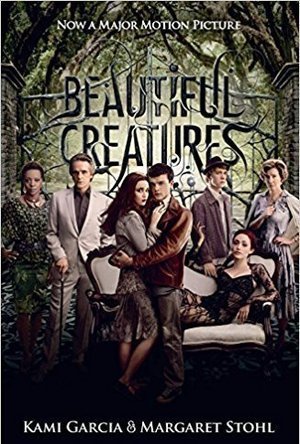
Hadley (567 KP) rated Beautiful Creatures (Caster Chronicles, #1) in Books
Sep 3, 2019
Great story (1 more)
Witches and supernatural beings!
A lot of inconsistencies (1 more)
Bad writing
Given the great success of the 'Harry Potter' series, witchcraft has become a prevalent theme in most books written in the last decade. 'Beautiful Creatures' may not have a wizard school, but they do have the old town of Gatlin, South Carolina.
'Beautiful Creatures,' is a witchy novel series by Kami Garcia and Margaret Stohl, that brings the family of witches (among other supernatural creatures) to life: focusing on the niece, Lena, who just came to town to live with her shut-in uncle, Macon. Readers soon find out that Lena belongs to one of the oldest families in the Southern town of Gatlin.
Yet, the main character of this book isn't Lena, but a young man named Ethan Wate; a long time resident of Gatlin who attends the local high school. When we meet Ethan, we find out that he has been having dreams of a girl and a song for some time before Lena showed up, but when he overhears Lena playing the exact same song from his dream, he's sure it's her he's dreaming of.
Suddenly, the two, are able to communicate telepathically. This part is written in a way that is not believable for the reader because Ethan has been feeling that he is going crazy up until this point: hearing the song being played by Lena caused him to flee the school, as with some other things (not to give away too much), but when he can suddenly speak to Lena telepathically, it's as if this is completely normal to him. A more believable part would have had Ethan freaking out as he did before, maybe even more so.
The story takes a dramatic turn when Ethan finds an old locket out in a garden beside Macon's house. He and Lena are quickly transported to visions of a past event that happened nearby involving that very locket. For most of the book, the two are trying to find out more about this locket and who it belonged to. Each time Ethan and Lena touch the locket together, they are transported to another event in the same vision. They soon find out that the locket belonged to the loved one of a distant relative belonging to Lena's family from 1865. And as the reader continues, this locket and it's visions hold a very important key to the story.
Throughout the story, it's hinted at that Ethan may not just be a human, but may have some supernatural powers of his own, but unfortunately, this never comes to fruition. Being that this is the first of four books, and I have only read this one, the other books may bring light to this subject. Lena, on the other hand, is about to turn sixteen, and turning sixteen in her family means you will be 'claimed.' Lena explains: " 'In my family, when you turn sixteen, you're Claimed. Your fate is chosen for you, and you become Light, like Aunt Del and Reece, or you become Dark, like Ridley. Dark or Light, Black or White. There's no grey in my family. We can't choose, and we can't undo it once we're Claimed. ' " In summary, Lena's family either become good witches (or whatever supernatural being they are) or bad witches (and such). Lena, by family, is considered a Natural at this point, where she can control the weather, write on walls without her hands or a pen,and break glass at will, so they believe she is most likely to be a Light witch, and they try to reinforce this thought into her throughout the entire book.
'Beautiful Creatures' is a great story, but it has quite a few flaws. The flow of the story is good, but when you come across so many inconsistencies, it can break the connection between story and reader, such as Lena suddenly revealing that her family had a word for what they called the telepathic communication between her and Ethan:
" 'Who knew Kelting would save my life.'
I had missed something, as usual. 'What's Kelting?'
'That's what it's called, the way we're able to communicate with each other no matter where we are. Some Casters can Kelt, some can't. Ridley and I used to be able to talk to each other at school that way, but---' ." Up until this scene, the reader is left to believe that this has never happened to Lena before, so to just bring this out so suddenly leaves us to think that this was a quick add-on to give Lena and her sister, Ridley, more of a connection,. Another time is when the popular girls at the local high school have it out for Lena, Lena lets on that she can't face them, but the very next page she's telling Ethan that she has to:
" I tried to pull her up, but she pulled me back down. She shrunk back next to the tire. 'I just need a minute.'
'Are you okay?'
'Look at them. They think I'm a monster. They formed a club.'
'They can't stand outsiders, and you're the new girl. A window broke. They need someone to blame. This is just a ---'
'Witch hunt.'
I wasn't going to say that.
But you were thinking it.
I squeezed her hand and my hair stood on end.
You don't have to do this.
Yes I do. I let people like them run me out of my last school. I'm not going to let it happen again. "
The story continues with Lena fearing that she is going to go Dark, so her and Ethan come across a locket vision of a witchcraft book that may be of help called 'the Book of Moons.' This is, personally, one of my favorite parts of 'Beautiful Creatures' because, in order for them to get the book, they have to go to a specific grave and dig it up! In this very chapter, we get to see a ghost - and this is the only chapter we see a ghost - and it is done wonderfully:
" She was only partially materialized, a mix of cloudy haze and light, fading in and out as the air moved through her ghostly form, but there was no mistaking it. It was Genevieve, the woman in the painting. She had the same golden eyes and long, wavy red hair. Her hair blew gently in the wind, as if she was just a woman sitting on a bench at the bus stop, instead of an apparition sitting on a headstone in a graveyard. She was beautiful, even in her present state, and terrifying at the same time. "
The majority of the story involves Lena's family and Ethan trying everything they can to keep her from being claimed Dark. This seems to be a nod to reality, where all of us have a choice to be a good person or a bad person, but in 'Beautiful Creatures,' the authors play off of the fear that many people have: that they are just like their family, and have no control over who they are or will be. Overall, I believe readers of the 'Harry Potter' series would like this book, but would I read this again, although I gave it a very low rating? Yes, the story is that intriguing, but the writing could use quite a bit of work.
'Beautiful Creatures,' is a witchy novel series by Kami Garcia and Margaret Stohl, that brings the family of witches (among other supernatural creatures) to life: focusing on the niece, Lena, who just came to town to live with her shut-in uncle, Macon. Readers soon find out that Lena belongs to one of the oldest families in the Southern town of Gatlin.
Yet, the main character of this book isn't Lena, but a young man named Ethan Wate; a long time resident of Gatlin who attends the local high school. When we meet Ethan, we find out that he has been having dreams of a girl and a song for some time before Lena showed up, but when he overhears Lena playing the exact same song from his dream, he's sure it's her he's dreaming of.
Suddenly, the two, are able to communicate telepathically. This part is written in a way that is not believable for the reader because Ethan has been feeling that he is going crazy up until this point: hearing the song being played by Lena caused him to flee the school, as with some other things (not to give away too much), but when he can suddenly speak to Lena telepathically, it's as if this is completely normal to him. A more believable part would have had Ethan freaking out as he did before, maybe even more so.
The story takes a dramatic turn when Ethan finds an old locket out in a garden beside Macon's house. He and Lena are quickly transported to visions of a past event that happened nearby involving that very locket. For most of the book, the two are trying to find out more about this locket and who it belonged to. Each time Ethan and Lena touch the locket together, they are transported to another event in the same vision. They soon find out that the locket belonged to the loved one of a distant relative belonging to Lena's family from 1865. And as the reader continues, this locket and it's visions hold a very important key to the story.
Throughout the story, it's hinted at that Ethan may not just be a human, but may have some supernatural powers of his own, but unfortunately, this never comes to fruition. Being that this is the first of four books, and I have only read this one, the other books may bring light to this subject. Lena, on the other hand, is about to turn sixteen, and turning sixteen in her family means you will be 'claimed.' Lena explains: " 'In my family, when you turn sixteen, you're Claimed. Your fate is chosen for you, and you become Light, like Aunt Del and Reece, or you become Dark, like Ridley. Dark or Light, Black or White. There's no grey in my family. We can't choose, and we can't undo it once we're Claimed. ' " In summary, Lena's family either become good witches (or whatever supernatural being they are) or bad witches (and such). Lena, by family, is considered a Natural at this point, where she can control the weather, write on walls without her hands or a pen,and break glass at will, so they believe she is most likely to be a Light witch, and they try to reinforce this thought into her throughout the entire book.
'Beautiful Creatures' is a great story, but it has quite a few flaws. The flow of the story is good, but when you come across so many inconsistencies, it can break the connection between story and reader, such as Lena suddenly revealing that her family had a word for what they called the telepathic communication between her and Ethan:
" 'Who knew Kelting would save my life.'
I had missed something, as usual. 'What's Kelting?'
'That's what it's called, the way we're able to communicate with each other no matter where we are. Some Casters can Kelt, some can't. Ridley and I used to be able to talk to each other at school that way, but---' ." Up until this scene, the reader is left to believe that this has never happened to Lena before, so to just bring this out so suddenly leaves us to think that this was a quick add-on to give Lena and her sister, Ridley, more of a connection,. Another time is when the popular girls at the local high school have it out for Lena, Lena lets on that she can't face them, but the very next page she's telling Ethan that she has to:
" I tried to pull her up, but she pulled me back down. She shrunk back next to the tire. 'I just need a minute.'
'Are you okay?'
'Look at them. They think I'm a monster. They formed a club.'
'They can't stand outsiders, and you're the new girl. A window broke. They need someone to blame. This is just a ---'
'Witch hunt.'
I wasn't going to say that.
But you were thinking it.
I squeezed her hand and my hair stood on end.
You don't have to do this.
Yes I do. I let people like them run me out of my last school. I'm not going to let it happen again. "
The story continues with Lena fearing that she is going to go Dark, so her and Ethan come across a locket vision of a witchcraft book that may be of help called 'the Book of Moons.' This is, personally, one of my favorite parts of 'Beautiful Creatures' because, in order for them to get the book, they have to go to a specific grave and dig it up! In this very chapter, we get to see a ghost - and this is the only chapter we see a ghost - and it is done wonderfully:
" She was only partially materialized, a mix of cloudy haze and light, fading in and out as the air moved through her ghostly form, but there was no mistaking it. It was Genevieve, the woman in the painting. She had the same golden eyes and long, wavy red hair. Her hair blew gently in the wind, as if she was just a woman sitting on a bench at the bus stop, instead of an apparition sitting on a headstone in a graveyard. She was beautiful, even in her present state, and terrifying at the same time. "
The majority of the story involves Lena's family and Ethan trying everything they can to keep her from being claimed Dark. This seems to be a nod to reality, where all of us have a choice to be a good person or a bad person, but in 'Beautiful Creatures,' the authors play off of the fear that many people have: that they are just like their family, and have no control over who they are or will be. Overall, I believe readers of the 'Harry Potter' series would like this book, but would I read this again, although I gave it a very low rating? Yes, the story is that intriguing, but the writing could use quite a bit of work.